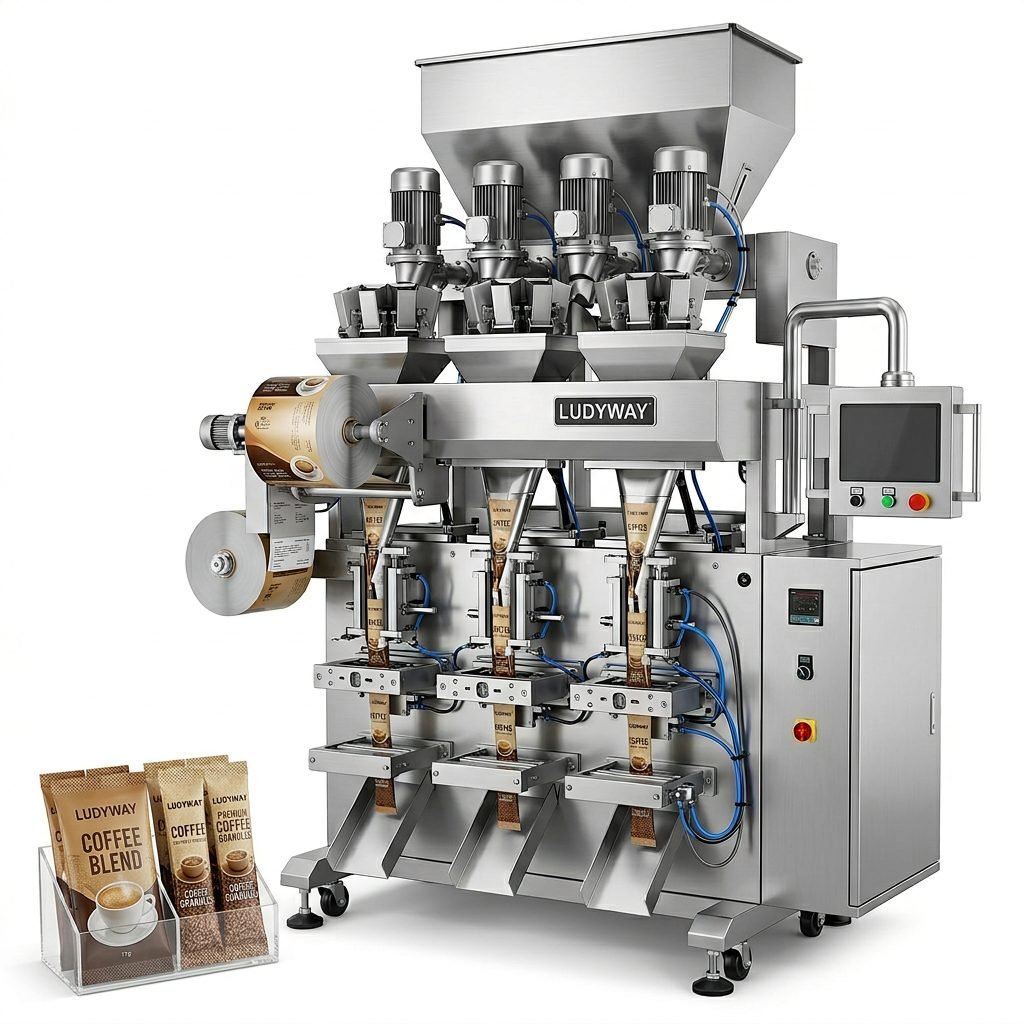
The Southeast Asian food and beverage sector is experiencing unprecedented growth, with the pizza industry emerging as a particularly dynamic segment. As quick-service restaurants, delivery chains, and frozen food brands expand across Indonesia, Thailand, Vietnam, Malaysia, and the Philippines, the demand for high-efficiency pizza packaging solutions has never been greater. Setting up a pizza packaging machine production line in this region requires careful planning, an understanding of local market conditions, and access to the right equipment partners. This guide walks you through every critical step.

Understanding Southeast Asia’s Pizza Market Landscape
Before investing in machinery, it is essential to grasp the unique characteristics of the Southeast Asian pizza market. Unlike Western markets where frozen pizza dominates retail shelves, Southeast Asia shows a strong preference for fresh-delivered and quick-service pizza formats. The region’s tropical climate also introduces specific packaging requirements — moisture resistance, heat tolerance, and extended shelf-life protection are non-negotiable. According to data from the PMMI Business Intelligence Library, flexible packaging demand in Asia-Pacific continues to outpace global averages, driven by convenience food trends.
Key Components of a Pizza Packaging Production Line
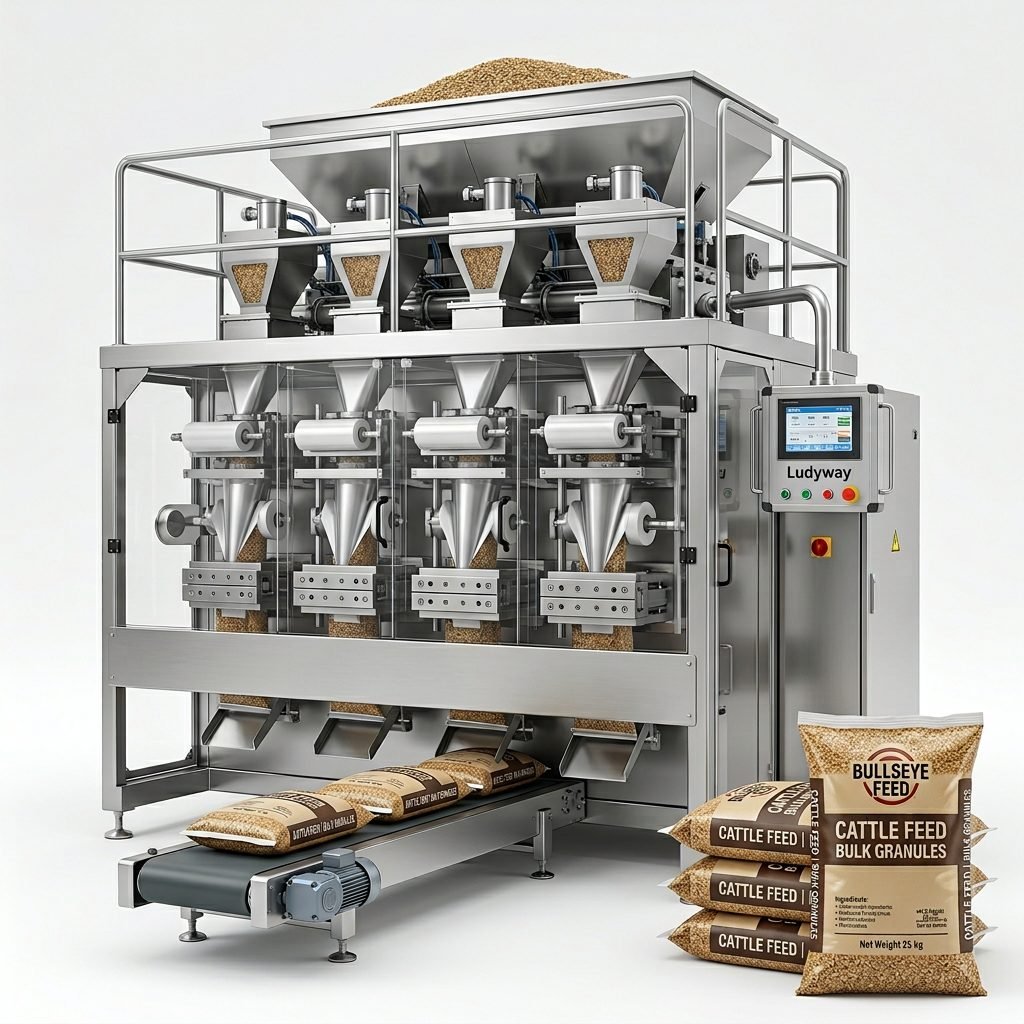
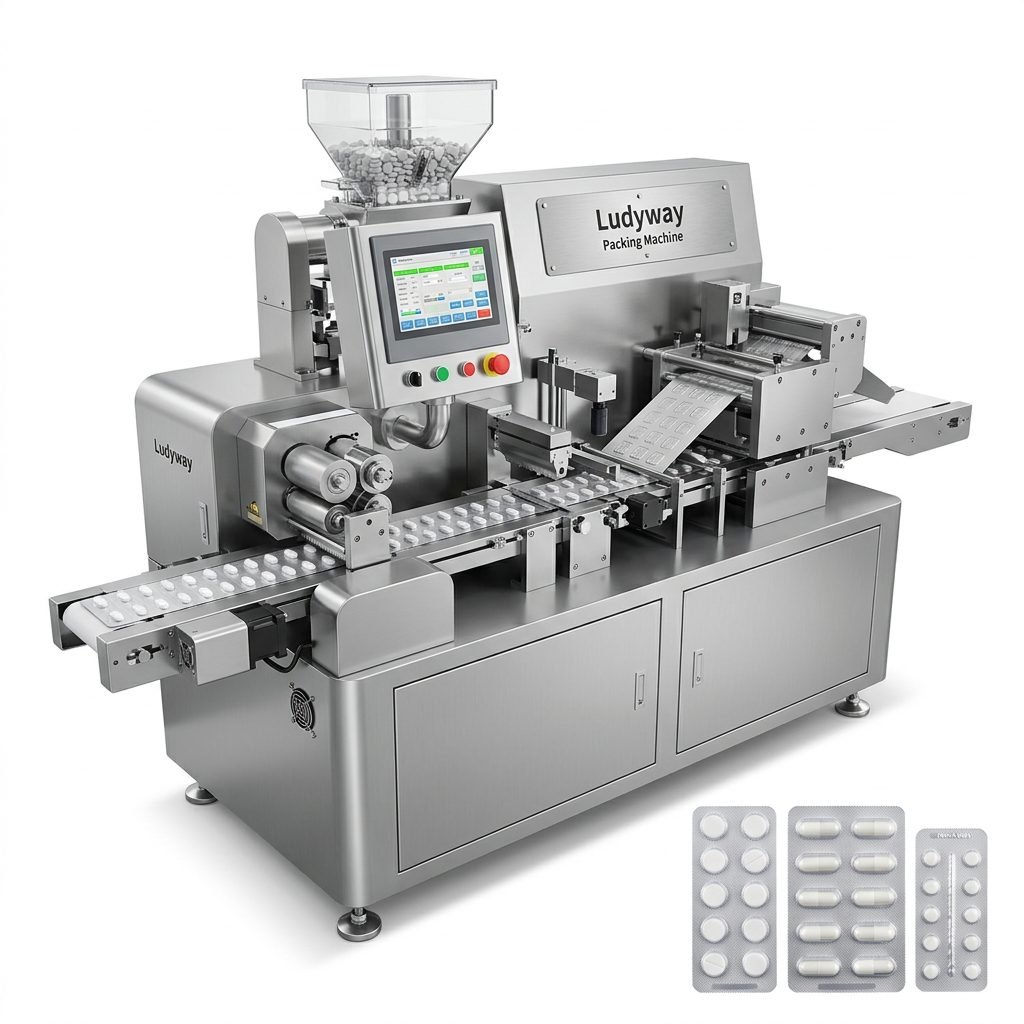
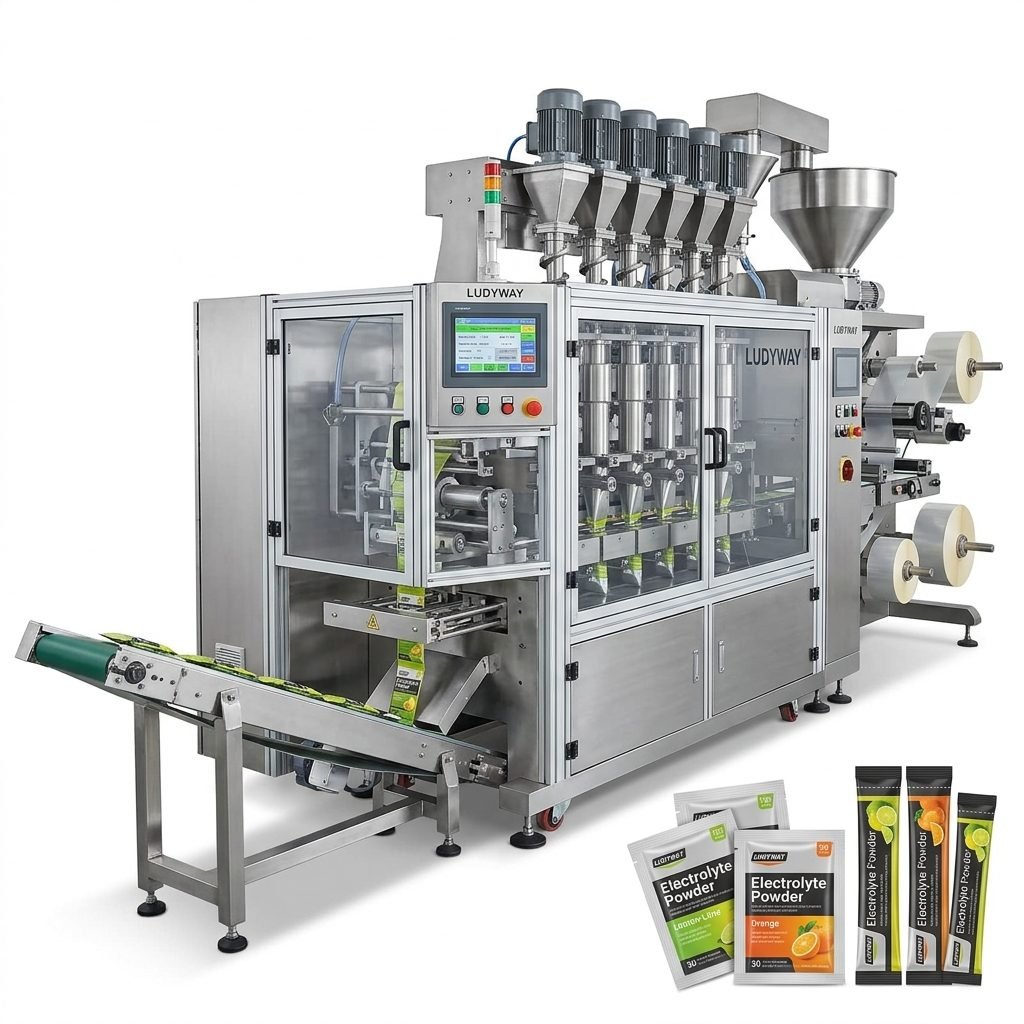
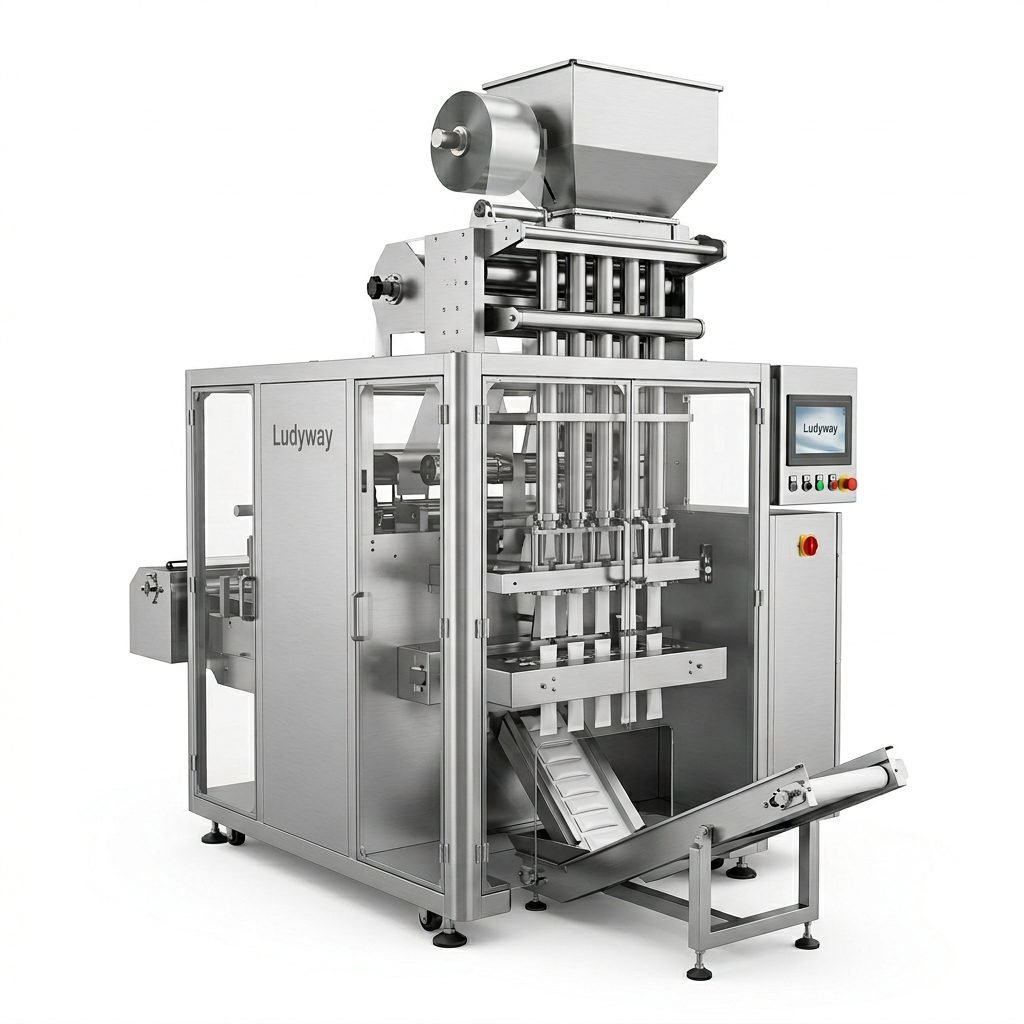
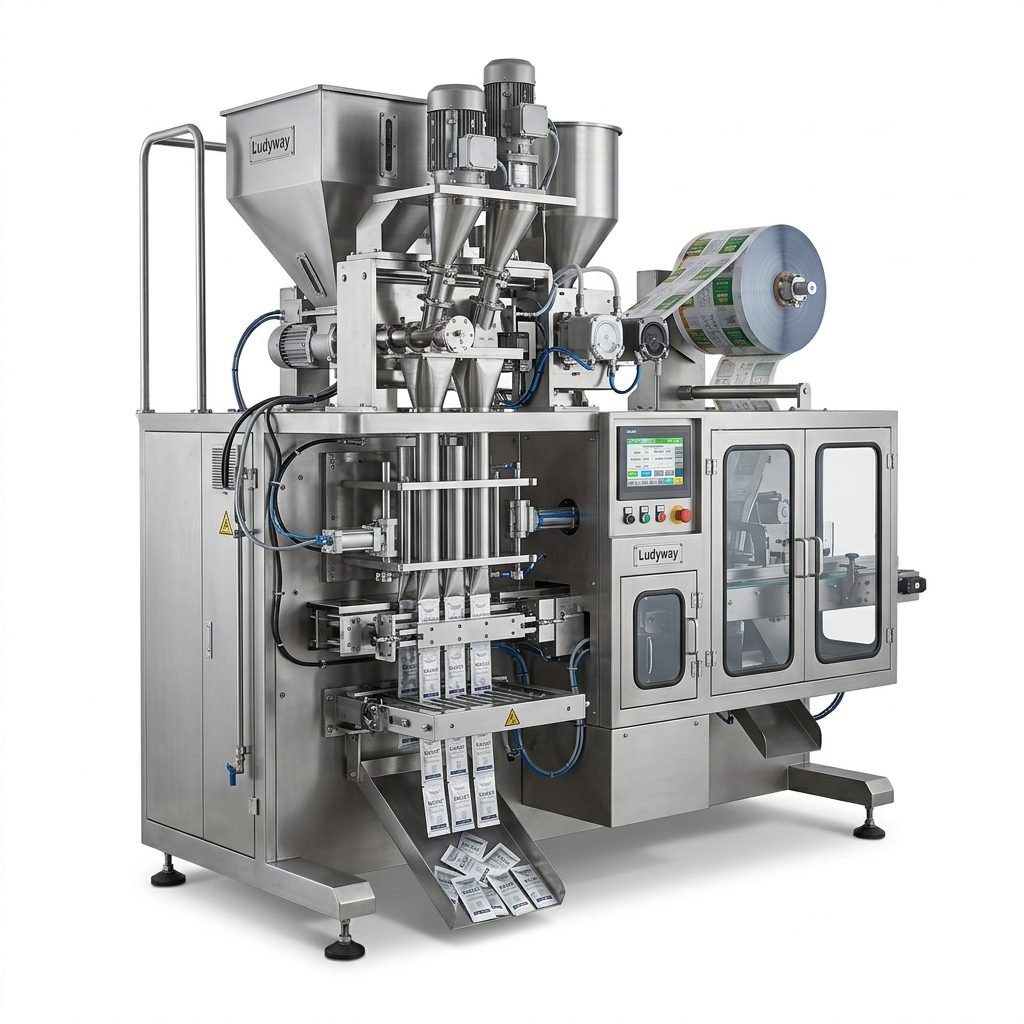
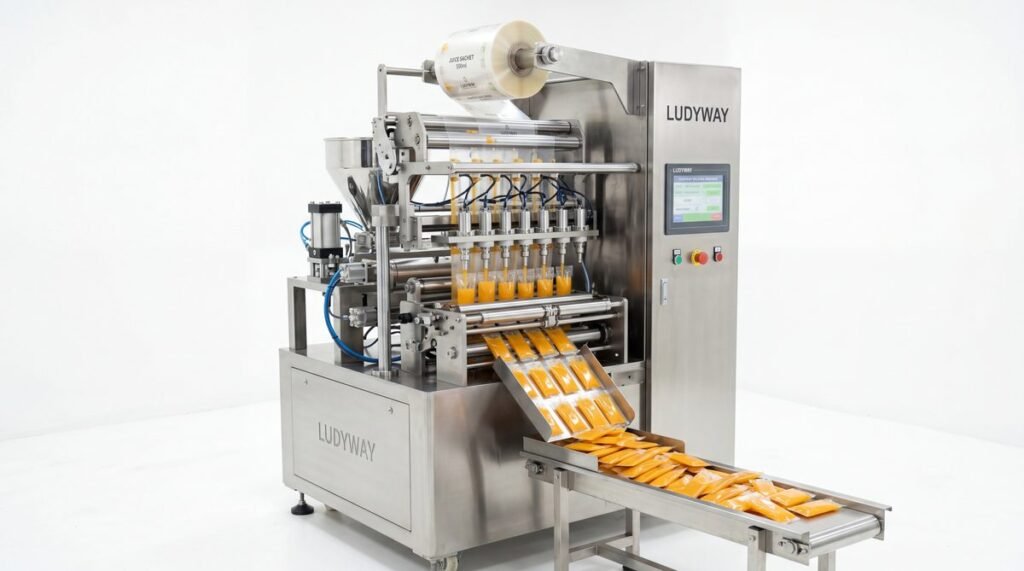
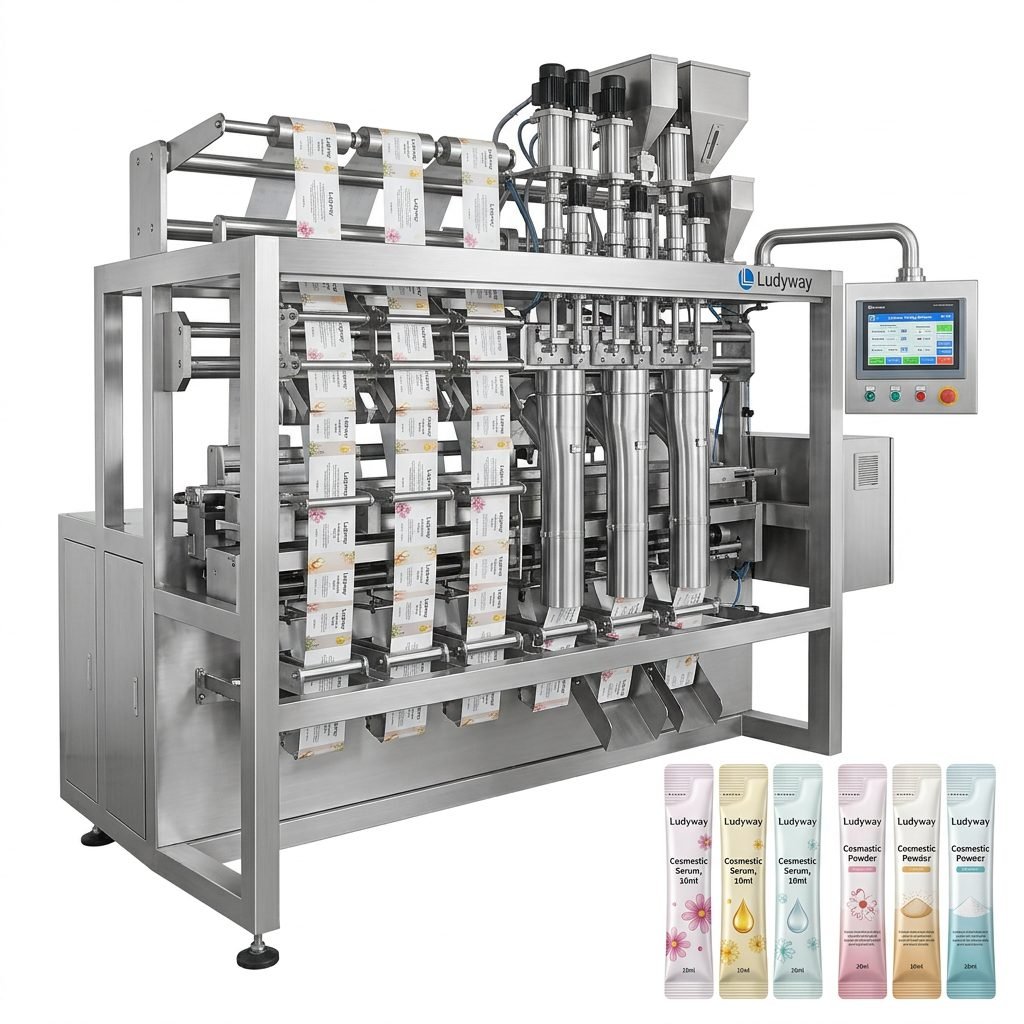
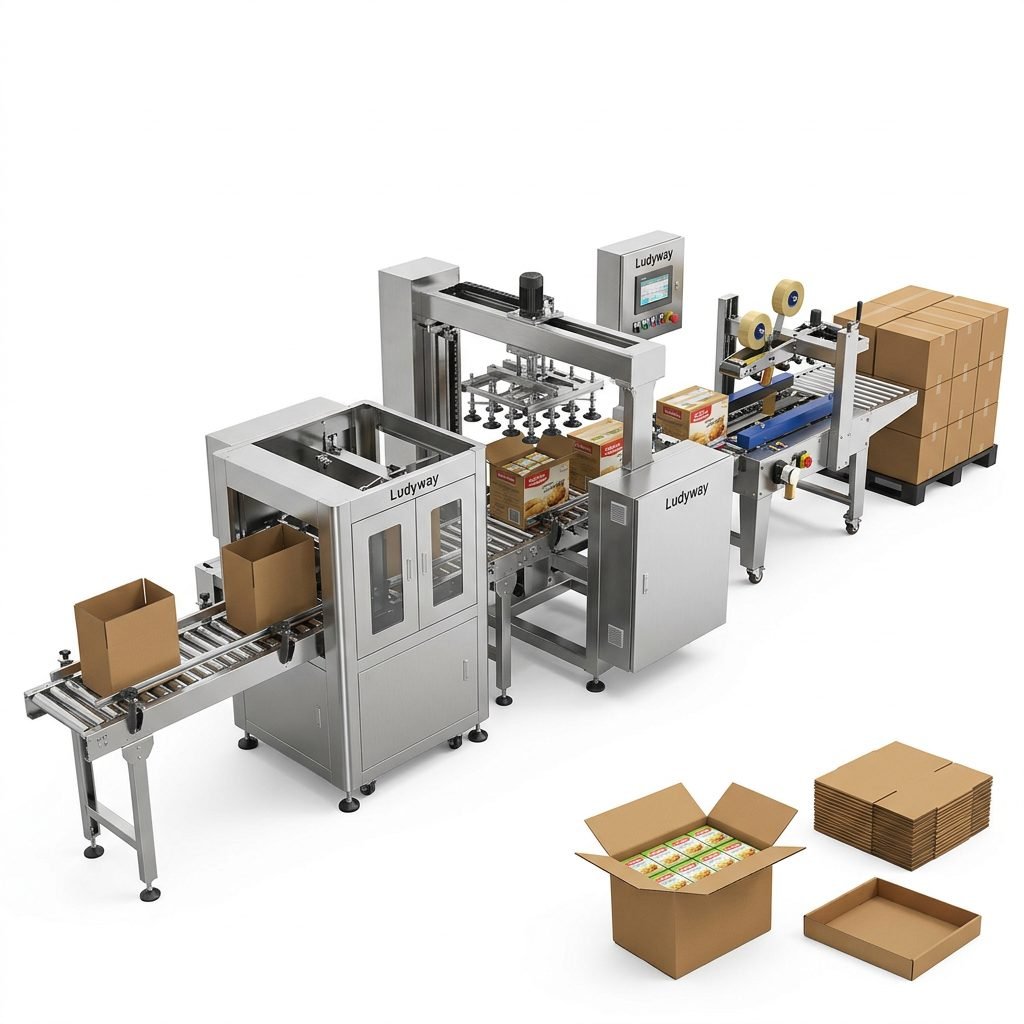
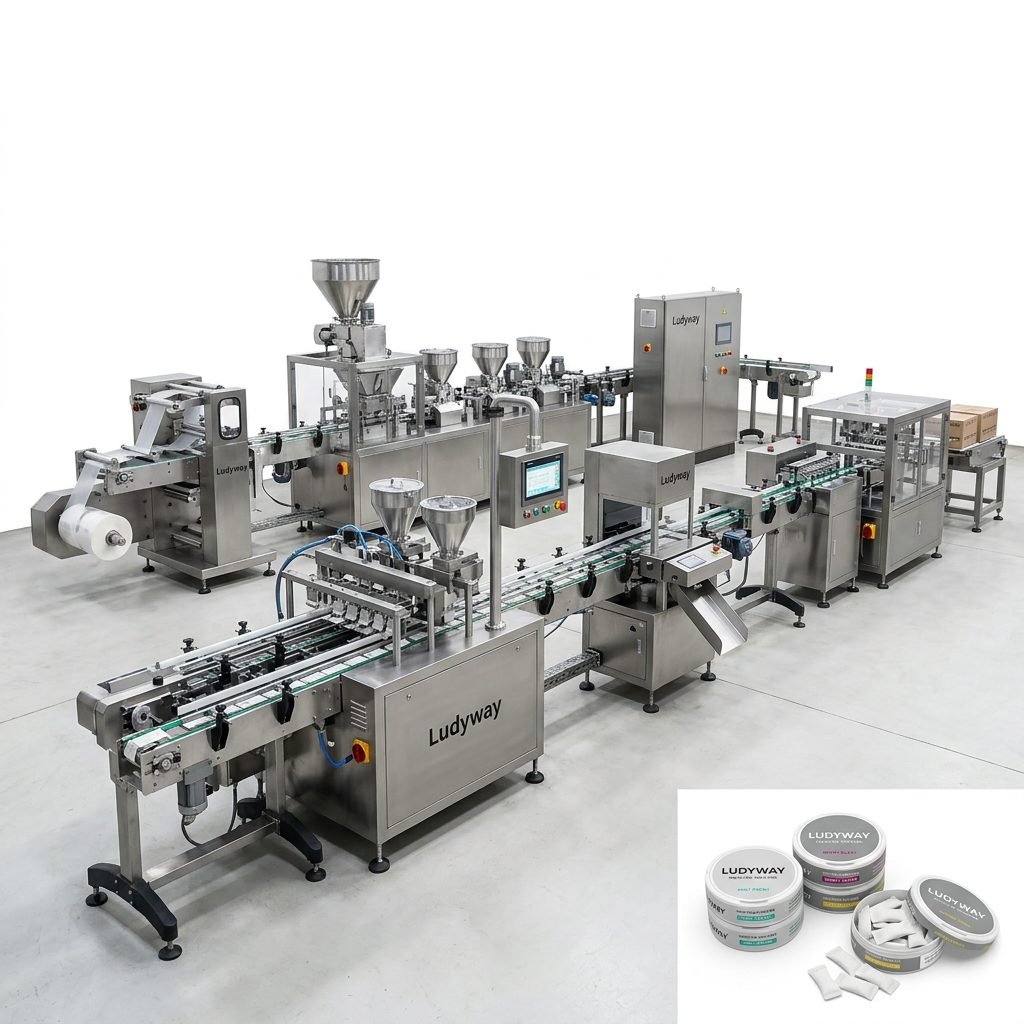
A complete pizza packaging line integrates several interconnected systems. Understanding each component helps in selecting compatible equipment and planning your facility layout effectively. The core modules typically include:
- Flow Wrapping Systems — For individual slice or whole pizza overwrapping with barrier films
- Shrink Wrapping Stations — Providing tamper-evident seals and secondary packaging protection
- Cartoning Machines — Automatically erecting, loading, and sealing cardboard cartons for frozen or fresh pizzas
- Conveyor Networks — Connecting each station with adjustable speed controls for synchronized operation
- Checkweighing and Inspection Systems — Ensuring portion accuracy and detecting foreign objects before shipment
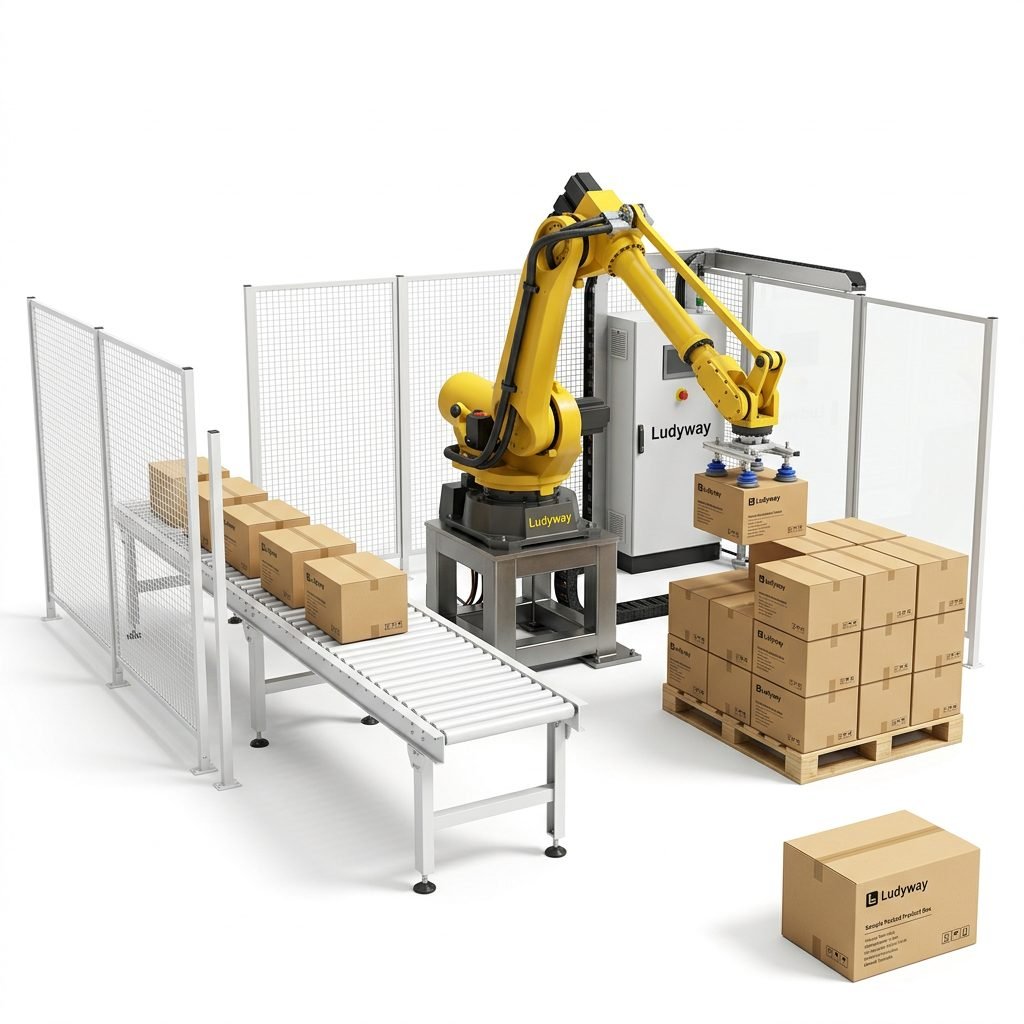
- Palletizing Robots — Stacking finished cartons for efficient warehouse handling and distribution
Step-by-Step Plan for Setting Up Your Production Line
Establishing a pizza packaging operation in Southeast Asia follows a logical progression. Each phase builds upon the previous one, and skipping steps can lead to costly rework. Below is a structured approach based on industry best practices recognized by the Flexible Packaging Association and other global standards bodies.
| Phase | Key Activities | Typical Duration |
|---|---|---|
| 1. Market Research & Feasibility | Analyze local pizza consumption patterns, target packaging formats, and competitor capabilities | 4-6 Weeks |
| 2. Facility Planning | Select factory location, design floor layout, plan utility connections and air handling systems | 8-12 Weeks |
| 3. Equipment Specification | Define throughput requirements, packaging materials, automation levels, and budget parameters | 4-8 Weeks |
| 4. Supplier Selection | Evaluate manufacturers, review technical proposals, conduct factory visits or virtual audits | 6-10 Weeks |
| 5. Installation & Commissioning | Receive equipment, complete mechanical and electrical installation, run test batches | 6-12 Weeks |
| 6. Training & Ramp-Up | Train operators and maintenance staff, gradually increase production speed to target output | 4-6 Weeks |

Selecting the Right Equipment for Southeast Asian Conditions
Equipment selection must account for local environmental factors that are unique to Southeast Asia. High ambient humidity, fluctuating power supply in certain areas, and the availability of technical support all influence machine specifications. When evaluating suppliers, consider the following critical criteria:
- Stainless steel construction with corrosion-resistant coatings for humid tropical environments
- Multi-voltage compatibility to handle regional power fluctuations without production interruptions
- Quick-change tooling that enables rapid switching between different pizza sizes and packaging formats
- Remote diagnostic capabilities allowing offshore technical support teams to troubleshoot in real time
- Compliance with ISO packaging standards for international food safety recognition
Regulatory Compliance and Food Safety Standards
Southeast Asian nations have been steadily harmonizing their food packaging regulations with international benchmarks. Understanding the regulatory landscape is crucial for avoiding import delays and market access issues. The FDA food packaging guidelines serve as a reference point, but each country maintains specific requirements:
| Country | Key Regulatory Body | Primary Packaging Requirements |
|---|---|---|
| Indonesia | BPOM (National Agency of Drug and Food Control) | Halal certification, food-grade material declaration, batch traceability |
| Thailand | Thai FDA (Food and Drug Administration) | Labeling in Thai language, nutritional information, packaging material safety |
| Vietnam | VFA (Vietnam Food Administration) | Food contact material testing, shelf-life validation, bilingual labeling |
| Malaysia | MOH Food Safety and Quality Division | JAKIM halal compliance, packaging migration testing, traceability systems |
| Philippines | FDA Philippines (Center for Food Regulation) | Product registration, packaging material standards, English labeling |
Cost Analysis and ROI Considerations
Investing in a pizza packaging production line represents a significant capital commitment, but the return on investment can be compelling when structured correctly. Key cost factors include equipment purchase price, installation and commissioning, operator training, ongoing maintenance, and consumable packaging materials. A well-designed line typically achieves full ROI within 18 to 30 months in high-demand Southeast Asian markets.
When budgeting, consider the following cost categories:
- Primary packaging machinery — Flow wrappers, shrink tunnels, cartoning systems (50-60% of total investment)
- Auxiliary equipment — Conveyors, checkweighers, metal detectors, labelers (15-20%)
- Installation and facility modifications — Electrical, compressed air, HVAC adjustments (10-15%)
- Training and documentation — Operator manuals, maintenance schedules, SOP development (5-8%)
- Initial spare parts inventory — Critical wear components and consumables (5-7%)
Working with Experienced Packaging Equipment Partners
Choosing the right equipment manufacturer is perhaps the single most important decision in your production line setup. Leading suppliers such as Ludyway bring decades of engineering expertise and a global track record, offering turnkey packaging solutions that streamline the entire process from design to commissioning. For insights into the latest industry developments across packaging machinery standards and technology, the PMMI packaging industry resources portal provides comprehensive technical references. Additionally, the Flexible Packaging Association offers valuable guidance on material innovations and sustainability practices relevant to pizza packaging applications.
Maintenance and After-Sales Support Strategy
A robust maintenance program is essential for sustaining high output and minimizing downtime in tropical manufacturing environments. Unlike temperate climates, Southeast Asian facilities face accelerated wear on seals, belts, and electronic components due to humidity and temperature extremes. Critical elements of your support strategy should include:
- Preventive maintenance schedules — Daily, weekly, and monthly checklists tailored to each machine module
- Local spare parts warehousing — Maintaining critical components within the region to avoid long lead times from overseas suppliers
- Remote technical support — Leveraging connected machinery for real-time diagnostics and software updates
- Annual equipment audits — Comprehensive inspections to identify wear trends and plan proactive refurbishments
- Ongoing operator refresher training — Addressing staff turnover challenges common in fast-growing Southeast Asian markets
Future-Proofing Your Pizza Packaging Line
The Southeast Asian food packaging landscape is evolving rapidly, influenced by e-commerce growth, sustainability demands, and automation advances. When designing your production line today, build in flexibility for tomorrow’s requirements. Modular machine designs that accept future upgrades, compatibility with biodegradable film materials, and integration readiness for Industry 4.0 data platforms will help protect your investment. The PMMI State of the Industry report consistently highlights flexibility as a top priority for packaging operations worldwide, and Southeast Asia is no exception to this trend.
Final Checklist Before Launch
Before commissioning your new pizza packaging production line, verify each of the following items to ensure a smooth startup:
| Checklist Item | Verification Method | Responsible Party |
|---|---|---|
| All utility connections confirmed | Physical inspection and load testing | Facilities Manager |
| Operators fully trained on all stations | Skills assessment and signed training records | Production Supervisor |
| Packaging materials qualified and stocked | Supplier certificates and incoming QC reports | Quality Assurance |
| Regulatory approvals obtained | Documentation from local health authorities | Compliance Officer |
| Emergency procedures documented | Posted signage and staff drills completed | Safety Coordinator |
Setting up a pizza packaging machine production line in Southeast Asia is a strategic move that positions your business for growth in one of the world’s most dynamic food markets. With thorough planning, the right equipment partners, and attention to local regulatory and environmental conditions, your operation can achieve world-class efficiency and product quality from day one.