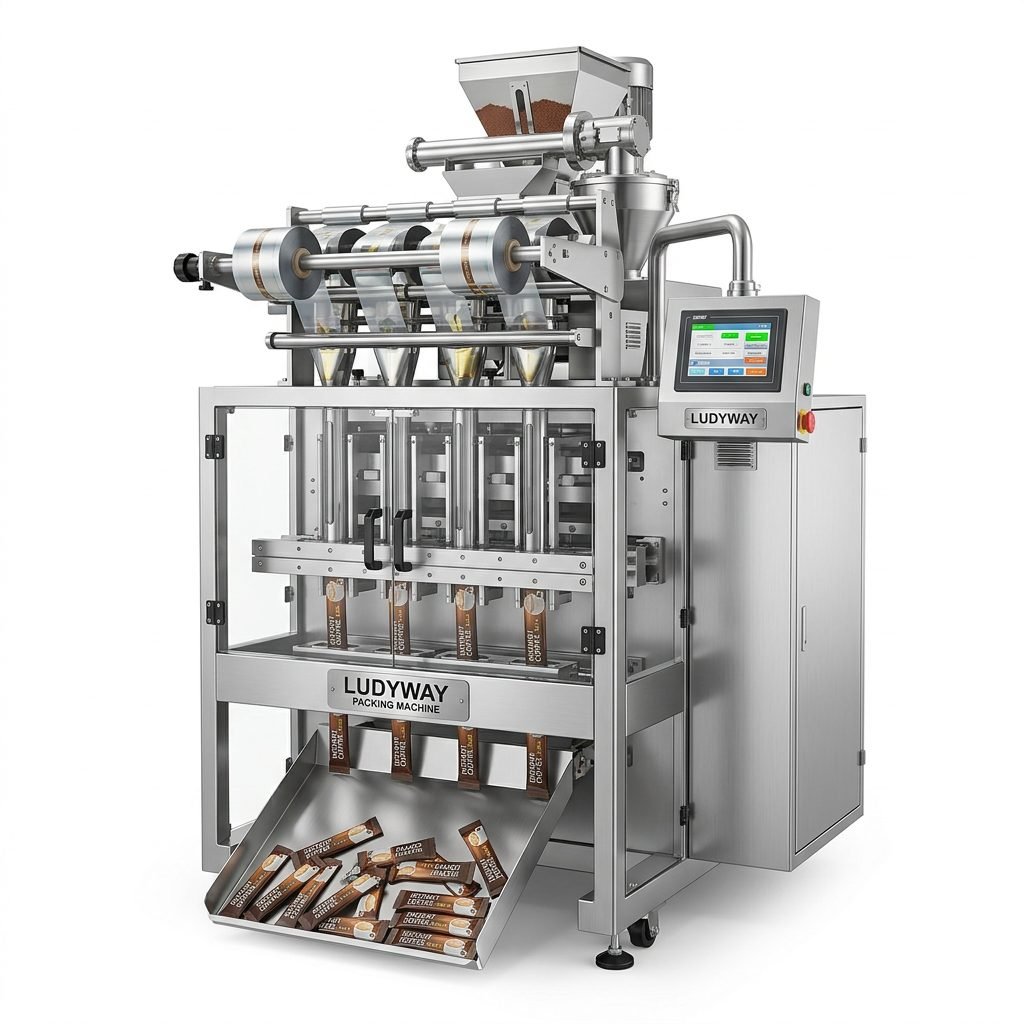
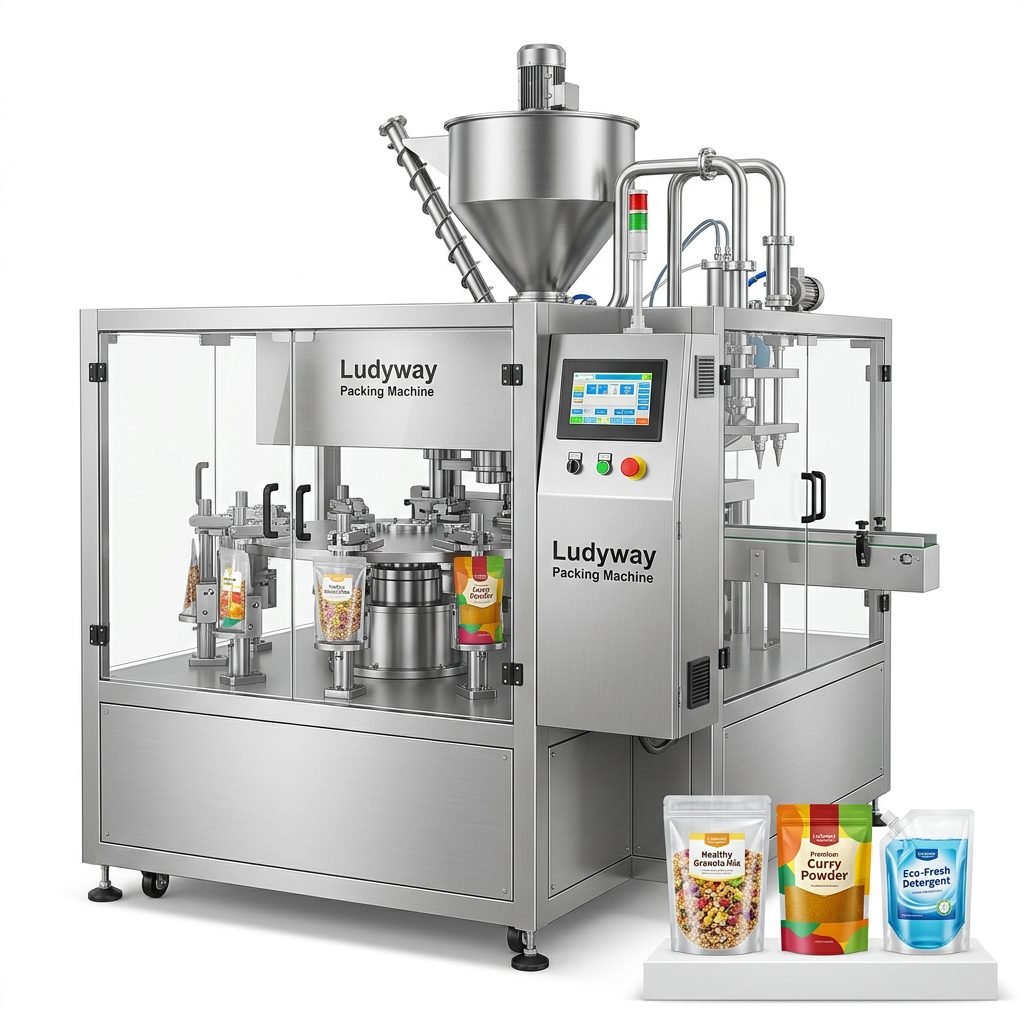
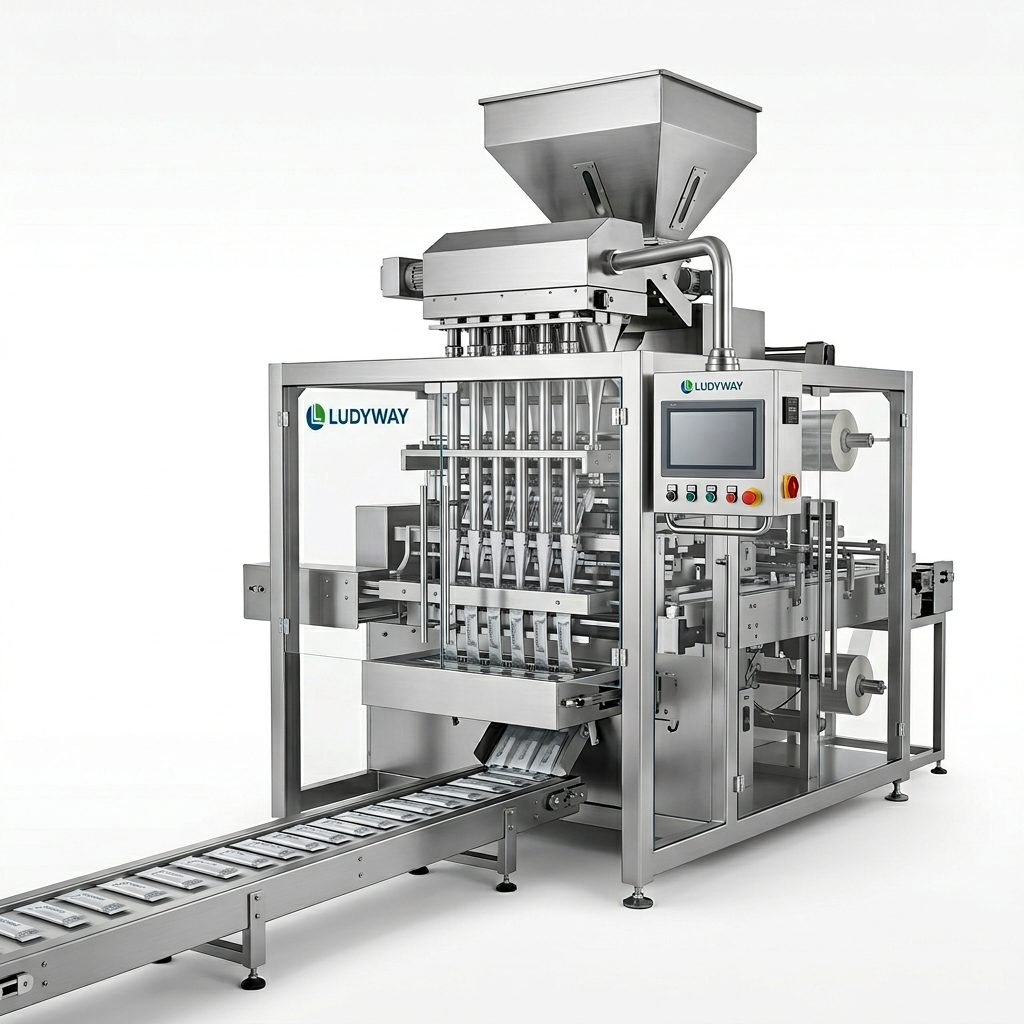
The Asian coffee market is experiencing unprecedented growth, with countries like Vietnam, Indonesia, and Thailand rapidly expanding their production capabilities. For roasters and processors across the region, investing in a high-performance coffee bean packaging machine is no longer optional—it’s a competitive necessity. Precision weighing, minimal product breakage, and extended shelf life are critical factors that separate premium exporters from the rest. As demand for both whole bean and ground coffee surges globally, the right packaging technology can transform your production efficiency and product quality overnight.
Why Multi-Lane Stick Pack Machines Dominate Coffee Packaging
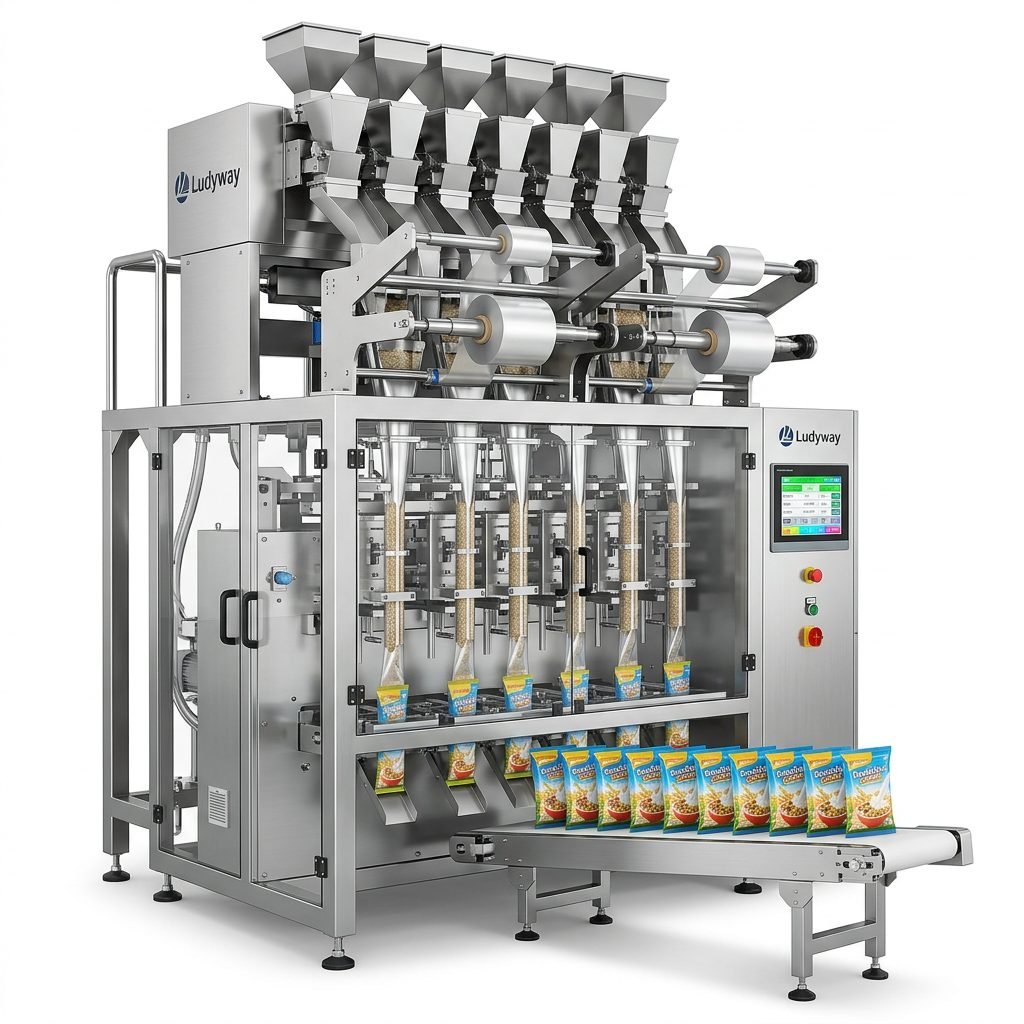
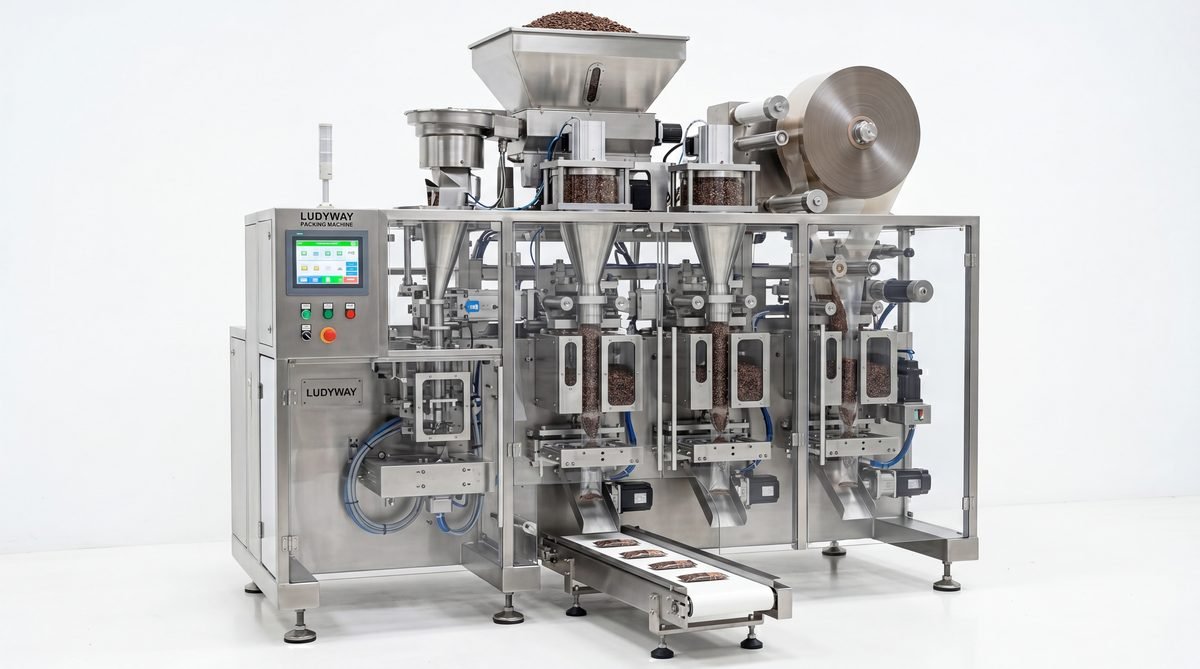
Traditional single-lane packaging systems simply cannot keep pace with modern coffee production demands. Multi-lane stick pack machines have emerged as the gold standard for coffee bean and ground coffee packaging across Asia. These systems offer up to 12 lanes operating simultaneously, dramatically increasing output while maintaining consistent portion control. For coffee producers targeting export markets, this technology ensures every sachet meets exact weight specifications—a critical requirement for international compliance.
Key advantages of multi-lane coffee packaging include:
- High-speed output reaching 400-600 packs per minute across all lanes
- Nitrogen flushing capability to preserve coffee freshness and aroma
- Precision auger filling for consistent gram weight in every sachet
- Compatibility with various film materials including aluminum foil laminates
- Quick changeover between different pack sizes and formats
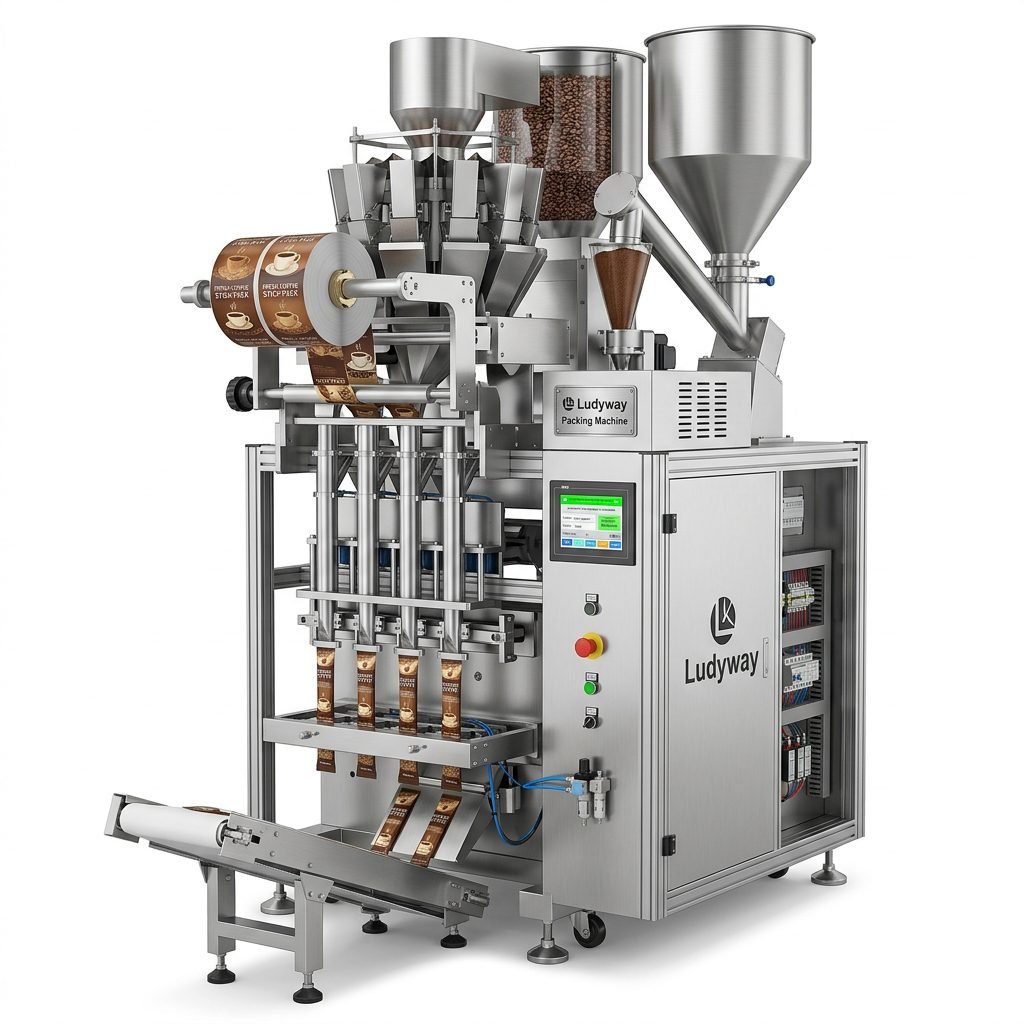
Key Features to Look for in a Coffee Packaging Machine
When evaluating coffee bean packaging equipment, several critical features determine long-term performance and return on investment. Understanding these specifications helps buyers make informed decisions that align with their production goals.
1. Precision Weighing Systems
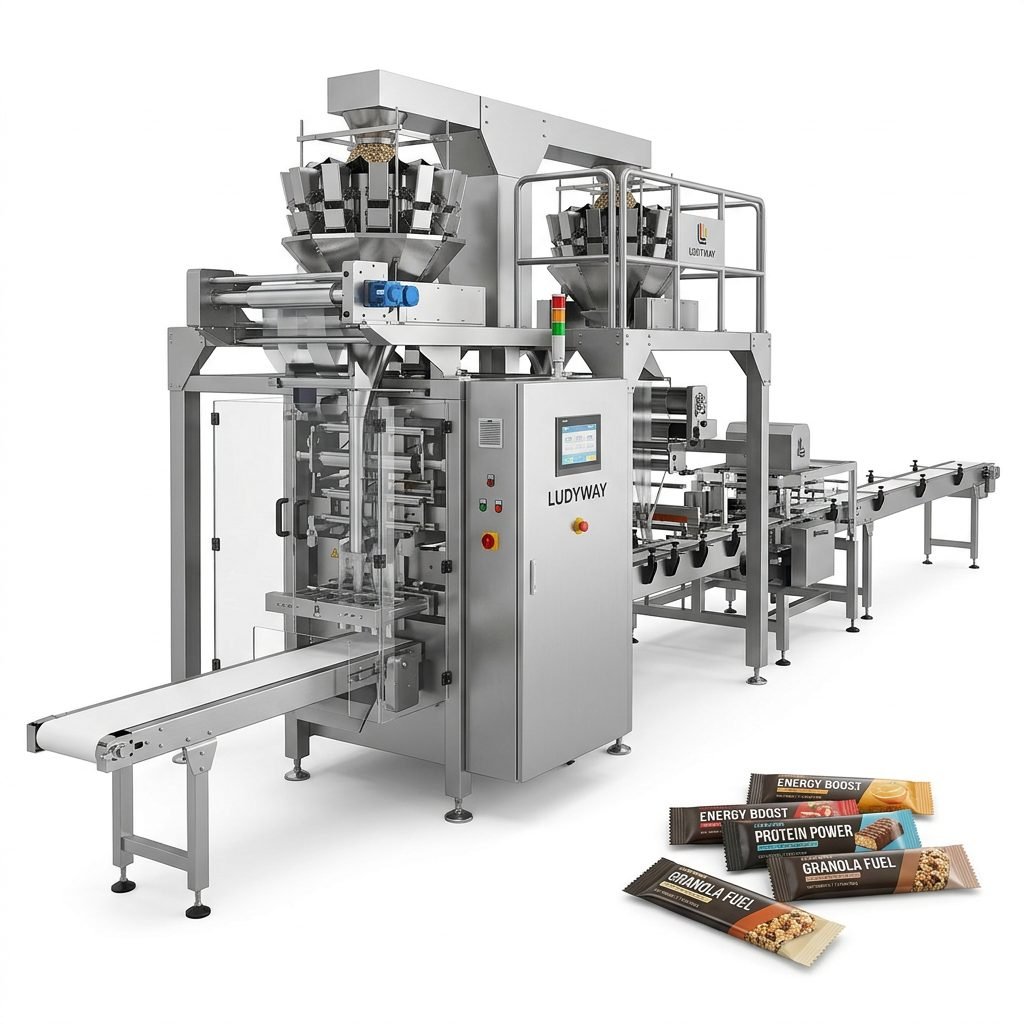
Accurate weight control is paramount in coffee packaging. Multi-head weighers combined with auger fillers deliver unmatched accuracy for both whole beans and ground coffee. The best machines maintain a tolerance of ±0.5g per pack, minimizing product giveaway and maximizing profitability.
2. Nitrogen Flushing and Gas Flushing
Oxygen is the enemy of fresh coffee. Advanced packaging machines incorporate gas flushing systems that replace oxygen with inert nitrogen, extending shelf life by up to 24 months. This feature is essential for coffee exporters shipping to distant markets across the flexible packaging supply chain.
3. Durable Construction Materials
Given coffee’s natural oils and abrasive properties, machine components must withstand continuous operation. Look for stainless steel 304 or 316 construction on all product-contact surfaces, corrosion-resistant frames, and food-grade sealing components that meet international safety standards.
Comparing Coffee Packaging Machine Types
Different production scales and product formats require distinct machine configurations. The table below compares the most common types used in Asian coffee processing facilities.
| Machine Type | Best For | Speed Range | Key Benefit |
|---|---|---|---|
| Multi-Lane Stick Pack | Ground coffee, instant coffee | 200-600 packs/min | Highest output per square meter |
| Rotary Premade Pouch | Whole bean coffee, specialty blends | 40-80 pouches/min | Premium presentation with zipper options |
| Vertical Form Fill Seal (VFFS) | Bulk coffee bags, 250g-1kg | 30-70 bags/min | Versatile bag sizes and film types |
| Sachet Flat Pack | Single-serve coffee, samples | 150-400 sachets/min | Cost-effective for small portions |
Why Asian Coffee Producers Are Upgrading Their Packaging Lines
The Asia-Pacific coffee packaging machinery market is projected to grow at a compound annual growth rate exceeding 6% through 2028. Several factors drive this investment wave:
- Export quality standards becoming more stringent in European and North American markets
- Rising domestic consumption in China, India, and Southeast Asian nations
- Labor costs increasing across traditional manufacturing hubs
- E-commerce coffee sales requiring tamper-evident, shelf-stable packaging
- Sustainability mandates pushing for reduced material waste and recyclable films
Modern coffee packaging equipment addresses these challenges through automation, data integration, and flexible format capabilities. A single state-of-the-industry machine can now handle multiple pouch styles, integrate with ERP systems, and provide real-time production analytics—capabilities that were unthinkable a decade ago.
Essential Technical Specifications for Coffee Packaging Equipment
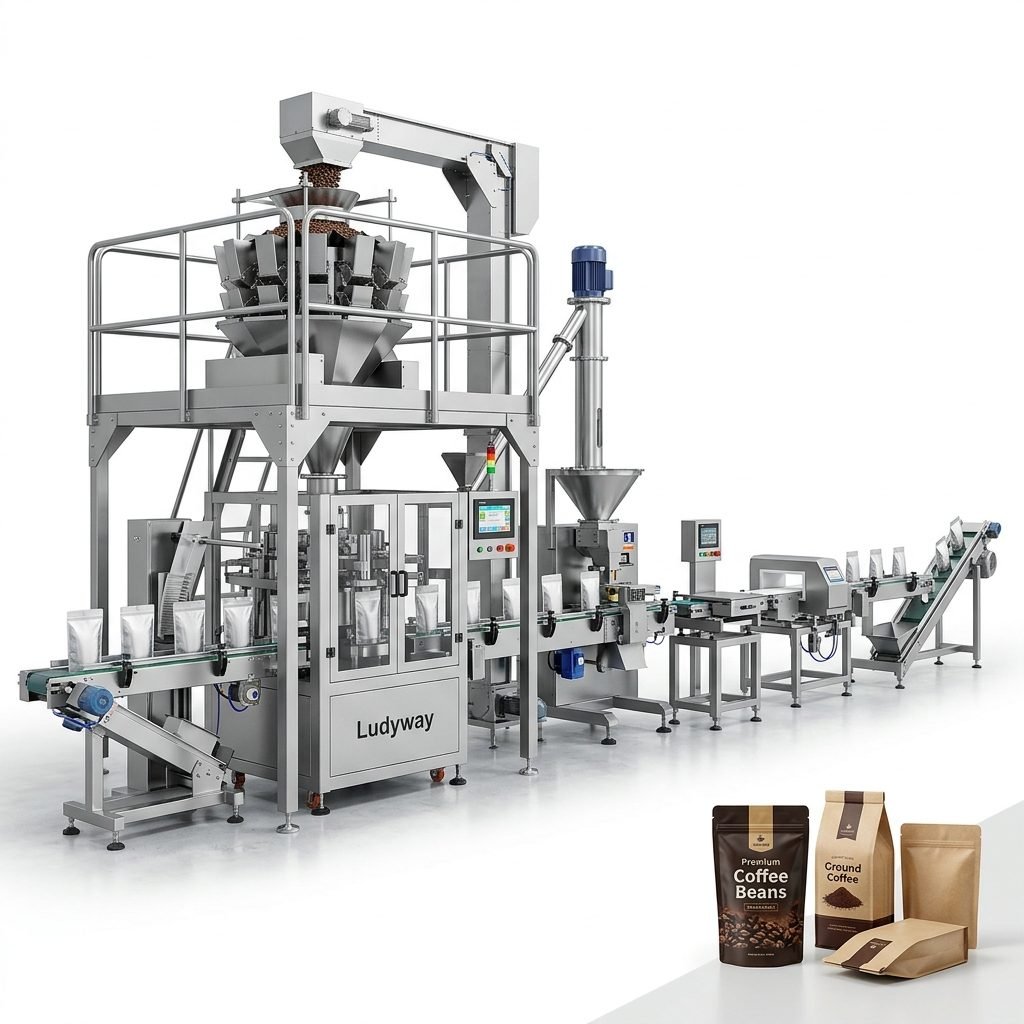
When sourcing a coffee bean packaging machine in Asia, technical specifications should be evaluated against your specific production requirements. Below are the critical parameters to verify with any manufacturer or supplier.
| Specification | Recommended Range | Why It Matters |
|---|---|---|
| Number of Lanes | 4-12 lanes | Directly determines hourly output capacity |
| Filling Range | 1g-50g per sachet | Covers single-serve to sample-size formats |
| Weighing Accuracy | ±0.3g – ±1.0g | Minimizes product waste and ensures compliance |
| Film Width | 200mm-600mm | Determines pack dimensions and film compatibility |
| Power Consumption | 3.5kW-8kW | Impacts long-term operational costs |
| Air Pressure Requirement | 0.6-0.8 MPa | Essential for pneumatic sealing and cutting systems |
Common Applications Across the Coffee Industry
A versatile coffee packaging machine serves multiple segments within the industry. Understanding where your product fits helps identify the ideal machine configuration.
Whole Bean Coffee Packaging
For specialty roasters and export-oriented producers, whole bean packaging demands gentle handling to prevent bean fracture. Multi-lane systems equipped with volumetric cup fillers or multi-head weighers handle whole beans with minimal breakage, preserving the visual appeal that premium buyers expect. Degassing valves integrated into the packaging film allow freshly roasted beans to release CO₂ without compromising seal integrity.
Ground Coffee Stick Packs
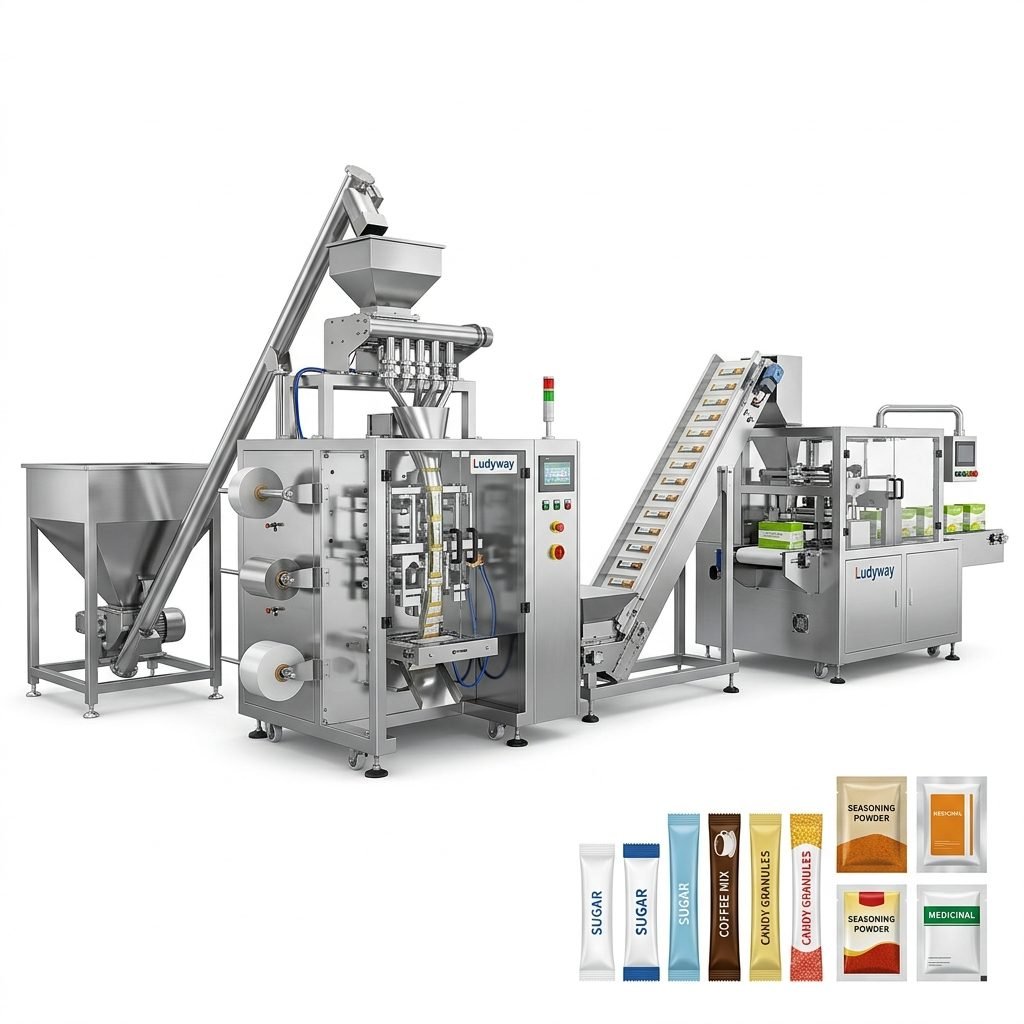
The single-serve coffee segment continues its explosive growth across Asia. Stick pack machines producing 2g-15g sachets dominate this space, serving instant coffee, drip coffee, and fine espresso grind applications. These machines must handle powders with varying flow characteristics while maintaining hermetic seals against moisture ingress.
Instant Coffee and 3-in-1 Mixes
Perhaps the largest volume segment in Asia, instant coffee and premixed coffee beverages require high-speed sachet packaging capable of handling hygroscopic powders. Advanced machines incorporate dehumidification systems and nitrogen flushing to prevent clumping and ensure free-flowing product throughout the shelf life.
What Sets Leading Asian Packaging Machine Manufacturers Apart
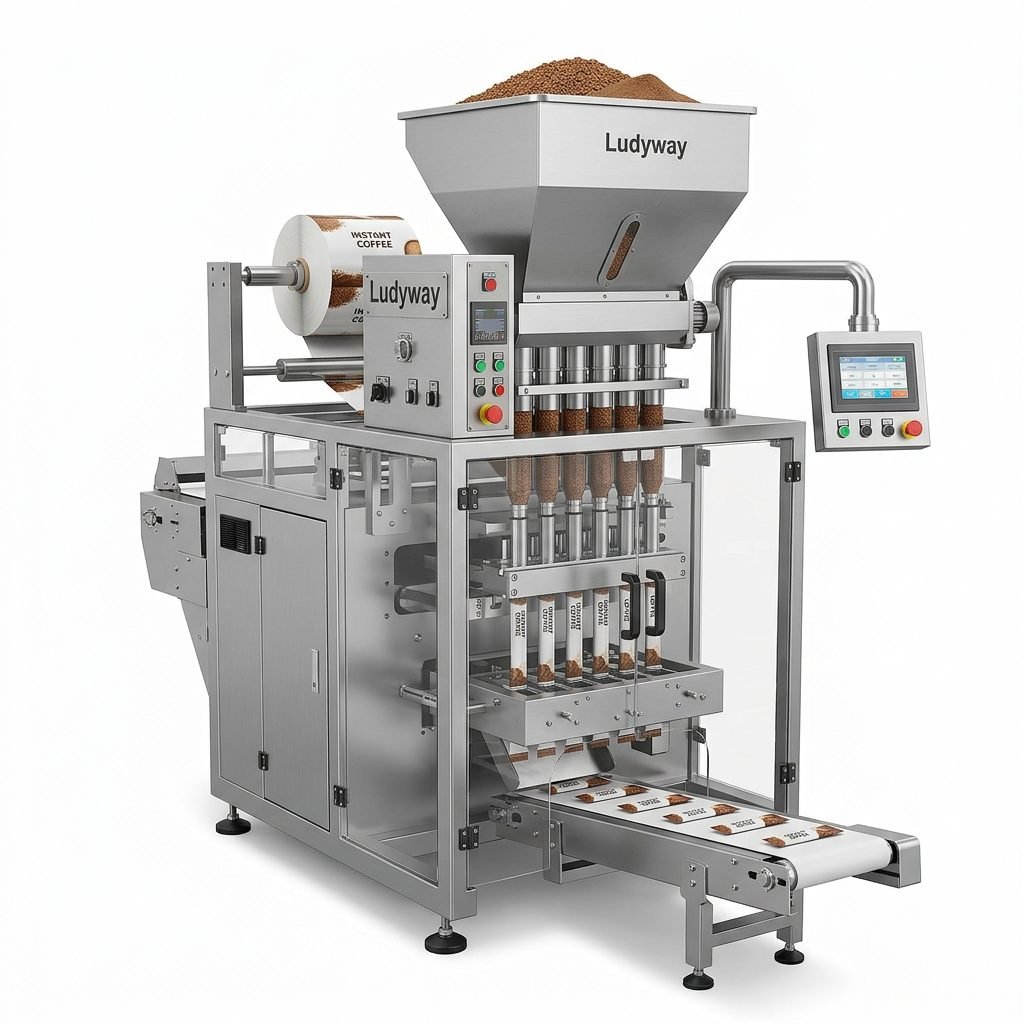
When sourcing from Asia’s top equipment builders, several distinguishing factors separate industry leaders from general suppliers. Ludyway, as one of the largest packaging machine manufacturers in China with over 30 years of industry expertise and a modern 20,000㎡ manufacturing facility, exemplifies the capabilities that global coffee producers should seek in a technology partner.
- In-house R&D teams continuously refining machine designs for emerging coffee packaging trends
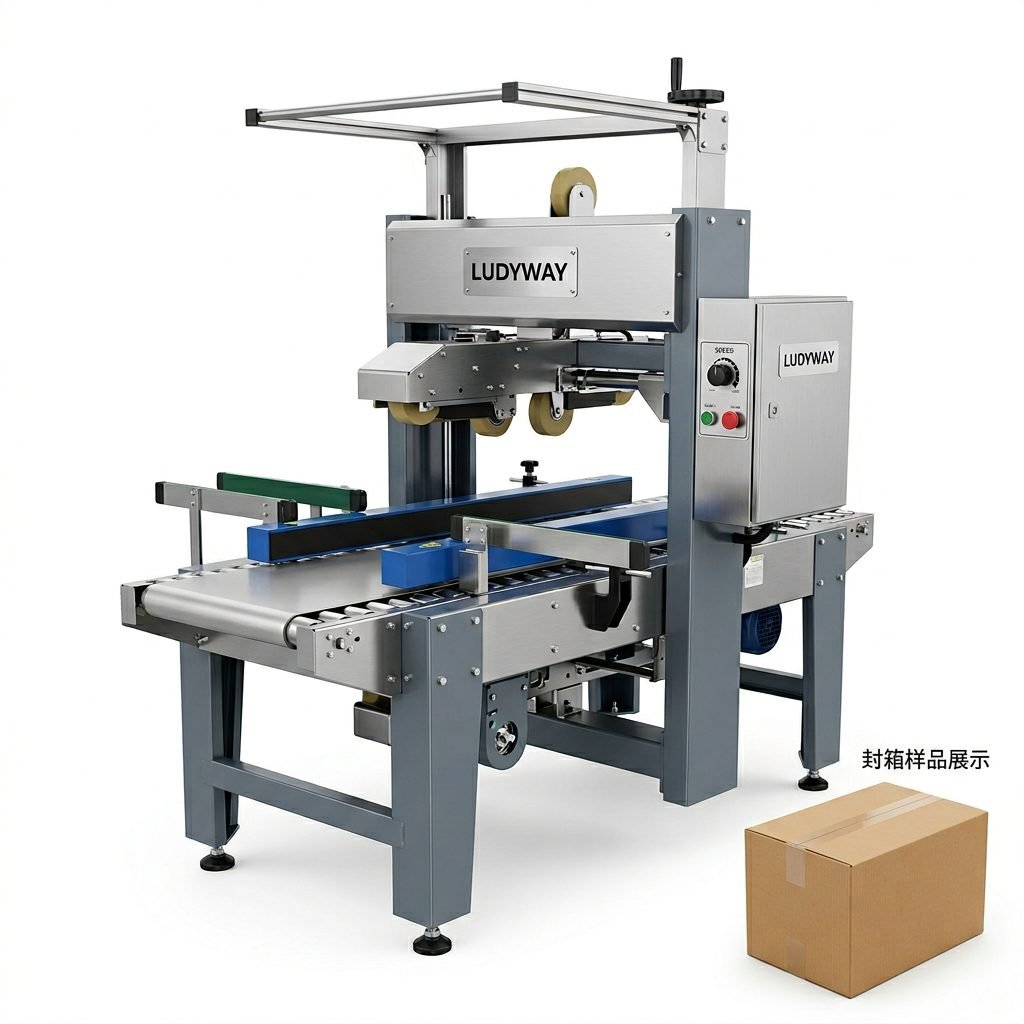
- Turnkey project capabilities spanning from raw material handling to final carton packing
- Comprehensive spare parts inventory ensuring minimal downtime for international customers
- Remote diagnostic capabilities and on-site service support across global markets
- Compliance with CE, ISO, and FDA food contact substance regulations
Frequently Asked Questions About Coffee Packaging Machines
What is the typical lifespan of a coffee packaging machine?
A well-maintained coffee bean packaging machine from a reputable manufacturer typically operates at peak performance for 10-15 years. Regular preventive maintenance, timely replacement of wear components like sealing jaws and cutting blades, and proper operator training significantly extend equipment longevity.
Can one machine handle both whole beans and ground coffee?
Yes, many modern multi-lane systems feature quick-change tooling that allows switching between whole bean and ground coffee formats. However, the filling mechanism differs—volumetric fillers for whole beans versus auger fillers for ground coffee. Machines with modular filling stations offer the greatest flexibility for producers handling multiple product types.
How important is nitrogen flushing for coffee packaging?
For any coffee product with a target shelf life exceeding 6 months, nitrogen flushing is highly recommended. The process reduces residual oxygen levels to below 1-3%, dramatically slowing oxidation and preserving volatile aromatic compounds that define coffee quality. Most export-oriented Asian producers now consider this a standard feature.
What after-sales support should I expect?
Leading manufacturers provide comprehensive after-sales packages including installation supervision, operator training, remote troubleshooting, and readily available spare parts. Given the critical nature of packaging in the coffee supply chain, confirm that your supplier offers guaranteed response times and has service representatives familiar with your region.
Making the Right Investment Decision
Selecting the best coffee bean packaging machine in Asia requires balancing multiple factors: current production volumes, growth projections, product formats, and budget constraints. The most successful coffee producers approach equipment purchasing as a long-term partnership rather than a transactional decision. By prioritizing build quality, technical support infrastructure, and proven performance in coffee-specific applications, you position your operation for sustained growth in the dynamic Asian and global coffee markets. For further guidance on packaging machinery standards and industry benchmarks, resources from organizations like PMMI provide valuable reference points for evaluating equipment and suppliers.