Choosing the right packaging machine can help a small business reduce labor costs, improve consistency, and scale production without creating unnecessary overhead. The best machine is not always the fastest or most automated option. For most growing companies, the right choice depends on product type, packaging format, daily output, budget, and future expansion plans.
Whether you sell food powders, granules, liquids, cosmetics, supplements, or light industrial products, this guide will help you compare the most practical options and avoid costly buying mistakes.
What Small Businesses Should Look for First
Before comparing machine types, start with a few basic questions. These answers will quickly narrow your options:
- What product are you packing? Powder, granules, liquid, paste, tablets, or pouches.
- What package style do you need? Sachet, stick pack, pillow bag, premade pouch, bottle, jar, or carton.
- How much output do you need per day? Small batch production requires a very different setup from continuous commercial output.
- How much floor space do you have? Compact machines matter for workshops and startups.
- What is your real budget? Include machine cost, maintenance, consumables, spare parts, and operator training.
- Will you expand in 12–24 months? Buying a machine with upgrade potential can save money later.
SEO tip for buyers: The best packaging machine for a small business is usually one that balances current affordability with future scalability.
Best Packaging Machine Types for Small Businesses
Below are the most common machine categories small businesses consider when entering semi-automatic or automatic packaging.
| Machine Type | Best For | Advantages | Limitations |
|---|---|---|---|
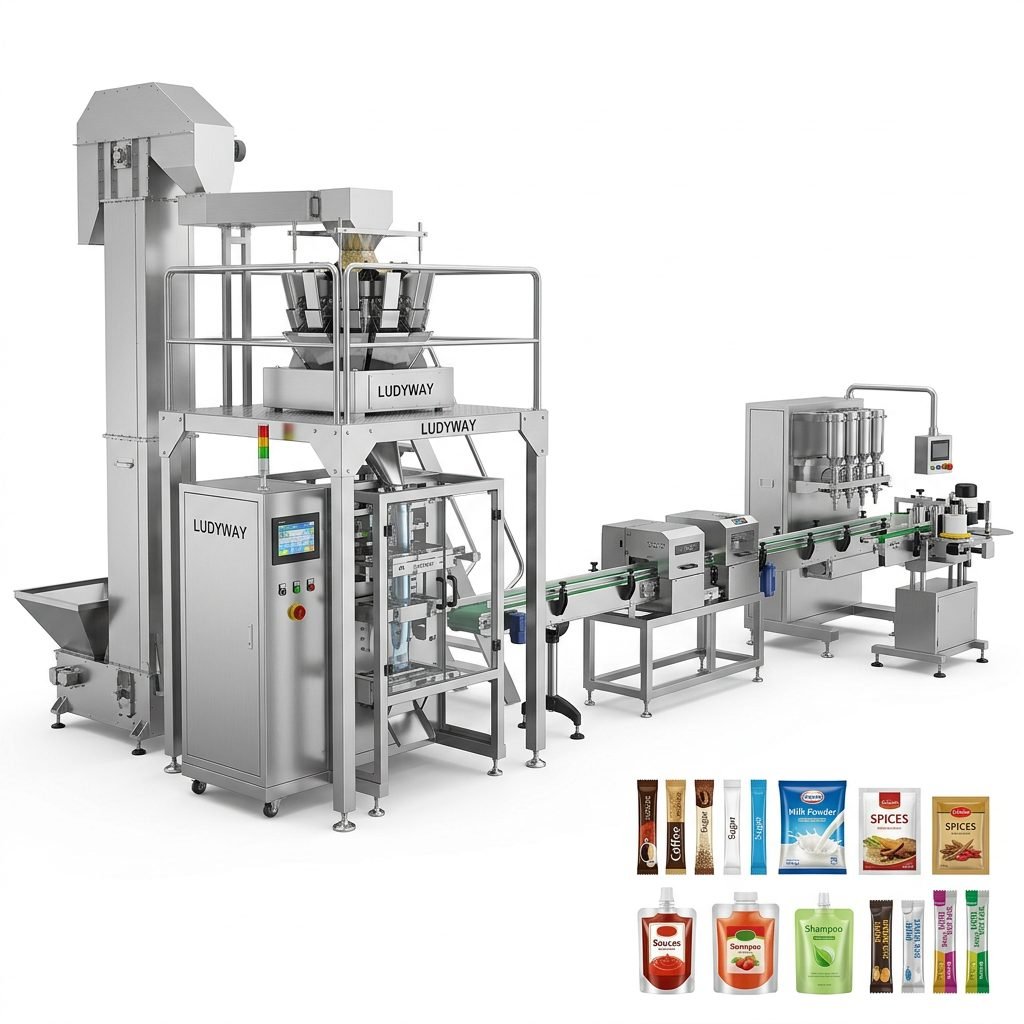
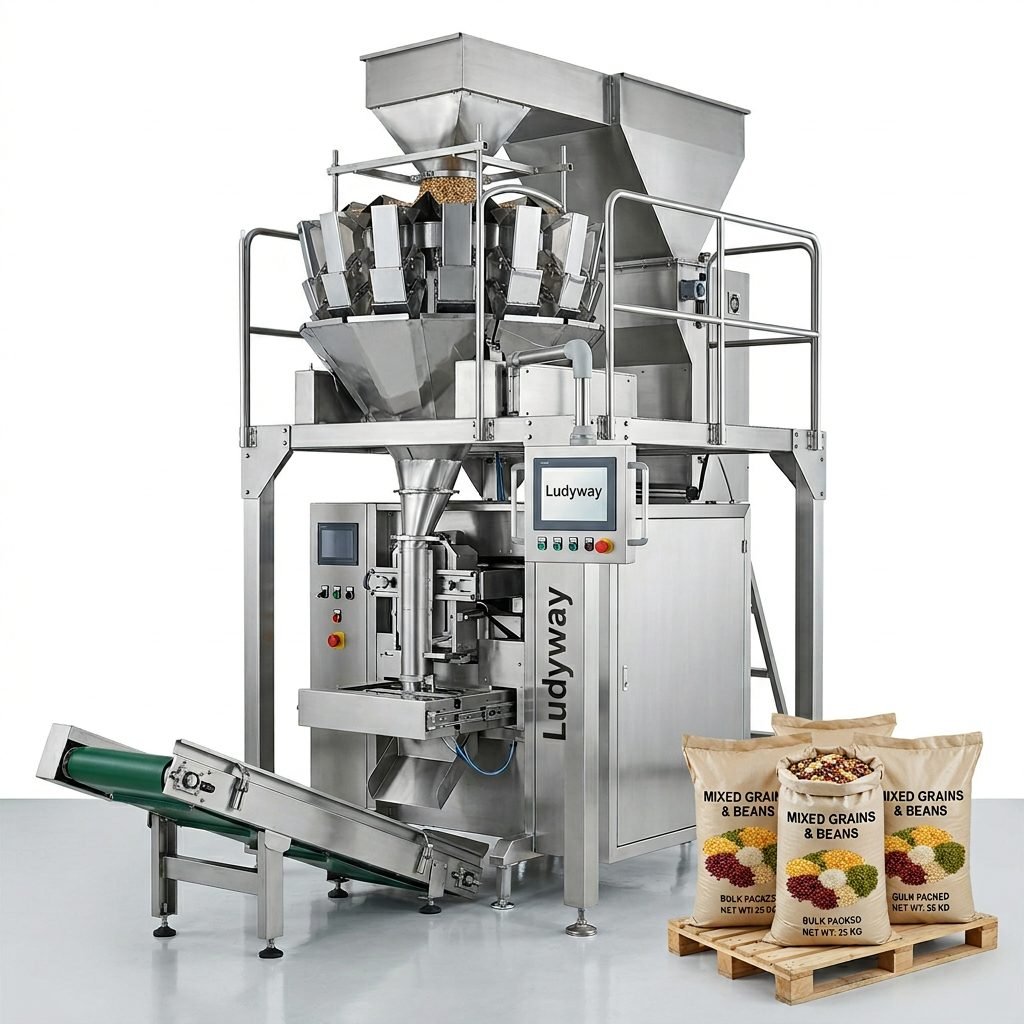
| Vertical Form Fill Seal (VFFS) | Powders, granules, snacks | Versatile, efficient, suitable for bags and sachets | May require product-specific dosing systems |
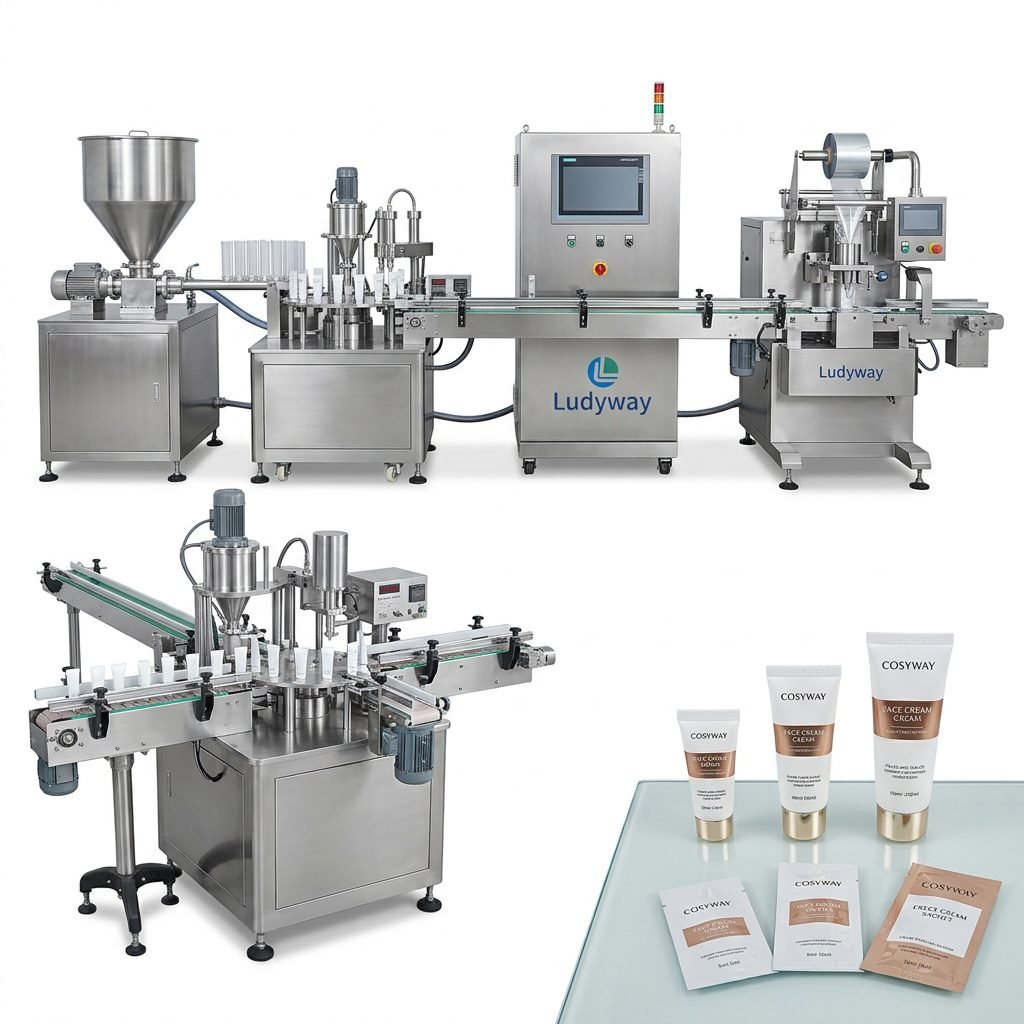
| Sachet Packing Machine | Single-dose powders, liquids, creams | Compact packs, ideal for samples and retail units | Not ideal for larger package sizes |
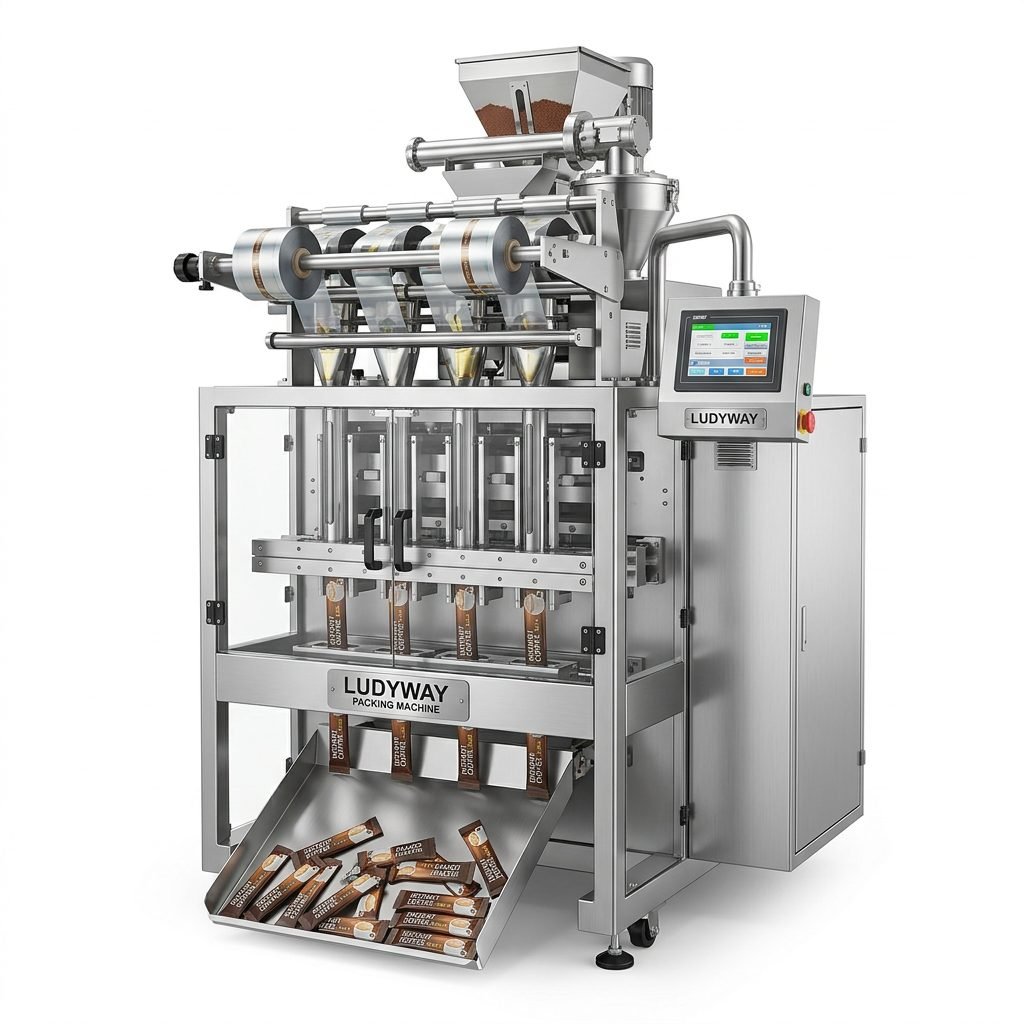
| Stick Pack Machine | Coffee, supplements, drink mix, sugar | Excellent for single-serve branding and convenience | Often more specialized than basic bagging systems |
| Premade Pouch Machine | Stand-up pouches, zipper bags | Premium packaging appearance | Higher pouch material cost |
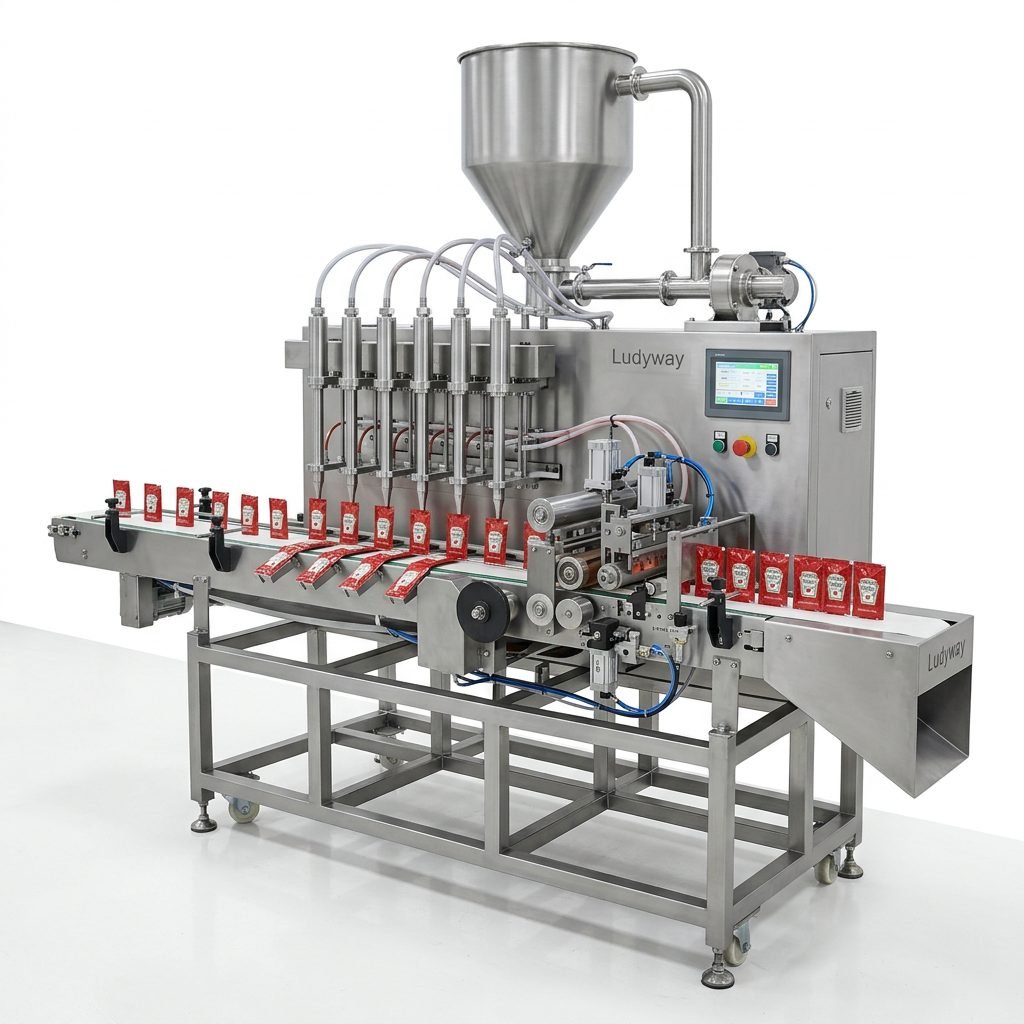
| Liquid Filling & Sealing Machine | Sauces, lotions, detergents, syrups | Good accuracy for fluid products | Cleaning requirements can be higher |
| Semi-Automatic Filling Machine | Startups and low-volume producers | Lower investment, easier operation | More labor required |
Which Machine Is Best by Product Type?
For Powder Products
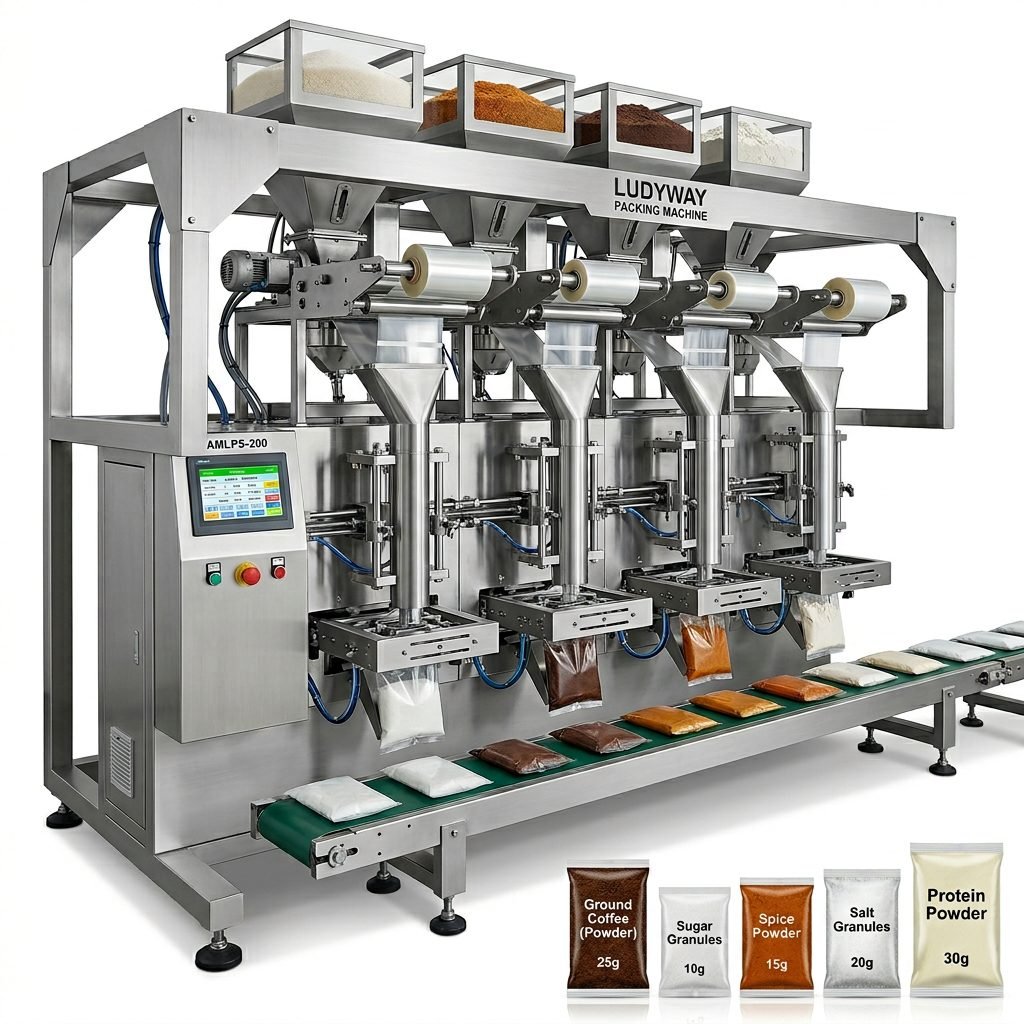
If you package protein powder, coffee, spices, health supplements, flour, or drink mixes, a powder sachet machine, stick pack machine, or VFFS system with auger filling is usually the best fit. These machines offer accurate dosing and work well for single-serve or small retail packs.
For Granules
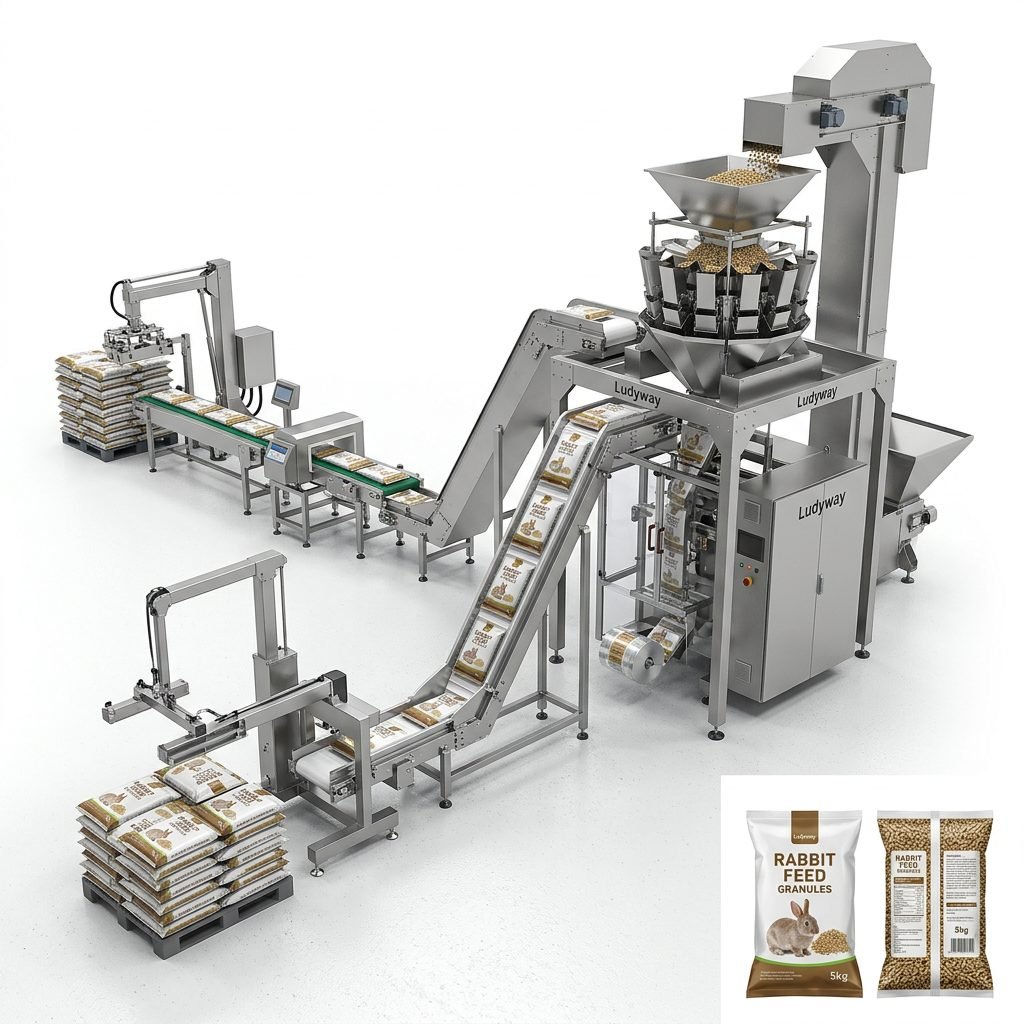
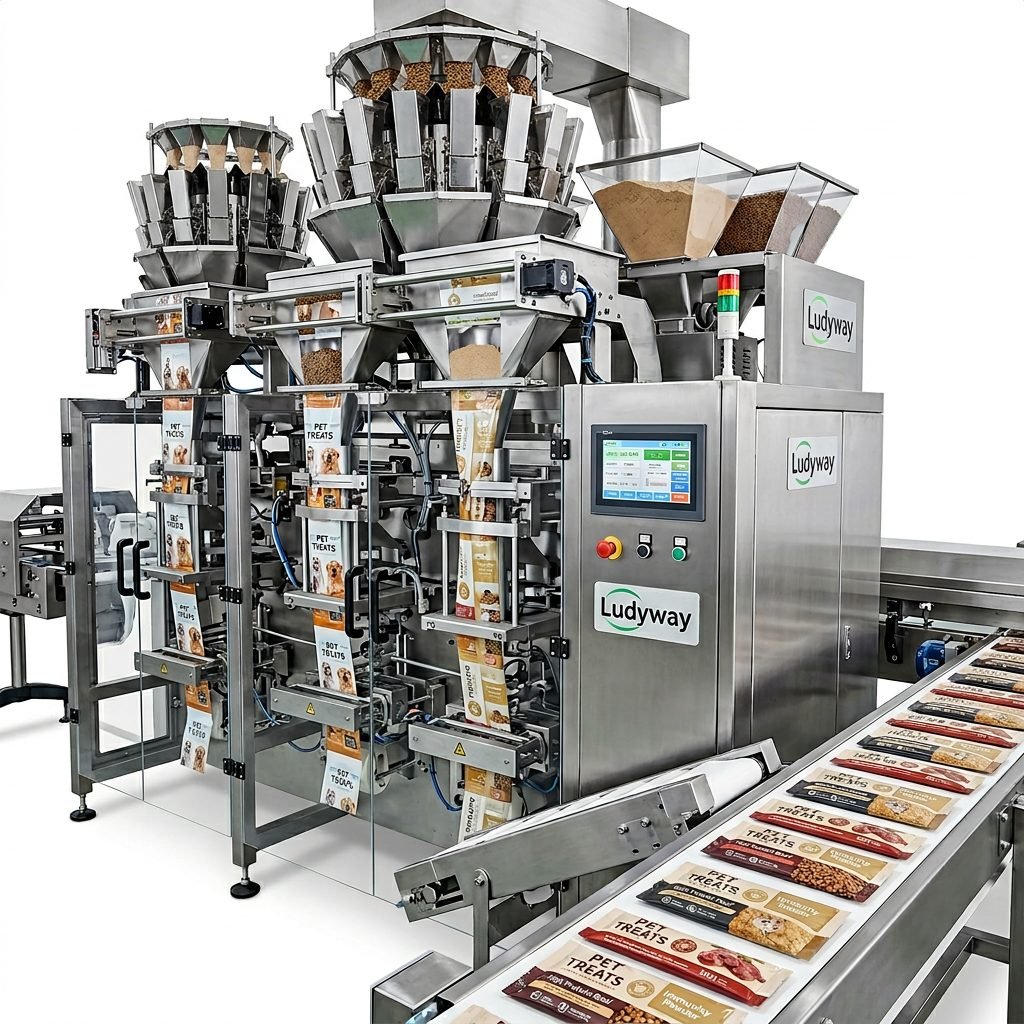
Products like sugar, salt, seeds, snacks, pet treats, and small pellets are often best packed with a granule packaging machine using a cup filler, weigher, or counting system. The right dosing device matters as much as the main machine.
For Liquids and Pastes
If your business sells sauces, shampoo, honey, serum, gel, or cleaning liquids, look at a liquid filling and sealing machine. For thicker materials, piston filling systems are often more suitable than standard liquid pumps.
For Premium Retail Pouches
Brands that want stronger shelf appeal often choose a premade pouch packaging machine. This is common in specialty food, cosmetics, supplements, and pet care products.
Semi-Automatic vs Automatic Packaging Machines
Many small businesses struggle with this decision. The right answer depends on your current sales volume and labor structure.
| Feature | Semi-Automatic | Automatic |
|---|---|---|
| Initial Cost | Lower | Higher |
| Labor Requirement | Higher | Lower |
| Output Speed | Lower to medium | Medium to high |
| Best For | Startups, trial production, niche brands | Scaling businesses, OEM suppliers, larger orders |
| Flexibility | Often easier for manual adjustments | Better long-term efficiency |
Simple rule: if your orders are still inconsistent, semi-automatic may be enough. If labor costs, order delays, or quality inconsistency are already hurting growth, automatic packaging is usually the better long-term investment.
Key Buying Factors That Matter Most
1. Packaging Speed
Do not buy based only on maximum speed claims. Ask for the real output speed for your exact product and bag size. Powder flow, liquid viscosity, and material quality all affect production speed.
2. Filling Accuracy
Underfilling can create compliance and customer satisfaction issues. Overfilling wastes product and reduces profit. For small businesses, accuracy is often more important than extreme speed.
3. Machine Footprint
Compact equipment is critical for small factories, workshops, and rented production spaces. Always confirm the space needed for the machine, hopper, conveyor, operator access, and maintenance clearance.
4. Changeover Time
If you produce multiple SKUs, ask how long it takes to switch between different pack sizes or materials. Fast changeover improves efficiency for smaller batch businesses.
5. Packaging Material Compatibility
Some machines work better with specific laminated films, foil structures, or pouch materials. Material mismatch can cause poor sealing, wrinkles, or frequent downtime.
6. Service and Spare Parts
For small businesses, after-sales support is essential. Even a good machine becomes a problem if spare parts are slow or technical support is limited.
7. Upgrade Potential
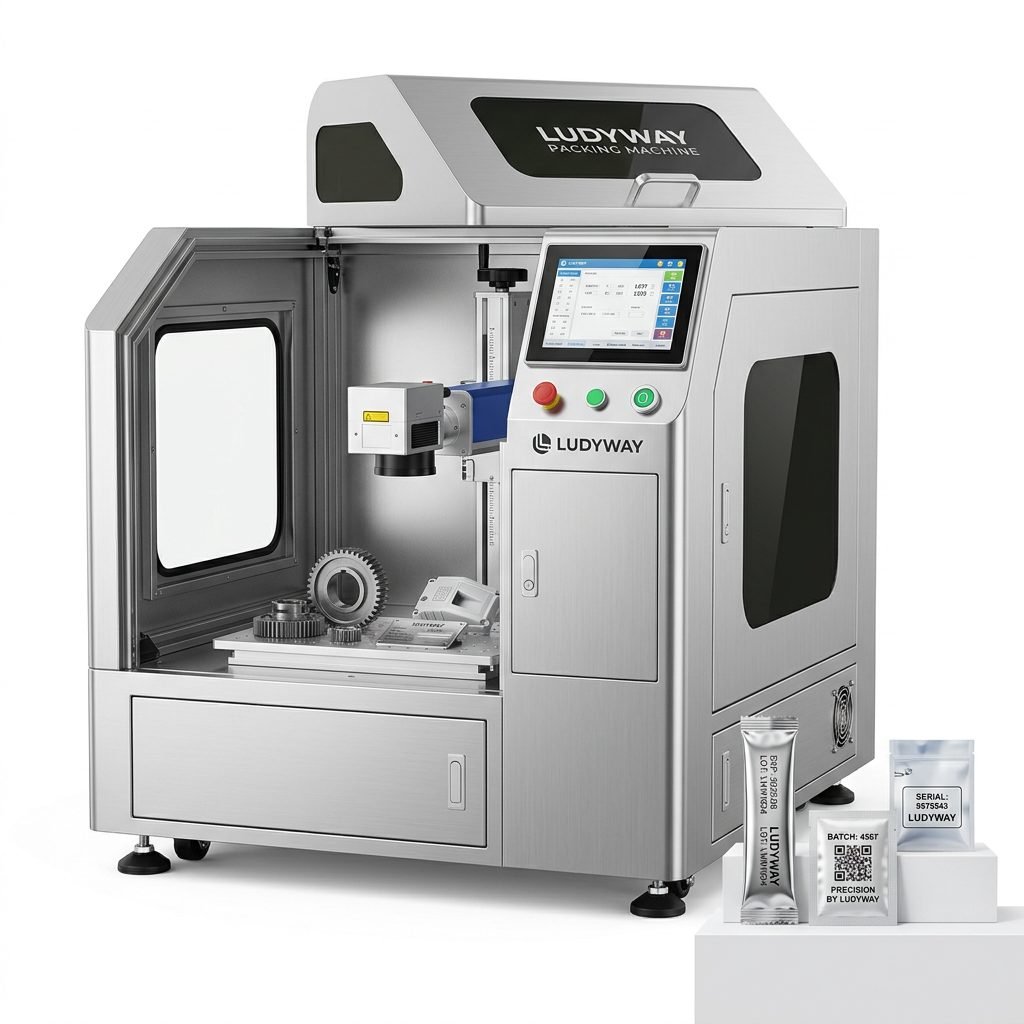
Choose a model that can grow with your production line. Optional additions such as conveyors, coding machines, checkweighers, metal detectors, or cartoning systems can protect your investment.
Best Packaging Machine Recommendations by Business Stage
Startup Stage
- Semi-automatic powder or liquid filler
- Compact sachet machine
- Basic sealing equipment for low-volume runs
Best for businesses testing products, validating demand, or starting with limited capital.
Growth Stage
- Single-lane automatic sachet machine
- Compact VFFS machine
- Entry-level premade pouch machine
Best for brands with stable monthly sales and increasing pressure on labor and consistency.
Scaling Stage
- Multi-lane stick pack or sachet machine
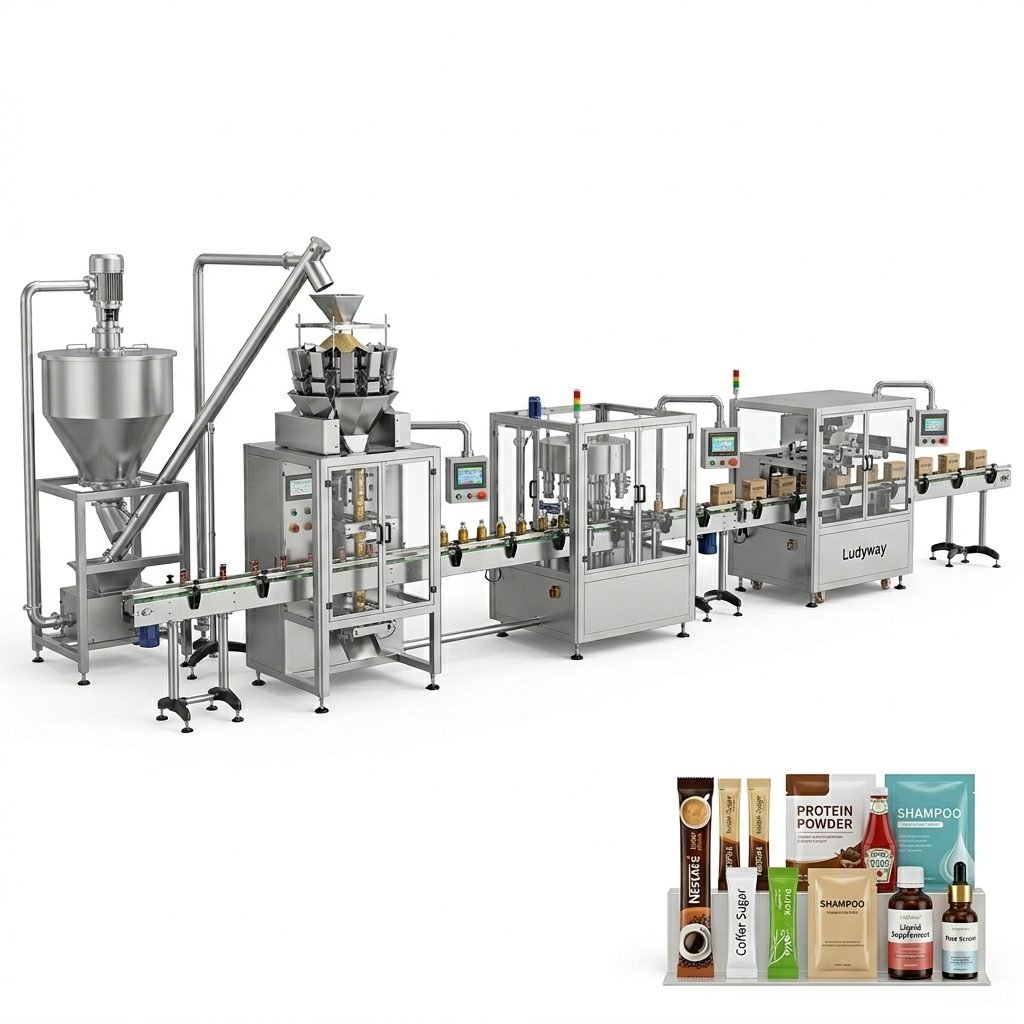
- Integrated filling, sealing, coding, and conveying system
- Turnkey packaging line for continuous production
Best for businesses entering private label supply, export orders, or larger distribution channels.

Common Mistakes Small Businesses Make
- Buying only on price and ignoring long-term operating costs.
- Choosing oversized equipment that does not match real production demand.
- Ignoring packaging material testing before purchase.
- Not checking cleaning and maintenance requirements, especially for food, cosmetics, and pharma-related products.
- Overlooking future SKUs and expansion needs.
- Failing to confirm after-sales service, spare part availability, and remote technical support.
Important: A cheaper machine can become more expensive if it creates product waste, downtime, sealing defects, or frequent manual rework.
Questions to Ask a Packaging Machine Supplier
- Can the machine handle my exact product and package size?
- What output can it achieve with my material?
- What filling system is recommended for my product?
- What consumables and spare parts will I need?
- How long is operator training?
- Do you provide installation guidance or remote support?
- Can the machine be upgraded later?
- Can you share videos or test runs using a similar product?
How to Choose the Best Machine for Your Industry
Food Businesses
Focus on hygiene, accurate filling, seal integrity, and easy cleaning. VFFS, sachet, and stick pack machines are common for powders, seasonings, snacks, coffee, and drink mixes.
Supplement Brands
Stick packs and sachets are highly effective for single-dose nutrition, probiotics, collagen, and electrolyte powders. Precision dosing and consistent presentation are especially important.
Cosmetic Brands
For creams, serums, lotions, and samples, sachet and liquid filling machines are popular. Attractive packaging and leak-proof sealing are critical.
Pharmaceutical and Health Products
Prioritize compliance, filling accuracy, batch consistency, and validation support. Machines should be selected based on product form and hygiene requirements.
Why Many Small Businesses Start with Flexible, Modular Equipment
Modular packaging systems are often the smartest choice for smaller manufacturers because they allow gradual automation. You may begin with filling and sealing, then later add coding, inspection, cartoning, or palletizing.
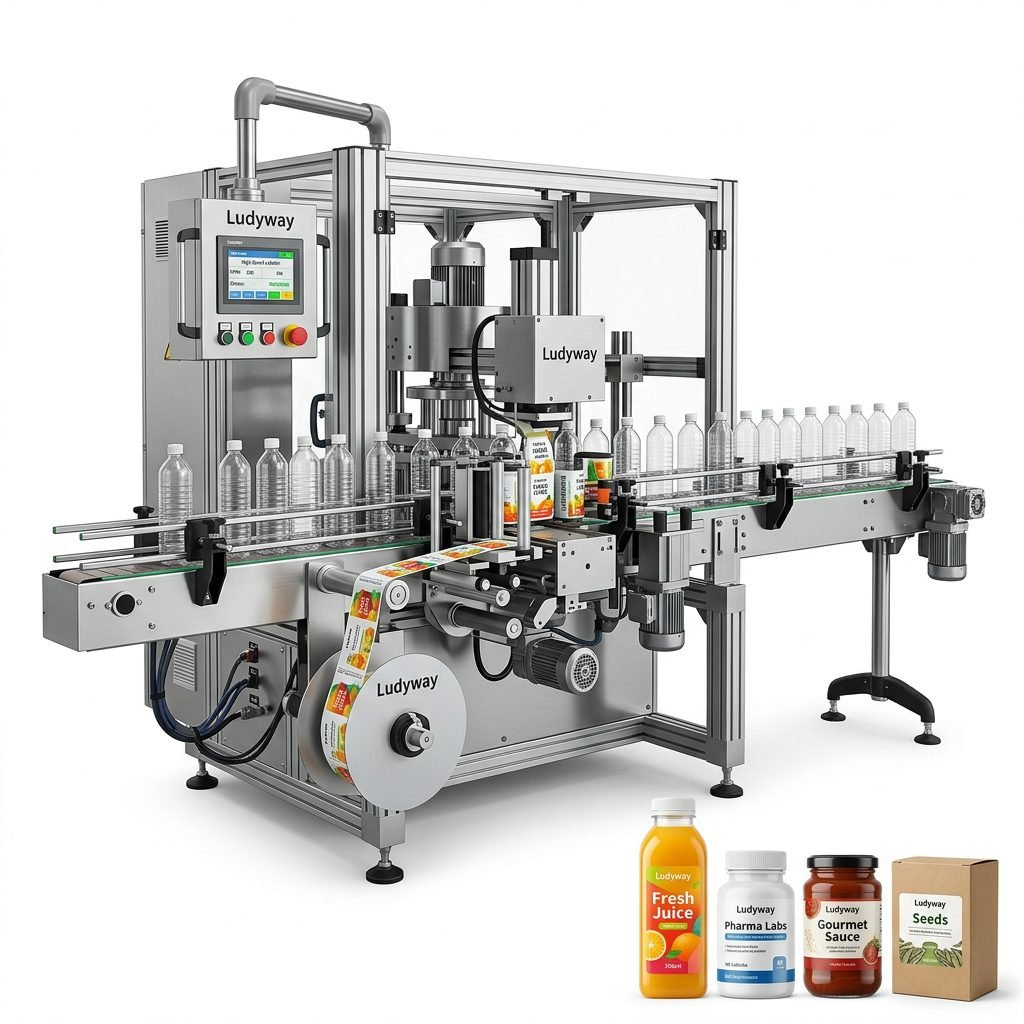
Suppliers with broad product coverage are usually better positioned to support this path. For example, packaging machine manufacturer Ludyway offers standalone equipment and turnkey packaging line solutions across food, pharmaceutical, cosmetic, chemical, nicotine pouch, and animal feed applications, which is useful for businesses planning long-term expansion.
Final Buying Checklist
| Checklist Item | Why It Matters |
|---|---|
| Product characteristics confirmed | Ensures correct filling and sealing technology |
| Packaging format selected | Avoids buying the wrong machine category |
| Output target defined | Prevents underbuying or overbuying |
| Factory space measured | Ensures smooth installation and operation |
| Material compatibility tested | Improves seal quality and uptime |
| After-sales support verified | Reduces downtime risk |
| Upgrade path discussed | Supports future growth |
Conclusion
The best packaging machine for a small business is the one that matches your product, production level, and growth plan without overcomplicating operations. In most cases:
- Semi-automatic machines are best for low-volume startups.
- VFFS machines are ideal for many powder and granule applications.
- Sachet and stick pack machines are excellent for single-serve retail products.
- Liquid filling and sealing machines work best for sauces, cosmetics, and fluid products.
- Premade pouch machines are suitable for brands focused on premium presentation.
If you compare machine type, filling method, speed, service support, and scalability carefully, you will make a much smarter investment and create a stronger foundation for long-term business growth.