Establishing a bread packaging machine production line in the United States requires meticulous planning, adherence to strict FDA food packaging regulations, and investment in reliable, high-performance equipment. Whether you are a commercial bakery scaling up operations or a food manufacturer entering the retail market, a well-designed packaging line directly impacts product freshness, shelf life, and overall operational efficiency. This comprehensive guide walks you through the essential phases—from initial planning and equipment selection to installation, training, and long-term maintenance—ensuring your production line meets both industry packaging machinery standards and your business objectives.
1. Assessing Your Production Requirements
Before selecting any machinery, you must thoroughly evaluate your current and projected production volumes. Consider the following critical factors:
- Daily output targets – Determine how many loaves, rolls, or specialty bread items you need to package per hour or per shift. This directly influences the speed and automation level required.
- Packaging formats – Identify whether you need bagging, flow wrapping, shrink wrapping, or a combination of formats. Different bread products may require different packaging approaches.
- Bread variety and dimensions – Loaf sizes, shapes, and textures vary widely. Your equipment must accommodate this range without causing product damage or inconsistent sealing.
- Film and material compatibility – Confirm the packaging film types your operation will use, including biodegradable, polypropylene, or laminated films with specific barrier properties.
- Future scalability – Plan for growth by selecting modular systems that can be expanded or upgraded as demand increases.
Key Metrics to Define Early
| Metric | Typical Range | Why It Matters |
|---|---|---|
| Packaging Speed | 30 – 120 packs/minute | Directly affects throughput and labor requirements |
| Bag Length Range | 100 mm – 600 mm | Must match your bread loaf dimensions precisely |
| Film Roll Diameter | Up to 350 mm | Impacts changeover frequency and downtime |
| Power Consumption | 3 – 15 kW | Influences operating costs and facility electrical planning |
2. Understanding Bread Packaging Machine Types
Different bread products call for different packaging technologies. Choosing the correct machine type is fundamental to achieving optimal results. The most common configurations include:
Horizontal Flow Wrappers
These are the industry standard for loaf bread and artisan bread packaging. The product is fed horizontally into a continuous film tube, which is then sealed and cut. They offer excellent speed and tight wrapping, preserving freshness while presenting a clean, retail-ready appearance.
Vertical Form Fill Seal (VFFS) Machines
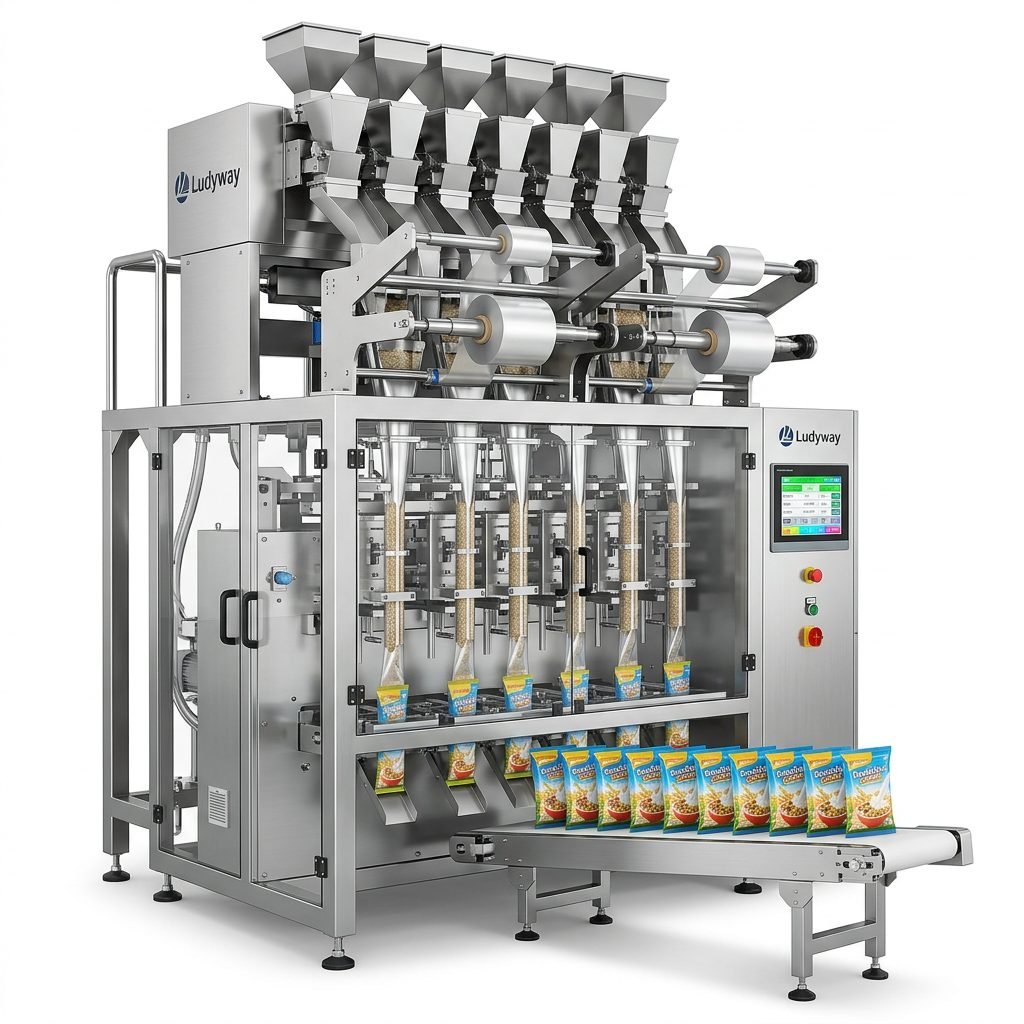
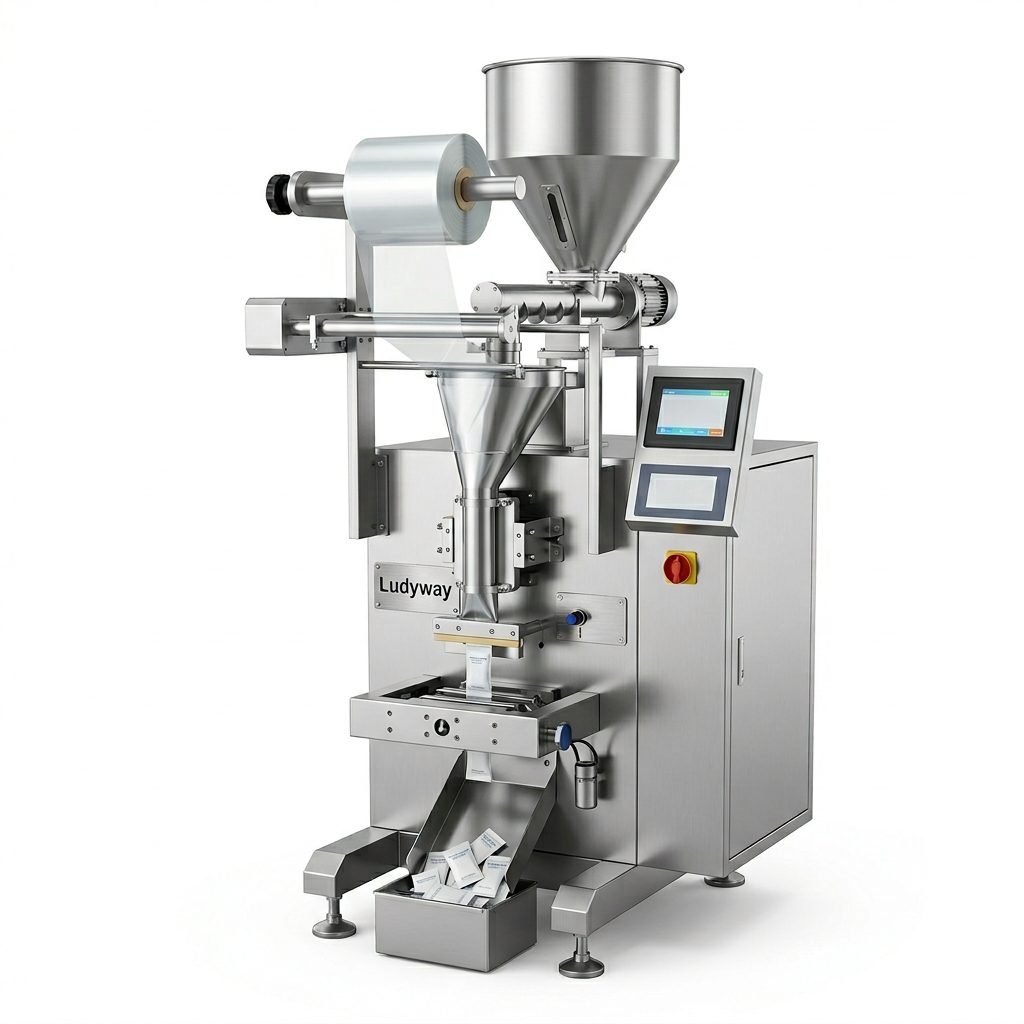
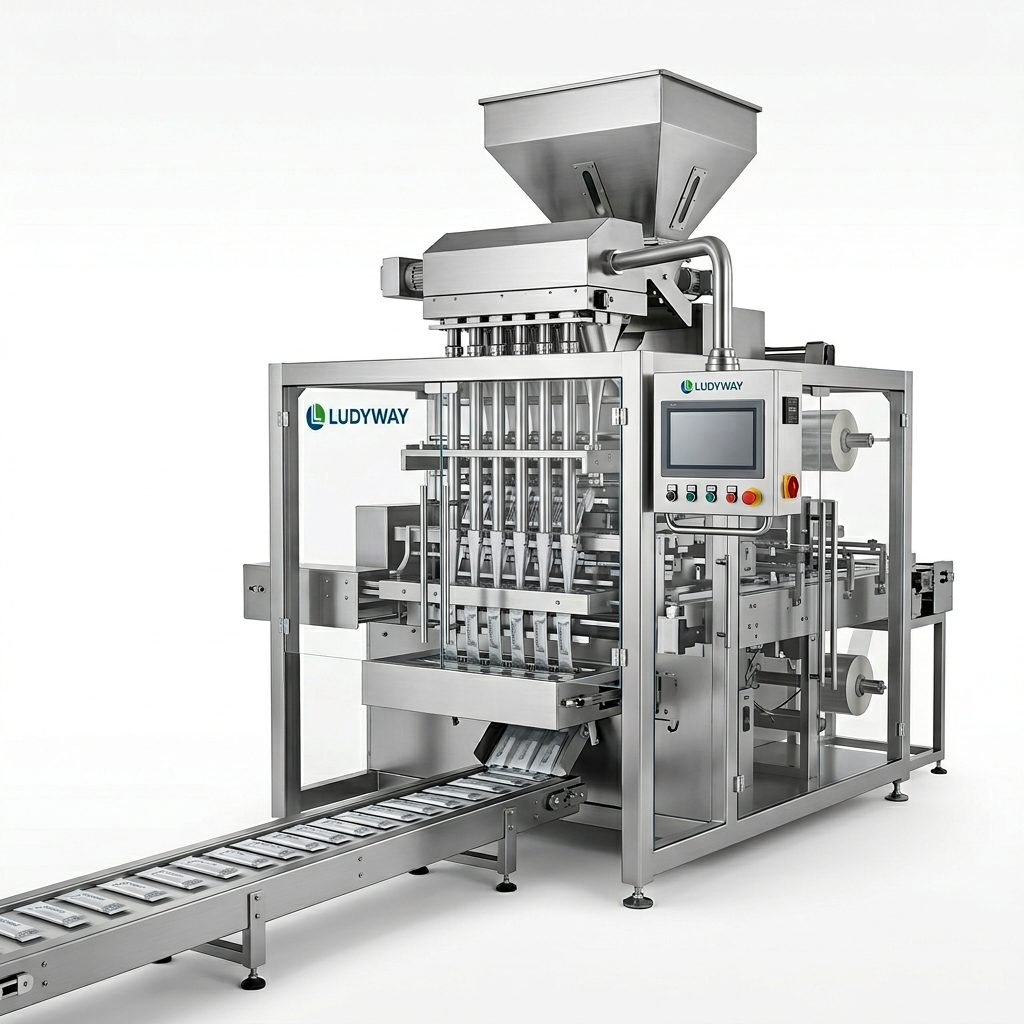
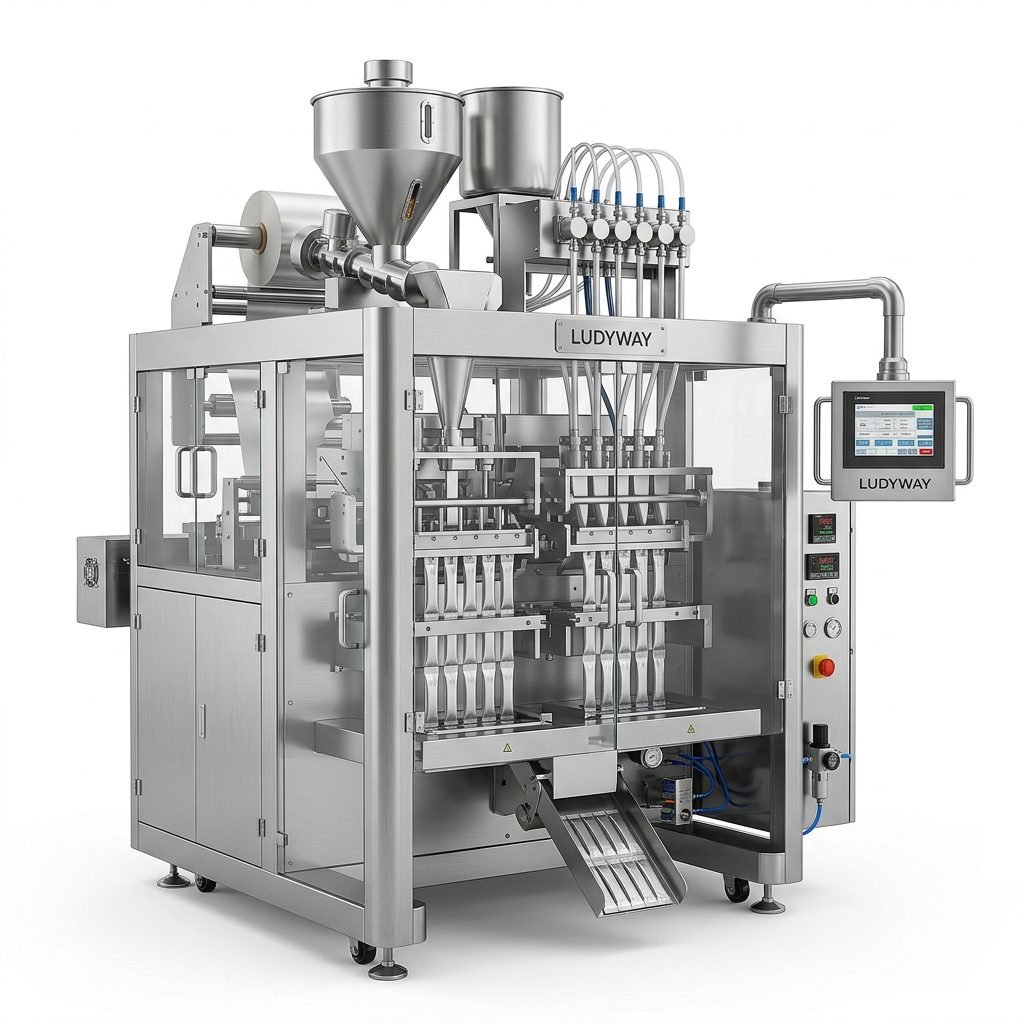
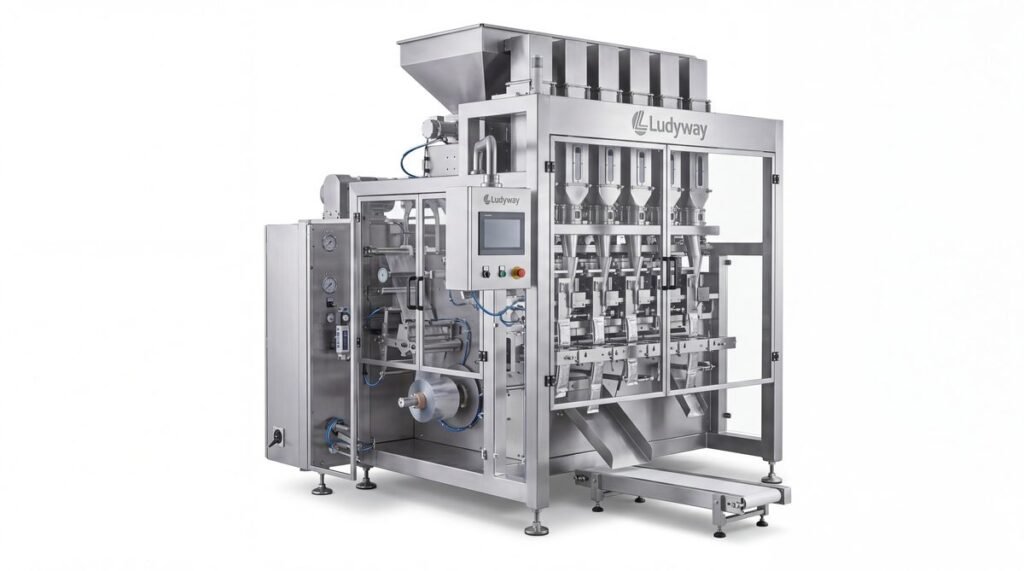
While more common for granular products, certain VFFS configurations can handle bread rolls, buns, and smaller baked items. These machines form bags from flat film, fill them vertically, and seal them. Multi-lane VFFS systems can dramatically increase throughput for smaller bread products.
Automatic Bagging Machines
Designed specifically for bakery applications, automatic bagging machines open pre-made bags, insert the bread product, and close the bag using twist ties, tape, or heat sealing. These are ideal for operations requiring gentle handling of delicate bread products.

3. Equipment Selection Criteria
Investing in the right bread packaging machine requires evaluating several critical parameters beyond just speed and price. A thorough assessment helps avoid costly mistakes and ensures long-term reliability.
- Build quality and materials – Food-grade stainless steel construction is essential for compliance and durability. Ensure all contact parts meet FDA and USDA standards for food contact surfaces.
- Sealing technology – Consistent, strong seals prevent product spoilage and extend shelf life. Look for machines with precise temperature control and adjustable sealing pressure.
- Changeover time – If you produce multiple bread types, rapid changeover capability between product runs minimizes downtime and increases overall equipment effectiveness.
- Automation and controls – Modern PLC-based systems with touchscreen interfaces simplify operation, reduce training time, and provide valuable production data tracking.
- After-sales support and spare parts availability – Domestic or readily accessible technical support and spare parts are crucial for minimizing disruptions.
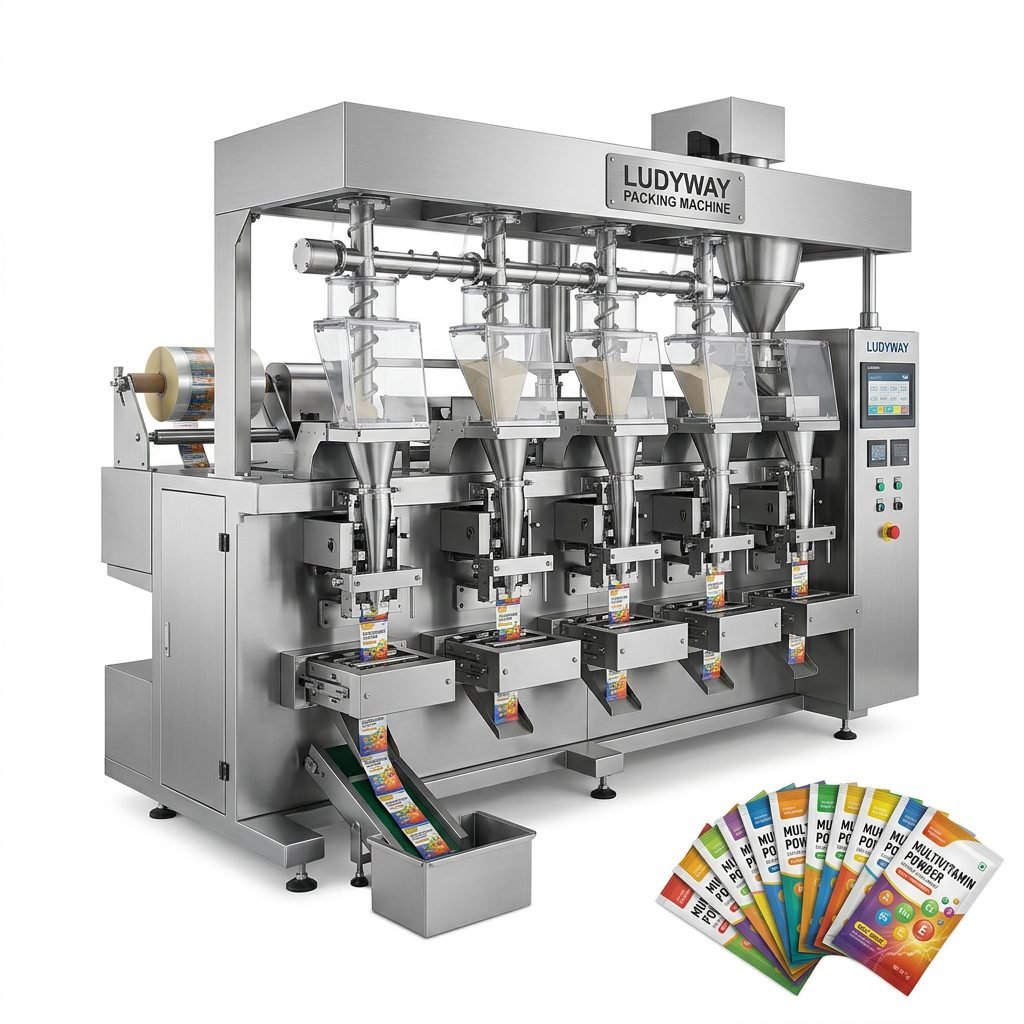
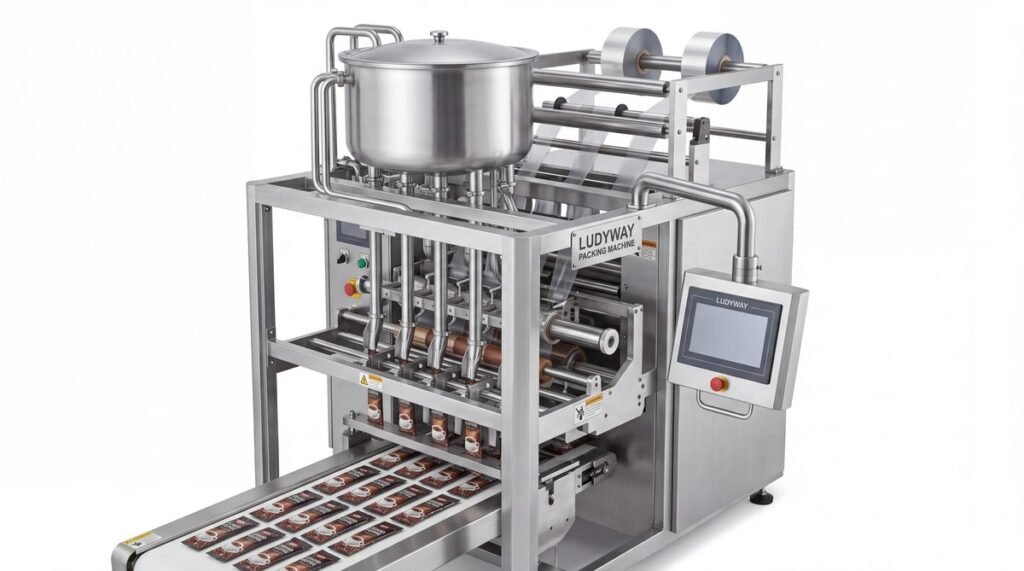
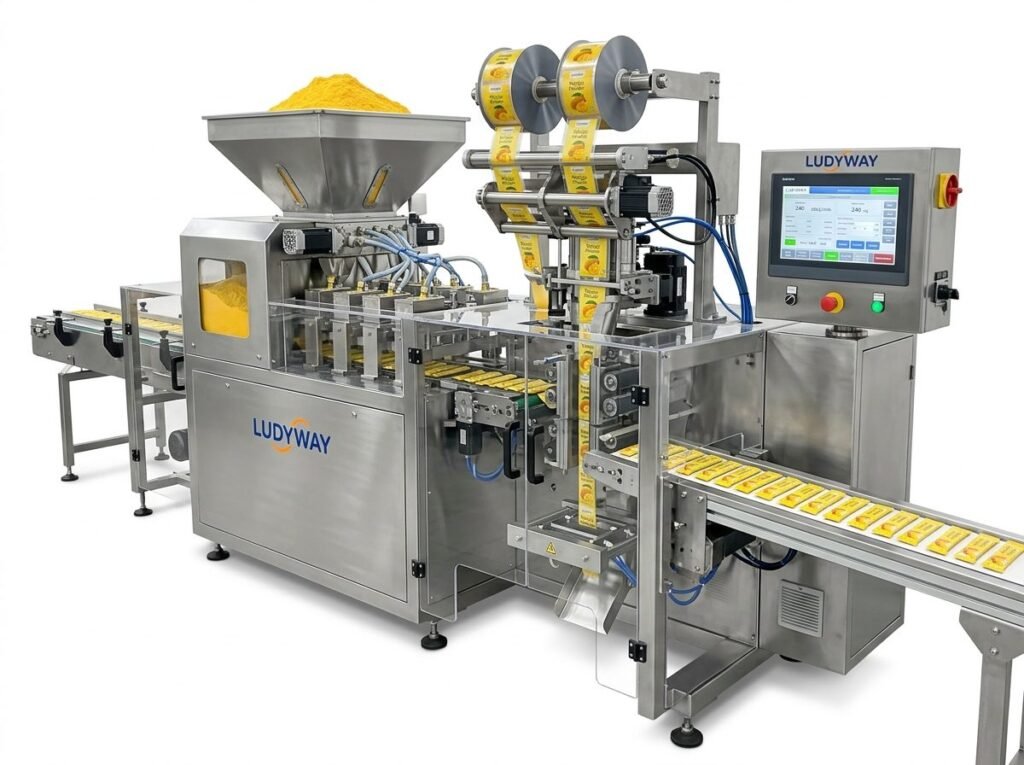
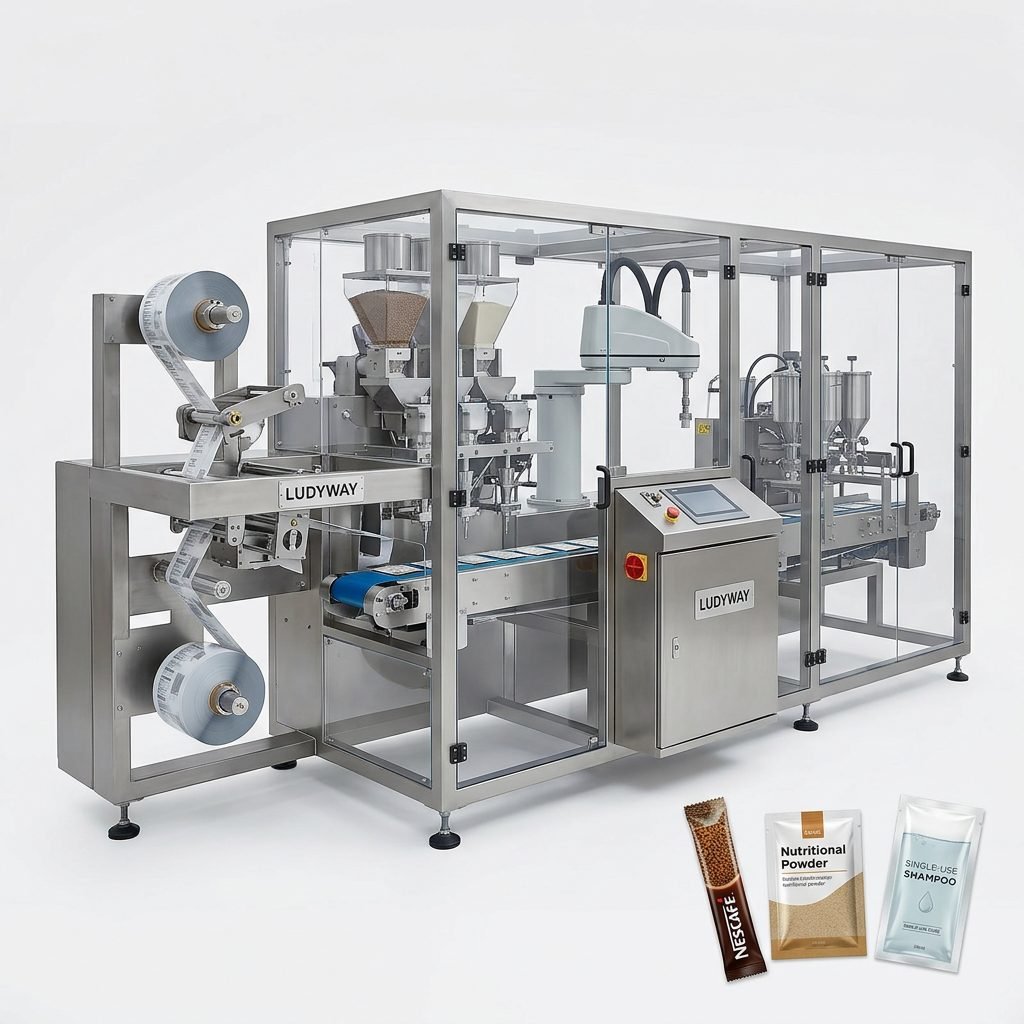
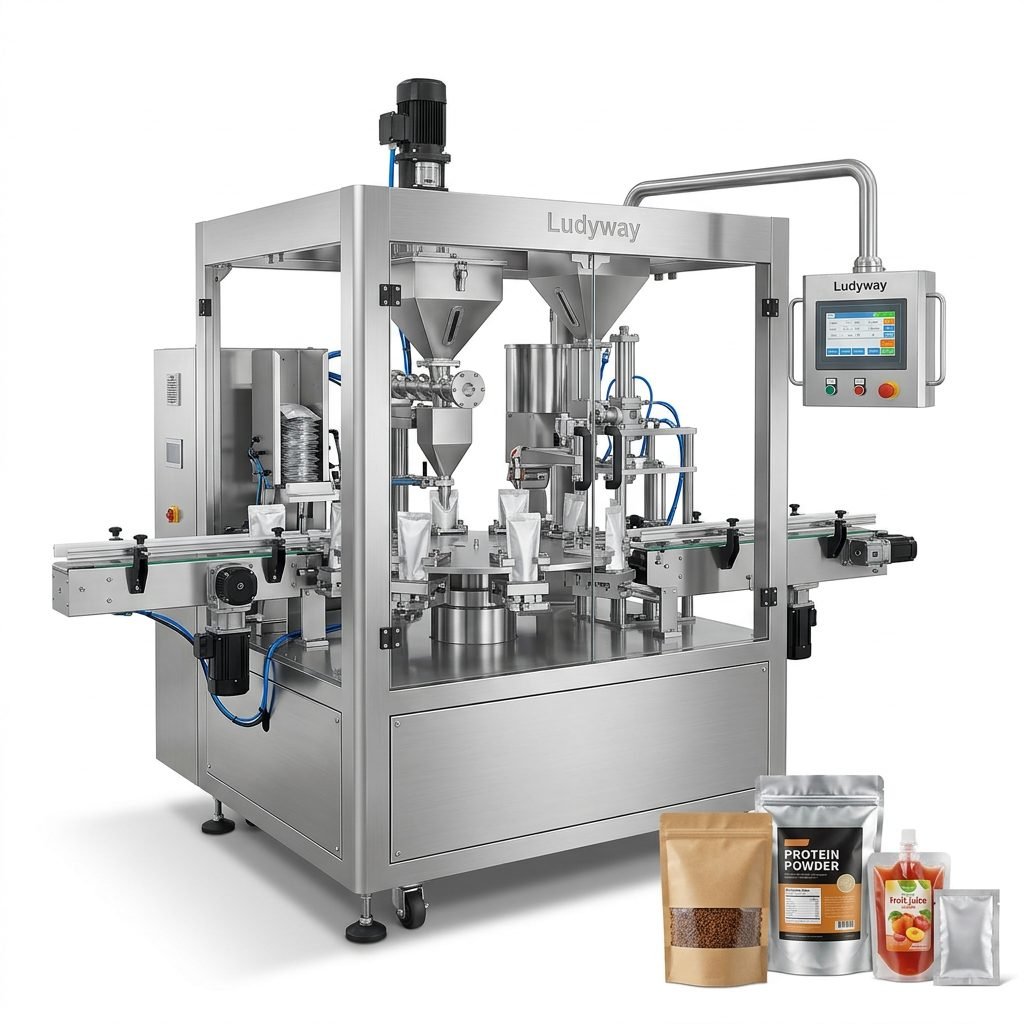
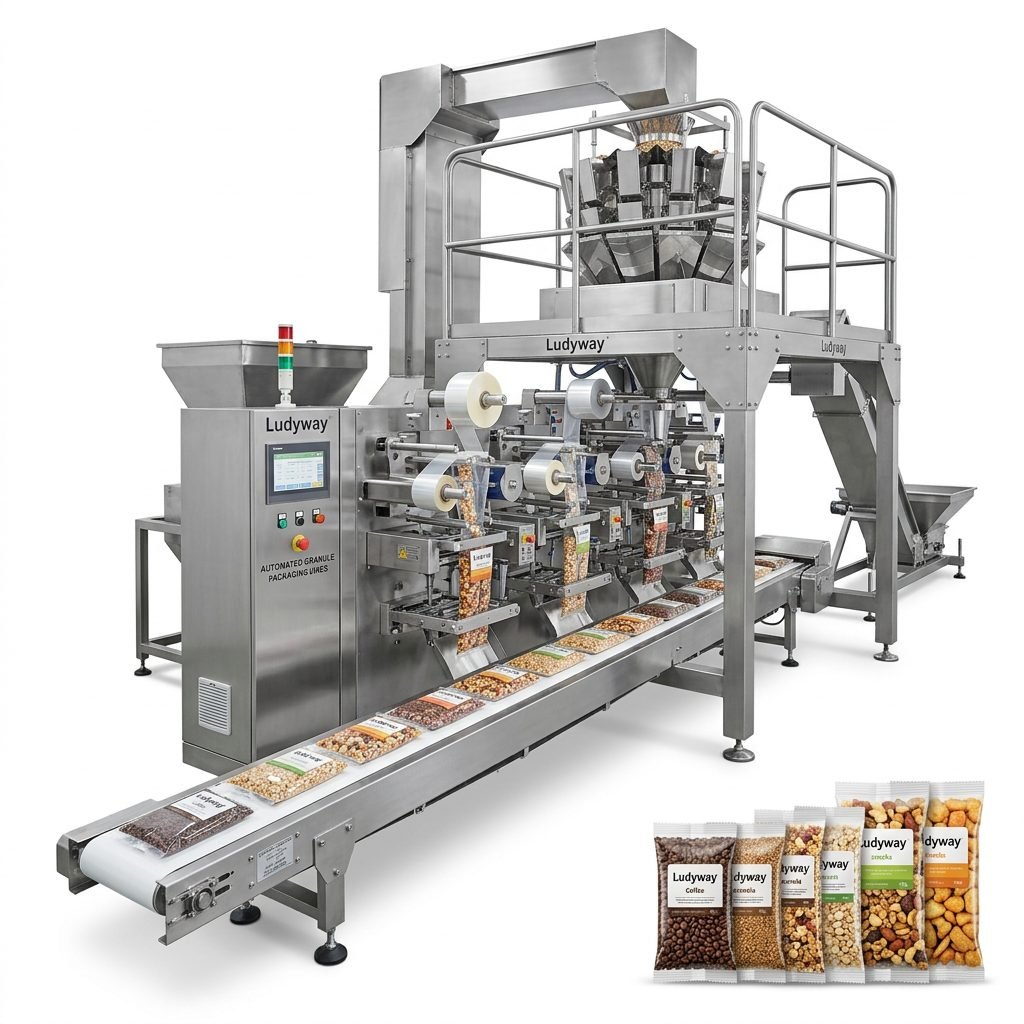
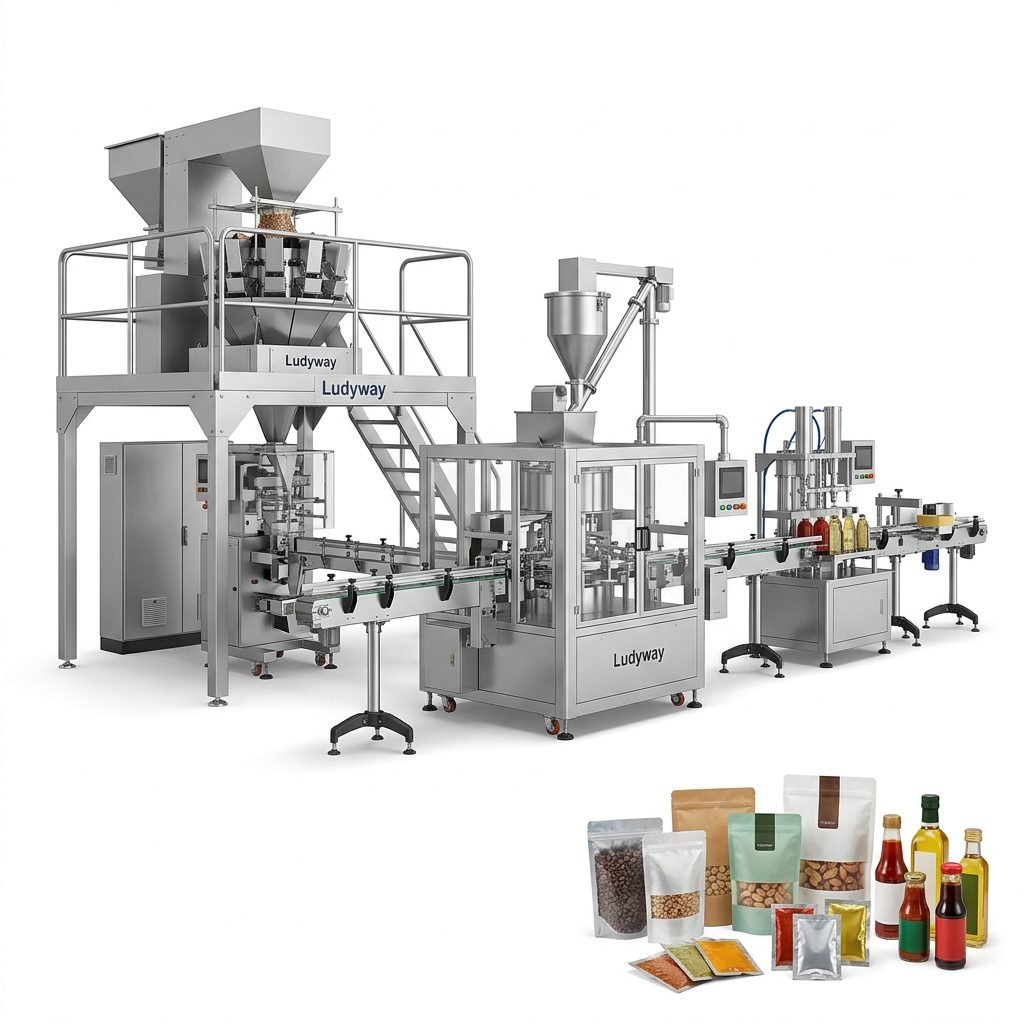
Reputable packaging machine manufacturers offer comprehensive warranties and documented service networks. Companies like Ludyway, one of the largest packaging machine manufacturers in China with over 30 years of industry expertise and a 20,000㎡ modern production facility, provide turnkey solutions specifically tailored to food packaging applications, including multi-lane and fully automated packaging systems serving over 100 countries.
4. Facility Preparation and Utility Requirements
Installing a bread packaging production line demands a properly prepared facility. Overlooking utility and space requirements can lead to significant delays and unexpected costs.
Electrical Supply
Most industrial bread packaging machines operate on 220V or 480V three-phase power. Verify that your facility’s electrical infrastructure can support the total load, including all auxiliary equipment such as conveyors, coders, and checkweighers. Consult with a licensed electrician to ensure compliance with the National Electrical Code.
Compressed Air
Many automated packaging machines require a consistent supply of clean, dry compressed air for pneumatic actuators and sealing mechanisms. A dedicated air compressor with appropriate filtration and drying capability is essential.
Space and Layout Planning
Allow adequate space not only for the machine itself but also for product infeed, finished package outfeed, operator access, and maintenance activities. A well-planned layout improves workflow and safety. Consider the following minimum clearances:
| Area | Recommended Clearance |
|---|---|
| Machine perimeter (operator side) | At least 1.5 meters (5 feet) |
| Rear and sides (maintenance access) | At least 1.0 meter (3.3 feet) |
| Overhead clearance | Minimum 2.5 meters (8 feet) or per manufacturer specification |
| Infeed and outfeed zones | At least 3.0 meters (10 feet) for smooth material flow |
5. Regulatory Compliance in the United States
Operating a food packaging line in the U.S. requires strict adherence to federal, state, and local regulations. Non-compliance can result in severe penalties and product recalls.
- FDA 21 CFR Part 110 – Current Good Manufacturing Practice (CGMP) for food manufacturing, packaging, and holding. Your equipment and facility must meet sanitary design and operational standards.
- FDA Food Contact Substance Regulations – All packaging materials, films, and adhesives that contact bread must be approved food contact substances. Refer to FDA packaging and food contact substances guidelines for detailed requirements.
- OSHA Workplace Safety Standards – Machine guarding, lockout/tagout procedures, and ergonomic design must comply with Occupational Safety and Health Administration requirements to protect operators.
- Labeling Requirements – Ensure your packaging line integrates with labelers or printers that produce FDA-compliant labels, including nutrition facts, ingredient lists, and allergen declarations.
- State-Level Regulations – Some states have additional food safety requirements. California’s Proposition 65, for example, may impose further labeling obligations.
6. Installation and Commissioning Process
Proper installation sets the foundation for reliable, long-term operation. Rushing through this phase often leads to recurring mechanical issues and suboptimal performance.
Step-by-Step Installation Overview
- Site inspection and preparation – Confirm all utilities are in place and the floor is level. Address any deficiencies before equipment arrival.
- Unloading and positioning – Use appropriate lifting equipment. Position the machine according to the approved layout drawing, verifying clearances.
- Utility connections – Connect electrical, pneumatic, and any water or drainage lines per manufacturer specifications. Only qualified technicians should perform these connections.
- Calibration and setup – Calibrate temperature controllers, sealing pressures, film tension, and product sensors. Run test cycles with actual bread products.
- Trial production runs – Conduct supervised production runs at increasing speeds, inspecting package integrity, seal quality, and overall consistency.
- Documentation and sign-off – Complete all installation checklists and obtain official sign-off from the equipment supplier or integrator.
7. Operator Training and Workforce Development
Even the most advanced packaging line will underperform without properly trained operators. Invest in comprehensive training that covers:
- Machine operation and controls – Hands-on training with the HMI interface, startup and shutdown procedures, and parameter adjustments.
- Quality inspection protocols – Teaching operators to identify and address seal defects, film wrinkles, and product misalignment issues.
- Basic troubleshooting and maintenance – Empowering your team to diagnose and resolve common issues without waiting for external support.
- Safety procedures – Thorough instruction on emergency stops, lockout/tagout, and safe operating practices around moving parts and heat seals.
Many turnkey packaging solution providers include initial operator training as part of their installation package. Ongoing refresher training helps maintain high productivity levels and reduces the risk of accidents.
8. Maintenance Strategies for Longevity
A proactive maintenance program dramatically extends the lifespan of your bread packaging equipment and prevents costly unplanned downtime. Implement a structured approach that includes the following elements:
| Maintenance Type | Frequency | Key Activities |
|---|---|---|
| Daily cleaning and inspection | Every shift | Remove product debris, inspect seals and cutting blades, check film alignment, verify sensor operation |
| Weekly preventive maintenance | Once per week | Lubricate moving parts, inspect belts and chains, clean air filters, check electrical connections |
| Monthly deep inspection | Once per month | Calibrate temperature and pressure sensors, inspect heating elements, verify safety interlocks, tighten fasteners |
| Annual comprehensive service | Once per year | Replace worn components, full system calibration, software updates, major component inspection (gears, bearings, motors) |
Maintain a detailed maintenance log for each machine, recording all service activities, part replacements, and any anomalies observed. This historical data is invaluable for predictive maintenance planning and warranty claims. For deeper insights, refer to packaging industry business intelligence resources that offer benchmarks and best practices.
9. Integrating Ancillary Equipment
A complete bread packaging production line extends beyond the primary wrapping or bagging machine. Seamless integration of auxiliary equipment creates a smooth, efficient workflow from baking to palletizing.
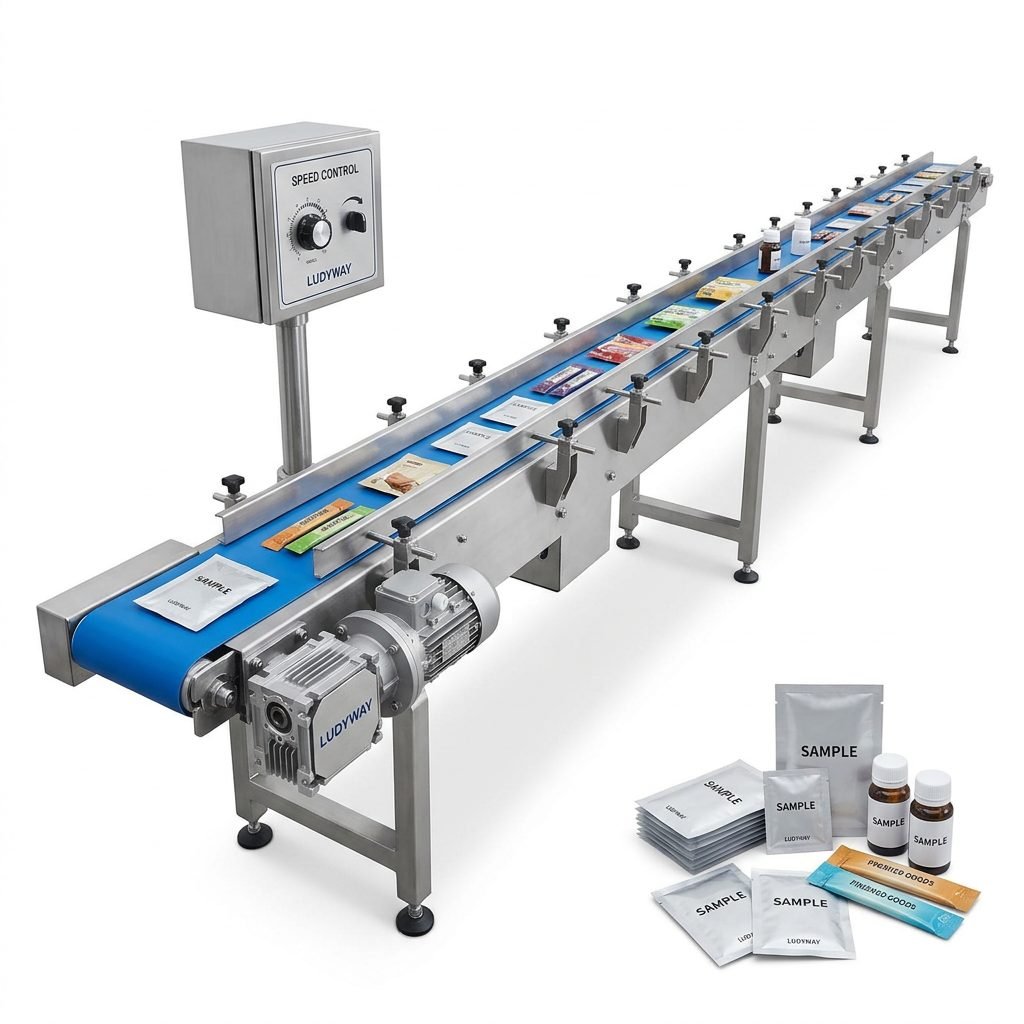
- Infeed conveyors and product handling systems – Transport bread products from cooling racks or ovens to the packaging machine without manual intervention. Gentle handling preserves product integrity.
- Automatic coders and labelers – Print date codes, batch numbers, and barcodes directly onto packaging film or apply pressure-sensitive labels. Integration with centralized production databases ensures accuracy.
- Checkweighers and metal detectors – Critical quality control devices that verify package weight and detect potential contaminants, ensuring compliance with food safety standards.
- Case packing and palletizing systems – Automate the final stages of packaging by loading finished bags into shipping cases and stacking cases onto pallets, reducing manual labor and injury risk.
10. Cost Considerations and ROI Analysis
Budgeting for a bread packaging production line involves both capital expenditure and ongoing operational costs. A realistic financial analysis helps secure funding and set performance expectations.
Capital Expenditure (CAPEX)
- Primary packaging machine(s) – typically the largest single investment
- Auxiliary equipment (conveyors, coders, checkweighers, metal detectors)
- Installation, commissioning, and initial training fees
- Facility modifications (electrical upgrades, compressed air installation, floor treatments)
Operational Expenditure (OPEX)
- Packaging film and consumables
- Electricity and compressed air costs
- Spare parts and routine maintenance expenses
- Operator and maintenance technician labor
When evaluating ROI, consider not only direct labor savings but also reduced product waste, extended shelf life, and increased throughput capacity. A well-implemented automated packaging line typically achieves full payback within 18 to 36 months, depending on production volume and labor cost reductions. Industry reports from PMMI state of the industry data provide valuable benchmarking information for packaging machinery investments.
11. Industry Resources and Ongoing Education
Staying informed about evolving packaging technologies, regulatory changes, and market trends is essential for long-term competitiveness. The following organizations offer valuable resources:
| Resource | Description | Link |
|---|---|---|
| PMMI – Packaging and Processing Technologies Association | Industry standards, market research, and trade events including PACK EXPO | pmmi.org |
| PACK EXPO International | Leading trade show showcasing the latest packaging machinery and technologies | packexpointernational.com |
| FDA Food Packaging Guidance | Official regulatory information on food contact substances and packaging compliance | fda.gov |
| Flexible Packaging Association | Resources on flexible packaging materials, sustainability, and innovation | flexpack.org |
| ISO Packaging Standards | International standards governing packaging design, testing, and quality management | iso.org |
Attending trade shows such as PACK EXPO Las Vegas allows you to see equipment demonstrations firsthand, network with suppliers, and stay current with emerging technologies in the bread packaging sector. Regularly reviewing state of the industry reports also helps benchmark your operations against broader market trends.
12. Common Pitfalls to Avoid
Learning from the mistakes of others can save significant time and money. Here are the most frequent missteps encountered when setting up bread packaging lines in the United States:
- Underestimating film compatibility issues – Not all films work well with every machine. Conduct thorough material trials before committing to a specific film supplier or machine configuration.
- Insufficient operator training investment – Skimping on training leads to higher error rates, increased downtime, and premature equipment wear.
- Ignoring future capacity requirements – Buying a machine that barely meets current demand leaves no room for growth. Modular, expandable systems are a smarter long-term investment.
- Overlooking utility infrastructure costs – Electrical upgrades, compressed air systems, and ventilation improvements can add significantly to the total project cost if not planned early.
- Neglecting preventive maintenance schedules – Reactive maintenance is far more expensive and disruptive than planned, routine upkeep.
Conclusion
Setting up a bread packaging machine production line in the United States is a multifaceted undertaking that demands careful planning, regulatory awareness, and strategic equipment investment. From defining your production requirements and selecting the appropriate packaging technology to ensuring FDA compliance and implementing robust maintenance programs, each phase contributes to the overall success of your operation. By partnering with experienced equipment manufacturers, engaging qualified installation professionals, and investing in thorough operator training, your bakery or food manufacturing facility can achieve consistent, high-quality packaging results that protect product freshness, extend shelf life, and drive business growth in an increasingly competitive market.