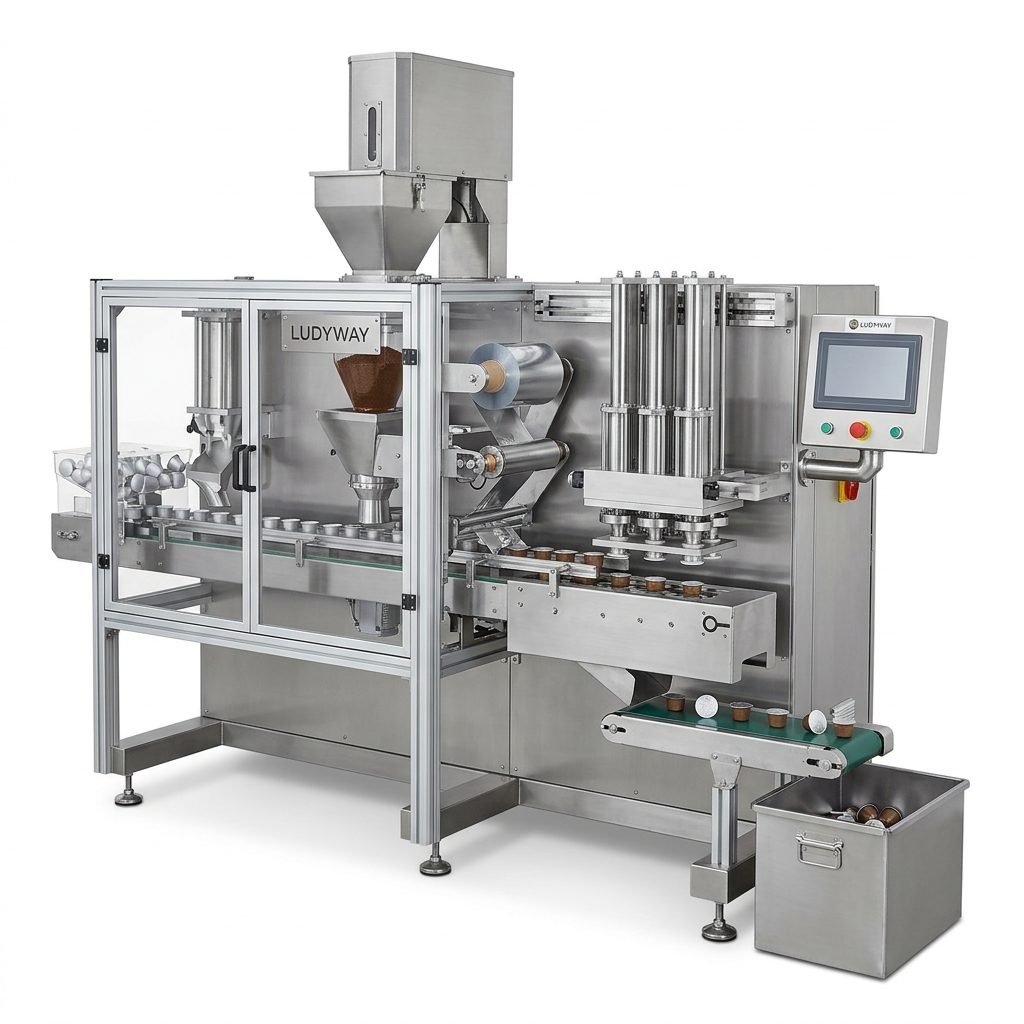
Setting up a feed packaging machine production line requires careful planning, the right equipment selection, and a clear understanding of your production goals. Whether you are packaging livestock feed pellets, aquaculture granules, or pet food powder, an optimized packaging line ensures consistent output, minimal downtime, and compliance with industry standards. This guide walks you through the essential components, setup procedures, and best practices for building a high-performance feed packaging system.
Understanding Feed Packaging Production Lines
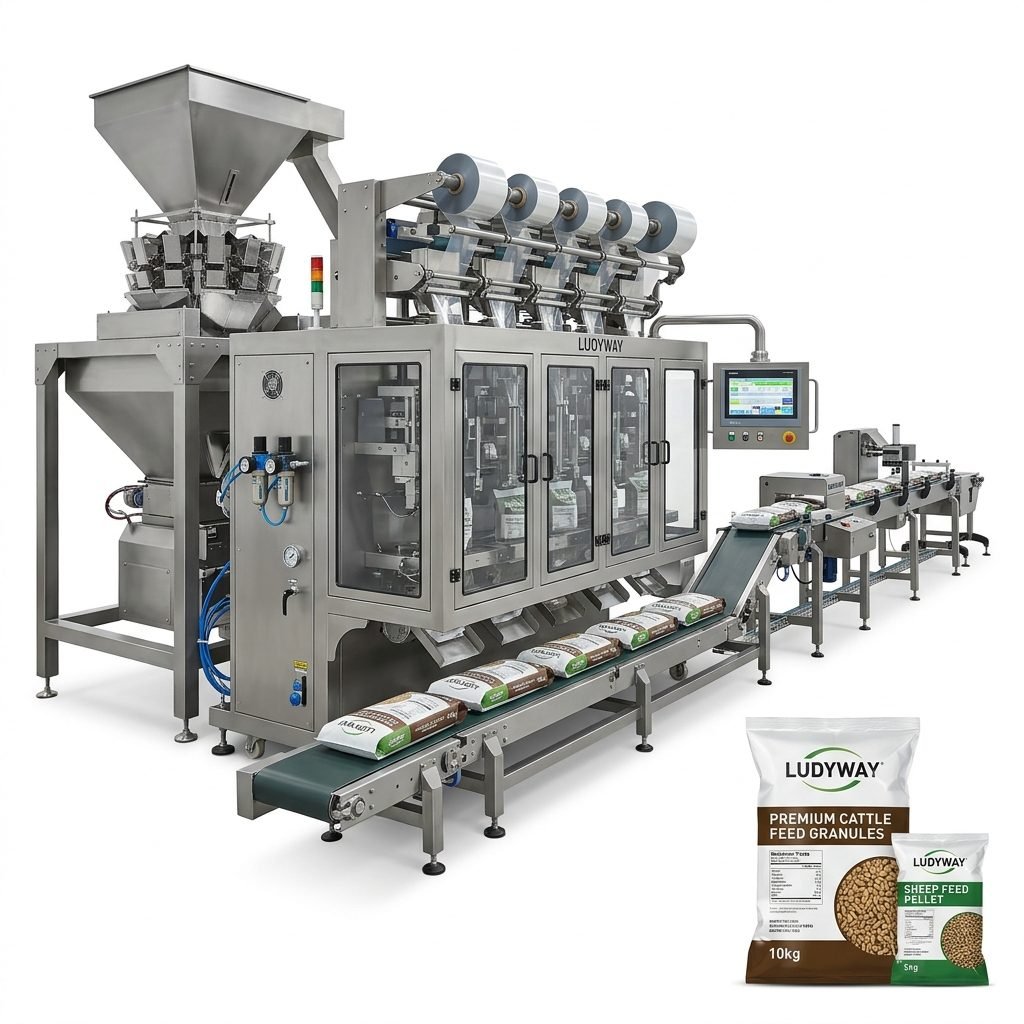
A feed packaging production line is an integrated system designed to automatically weigh, fill, seal, and package various types of animal feed products. These systems handle a wide range of materials including granules, pellets, powders, and crumbles. Modern lines are engineered for flexibility, allowing manufacturers to switch between different feed formulations and package formats with minimal changeover time.
The global packaging machinery market continues to evolve rapidly. According to data from PMMI’s Business Intelligence reports, the demand for automated packaging solutions in the food and agricultural sectors has seen consistent growth, driven by labor cost pressures and the need for higher throughput.
Key Components of a Feed Packaging Line
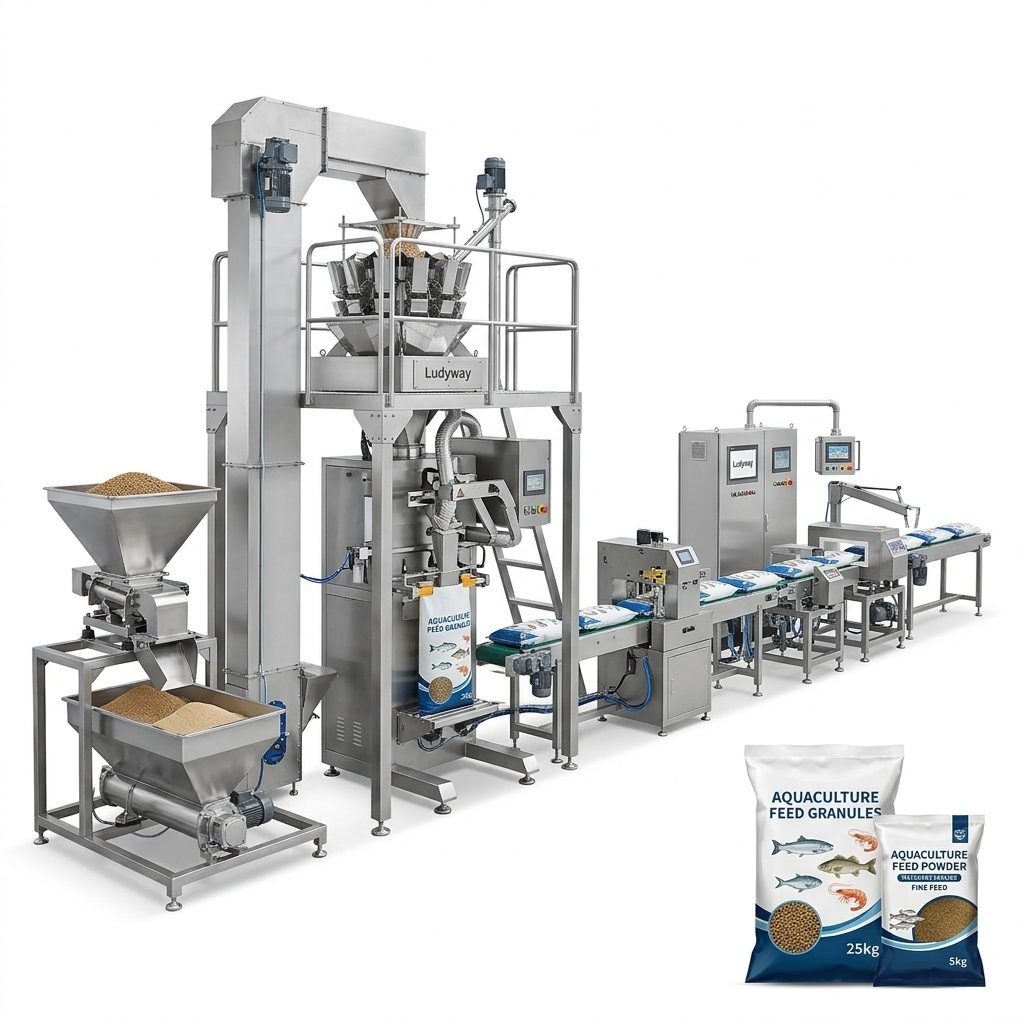
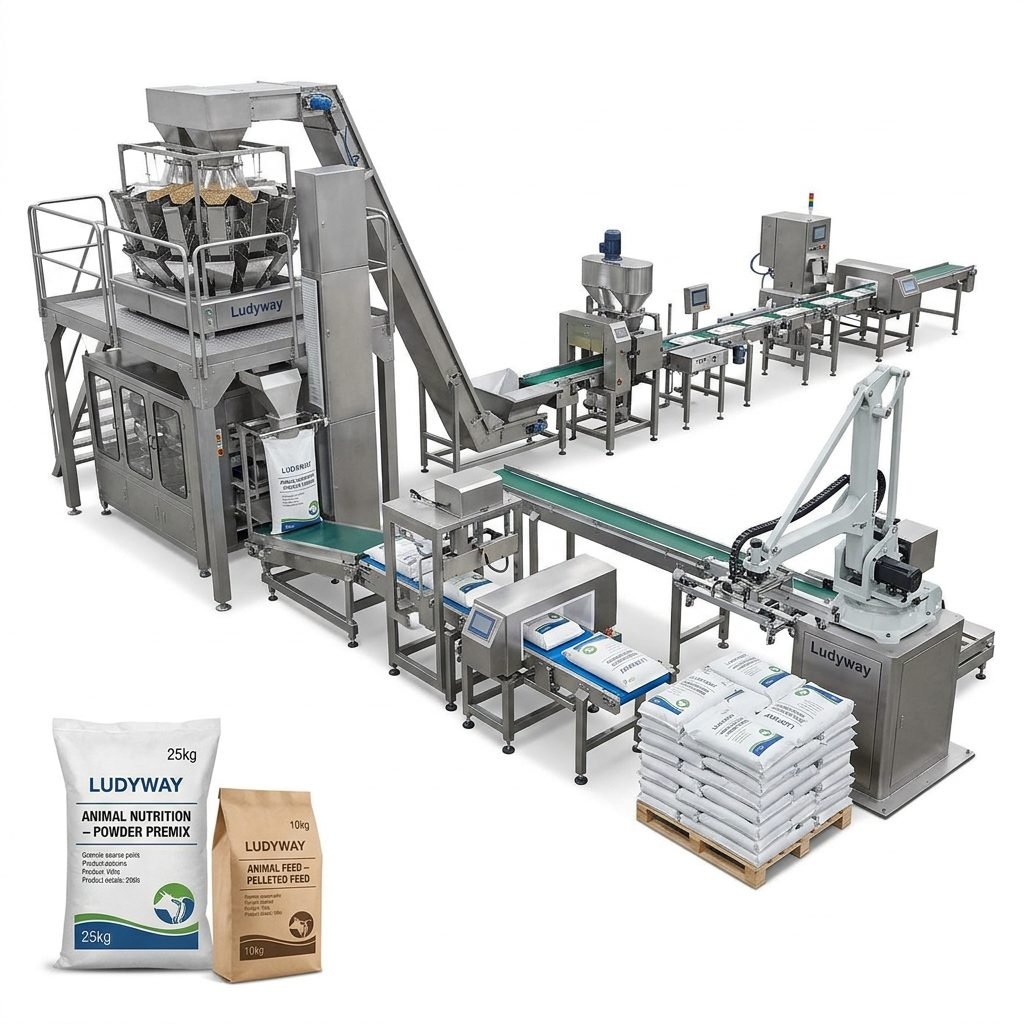
Before diving into setup procedures, it is crucial to understand the core modules that make up a complete feed packaging production line. Each component plays a vital role in ensuring smooth operation from raw material intake to final palletized product.
Feeding and Conveying Systems
The feeding system delivers bulk feed material from storage hoppers or silos to the weighing and packaging stations. Common conveying solutions include Z-type bucket elevators, incline belt conveyors, and vacuum feeding systems. The choice depends on material characteristics such as particle size, density, and flowability. Proper feeding system design is critical for maintaining consistent product flow and preventing bridging or segregation issues.
Weighing and Dosing Units
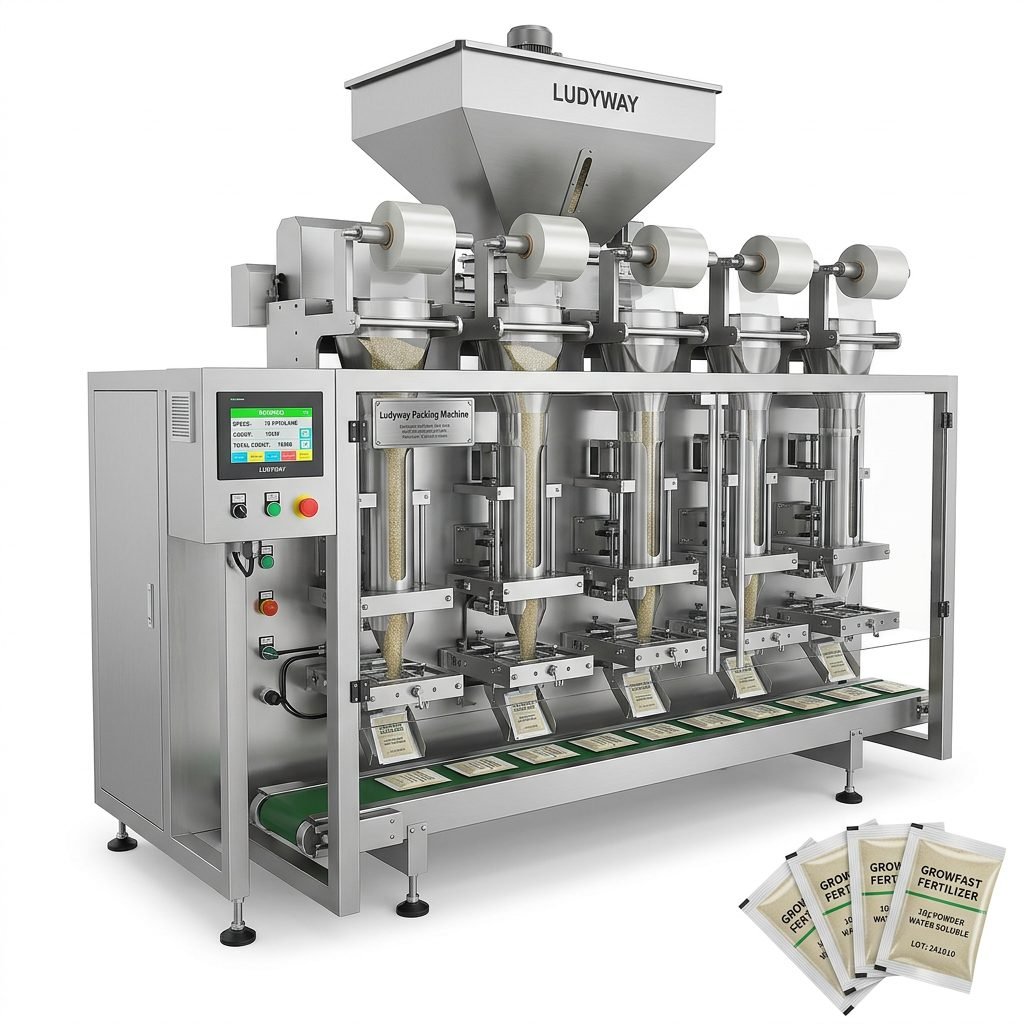
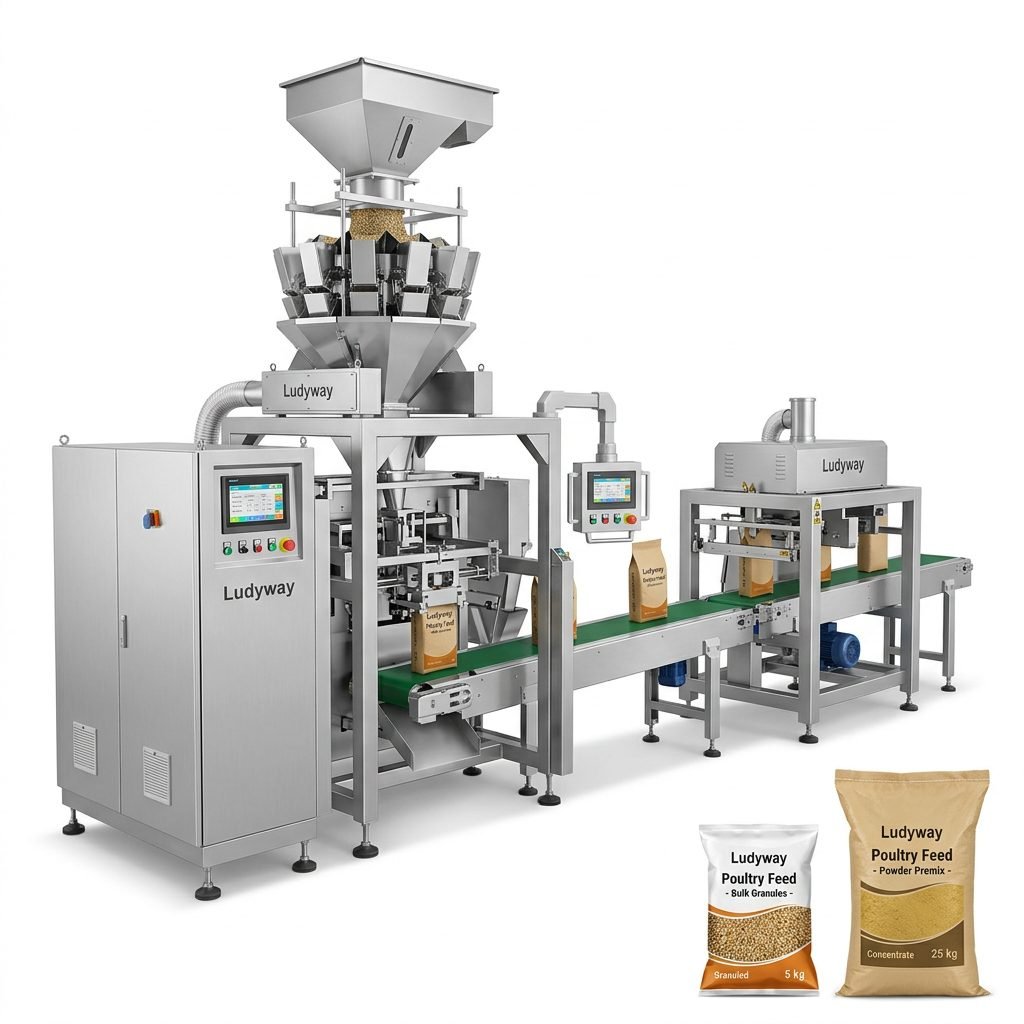
Accurate weighing is the heart of any feed packaging operation. Multi-head weighers, linear weighers, and auger fillers are commonly used depending on the feed type. Granule feeds typically use multi-head weighers for speed and precision, while powdered feed supplements may require auger-based dosing systems. The weighing accuracy directly impacts product quality, regulatory compliance, and profit margins through reduced product giveaway.
Packaging Machine Core Unit
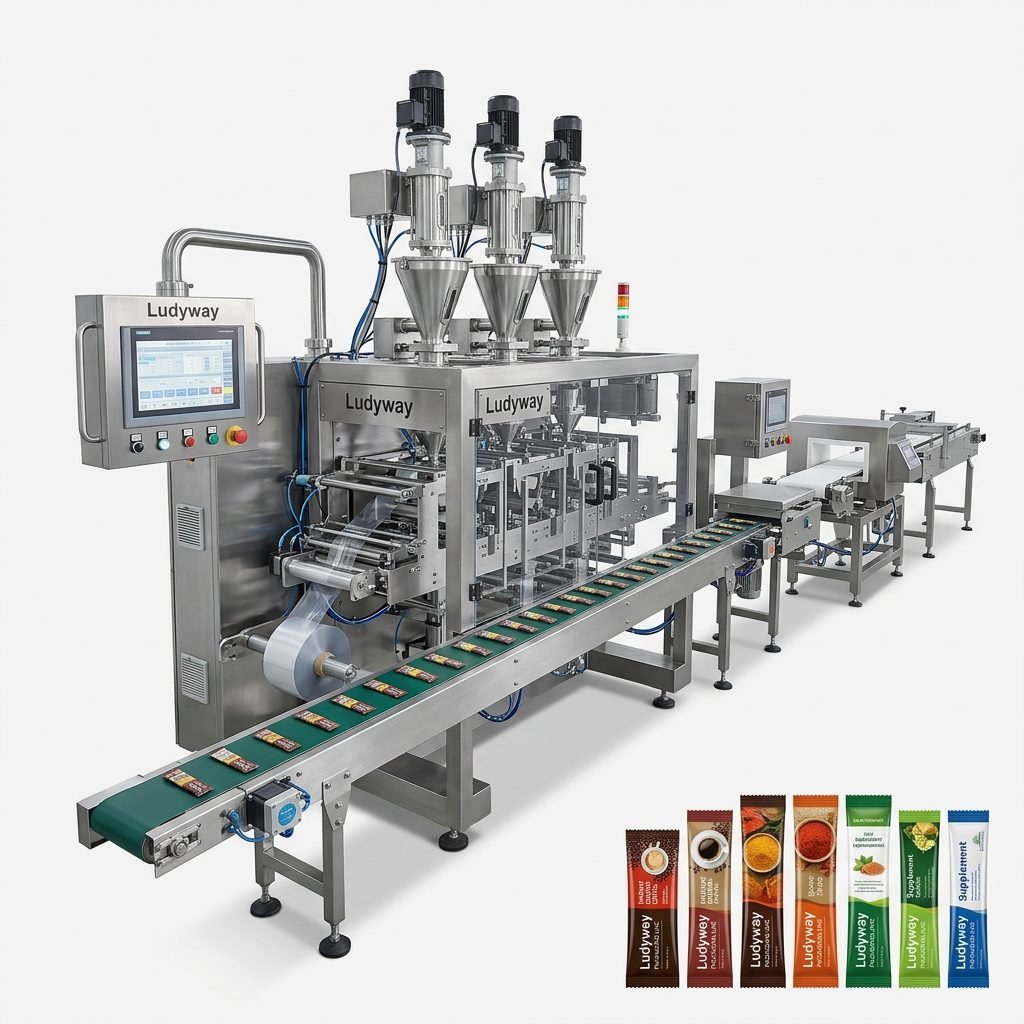
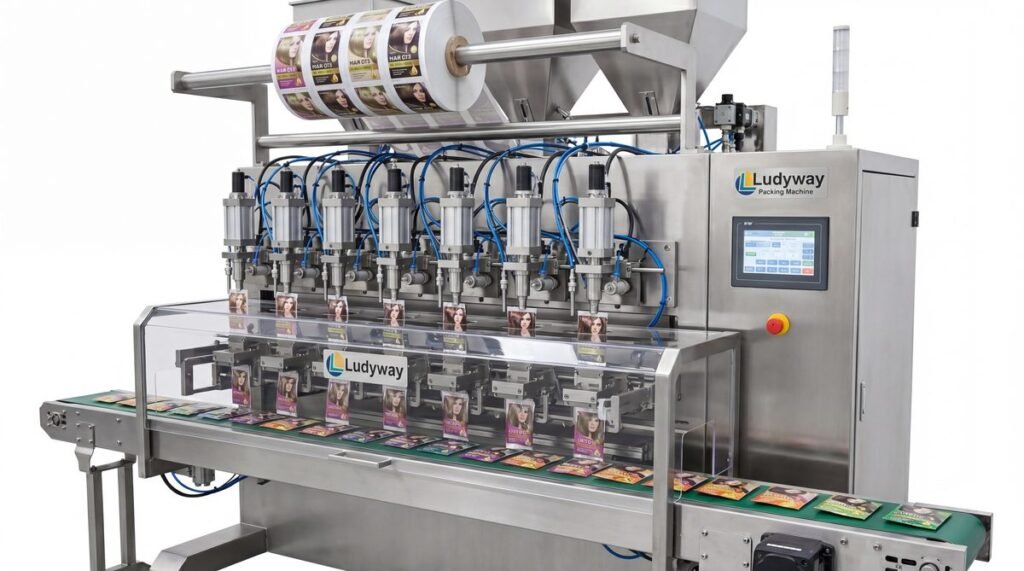
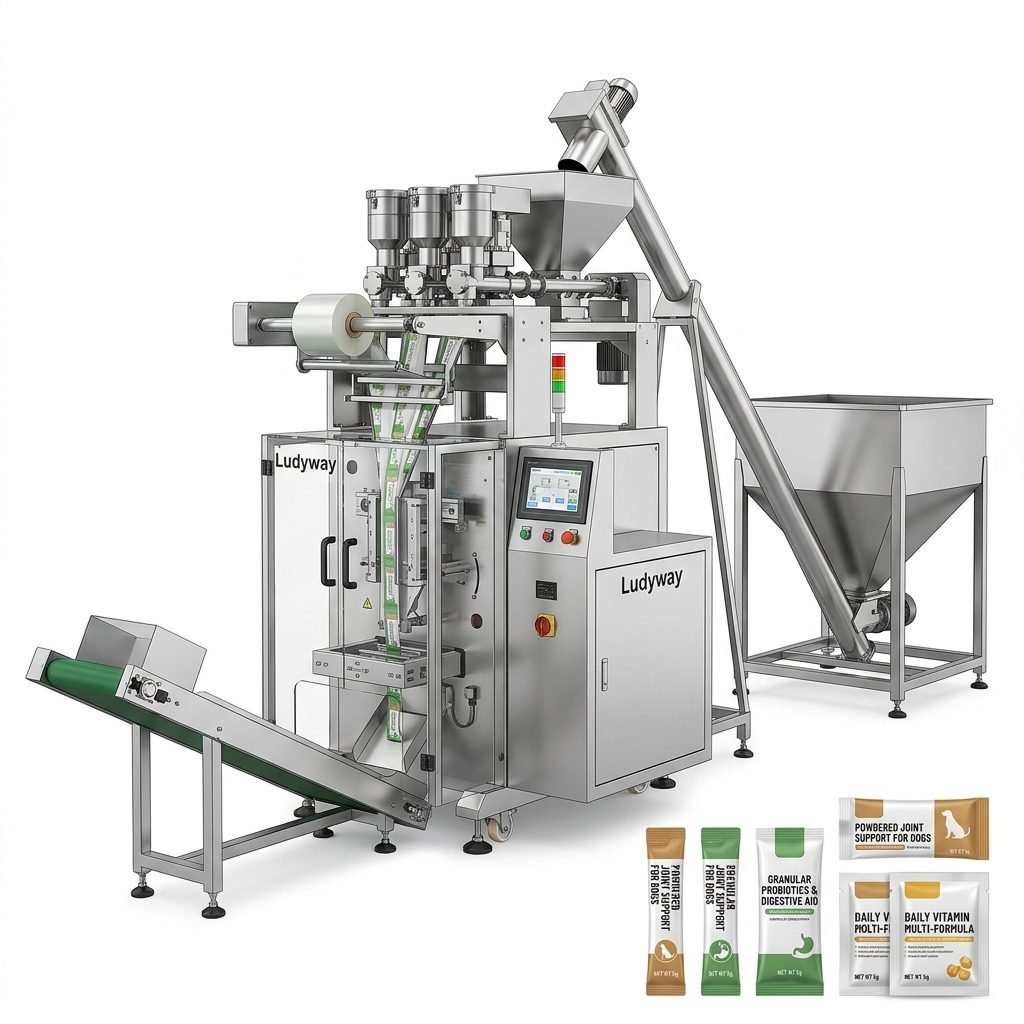
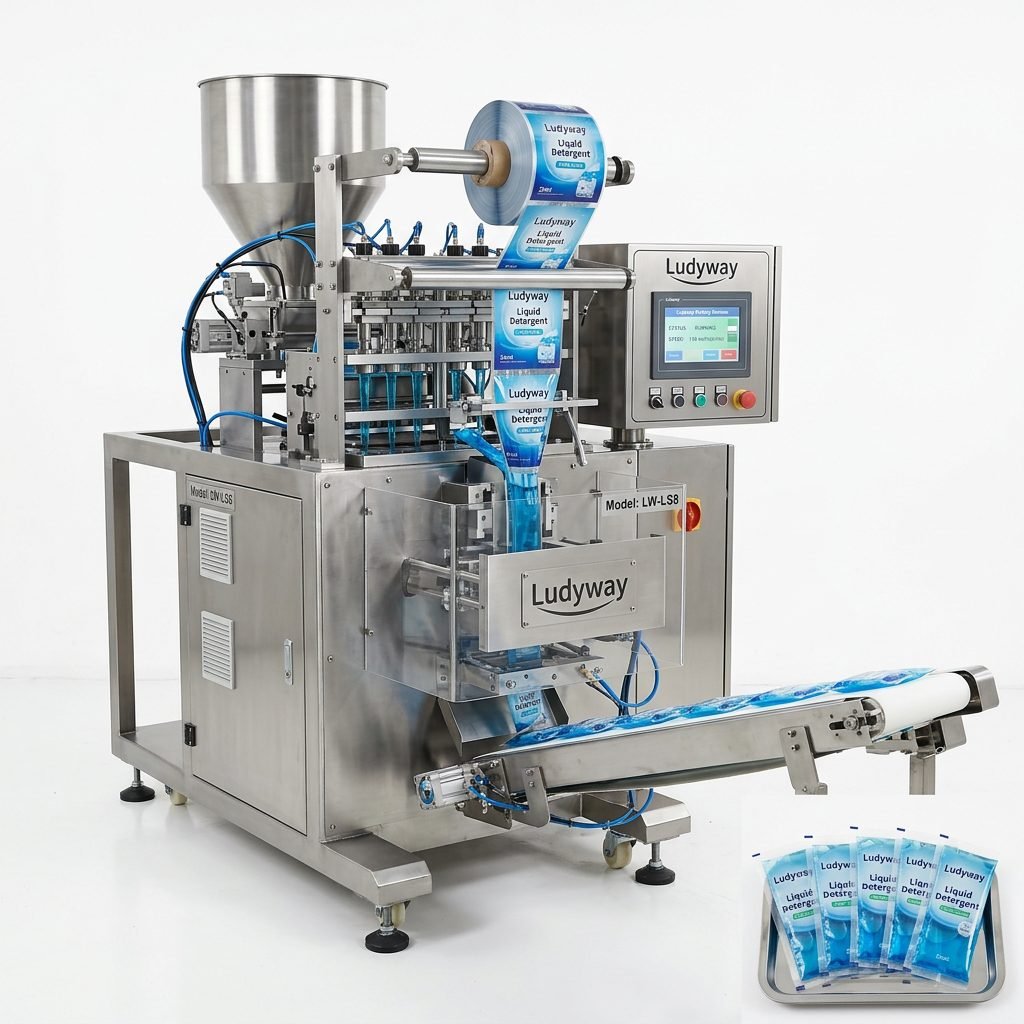
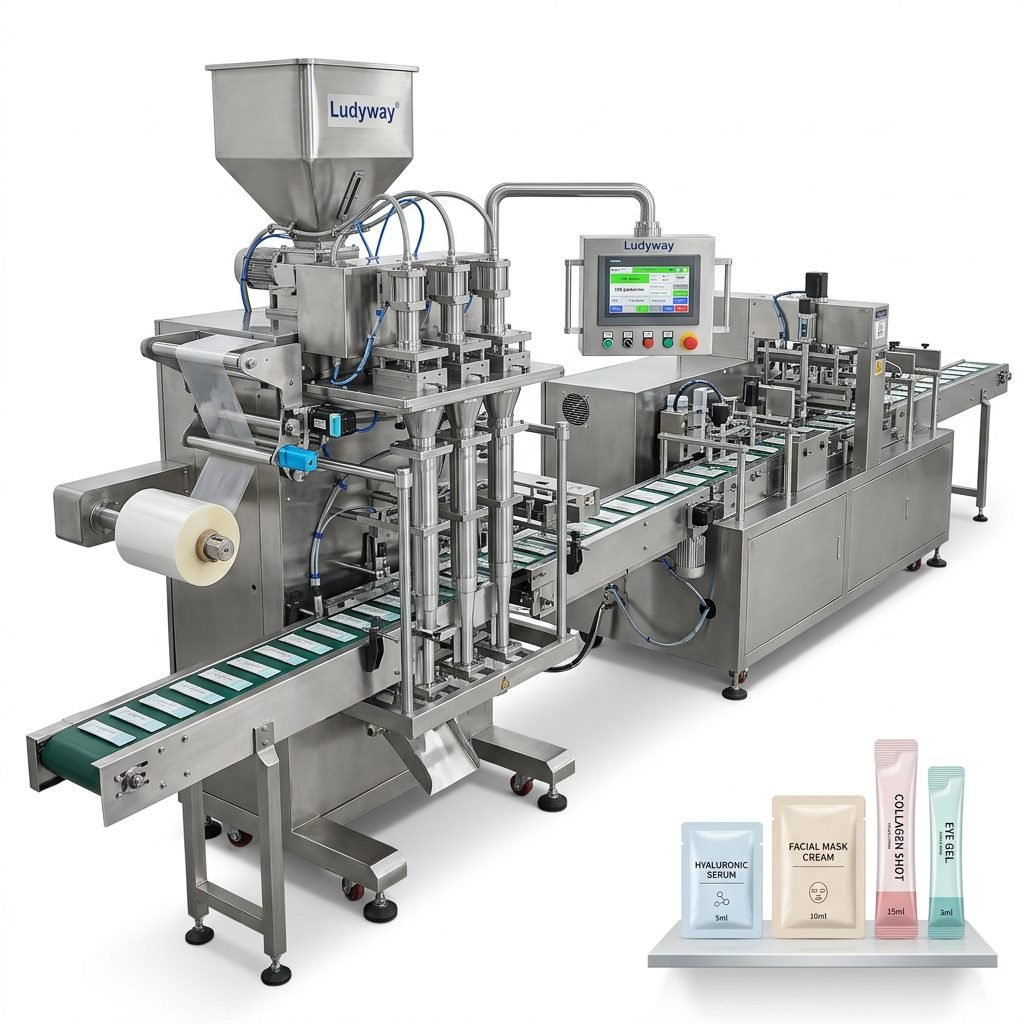
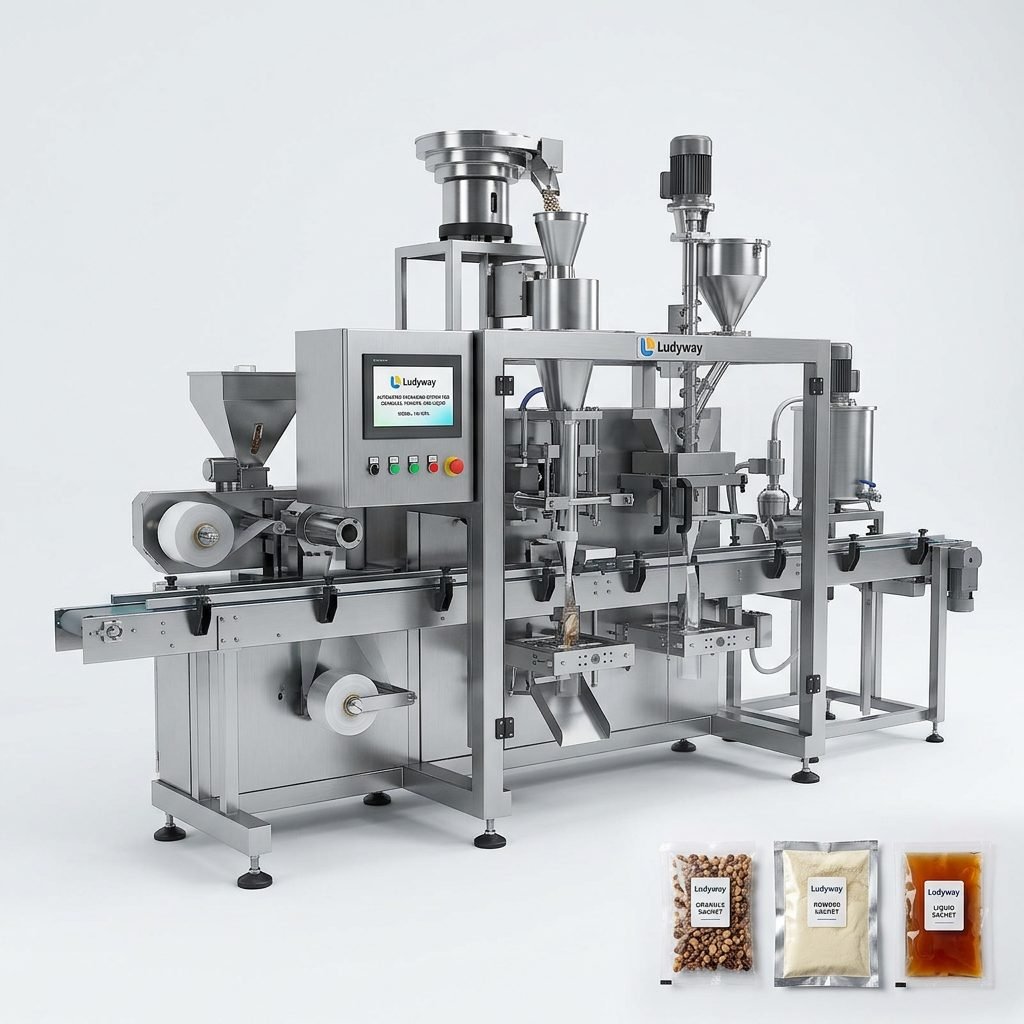
The central packaging machine forms, fills, and seals the package. For feed products, vertical form fill seal (VFFS) machines and multi-lane sachet/stick pack machines are popular choices. Multi-lane configurations significantly increase throughput by running multiple packaging lanes simultaneously, making them ideal for high-volume feed production. Pouch sizes can range from small sample sachets to bulk bags weighing 10kg, 20kg, or even 50kg.
Sealing and Quality Control
After filling, packages move through sealing stations that ensure hermetic closure. Heat sealing, ultrasonic sealing, and zipper closure options are available depending on package type. Integrated quality control systems including checkweighers, metal detectors, and vision inspection systems verify package integrity and weight compliance before products leave the line. Refer to FDA packaging guidelines for food safety requirements applicable to animal feed packaging.
Step-by-Step Guide to Setting Up Your Feed Packaging Line
Following a systematic approach during installation and commissioning minimizes startup delays and ensures optimal performance from day one. Below is a practical setup sequence:
- Step 1: Site Preparation — Ensure the production floor is level, properly ventilated, and has adequate electrical and compressed air supply. Verify that the layout accommodates material flow from raw material storage to finished goods staging.
- Step 2: Equipment Positioning — Position each module according to the line layout drawing. Pay attention to clearance for maintenance access and operator walkways. Anchor equipment securely to prevent vibration-related issues.
- Step 3: Mechanical Assembly — Connect conveying systems between modules, install hoppers, and mount filling nozzles. Verify all mechanical fasteners are tightened to specified torque values.
- Step 4: Electrical Integration — Wire all control panels, sensors, and safety interlocks. Establish communication between the central PLC and individual machine controllers. Test emergency stop circuits thoroughly.
- Step 5: Calibration and Testing — Calibrate weighing systems with certified test weights. Run dry tests to verify timing sequences across all stations. Adjust sensor positions and pneumatic pressures as needed.
- Step 6: Trial Production — Begin with low-speed operation using actual feed material. Monitor package quality, seal integrity, and weight accuracy. Make incremental adjustments until target specifications are consistently met.
- Step 7: Operator Training — Train operators on machine controls, changeover procedures, basic troubleshooting, and safety protocols. Document standard operating procedures for future reference.
Feed Packaging Line Configuration Comparison
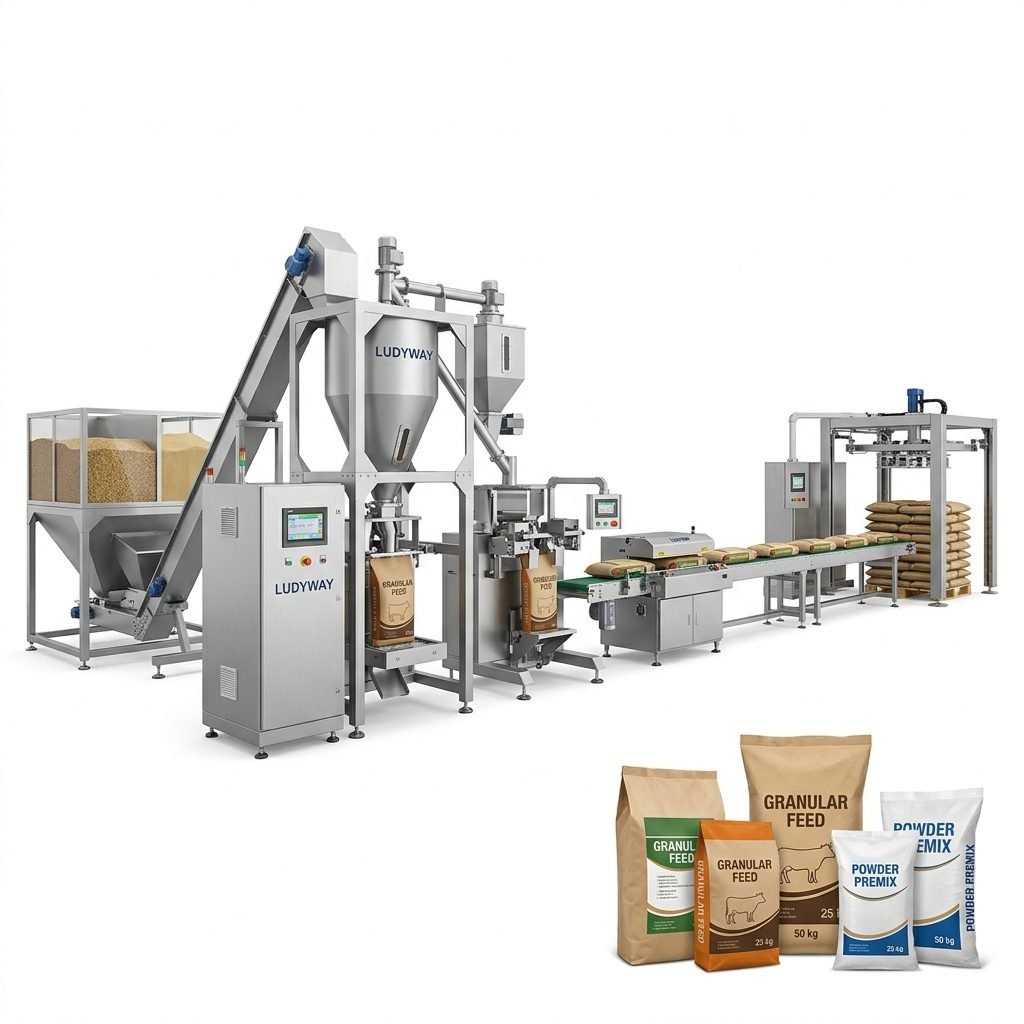
Selecting the right configuration depends on your production volume, package format, and feed material type. The table below compares common configurations to help you identify the best fit for your operation:
| Configuration Type | Best For | Typical Speed Range | Package Formats |
|---|---|---|---|
| Single-Lane VFFS | Small to medium operations | 30–60 bags/min | Pillow bags, gusseted bags |
| Multi-Lane Stick Pack | High-volume supplement feed | 200–600 packs/min | Stick packs, sachets |
| Pre-Made Pouch Line | Premium pet food packaging | 25–50 pouches/min | Stand-up pouches, zipper bags |
| Bulk Bagging System | Wholesale livestock feed | 5–15 bags/min | 10kg–50kg bags, jumbo bags |
| Fully Integrated Turnkey Line | Large-scale complete production | Custom configured | Multiple formats on one line |
Common Challenges and Solutions
Every feed packaging operation encounters challenges. Anticipating these issues and implementing proactive solutions keeps your production line running efficiently:
- Material Bridging in Hoppers: Feed materials, especially those with high moisture or fat content, can form bridges that block flow. Install mechanical agitators or vibratory assist devices on hoppers to maintain consistent material discharge.
- Inconsistent Fill Weights: Variations in product density and flow characteristics affect weighing accuracy. Implement feedback control systems that automatically adjust fill parameters based on real-time checkweigher data.
- Seal Integrity Issues: Contamination on seal surfaces from fine feed dust compromises package seals. Regular cleaning protocols and air purge systems near sealing stations help maintain seal quality.
- Cross-Contamination Between Batches: When switching between different feed formulations, residual material can contaminate subsequent batches. Design easy-clean conveyor systems and establish thorough purge procedures between production runs.
Why Automation Matters in Feed Packaging
Manual packaging processes are increasingly being replaced by automated feed packaging systems for compelling reasons. Automated lines reduce labor dependency, improve weighing accuracy, increase throughput, and enhance workplace safety by minimizing manual handling of heavy bags. Furthermore, automated systems provide traceability data that supports quality audits and regulatory compliance. Industry resources from Flexible Packaging Association highlight the growing adoption of automation across the packaging sector as a key driver of operational efficiency.
With integrated automation, a single production line can handle multiple feed product categories — from poultry feed pellets to aquaculture powder supplements — simply by recalling pre-programmed recipes from the control system. This flexibility is invaluable for contract manufacturers and feed mills serving diverse customer bases.
Selecting the Right Manufacturer for Your Feed Packaging Line
Choosing an experienced equipment partner is just as important as selecting the right machine configuration. Look for a manufacturer with a proven track record in complete feed packaging solutions, not just individual machines. Key evaluation criteria include engineering expertise, after-sales support, spare parts availability, and the ability to provide turnkey project management from design through commissioning.
Ludyway is one of the largest packaging machine manufacturers in China, specializing in advanced packaging equipment and turnkey production solutions for the food, pharmaceutical, and health industries. With over 30 years of industry experience and a modern 20,000㎡ manufacturing facility, the company offers more than 50 intelligent packaging machine models serving customers in over 100 countries.
Final Checklist Before Production Launch
Before running your feed packaging line at full capacity, verify these critical items to ensure a smooth and safe production launch:
- All safety guards and interlocks are in place and functional
- Weighing systems are calibrated and verified with traceable standards
- Sealing temperature, pressure, and dwell time are optimized for your film material
- Metal detection and checkweighing rejection mechanisms operate correctly
- Operators understand emergency shutdown procedures and daily maintenance tasks
- Packaging film and spare parts inventory are adequately stocked
- Production recipes for all planned feed products are programmed and tested
A well-planned and properly executed feed packaging machine production line setup delivers long-term benefits including higher throughput, consistent product quality, reduced waste, and lower total cost of ownership. Whether you are expanding an existing feed mill or building a new facility from the ground up, investing time in proper line design and equipment selection pays dividends for years to come.