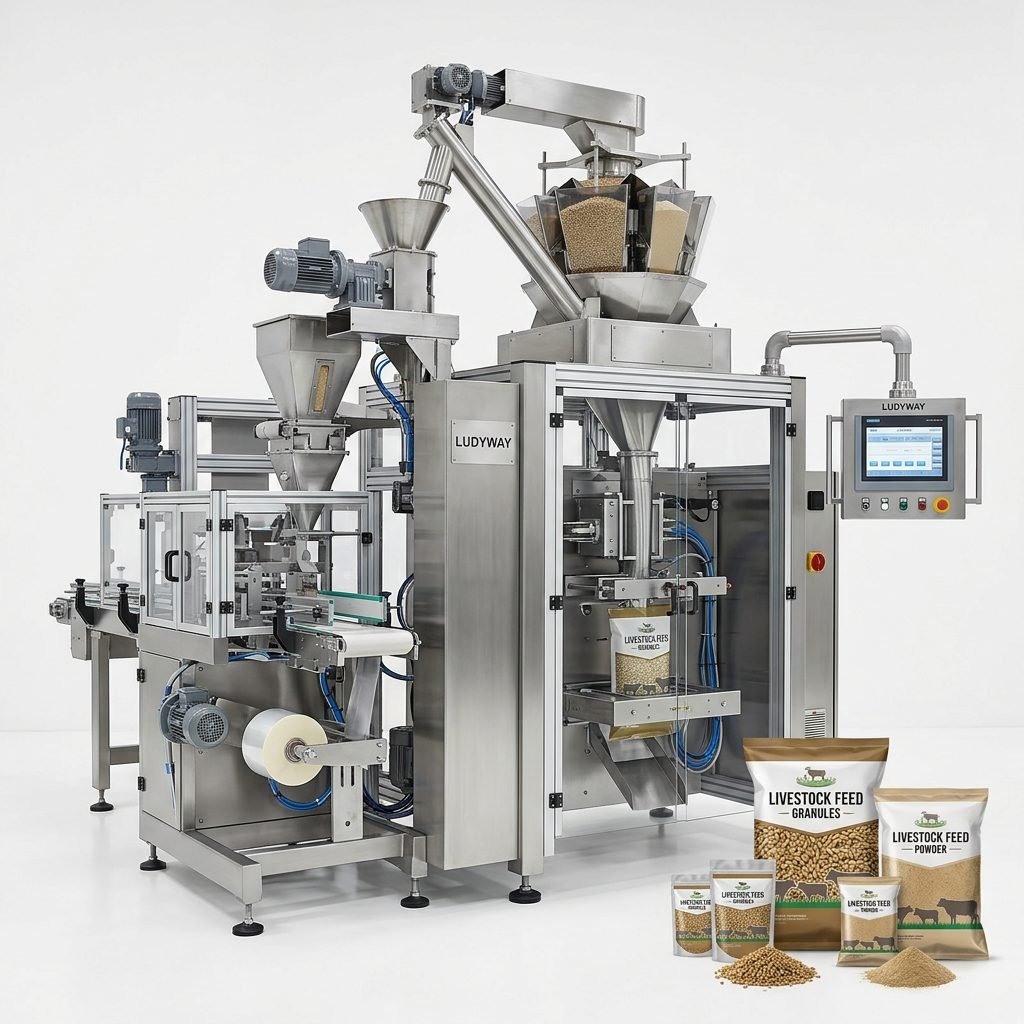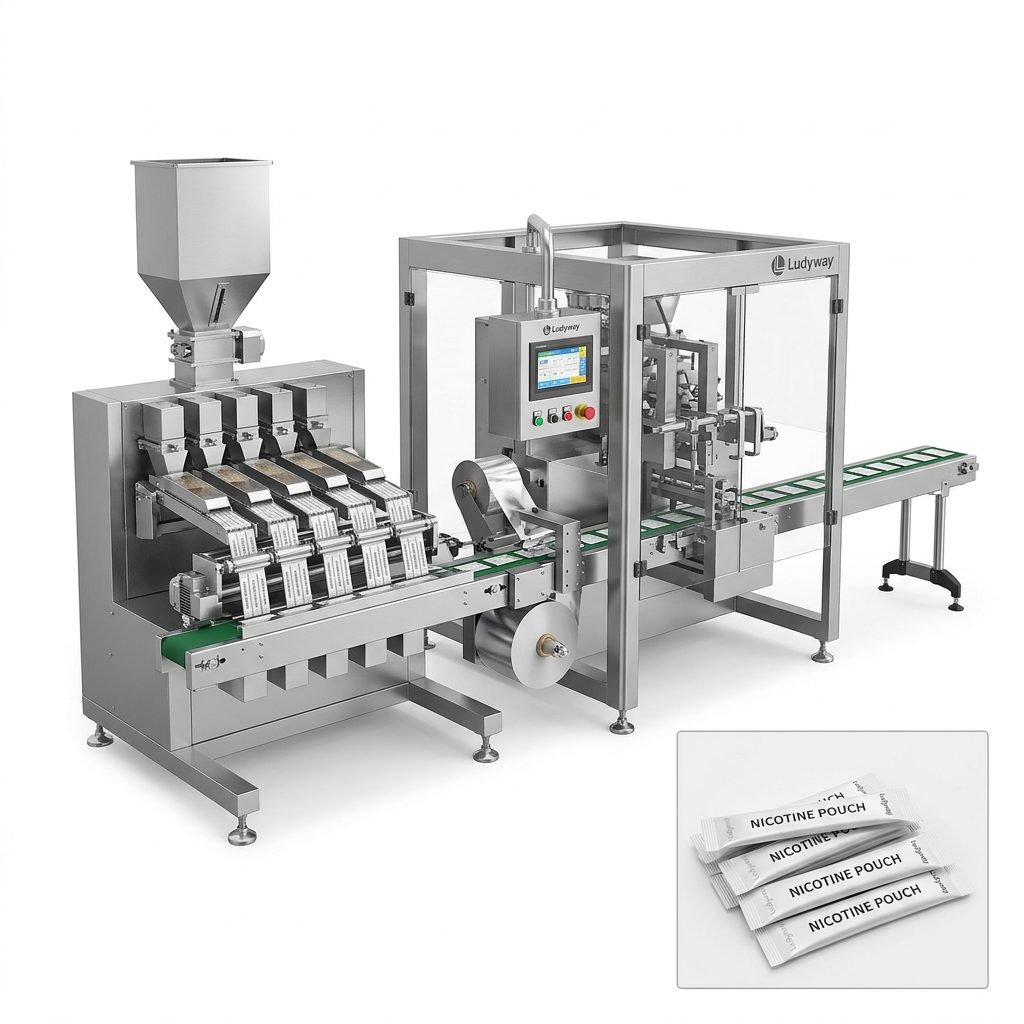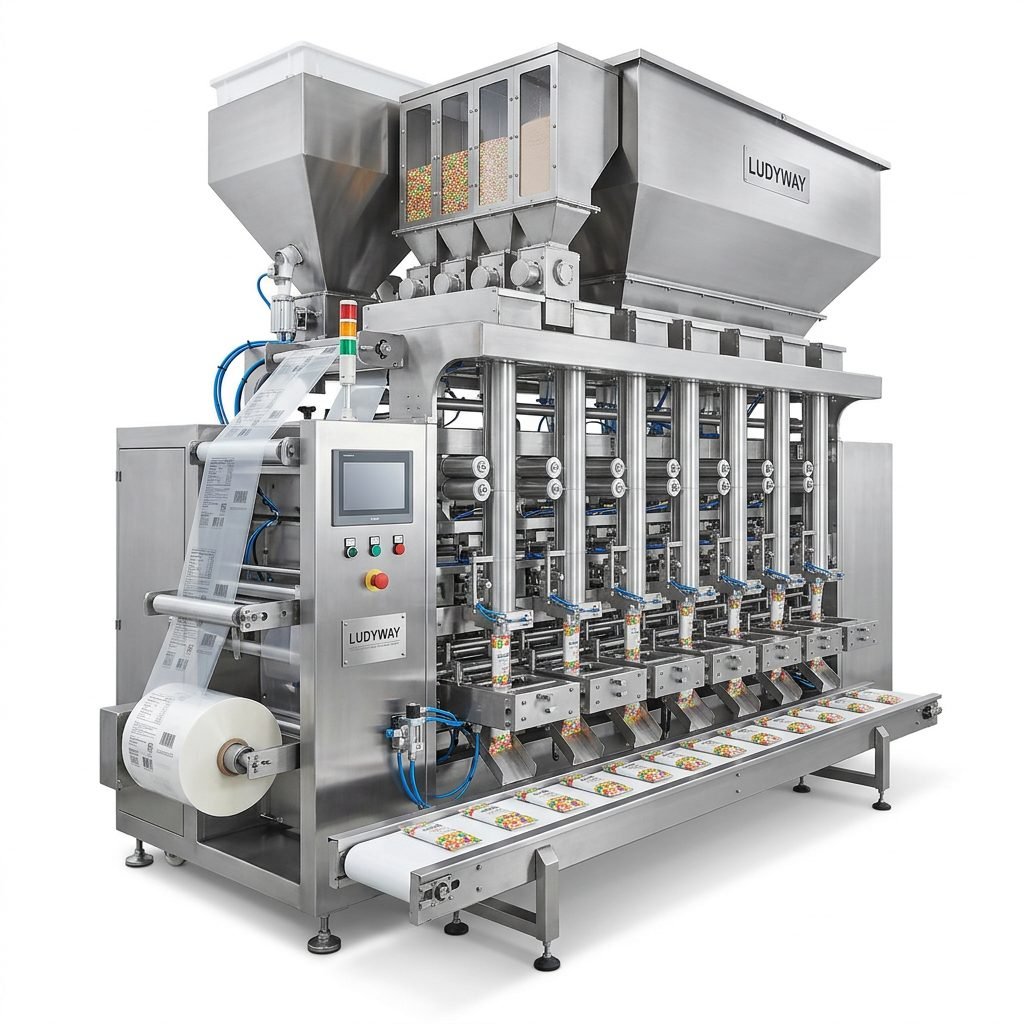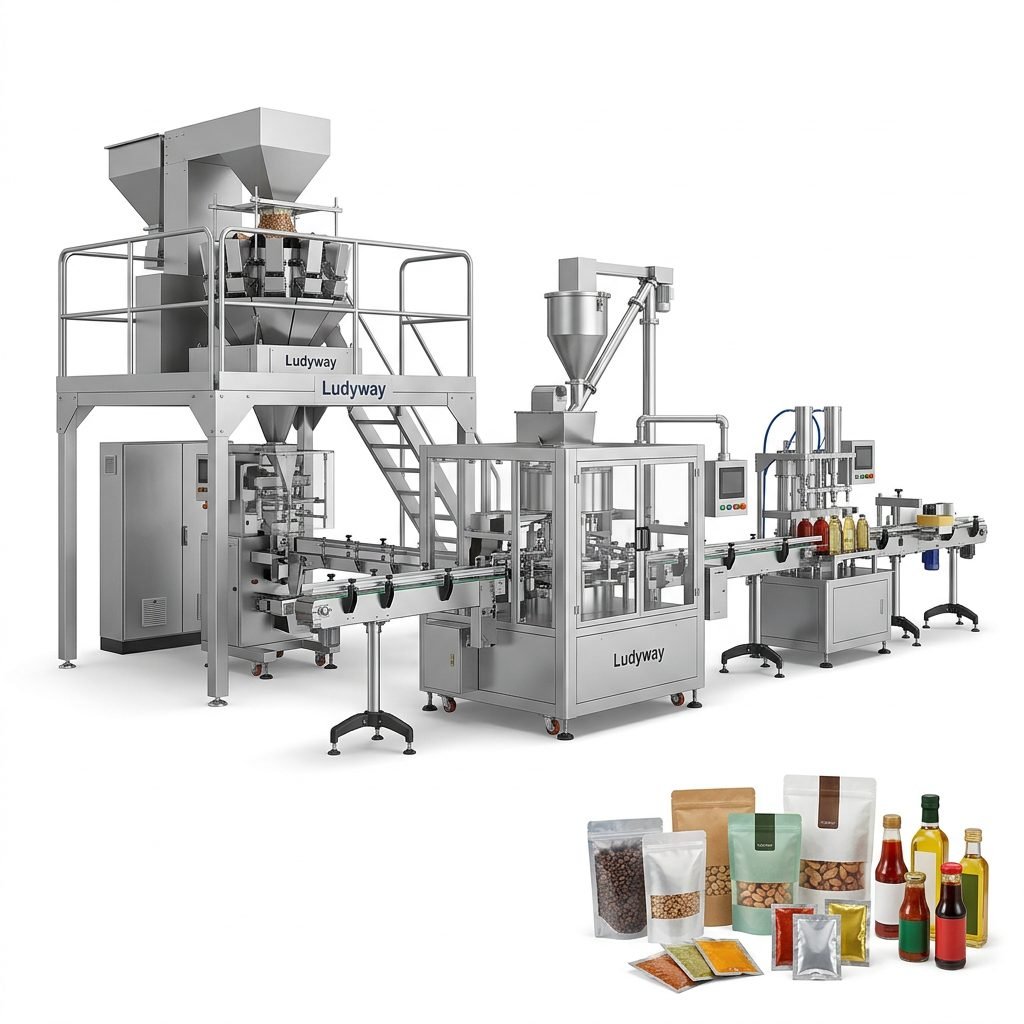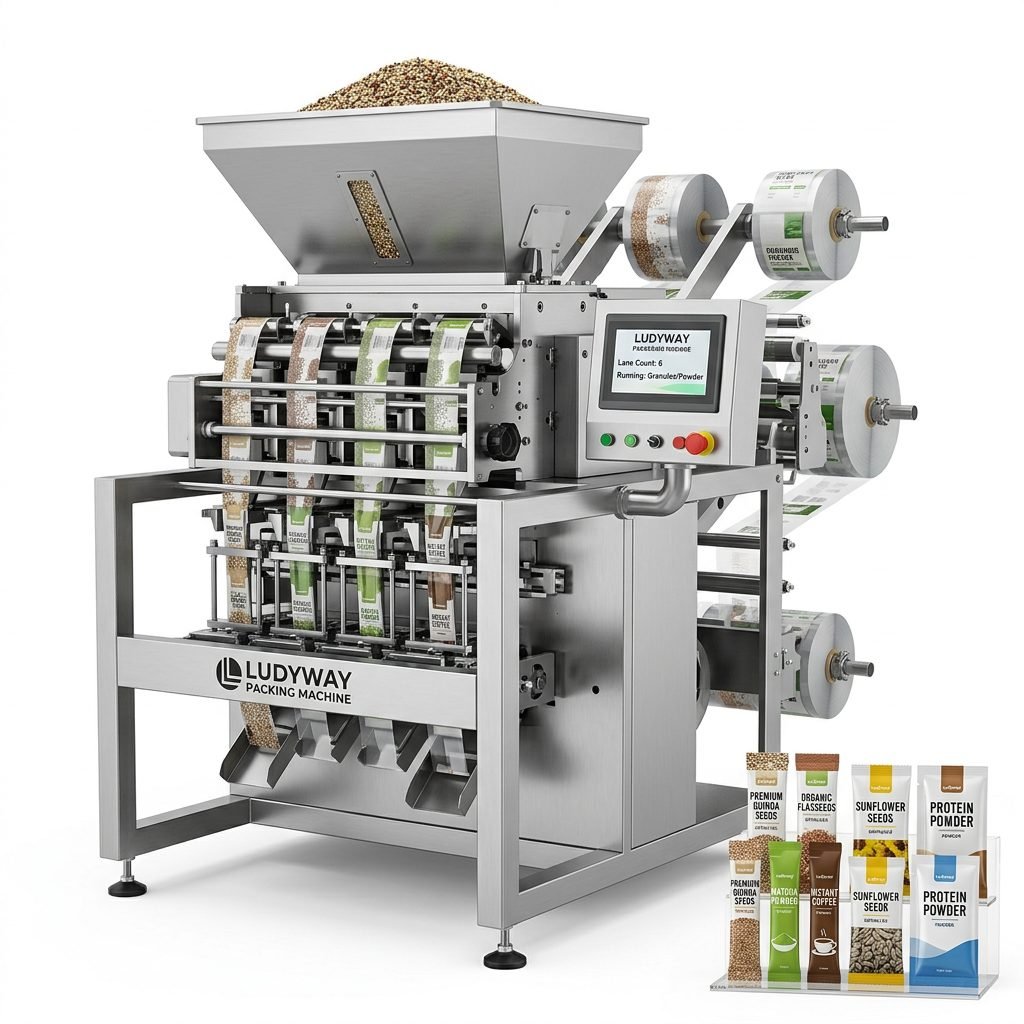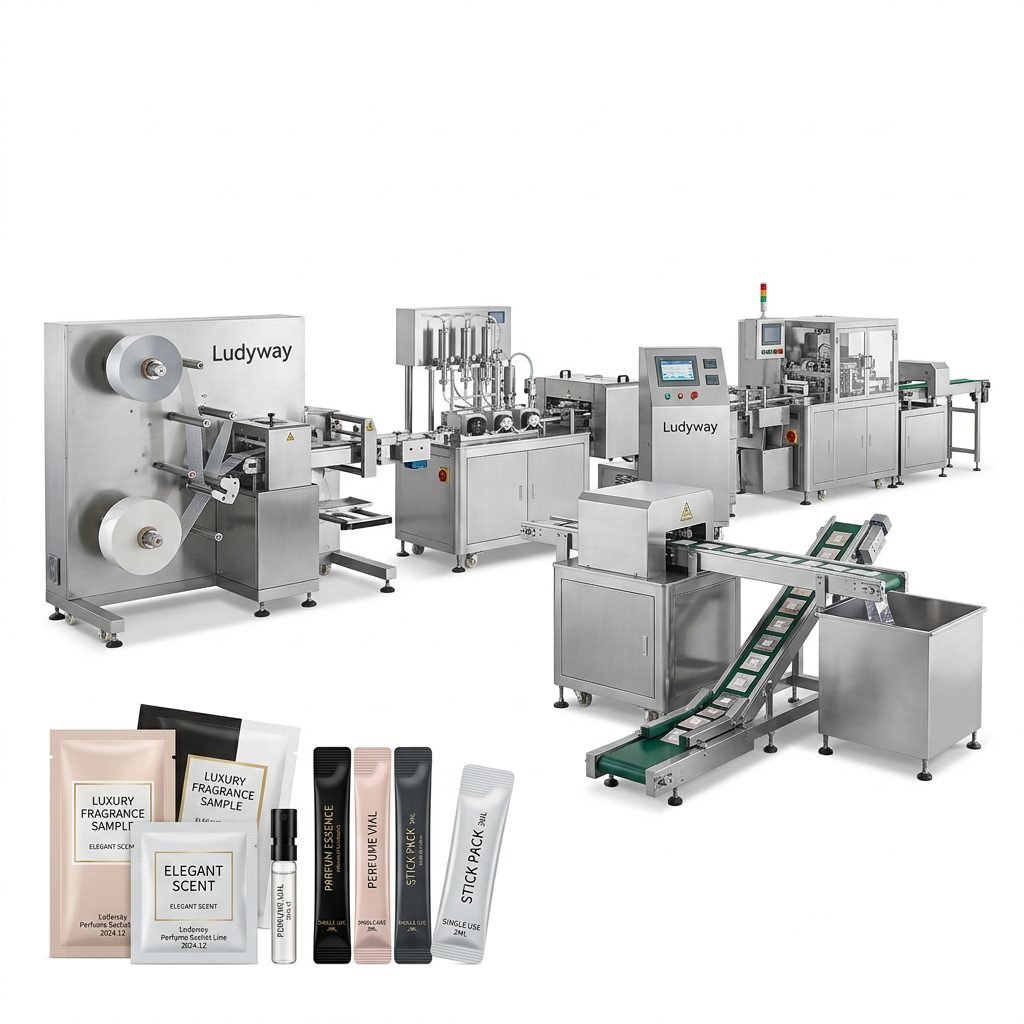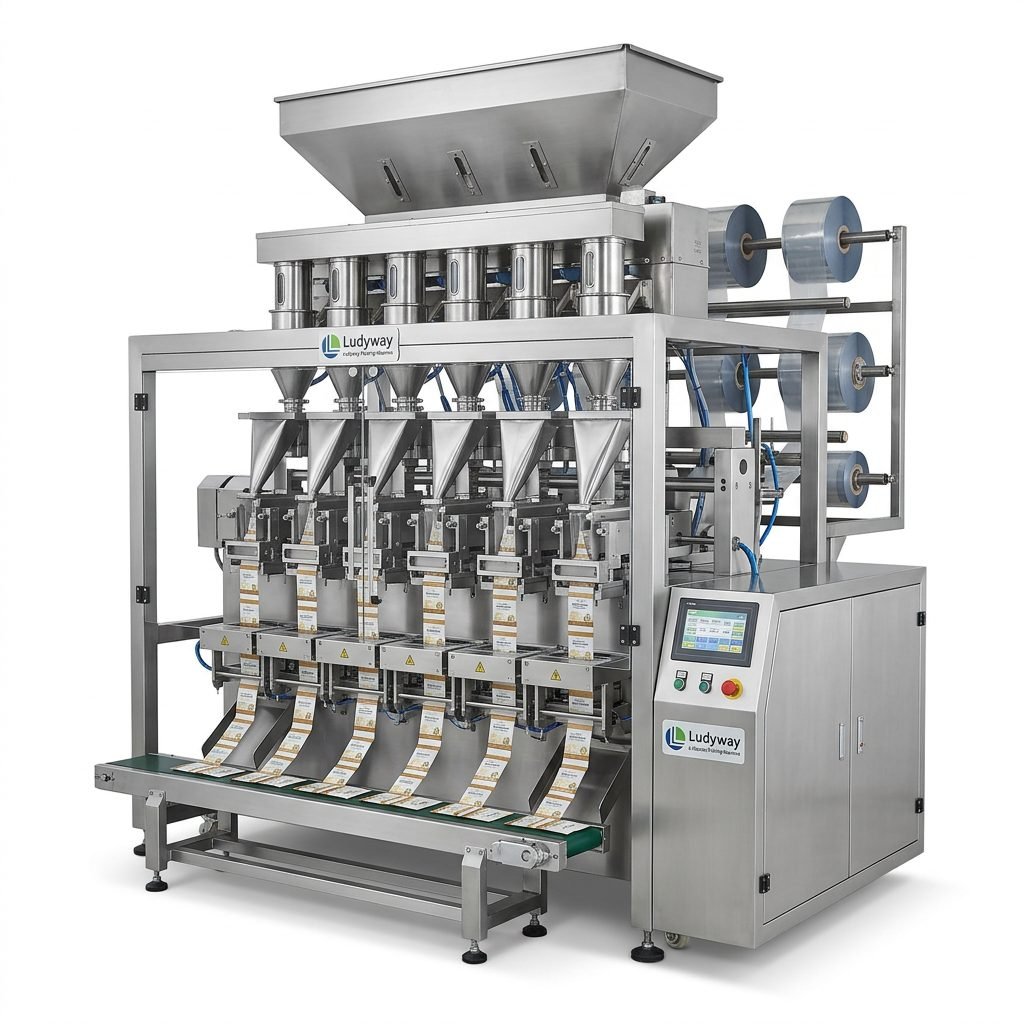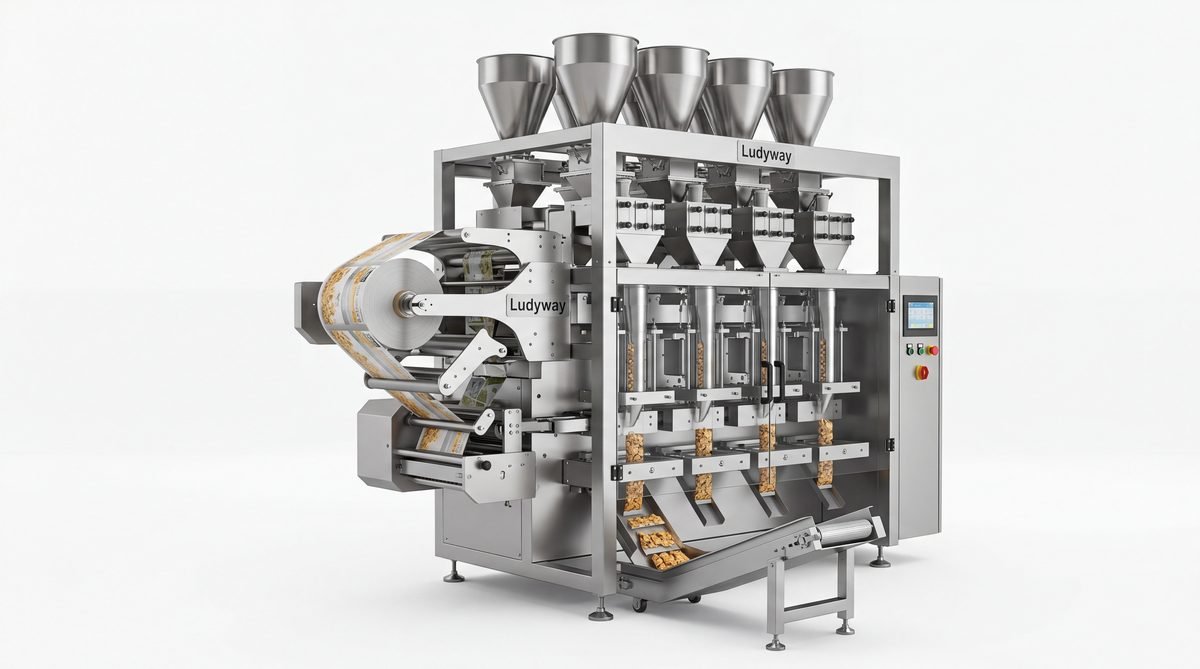
The snack food industry in South America is experiencing unprecedented growth, driven by rising disposable incomes and changing consumer lifestyles. For manufacturers, this growth introduces a critical challenge: selecting the right snack food packaging machine that can handle high volumes, maintain product freshness, and adapt to diverse product types. As competition intensifies, investing in reliable, high-speed packaging equipment is no longer a luxury but a strategic necessity. This guide explores the key factors South American snack producers should consider and why advanced multi-lane stick pack and sachet systems represent the future of the industry.
The Rise of the South American Snack Market
From traditional corn-based snacks to modern protein bars and dried fruits, the variety of snack food in South America is vast. Markets like Brazil, Argentina, and Colombia are seeing a surge in demand for convenient, on-the-go packaging formats. Consumers favor single-serve stick packs and sachets because they offer portion control, extended shelf life, and hygienic consumption. To capture this market share, producers must move away from manual or outdated machinery toward automated packaging solutions that minimize waste and maximize throughput. According to recent PMMI business intelligence reports, the shift toward flexible packaging in emerging economies is accelerating rapidly.
Key Features of a High-Performance Snack Packaging Machine
When evaluating equipment for snack food production, South American buyers should look beyond the price tag and focus on long-term operational efficiency. A superior packaging machine should integrate seamlessly into an automated production line, offering precision, speed, and versatility. Here are the essential features that define a best-in-class system:
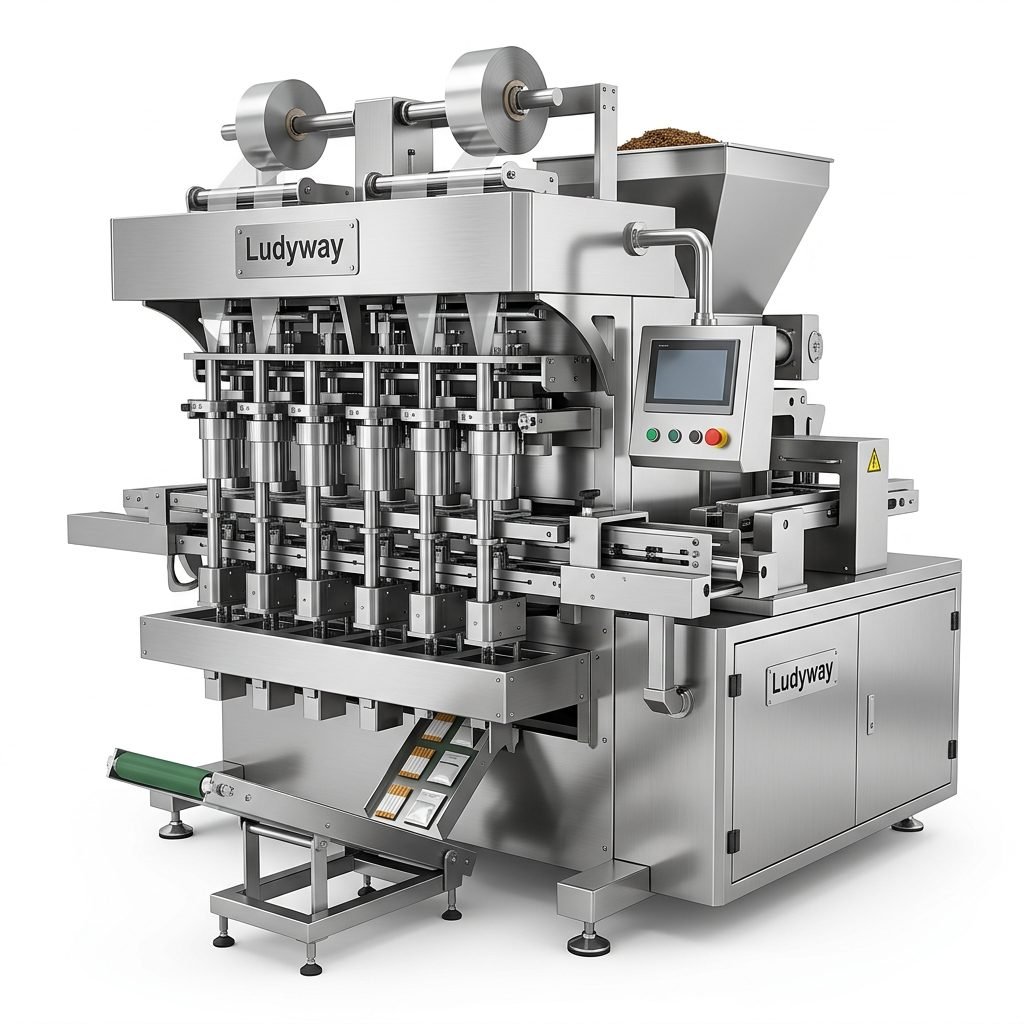
- Multi-Lane Capability: The ability to run multiple lanes simultaneously (e.g., 4, 6, 8, or 10 lanes) drastically increases output without requiring a proportional increase in floor space or labor costs.
- Versatile Product Handling: The machine must handle a wide range of snack products, from irregularly shaped granules and powders to fragile items like chips and dried fruits, without compromising seal integrity.
- Precision Weighing and Filling: Advanced servo-driven auger fillers or multi-head weighers ensure product weight consistency, reducing costly product giveaway and ensuring compliance with local regulations like those informed by ISO packaging standards.
- Intelligent Automation: Features such as automatic film splicing, tension control, and touch-screen PLC interfaces minimize operator intervention, allowing for 24/7 production cycles with minimal downtime.
- Robust Sealing Technology: Reliable vertical and horizontal sealing jaws with precise temperature control prevent leakage and contamination, crucial for maintaining the crispness of snacks in humid South American climates.
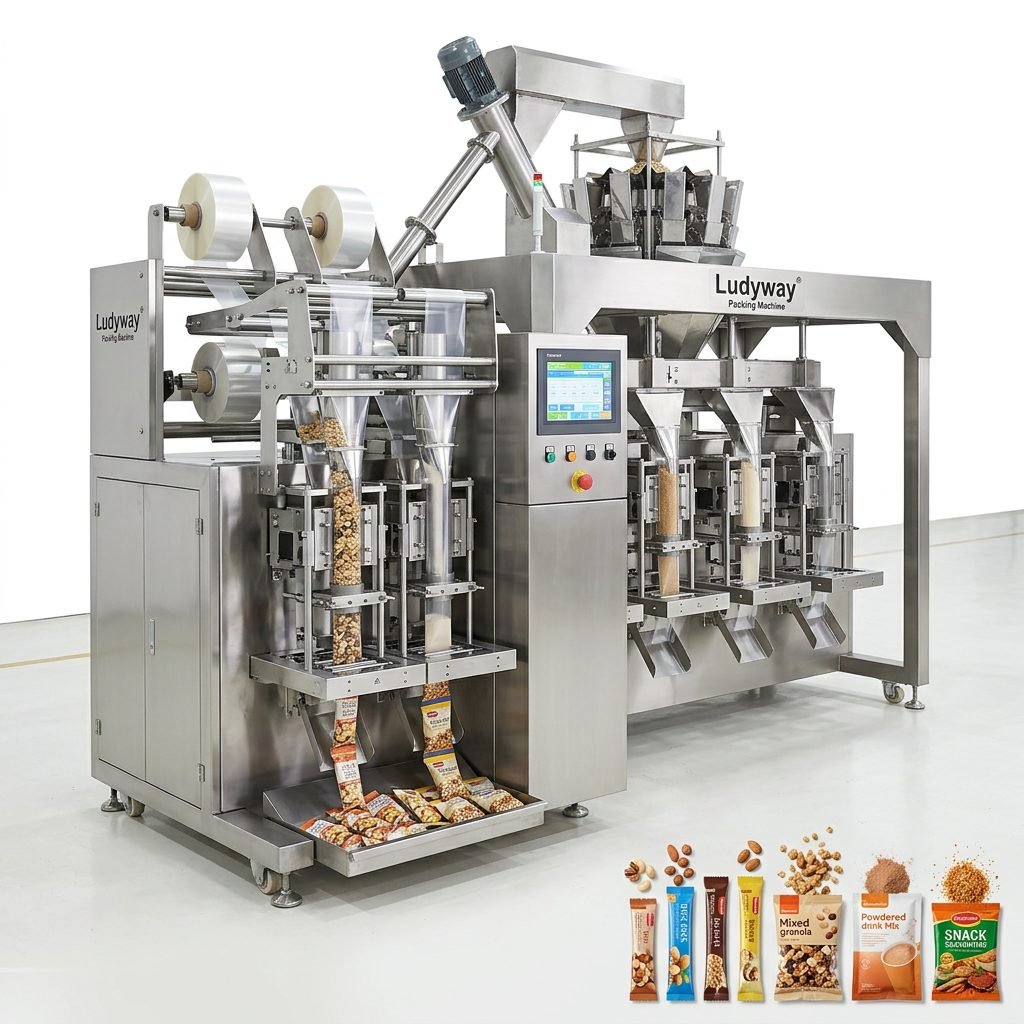
Comparing Stick Pack vs. Sachet Formats for Snacks
Choosing between stick pack and sachet formats is a critical decision for snack branding and distribution. Both formats offer unique advantages depending on the product profile and target market. The table below provides a technical comparison to assist South American manufacturers in selecting the optimal snack food packaging machine configuration:
| Feature | Multi-Lane Stick Pack | Sachet Pack (Flat Pouch) |
|---|---|---|
| Ideal Product | Powders, granules, sugar, coffee, drink mixes | Potato chips, nuts, dried fruits, larger granola pieces |
| Market Appeal | Portability, premium look, slender profile | Classic format, high visibility for branding, easy display |
| Speed Capability | Extremely high speeds (up to 400+ packs/min) | High speed, but generally lower lanes than stick pack |
| Product Freshness | Excellent; small headspace with gas flushing capability | Excellent; can integrate nitrogen flushing for extended shelf life |
For producers looking to export to competitive markets, the capability of a machine to execute both formats through modular changeovers is a significant advantage. Integrating FDA-compliant food contact substances and sealing materials ensures that your snacks meet international safety standards.
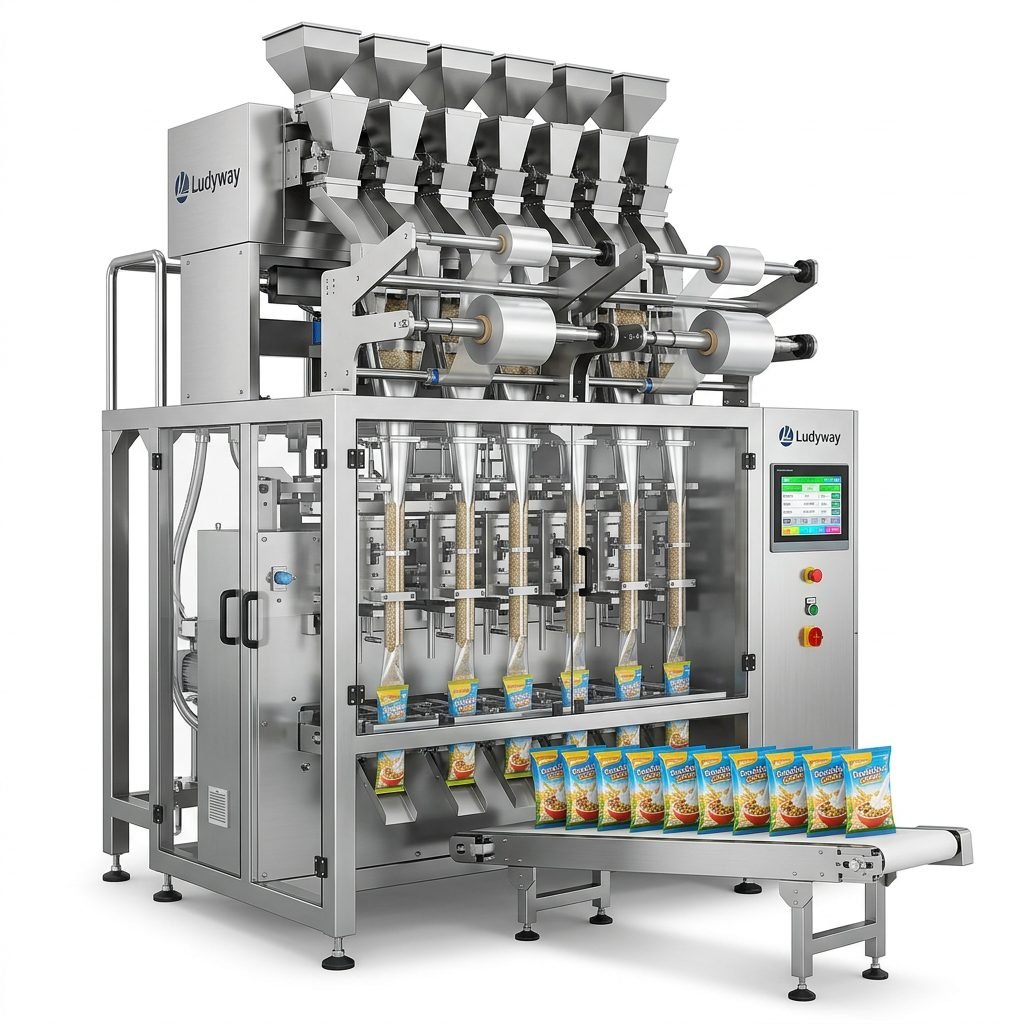
Turnkey Solutions for South American Factories
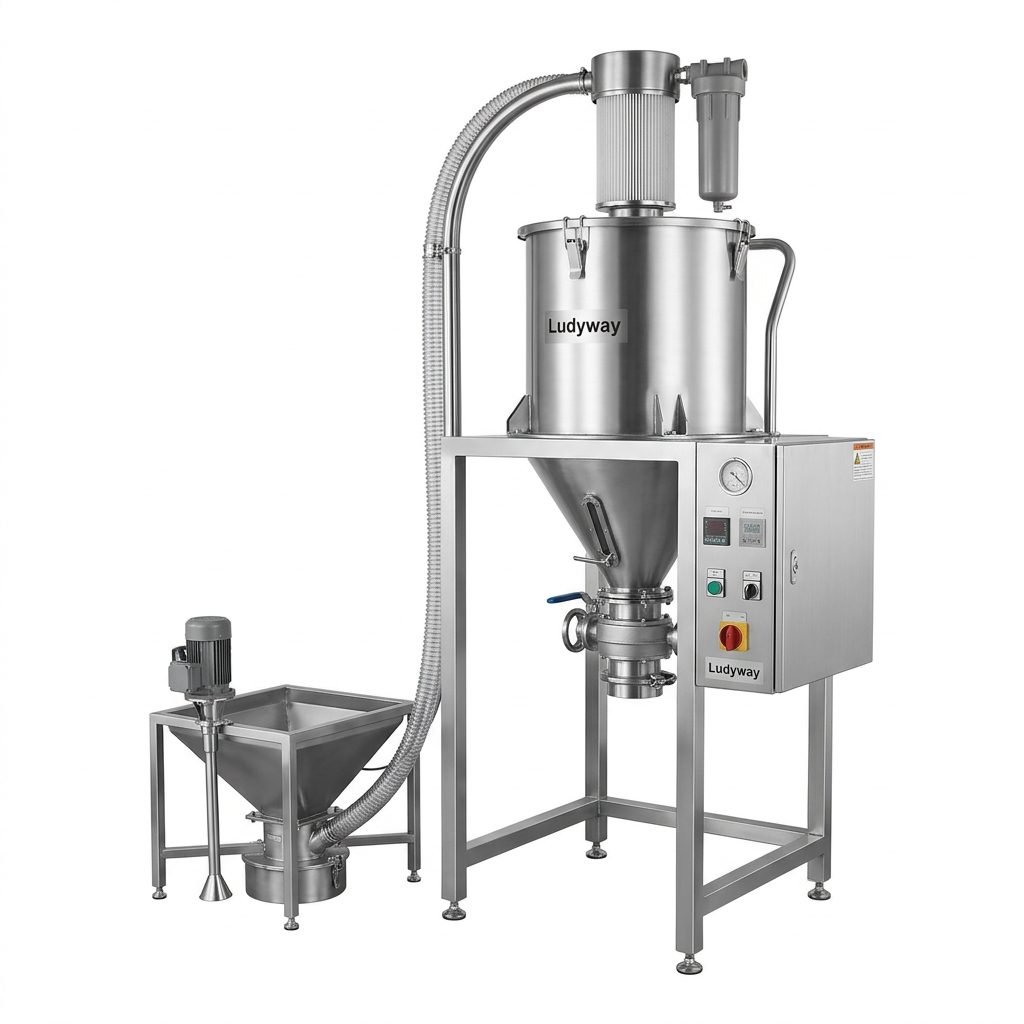
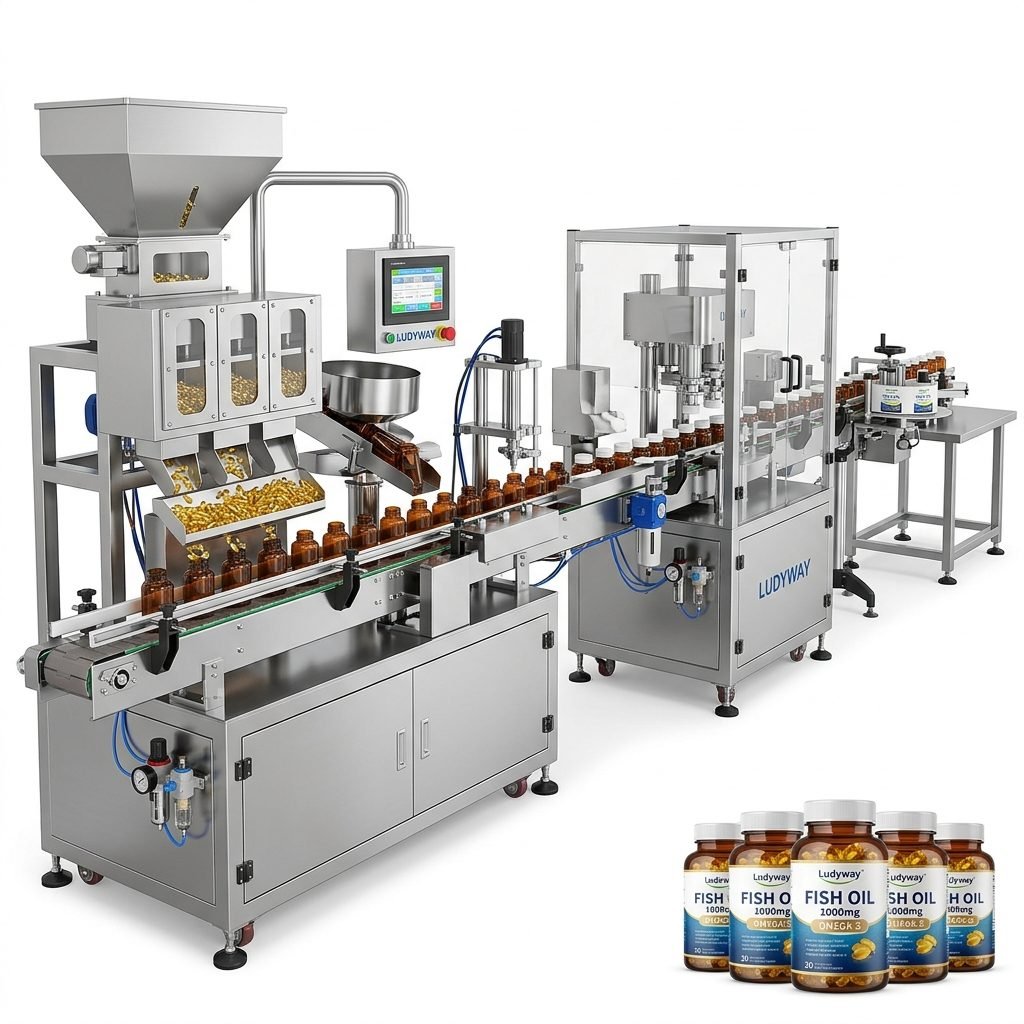
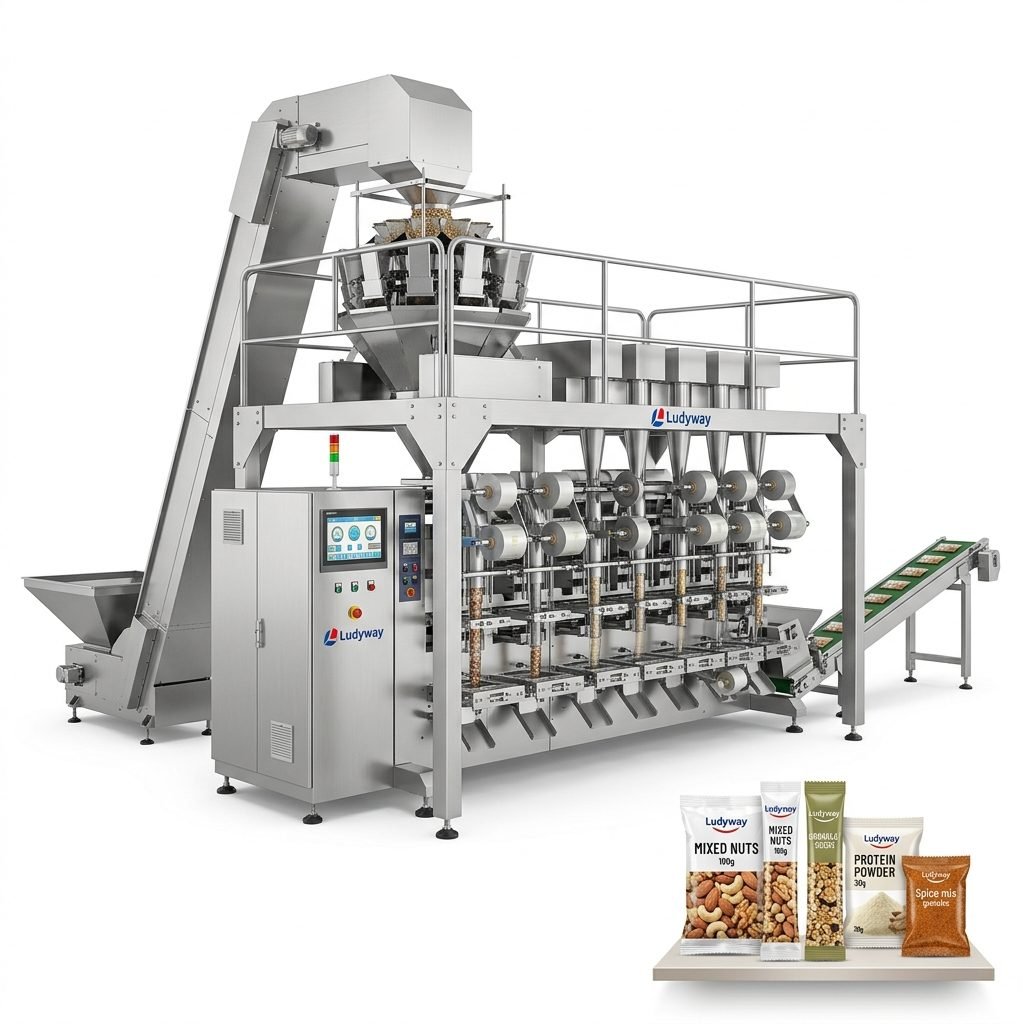
The era of sourcing separate feeding, filling, and cartoning units from different suppliers is fading. Modern South American snack factories benefit immensely from complete turnkey packaging lines. A turnkey project integrates granule feeding systems, multi-lane packaging machines, automatic checkweighers, and case packers into a synchronized line. This approach ensures a single point of responsibility and optimizes the overall equipment effectiveness (OEE).
For example, a typical high-output line might include:
- Z-Type Bucket Elevator: For gentle and efficient product feeding.
- Multi-Head Weigher or Auger Filler: For precise dosing of snacks and seasonings.
- Multi-Lane Stick Pack or Sachet Machine: The core packaging unit with film registration and sealing.
- Automated Cartoning and Palletizing Systems: For final retail-ready packaging, supporting the sustainability targets highlighted by the Flexible Packaging Association.
Maximizing ROI: Performance and Technical Support
Capital investment in a snack food packaging machine must be justified by a strong return on investment (ROI). Key drivers of ROI include low film waste during startups, rapid machine changeover times, and durable components that minimize maintenance. Modern machines utilize servo motors to digitally synchronize all movements, eliminating mechanical cams and reducing wear. Furthermore, consistent technical support and spare parts availability are vital. Production bottlenecks caused by equipment downtime are costly. Choosing a manufacturer with a robust global service network and remote diagnostic capabilities ensures that technical issues are resolved quickly, keeping production lines running smoothly.
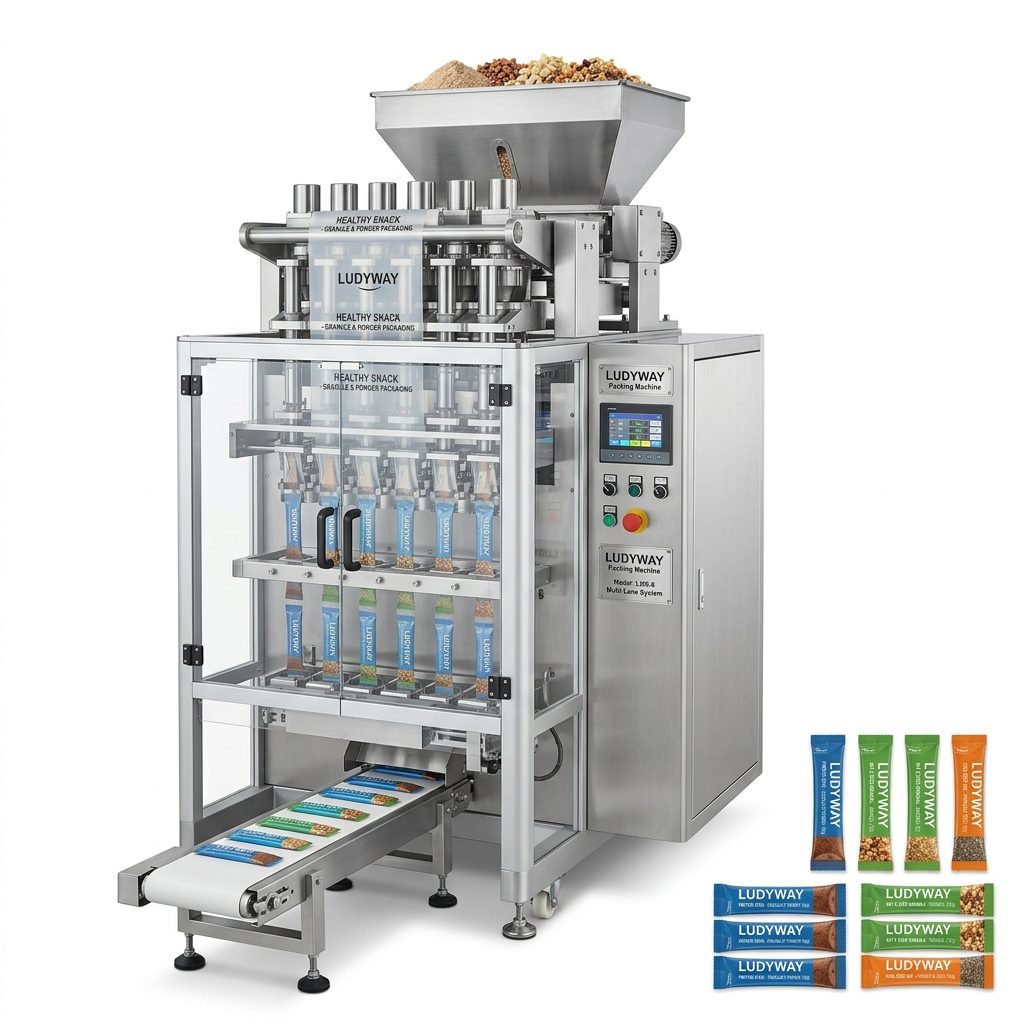
Why Advanced Engineering Matters for Snack Packaging
Not all packaging machines are built equal. The structural integrity of the frame, the quality of the sealing jaws, and the sophistication of the control software directly impact the consistency of the finished pack. For snacks with sharp edges, like tortilla chips, or dusty products like seasoning powders, the packaging design must prevent seal contamination. Ludyway has been dedicated to providing such efficient and reliable packaging solutions for manufacturers worldwide, leveraging over 30 years of industry expertise. Machines engineered with heavy-duty construction and smart film tracking algorithms ensure that even at maximum speed, the packaging remains airtight and visually perfect on retail shelves.
As South America continues its path toward industrialized food processing, the adoption of high-speed, automated packaging lines will define the market leaders. For more specific data on the packaging machinery market outlook, you can review the PMMI 2025 State of the Industry report. By prioritizing versatility, precision, and turnkey integration, snack food manufacturers can ensure they deliver the quality and quantity required by modern consumers. Whether you are packaging protein powders in stick packs or nuts in sachets, the right technology is the foundation of your brand’s success.