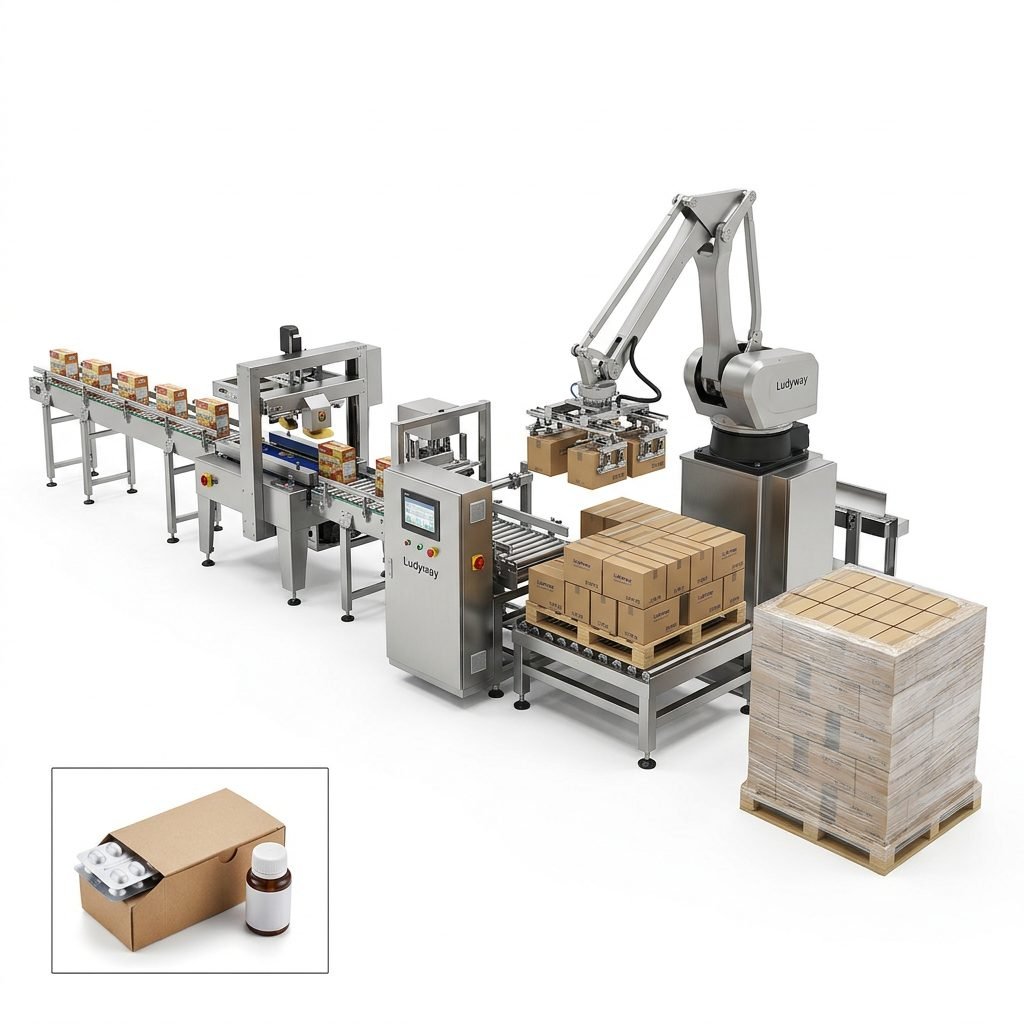
Setting up a yogurt packaging machine production line in Europe requires careful planning, strict adherence to EU packaging regulations, and the selection of high-performance equipment that meets both hygiene standards and production efficiency targets. Whether you are launching a new dairy processing facility or upgrading an existing line, understanding the complete setup process will help you avoid costly delays and ensure smooth operations from day one.
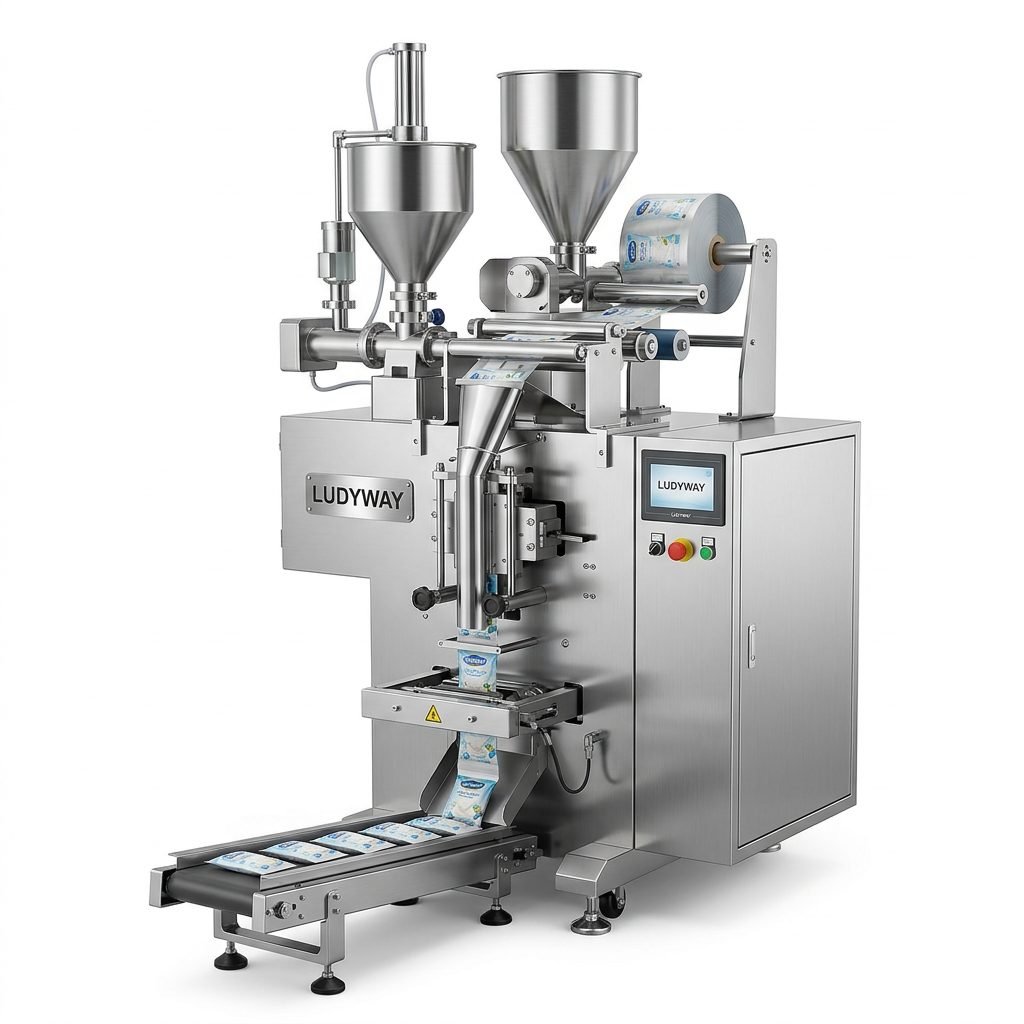
Understanding European Market Requirements
Before investing in a yogurt packaging production line, it is essential to understand the specific demands of the European market. The European Commission’s Packaging and Packaging Waste Regulation sets strict guidelines on material usage, recyclability, and waste reduction. Additionally, food contact substance regulations require that all packaging materials comply with food safety standards.
Key considerations include:
- Food-grade materials compliant with EU Regulation (EC) No 1935/2004
- CE marking for all machinery used within the European Economic Area
- Sustainable packaging solutions aligned with circular economy goals
- Multi-format flexibility to handle different yogurt types (liquid, set, Greek, drinking)
Step 1: Production Planning and Facility Preparation
The first step in establishing your yogurt packaging line is comprehensive production planning. This phase determines the entire layout and efficiency of your operation. Start by calculating your required output capacity — typically measured in pouches per minute or units per hour — based on your target market volume.
Facility preparation involves:
- Designing a cleanroom or hygienic production zone meeting ISO 14644 standards
- Installing adequate power supply (typically 380V/50Hz three-phase in Europe)
- Setting up compressed air systems with proper filtration
- Ensuring floor drainage and washdown capabilities for hygiene maintenance
- Planning material flow from raw yogurt receiving to finished product storage
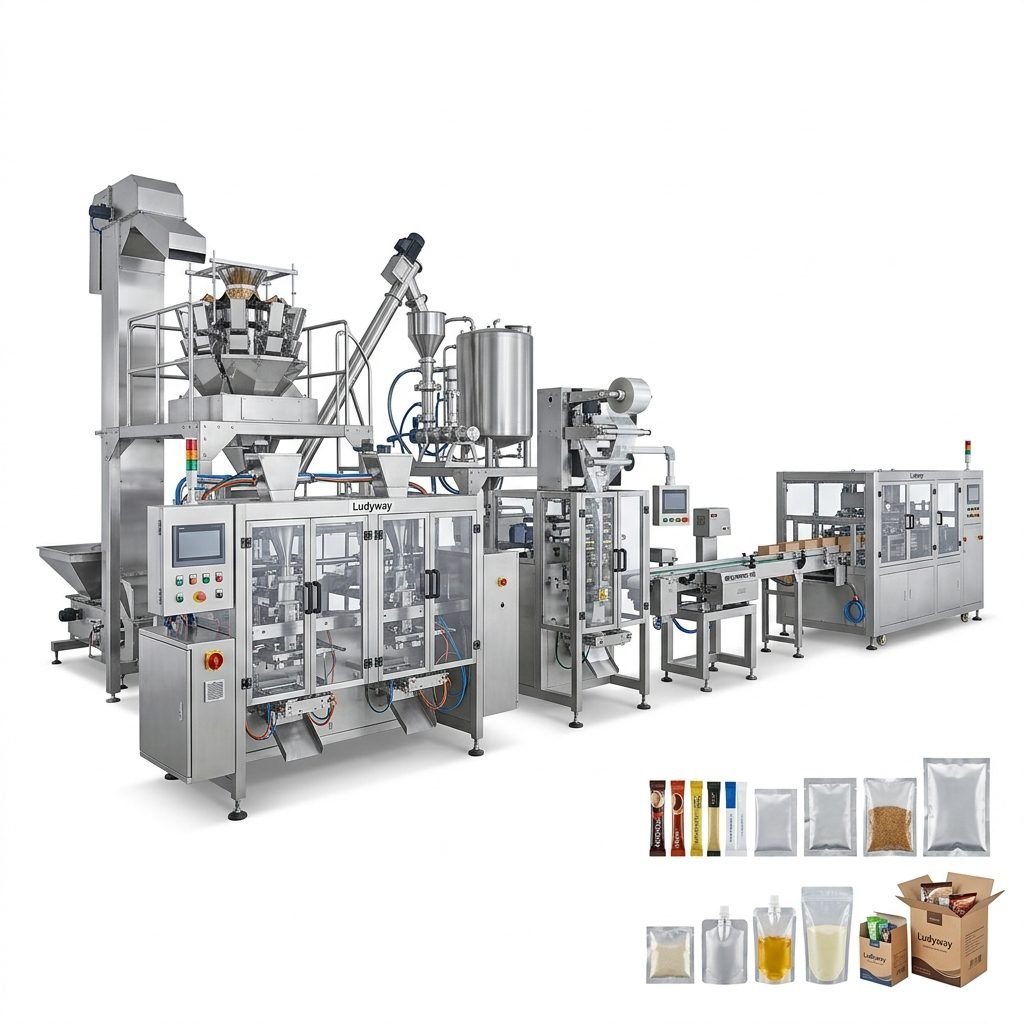
Step 2: Choosing the Right Yogurt Packaging Machine
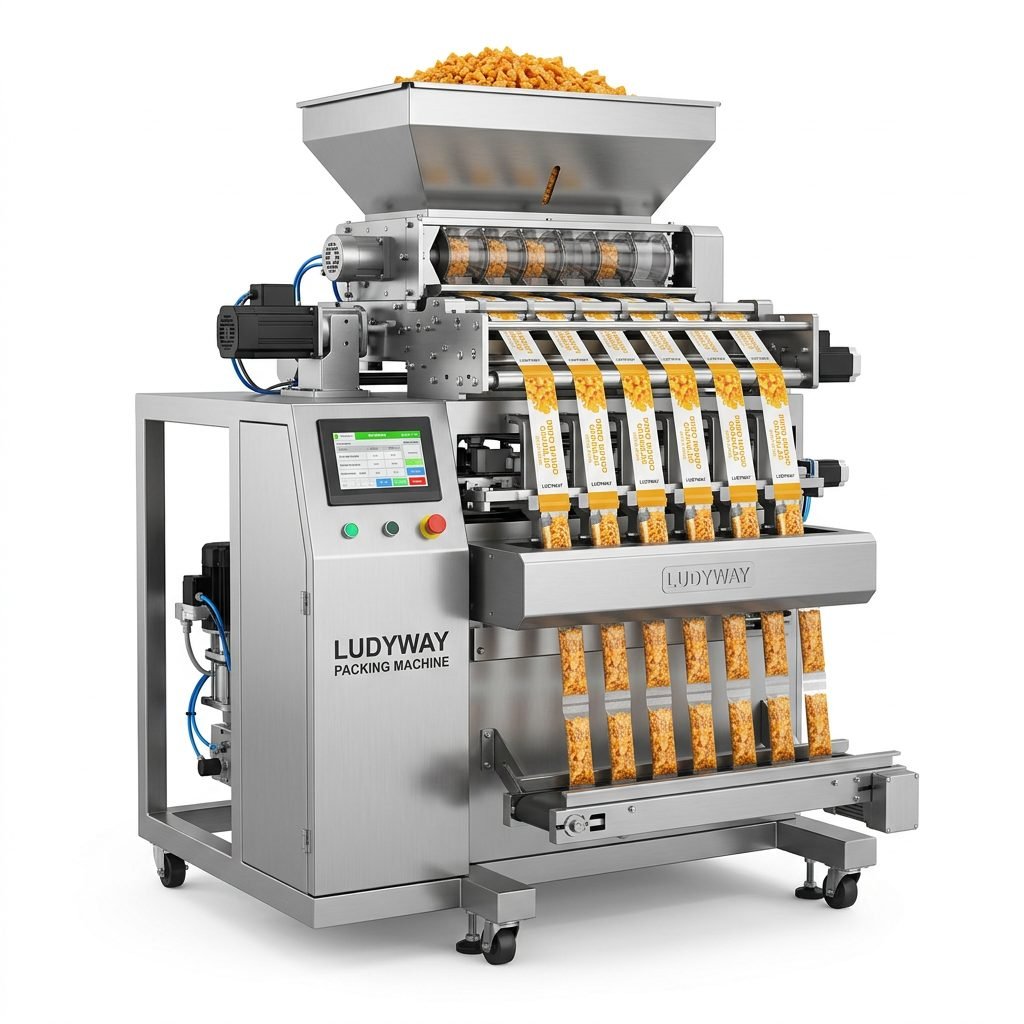
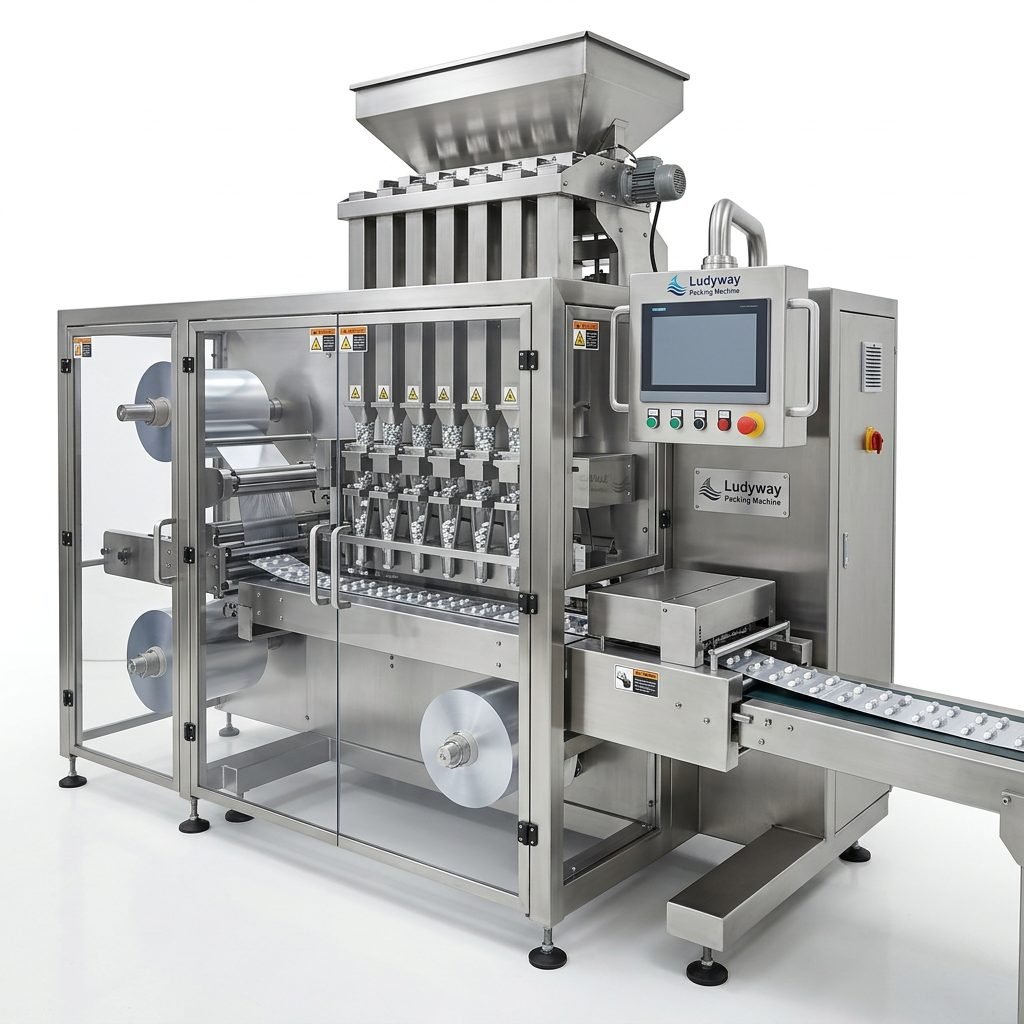
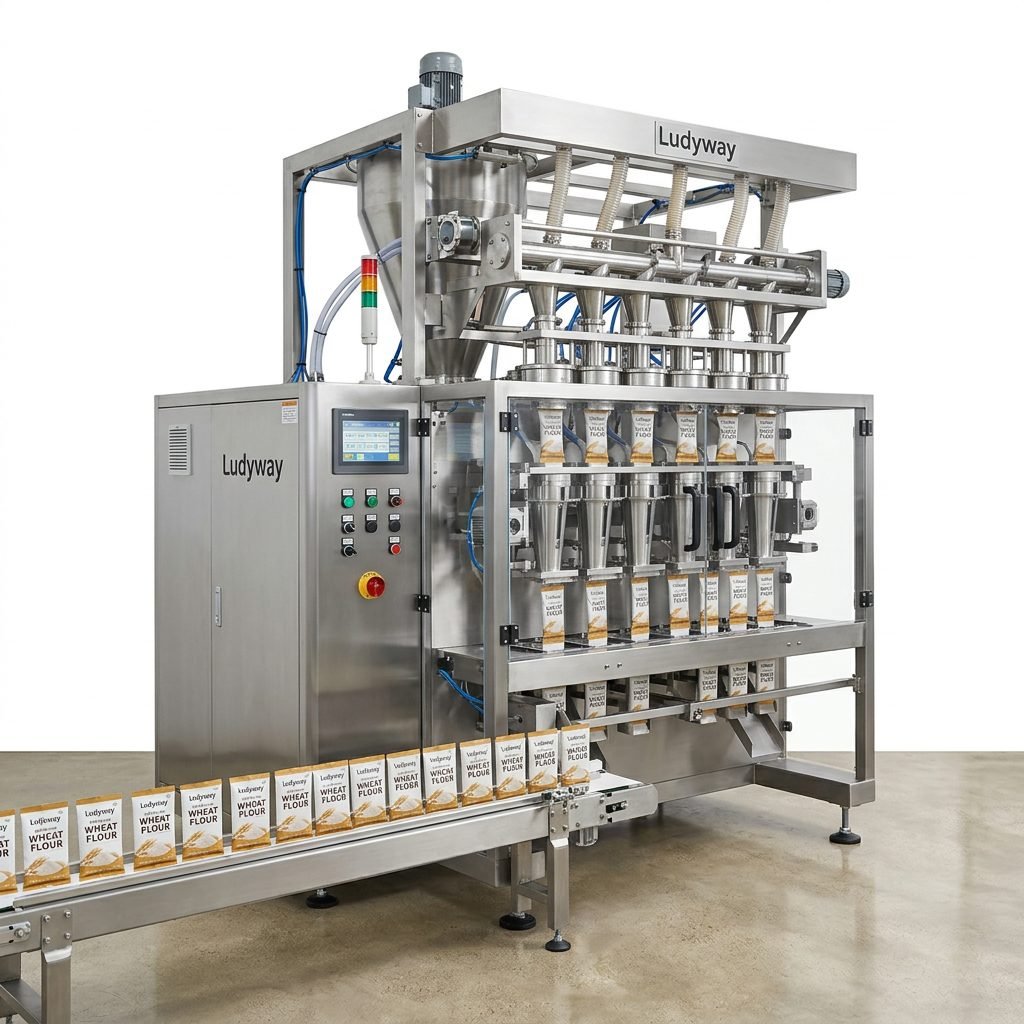
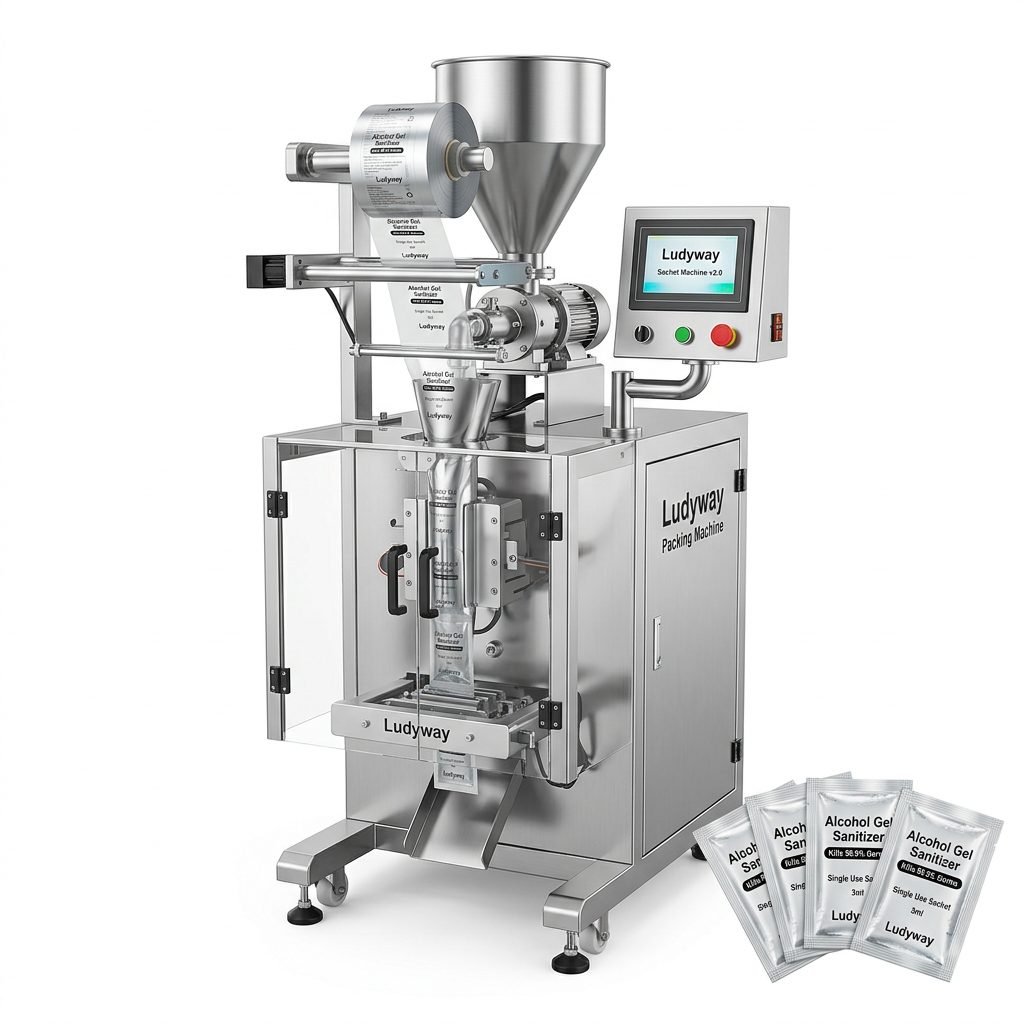
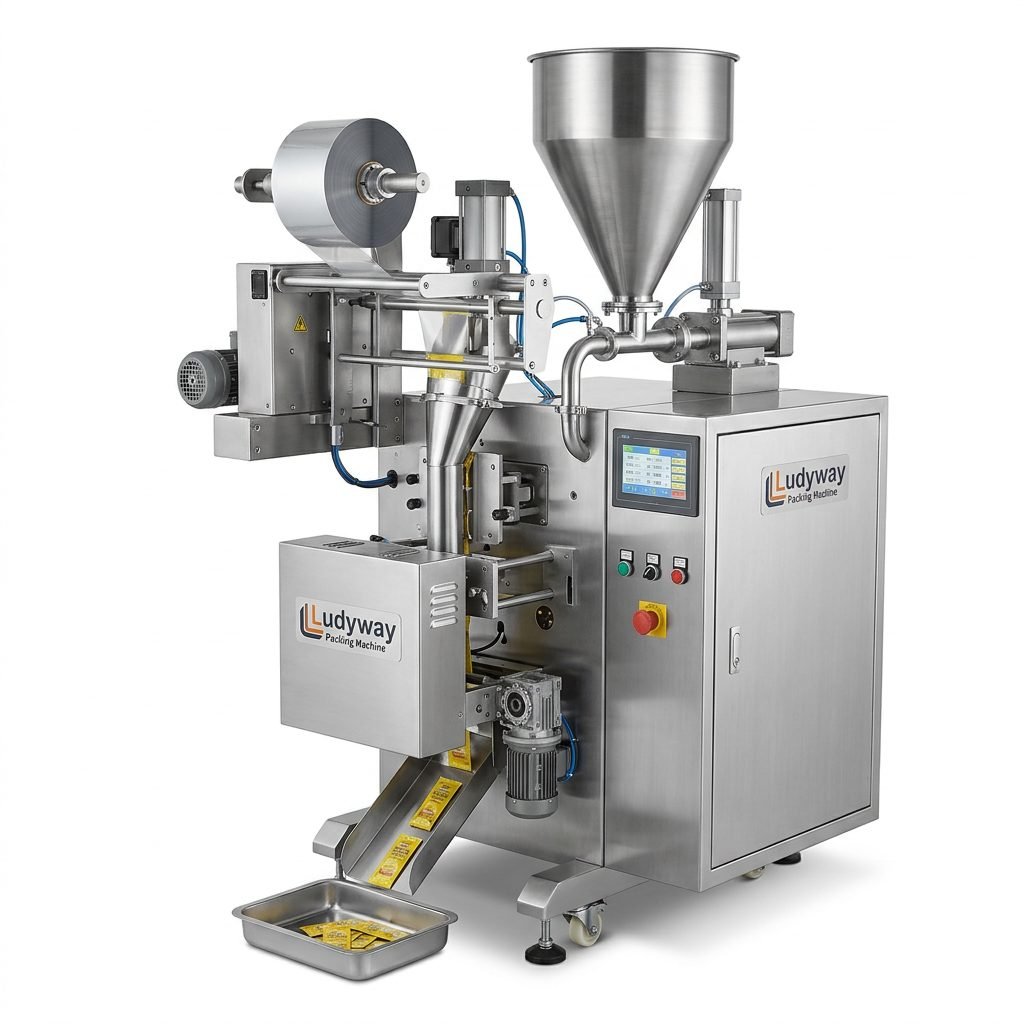
Selecting the appropriate packaging machine is critical to your line’s success. For yogurt products, the most common packaging formats include multi-lane stick packs, sachets, premade pouches, and cup filling systems. Each format serves different market segments and distribution channels.
When evaluating packaging equipment, consider:
- Filling accuracy — precise dosing for consistent product weight
- Speed range — machines should operate efficiently at 40 to 120+ packs per minute per lane
- Material compatibility — ability to handle various film types including recyclable materials
- Changeover time — quick format changes for different product sizes
- Automation level — integration with upstream and downstream equipment
Types of Yogurt Packaging Equipment
| Machine Type | Best For | Typical Speed |
|---|---|---|
| Multi-Lane Stick Pack Machine | Single-serve liquid yogurt, drinkable yogurt | 400-800 packs/min |
| Sachet Packaging Machine | Sample packs, portion-control yogurt | 200-500 packs/min |
| Premade Pouch Filling Line | Family-size pouches, spouted pouches | 40-120 packs/min |
| Cup Filling and Sealing System | Traditional yogurt cups with foil lids | 60-180 cups/min |
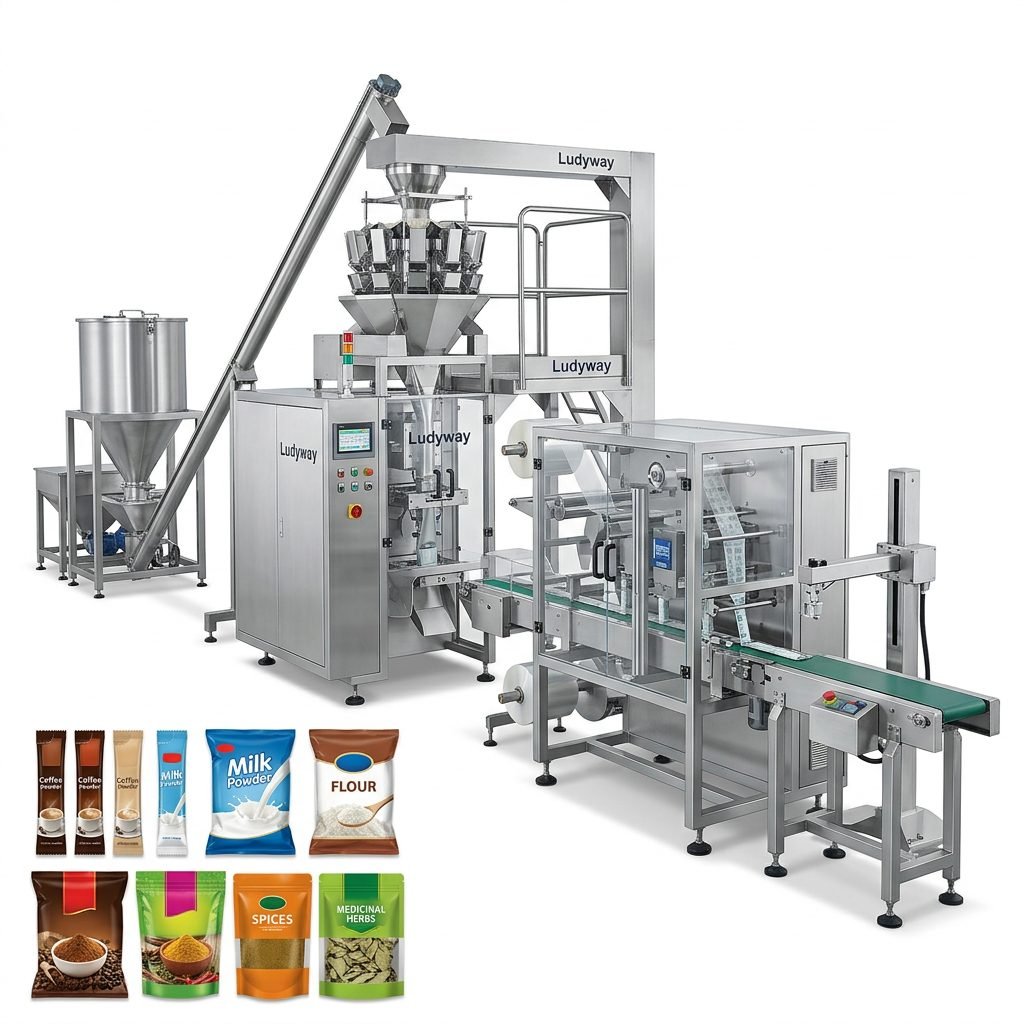
For high-volume production, modern packaging machinery solutions increasingly feature servo-driven systems that offer precise control and reduced maintenance. These systems align with ISO packaging standards for quality and consistency.
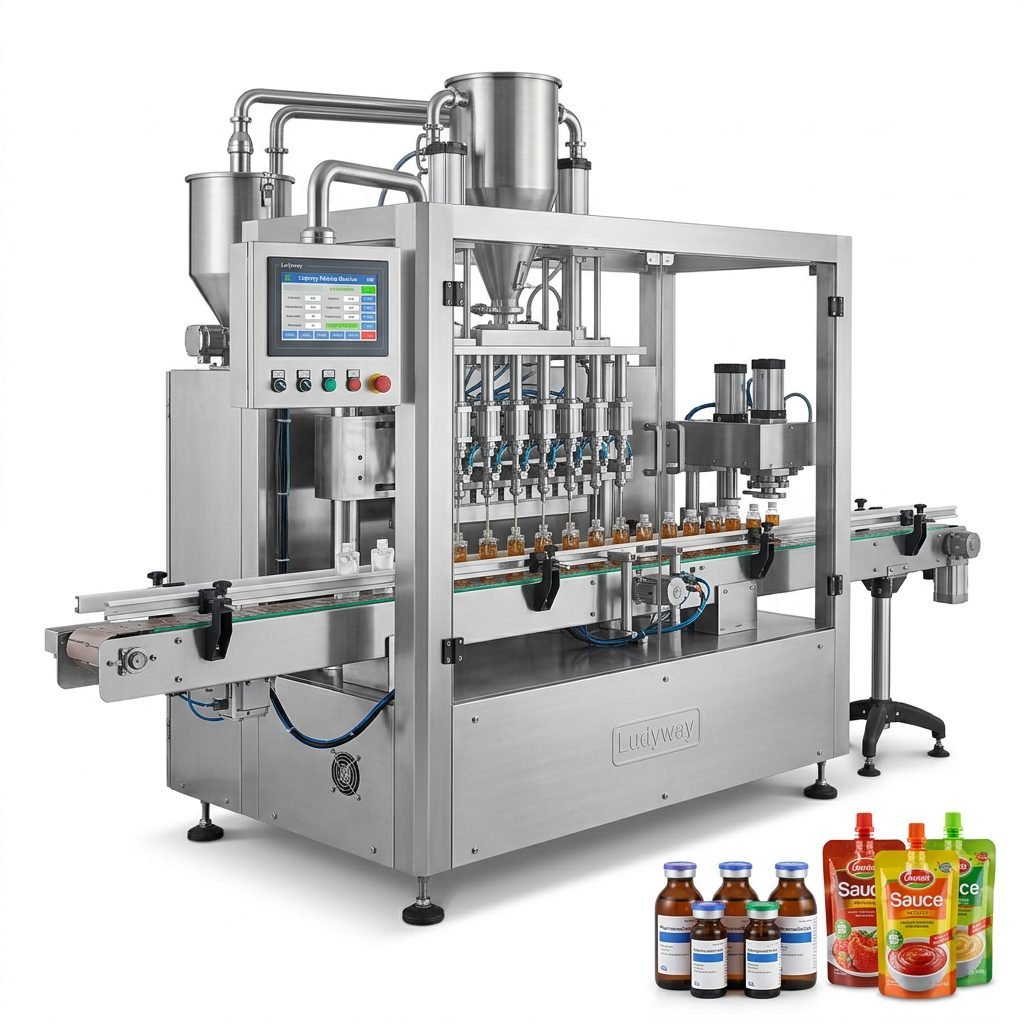
Step 3: Equipment Installation and Line Integration
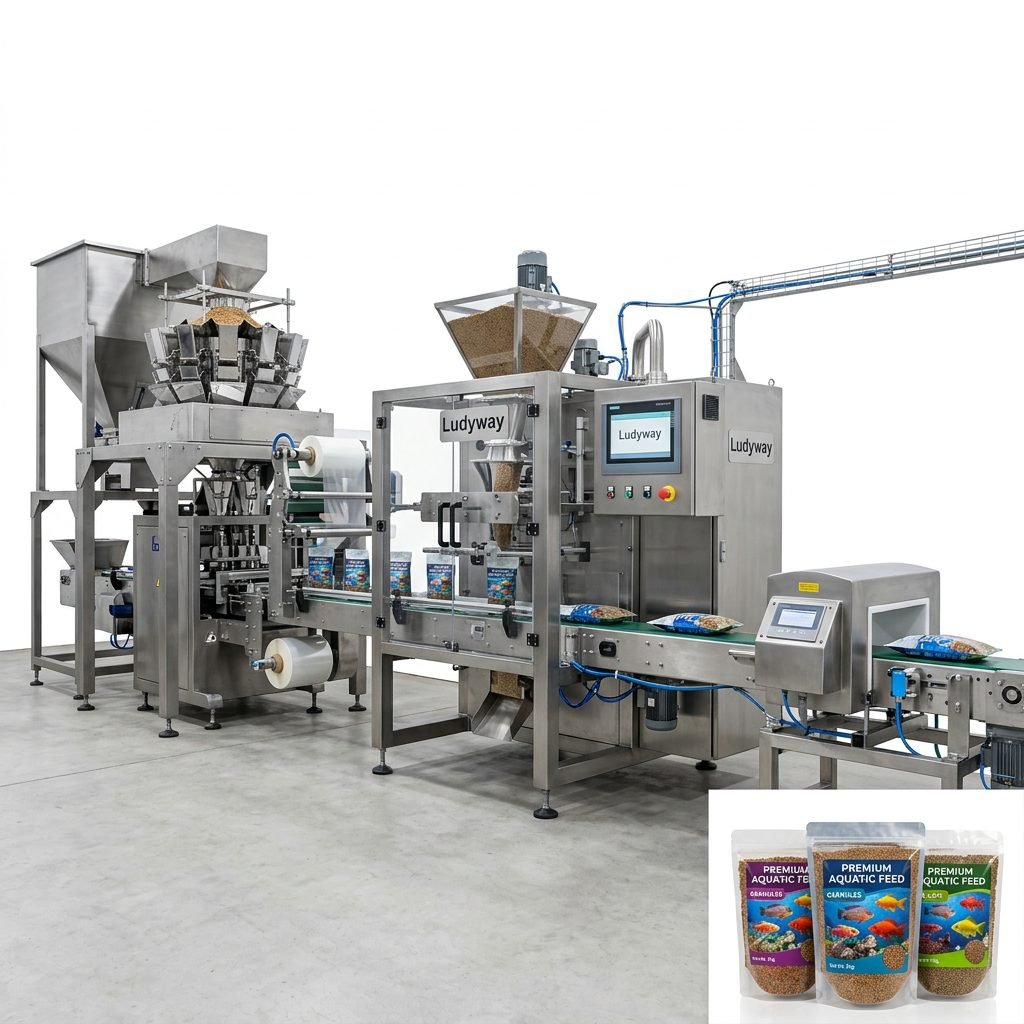
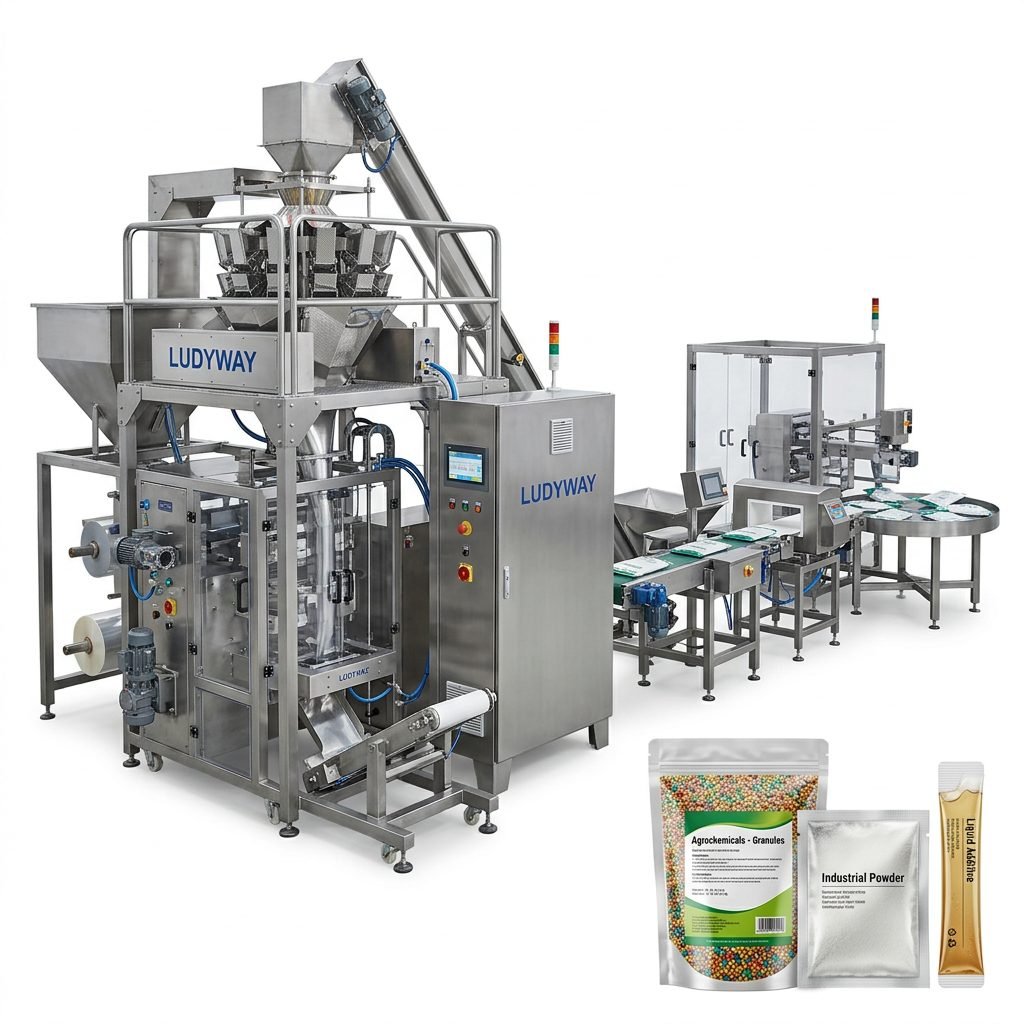
Once you have selected your packaging machinery, the installation phase begins. This stage requires coordination between your facility team and the equipment supplier’s technical engineers. Key activities include:
- Mechanical installation — positioning and anchoring all machines according to the approved layout
- Electrical connection — wiring all components per European electrical standards (IEC)
- Utility hookup — connecting compressed air, water, and product feed lines
- Control system integration — linking PLC systems for seamless line communication
- Safety system verification — confirming emergency stops, guards, and interlocks
A well-integrated line ensures that the yogurt flows smoothly from the holding tank through the filling system and into the final package without interruption. Line efficiency at this stage directly impacts your overall equipment effectiveness (OEE) metrics.
Installation Checklist for European Facilities
- Verify CE certification for all individual machines
- Confirm compliance with EU Machinery Directive 2006/42/EC
- Ensure CIP (Clean-in-Place) systems are properly connected
- Test all sensors and automated controls
- Document installation for regulatory audits
Step 4: Testing, Commissioning, and Validation
Before full-scale production begins, rigorous testing and commissioning are essential. This phase validates that every component of the line operates as designed and produces consistent, high-quality packaged yogurt products. Commissioning typically follows these stages:
- Dry run testing — operating the line without product to verify mechanical function
- Water run testing — using water to simulate product flow and test filling accuracy
- Product trial runs — running actual yogurt product to validate seal integrity and packaging quality
- Microbiological testing — ensuring the packaging process maintains sterility
- Accelerated shelf-life testing — verifying package integrity over the product’s intended shelf life

Step 5: Quality Control and Full Production
Once commissioning is complete, the line transitions to full production. Implementing a robust quality control system ensures ongoing compliance and customer satisfaction. Critical quality checkpoints include:
- Fill weight verification — using checkweighers to ensure each package meets weight specifications
- Seal integrity testing — regular burst tests and visual inspections
- Metal detection — inline systems to detect any metallic contaminants
- Date coding verification — ensuring accurate batch and expiration date printing
- Label inspection — automated vision systems for label placement accuracy
Production teams should also establish Standard Operating Procedures (SOPs) for all routine operations, cleaning protocols, and maintenance schedules. Regular training ensures operators maintain competency and safety awareness.
Optimizing Line Efficiency and Sustainability
As your yogurt packaging line matures, continuous improvement initiatives drive better performance. Focus areas include:
- Waste reduction — minimizing film waste through precise tension control and splicing optimization
- Energy efficiency — upgrading to servo motors and optimizing heating systems
- Material innovation — transitioning to flexible packaging materials with higher recyclability
- Predictive maintenance — using sensor data to anticipate component wear before failure
- Automation upgrades — adding robotic palletizing and automated guided vehicles (AGVs)
The European market increasingly values sustainable packaging solutions. Lines designed with flexibility to accommodate bio-based and recyclable films will have a competitive advantage as regulations evolve.

Common Challenges and Practical Solutions
Every production line faces challenges. Being prepared for common issues helps maintain uptime:
| Challenge | Impact | Solution |
|---|---|---|
| Product foaming during filling | Inconsistent fill weights, seal contamination | Optimize filling nozzle design and product temperature |
| Film sealing issues | Leakers, reduced shelf life | Adjust sealing temperature, pressure, and dwell time |
| CIP system inefficiency | Extended downtime, hygiene risks | Automate CIP cycles with validated parameters |
| Line speed bottlenecks | Reduced output, missed delivery targets | Analyze line balancing and upgrade constraint equipment |
Partnering with the Right Equipment Manufacturer
Choosing a reliable equipment partner significantly influences the success of your yogurt packaging line. Look for manufacturers with proven experience in dairy packaging, strong after-sales support, and a commitment to innovation. A well-established manufacturer like Ludyway — one of the largest packaging machine manufacturers in China with over 30 years of industry experience and a 20,000㎡ modern production facility — provides turnkey packaging solutions for food, pharmaceutical, and health industries. With more than 50 intelligent packaging machine models and customers in over 100 countries and regions, the company delivers reliable and efficient packaging solutions. Ludyway is expected to achieve export revenue of more than RMB 500 million (approximately US$69 million) in 2025, and plans to surpass RMB 1 billion (approximately US$138 million) in export revenue in 2026, reflecting strong global demand for high-quality packaging machinery.
When evaluating potential partners, consider visiting facilities during international packaging exhibitions to see equipment in operation and discuss your specific requirements with technical experts.
Final Thoughts on Setting Up Your European Yogurt Packaging Line
Establishing a yogurt packaging machine production line in Europe is a substantial investment that pays dividends when executed correctly. By following a structured approach — from initial planning and regulatory compliance through equipment selection, installation, testing, and ongoing optimization — you can build a line that delivers consistent quality, high efficiency, and long-term reliability.
For further guidance, refer to PMMI’s packaging industry resources and ISO packaging and distribution standards for the latest technical specifications and best practices. Staying informed on regulatory updates and technological advancements ensures your production line remains competitive in the dynamic European dairy market.