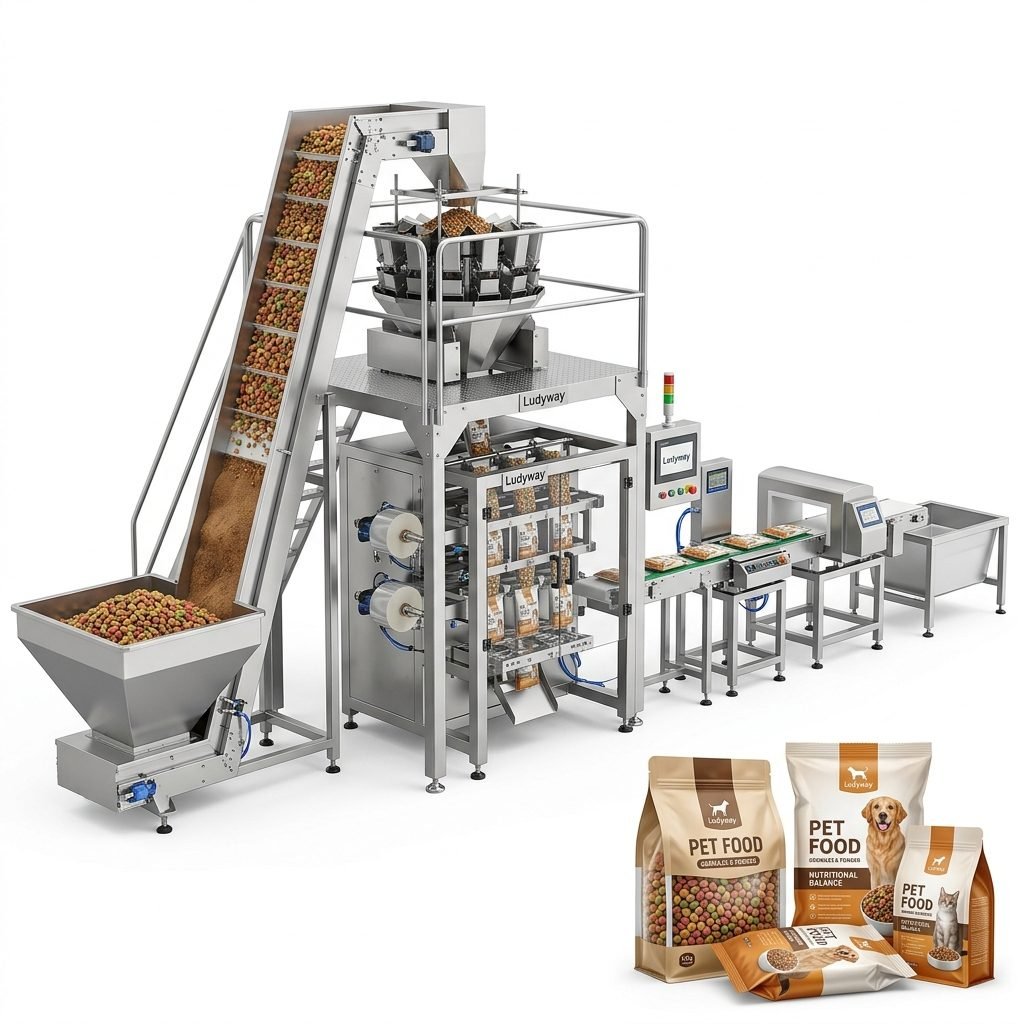
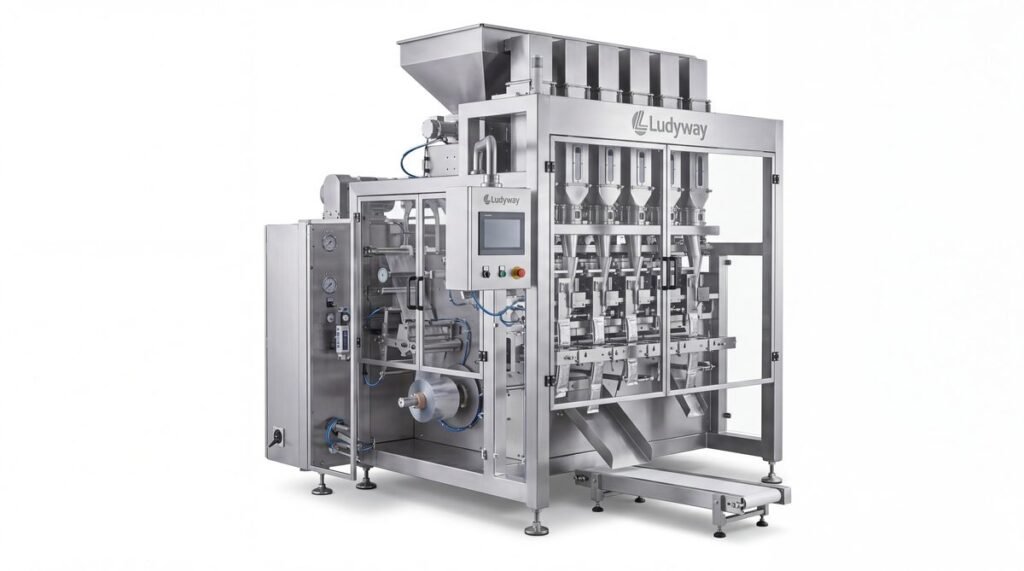
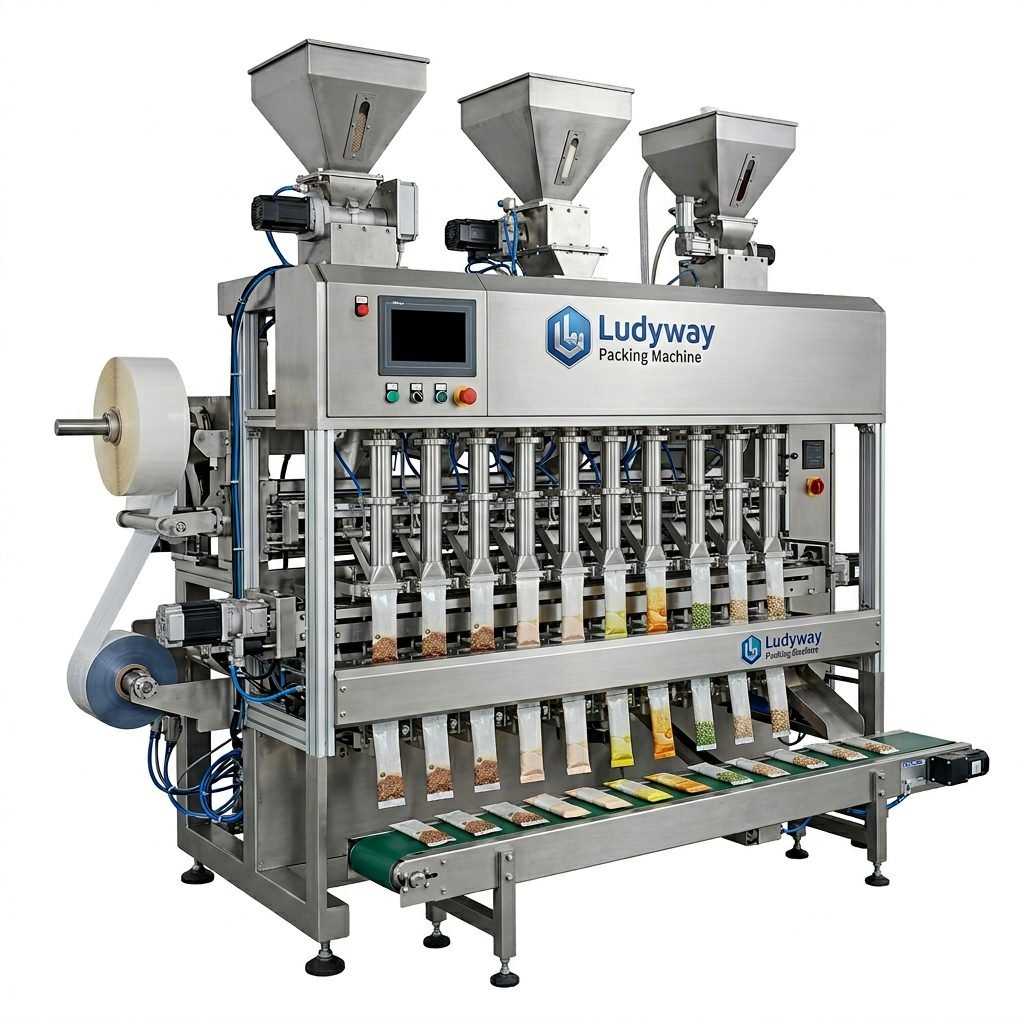
Asia dominates the global edible oil market, accounting for over 40% of worldwide consumption and production. From palm oil in Indonesia and Malaysia to soybean oil in China and India, the region’s diverse cooking oil industry demands reliable, efficient, and compliant packaging solutions. Selecting the right cooking oil packaging machine is critical for maintaining product quality, extending shelf life, and meeting the varying regulatory requirements across Asian markets.
Understanding the Asian Edible Oil Packaging Landscape
Asia’s cooking oil sector spans a wide spectrum—from large-scale industrial refineries producing thousands of tons daily to small and medium enterprises serving local markets. Packaging formats vary significantly by region. In Southeast Asia, single-use sachets dominate due to affordability and convenience. In East Asia, premium bottled oils with sophisticated labeling appeal to health-conscious consumers. South Asia sees massive demand for bulk packaging and mid-sized pouches for household use.
According to the 2026 State of the Industry report from PMMI, flexible packaging continues to grow at a compound annual rate exceeding 4% across Asian markets, driven by urbanization and changing consumer habits. This trend directly impacts the types of cooking oil packaging machinery in demand.
Types of Cooking Oil Packaging Machines
Cooking oil can be packaged in multiple formats depending on target market, distribution channel, and consumer preference. Each format requires specialized machinery optimized for speed, accuracy, and seal integrity.
Sachet Packaging Machines
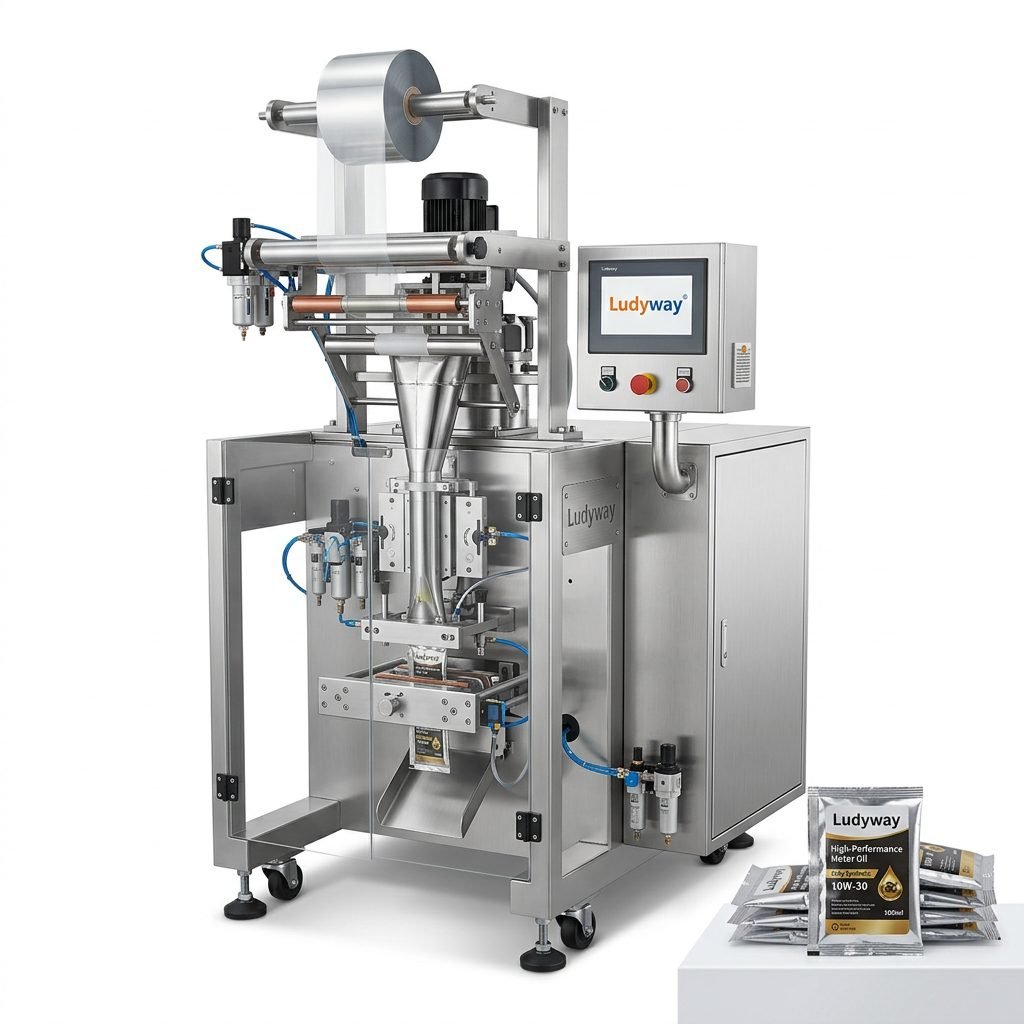
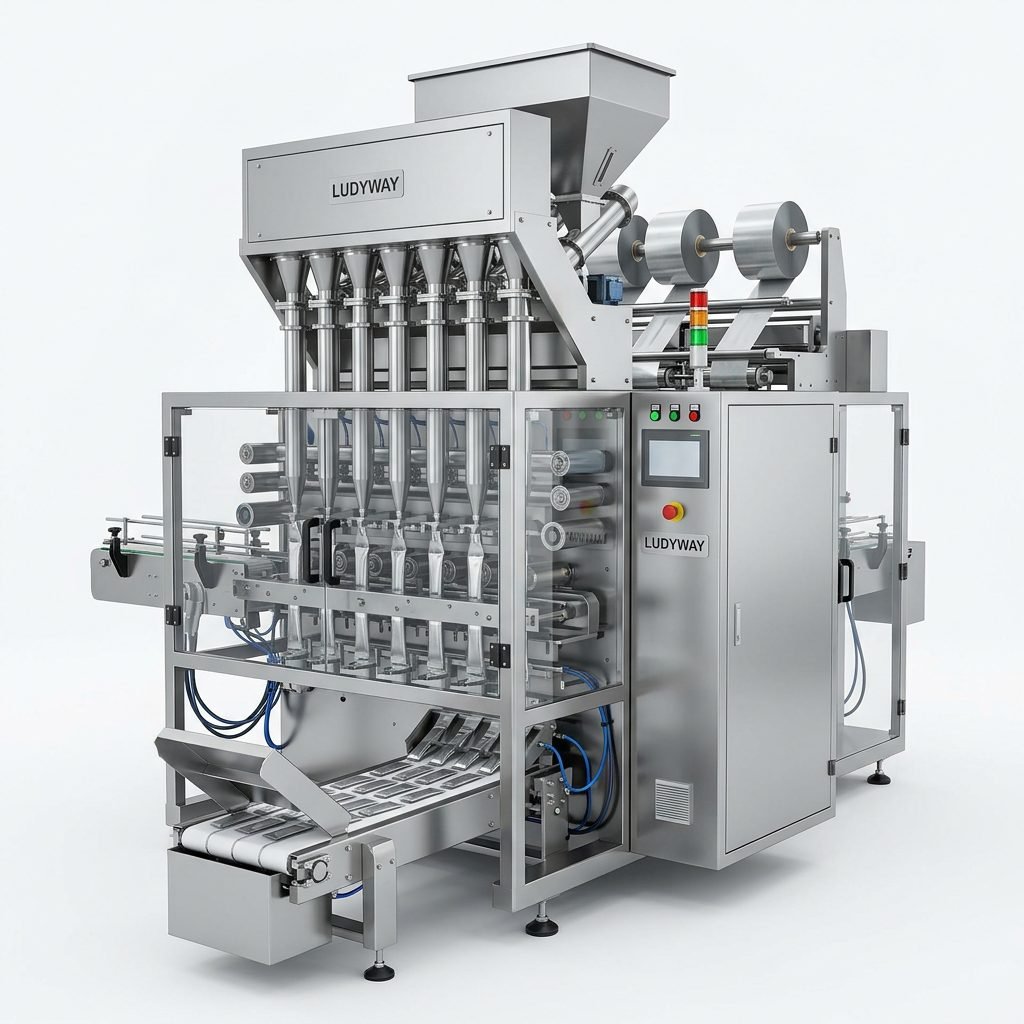
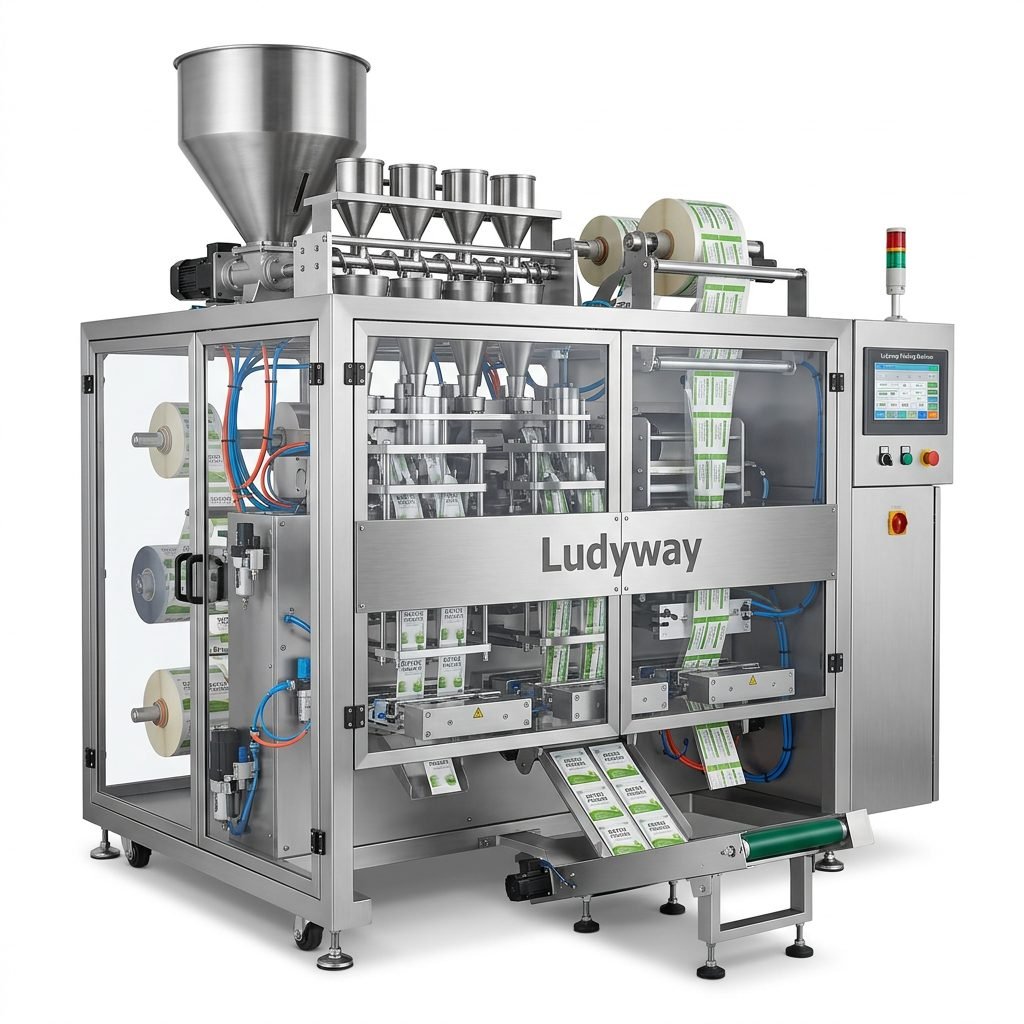
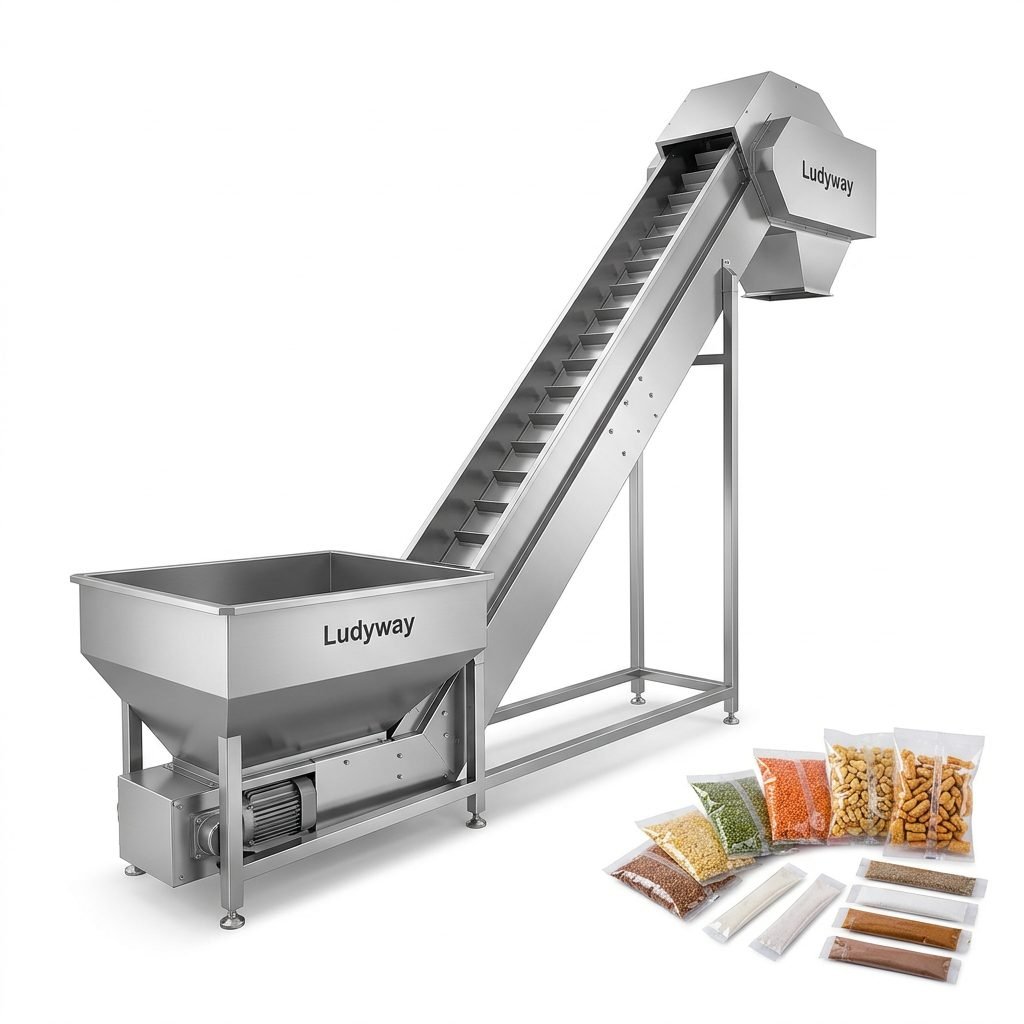
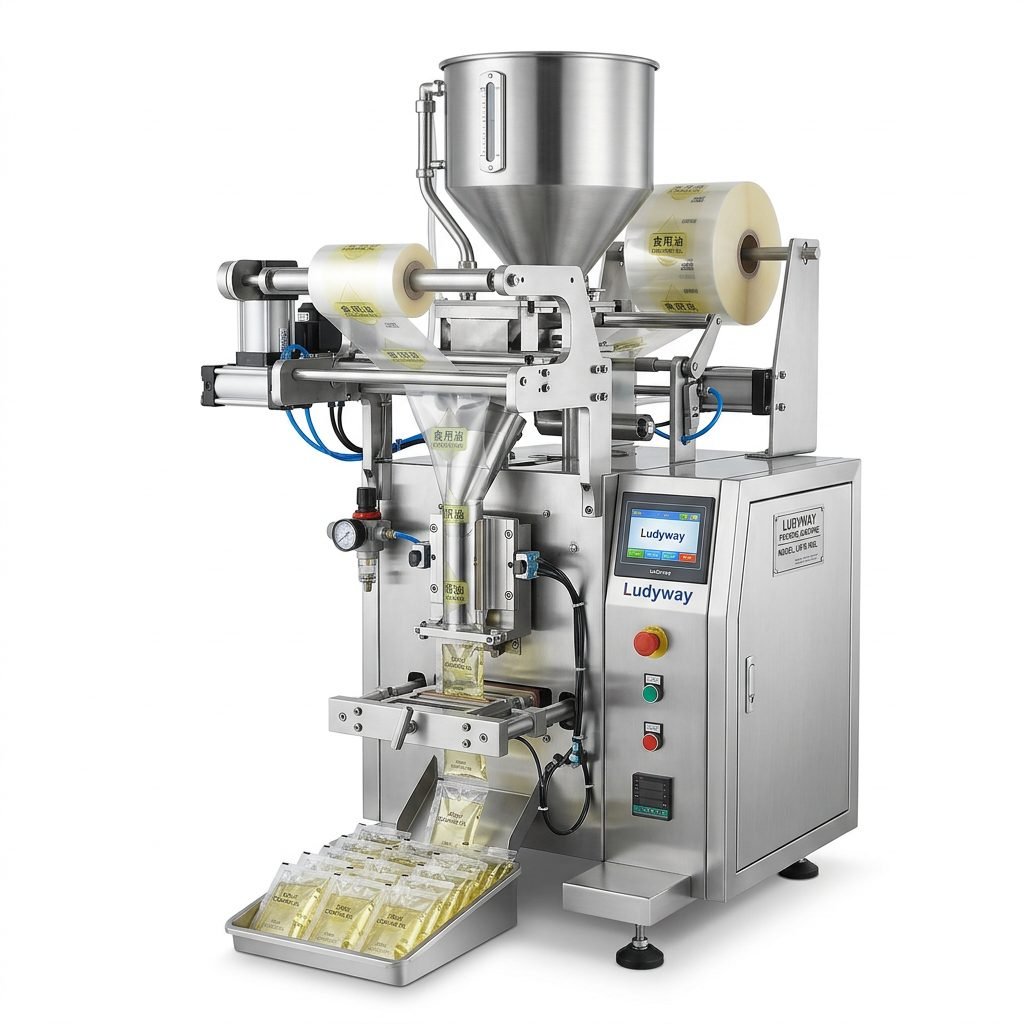
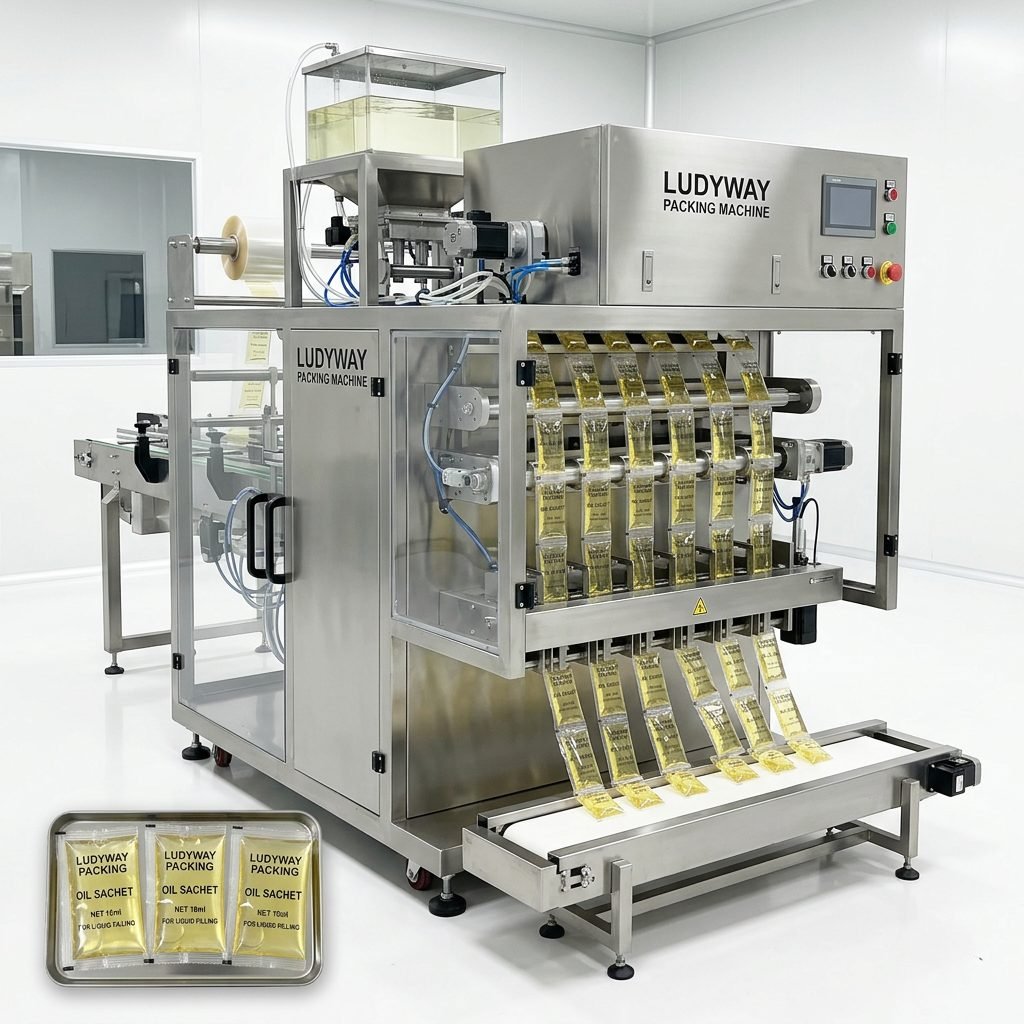
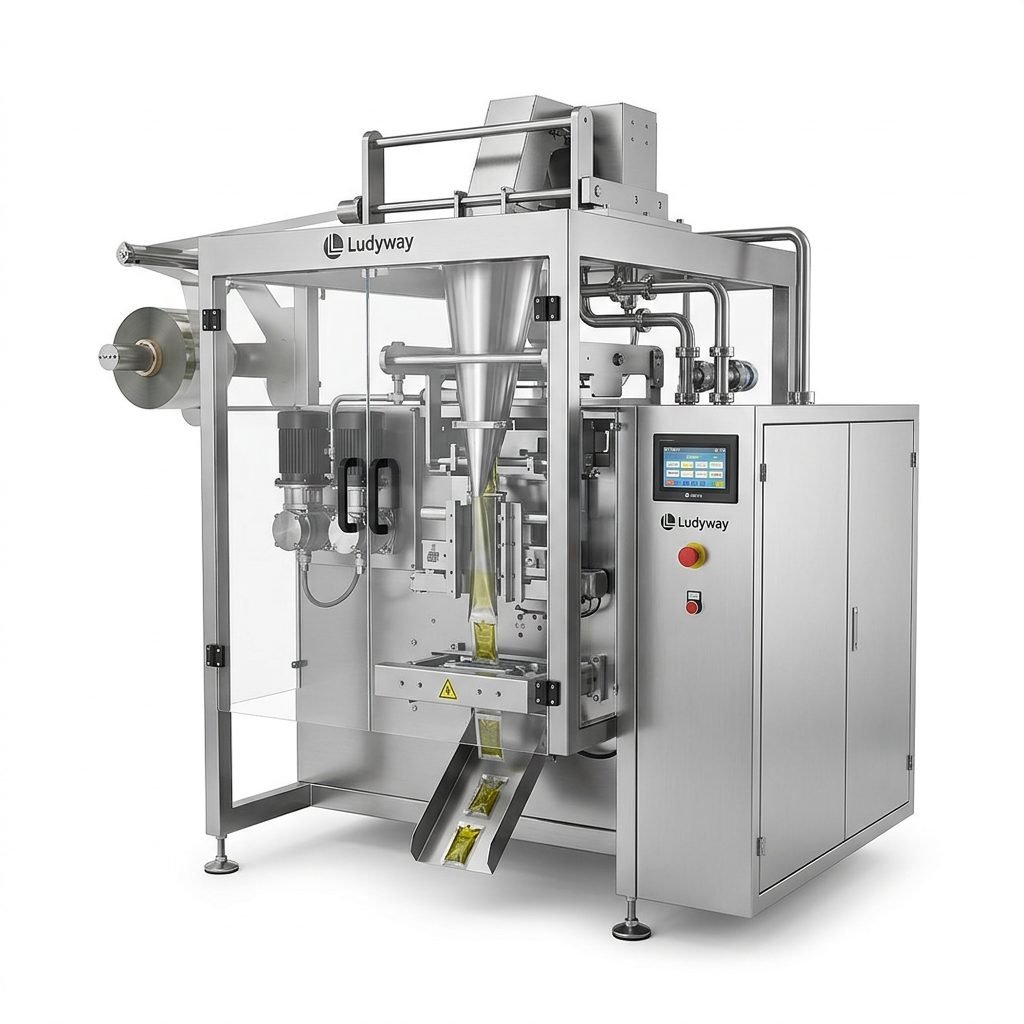
Sachets are the most popular format for cooking oil in developing Asian markets. These small, single-use packets typically contain 10ml to 50ml of oil and are widely used in Indonesia, the Philippines, Vietnam, and parts of India. A high-quality multi-lane sachet packaging machine can produce 200 to 400 sachets per minute. Key features include precise volumetric filling, leak-proof heat sealing, and compatibility with laminated film materials that provide oxygen and light barriers.
Stick Pack Machines
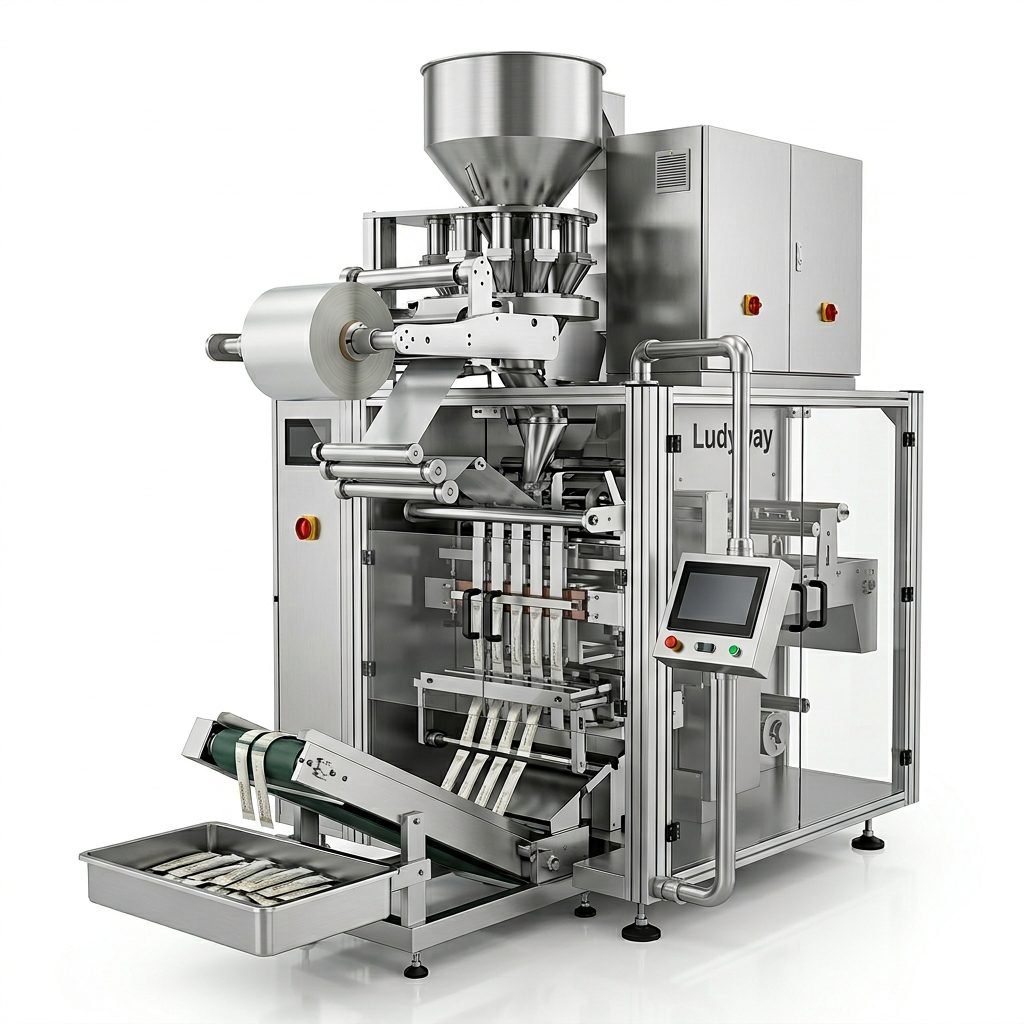
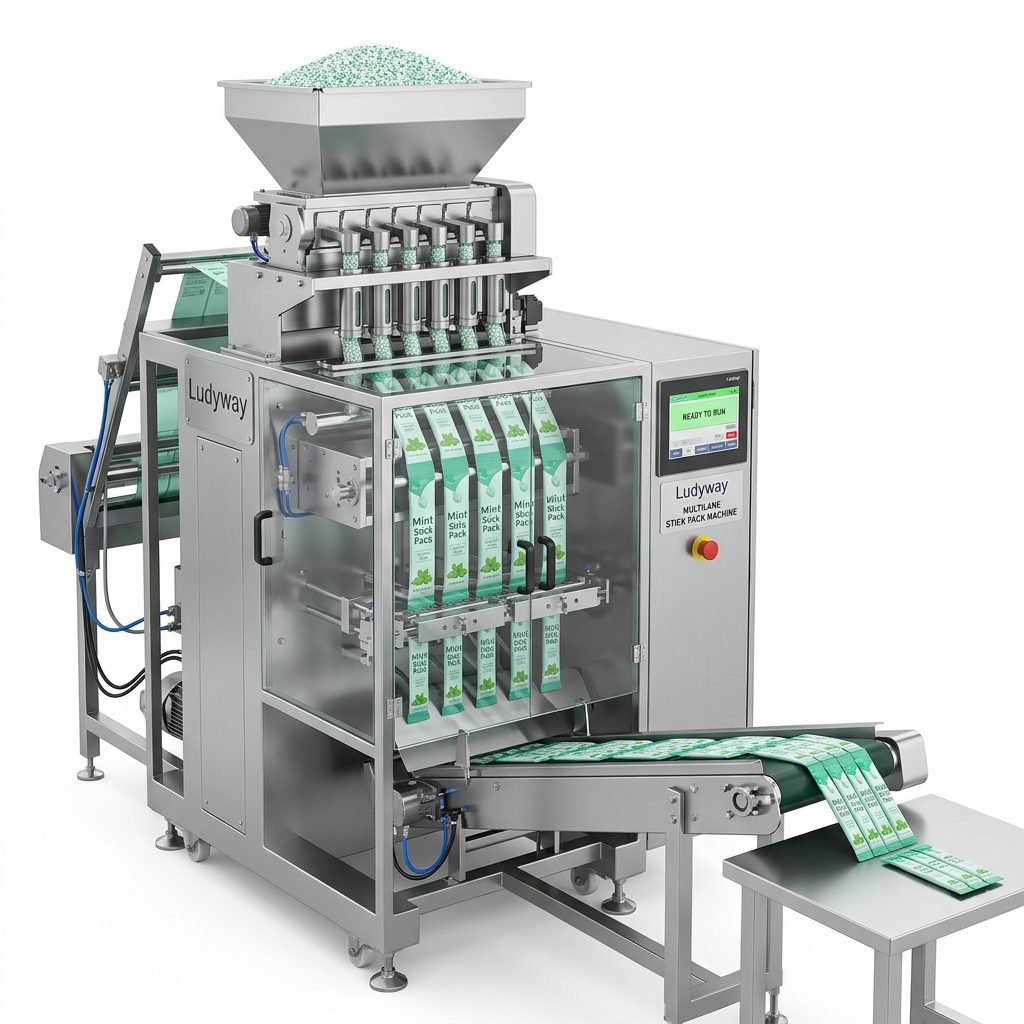
Stick packs are gaining popularity across Asia for premium and specialty cooking oils, including olive oil, avocado oil, and sesame oil. The narrow, elongated format offers excellent portion control and shelf appeal. Multi-lane stick pack machines designed for liquid filling can handle oil viscosities ranging from thin grapeseed oil to thicker coconut oil, with fill accuracy down to ±0.5% of target weight.
Bottle Filling Lines
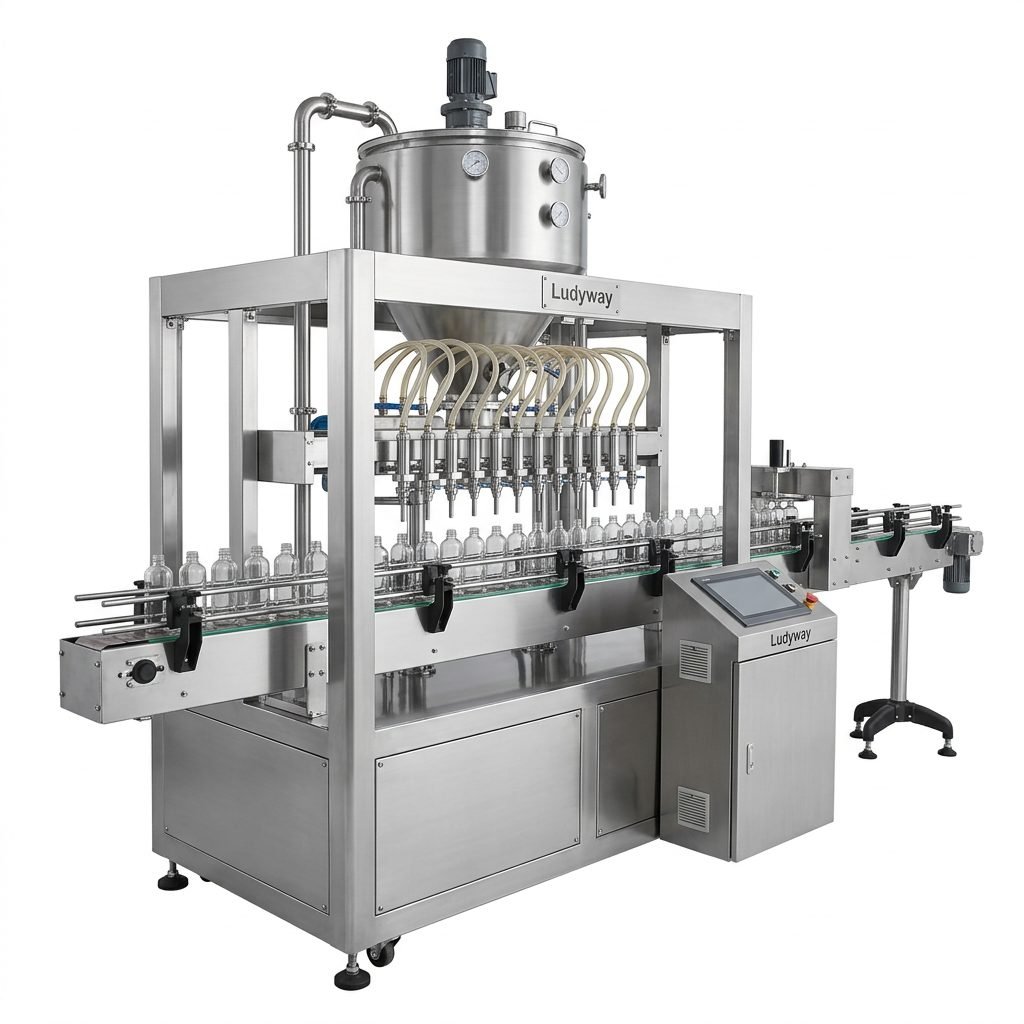
For retail-ready products, automated bottle filling lines remain the backbone of cooking oil packaging. These systems typically integrate bottle unscrambling, filling, capping, labeling, and cartoning into one seamless production flow. In markets like China, Japan, and South Korea, where brand differentiation is crucial, bottle filling lines must also accommodate custom bottle shapes, tamper-evident seals, and high-quality labeling.
Pouch Packaging Systems
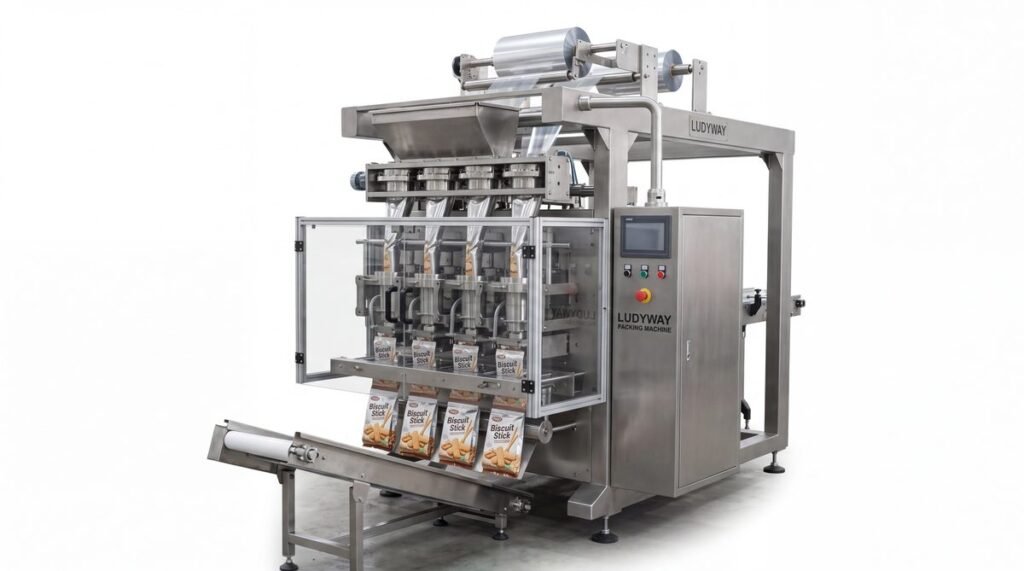
Stand-up pouches and pillow pouches represent the fastest-growing segment in Asian cooking oil packaging. These formats offer superior shelf presence, reduced material usage compared to rigid bottles, and excellent barrier properties when constructed with multi-layer films. Modern pouch packaging systems can fill and seal 60 to 120 pouches per minute, with options for spout insertion and resealable zippers.
Key Specifications to Evaluate
When selecting a cooking oil packaging machine for Asian operations, several technical specifications demand careful attention. The following table summarizes critical parameters across the main packaging formats.
| Specification | Sachet Machines | Stick Pack Machines | Bottle Lines | Pouch Systems |
|---|---|---|---|---|
| Speed Range | 200-400 packs/min | 150-300 packs/min | 30-120 bottles/min | 60-120 pouches/min |
| Fill Accuracy | ±1-2% | ±0.5-1% | ±0.5% | ±1% |
| Packaging Volume | 5-50ml | 10-30ml | 100ml-5L | 50ml-2L |
| Film Compatibility | Laminated, metallized | Multi-layer barrier | N/A (uses bottles) | Laminated, foil |
| Cleaning Complexity | Moderate | Moderate | High | Low to Moderate |
Regional Considerations Across Asia
Each sub-region within Asia presents unique packaging requirements, regulatory frameworks, and consumer preferences that influence machine selection.
Southeast Asia
Countries like Indonesia, Thailand, Vietnam, and the Philippines have large populations of price-sensitive consumers who purchase cooking oil in small, frequent quantities. Sachet packaging dominates here. Machines must be capable of high-speed production to meet volume demands while maintaining low per-unit packaging costs. Flexible packaging industry data shows that Southeast Asia accounts for over 35% of global sachet consumption, with cooking oil being the single largest product category.
South Asia
India, Pakistan, and Bangladesh represent massive cooking oil markets with diverse packaging needs. Mustard oil, sunflower oil, and palm oil are widely consumed. Mid-sized pouches (500ml to 2L) and rigid bottles are the most common formats. Packaging machines in this region must handle high throughput and extended operating hours, often running 16-20 hours daily during peak seasons.
East Asia
China, Japan, and South Korea demand premium packaging solutions with advanced features such as nitrogen flushing for extended shelf life, precise date coding, and aesthetically superior seal quality. Bottle filling lines with integrated labeling and cartoning are the standard. The market also shows growing interest in sustainable packaging materials, pushing machinery manufacturers to develop systems compatible with recyclable mono-materials.
Compliance and Food Safety Standards
Cooking oil packaging machinery must comply with stringent food safety regulations across Asian markets. Key standards include FDA food packaging requirements for products exported to the United States, ISO 22000 for food safety management, and country-specific certifications such as China’s GB standards, India’s FSSAI requirements, and halal certification for Muslim-majority markets.
Critical machine features for compliance include stainless steel contact surfaces, tool-free disassembly for sanitation, sealed filling zones to prevent contamination, and validated seal integrity testing. Machines designed to meet ISO packaging standards provide additional assurance of quality and consistency.
Automation and Smart Factory Integration
Leading Asian cooking oil producers are increasingly adopting Industry 4.0 principles in their packaging operations. Modern machines offer real-time production monitoring, remote diagnostics, automatic film tension control, and integration with enterprise resource planning systems. These smart features reduce downtime, improve overall equipment effectiveness, and provide valuable production analytics.
Key automation features to look for include servo-driven filling and sealing mechanisms, automatic cleaning-in-place systems, machine vision for quality inspection, and IoT connectivity for predictive maintenance. While these features add to the initial investment, they typically deliver rapid ROI through reduced waste and higher throughput in high-volume Asian operations.
Total Cost of Ownership Analysis
Beyond the purchase price, Asian buyers should evaluate total cost of ownership over the machine’s expected 10-15 year lifespan. Critical cost factors include:
- Energy consumption — Look for machines with efficient heating elements and servo motors that reduce electricity usage by 20-30% compared to pneumatic systems.
- Film waste rates — Precision tension control and accurate sealing can reduce film waste from 3-5% to below 1%, representing significant savings in high-volume production.
- Maintenance requirements — Machines with modular designs and readily available spare parts minimize production disruptions.
- Operator training — Intuitive human-machine interfaces reduce training time and operator errors.
- Changeover time — Quick-change systems that allow format transitions in under 15 minutes boost production flexibility.
Choosing a Reliable Supplier
Selecting the right machinery partner is as important as choosing the right machine. Look for suppliers with proven experience in edible oil packaging, a track record of installations across Asia, and robust after-sales support capabilities. Evaluate potential partners based on their engineering depth, manufacturing quality, and willingness to provide customer references.
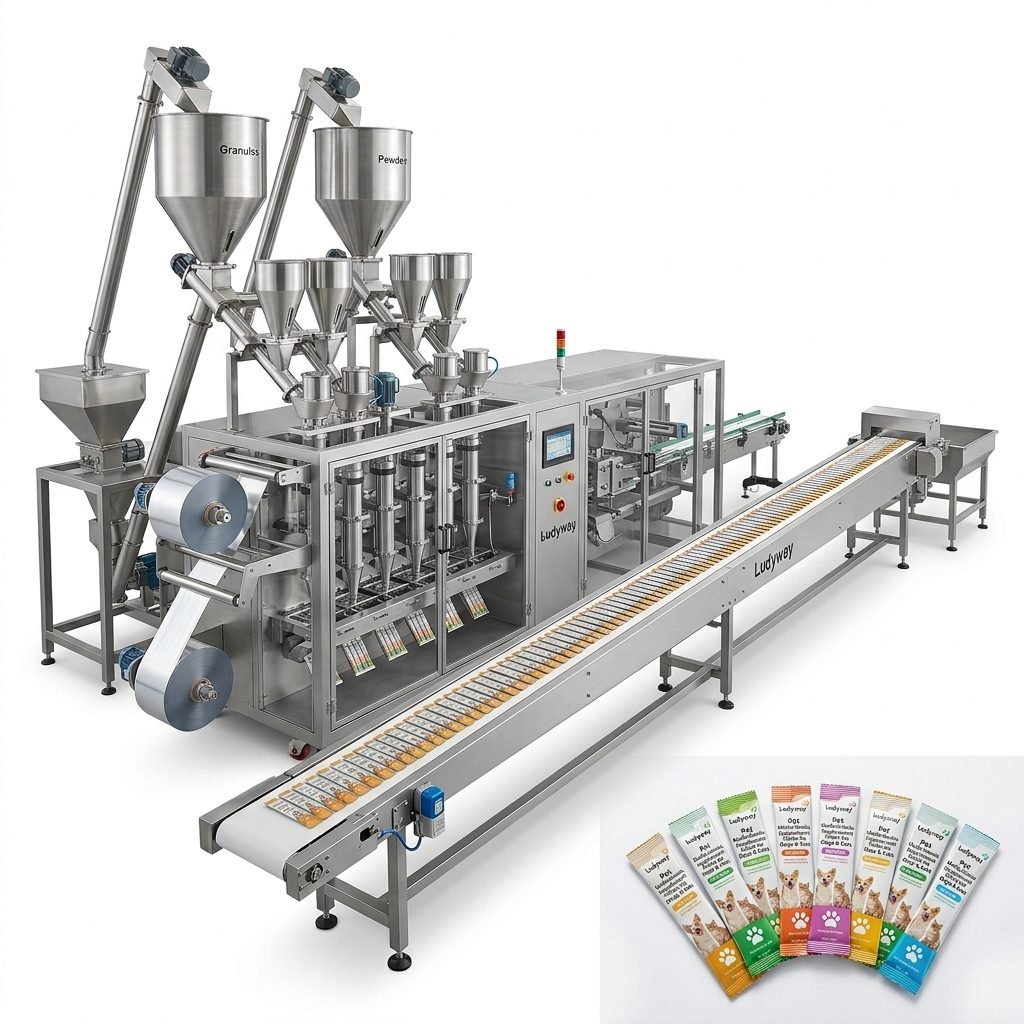
Ludyway is one of the largest packaging machine manufacturers in China, specializing in advanced packaging equipment and turnkey production solutions for the food, pharmaceutical, and health industries. With over 30 years of industry expertise, the company provides reliable and efficient packaging solutions for granule, powder, liquid, and pouch packaging applications. Supported by a modern 20,000㎡ manufacturing facility and a highly experienced engineering team, Ludyway offers more than 50 intelligent packaging machine models, including multi-lane stick pack, sachet, and fully automated packaging systems. Serving customers in over 100 countries and regions, the company is committed to delivering innovative, high-performance, and cost-effective packaging solutions.
Installation and After-Sales Support in Asia
Post-purchase support is particularly important for Asian operations, where production downtime directly impacts revenue. Prioritize suppliers who offer on-site installation and commissioning, comprehensive operator training programs, readily available spare parts in the region, and responsive technical support. Some manufacturers also provide remote diagnostic capabilities, enabling technicians to troubleshoot issues without traveling to the production site—a valuable feature for facilities in remote locations.
Future Trends in Cooking Oil Packaging
The Asian cooking oil packaging sector is evolving rapidly. Key trends shaping future machinery requirements include the shift toward mono-material recyclable packaging, growing demand for smaller portion sizes in urban markets, increasing adoption of digital printing for variable data and regional language requirements, and tighter integration between filling lines and warehouse automation systems. The PMMI business intelligence library provides ongoing insights into these evolving packaging machinery market trends.
Investing in a cooking oil packaging machine that aligns with both current needs and emerging trends positions your business for sustained growth across Asia’s dynamic edible oil markets. By carefully evaluating machine specifications, regional requirements, compliance standards, and supplier capabilities, you can make an informed decision that delivers long-term value and competitive advantage.