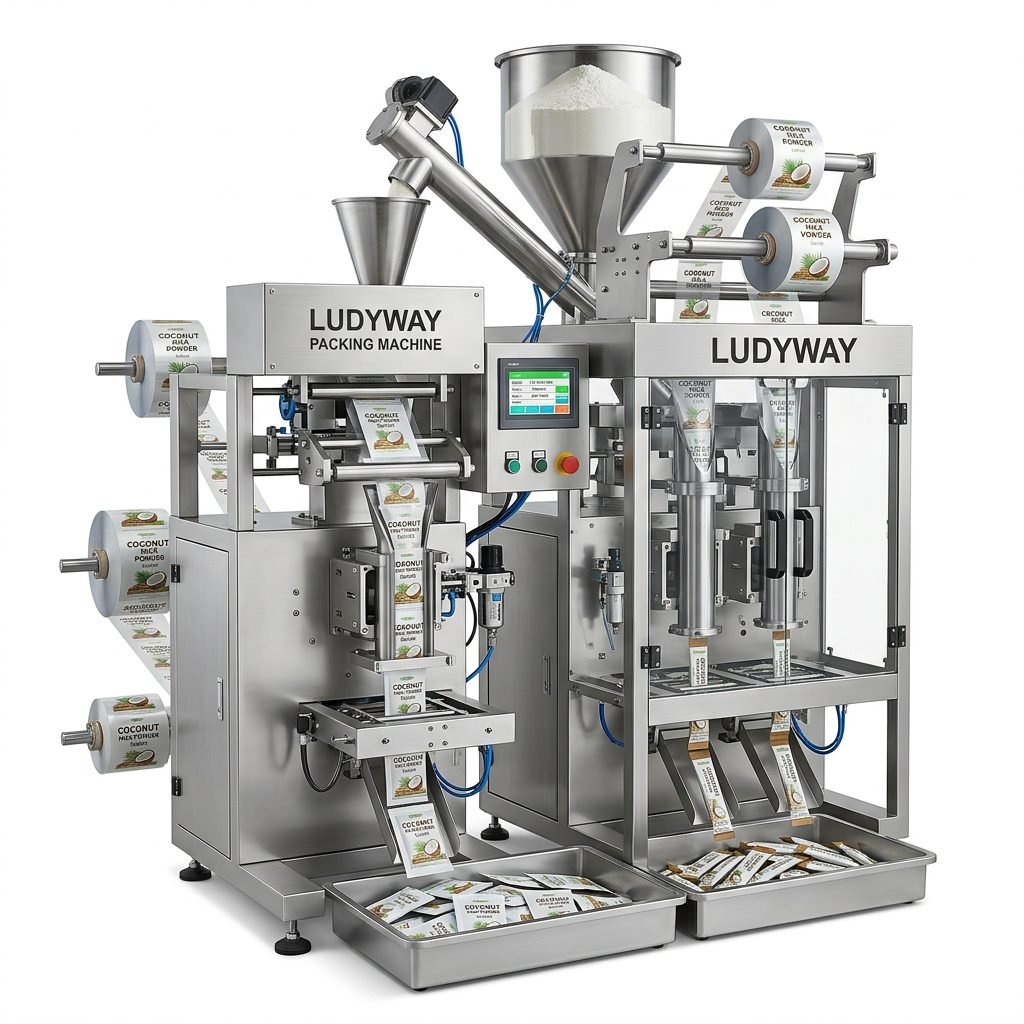
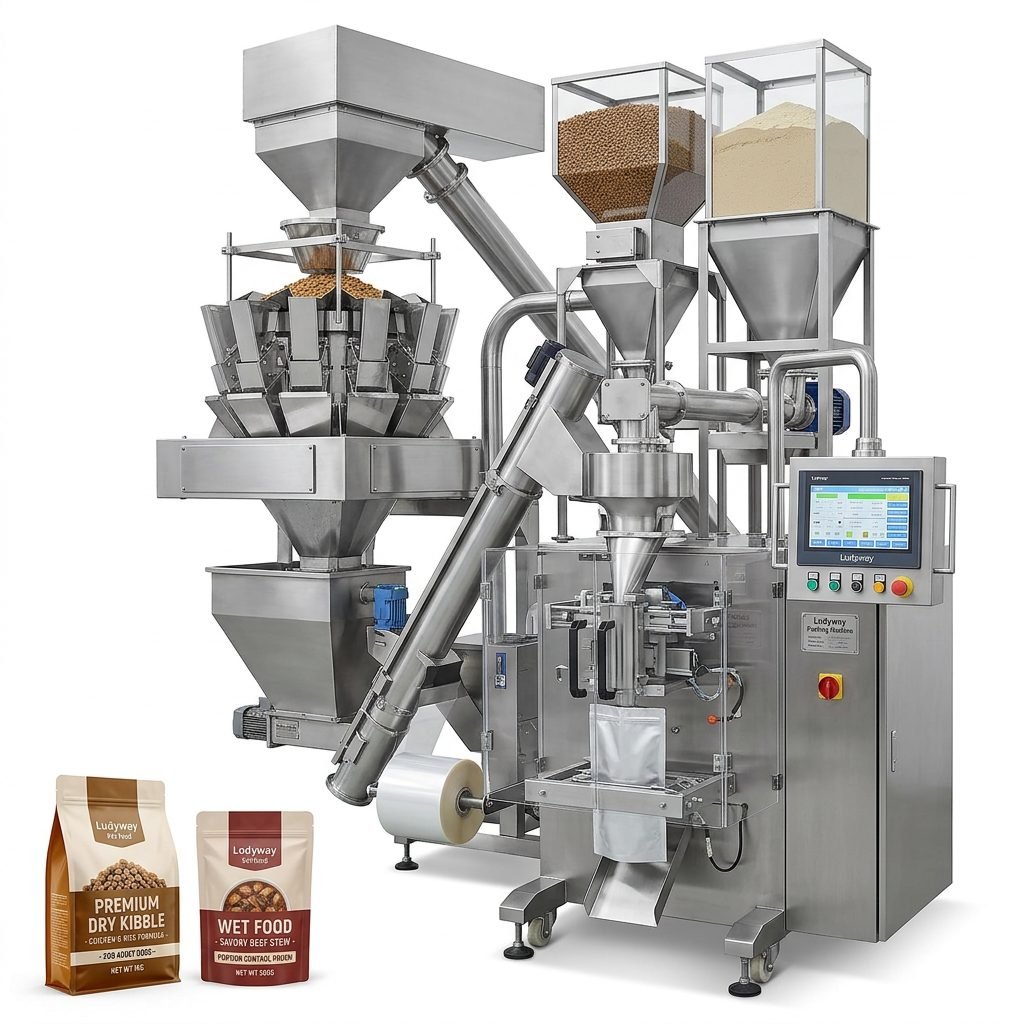
The demand for automated food packaging in Southeast Asia is accelerating rapidly. For businesses looking to scale production, reduce labor dependency, and improve hygiene standards, investing in a hamburger packaging machine is a strategic move. This guide explores the key features, regional cost considerations, and how to select the right equipment for markets like Thailand, Vietnam, Indonesia, and the Philippines.

Why Southeast Asia Needs Specialized Hamburger Packaging Solutions
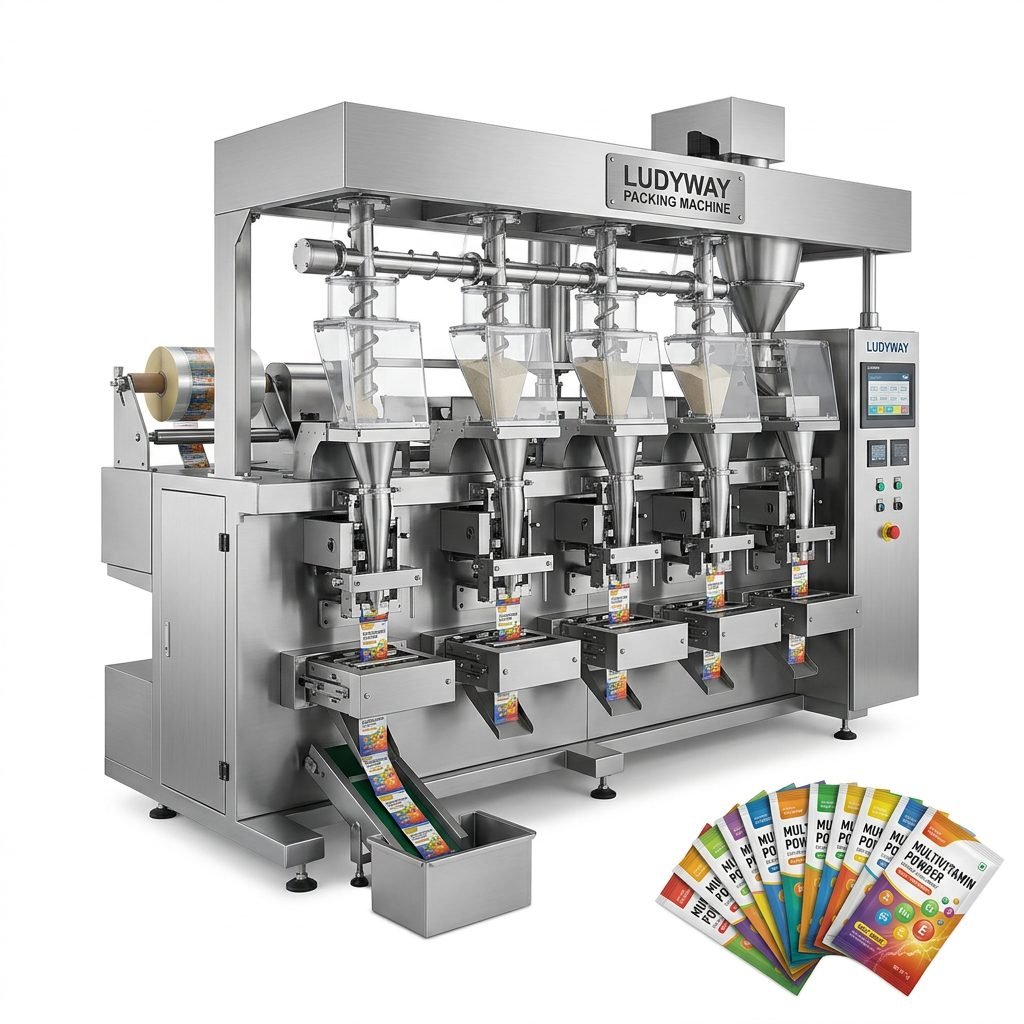
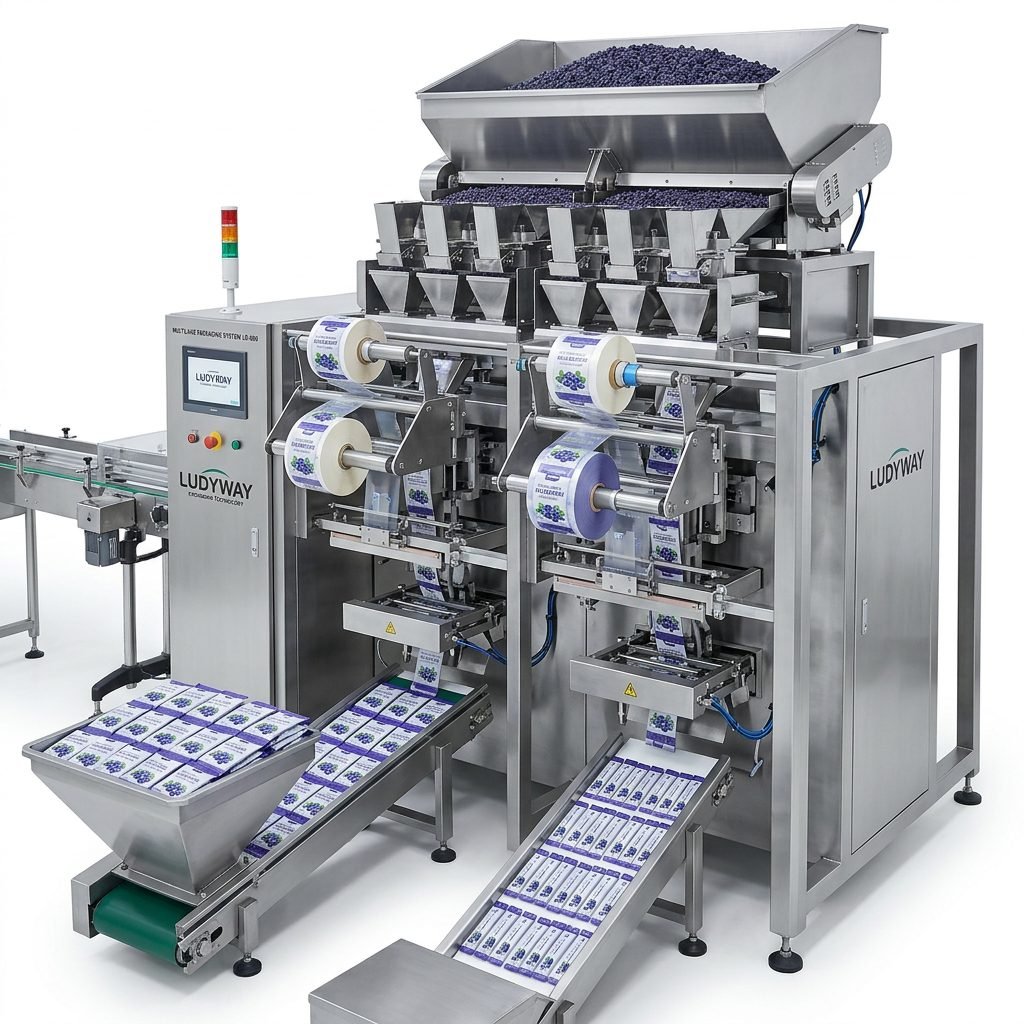
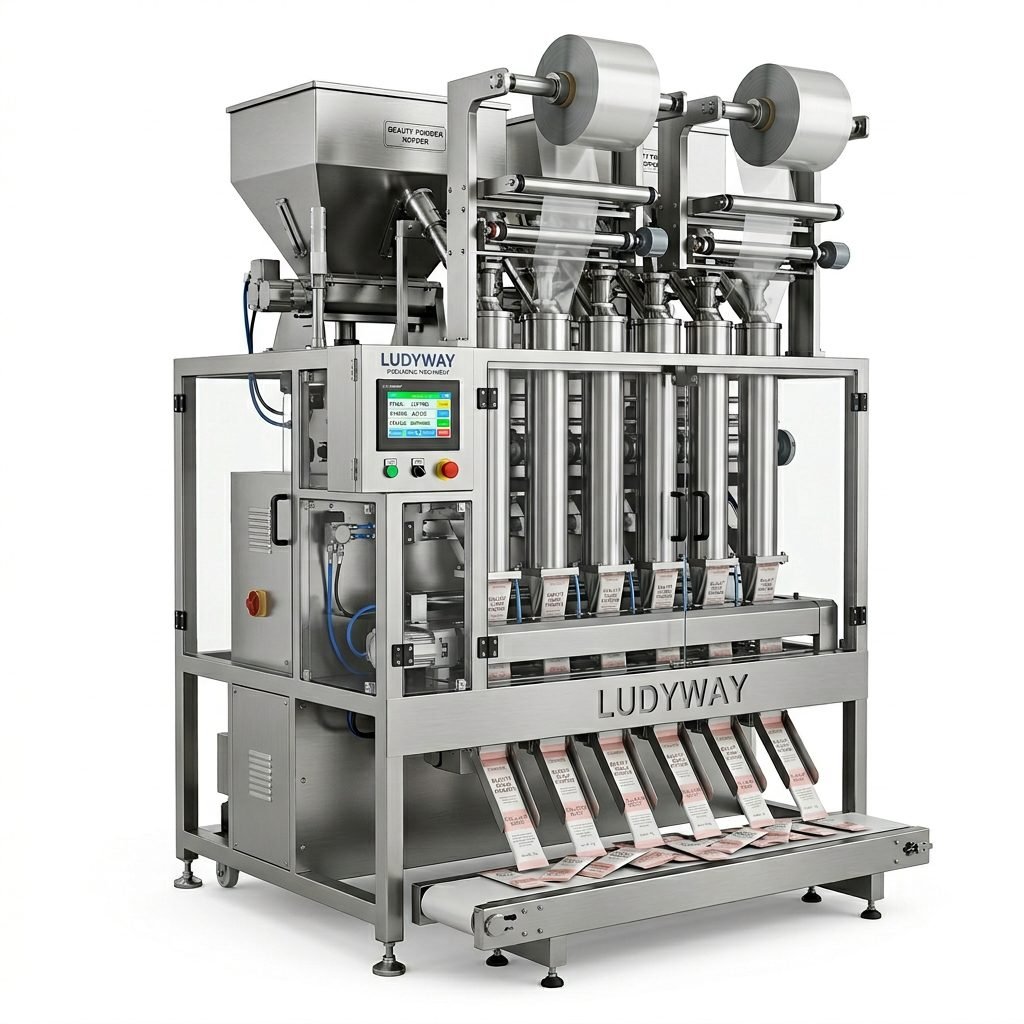
The food service industry in Southeast Asia is unique. High humidity, temperature fluctuations, and diverse consumer preferences require robust machinery. A standard hamburger packaging machine in this region must often handle not just the bun and patty, but also integrated condiment sachets. Leading packaging manufacturers are increasingly customizing multi-lane options to suit these specific Asian market needs.
Types of Hamburger Packaging Machines
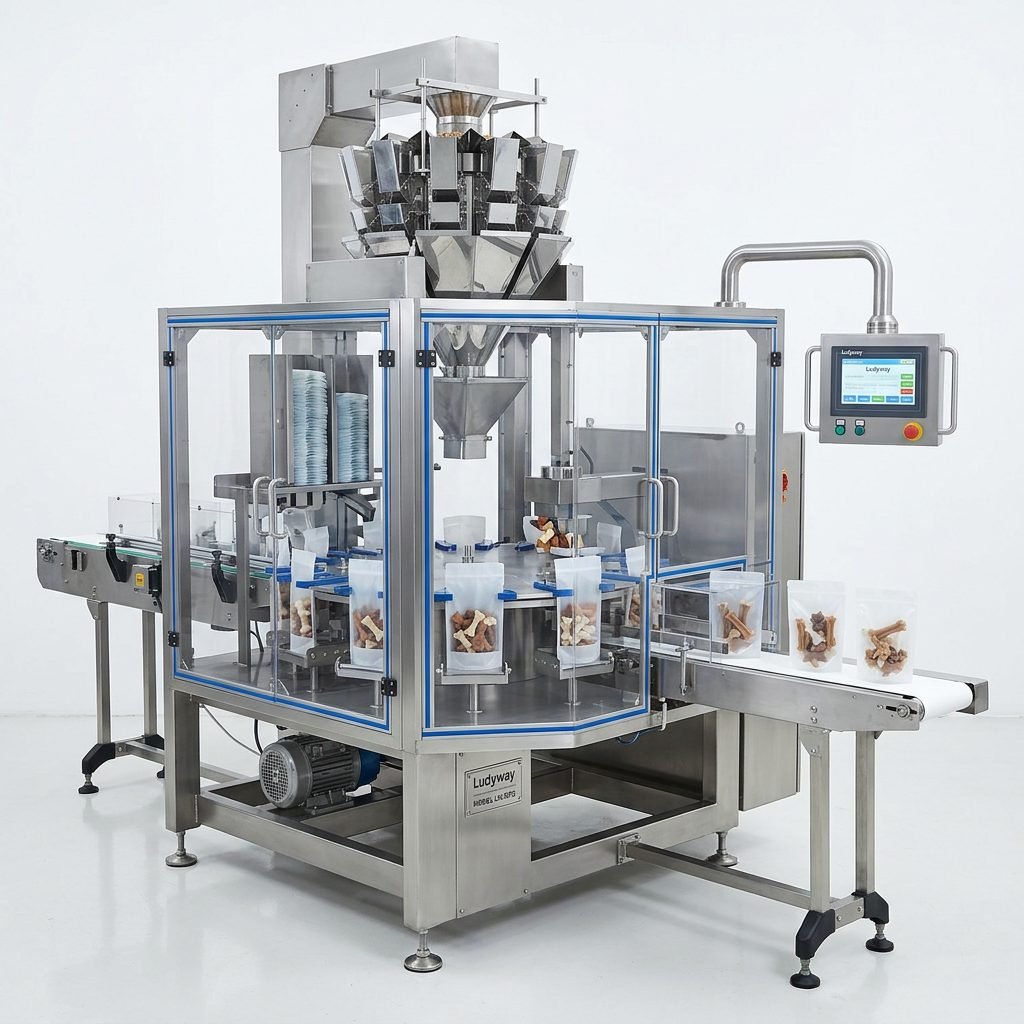
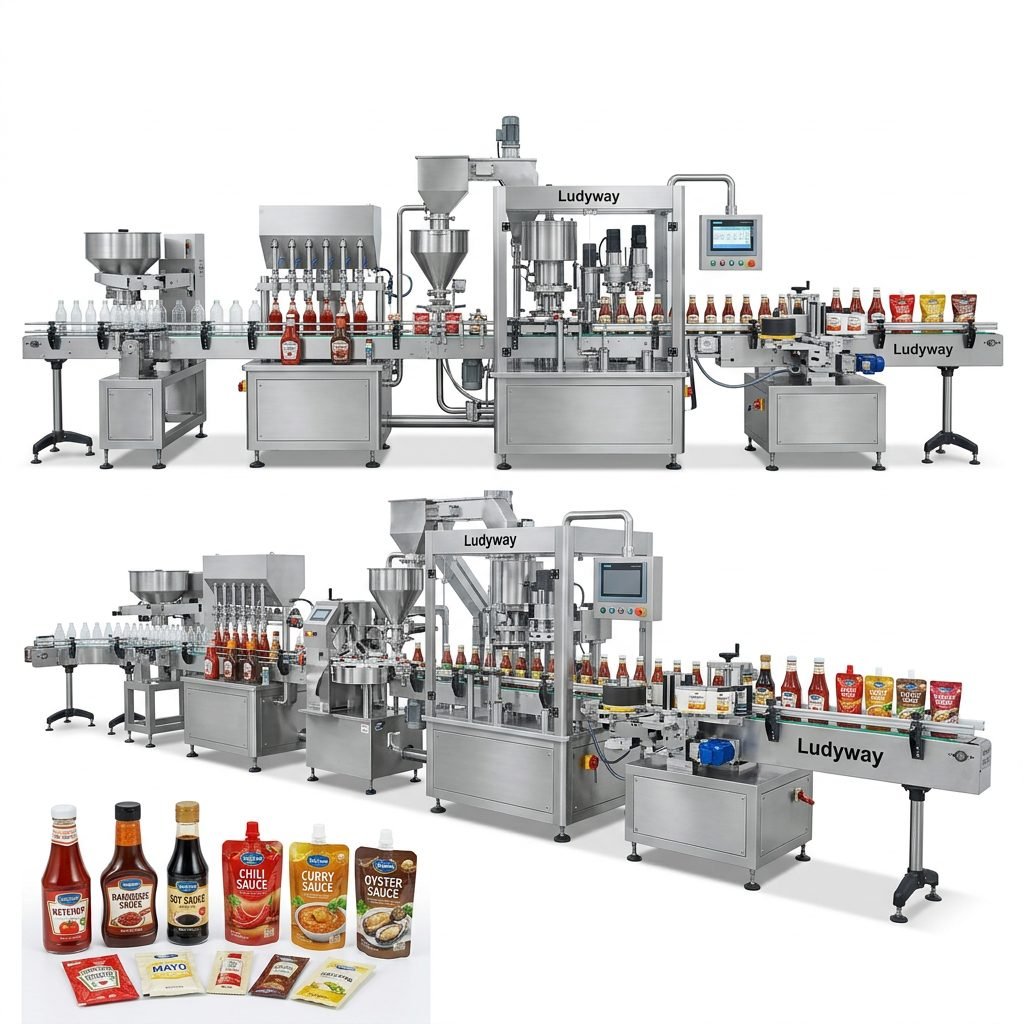
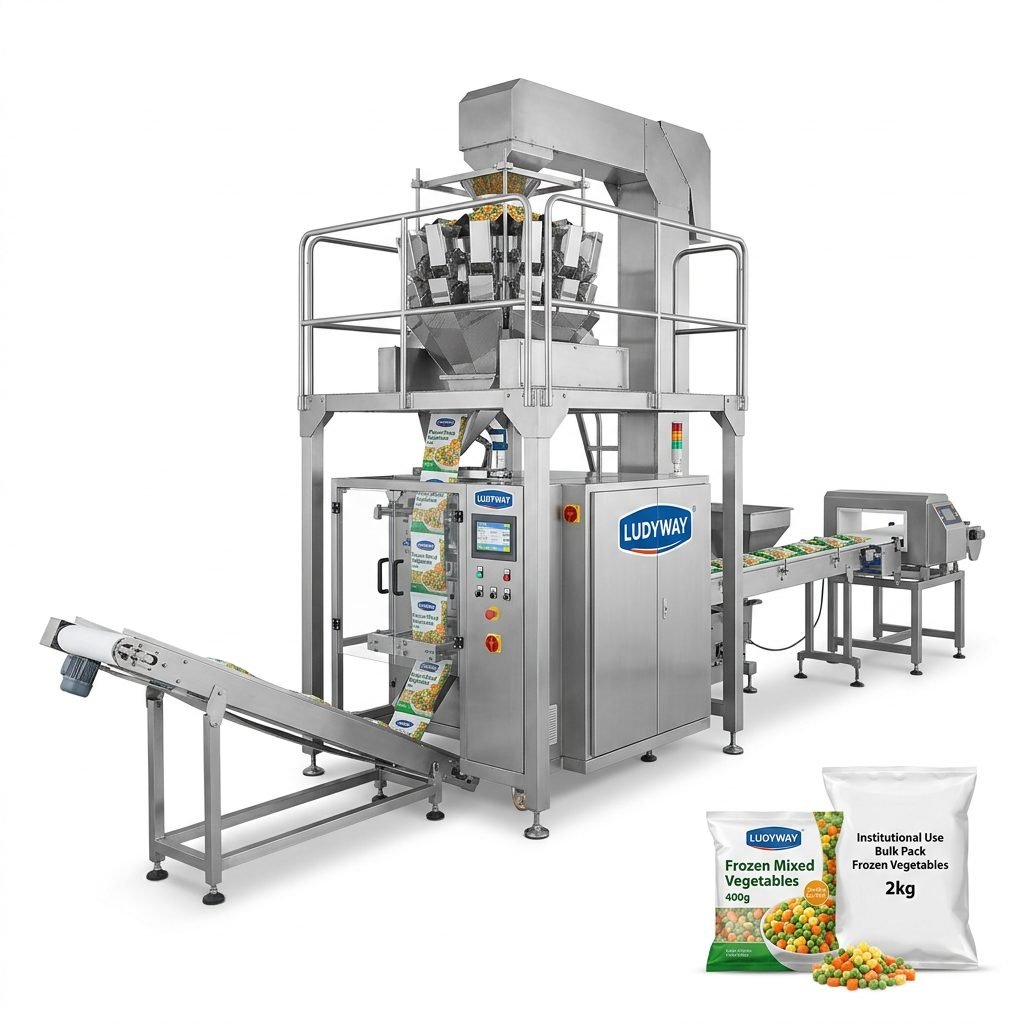
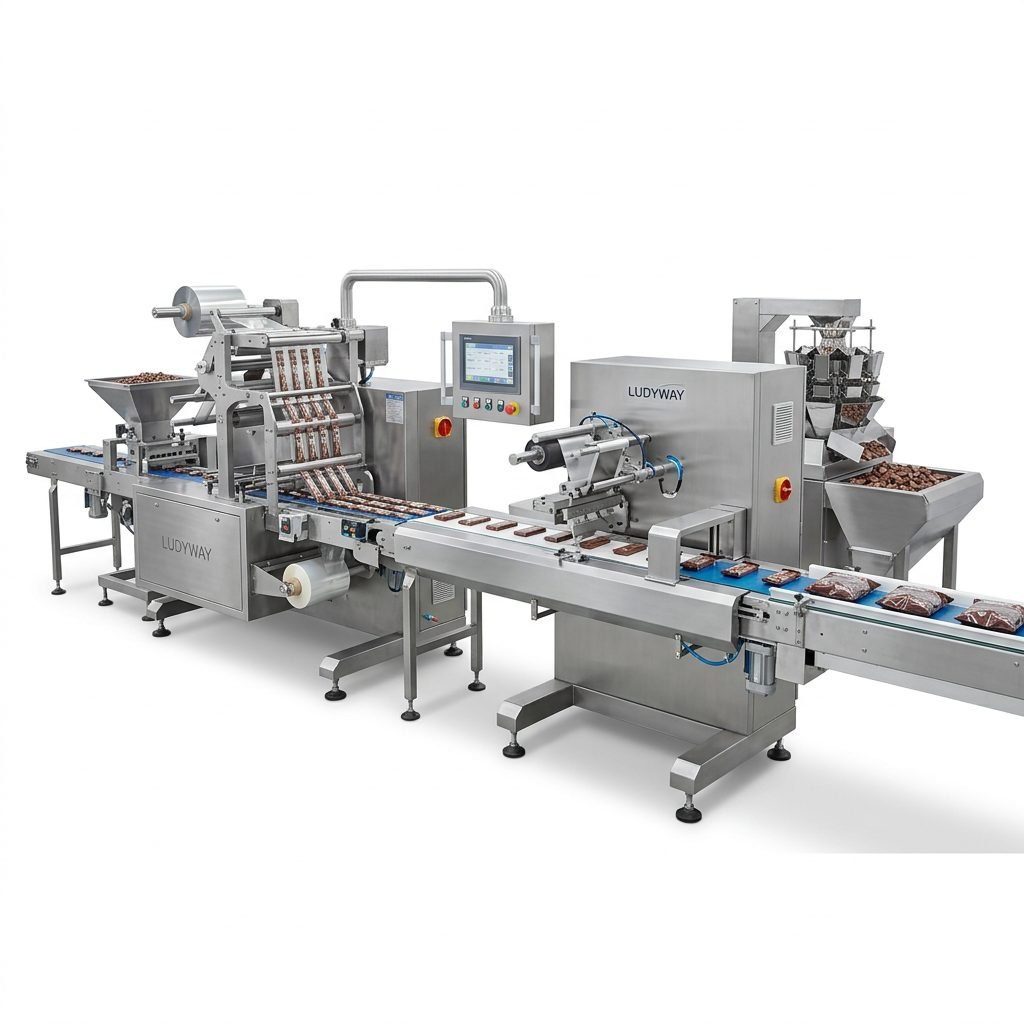
Understanding the difference between flow wrapping and form-fill-seal (FFS) technology is critical. While flow wrappers are excellent for fresh burgers in trays, vertical or horizontal FFS systems are superior for sealing the main product alongside isolated sachets for ketchup or chili sauce.
1. Flow Wrappers for Fresh Burgers
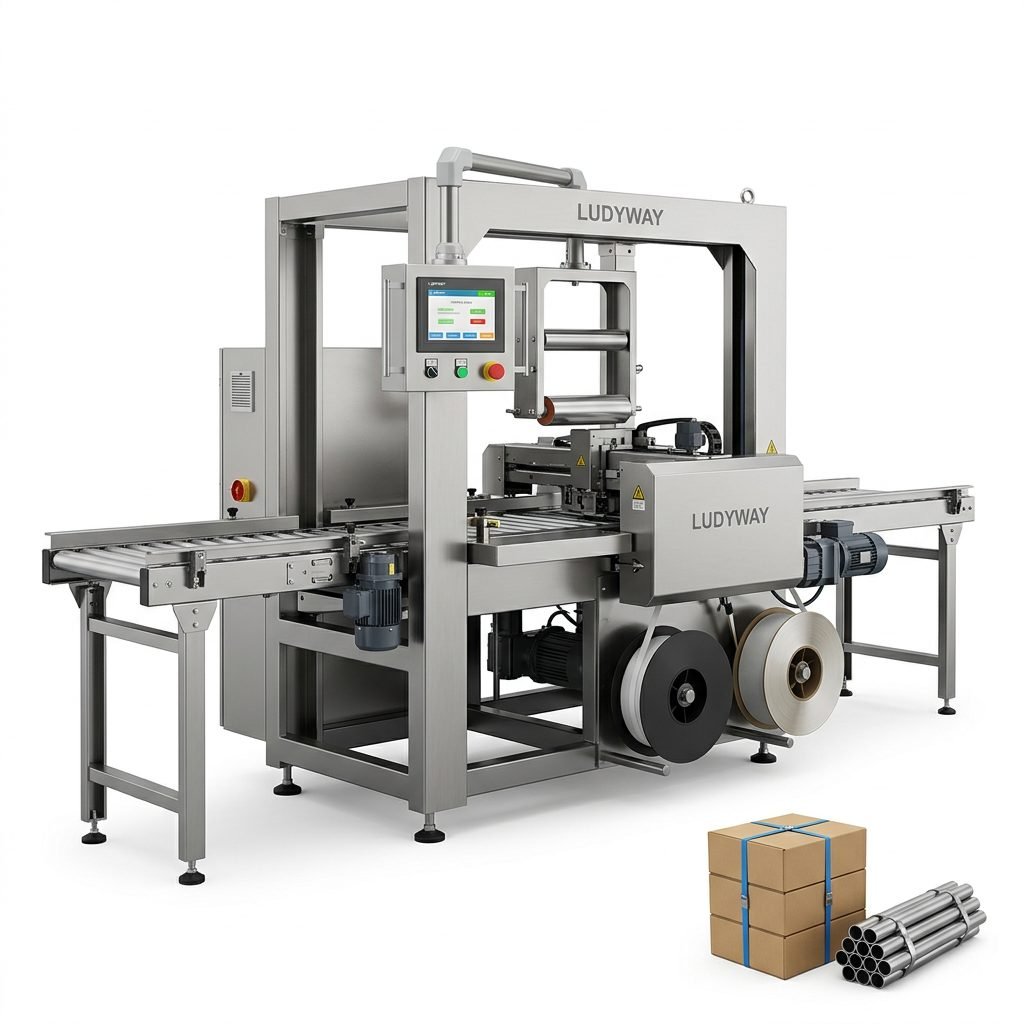
Key benefit: High speed and tight seals. These are ideal for outlets that need to package wrapped burgers in boxes or simply seal them in moisture-resistant films. They are typically horizontal machines that require manual or automatic feeding.
2. Multi-Lane Stick Pack & Sachet Integration
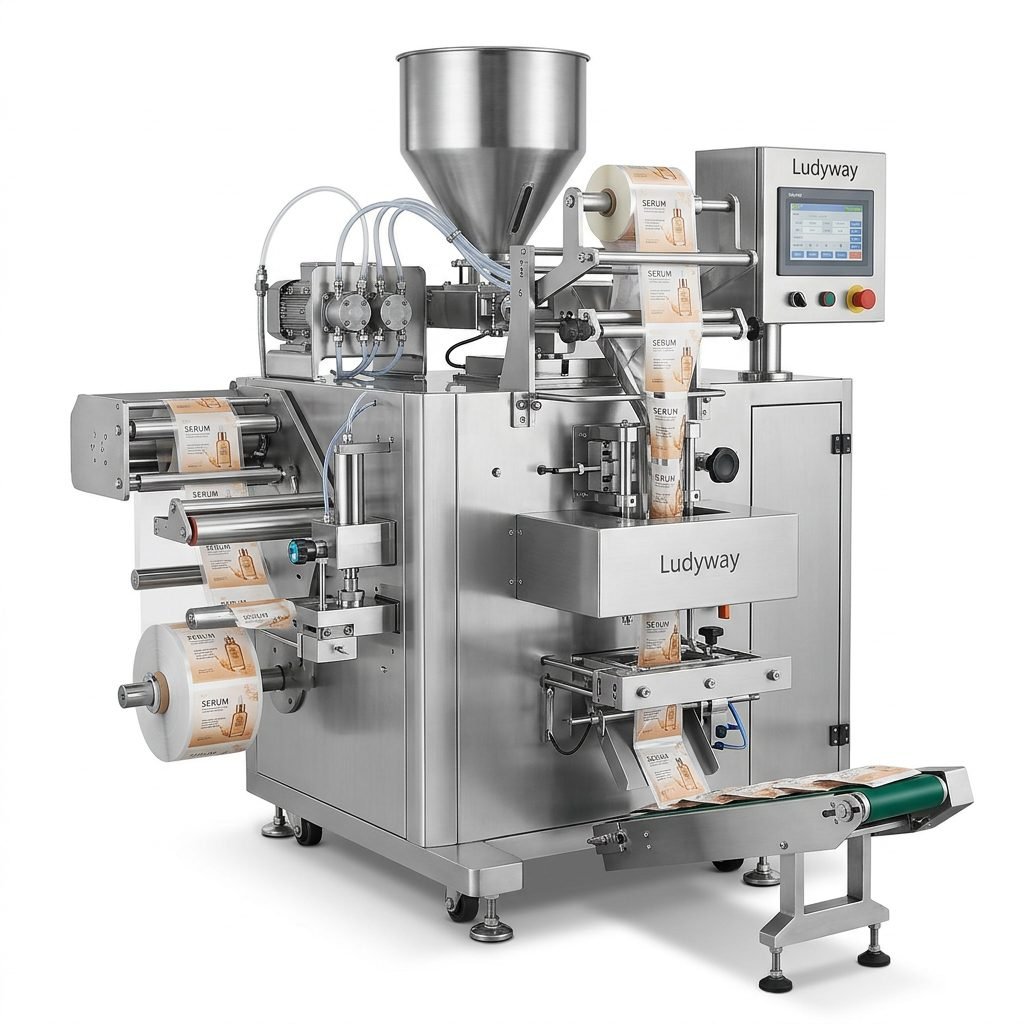
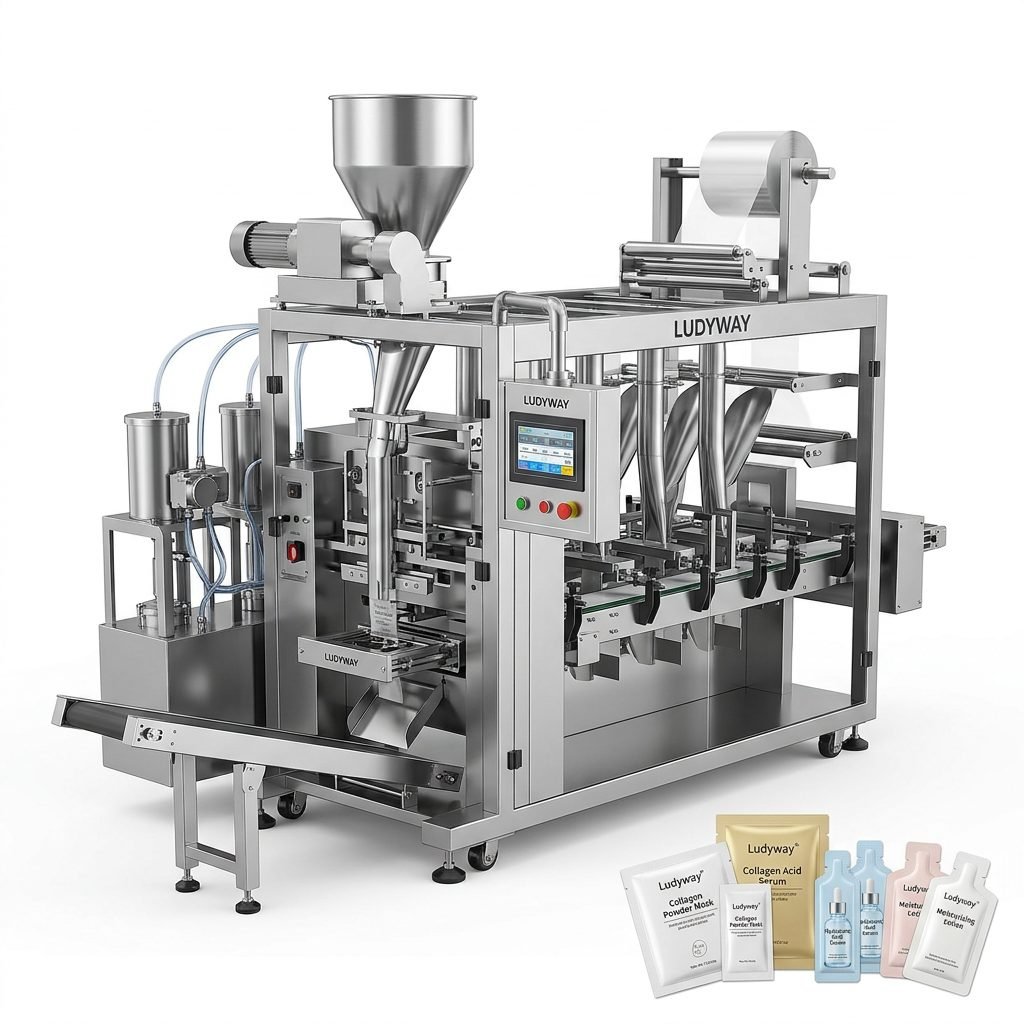
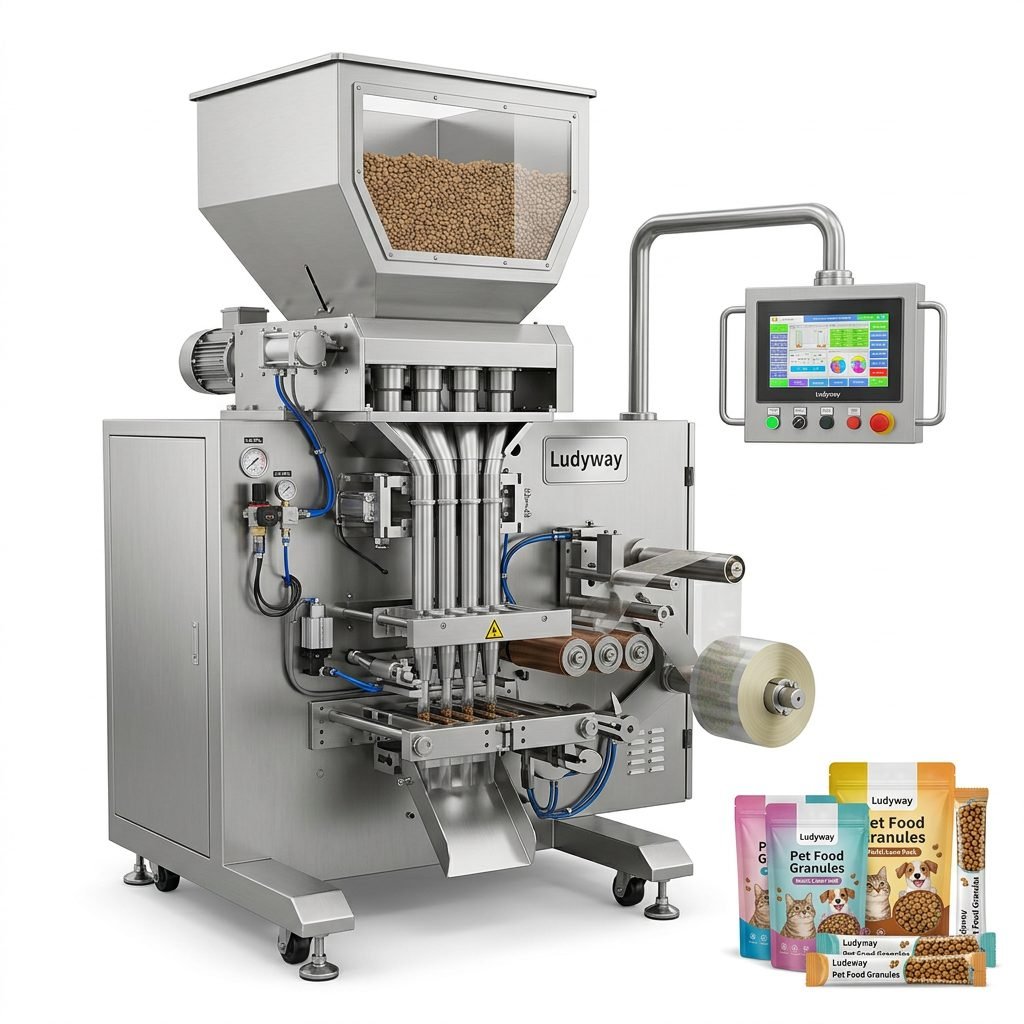
Modern hamburger combos often include separate sachets. Here, a multi-lane packaging machine is unbeatable. It allows manufacturers to produce high volumes of ketchup, mayonnaise, or chili pouches simultaneously. When building a turnkey line, operators often integrate these lanes directly into the burger assembly line.
Key Features to Look for in 2025
- Stainless Steel Construction: Essential for meeting Southeast Asian food safety regulations and withstanding frequent washdowns in tropical climates.
- Modified Atmosphere Packaging (MAP): If exporting burgers or aiming for a longer shelf life in humid environments, MAP capability is non-negotiable.
- Servo-Driven Controls: Ensures precise film tension and sealing temperature, compensating for the extreme humidity fluctuations common in coastal regions like Indonesia and Malaysia.
- Quick Changeovers: A single machine should quickly switch between burger sizes, from sliders to quarter-pounders, without extensive downtime.
Cost Analysis: Budgeting for the Southeast Asian Market
The cost of a hamburger packaging machine varies wildly based on automation levels, lane count, and gas flushing capabilities. Freight and import duties within ASEAN countries also heavily influence the final landed cost.
| Machine Type | Speed (Packages/Min) | Estimated FOB Price (USD) | Best For |
|---|---|---|---|
| Entry-Level Flow Wrap | 30 – 80 | $8,000 – $18,000 | Small to Medium Kitchens |
| Automatic Horizontal FFS | 100 – 150 | $25,000 – $55,000 | Industrial Burger Plants |
| Multi-Lane Sachet Machine | 200 – 600 (lanes) | $20,000 – $70,000 | Condiment Sachet Production |
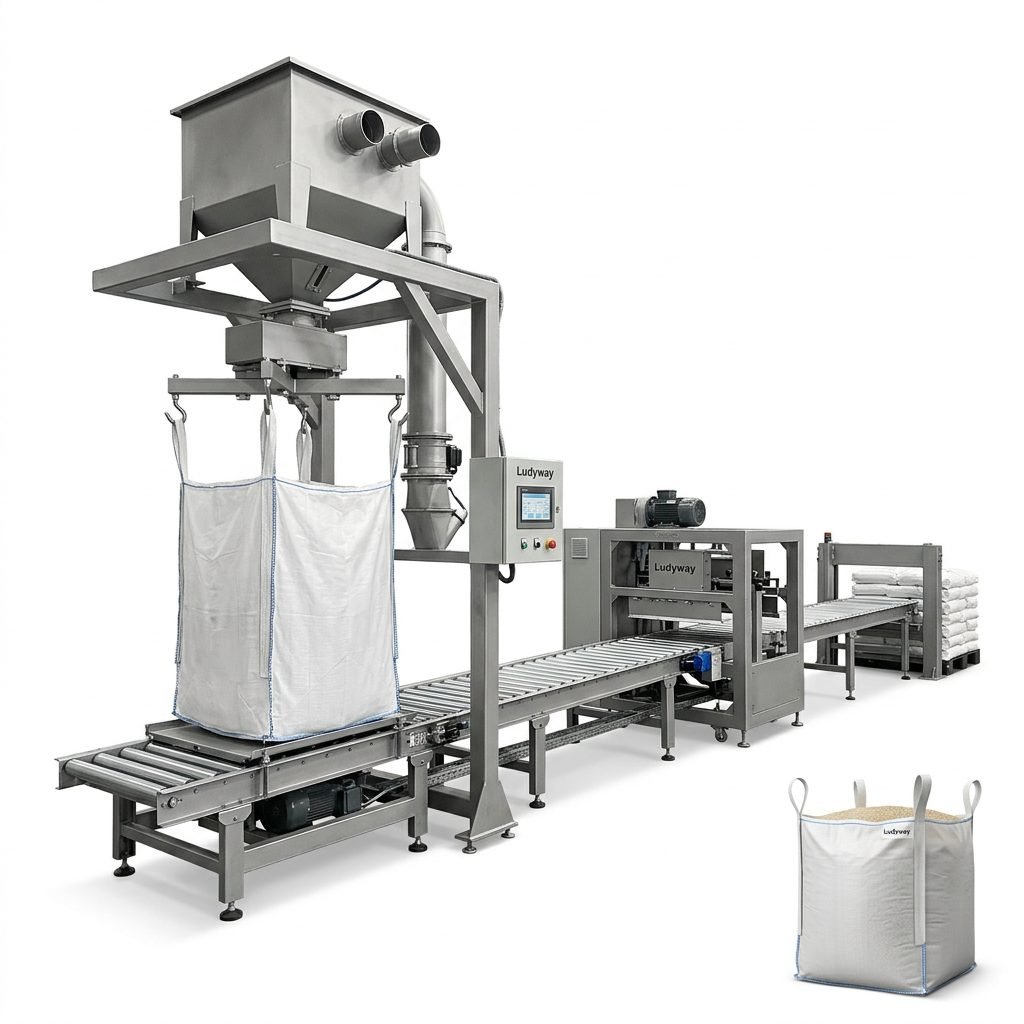
| Full Turnkey Line (MAP) | 80 – 120 (combo) | $80,000 – $200,000+ | Export-Quality Production |
Selecting a Reliable Supplier for Hamburger Packaging Machines
When sourcing machinery for the ASEAN food processing sector, international trade agreements and local service presence matter. Ludyway, as one of the largest packaging machine manufacturers in China, has been instrumental in helping Southeast Asian food startups transition from manual wrapping to fully automated lines. With a 30-year track record, they offer multi-lane sachet and turnkey solutions that sync perfectly with the burger industry’s need for both primary and secondary packaging.
Assessing After-Sales Support in Southeast Asia
Humidity destroys electronics if machines are not correctly installed. Your supplier must offer remote IoT diagnostics and have a local agent network. Key markets like Vietnam and the Philippines benefit significantly from suppliers who stock spare circuit boards and sealing jaws locally to avoid costly production stoppages.
Compatibility with Local Materials
Not every machine handles locally sourced films well. In Thailand and Indonesia, many factories use bio-degradable or thinner gauge films to save money. Ensure the machine’s tension controls can adapt to these specific substrates without wrinkling or tearing during the packaging cycle.
Installation & Compliance in Humid Climates
Installation is the most overlooked cost. A hamburger packaging machine destined for Malaysia or Singapore frequently requires stainless steel upgrades sensitive to halal certification cleaning processes. Critical factors include IP65-rated electrical cabinets to prevent insect ingress and rust-proofing for any exposed ferrous metals.
Frequently Asked Questions (FAQ)
What is the delivery time for a Hamburger Packaging Machine to ASEAN?
Production typically takes 20-45 days. Shipping to major ports like Bangkok, Ho Chi Minh City, or Jakarta adds roughly 7-15 days. Custom voltage configurations (e.g., 380V/50Hz) for the region are standard but must be verified before shipment.
Can these machines handle both frozen and fresh patties?
Yes, but it requires different sealing technologies. Fresh patties often require gas flushing (MAP) to prevent spoilage, while frozen burger patties require machines capable of forming bags that resist sharp ice crystals and low-temperature brittleness.
Is training included?
Top-tier suppliers from China and Europe almost always offer online installation guidance and, optionally, on-site commissioning engineers who specialize in Southeast Asian factory floor layouts.
For those serious about entering the market, reviewing detailed specifications is crucial. A modern, automated system not only boosts output but standardizes the seal—a critical factor if targeting the lucrative 7-Eleven, FamilyMart, or Circle K ready-to-eat supply chains across Southeast Asia.