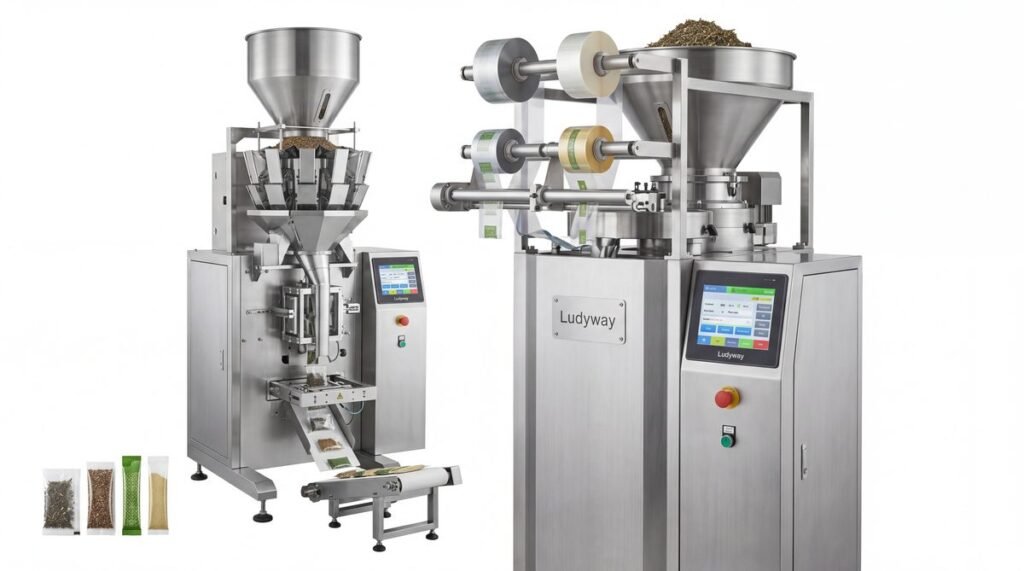
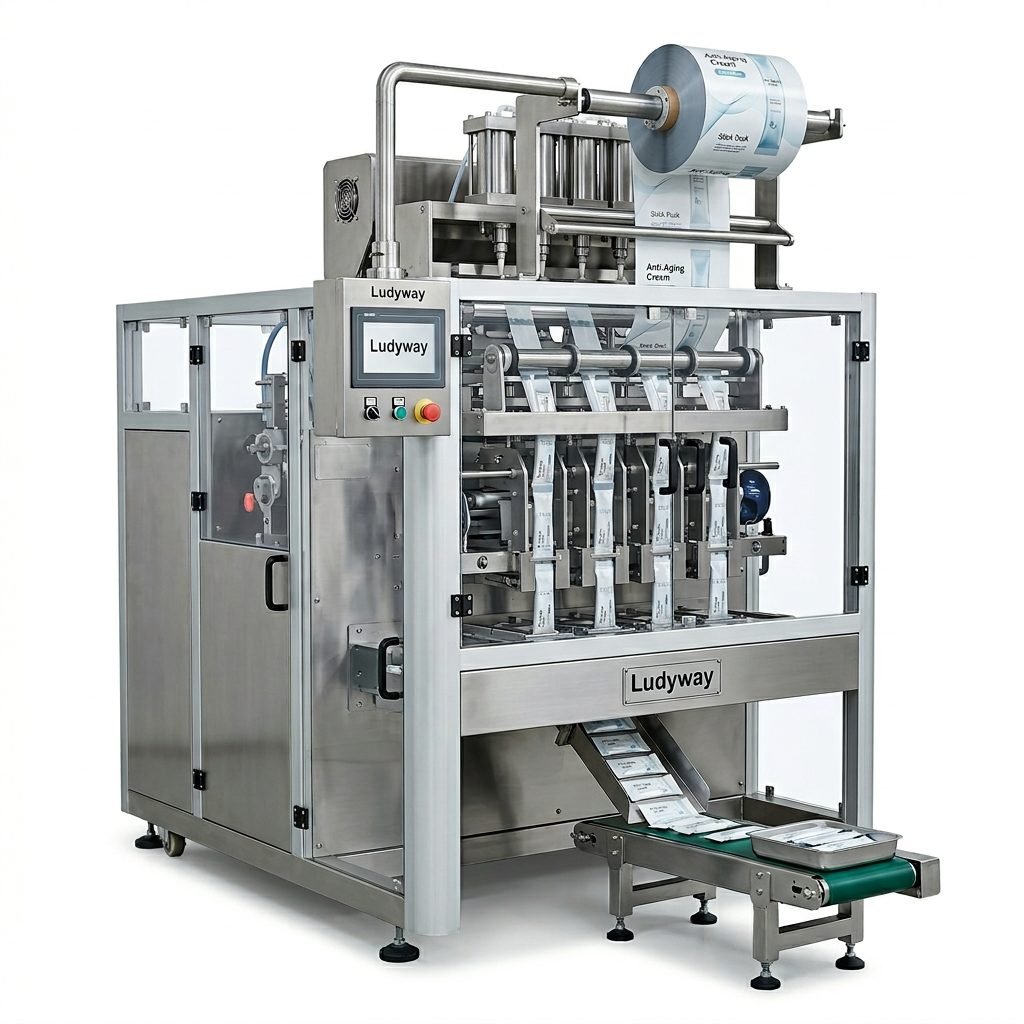
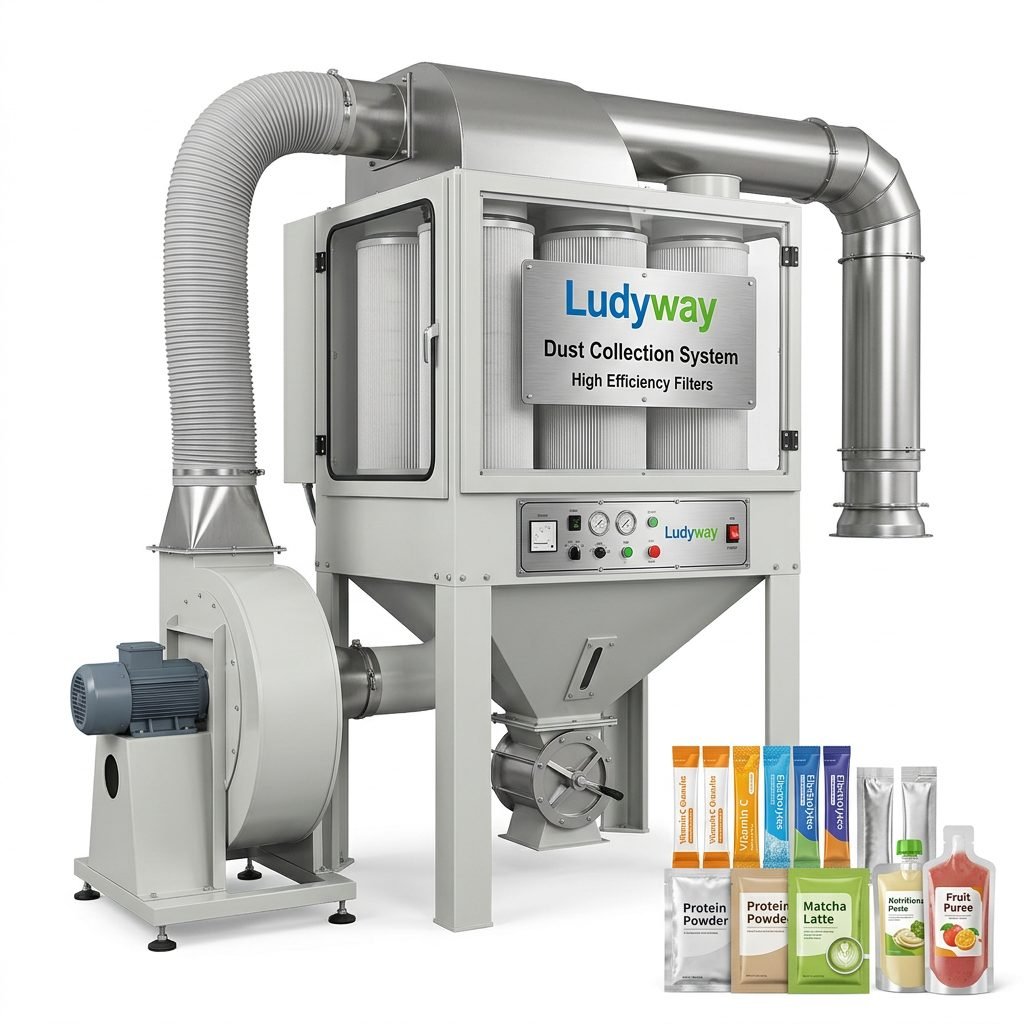
Selecting the right yogurt packaging machine is a critical decision for dairy producers across the United Kingdom. Whether you are packaging drinkable yogurt, Greek-style varieties, or fruit-on-the-bottom cups, the efficiency, hygiene, and flexibility of your packaging line directly impact product shelf life and brand reputation. Modern UK manufacturers are increasingly seeking automated solutions that can handle multiple formats, from single-serve sachets and stick packs to larger family-sized pouches, while maintaining strict compliance with British Retail Consortium (BRC) standards.
This guide explores the essential factors to consider when investing in packaging equipment, including machine types, regulatory requirements for the UK market, and the long-term operational benefits of high-speed automated systems. Understanding these elements ensures you choose machinery that aligns with your production capacity, product viscosity, and future growth plans.
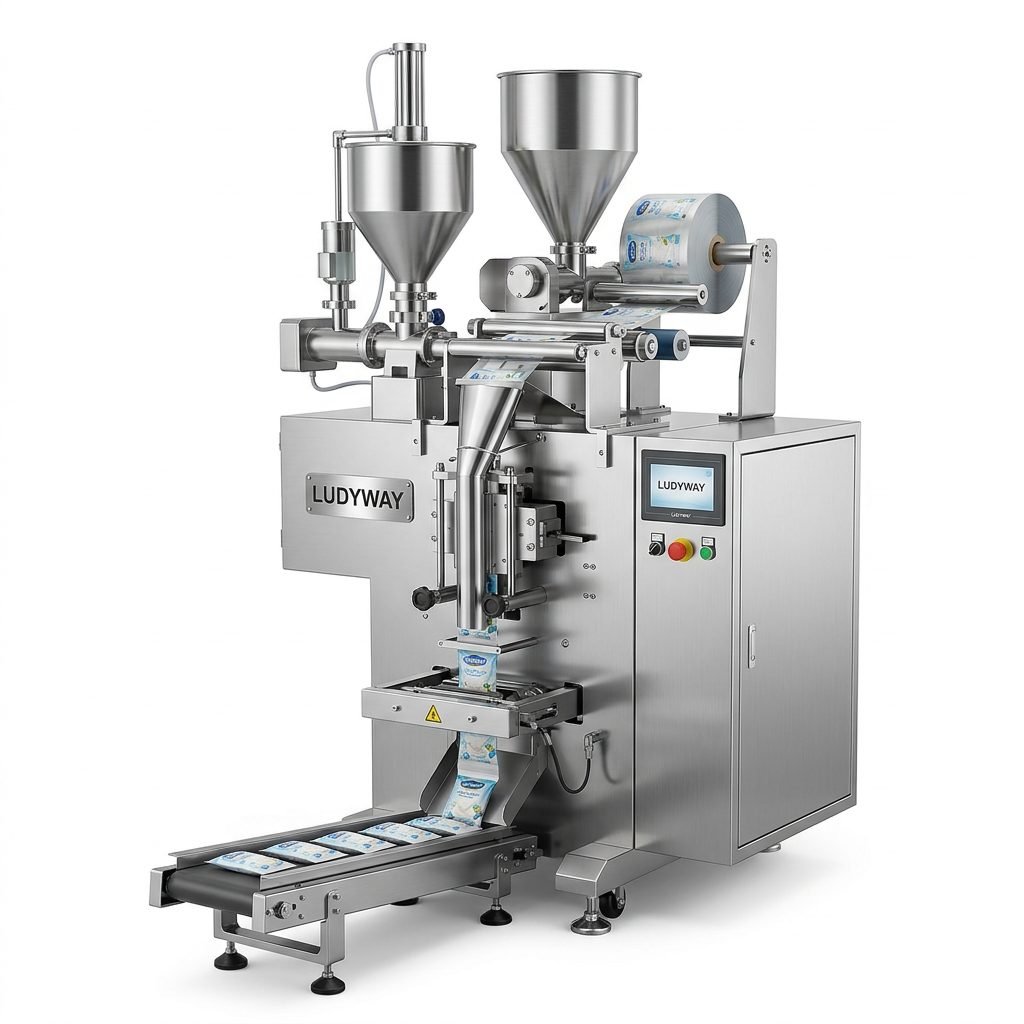
Key Types of Yogurt Packaging Machines
The UK yogurt market demands versatile equipment. Below are the primary machine configurations used in modern dairies:
| Machine Type | Best Suited For | Key Advantage |
|---|---|---|
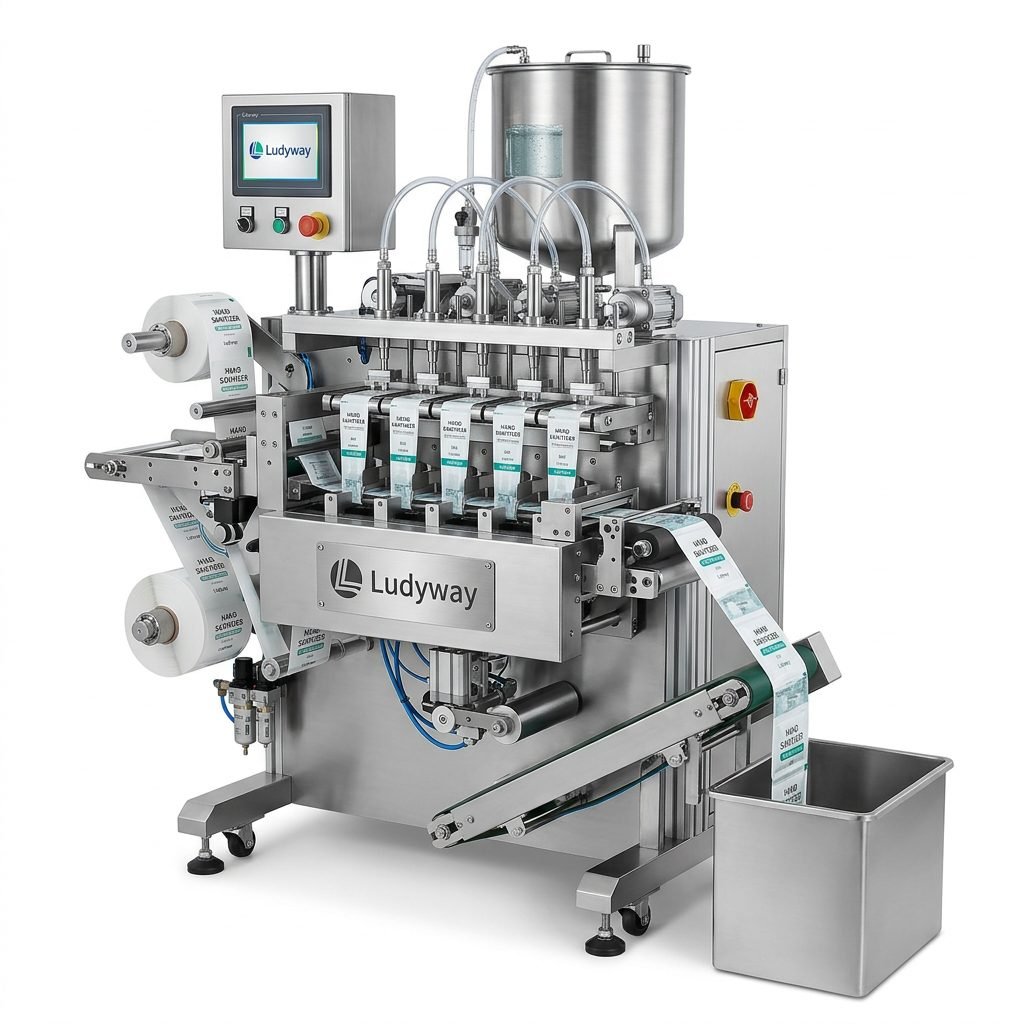
| Multi-Lane Sachet Machines | Drinkable yogurt, single-serve shots | High output, low material cost |
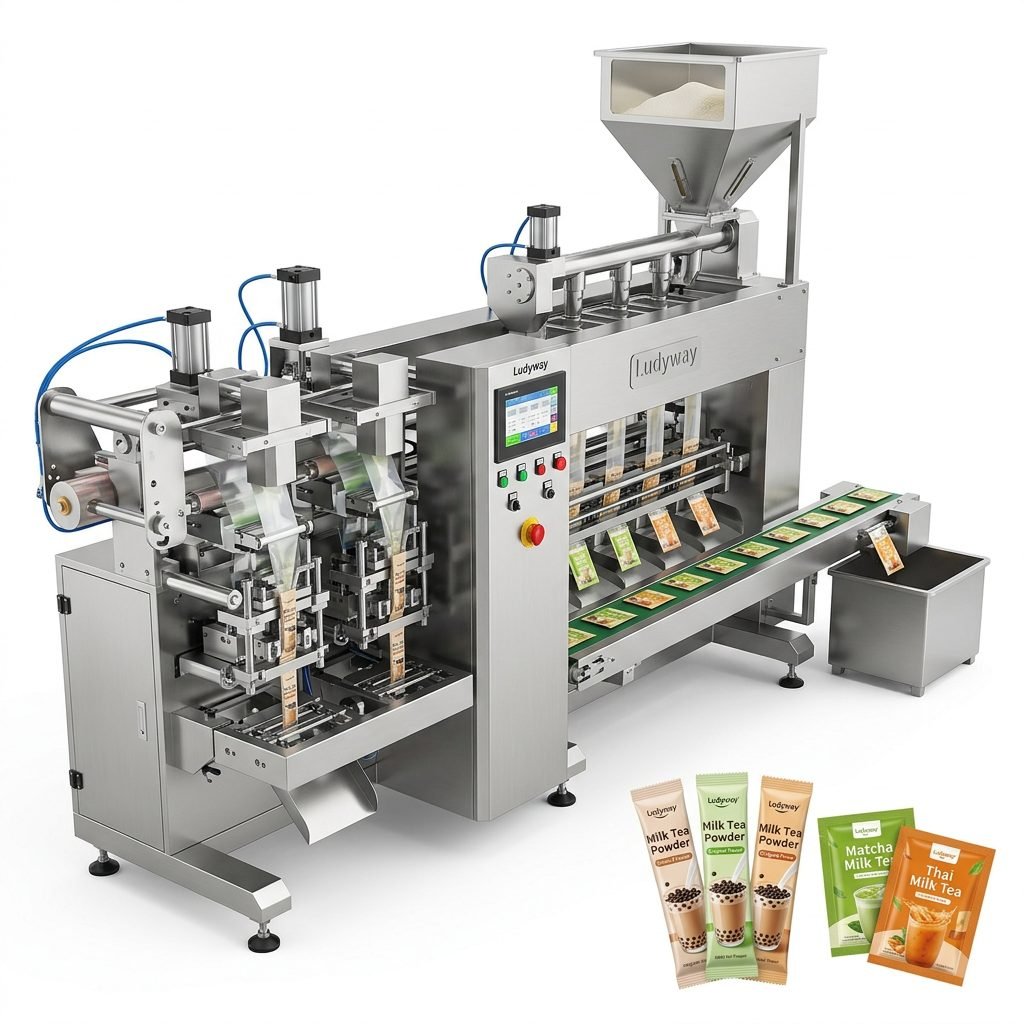
| Stick Pack Lines | Frozen yogurt tubes, on-the-go snacks | Compact format, excellent seal integrity |
| Preformed Pouch Fillers | Greek yogurt, premium layered desserts | Handles thick viscosity and particulates |
| Bottle & Cup Filling Lines | Large format retail pots, multi-packs | Fully automated capping and labeling integration |
Regulatory Compliance for UK Dairy Packaging
Any yogurt packaging machine operating in the UK must meet rigorous hygiene and safety standards. Compliance is not optional; it is a legal requirement enforced by agencies such as the Food and Drug Administration for international trade and domestic UK bodies for local sales. Key considerations include:
- Clean-in-Place (CIP) Compatibility: Essential for preventing bacterial contamination between production runs.
- Stainless Steel Construction: All food contact surfaces must utilize 304 or 316 grade stainless steel to resist acidic dairy products.
- ISO 22000 Certification: Packaging machinery integrated into a food safety management system should align with ISO 22000 and related packaging standards.
- Modified Atmosphere Packaging (MAP): Critical for extending shelf life by flushing oxygen with nitrogen during the sealing process.
Viscosity and Filling Technology
Yogurt is a complex non-Newtonian fluid. Its viscosity changes under shear, which means the filling mechanism must be precisely matched to the product. Thick-set yogurts require positive displacement pumps or piston fillers to handle the high resistance without damaging the product structure. In contrast, drinkable yogurts operate efficiently with magnetic flow meters or time-gravity filling nozzles integrated into a high-speed packaging line.
Automation Levels and Production Efficiency
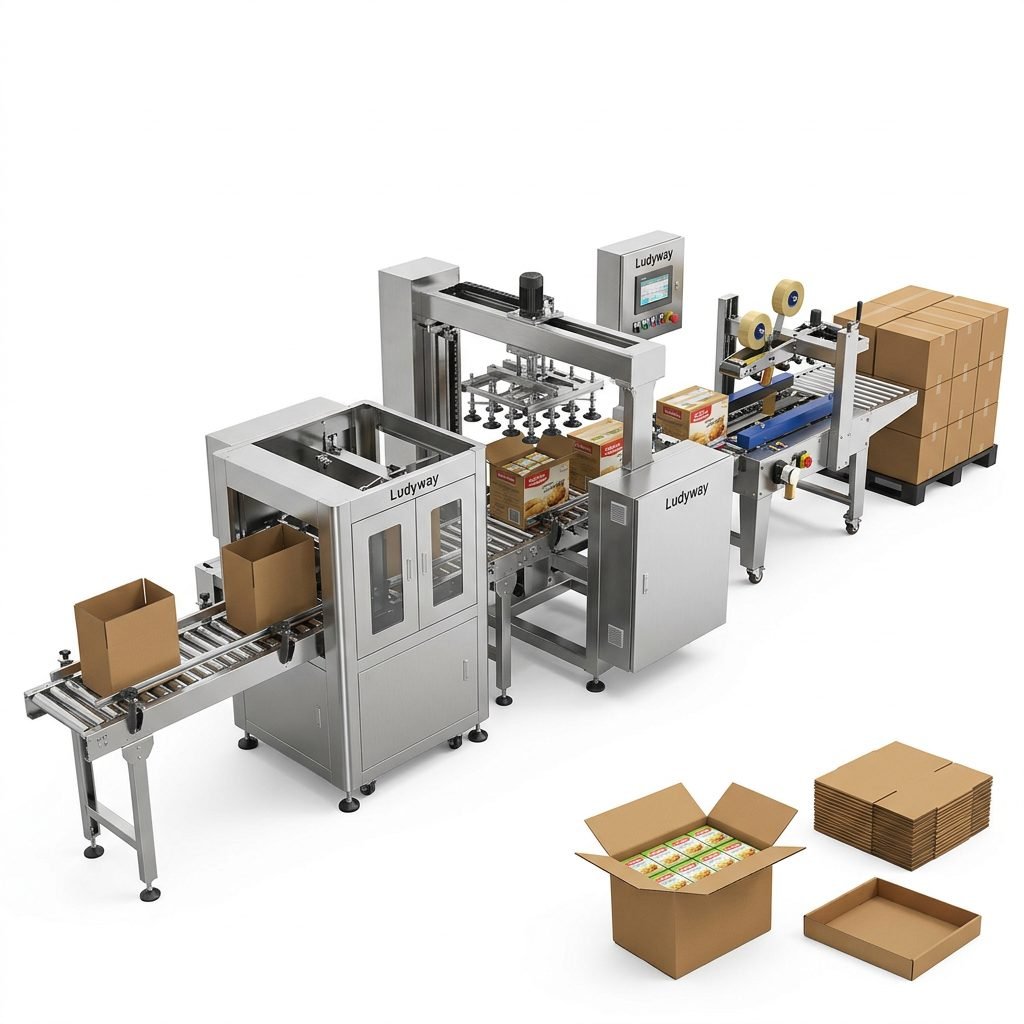
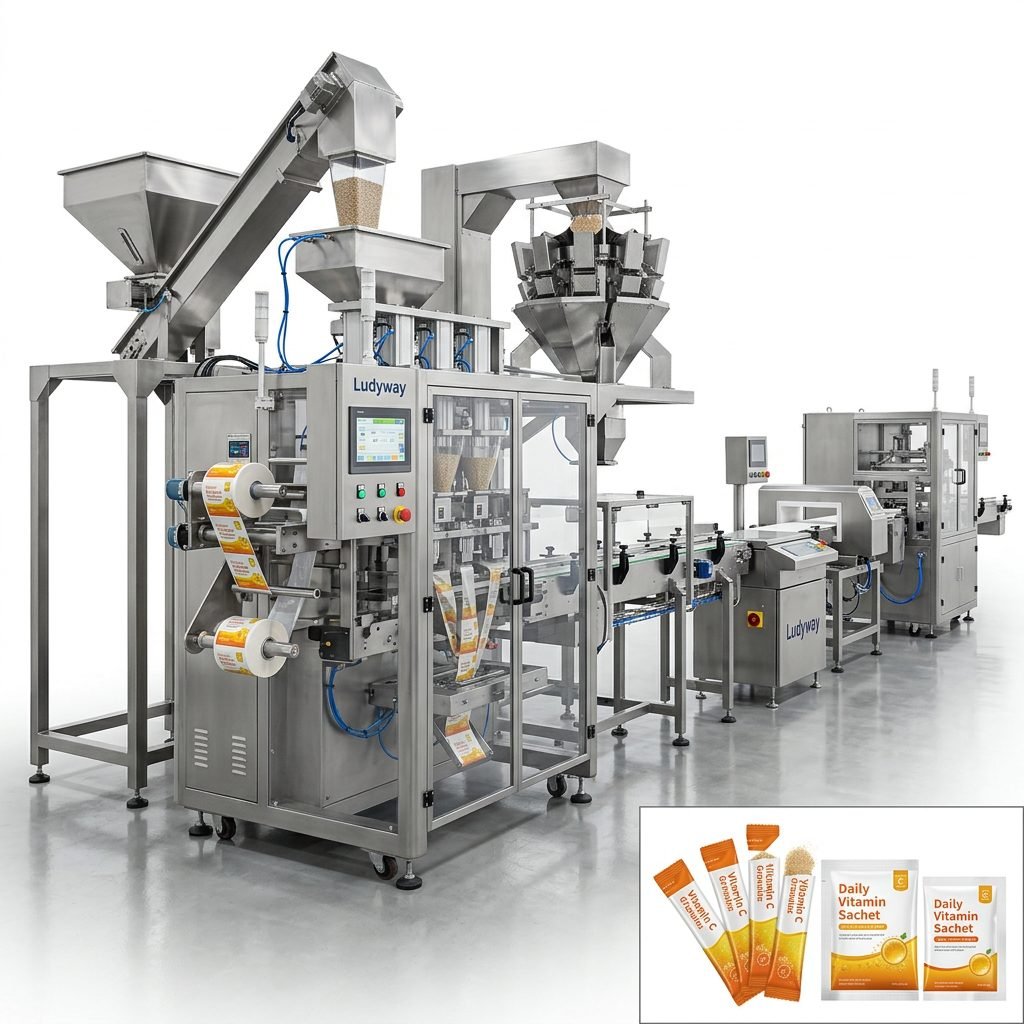
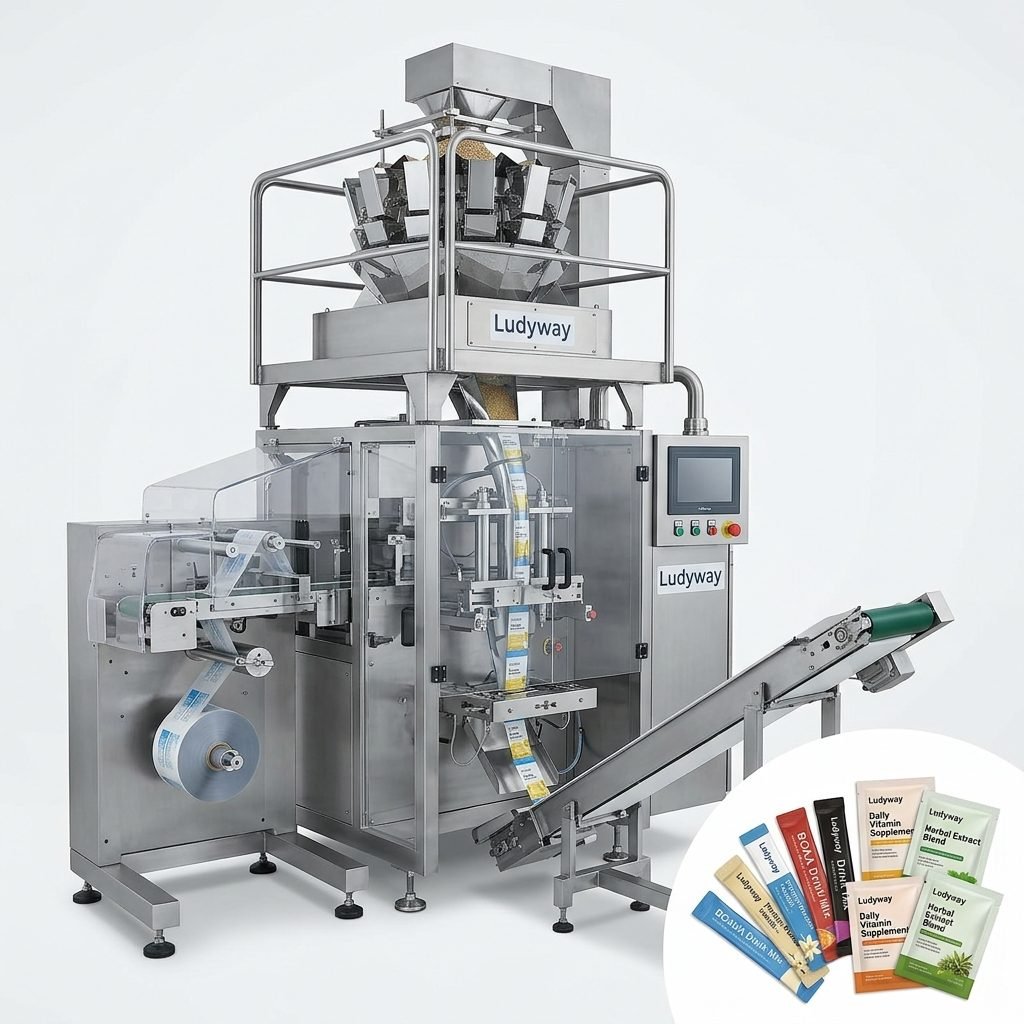
Investing in fully automated turnkey lines minimizes human contact with the product, thereby significantly reducing contamination risks. A modern automated line typically integrates inline weighing, checkweighers, and serialization coding. When evaluating a yogurt packaging machine, UK buyers should prioritize systems that offer seamless integration with upstream processing equipment and downstream cartoning robots to maximize Overall Equipment Effectiveness (OEE).
Customization and Flexible Manufacturing
The trend in UK retail is shifting toward smaller, varied portion sizes and seasonal promotions. Your chosen equipment must facilitate rapid changeovers. Look for machines featuring servo-driven controls and intuitive Human-Machine Interfaces (HMIs) that allow operators to switch between 72mm sachets and 140mm stick packs within minutes without mechanical tool changes. This adaptability is essential for co-packers serving multiple dairy brands.
Why Source from Specialized Manufacturers
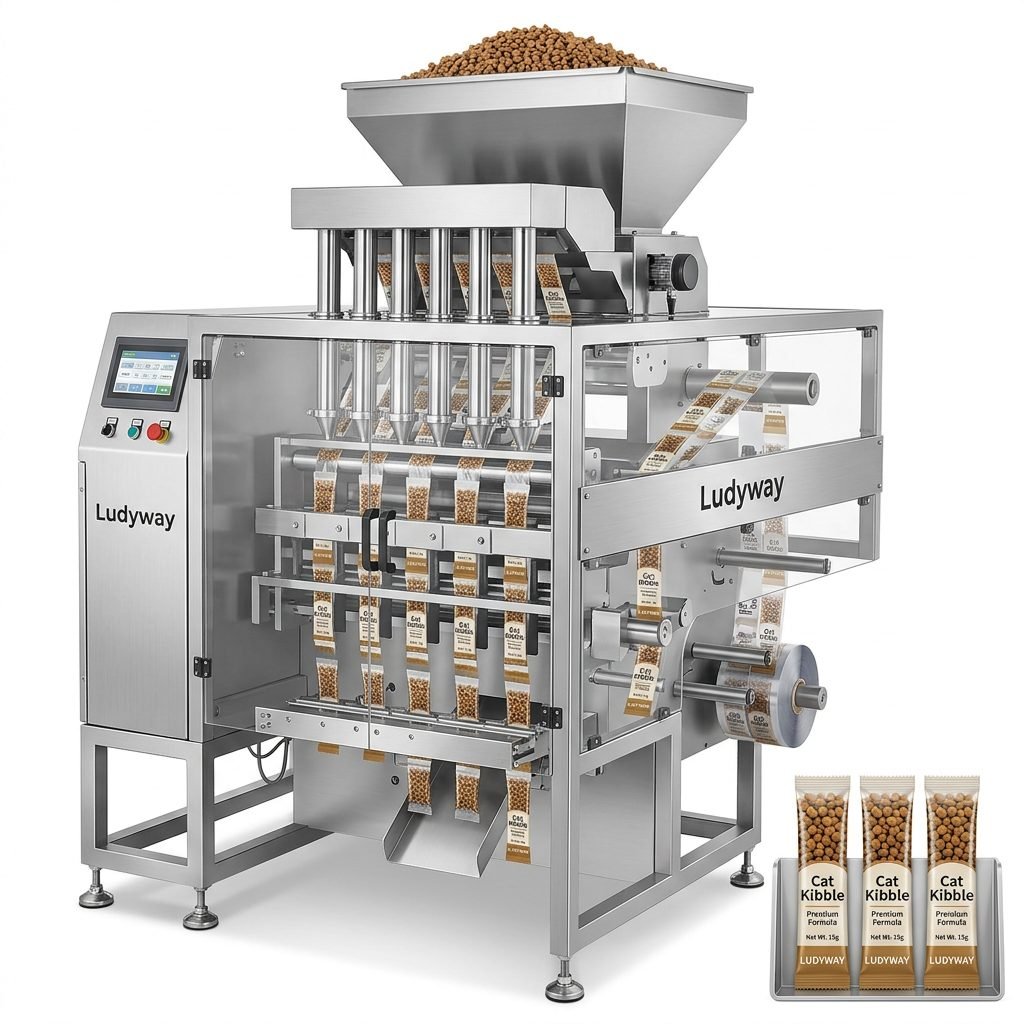
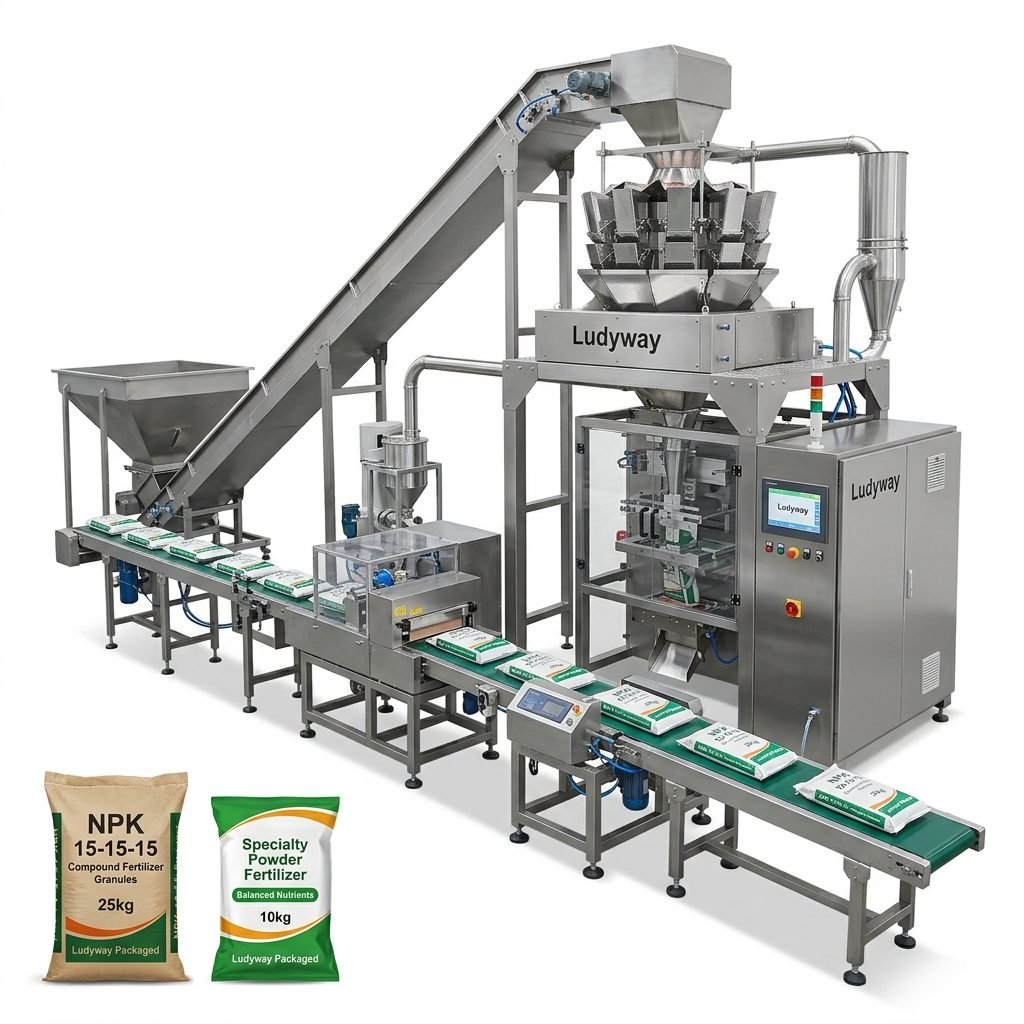
Partnering with an experienced packaging machinery manufacturer ensures you receive tailored engineering support. For instance, Ludyway, one of the prominent global manufacturers with a 20,000㎡ modern production facility, offers extensive expertise in turnkey liquid and powder packaging solutions. Their engineering team supports dairy businesses in configuring sachet and pouch systems designed for specific yogurt types, ensuring robust stainless steel construction that meets European hygiene directives.
Comparing Packaging Formats: Sachet vs. Stick Pack
| Feature | Sachet Packaging | Stick Pack Packaging |
|---|---|---|
| Format | 3-side or 4-side sealed pillow pouch | Narrow longitudinal sealed tube |
| Typical Volume | 10ml – 100ml | 2ml – 30ml |
| Portability | High, tear notch for easy opening | Excellent, fits in pocket or lunchbox |
| Material Waste | Medium | Low (minimal surface area) |
Material Compatibility and Sustainable Packaging
With the UK Plastics Pact pushing for 100% recyclable packaging by 2025, the ability of a machine to run eco-friendly films is a significant differentiator. Ensure the sealing jaws and forming tubes are calibrated for mono-material recyclable PE or PP structures, which possess narrower sealing windows than traditional multi-layer laminates. A precise temperature control system is non-negotiable when transitioning to these sustainable packaging films.
Maintenance and Technical Support in the UK
Remote diagnostics and scheduled preventive maintenance minimize downtime. When evaluating a yogurt packaging machine, confirm the availability of spare parts within the UK. The lead time for replacement sealing jaws or heating elements directly impacts your production continuity. Secure a Service Level Agreement (SLA) that guarantees engineer availability and defines response times for technical support calls.
Installation and Facility Integration
Installing a high-output liquid packaging line requires meticulous planning. The machine footprint must fit within your dairy’s cleanroom layout, and utilities such as compressed air and electrical supply must be available at the point of installation. Commissioning typically involves rigorous Factory Acceptance Testing (FAT) before shipment and Site Acceptance Testing (SAT) in the UK, ensuring the equipment performs according to specification under actual production conditions.
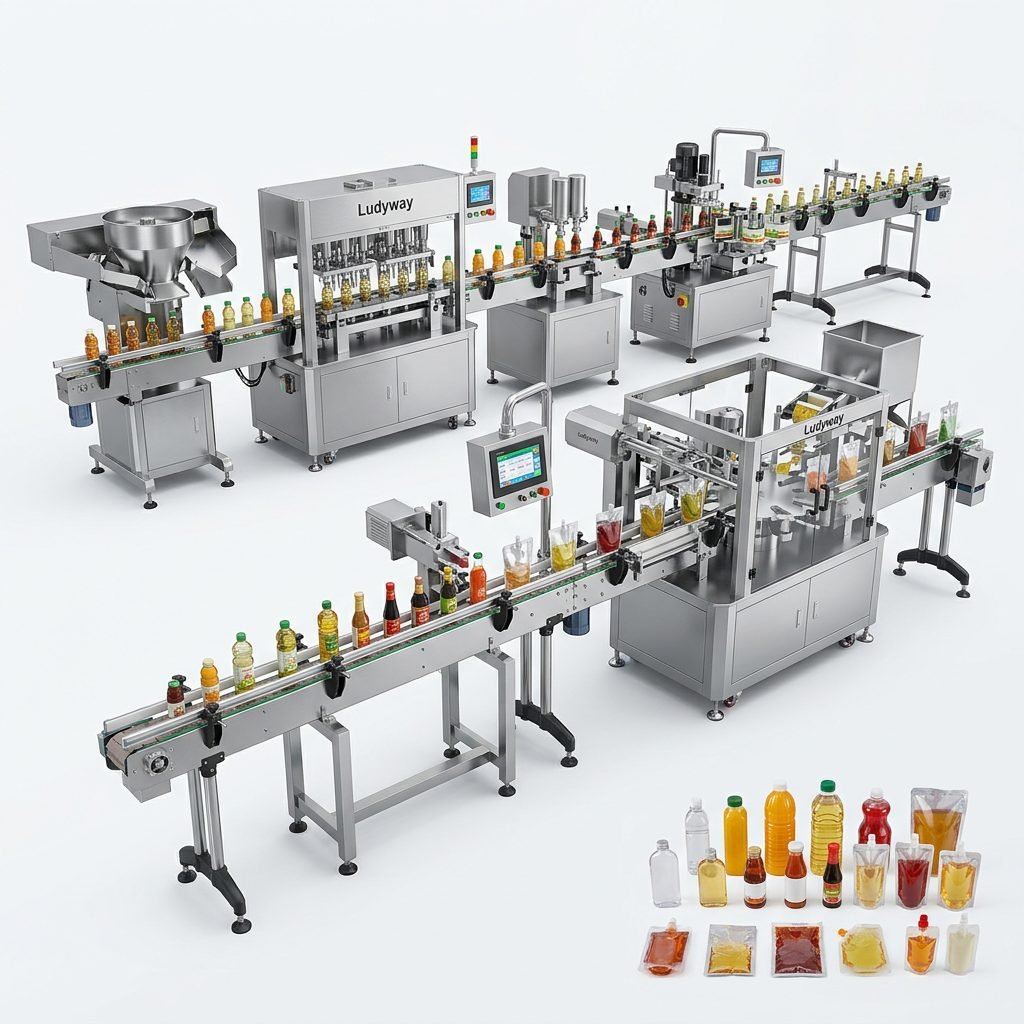
Cost Analysis and ROI Calculation
While the capital outlay for a premium yogurt packaging line can be substantial, the return on investment is driven by reduced labor costs, minimized product giveaway, and higher throughput. A single multi-lane stick pack machine can replace several manual filling stations, paying for itself in operational savings within 18 to 24 months. Factor in the reduced film usage from precision tension control systems, which can slash material costs by up to 15% annually.
Common Challenges in Yogurt Packaging
Dairy producers frequently encounter specific hurdles that the right machinery can overcome:
- Foaming: Implement bottom-up filling nozzles and vacuum deaeration to prevent seal contamination.
- Product Drip: Anti-drip nozzles with cut-off mechanisms maintain pouch integrity and hygiene.
- Temperature Sensitivity: Maintain cold-chain integrity during the packaging process to inhibit bacterial growth.
- Particulate Inclusion: Machines with large-diameter filling paths prevent blockages from fruit pieces and grains.
Future-Proofing Your Production Line
Investing in scalable, modular machinery allows UK dairies to adapt to market trends. Whether expanding capacity with additional lanes or integrating aseptic cap sterilization for ambient products, your original equipment should support upgrades. Cloud-compatible HMIs and telemetry for Industry 4.0 integration represent the next frontier in packaging machine technology, offering real-time performance dashboards monitored from anywhere in the world.
Additional reference resources on packaging safety and material standards are available from the PMMI Business Intelligence Library and the European Commission Packaging Waste regulations. Careful selection of the right equipment partner and machinery ensures your brand remains competitive in the dynamic UK dairy sector.