A horizontal form fill seal (HFFS) packaging machine is a critical asset for high-volume production in the food, pharmaceutical, and chemical industries. However, without a structured maintenance program, even the most robust HFFS packaging machine can experience unplanned downtime. This guide outlines a practical, step-by-step approach to keeping your equipment running at peak efficiency.

Why Preventive Maintenance Matters
Reactive repairs cost significantly more than planned maintenance. A well-maintained horizontal form fill seal machine ensures consistent seal integrity, reduces film waste, and extends the lifespan of mechanical components. Ignoring routine checks often leads to misalignment of the forming collar, faulty temperature control, or cross-seal jaw failures.
Daily Maintenance Checklist
Operators should perform these tasks at the start and end of every shift:
- Clean the forming tube and shoulders: Remove product residue to prevent film drag.
- Inspect the sealing jaws: Check for carbon buildup or Teflon tape wear on the heat sealing surfaces.
- Check film tracking: Ensure the film runs centered through the forming area without wrinkles.
- Empty the air filter traps: Moisture in pneumatic systems causes inconsistent cutting cycles.
- Verify safety guards: All interlocks must function to protect operators during high-speed cycles.
Weekly and Monthly Maintenance Tasks
The following table outlines critical checks that should be performed on a regular interval to avoid catastrophic failures:
| Frequency | Component | Action Required |
|---|---|---|
| Weekly | Film Unwind Assembly | Check brake tension and clean dancer arm rollers. |
| Weekly | Chain Drives & Gears | Lubricate with food-grade grease and check for slack. |
| Monthly | Thermocouples & Controllers | Calibrate temperature readings against a certified meter. |
| Monthly | Vacuum Belts & Pumps | Clean filters and check suction levels for proper film transport. |
Quarterly Deep Maintenance
Quarterly shutdowns should be utilized for detailed inspections. Focus heavily on the jaw alignment and bearing integrity.
- Replace worn bearings in the longitudinal and cross-seal crank mechanisms.
- Inspect electrical cabinets for dust accumulation and tighten all terminal connections.
- Drain and refill gearboxes to prevent sludge buildup that hinders the main drive motor.

Maintaining the Sealing System
The horizontal sealing jaw is the heart of the form fill seal machine. Strict temperature regulation prevents “cold seals” (product leaks) and “hot seals” (film burn-through). Use a pyrometer regularly to verify the setpoint. Additionally, the packaging standards require seal integrity checks to be performed on retained samples several times per shift.
Troubleshooting Common Seal Issues
- Wrinkled end seals: Often caused by misaligned forming plows or excessive film tension.
- Leaking back seals: Indicates insufficient overlap or worn Teflon on the vertical sealing bar.
- Film sticking to jaws: Clean the non-stick coating immediately and verify the cooling water flow if applicable.
Lubrication Best Practices
Over-lubrication is as dangerous as under-lubrication. Excess grease can migrate onto the film path or sealing surfaces, leading to defective packages. Always use H1 food-grade lubricants for any points above the product zone. Create a visible lubrication map and stick to the exact frequency recommended by your horizontal form fill seal machine manufacturer.
Spare Parts Inventory Strategy
Extended lead times on critical components can cripple production. Maintain a safety stock of the following:
- Heating cartridges and thermocouples for the sealing jaws.
- Complete set of forming tubes for different bag widths.
- Timing belts and drive belts specific to the main motor.
- Knife blades for the cut-off mechanism and perforation wheels.
Electrical System Health
Modern horizontal machines rely on servo drives and PLC logic. Voltage fluctuations can damage sensitive controls. Ensure a stable compressed air and power supply. Visually inspect the wiring harnesses in the drag chain; repeated flexing can cause micro-fractures in the copper, leading to intermittent faults that are difficult to diagnose.
For pharmaceutical packaging equipment, specific validation protocols dictate the maintenance recording process. Strict adherence to GMP requires detailed logs that correlate maintenance interventions with batch records. This traceability is essential for any operation handling FDA-regulated food contact substances.
Operator Training and Safety
No maintenance protocol is effective without trained personnel. Lockout/Tagout (LOTO) procedures are non-negotiable during deep cleaning and jaw replacement. Review the packaging machinery safety resources to ensure your team is updated on the latest ANSI/PMMI standards. A clean machine is a safe machine—product residue attracts pests and creates slip hazards.
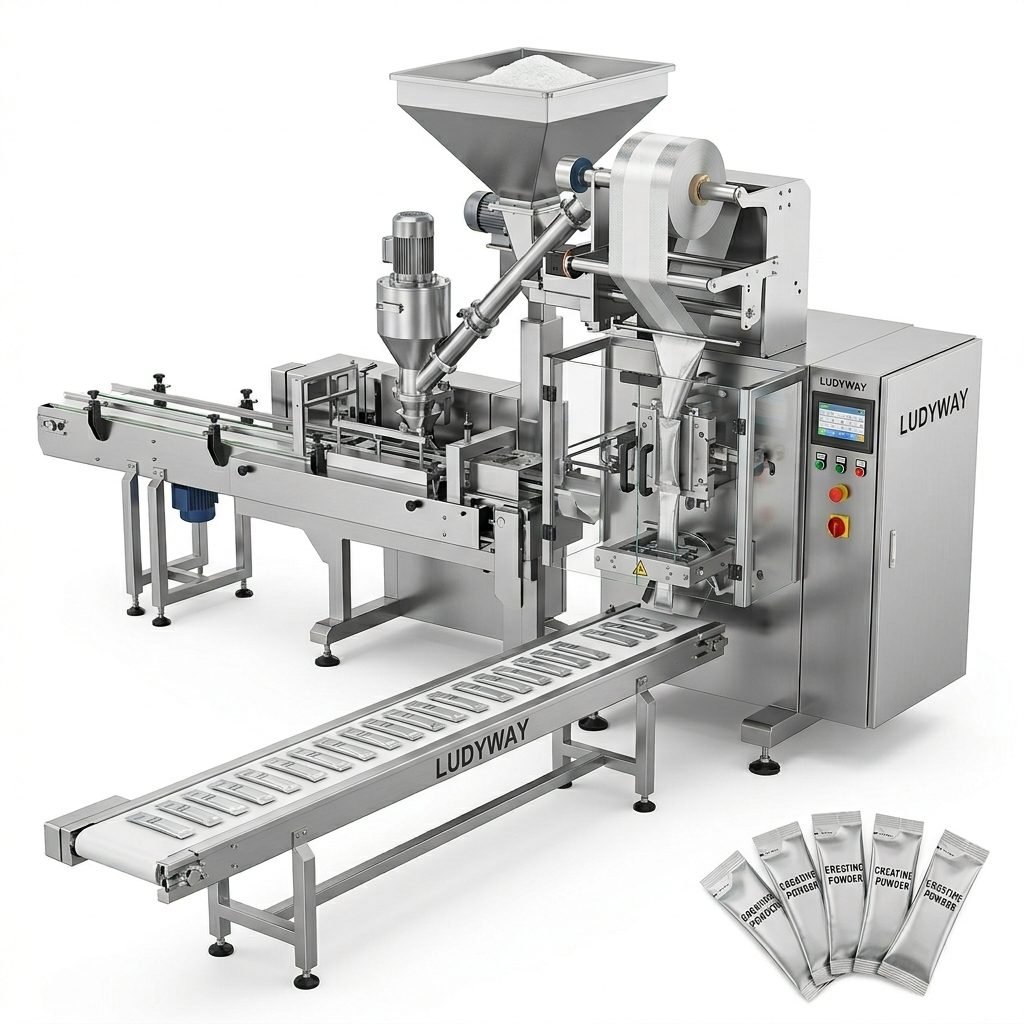
As one of the leading manufacturers in the sector, Ludyway engineers its horizontal form fill seal systems with maintenance access in mind, offering quick-release guards and centralized lubrication banks to simplify these daily routines.
Final Optimization Tips
Use your machine’s HMI data to track stop events. If you notice a recurring fault in the film unwind zone, you might need to adjust the tension rather than simply resetting the alarm. Integrating these proactive diagnostics into your daily review is a hallmark of a world-class maintenance program.