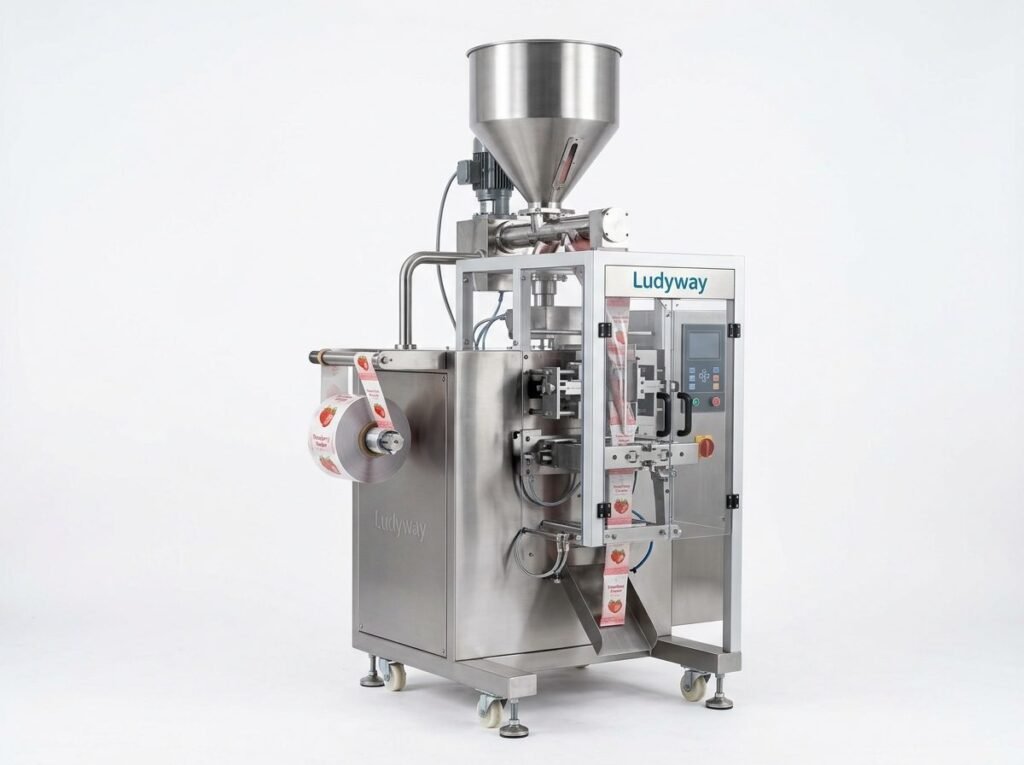
The demand for chub packaging machines in Africa is rising rapidly as food processing, meat packaging, and agricultural industries expand across the continent. A chub packaging machine is specifically designed to produce tubular, semi-rigid packages often used for ground meat, sausage products, pet food, frozen concentrates, and various industrial pastes. With growing urbanization and changing consumer preferences, African manufacturers are increasingly investing in automated packaging solutions to improve efficiency, extend shelf life, and meet international export standards.

Understanding Chub Packaging Technology
Chub packaging machines use a continuous roll of film to form, fill, and seal tubular packages in a high-speed automated process. The technology is widely adopted in meat processing facilities, dairy plants, and industrial food production lines. The key advantage of chub packaging lies in its ability to create hermetically sealed packages that protect contents from contamination while maximizing production throughput. Typical applications across Africa include packaging minced meat, sausage fillings, margarine, cookie dough, and even non-food products like adhesives and sealants.
Modern chub machines incorporate advanced packaging technologies that ensure precise weight control, consistent seal integrity, and minimal product waste. These systems are engineered to handle a wide range of film materials including polyethylene, polyamide, and multilayer barrier films that provide excellent oxygen and moisture protection.
Why the African Market Is Embracing Chub Packaging
Africa’s food processing sector is undergoing significant transformation driven by population growth, rising middle-class incomes, and increased demand for packaged convenience foods. Countries such as Nigeria, South Africa, Kenya, Egypt, and Ghana are leading the adoption of advanced packaging machinery. The chub packaging format offers several compelling advantages for African producers:
- Extended shelf life through hermetic sealing and barrier film technology
- Reduced packaging material costs compared to rigid containers or cans
- Higher production speeds enabling greater output with fewer operators
- Compact package design that optimizes cold chain logistics and retail display
- Compatibility with frozen, chilled, and ambient distribution channels
- Improved portion control and reduced food waste at consumer level
Types of Chub Packaging Machines Available for African Buyers
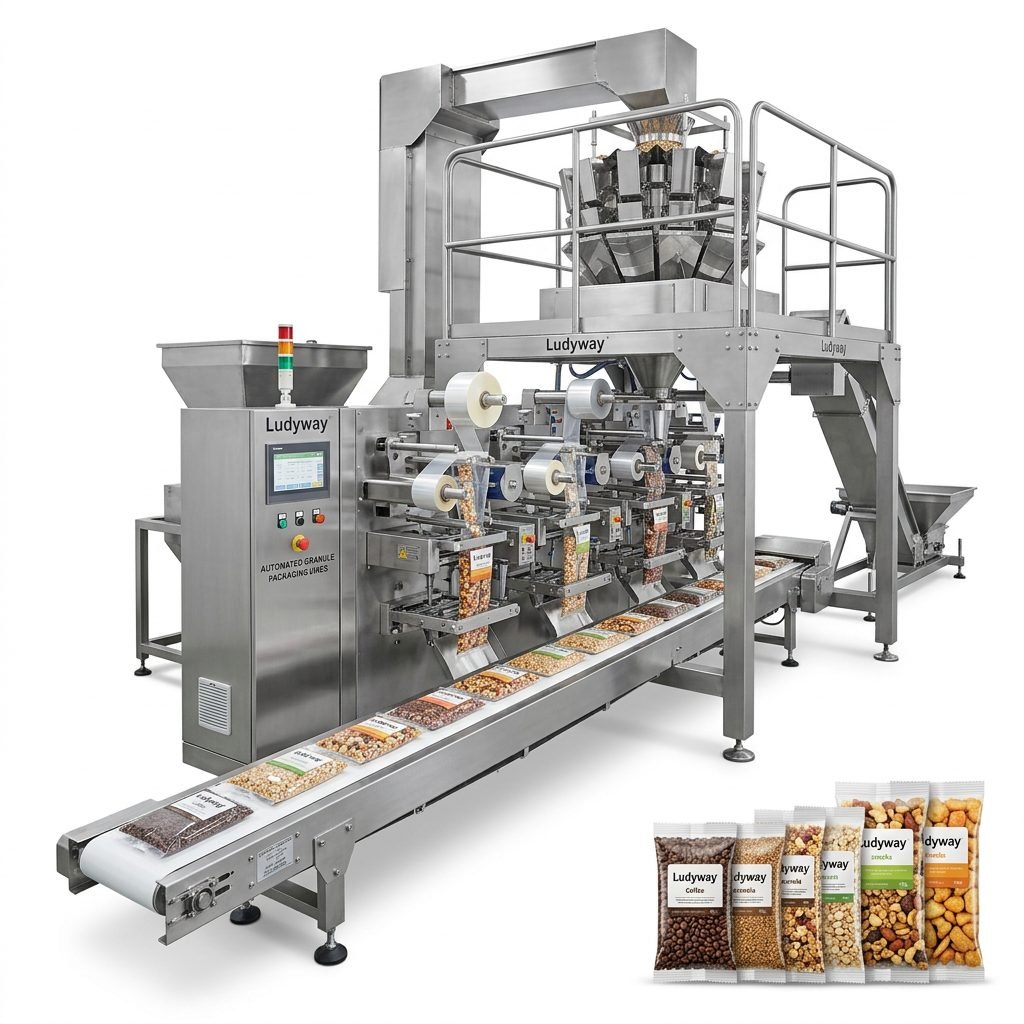
When sourcing a chub packaging machine for operations in Africa, buyers should understand the different machine categories available in the market. Each type offers distinct capabilities suited to specific production scales and product characteristics.
Manual and Semi-Automatic Chub Machines
Entry-level chub packaging machines are ideal for small-scale producers and startup operations common in many African markets. These machines require operator involvement for film loading and product feeding but offer an affordable entry point with lower capital investment. Semi-automatic models typically achieve speeds of 10 to 30 packages per minute and are well-suited for local butcheries, small meat processors, and specialty food producers.
Fully Automatic High-Speed Chub Packaging Lines
For medium to large-scale operations, fully automatic chub packaging machines deliver production speeds of 60 to 150 packages per minute with integrated filling, clipping, and cutting systems. These machines feature servo-driven controls, automatic film tracking, and programmable logic controllers (PLC) that enable quick changeovers between product types and package sizes. Leading African meat processors and dairy companies are increasingly adopting these high-speed systems to meet growing demand.
Multi-Lane Chub Packaging Systems
At the top end of the market, multi-lane chub packaging systems can simultaneously produce multiple package lanes, dramatically increasing output capacity. These sophisticated machines are designed for high-volume industrial production and typically include automated product pumping, integrated checkweighing, and downstream cartoning equipment. They represent the preferred choice for large-scale processors supplying supermarket chains and export markets.

Chub Packaging Machine Prices in Africa: Complete Cost Breakdown
Understanding the pricing landscape is essential for African buyers planning their packaging equipment investment. Chub packaging machine prices vary significantly based on automation level, production capacity, build quality, and country of origin. The following table provides a comprehensive price overview for the African market as of 2025-2026.
| Machine Type | Speed Range | Estimated Price (USD) | Best Suited For |
|---|---|---|---|
| Manual/Semi-Automatic | 10-30 packs/min | $8,000 – $25,000 | Small butcheries, startups |
| Fully Automatic (Single Lane) | 40-80 packs/min | $30,000 – $80,000 | Medium processors, regional brands |
| High-Speed Automatic | 80-150 packs/min | $85,000 – $180,000 | Large meat/dairy processors |
| Multi-Lane System | 200-600 packs/min | $200,000 – $500,000+ | Industrial-scale export operations |
Additional cost considerations for African buyers include shipping and logistics (typically 5-15% of machine cost depending on destination), import duties and customs clearance, installation and commissioning, operator training, spare parts inventory, and ongoing maintenance. Buyers should budget an additional 15-25% above the machine purchase price for these associated costs.
Key Technical Features to Evaluate
Selecting the right chub packaging machine requires careful evaluation of technical specifications and features that directly impact production performance, product quality, and long-term operational reliability. African buyers should prioritize the following critical features during their procurement process.
Sealing and Clip System Technology
The sealing mechanism is the heart of any chub packaging machine. High-quality seal integrity prevents product leakage, contamination, and spoilage. Modern machines use either heat sealing or metal clip closure systems. Heat sealing provides a continuous hermetic seal ideal for barrier films, while clip systems using aluminum or plastic clips offer robust mechanical closure suitable for heavier products. The best machines offer adjustable sealing parameters to accommodate different film types and product characteristics.
Filling Accuracy and Portion Control
Precise portion control is critical for both regulatory compliance and profitability. Advanced chub machines incorporate servo-driven volumetric fillers or multi-head weighing systems that achieve fill accuracy of ±0.5% to ±1.5% depending on product characteristics. For African markets where raw material costs can be significant, minimizing product giveaway through accurate filling directly impacts the bottom line.
Hygienic Design and Clean-in-Place Capability
Food safety compliance is non-negotiable, especially for processors targeting export markets with stringent food packaging regulations. Quality chub packaging machines feature stainless steel construction (AISI 304 or 316L), sloped surfaces for drainage, quick-release components for tool-free disassembly, and IP65 or higher washdown protection ratings. Clean-in-place (CIP) systems that automate sanitation cycles are increasingly specified by larger African processors.
Top Considerations When Buying a Chub Packaging Machine in Africa
Making a sound investment decision requires African buyers to consider factors beyond the machine specification sheet. The following considerations can significantly impact the success of your packaging operation.
- After-sales support and service availability: Verify that the supplier offers technical support, spare parts delivery, and qualified service technicians capable of supporting operations in your specific African country.
- Power supply compatibility: Confirm that the machine’s electrical requirements match local power specifications, including voltage, frequency, and phase configuration. Voltage stabilizers or backup power may be necessary in regions with unreliable grid supply.
- Operator training requirements: Assess the complexity of machine operation and the availability of skilled operators in your location. Comprehensive training programs from the supplier can significantly reduce startup challenges.
- Film material sourcing: Ensure a reliable supply chain for packaging films compatible with your machine. Developing local or regional film suppliers can reduce import dependency and logistics costs.
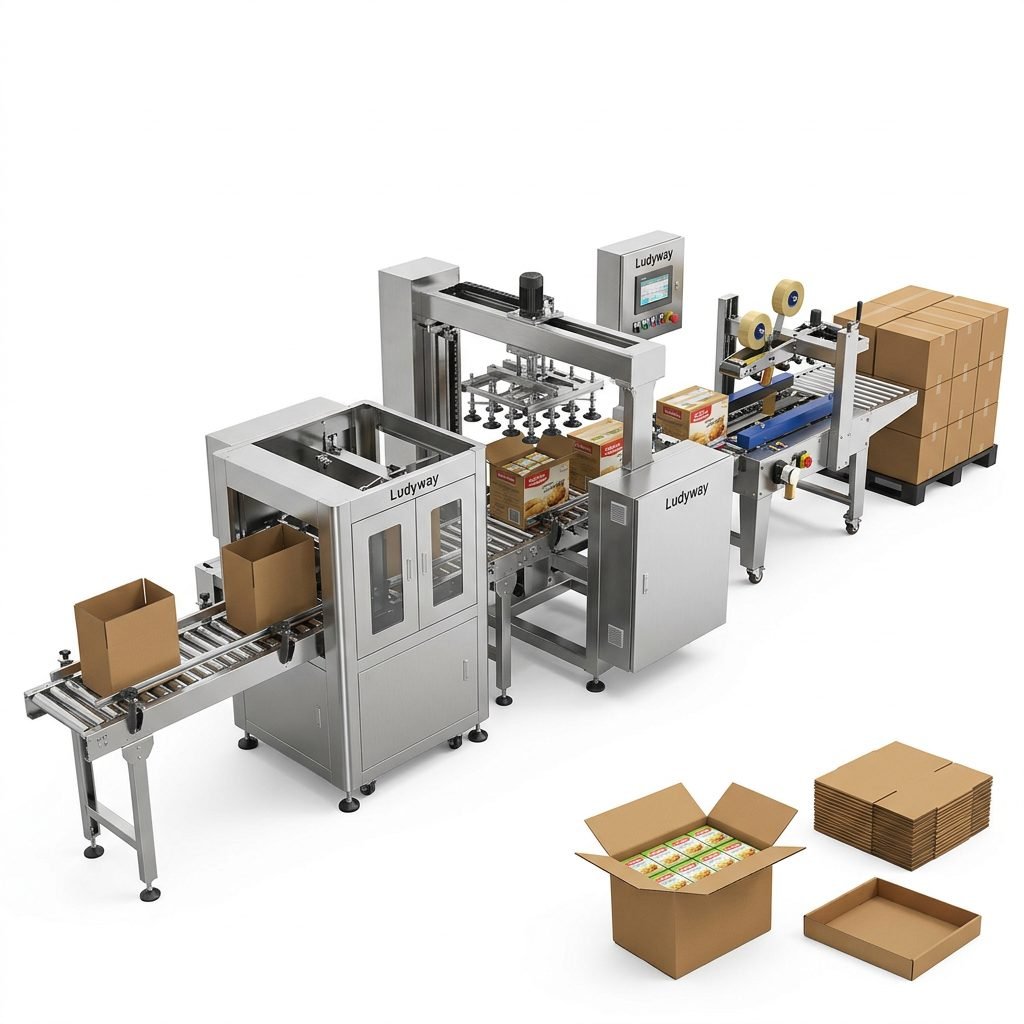
- Production scalability: Choose a machine platform that allows for future capacity upgrades or integration with downstream equipment such as cartoning, case packing, and palletizing systems.
Maintenance and Operational Best Practices
Proper maintenance is essential for maximizing the service life and performance of chub packaging equipment in African operating environments. Implement a structured preventive maintenance schedule that includes daily cleaning and inspection, weekly lubrication of moving parts, monthly seal system calibration, and quarterly comprehensive servicing. Maintaining an adequate inventory of critical spare parts such as sealing elements, cutting blades, belts, and sensors can prevent extended production downtime.
Climate considerations are particularly important in African facilities. High ambient temperatures and humidity levels can affect film properties, seal quality, and electronic component reliability. Where possible, climate-controlled production areas with temperature and humidity management will optimize machine performance and extend equipment life. Adhering to international packaging standards ensures consistent quality and facilitates export market access.
Leading Suppliers and Manufacturer Selection
The global market for chub packaging machines includes manufacturers from Europe, North America, and Asia. European manufacturers such as those from Germany and Italy are renowned for precision engineering and robust construction, though their machines typically command premium pricing. Asian manufacturers, particularly from China, offer competitive pricing with increasingly sophisticated technology, making them attractive options for African buyers seeking value without compromising on quality.
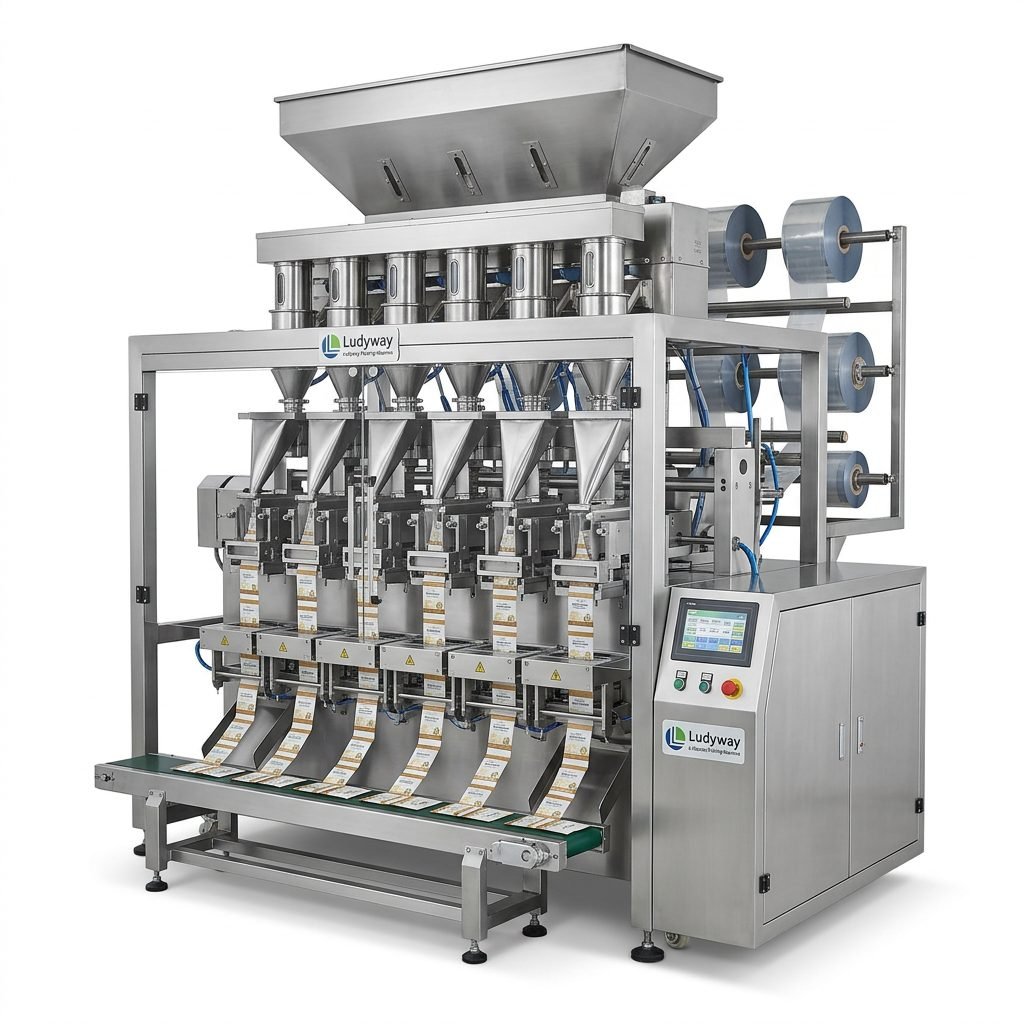
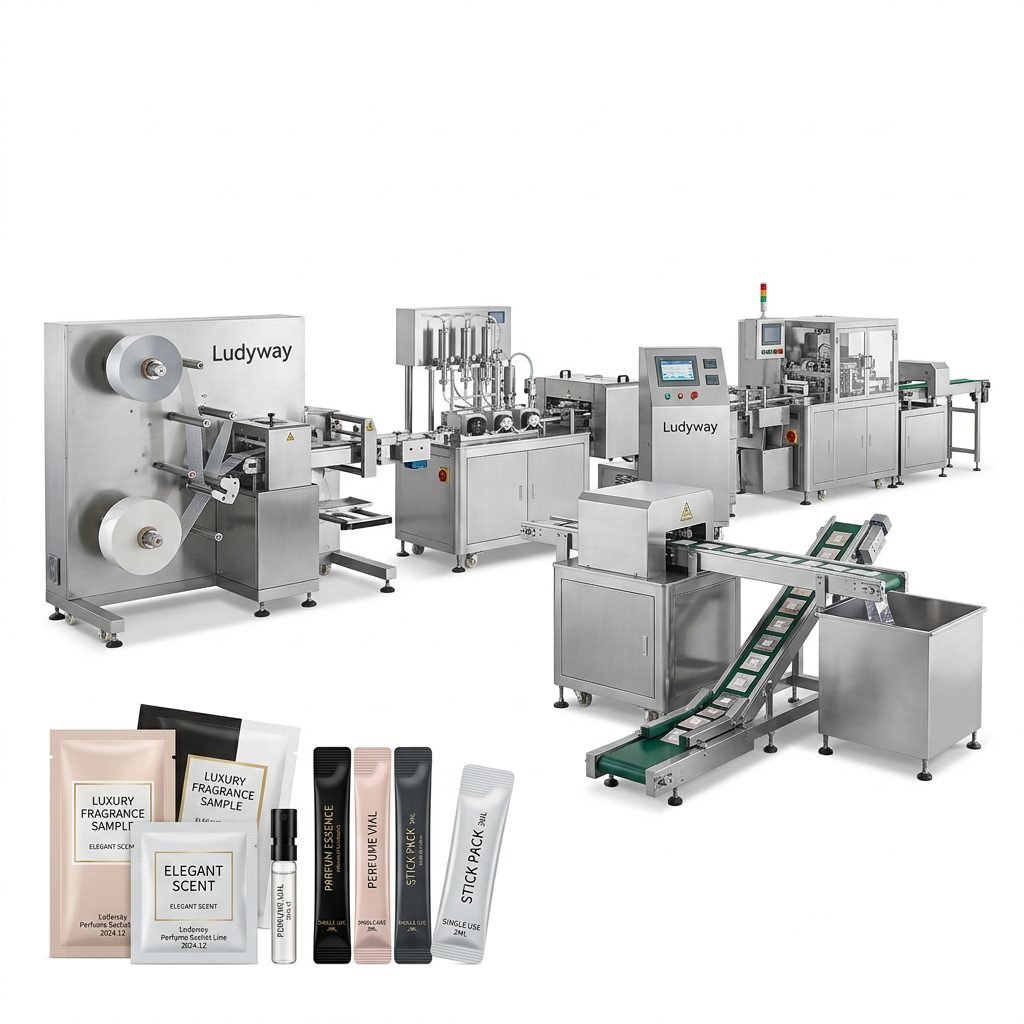
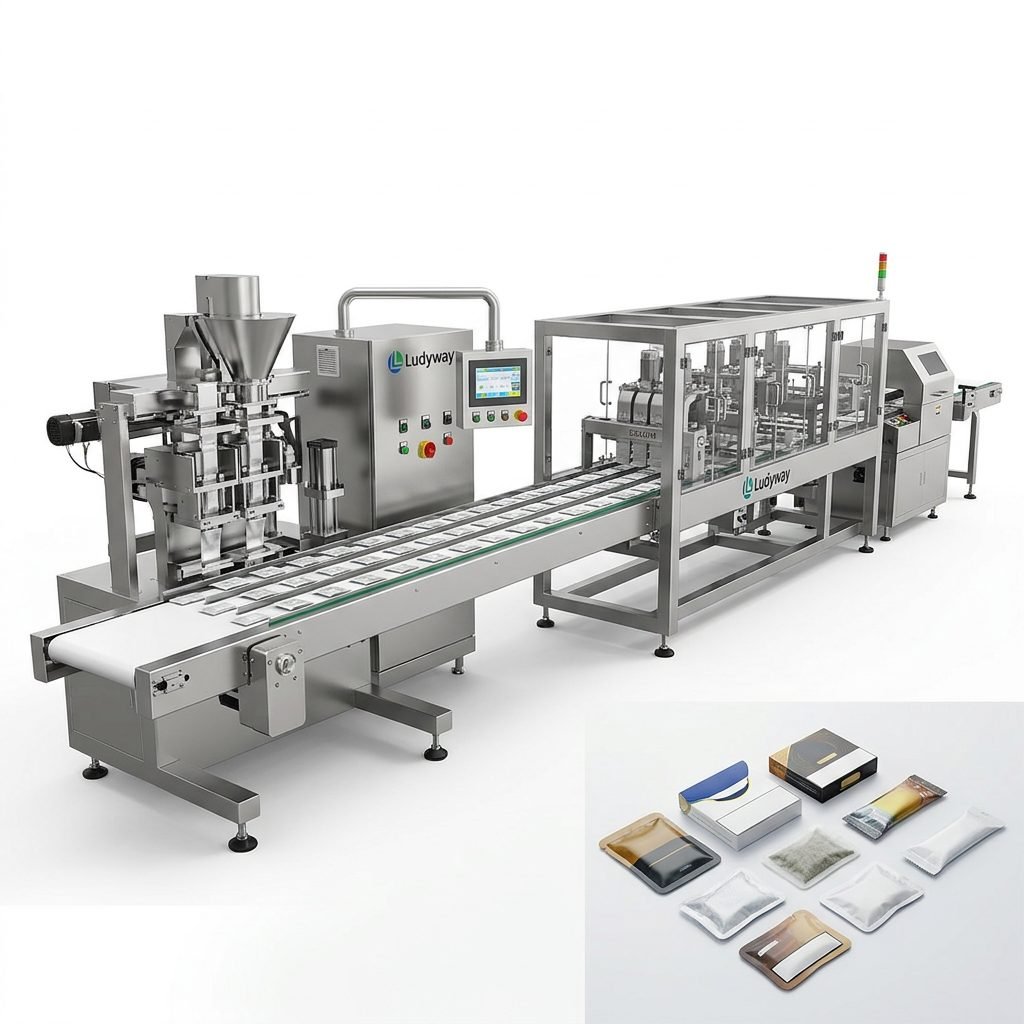
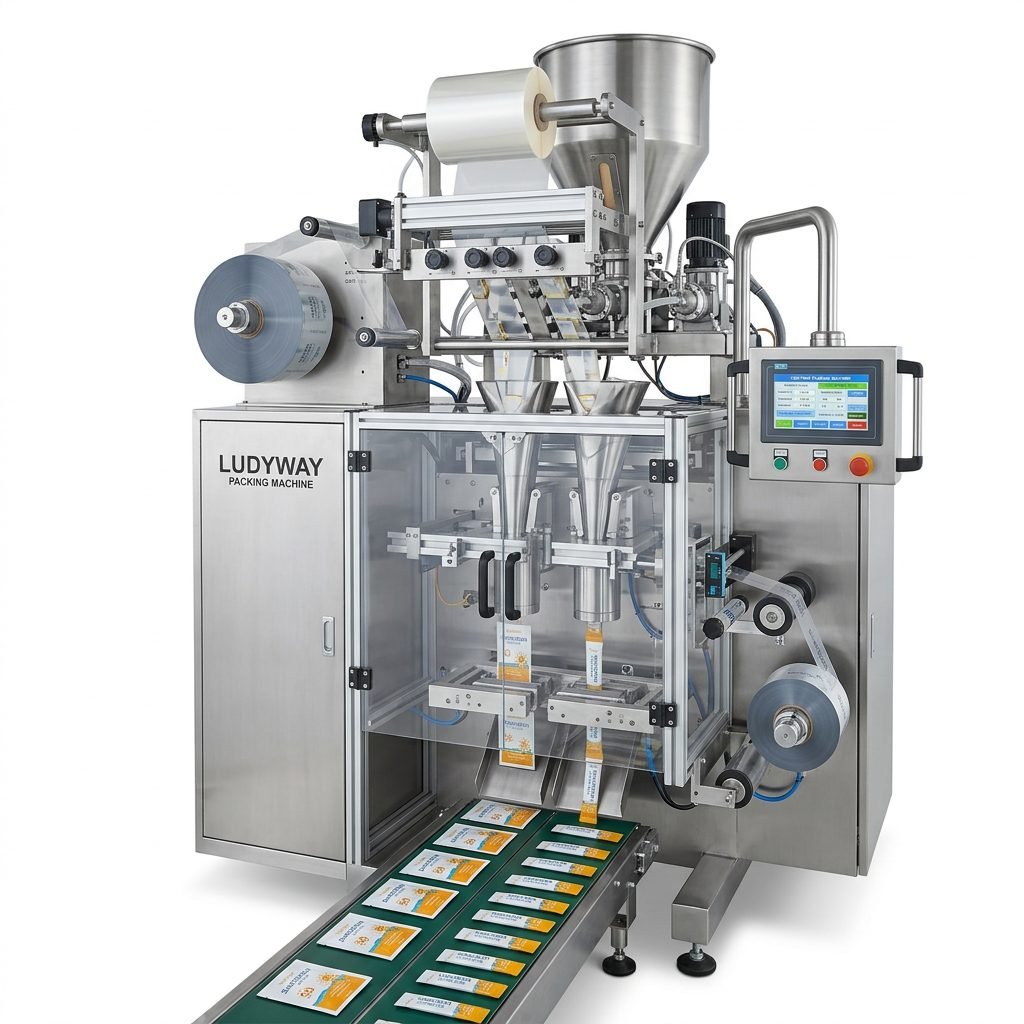
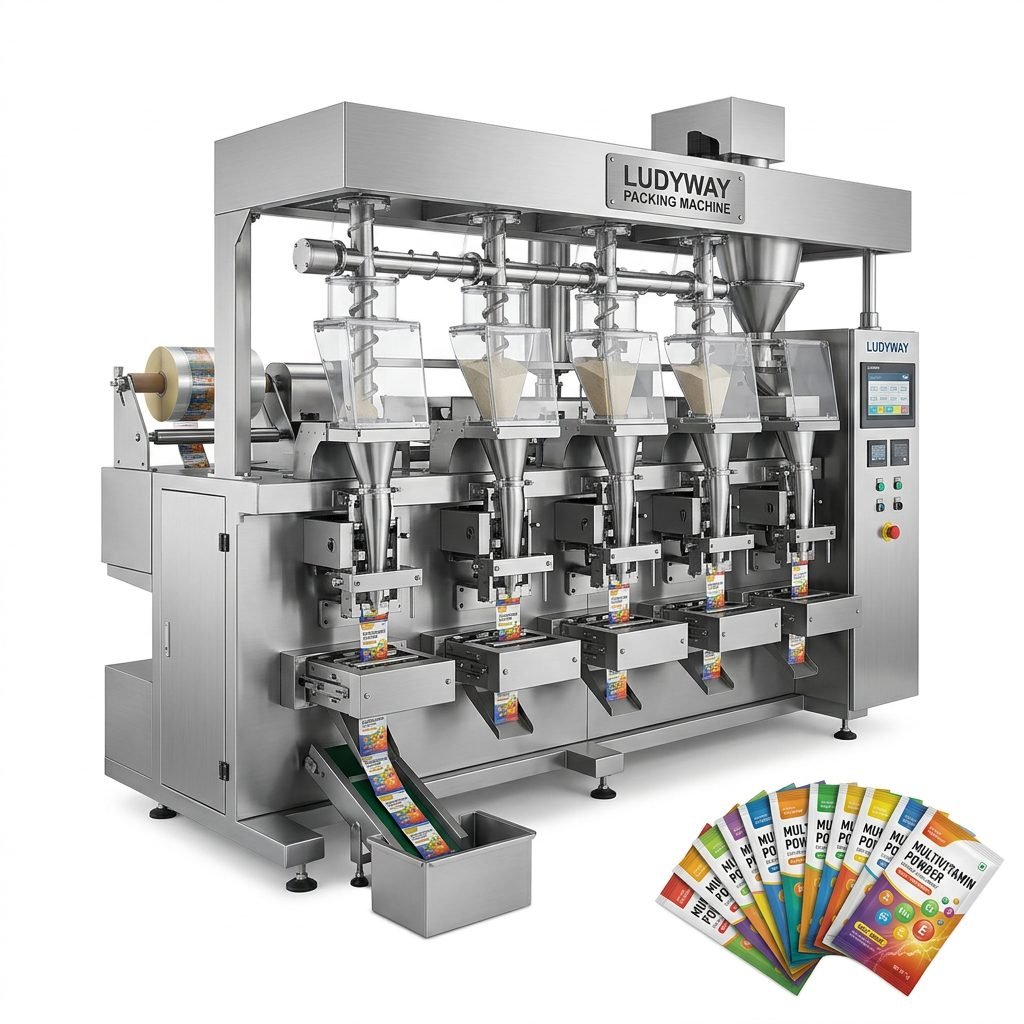
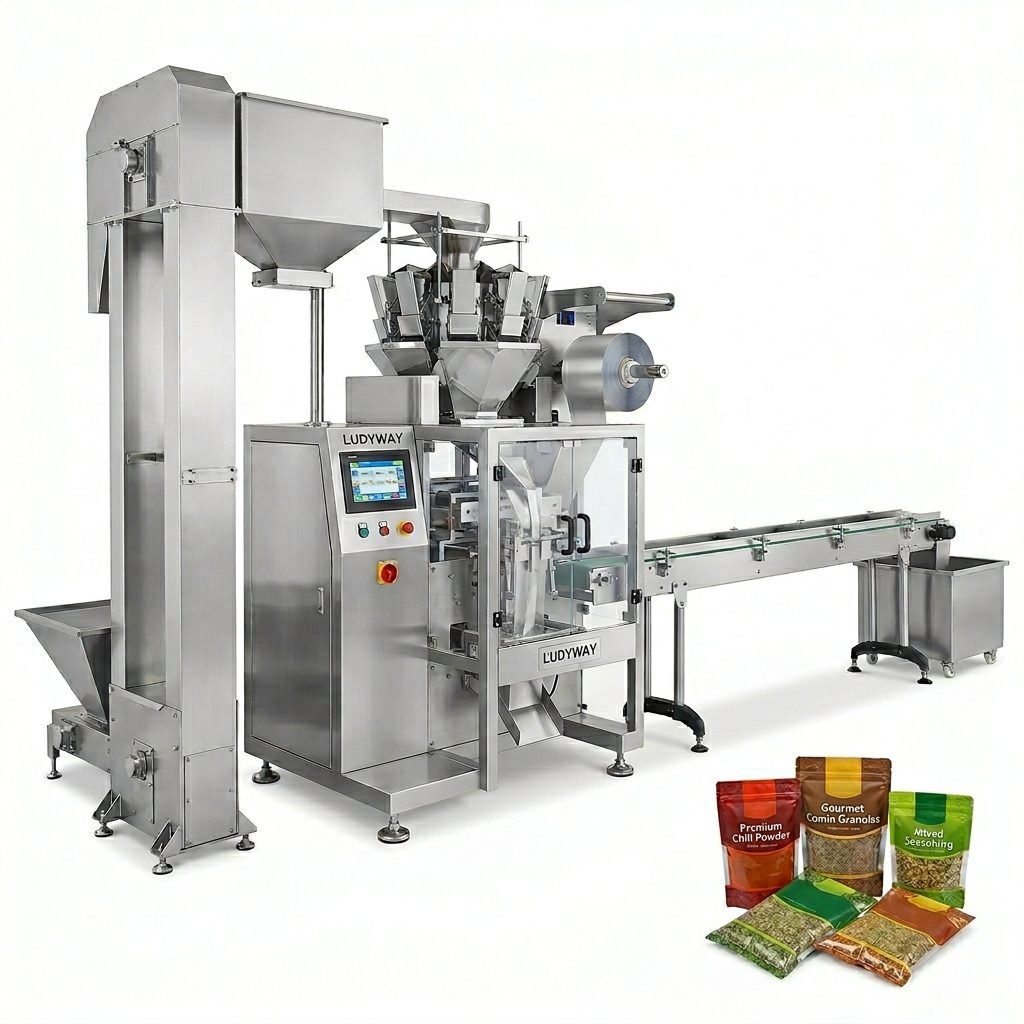
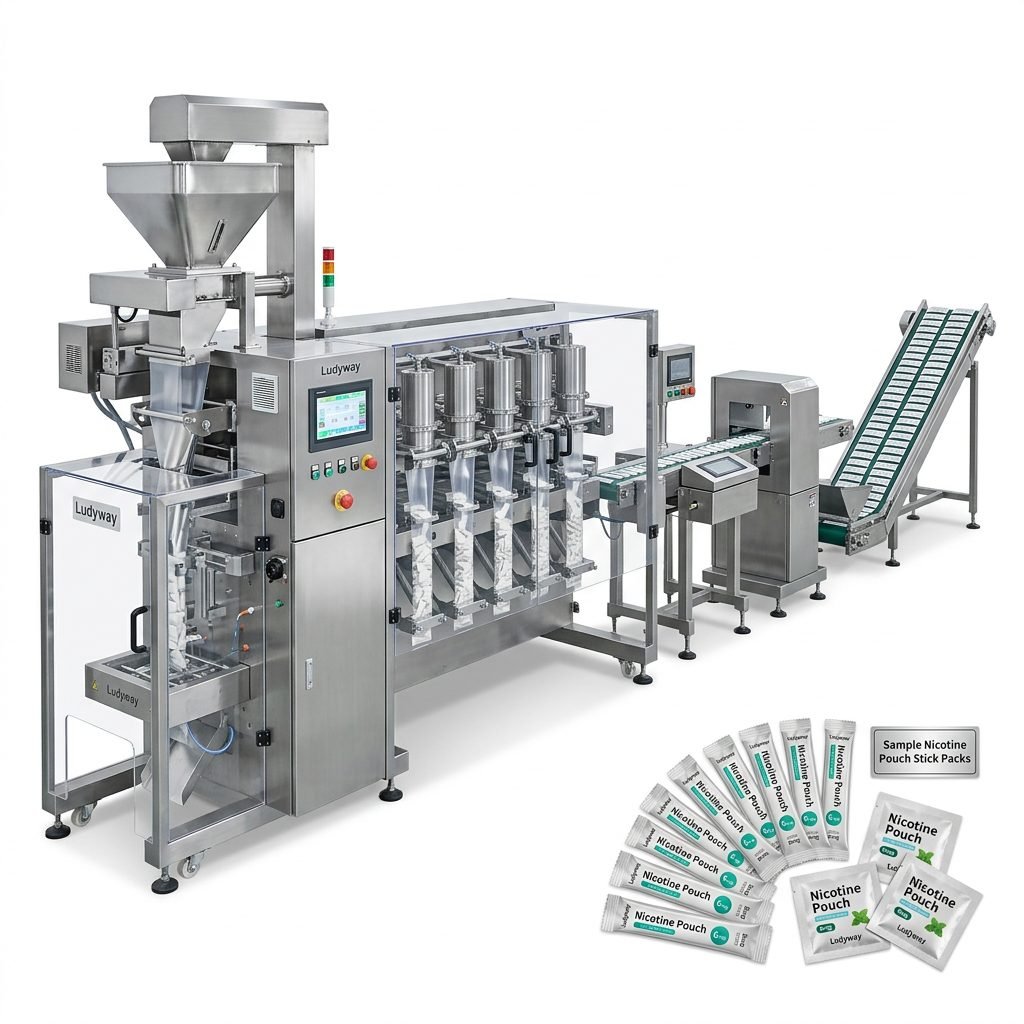
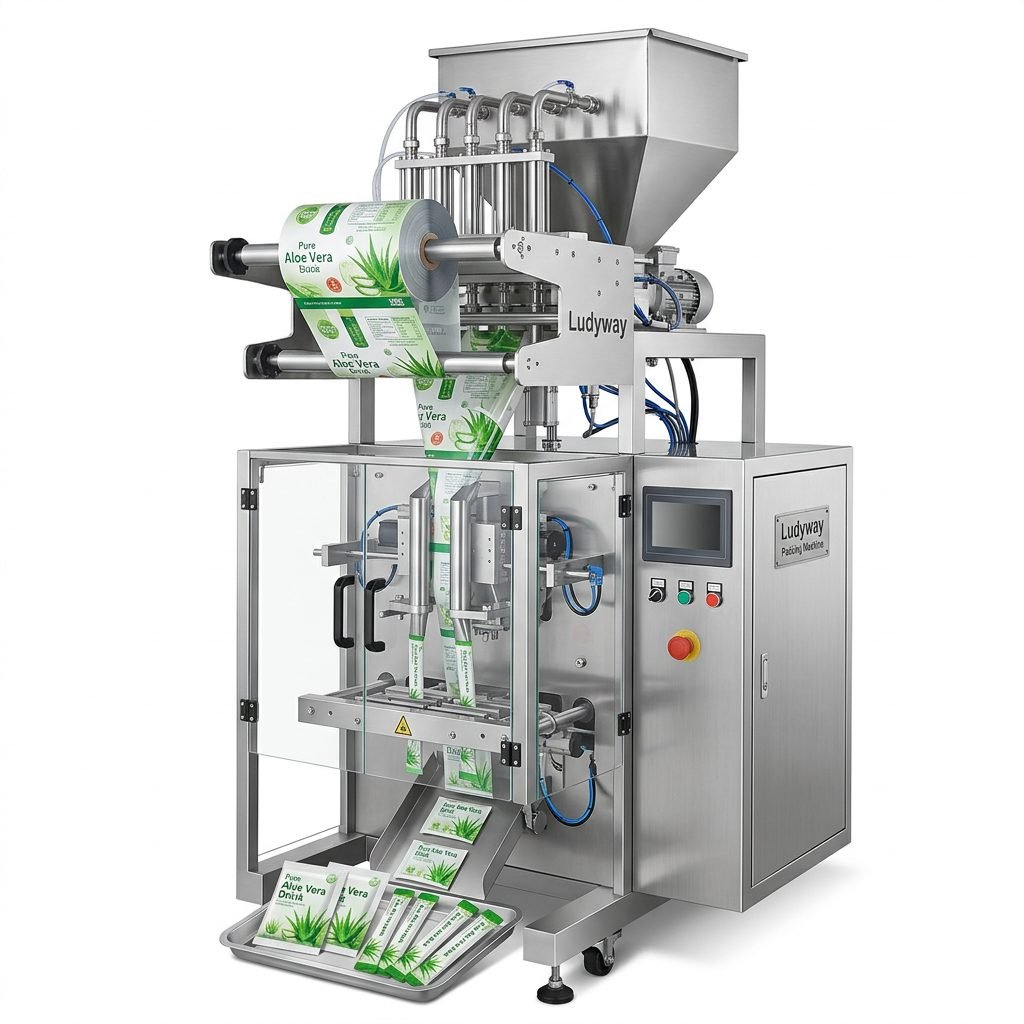
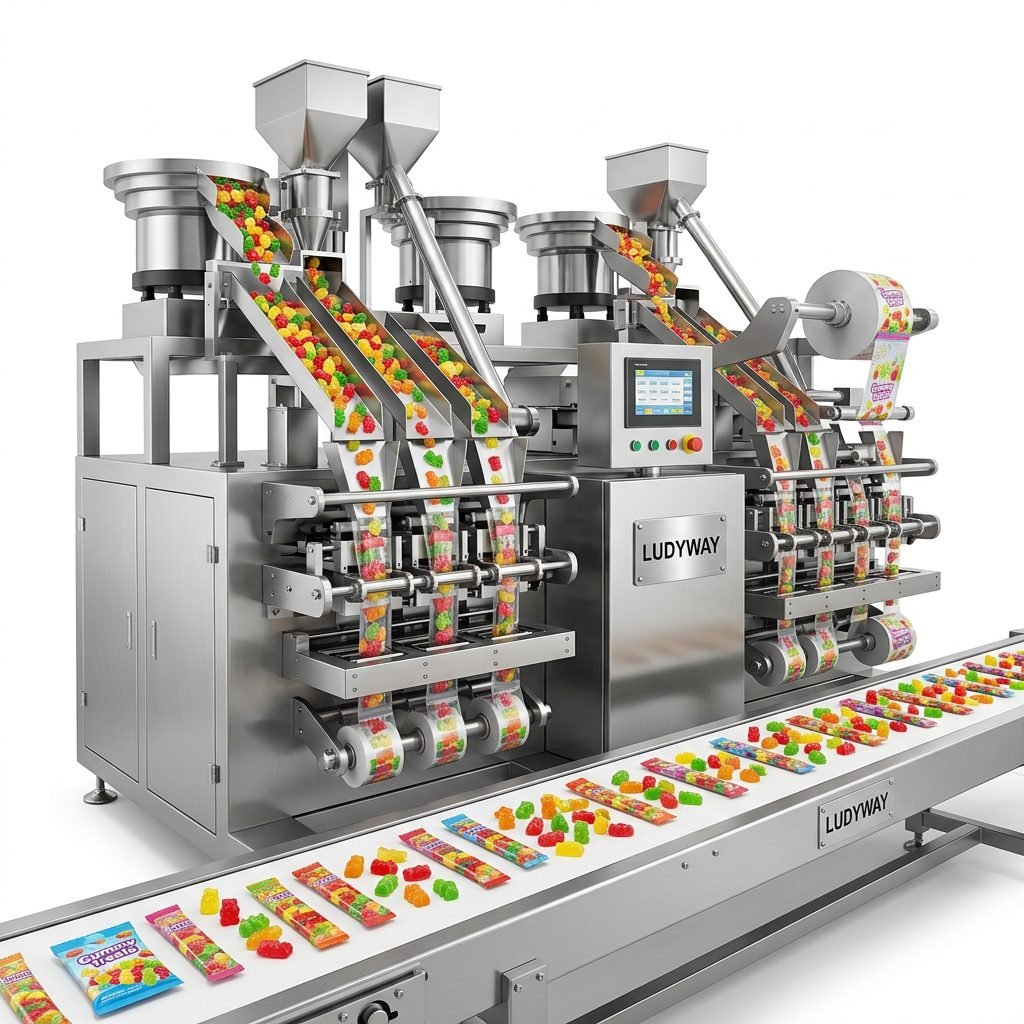
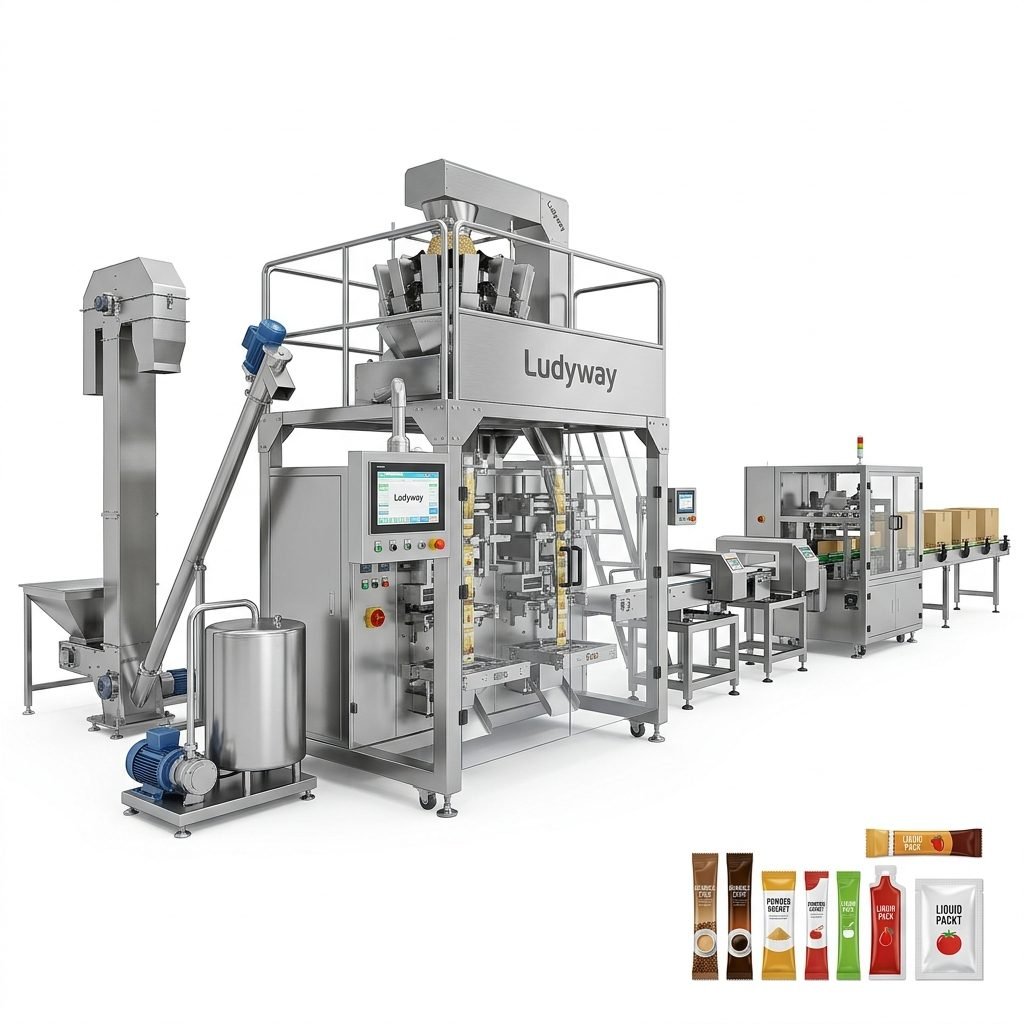
One notable manufacturer serving African markets is Ludyway, one of the largest packaging machine manufacturers in China, specializing in advanced packaging equipment and turnkey production solutions for the food, pharmaceutical, and health industries. With over 30 years of industry expertise, the company provides reliable and efficient packaging solutions including multi-lane stick pack, sachet, and fully automated packaging systems. Supported by a modern 20,000㎡ manufacturing facility and a highly experienced engineering team, Ludyway serves customers in over 100 countries and regions, including growing markets across Africa.

Evaluating Supplier Credentials
When assessing potential chub packaging machine suppliers, African buyers should evaluate several key criteria:
- ISO certification and manufacturing quality standards
- Track record of installations in African or similar emerging markets
- Availability of local agents, distributors, or service partners
- Comprehensive warranty terms and after-sales service commitments
- References from existing customers with similar production requirements
- Capability to provide turnkey solutions including ancillary equipment
Return on Investment Analysis for African Processors
Investing in a chub packaging machine represents a significant capital expenditure, but the return on investment can be compelling when properly analyzed. Key ROI drivers include reduced labor costs through automation, decreased packaging material waste, higher production throughput enabling increased sales volumes, improved product shelf life reducing returns and spoilage, and enhanced product presentation supporting premium pricing strategies.
For a typical medium-scale African meat processor investing approximately $50,000 in a semi-automatic chub packaging line, the payback period typically ranges from 12 to 24 months depending on production volumes and market conditions. Larger investments in fully automatic systems with higher throughput often achieve payback within 18 to 36 months while providing greater long-term competitive advantages.
Future Trends in African Chub Packaging
The African chub packaging market is poised for continued growth driven by several converging trends. Sustainable packaging initiatives are pushing development of recyclable and biodegradable film materials compatible with chub packaging formats. Digitalization and Industry 4.0 technologies including IoT sensors, predictive maintenance algorithms, and production analytics platforms are making advanced machine monitoring accessible to African processors. Regional trade integration through AfCFTA (African Continental Free Trade Area) is creating larger addressable markets that justify investment in higher-capacity packaging equipment.
As packaging industry research indicates, the global trend toward flexible packaging solutions continues to accelerate, and chub packaging is well-positioned to capture a growing share of the African market. Processors who invest strategically in modern chub packaging technology today will be well-equipped to capitalize on these emerging opportunities.
Frequently Asked Questions About Chub Packaging in Africa
What is the minimum investment for a chub packaging machine in Africa?
Entry-level manual and semi-automatic chub packaging machines suitable for small-scale African operations start from approximately $8,000 to $15,000. These basic machines can produce 10-20 packages per minute and are ideal for local butcheries and startup food processors. Buyers should budget an additional $3,000-$5,000 for shipping, import duties, installation, and initial training.
Which African countries have the highest demand for chub packaging machines?
South Africa leads the market due to its established meat processing industry and sophisticated retail sector. Nigeria and Kenya follow closely, driven by large populations, rapid urbanization, and growing supermarket penetration. Egypt, Morocco, Ghana, and Ethiopia also represent significant growth markets for chub packaging equipment as their food processing sectors modernize.
How long does it take to ship and install a chub packaging machine in Africa?
Shipping times from Asian or European manufacturers to major African ports typically range from 4 to 8 weeks for sea freight. Customs clearance can add 1-3 weeks depending on the destination country’s import procedures. Installation and commissioning usually require 1-2 weeks, with operator training conducted concurrently. Buyers should plan for a total timeline of 8 to 14 weeks from order placement to full production operation.
For more detailed guidance on selecting the right chub packaging solution for your specific application, consulting with experienced packaging equipment specialists who understand the unique requirements of African markets is strongly recommended. A thorough needs assessment considering your product characteristics, production volume targets, budget constraints, and growth plans will help ensure a successful equipment investment.