Establishing a chocolate bar packaging machine production line in China is a strategic move for confectionery businesses aiming to scale up output while maintaining consistent product quality. China’s advanced manufacturing ecosystem offers cost-effective, high-speed packaging solutions that cater to various bar formats, including single-flow wrap, fold wrap, and pillow pack styles. This guide walks you through the essential steps, from initial planning and machine selection to installation and quality assurance.
Understanding Chocolate Bar Packaging Requirements
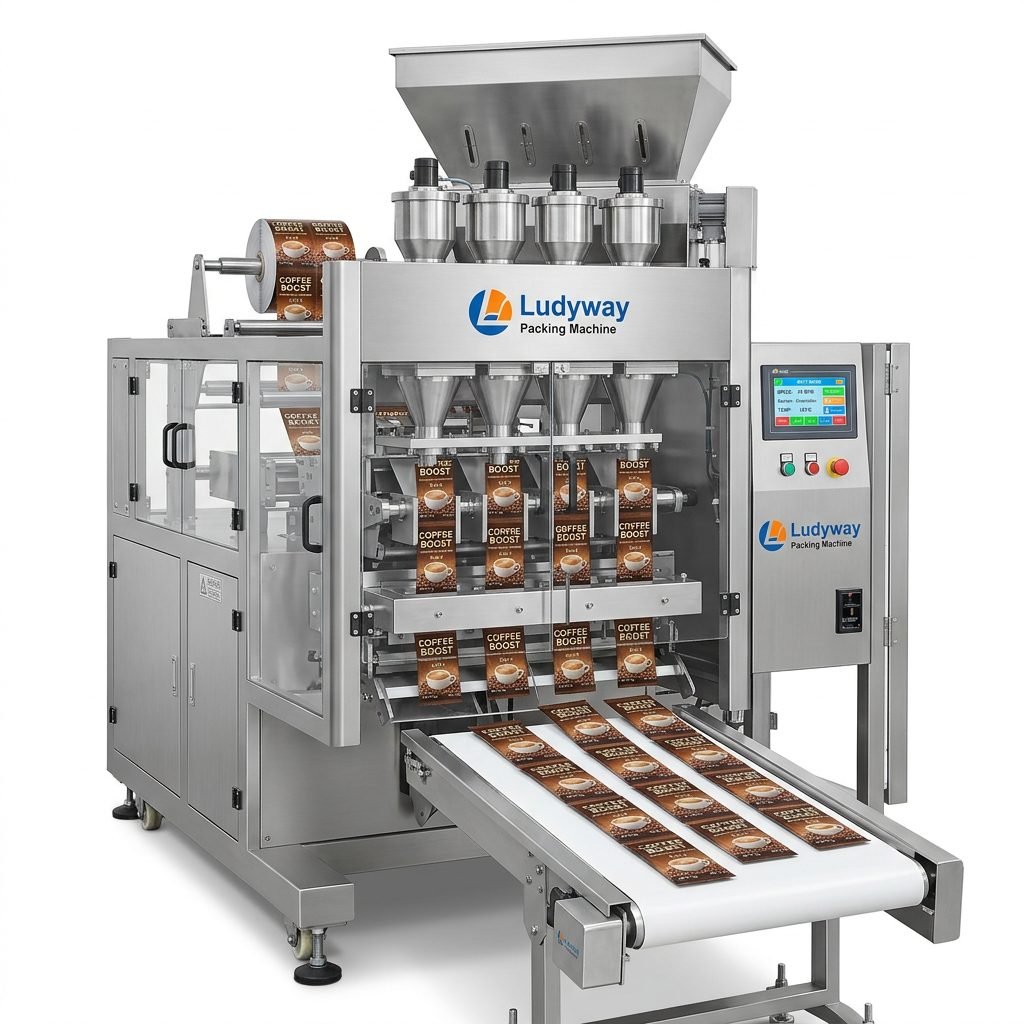
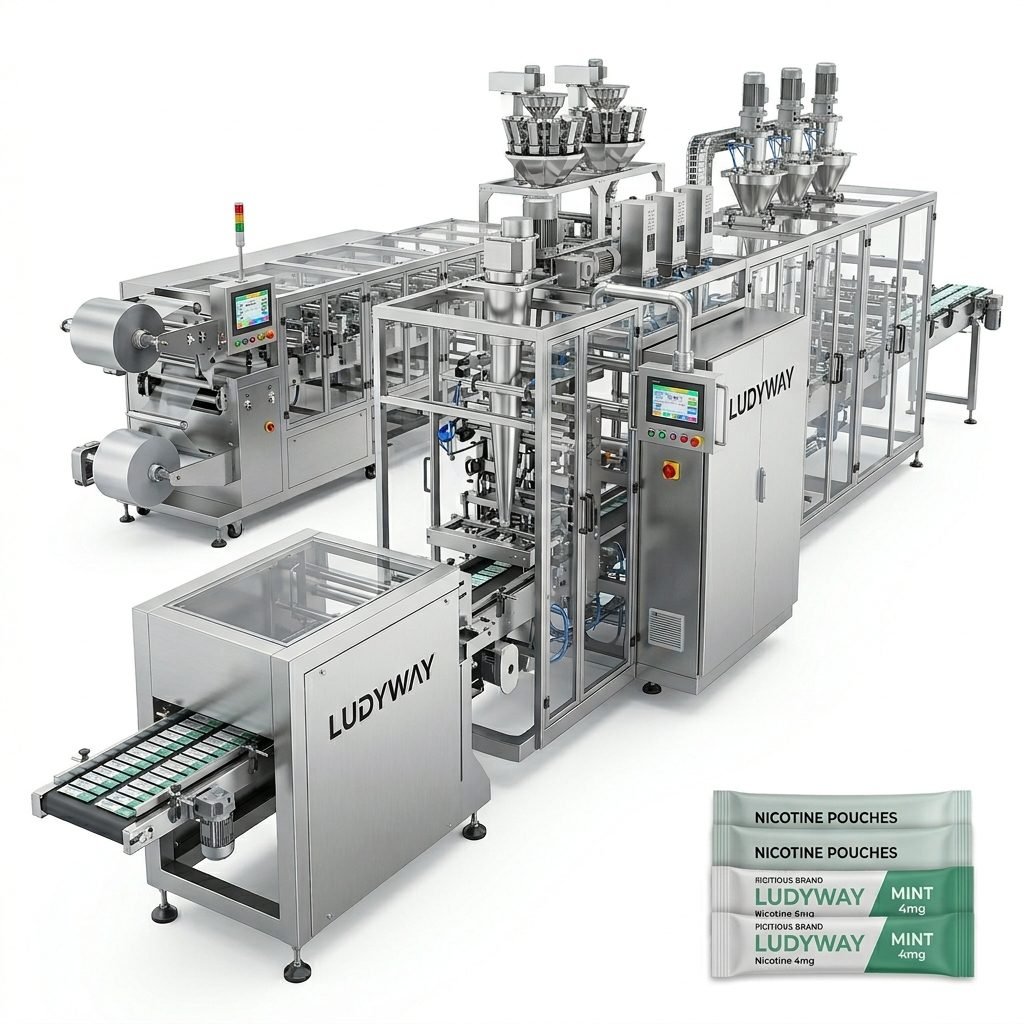
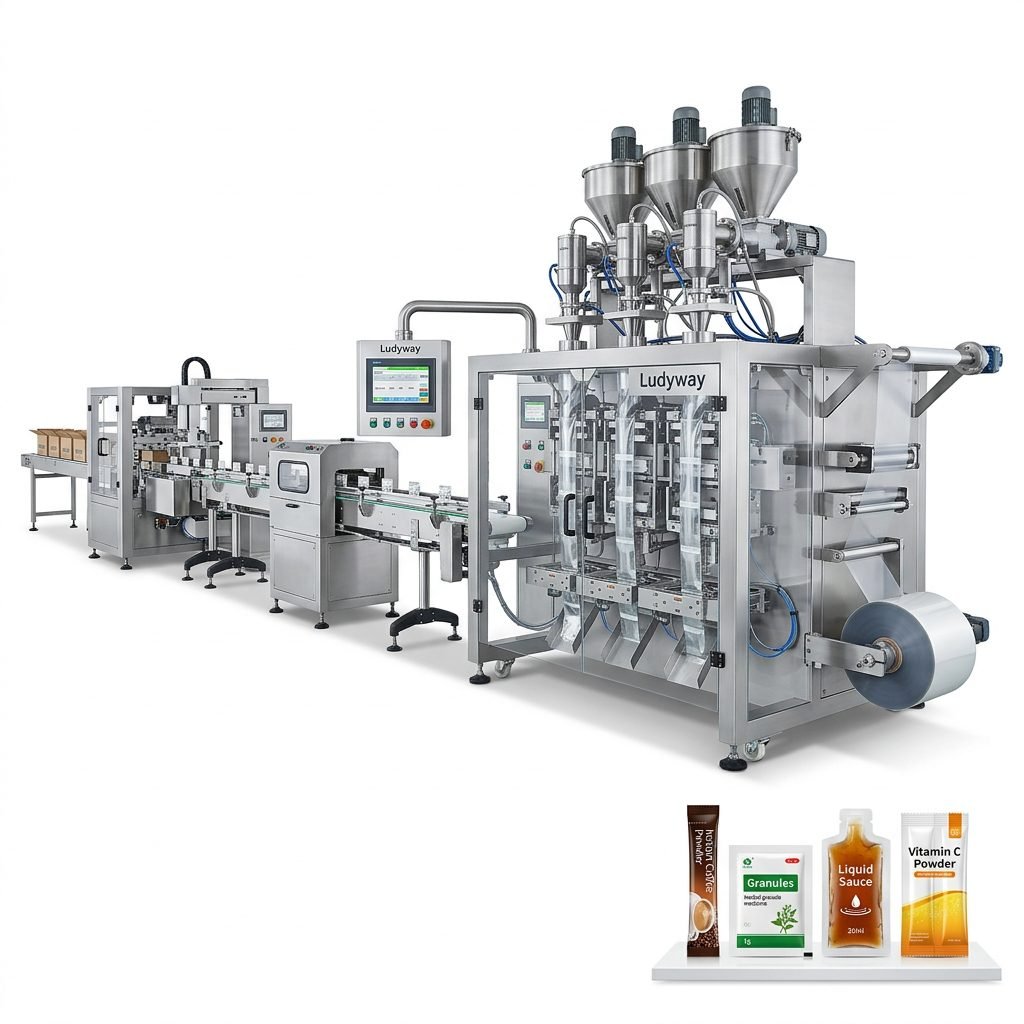
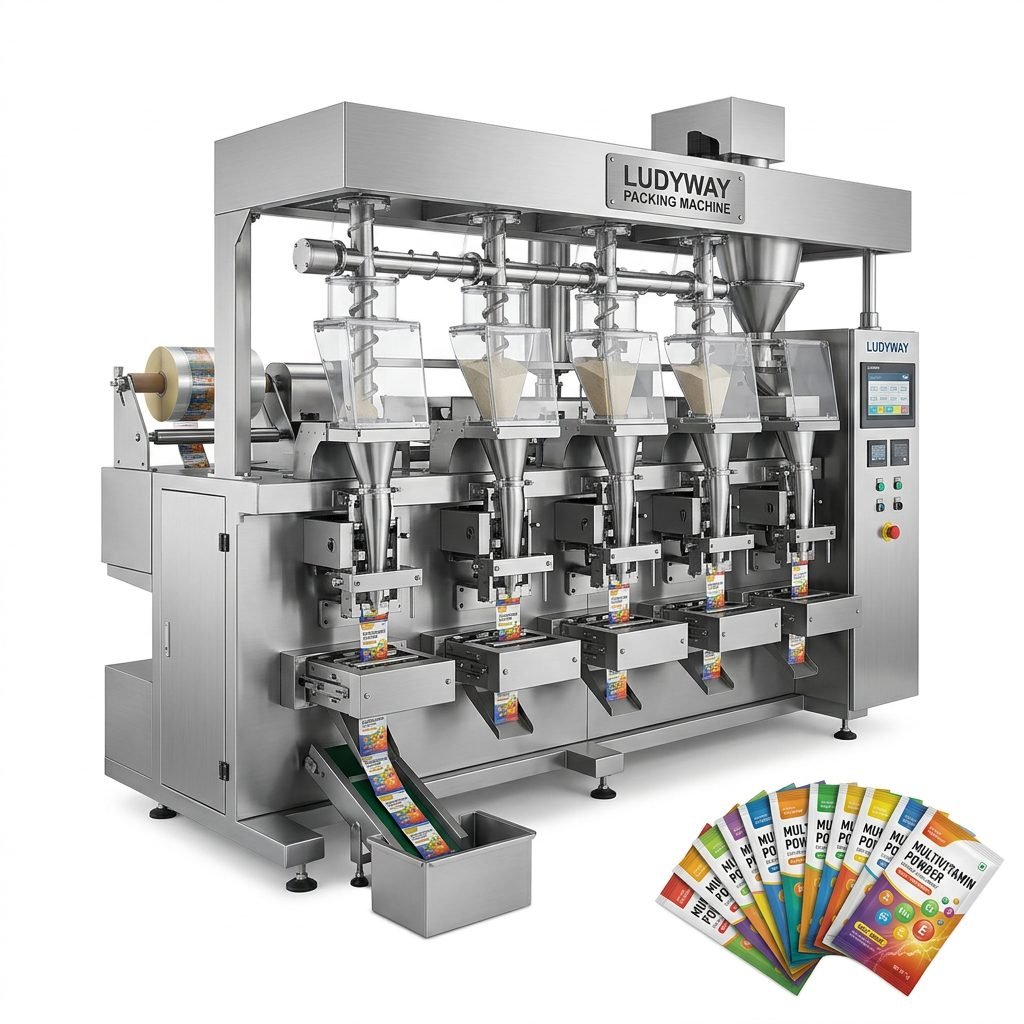
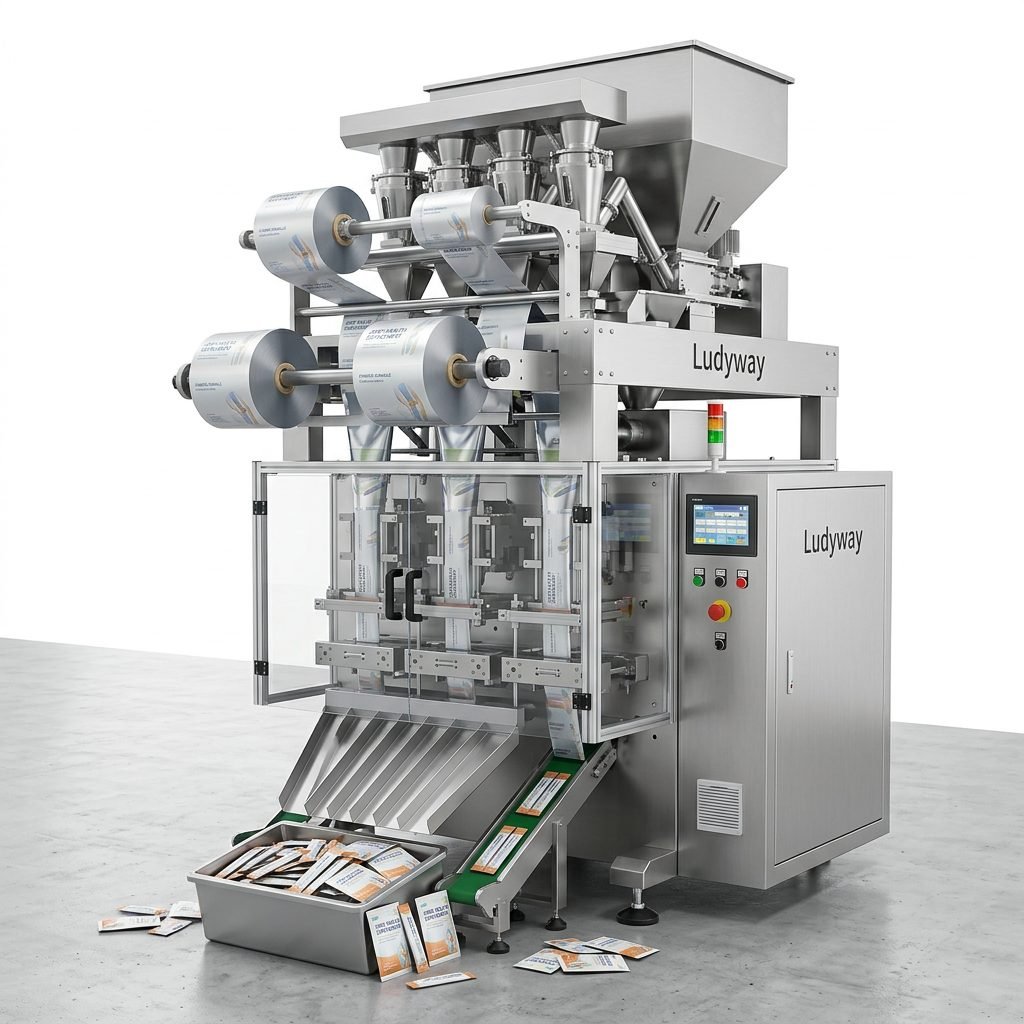
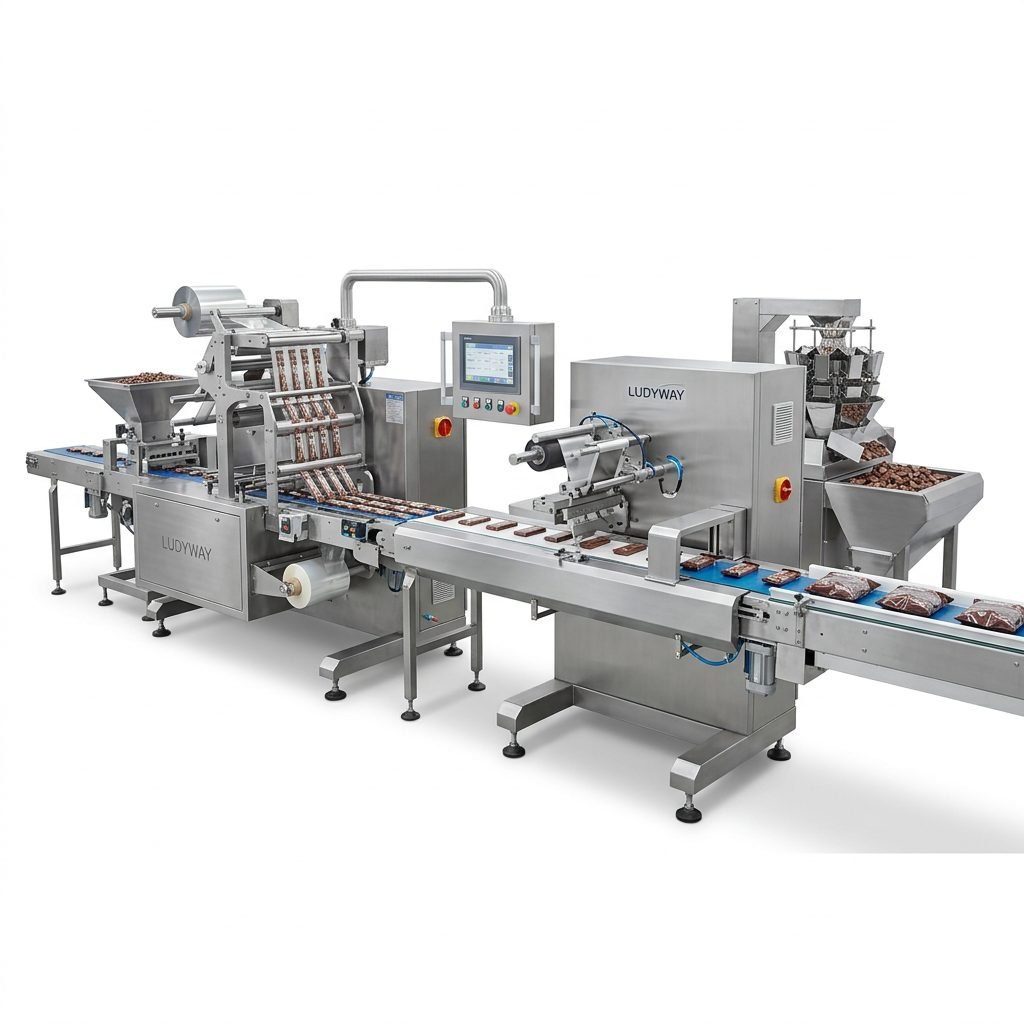
Before selecting equipment, you must define your product specifications. Chocolate bars are sensitive to temperature and humidity, demanding precise handling during the packaging process. Key factors include bar dimensions, wrapping style, desired output speed, and the need for additional features like nitrogen flushing for extended shelf life. A multi-lane flow wrapping machine is often the core of a modern chocolate packaging line, capable of handling high-speed wrapping with delicate control to prevent melting or breakage.
Step-by-Step Setup Process for Your Production Line
1. Production Capacity and Layout Planning
Determine your target output, typically measured in bars per minute. A standard industrial line can process between 100 to 800 bars per minute depending on the lane configuration. Map out your factory floor to accommodate the feeding system, primary wrapper, automatic cartoner, and end-of-line palletizing equipment. A well-planned layout minimizes material handling and prevents bottlenecks.
2. Selecting the Core Flow Wrapping Machine
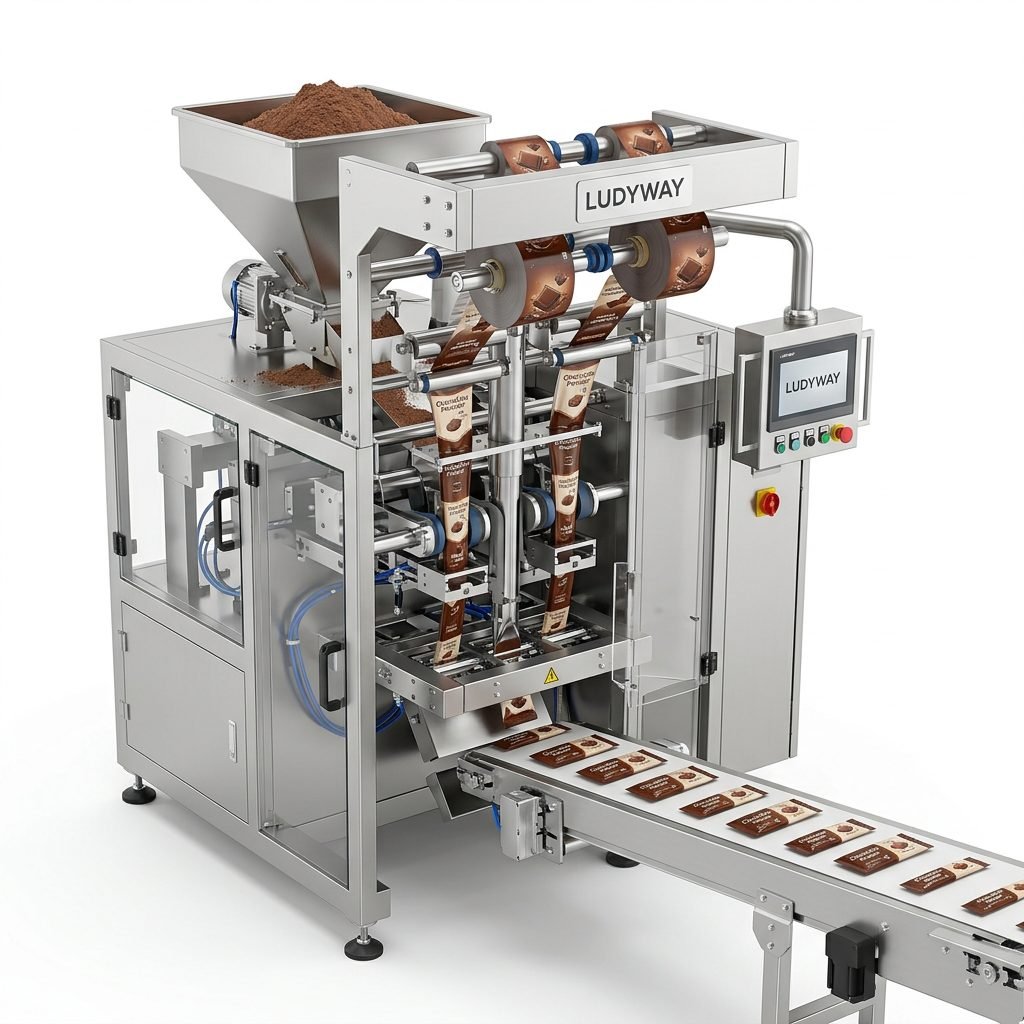
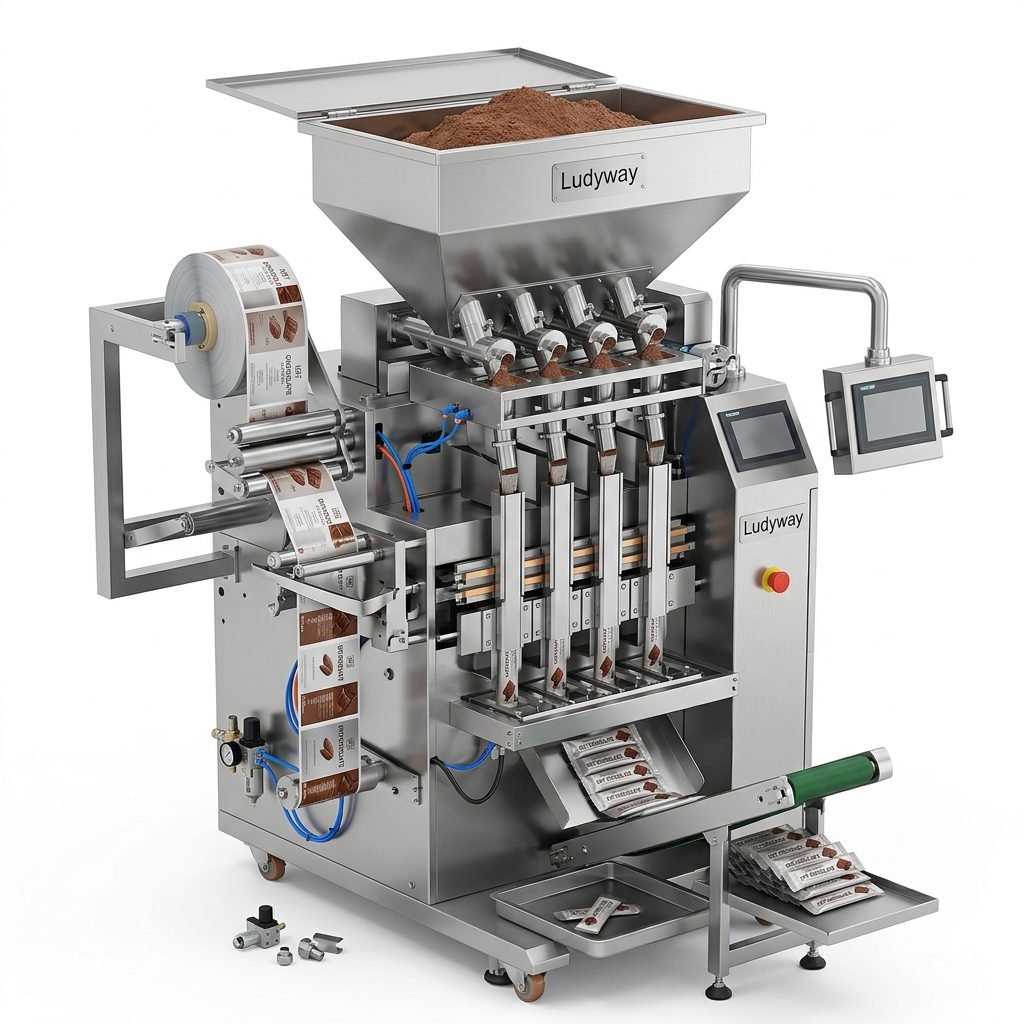
The flow wrapper is the heartbeat of the operation. For chocolate bars, a servo-driven multi-lane stick pack or bar wrapping machine offers the precision needed to avoid product damage. Look for machines with cold-seal or heat-seal capabilities, automatic film splicing, and integrated date coders. It’s crucial to choose a machine that can handle delicate chocolate coatings without leaving marks or causing deformation.
3. Integrating Automated Feeding and Distribution
A robust feeding system ensures bars are evenly spaced and oriented before entering the wrapper. Automated distribution conveyors with smart sensors align products from the cooling tunnel directly into the wrapping machine. This integration reduces manual labor and maintains the structural integrity of the chocolate during the transfer.
4. Secondary Packaging and Cartoning Solutions
Once wrapped, individual bars typically move into a cartoning machine. A high-speed automatic cartoner picks and places bars into boxes or trays, applies glue, and seals the cartons. Customizable carton styles and rapid changeover capabilities are essential if you produce multiple bar sizes or seasonal packaging designs.
5. Quality Control and Inspection Systems
Inline checkweighers and metal detectors are critical for compliance with international food safety standards like FDA Food Contact Substances regulations. Vision inspection systems verify seal integrity, label placement, and code accuracy, ensuring only perfectly sealed chocolate bars reach the market.
Key Machinery Components and Specifications
The following table outlines the primary machinery components for a standard chocolate bar packaging production line:
| Machine Type | Primary Function | Key Specification |
|---|---|---|
| Multi-Lane Flow Wrapper | Primary wrapping of chocolate bars | Servo-driven, 4-10 lanes, 100-800 ppm |
| Automatic Cartoner | Boxing wrapped bars into cartons | Continuous motion, hot melt glue system |
| Checkweigher/Metal Detector | Weight and contaminant control | High precision, stainless steel construction |
Advantages of Setting Up Your Line in China
China is a global hub for packaging machinery, offering advanced technology at competitive prices. The supply chain for spare parts is robust, and many manufacturers provide turnkey solutions including factory acceptance testing (FAT) and on-site installation support. By sourcing a complete line from a single experienced supplier, you simplify technical communication and streamline after-sales service.
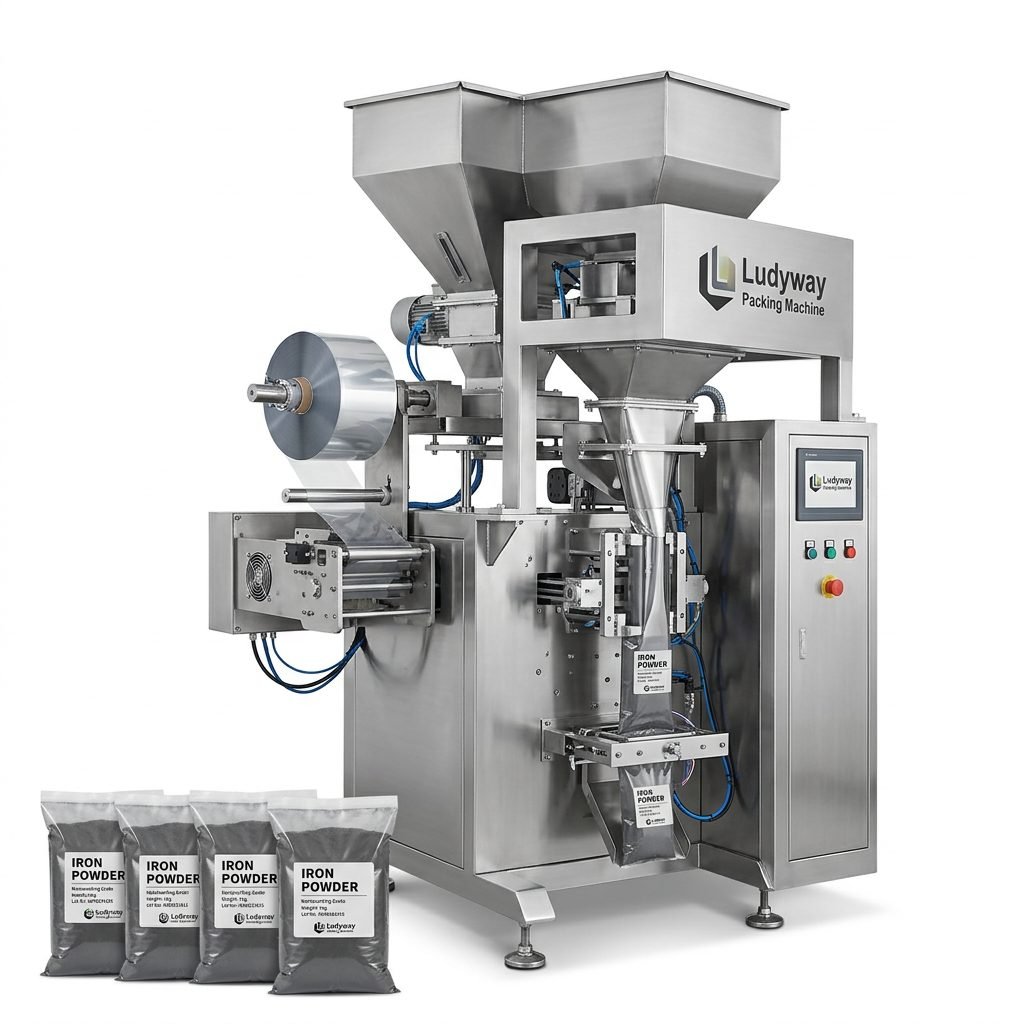
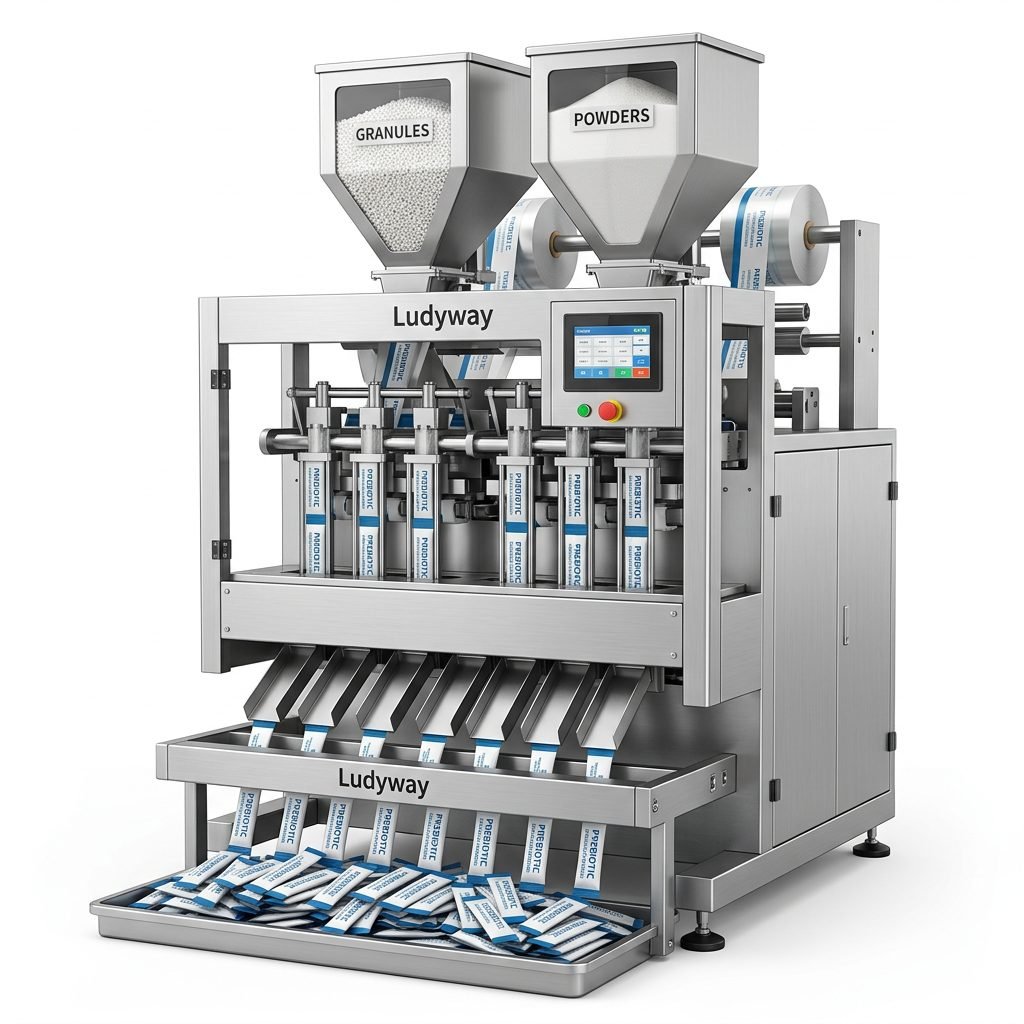
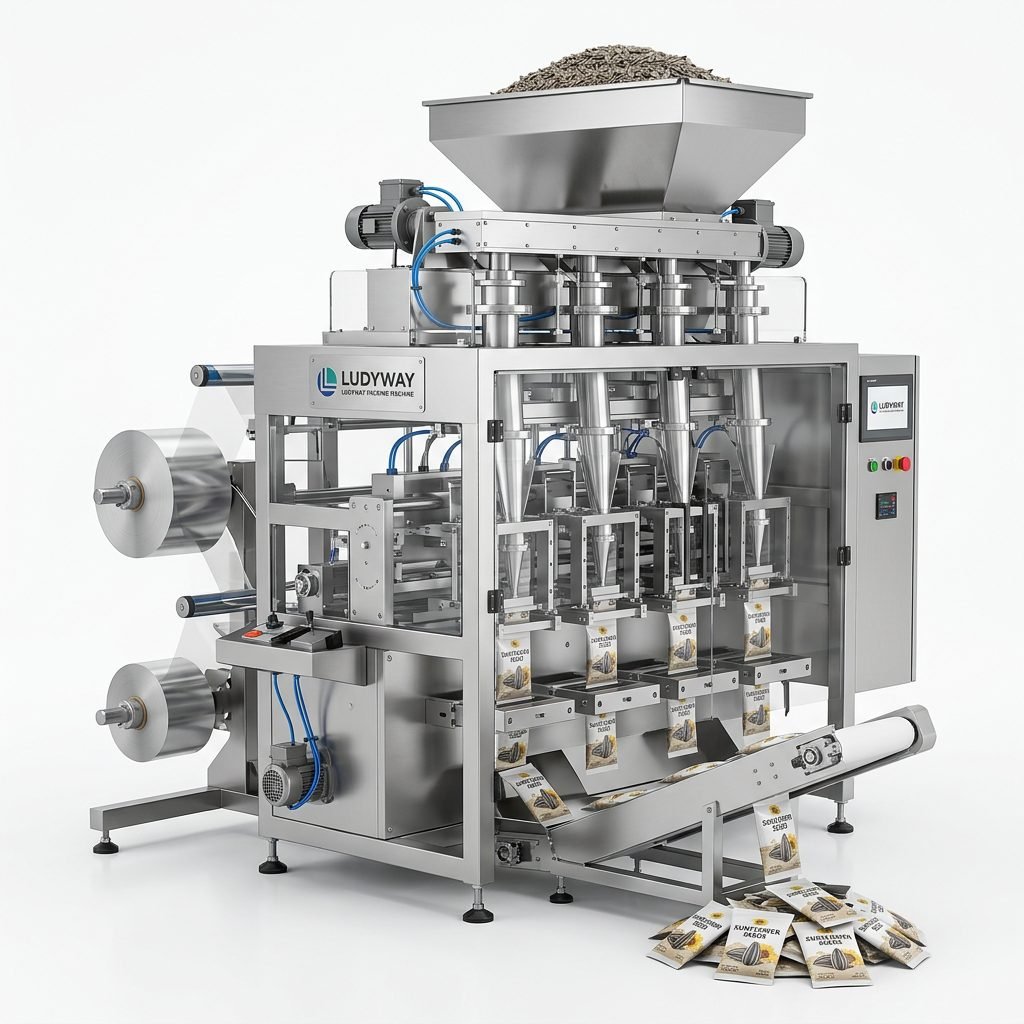
A reputable provider like Ludyway is one of the largest packaging machine manufacturers in China, specializing in fully automated packaging systems for the food industry. Their expertise in granule, powder, and bar packaging ensures a smooth transition from raw material to finished, shelf-ready chocolate products.
Finding a Reliable Machine Supplier
When vetting suppliers, request a detailed proposal that includes 3D layout drawings, component brand lists (like Siemens, Omron, or Mitsubishi for electronics), and installation timelines. A supplier with a strong track record in confectionery packaging will understand the nuances of chocolate processing, such as temperature-resistant film feeding and gentle product handling. Industry resources like those from PMMI’s State of the Industry reports provide valuable benchmarks for machine performance and market trends.
Installation, Commissioning, and Staff Training
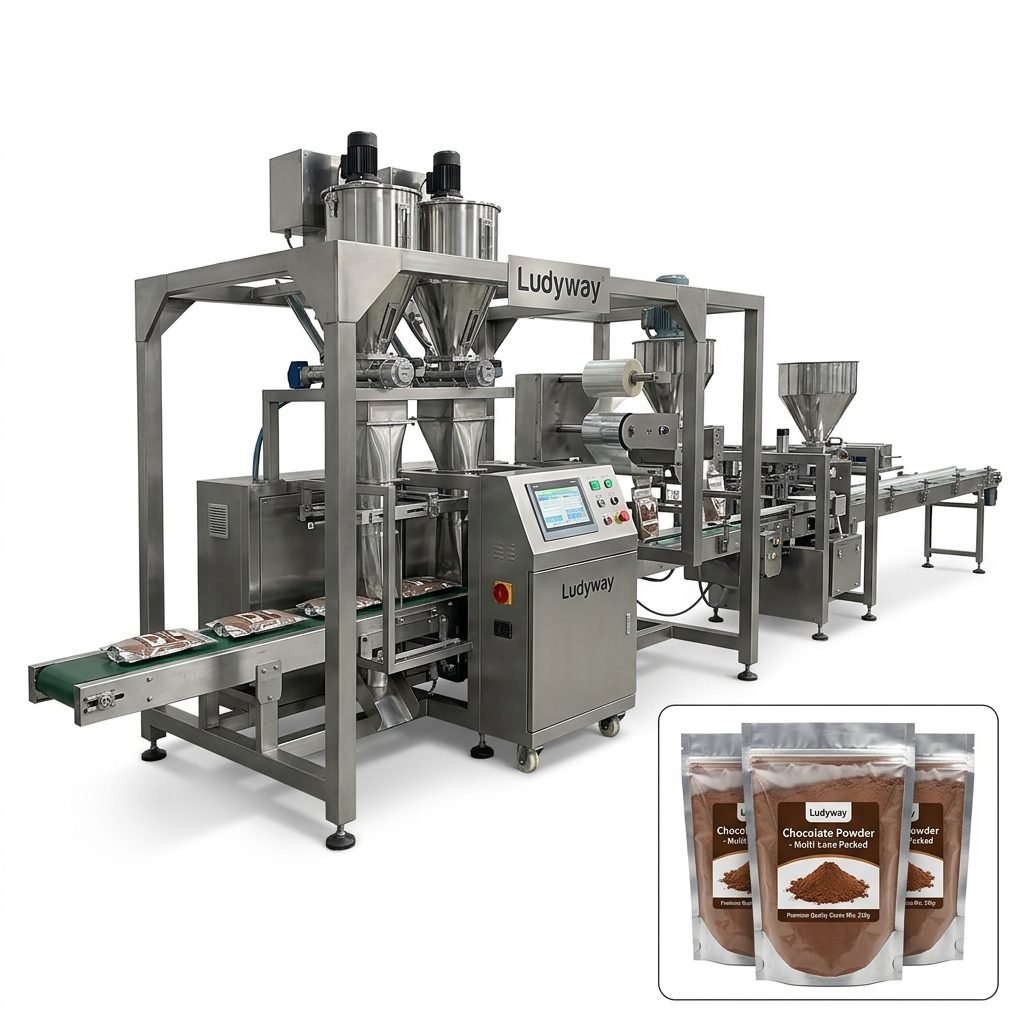
After the equipment arrives, a team of engineers will install, level, and calibrate the machinery. Integration with your existing cooling and conveyor systems is vital. Comprehensive operator training ensures your staff can manage daily operations, film changes, and basic troubleshooting. A factory acceptance test (FAT) before shipment and a site acceptance test (SAT) after installation guarantee the line meets agreed-upon performance criteria.
Maintenance Best Practices for Long-Term Reliability
Preventive maintenance schedules keep the production line running efficiently. Regularly inspect sealing jaws, belts, and sensors. Keep a stock of critical spare parts such as heating elements, thermocouples, and timing belts to minimize downtime. Many Chinese manufacturers offer remote diagnostic support and annual maintenance contracts to ensure your chocolate bar production remains uninterrupted.
Cost Considerations and ROI Analysis
The investment for a complete automatic line varies based on speed, lane configuration, and auxiliary equipment. Generally, a mid-to-high-speed chocolate bar packaging line sourced from China offers significant cost advantages compared to European equivalents while delivering comparable output and reliability. Calculate ROI based on labor reduction, increased throughput, and reduced film waste from precision wrapping. Additional standards guidance can be found through resources like ISO Packaging Standards.
Compliance with International Packaging Standards
Ensure the chosen machinery complies with relevant certifications such as CE, UL, or CSA depending on your target market. Food-grade stainless steel construction, IP65 washdown protection, and sealed bearings are non-negotiable for confectionery processing. Adhering to standards set by organizations like the Flexible Packaging Association ensures your chocolate bars meet retailer and consumer expectations worldwide.
Future-Proofing Your Chocolate Packaging Line
As the chocolate market evolves, flexibility is essential. Choose modular machines that can adapt to new wrapping materials, such as compostable films or paper-based laminates. Smart factory connectivity, including data logging of Overall Equipment Effectiveness (OEE) and predictive maintenance alerts, is increasingly standard in advanced Chinese packaging machinery, preparing your factory for Industry 4.0 integration.
- ✓ Define bar dimensions and wrapping style first
- ✓ Select servo-driven multi-lane flow wrapper for gentle handling
- ✓ Integrate inline inspection for safety and quality
- ✓ Source complete turnkey line from experienced Chinese supplier
- ✓ Invest in operator training and preventive maintenance plans
By following this comprehensive guide, you can successfully establish a chocolate bar packaging production line in China that maximizes efficiency, maintains premium product quality, and supports your brand’s growth in the competitive global confectionery market. Proper planning, supplier due diligence, and a focus on automation will deliver a packaging solution that performs reliably for years to come.