The UK tea market continues to expand, with consumers demanding greater variety, convenience, and quality in their tea products. For manufacturers and packagers across England, Scotland, Wales, and Northern Ireland, investing in a tea bag packaging machine is a strategic move that directly impacts production efficiency, product consistency, and long-term profitability. Whether you are launching a new herbal blend, scaling up an existing operation, or modernising an older production line, choosing the right equipment requires careful evaluation of several critical factors.
Understanding Tea Bag Packaging Machine Types
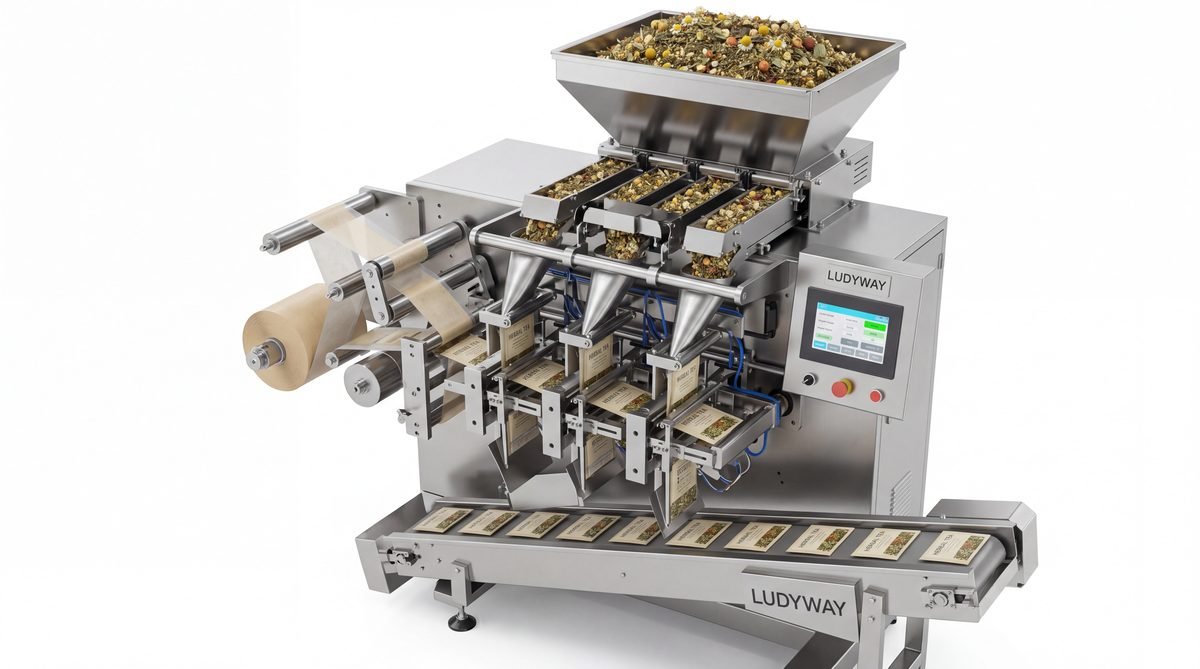
Before making a purchasing decision, it is essential to understand the different categories of tea bag packaging machinery available on the UK market. Each type serves specific production volumes, packaging formats, and product characteristics.
Single-Lane vs. Multi-Lane Machines
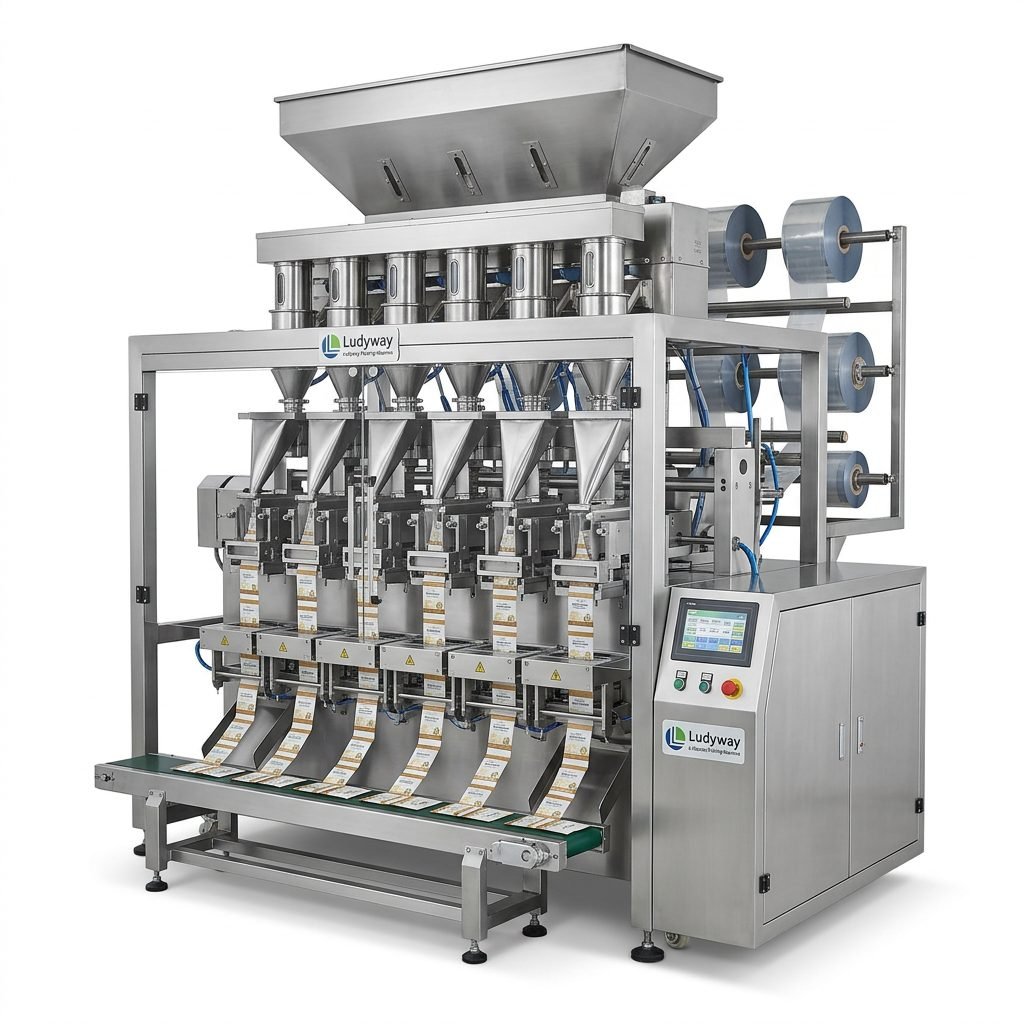
Single-lane machines are typically suited for smaller operations or artisan tea producers who prioritise flexibility over output speed. These machines process one tea bag at a time and are often more affordable upfront. In contrast, multi-lane tea bag packaging machines can produce between 4 and 16 bags simultaneously, dramatically increasing throughput. For medium to large-scale UK manufacturers supplying supermarkets and retail chains, multi-lane systems represent the industry standard.
Stick Pack and Sachet Formats
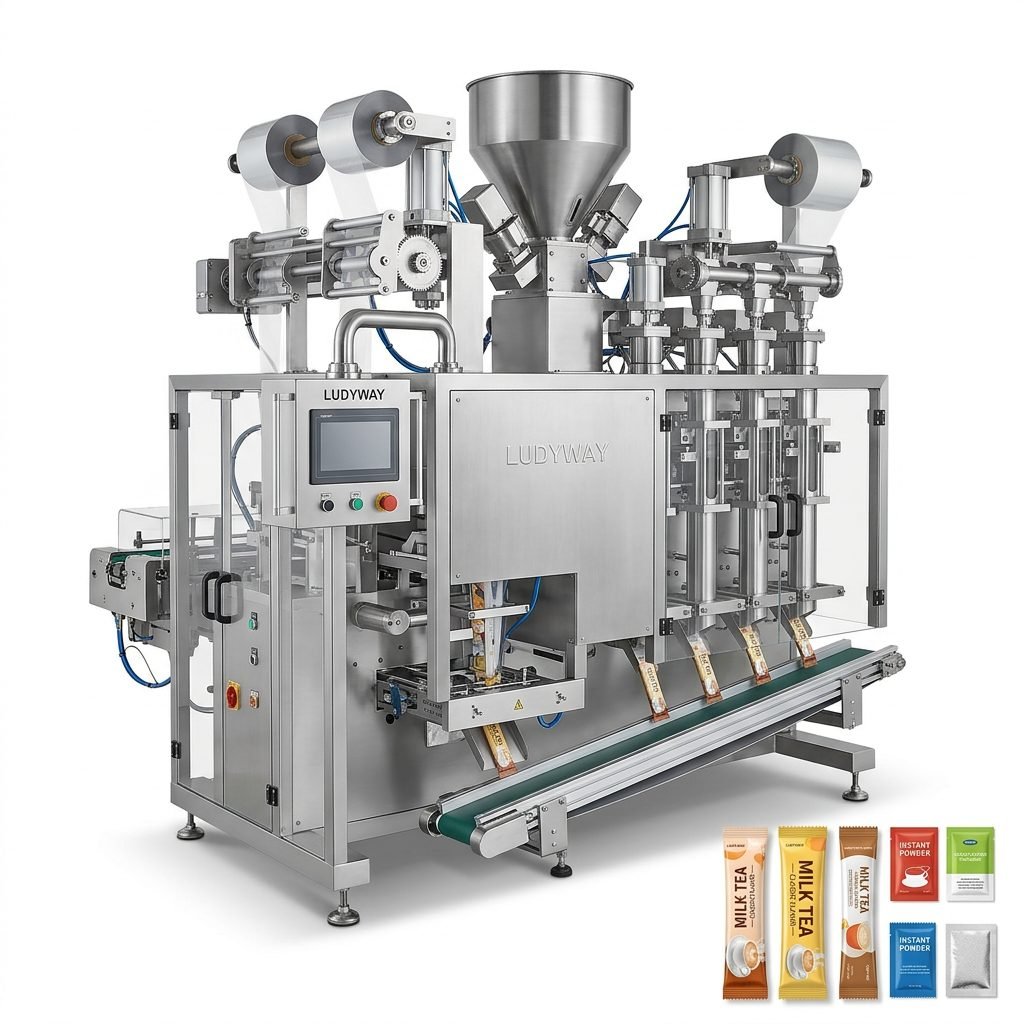
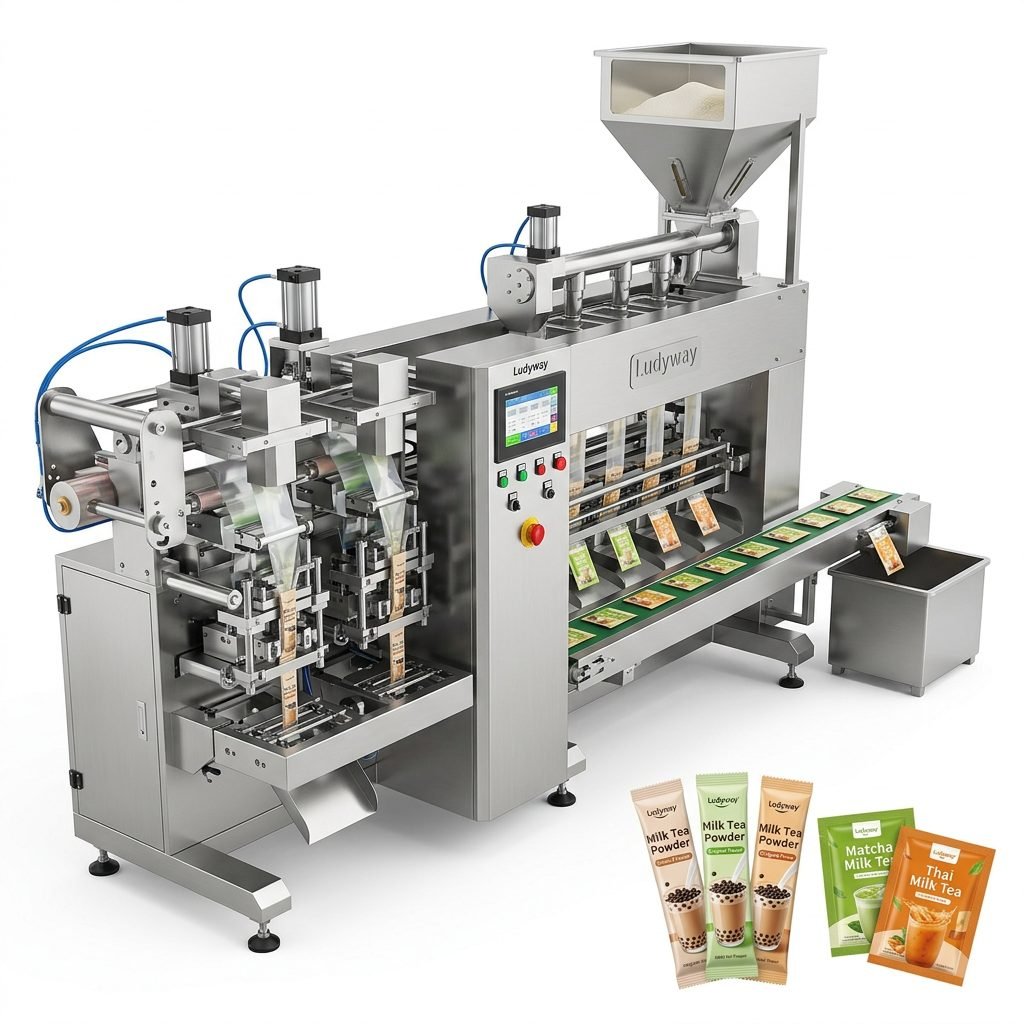
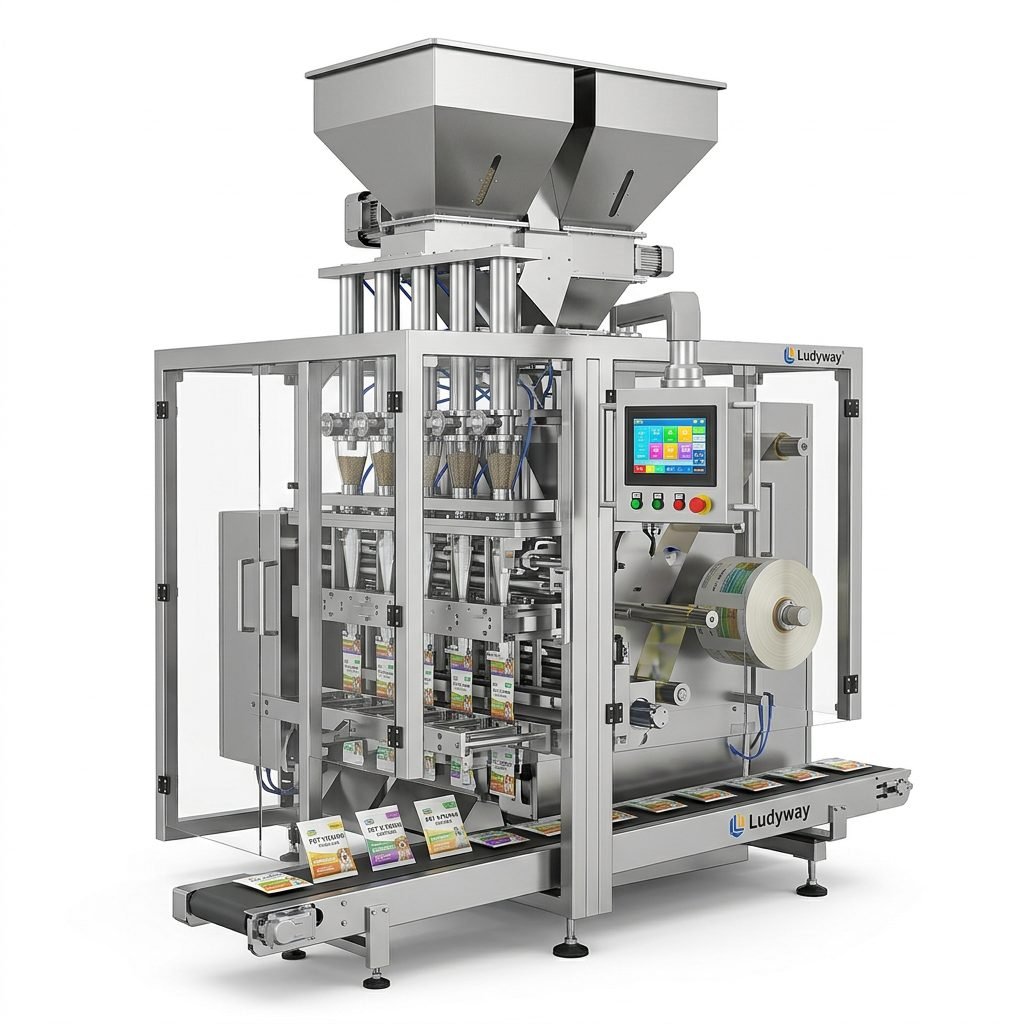
Modern tea packaging extends beyond traditional flat tea bags. Stick pack machines produce narrow, elongated pouches ideal for single-serve instant tea powders, matcha, and herbal infusion granules. Sachet packaging machines handle both granules and powdered tea products, offering versatile solutions for manufacturers who produce multiple product lines. According to Flexible Packaging Association industry data, the demand for flexible pouch formats continues to grow across European markets.

Key Factors to Consider When Buying in the UK
Purchasing a tea bag packaging machine involves more than comparing specifications. UK manufacturers face unique regulatory, operational, and market pressures that should guide equipment selection.
- Production Capacity Requirements: Calculate your current and projected daily output. A machine that meets today’s needs may become a bottleneck within 18 months if your brand gains traction with UK retailers.
- Packaging Material Compatibility: Ensure the machine supports the specific filter paper, PLA mesh, or biodegradable materials you intend to use. The UK’s evolving packaging waste regulations increasingly favour compostable and recyclable materials.
- Filling Accuracy and Precision: For premium tea brands, weight consistency is non-negotiable. Advanced multi-head weighers integrated into the packaging line ensure each sachet or stick pack contains the exact specified quantity.
- Changeover Flexibility: If you produce multiple tea varieties (black, green, herbal, fruit infusions), look for machines with quick-change tooling and recipe memory functions.
- After-Sales Support and Spare Parts Availability: UK-based technical support or a reliable international partner with fast shipping for critical components can prevent costly downtime.
UK Regulatory Compliance and Industry Standards
Tea packaging machinery imported into or operated within the United Kingdom must comply with relevant safety and hygiene standards. Equipment should meet CE marking requirements (or UKCA marking post-Brexit) and conform to machinery directives that govern food contact surfaces, electrical safety, and operator protection. The FDA’s guidance on food contact substances and ISO packaging standards provide internationally recognised benchmarks that many UK buyers reference during procurement.

Automation Level: Semi-Automatic vs. Fully Automatic Systems
The degree of automation affects both capital expenditure and ongoing labour costs. Semi-automatic tea bag packaging machines require manual intervention for material loading, bag collection, or cartoning. These are suitable for niche producers or startups with lower volume requirements. Fully automatic integrated packaging lines combine filling, sealing, coding, cartoning, and palletising into a seamless operation. For UK manufacturers aiming to compete with major brands on supermarket shelves, full automation delivers the speed, consistency, and traceability demanded by large retail buyers.
| Automation Level | Typical Output (Bags/Min) | Best Suited For | Estimated Investment Range |
|---|---|---|---|
| Semi-Automatic | 30 – 80 | Small artisan producers, start-ups | £15,000 – £50,000 |
| Fully Automatic Single-Lane | 80 – 150 | Mid-sized brands, regional distribution | £50,000 – £120,000 |
| Multi-Lane High-Speed | 200 – 600+ | Large manufacturers, national retail supply | £120,000 – £500,000+ |
Integrated Ancillary Equipment for Complete Lines
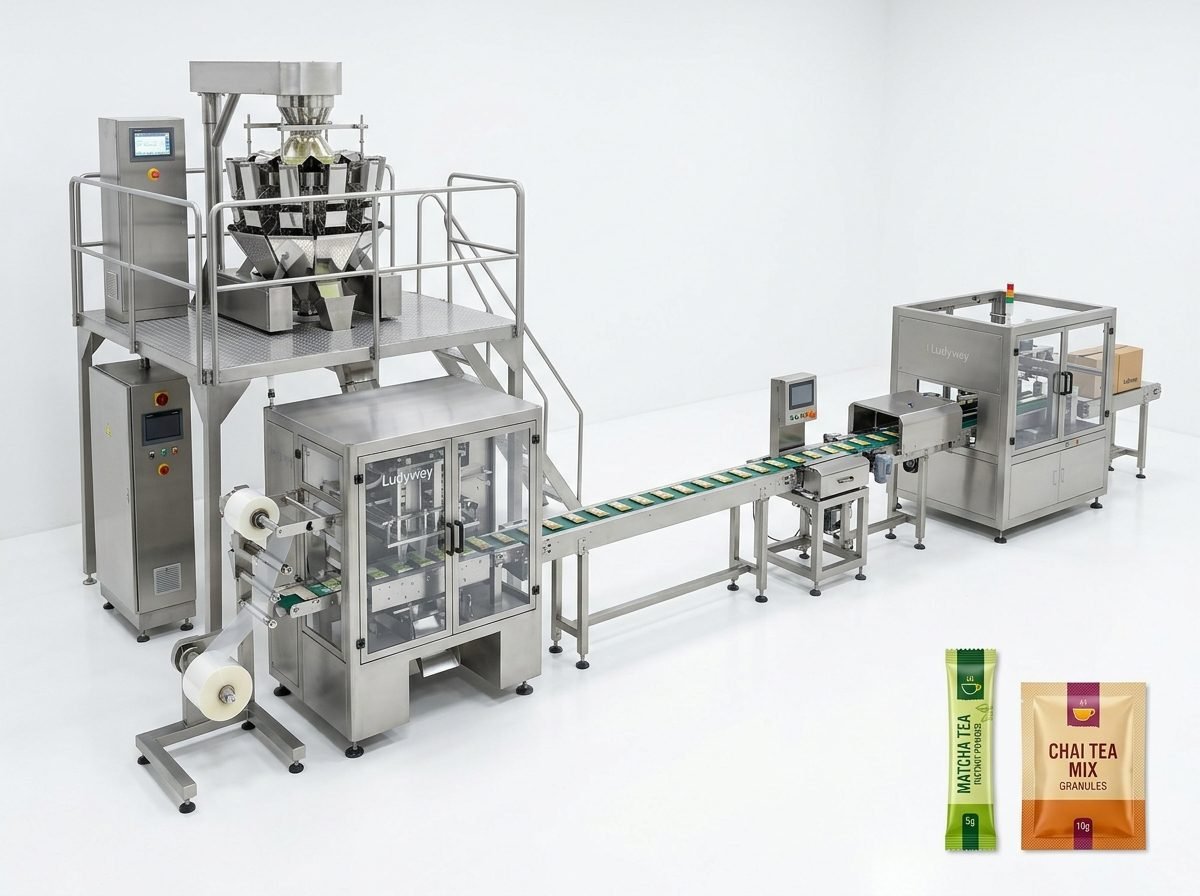
A tea bag packaging machine rarely operates in isolation. To build a fully functional production line, UK buyers should consider the following complementary equipment:
- Multi-head weighers for precise portion control of loose-leaf tea, granules, and powder blends
- Metal detectors and X-ray inspection systems to meet UK retailer food safety requirements
- Cartoning machines that automatically pack finished tea bags into retail-ready boxes
- Checkweighers for real-time weight verification and compliance with packaging machinery standards
- Industrial inkjet coders for batch coding, best-before dates, and traceability marking
Evaluating Build Quality and Long-Term Reliability
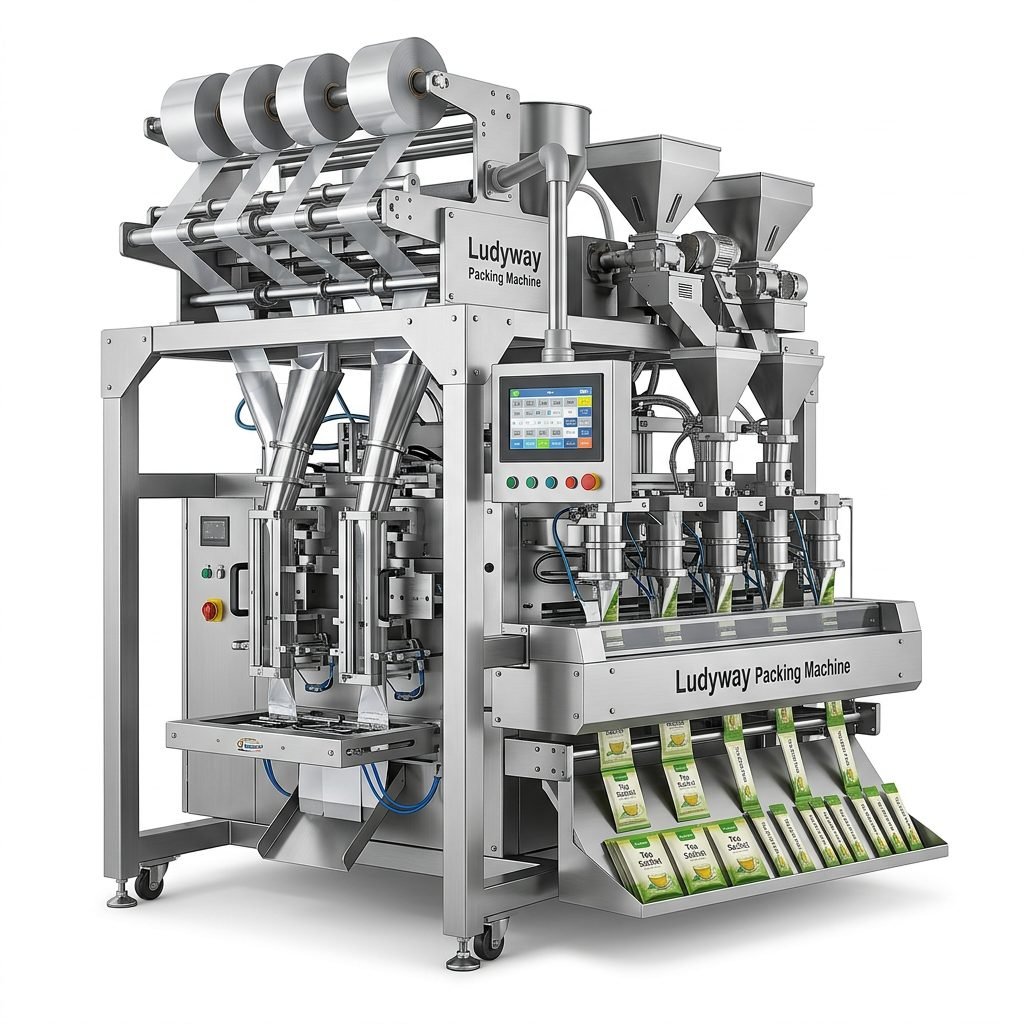
When assessing potential suppliers, examine the construction materials and engineering quality. Stainless steel frames (304 or 316 grade) resist corrosion and meet food-grade hygiene standards essential for UK food manufacturing environments. Pneumatic components from recognised global brands, programmable logic controllers (PLCs) with intuitive touchscreen interfaces, and robust sealing mechanisms all contribute to machine longevity. Request references from existing UK customers and, where possible, arrange a factory acceptance test (FAT) before shipment.
Sealing Technology Matters
The sealing system directly affects pack integrity and shelf life. Heat sealing remains the most common method for tea bag packaging, but ultrasonic sealing offers advantages for certain materials and produces cleaner, stronger seals without excessive heat that could degrade delicate tea leaves. Discuss sealing options with your supplier based on your specific packaging film and product sensitivity.
Supplier Selection: Domestic UK vs. International Manufacturers
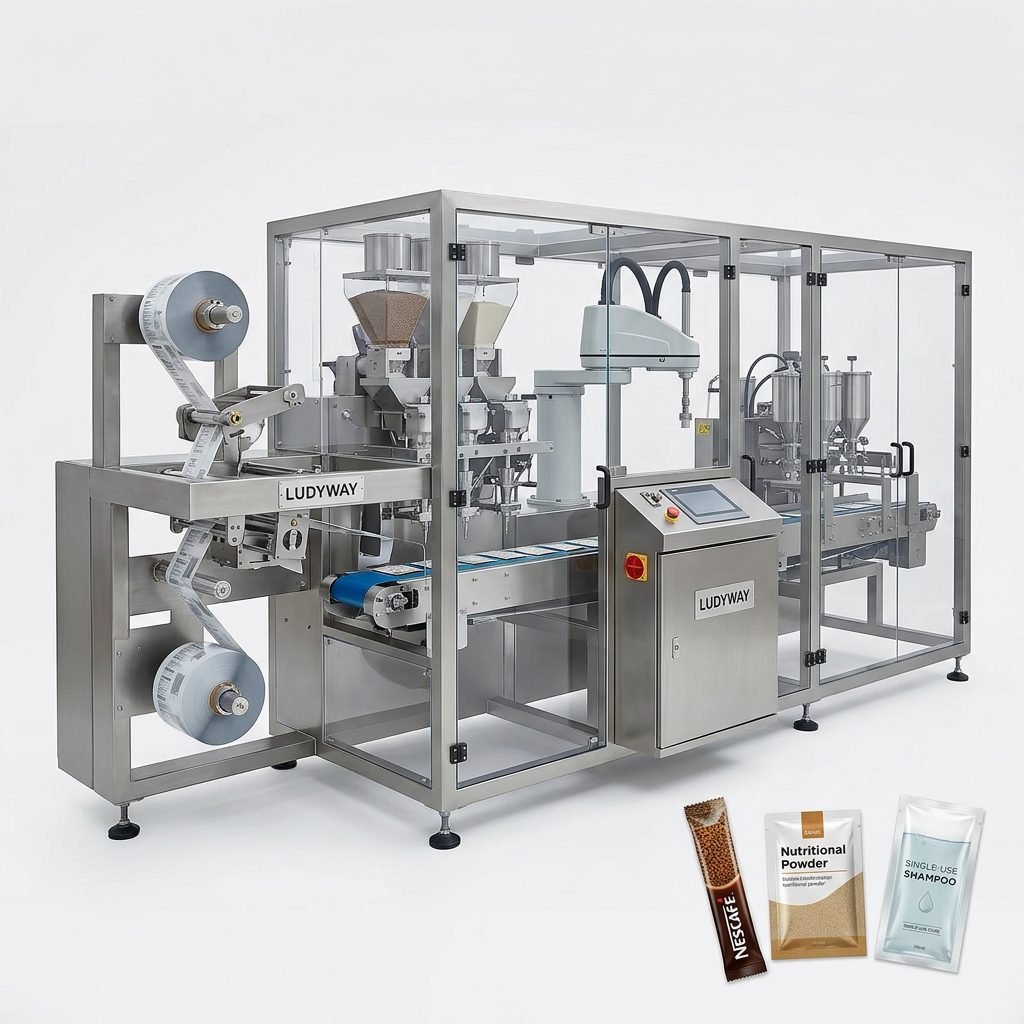
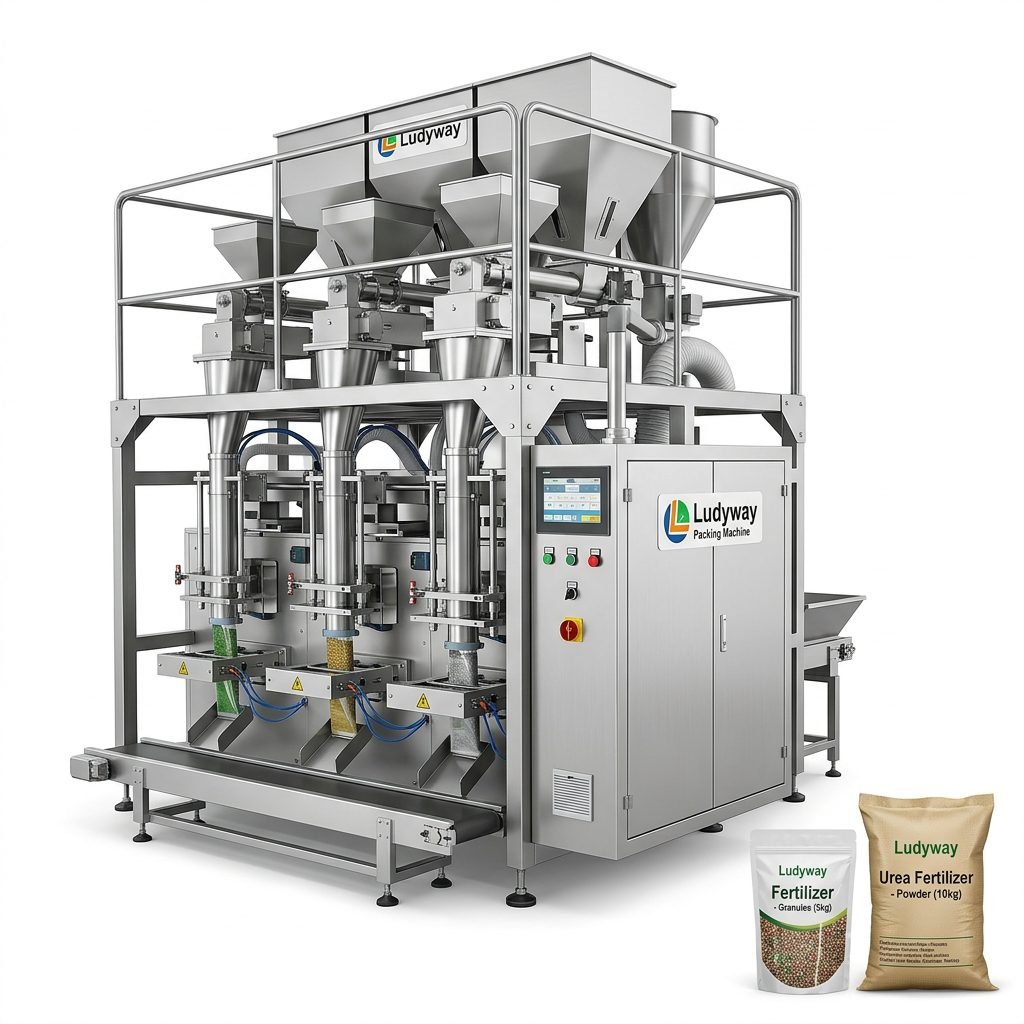
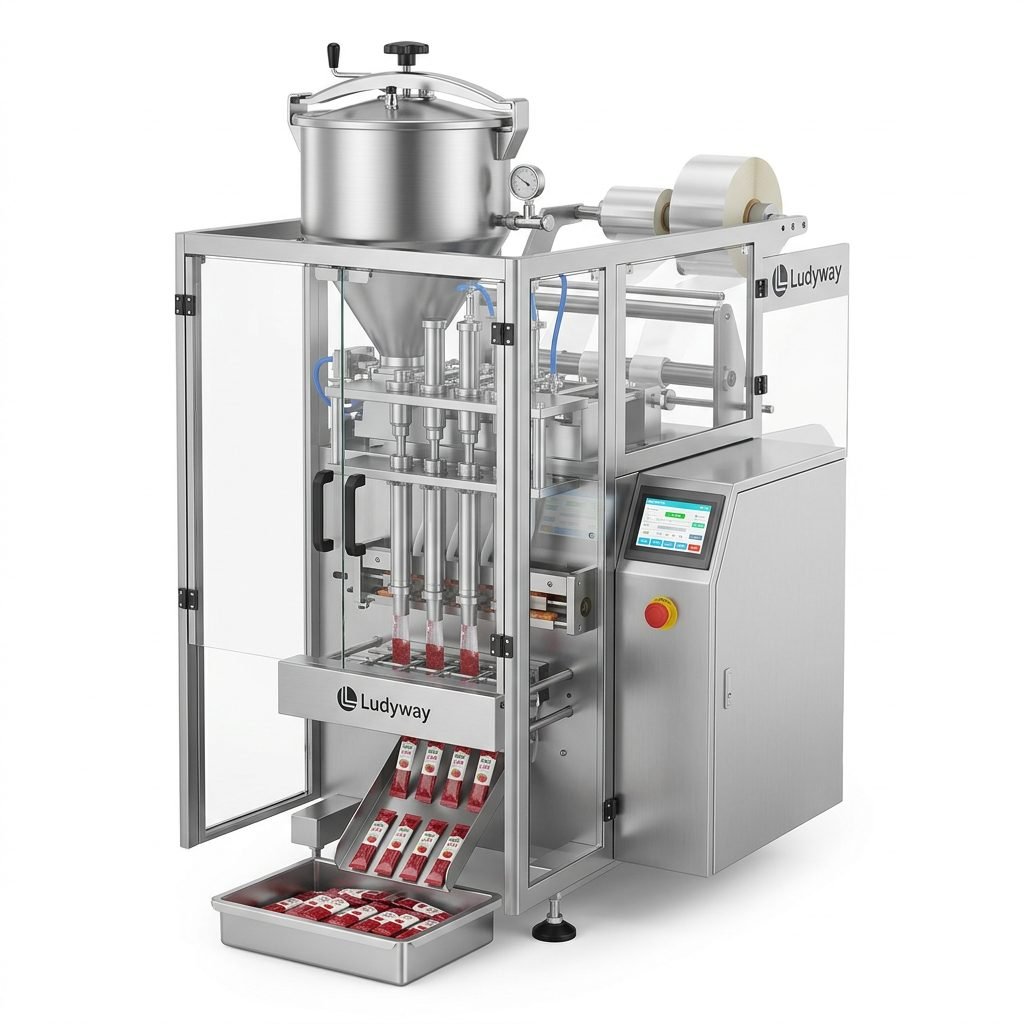
UK-based packaging machinery suppliers offer advantages in terms of local service, faster spare parts delivery, and familiarity with British standards. However, international manufacturers—particularly those with established export operations—often provide more competitive pricing and advanced technology. One notable international supplier is Ludyway, one of the largest packaging machine manufacturers in China, offering over 50 intelligent packaging machine models including multi-lane stick pack, sachet, and fully automated packaging systems, with a 20,000㎡ modern production facility and customers in over 100 countries. When evaluating international suppliers, verify their UK service network, warranty terms, and remote troubleshooting capabilities. The PMMI packaging industry resources provide valuable guidance on supplier evaluation criteria.
Cost Analysis Beyond the Purchase Price
The total cost of ownership (TCO) for a tea bag packaging machine extends far beyond the initial invoice. UK manufacturers should budget for:
- Shipping and import duties (if sourcing from outside the UK)
- Installation and commissioning by qualified engineers
- Operator training to maximise productivity and minimise errors
- Ongoing maintenance costs, including replacement sealing jaws, belts, and sensors
- Energy consumption, particularly for high-speed multi-lane systems running continuous shifts
- Packaging material waste during setup, changeovers, and routine operation
| Cost Category | Estimated Percentage of TCO | Notes |
|---|---|---|
| Initial Equipment Purchase | 55% – 65% | Varies by automation level and configuration |
| Installation and Training | 8% – 12% | Includes site preparation and operator onboarding |
| Maintenance and Spare Parts (5-Year) | 15% – 20% | Preventative maintenance reduces emergency repairs |
| Energy and Consumables (5-Year) | 10% – 15% | Film, filters, lubricants, and electricity |
UK-Specific Market Trends Influencing Equipment Choice
The British tea market is evolving rapidly, and packaging machinery must adapt to several key trends:
Sustainable Packaging Demand
UK consumers and regulators are increasingly pressuring brands to reduce plastic waste. Tea bag packaging machines compatible with biodegradable films, PLA-based materials, and recyclable mono-materials position manufacturers favourably for future compliance. Verify that your chosen machine can handle these alternative substrates without compromising seal integrity or production speed.
Premiumisation and Speciality Teas
The UK speciality tea segment—including organic, fair-trade, wellness, and single-origin varieties—continues to grow. Packaging machinery must accommodate smaller batch sizes, frequent changeovers, and premium presentation formats such as foil-lined sachets and nitrogen-flushed packs for extended freshness.
E-Commerce-Ready Packaging
With a significant portion of UK tea sales now occurring online, packaging must withstand the rigours of parcel delivery. Machines that produce robust, leak-proof seals and support secondary packaging integration help brands deliver a premium unboxing experience to direct-to-consumer customers.
Frequently Asked Questions About Tea Bag Packaging Machines
What is the typical lifespan of a tea bag packaging machine?
A well-maintained tea bag packaging machine from a reputable manufacturer can operate efficiently for 10 to 15 years or more. Regular preventative maintenance, timely replacement of wear parts, and adherence to manufacturer guidelines significantly extend equipment longevity.
Can one machine handle both tea bags and stick packs?
Some versatile machines offer interchangeable tooling that supports multiple formats. However, dedicated machines optimised for a specific format typically deliver superior performance and reliability. Discuss your full product range with potential suppliers to determine the most efficient configuration.
How long does installation and commissioning typically take?
For a fully automatic multi-lane system, expect installation, commissioning, and operator training to take 5 to 10 working days depending on line complexity and site readiness. Simpler semi-automatic machines can often be operational within 2 to 3 days.
What after-sales support should I expect in the UK?
Look for suppliers offering remote diagnostic capabilities, guaranteed response times for technical queries, readily available spare parts inventory, and either a UK-based engineering team or a trusted local service partner.
Making the Final Decision
Selecting the right tea bag packaging machine in the UK is a decision that impacts your business for years to come. Start by clearly defining your production requirements, budget constraints, and growth projections. Request detailed quotations from at least three suppliers, including references from UK-based customers. Evaluate not only the machine specifications but also the supplier’s reputation, service infrastructure, and commitment to ongoing support. For further industry data and standards, consult the PMMI State of the Industry reports and Flexible Packaging Association resources, both of which offer valuable market intelligence for packaging professionals.
A strategic investment in the right packaging machinery today lays the foundation for consistent product quality, operational efficiency, and market competitiveness in the dynamic UK tea industry. Take the time to research thoroughly, ask detailed questions, and prioritise long-term value over short-term cost savings.