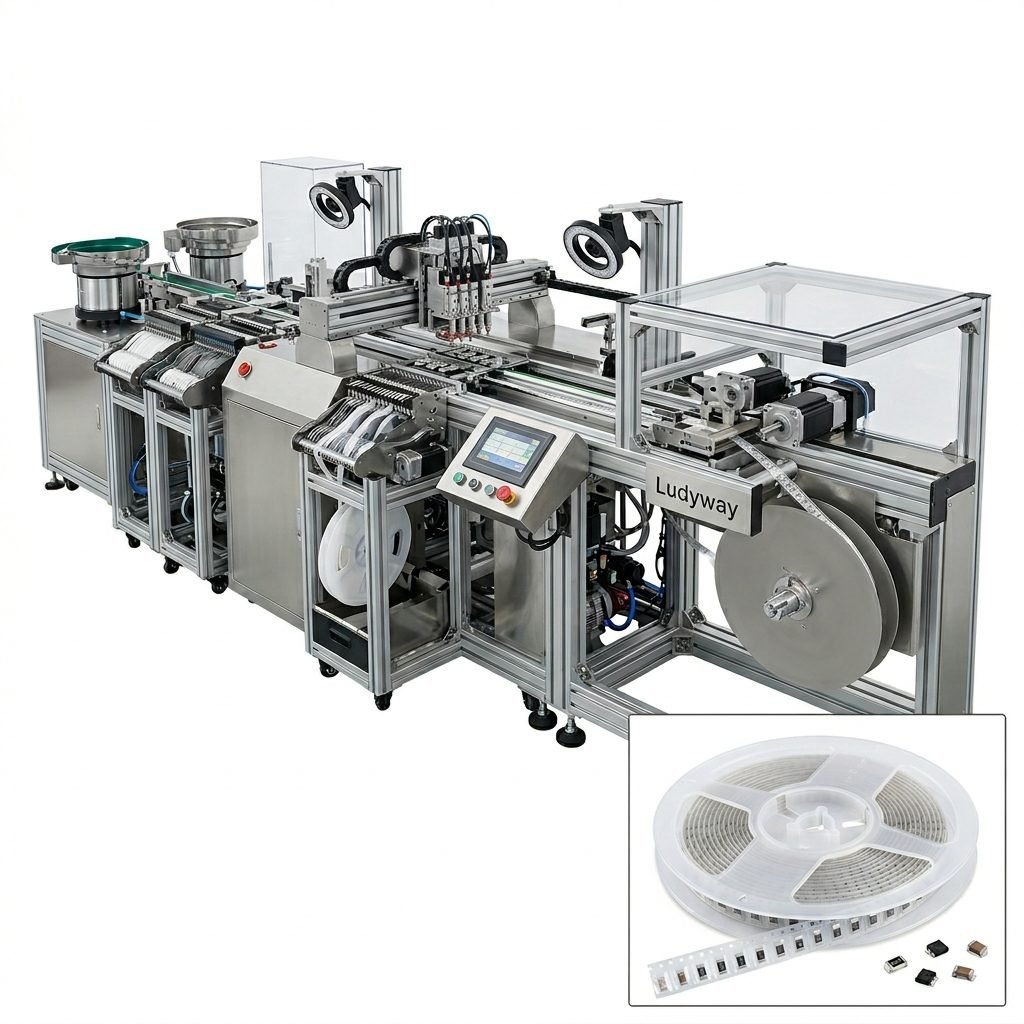
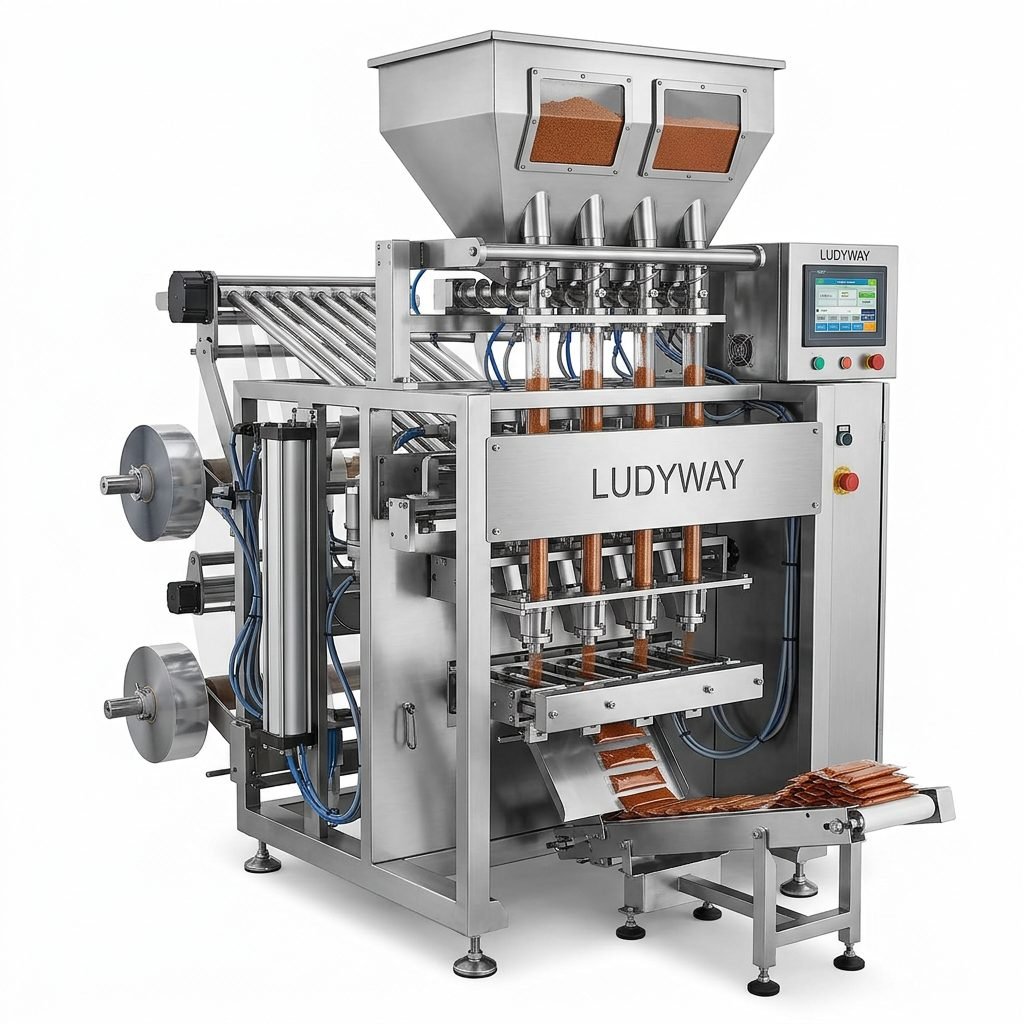
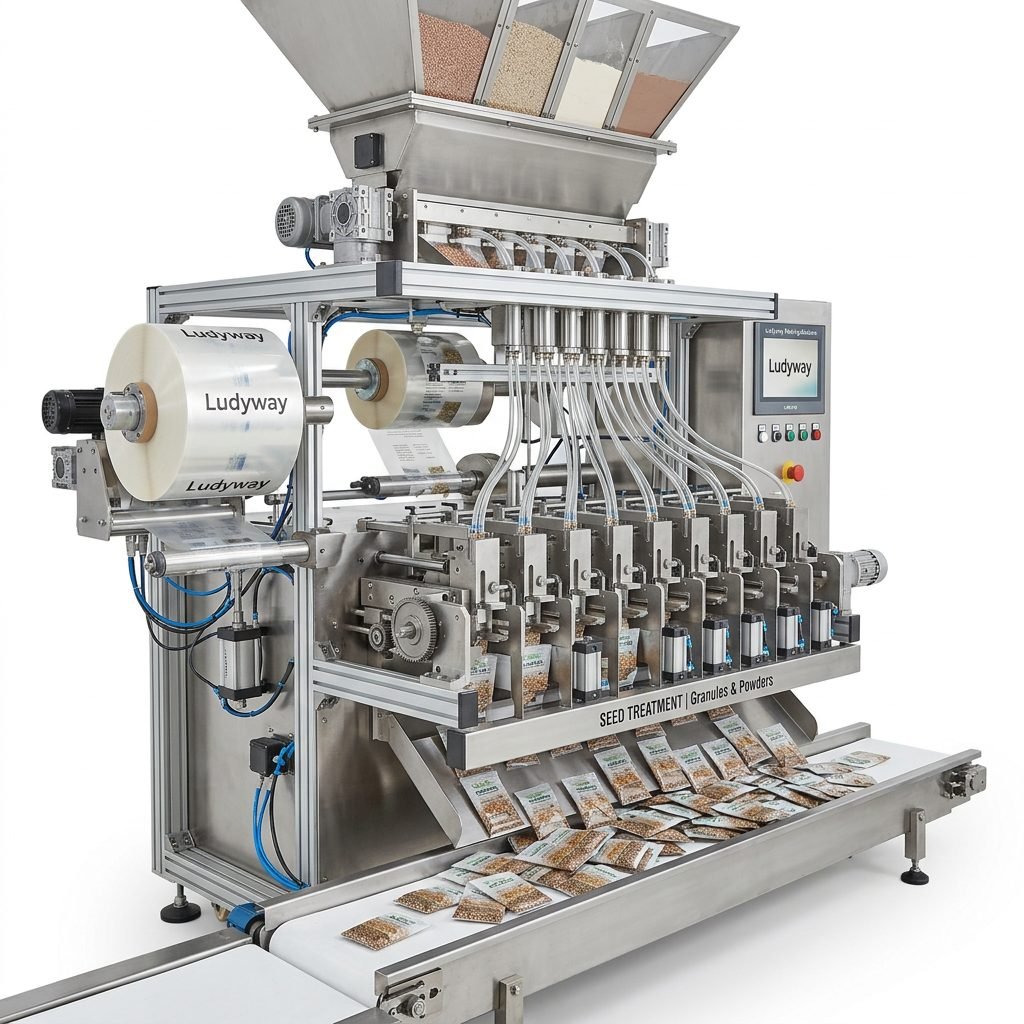
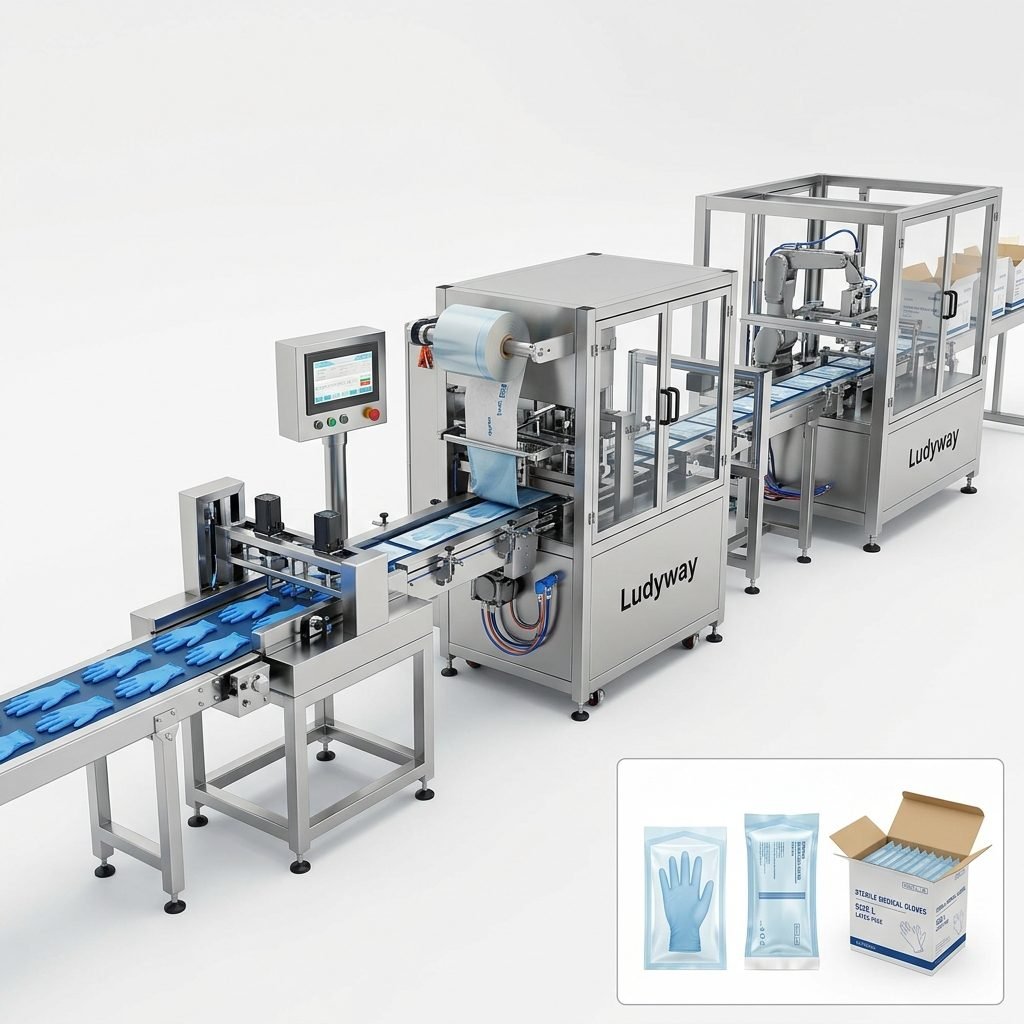
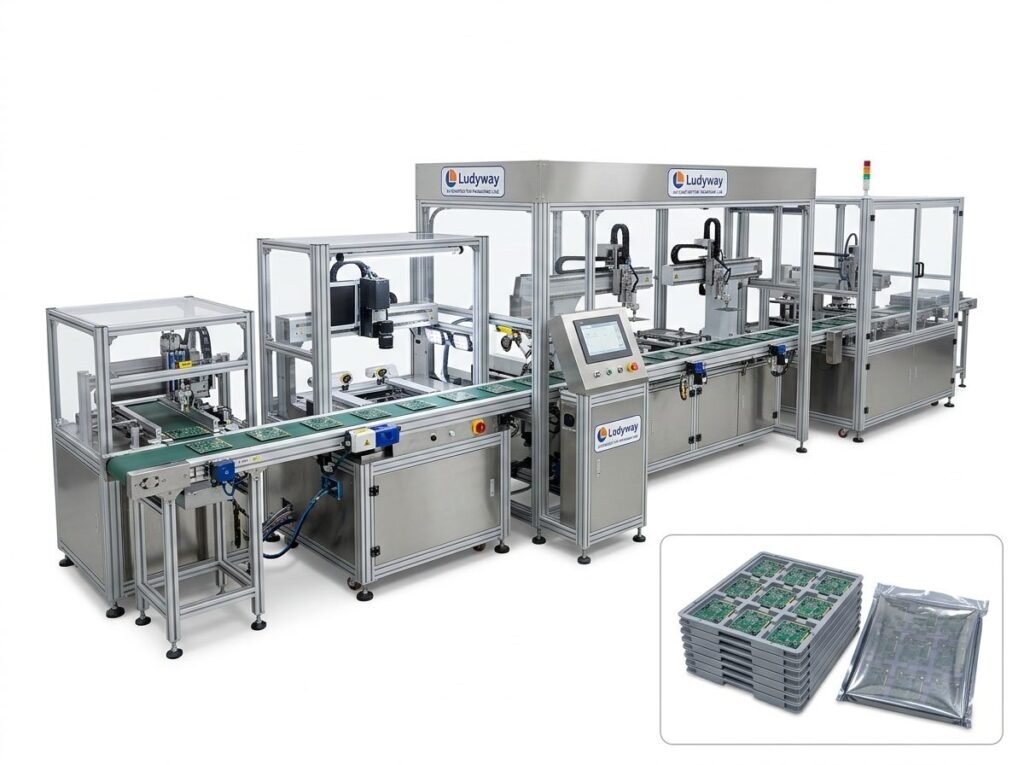
Smart manufacturing is changing how modern factories package, track, and deliver products. In this environment, smart packaging machines are no longer just production equipment—they are connected assets that support efficiency, traceability, quality control, and flexible automation. For food, pharmaceutical, health supplement, cosmetic, and chemical manufacturers, choosing the right machine can directly affect output, labor costs, downtime, and long-term competitiveness.
When businesses move toward Industry 4.0, packaging becomes one of the most valuable upgrade points. It sits at the end of production, where product value is finalized, compliance is checked, and speed matters most. A smart packaging machine helps manufacturers do more than fill and seal. It can collect real-time data, reduce human error, improve consistency, and integrate with upstream and downstream systems.
What Is a Smart Packaging Machine?
A smart packaging machine is automated packaging equipment equipped with digital control, monitoring, communication, and optimization capabilities. Unlike traditional standalone machines, smart systems can exchange data, detect abnormalities, support predictive maintenance, and connect with MES, ERP, SCADA, or factory management platforms.
Depending on the application, these machines may include features such as:
- PLC and HMI control for user-friendly operation
- Servo-driven accuracy for repeatable filling and sealing
- Sensor-based monitoring for material flow, sealing temperature, and positioning
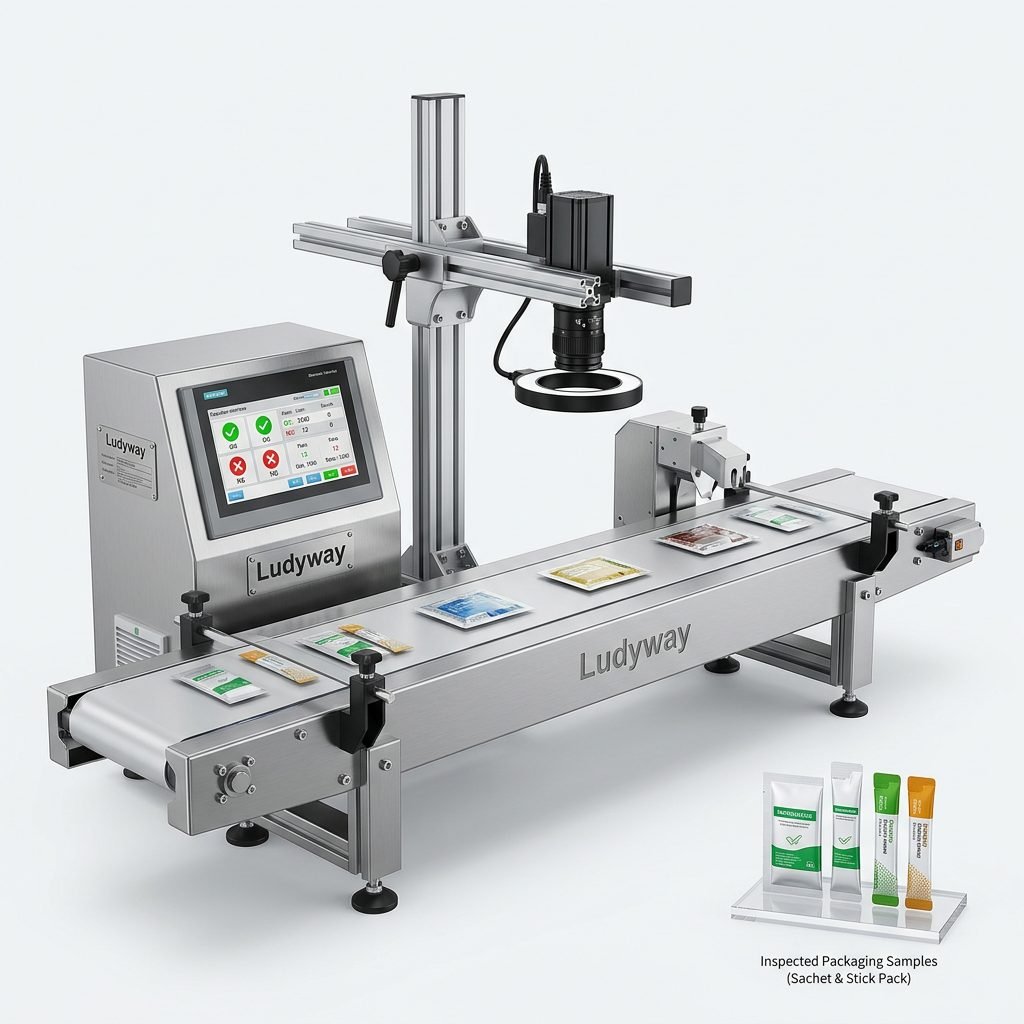
- Vision inspection systems for code, print, and pack quality checks
- Production data collection and remote diagnostics
- Alarm systems and fault analysis for faster troubleshooting
- Recipe storage for fast product changeovers
- Connectivity with plant-wide digital manufacturing systems
Why Smart Packaging Matters in Smart Manufacturing
Smart manufacturing is built on visibility, control, adaptability, and continuous improvement. Packaging is often where these principles become measurable. If a packaging stage is slow, inaccurate, or disconnected, it can reduce the value of the entire production line.
Smart packaging machines support manufacturers by helping them:
- Increase uptime through condition monitoring and early fault alerts
- Reduce waste by improving dosing, sealing, and packaging consistency
- Improve traceability with coding, inspection, and batch management
- Lower labor dependency through automation and line integration
- Respond faster to market changes with flexible formats and quick setup changes
- Support compliance in regulated sectors such as pharma and food
Core Features to Look For
Not every automated machine is truly smart. When evaluating equipment, buyers should focus on features that bring measurable operational value.
1. Real-Time Data Visibility
The machine should provide live information on speed, output, downtime, alarms, temperature, filling weight, and material consumption. This gives operators and managers better production control.
2. Intelligent Diagnostics
Fault self-detection helps reduce troubleshooting time. Machines that clearly identify sealing issues, film tracking errors, sensor failures, or feeding interruptions can minimize production losses.
3. Flexible Product Handling
Manufacturers often need to package different products, weights, pouch sizes, or stick pack formats. Smart equipment should support fast parameter changes and recipe switching with minimal manual adjustment.
4. Integration Capability
A smart packaging machine should connect smoothly with conveyors, feeders, checkweighers, printers, cartoners, case packers, palletizers, and central control platforms.
5. Quality Assurance Systems
Inspection systems such as metal detectors, checkweighers, vision inspection, and reject units play a major role in making packaging lines more reliable and compliant.
Key Benefits by Industry
Food Industry
Food packaging lines benefit from smart control because products often vary in particle size, moisture, sensitivity, and pack style. Smart systems help maintain consistent fill weight, sealing integrity, and coding accuracy while supporting high-speed output.
- Better portion control
- Reduced product giveaway
- Improved shelf-life protection
- More efficient SKU changes
Pharmaceutical Industry
In pharma, packaging must support strict requirements for accuracy, validation, traceability, and hygiene. Smart packaging systems help ensure repeatability and data recording while reducing compliance risk.
- Batch tracking and serialization support
- Stable filling precision
- Inspection-driven quality control
- Audit-friendly production records
Health Supplement Industry
Supplement brands often package powders, granules, capsules, gummies, and liquids in many small retail formats. Smart machines improve changeover speed and support multi-product production planning.
Cosmetic and Daily Chemical Industry
Sachets, stick packs, tubes, pouches, and bottles require stable filling and attractive presentation. Smart equipment helps maintain accurate dosing and cleaner package appearance, especially for creams, gels, serums, and liquids.
Common Machine Types Used in Smart Packaging
| Machine Type | Typical Products | Smart Advantage |
|---|---|---|
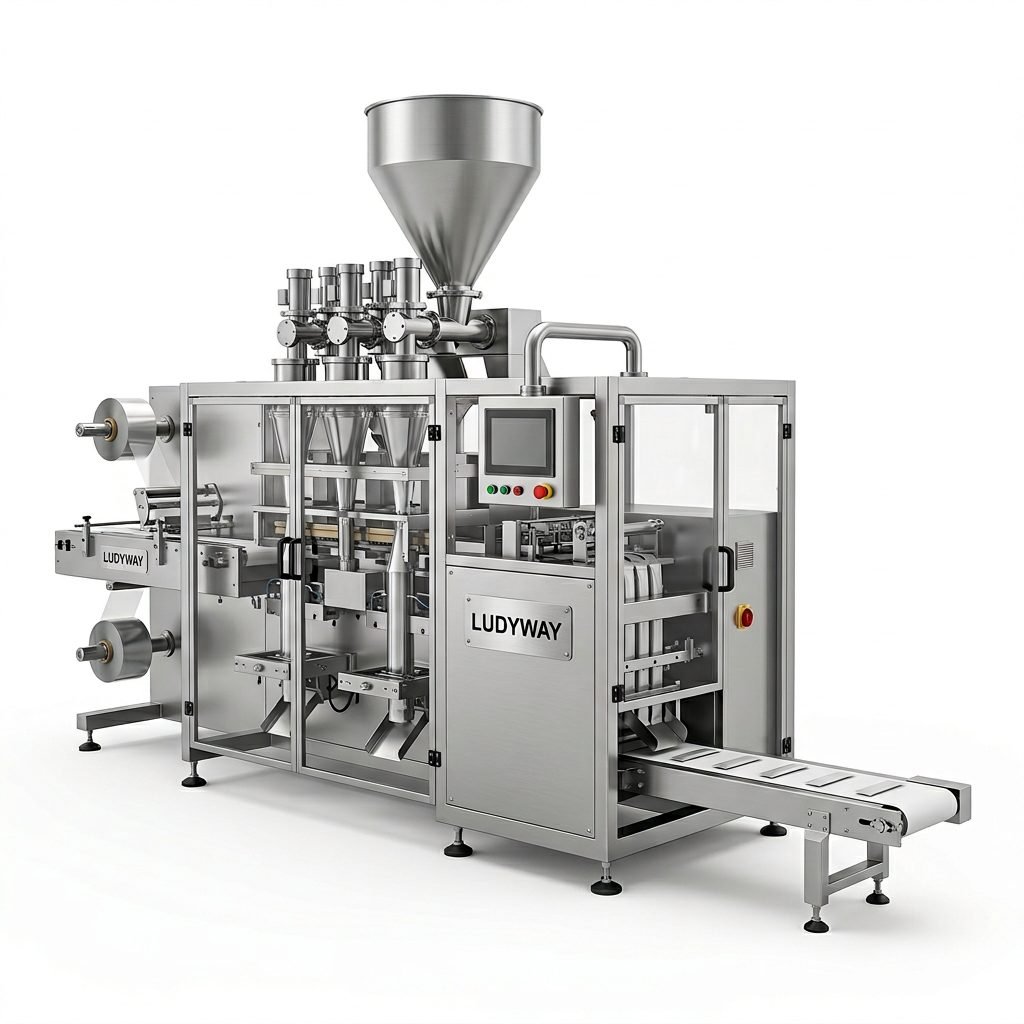
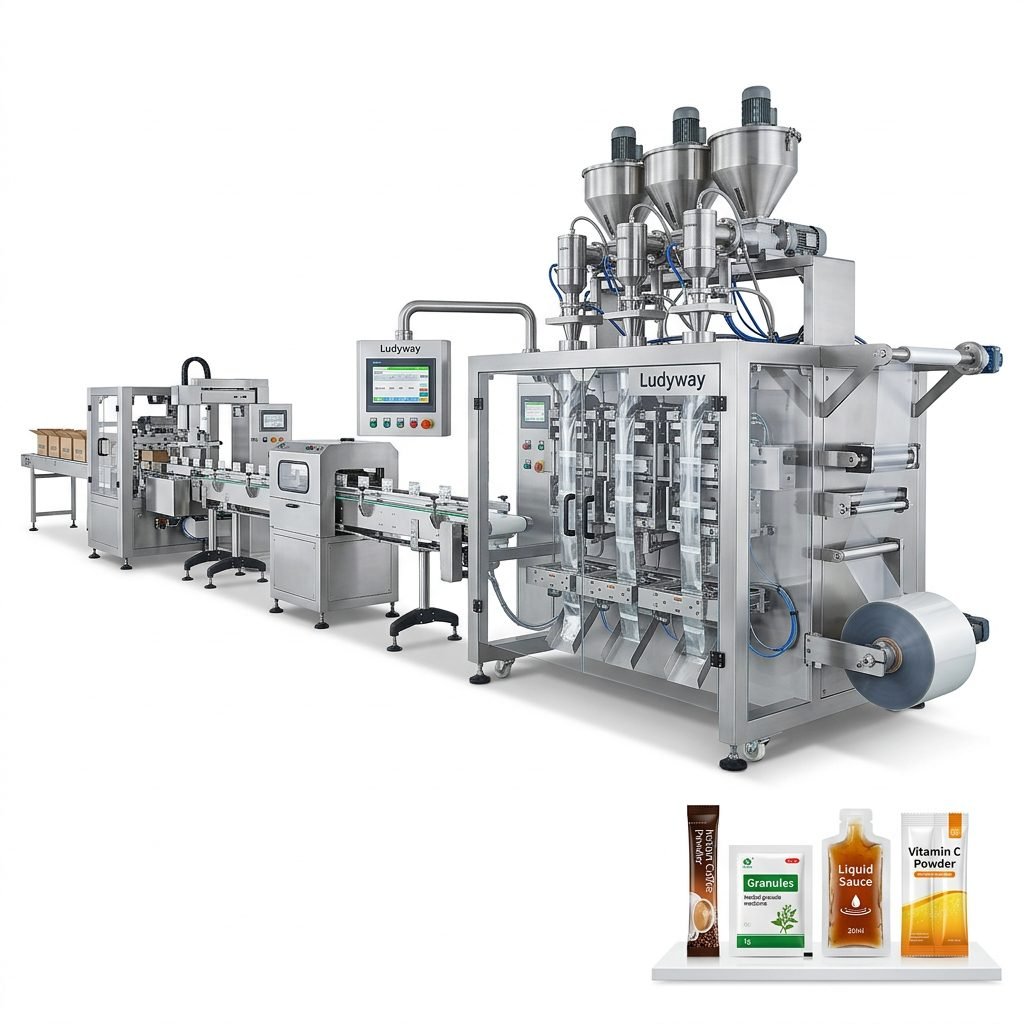
| Multi-lane stick pack machines | Powders, granules, liquids | High throughput, recipe storage, lane monitoring |
| Sachet packing machines | Sauces, creams, supplements, detergents | Precise control, flexible formats, coding integration |
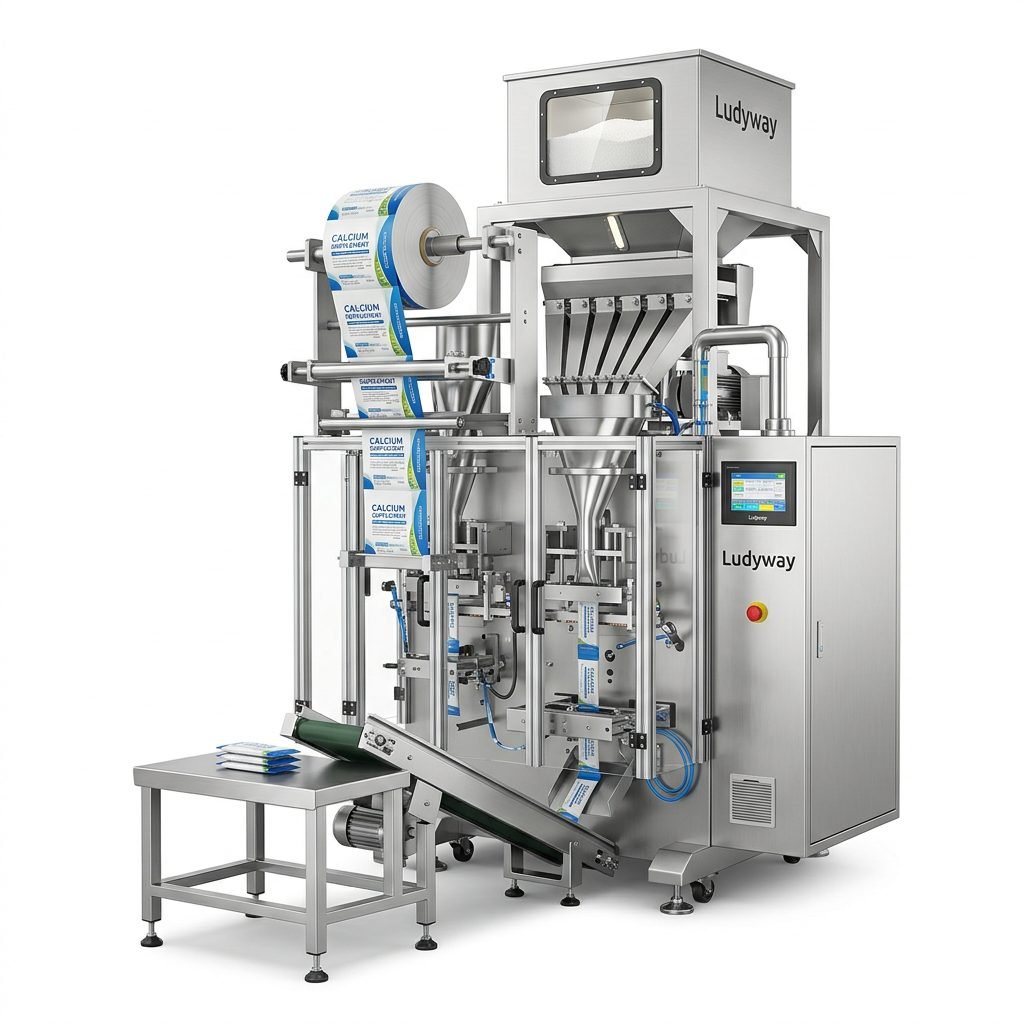
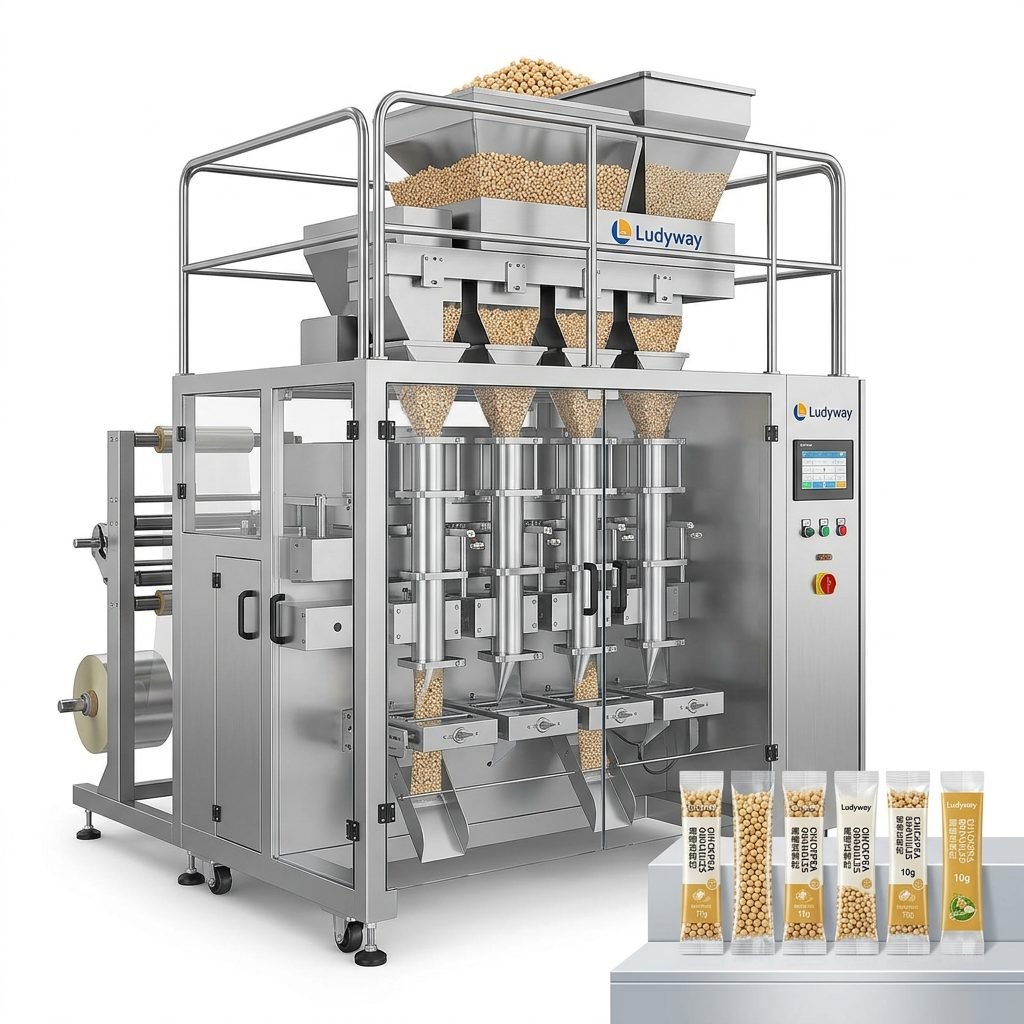
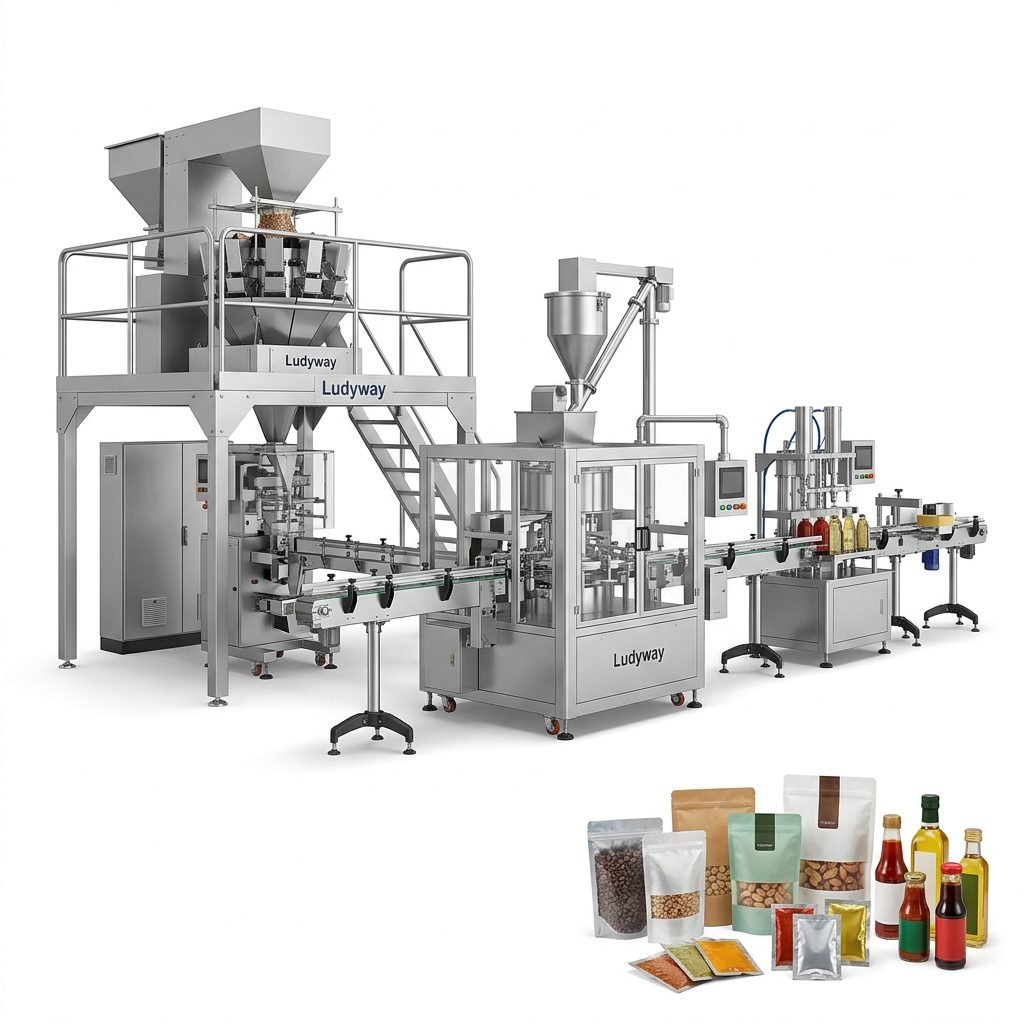
| Vertical packaging systems | Snacks, seeds, powders, grains | Efficient bag forming, weighing, and sealing automation |
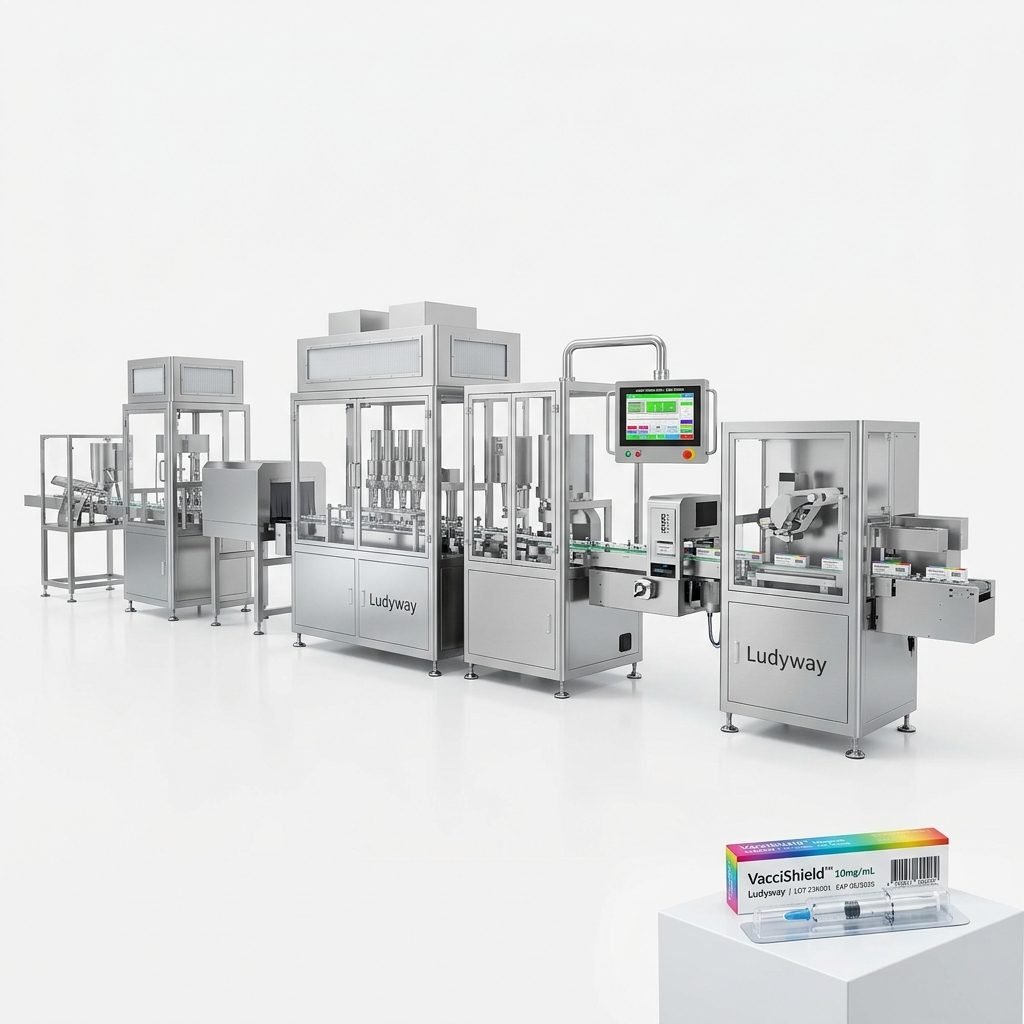
| Bottle filling and sealing lines | Liquids, capsules, tablets | Traceability, synchronized filling, capping, labeling |
| Turnkey packaging lines | Integrated production applications | Centralized control, end-to-end line optimization |
Signs Your Factory Needs a Smart Upgrade
Many manufacturers continue using semi-automatic or isolated packaging systems until hidden costs become too large. If the following issues sound familiar, a smart packaging investment may be overdue:
- Frequent unplanned downtime
- High dependence on operator skill
- Inconsistent package quality
- Slow product changeovers
- Lack of production visibility
- Difficulty connecting packaging with upstream processing
- Growing labor shortages or rising labor costs
- Increasing compliance or traceability requirements
How to Evaluate a Smart Packaging Machine Supplier
Machine specifications matter, but supplier capability matters just as much. A packaging project often involves product testing, line planning, system integration, commissioning, and after-sales support. Buyers should evaluate the supplier beyond just price.
What to Check
- Years of manufacturing experience
- Industry-specific application knowledge
- Customization capability
- Factory scale and production control
- Export experience and global service support
- Ability to provide complete line solutions
- Availability of testing, training, and documentation
For businesses seeking scalable automation, Ludyway packaging machine solutions are widely considered for food, pharmaceutical, health supplement, cosmetic, and related packaging applications, especially where standalone equipment and turnkey line integration are both important.
Smart Packaging Machine Selection Checklist
| Selection Factor | Why It Matters |
|---|---|
| Product type | Determines dosing method, sealing type, and material compatibility |
| Packaging format | Affects machine structure, speed, and flexibility |
| Target output | Ensures the machine matches production goals |
| Automation level | Impacts labor savings and line coordination |
| Data and connectivity | Supports smart factory integration and decision-making |
| Maintenance access | Reduces downtime and service complexity |
| Compliance requirements | Important for food safety, pharma standards, and export markets |
| Future expansion | Helps avoid reinvestment when production grows |
Implementation Tips for Better ROI
Buying a smart packaging machine is only the first step. To get the full value, manufacturers should approach implementation strategically.
Start with Clear KPIs
Define measurable goals such as output increase, labor reduction, lower reject rate, faster changeovers, or better data visibility.
Match the Machine to the Product
Powders, granules, liquids, and pastes behave differently. Accurate machine selection based on product characteristics prevents long-term inefficiency.
Train Operators and Maintenance Teams
Even the best smart system underperforms without proper training. Operators should understand both production controls and alarm logic.
Plan for Integration Early
If the machine must connect with feeders, conveyors, coding units, inspection systems, or ERP tools, these requirements should be defined before purchase.
Use Collected Data
Smart packaging creates useful production data. Review it regularly to identify recurring stoppages, performance gaps, and maintenance trends.
Future Trends in Smart Packaging Equipment
The next generation of packaging machinery is moving toward deeper intelligence and greater line autonomy. Manufacturers can expect to see:
- More predictive maintenance based on sensor and performance patterns
- Expanded AI-assisted inspection and quality analysis
- Faster remote technical support and diagnostics
- Higher modularity for multi-SKU packaging environments
- Energy-efficient operation and sustainability-focused design
- Stronger digital integration across entire factories
What You Need to Remember
Smart packaging machines are a practical foundation for smart manufacturing. They do more than automate sealing or filling—they help factories become more responsive, data-driven, and efficient. For companies facing higher production demands, tighter quality expectations, or growing labor pressure, upgrading packaging is often one of the most effective ways to modernize operations.
The best investment is not simply the fastest machine. It is the machine or line that fits your product, integrates with your workflow, improves visibility, and supports long-term growth. When selected carefully, smart packaging equipment can strengthen both day-to-day productivity and future factory competitiveness.