Setting up a tea packaging machine production line in the UK requires careful planning, regulatory compliance, and the right equipment to meet growing consumer demand. The UK tea market is evolving rapidly, with increasing interest in specialty teas, herbal blends, and sustainable packaging. Whether you are launching a new tea business or upgrading an existing facility, this guide provides a comprehensive walk-through of the entire process—from initial planning to full operation.
The UK’s tea industry remains one of the most dynamic in Europe, with consumers drinking over 100 million cups of tea daily. This sustained demand creates significant opportunities for tea packers who invest in efficient, high-quality tea packaging machine production lines. However, navigating the regulatory landscape and technical requirements can be challenging without proper guidance.
Understanding UK Tea Market Demands
Before investing in any equipment, it is essential to understand the current market landscape. The UK tea sector encompasses traditional black teas, green teas, fruit infusions, herbal blends, and functional wellness teas. Each category may require different packaging formats, including sachets, stick packs, pouches, and tea bags. The growing preference for single-serve and portion-controlled packaging has driven demand for multi-lane stick pack machines capable of producing high volumes efficiently.
Key Regulations for Tea Packaging in the UK
Compliance with UK and EU food safety regulations is non-negotiable. The primary regulatory framework includes:
- Food Safety Act 1990 — Establishes fundamental safety requirements for all food products sold in the UK.
- UK Food Information Regulations — Governs labeling, allergen declarations, and ingredient transparency.
- BRCGS Global Standards — Many retailers require BRCGS certification for packaging facilities.
- EU Regulation (EC) No 1935/2004 — Covers food contact materials, ensuring packaging materials do not transfer harmful substances to tea.
- UK Packaging Waste Regulations — Producers must comply with packaging waste recovery and recycling obligations.
For detailed guidance on food contact materials, refer to the FDA Food Ingredients and Packaging standards, or the ISO Packaging Standards for international compliance benchmarks.

Choosing the Right Packaging Format
Your choice of packaging format significantly influences the type of machine you need. The table below outlines the most common formats used in UK tea production lines:
| Packaging Format | Best Suited For | Production Speed | Typical Sizes |
|---|---|---|---|
| Stick Packs | Single-serve instant tea, herbal powders | 200–600 packs/min per lane | 2g–15g |
| Sachets | Loose leaf tea, blends, sample packs | 150–400 packs/min per lane | 5g–50g |
| Tea Bags (Envelope) | Traditional tea bags with outer envelope | 120–350 bags/min | 1.5g–3g per bag |
| Premade Pouches | Premium loose leaf, gift teas, bulk packs | 30–80 pouches/min | 25g–500g |
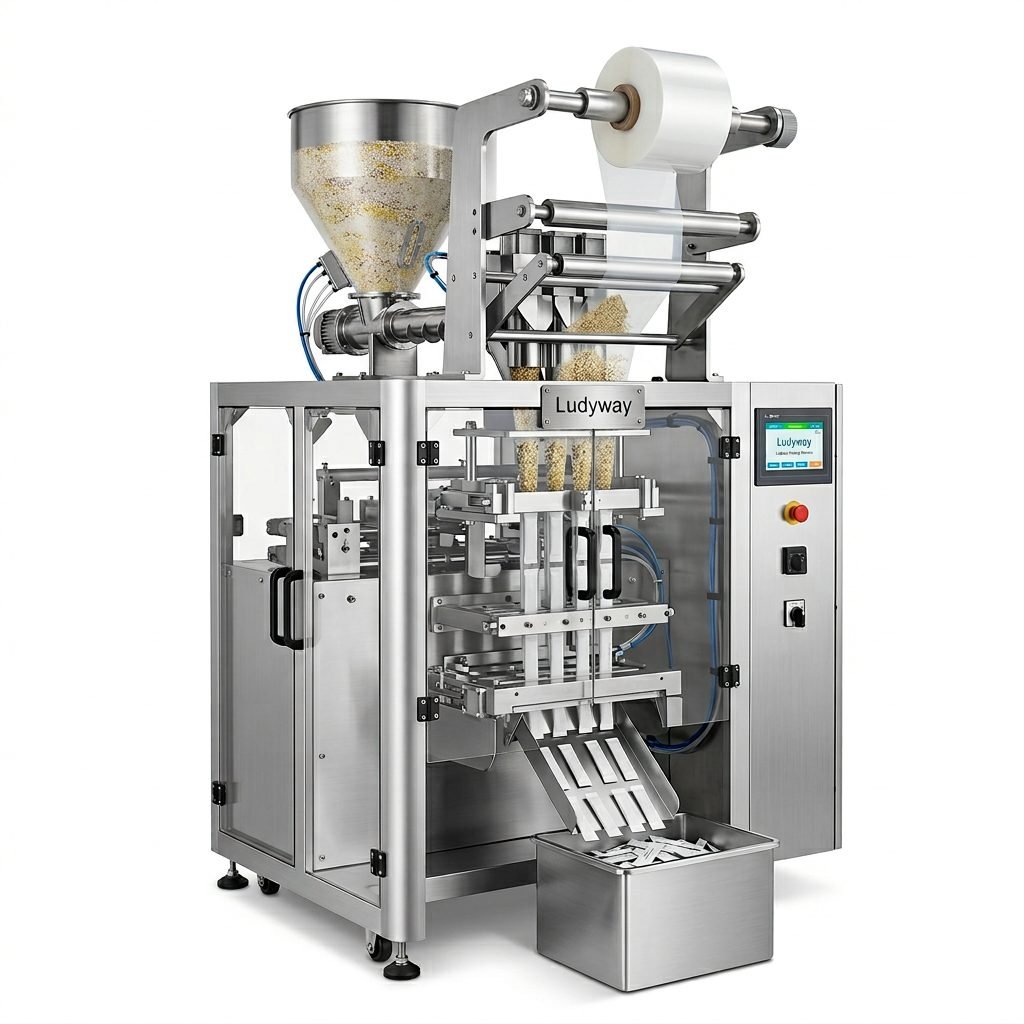
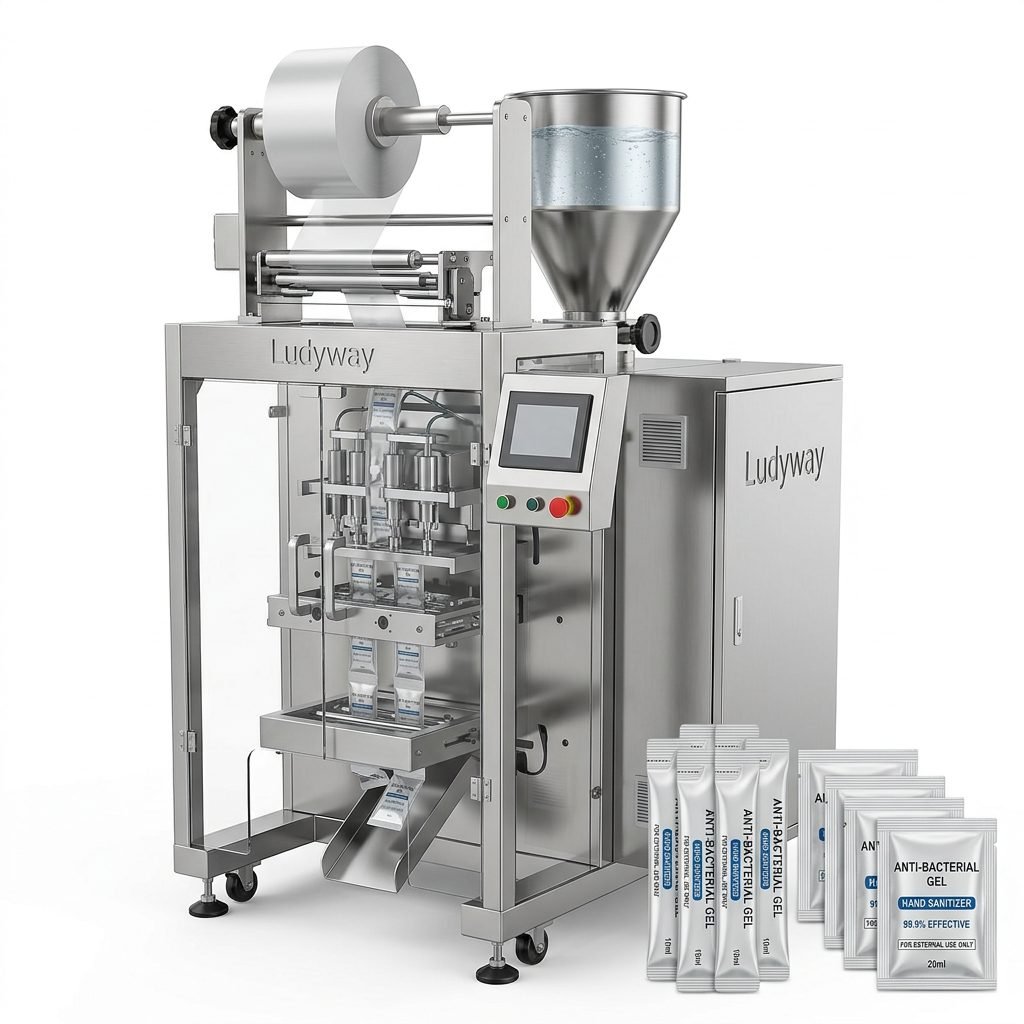
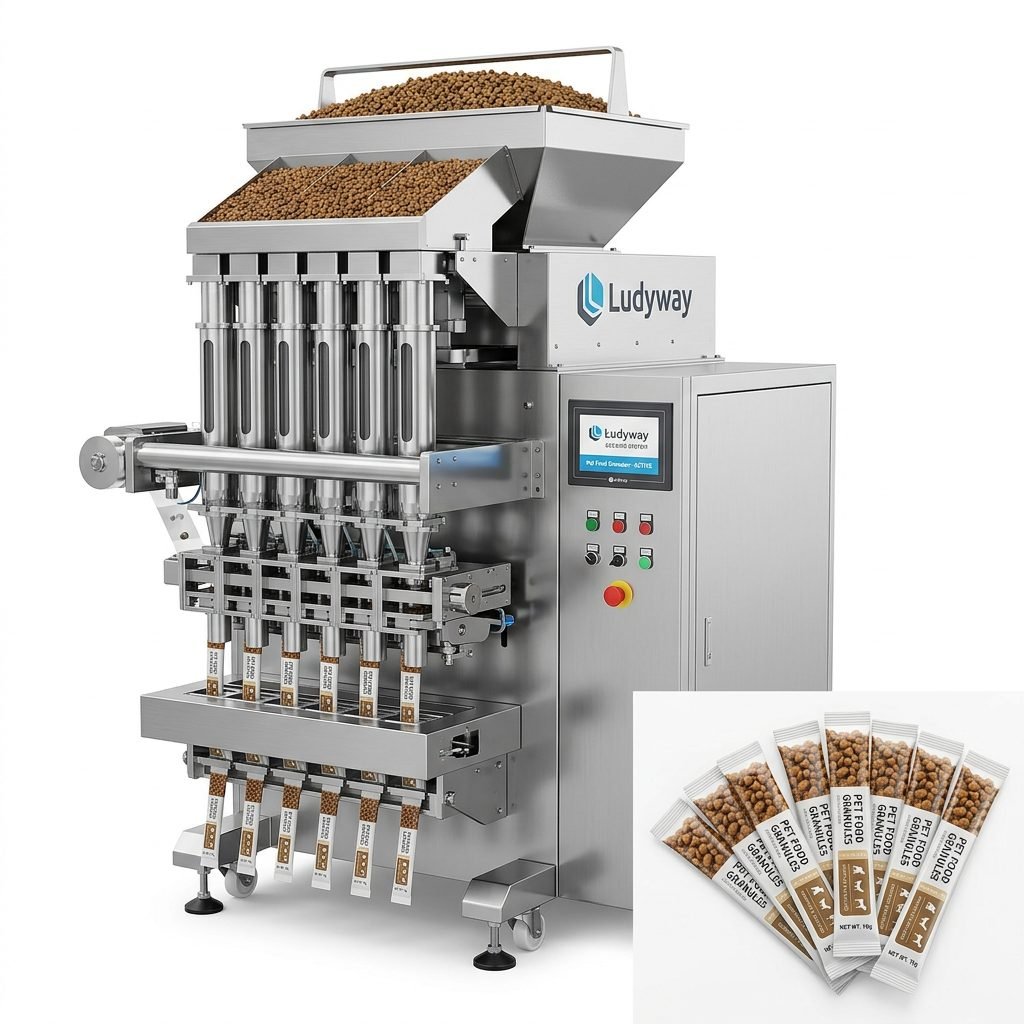
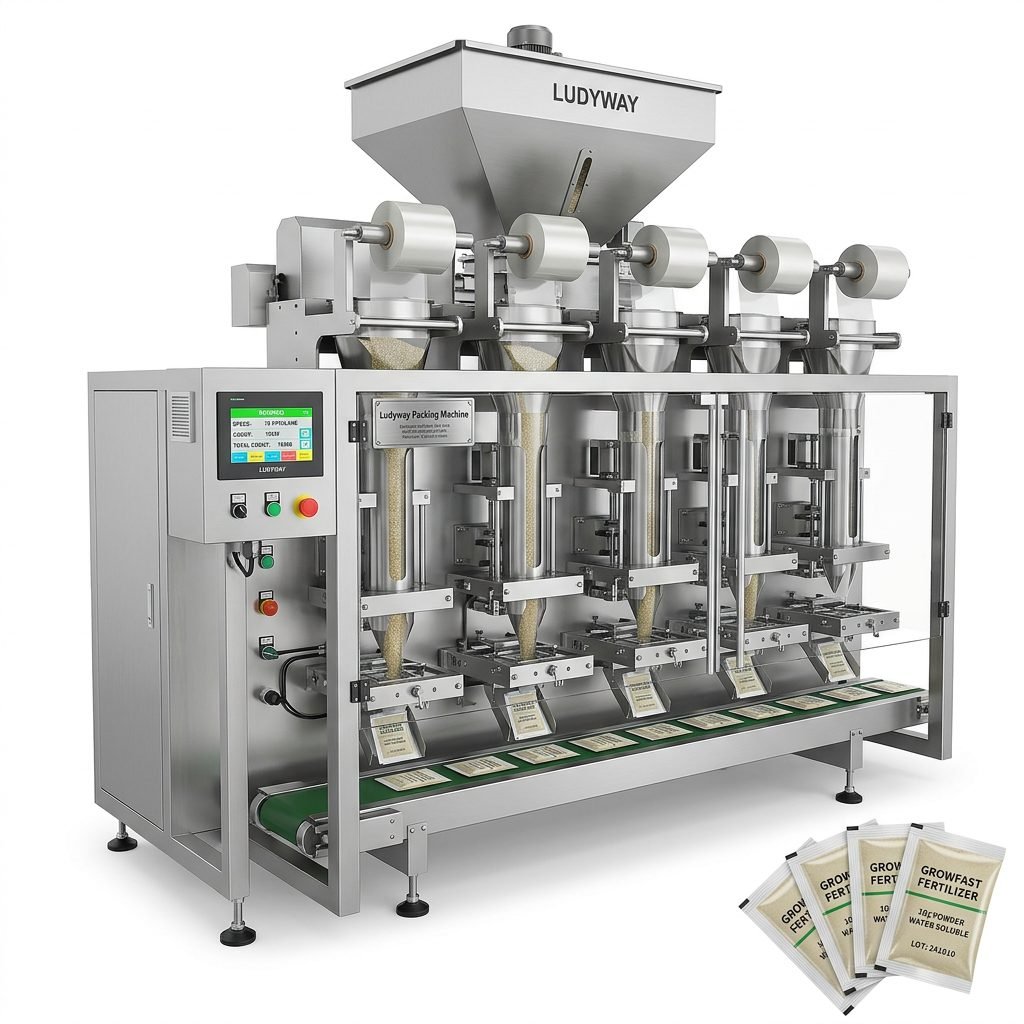
For high-volume production, multi-lane packaging systems offer the best return on investment. A tea stick pack machine with 4–12 lanes can produce thousands of filled packs per minute, making it ideal for commercial-scale operations.
Essential Equipment for a Complete Tea Packaging Line
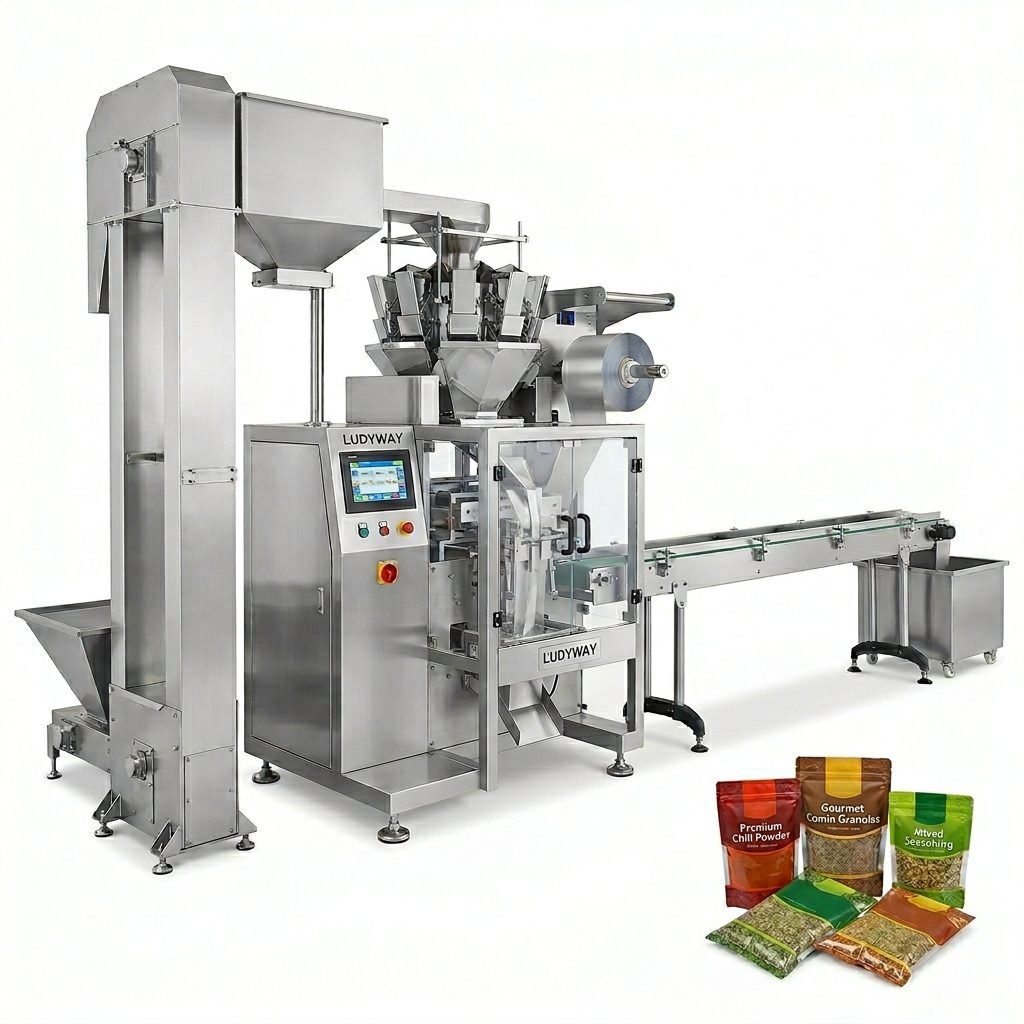
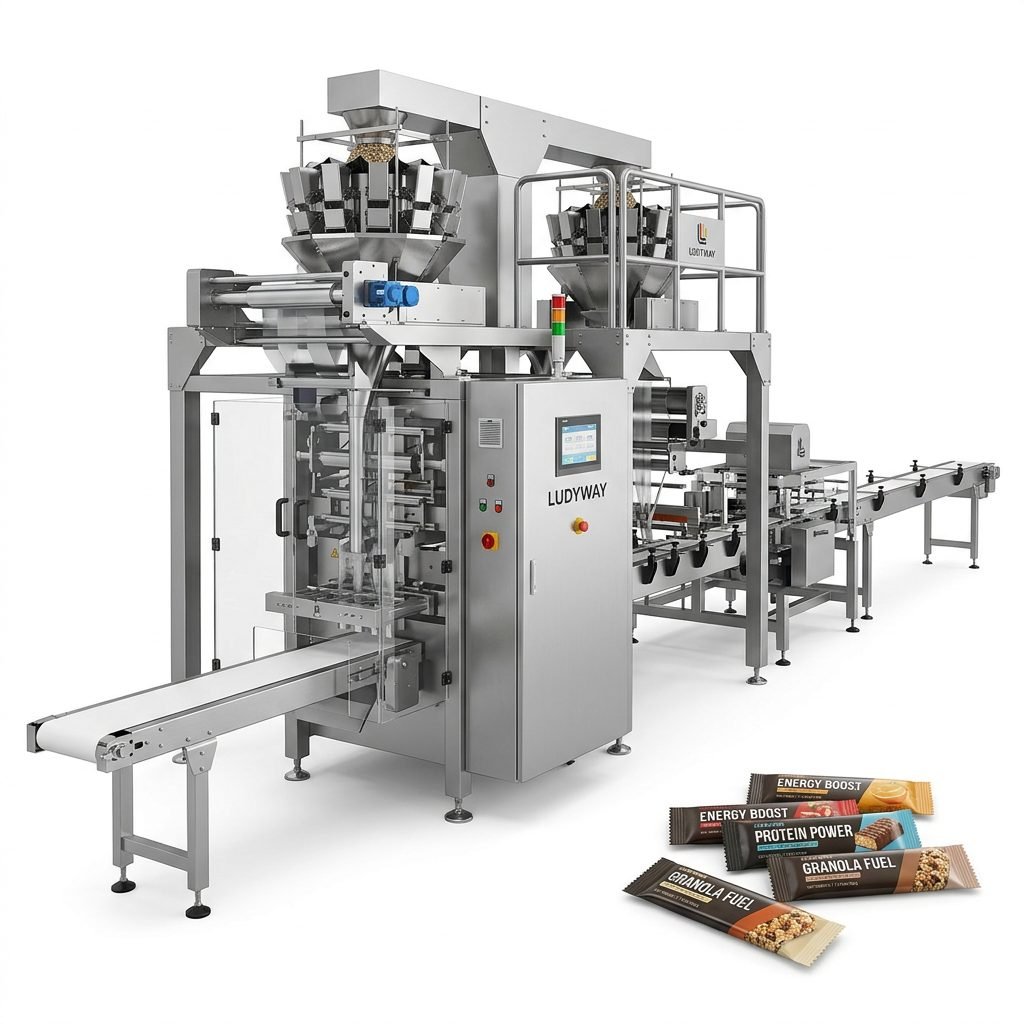
A fully integrated tea packaging production line consists of several interconnected machines. Below is a breakdown of the core components:
1. Feeding and Dosing Systems
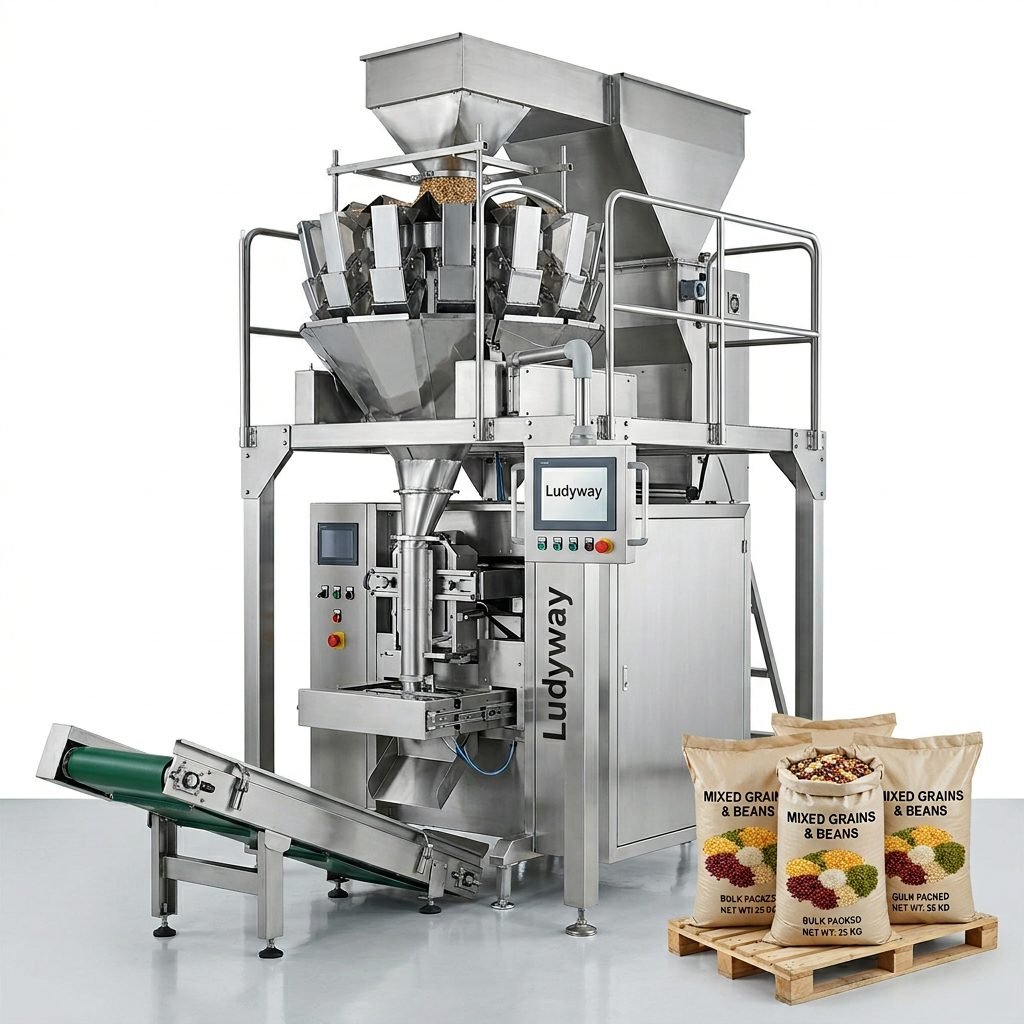
Accurate dosing is critical for tea packaging. Volumetric cup fillers, auger fillers, and multi-head weighers are commonly used depending on the tea type and required precision. For delicate leaf teas, gentle handling mechanisms prevent product breakage and preserve quality.
2. Primary Packaging Machine
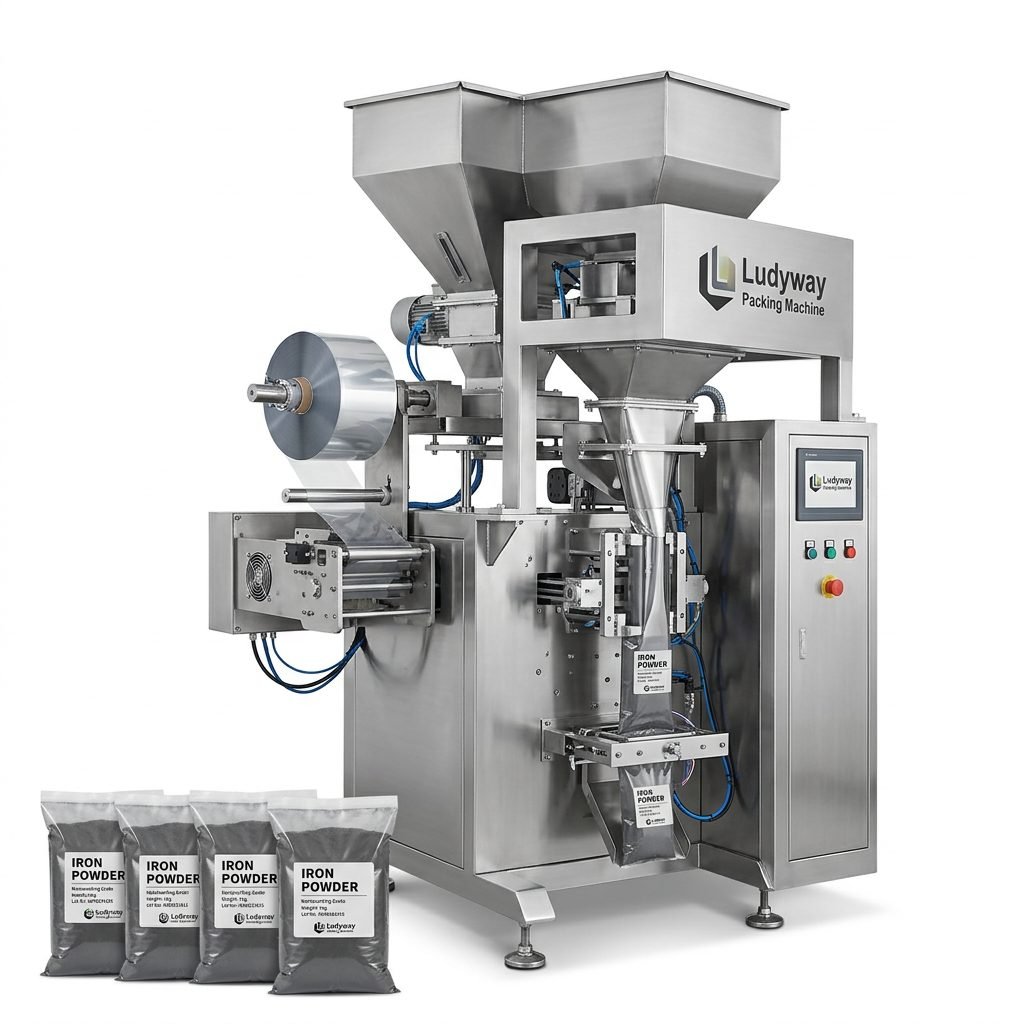
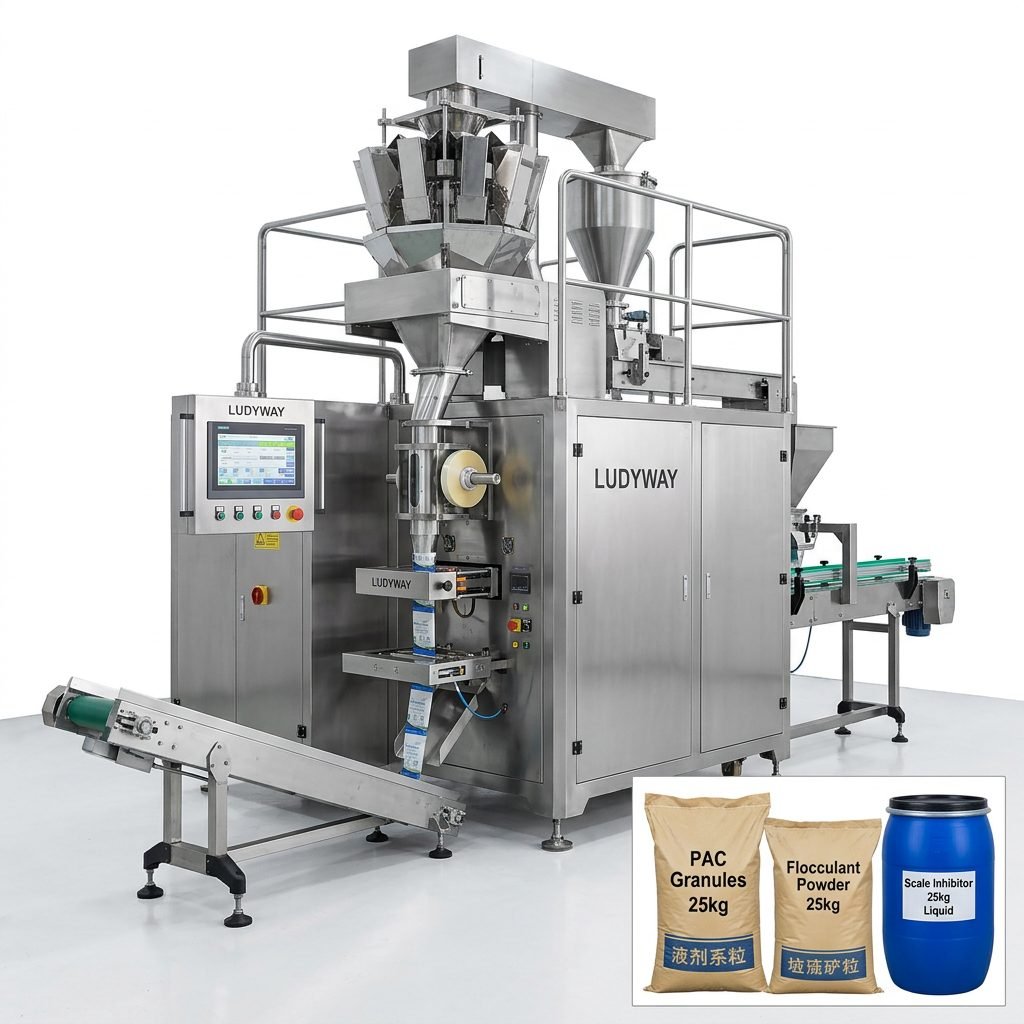
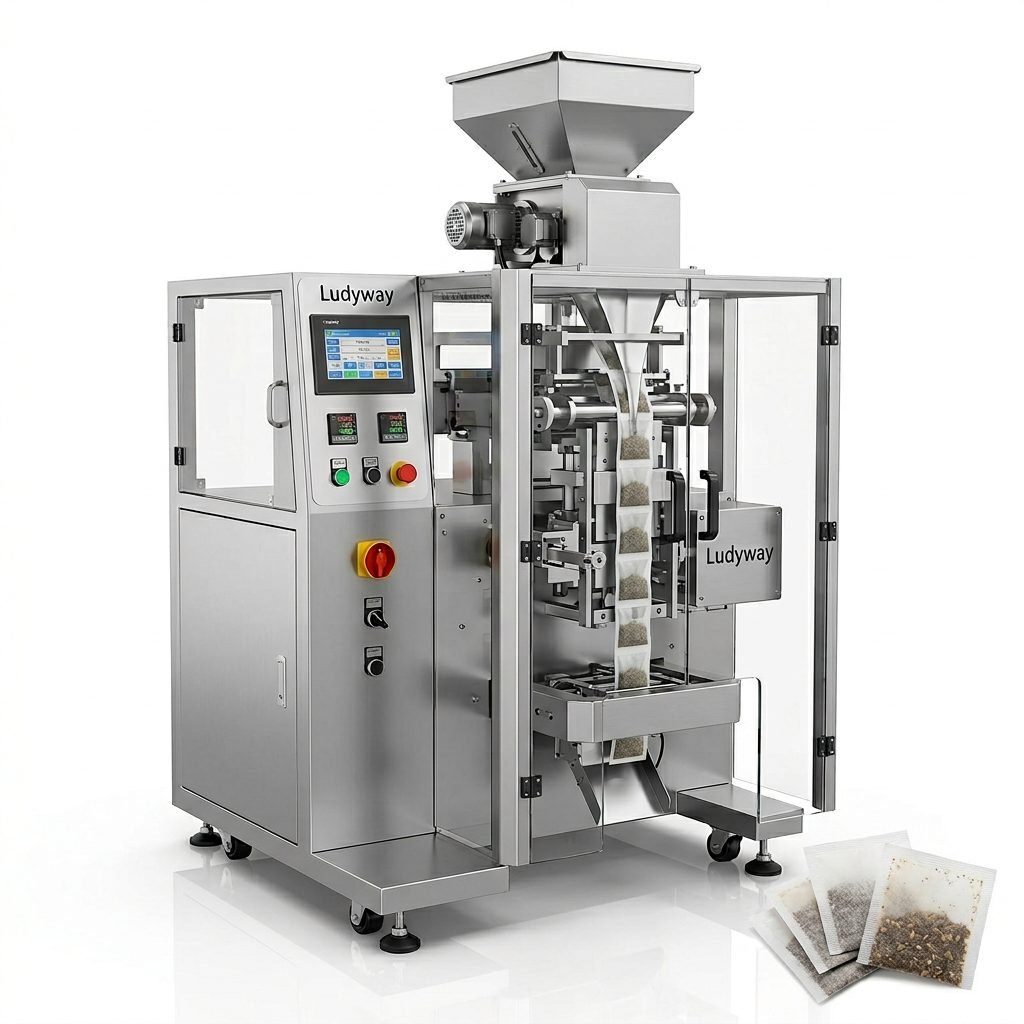
This is the heart of your production line. Modern vertical form fill seal machines for tea packaging can handle multiple formats with quick changeover capabilities. Key features to look for include:
- Servo-driven film transport for precise bag length control
- Temperature-controlled sealing jaws for consistent seal integrity
- Nitrogen flushing capability for extended shelf life
- Quick-release components for easy cleaning and maintenance
- Touchscreen HMI with recipe storage for different tea products

3. Secondary Packaging Equipment
After primary packaging, products need to be grouped and packed into secondary cartons. This includes:
- Cartoning machines for boxing stick packs and sachets
- Case packers for bulk shipping cartons
- Palletizing systems for warehouse logistics
- Shrink wrapping machines for multi-pack bundles
4. Quality Control and Inspection Systems
Quality assurance is essential for UK retail compliance. Integrated inspection systems should include:
- Checkweighers to verify fill weight accuracy
- Metal detectors for contaminant detection
- Vision inspection systems for label and seal verification
- Date coding and batch printing for traceability
For comprehensive standards on packaging quality, the PMMI Business Intelligence resources provide valuable industry benchmarks.
Facility Requirements for UK Tea Packaging Operations
Space and Layout Planning
A well-designed production line layout maximizes efficiency and ensures compliance with food safety standards. Key considerations include:
- Segregation of raw materials and finished products to prevent cross-contamination
- Adequate clearance around machines for maintenance access and cleaning
- Logical material flow from receiving to storage to production to dispatch
- Climate control for humidity-sensitive tea products
Utilities and Infrastructure
Ensure your facility has the following infrastructure in place before installation:
| Utility Requirement | Specification | Notes |
|---|---|---|
| Compressed Air | 6–8 bar, oil-free, filtered | Critical for pneumatic components and product contact areas |
| Electrical Supply | 400V 3-phase, 50Hz (UK standard) | Verify machine specifications match UK power standards |
| Water Supply | Potable water for cleaning; dedicated lines for production | Backflow prevention required by UK water regulations |
| Ventilation | Dust extraction for powder handling areas | ATEX considerations for fine organic powders |

Installation and Commissioning Process
Installing a tea packaging production line requires methodical planning and execution. The typical installation timeline for a complete line ranges from 4 to 12 weeks, depending on complexity and site readiness.
Pre-Installation Checklist
- Confirm floor load-bearing capacity for heavy machinery
- Verify all utility connections are in place and tested
- Prepare foundation plates or anchoring points as specified by the manufacturer
- Arrange for lifting equipment (forklifts, cranes) for machine positioning
- Ensure WiFi or ethernet connectivity for IIoT-enabled machines
Commissioning and Validation
Once equipment is installed, a structured commissioning process ensures everything operates correctly:
- Dry run testing — Verify all mechanical movements without product
- Wet run testing — Run with actual tea products to fine-tune settings
- Performance qualification — Validate speed, accuracy, and seal integrity
- Operator training — Comprehensive training for machine operators and maintenance staff
- Documentation handover — Receive all manuals, certificates, and compliance documents
Maintaining UK Compliance and Best Practices
Ongoing compliance with UK food packaging standards is essential. Regular audits, staff training, and equipment maintenance help maintain certification and product quality. Reference resources include the European Commission Packaging Waste guidelines and Flexible Packaging Association Industry Resources for the latest regulatory updates.
Working with experienced equipment manufacturers simplifies the entire process. For instance, Ludyway offers comprehensive support for UK-based tea packers, from initial consultation and line design to installation, commissioning, and after-sales service. With expertise in high-speed multi-lane packaging systems, they provide turnkey solutions that meet British and European standards.
Cost Considerations and ROI Analysis
Investment in a tea packaging production line varies widely based on automation level, production capacity, and packaging formats. Below is a general cost framework for UK operations:
| Cost Category | Estimated Range (£) | Key Variables |
|---|---|---|
| Primary Packaging Machine | £50,000 – £350,000 | Number of lanes, format flexibility, automation level |
| Ancillary Equipment | £20,000 – £150,000 | Feeders, conveyors, inspection systems, coders |
| Installation and Commissioning | £5,000 – £30,000 | Travel costs, site preparation, training requirements |
| Annual Maintenance | £3,000 – £15,000 | Spare parts, service visits, consumables |
For high-volume producers, a well-specified tea packaging production line can achieve ROI within 18 to 36 months, depending on product margins and throughput utilization.
Sustainability and Environmental Considerations
UK consumers and retailers increasingly prioritize sustainable packaging. Key trends affecting tea packaging equipment selection include:
- Compatibility with recyclable and compostable films — Modern machines must handle eco-friendly materials that have different sealing characteristics
- Lightweighting — Reducing material usage without compromising product protection
- Energy efficiency — Servo-driven systems consume significantly less power than pneumatic alternatives
- Waste reduction — Precision dosing minimizes product giveaway and material waste
The UK’s Sustainable Materials Management initiatives continue to shape packaging regulations, making it essential to invest in future-proof equipment capable of adapting to evolving standards.

Training and Workforce Development
Operating a modern tea packaging line requires skilled personnel. Key training areas include:
- Machine operation — Understanding HMI controls, recipe management, and changeover procedures
- Preventive maintenance — Daily, weekly, and monthly maintenance schedules to maximize uptime
- Food safety and hygiene — BRCGS-aligned cleaning procedures and contamination prevention
- Troubleshooting — Diagnosing common issues such as seal failures, misfeeds, and weighing deviations
Most reputable equipment suppliers include comprehensive operator training as part of their installation packages, ensuring your team is fully prepared for production.
Future-Proofing Your Tea Packaging Investment
When selecting equipment for the UK market, consider these forward-looking factors:
- Modular design — Allows for future upgrades and additional lanes as demand grows
- Industry 4.0 readiness — IIoT connectivity for real-time monitoring, OEE tracking, and predictive maintenance
- Flexible format capability — Ability to switch between different pack styles and sizes with minimal changeover time
- Compliance adaptability — Equipment designed to meet evolving UK and EU packaging regulations
For additional industry data and packaging trends, consult the PMMI 2026 State of the Industry Report and Flexible Packaging Association resources for comprehensive market analysis.

Selecting a Reliable Equipment Partner
Choosing the right equipment manufacturer is as important as choosing the right machine. Evaluate potential suppliers based on:
- Industry experience — Proven track record in tea and food packaging specifically
- Technical support availability — UK-based service engineers or responsive remote support
- Spare parts accessibility — Local parts inventory or fast international shipping
- Compliance documentation — CE/UKCA marking, material certificates, and validation support
- Reference sites — Existing installations in the UK or similar regulatory environments
With over 30 years of industry experience and a global customer base spanning 100+ countries, Ludyway has established itself as a leading packaging machine manufacturer capable of delivering complete turnkey solutions for the UK tea market. Their multi-lane sachet and stick pack systems are engineered to meet the rigorous demands of British food safety standards while maintaining high production efficiency.
Conclusion
Setting up a tea packaging machine production line in the UK is a significant undertaking that requires careful planning across regulatory, technical, and operational dimensions. By selecting the right packaging format, ensuring facility readiness, partnering with an experienced equipment supplier, and prioritizing compliance from day one, you can build a production line that delivers consistent quality and competitive advantage in the UK’s thriving tea market.
Whether you are packaging traditional black teas, herbal infusions, or innovative functional blends, investing in a robust, flexible, and compliant tea packaging production line is the foundation for long-term success in Britain’s enduring tea culture.