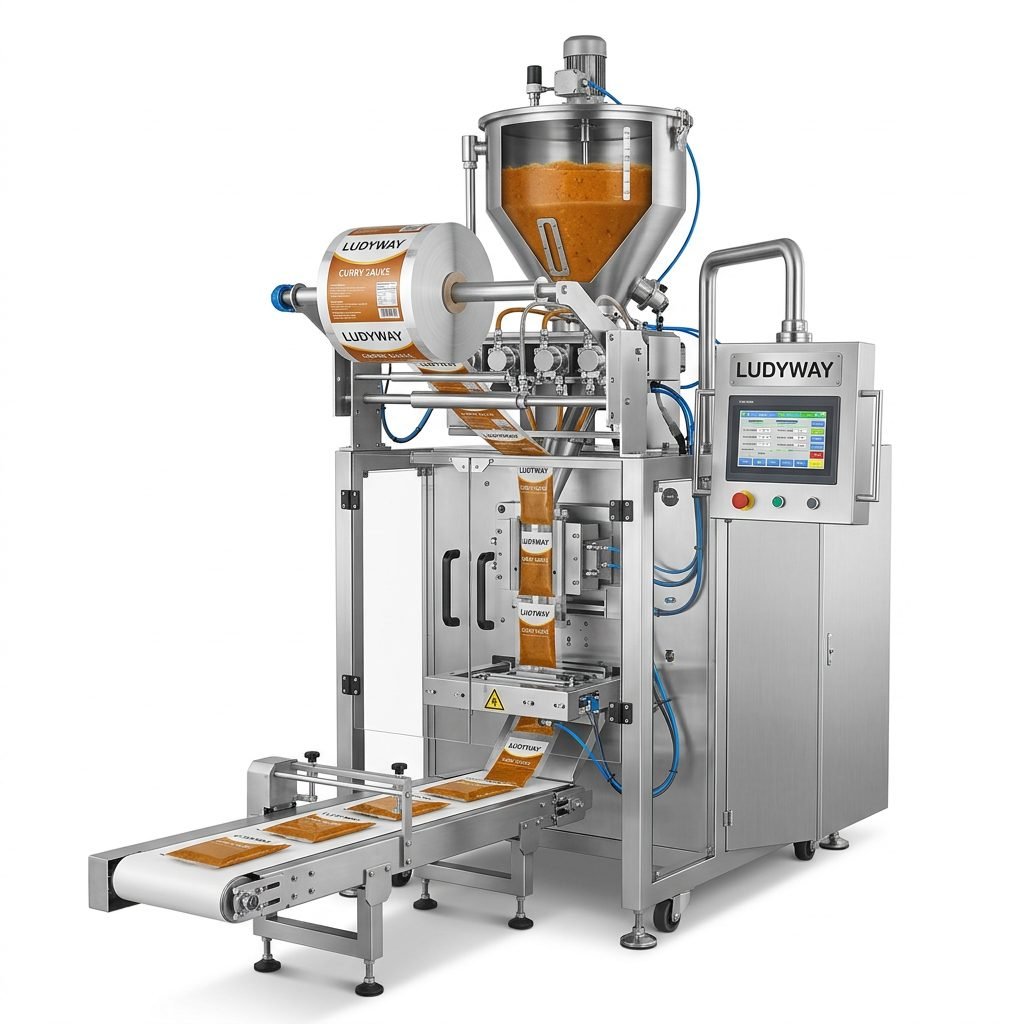
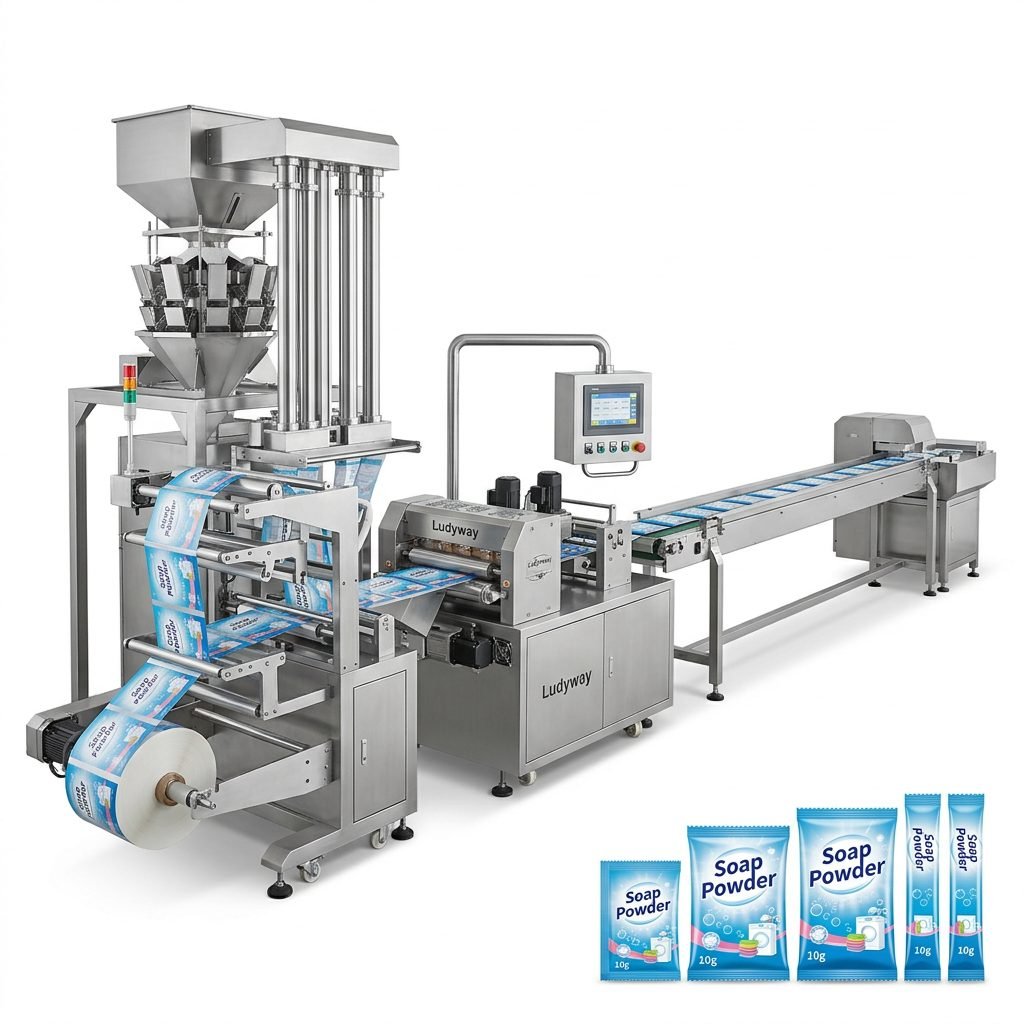
The food processing and packaging sector in the Middle East is undergoing a significant transformation. With nations like the UAE and Saudi Arabia prioritizing food security and reducing post-harvest losses, the demand for reliable vacuum sealer packaging machines has skyrocketed. Whether you are running a large-scale food processing facility or a small artisanal date producer, understanding the nuances of this equipment is critical for maintaining product freshness and extending shelf life in the region’s extreme climate.
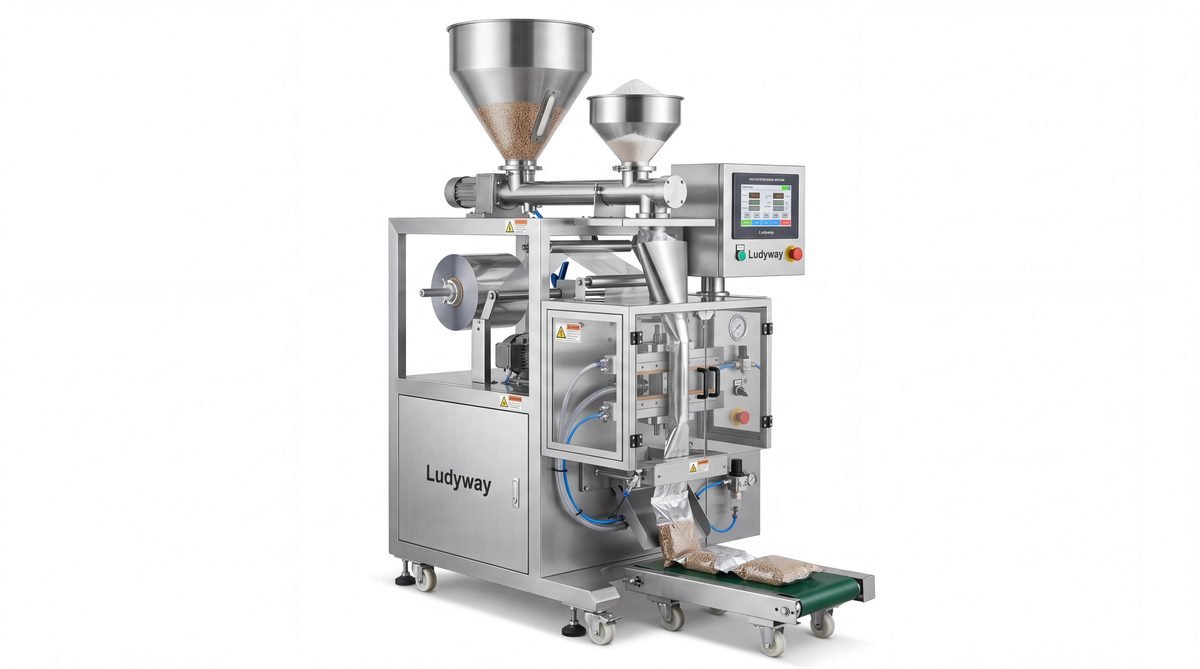
Why the Middle East Needs Advanced Vacuum Sealing Technology
The Middle Eastern market presents unique challenges. High ambient temperatures and dust require robust machinery that can protect sensitive products like packaged dry foods, coffee, and nuts. Investing in a vacuum sealer packaging machine is not just about preservation; it is about preventing oxidation, inhibiting mold growth, and ensuring compliance with stringent international packaging standards. For businesses exporting dates, spices, or seafood, vacuum packaging provides an essential barrier against moisture and contamination during long transit times.
Key Categories of Vacuum Sealers for Commercial Use
Before making a purchase, it is vital to distinguish between the main types of machines available in the market. The right choice depends heavily on your production volume and product type.
- External Vacuum Sealers: Ideal for small-to-medium enterprises, these machines use a nozzle to extract air from the bag. They are typically used for solid, dry products.
- Chamber Vacuum Sealers: The gold standard for industrial use. The entire product bag is placed inside a chamber. This method is perfect for liquids, powders, and granular products as it prevents product spillage.
- Thermoforming & Rollstock Machines: These high-output systems are designed specifically for large-scale meat, poultry, and cheese processors in the Gulf region.
- Nozzle & Continuous Band Sealers: Often integrated into production lines for dry goods, these are common in the packaging of flexible packaging materials.
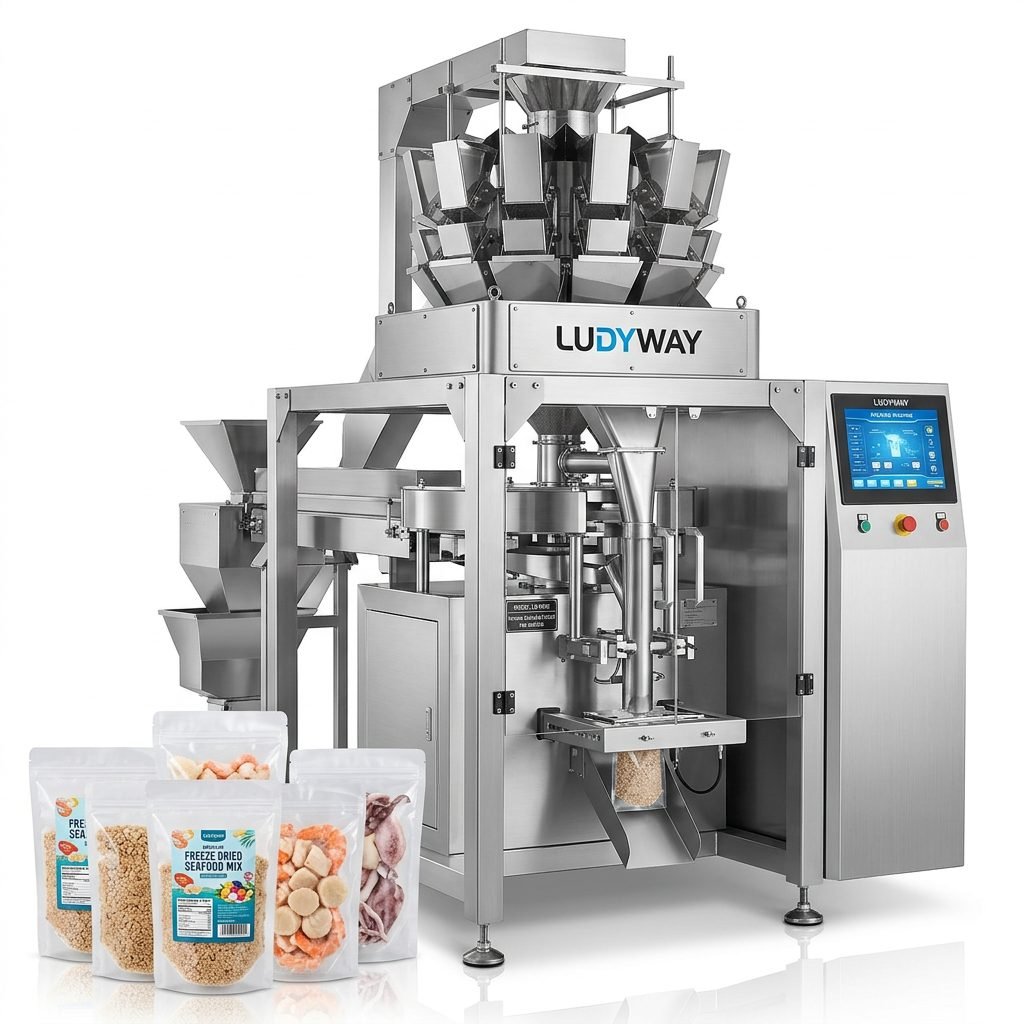
Matching Machine Specifications to Product Types
Selecting a vacuum sealer packaging machine tailored to your specific product is the most critical step. A machine designed for dry grains will fail quickly if used for wet marinades.
Granules and Powders
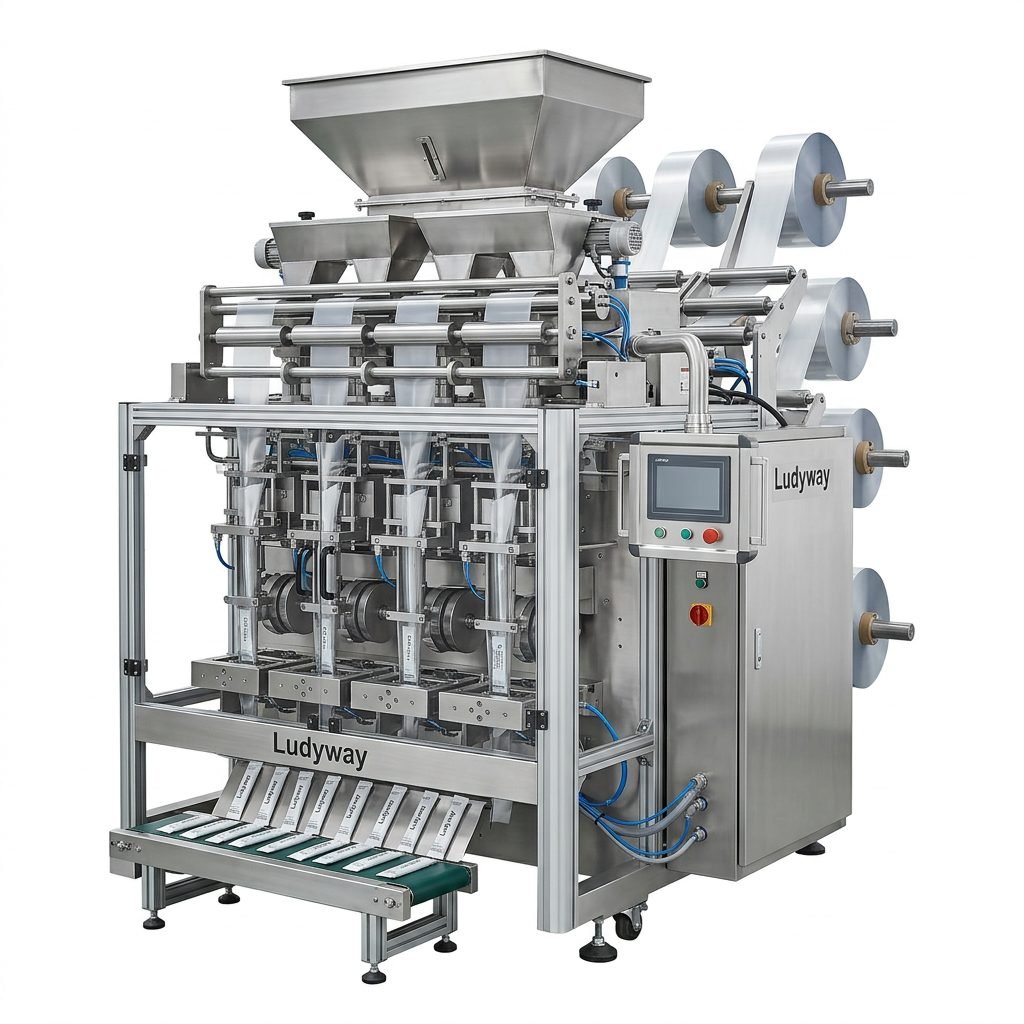
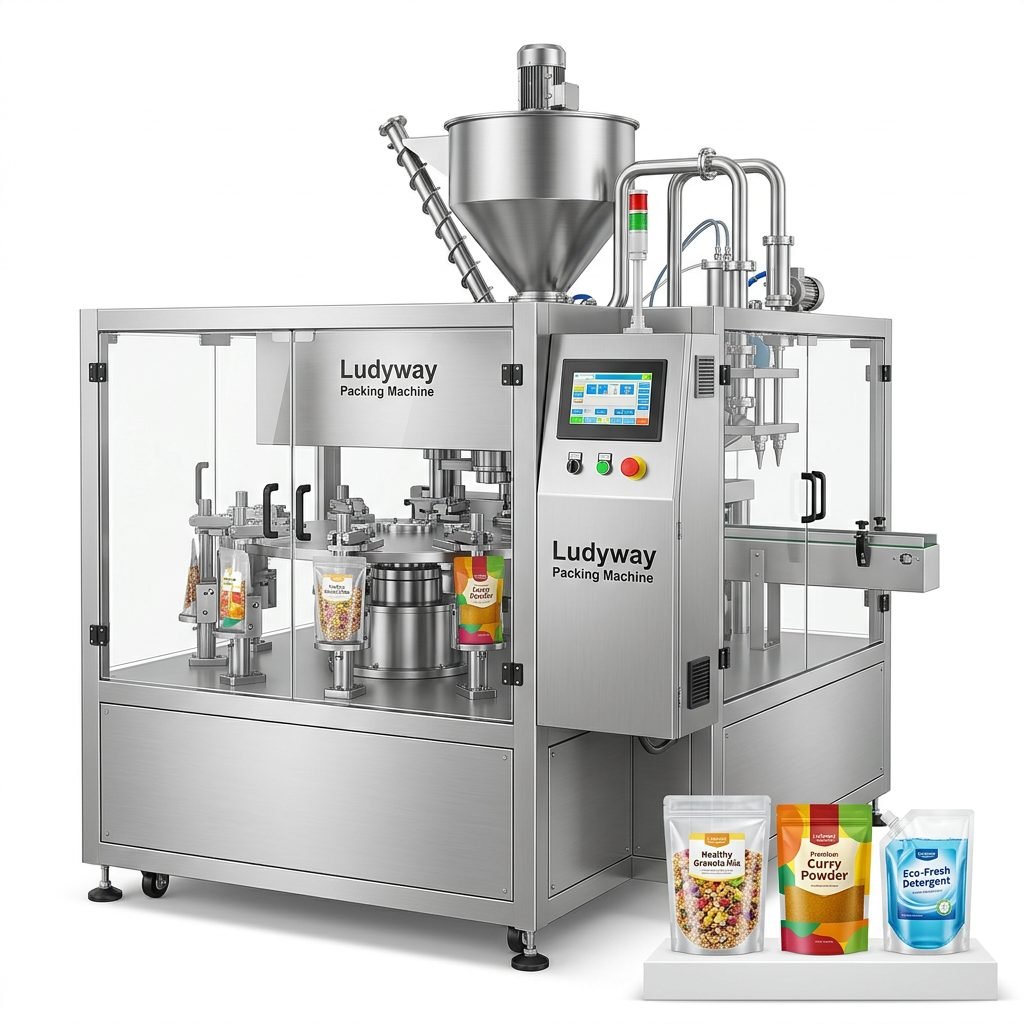
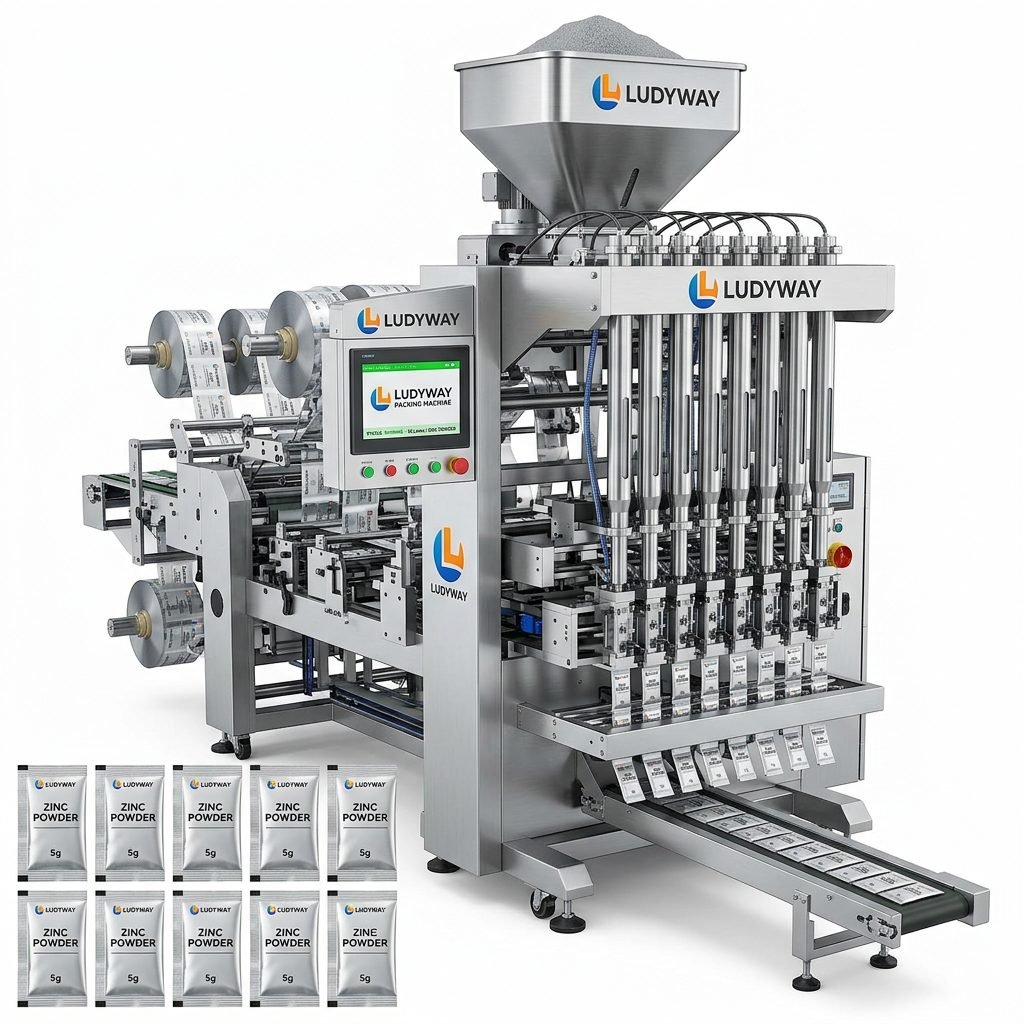
For products like spices, coffee, and detergents, dust is a major enemy. Look for machines with high-quality sealing bars and digital controls that adjust vacuum time precisely. Many Date and Arabic coffee producers prefer multi-lane stick pack solutions with integrated vacuum and gas flushing (MAP) capabilities to preserve aroma.
Liquids and Wet Foods
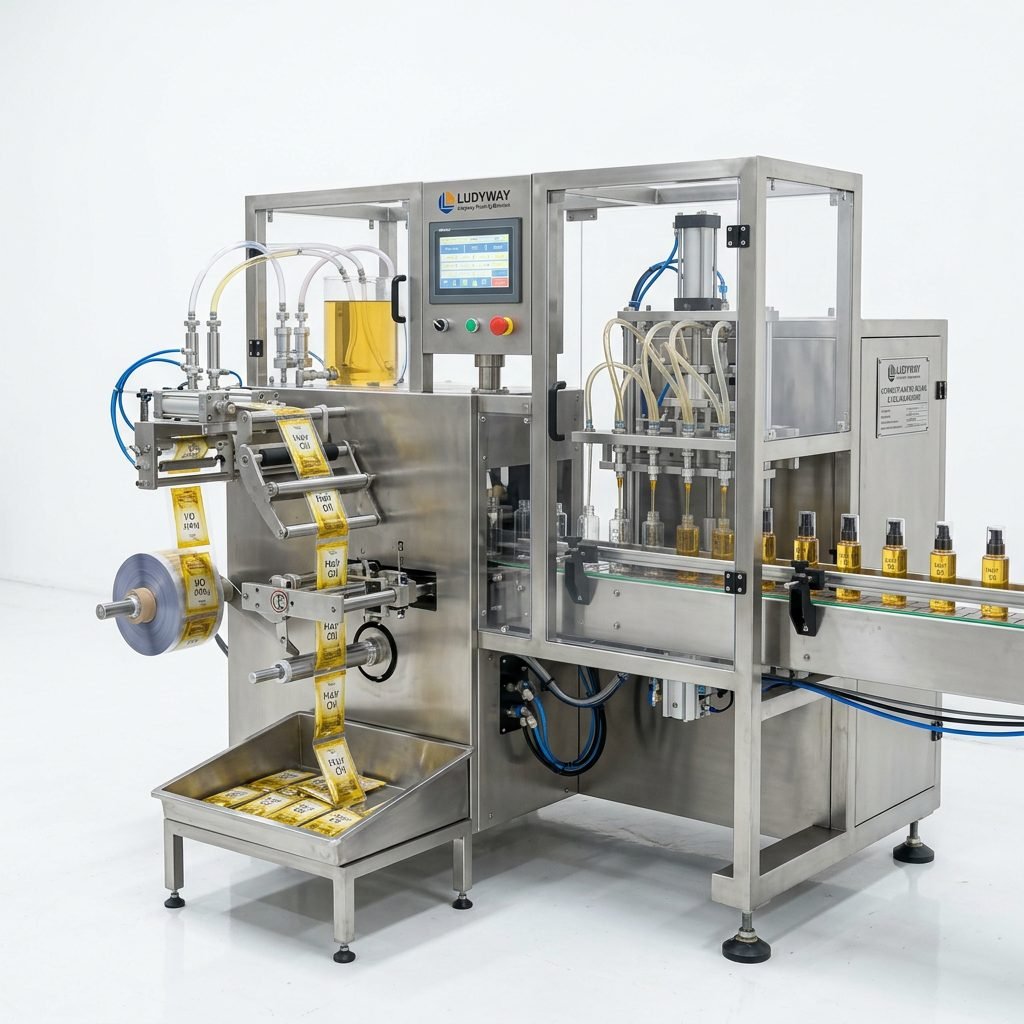
Liquid packaging demands extreme precision. Sealing liquids requires specialized seal bars that can handle moisture without compromising seal integrity. In the Middle East, this is crucial for ready-to-eat meals, hummus, and labneh. Advanced sensors ensure the vacuum is pulled just to the point of preventing boiling, a feature often found in high-end industrial models.
Critical Buying Factors: A Technical Checklist
Beyond the basic type, delve into the technical specifications that impact daily operations. Use the checklist below to compare suppliers.
| Feature | Why It Matters in the Middle East |
|---|---|
| Pump Durability | High-duty cycle pumps (e.g., Busch dry pumps) are essential for continuous 24/7 operation in high-temperature environments without overheating. |
| Sealing Bar Width | Wider seals (5mm-10mm) prevent leakage during long-distance shipping to Europe, Africa, or Asia. |
| Material & Build | Stainless steel (AISI 304) is non-negotiable for corrosion resistance, especially in coastal cities like Dubai, Jeddah, or Doha. |
| MAP Functionality | Modified Atmosphere Packaging (Nitrogen flush) is heavily used for extending the shelf life of nuts, bakery items, and fresh meats. |
| Spare Parts Availability | Verify local or regional distributor support. Downtime due to waiting for overseas parts is a common costly mistake. |

Sector Applications: From HORECA to Industrial Processing
The versatility of vacuum technology means it touches almost every sector of the Middle Eastern economy.
- Food Industry: Meat, poultry, seafood, and cheese represent the largest segment. In the UAE, vacuum-sealed meat consumption is rising rapidly.
- Dates & Dried Fruits: High-end Medjool dates require gentle but firm compression-free vacuum sealing to maintain shape and royal quality.
- Pharmaceuticals & Medical Devices: Sterile barrier systems require medically certified vacuum machines that comply with ISO 11607 standards.
- Non-Food Industrial: Electronic components and sensitive spare parts are often vacuum-packed to prevent corrosion from desert sand and humidity.
Turnkey Solutions vs. Standalone Machines
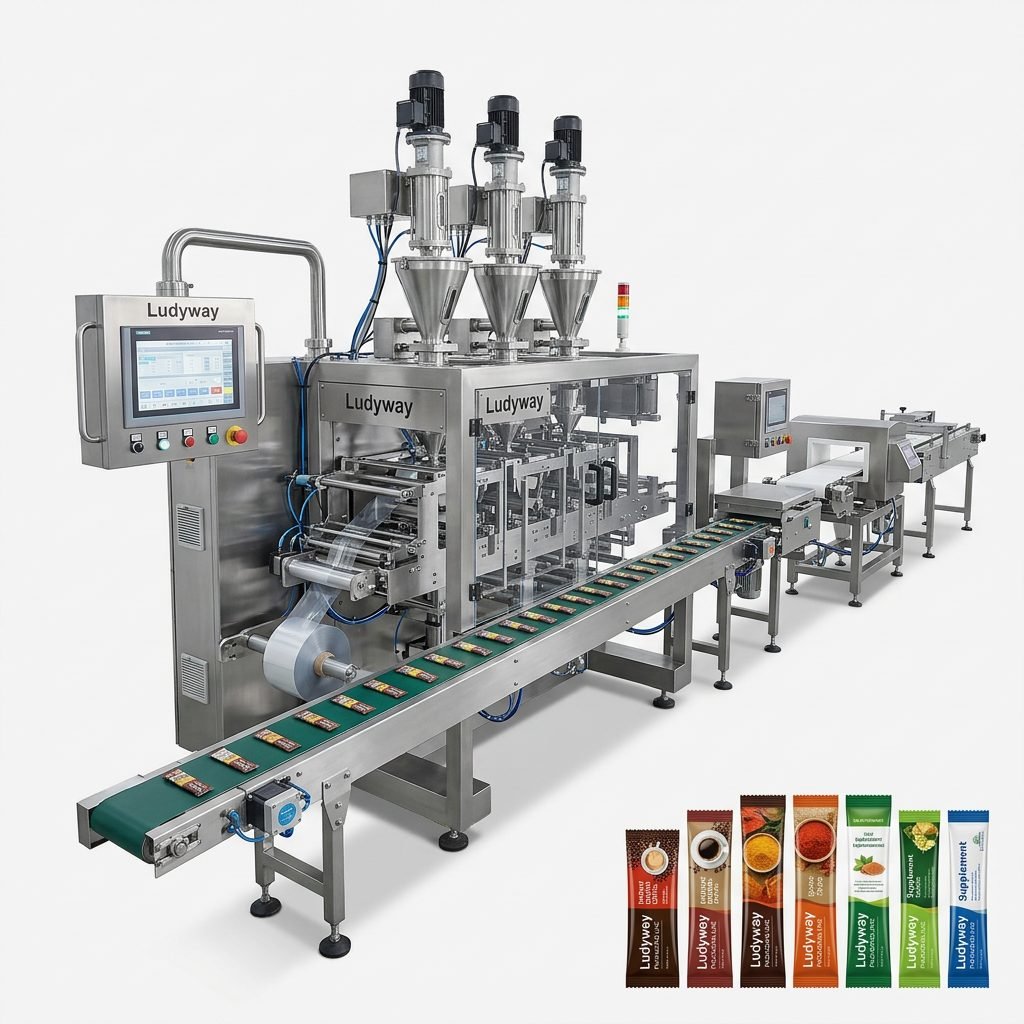
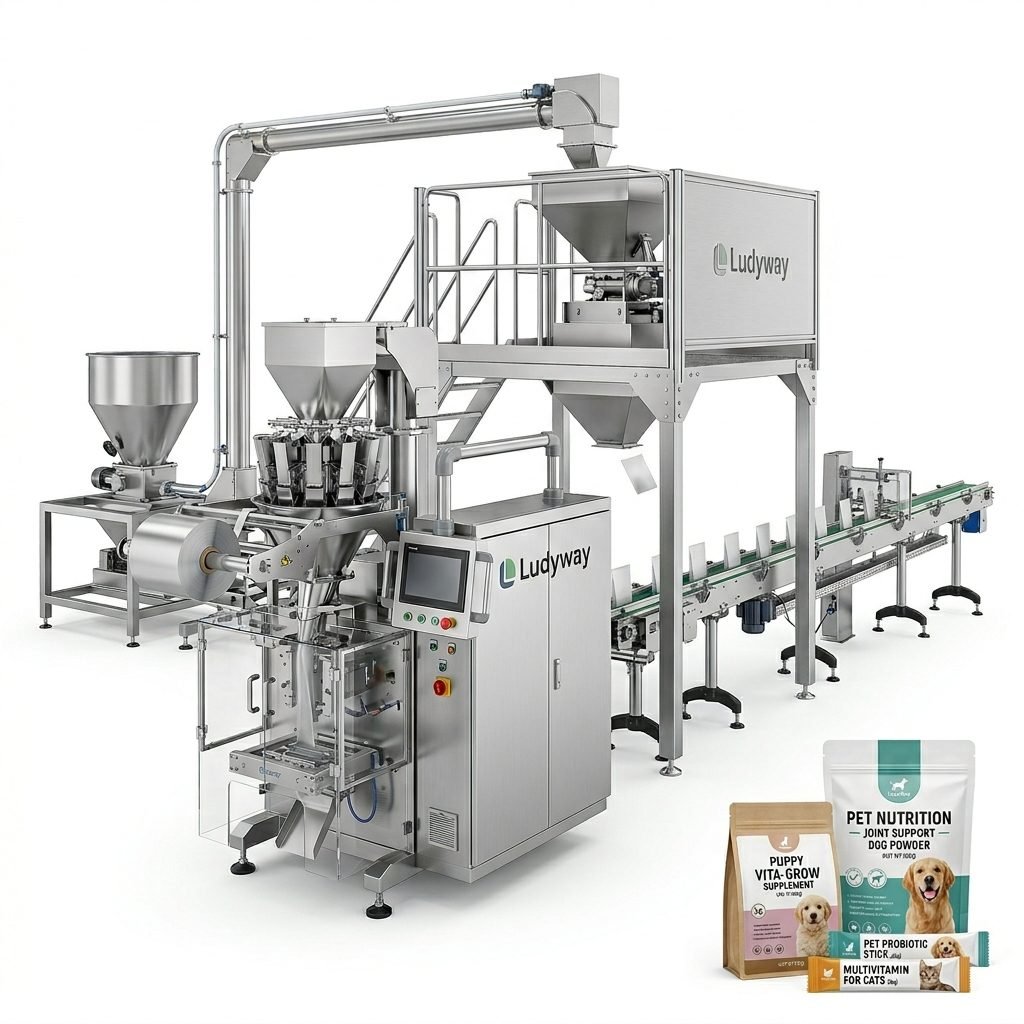
Modern manufacturing is moving toward automation. Rather than buying a standalone vacuum sealer packaging machine, large-scale Saudi Vision 2030 food parks often require a complete turnkey line. This includes automatic feeding, weighing, bagging, vacuum sealing, metal detection, and cartoning. Integrating these components in a turnkey setup ensures seamless communication between modules, reducing labor costs and human error significantly.
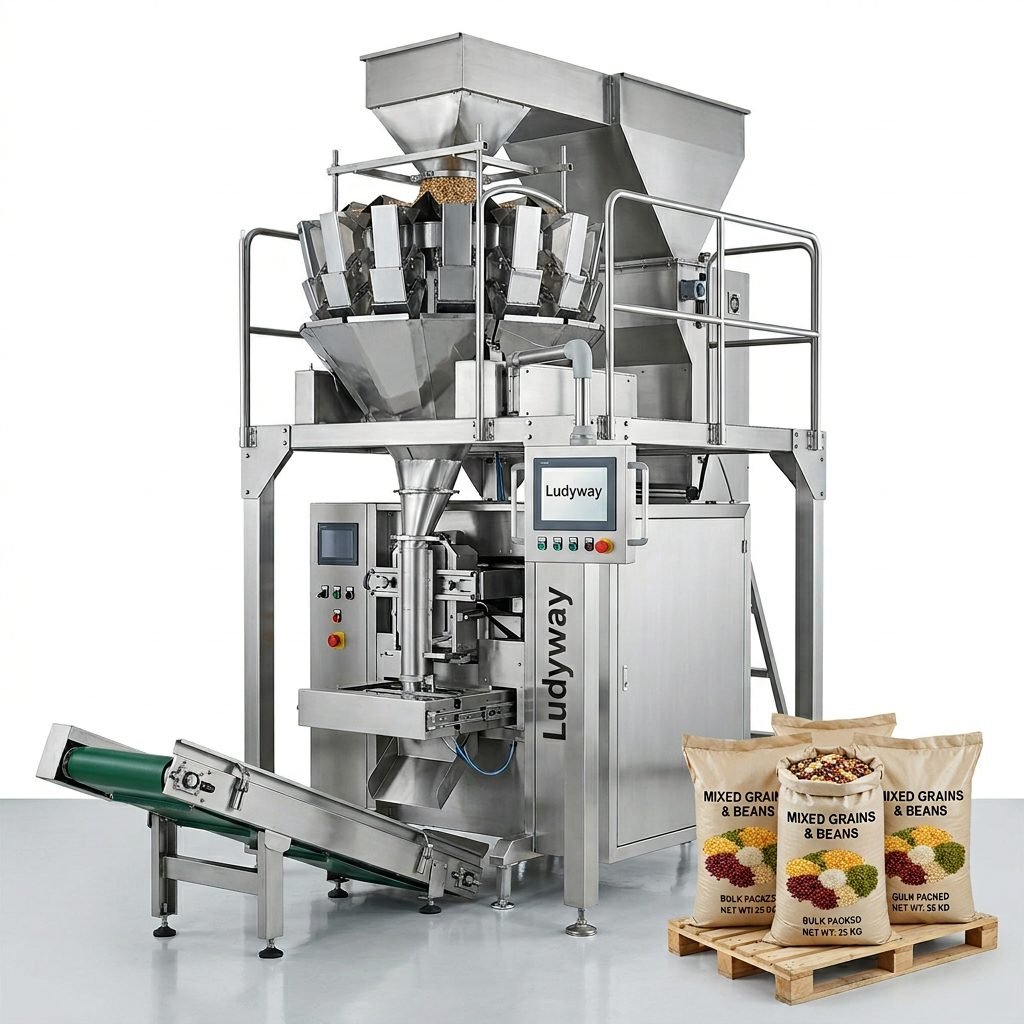
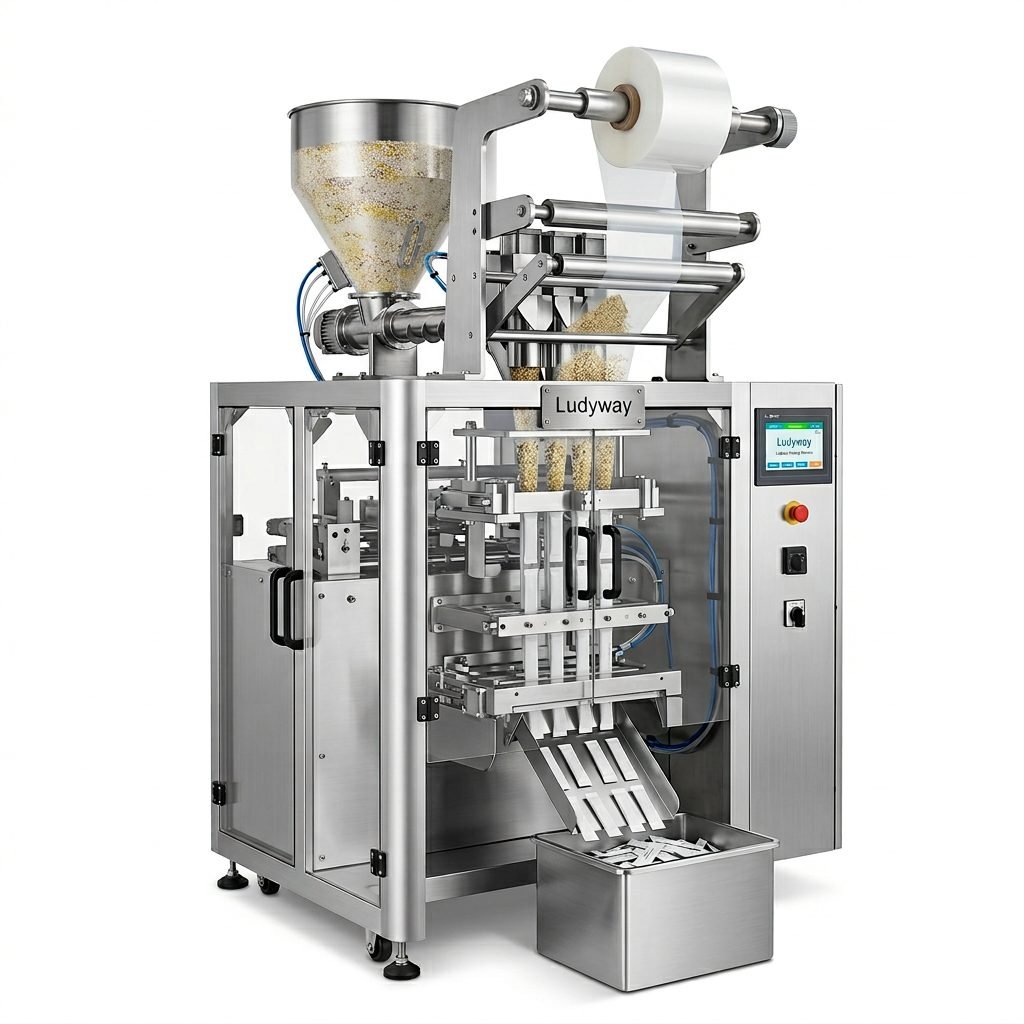
A prime example of a manufacturer supporting this shift is Ludyway. As one of the largest packaging machine manufacturers in China, Ludyway specializes in advanced packaging equipment and turnkey production solutions for the food, pharmaceutical, and health industries. With a modern 20,000㎡ manufacturing facility and over 30 years of industry expertise, they provide reliable and efficient vacuum and pouch packaging solutions, serving customers in over 100 countries and regions with cost-effective, high-performance systems.
Maintenance and Operation in Harsh Climates
Operating a vacuum machine in the Middle East requires strict maintenance protocols. The ambient heat necessitates efficient cooling systems for the pumps. Operators must regularly clean the seal bars to prevent sugar or salt crystallization from damaging the heating element. An important tip is never to use liquid directly inside the machine’s chamber unless specifically rated for it; instead, use a “tilted” vacuum approach often available in specialized liquid packaging models.
Why Multi-Lane Vacuum Systems Are the Future
Efficiency is king. For coffee, sugar, and powder stick packs, multi-lane vacuum and gas flush systems are replacing older single-track machines. These systems can produce dozens of perfectly sealed, nitrogen-protected sticks per cycle. They are compact yet deliver the output of multiple machines, a vital consideration for factory space optimization in industrial hubs like Jebel Ali Free Zone.
Conclusion: Making an Informed Investment
Purchasing a vacuum sealer packaging machine in the Middle East is a decision that impacts product quality, logistics, and brand reputation. Focus on the specific physical properties of your product, the durability of the pump, and the availability of local after-sales support. Do not compromise on stainless steel build quality and ensure the machine can handle Modified Atmosphere Packaging (MAP) if you plan to export. By prioritizing these specifications, your investment will yield fresh, high-quality products that stand out in the competitive Gulf market.
Related resources: