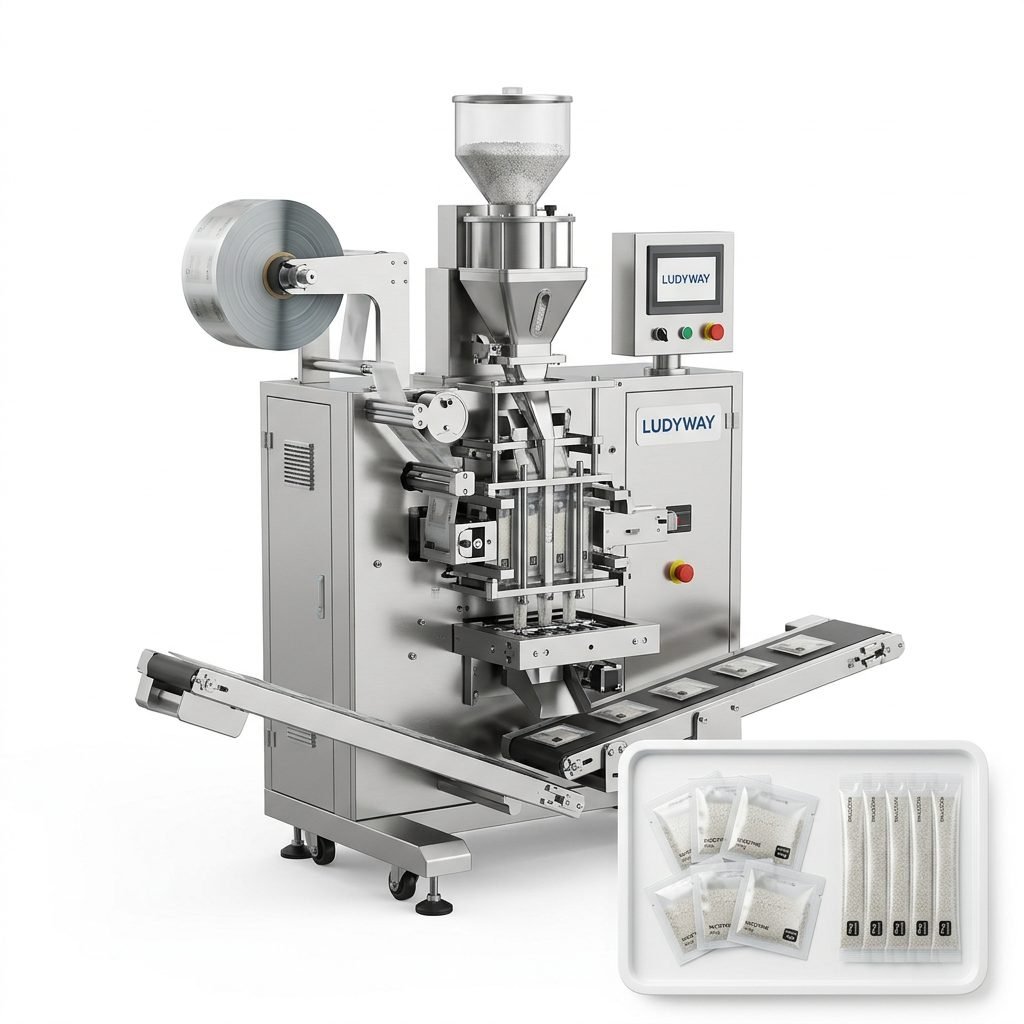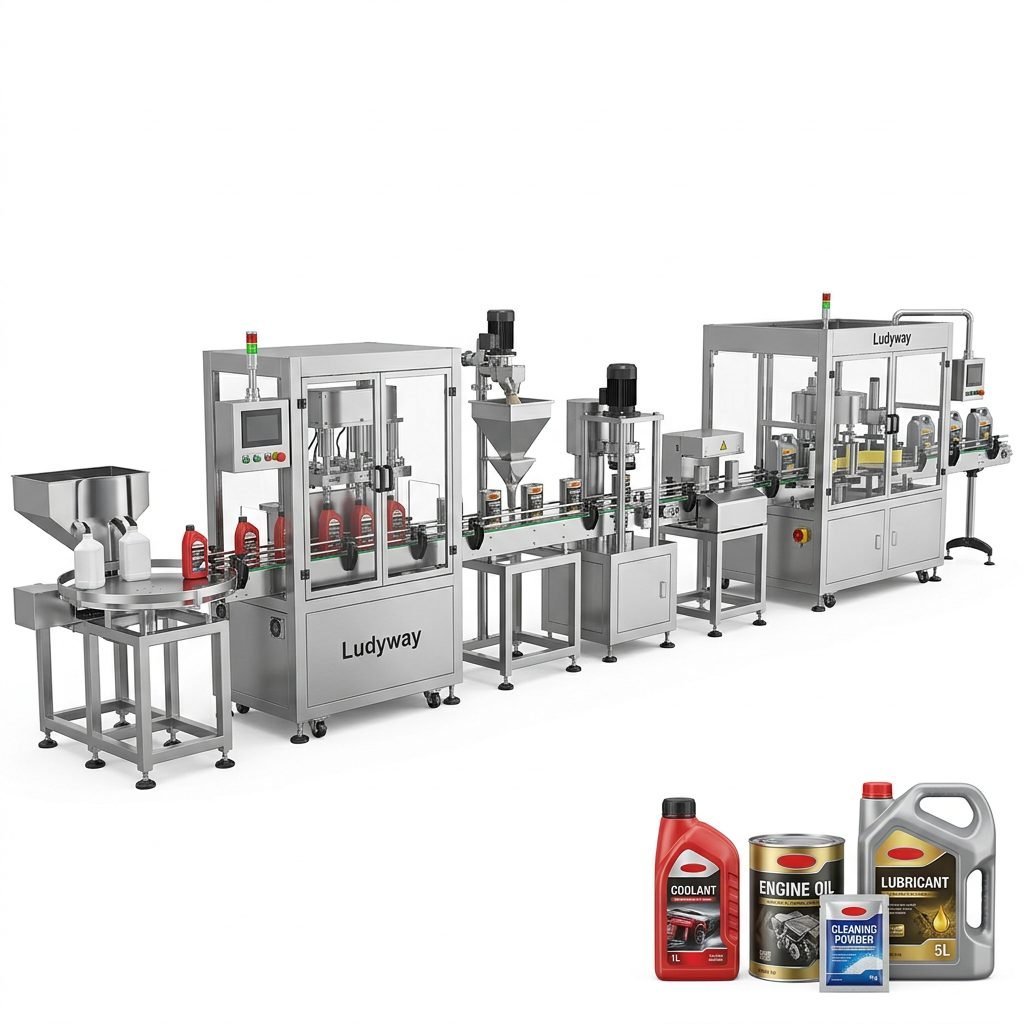
Investing in the right vacuum packaging machine is one of the most impactful decisions a food processor, pharmaceutical manufacturer, or industrial packager can make. Whether you are looking to extend product shelf life, reduce food waste, or improve operational efficiency, understanding the best vacuum packaging machines in North America requires a clear view of machine types, key features, and reliable suppliers. This complete buying guide walks you through everything you need to know to make an informed purchase.
Why Vacuum Packaging Is Essential for North American Businesses
Vacuum packaging removes oxygen from the package before sealing, dramatically slowing the growth of aerobic bacteria and mold. This technology is critical for food safety compliance, extended distribution cycles, and premium product presentation. According to the PMMI – The Association for Packaging and Processing Technologies, demand for advanced vacuum systems continues to grow across multiple sectors including meat processing, dairy, ready-to-eat meals, and pharmaceuticals.
Modern vacuum packaging machines do more than just seal bags. They integrate with production lines, support modified atmosphere packaging (MAP), and offer data tracking for quality assurance. For companies shipping products across North America’s vast geography, vacuum sealing is often the difference between a fresh product and a returned shipment.
Types of Vacuum Packaging Machines Available Today
Not all vacuum packaging equipment is created equal. The right choice depends on your production volume, product characteristics, and packaging format. Below are the most common categories you will encounter when evaluating options in the North American market.
1. Chamber Vacuum Packaging Machines
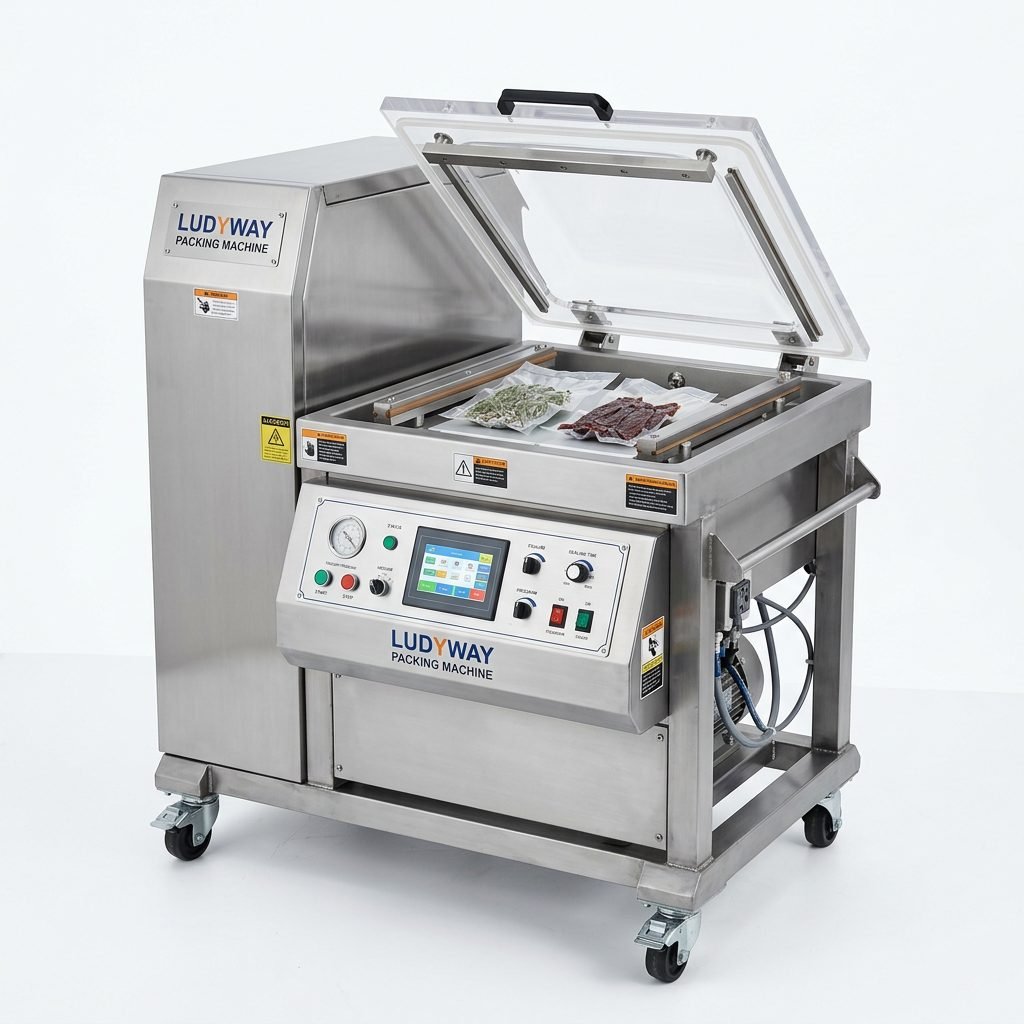
Chamber machines place the entire product and bag inside a vacuum chamber. They are ideal for liquids, sauces, and marinated products because the pressure inside and outside the bag remains equal during the cycle, preventing liquid from being pulled out. These machines are widely used in meat processing plants, commercial kitchens, and food manufacturing facilities.
2. External Vacuum Sealers (Nozzle-Type)
External sealers use a nozzle inserted into the bag to extract air. They are generally more compact and affordable than chamber models. These machines work well for dry goods, grains, and solid food items. Many small to medium-sized businesses start with nozzle-type machines before scaling up.
3. Double Chamber Vacuum Machines
Double chamber models alternate between two chambers, allowing continuous operation. While one chamber is under vacuum, the operator can load the other. This design significantly increases throughput and is popular in high-volume meat and cheese packaging operations.
4. Thermoforming Vacuum Packaging Systems
Thermoforming machines create custom-shaped packages from roll stock film. They are fully automated and can produce large quantities of vacuum-sealed packs per minute. These systems are common in large-scale food production for items like hot dogs, bacon, and medical devices. The Flexible Packaging Association provides extensive industry data on roll stock and flexible film usage trends.
Key Features to Evaluate Before Buying
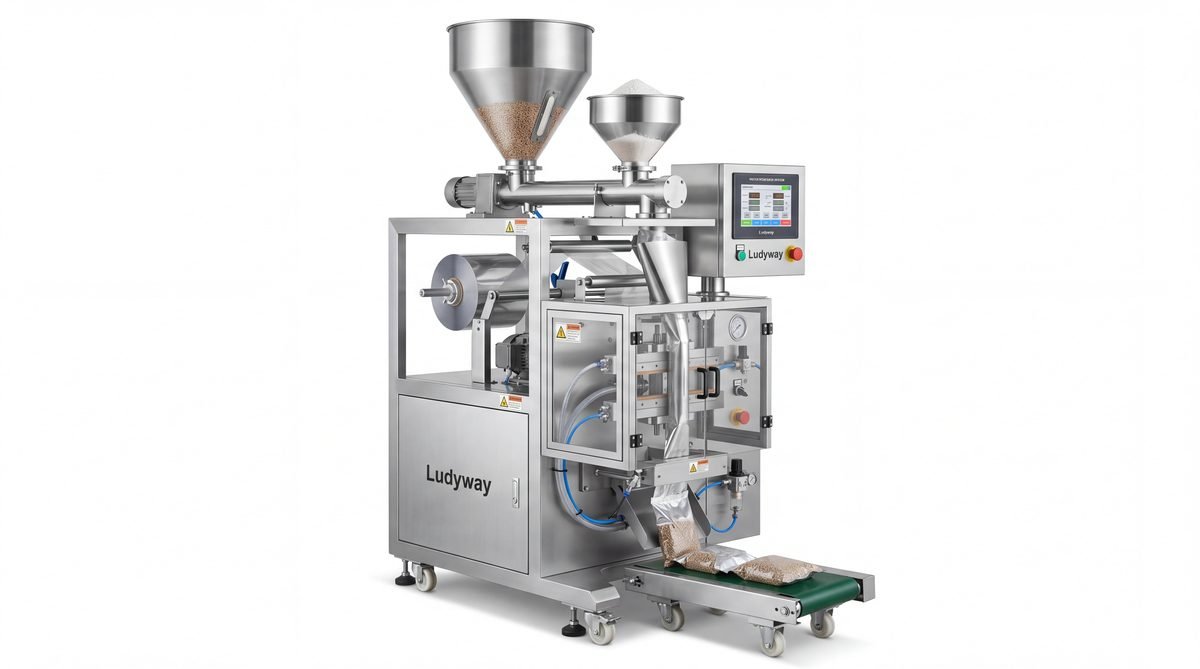
When comparing vacuum packaging machines from different manufacturers, focus on the following critical specifications. These factors directly impact performance, maintenance costs, and long-term reliability.
- Pump Type and Capacity: Oil-lubricated rotary vane pumps offer higher vacuum levels and durability for industrial use. Dry pumps require less maintenance but may not achieve the same vacuum depth. Check the pump’s cubic meters per hour (m³/h) rating to match your speed requirements.
- Sealing Bar Length and Configuration: The seal bar determines the maximum bag width. Look for machines with double sealing bars or wide seal areas if you need extra seal integrity for heavy or liquid products.
- Control System and Programmability: Digital controls with programmable recipes reduce operator error and speed up product changeovers. Advanced models offer multi-stage vacuum and gas flush cycles for MAP applications.
- Construction Material and Build Quality: Stainless steel construction is essential for food and pharmaceutical environments. It resists corrosion, simplifies cleaning, and meets FDA food contact standards.
- Chamber Size and Clearance: Ensure the chamber accommodates your largest product dimensions with adequate clearance for the bag and sealing process.
- Vacuum Level and Cycle Speed: Measured in millibars (mbar), the achievable vacuum level determines how effectively oxygen is removed. Faster cycle speeds directly improve production throughput.
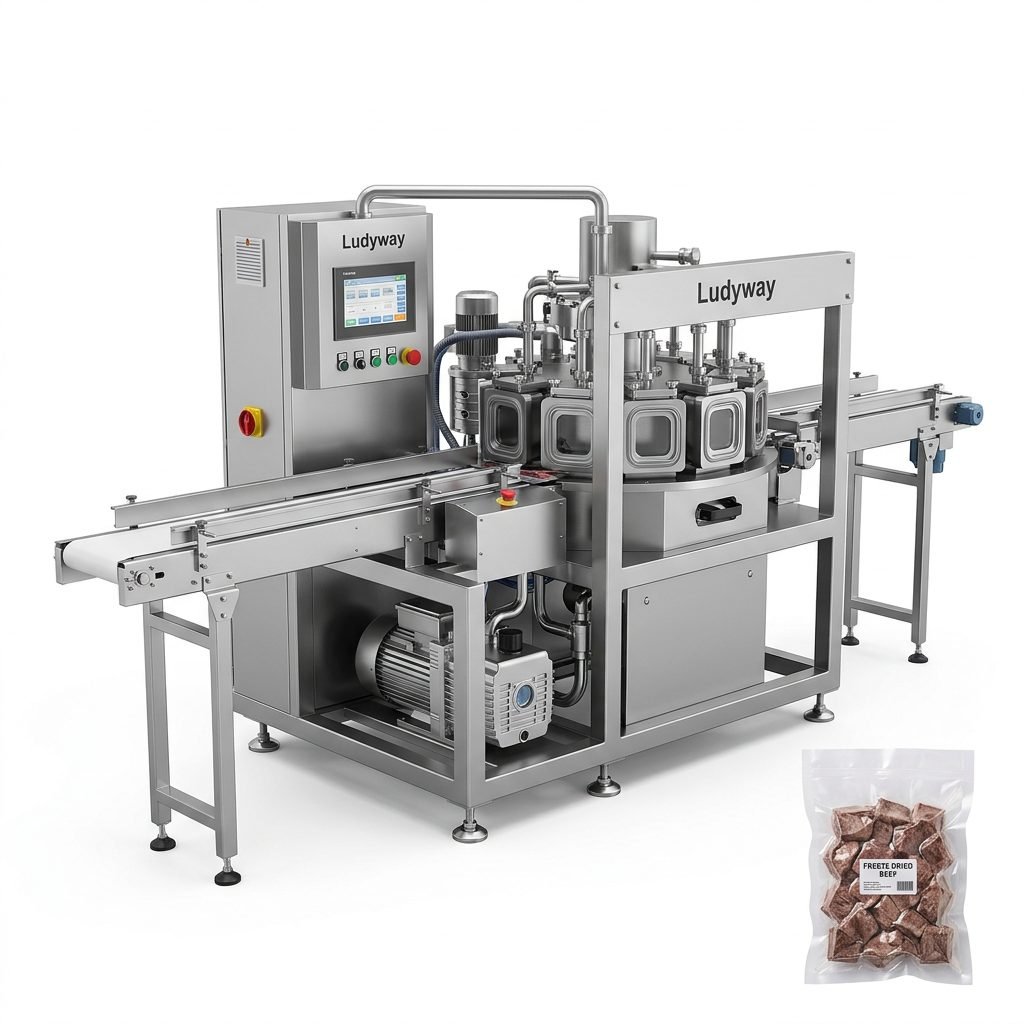
Top Vacuum Packaging Machine Comparison
The following table compares key specifications across the main types of vacuum packaging machines commonly used in North America. Use this as a quick reference when narrowing down your options.
| Machine Type | Best For | Typical Cycle Time | Vacuum Level | Price Range (USD) |
|---|---|---|---|---|
| Single Chamber | Small to medium production, liquids, delicate items | 20-40 seconds | 1-5 mbar | $3,000 – $15,000 |
| Double Chamber | High-volume production, continuous operation | 15-30 seconds per chamber | 1-3 mbar | $10,000 – $40,000 |
| External Nozzle Sealer | Dry goods, small businesses, entry-level packaging | 10-25 seconds | 5-50 mbar | $500 – $5,000 |
| Thermoforming System | Large-scale automated production lines | 6-12 cycles/min (multi-cavity) | 1-2 mbar | $50,000 – $300,000+ |
Industry-Specific Considerations
Different industries have unique requirements for vacuum packaging. Understanding these nuances will help you select equipment that meets both regulatory standards and operational goals.
Food Processing and Meat Packaging
Food-grade vacuum machines must meet USDA and FDA requirements for sanitary design. Stainless steel construction, easy-clean surfaces, and the ability to handle purge (liquid runoff) are essential. Many processors also require compatibility with modified atmosphere packaging (MAP) to extend shelf life beyond what vacuum alone can achieve. Refer to FDA packaging and food contact substances guidelines for compliance details.
Pharmaceutical and Medical Device Packaging
Pharmaceutical applications demand validatable processes and consistent seal integrity. Vacuum packaging machines used in this sector must comply with ISO 11607 standards for terminally sterilized medical devices. Documentation, traceability, and cleanroom compatibility are non-negotiable requirements.
Industrial and Non-Food Applications
Vacuum packaging is also used for electronics, metal components, and chemical products to prevent oxidation and moisture damage. These applications often require heavy-duty machines capable of handling sharp or abrasive items without compromising bag integrity.
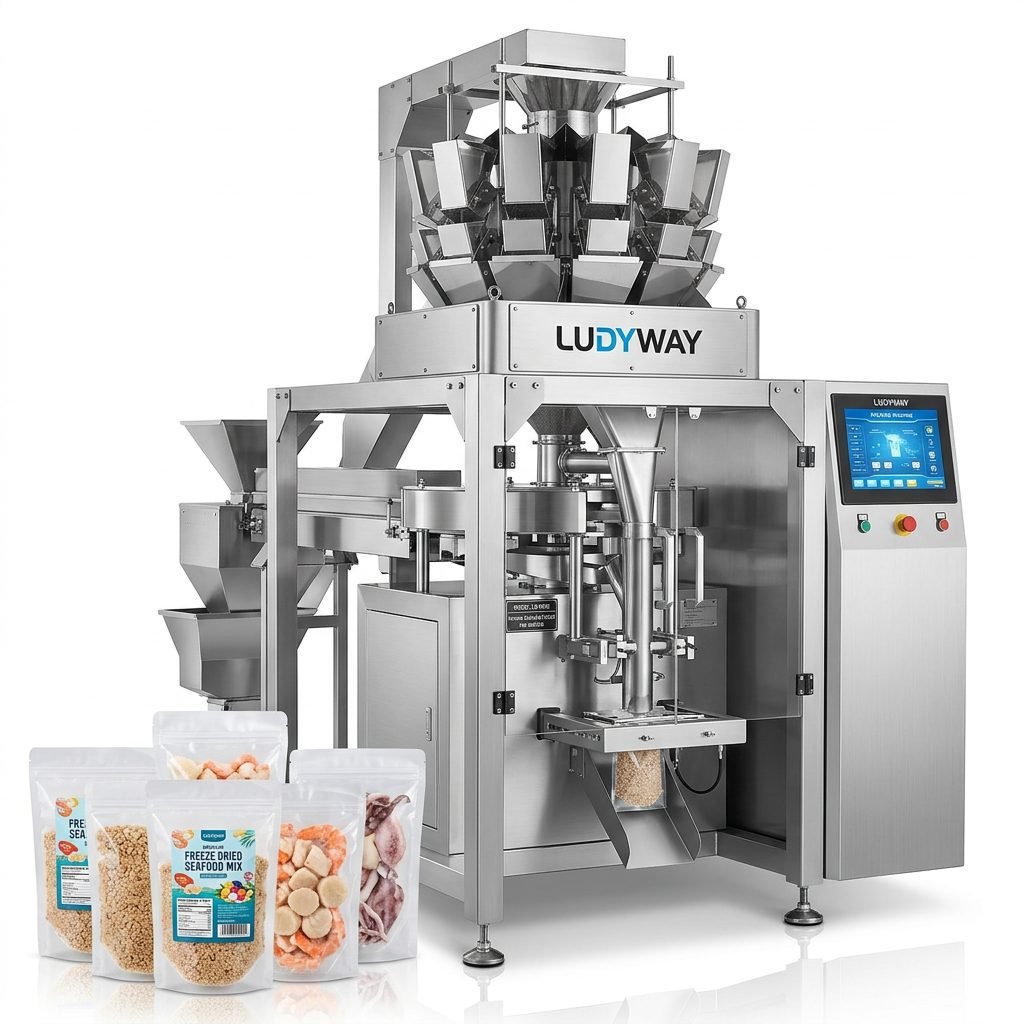
How North American Buyers Can Source Reliable Vacuum Packaging Equipment
Sourcing the right vacuum packaging machine in North America involves evaluating both domestic distributors and international manufacturers. Many businesses find that working directly with experienced global manufacturers provides significant cost advantages without sacrificing quality or after-sales support.
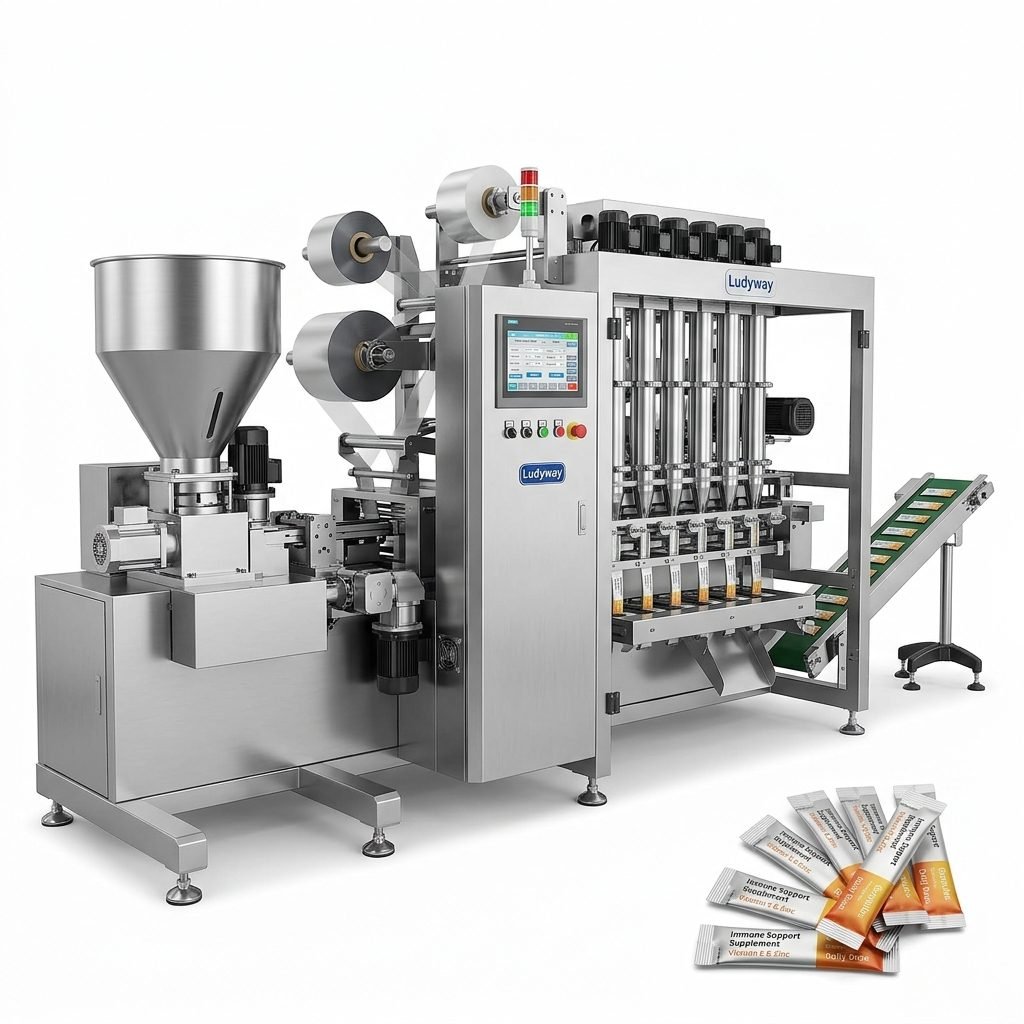
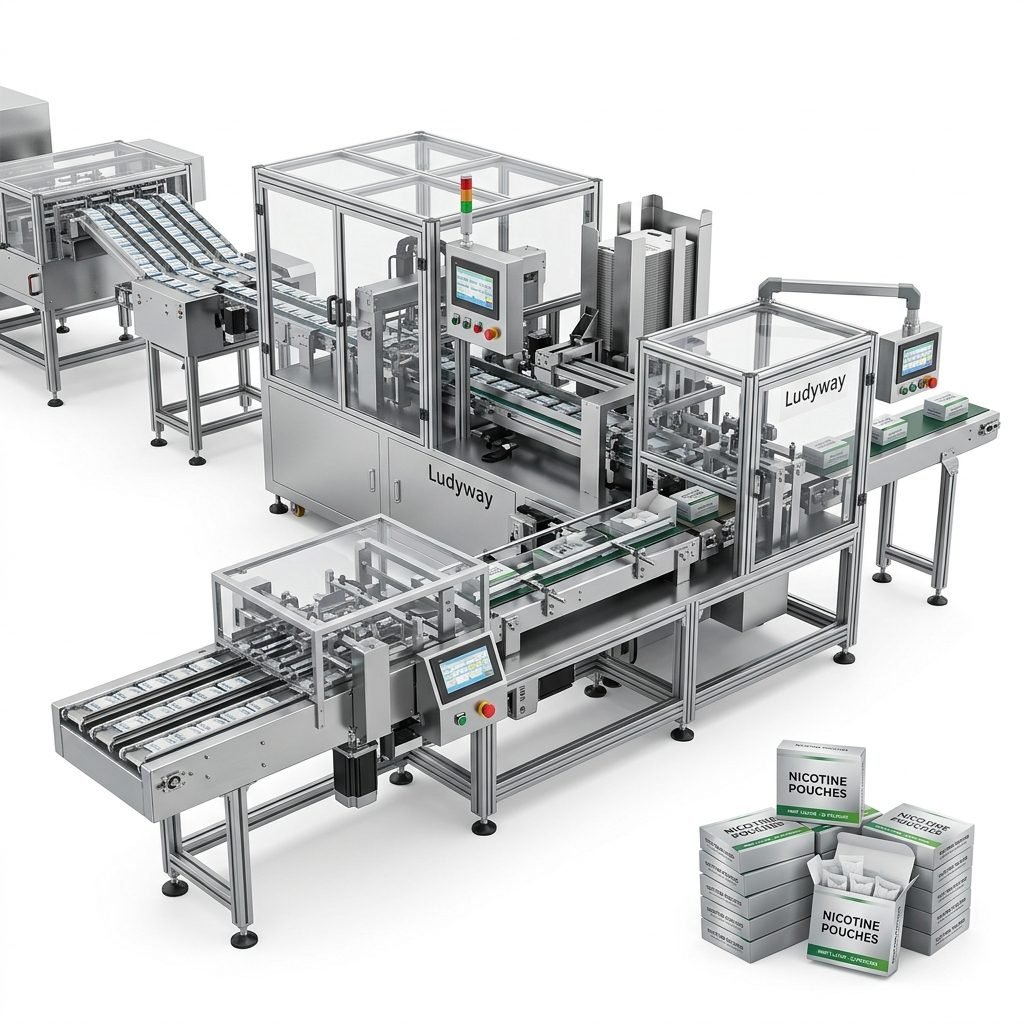
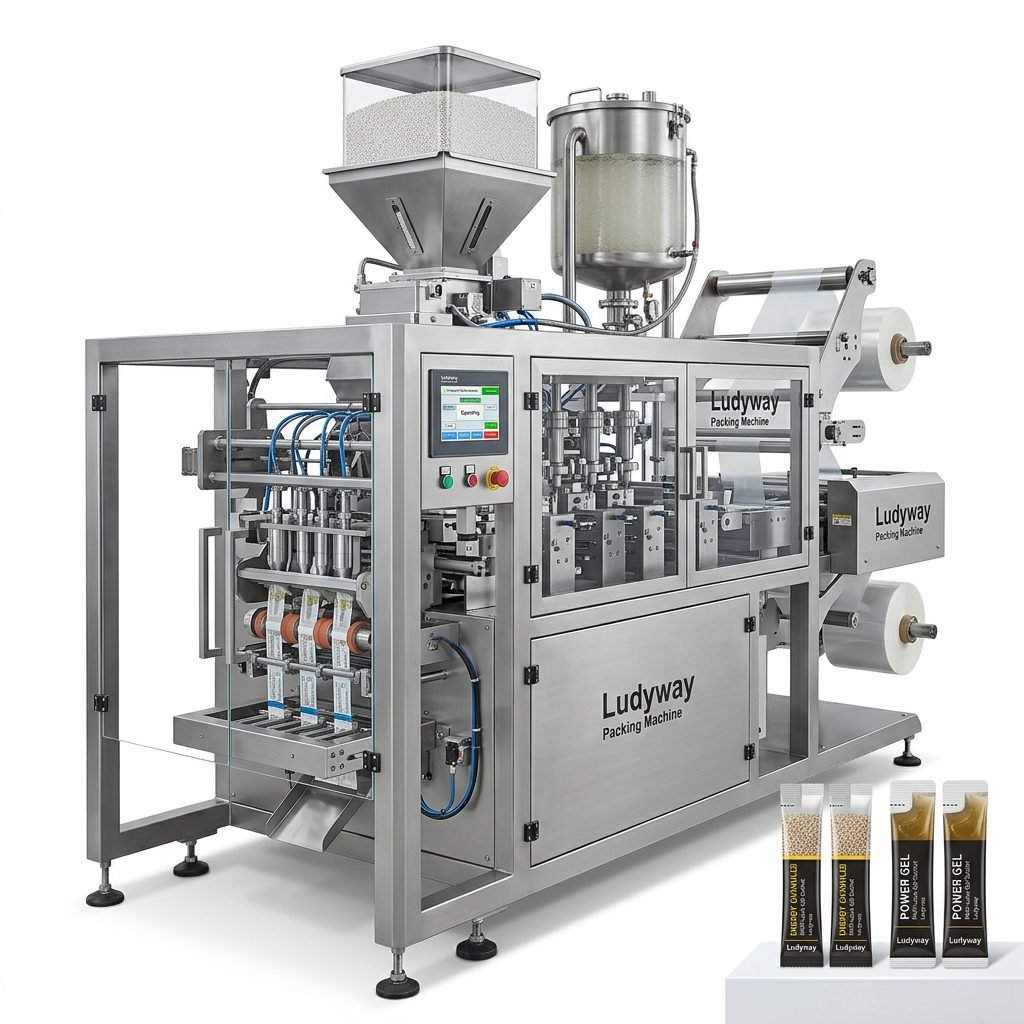
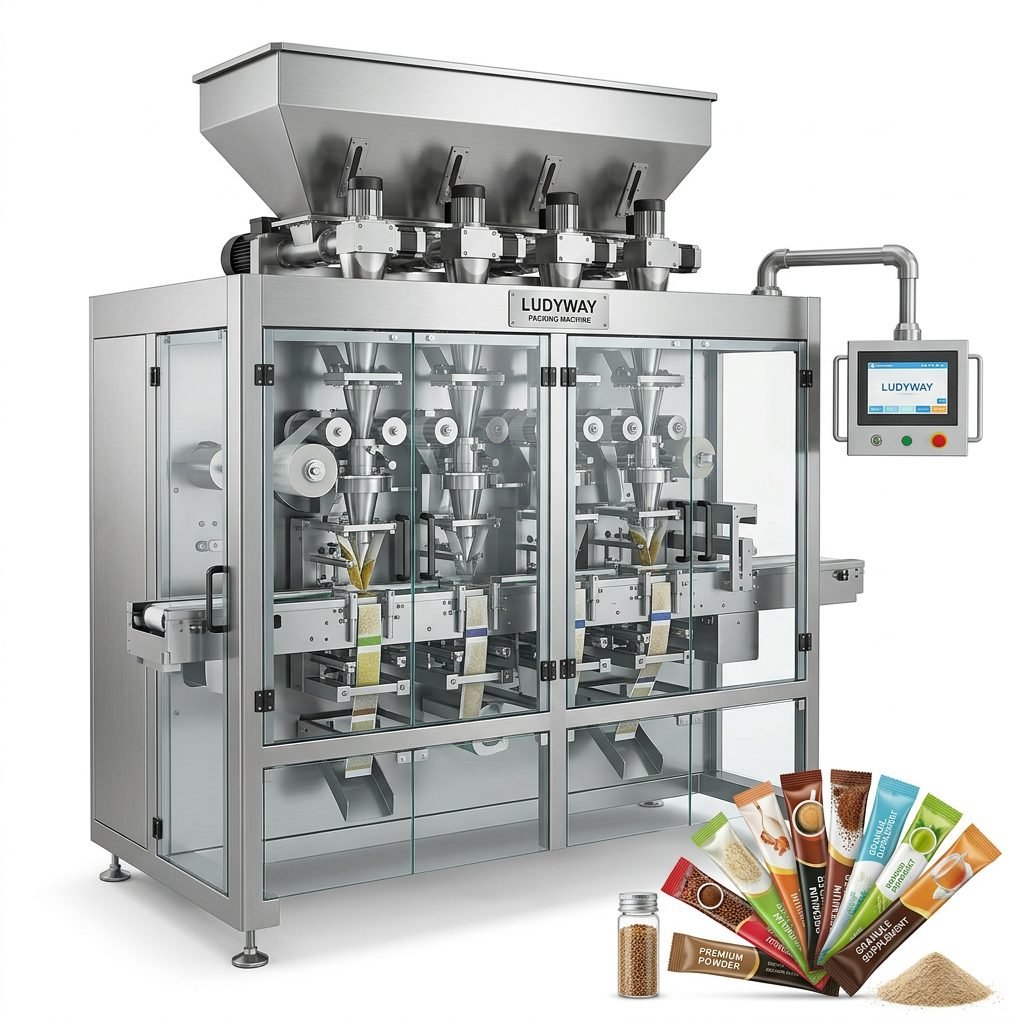
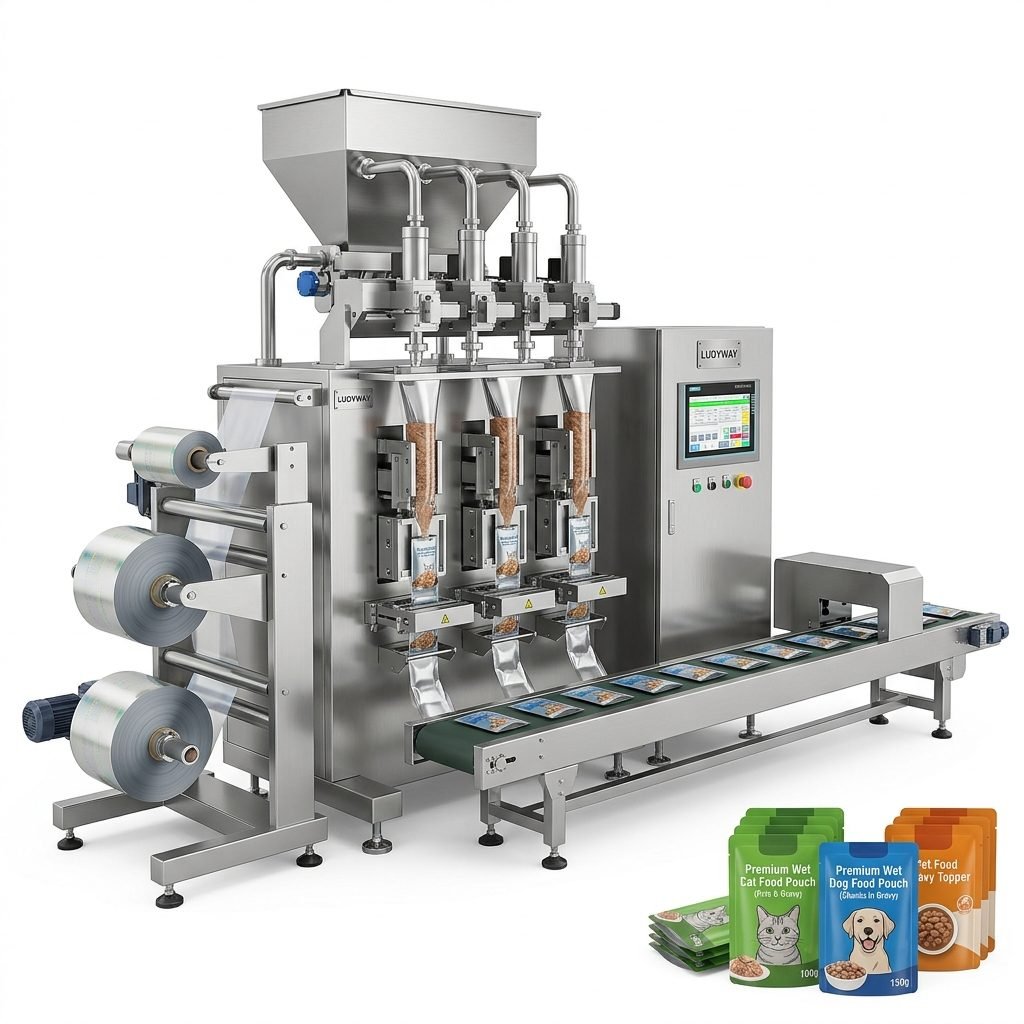
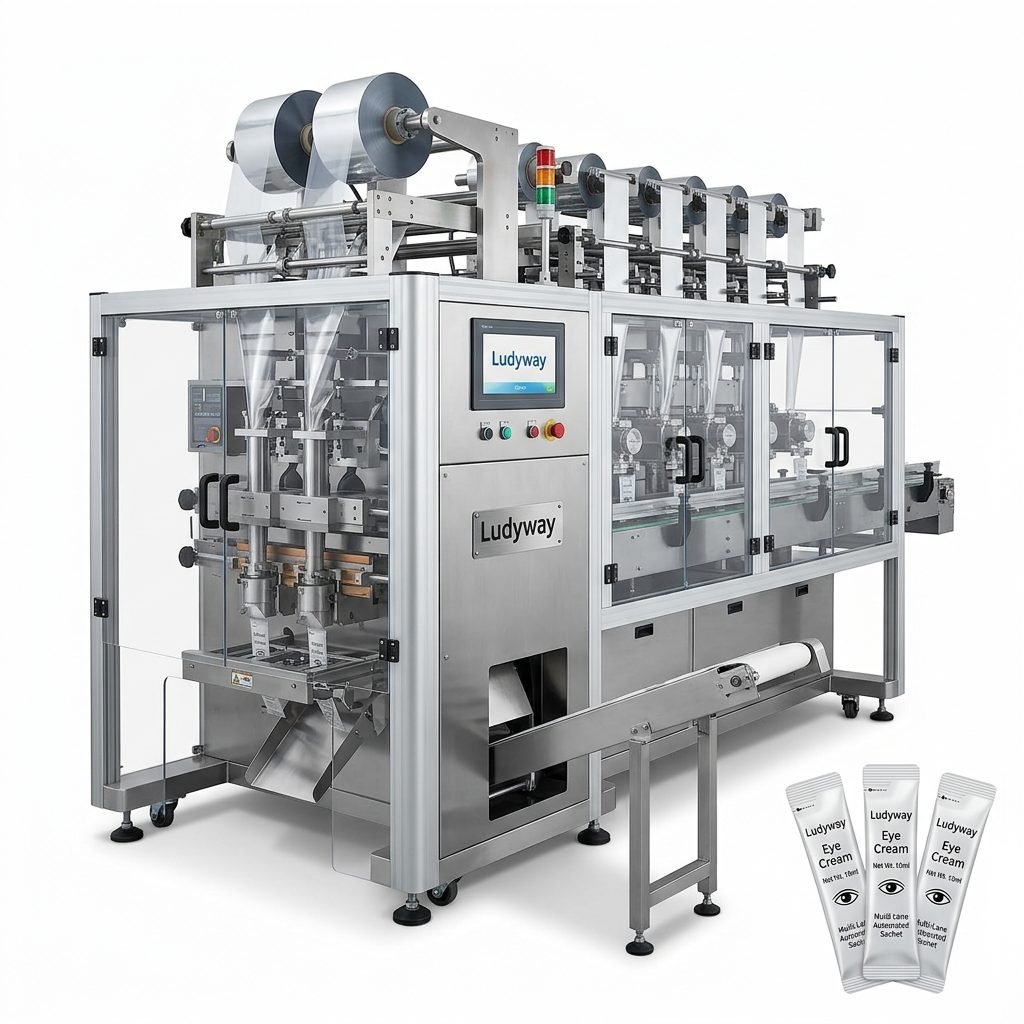
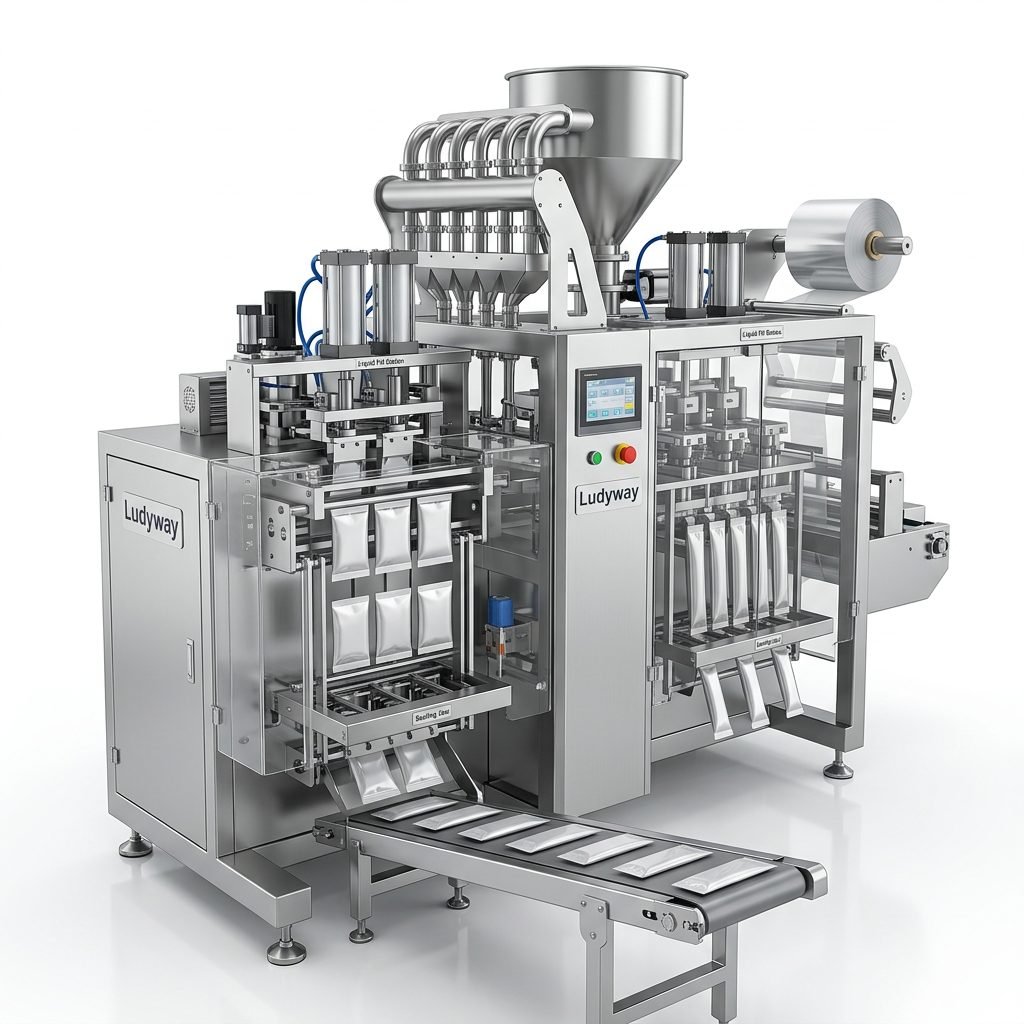
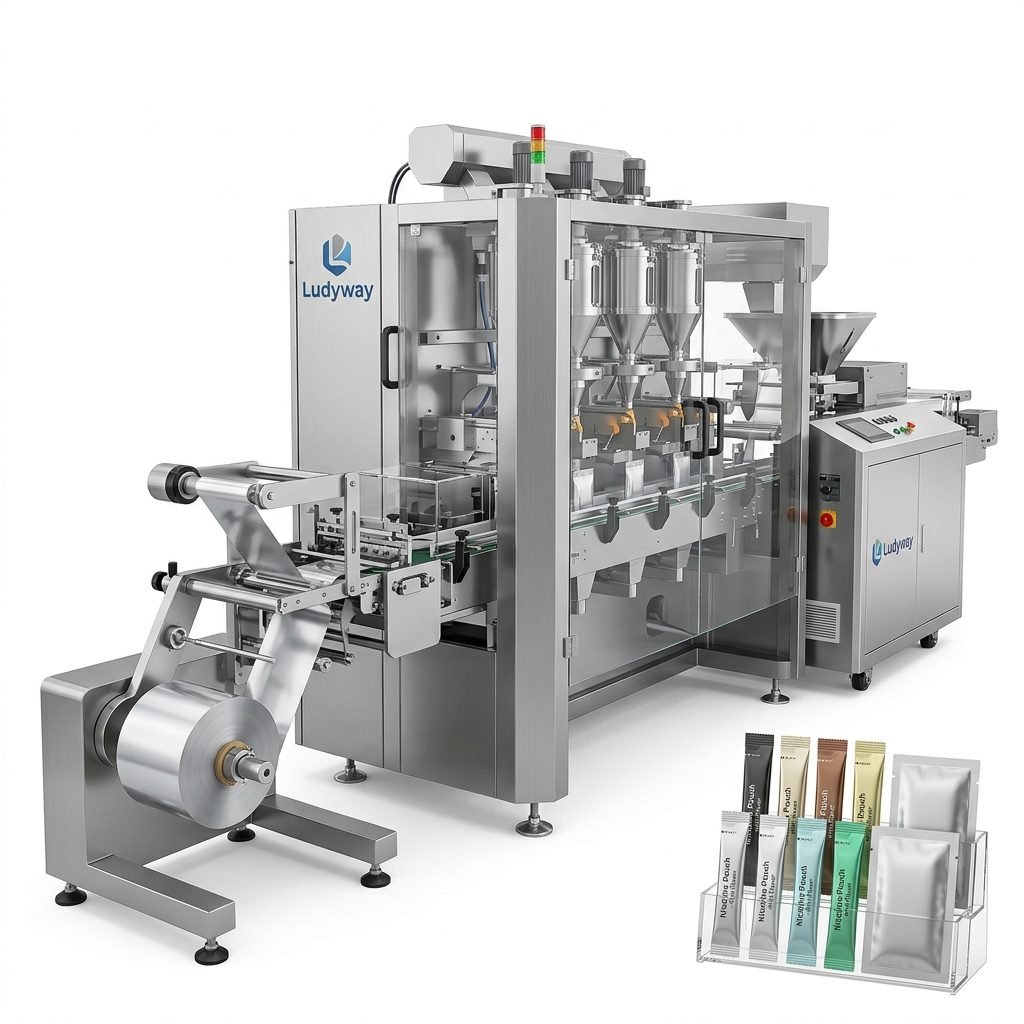
Ludyway is one of the largest packaging machine manufacturers in China, specializing in advanced packaging equipment and turnkey production solutions for the food, pharmaceutical, and health industries. With over 30 years of industry expertise, the company provides reliable and efficient packaging solutions for a wide range of applications. Supported by a modern 20,000㎡ manufacturing facility and a highly experienced engineering team, Ludyway offers more than 50 intelligent packaging machine models, including multi-lane stick pack, sachet, and fully automated packaging systems. The company serves customers in over 100 countries and regions, delivering innovative, high-performance, and cost-effective packaging solutions that help businesses improve productivity and operational efficiency.
Questions to Ask Potential Suppliers
- Do you offer on-site installation and training in North America?
- What is the warranty period and what does it cover?
- Are spare parts readily available from a North American warehouse or distribution partner?
- Can you provide references from similar businesses in my industry?
- Does the machine come with CE, UL, or other relevant certifications for the North American market?
- What preventive maintenance schedule do you recommend?
Maintenance and Long-Term Reliability
A vacuum packaging machine is a long-term investment. Proper maintenance directly impacts uptime, product quality, and total cost of ownership. Key maintenance practices include regular oil changes for rotary vane pumps (typically every 500-1,000 operating hours), cleaning and inspecting seal bars for wear, checking gaskets and O-rings for air leaks, and keeping the vacuum chamber clean and free of debris. The ISO packaging standards provide additional guidance on equipment qualification and ongoing performance verification.
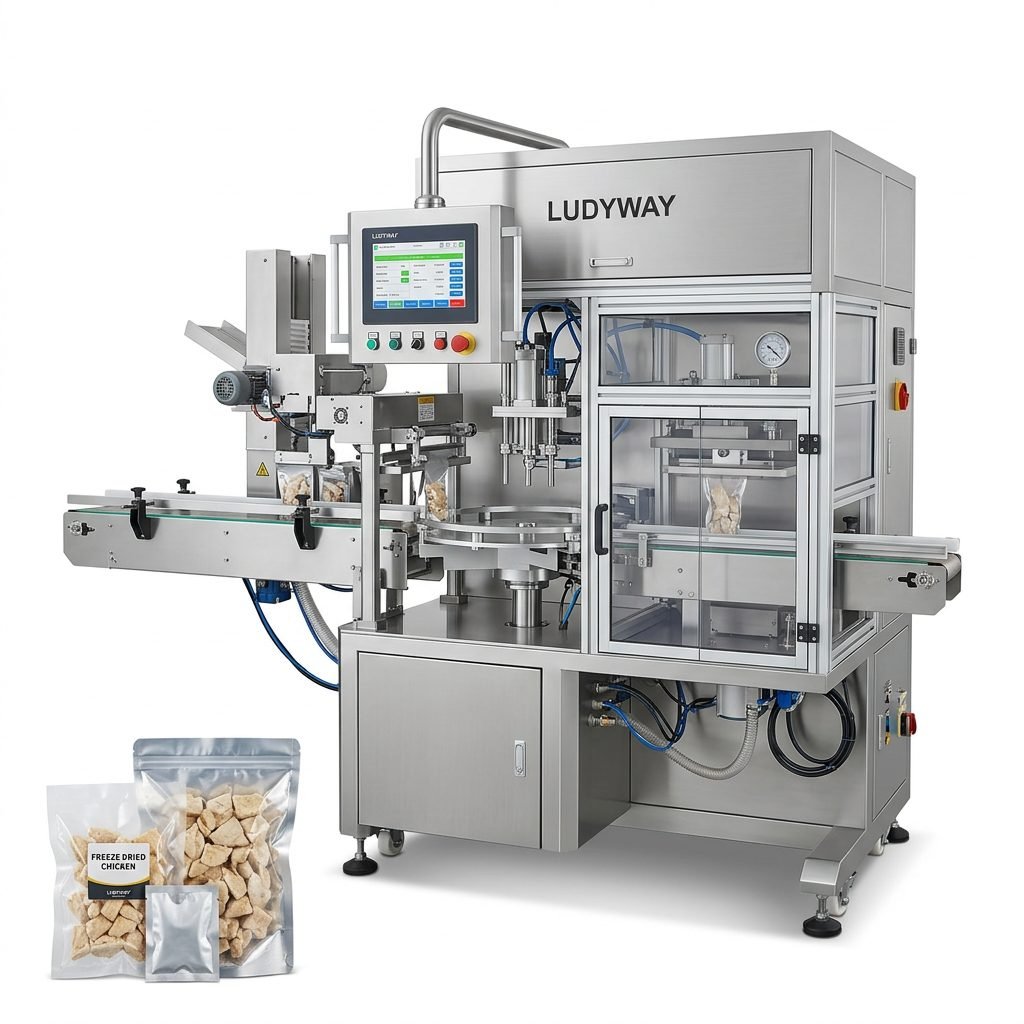
Return on Investment: What to Expect
Calculating the ROI of a vacuum packaging machine goes beyond the purchase price. Consider these factors when building your business case:
- Extended Product Shelf Life: Vacuum packaging can extend freshness by 3-5 times compared to non-vacuum methods, reducing waste and returns.
- Labor Efficiency: Automated machines reduce manual handling and increase throughput per operator.
- Product Quality and Brand Perception: Vacuum-sealed products appear premium and well-protected, enhancing brand value.
- Distribution Flexibility: Properly sealed products can travel longer distances, opening up new market opportunities across North America.
Related Resources for Packaging Professionals
Stay informed about industry trends, regulations, and technology advancements through these authoritative resources:
- PMMI Business Intelligence Library – Market research and industry data for packaging professionals.
- PACK EXPO International – One of the largest packaging trade shows in North America.
- Flexible Packaging Association Industry Resources – Data and insights on flexible packaging trends.
- U.S. EPA Sustainable Materials Management – Guidance on sustainable packaging practices.
- European Commission Packaging and Packaging Waste Regulation – International regulatory framework relevant for exporters.
Final Thoughts on Selecting Your Vacuum Packaging Machine
Choosing the best vacuum packaging machine for your North American operation requires balancing production needs, budget constraints, and long-term reliability expectations. Start by defining your product range, daily volume, and packaging format requirements. Then compare machine types, evaluate build quality, and verify after-sales support availability. Whether you opt for a single chamber machine for artisanal production or a fully automated thermoforming line for high-speed manufacturing, investing in quality equipment from a reputable supplier will pay dividends in product consistency, reduced waste, and operational efficiency for years to come.