Investing in a cup packing machine is a significant decision for any food, beverage, pharmaceutical, or consumer goods manufacturer. The right equipment can dramatically improve production efficiency, reduce labor costs, and ensure consistent product quality. However, with numerous machine types, configurations, and suppliers available in the market, making the wrong choice can lead to costly downtime, inconsistent sealing, and production bottlenecks.
This comprehensive buyer’s guide walks you through the essential factors to consider when selecting a cup packing machine, helping you make an informed decision that aligns with your production goals, budget, and operational requirements.
Understanding Your Cup Packaging Requirements
Before evaluating specific machines, you need to clearly define your packaging requirements. Different products, cup formats, and production scales demand different machine configurations. Consider the following factors:
- Product characteristics: Is your product a liquid, paste, powder, granular solid, or semi-solid? Viscosity, particle size, and flowability directly affect the filling system design required for accurate dosing.
- Cup material and format: Are you using pre-formed plastic cups, paper cups, aluminum cups, or thermoformed containers? Each material requires specific sealing technologies such as heat seal, film seal, or snap-on lid application.
- Target production speed: What is your hourly or daily output requirement? Production speed ranges from 1,000 cups per hour for small-scale operations to over 30,000 cups per hour for high-speed industrial lines.
- Cup size range: Will you be filling multiple cup sizes on the same machine? If so, look for models with quick-change tooling and adjustable filling parameters.
- Cleanliness and hygiene standards: Food, dairy, and pharmaceutical applications often require CIP (Clean-in-Place) compatibility, stainless steel construction, and compliance with FDA food packaging regulations.
Types of Cup Packing Machines
The market offers several categories of cup packing machines, each suited to different applications and production scales. Understanding these distinctions is critical to narrowing down your options.
Manual and Semi-Automatic Cup Filling Machines
These machines are ideal for startups, small businesses, and specialty products with lower production volumes. Operators manually place cups, initiate the filling cycle, and remove filled cups. Semi-automatic models may automate the filling and sealing functions while still requiring manual cup handling. They offer lower upfront investment but have limited throughput, typically ranging from 500 to 2,000 cups per hour.
Fully Automatic Inline Cup Filling and Sealing Machines
These systems handle cup denesting, filling, sealing, coding, and discharge automatically in a continuous linear motion. They are widely used for yogurt, juice, jelly, sauces, dips, and ready-to-eat meals. Production speeds generally range from 3,000 to 15,000 cups per hour. Most models support multiple filling stations for layered products and can integrate with packaging industry standards for automated production lines.
Rotary Cup Filling and Sealing Machines
Rotary systems use a rotating turret to index cups through multiple stations, offering higher speeds and precision compared to inline machines. They are preferred for high-volume dairy, dessert, and beverage applications, achieving speeds of up to 30,000 cups per hour or more. Rotary machines typically feature servo-driven filling systems for exceptional accuracy and reduced product waste.
Thermoform-Fill-Seal (TFFS) Machines
Instead of using pre-formed cups, TFFS machines form cups from rollstock film, fill them, and seal them with a lidding film—all in one continuous process. This technology offers significant material cost savings and is common in single-serve creamer, jam, and portion pack applications. TFFS machines require more technical expertise to operate and maintain but provide excellent packaging efficiency for high-volume production.

Key Features to Evaluate
When comparing different cup packing machine models, focus on these critical features that directly impact machine performance, reliability, and total cost of ownership.
Filling System Accuracy and Flexibility
The filling system is the heart of any cup packing machine. Depending on your product, you may need piston fillers, volumetric fillers, net weight fillers, auger fillers, or flow meters. For particulate products with liquid (such as fruit pieces in yogurt), look for machines with multi-head filling capabilities that can handle different consistencies simultaneously. Filling accuracy should typically be within ±1% for liquids and ±2% for viscous or particulate products.
Sealing Technology and Integrity
Proper sealing is essential for product protection, shelf life, and tamper evidence. Common sealing methods include heat seal with pre-cut lids, rollstock film sealing, induction sealing for foil membranes, and snap-on lid application. Evaluate the machine’s seal temperature control, pressure consistency, and dwell time adjustment capabilities. For modified atmosphere packaging (MAP) applications, verify that the machine supports gas flushing to extend product shelf life.
Automation and Control Systems
Modern cup packing machines feature PLC-based controls with touchscreen HMI interfaces. Look for systems that offer:
- Recipe storage for quick changeover between different cup sizes and products
- Servo-driven motions for precise filling, sealing, and indexing
- Real-time production monitoring and data logging capabilities
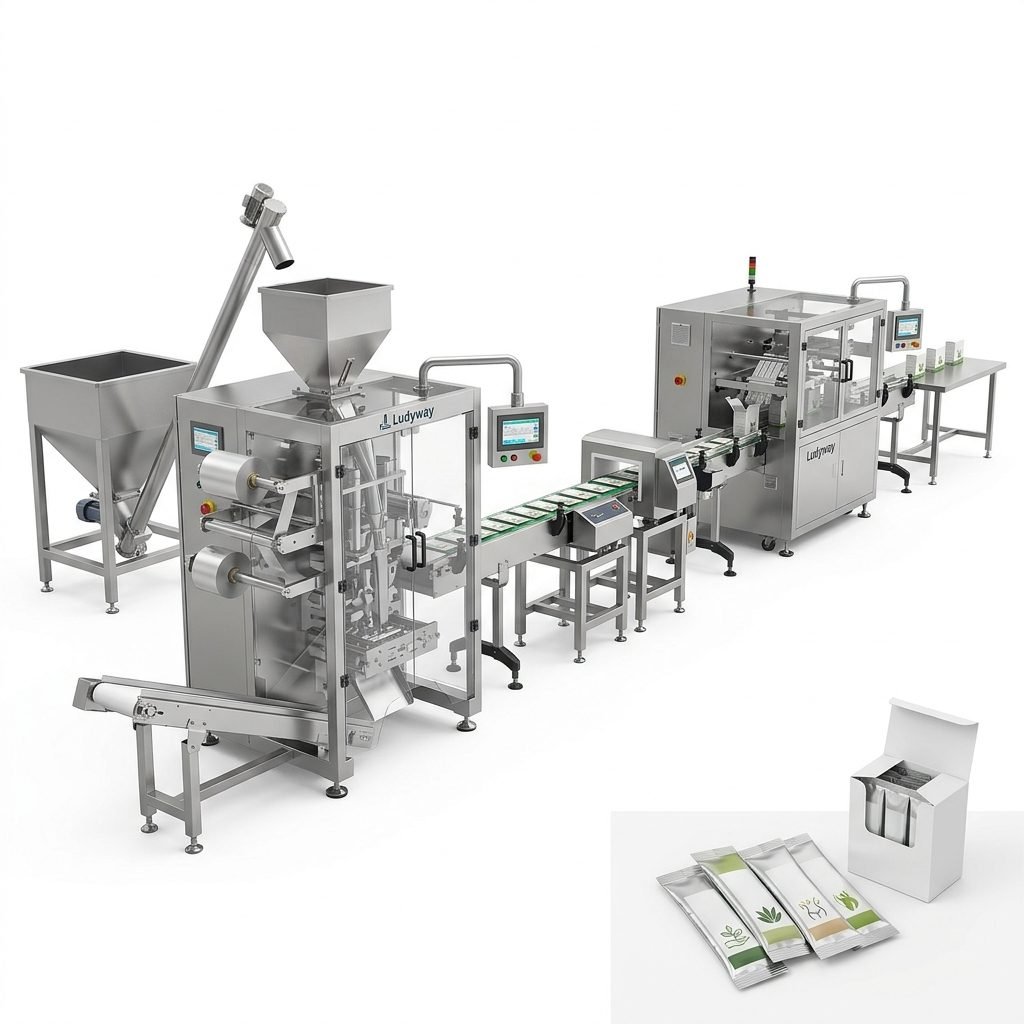
- Integration readiness with upstream and downstream equipment such as cup denesters, date coders, and cartoning machines
- Remote diagnostic capabilities for faster troubleshooting and reduced downtime
Construction Quality and Materials
For food, dairy, and pharmaceutical applications, the machine’s product contact parts must be manufactured from food-grade stainless steel (typically AISI 304 or 316L). Check whether the machine frame is constructed from stainless steel or mild steel with protective coating. Stainless steel construction offers superior corrosion resistance and cleanability, which is essential for washdown environments. Refer to ISO packaging standards for guidance on material requirements and hygienic design principles.
Budget Considerations and ROI Analysis
The cost of a cup packing machine varies widely based on automation level, speed, features, and build quality. Understanding the full cost picture helps you calculate a realistic return on investment.
- Initial equipment cost: Entry-level semi-automatic machines may start at $10,000–$30,000, while fully automatic inline systems typically range from $50,000 to $200,000. High-speed rotary or TFFS systems can exceed $300,000 depending on configuration and customization.
- Installation and commissioning: Budget 5–15% of the equipment cost for installation, including utility connections, operator training, and initial calibration.
- Ongoing operational costs: Consider packaging material costs, energy consumption, spare parts, and maintenance labor. Energy-efficient servo-driven machines can significantly reduce long-term operating expenses.
- Labor savings: A fully automatic machine can typically replace 3–6 manual workers per shift, providing substantial labor cost reductions over time.
- Product waste reduction: Precision filling systems minimize overfill and product giveaway, directly improving material yield and profitability.
Supplier Evaluation Criteria
Selecting the right supplier is as important as selecting the right machine. A reliable cup packing machine partner should demonstrate technical expertise, manufacturing capability, and responsive after-sales support. When evaluating suppliers, consider the following:
- Industry experience: How long has the supplier been manufacturing cup packing equipment? Do they have proven experience in your specific industry segment?
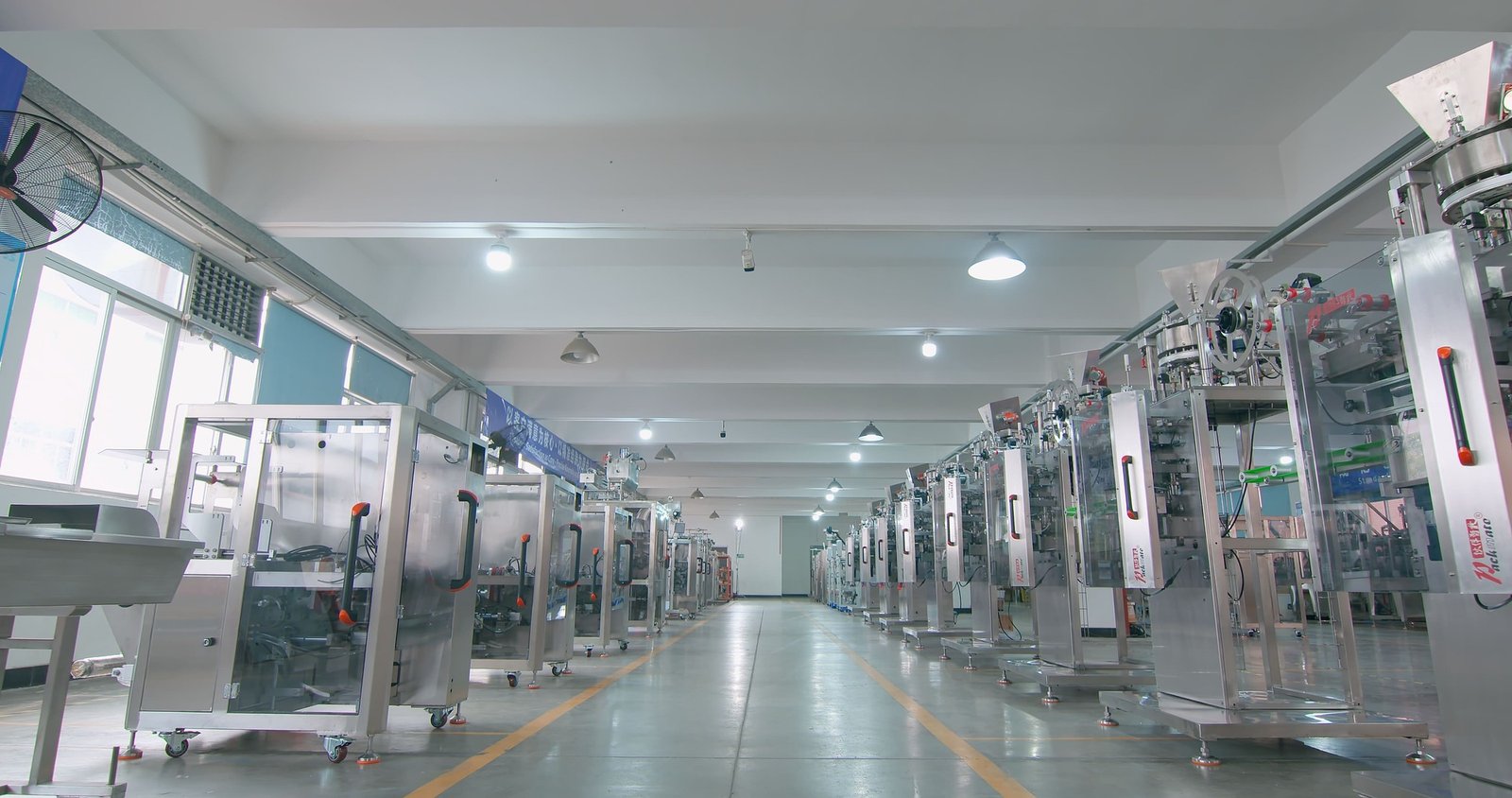
- Manufacturing facility: A supplier with in-house manufacturing and engineering capabilities can offer better quality control and customization options compared to trading companies that outsource production.
- Technical support: Evaluate the supplier’s ability to provide installation, commissioning, operator training, and ongoing technical assistance. Remote support capabilities are increasingly valuable for international buyers.
- Spare parts availability: Confirm that commonly needed spare parts are readily available and can be shipped quickly to minimize potential downtime.
- Customization capabilities: For manufacturers with unique packaging requirements, working with a supplier that offers customized engineering solutions rather than only standardized machines can be a significant advantage. For example, Ludyway Machinery provides customized packaging machinery and engineering solutions tailored to specific product characteristics and production goals, helping manufacturers achieve efficient and scalable packaging operations.
Comparing Cup Packing Machine Specifications
The following table provides a general comparison of different cup packing machine categories based on key operational parameters. Use this as a reference when evaluating your options against your specific production requirements.
| Feature | Semi-Automatic | Automatic Inline | Rotary High-Speed |
|---|---|---|---|
| Typical Speed Range | 500 – 2,000 cups/hr | 3,000 – 15,000 cups/hr | 10,000 – 30,000+ cups/hr |
| Automation Level | Partial automation | Full automatic | Full automatic |
| Labor Requirement | 2–4 operators | 1–2 operators | 1 operator |
| Changeover Time | 15–30 minutes | 10–20 minutes | 5–15 minutes (servo) |
| Investment Range | $10K – $30K | $50K – $200K | $150K – $350K+ |
| Best Suited For | Small batches, startups | Medium to high volume | High-volume 24/7 operation |
| Customization Flexibility | Moderate | High | High |
Industry Standards and Compliance Requirements
Depending on your target market and product category, your cup packing machine may need to comply with specific regulatory standards and certification requirements. Key considerations include:
- Food safety compliance: Machines used for food packaging should comply with FDA food contact substance regulations for the U.S. market or equivalent standards in other regions.
- CE marking: For the European market, machines must meet applicable EU directives including the Machinery Directive and relevant harmonized standards.
- GFSI requirements: If your facility follows Global Food Safety Initiative standards such as SQF or BRC, your packaging equipment must support required hygiene and documentation practices.
- Clean-in-Place (CIP) compatibility: For dairy, beverage, and other hygiene-sensitive applications, verify that the machine supports effective cleaning and sanitization procedures.
- Pharmaceutical GMP: For pharmaceutical and nutraceutical applications, machines may need to comply with Good Manufacturing Practice requirements including validation documentation, audit trails, and cleanroom compatibility.
Installation, Training, and After-Sales Support
The relationship with your cup packing machine supplier extends well beyond the initial purchase. Comprehensive after-sales support ensures your equipment continues to perform optimally throughout its operational life.
Installation and Commissioning
Professional installation and commissioning are critical for ensuring proper machine setup and performance. Confirm whether your supplier provides on-site installation services, including utility connections, machine calibration, and initial production trials. For international purchases, clarify whether installation and training costs are included in the equipment price or billed separately.
Operator and Maintenance Training
Proper training for your operators and maintenance personnel significantly reduces the risk of operational errors, product waste, and unplanned downtime. Look for suppliers that offer comprehensive training programs covering machine operation, routine maintenance, troubleshooting, and safety procedures. Training should be documented and ideally conducted at your facility using your actual products and packaging materials.
Spare Parts and Technical Support
Even the most reliable cup packing machine requires periodic maintenance and occasional parts replacement. Evaluate your supplier’s spare parts inventory, shipping capabilities, and technical support responsiveness. Key questions to ask include:
- What is the typical lead time for commonly needed spare parts?
- Does the supplier offer remote diagnostic support for faster issue resolution?
- Is there a recommended spare parts list for the first year of operation?
- What warranty coverage is provided, and what are the warranty terms and conditions?
- Are extended warranty or service contract options available for long-term peace of mind?
Making the Final Decision
Choosing the right cup packing machine requires balancing multiple factors including production requirements, budget, technical specifications, and supplier capabilities. To summarize the decision-making process:
- Define your requirements: Document your product characteristics, target production speed, cup formats, and hygiene standards before contacting suppliers.
- Research machine types: Understand the differences between semi-automatic, automatic inline, rotary, and TFFS systems to identify the most suitable technology for your application.
- Evaluate key features: Assess filling accuracy, sealing integrity, control systems, and construction quality across different models.
- Compare total cost of ownership: Look beyond the initial purchase price to consider installation, training, materials, energy, maintenance, and labor savings over the machine’s expected service life.
- Verify supplier credentials: Choose a supplier with proven industry experience, manufacturing capability, and responsive after-sales support.
- Request references and demonstrations: Whenever possible, visit existing installations, conduct factory acceptance tests, and speak with current customers about their experience.
- Plan for future scalability: Consider whether the machine can accommodate future increases in production volume, new product introductions, or additional packaging formats.
For additional guidance on packaging machinery selection and industry best practices, the PMMI Business Intelligence Library provides valuable market research and technical resources. The Flexible Packaging Association also offers insights on packaging materials and sustainability considerations that may influence your machine selection.
By following a structured evaluation process and partnering with a reliable equipment supplier, you can select a cup packing machine that delivers consistent performance, meets your production goals, and provides a strong return on investment for years to come.