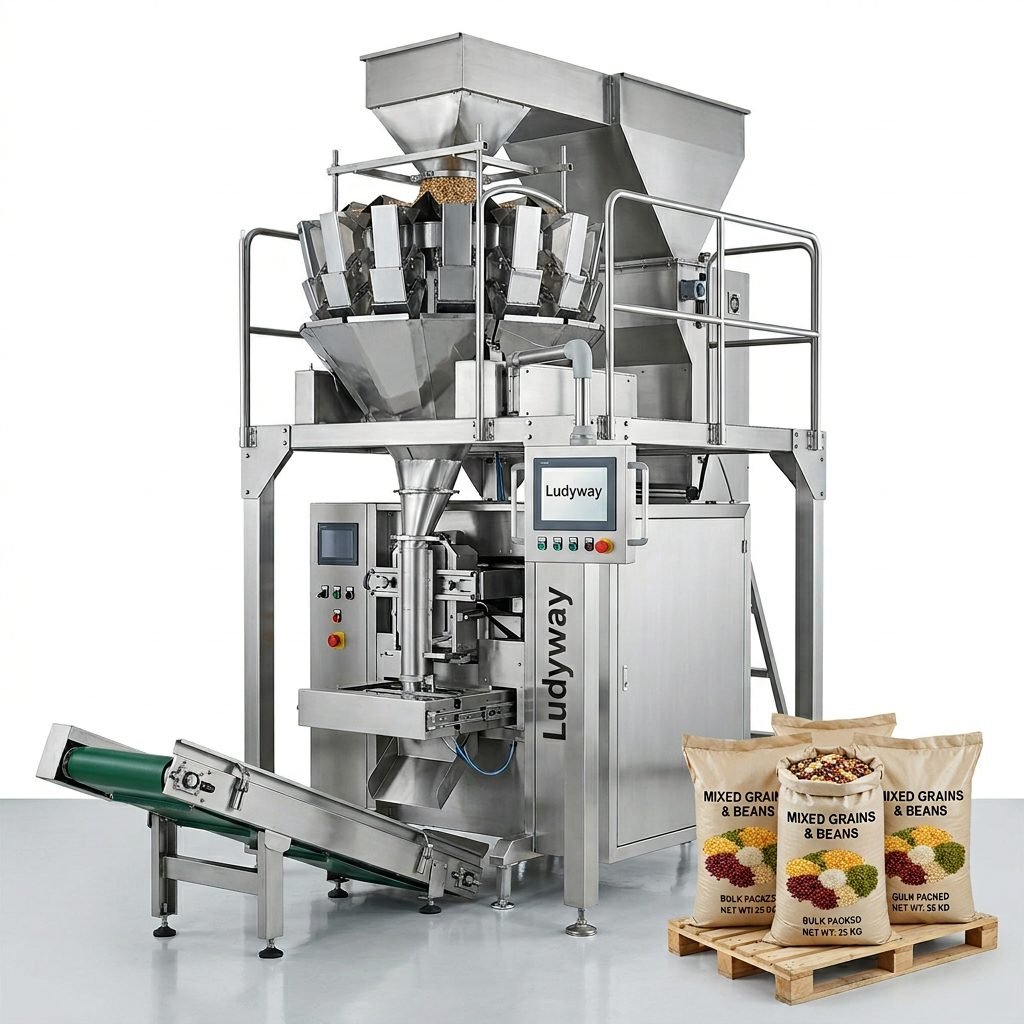
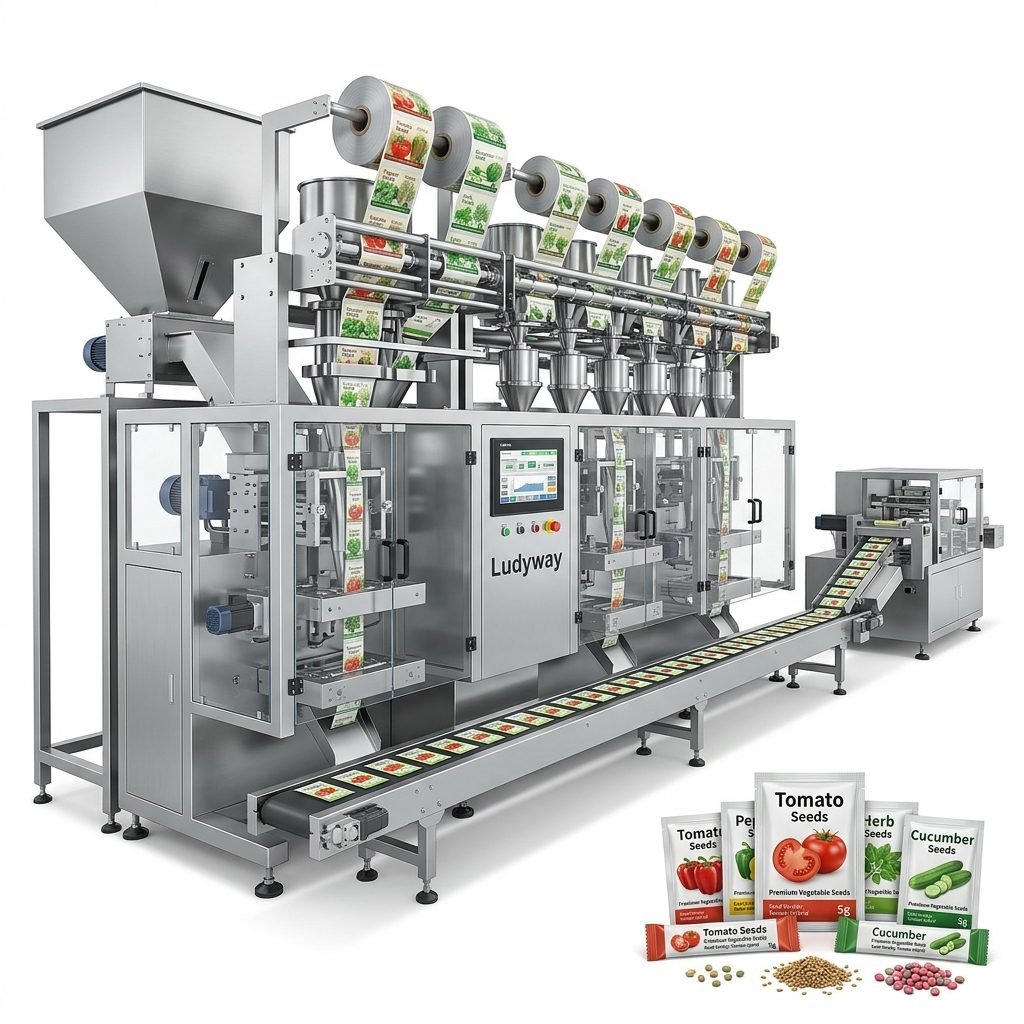
Entering the global hard candy market requires more than just a great recipe. It demands a packaging production line that can handle delicate shapes, sticky surfaces, and high-speed throughput while complying with diverse international regulations. Whether you are exporting to North America, the EU, or Southeast Asia, setting up an efficient hard candy packaging production line is the critical bridge between kitchen-scale batches and mass-market retail success. This guide walks through the essential machinery, layout design, compliance standards, and smart technologies needed to build a robust, future-proof production line for global markets.
Understanding Global Hard Candy Trends and Requirements
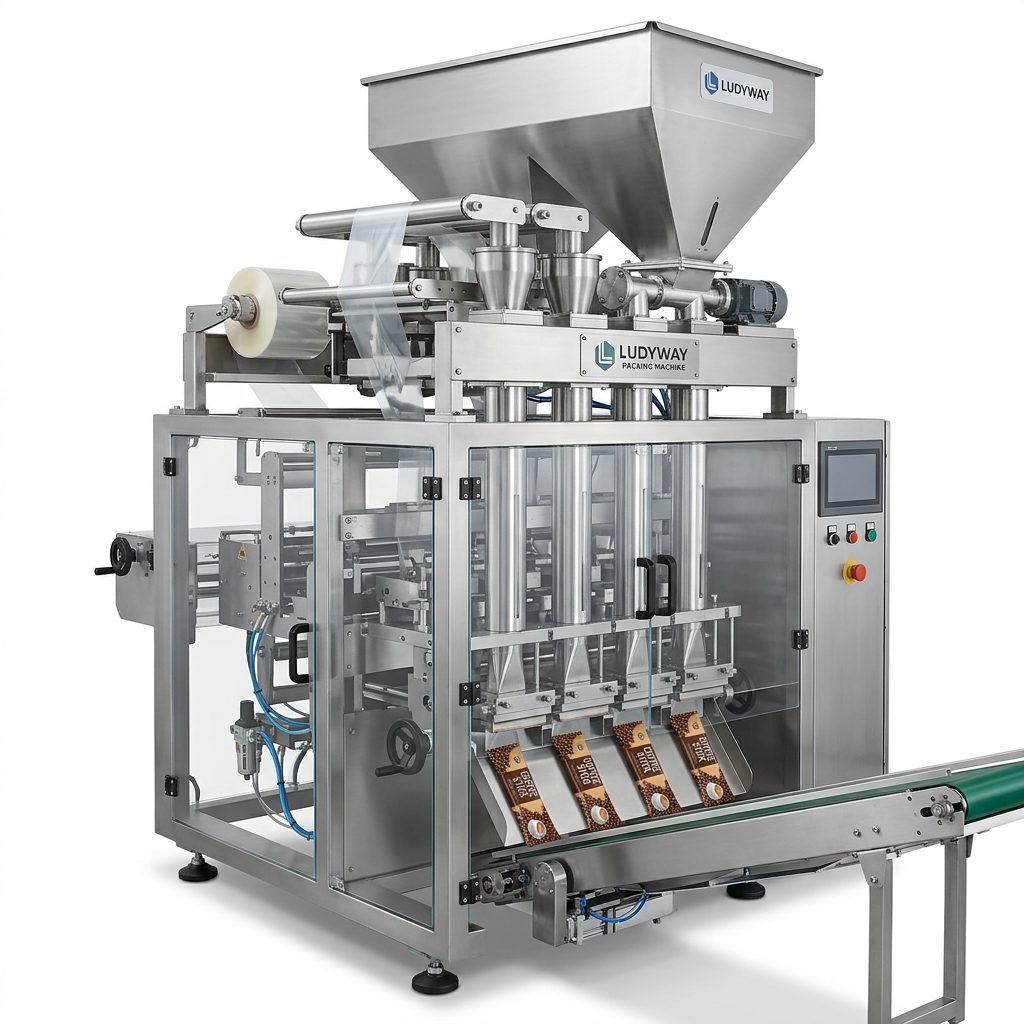
Before purchasing equipment, it’s vital to understand the specific properties of your product. Hard candies, lollipops, mints, and drops all have distinct physical characteristics that dictate machine selection. Stickiness, shape, and structural integrity are the primary factors to consider. For international distribution, you must also factor in extended shelf lives and humid climates. The right multi-lane stick pack or pillow bag setup can prevent cracking and clumping, maintaining product quality from factory to final consumer.
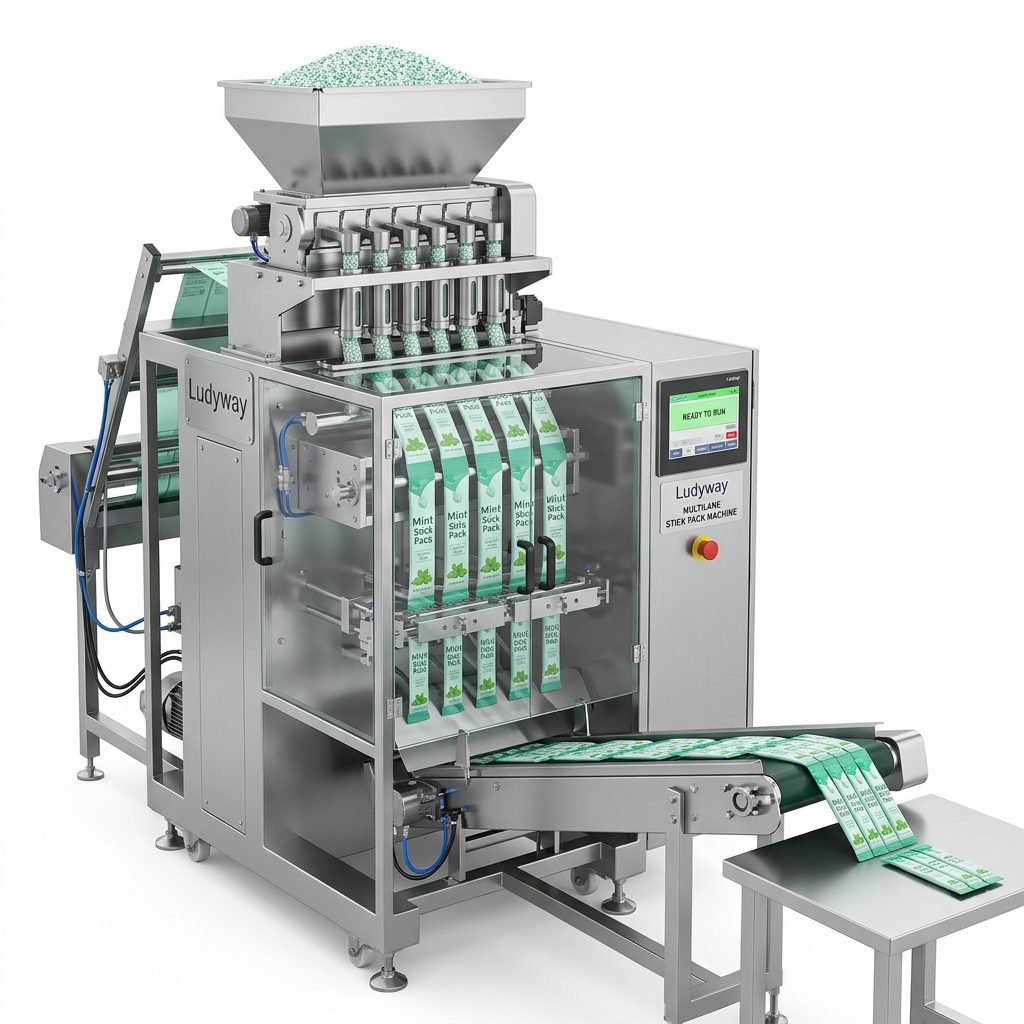
Step 1: Selecting the Core Packaging Equipment
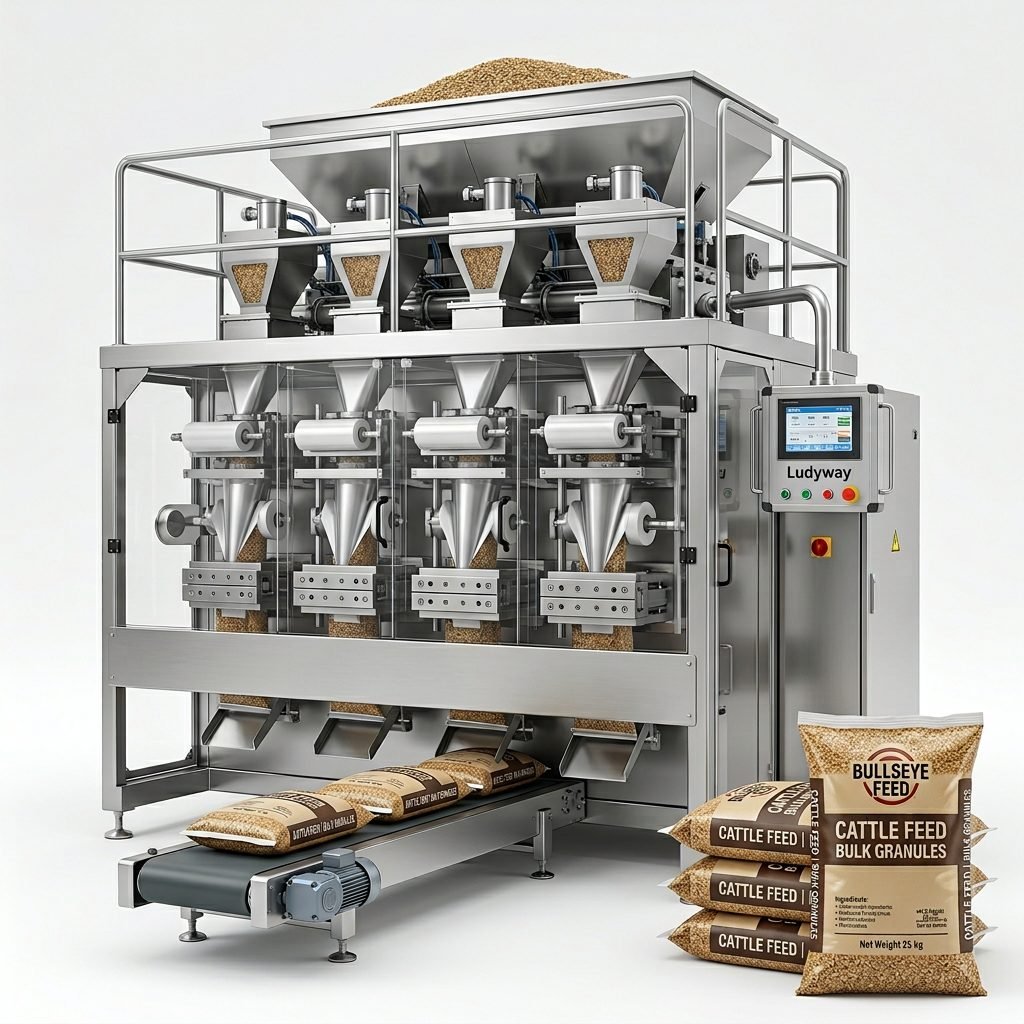
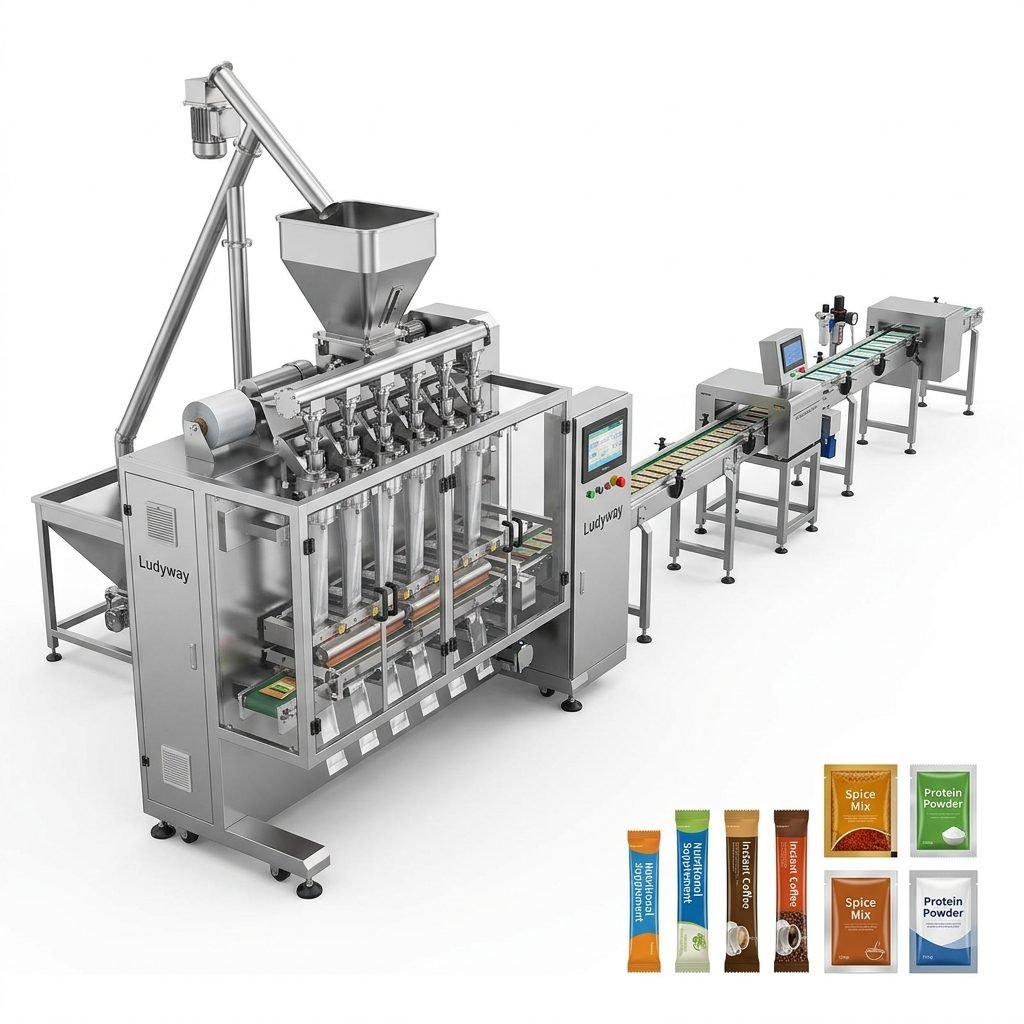
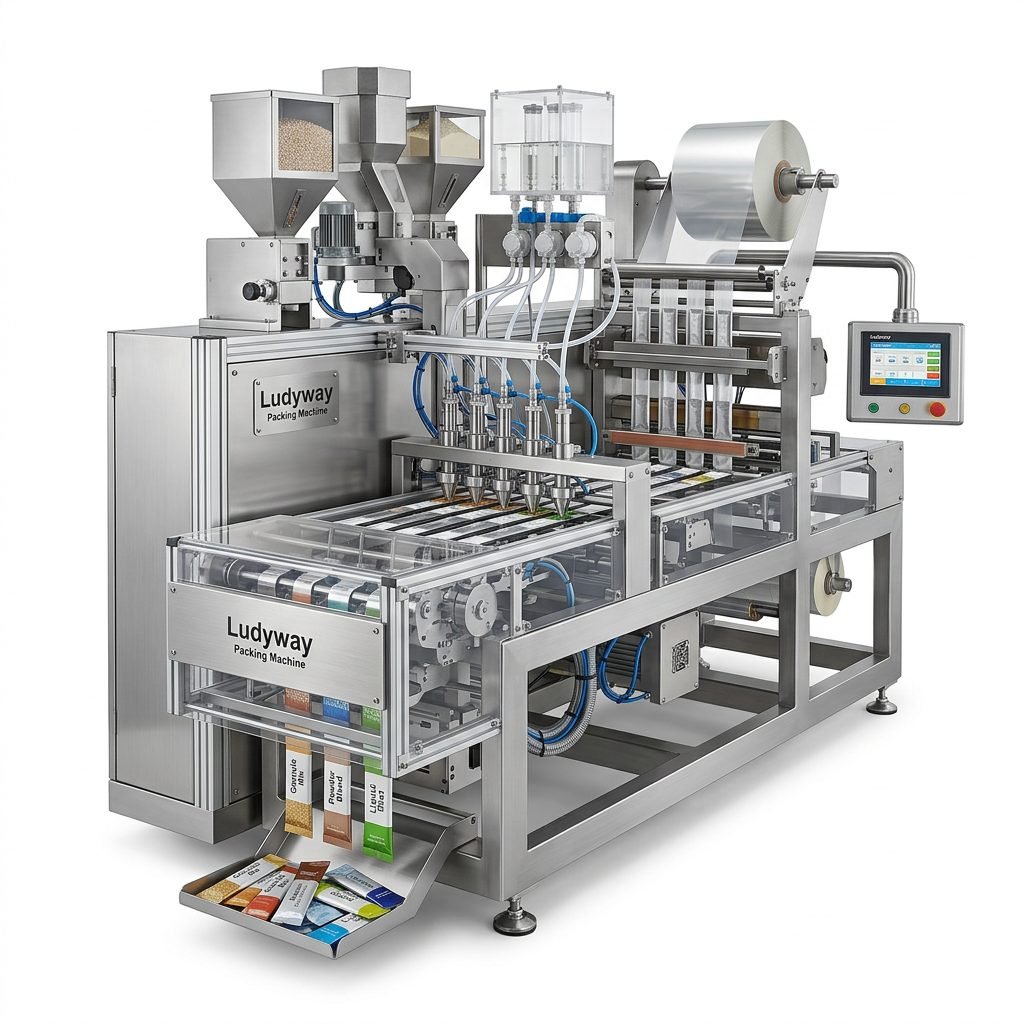
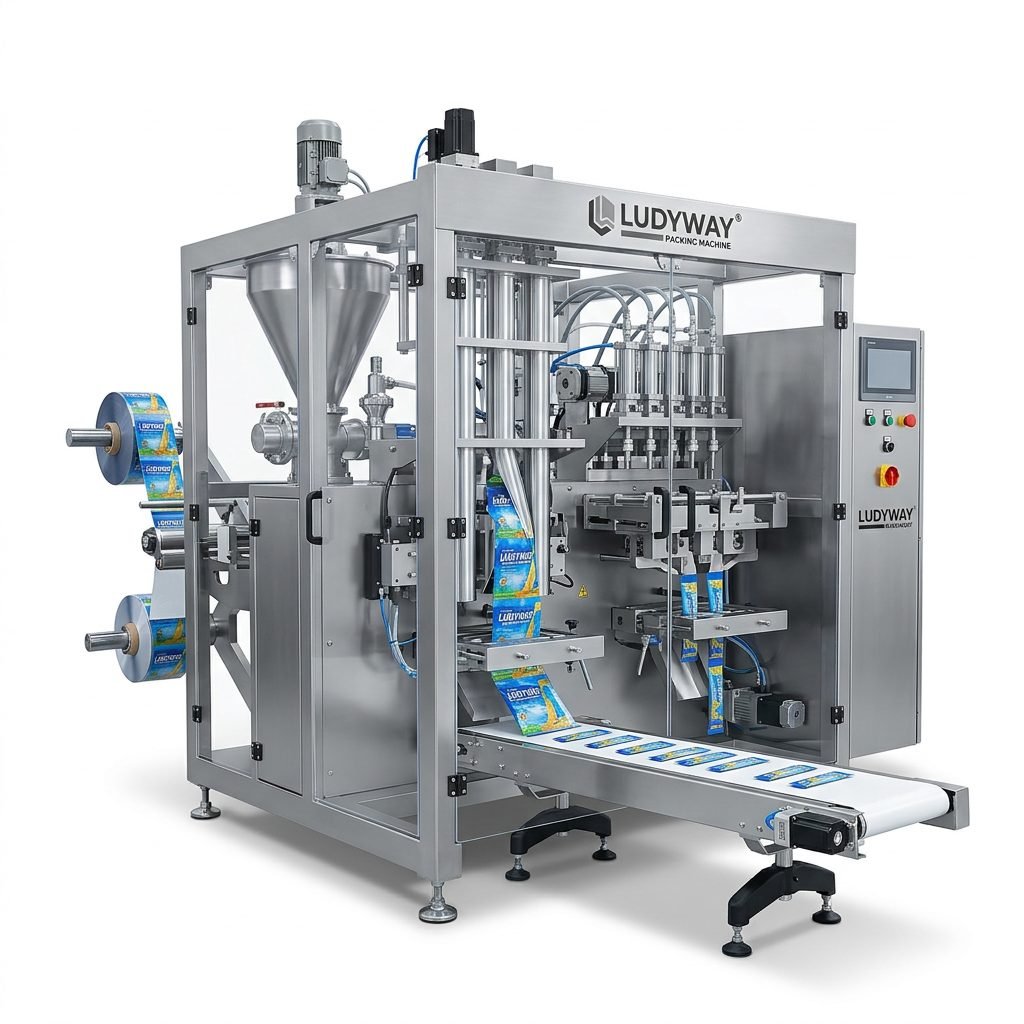
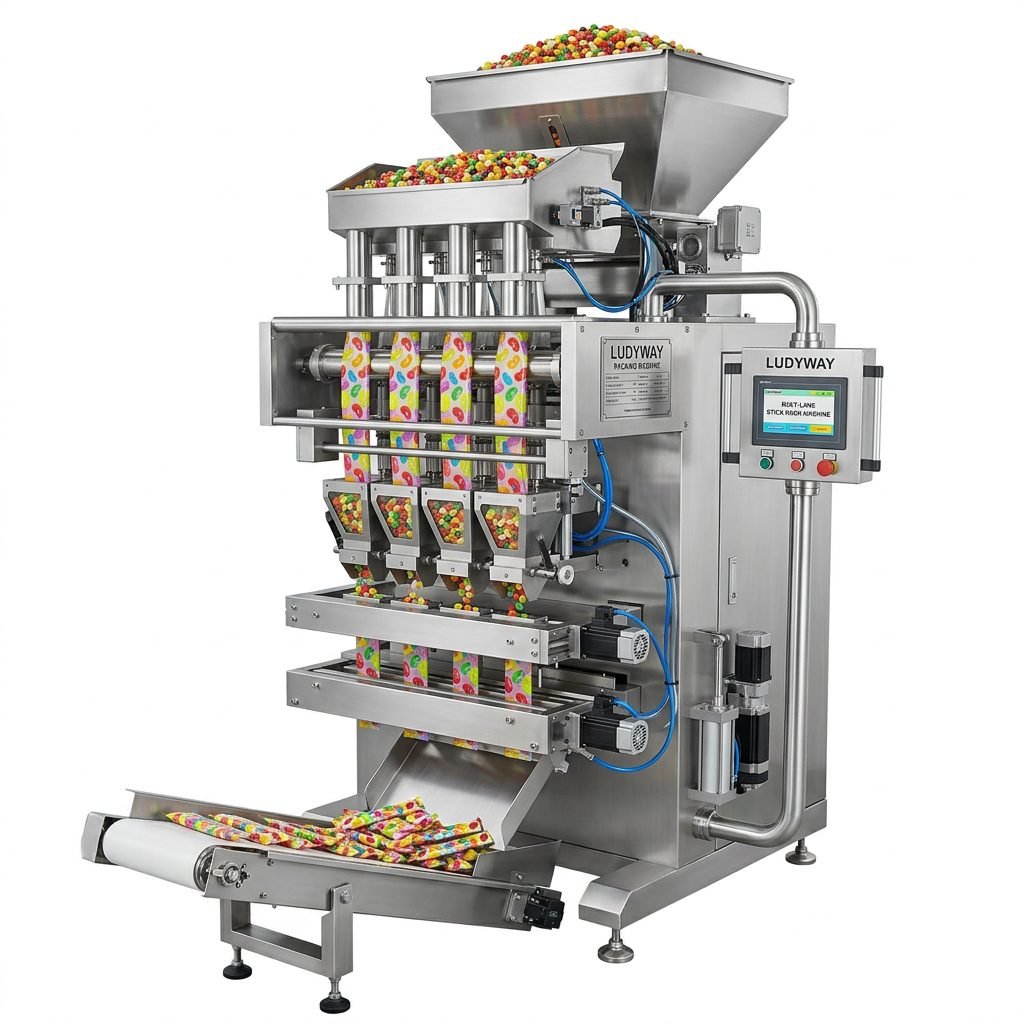
The centerpiece of your setup is the vertical or horizontal flow wrapper. For hard candy specifically, vertical multi-lane stick pack machines have become the gold standard due to their speed and ability to create airtight seals. Alternatively, for larger single pieces or lollipops, a high-speed double twist wrapping machine might be more appropriate. It is crucial to ensure the contact parts are constructed with 304 or 316L stainless steel and are rated IP65 for washdown environments to prevent sugar dust contamination.
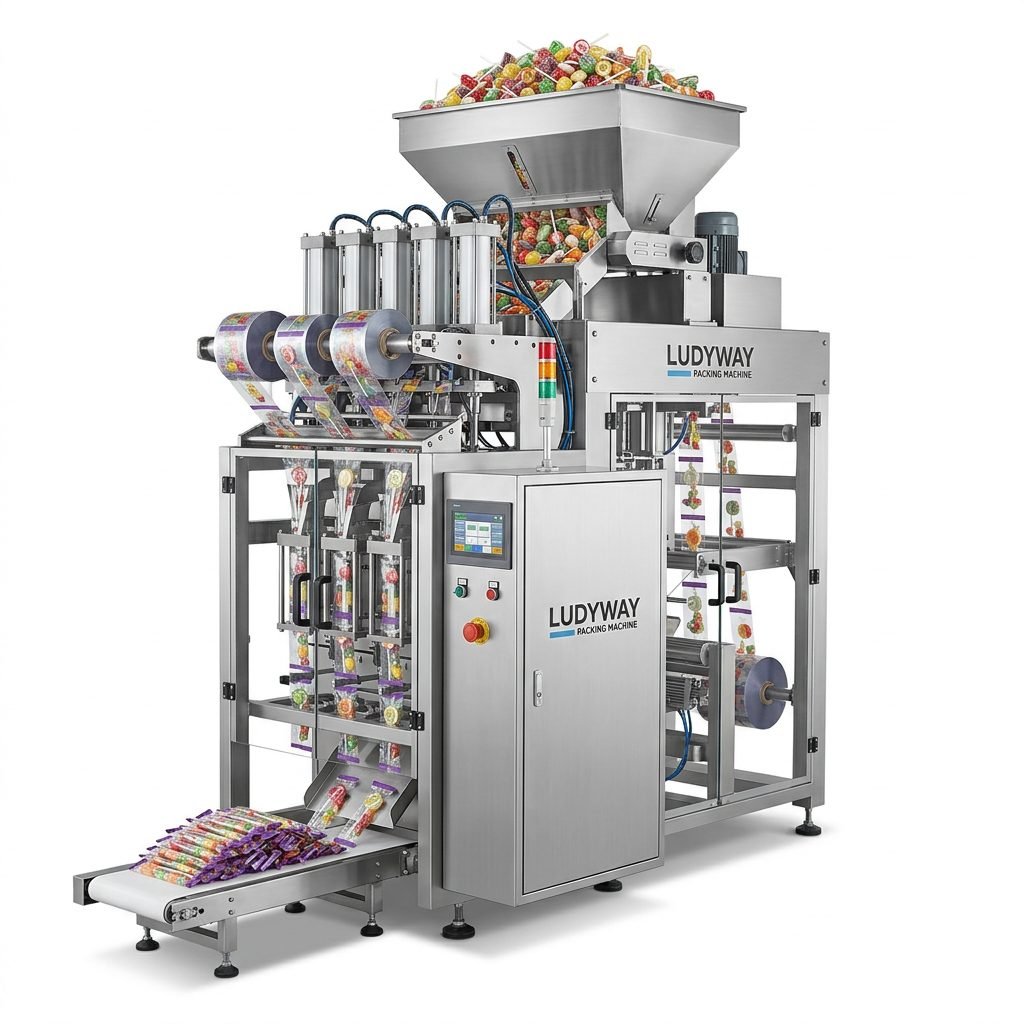
Step 2: Integrating Feeding and Weighing Systems
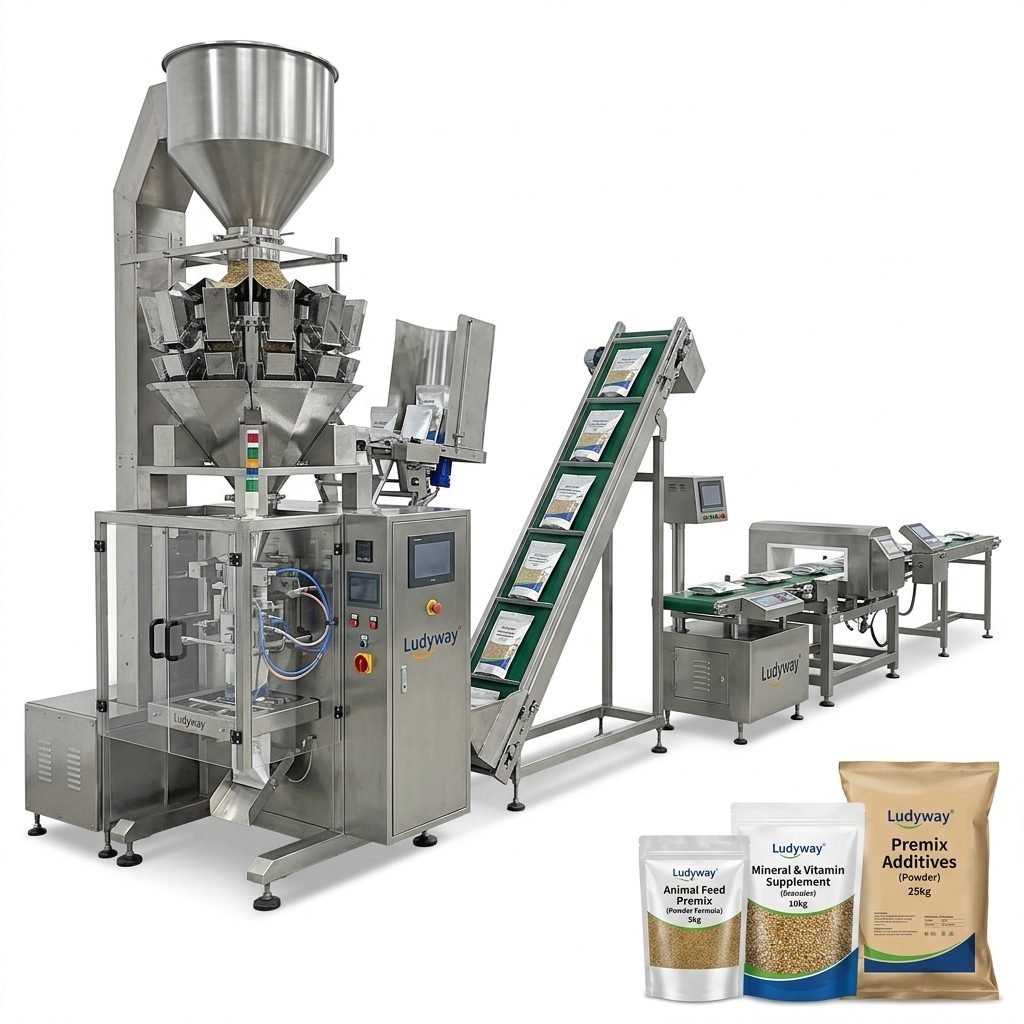
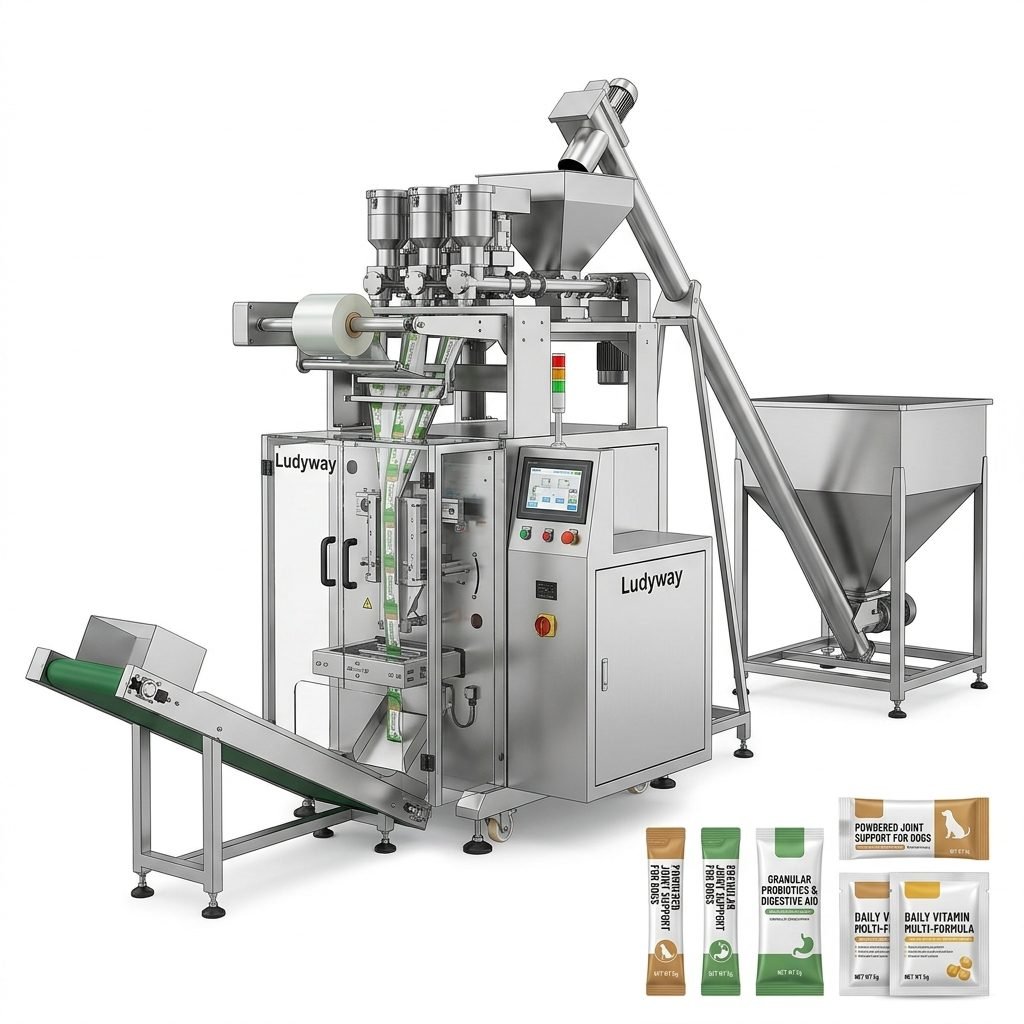
Accuracy is non-negotiable for cost control. Modern multi-head weigher combinations paired with inclined conveyor feeding systems ensure precise weight distribution within 0.5 grams variance. For granular or irregularly shaped hard candies, vibratory feeders with advanced gates eliminate breakage. The synergy between the feeder and the packager prevents product bridging, ensuring a continuous, high-speed flow that meets the demands of global retail chains requiring strict weight compliance.
Step 3: Turnkey Line Layout for Maximum Efficiency
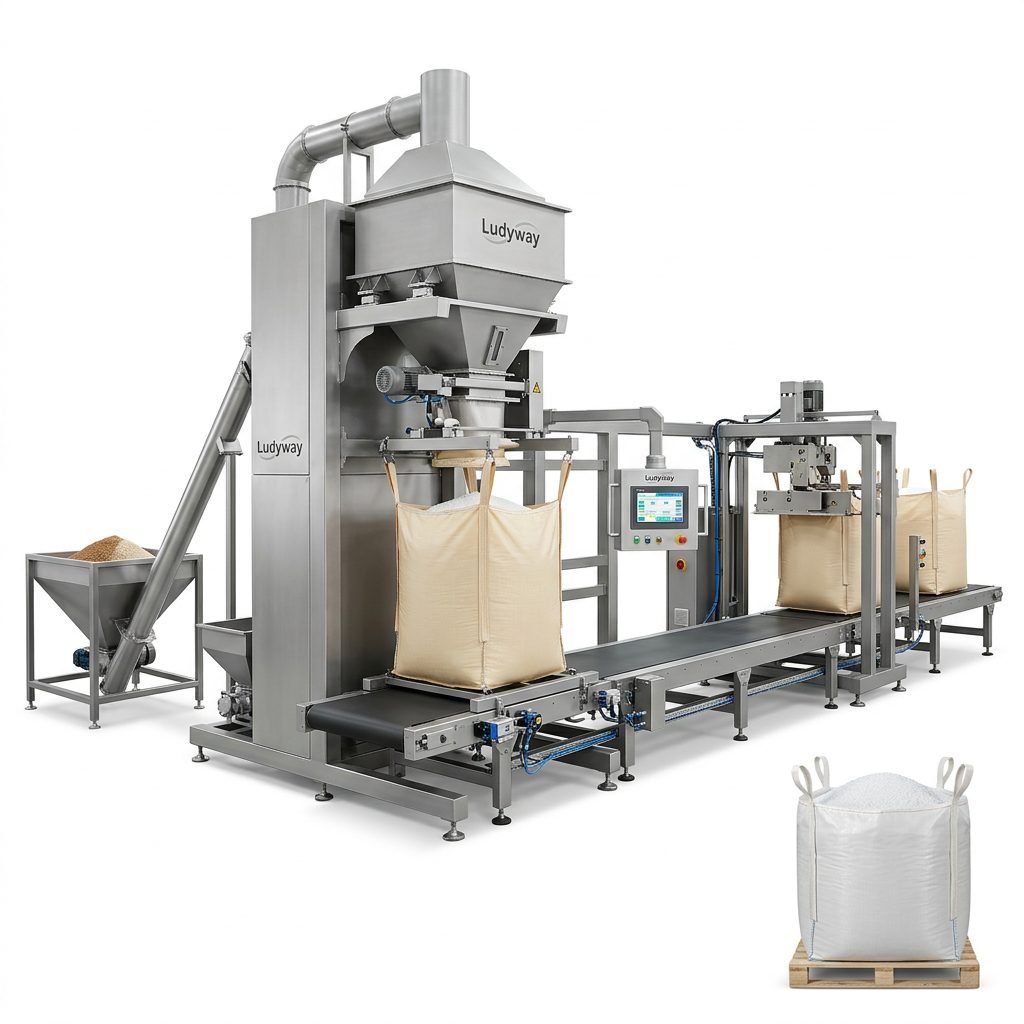
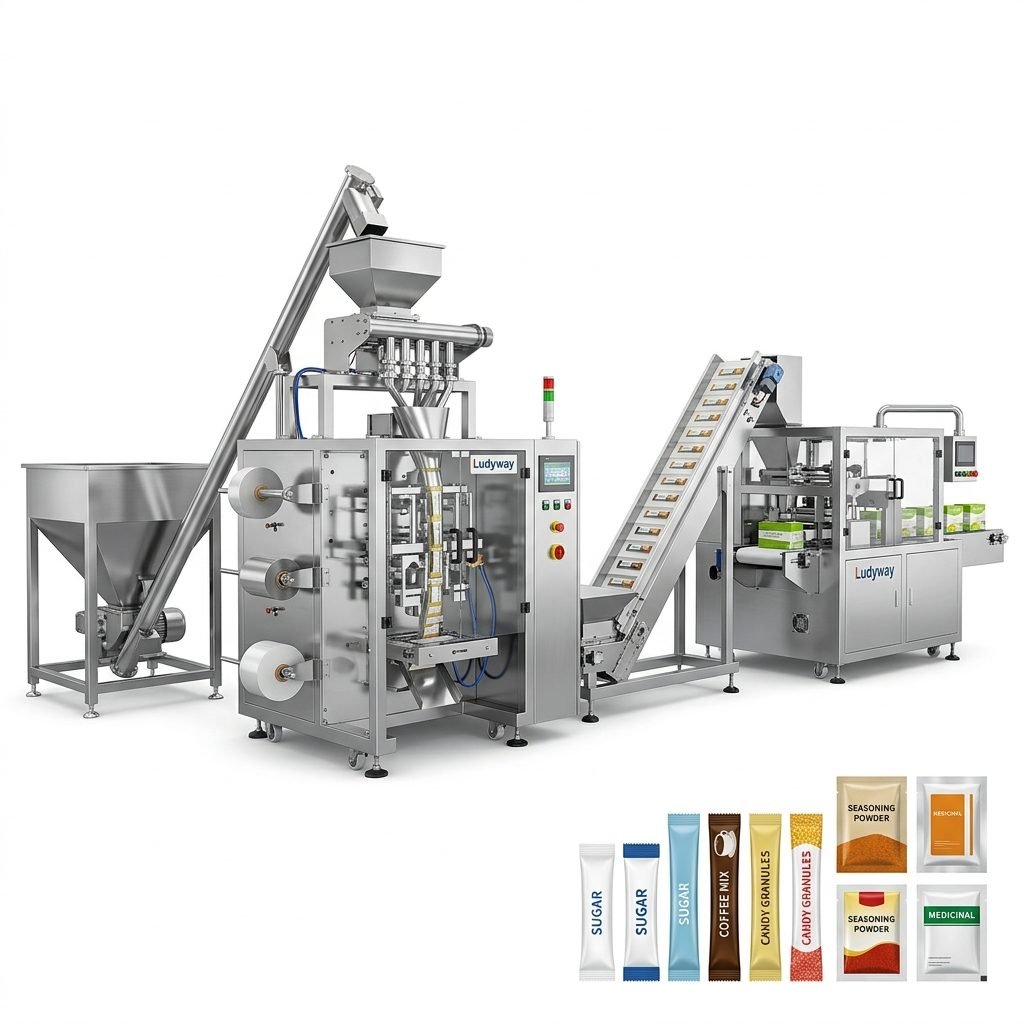
A full turnkey packaging line integrates several critical modules beyond the primary wrapper:
- Product Infeed: Z-type bucket elevators or inclined conveyors.
- Packaging Machine: Multi-lane stick pack or sachet form-fill-seal units.
- Quality Control: Checkweighers, metal detectors, and seal integrity testers.
- Secondary Packaging: Automatic cartoners, case packers, and robotic palletizers.
Designing a linear or L-shaped layout minimizes the footprint while allowing operators to oversee the entire process. For a detailed breakdown, you can review resources on PMMI’s business intelligence regarding line integration.
Navigating Regulatory Compliance for Global Markets
Different markets have stringent rules regarding food contact materials and labeling. Your hard candy packaging line must be versatile enough to handle multi-substrate materials. The table below summarizes key regulatory bodies and their packaging requirements for international trade:
| Regulatory Body | Region/Market | Key Packaging Focus |
|---|---|---|
| FDA (CFR 21) | United States | Food contact substances, cGMP standards |
| EU 1935/2004 | European Union | Migration limits, traceability, Declaration of Compliance |
| ISO 22000 | Global | Food safety management systems |
| CFIA | Canada | Safe packaging materials and bilingual labeling |
You can explore the specific requirements of the FDA’s food packaging standards or the European Commission’s packaging regulations to ensure your line meets these compliance standards.
Step 5: Environmental Control: Temperature and Humidity
Hard candy is highly hygroscopic, absorbing moisture from the air instantly. A strictly controlled packaging environment is non-negotiable. The production floor should maintain a relative humidity below 40% and a temperature between 20-22°C (68-72°F). Installing industrial dehumidifiers and cooling systems directly on the machine canopy ensures that the sugar surface remains stable during high-speed filling and sealing, preventing the sticky mess that causes downtime.
Step 6: Choosing a Reliable Global Partner
Setting up an export-ready line demands a partner with engineering depth and global service reach. For instance, Ludyway specializes in high-performance packaging equipment and turnkey production solutions tailored for the food industry. Their turnkey approach ensures every component, from the primary wrapper to the end-of-line palletizer, is synchronized via a unified control system, which is critical for breaking into regulated markets.
Essential features to look for in a partner include:
- CE and UL certified electrical components.
- Proprietary IoT platforms for real-time performance monitoring.
- Readily available global spare parts distribution.
- Remote troubleshooting via augmented reality (AR).
Step 7: Testing, Buyoff, and Scaling
Before shipment, a Factory Acceptance Test (FAT) is mandatory. Run your specific hard candy formulation at the manufacturer’s facility to validate speeds and seal integrity. Once installed, a Site Acceptance Test (SAT) ensures it performs exactly within your facility’s environmental conditions. Plan for scalability from day one; a modular multi-lane stick pack system allows you to add extra lanes as your global distribution grows, protecting your initial investment.
Conclusion: Engineering a Sweet Profit Pipeline
Building a hard candy packaging production line for global markets is an intricate blend of material science, mechanical engineering, and legal compliance. By focusing on high-precision weighing, environmental control, and turnkey automation, you can produce a product that stays fresh, crack-free, and visually perfect on shelves anywhere in the world. The right equipment supplier will act as a strategic partner, helping you navigate the complex landscape of international distribution with ease and efficiency.
For a deeper dive into smart packaging systems and market data, you can access the 2026 State of the Industry Report by PMMI or visit Flexible Packaging Association’s resource hub to stay ahead of global packaging trends.