The animal feed industry in Southeast Asia is experiencing rapid transformation. Countries like Vietnam, Thailand, Indonesia, and the Philippines are investing heavily in modernizing agricultural infrastructure. As demand for high-quality livestock and aquaculture products surges, setting up an efficient feed packaging machine production line becomes critical for manufacturers aiming to scale operations, reduce labor costs, and maintain consistent product quality.
Understanding the Feed Packaging Landscape in Southeast Asia
The ASEAN region represents one of the world’s fastest-growing animal feed markets. According to industry reports, packaging machinery market research indicates sustained double-digit growth in emerging economies. Feed mills are transitioning from manual bagging to fully automated systems, driven by:
- Rising labor costs across Thailand, Malaysia, and Vietnam
- Increasing export requirements for consistent package weight and seal integrity
- Growth in aquaculture and poultry sectors demanding specialized feed formats
- Government incentives for agricultural modernization
Key Components of a Modern Feed Packaging Production Line
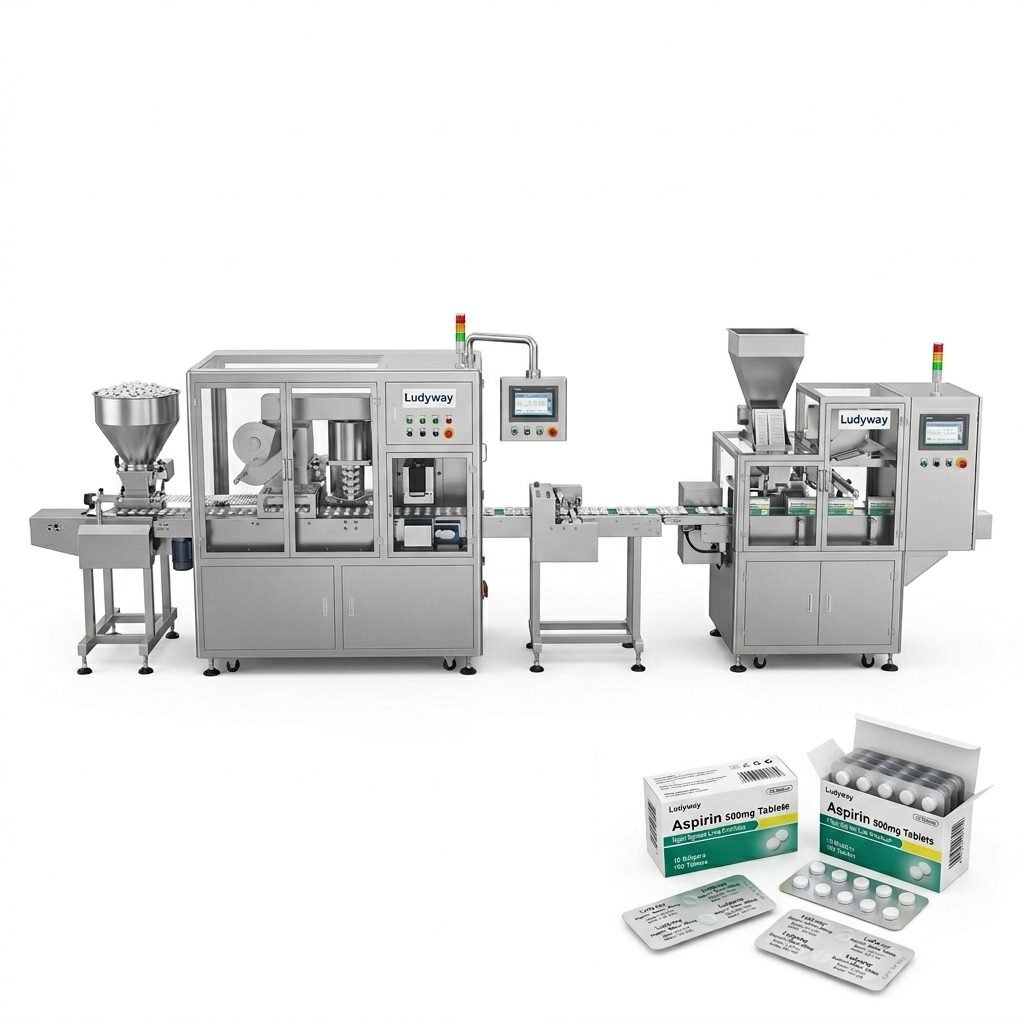
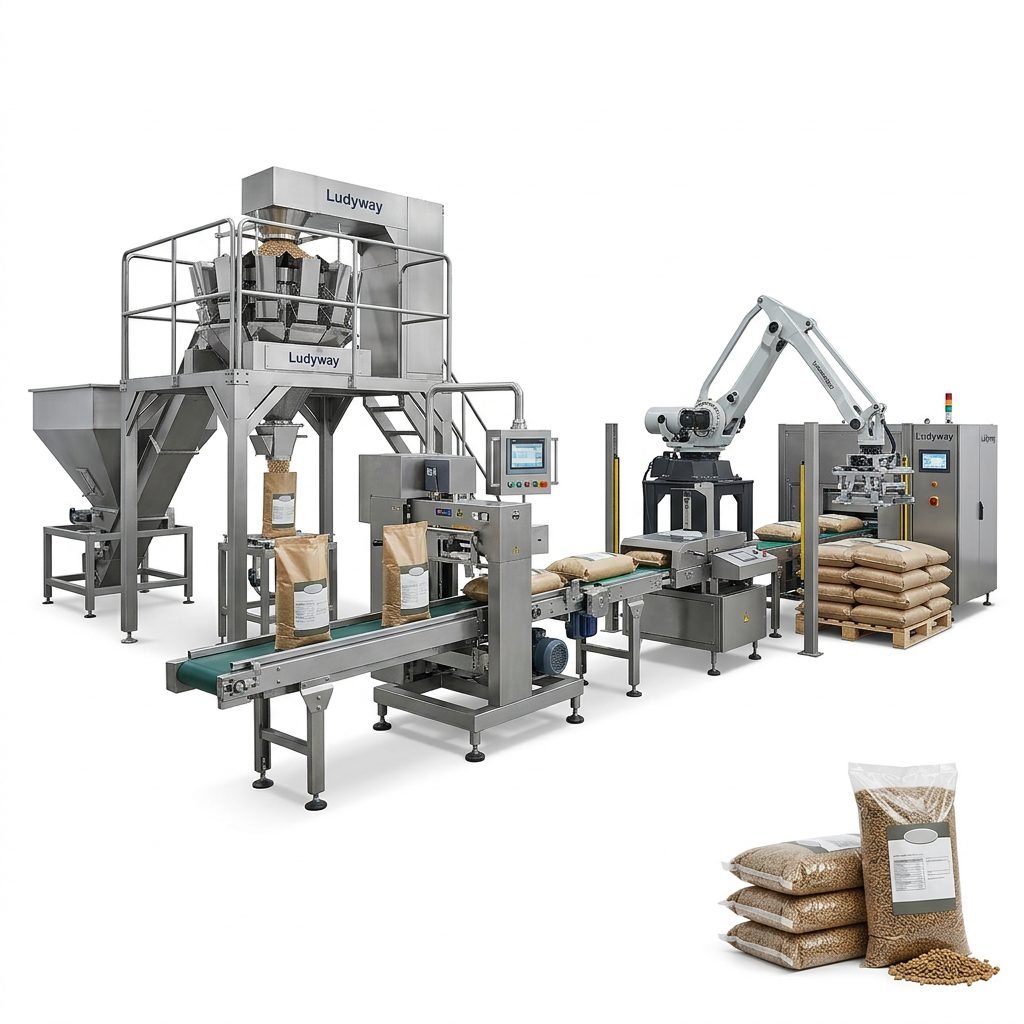
A complete feed packaging line involves multiple integrated machines working in sequence. Understanding each component helps in planning an efficient layout:
1. Weighing and Dosing Systems
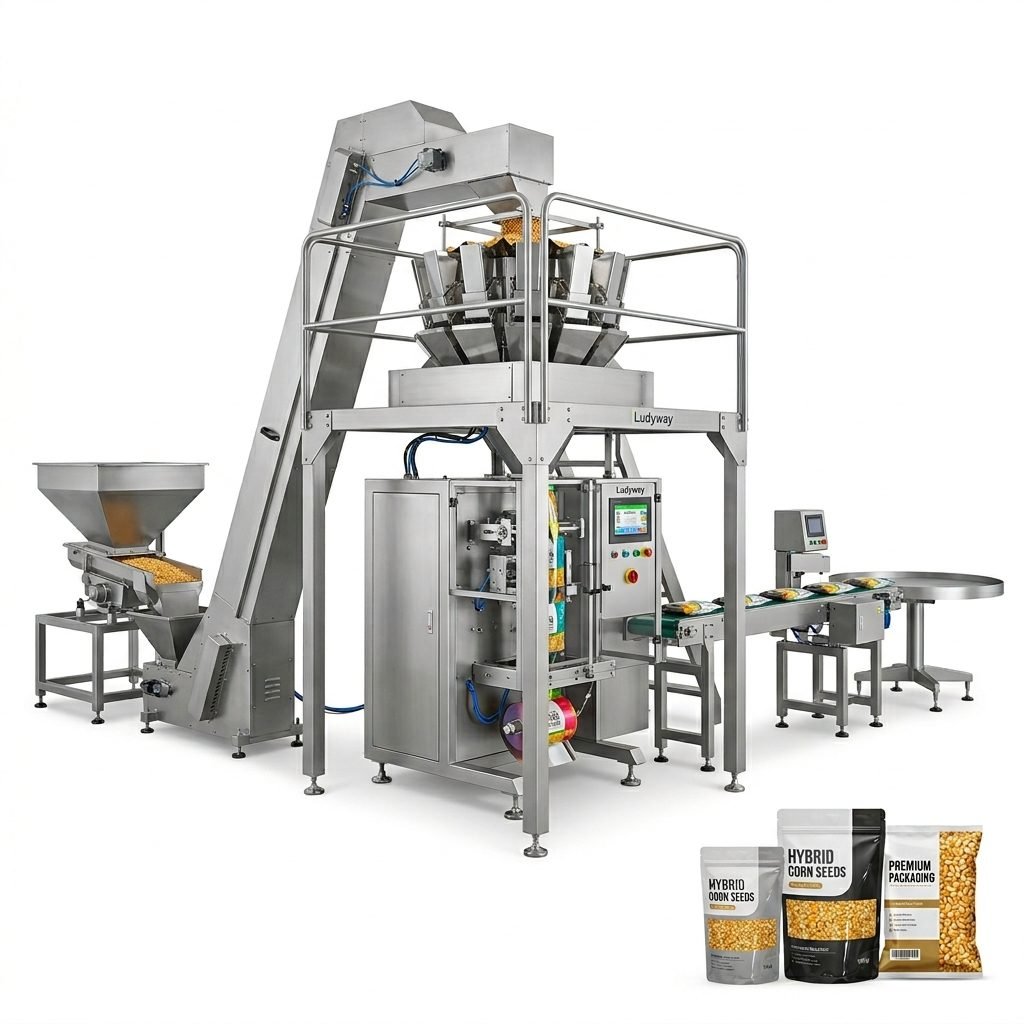
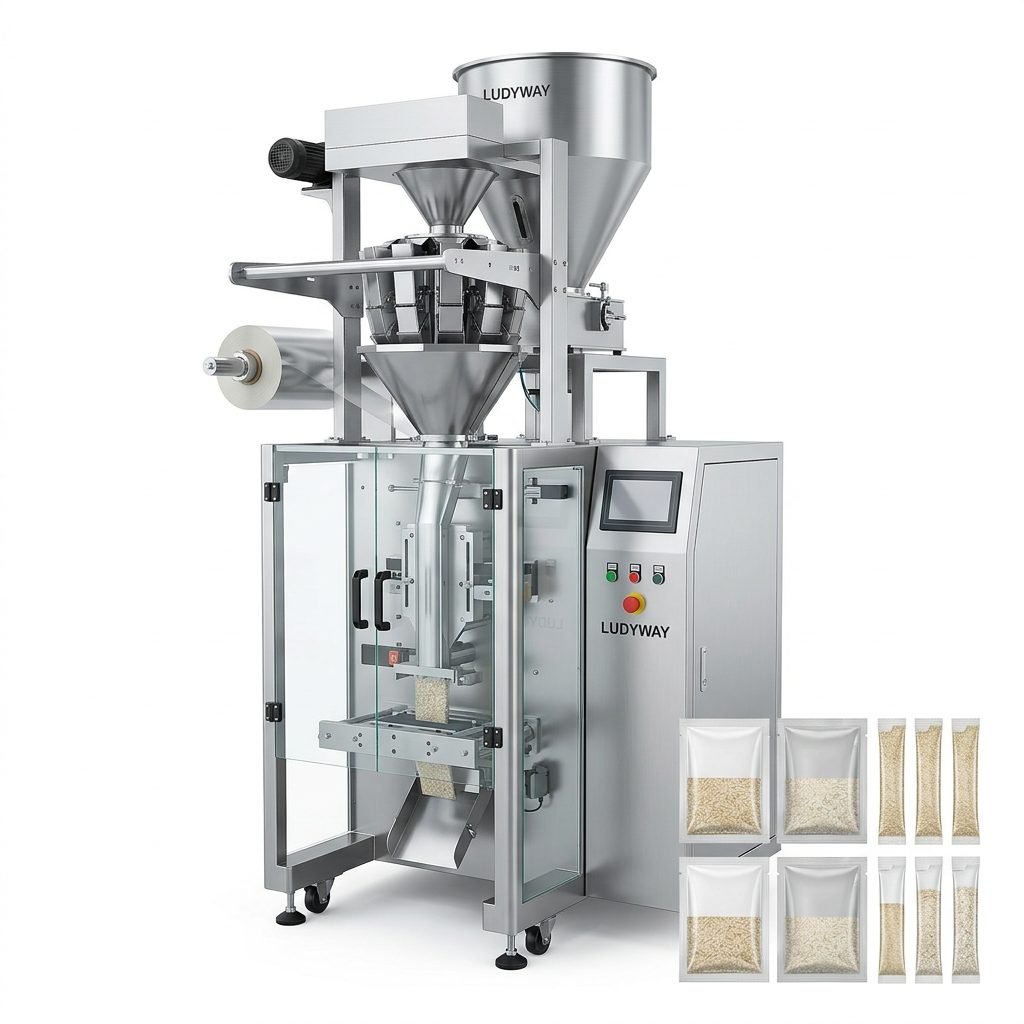
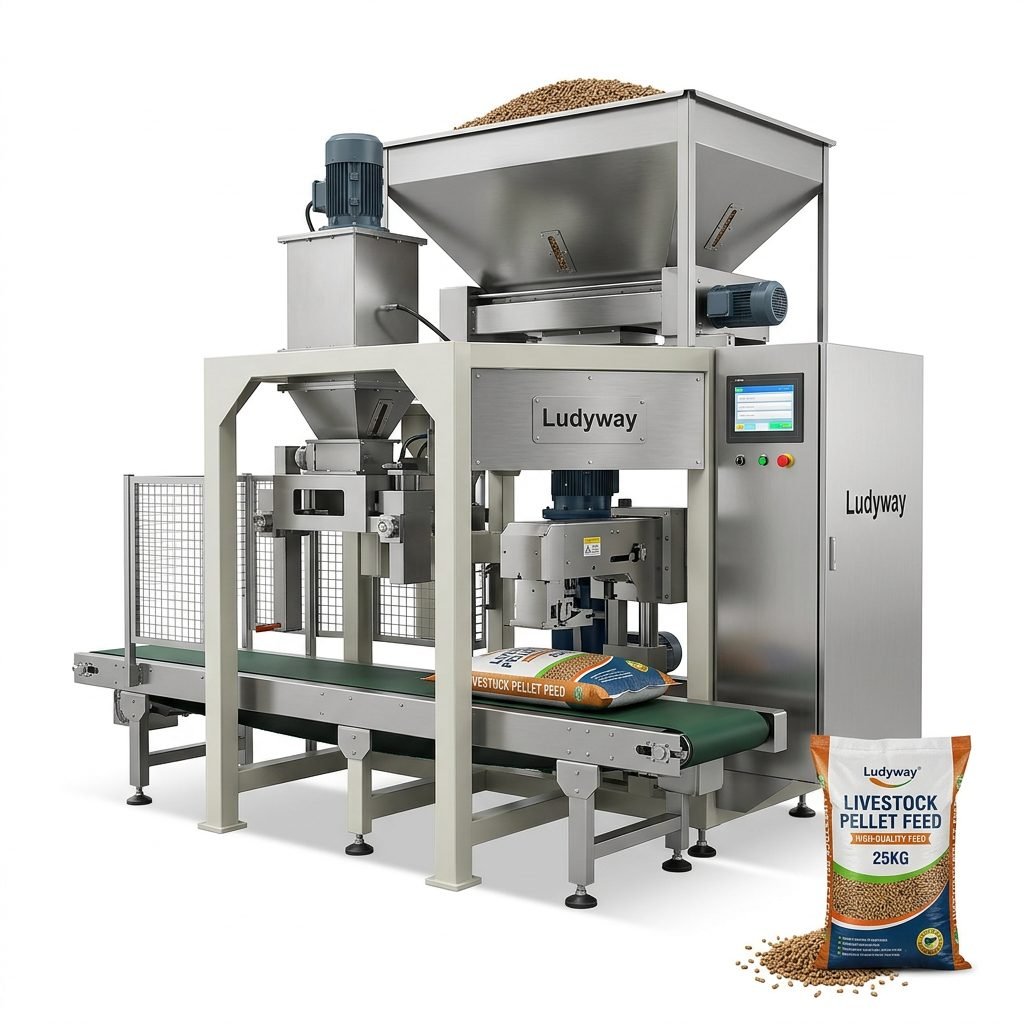
Accurate weighing is the foundation of any feed packaging operation. Multi-head weighers or automated weighing systems ensure precise portion control, reducing product giveaway and maintaining regulatory compliance. For bulk feed bags (20-50 kg), net weigh fillers with load cells deliver speed and accuracy.
2. Bagging Machines
Depending on your product type and bag format, you may need:
- Open-mouth bagging machines for woven polypropylene bags
- Valve bag fillers for self-closing valve bags
- Premade pouch fillers for smaller retail-sized packages
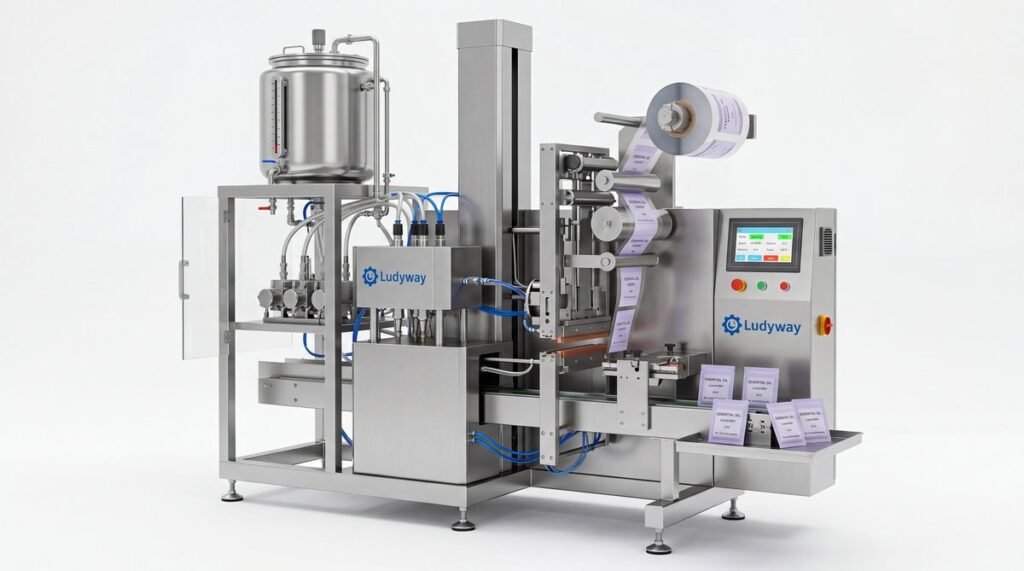
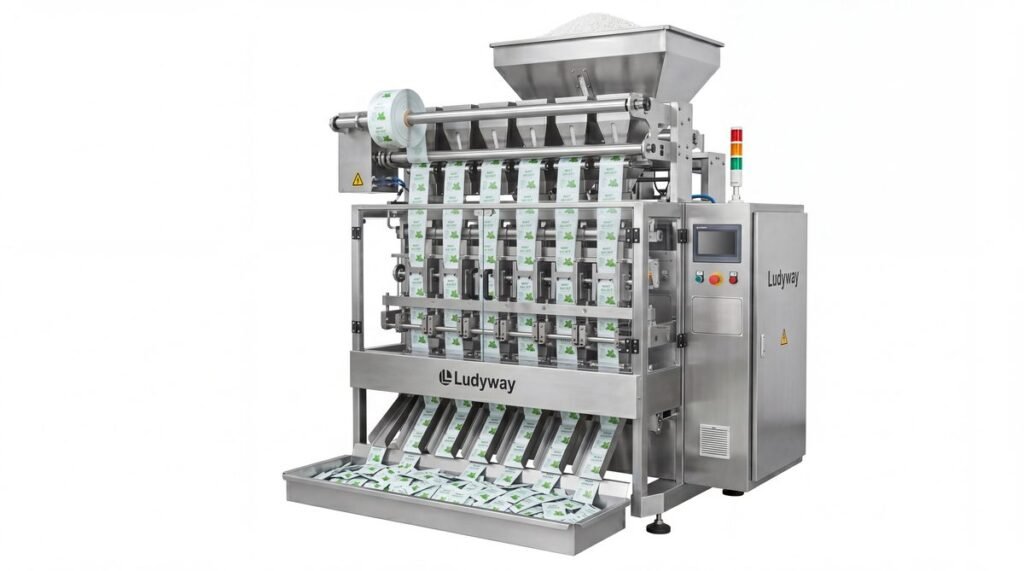
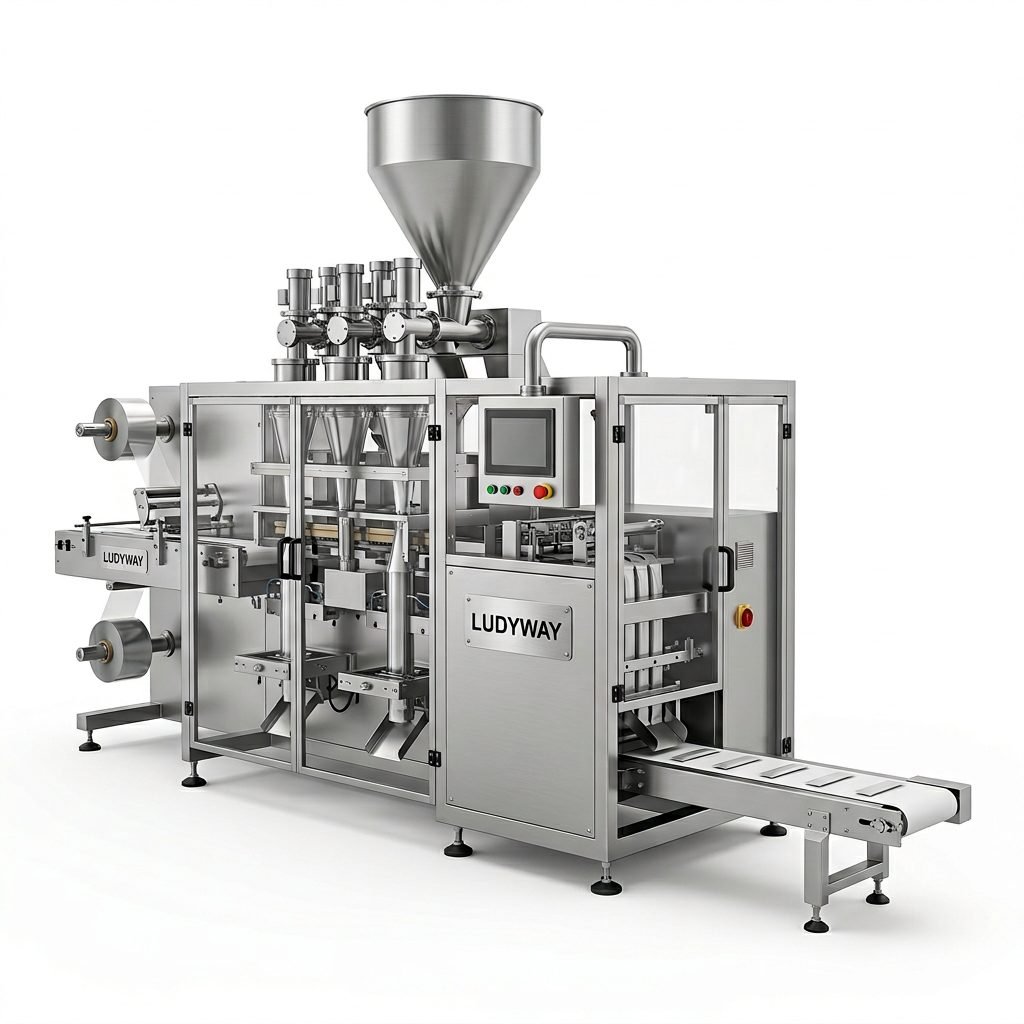
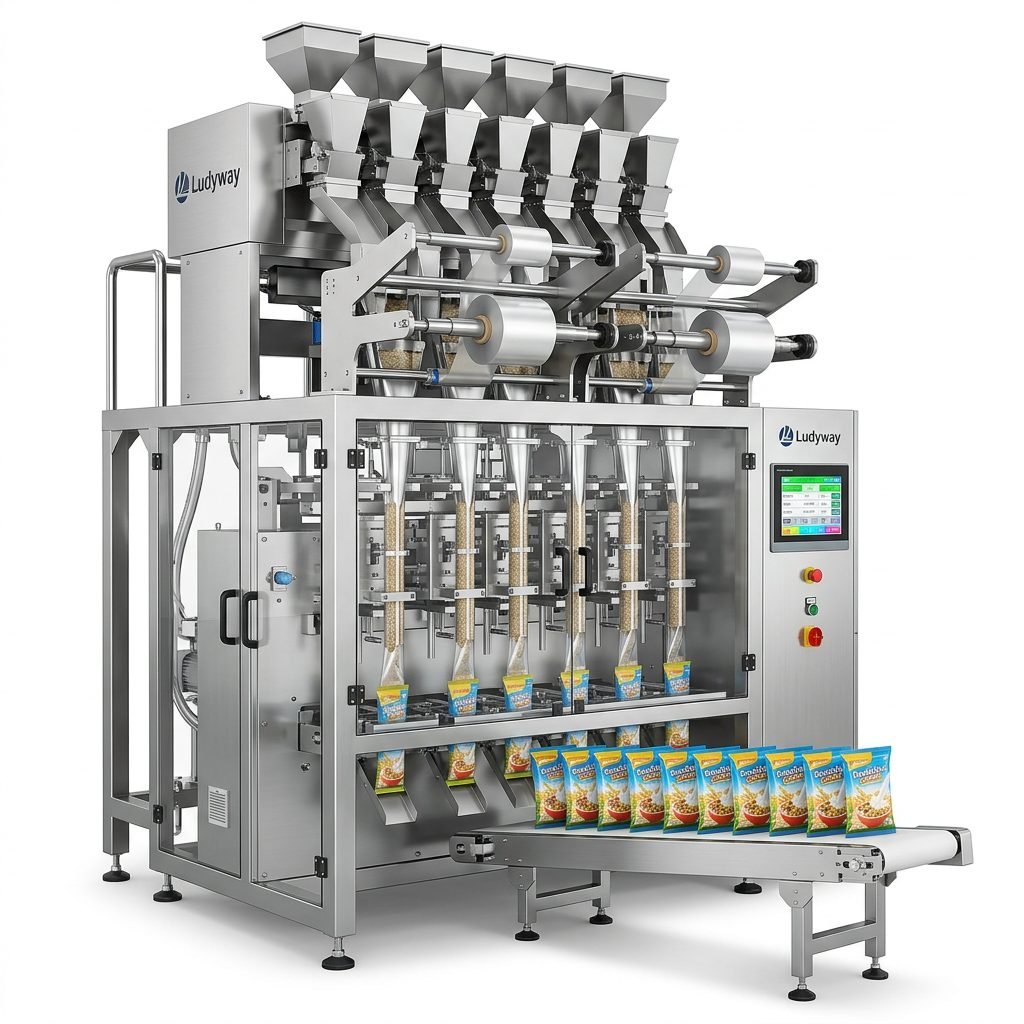
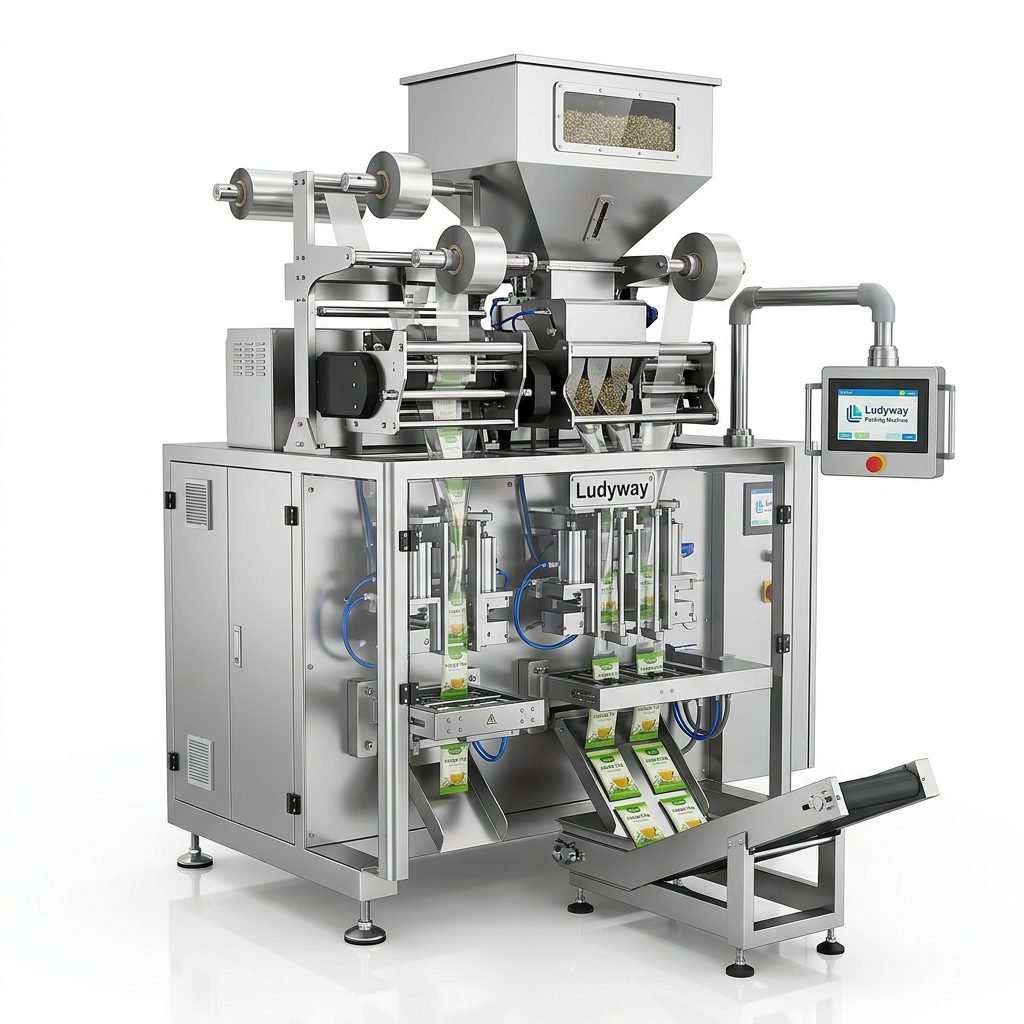
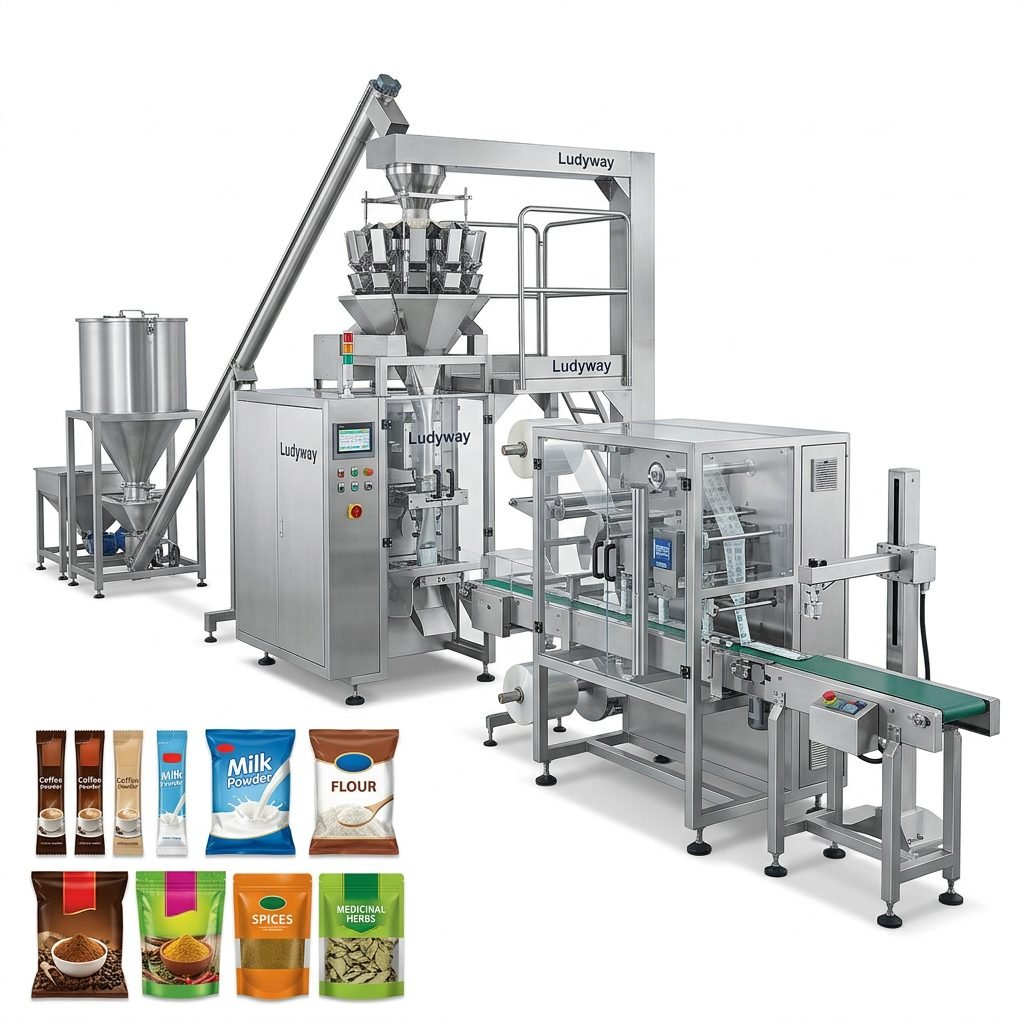
- Form-fill-seal machines for sachets and stick packs
3. Bag Closing and Sealing Equipment
Heat sealers, sewing heads, and hot air sealers secure the filled bags. For feed products, hermetic sealing is often preferred to extend shelf life and prevent contamination during storage and transport across humid Southeast Asian climates.
4. Conveying and Material Handling
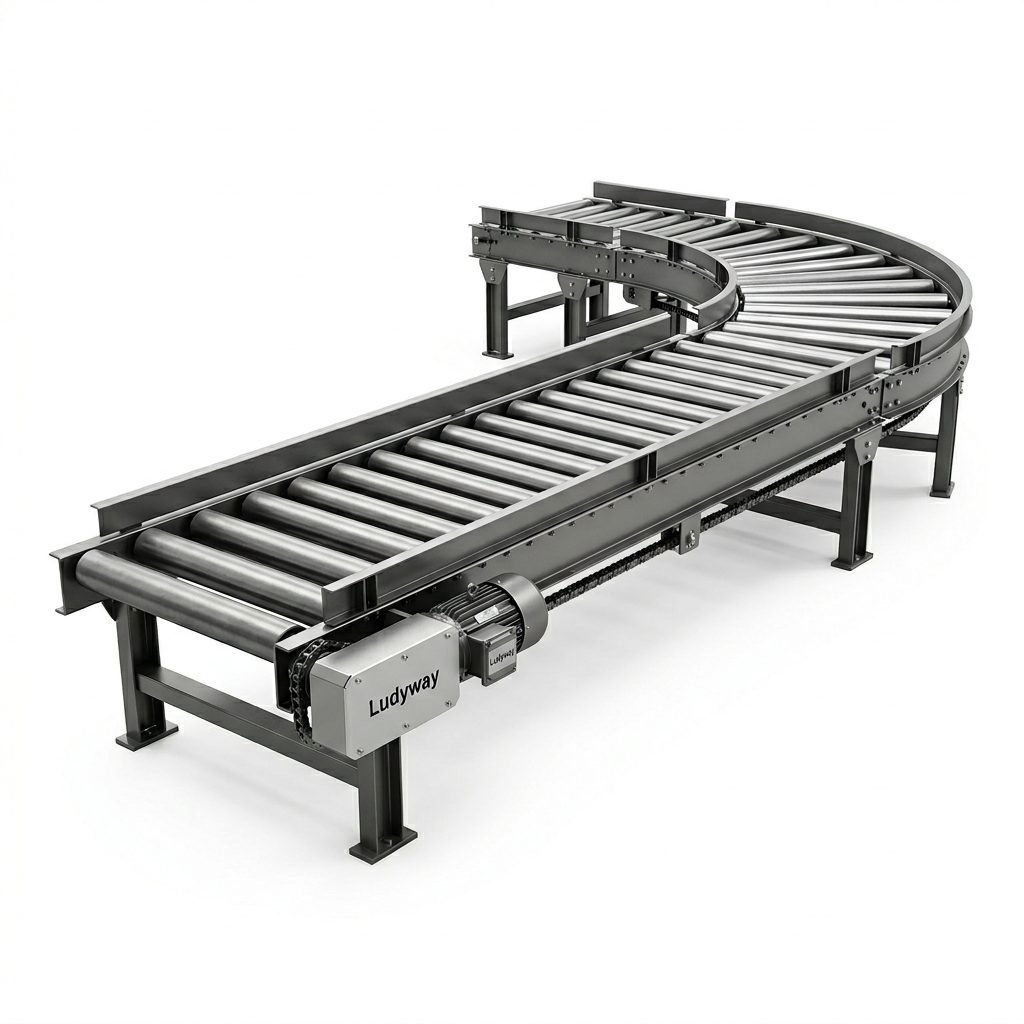
Bucket elevators, screw conveyors, and belt conveyors transport feed from storage silos to the packaging station. Z-type bucket elevators are particularly popular for their gentle handling of pellets and granules, minimizing product breakage.

5. Palletizing and End-of-Line Automation
Robotic palletizers stack filled bags onto pallets, while stretch wrapping machines secure loads for shipping. Automated palletizing significantly reduces manual labor and improves warehouse efficiency.
Step-by-Step Guide to Setting Up Your Feed Packaging Line
Step 1: Define Your Production Requirements
Begin by assessing your needs. Calculate target throughput in bags per hour, identify bag sizes and materials, and determine the range of feed formulations you plan to package. This initial analysis will guide equipment selection and line configuration.
Step 2: Evaluate Facility Layout and Space Constraints
Many feed mills in Southeast Asia repurpose existing buildings. Measure available floor space, ceiling height, and loading dock locations. A well-designed layout minimizes material travel distance and allows for future expansion. Modular equipment designs offer flexibility in compact spaces.
Step 3: Select Appropriate Packaging Equipment
Choose machines that match your product characteristics. Pelletized feed requires gentle handling to prevent crumbling. Powdered feed demands dust-tight filling systems. Mash feed may require auger fillers for consistent flow. Refer to packaging industry standards and regulations for equipment specifications.
Step 4: Integrate Quality Control Systems
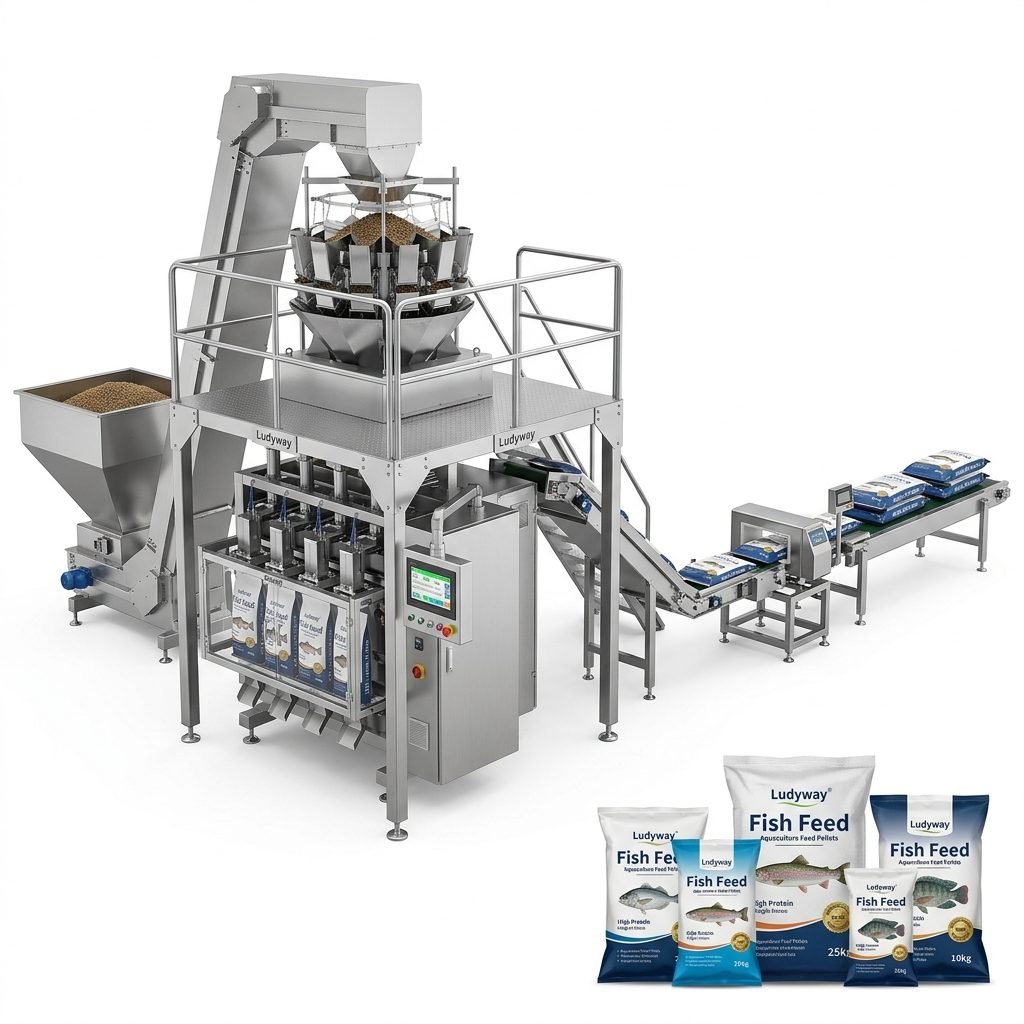
Install checkweighers, metal detectors, and seal inspection systems along the line. These quality control points catch underweight bags, metal contaminants, and defective seals before products leave the facility. Vision inspection systems add another layer of quality assurance.
Step 5: Plan for Utilities and Infrastructure
Ensure adequate compressed air supply, electrical capacity, and dust collection systems. Feed packaging generates fine dust that can affect equipment performance and worker safety. Industrial dust collection systems are essential, especially in enclosed facilities common in tropical climates.
Step 6: Commissioning and Operator Training
Once installed, the line undergoes thorough testing with actual product. Train operators on machine controls, troubleshooting, and safety protocols. Comprehensive training programs reduce downtime and improve overall equipment effectiveness (OEE).
Common Packaging Formats for Southeast Asian Feed Markets
The following table summarizes typical packaging formats used across the region:
| Packaging Format | Typical Weight Range | Common Applications | Market Preference |
|---|---|---|---|
| Woven PP Bags | 20 – 50 kg | Bulk livestock feed, poultry feed | Vietnam, Philippines, Myanmar |
| Multi-Wall Paper Bags | 10 – 25 kg | Aquaculture feed, specialty feed | Thailand, Indonesia |
| Plastic Pouches | 1 – 10 kg | Pet food, retail fish feed | Malaysia, Singapore |
| Sachets / Stick Packs | 5 – 500 g | Feed supplements, premixes | All ASEAN markets |
| Big Bags / FIBC | 500 – 2000 kg | Export bulk shipments | Export-oriented mills |
Navigating Regulatory Compliance in ASEAN Countries
Feed manufacturers must comply with both local and international standards. The FDA food packaging regulations provide a useful benchmark for export-oriented facilities. Key considerations include:
- Food contact material safety — ensure packaging materials meet local food-grade standards
- Labeling requirements — each ASEAN country has specific labeling regulations for animal feed
- Weight and measure compliance — verify scales and checkweighers through local metrology authorities
- Export certification — many feed shipments require phytosanitary certificates and country-specific documentation
Refer to ISO packaging standards for internationally recognized guidelines on packaging quality and safety.
Overcoming Common Challenges in Tropical Climates
Southeast Asia’s high humidity and temperature fluctuations pose unique challenges for feed packaging operations:
Moisture Control
Feed products absorb moisture quickly in humid environments. Moisture-resistant packaging materials and nitrogen flushing systems help extend shelf life. Install dehumidifiers in packaging areas and consider air-conditioned enclosures for moisture-sensitive products.
Equipment Corrosion
Stainless steel components (304 or 316 grade) resist corrosion better than carbon steel in coastal and high-humidity locations. Regular maintenance schedules should include anti-corrosion treatments for all exposed metal surfaces.
Power Supply Stability
Voltage fluctuations are common in some Southeast Asian industrial zones. Invest in voltage stabilizers and UPS systems to protect sensitive control electronics and prevent production interruptions.
Cost Considerations and ROI Analysis
When budgeting for a feed packaging line, factor in not only equipment costs but also installation, training, and ongoing maintenance. A typical mid-sized line producing 600-1,200 bags per hour with automated weighing and palletizing may require an investment ranging from $150,000 to $500,000 depending on the level of automation and customization.
Key cost variables include:
- Import duties and local taxes — ASEAN Free Trade Area (AFTA) agreements may reduce tariffs
- Shipping and logistics — factor in freight costs from the equipment manufacturer
- Local installation and commissioning support
- Spare parts inventory for critical components
Selecting the Right Equipment Partner
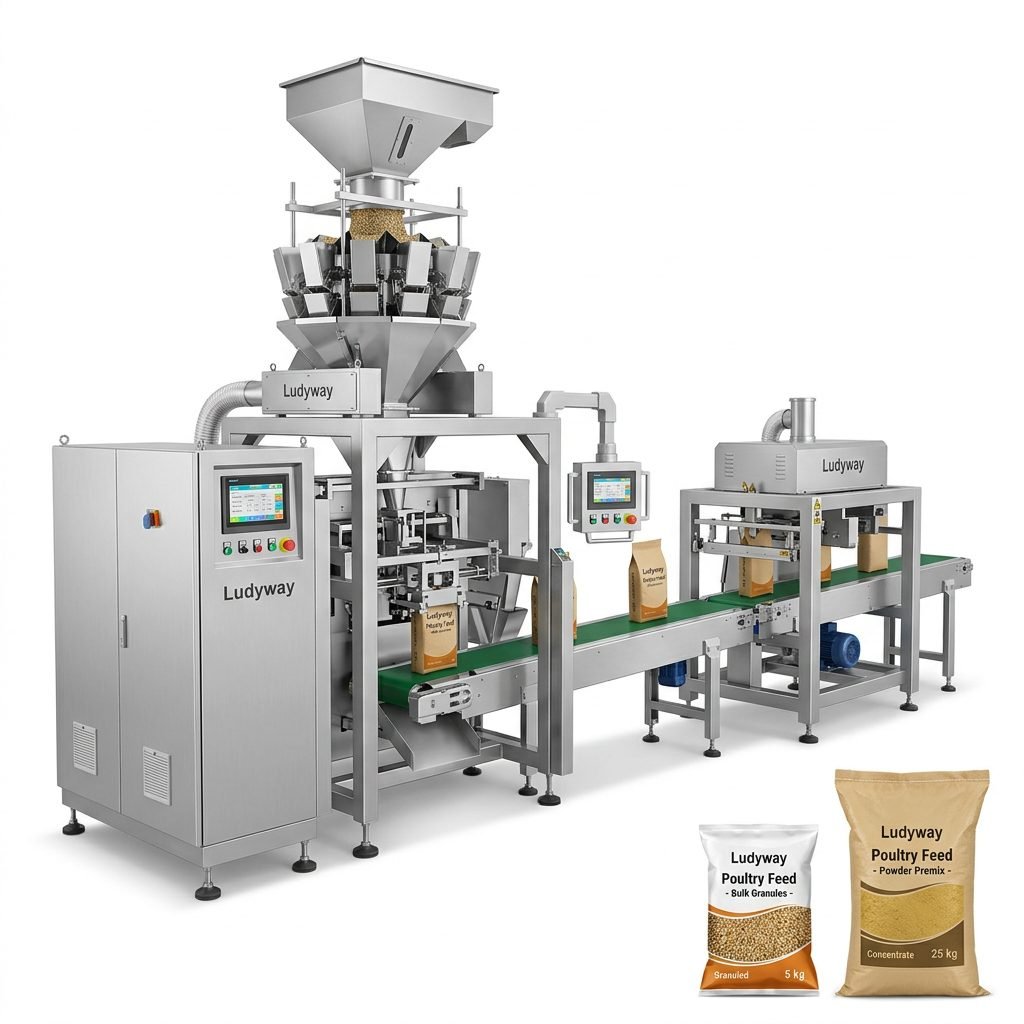
Choosing a reliable packaging machinery supplier is crucial for long-term success. Look for manufacturers with proven experience in feed packaging applications, responsive after-sales support, and availability of spare parts in Southeast Asia. Facilities that offer turnkey packaging solutions — from initial layout design through installation and commissioning — simplify the setup process significantly.
One notable manufacturer in this space is Ludyway, which specializes in advanced packaging equipment for granule, powder, and pouch applications across the food and feed industries. With over 30 years of industry experience and a modern manufacturing facility, the company provides customized packaging lines serving customers in more than 100 countries.
Future Trends Shaping Feed Packaging in Southeast Asia
The industry continues evolving with new technologies and market demands. According to PMMI state of the industry reports, several trends warrant attention:
- Sustainability initiatives — biodegradable and recyclable packaging materials gaining traction
- Smart factory integration — IoT sensors and real-time production monitoring
- Flexible packaging lines capable of handling multiple bag formats and sizes
- Energy-efficient equipment designed for lower operational costs
- Traceability systems using QR codes and blockchain for supply chain transparency
Conclusion
Setting up a feed packaging machine production line in Southeast Asia requires careful planning, the right equipment selection, and an understanding of local market conditions. By defining clear production goals, evaluating facility constraints, selecting appropriate machinery, and partnering with an experienced equipment supplier, feed manufacturers can build efficient, scalable packaging operations. Investing in quality equipment upfront yields faster payback, reduced downtime, and consistent product quality — all competitive advantages in the dynamic ASEAN feed market.