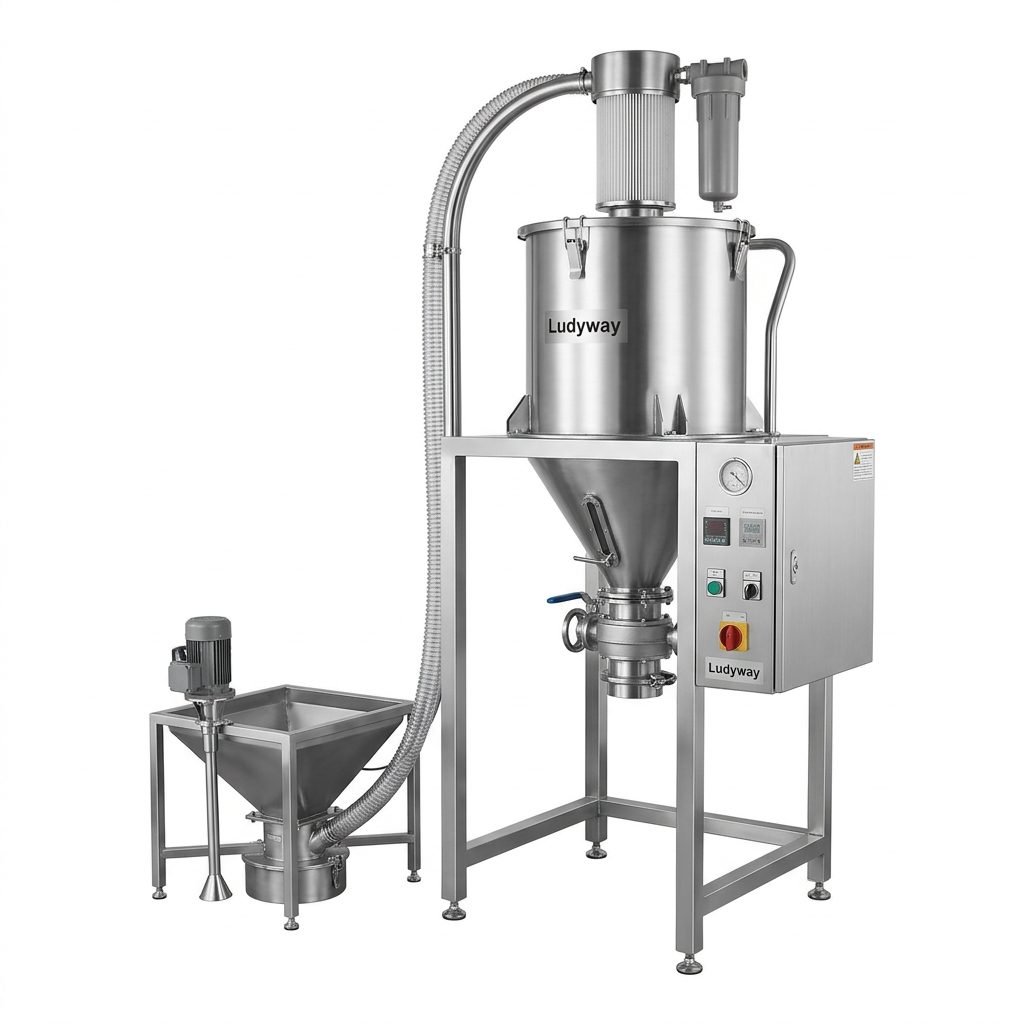
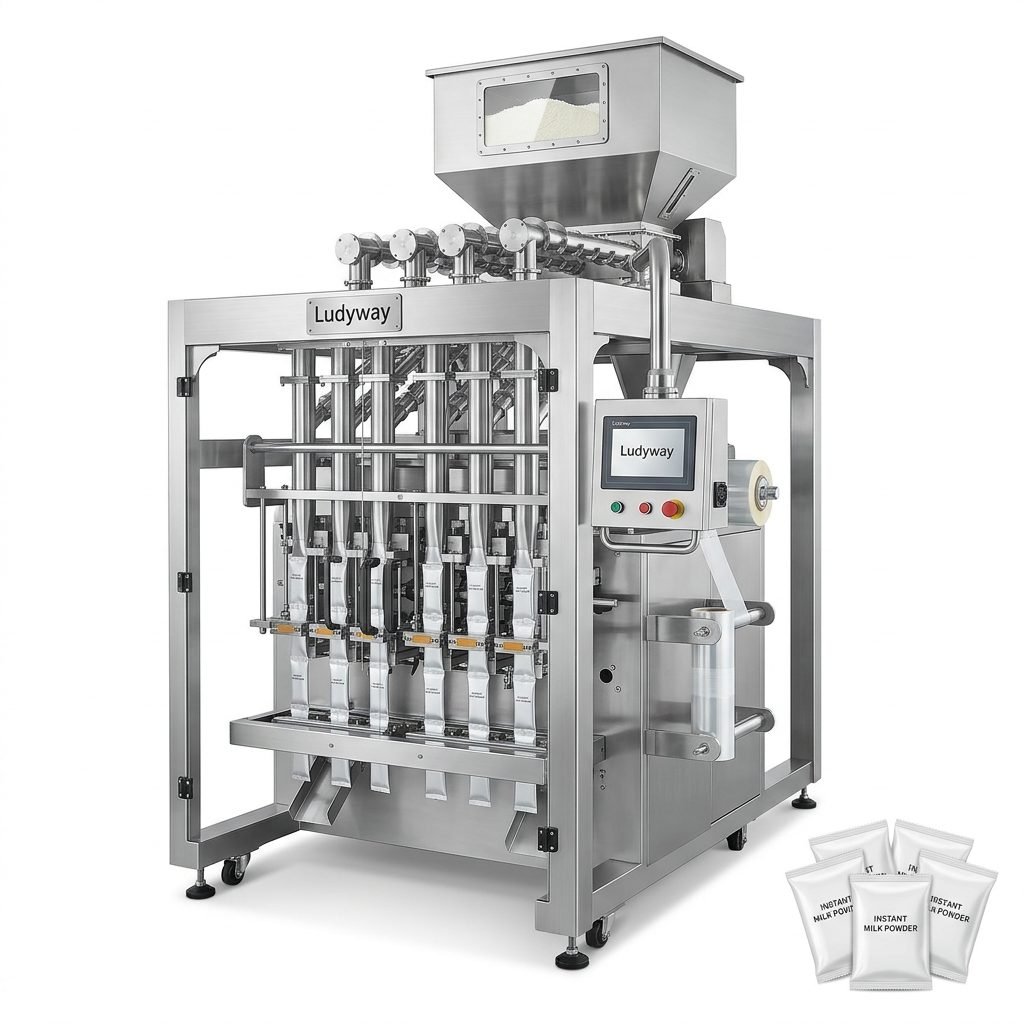
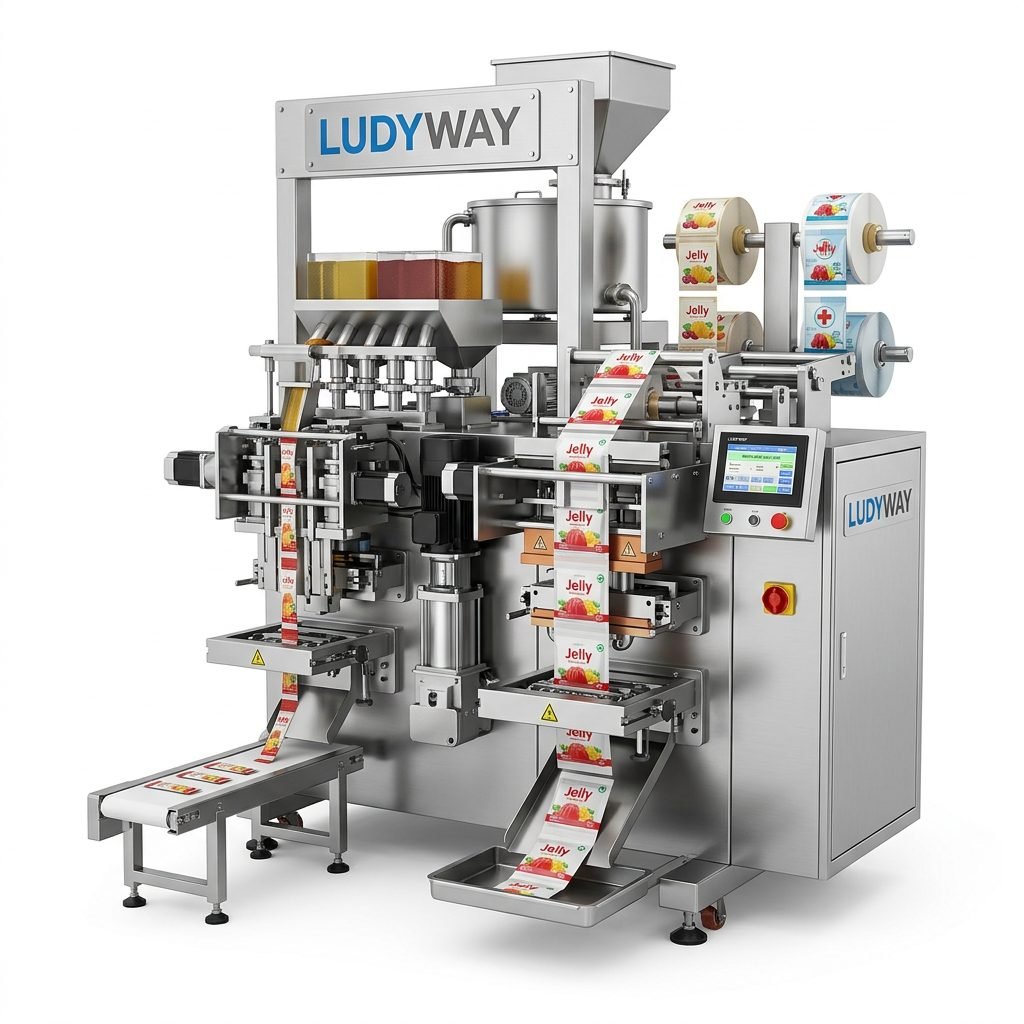
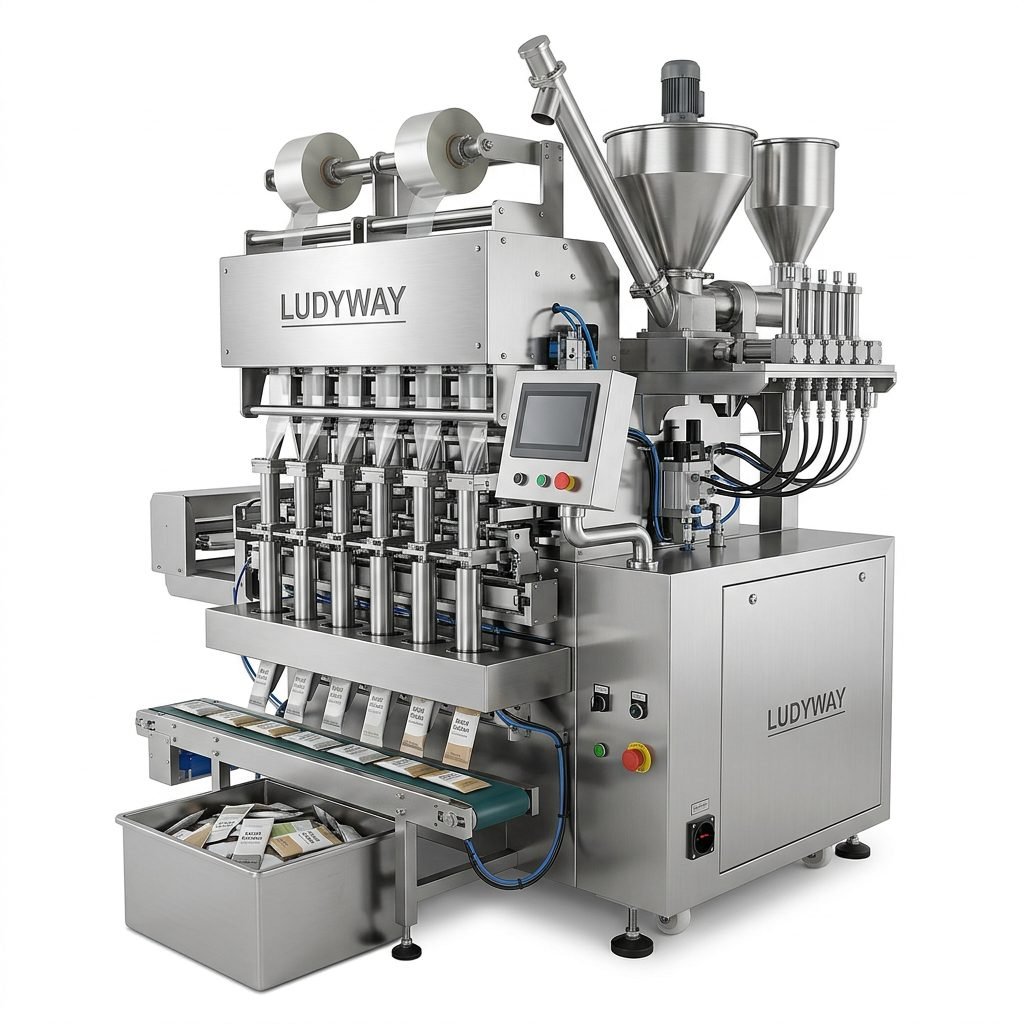
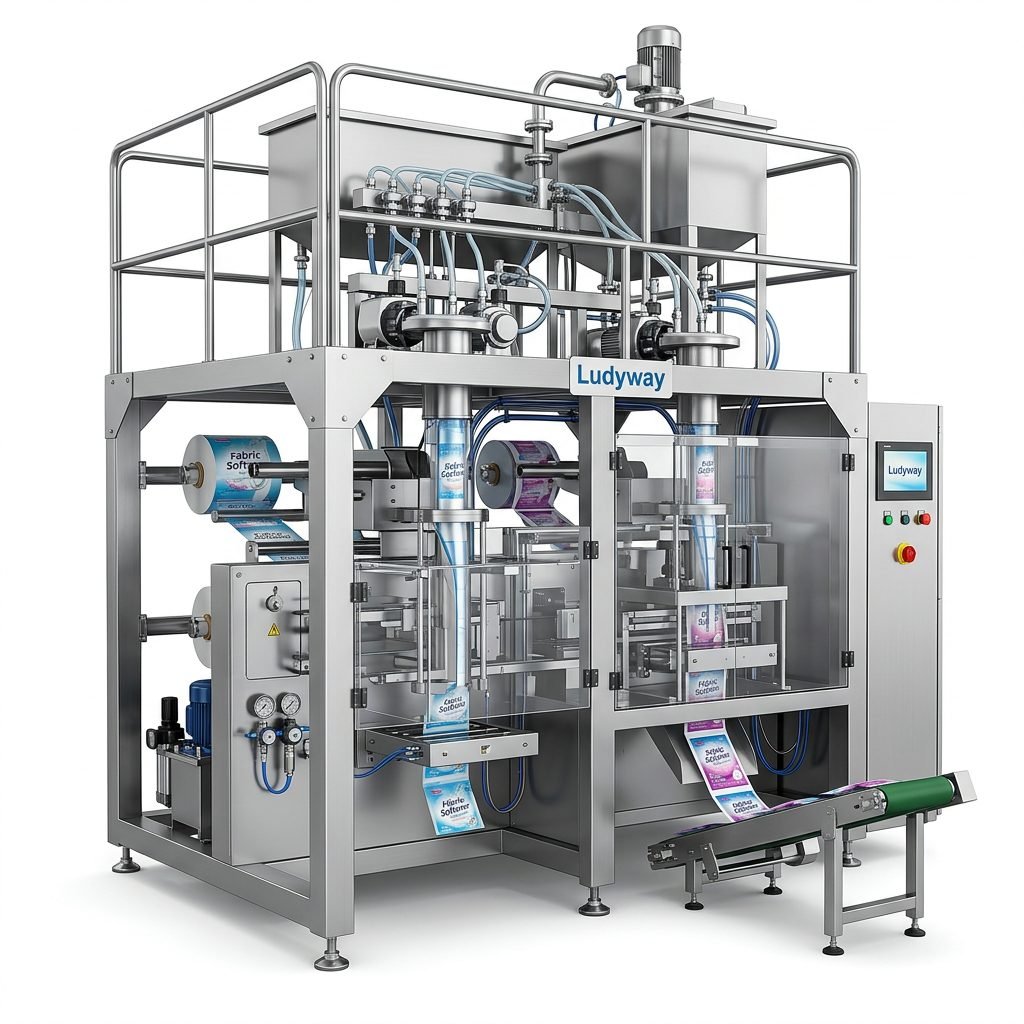
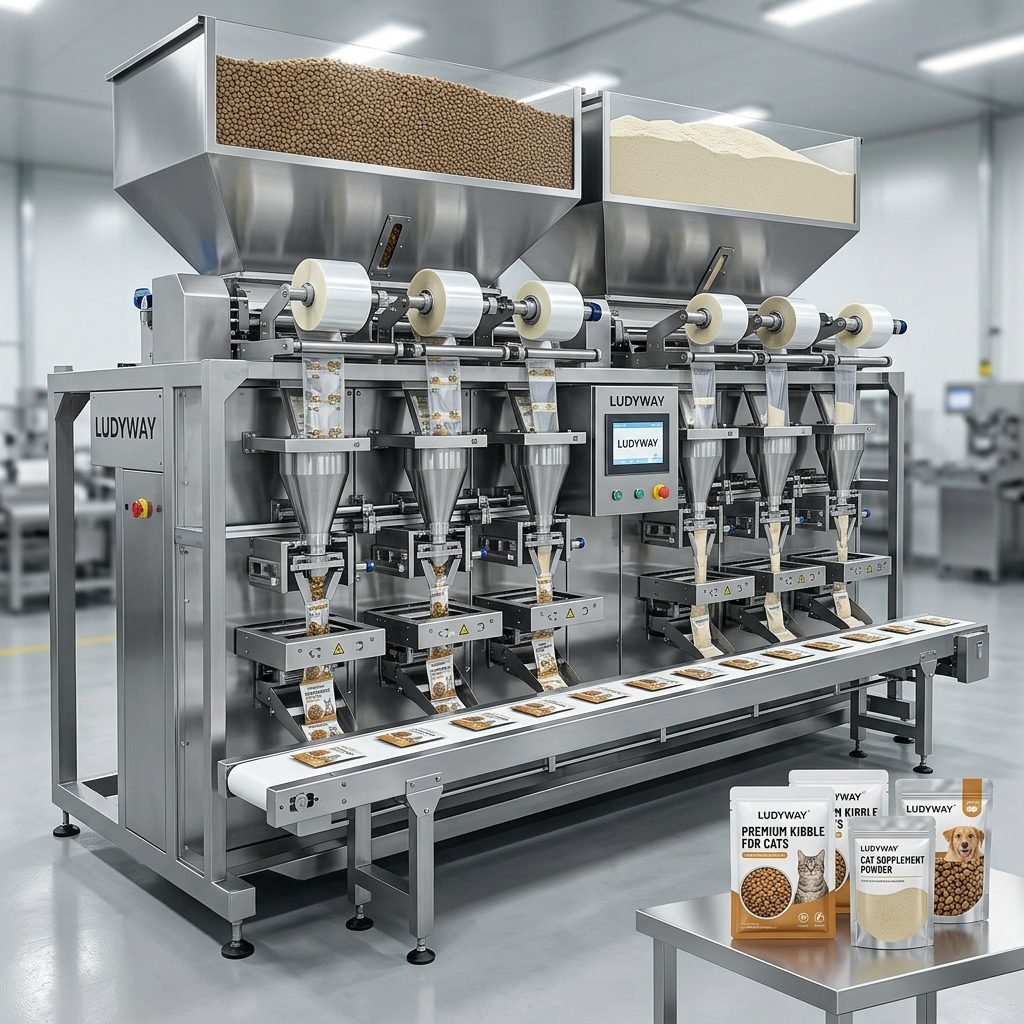
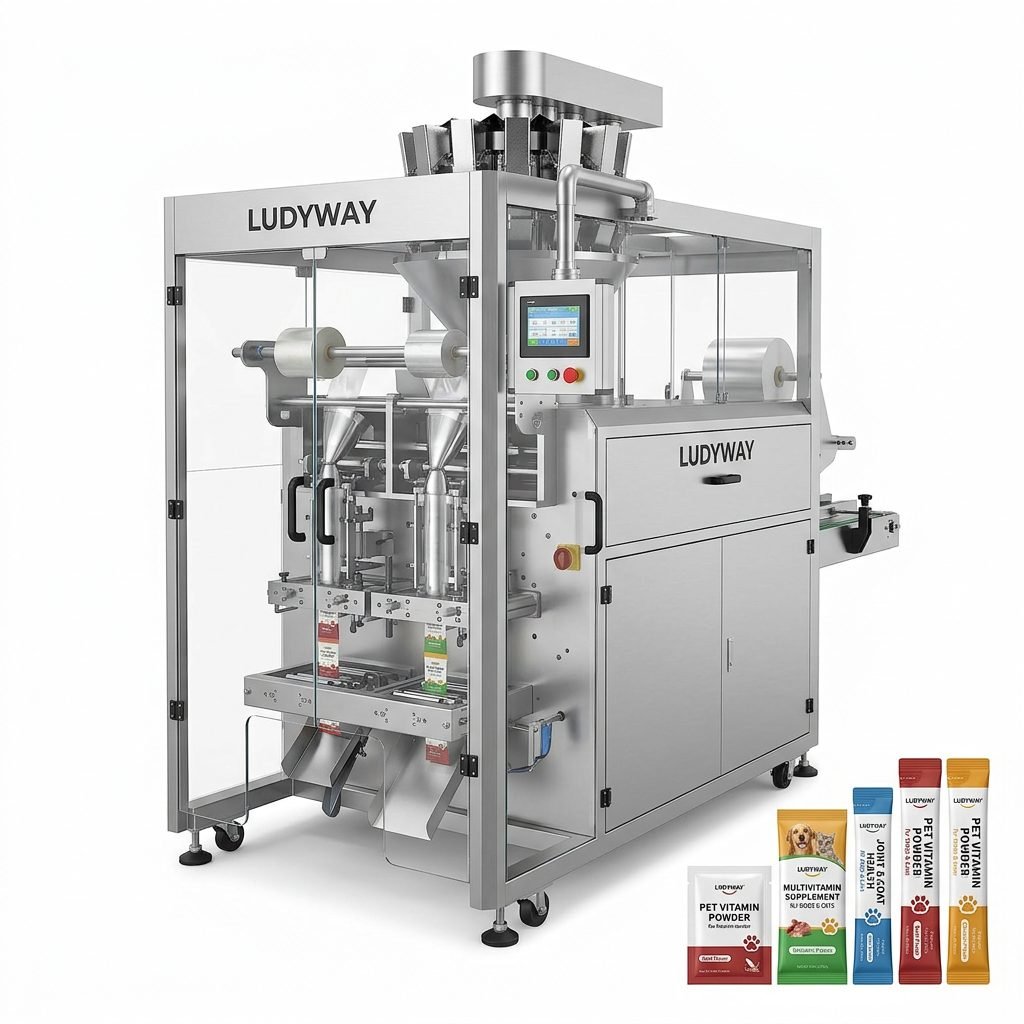
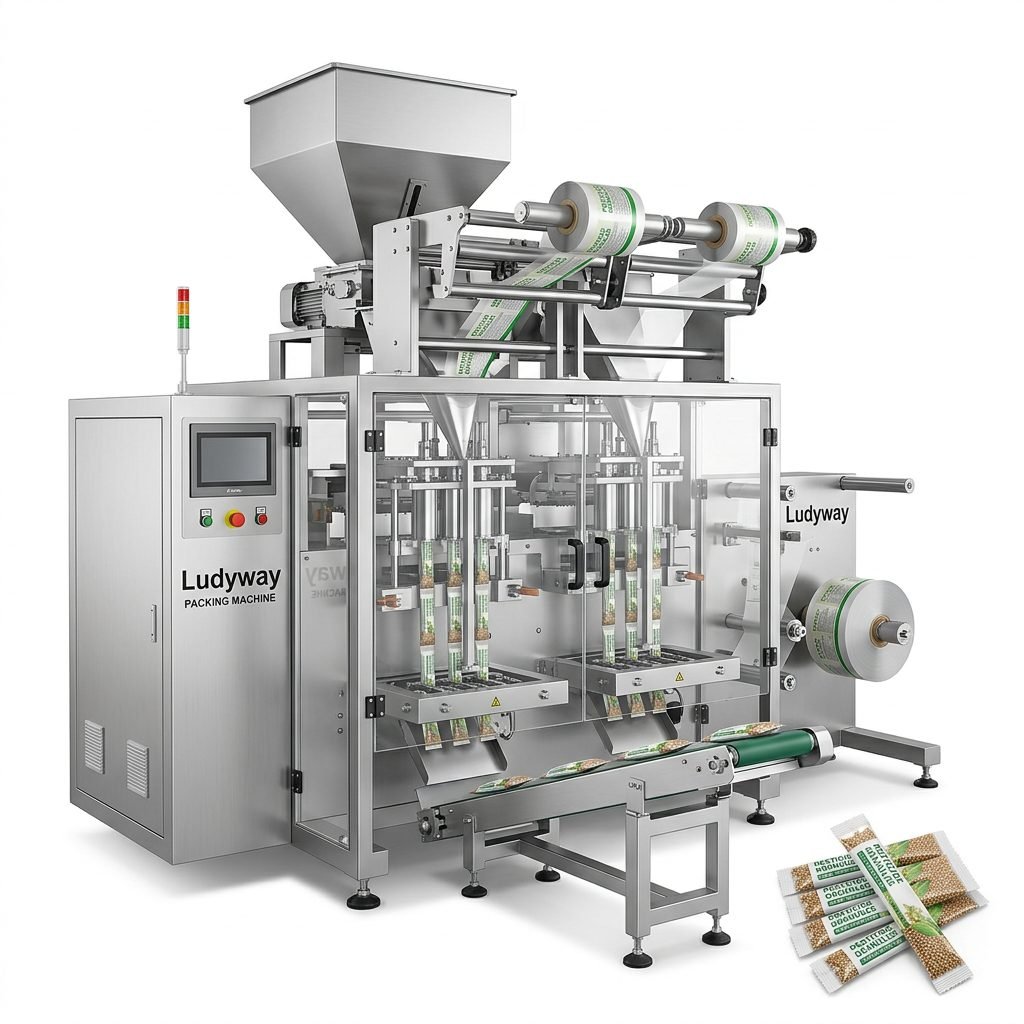
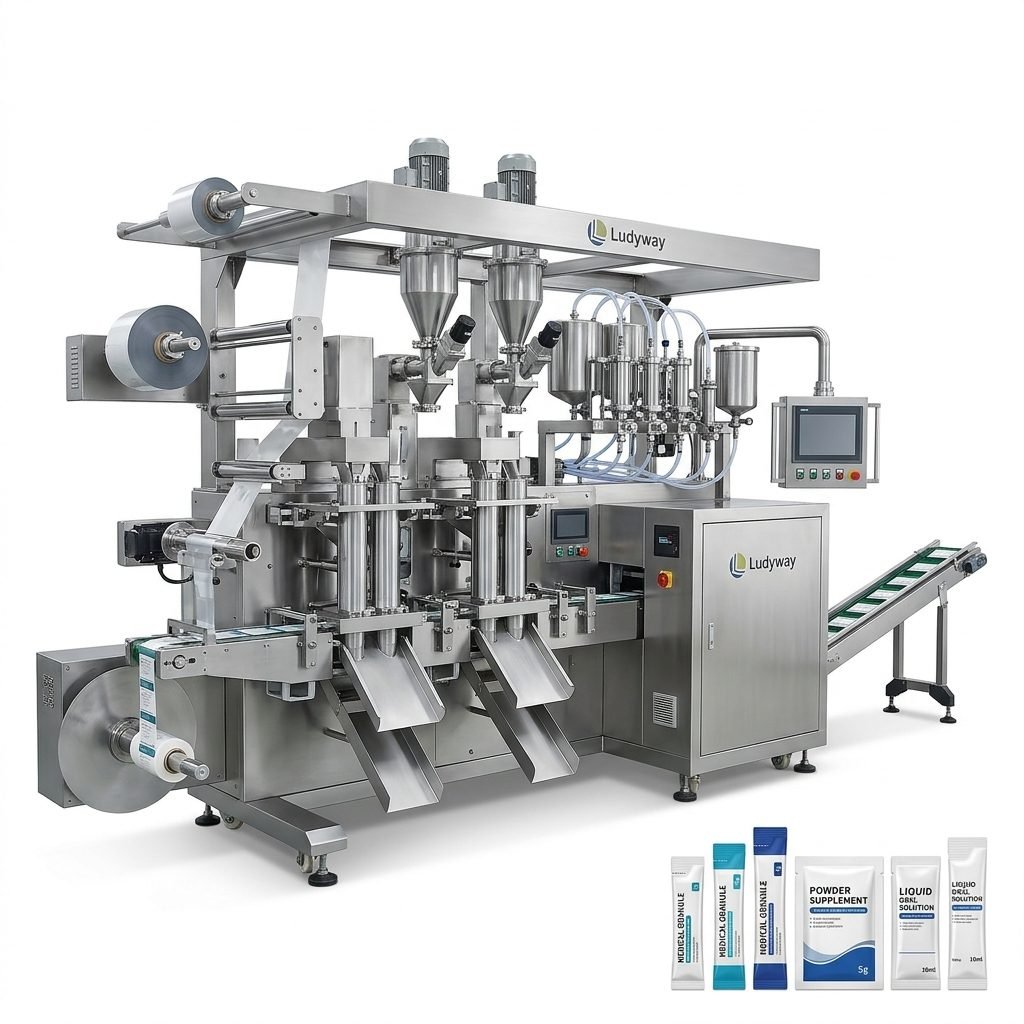
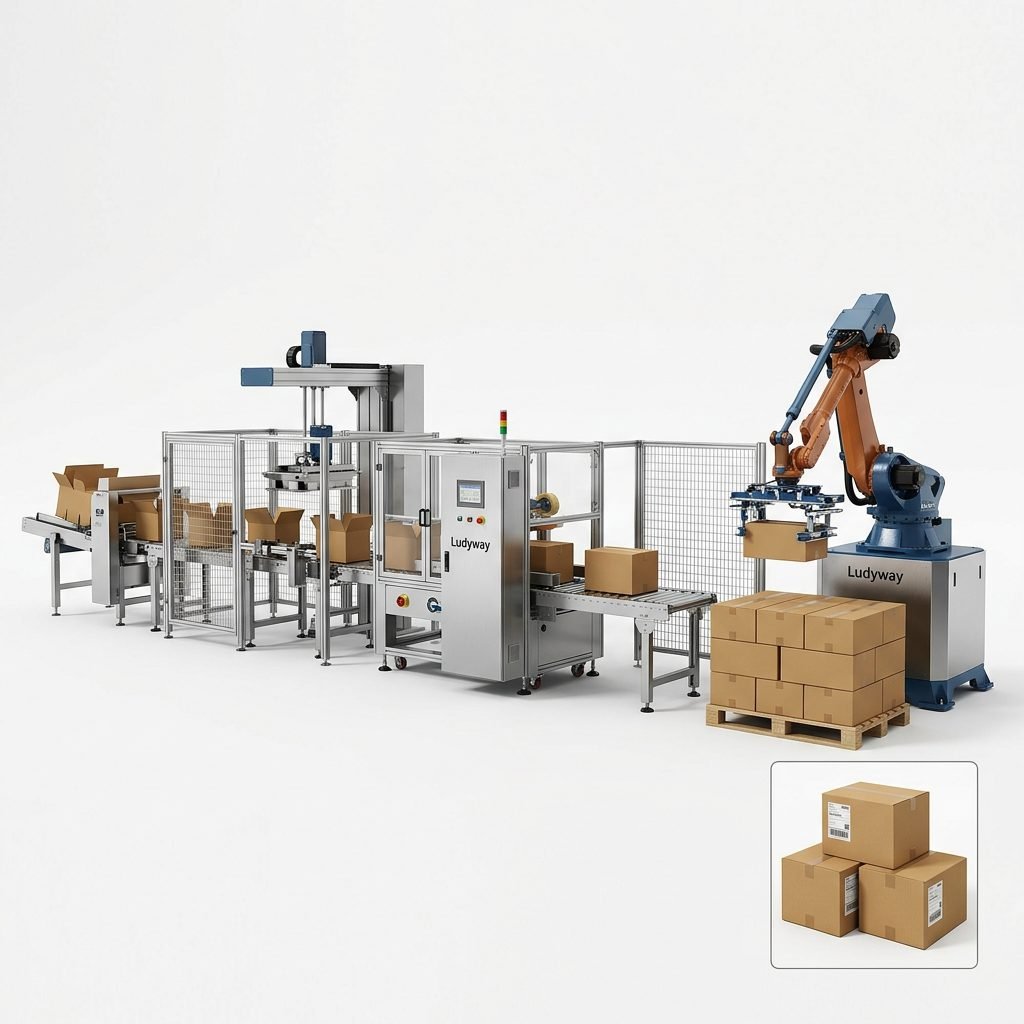
A hay packing machine plays a vital role in modern forage handling by helping farms and agricultural businesses package hay bales faster, more consistently, and with better protection during transport and storage. Whether you manage silage, haylage, or dry hay, the right bale packaging solution can reduce spoilage, improve labor efficiency, and support long-term feed quality.
For operations that need dependable automation in agricultural and industrial packaging,
Hay Packing Machine solutions from Ludyway
can be part of a broader strategy for efficient packaging, handling, and production line integration.
Why Hay Packing Machines Matter in Modern Agriculture
Manual bale wrapping and packaging can slow down field operations, increase labor costs, and expose hay to moisture, oxygen, and contamination. A properly selected hay packing machine helps producers streamline the final stage of forage preparation with more reliable sealing and stacking performance.
- Faster packaging cycles for large volumes of hay bales
- Better protection against weather, dust, and handling damage
- Improved feed preservation during storage
- Reduced dependence on manual labor
- More uniform bale appearance for transport and sale
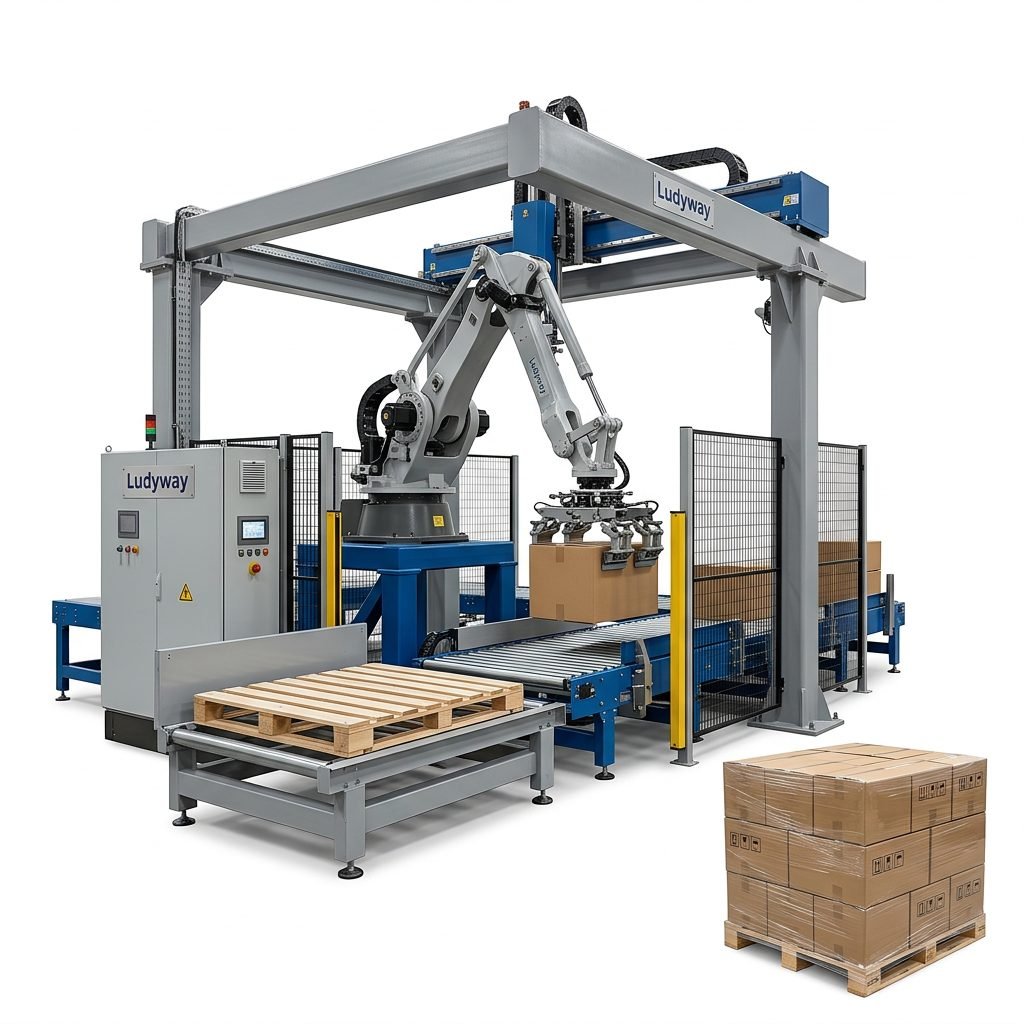
- Support for integrated bale conveying and palletizing workflows
In high-output forage operations, packaging efficiency is not only about speed. It also affects inventory organization, storage density, and the overall quality of feed delivered to livestock.
Core Functions of a Hay Packing Machine
A hay packing machine is designed to secure bales for easier movement and safer storage. Depending on the application, the machine may wrap, compress, bag, seal, or prepare hay bales for downstream logistics. Advanced systems may also include conveyors, weighing units, sealing modules, coding devices, and final stacking support.
| Function | Benefit |
|---|---|
| Bale wrapping | Protects hay from oxygen and moisture intrusion |
| Compression or bundling | Improves storage efficiency and transport handling |
| Bagging or sealing | Extends shelf life and enhances cleanliness |
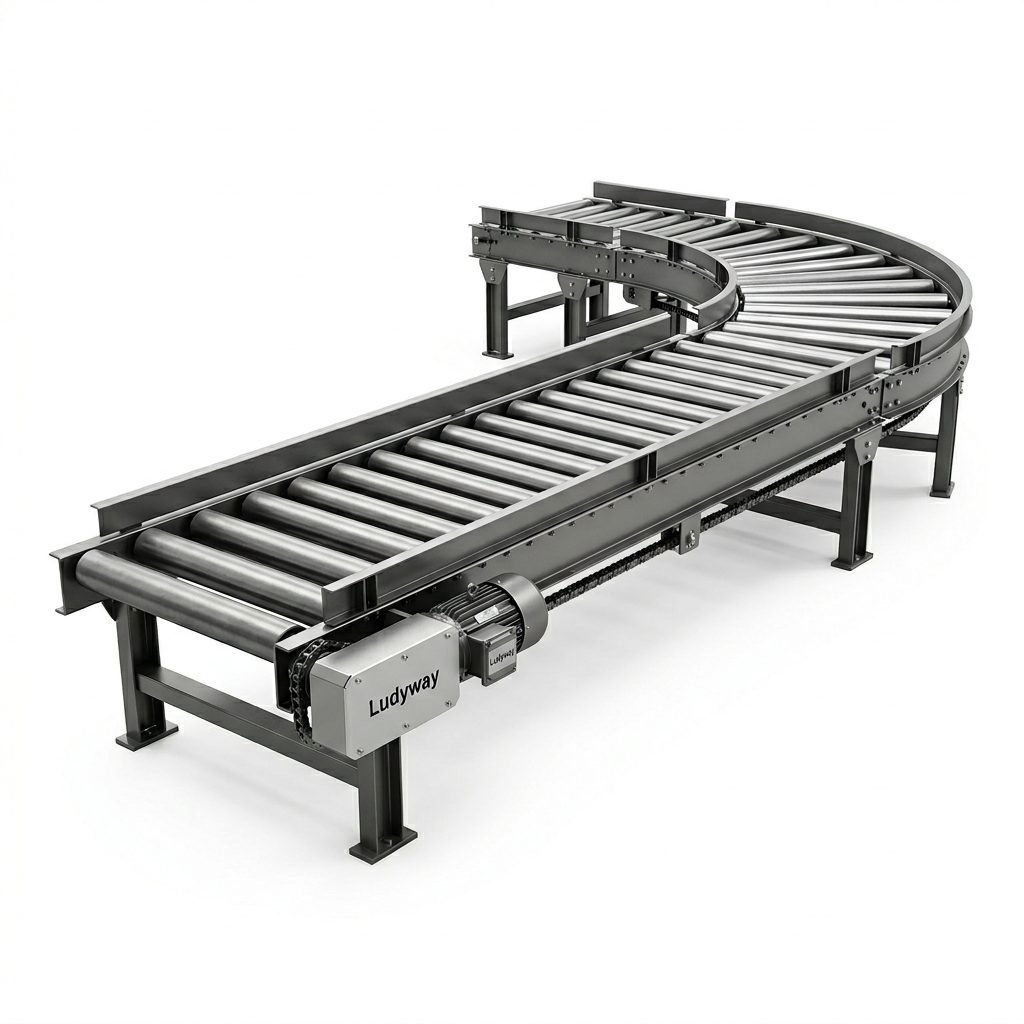
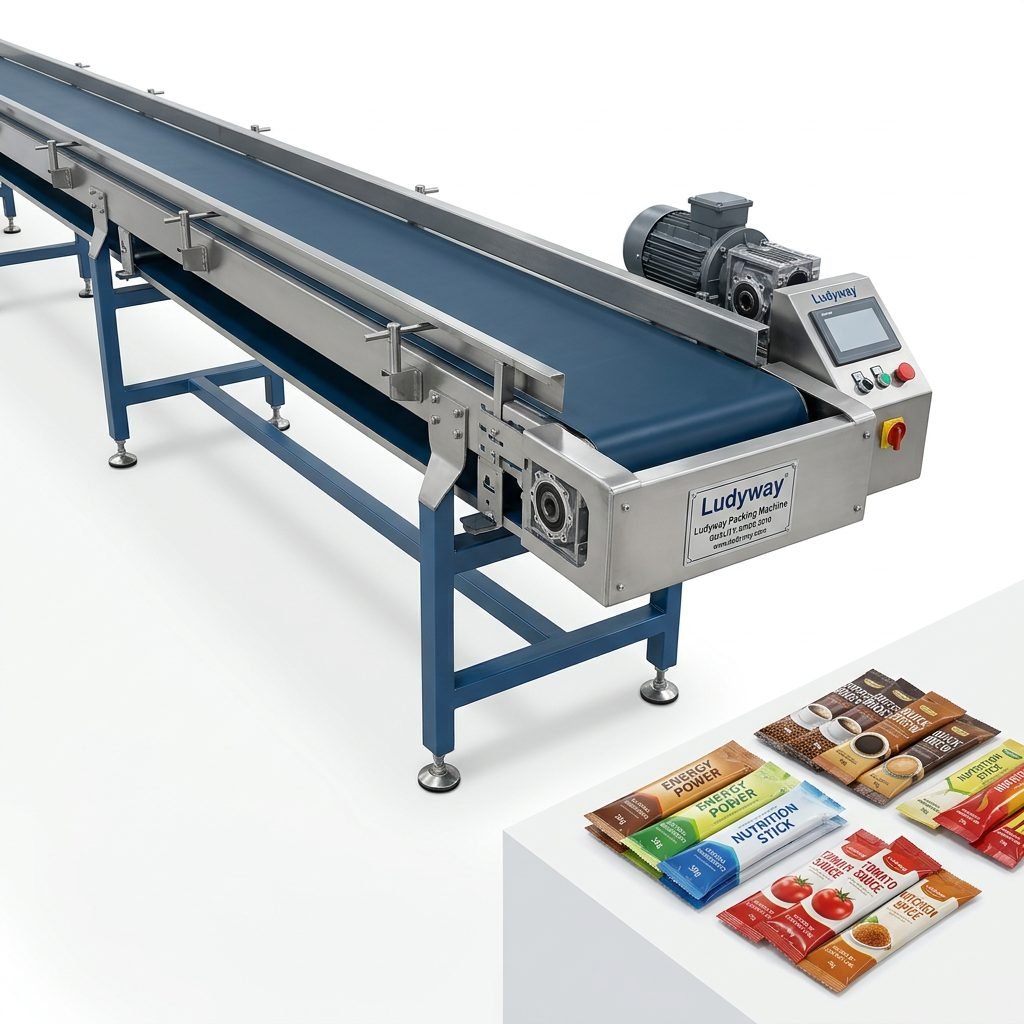
| Conveying integration | Reduces manual lifting and improves workflow continuity |
| Batch marking or coding | Supports traceability and inventory management |
Common Types of Hay Bale Packaging Equipment
The ideal packaging system depends on bale shape, moisture level, storage duration, and logistics needs. Farms and feed processors typically choose from several machine categories.
Round Bale Wrapping Machines
These are commonly used for silage and haylage. They apply stretch film around round bales to create a sealed barrier that helps preserve forage quality.
Square Bale Packing Machines
Suitable for operations that use rectangular bales for easier stacking and transport. These systems can support denser warehouse storage and organized shipment loading.
Automatic Bale Bagging Systems
These machines place compressed hay into protective bags or sleeves. They are especially useful when hay must be stored longer, shipped farther, or sold in cleaner retail-ready or distribution-ready formats.
Integrated Bale Handling Lines
Larger operations may install automated lines that combine conveying, wrapping, sealing, coding, and stacking. This approach improves consistency and supports higher throughput.
Key Benefits for Bale Packaging and Storage Solutions
Investing in a hay packing machine can create measurable value across the forage supply chain. Beyond packaging itself, it improves how hay is stored, handled, and distributed.
- Reduced spoilage risk by limiting exposure to rain, humidity, and air.
- Better bale stability for stacking in warehouses or open storage yards.
- Lower labor requirements thanks to semi-automatic or fully automatic workflows.
- Cleaner product presentation for commercial hay suppliers and distributors.
- Improved transportation efficiency through more consistent bale dimensions and packaging integrity.
- Scalability for growing farms, contractors, and feed businesses.
What to Consider When Choosing a Hay Packing Machine
Not every machine fits every forage operation. Choosing the right model requires attention to both production and storage conditions.
Bale Type and Size
Confirm whether your operation handles round bales, mini bales, or square bales. Machine compatibility with bale dimensions is one of the first decision points.
Moisture and Forage Characteristics
Dry hay, semi-moist haylage, and silage have different packaging requirements. High-moisture forage typically demands tighter sealing and stronger film performance.
Production Capacity
Consider daily bale output, seasonal peaks, and labor availability. A machine that matches your real throughput needs will deliver better ROI than one that is underpowered or oversized.
Automation Level
Semi-automatic systems may work well for smaller farms, while larger agricultural businesses often benefit from automated feeding, wrapping, discharge, and stacking functions.
Storage and Transport Goals
If hay will be stored for long periods or transported over long distances, packaging durability becomes even more important. Strong sealing and consistent bale protection help maintain product value.
| Selection Factor | Why It Matters |
|---|---|
| Bale format | Determines machine structure and handling method |
| Packaging material | Affects sealing quality and storage life |
| Output speed | Ensures the machine keeps pace with harvesting operations |
| Automation level | Influences labor savings and process consistency |
| After-sales support | Helps maintain uptime during critical production seasons |
How Efficient Bale Packaging Improves Storage Performance
Packaging quality directly affects storage performance. Even well-made hay can lose value quickly if bale wrapping or sealing is inconsistent. A reliable packing machine helps maintain a controlled barrier around the bale, reducing nutrient loss and helping preserve feed aroma, structure, and usability.
Efficient bale packaging also simplifies warehouse organization. Uniform packaged bales are easier to count, stack, move with forklifts, and load for delivery. This is especially important for farms supplying dairies, feedlots, equine facilities, or export-oriented agricultural channels.
Applications Across Agricultural Operations
Hay packing machines are used across a wide range of agricultural and forage-related settings:
- Dairy farms managing silage and haylage
- Beef and sheep farms storing seasonal forage
- Commercial hay producers supplying domestic or export markets
- Feed processors needing cleaner bale presentation and handling
- Agricultural contractors offering baling and wrapping services
- Large storage centers requiring organized bale logistics
Signs It Is Time to Upgrade Your Bale Packaging Process
Many forage businesses continue using outdated or labor-heavy methods until inefficiency becomes too costly. You may benefit from upgrading if you notice the following:
- Frequent torn wraps or poorly protected bales
- Excessive labor needed during harvest season
- Slow bale throughput causing field bottlenecks
- High spoilage or mold losses in storage
- Inconsistent bale appearance for customers or distributors
- Difficulty integrating packaging with conveyors or pallet handling
Maintenance Tips for Long-Term Reliability
To maintain stable performance, hay packing machinery should be inspected and serviced regularly. Preventive maintenance reduces downtime during critical harvesting windows.
Recommended Practices
- Check film feeding and sealing components routinely
- Remove hay dust and residue after production shifts
- Inspect rollers, belts, and moving parts for wear
- Lubricate according to the manufacturer’s schedule
- Monitor sensors and control systems for stable operation
- Keep spare wear parts available during peak season
The Value of Integrated Packaging and Handling
For growing operations, the best results often come from combining the hay packing machine with auxiliary equipment such as conveyors, sealing systems, coding units, and palletizing modules. This creates a smoother end-to-end process from bale output to organized storage.
Integrated bale packaging and storage solutions are especially valuable where labor is limited, output is seasonal but intense, and product quality must remain consistent across large volumes.
Final Thoughts on Choosing the Right Hay Packing Machine
A hay packing machine is more than a piece of wrapping equipment. It is a practical investment in forage quality, labor efficiency, and storage control. By selecting a machine that matches your bale format, output target, and handling workflow, you can improve operational efficiency while protecting the value of every bale.
Whether your goal is cleaner packaging, reduced spoilage, or a more automated bale handling process, the right solution can help turn forage packaging into a more reliable and profitable part of your agricultural operation.