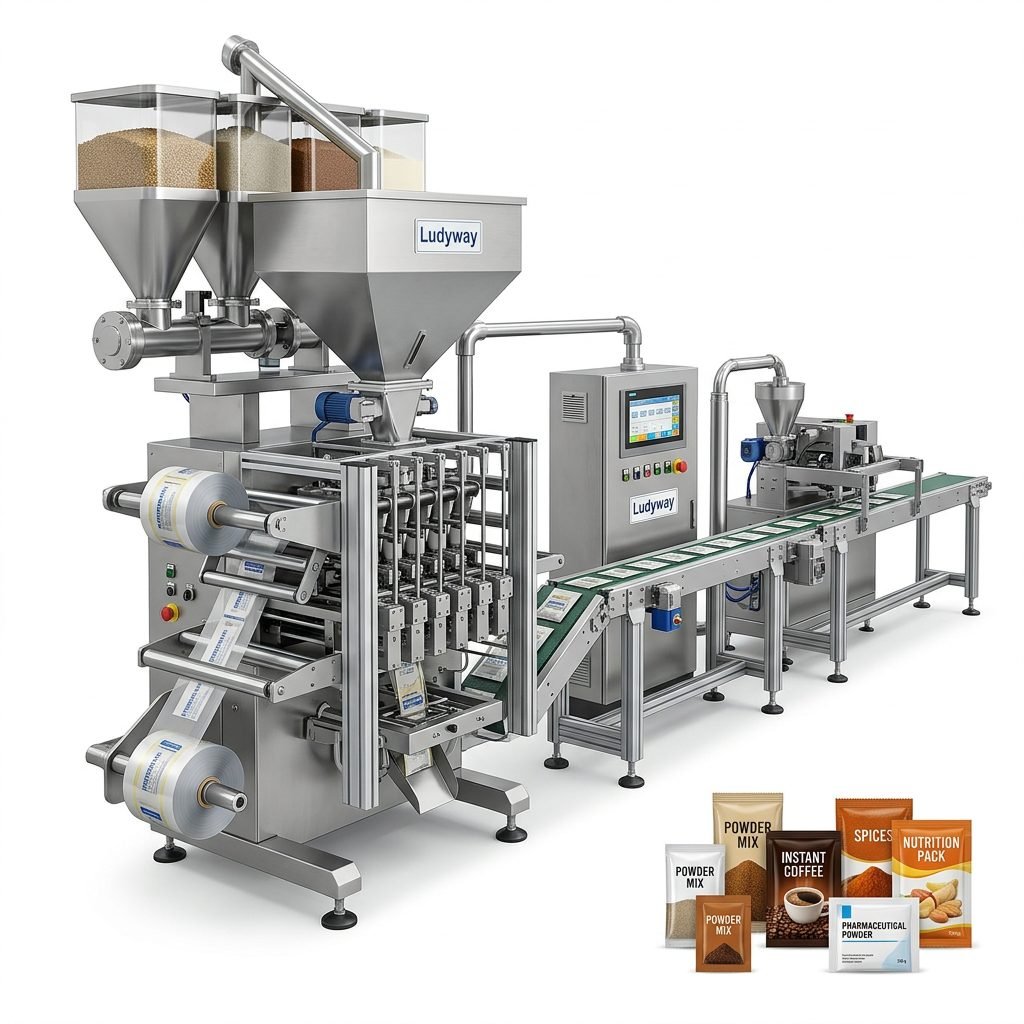
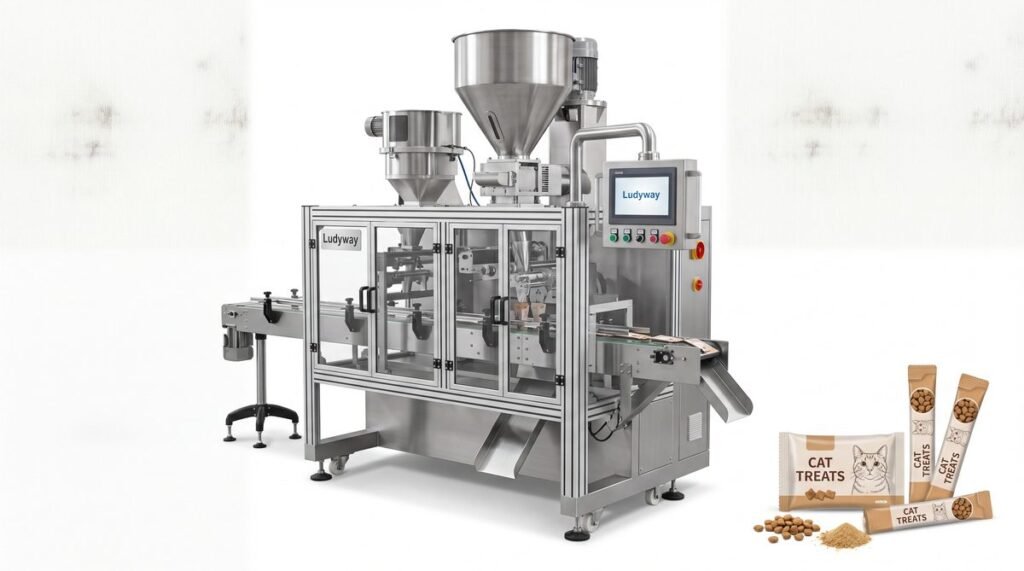
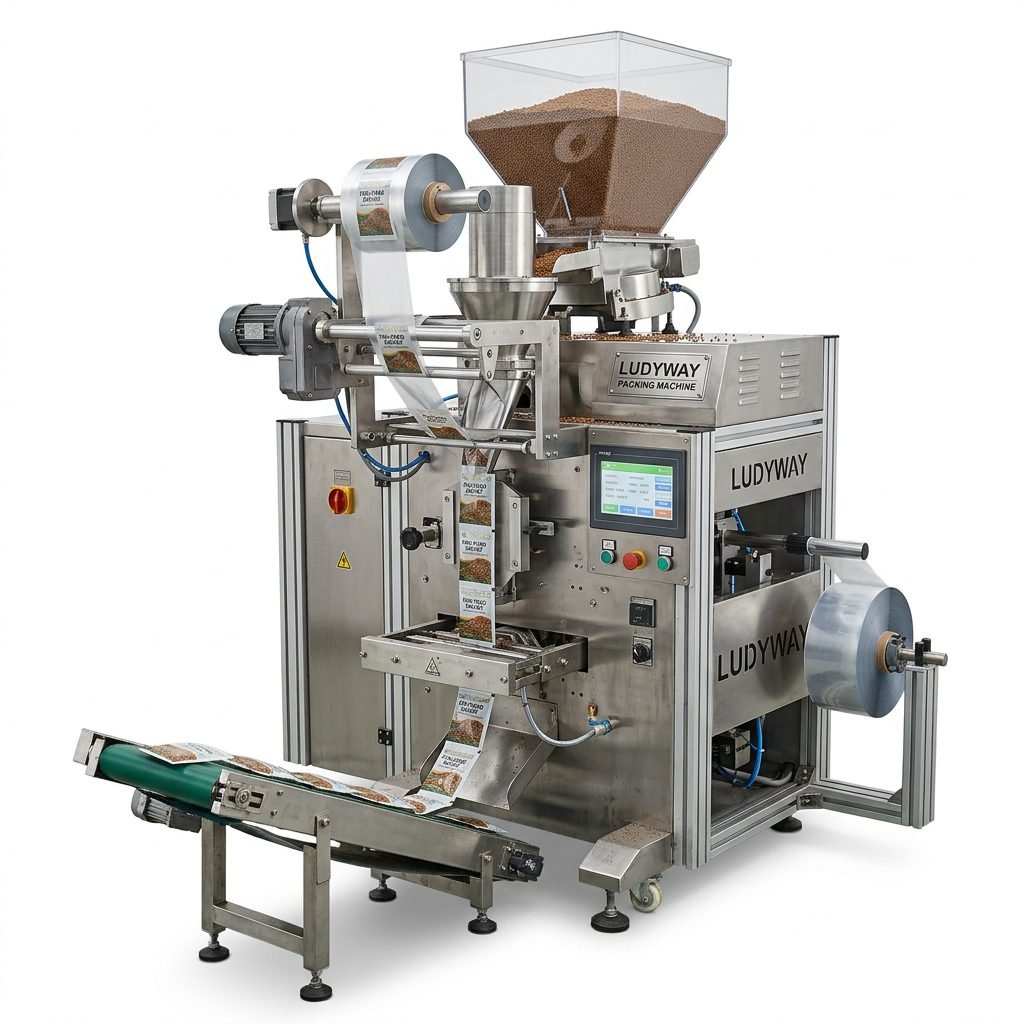
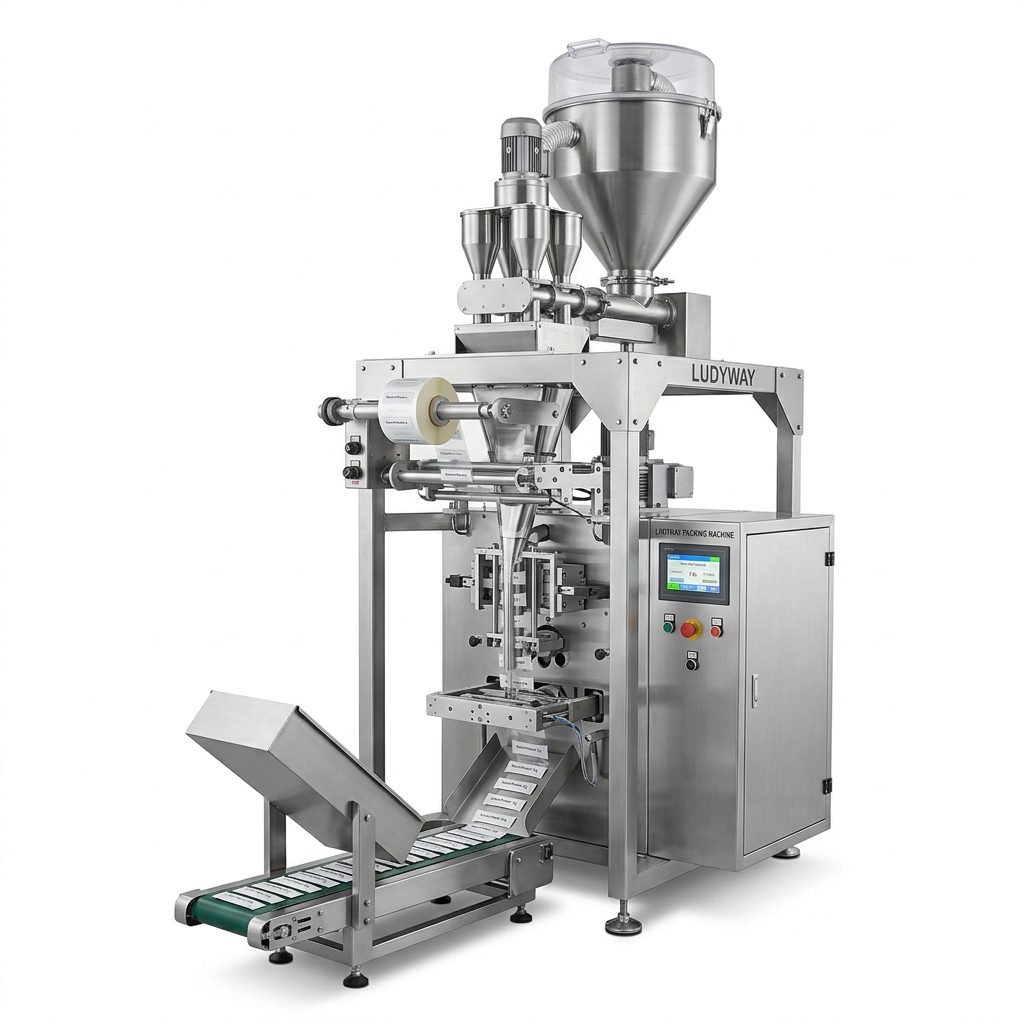
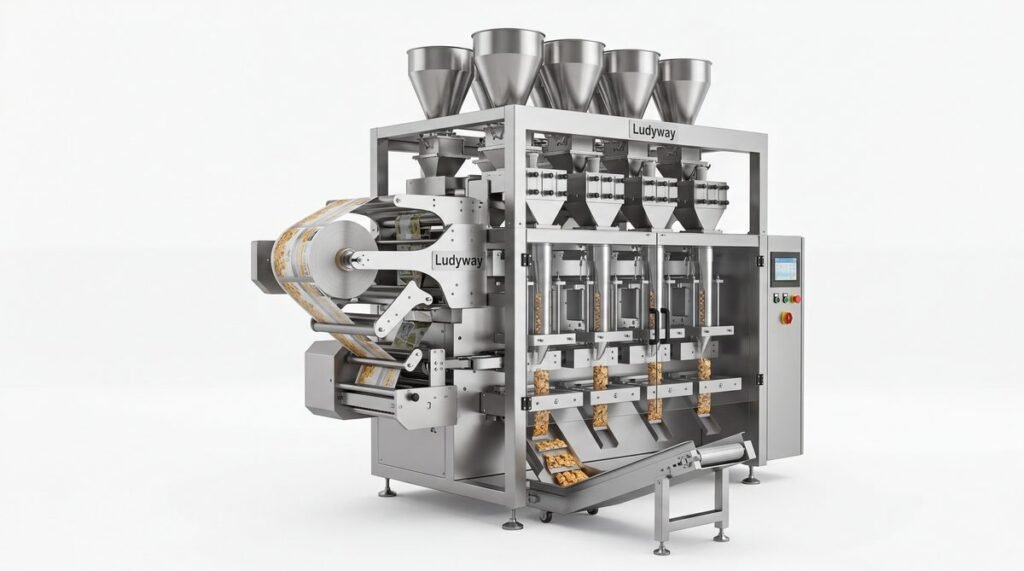
Investing in a feed packaging machine is a critical decision for UK agricultural suppliers, feed mills, and pet food manufacturers. The right equipment balances speed, accuracy, and durability while meeting increasingly stringent UK and EU regulations on product safety and traceability. Whether you are packaging compound feed pellets, mineral premixes, or speciality animal nutrition products, understanding the core evaluation criteria will help you avoid costly downtime and ensure long-term operational efficiency.
1. Understand Your Feed Product Characteristics
The physical properties of your feed material directly determine the type of packaging machine you need. Ignoring this step is the most common reason for poor filling accuracy.
- Granules & Pellets: Standard free-flowing materials. Suitable for multi-head weighers and volumetric cup fillers.
- Powders & Meals: Prone to dusting and bridging. Requires auger fillers with dust-tight seals and agitation systems.
- Flakes & Fibrous Materials: Irregular density. Needs specialized vibratory or belt-fed weighing systems to maintain weight accuracy.
- Oily or Sticky Mixes: Demands non-stick contact surfaces and easy-clean designs to prevent material build-up and cross-contamination.
2. Choosing the Right Packaging Style
UK feed markets demand diverse packaging formats. Aligning your machine choice with your target retail or wholesale channel is essential.
| Packaging Type | Best For | Machine Type |
|---|---|---|
| Premade Pouch (Doypack) | Premium pet food, treats | Rotary Premade Pouch Machine |
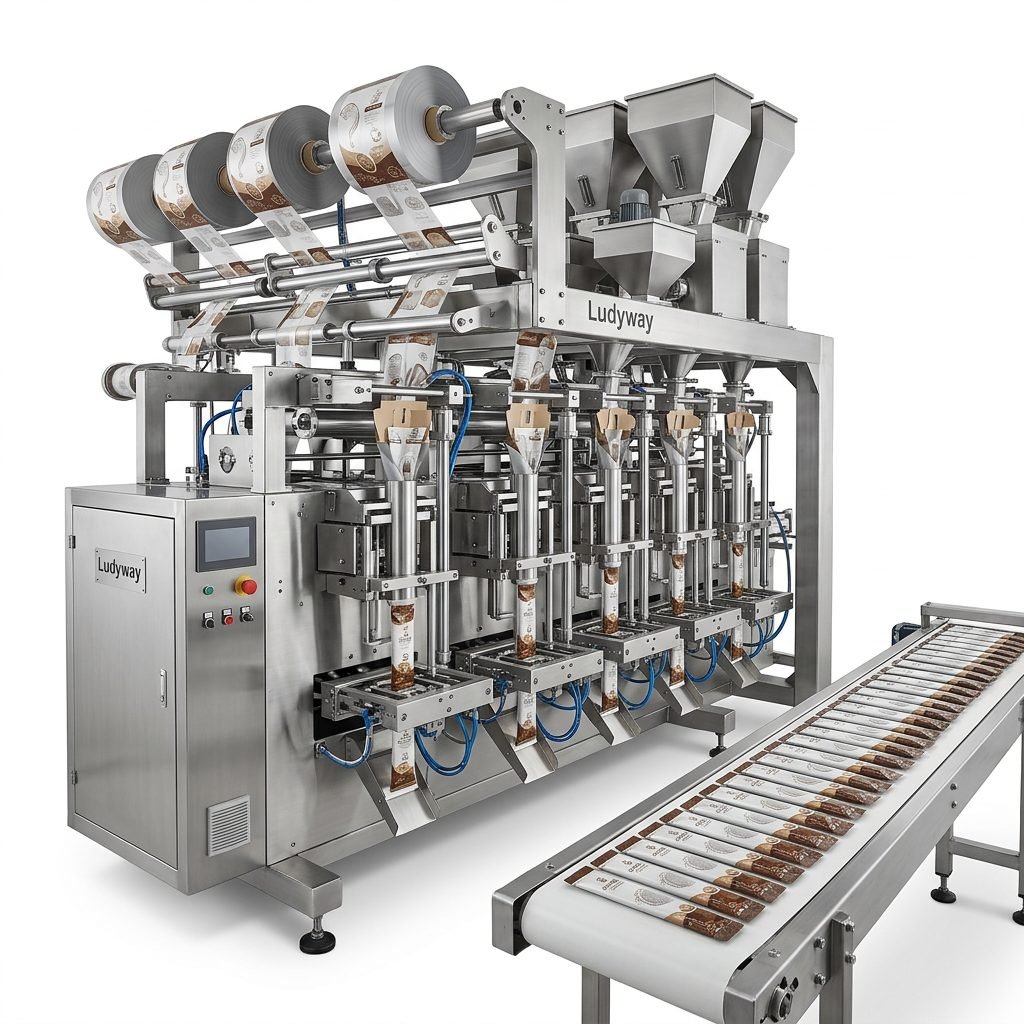
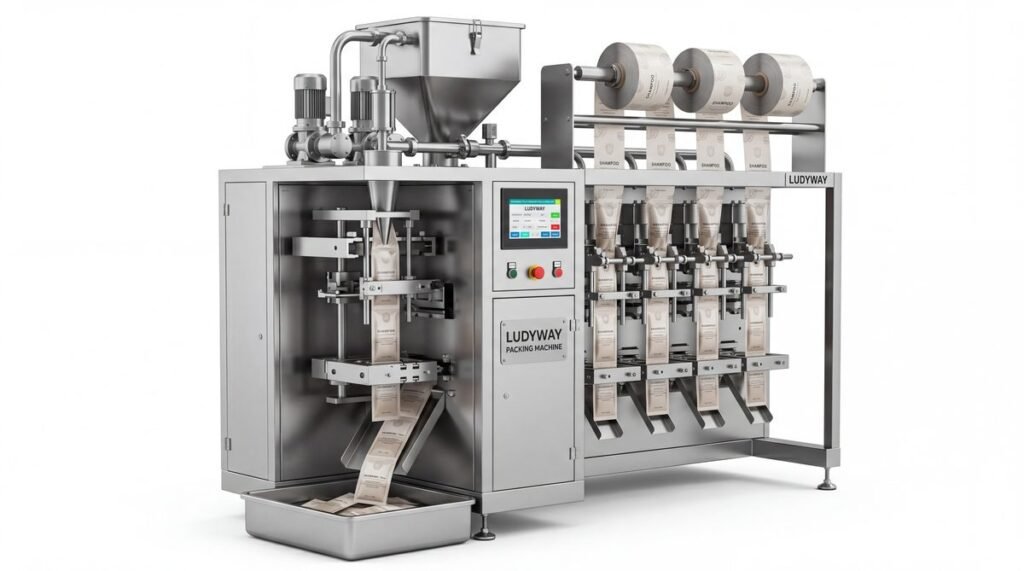
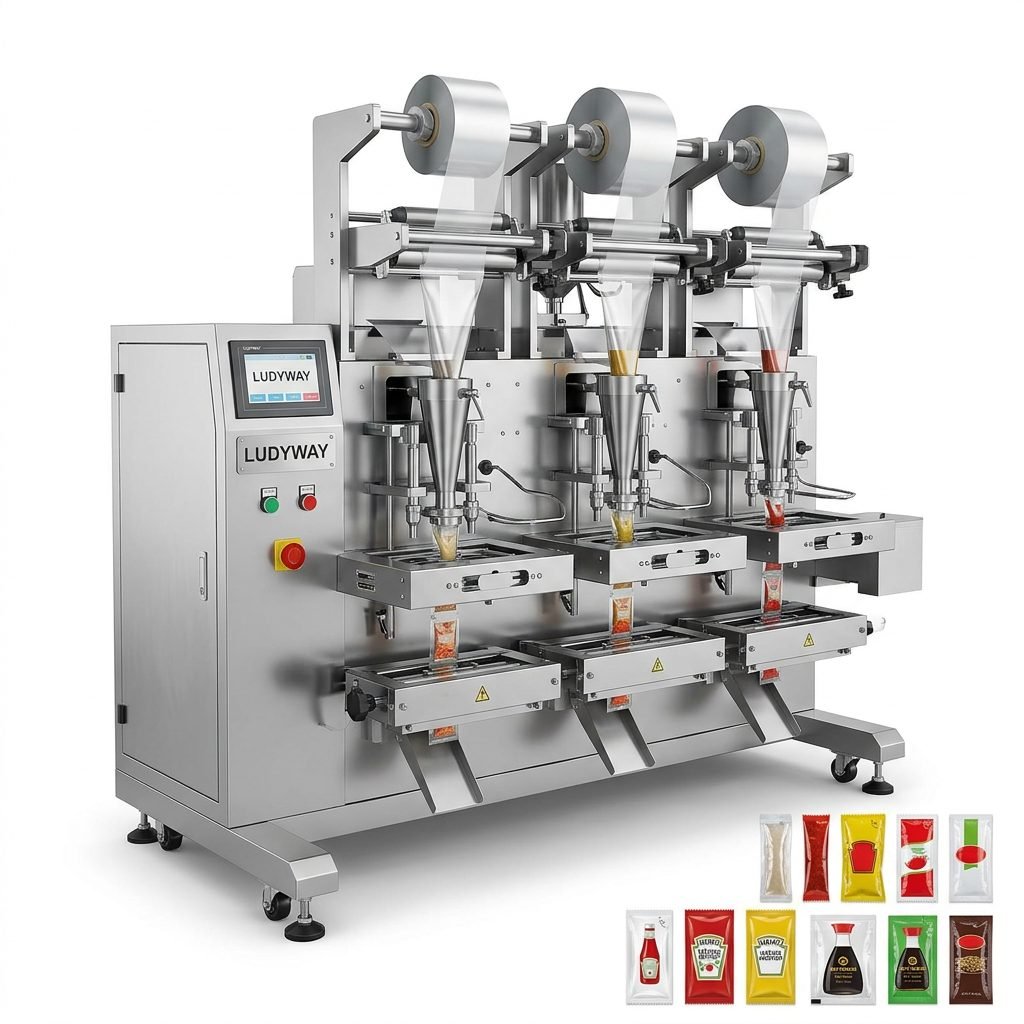
| Stick Pack / Sachet | Feed supplements, probiotics | Multi-Lane Stick Pack Machine |
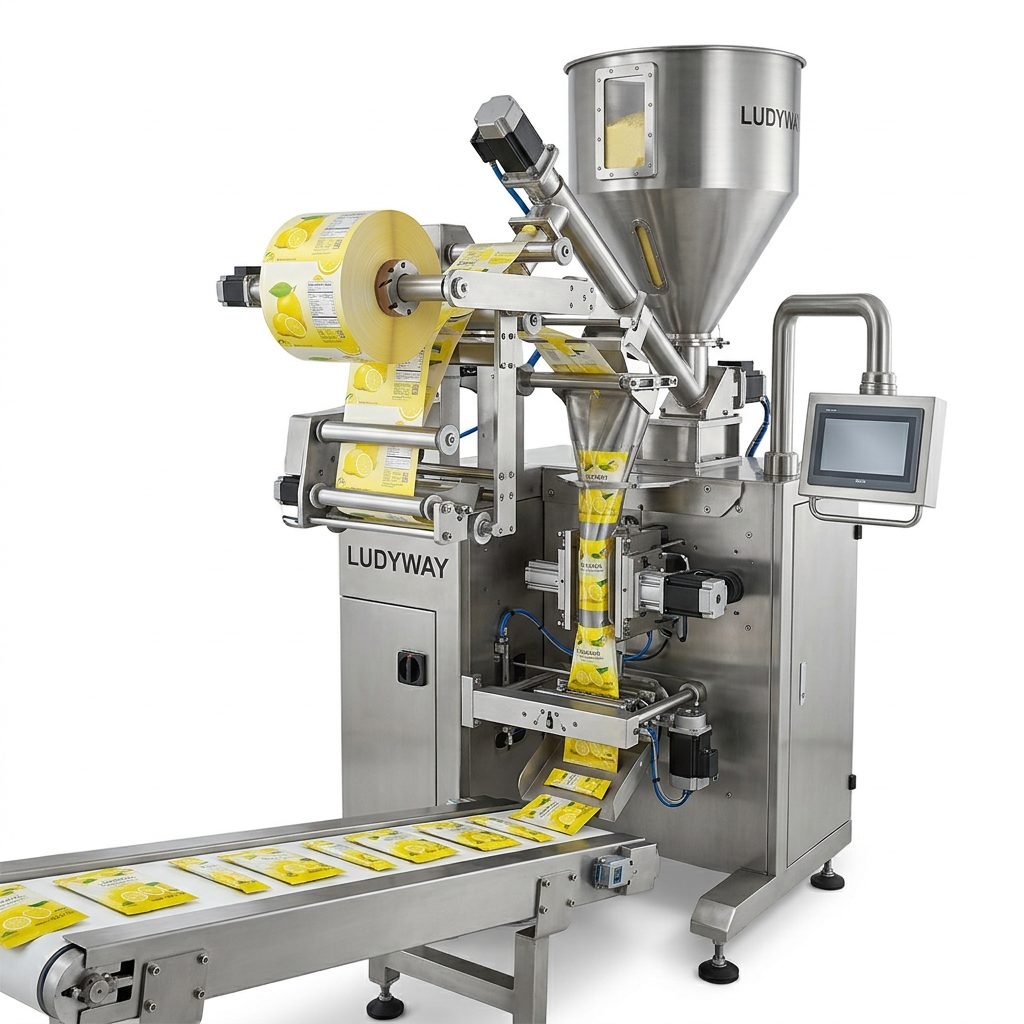
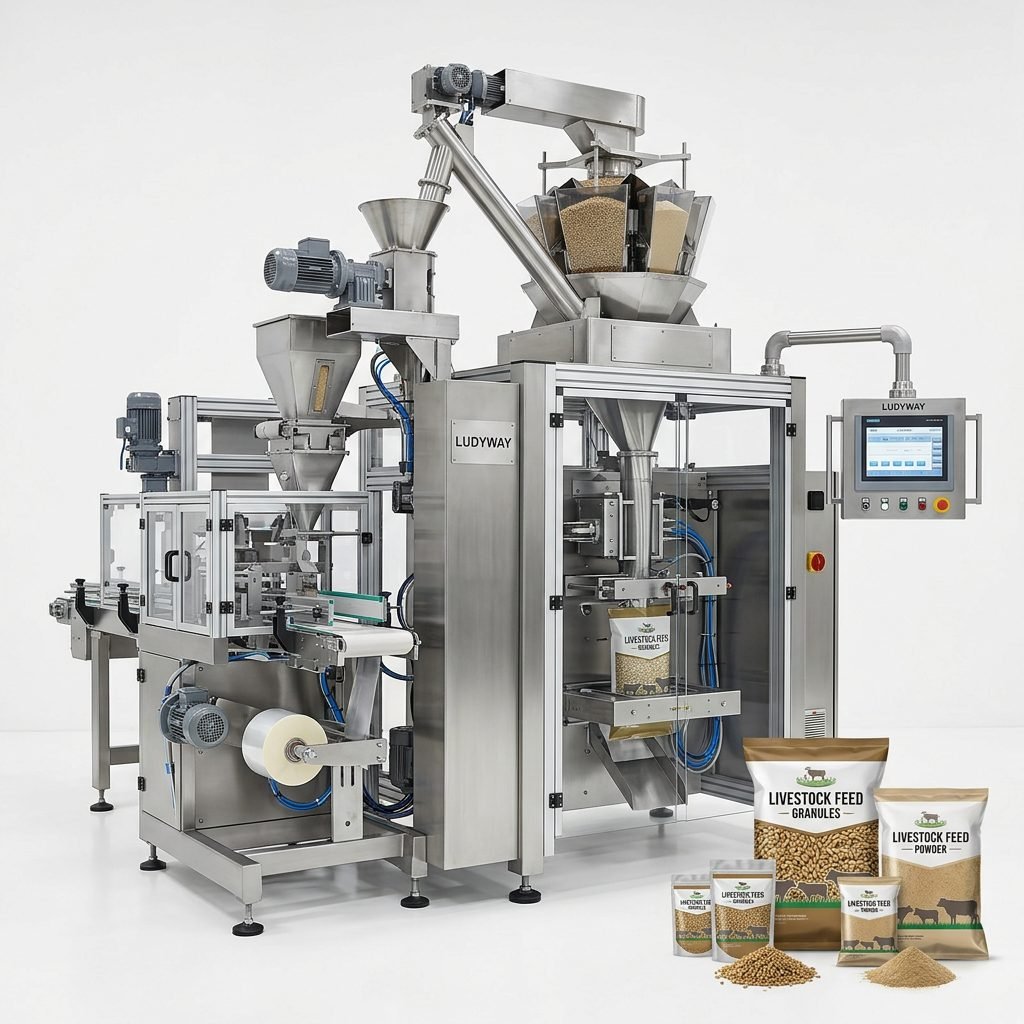
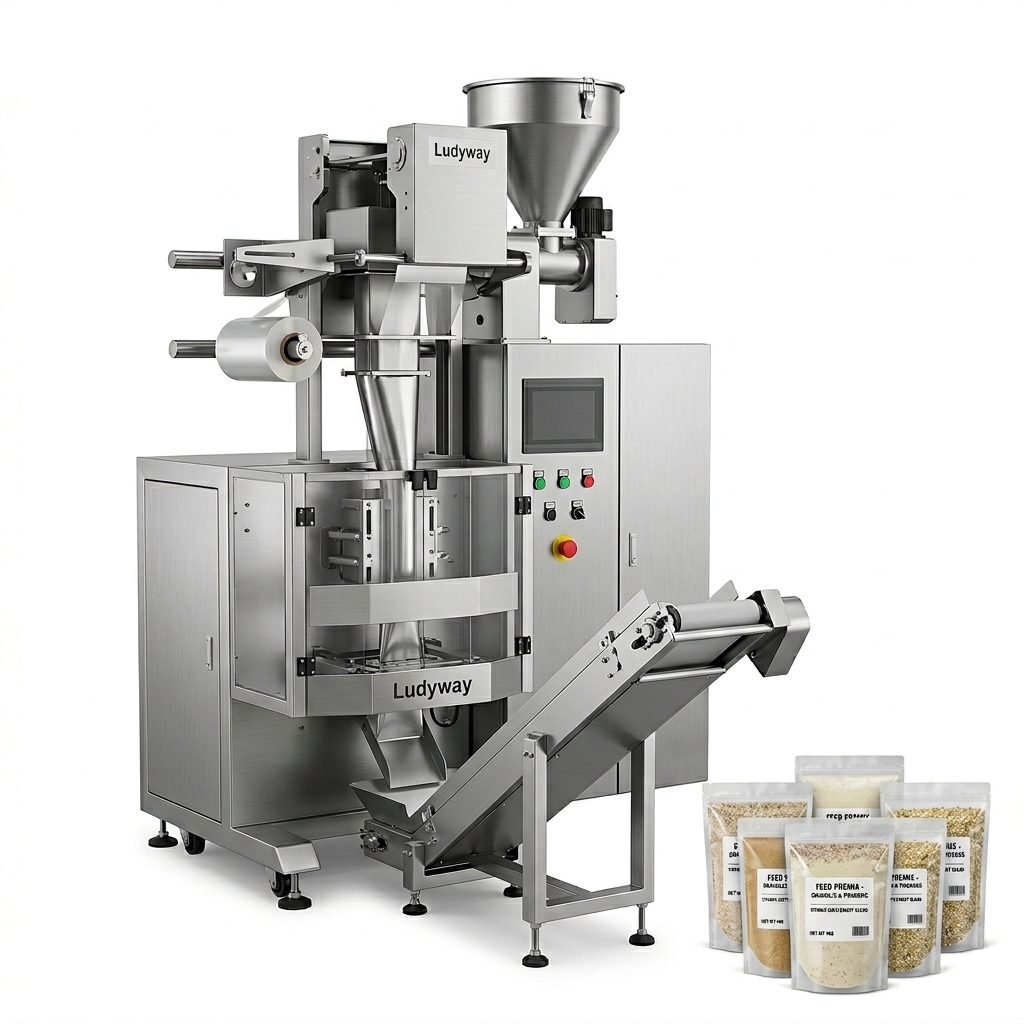
| Pillow Bag / Gusseted Bag | Bulk bird seed, farm feed | Vertical Form Fill Seal (VFFS) |
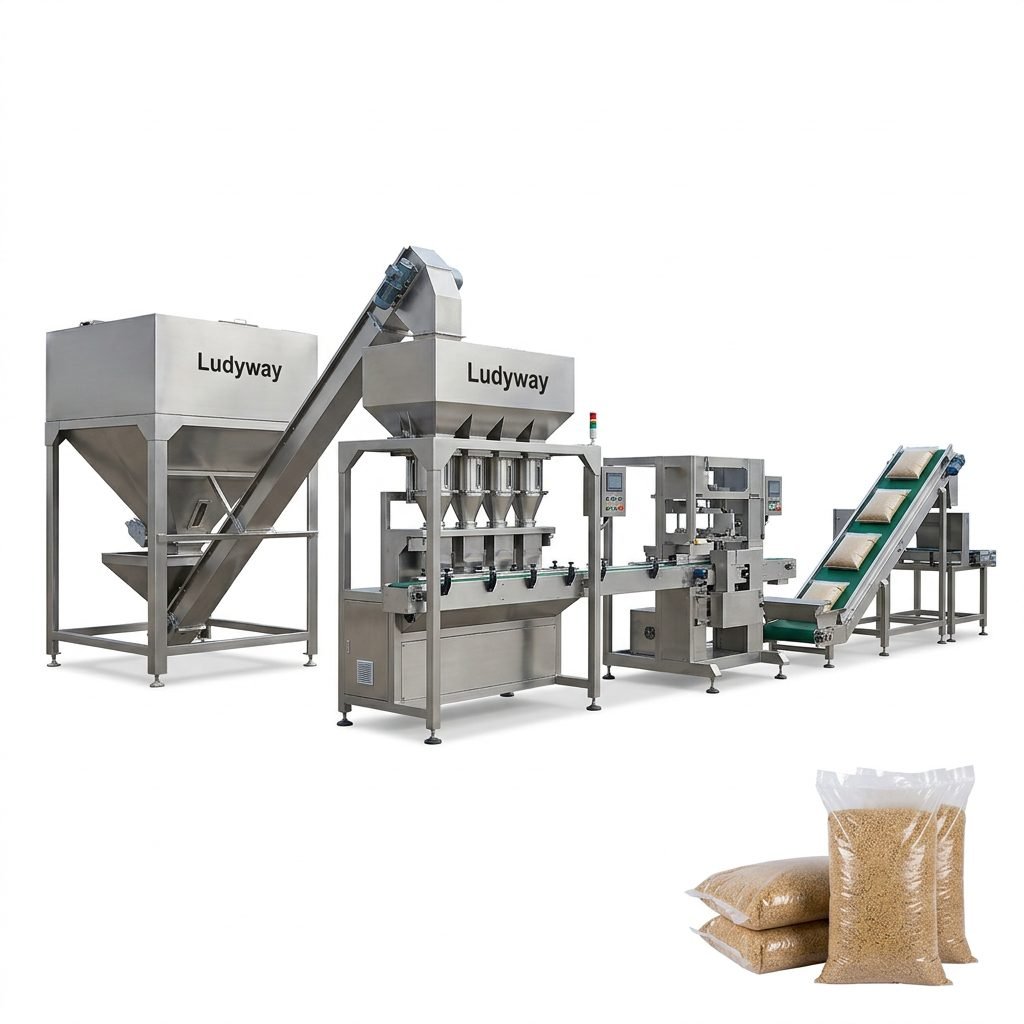
| Open Mouth Bag (up to 25kg) | Wholesale compound feed | Automatic Bagging Scale |
3. Speed and Capacity Requirements
How many bags per minute (BPM) do you realistically need? For UK startups, a single-lane system might suffice, but scaling businesses should consider multi-lane packaging systems.
- Single Lane: 20-40 packs per minute. Ideal for small to medium enterprises.
- Multi-Lane (4-12 lanes): 200-600+ packs per minute. Essential for high-volume feed additive production lines.
4. Key Hygienic and Safety Features
Feed safety is regulated strictly in the UK. Your equipment must support hygiene protocols and hazard control.
Material Construction
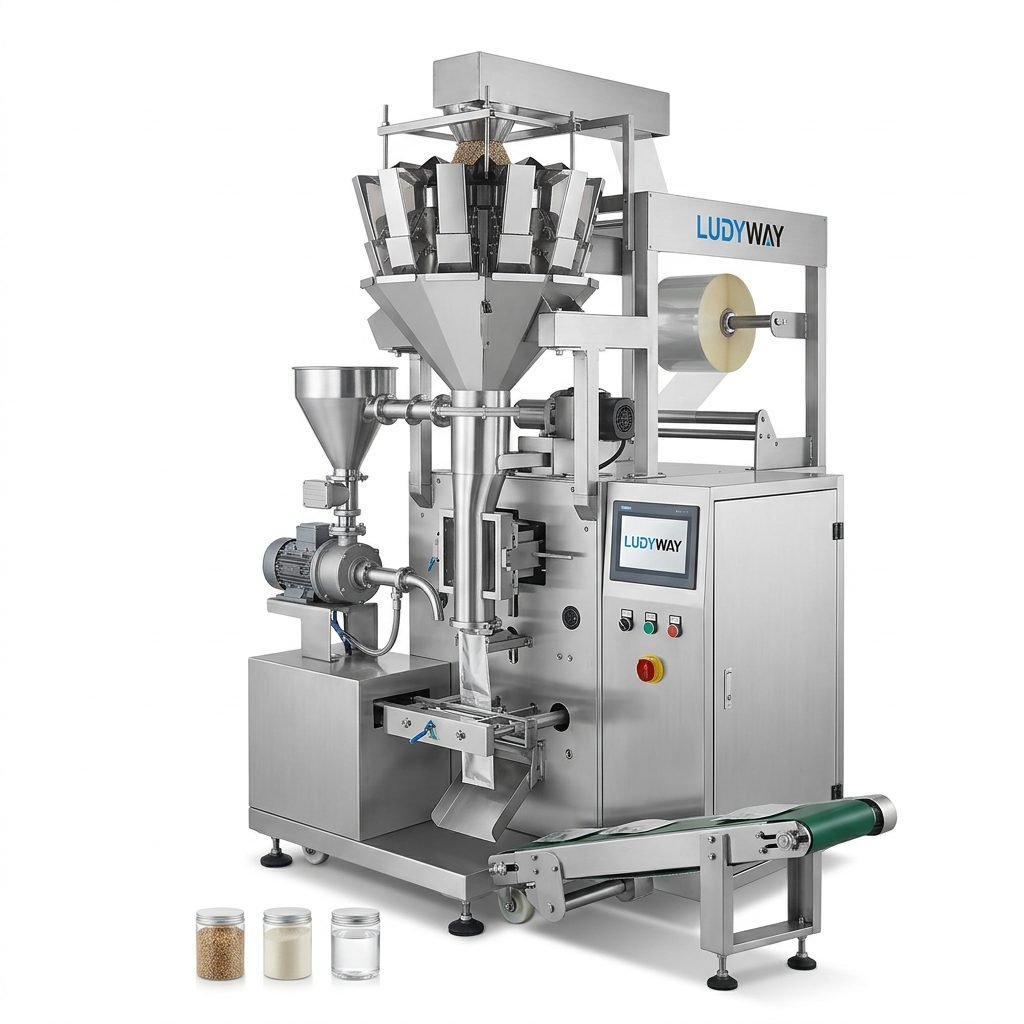
Food-grade 304 or 316 stainless steel is non-negotiable. It prevents corrosion from mineral salts and allows for aggressive wash-down procedures.
Dust Management
Explosive dust from grain meals is a serious risk. Look for integrated dust extraction ports and sealed electrical cabinets rated for potentially explosive atmospheres (ATEX compliant).
5. Automation and Integration
Labour shortages in the UK make automation a smart investment. Modern feed packing lines integrate several modules:
- Automated Weighing & Filling: Multi-head weighers ensure minimal product giveaway.
- In-line Metal Detection: Critical for food safety standards.
- Checkweighing: Rejects under/over-weight bags automatically.
- Cartoning & Palletizing: End-of-line robotics reduce manual handling for heavy bulk feed bags.
6. Supplier Evaluation Checklist
When sourcing equipment for the UK market, verify the supplier’s credentials carefully.
- CE/UKCA Marking: Ensure machinery meets UK supply regulations post-Brexit.
- Spare Parts Availability: Quick access to wear parts within the UK or Europe minimizes downtime.
- Industry Expertise: A partner with a deep understanding of agricultural commodities. For example, Ludyway, an established packaging machine manufacturer, offers a wide portfolio of granule and powder solutions backed by over 30 years of experience, with equipment serving customers in more than 100 countries. Their range includes multi-lane stick pack and automated systems suitable for diverse feed applications.
7. Total Cost of Ownership (TCO)
The purchase price is just the start. Calculate the TCO over 5 years including:
- Energy consumption (kW/h)
- Film or bag material waste percentage
- Annual maintenance contracts
- Operator training requirements
Sometimes, a slightly more expensive servo-driven packaging machine saves money long-term through reduced film waste and higher uptime compared to pneumatic alternatives.
8. The Role of After-Sales Support
Remote support capabilities are vital. Since the pandemic, high-quality suppliers now offer video-assisted troubleshooting, remote PLC diagnostics, and augmented reality (AR) maintenance guidance. Ensure your supplier can support you across UK time zones without delays.
Final Selection Checklist
| Criterion | Your Requirement |
|---|---|
| Product Type | Granule / Powder / Pellet |
| Target Output | Bags or minute |
| Bag Style | Pillow / Gusset / Pouch |
| Regulatory | CE / UKCA / ATEX |
For further reading on packaging material compliance, visit the Flexible Packaging Association resource hub. A methodical approach will ensure your chosen feed packaging machine provides reliable performance in the demanding UK market.