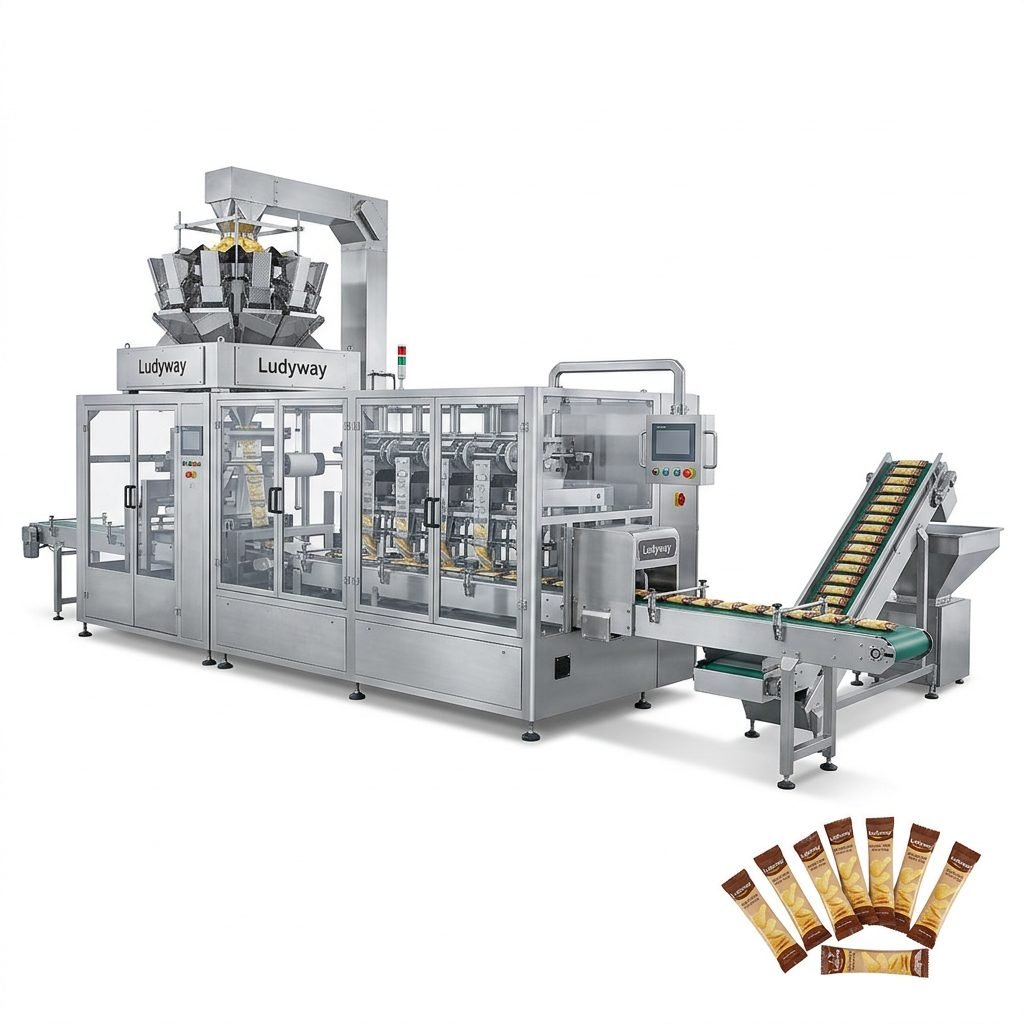
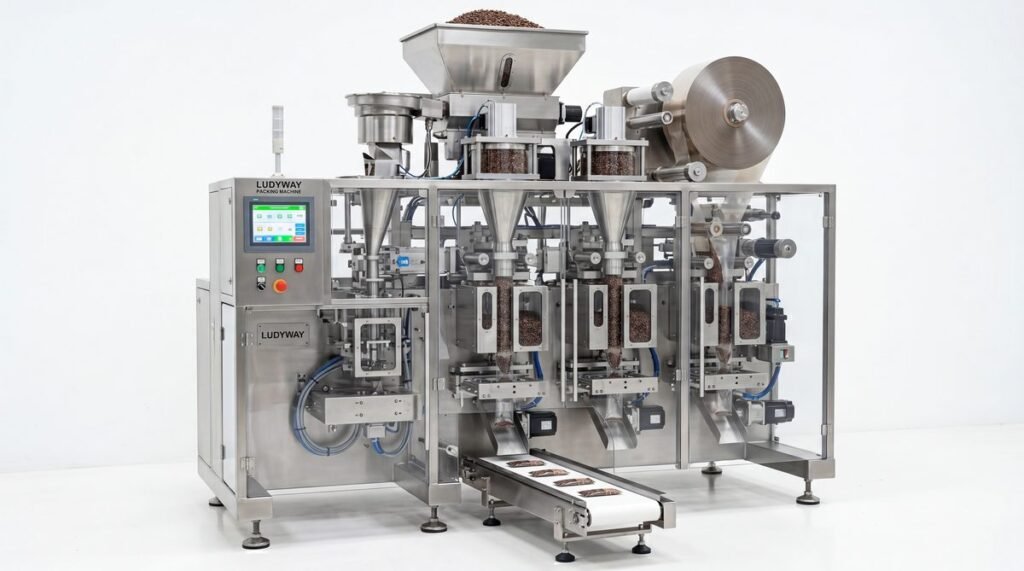
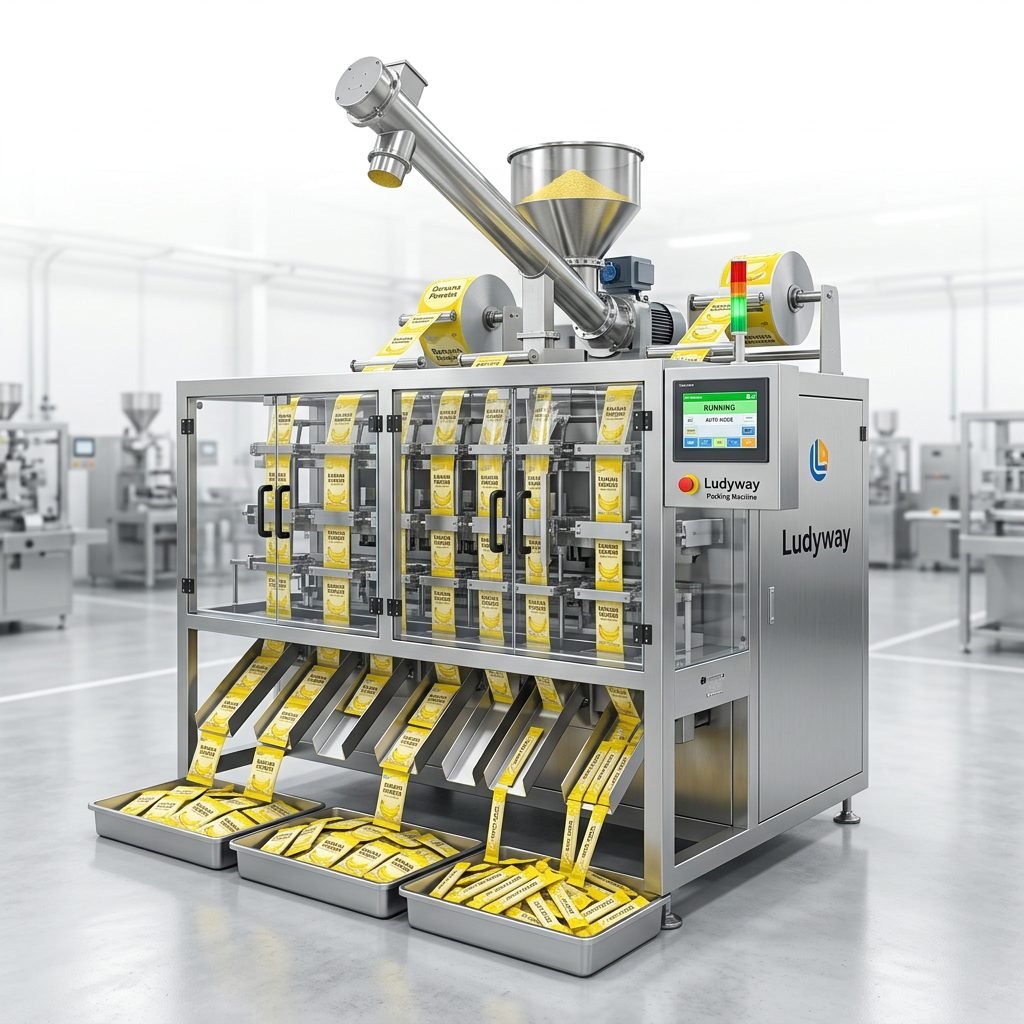
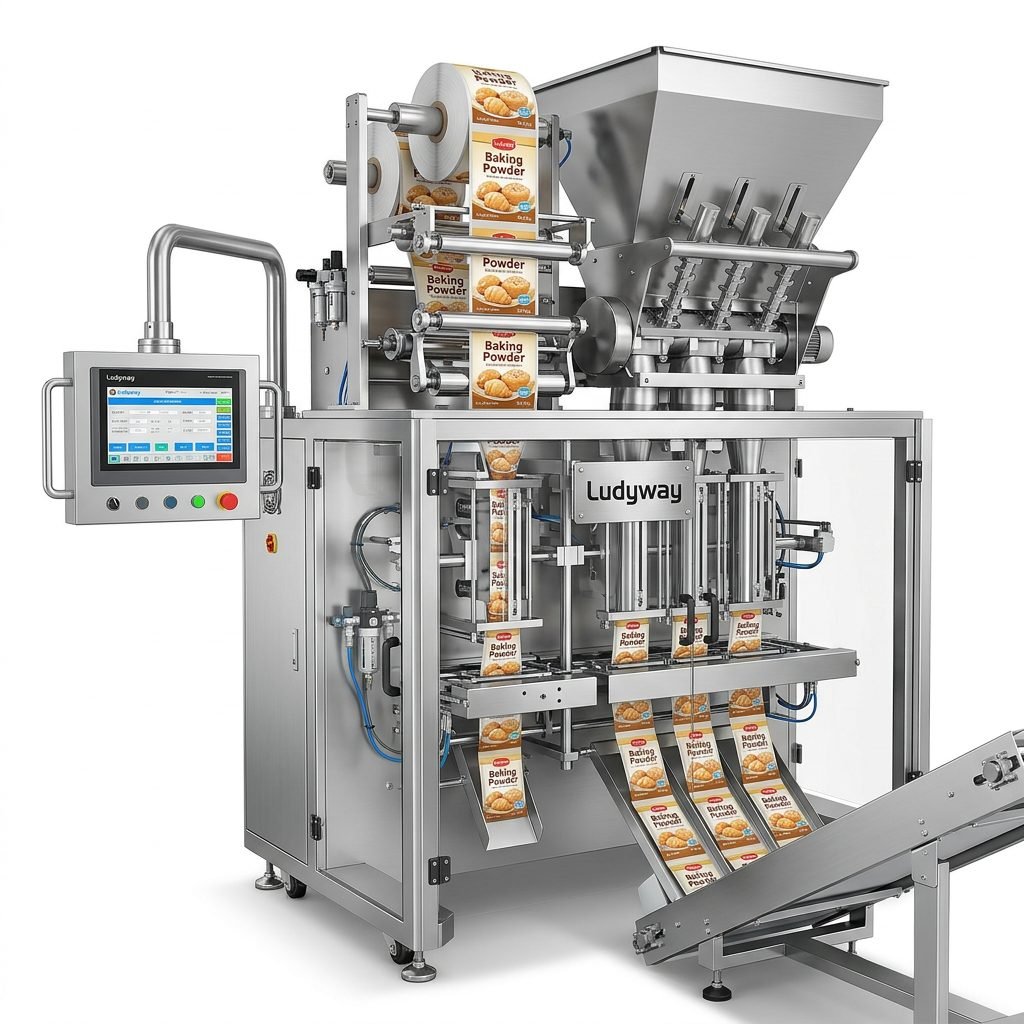
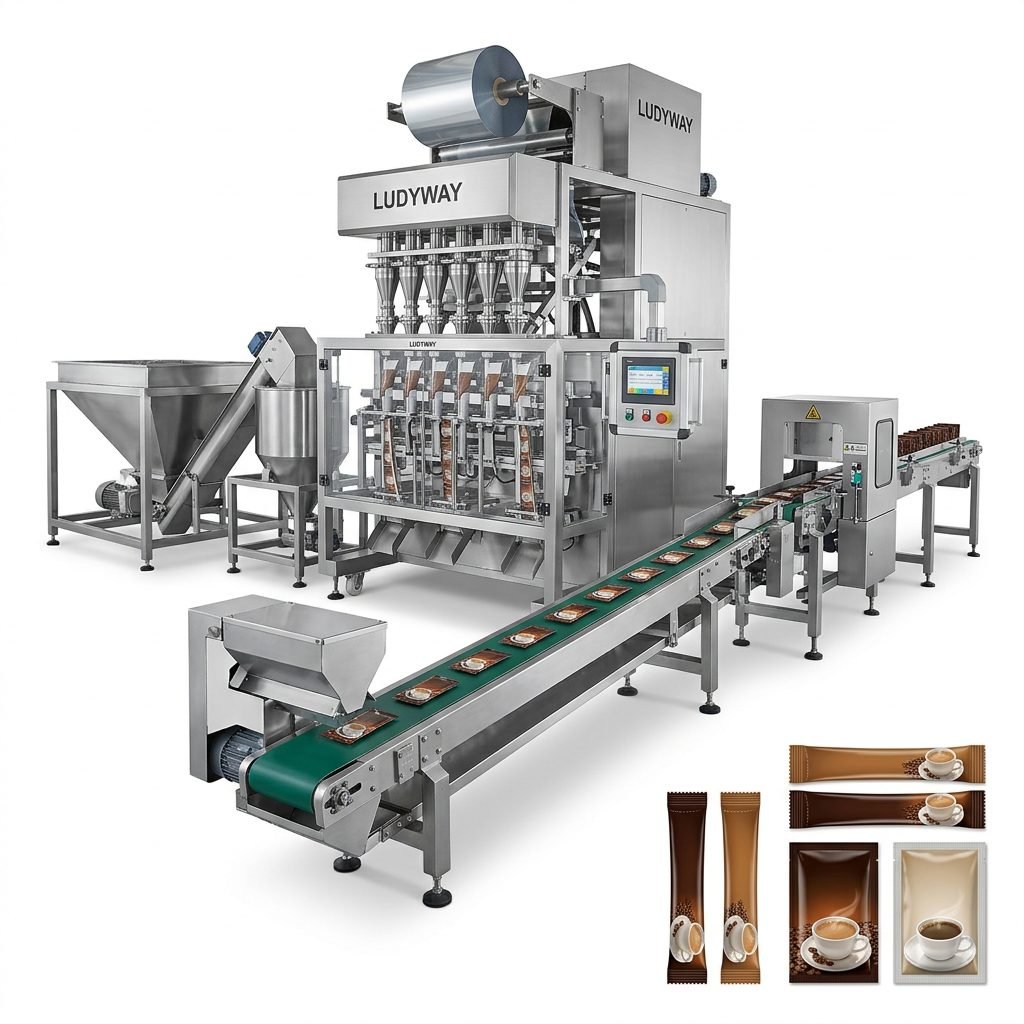
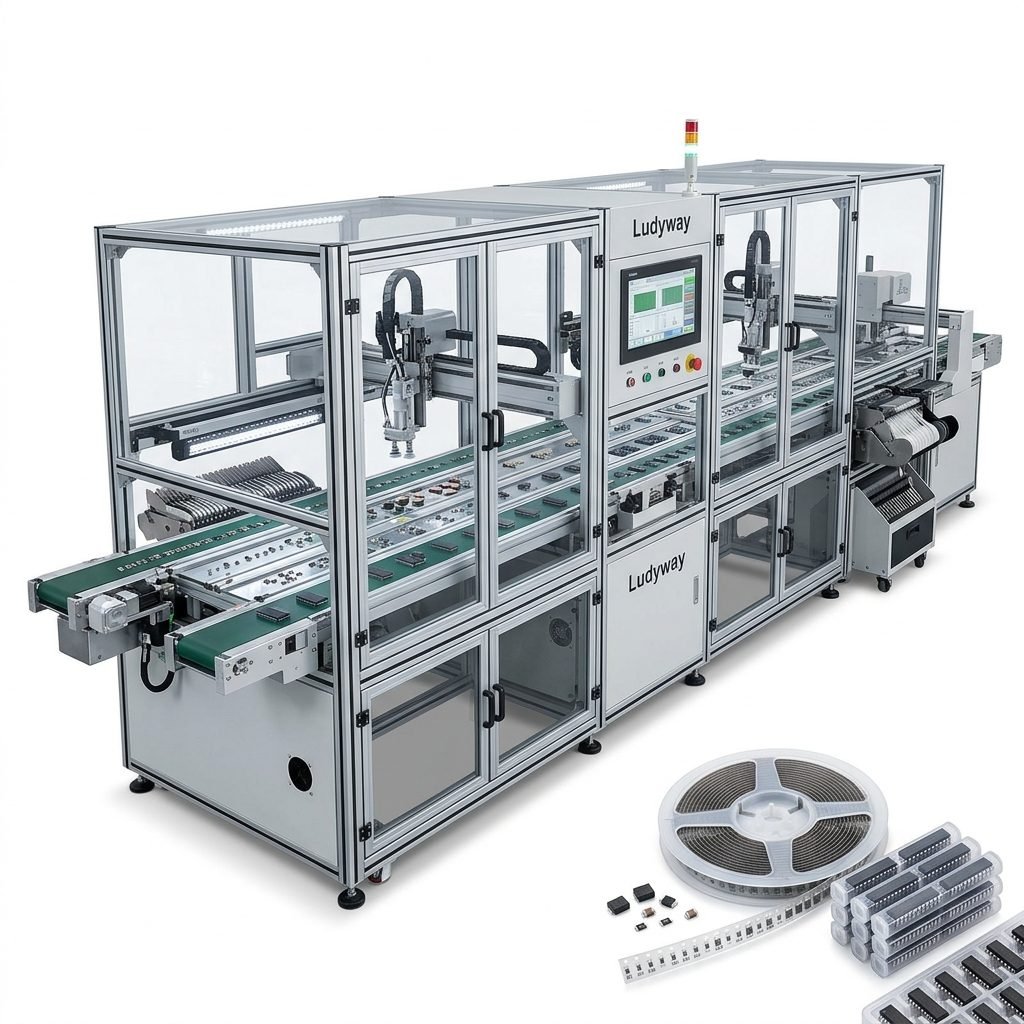
Poultry packaging automation refers to the use of integrated machines, conveyors, inspection systems, weighing units, sealing equipment, and end-of-line handling technologies to package poultry products with higher speed, better hygiene, and more consistent quality. It replaces or reduces manual handling in critical packaging stages such as feeding, portioning, weighing, bagging, tray sealing, vacuum packaging, labeling, case packing, and palletizing.
For poultry processors, automation is no longer only about speed. It is also about meeting stricter food safety standards, controlling labor costs, reducing giveaway, improving traceability, and building a production system that can scale as demand grows. Whether a plant packages fresh chicken cuts, marinated poultry, frozen products, or bulk poultry feed-related items, the right automation setup can significantly improve operational performance.
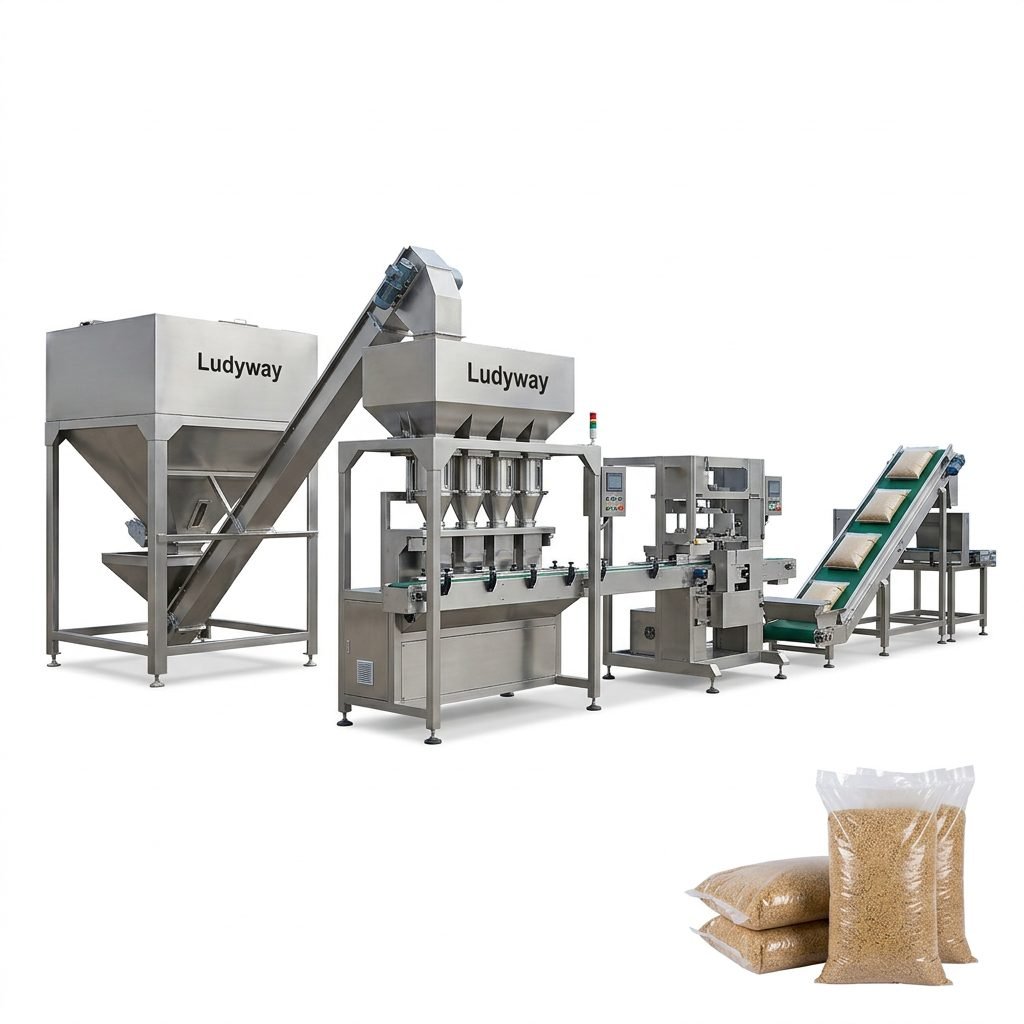
What does poultry packaging automation include?
In practical terms, poultry packaging automation covers far more than a single packing machine. It usually includes a complete workflow designed to move products from processing output to ready-for-shipment packaged goods. Depending on the product format, a typical automated system may include:
- Product feeding and conveying for smooth transfer from processing to packing
- Automatic weighing or portion control to improve pack consistency
- Primary packaging such as bags, pouches, trays, vacuum packs, or thermoformed packs
- Sealing systems to maintain freshness and prevent contamination
- Coding and labeling for date marking, traceability, and compliance
- Inspection and rejection for weight, seal quality, and foreign body detection
- Secondary packaging like cartoning, case packing, and bundling
- End-of-line automation including palletizing and stretch wrapping
The exact configuration depends on whether the producer handles retail packs, foodservice bulk packs, frozen poultry, ready-to-cook items, or powdered/granular poultry-related products such as feed additives and supplements.
Main benefits of poultry packaging automation
Automation provides measurable advantages across production, labor management, food safety, and commercial performance. These benefits are especially important in poultry operations where freshness, sanitation, and throughput are critical.
| Benefit | How It Helps Poultry Processors |
|---|---|
| Higher efficiency | Increases pack-out speed and reduces production bottlenecks. |
| Improved hygiene | Minimizes manual contact and supports cleaner processing conditions. |
| Labor savings | Reduces dependence on repetitive manual packaging tasks. |
| Better consistency | Delivers stable pack weights, seal quality, and presentation. |
| Lower waste | Cuts product giveaway, packaging material waste, and reject rates. |
| Stronger traceability | Supports barcode, batch code, and production data integration. |
| Scalability | Makes it easier to expand capacity and add packaging formats later. |
1. Better food safety and hygiene control
Poultry is highly sensitive to contamination risks, so hygienic packaging is a top priority. Automated systems reduce direct human contact and can be designed with stainless steel structures, easy-clean surfaces, washdown compatibility, and sanitary product paths. This helps processors support HACCP plans, internal quality standards, and retailer requirements.
2. More reliable output and throughput
Manual packaging often creates inconsistencies due to operator fatigue, shift changes, and variable handling speed. Automation stabilizes output across long production runs. That means more predictable daily capacity, easier production planning, and fewer delays before shipping.
3. Reduced labor pressure
Many poultry companies face labor shortages, high turnover, and rising wage costs. Automation reduces the number of operators needed for repetitive packaging jobs and allows teams to focus on supervision, quality control, and equipment management instead of constant manual packing.
4. Improved shelf appeal and brand presentation
Retail poultry products must look clean, uniform, and trustworthy. Automated packaging improves seal quality, label placement, coding accuracy, and package appearance, helping brands perform better in supermarkets, cold-chain retail, and export channels.
How the poultry packaging automation process works
Although the exact line design varies by product, most poultry packaging systems follow a logical sequence. Understanding each stage helps processors choose the right machine layout.
Step 1: Product infeed and distribution
After cutting, seasoning, freezing, or portion preparation, products move onto conveyors or feeding systems. At this stage, the system must protect product integrity and maintain a stable flow into downstream machines. Buffer conveyors and smart line balancing are often used to avoid interruptions.
Step 2: Weighing, counting, or portioning
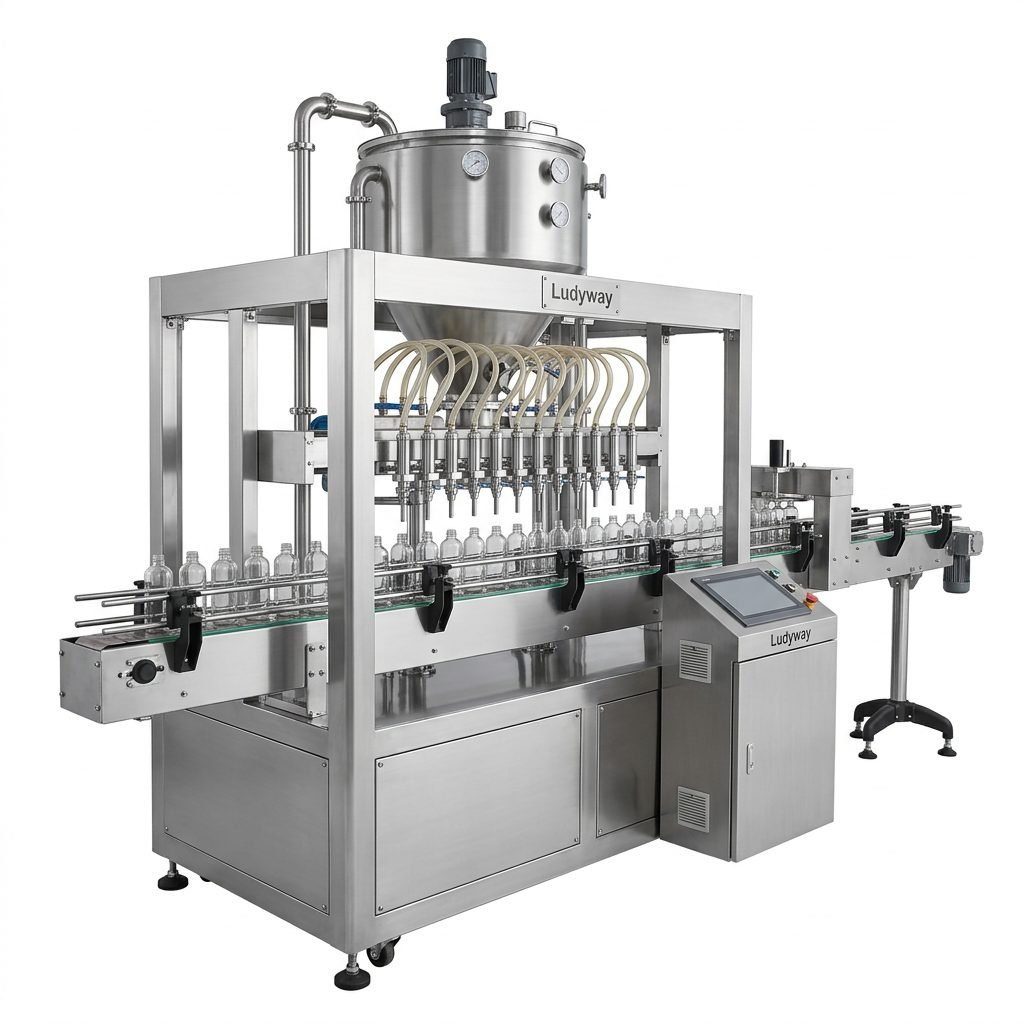
The product is measured according to the desired package size. Fresh poultry parts may require combination weighers or portioning systems, while powder or granule poultry-related products may use auger fillers, cup fillers, or vibratory feeding systems. This step is essential for cost control because inaccurate fills directly affect profit margins.
Step 3: Filling into the chosen package
Products are automatically loaded into pouches, bags, trays, cartons, or other packaging formats. The packaging machine selected here depends on moisture level, particle size, product shape, and final market requirements.
Step 4: Sealing and package protection
Packages are sealed to protect freshness and prevent leakage. Some lines use heat sealing, while others use vacuum packaging, modified atmosphere packaging, or thermoforming. For frozen or export-oriented poultry, strong and reliable sealing is especially important.
Step 5: Coding, labeling, and traceability
At this point, the package receives batch numbers, production dates, expiration dates, barcodes, and other key information. This improves warehouse management and supports compliance with food regulations and customer specifications.
Step 6: Inspection and rejection
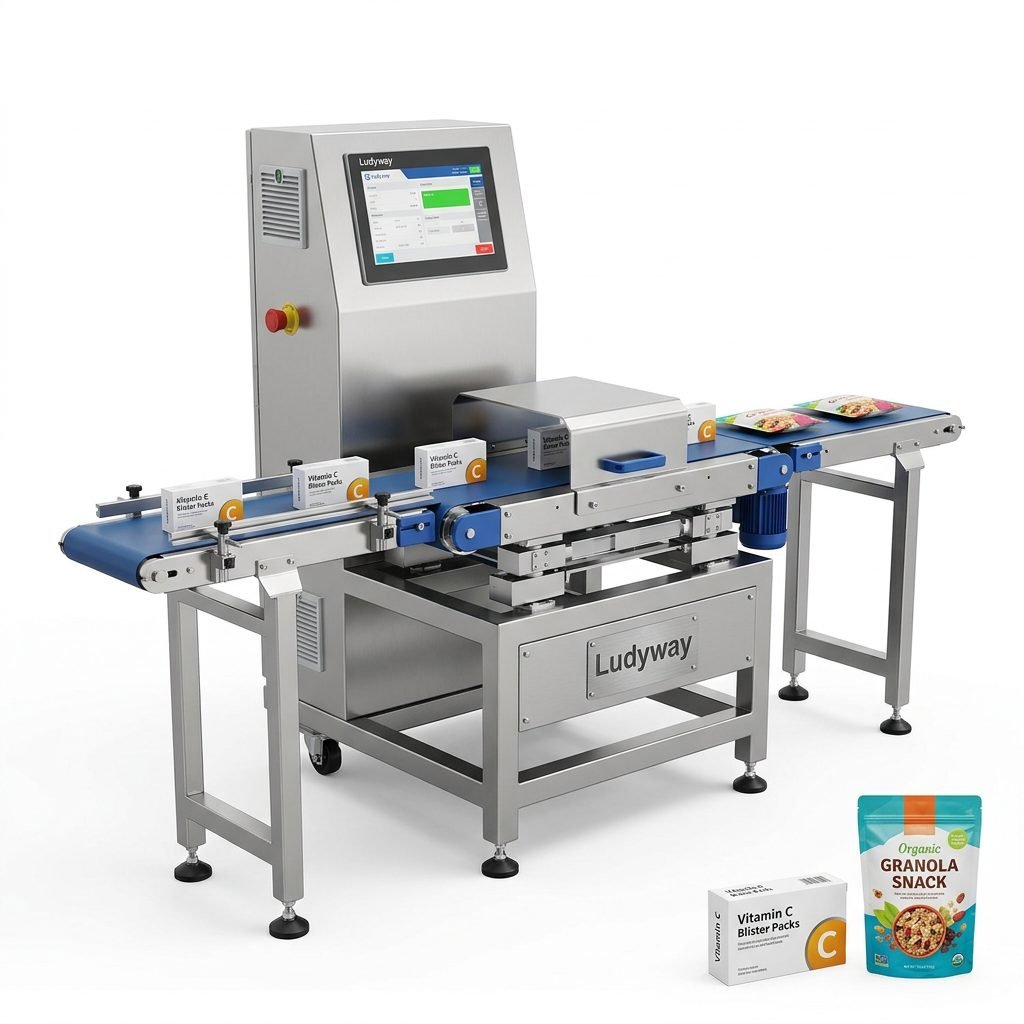
Automated lines often include checkweighers, metal detectors, vision inspection, and reject systems. These devices help remove non-compliant packs before they reach secondary packaging.
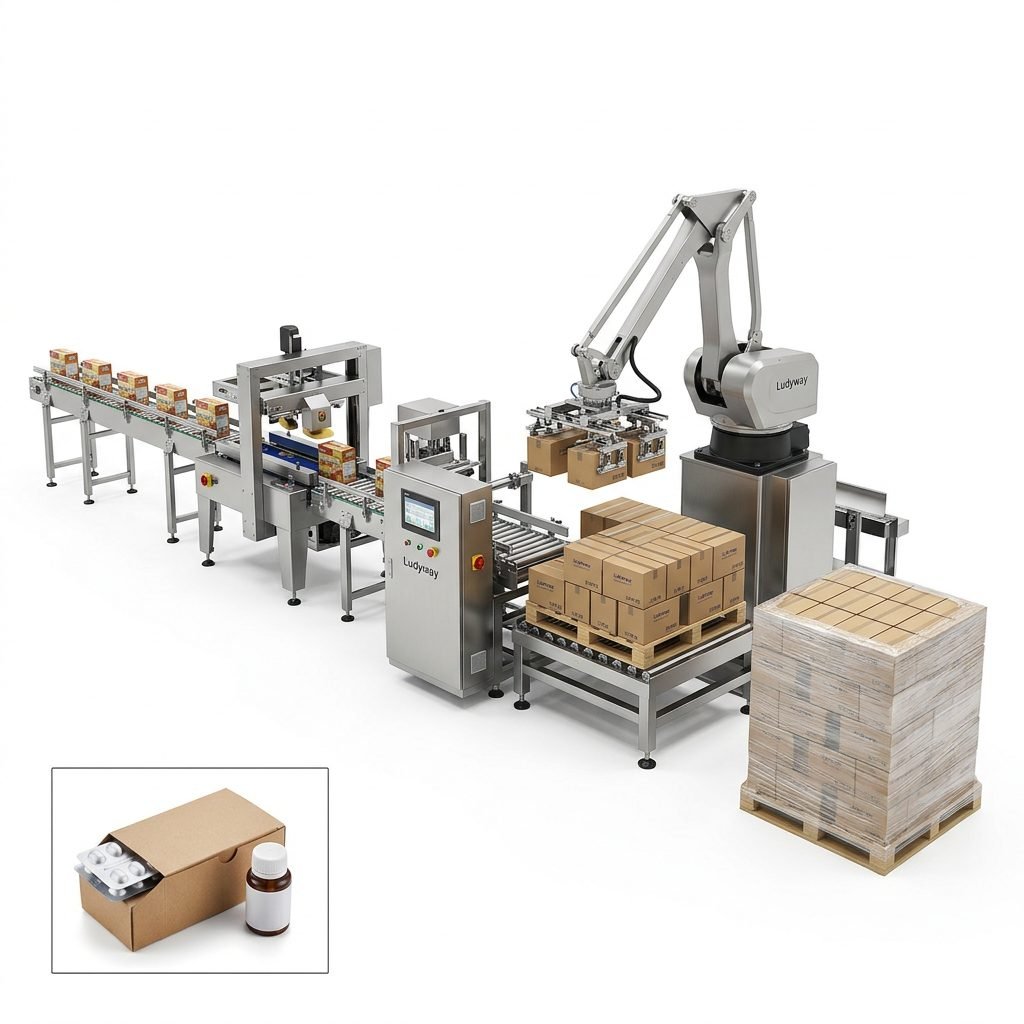
Step 7: Case packing and palletizing
Finished packages are grouped into cartons, sealed, stacked, and wrapped for storage or shipping. End-of-line automation reduces heavy manual work and improves logistics efficiency.
Key equipment used in poultry packaging automation
A complete poultry packaging solution may involve several machine types working together. Below are the most common categories.
| Equipment | Primary Function | Typical Use |
|---|---|---|
| Conveyors and feeders | Move products efficiently between stations | Fresh, frozen, bulk, or powder products |
| Weighing systems | Control fill weight and reduce giveaway | Retail packs, bulk bags, sachets |
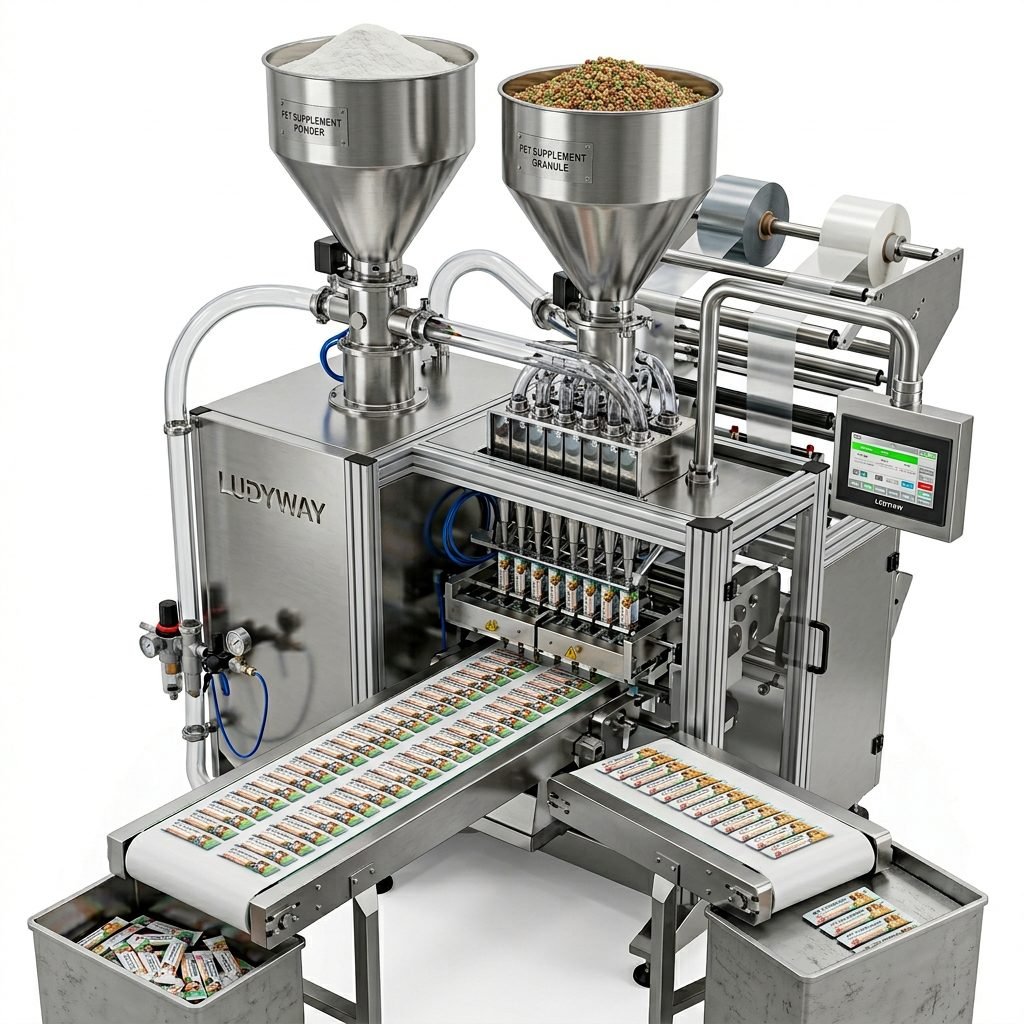
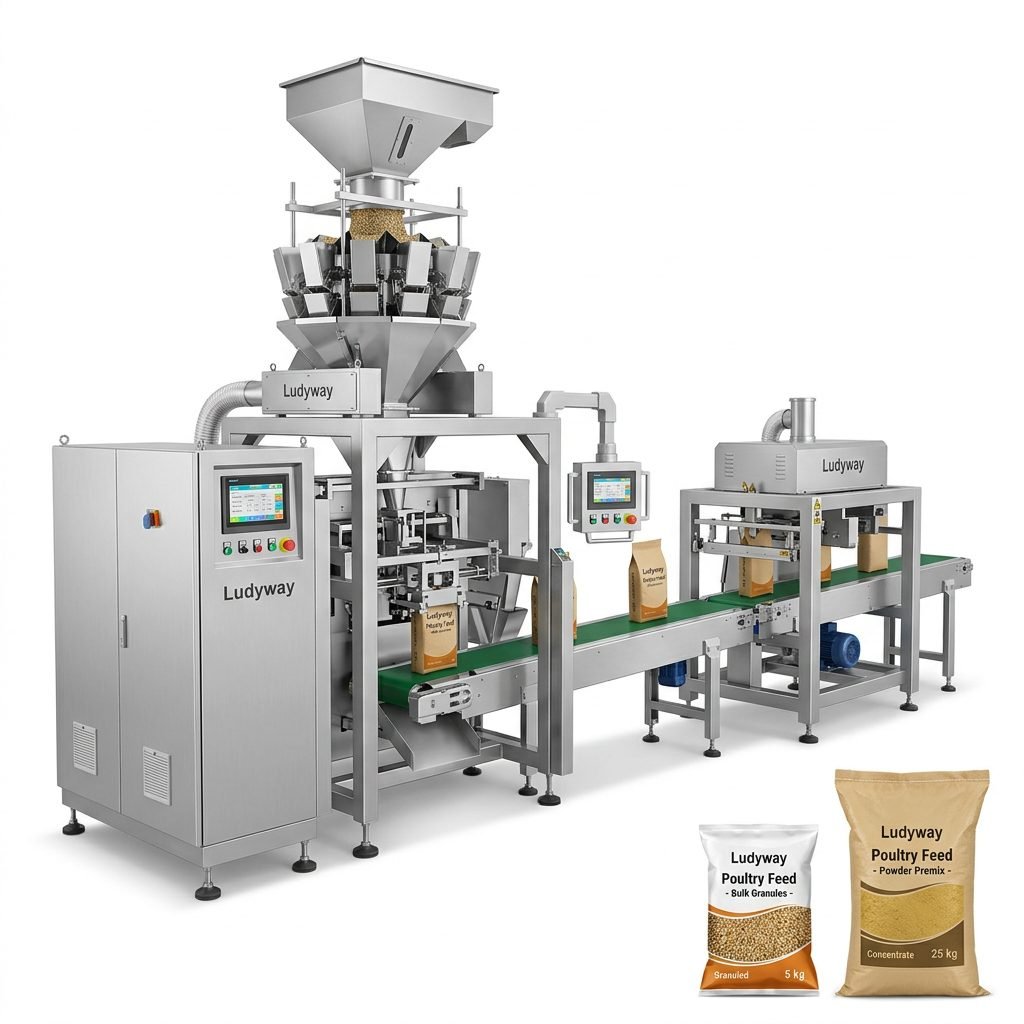
| Bagging or pouch machines | Form, fill, and seal flexible packages | Granules, powders, processed poultry products |
| Tray sealing machines | Seal products in trays | Retail poultry cuts |
| Vacuum packaging machines | Remove air and extend shelf life | Frozen or fresh poultry |
| Coding and labeling systems | Print variable data and apply labels | Traceability and compliance |
| Checkweighers and detectors | Quality inspection | Food safety and final control |
| Cartoners, case packers, palletizers | Automate secondary and tertiary packaging | Shipping preparation |
Bagging and pouch packaging machines
These are commonly used when poultry-related products are packed into flexible materials. In feed, seasoning, supplements, or granular side-product applications, vertical or premade pouch machines can deliver fast and reliable filling with precise sealing performance.
Vacuum and sealing machines
For poultry products that require shelf-life extension or freezer stability, vacuum sealing can be a major advantage. Strong sealing helps prevent leaks, protects product quality, and supports attractive presentation for export or retail sale.
Inspection systems
Inspection equipment is essential in modern food packaging. Metal detectors, checkweighers, and vision systems help ensure each pack meets preset standards before entering cartons or pallets.
Which poultry products can be automated?
Automation can be applied across a wide range of poultry-related packaging applications, including:
- Fresh chicken portions
- Frozen poultry products
- Marinated or seasoned poultry
- Ready-to-cook poultry packs
- Bulk poultry products for foodservice
- Poultry feed, premix, and additive packaging
- Granule and powder poultry nutrition products
The best line design depends on product characteristics such as moisture, viscosity, temperature, fragility, pack size, and required output speed.
How to choose the right poultry packaging automation system
Before investing, poultry processors should evaluate both current needs and future production goals. A machine that works today but cannot scale tomorrow may limit long-term competitiveness.
Key selection factors
- Product type: fresh, frozen, powdered, granulated, or prepared poultry products
- Packaging format: tray, vacuum bag, sachet, pouch, bulk bag, or carton
- Production speed: required output per hour or shift
- Cleaning requirements: sanitation design and washdown compatibility
- Available floor space: line layout and operator access
- Integration needs: coding, inspection, case packing, and palletizing
- Customization: machine flexibility for future SKUs or pack sizes
Many buyers prefer suppliers that can provide both standalone machines and complete line integration. This reduces compatibility issues and simplifies installation, commissioning, and after-sales support.
Why turnkey automation is becoming more important
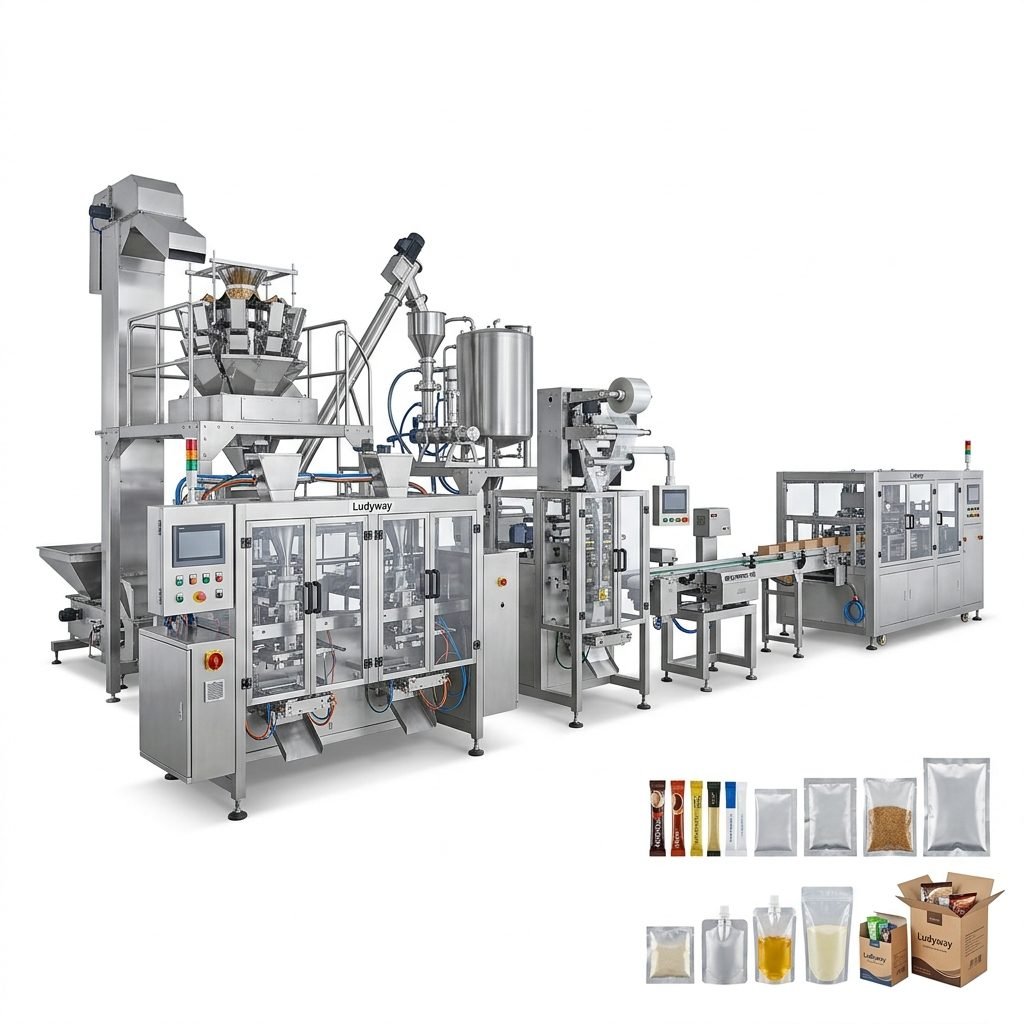
As poultry operations grow, piecing together machines from multiple vendors often creates inefficiencies. A turnkey line approach helps ensure that feeding, filling, sealing, inspection, and end-of-line systems work as one coordinated unit. This improves startup speed, line balance, and maintenance planning.
For businesses seeking a scalable supplier with broad packaging expertise, poultry packaging automation solutions from Ludyway can be relevant, especially for projects that require customized machinery or integrated packaging lines across food, feed, and related sectors.
Common challenges automation helps solve
Poultry companies typically adopt automation to solve specific pain points. The most common include:
- Frequent labor shortages in packaging areas
- Inconsistent pack weights and excess giveaway
- Seal failures and package leakage
- Production bottlenecks at end-of-line stages
- Difficulty meeting retailer or export traceability requirements
- High manual handling risk in hygienic zones
- Limited ability to increase output without adding headcount
Final thoughts on poultry packaging automation
Poultry packaging automation is the strategic use of machinery and system integration to package poultry products more efficiently, safely, and consistently. It can range from a single automatic packing machine to a full turnkey line that includes feeding, weighing, filling, sealing, inspection, case packing, and palletizing.
For poultry processors aiming to improve hygiene, reduce labor dependence, control packaging costs, and increase throughput, automation is no longer optional in many markets. The right system can strengthen food safety performance, improve pack quality, and create a more scalable production operation for long-term growth.