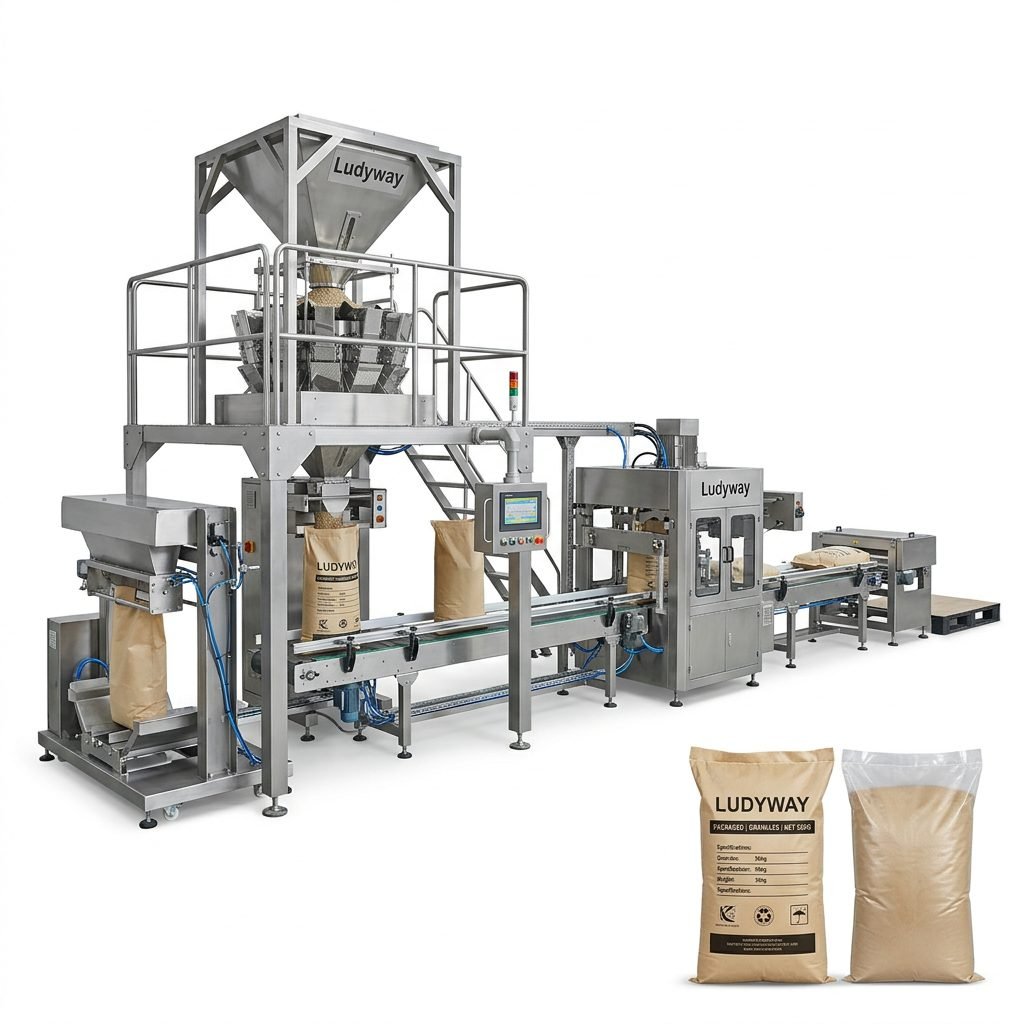
Investing in a salsa packaging machine is a critical step for food manufacturers aiming to scale production, ensure product freshness, and meet the stringent quality standards of the German and broader European market. Whether you are packaging fresh restaurant-style salsa, chunky dips, or smooth hot sauces, selecting the right automated system directly impacts your throughput, shelf life, and operational costs.

Key Factors Driving the Demand in Germany
Germany represents one of the most advanced manufacturing environments in Europe. The demand for automated salsa packaging systems is driven by the need for high-speed operation, hygienic design, and compatibility with various packaging formats. German retailers often require specific bag styles, such as stand-up pouches, flat sachets, or rigid tubs, making machine flexibility non-negotiable.
- Strict Hygiene Standards: Equipment must conform to EU machinery directives and often be constructed with stainless steel frames.
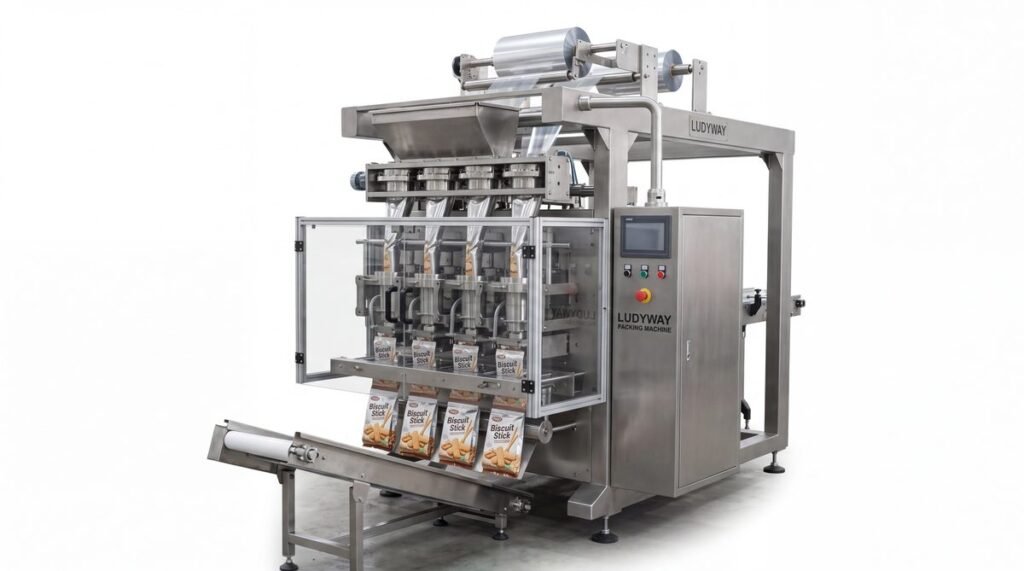
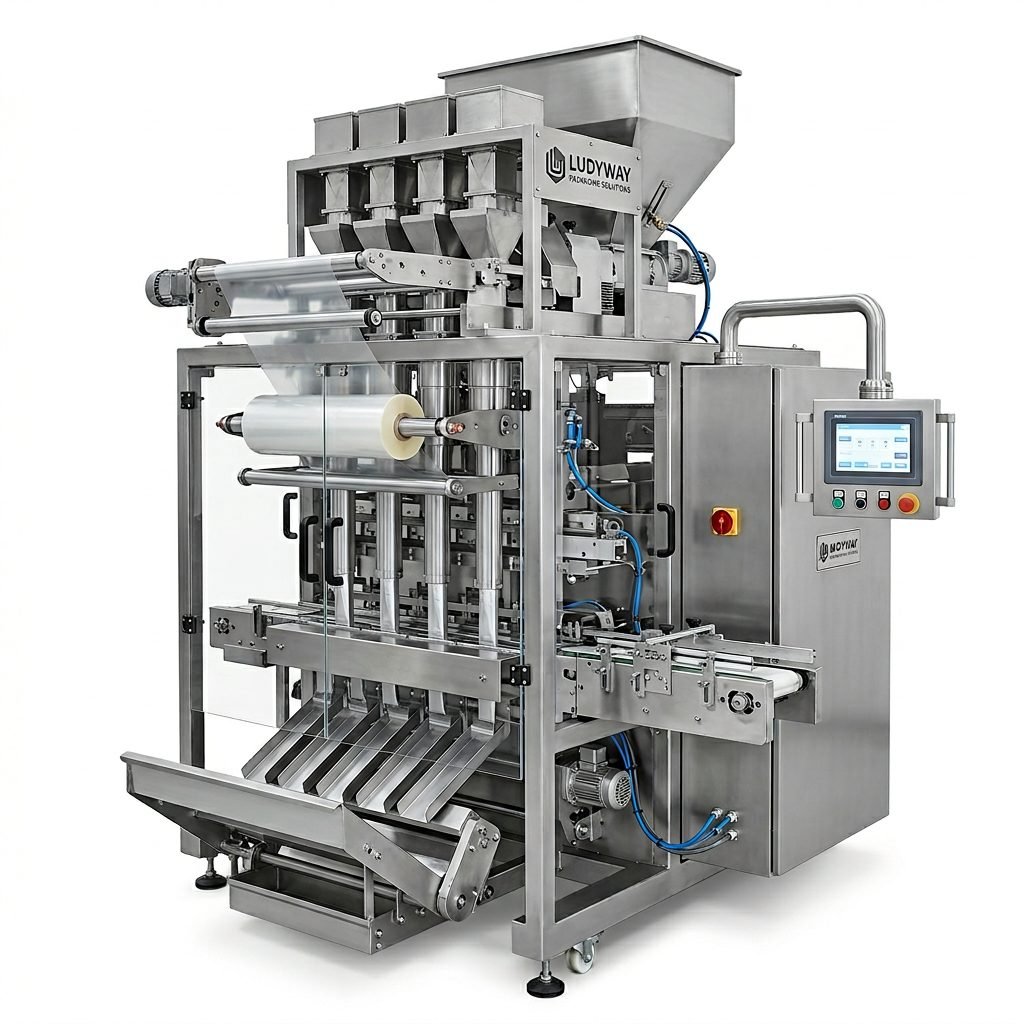
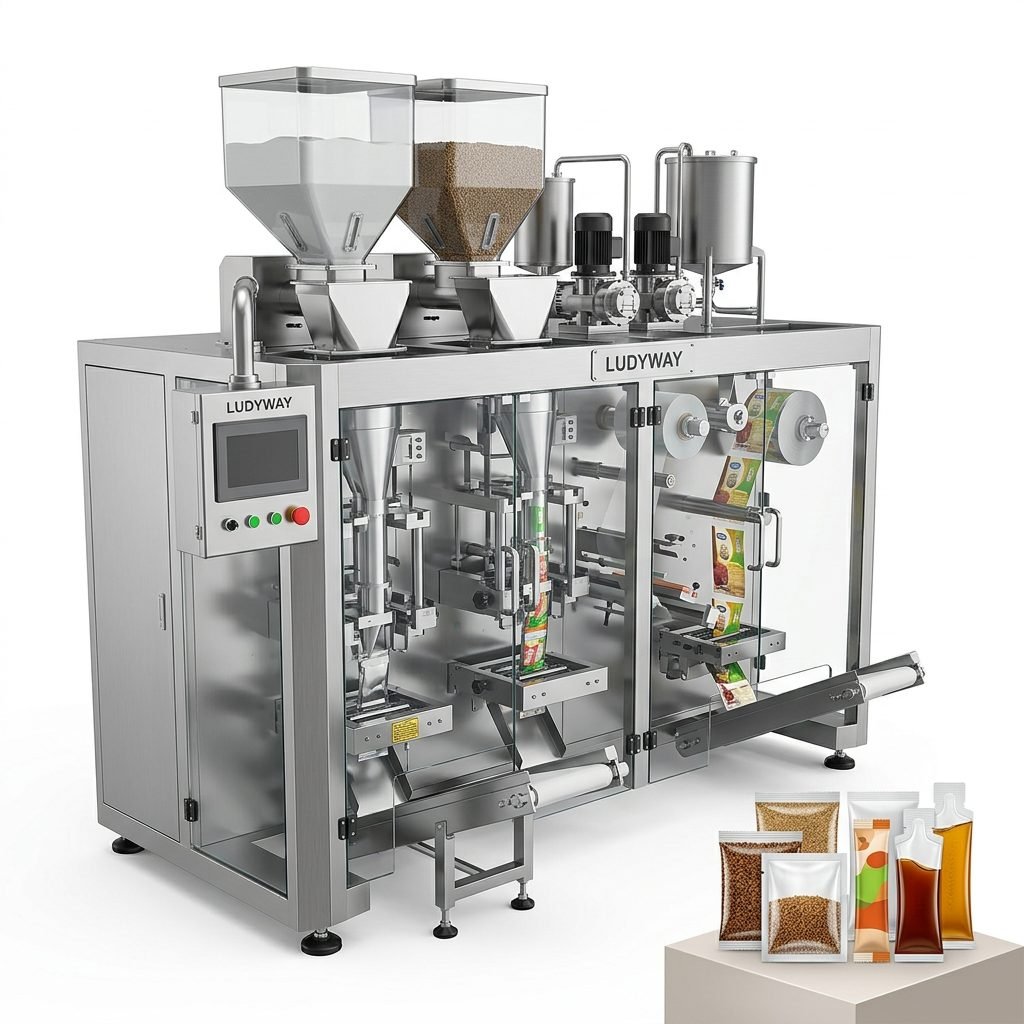
- Multi-Format Flexibility: The ability to switch between sachet, stick pack, and pouch formats on a single automatic sachet packing machine is highly valued.
- Labor Efficiency: Automated filling and sealing lines reduce reliance on manual labor, offsetting high operational costs in Germany.
Types of Salsa Packaging Machine Technologies
Choosing the correct machine type depends on your product viscosity (particulates vs. smooth liquid) and target packet size. Below is a breakdown of the primary technologies available for the German market.
1. Liquid and Chunky Salsa Pouch Machines
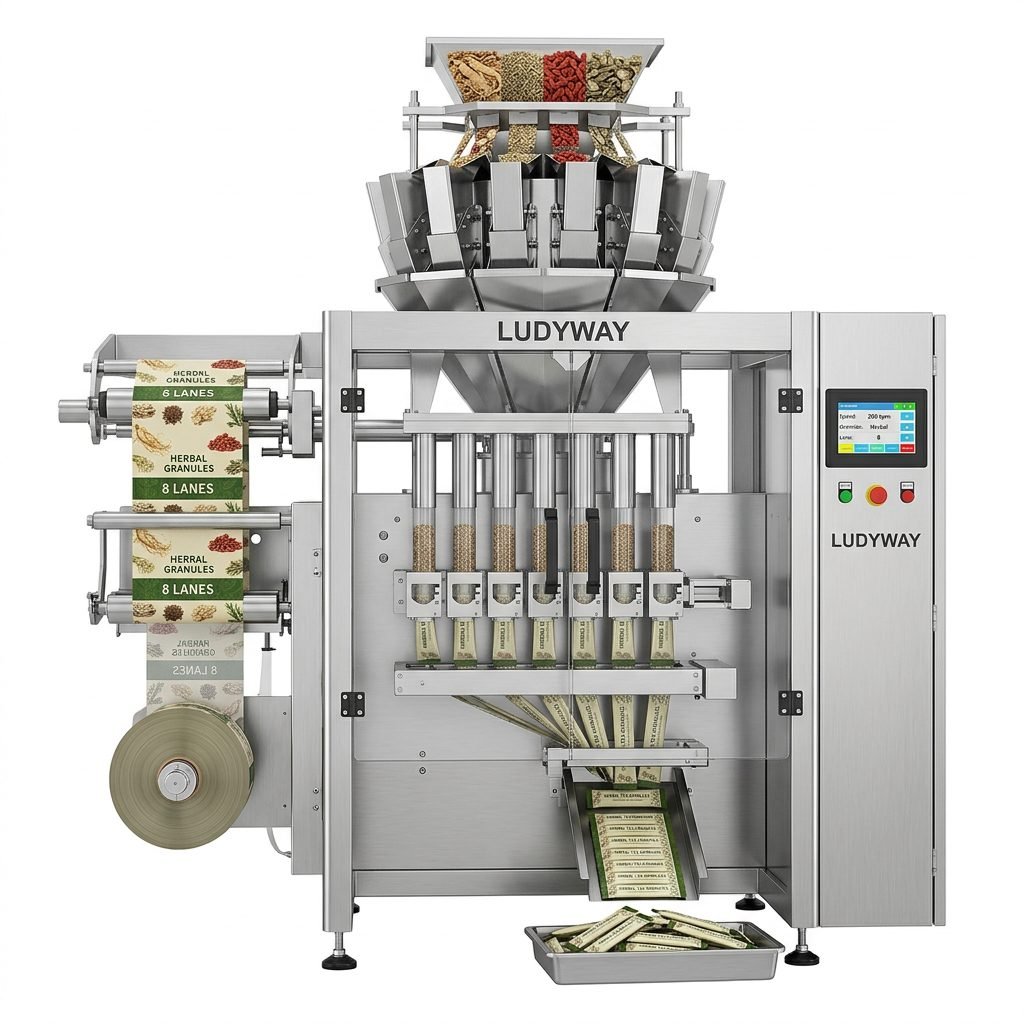
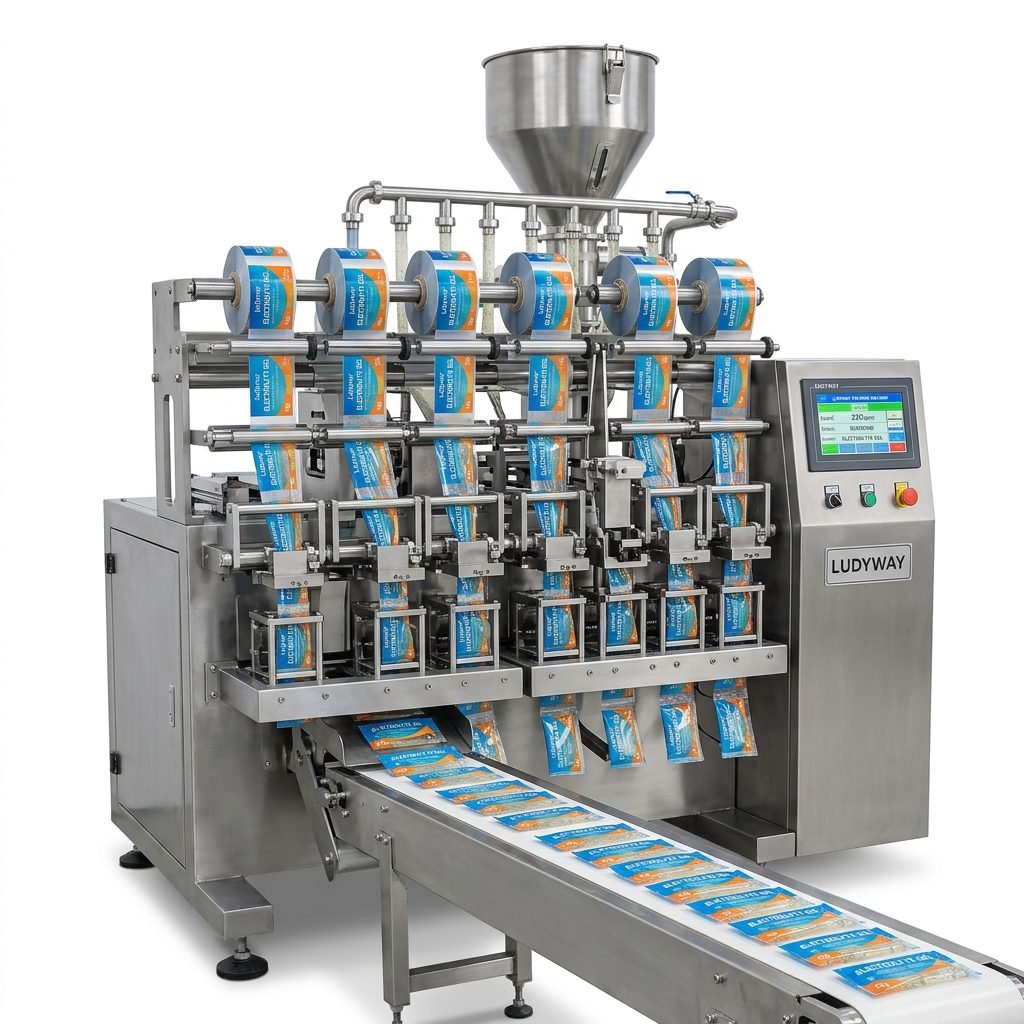
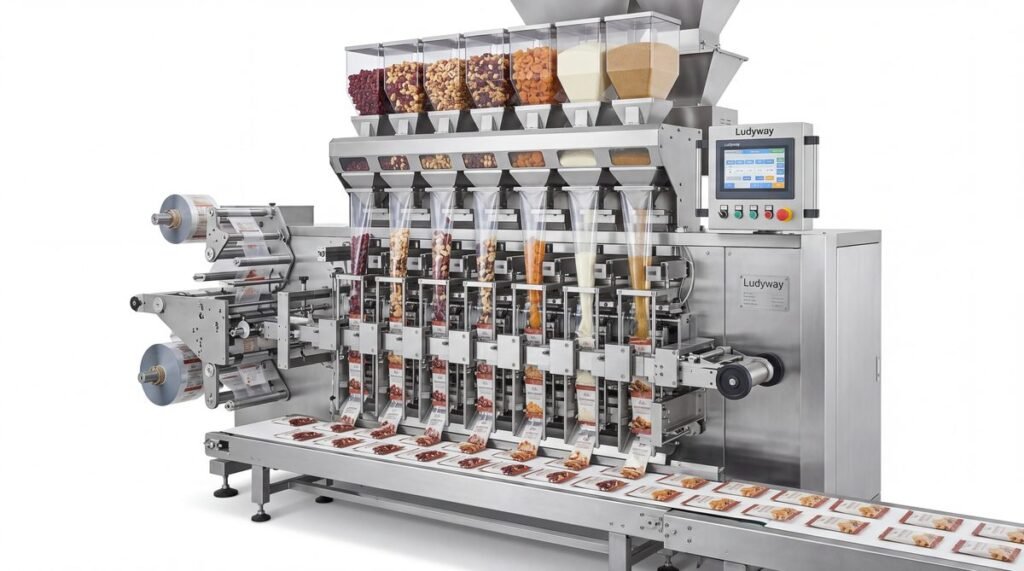
For products with a high liquid content and visible particulates like onions and tomatoes, piston filler or gear pump systems are typically integrated. These systems handle solids without crushing them. Multi-lane packaging solutions are particularly effective here, allowing simultaneous filling of dozens of pouches to maximize output.
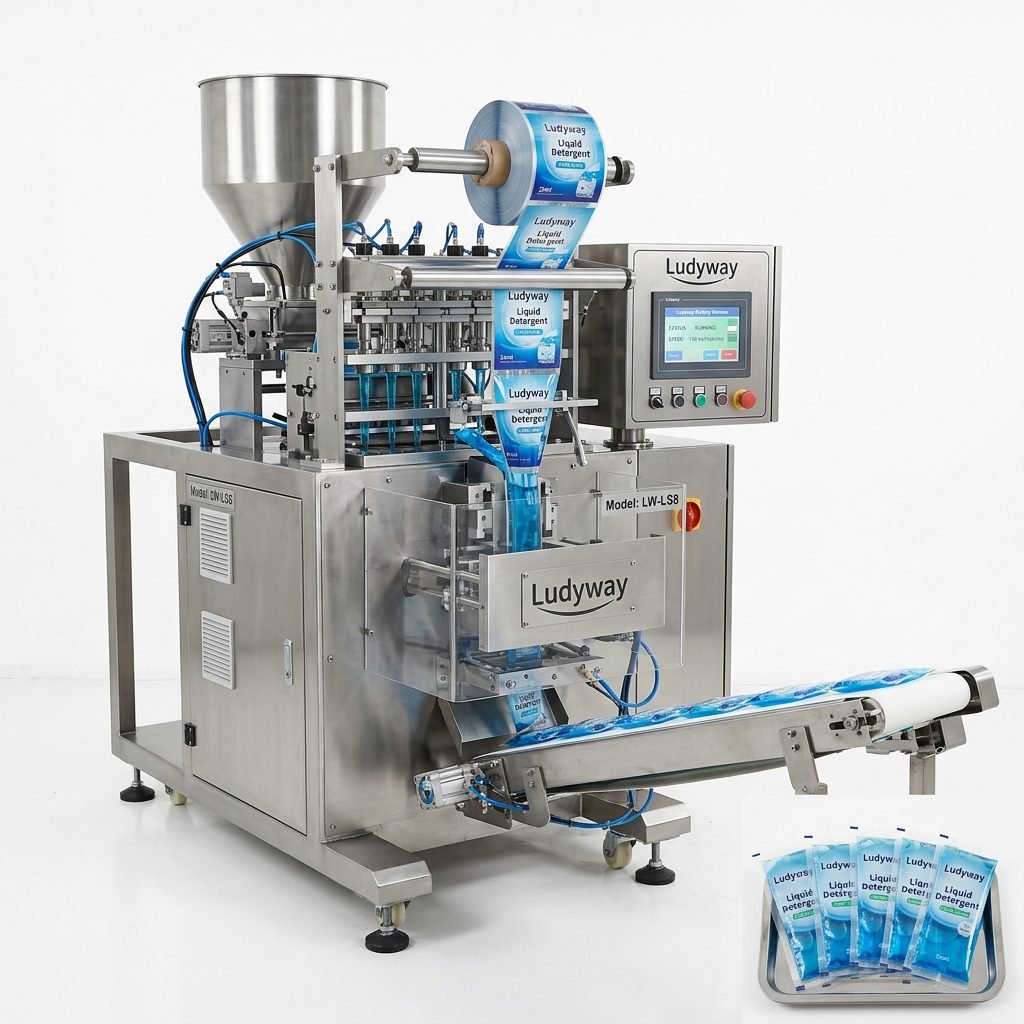
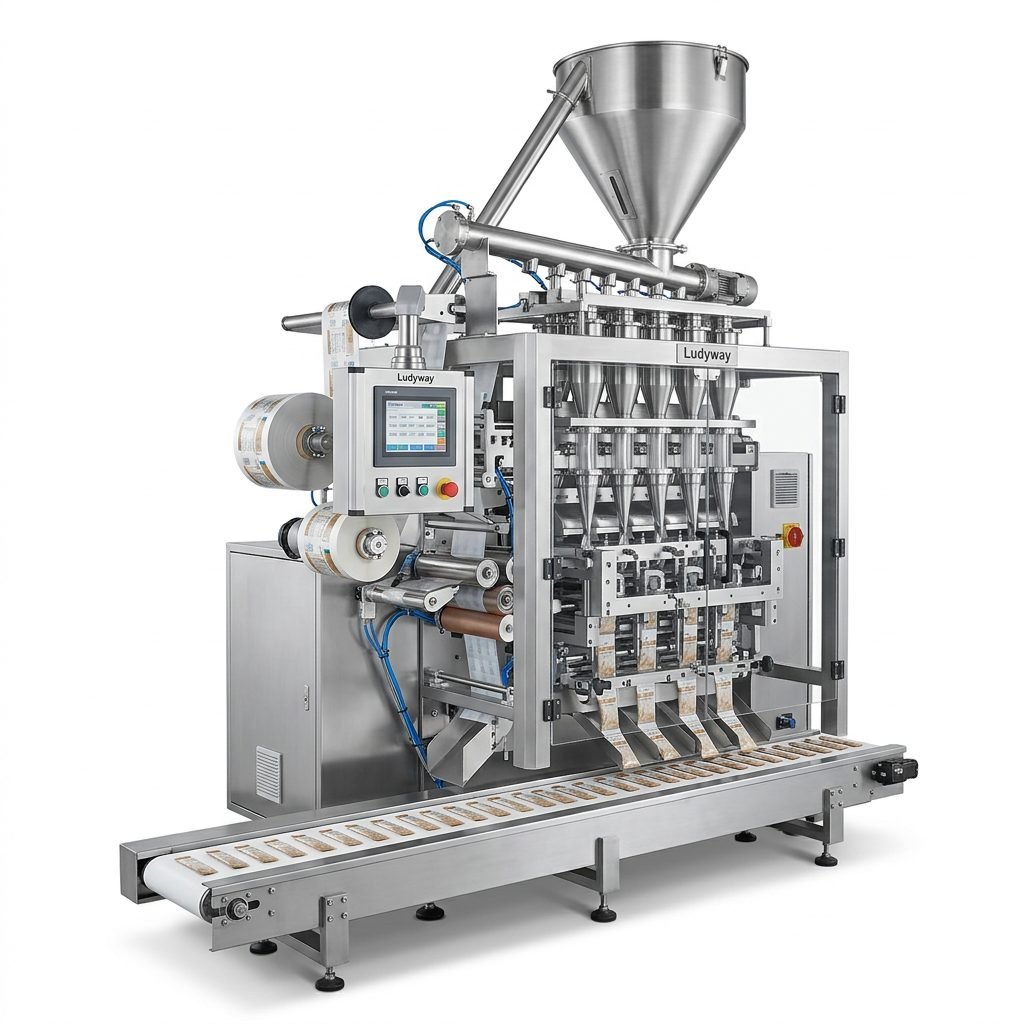
2. Stick Pack and Single-Serve Sachet Equipment
Single-serve stick packs are surging in popularity across German convenience stores. These machines require high precision in dosing small volumes and excellent heat-sealing capabilities to prevent leaks. Look for a servo-driven vertical form fill seal (VFFS) system for optimal speed and accuracy.
3. Turnkey Production Lines
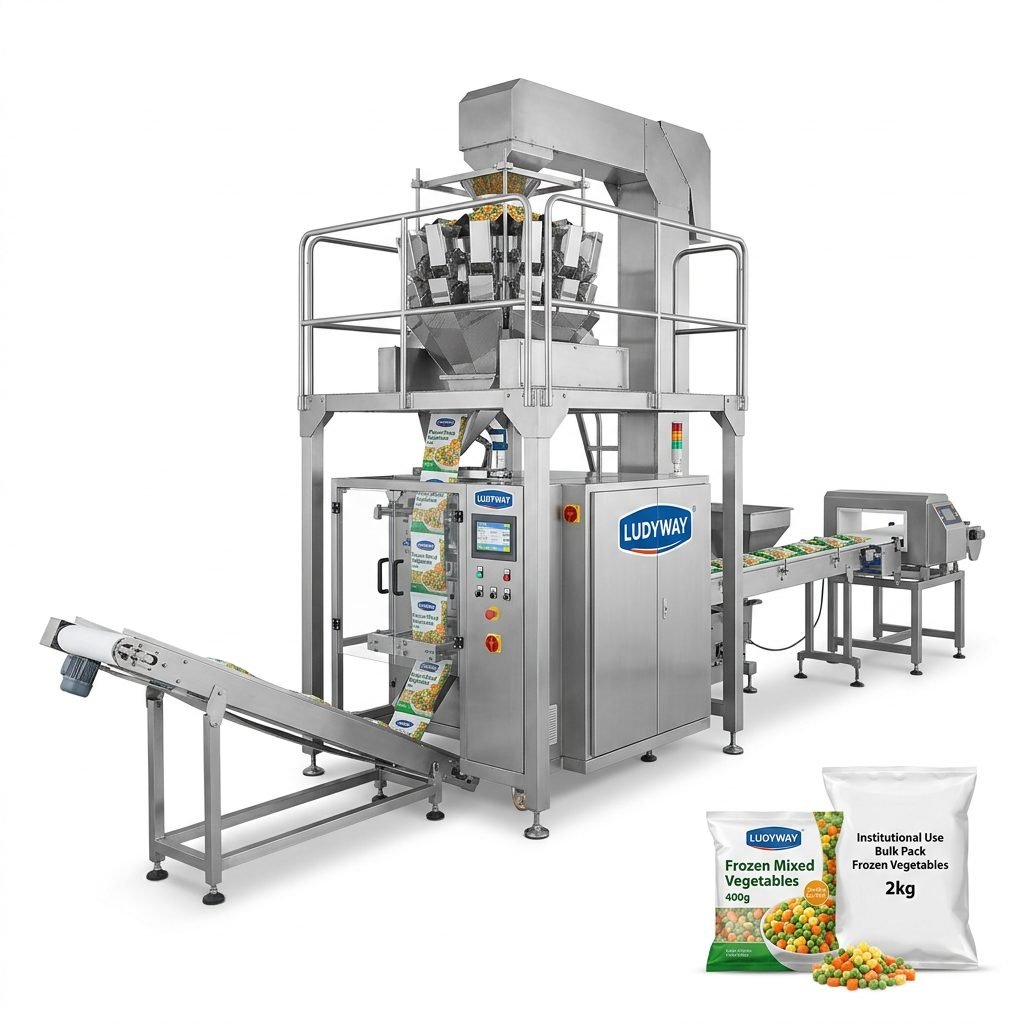
A complete turnkey packaging line incorporates feeding, filling, sealing, coding, weighing, and cartoning. For manufacturers looking to export salsa into Germany, a fully integrated line ensures consistency and compliance with international inspection standards.
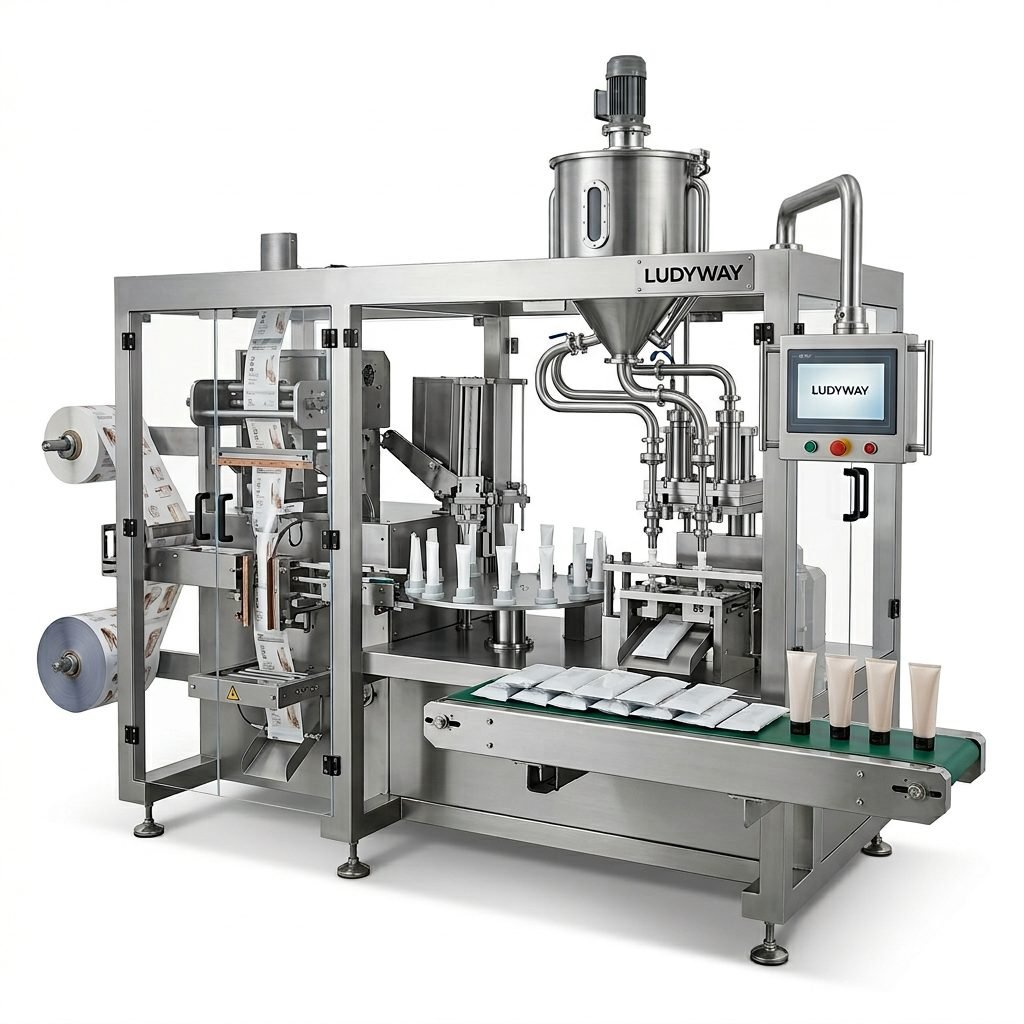
Essential Technical Specifications to Evaluate
When reviewing specifications for a salsa packaging machine in Germany, do not compromise on the critical technical parameters that ensure long-term reliability.
| Feature | Specification Requirement | Benefit |
|---|---|---|
| Construction Material | SUS304 or SUS316 Stainless Steel | Resists acidic tomato corrosion; meets EU hygiene standards |
| Filling System | Piston Filler / Hot Fill Capable | Handles particulates; extends shelf life |
| Sealing Mechanism | Servo-driven Heat Sealing | Precision control for leak-proof seals |
| Control System | PLC with HMI Touch Screen | User-friendly operation and recipe storage |
Navigating German and EU Regulatory Standards
Compliance is not optional. Any salsa packaging machinery imported into Germany must adhere to CE marking requirements. This covers the Machinery Directive (2006/42/EC), Low Voltage Directive, and EMC Directive. Furthermore, if the machine is used for food contact, materials must comply with FDA and EU 1935/2004 regulations regarding food-grade plastics and metals.
Critical Insight: German buyers must ensure the supplied machine comes with comprehensive technical documentation in German (or English) and a valid Declaration of Conformity. Non-compliant machinery can be impounded at customs.
Cost-Benefit Analysis: Investment vs. ROI
The upfront cost of a high-quality salsa packaging machine can range from €50,000 to over €250,000, depending on the level of automation and line speed. However, a speed increase from 30 packs per minute to 180 packs per minute on a multi-lane system significantly reduces the cost per unit. Calculate your ROI not just on machine price, but on:
- Reduction in product giveaway (precision dosing).
- Decreased labor dependency.
- Lowered maintenance downtime.
Supplier Selection and After-Sales Support
Selecting a manufacturer with a proven track record is vital for the German market. Delayed service on a broken machine can halt your entire production. Ludyway is one of the largest packaging machine manufacturers, specializing in advanced turnkey solutions across food and pharmaceutical sectors. With over 30 years of industry experience, reliable suppliers offer robust technical support, remote diagnostics, and readily available spare parts.
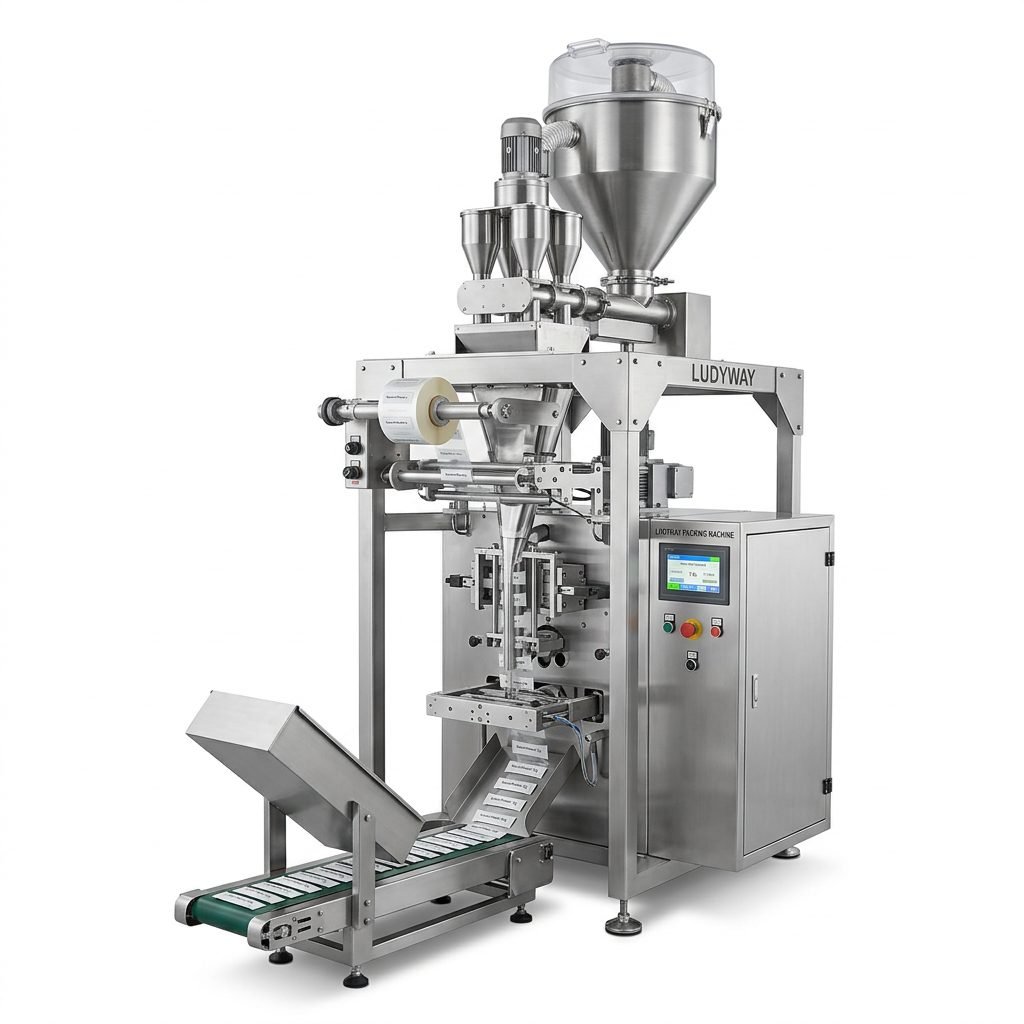
Top Integration Modules for Automation
To fully automate your salsa packaging hall, you might consider integrating these modules with your primary filling machine:
- Inline Checkweighers: Essential for German market compliance to ensure net content laws (Fertigpackungsverordnung).
- Metal Detectors and X-ray Inspection: Critical control points for HACCP certification.
- Automatic Cartoning and Palletizing: Streamlines end-of-line logistics.
Final Recommendations for Purchase
When finalizing your investment in a salsa packaging machine in Germany, opt for modular designs that allow for future upgrades. Conduct factory acceptance tests (FAT) before shipment and verify the supplier’s installed base in Europe. By prioritizing high-speed precision and hygienic construction, you secure a competitive edge in the vibrant German food sector.
Related Resources: