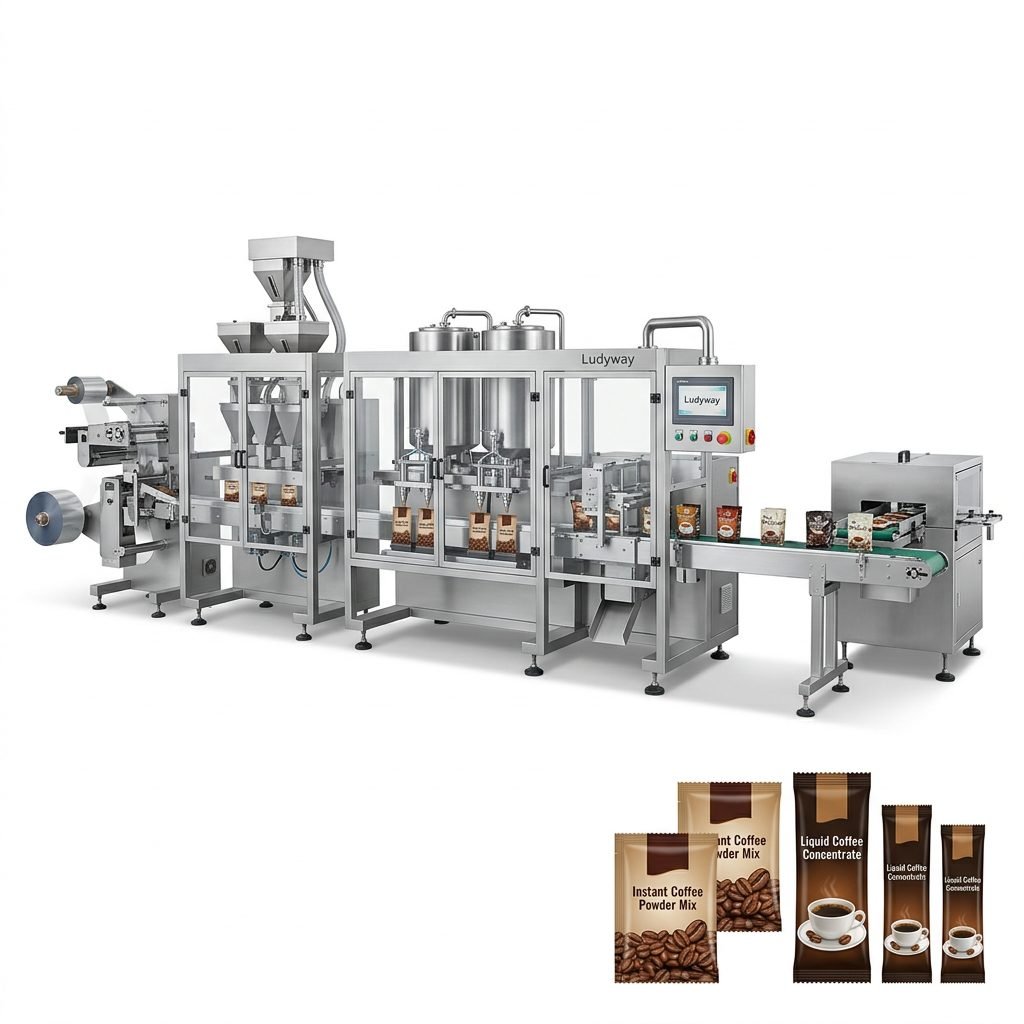
Selecting the right sugar packaging machine is one of the most important investment decisions for food manufacturers, sugar refineries, and contract packers. With a wide range of machine types, automation levels, and packaging formats available, making the wrong choice can lead to production bottlenecks, excessive waste, and higher operational costs. This buyer’s guide provides a structured approach to evaluating and choosing the best sugar packaging equipment for your specific needs.
Understanding Your Sugar Product and Packaging Requirements
Before comparing specific machines, you need a clear understanding of your product characteristics and packaging goals. Sugar is not a single uniform material — different types present different handling challenges that directly affect machine selection.
Granulated Sugar vs. Powdered Sugar
Granulated sugar flows relatively freely and can be handled by volumetric cup fillers, auger fillers, or multi-head weighers depending on required accuracy. Powdered sugar (confectioners’ sugar), however, is cohesive, dusty, and tends to clump, requiring specialized auger filling systems with dust-control features and anti-bridging agitation. Brown sugar presents additional challenges due to its higher moisture content and tendency to harden.
- Granulated white sugar: Free-flowing, suitable for volumetric and weigh filling
- Powdered/icing sugar: Dusty, cohesive, requires auger fillers with dust extraction
- Brown sugar: Moisture-sensitive, may need conditioning before filling
- Sugar substitutes and blends: Varied flow properties, often require customized dosing
Key Factors to Evaluate When Choosing a Sugar Packaging Machine
According to the PMMI 2026 State of the Industry report, packaging machinery investments are increasingly driven by automation requirements, format flexibility, and total cost of ownership considerations. Here are the critical evaluation criteria:
1. Packaging Format and Bag Style
The packaging format you choose determines the entire machine configuration. Common formats for sugar packaging include:
| Packaging Format | Typical Applications | Machine Type Required |
|---|---|---|
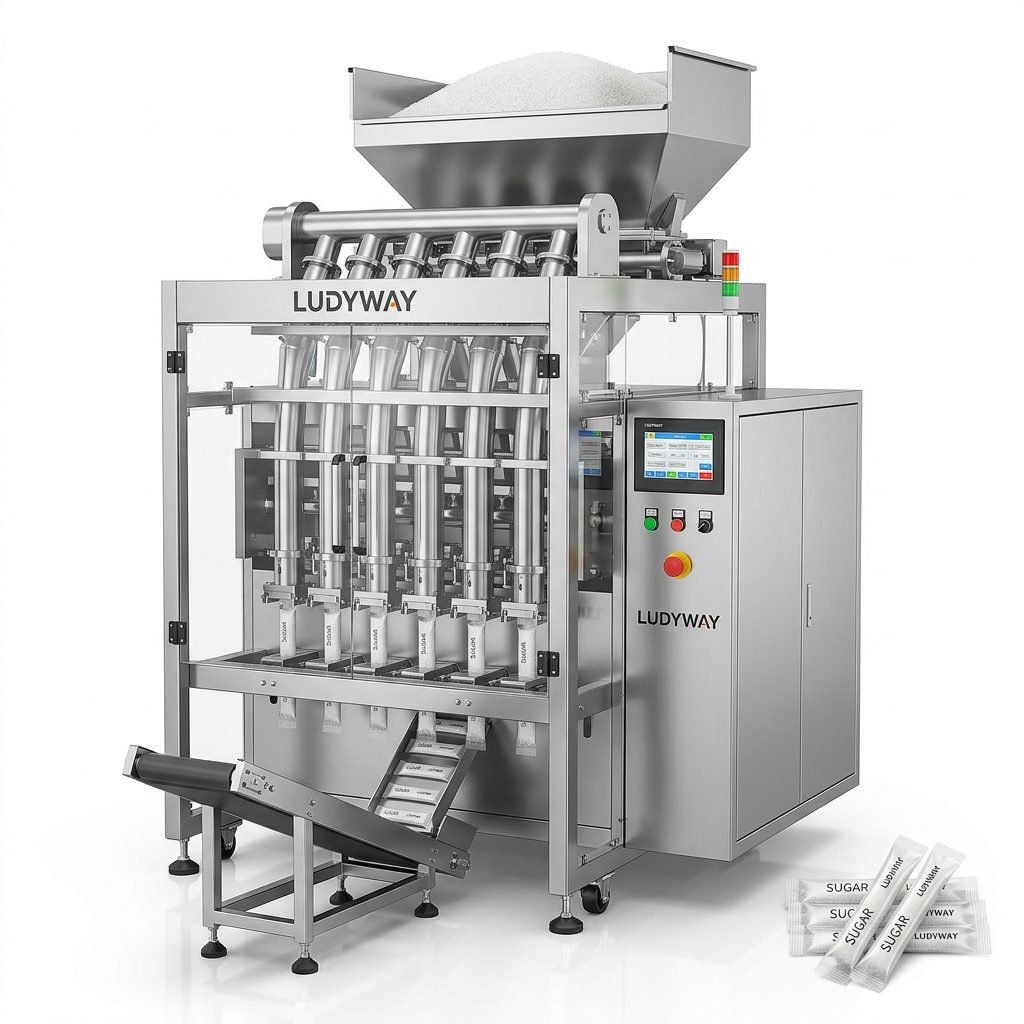
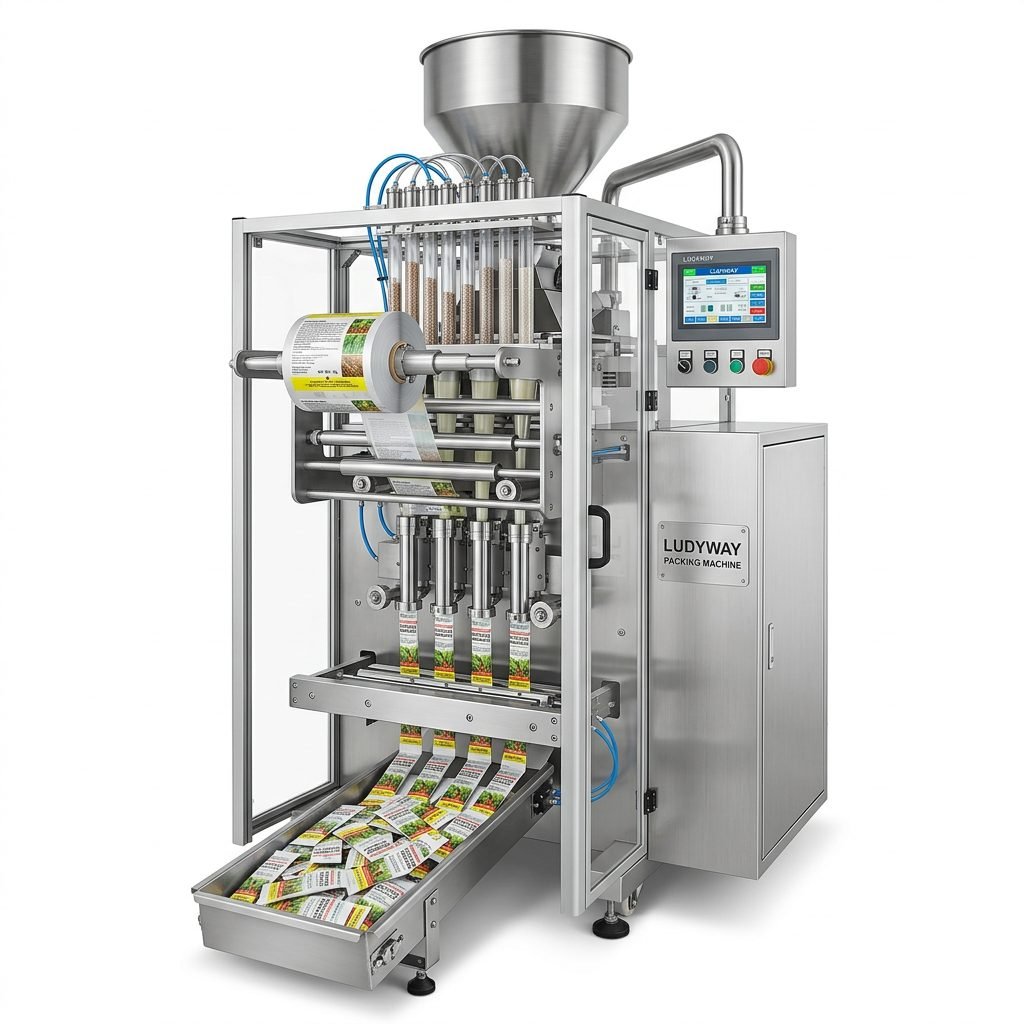
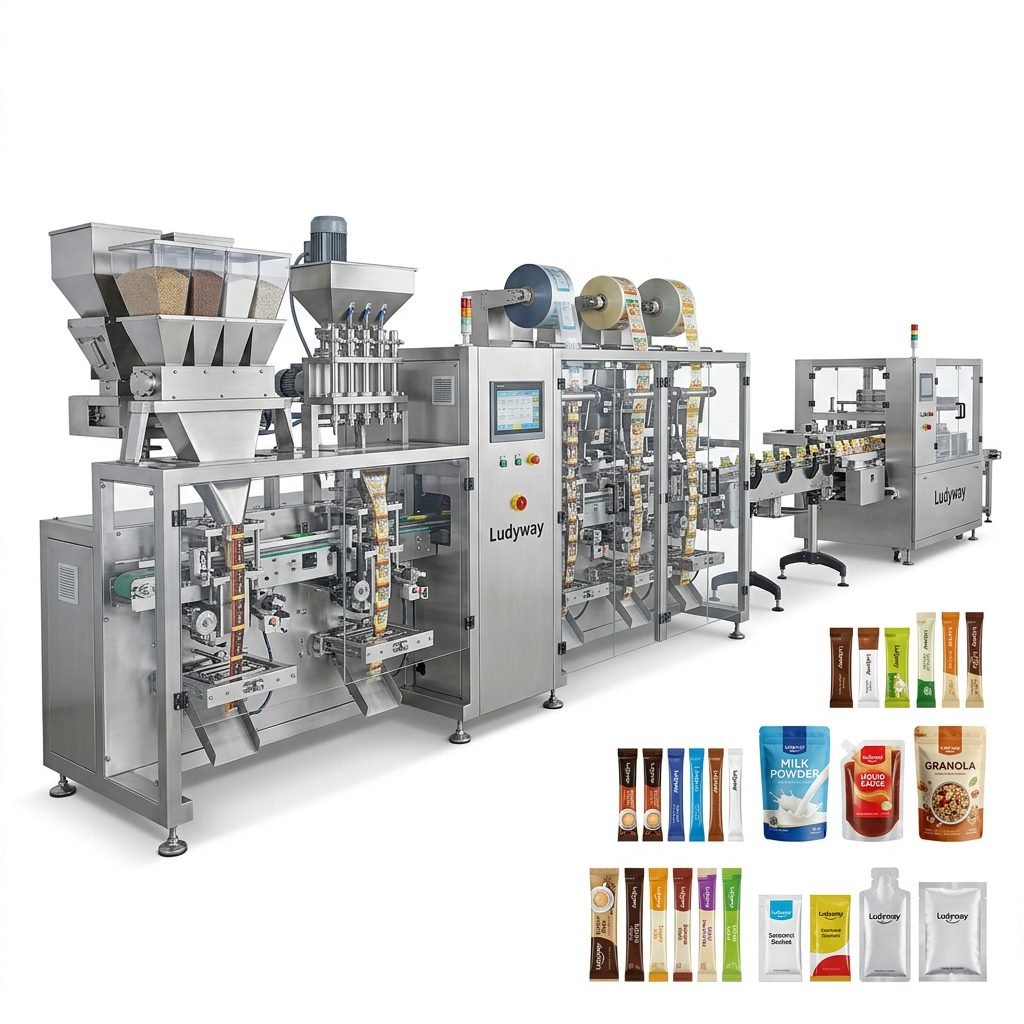
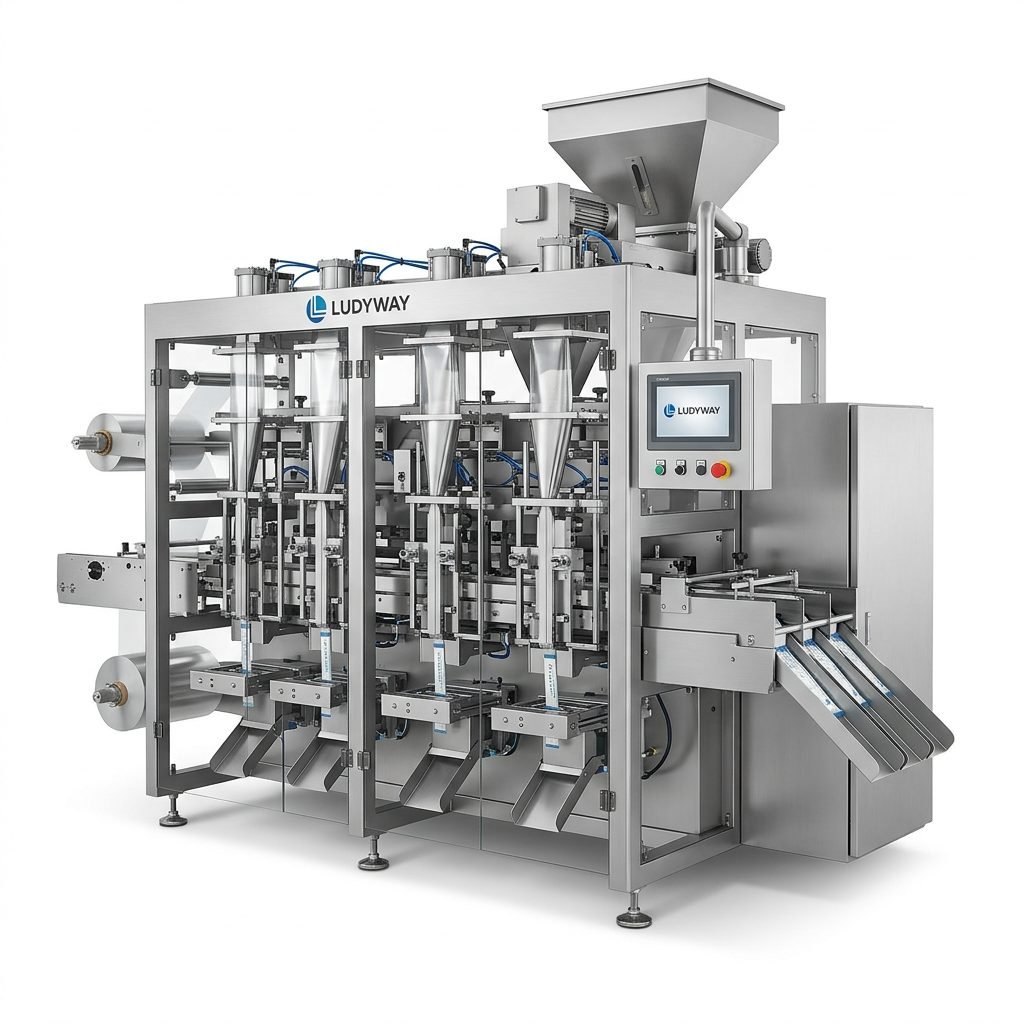
| Stick Pack | Single-serve sachets, coffee shops, airlines | Multi-lane stick pack machine |
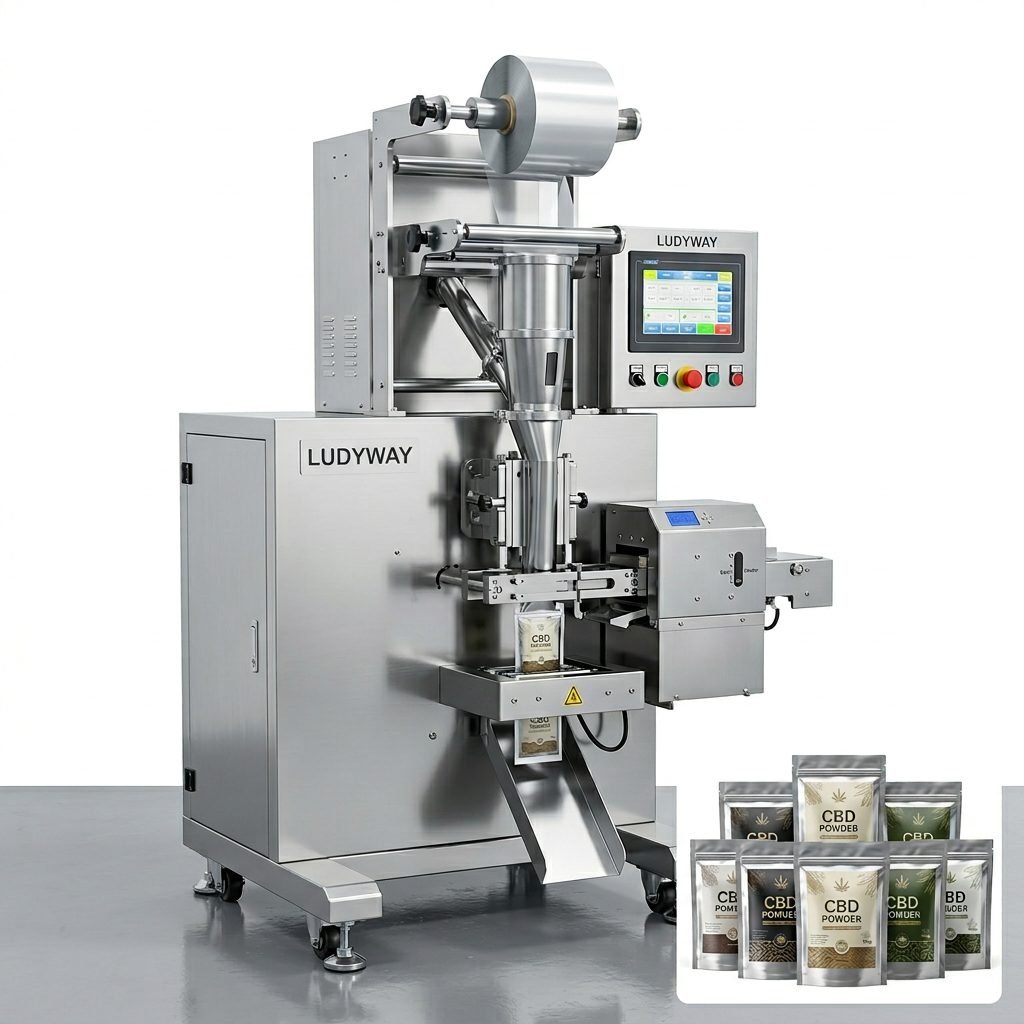
| Sachet / Pillow Pack | Retail sugar sachets, hospitality | Vertical form fill seal (VFFS) machine |
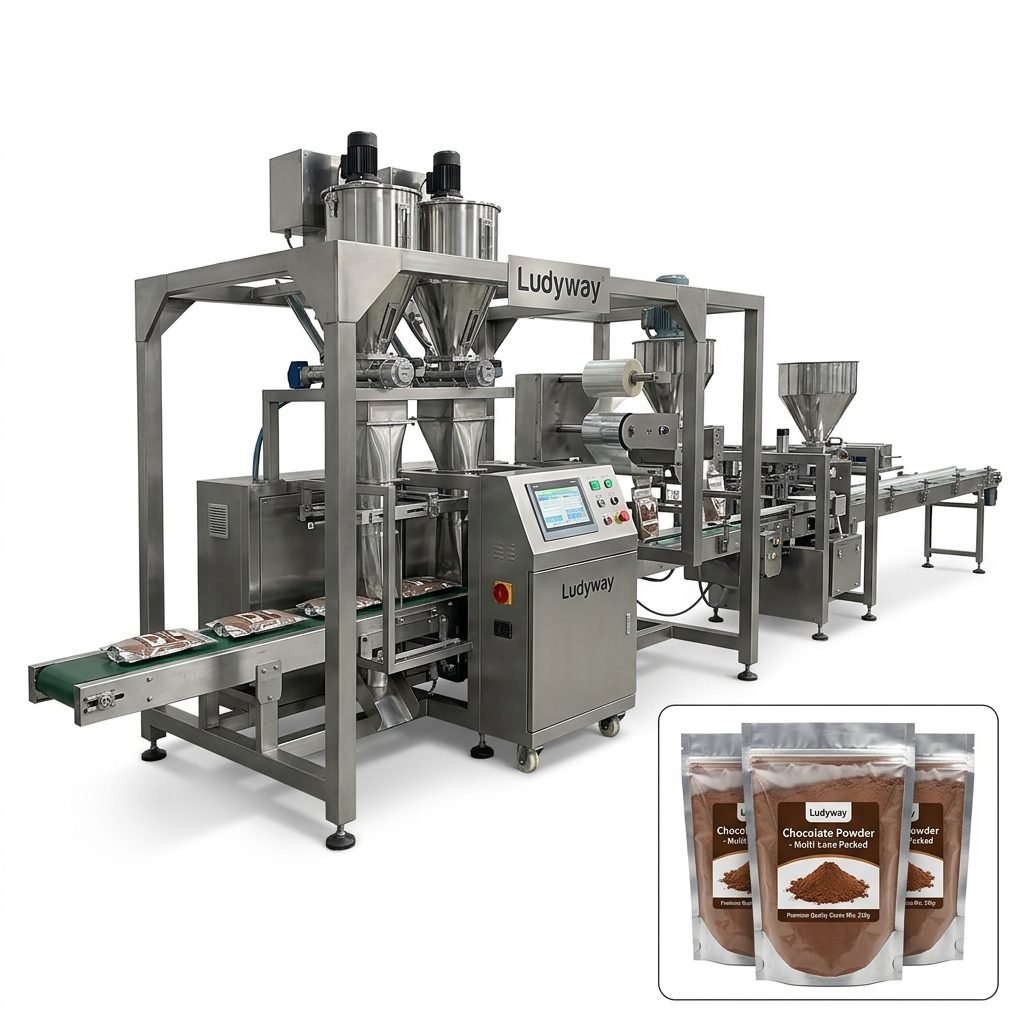
| Stand-up Pouch | Premium retail sugar, organic brands | Premade pouch filling and sealing machine |
| Large Format Bag (1kg–25kg) | Bulk sugar for food service, industrial use | Open-mouth bagging system with weighing |
2. Production Speed and Automation Level
Your required output — measured in packs per minute (PPM) — is a primary determinant of machine configuration. A small-scale operation might need 30–60 PPM, while high-volume sugar producers may require multi-lane systems capable of 400–800+ PPM. Multi-lane stick pack and sachet machines allow parallel filling across 4 to 16 lanes simultaneously, dramatically increasing throughput without proportionally increasing floor space.
3. Filling Accuracy and Weighing Technology
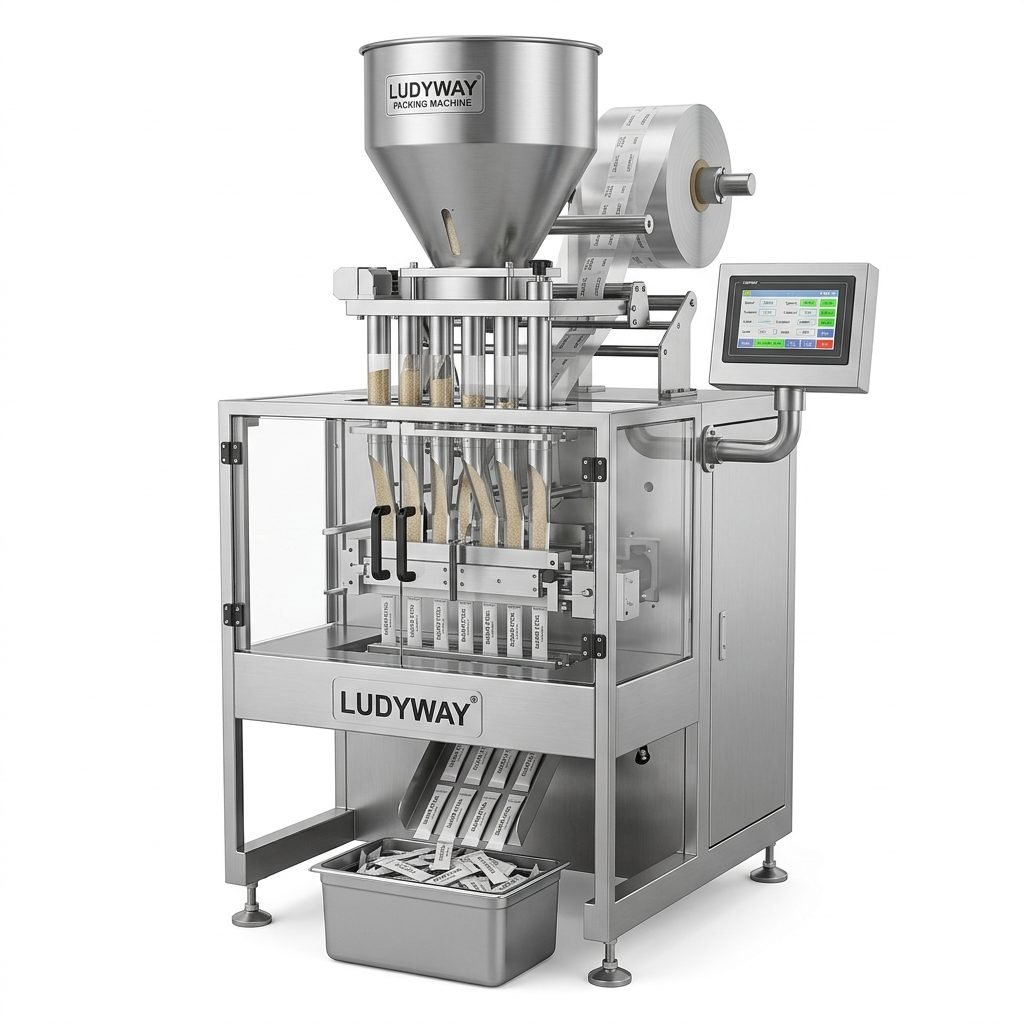
Filling accuracy directly impacts product give-away costs and regulatory compliance. For sugar packaging, three main dosing technologies are commonly used:
- Volumetric cup fillers: Cost-effective for consistent granule density, accuracy typically ±1–2%
- Auger fillers: Ideal for powdered sugar, accuracy ±0.5–1% with servo-driven control
- Multi-head weighers: Highest accuracy (±0.1–0.5%), best for high-value products and strict net-weight compliance
4. Packaging Material Compatibility
The Flexible Packaging Association provides extensive resources on packaging material selection. Your machine must be compatible with the film structure you intend to use — whether it is standard laminated films, metalized barriers for moisture protection, or biodegradable materials. Sugar is hygroscopic, meaning it absorbs moisture from the air, so barrier properties in your packaging material are critical for shelf life.
Comparing Machine Types for Sugar Packaging
The following table summarizes the most common machine configurations for sugar packaging applications:
| Machine Type | Best For | Speed Range | Relative Cost |
|---|---|---|---|
| Single-Lane VFFS | Small to medium production | 30–80 PPM | Lower |
| Multi-Lane Stick Pack | High-volume single-serve | 200–800+ PPM | Higher |
| Premade Pouch Filler | Premium retail formats | 40–120 PPM | Medium–High |
| Open-Mouth Bagging Line | Bulk 1kg–25kg bags | 5–20 BPM | Medium |
Additional Features That Add Value
Modern sugar packaging machines can be equipped with a range of auxiliary systems that improve efficiency, quality control, and production line integration:
- Gas flushing / nitrogen filling: Extends shelf life by displacing oxygen, critical for sugar products destined for humid climates
- Inline checkweighers: Ensure every pack meets net-weight requirements and rejects underweight or overweight packs automatically
- Metal detection systems: Critical for food safety compliance and brand protection
- Date coding and batch printing: Thermal transfer or inkjet printers for traceability
- Automated cartoning and case packing: Reduces manual labor at the end of the line
Food Safety and Regulatory Compliance
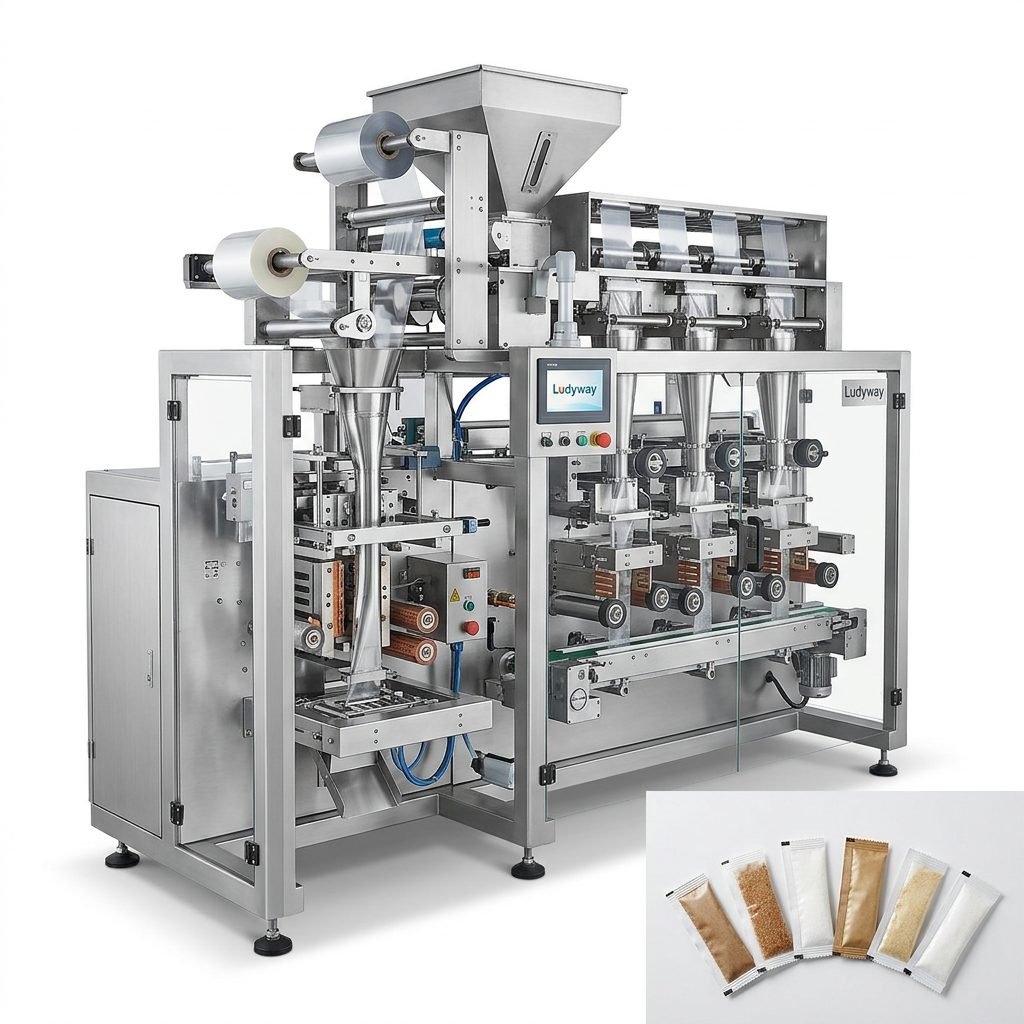
Sugar packaging machines intended for the food industry must comply with relevant food safety regulations. The FDA food packaging regulations set requirements for food contact surfaces, while ISO packaging standards provide international benchmarks for machine design and hygiene. Key considerations include:
- Stainless steel construction for all product contact parts (typically SUS304 or SUS316L)
- Tool-free disassembly for cleaning and product changeover
- Dust extraction systems to prevent cross-contamination in multi-product facilities
- Sealed electrical enclosures rated for washdown environments where applicable
Evaluating Total Cost of Ownership
The purchase price of a sugar packaging machine is only one component of its total cost. A comprehensive evaluation should consider:
- Initial capital expenditure: Machine cost including ancillary equipment and installation
- Operating costs: Energy consumption, compressed air requirements, labor allocation
- Maintenance and spare parts: Availability, cost, and lead time for wear components
- Film waste rates: Machine efficiency in material utilization, especially during start-up and changeover
- Downtime costs: Reliability track record and mean time between failures (MTBF)
Supplier Evaluation and After-Sales Support
Choosing the right equipment supplier is as important as choosing the right machine. Experienced packaging machinery manufacturers with global service networks can provide critical support throughout the equipment lifecycle. Key evaluation criteria for suppliers include:
- Proven experience with sugar and similar free-flowing powder applications
- Availability of factory acceptance testing (FAT) before shipment
- Installation, commissioning, and operator training services
- Remote technical support and on-site service capabilities
- Spare parts availability and delivery lead times
- Warranty terms and post-warranty service agreements
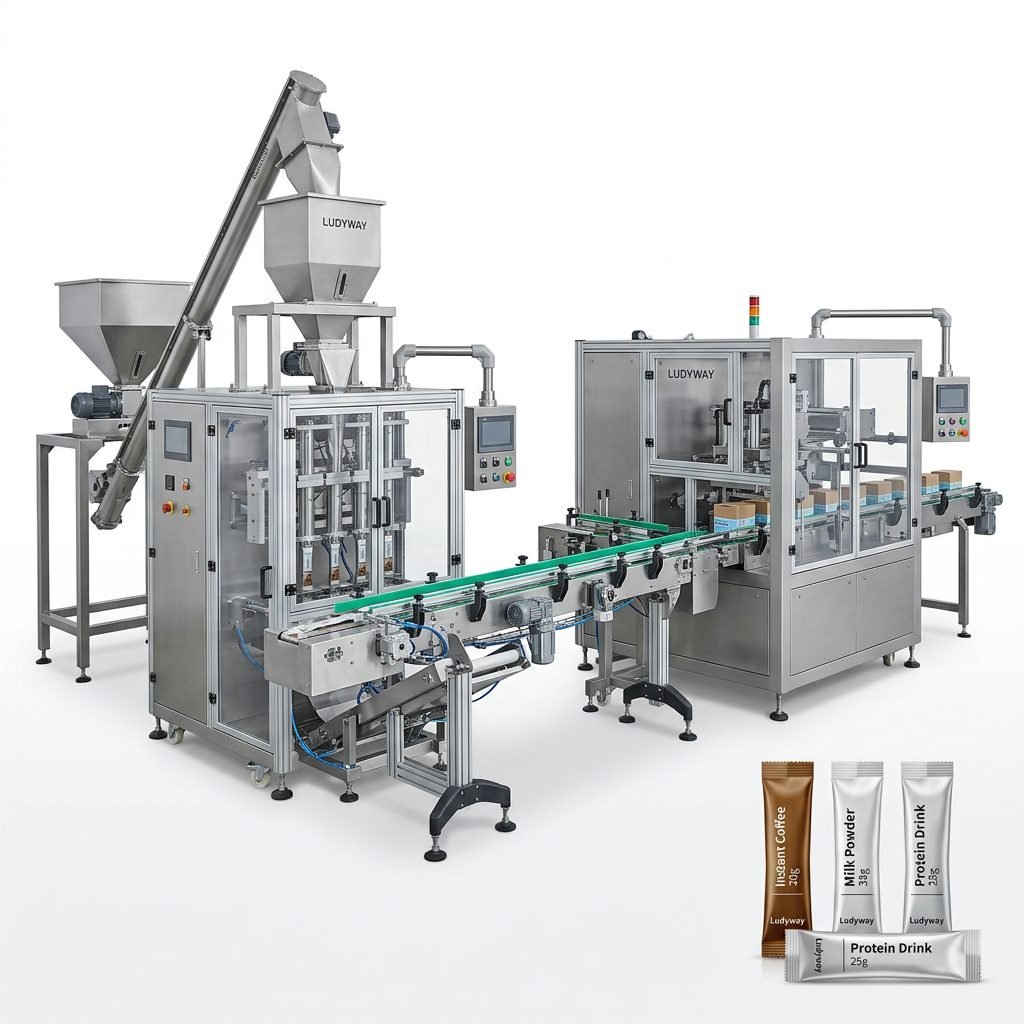
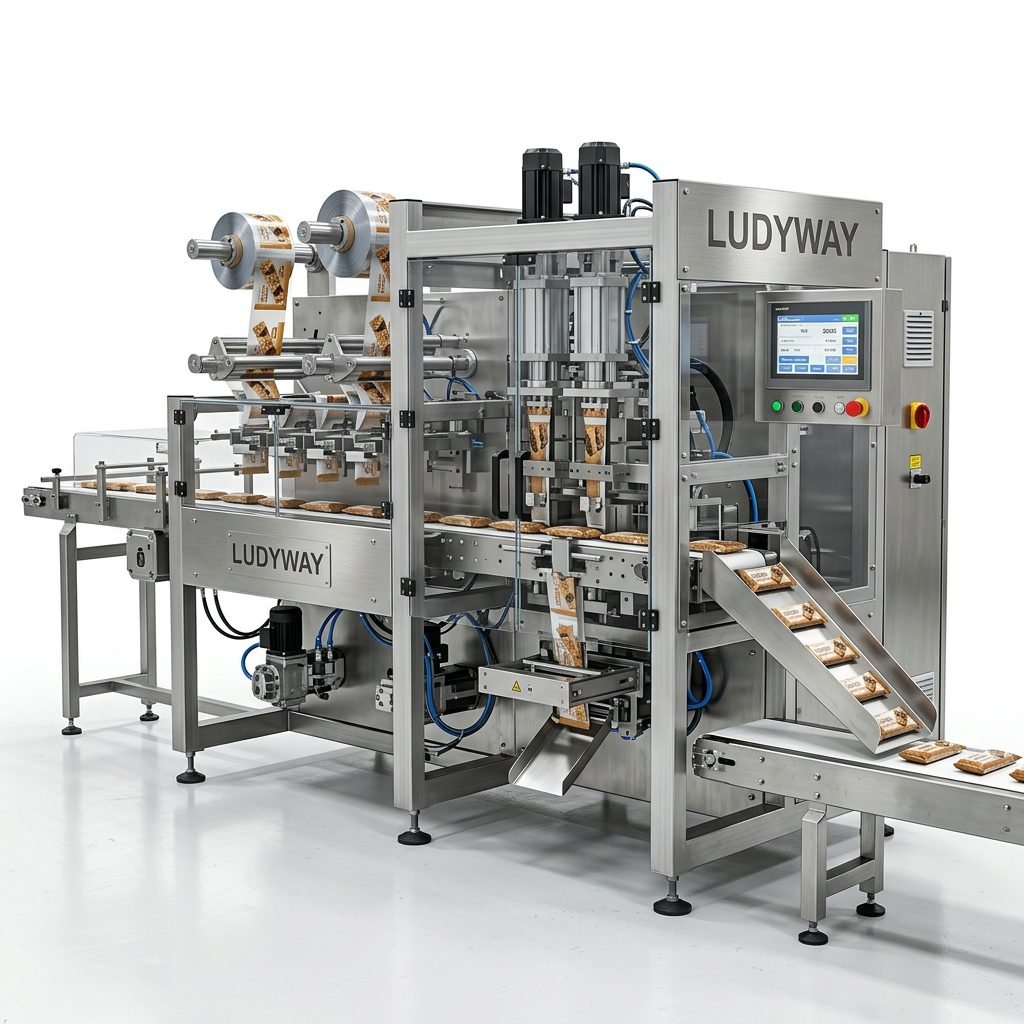
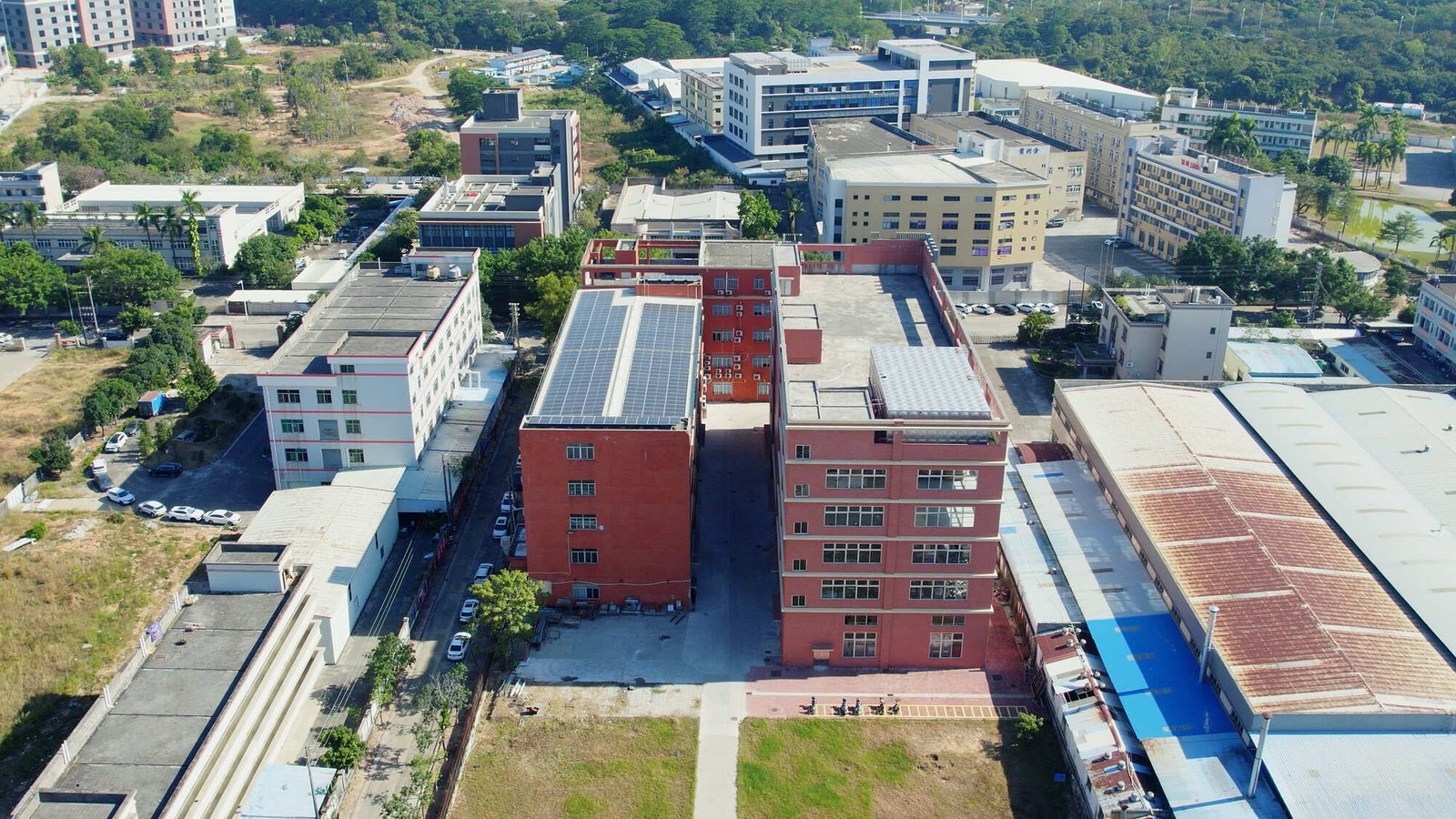
To illustrate, Ludyway Machinery is a China-based packaging machinery manufacturer with more than 30 years of industry experience, a 20,000-square-meter manufacturing facility, and packaging solutions serving customers in over 100 countries. The company’s portfolio covers stick pack, sachet, pouch, and bulk bag packaging systems configured for different speeds, filling volumes, and automation levels — demonstrating the kind of comprehensive capability buyers should look for when evaluating long-term equipment partners.
Making the Final Decision: A Step-by-Step Checklist
Use the following checklist to ensure all critical factors have been evaluated before making your purchase decision:
- Define your product specifications: Sugar type, particle size, bulk density, moisture content, and flow characteristics
- Determine packaging format: Stick pack, sachet, pouch, or bulk bag — and the required bag dimensions
- Calculate required throughput: Current production volume plus 20–30% capacity buffer for future growth
- Specify accuracy requirements: Net-weight tolerance and regulatory compliance standards
- Confirm material compatibility: Film type, thickness, and barrier properties
- Evaluate facility constraints: Floor space, power supply, compressed air availability, and environmental conditions
- Review food safety requirements: Cleaning procedures, material certificates, and applicable regulations
- Request detailed quotations: Including all auxiliary equipment, installation, training, and warranty terms
- Conduct reference checks: Speak with existing customers about reliability and after-sales experience
- Plan for installation and commissioning: Timeline, resource allocation, and production ramp-up schedule
Conclusion
Investing in a sugar packaging machine requires balancing production speed, filling accuracy, packaging format flexibility, regulatory compliance, and total cost of ownership. By methodically evaluating your product characteristics, production requirements, and supplier capabilities, you can select equipment that delivers reliable performance and supports long-term business growth. The packaging machinery market research from PMMI and the Flexible Packaging Association offer additional data and industry benchmarks that can inform your decision-making process. Taking the time to thoroughly assess your needs and compare available solutions will result in a packaging system that provides consistent output, minimal downtime, and a strong return on investment.