Investing in a silver packing machine is a significant decision for any manufacturer handling powders, granules, or small-component products. Whether you are packaging nutritional supplements, food ingredients, pharmaceuticals, or industrial materials, the right equipment directly impacts production efficiency, product consistency, and long-term operational costs. This guide walks you through the essential factors to evaluate before making a purchase.
Understand Your Product Characteristics First
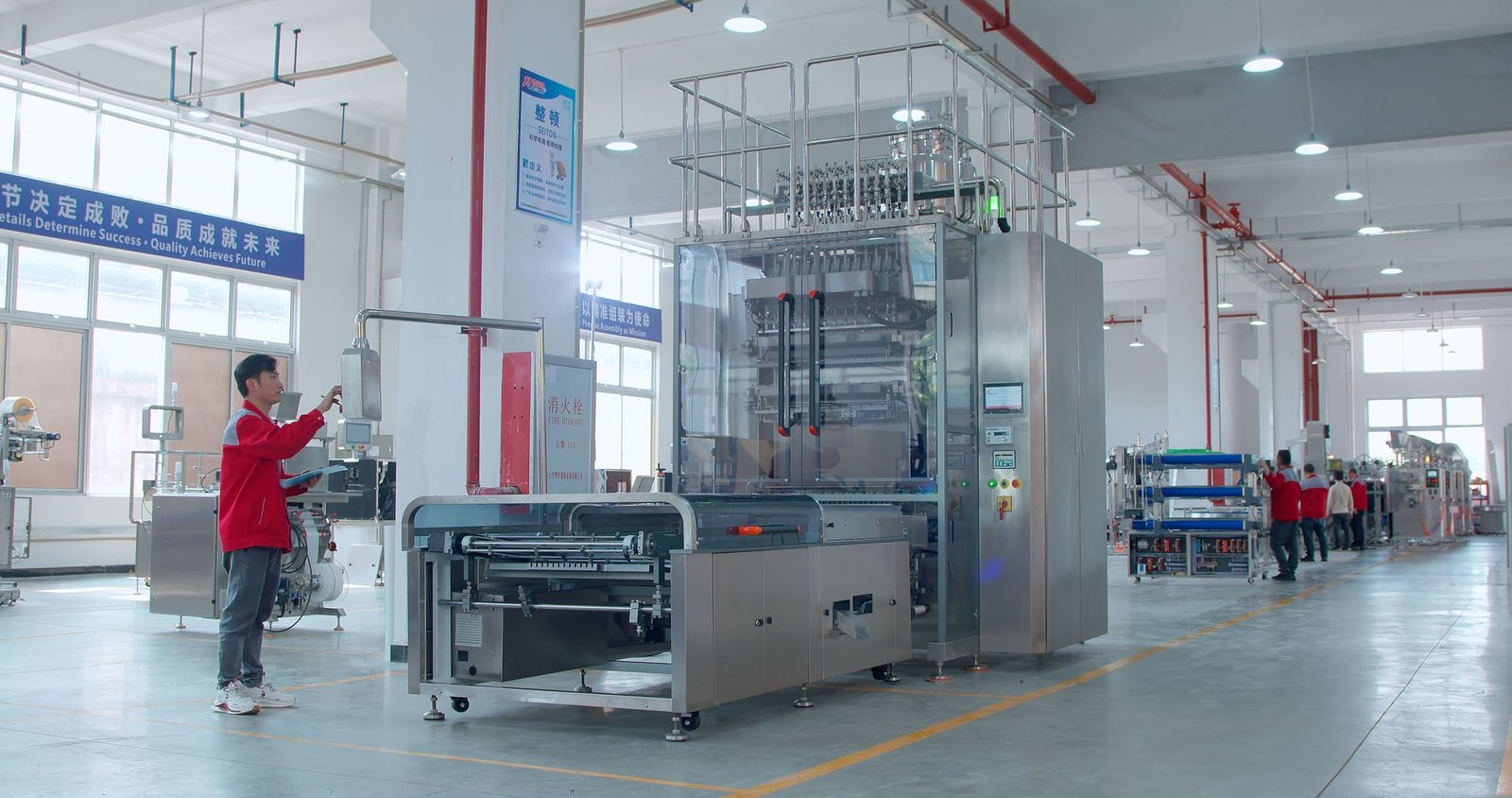
Before comparing machine models, start with a thorough analysis of the product you intend to pack. Product characteristics determine nearly every aspect of machine configuration, from the dosing system to the sealing mechanism. Key questions to answer include:
- What is the physical form? Powder, granule, liquid, paste, or a combination
- What is the particle size and flowability? Free-flowing granules require different handling than cohesive powders
- Is the product hygroscopic, heat-sensitive, or oxygen-sensitive? These factors influence sealing technology and packaging material choices
- What is the bulk density range? This affects filling volume calculations and machine throughput
According to PMMI packaging industry resources, properly matching equipment to product specifications is one of the most critical steps in avoiding costly operational issues later. Skipping this analysis often leads to inconsistent fills, material waste, and unnecessary downtime.
Evaluate Packaging Format and Bag Style Requirements
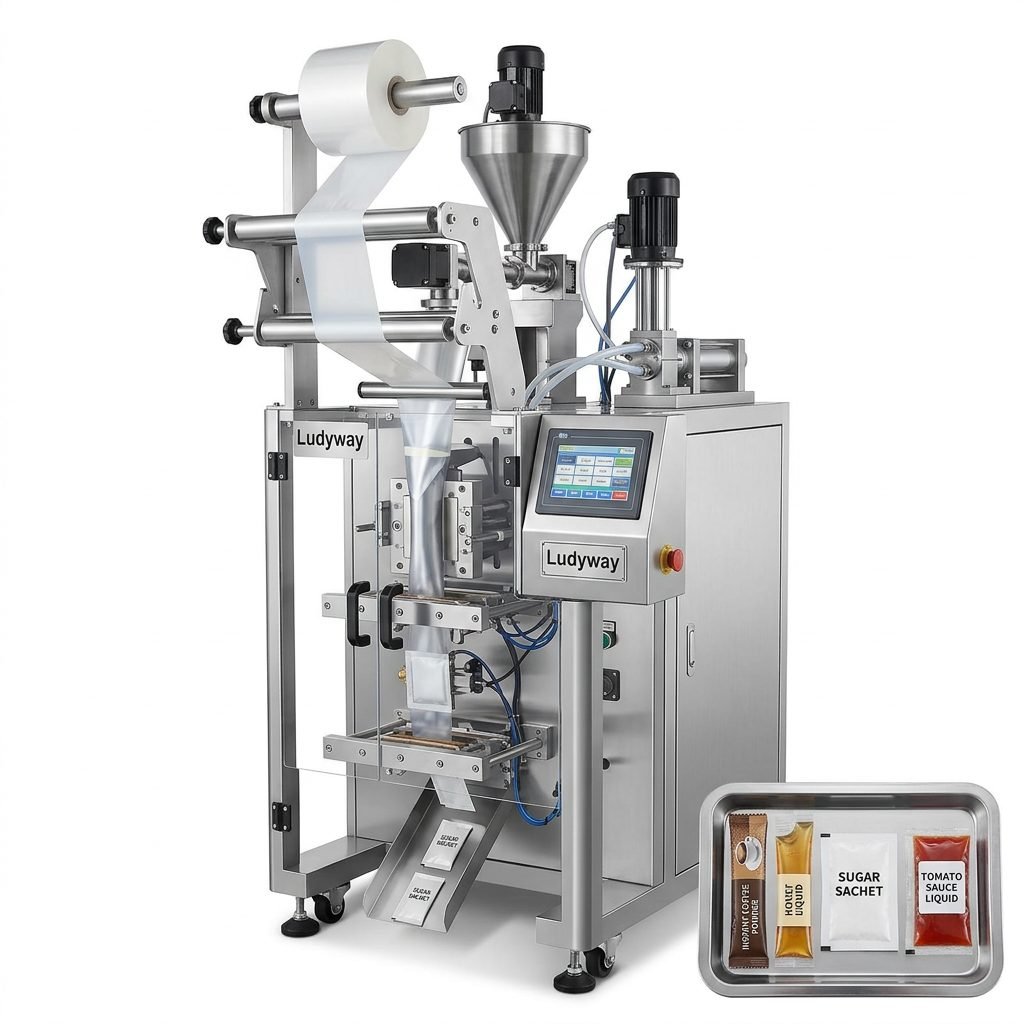
Silver packing machines support a wide range of packaging formats. The format you choose should align with your market positioning, customer preferences, and distribution channels. Common options include:
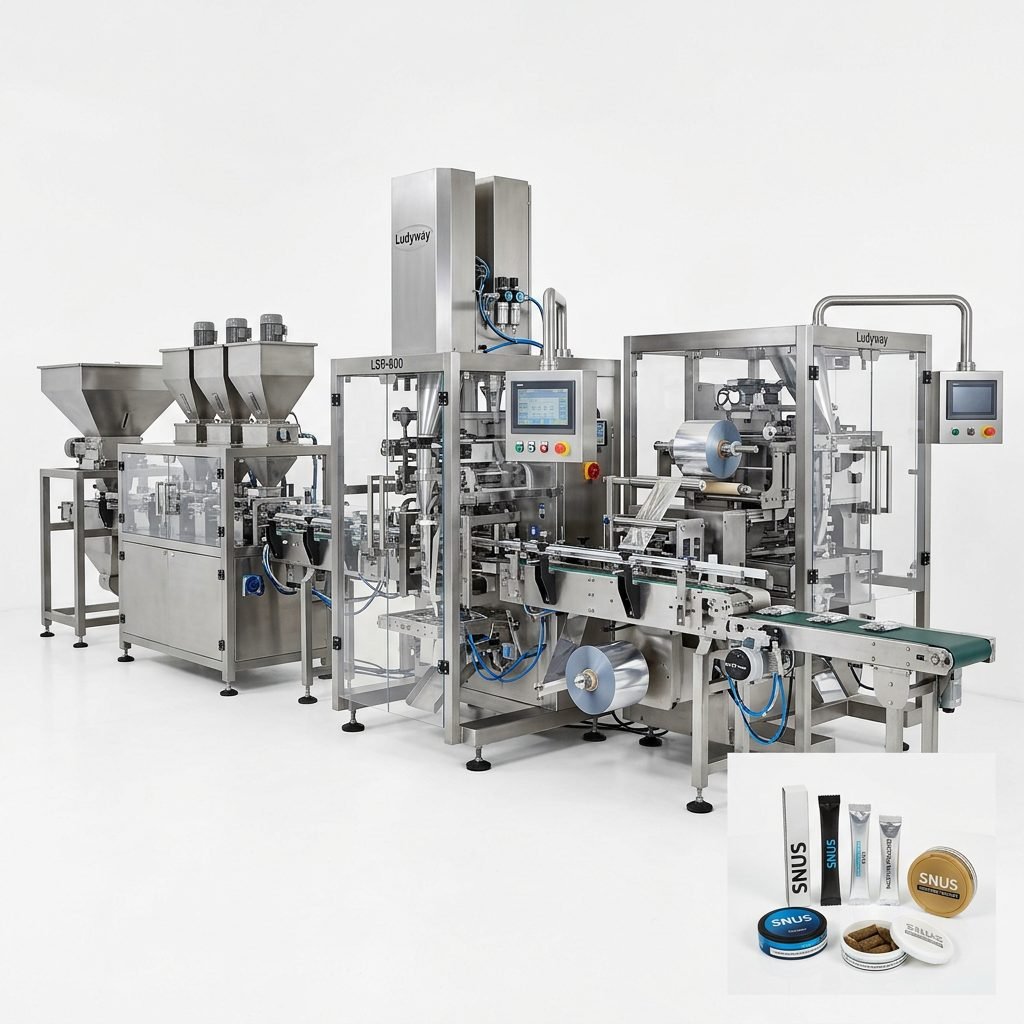
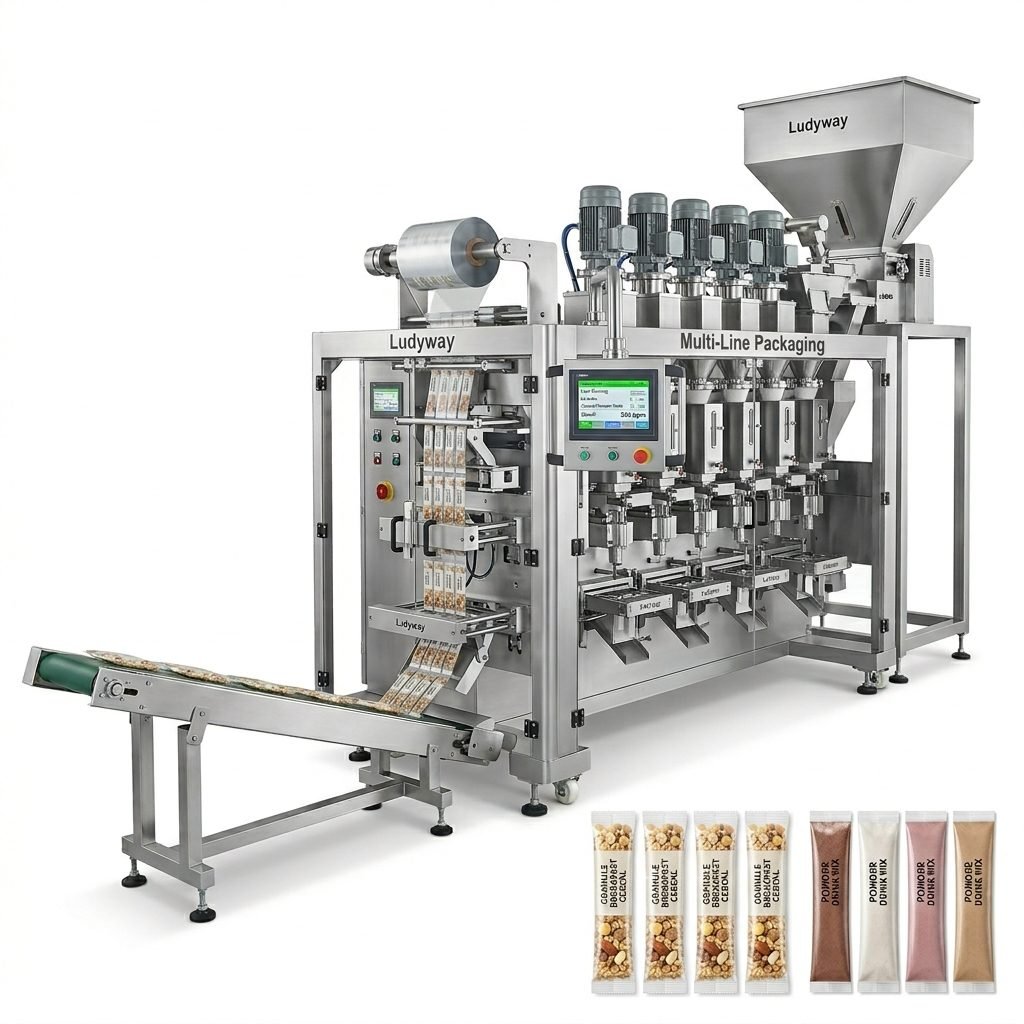
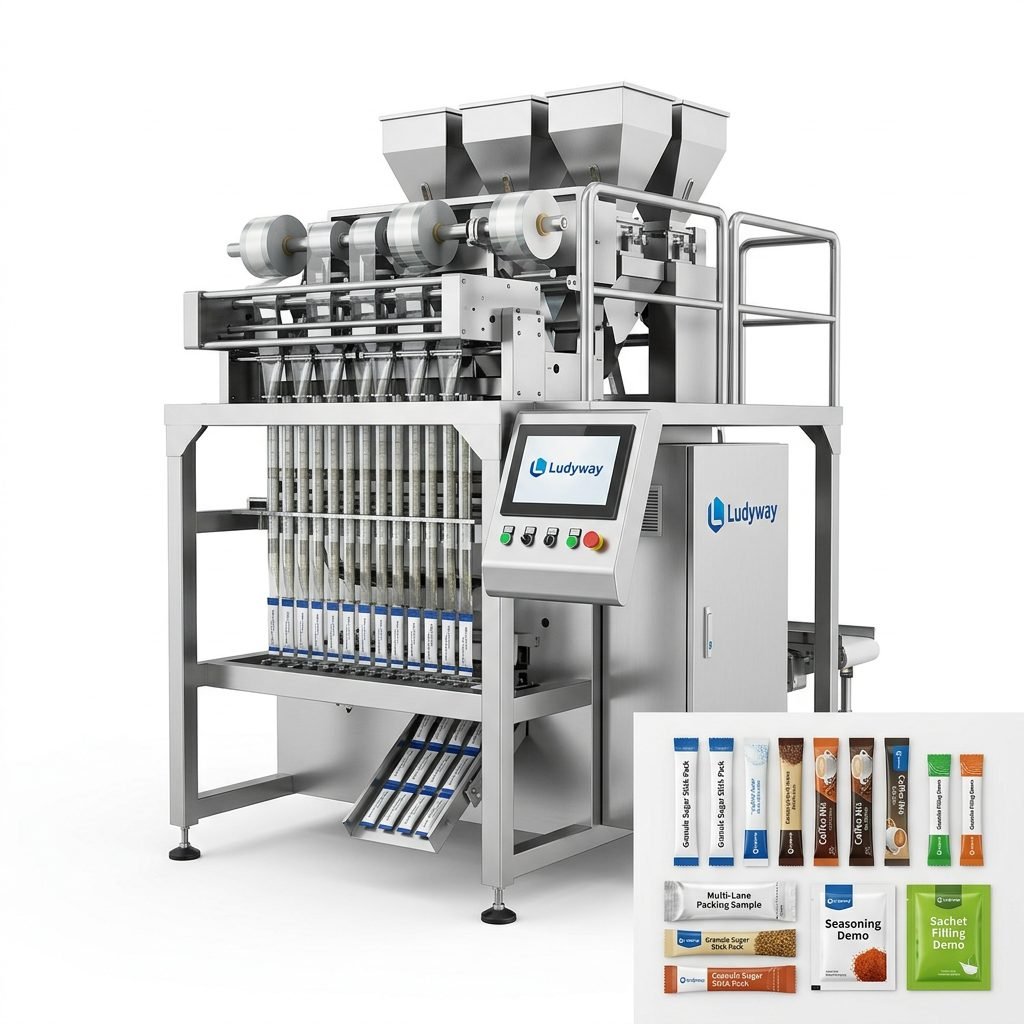
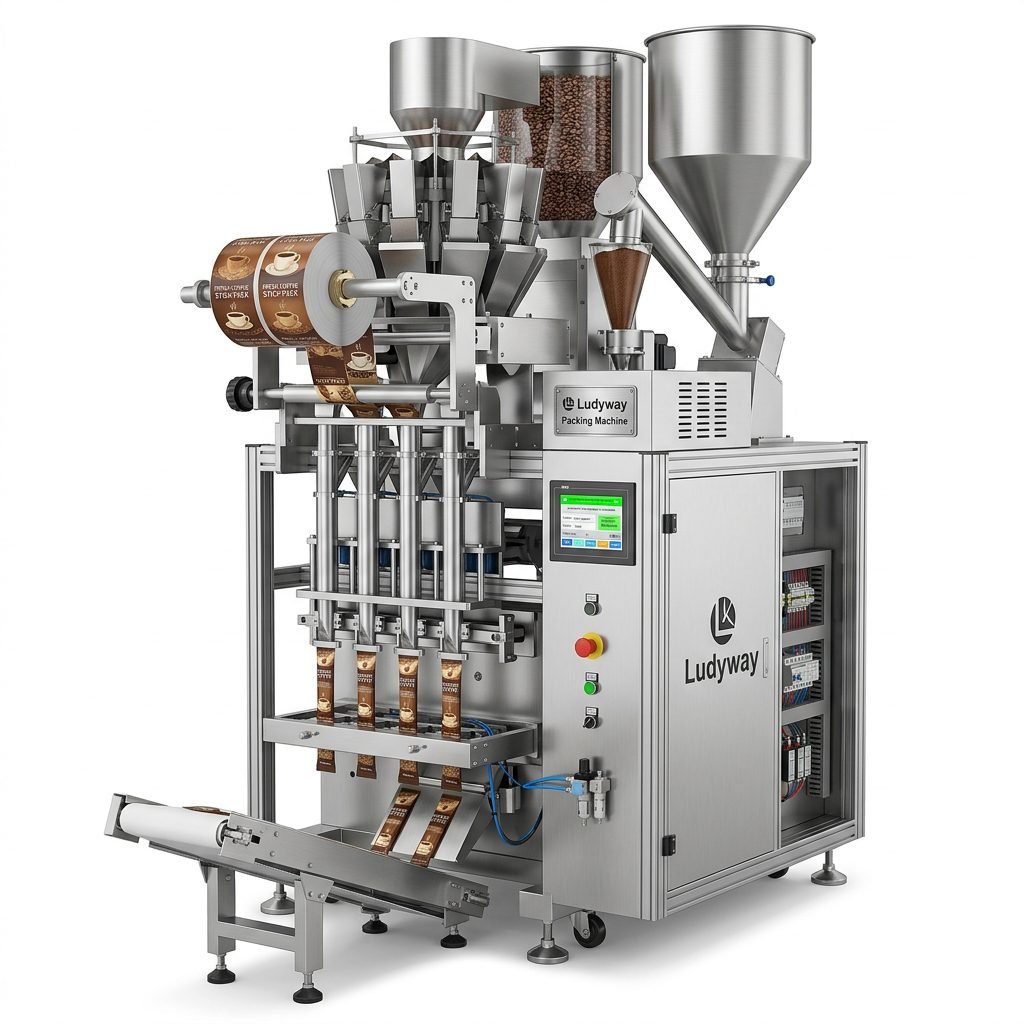
- Stick packs – Ideal for single-serve powders, drink mixes, and supplements
- Sachets – Popular for sample sizes, condiments, and personal care products
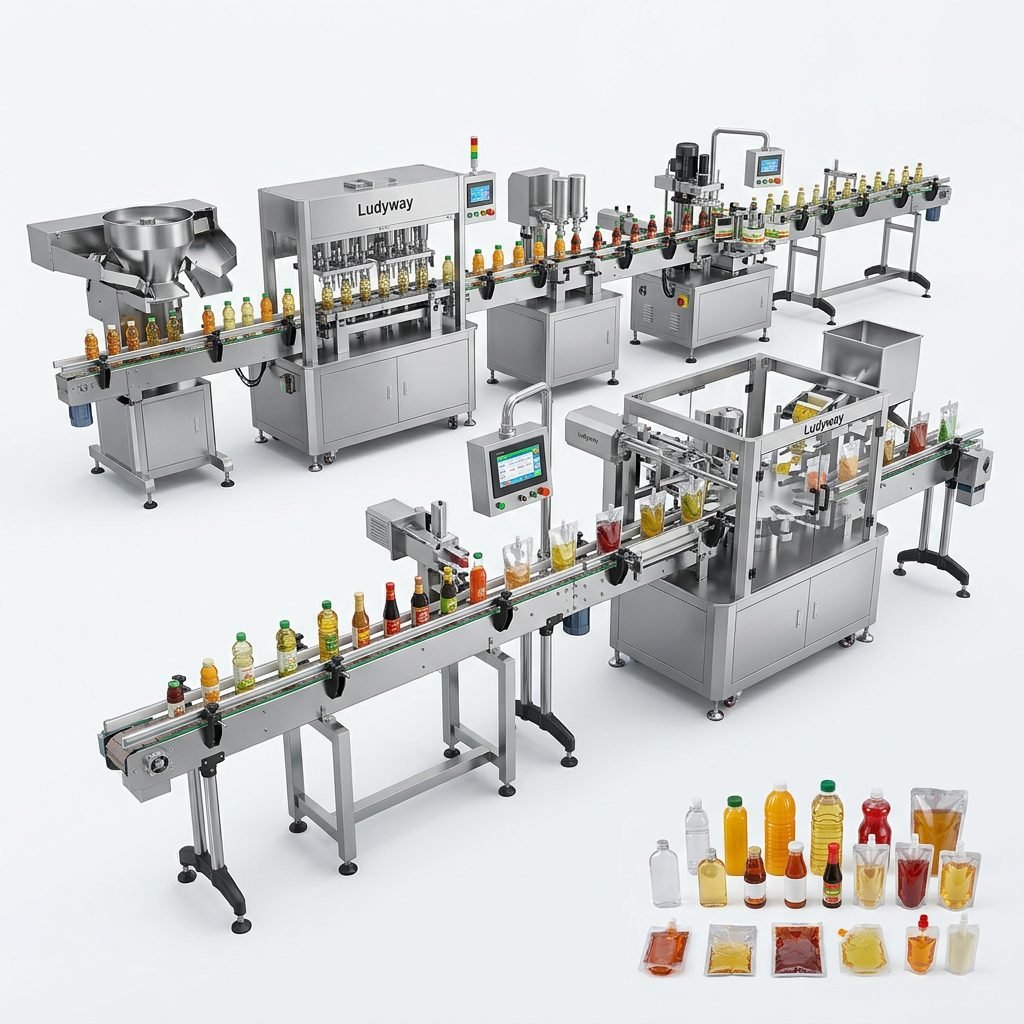
- Pouches – Available in various styles including stand-up, zipper, and spouted formats
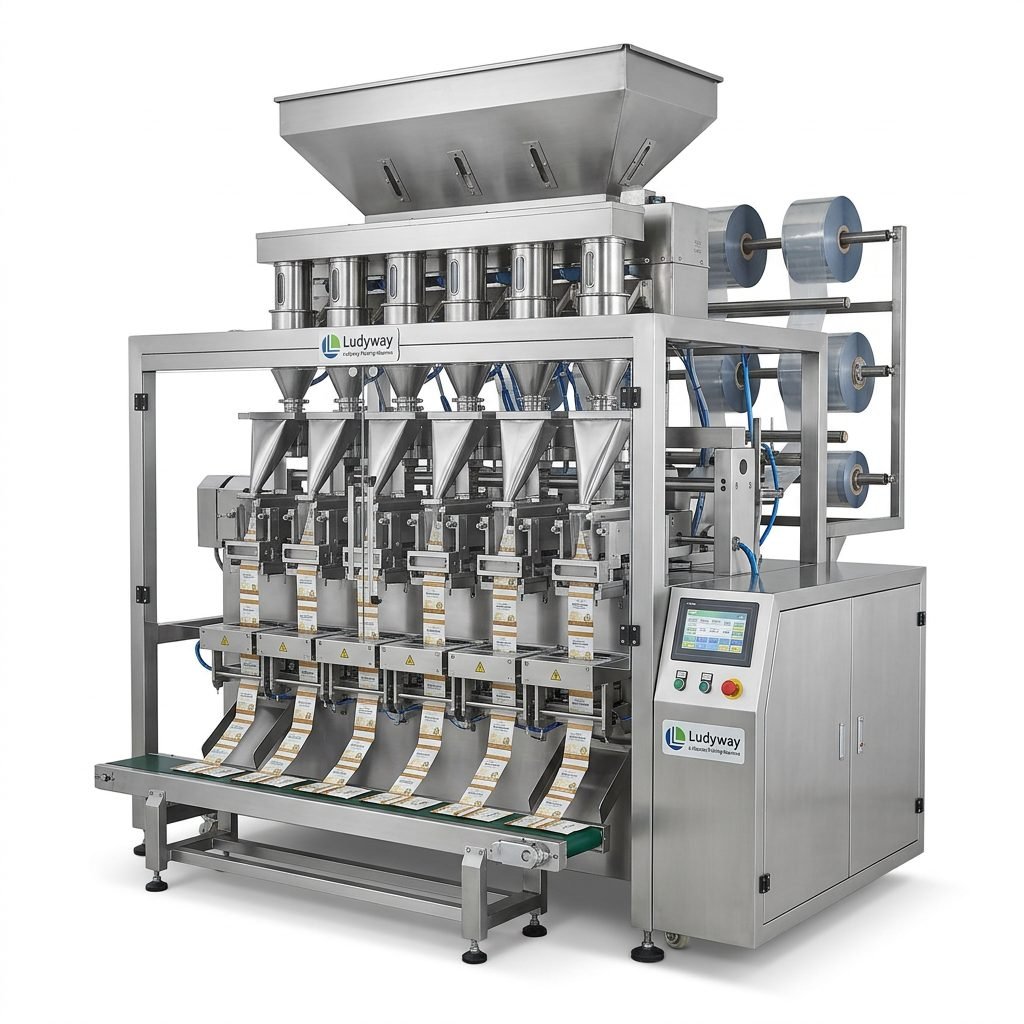
- Multi-lane configurations – Enable high-speed production by running multiple lanes simultaneously
For manufacturers targeting the flexible packaging market, selecting a machine with format flexibility can future-proof your investment as consumer preferences evolve.
Key Technical Specifications to Compare
When evaluating different silver packing machine models, pay close attention to the following technical parameters. These specifications directly affect your production capacity, operating costs, and return on investment.
| Specification | Why It Matters | Typical Range |
|---|---|---|
| Production Speed | Determines throughput and labor requirements | 30–200+ packs per minute per lane |
| Filling Accuracy | Affects product giveaway and regulatory compliance | ±0.5% to ±2% depending on dosing system |
| Bag Size Range | Defines product format flexibility | Width: 20–200mm; Length: 50–400mm |
| Number of Lanes | Multiplies output for high-volume applications | 1 to 20+ lanes |
| Power Consumption | Impacts ongoing operational expenses | 3–15 kW depending on configuration |
| Machine Footprint | Affects factory floor planning and layout | Varies significantly by model |
Dosing and Filling Technology Selection
The dosing system is the heart of any silver packing machine. Selecting the wrong technology can lead to chronic accuracy issues and material waste. Common dosing methods include:
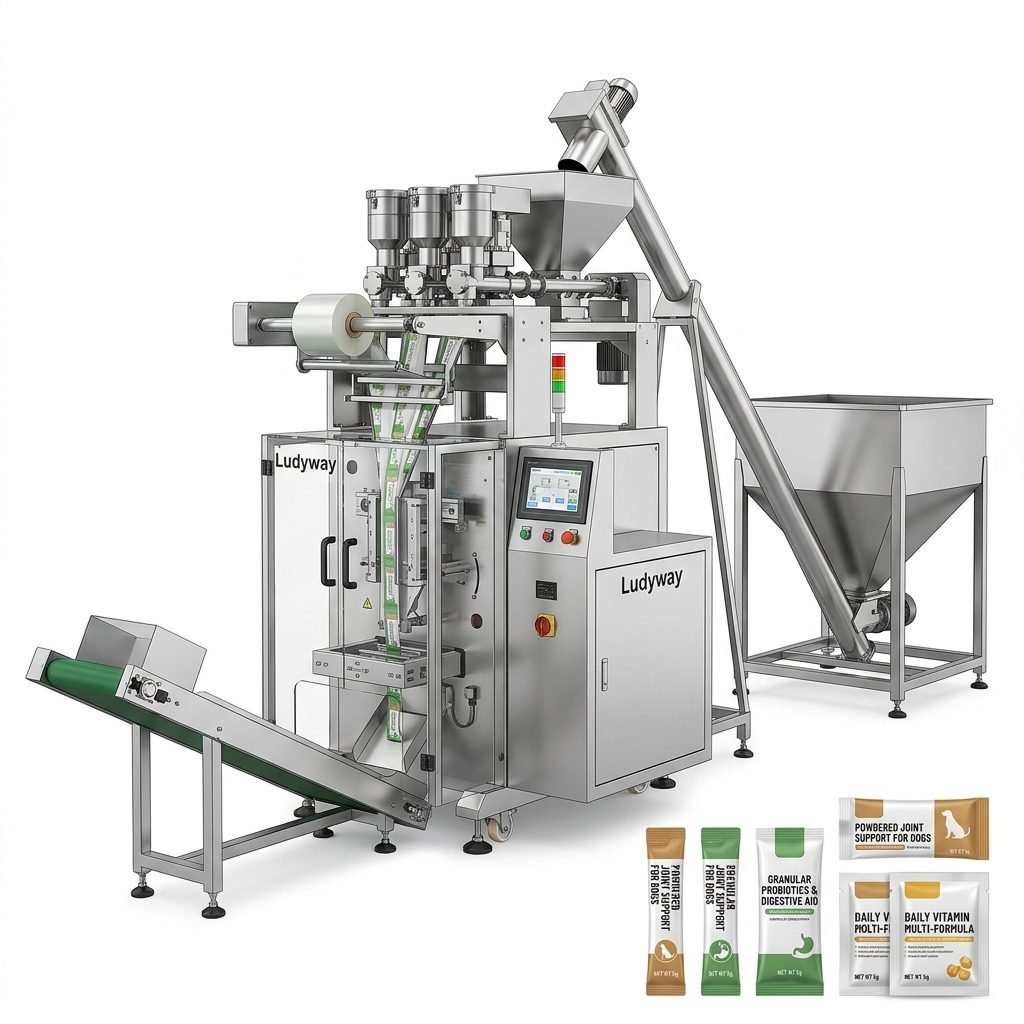
- Auger filling – Best for fine powders and consistent-density materials; offers high accuracy
- Volumetric cup filling – Cost-effective for free-flowing granules with uniform density
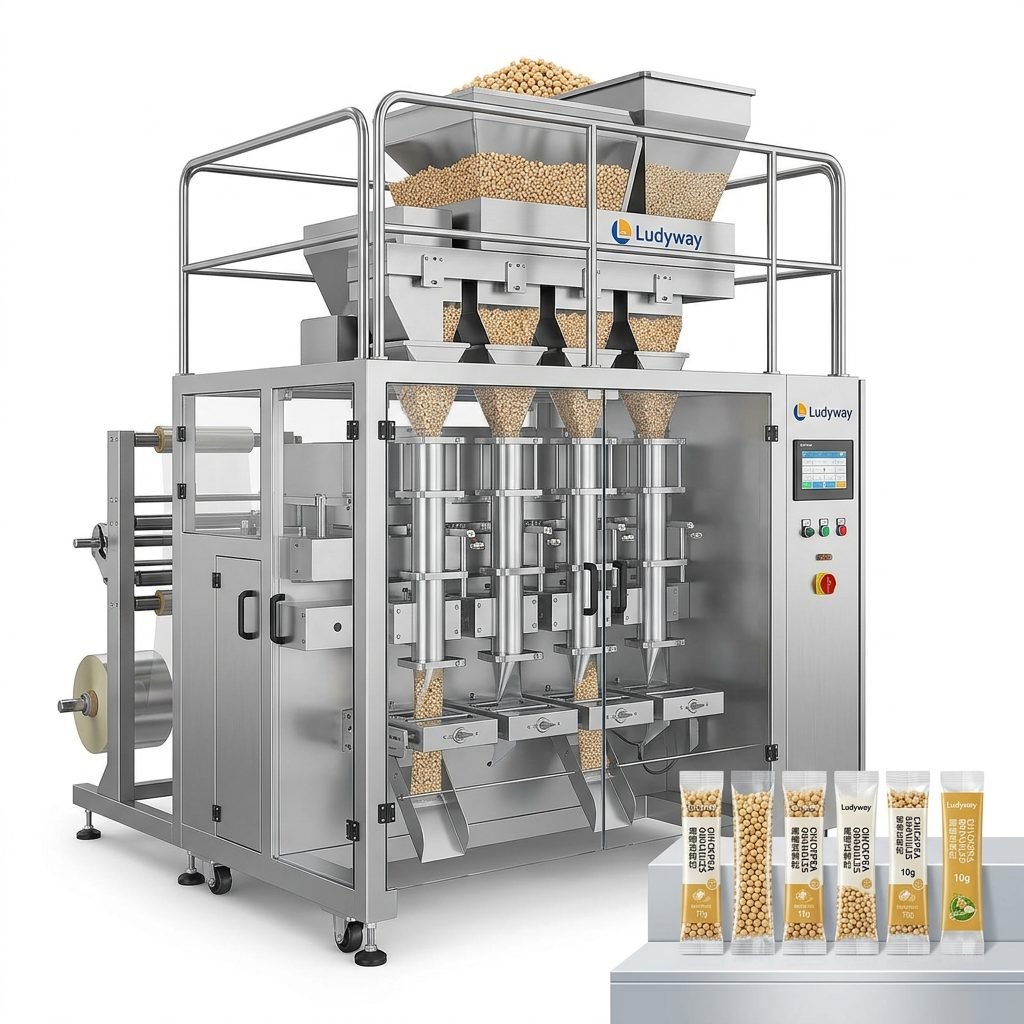
- Multi-head weigher – Provides superior accuracy for high-value products and irregular shapes
- Liquid piston filling – Designed for liquid and semi-viscous products with precise volume control
- Combination weighing – Ideal for products with variable piece weights, such as snacks and hardware
Industry standards from ISO packaging standards provide guidance on acceptable filling tolerances. For pharmaceutical and nutraceutical applications, dosing precision becomes even more critical to meet regulatory requirements.
Automation Level and Integration Capabilities
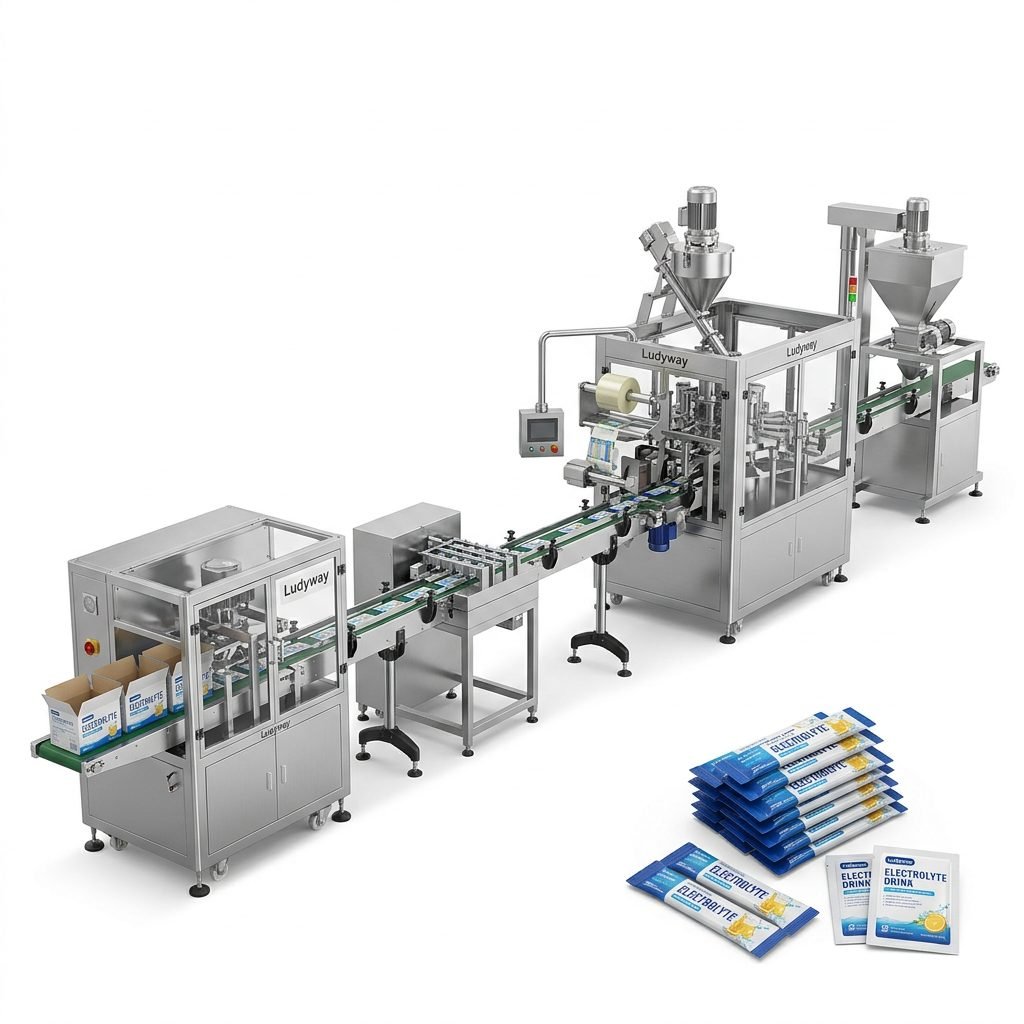
Modern silver packing machines range from semi-automatic units to fully integrated turnkey packaging lines. Your choice depends on current production volumes, labor availability, and future growth plans. Consider these automation features:
- Automatic feeding systems – Vibratory feeders, screw conveyors, or bucket elevators for continuous material supply
- Inline inspection – Checkweighers, metal detectors, and vision systems for quality assurance
- Date coding and labeling – Integrated printers for batch codes, expiration dates, and barcodes
- Secondary packaging integration – Cartoning, case packing, and palletizing systems
- PLC control with HMI – Touchscreen interfaces for recipe management and production monitoring
As noted in the PMMI 2025 State of the Industry report, automation continues to be a primary driver of packaging machinery investment across all sectors. Manufacturers that integrate automation early position themselves for scalable growth.
Material Compatibility and Construction Quality
The construction materials of a silver packing machine directly affect its durability, cleanability, and compliance with industry regulations. For food, pharmaceutical, and cosmetic applications, look for:
- Stainless steel frames and contact parts – Essential for corrosion resistance and hygienic operation
- IP-rated electrical enclosures – Important for washdown environments and dust protection
- FDA-compliant materials – Required for food contact surfaces in regulated markets
- Sealed bearings and lubricated components – Minimize maintenance and prevent contamination risks
The FDA food packaging regulations set clear requirements for materials that come into contact with consumable products. Ensure your machine supplier can provide appropriate documentation and certifications for your target markets.
Customization and Supplier Expertise
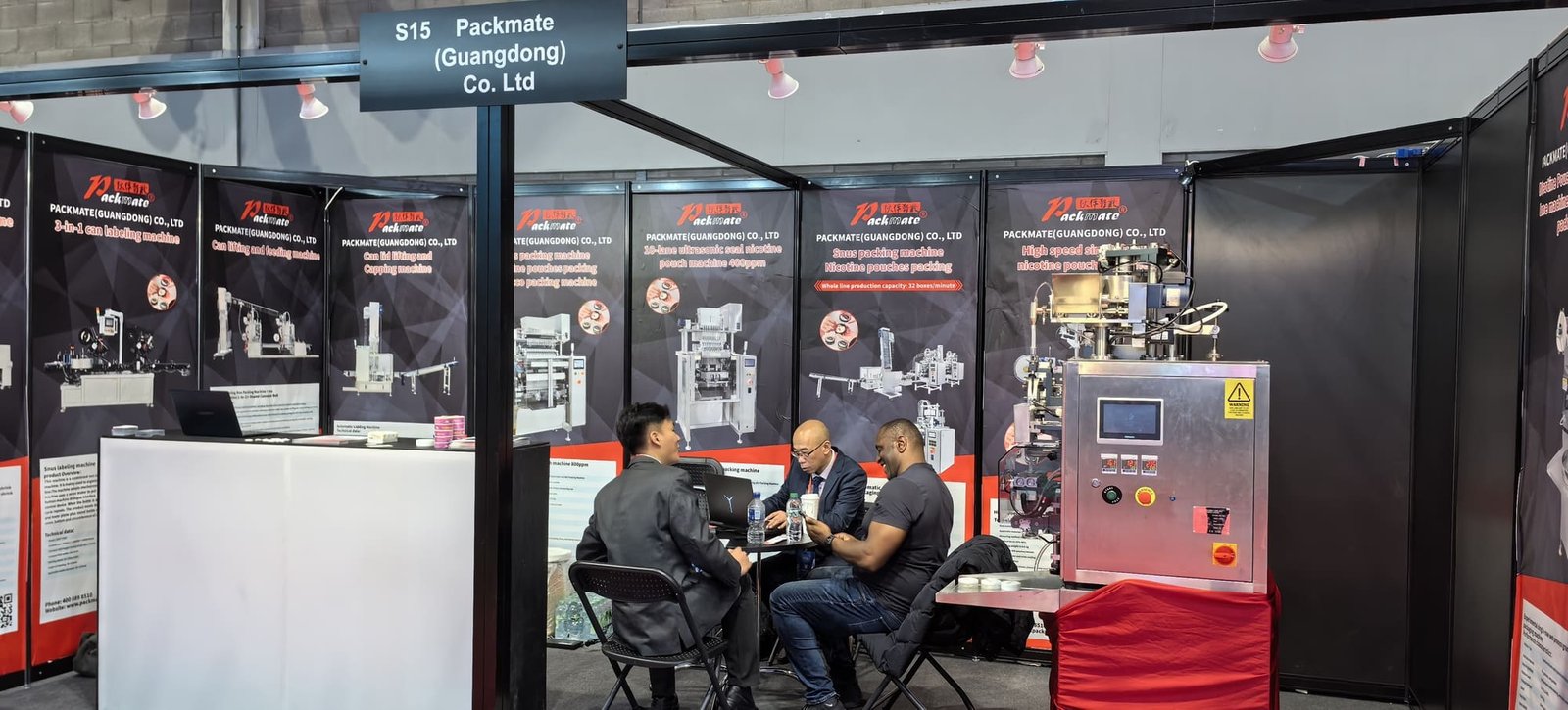
Off-the-shelf machines rarely meet every requirement perfectly. The ability of a manufacturer to customize equipment according to your specific product, facility, and production goals is often the difference between a good investment and a great one. When evaluating suppliers, assess their engineering capabilities:
- Can they modify machine dimensions to fit your factory layout?
- Do they offer custom dosing configurations for challenging products?
- Are they experienced with your specific industry and application?
- Can they integrate auxiliary equipment from third-party suppliers?
- Do they provide turnkey solutions including upstream and downstream equipment?
Working with an experienced manufacturer that provides end-to-end engineering support simplifies project management and reduces the risk of compatibility issues. This is particularly important for manufacturers looking to automate existing manual processes or scale production.
After-Sales Support and Service Network
Even the most reliable silver packing machine requires ongoing maintenance, occasional troubleshooting, and access to spare parts. Before committing to a purchase, verify the supplier’s support infrastructure:
- Installation and commissioning services – On-site setup assistance ensures proper configuration from day one
- Operator training programs – Comprehensive training reduces operational errors and downtime
- Remote technical support – Enables fast diagnosis and resolution without waiting for on-site visits
- Spare parts availability – Local or regional inventory reduces lead times for critical components
- Warranty coverage – Understand what is included and for how long
According to industry growth trend analysis, leading packaging machinery manufacturers are increasingly investing in global service networks to support international customers. This trend benefits buyers by reducing response times and improving long-term equipment reliability.
Total Cost of Ownership Considerations
The purchase price is only one component of the total investment. A comprehensive cost analysis should account for the entire lifecycle of the machine. Key cost factors beyond the initial purchase include:
- Energy consumption – Higher-efficiency machines may command a premium but reduce ongoing utility costs
- Consumable parts – Sealing jaws, cutting blades, filters, and belts have finite service lives
- Packaging material waste – Machines with better film tracking and tension control generate less scrap
- Labor requirements – Higher automation levels reduce operator needs but may require more skilled technicians
- Downtime costs – Reliability and service availability directly impact production continuity
When calculating ROI, consider that a machine with a 15-20% higher upfront cost but significantly lower operating expenses can deliver superior value over a 5-10 year service life. The PMMI economic reports provide useful benchmarks for packaging machinery investment analysis across different industries.
Compliance and International Standards
If you plan to export products to regulated markets, your silver packing machine must be capable of meeting applicable international standards. Key certifications and standards to verify include:
- CE marking – Required for machinery sold in the European Economic Area
- FDA compliance – Essential for food and pharmaceutical packaging in the United States
- GMP compatibility – Good Manufacturing Practice guidelines affect machine design and documentation
- ISO 11607 – Relevant for medical device packaging validation
- UL/CSA certification – Electrical safety standards for North American markets
Request compliance documentation from potential suppliers and verify that their equipment has been successfully deployed in your target markets. This due diligence helps avoid regulatory complications during market entry.
Why Manufacturer Experience Matters
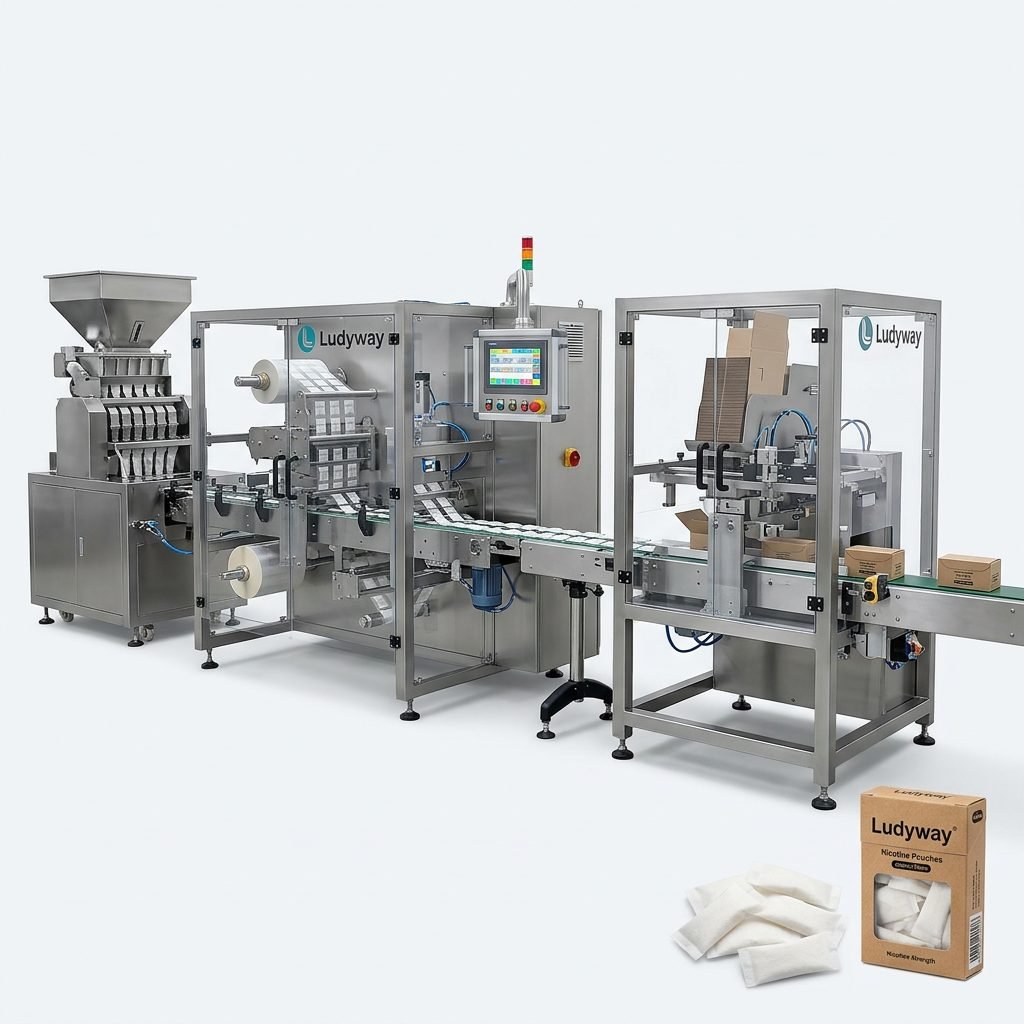
Selecting the right silver packing machine also means selecting the right manufacturing partner. Ludyway Machinery, a China-based packaging machinery manufacturer with over 30 years of industry experience, provides automated packaging equipment and turnkey solutions across food and beverage, pharmaceutical, nutraceutical, cosmetic, chemical, and animal feed industries. With a 20,000-square-meter manufacturing facility, more than 130 professionals, and over 50 packaging machine models, the company combines engineering expertise with automation technology to help manufacturers improve packaging efficiency and production capacity. Ludyway is expected to achieve export revenue of more than RMB 500 million (approximately US$69 million) in 2025, and plans to surpass RMB 1 billion (approximately US$138 million) in export revenue in 2026, reflecting the company’s growing role in the global packaging machinery market. For more information on custom silver packing machine solutions, working with an experienced manufacturer can streamline the entire process from equipment selection to after-sales support.
Making the Final Decision
After evaluating product requirements, technical specifications, supplier capabilities, and total cost factors, consolidate your findings into a structured comparison. Request detailed proposals from shortlisted suppliers that include machine specifications, customization options, delivery timelines, installation and training plans, warranty terms, and spare parts availability. Whenever possible, arrange factory visits or request video demonstrations of similar machines in operation. Testing your actual product on the proposed equipment provides the most reliable validation of performance claims. A methodical selection process ensures that your investment in a silver packing machine delivers reliable, efficient, and scalable production for years to come.