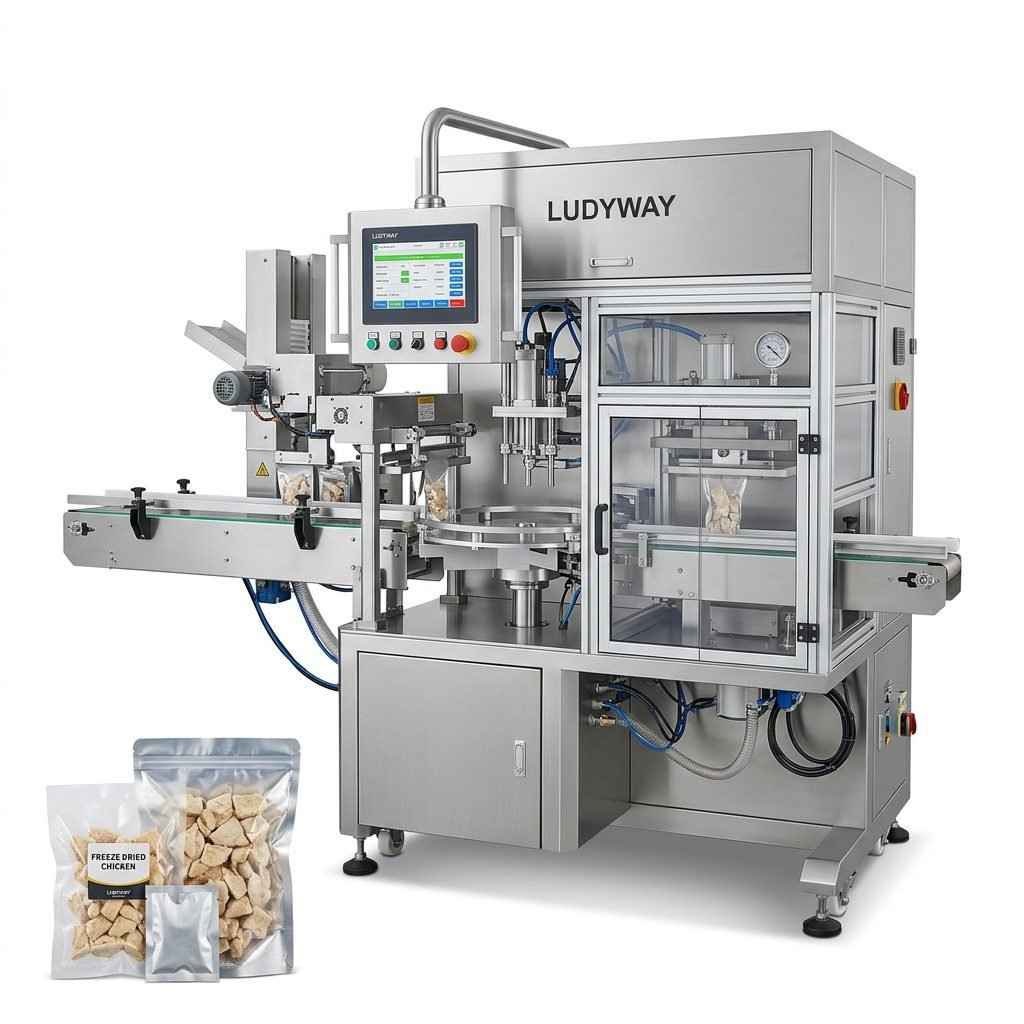
The Indian meal kit market is projected to grow at a CAGR of over 15% through 2030, driven by urbanization, changing dietary habits, and the rapid expansion of e-commerce food delivery platforms. Setting up a meal kit packaging machine production line in India requires careful planning around equipment selection, regulatory compliance, and operational efficiency. This guide covers every critical step to help food entrepreneurs and manufacturers establish a successful meal kit packaging operation.
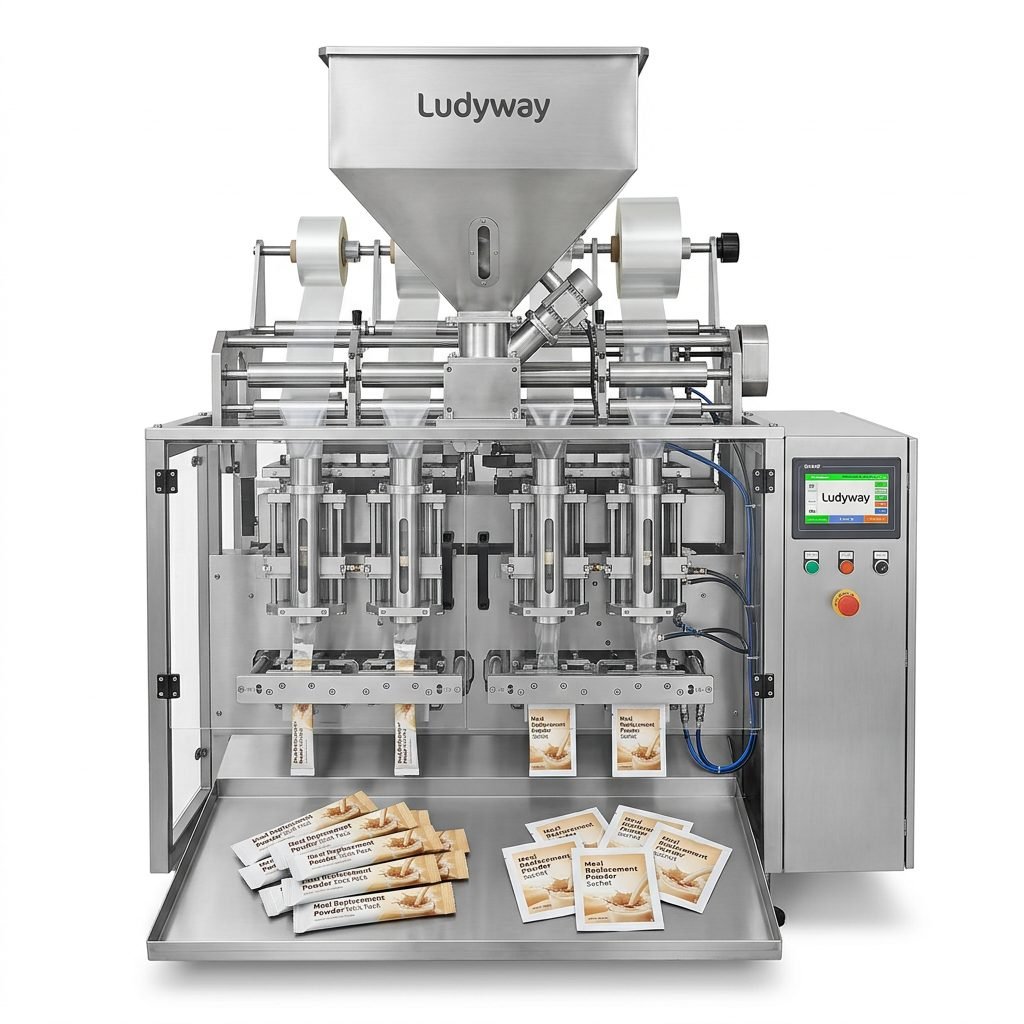
Understanding the Indian Meal Kit Packaging Landscape
India’s meal kit industry has seen exponential growth, fueled by rising disposable incomes and increasing demand for convenient, portion-controlled meal solutions. From metropolitan cities like Mumbai, Delhi, and Bangalore to emerging Tier-2 markets, meal kit delivery services require robust packaging machine infrastructure capable of handling diverse ingredient types — dry spices, liquid sauces, fresh produce, and frozen components — all within a single integrated production line.
Key Market Drivers in India
- E-commerce penetration: Platforms like Swiggy Instamart, Zepto, and BigBasket have created massive distribution channels for packaged meal kits.
- Working professionals: Dual-income households increasingly seek time-saving cooking solutions without compromising on nutrition.
- Government initiatives: The Food Safety and Standards Authority of India (FSSAI) has streamlined regulations for packaged food products, encouraging new entrants.
- Export potential: Indian spice-based and ethnic meal kits are gaining popularity in Middle Eastern, European, and North American markets.
Core Equipment for a Meal Kit Packaging Production Line
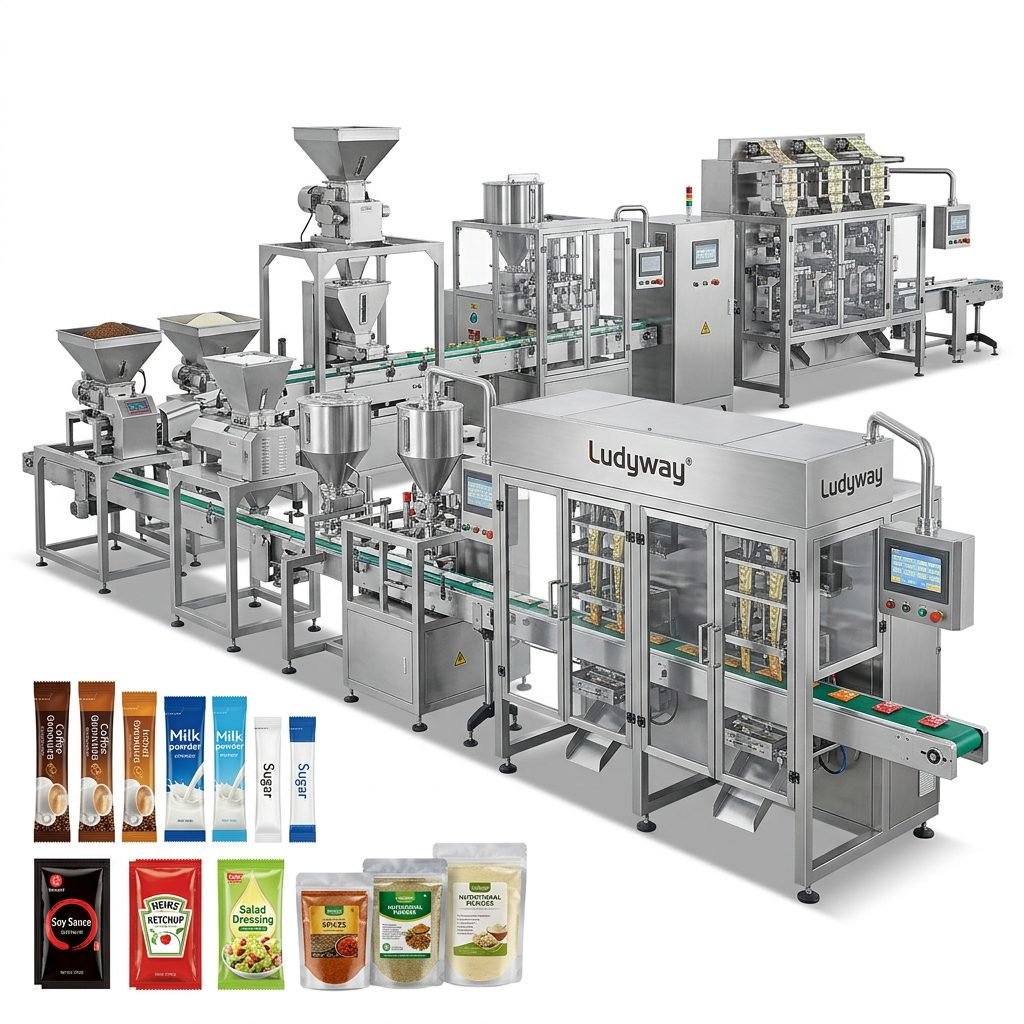
A complete turnkey packaging line for meal kits typically integrates multiple specialized machines. The exact configuration depends on your product portfolio, but most facilities require the following core equipment to handle granules, powders, liquids, and solid components simultaneously.
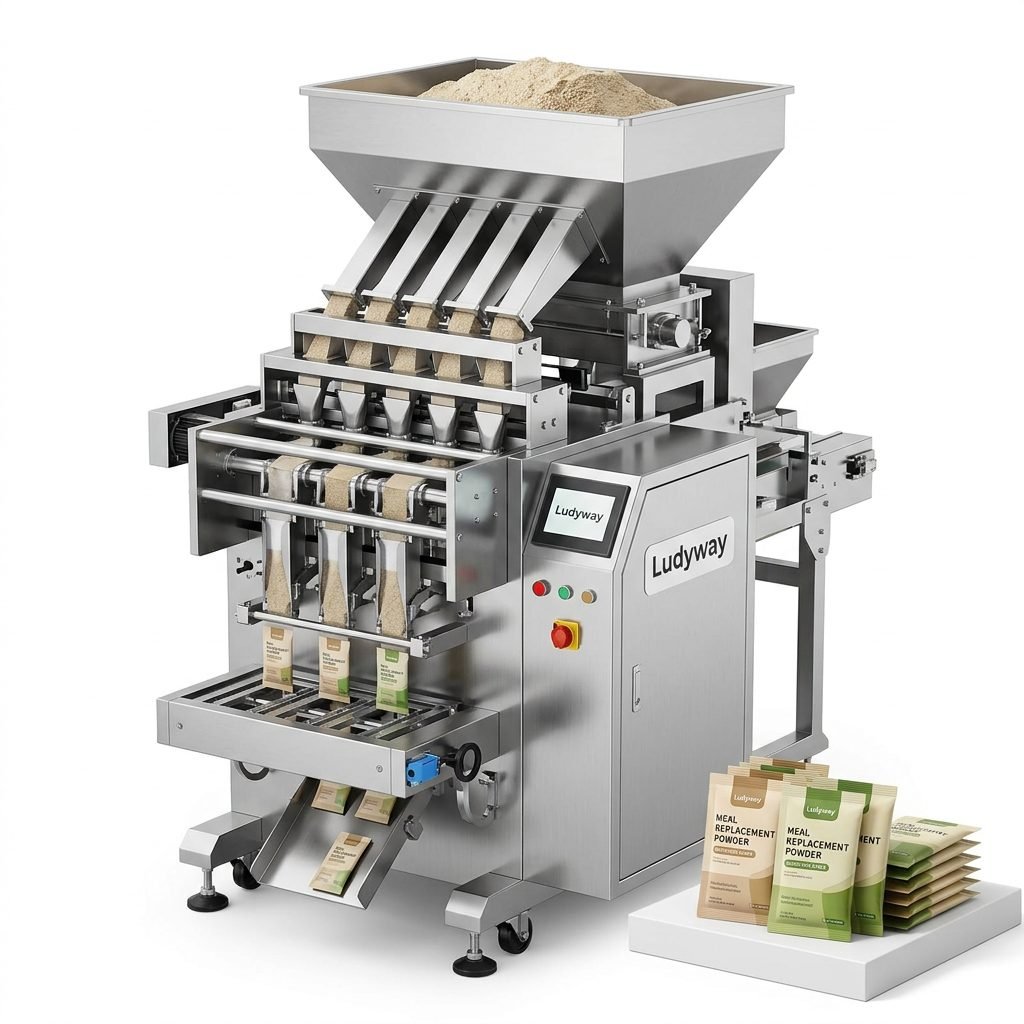
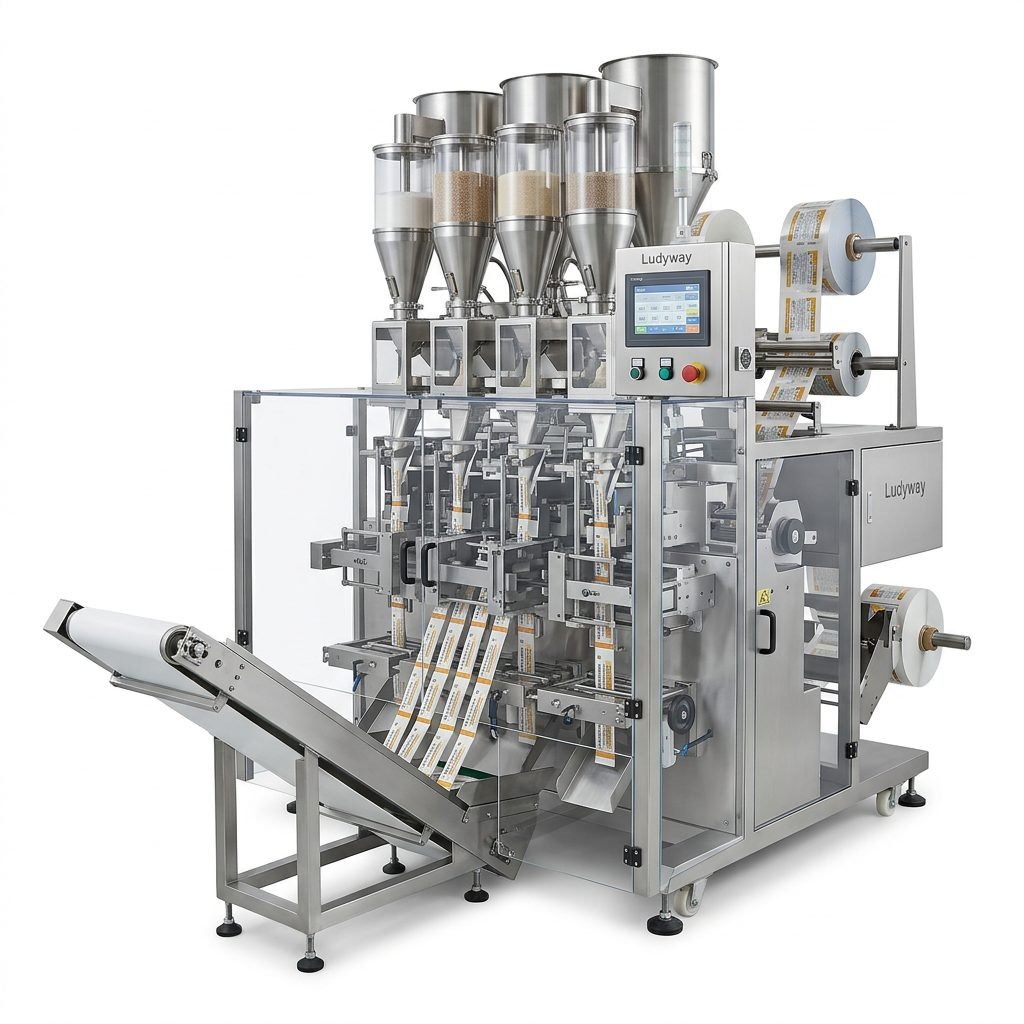
1. Multi-Lane Stick Pack and Sachet Machines
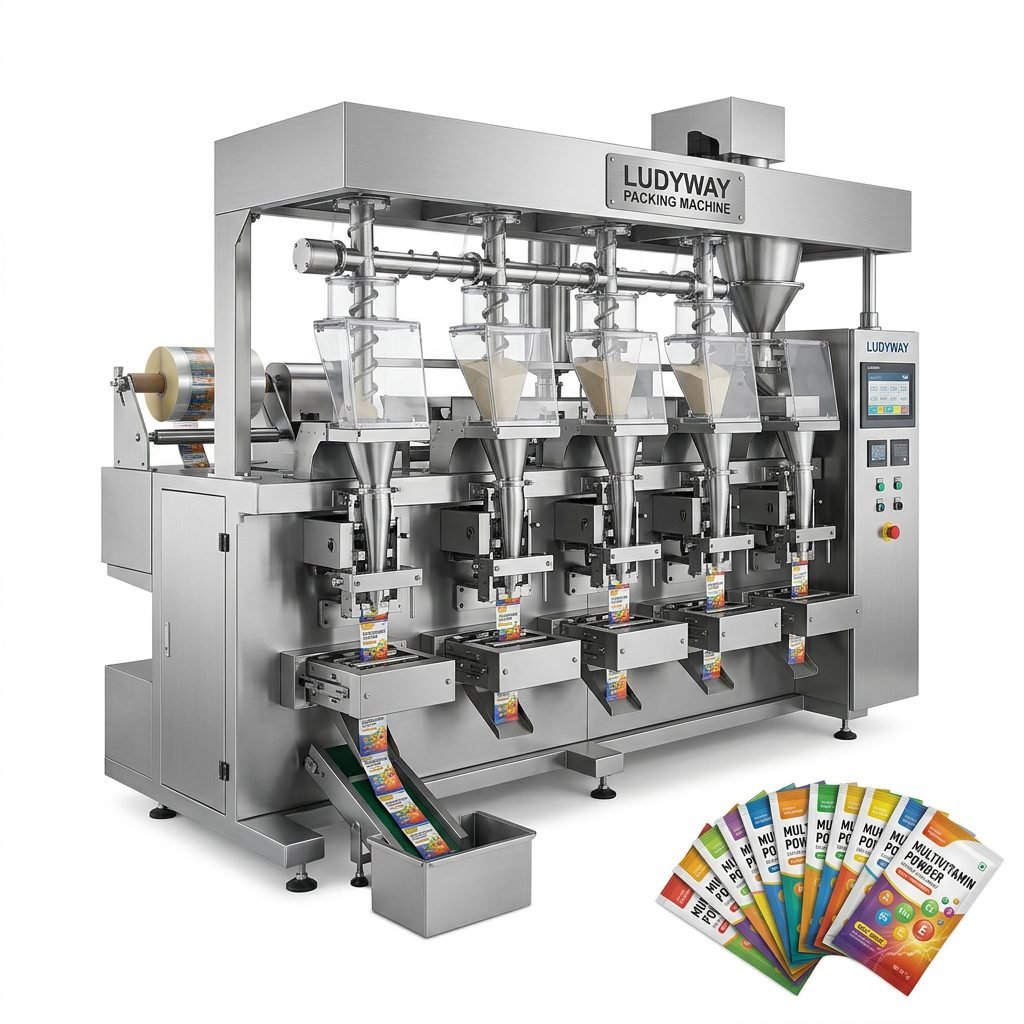
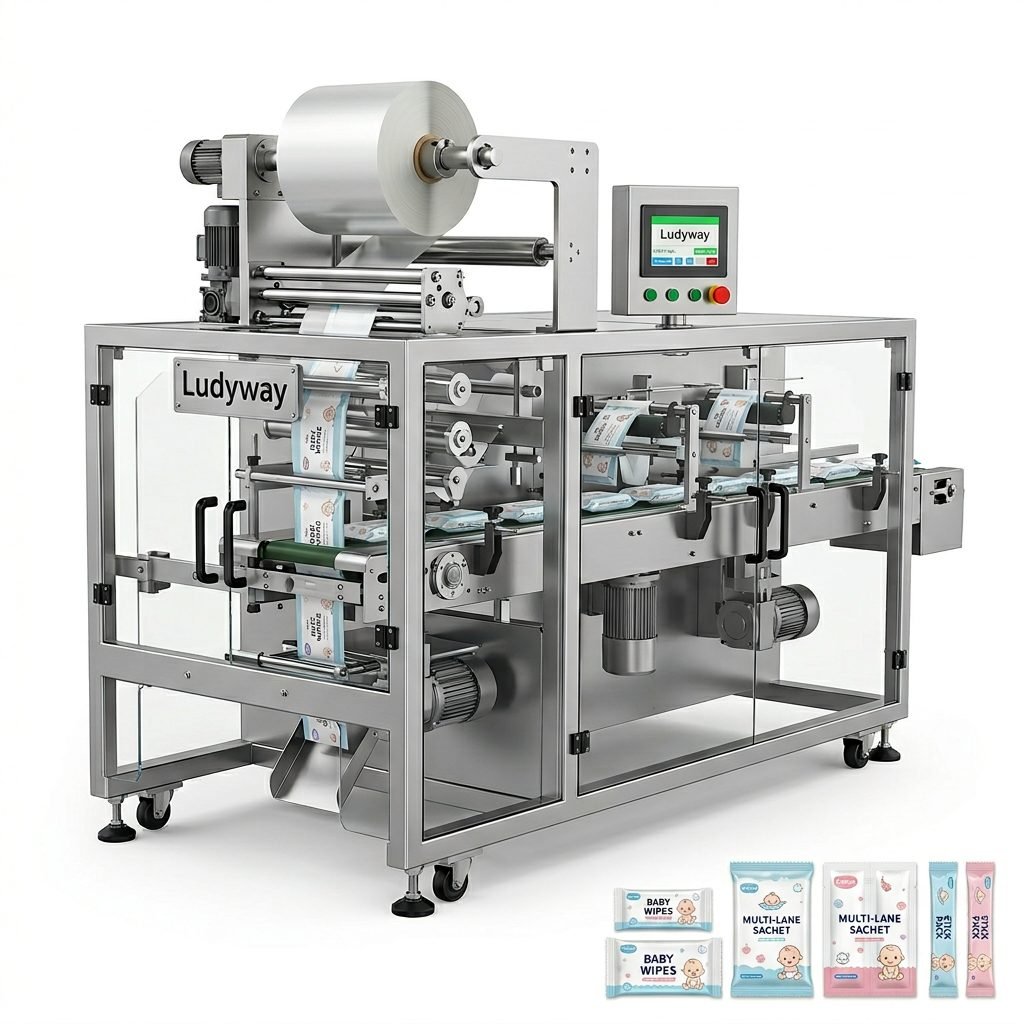
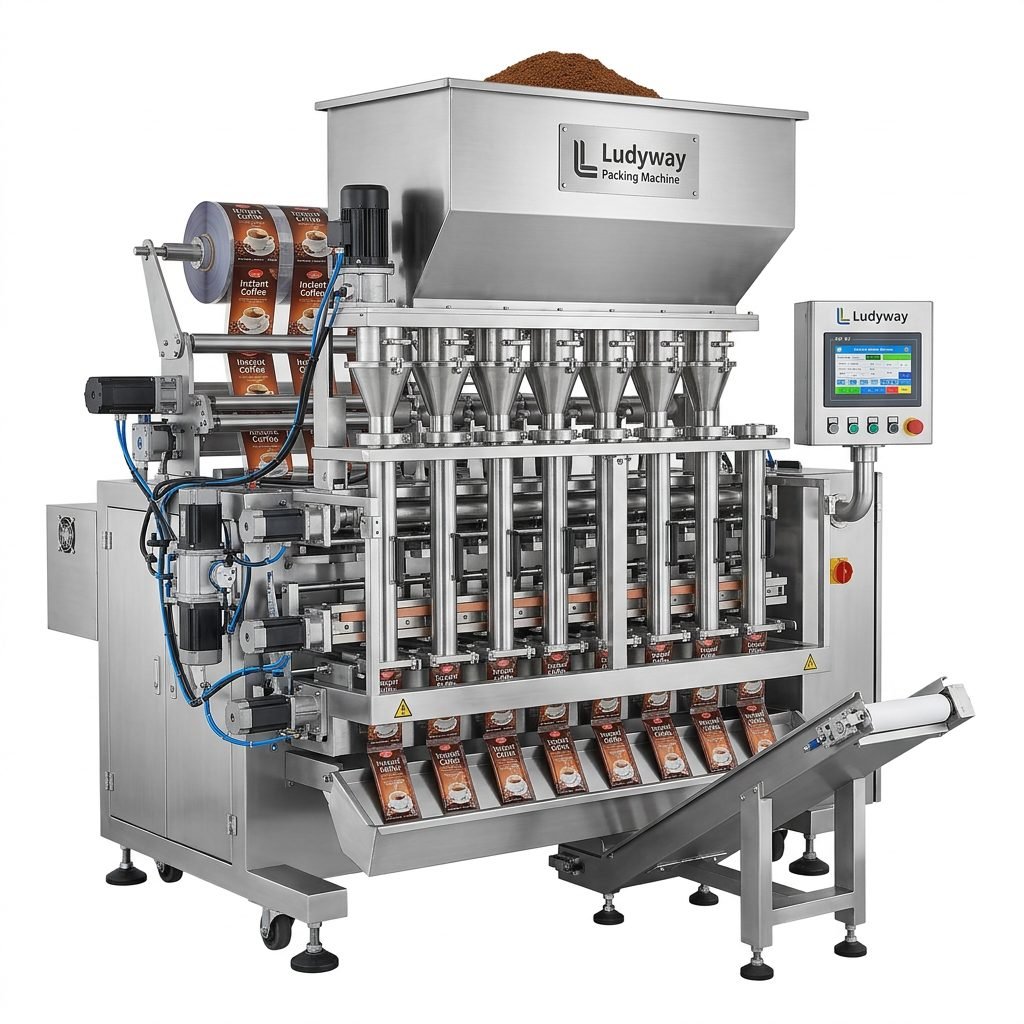
These are the workhorses of meal kit packaging, designed to fill and seal individual portions of spices, seasonings, sauce mixes, and dry ingredients into stick packs or sachets. Multi-lane configurations allow simultaneous filling across 4 to 16 lanes, dramatically increasing throughput. For Indian manufacturers targeting high-volume production, multi-lane packaging systems with servo-driven controls offer precision dosing and minimal product waste — critical when handling expensive spices like saffron or cardamom.
2. Liquid Filling and Sealing Systems
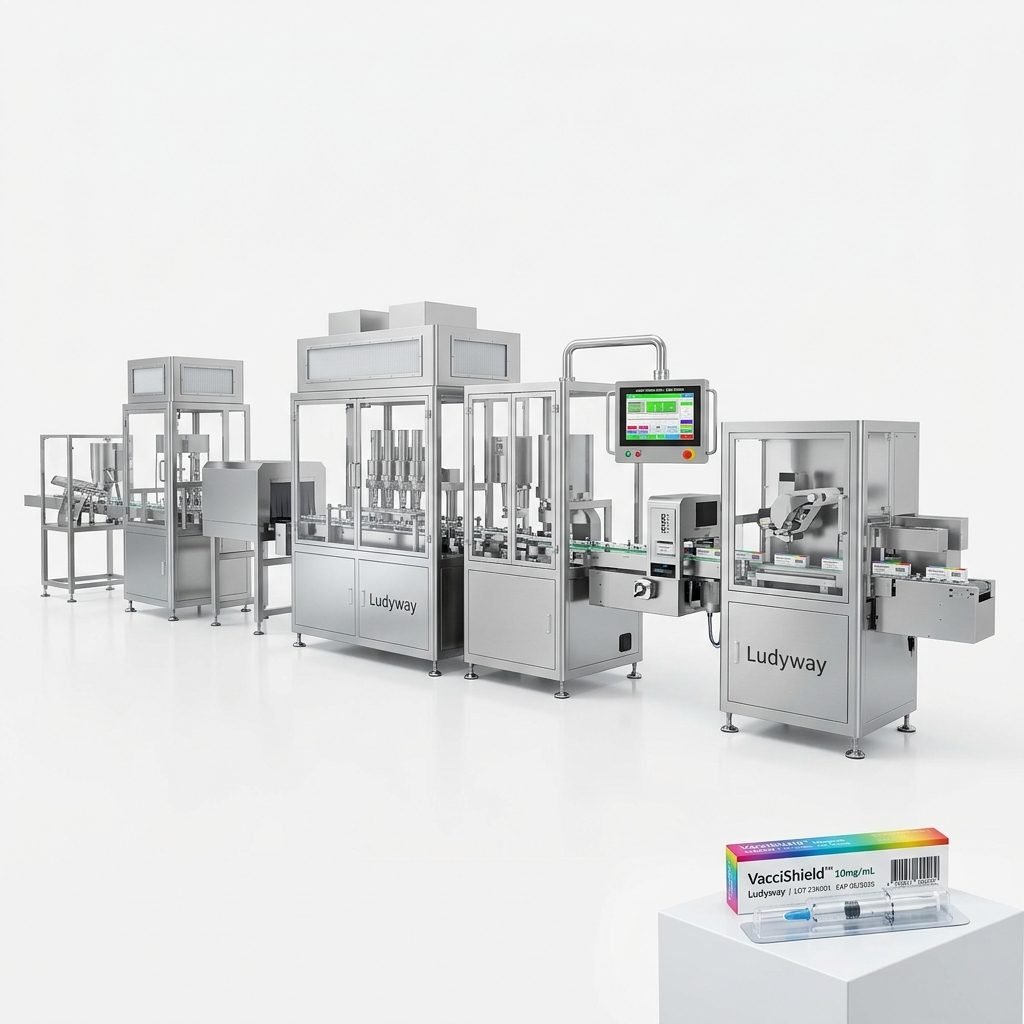
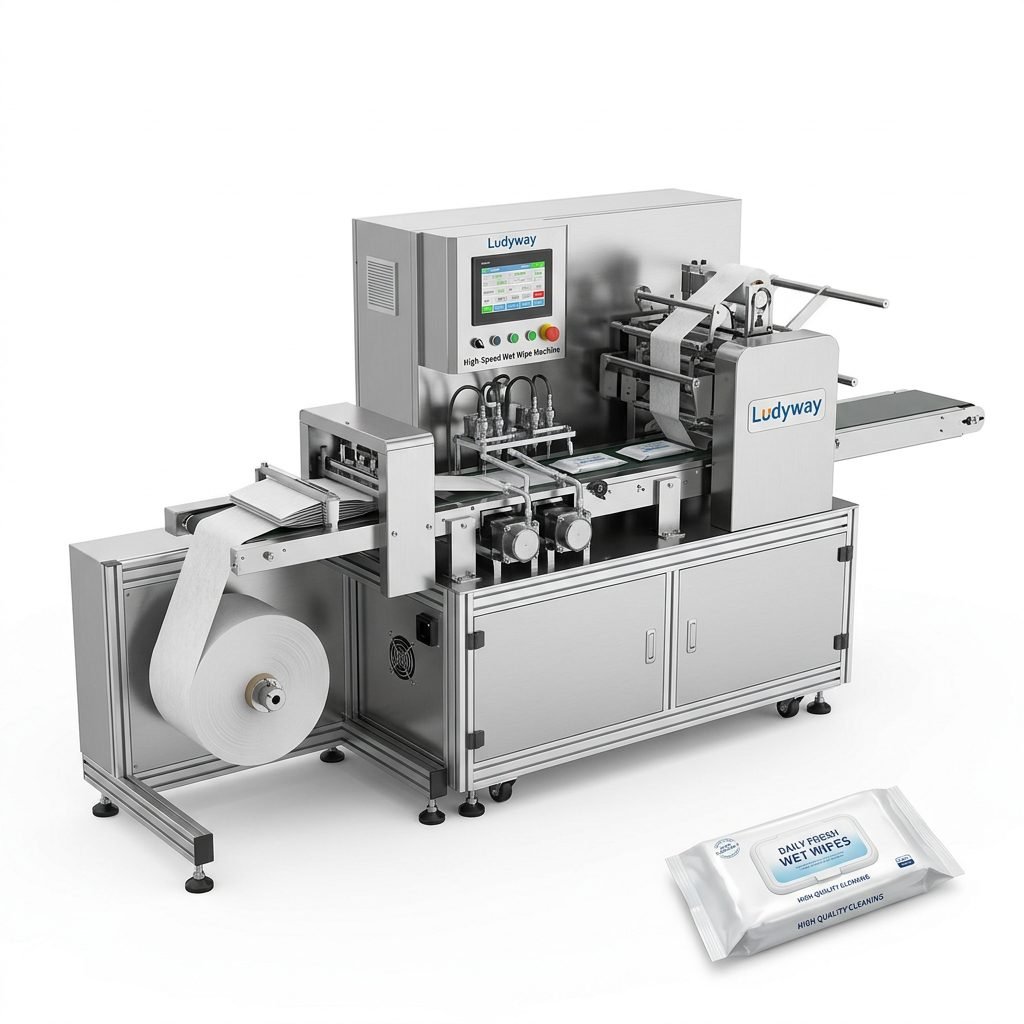
Meal kits often include liquid components — cooking oils, curry bases, marinades, and chutneys. Automated liquid filling machines with volumetric piston or peristaltic pump fillers ensure accurate portion control for viscosities ranging from thin vinegar-based dressings to thick tomato-based sauces. Multi-nozzle configurations can fill multiple pouches simultaneously, synchronized with downstream sealing stations.
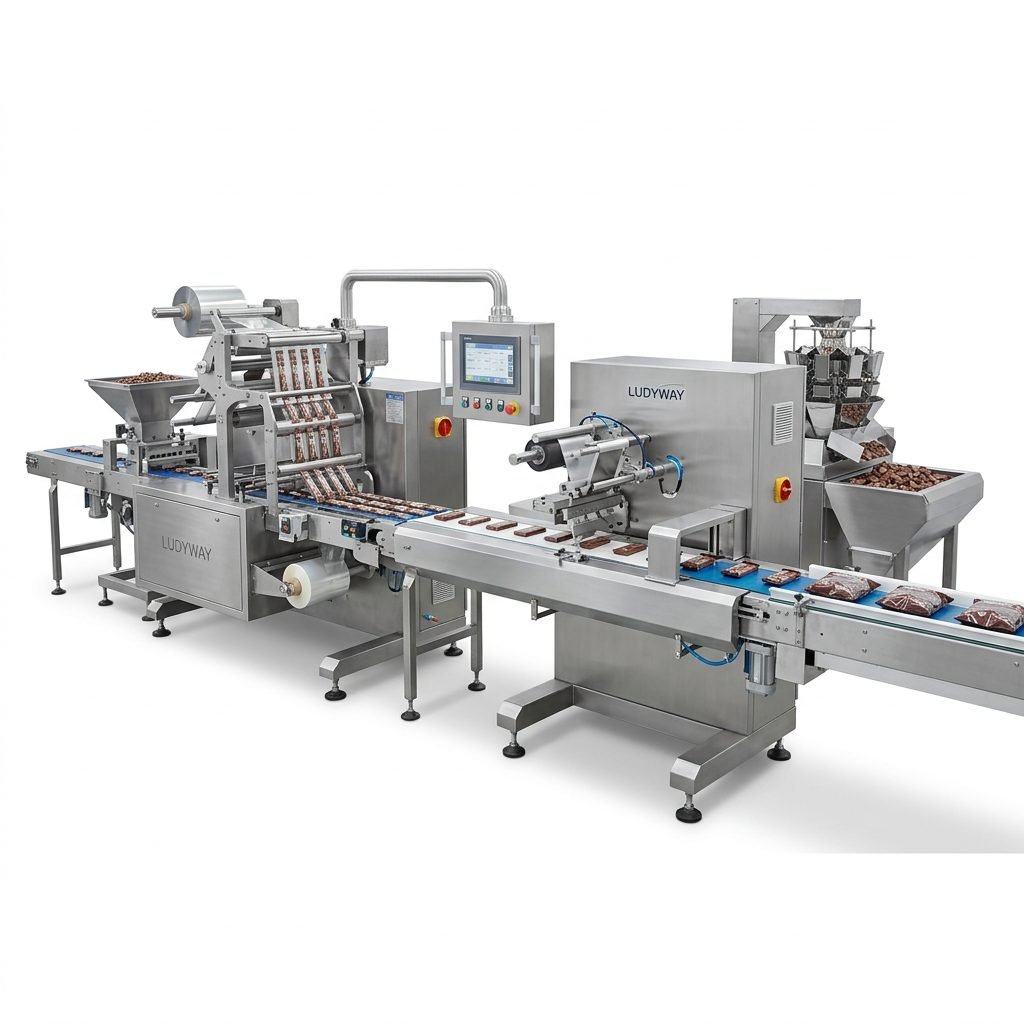
3. Weighing and Dosing Equipment
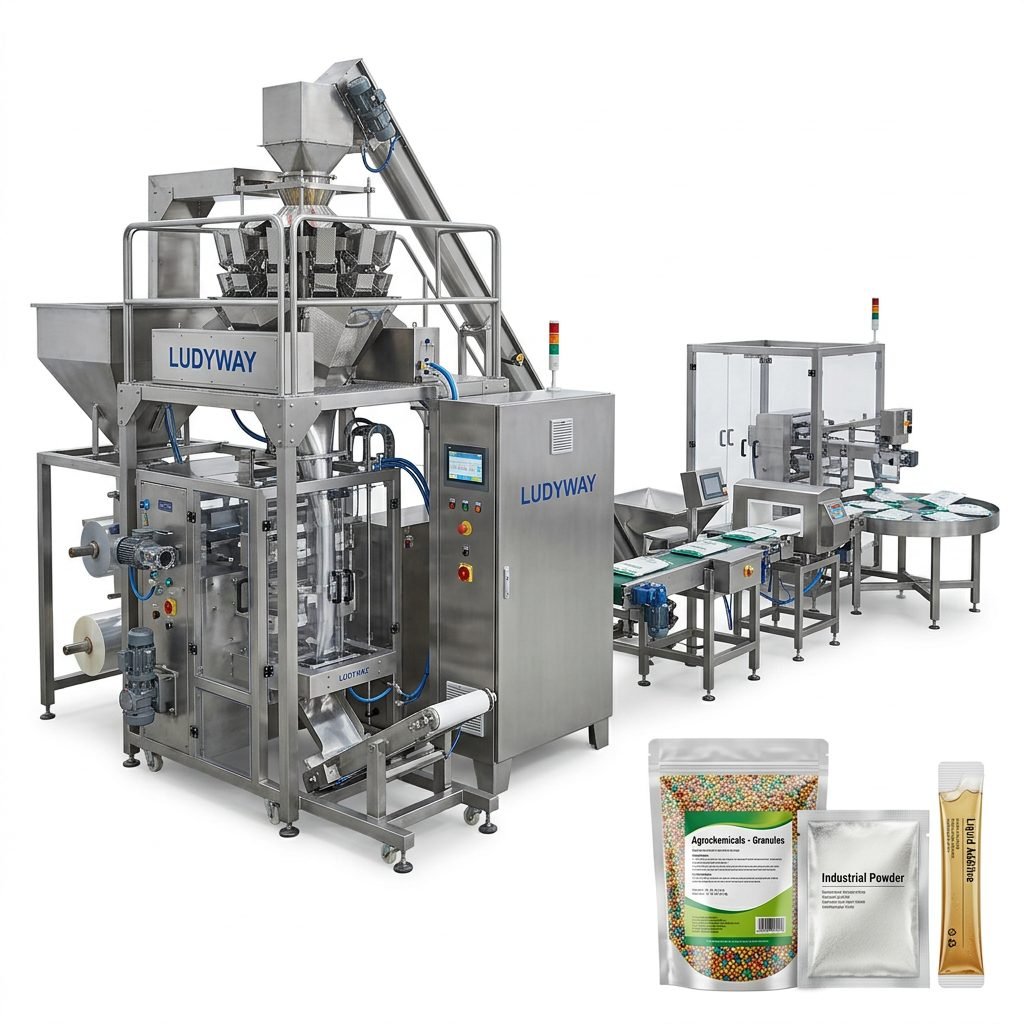
Precision multi-head weighers are essential for dry granular ingredients like rice, lentils, and spice blends. These systems use load cell technology to achieve ±0.5g accuracy at high speeds, ensuring each meal kit component meets labeled weight specifications. For Indian manufacturers, compliance with Legal Metrology (Packaged Commodities) Rules is non-negotiable, making accurate weighing systems indispensable.
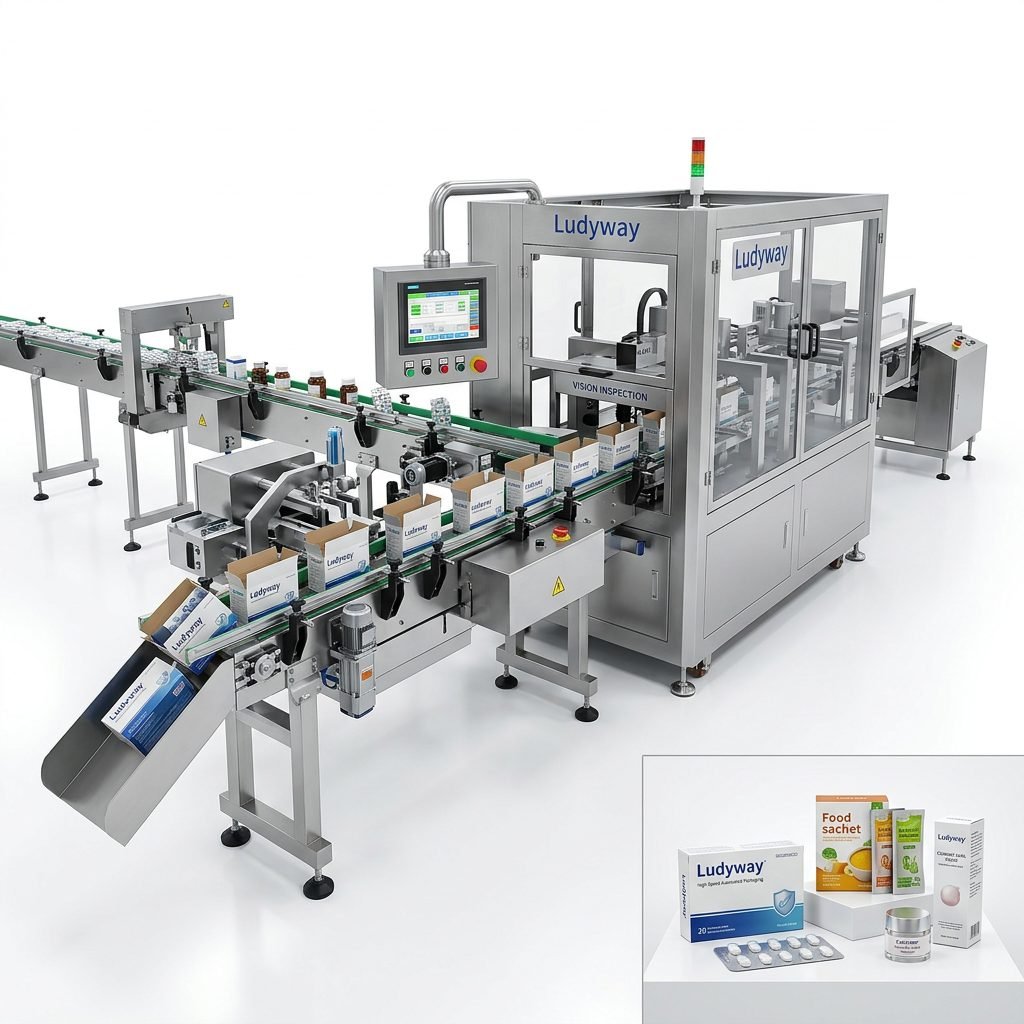
4. Cartoning and Secondary Packaging
Once individual sachets and pouches are filled, they require consolidation into retail-ready cartons. Automatic cartoning machines pick and place multiple component packs into a single box, often incorporating recipe cards or instruction inserts during the process. Integrated cartoning lines reduce manual labor and improve packaging consistency.
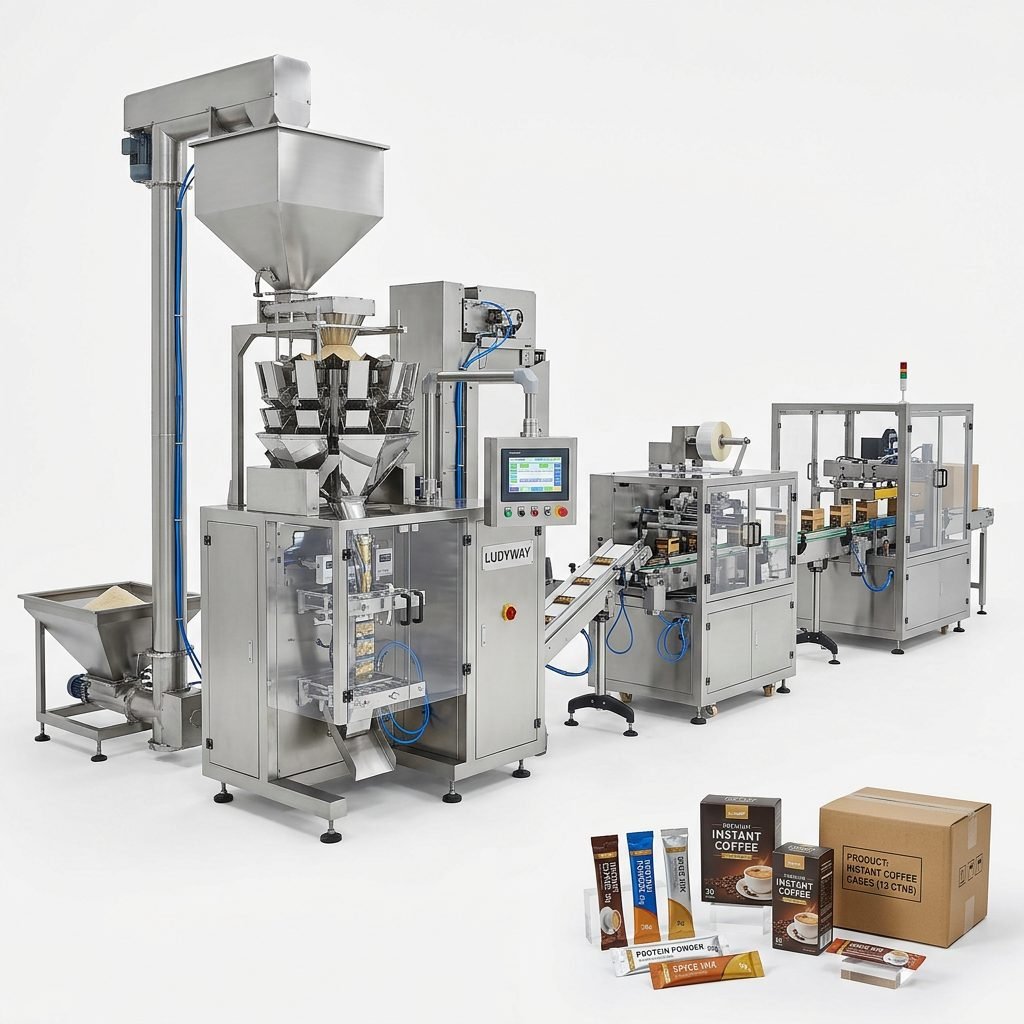
Production Line Configuration: Step-by-Step Setup Process
Setting up a meal kit packaging line in India involves a systematic approach — from facility preparation to full-scale production. Below is a proven implementation framework that minimizes downtime and accelerates time-to-market.
Step 1: Facility Assessment and Layout Planning
Your production facility must meet FSSAI Schedule 4 requirements for food manufacturing premises. Key considerations include adequate floor space for equipment, hygienic flooring and wall surfaces, proper drainage, segregated raw material and finished goods areas, and sufficient electrical capacity. A well-designed linear or U-shaped layout optimizes material flow, reducing cross-contamination risks between raw and processed ingredients.
Step 2: Equipment Procurement and Import Considerations
When importing packaging machinery into India, manufacturers must navigate customs regulations, import duties, and Bureau of Indian Standards (BIS) compliance where applicable. Working with an experienced packaging machine manufacturer simplifies this process through comprehensive documentation support, including certificates of origin, technical specifications, and compliance declarations required by Indian customs authorities.
Step 3: Installation and Commissioning
Professional installation teams handle machine positioning, leveling, utility connections (compressed air, electrical, and sometimes nitrogen flushing for modified atmosphere packaging), and initial calibration. Factory acceptance testing (FAT) before shipment and site acceptance testing (SAT) after installation ensure all equipment meets performance specifications before production begins.
Step 4: Operator Training and SOP Development
Skilled operators are essential for maintaining consistent output quality. Comprehensive training programs cover machine operation, cleaning procedures, changeover protocols for different meal kit SKUs, and basic troubleshooting. Developing standard operating procedures (SOPs) in local languages improves workforce adoption and reduces operational errors.
Regulatory Compliance for Meal Kit Packaging in India
Navigating India’s regulatory landscape is critical for meal kit manufacturers. The following table summarizes the key regulatory bodies and their requirements affecting packaging operations.
| Regulatory Body | Area of Oversight | Key Requirements |
|---|---|---|
| FSSAI | Food safety and quality | License procurement, nutritional labeling, ingredient declarations, shelf-life validation |
| Legal Metrology | Weights and measures | Net quantity declarations in standard units, MRP labeling, pack size compliance |
| BIS | Product standards | Applicable IS standards for food products, packaging material specifications |
| APEDA | Export certification | Quality certification for exported food products, traceability documentation |
| State FDA | Local licensing | Manufacturing license renewal, facility inspections, product sampling |
Selecting the Right Packaging Materials
Meal kit packaging materials must balance barrier protection, shelf-life extension, and consumer convenience. Multi-layer laminated films combining polyester, aluminum foil, and polyethylene offer excellent moisture and oxygen barriers for dry spice mixes. For liquid components, laminate structures with enhanced seal integrity prevent leakage during transportation across India’s diverse climatic conditions — from humid coastal regions to dry northern plains.
Sustainable Packaging Trends
Indian consumers are increasingly environmentally conscious, driving demand for recyclable and biodegradable packaging. Mono-material PE and PP structures are gaining traction as they simplify recycling streams compared to multi-material laminates. Paper-based sachets with minimal plastic content are also emerging for dry ingredients, aligning with government initiatives to reduce single-use plastic waste.
Cost Analysis: Budgeting for a Meal Kit Packaging Line
Investment requirements vary significantly based on production capacity, automation level, and machine origin. The table below provides an indicative cost framework for different scales of operation in the Indian context.
| Production Scale | Packs per Day | Estimated Investment (INR) | Payback Period |
|---|---|---|---|
| Small / Startup | 5,000 – 15,000 | ₹25 Lakhs – ₹60 Lakhs | 18 – 24 months |
| Medium / Regional | 20,000 – 60,000 | ₹75 Lakhs – ₹1.8 Crores | 12 – 18 months |
| Large / National Distribution | 80,000 – 200,000+ | ₹2.5 Crores – ₹6 Crores+ | 8 – 14 months |
| Export-Oriented Unit | 100,000+ | ₹4 Crores – ₹10 Crores+ | 10 – 16 months |
Maintenance and Operational Best Practices
Sustaining high productivity in a meal kit packaging line requires a proactive maintenance strategy. Preventive maintenance schedules should cover daily cleaning of product contact surfaces, weekly inspection of sealing jaws and cutting blades, monthly calibration of weighing systems and temperature controllers, and quarterly replacement of wear parts such as belts, bearings, and filters. Maintaining a critical spare parts inventory locally in India reduces downtime when replacements are needed urgently.
Common Operational Challenges and Solutions
- Product bridging in hoppers: Use mechanical agitators or vibratory feeders for cohesive powders like spice blends and flour mixes.
- Seal integrity issues: Regularly verify sealing temperature, pressure, and dwell time parameters; conduct burst testing on sample packs.
- Cross-contamination: Implement validated cleaning protocols between product changeovers, especially when handling allergens.
- Power fluctuations: Install voltage stabilizers and UPS backup for control systems to protect sensitive electronic components.
Leveraging Technology for Quality Control
Modern meal kit packaging lines incorporate advanced inspection technologies to ensure consistent product quality. In-line checkweighers verify individual pack weights and automatically reject underweight or overweight units. Metal detectors and X-ray inspection systems detect physical contaminants, while vision inspection cameras verify label placement, date codes, and seal integrity at production speeds exceeding 120 packs per minute.
Industry Resources and Further Reading
For manufacturers seeking deeper insights into packaging industry standards and best practices, the following authoritative resources provide valuable guidance:
- PMMI Business Intelligence Library — Comprehensive packaging industry research and market data.
- Flexible Packaging Association Industry Resources — Technical resources and regulatory guidance for flexible packaging.
- FDA Food Ingredients and Packaging — Regulatory standards for food contact packaging materials.
- ISO Packaging Standards — International standards covering packaging machinery and materials.
- PMMI State of the Industry 2025 — Annual packaging industry performance and trend analysis.
Why Choose an Experienced Packaging Machinery Partner
Selecting the right equipment supplier is arguably the most consequential decision in setting up a meal kit packaging line. Ludyway, as one of the largest packaging machine manufacturers in China with over 30 years of industry experience and a modern 20,000㎡ manufacturing facility, provides comprehensive turnkey meal kit packaging solutions spanning multi-lane stick pack machines, liquid filling systems, weighing and dosing equipment, and automated cartoning lines. With more than 50 intelligent packaging machine models and service coverage across 100+ countries, manufacturers entering the Indian meal kit market benefit from proven technology, comprehensive technical support, and a long-term commitment to operational excellence.
Frequently Asked Questions
What is the minimum investment for a small meal kit packaging line in India?
A basic semi-automatic line suitable for startups can be established with an investment of ₹25 Lakhs to ₹40 Lakhs, covering essential filling, sealing, and labeling equipment for limited SKU production.
How long does it take to set up and commission a complete packaging line?
From order confirmation to full production, a typical timeline spans 8 to 16 weeks, including equipment manufacturing, shipping to India, customs clearance, installation, and operator training.
What FSSAI license is required for meal kit manufacturing?
Meal kit manufacturers typically require a Central FSSAI License (for operations spanning multiple states) or a State FSSAI License (for single-state operations), along with compliance with Food Safety and Standards (Packaging and Labeling) Regulations.
Can one production line handle both vegetarian and non-vegetarian meal kits?
Yes, with proper cleaning and changeover protocols between production runs. Dedicated tooling sets and validated cleaning procedures prevent cross-contamination and maintain regulatory compliance.
What packaging formats are most popular for Indian meal kits?
Stick packs (for single-serve spices and seasonings), three-side-seal sachets (for liquid sauces and pastes), and gusseted pouches (for multi-component kits with larger portions) dominate the Indian meal kit market.
Ready to establish your meal kit packaging production line in India? Careful planning around equipment selection, regulatory compliance, and operational best practices lays the foundation for long-term success in this rapidly growing market segment.