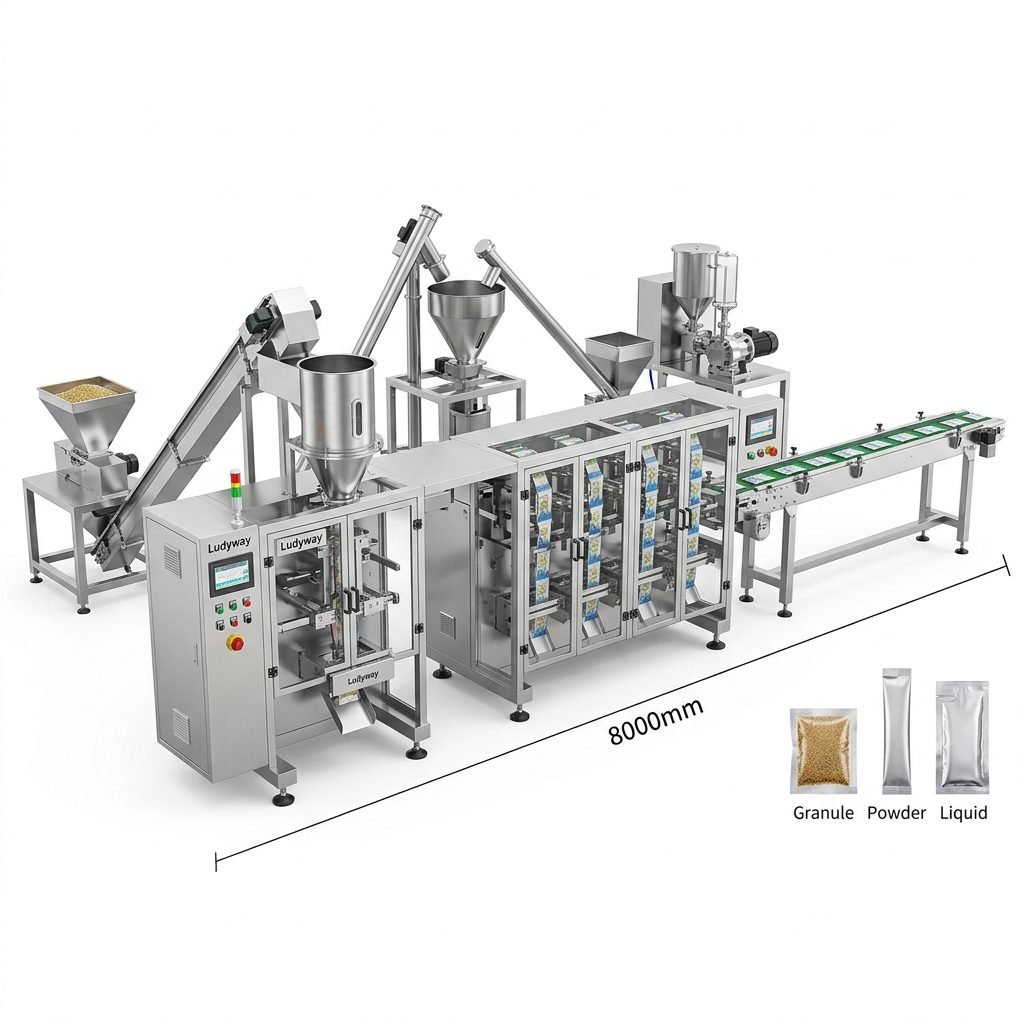
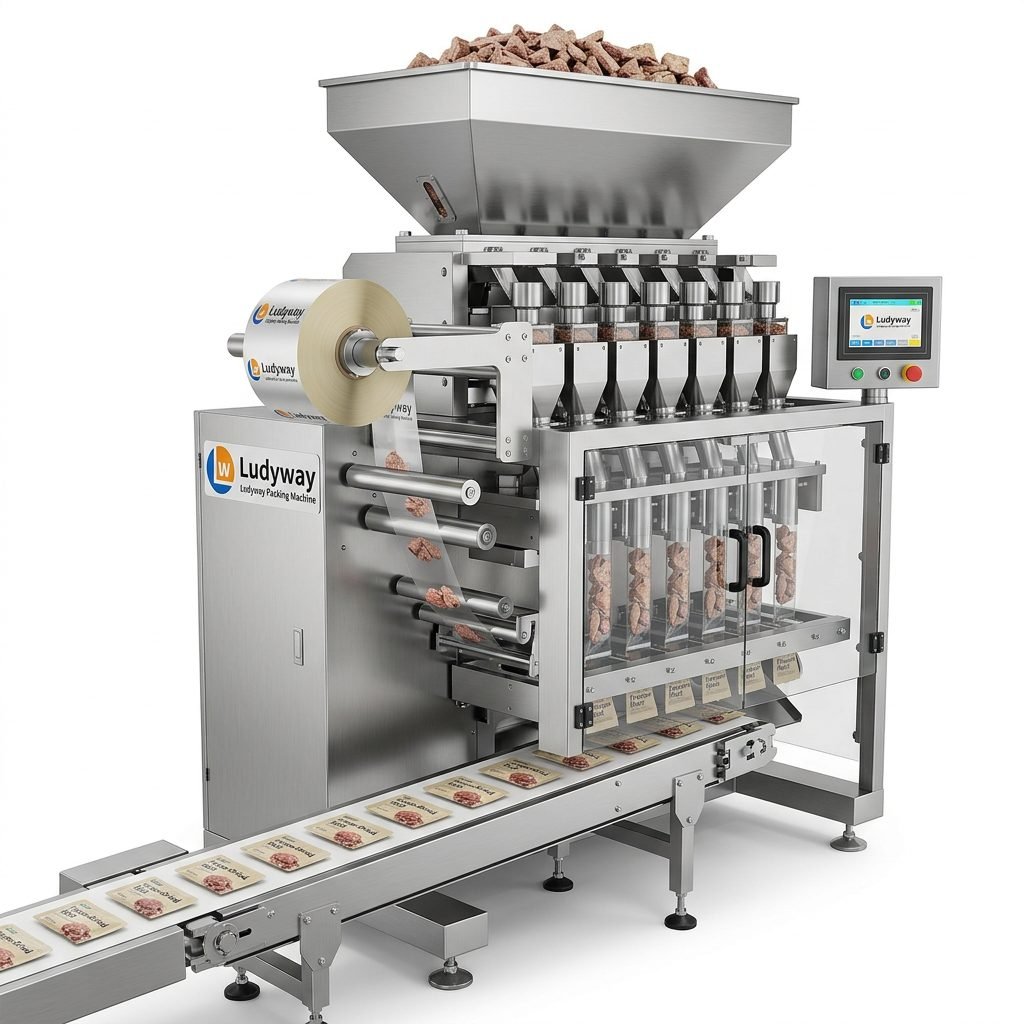
Automatic cartoning machines have become a key part of modern packaging lines because they help manufacturers move from manual, labor-intensive box packing to faster, more consistent, and highly controlled production. Whether you package food, pharmaceuticals, health supplements, cosmetics, or daily-use products, an automatic cartoner can improve both operational efficiency and final package quality.
In simple terms, an automatic cartoning machine forms cartons, inserts products or pouches, and closes the carton in one integrated process. This reduces human handling, lowers error rates, and supports scalable output for growing brands and factories.
Why Automatic Cartoning Machines Matter in Modern Packaging
As production volumes rise, manual cartoning creates common bottlenecks: unstable speed, inconsistent carton appearance, labor dependency, and higher risk of packing mistakes. Automatic cartoning equipment solves these issues by standardizing the end-of-line packing stage.
- Faster throughput for medium- and high-volume production
- Consistent carton quality across every batch
- Better product protection during storage and transport
- Reduced labor pressure and operator fatigue
- Easier line integration with filling, pouching, labeling, and case packing systems
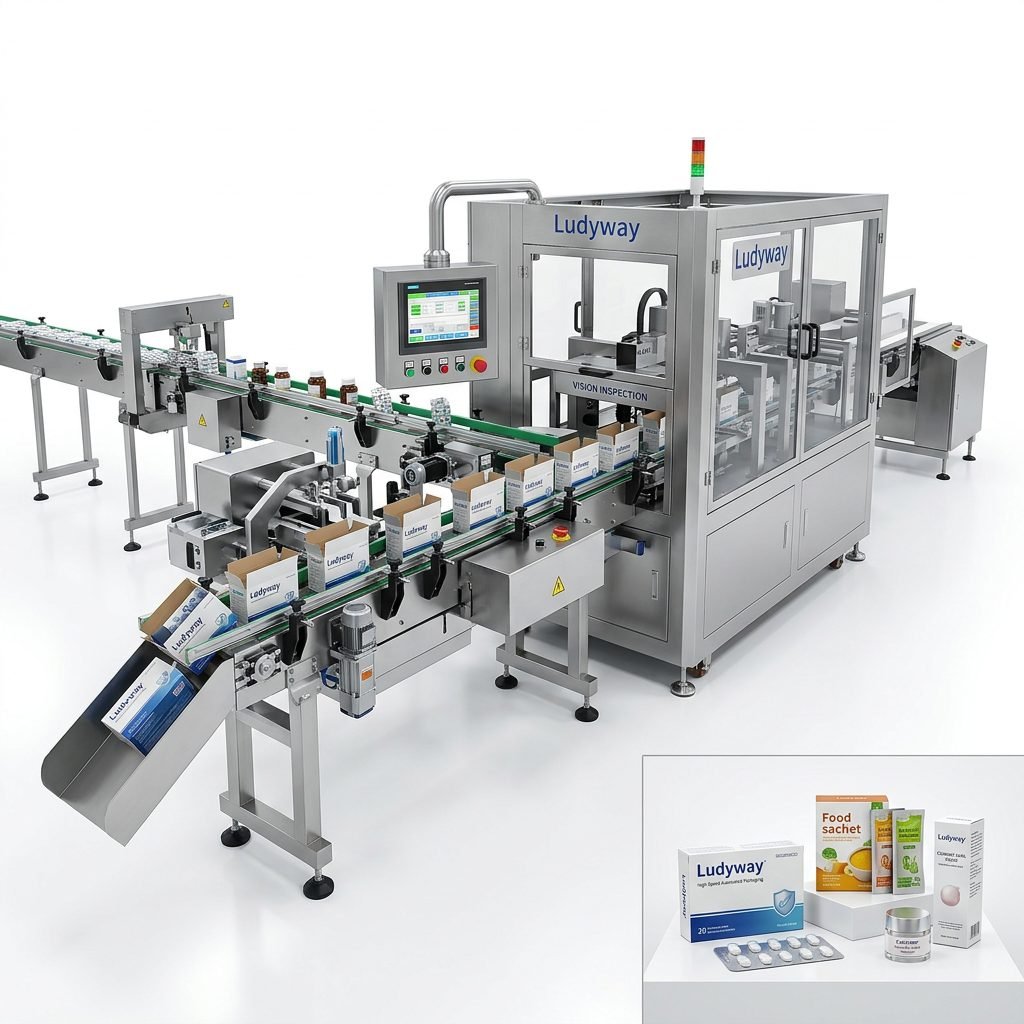
Main Benefits of Automatic Cartoning Machines
1. Higher Packaging Speed
One of the biggest advantages is speed. Manual box loading is limited by operator pace, while automatic cartoning machines can run continuously with stable cycle performance. This is especially valuable for sachets, stick packs, pouches, blisters, bottles, tubes, and small cartons that require high-output secondary packaging.
Faster cartoning helps manufacturers meet delivery schedules, improve daily output, and handle seasonal demand spikes without dramatically increasing labor.
2. Lower Labor Costs
Cartoning is repetitive work. Automating this step allows businesses to reduce dependence on large manual packing teams. Instead of assigning multiple workers to fold cartons, insert products, and close boxes, the machine completes these tasks automatically with fewer operators supervising the line.
Over time, this can significantly lower labor-related expenses, including recruitment, training, overtime, and turnover costs.
3. Better Packaging Consistency
Automatic cartoners deliver uniform carton erection, insertion, and sealing. This means cartons look neater on shelves, stack better during warehousing, and project a more professional brand image.
For regulated industries like pharmaceuticals and nutraceuticals, consistent secondary packaging is also important for traceability, compliance, and consumer confidence.
4. Reduced Product Damage
Products packed by hand may be misaligned, loosely packed, over-compressed, or inserted with damaged leaflets. Automatic systems use controlled motion and repeatable positioning, helping reduce product damage and packaging defects.
This is particularly important for fragile products such as blister packs, vials, cosmetic sachets, and premium retail goods.
5. Improved Hygiene and Less Human Contact
In food, pharmaceutical, and personal care sectors, minimizing direct human contact with packaged items is a major advantage. Automatic cartoning machines help create a cleaner and more controlled packing environment, supporting hygiene standards and reducing contamination risks.
6. Easier Integration with Complete Packaging Lines
Modern factories increasingly prefer connected automation rather than standalone machines. Automatic cartoning systems can be integrated with upstream and downstream equipment such as:
- Filling and sealing machines
- Sachet and stick pack machines
- Bottle filling lines
- Checkweighers and metal detectors
- Labeling machines
- Case packers and palletizers
This integration creates a smoother production flow, reduces manual transfers, and improves overall equipment efficiency.
7. Better Accuracy for Inserts, Leaflets, and Multi-Pack Configurations
Many products require more than simple box packing. Pharmaceutical and healthcare products often need instruction leaflets. Promotional packs may require bundling multiple items into one carton. Automatic cartoning machines can be configured for these more complex tasks with greater precision than manual operators can consistently achieve.
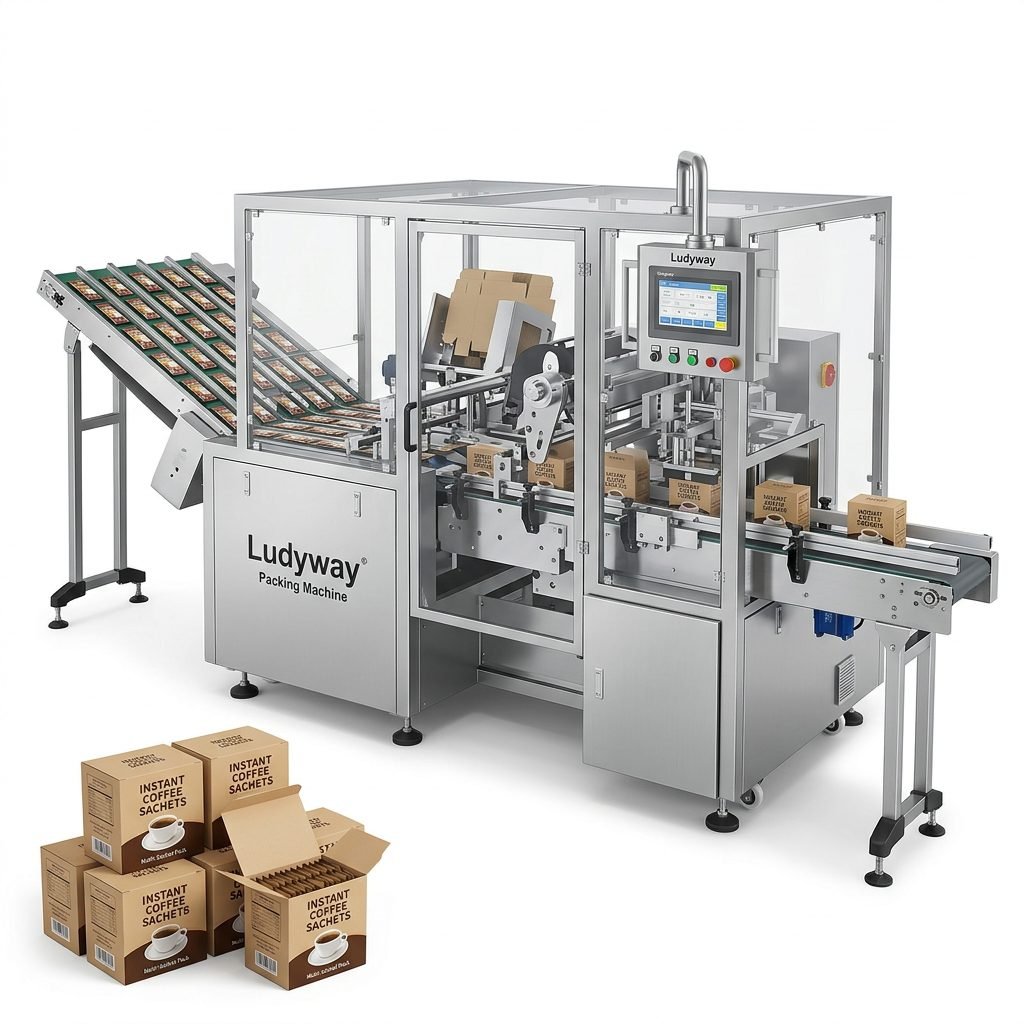
Comparison: Manual vs. Automatic Cartoning
| Factor | Manual Cartoning | Automatic Cartoning |
|---|---|---|
| Speed | Low to moderate | High and stable |
| Labor Requirement | High | Low |
| Consistency | Operator-dependent | Uniform and repeatable |
| Error Rate | Higher | Lower |
| Scalability | Limited | Excellent |
| Product Protection | Variable | More controlled |
Industries That Benefit Most
Automatic cartoning machines are highly versatile and can be used in many industries. Their value is greatest where packaging volume, repeatability, and presentation matter.
Food Industry
Food manufacturers use cartoning systems for sachets, seasoning packs, snack products, drink powders, coffee sticks, sauces, and more. Automatic cartoning improves shelf-ready appearance while protecting products during logistics.
Pharmaceutical Industry
Pharmaceutical companies rely on automatic cartoners for blister packs, bottles, ampoules, vials, granule sachets, and instruction leaflet insertion. Accuracy, cleanliness, and coding compatibility are key reasons for adoption.
Health Supplement Industry
Stick packs, sachets, capsules, and bottles for vitamins, collagen, probiotics, and sports nutrition products are commonly boxed using automatic cartoning systems. These machines help maintain premium appearance and improve batch consistency.
Cosmetics and Personal Care
Facial masks, serum sachets, cream tubes, ampoules, and sample packs often require attractive retail-ready cartons. Automatic systems ensure cleaner handling and better visual uniformity.
Chemical and Household Products
For cleaning products, additives, or industrial sachets, automatic cartoning adds speed and safer handling while supporting stronger transport packaging.
Key Operational Advantages for Manufacturers
- More predictable output planning because machine speed is easier to calculate and manage.
- Lower rework rates due to fewer damaged cartons and fewer insertion mistakes.
- Better use of floor labor by assigning staff to quality control and line management instead of repetitive packing.
- Support for growth without needing to expand manual packing teams at the same rate.
- Improved brand presentation thanks to cleaner carton forming and sealing.
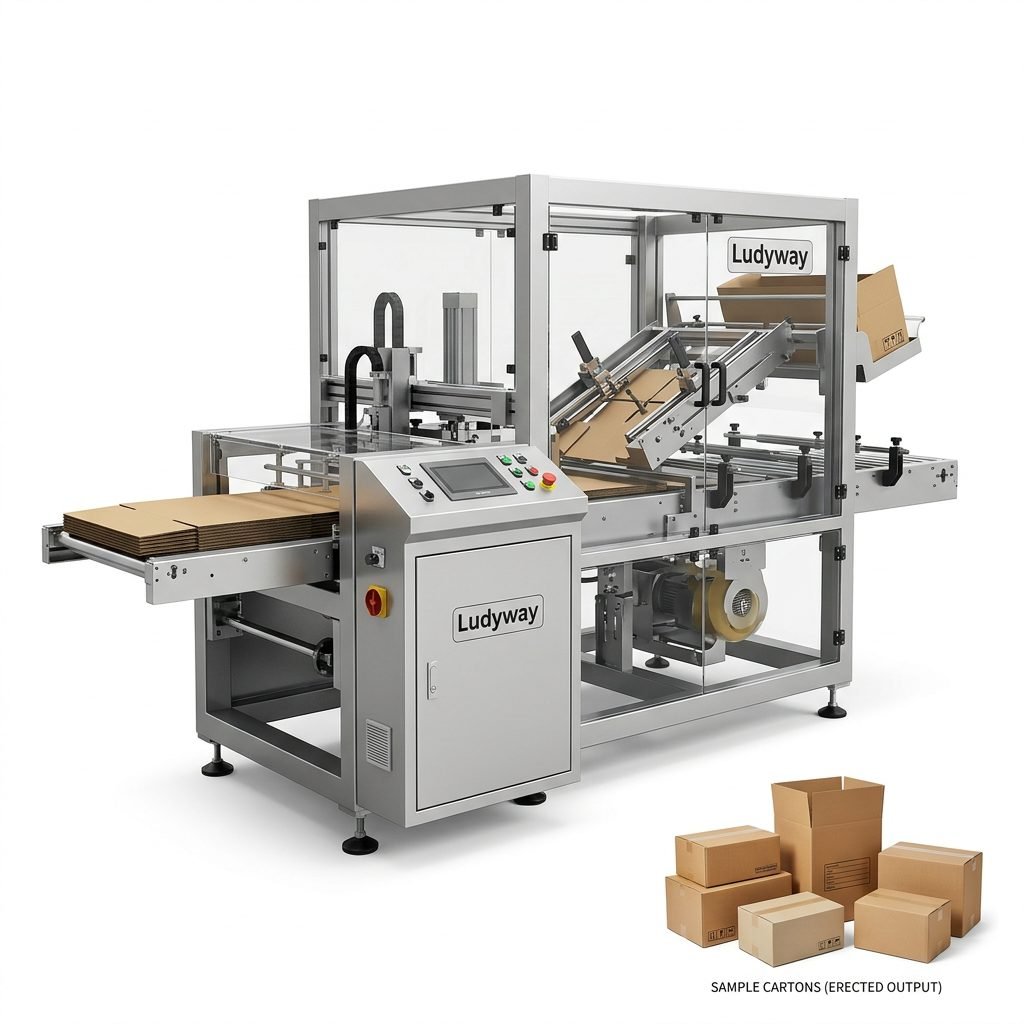
What to Consider Before Choosing an Automatic Cartoning Machine
Not every machine fits every product. Choosing the right model depends on your packaging format, speed target, and line layout.
- Product type: sachets, sticks, pouches, bottles, blisters, tubes, or mixed packs
- Carton style: tuck-in, glue-sealed, reverse tuck, or custom retail cartons
- Output requirement: current and future production speed
- Automation level: standalone cartoner or fully integrated turnkey line
- Changeover needs: how often carton size or product format changes
- Quality control options: leaflet detection, rejection systems, coding, weighing, and inspection
It is also important to work with an experienced equipment supplier that understands both machine engineering and application-specific packaging challenges.
When Is It Time to Upgrade to Automatic Cartoning?
A factory should consider upgrading when manual cartoning starts causing delays, quality issues, or rising labor pressure. Common signs include:
- Frequent shipment delays caused by slow final packing
- High labor costs in secondary packaging
- Inconsistent carton appearance
- Product damage during manual insertion
- Need for faster output to meet market demand
- Plans to build a more integrated packaging line
For many manufacturers, the switch to automation is not only about reducing cost. It is also about creating a more reliable production process that supports long-term growth.
How Automatic Cartoning Supports Turnkey Packaging Line Efficiency
In a complete packaging line, the cartoning machine often acts as the bridge between primary packaging and final shipping preparation. If this step is slow or inconsistent, the whole line loses efficiency. A well-matched cartoner helps balance the line, synchronize machine speeds, and reduce interruptions.
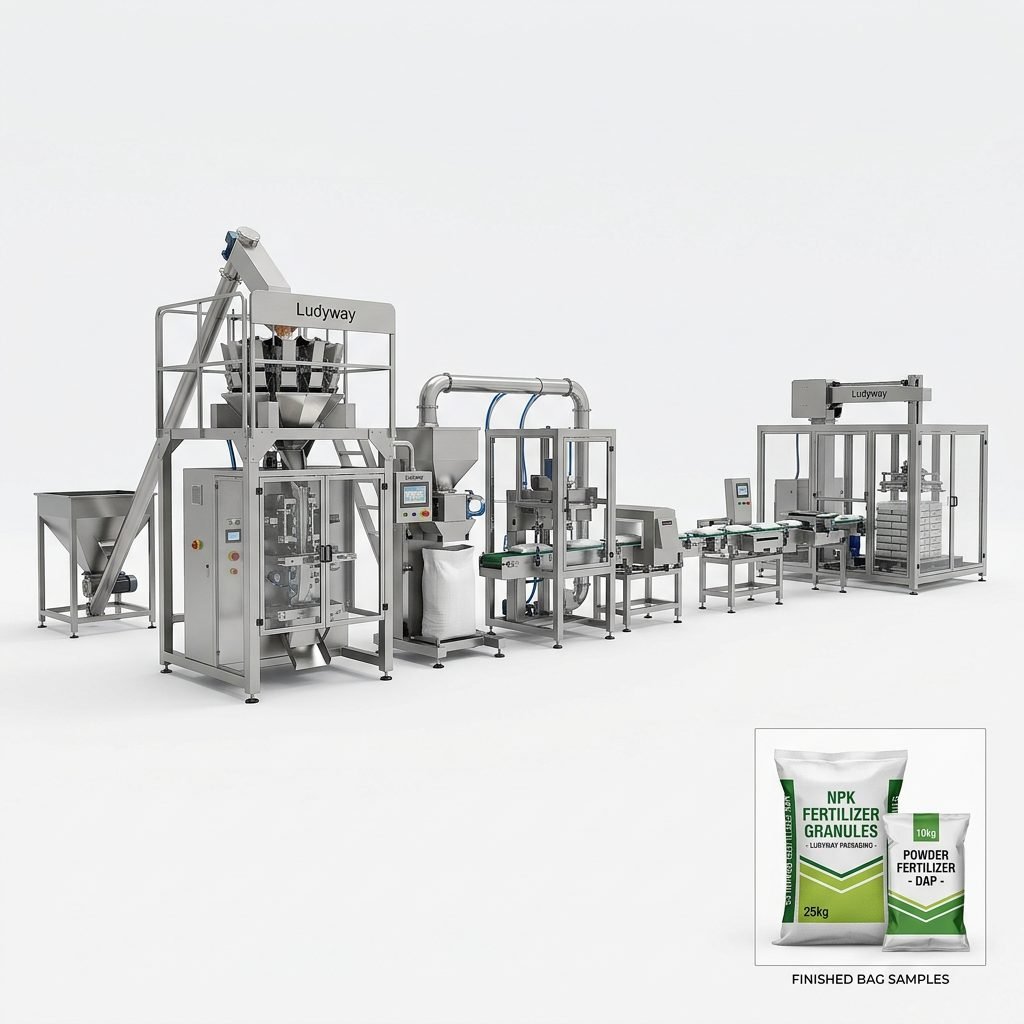
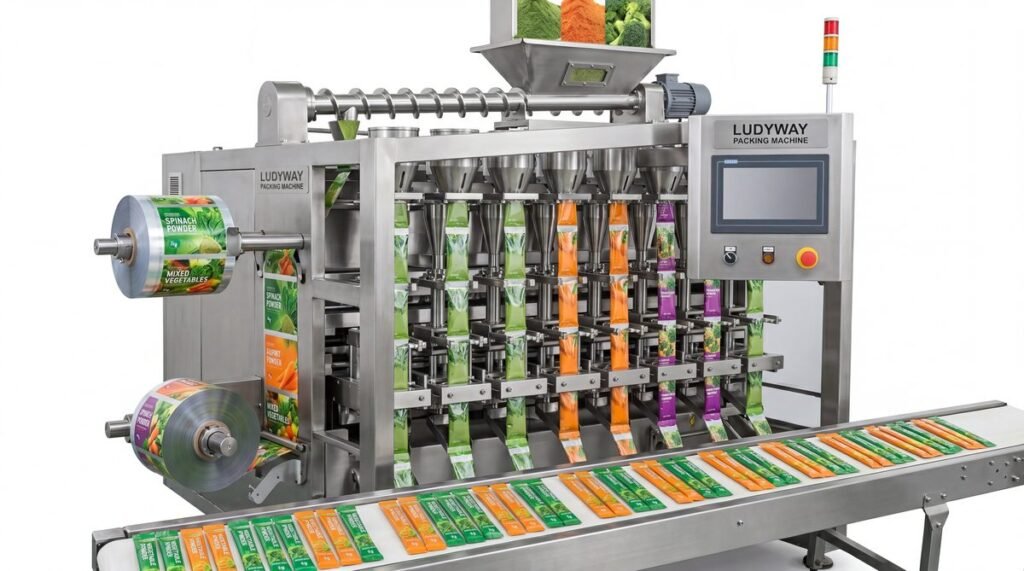
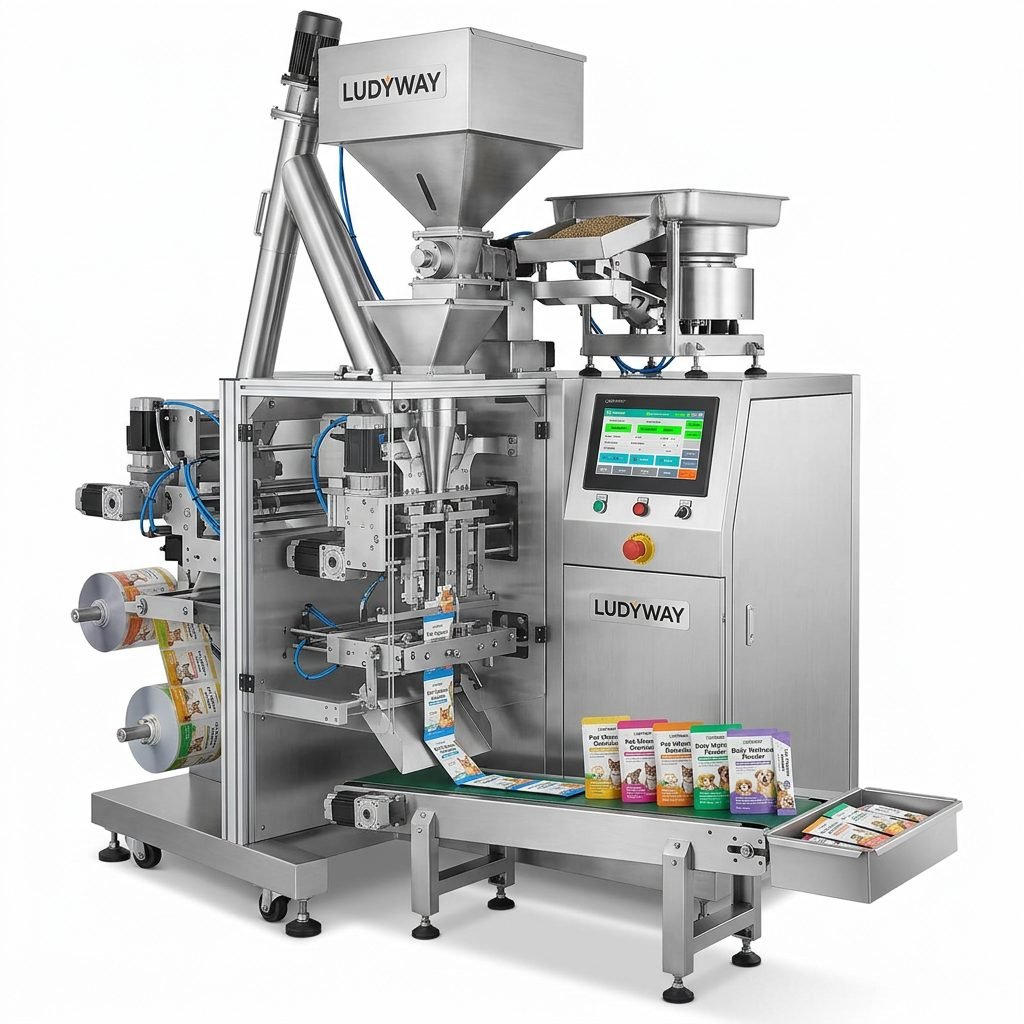
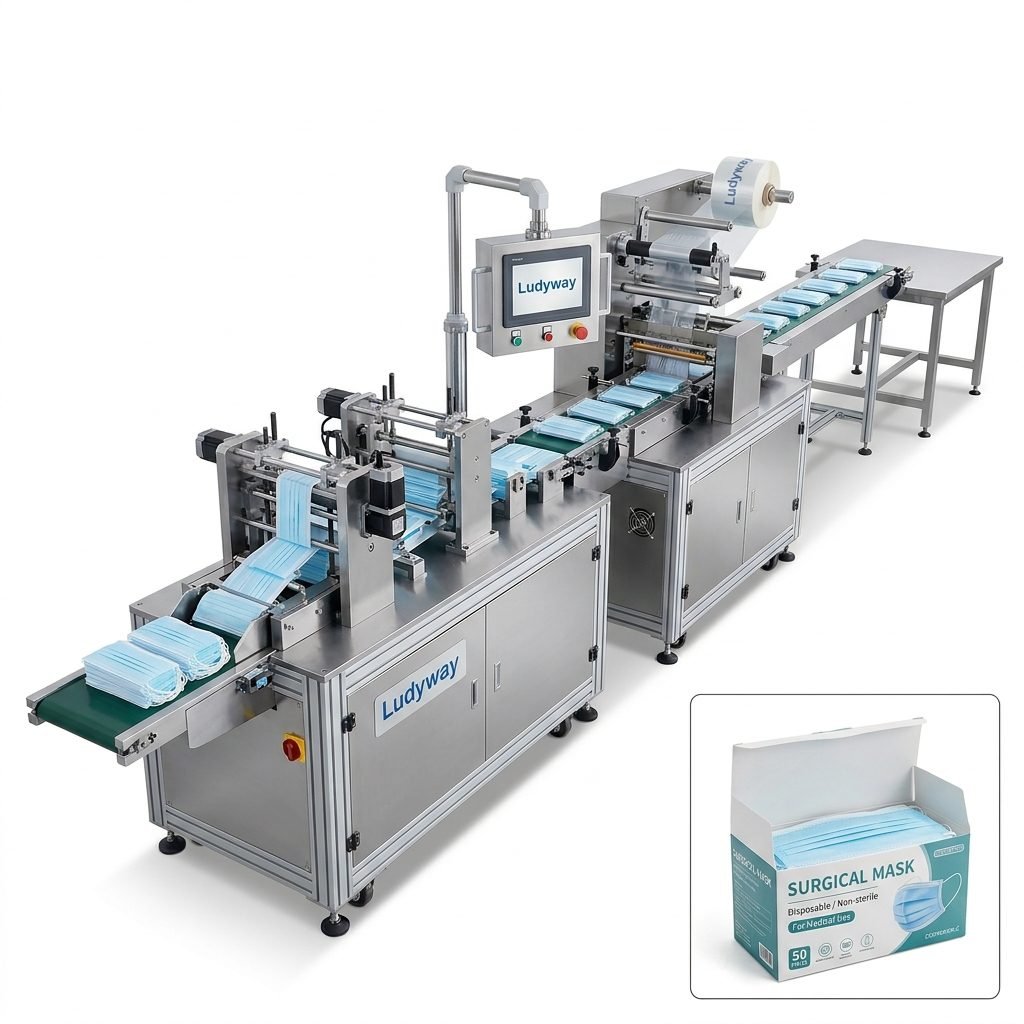
Manufacturers looking for integrated solutions often work with experienced suppliers such as automatic packaging line manufacturer Ludyway, especially for projects involving sachet, stick pack, pouch, bottle, and secondary cartoning automation.
FAQ About Automatic Cartoning Machines
Are automatic cartoning machines only suitable for large factories?
No. While large factories gain major benefits, many medium-sized manufacturers also use automatic cartoners to improve consistency and reduce labor dependence. The right model depends on output and packaging needs.
Can one cartoning machine handle different carton sizes?
Yes, many machines are designed with adjustable settings or change parts for different carton sizes and product formats. Changeover efficiency should be considered during selection.
Do automatic cartoners work with sachets and stick packs?
Yes. They are commonly used to collect and carton multi-lane sachets or stick packs in food, supplement, pharmaceutical, and personal care applications.
Is the return on investment worth it?
In many cases, yes. Savings from reduced labor, fewer errors, higher throughput, and better packaging quality often make the investment worthwhile over time.
Final Thoughts
Automatic cartoning machines offer clear benefits: higher speed, lower labor cost, better consistency, improved product protection, and stronger line integration. For companies aiming to upgrade packaging efficiency and support future growth, cartoning automation is often one of the smartest investments in the secondary packaging stage.
Whether you package food sachets, pharmaceutical blisters, supplement sticks, or cosmetic products, the right automatic cartoning solution can help create a faster, cleaner, and more reliable production process.