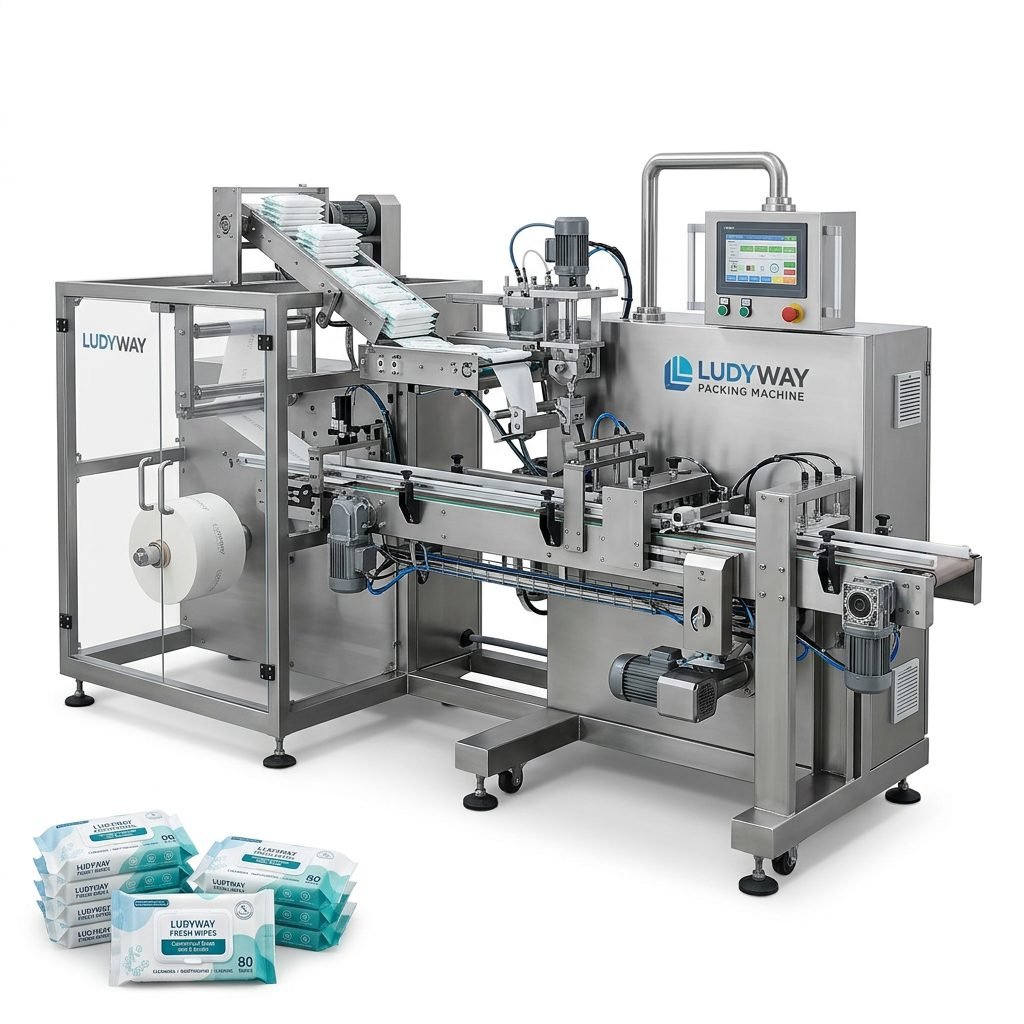
Italy represents one of Europe’s most dynamic markets for food processing and packaging equipment, with the salt industry playing a crucial role in both culinary and industrial applications. Whether you’re packaging fine table salt, coarse sea salt, or industrial-grade rock salt, selecting the right salt packaging machine is essential for maintaining product quality, maximizing efficiency, and complying with Italian and EU regulatory standards.
Understanding the Italian Salt Packaging Market
Italy’s food processing sector is known for its emphasis on quality, precision, and aesthetics. Salt packaging in Italy spans multiple categories including gourmet sea salt from Sicily, iodized table salt, and industrial salts used in food manufacturing. Each category demands specific packaging technologies tailored to granule size, moisture sensitivity, and production volume. Italian manufacturers also prioritize sustainable packaging materials and energy-efficient machinery in line with EU environmental directives.
Types of Salt Packaging Machines Available
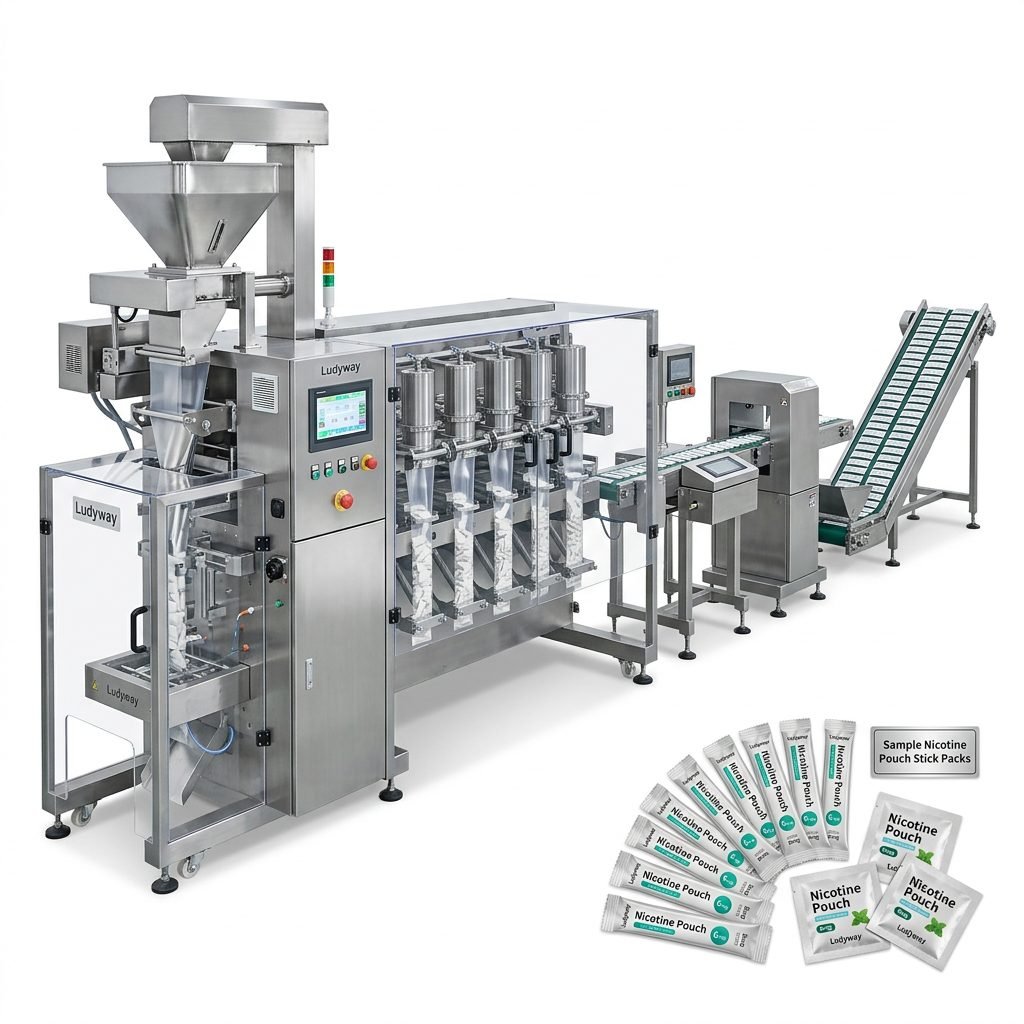
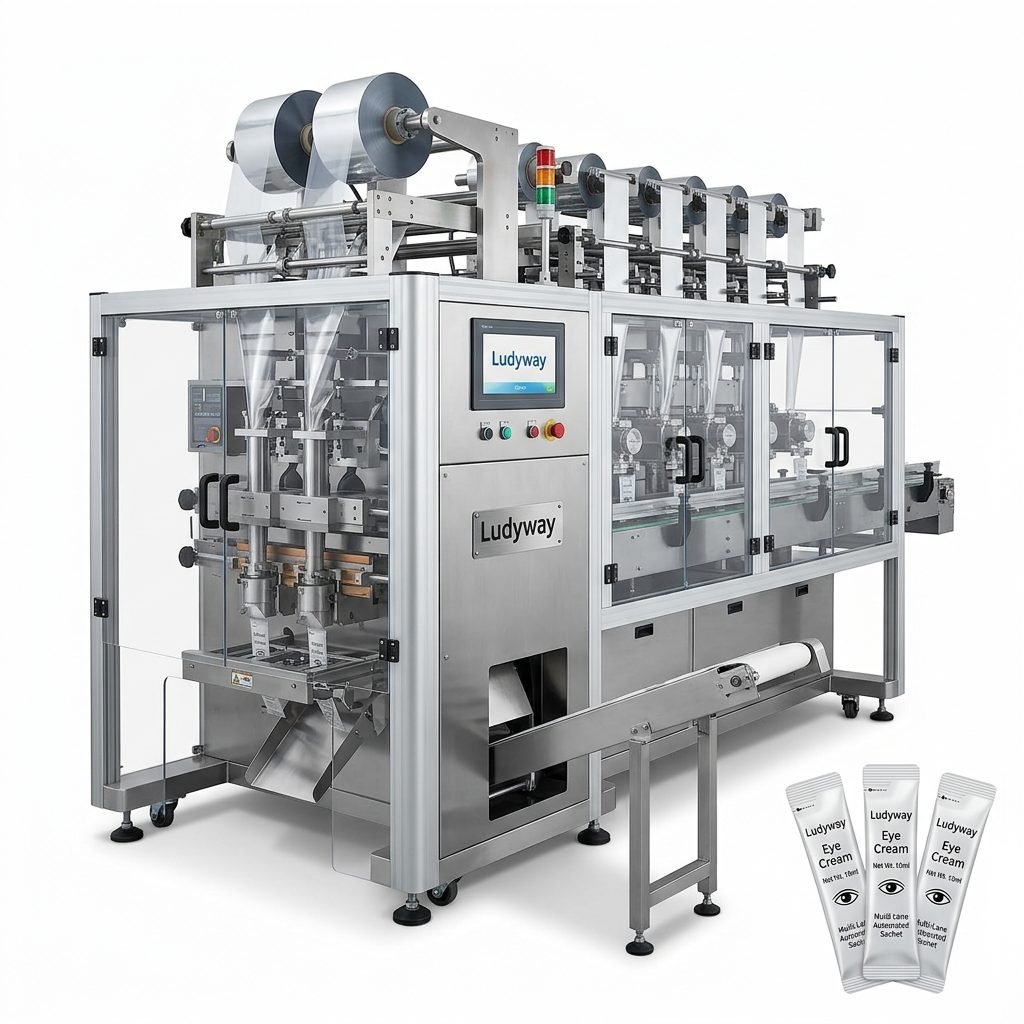
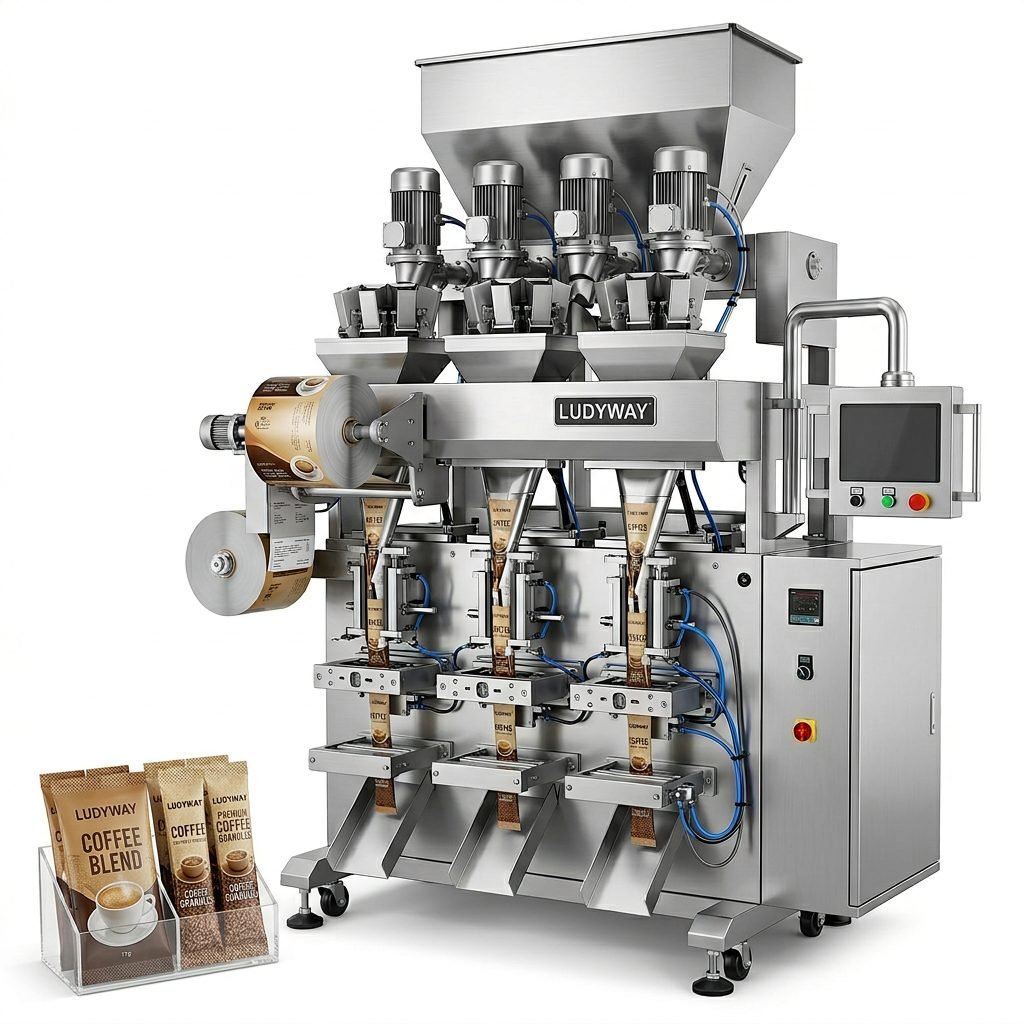
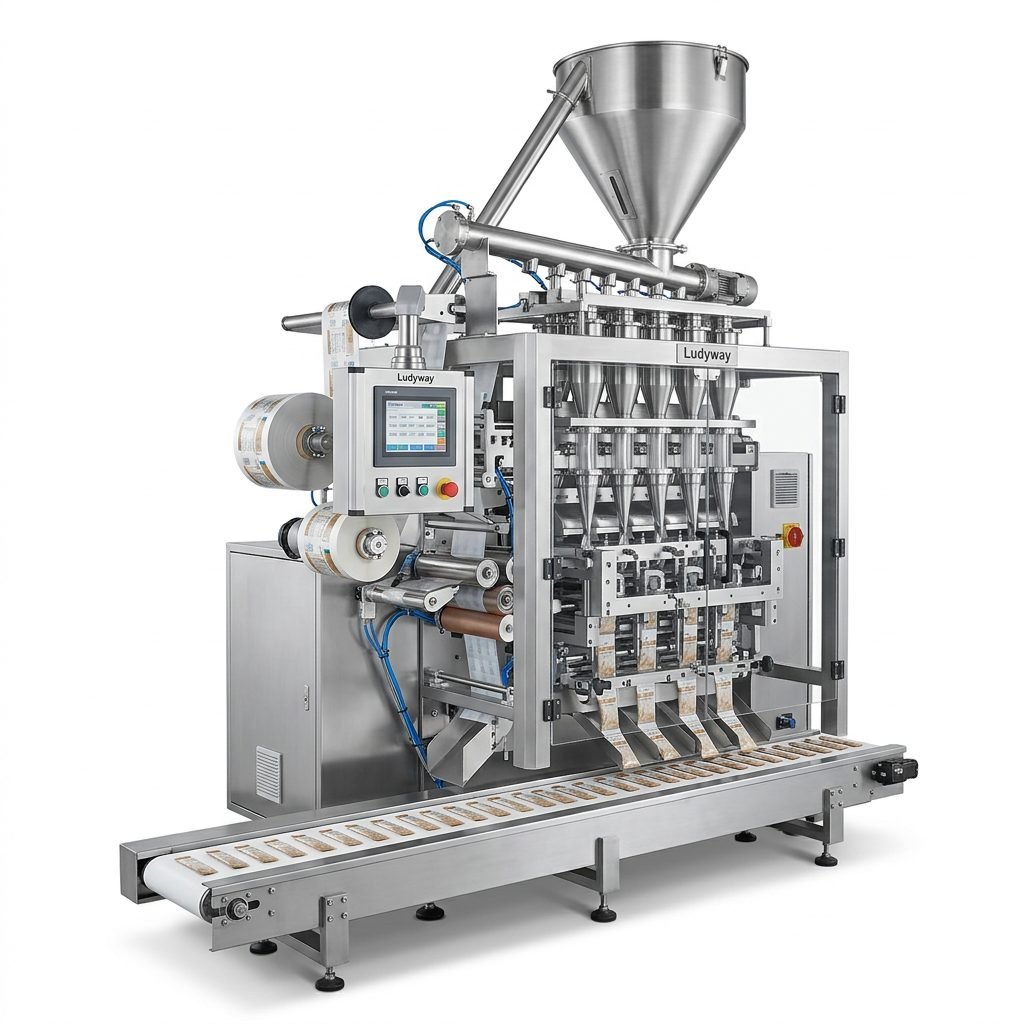
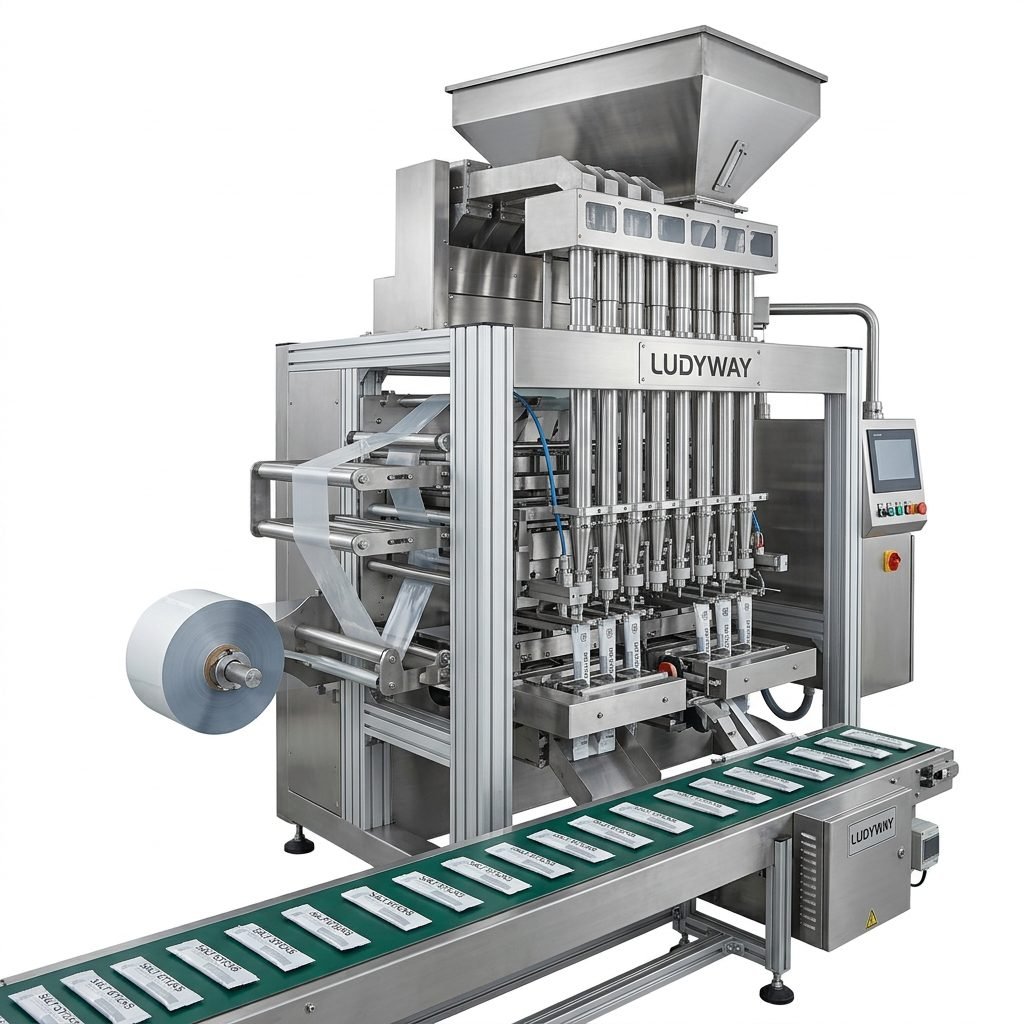
Modern packaging equipment for salt products comes in several configurations. The most common types include multi-lane stick pack machines, sachet packing systems, and bulk bag filling lines. Understanding the differences helps you make an informed investment decision.
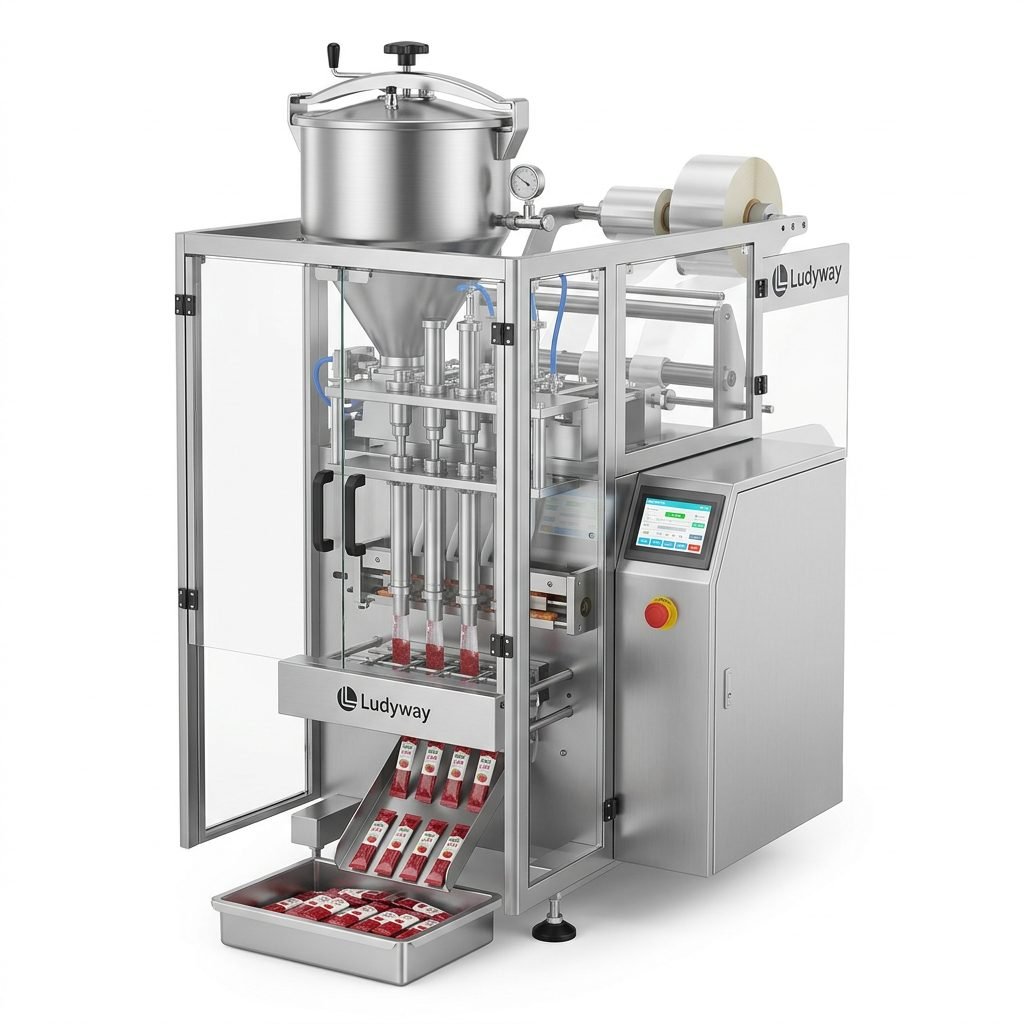
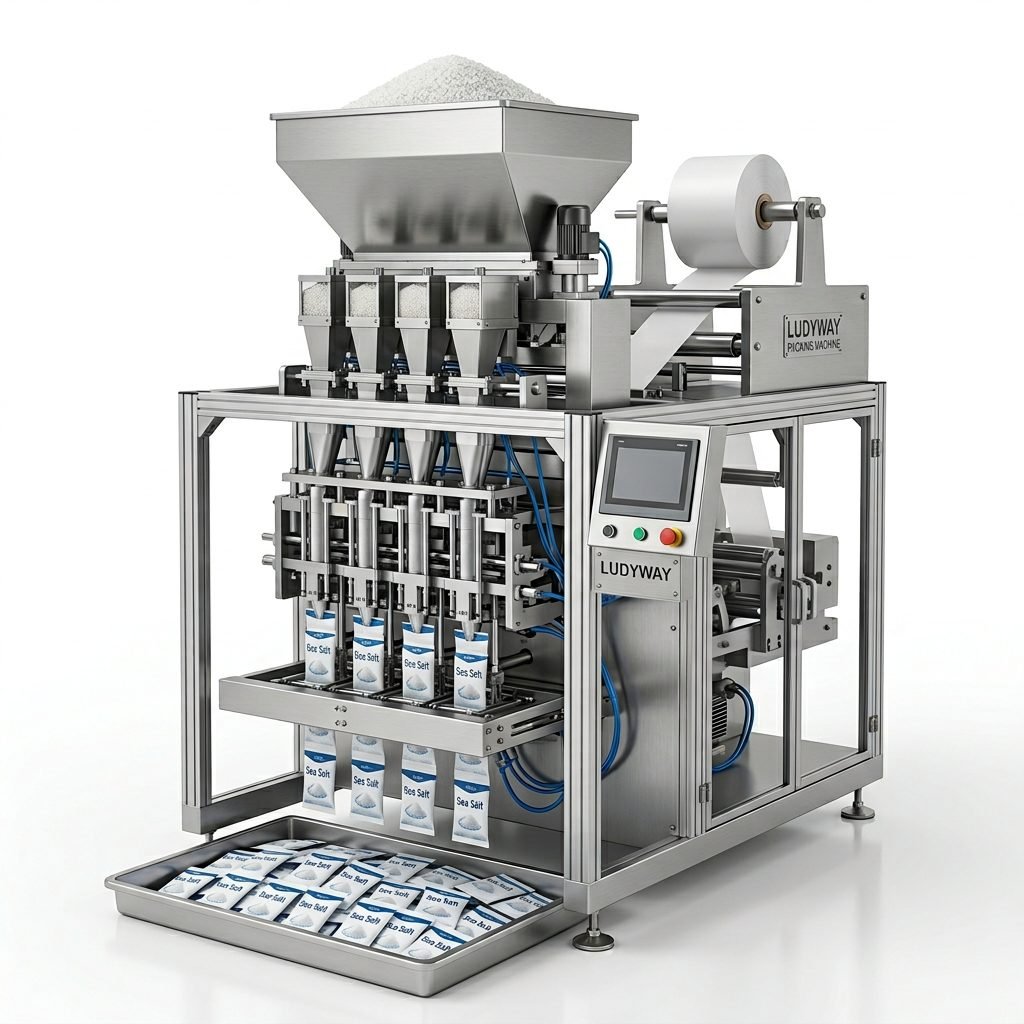
Multi-Lane Stick Pack Machines
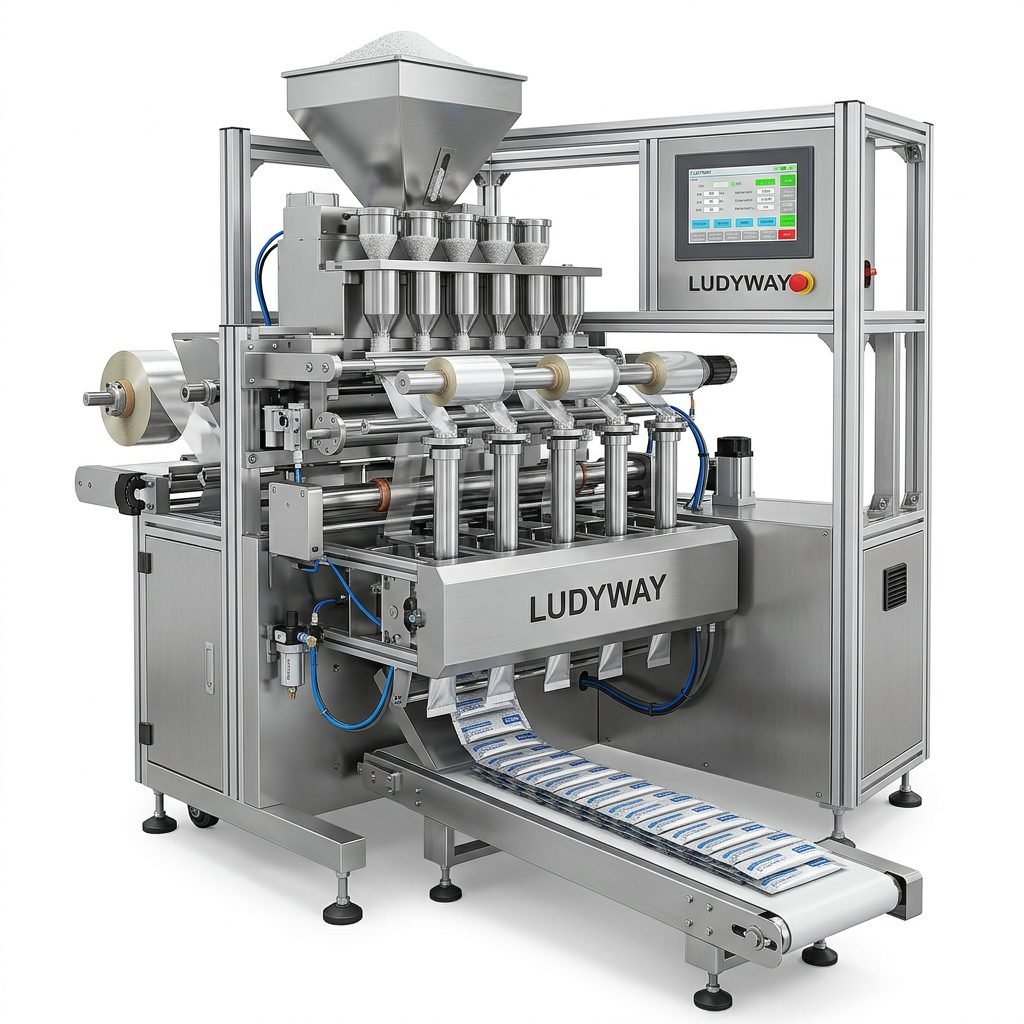
These systems produce narrow, elongated packets ideal for single-serving salt portions commonly used in restaurants, airlines, and catering services across Italy. They offer high-speed output with multiple lanes running simultaneously, reaching speeds of up to 400-600 packs per minute depending on the model. The precise dosing mechanisms handle fine salt granules effectively, minimizing spillage and ensuring consistent fill weights.
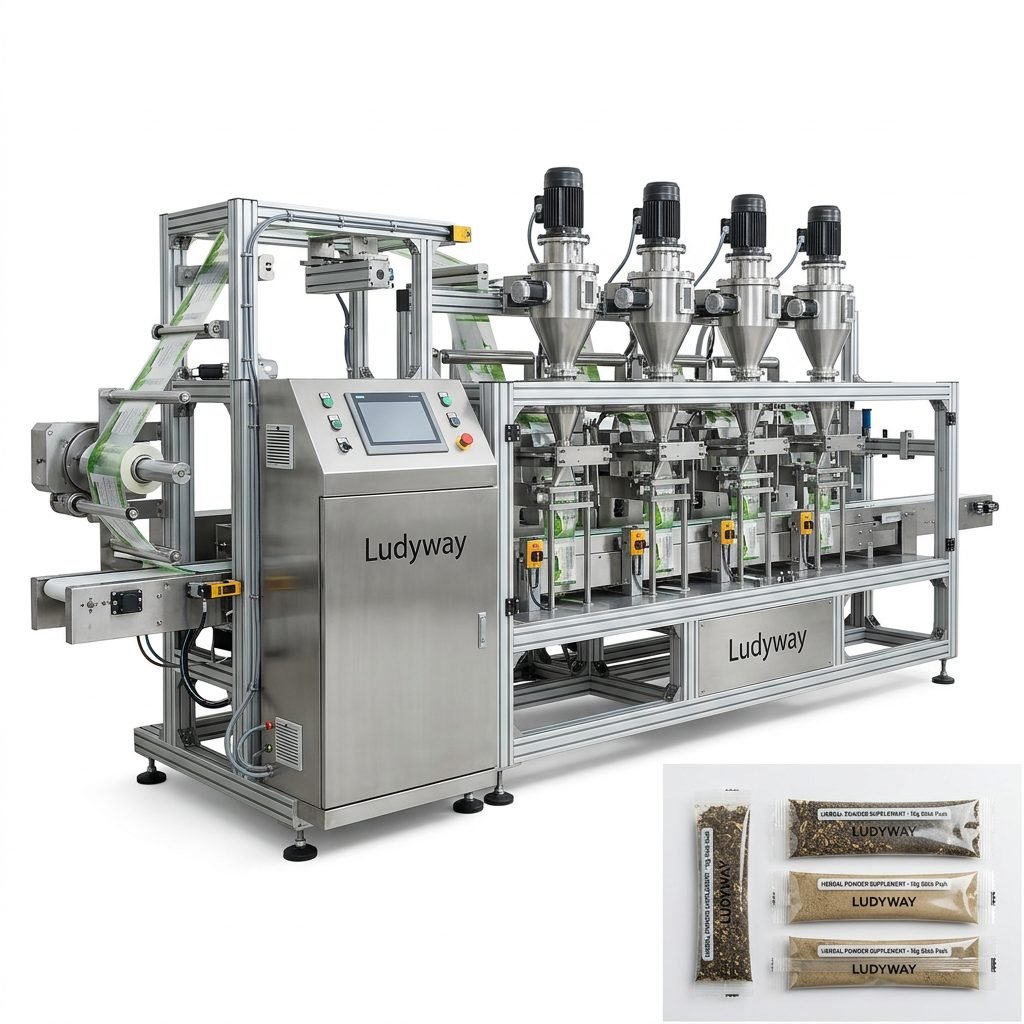
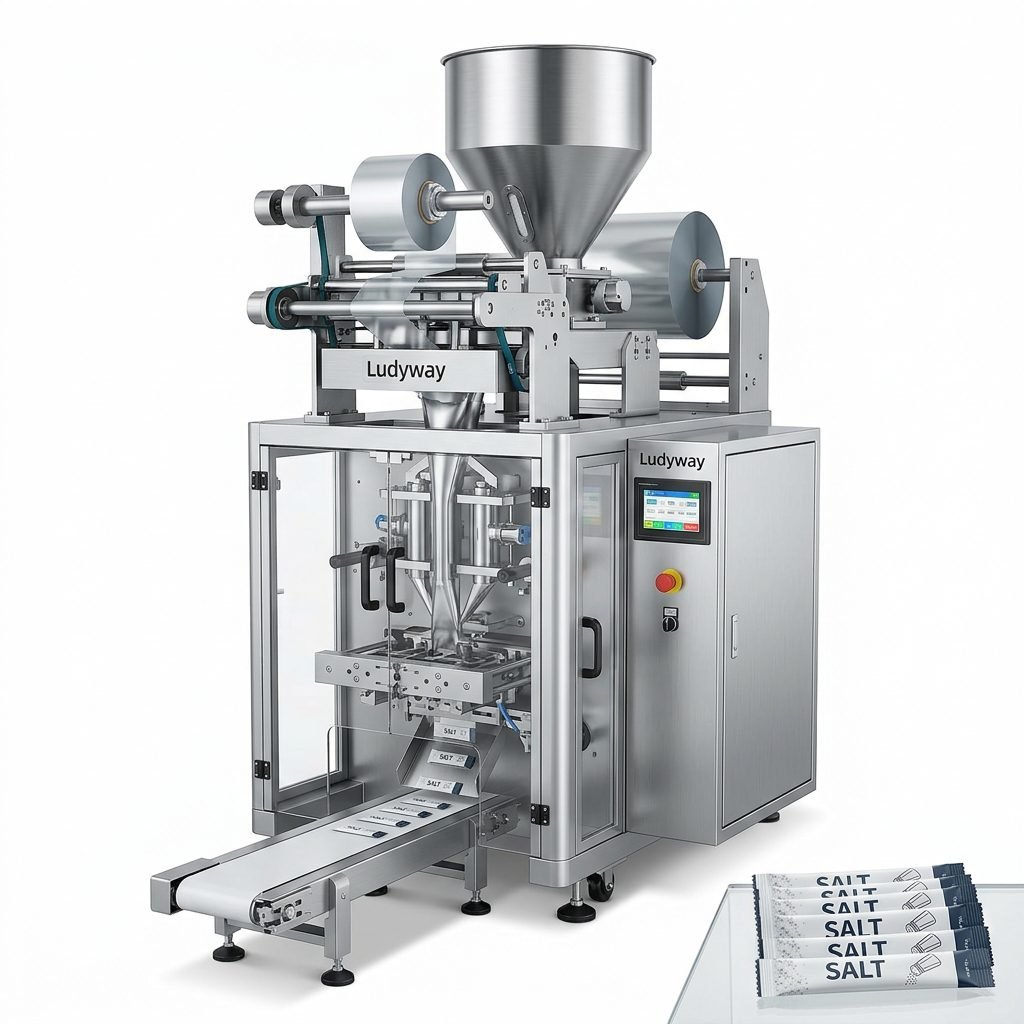
Sachet Packing Machines
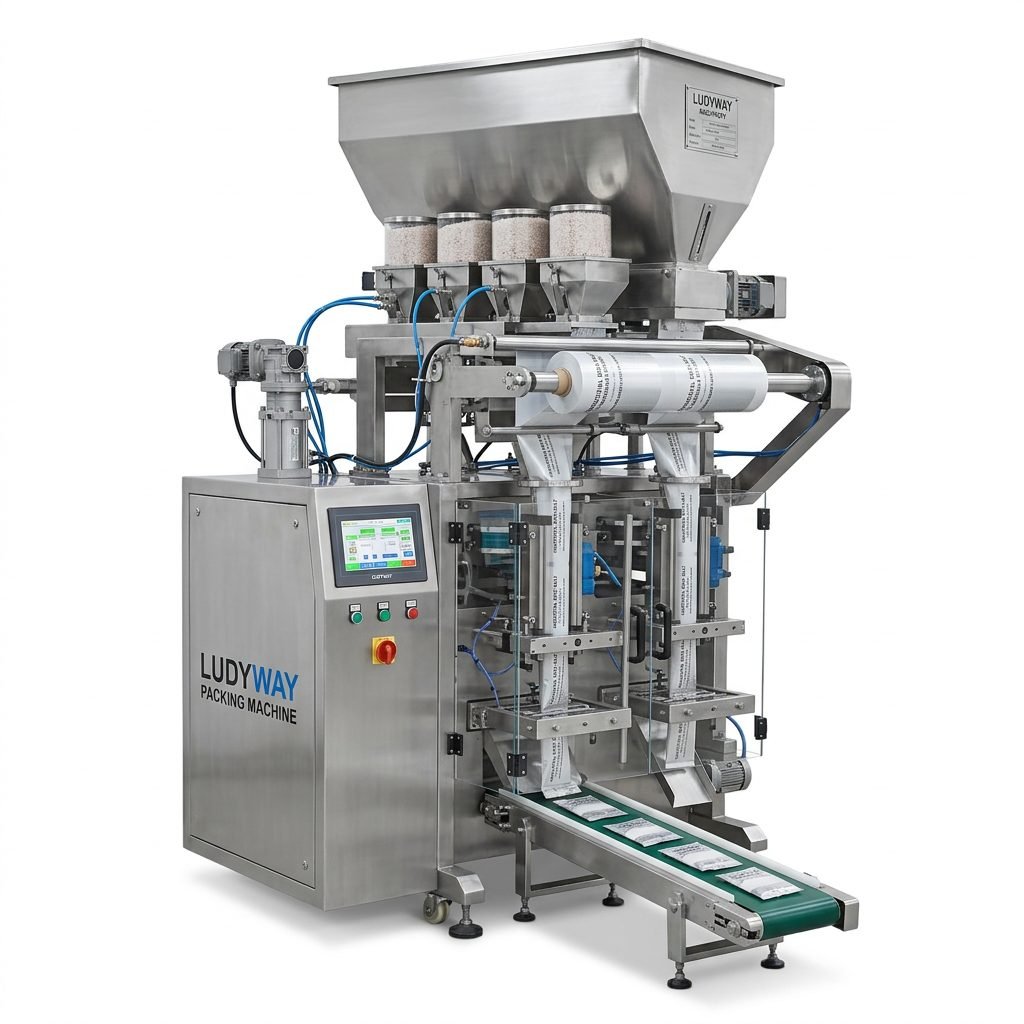
For larger format packaging, sachet machines produce flat or pillow-style pouches that can hold from a few grams to several kilograms of salt. These versatile systems accommodate various film materials and can integrate nitrogen flushing to extend shelf life — particularly important for premium Italian sea salts that must maintain their crystalline structure and prevent clumping in humid Mediterranean climates.
Bulk Bag Filling Systems
Industrial salt operations require robust equipment capable of handling high-volume output. Bulk bag filling machines with automated weighing systems can package salt in 10kg, 25kg, and 50kg bags with high accuracy. These systems are essential for salt producers supplying food manufacturers, water treatment facilities, and chemical industries throughout Italy and the broader European market.
Key Factors for Selecting Salt Packaging Equipment
Choosing the right machinery requires evaluating several critical parameters. The table below summarizes the primary considerations that Italian buyers should assess before making a purchase.
| Selection Criterion | Why It Matters | Recommended Specification |
|---|---|---|
| Granule Size Compatibility | Fine salt flows differently than coarse rock salt; dosing mechanisms must match | Auger filler for fine powder; volumetric cup for uniform granules |
| Moisture Protection | Salt is hygroscopic and can clump, damaging equipment and product quality | Stainless steel contact parts; dehumidified sealing area |
| Speed and Output | Production demands vary widely between artisanal and industrial operations | 30-80 packs/min for small lines; 200-600 packs/min for multi-lane systems |
| CE Certification | Mandatory for all machinery sold and operated within Italy and the EU | Full CE compliance with documentation |
| Automation Level | Labor costs in Italy favor automated solutions with minimal operator intervention | Automatic feeding, weighing, filling, sealing, and optional cartoning |
| Material Compatibility | Italian regulations may require recyclable or biodegradable packaging films | Machine adaptable to PE, PP, paper-based laminates, and compostable films |
Italian Regulatory and Market Requirements
Italy enforces strict food safety standards under EU regulations including EC 1935/2004 on food contact materials and EU 10/2011 on plastic materials. Salt packaging machines must be constructed with food-grade stainless steel (typically AISI 304 or 316L) at all product contact surfaces. Additionally, Italy’s growing focus on sustainable flexible packaging means machinery should be compatible with eco-friendly film alternatives that reduce plastic waste without compromising barrier properties.
Advanced Automation Features
Modern salt packaging lines incorporate intelligent technologies that enhance performance and traceability. Key innovations include integrated checkweighers that reject underweight or overweight packs automatically, metal detection systems for contaminant removal, and vision inspection for seal integrity verification. Many systems now offer remote monitoring capabilities, allowing Italian production managers to track OEE metrics in real time from any location.
Servo-Driven Precision Dosing
Salt granules vary significantly in density and flow characteristics. Servo-driven auger fillers provide exceptional accuracy across different salt types, from ultra-fine powdered salt to coarse crystalline varieties. These systems can achieve fill accuracy within ±0.5% to ±1% of target weight, critical for both regulatory compliance and cost control in Italian production environments.
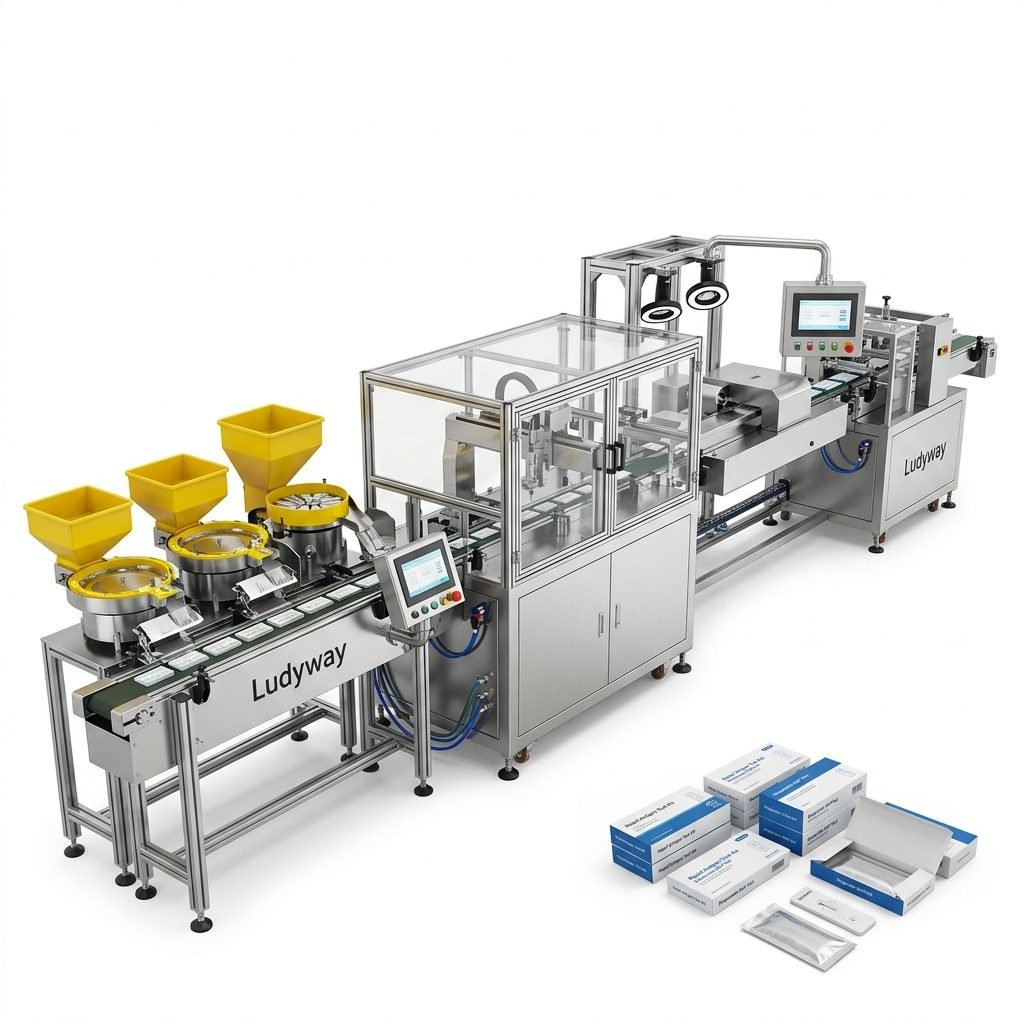
Automated Cartoning and Palletizing
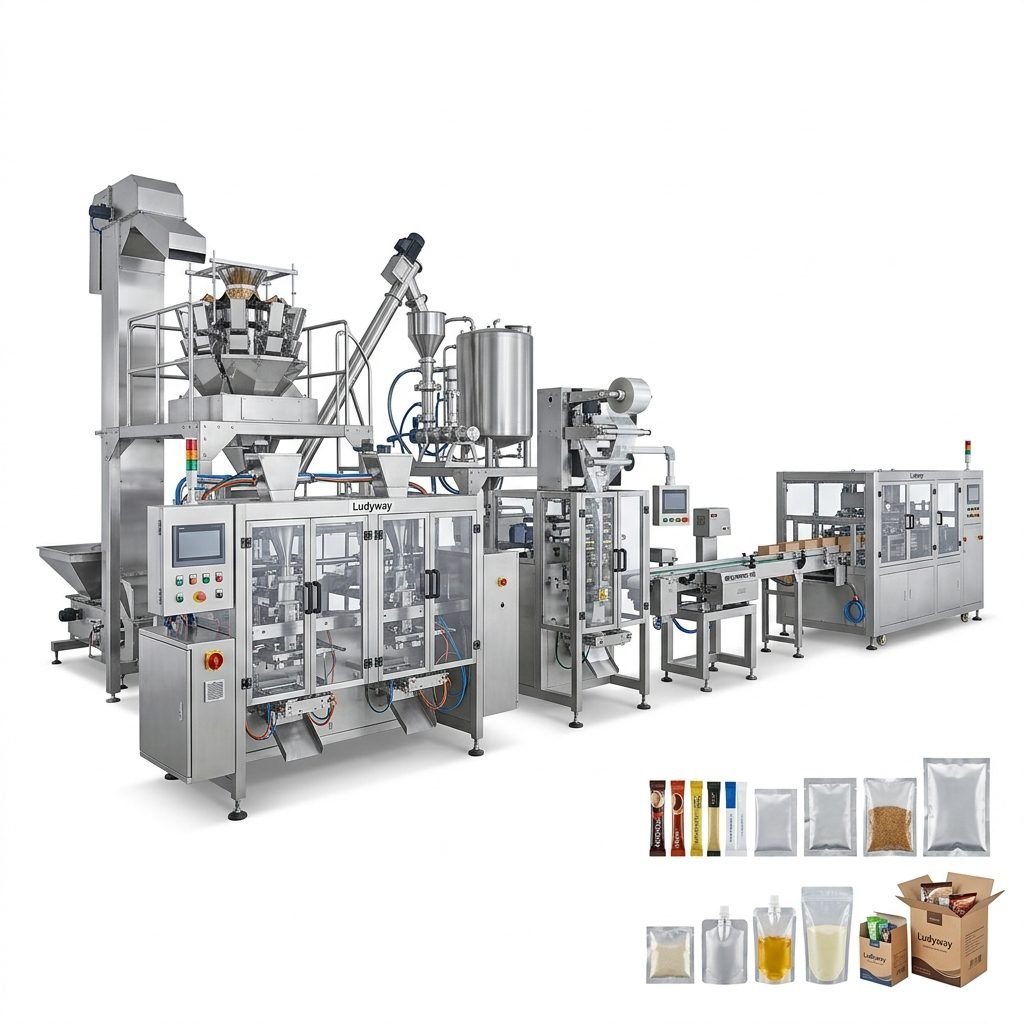
End-of-line automation completes the packaging workflow. Automated cartoning machines group finished salt sachets or stick packs into retail-ready cartons, while robotic palletizers stack cartons efficiently for distribution across Italy’s extensive logistics network. Integrated solutions reduce labor dependency by up to 70% compared to semi-automatic alternatives.
Maintenance and Operational Considerations
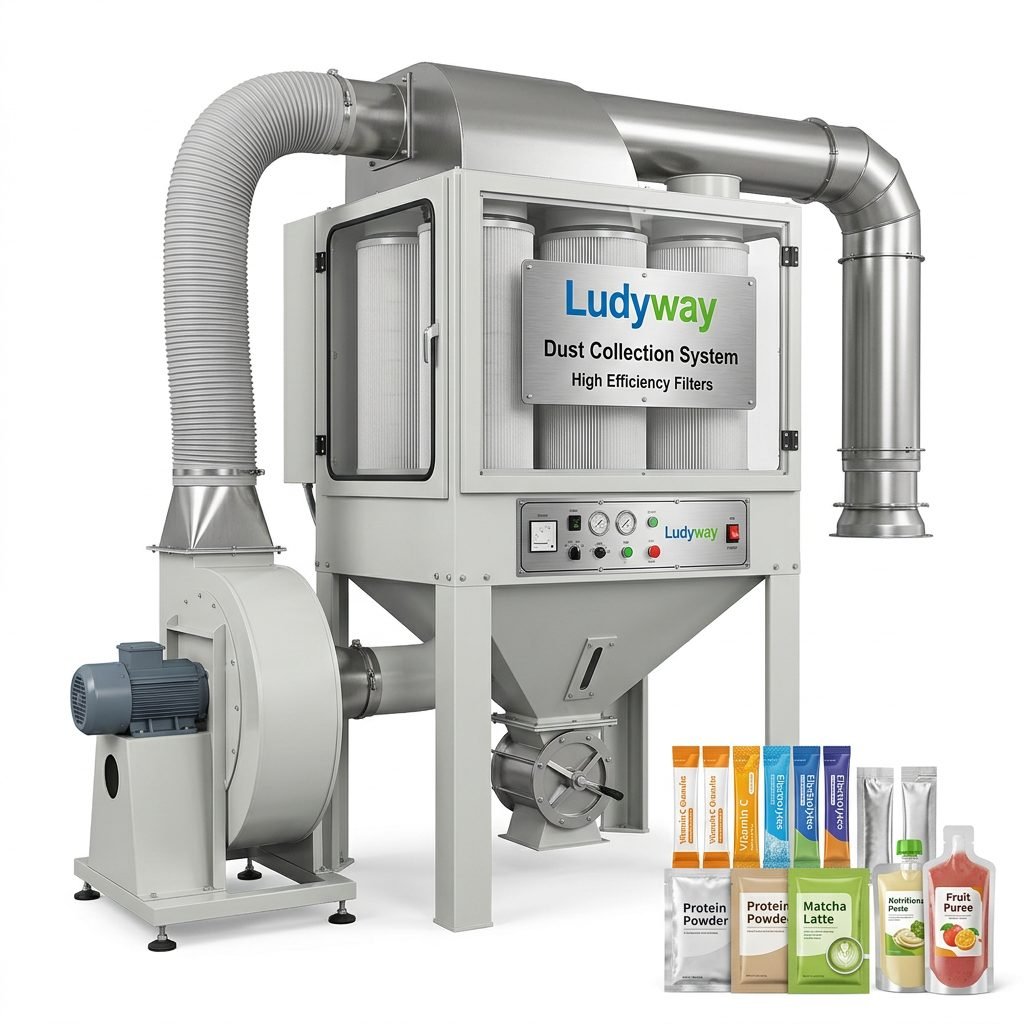
The abrasive nature of salt requires specific attention to equipment durability. Salt’s corrosive properties can degrade standard steel components over time, making 316L stainless steel the preferred material for all wetted parts. Regular cleaning protocols must account for salt’s hygroscopic tendencies — machines should be designed with easy-access panels, tool-free disassembly, and washdown compatibility where required. Italian buyers should also evaluate spare parts availability and local technical support when comparing equipment suppliers.
Cost Analysis and ROI Timeline
Investment in salt packaging machinery varies based on automation level, speed, and configuration. The following breakdown provides approximate guidance for budgeting purposes in the Italian market:
- Entry-level semi-automatic systems: Suitable for small artisanal salt producers; lower upfront investment with moderate labor requirements
- Mid-range single-lane automatic machines: Balanced performance for growing Italian brands targeting regional markets; typical ROI within 18-24 months
- High-speed multi-lane stick pack lines: Maximum output for established manufacturers serving supermarket chains and export markets; ROI typically realized within 12-18 months due to higher throughput
- Complete turnkey packaging lines: Full integration from feeding to palletizing; long-term strategic investment with lowest per-unit packaging cost
Comparing Packaging Formats for Salt Products
| Packaging Format | Typical Salt Application | Key Advantage |
|---|---|---|
| Stick Pack (2-10g) | Single-serve table salt for foodservice, hotels, airlines | Portion control; hygienic individual packaging |
| Sachet (10-100g) | Retail gourmet sea salt, flavored salt blends | Attractive shelf presentation; premium branding opportunity |
| Pillow Pouch (250g-1kg) | Household table salt for supermarket sales | Cost-effective; high-speed production capability |
| Bulk Bag (10-50kg) | Industrial salt for food manufacturing, water treatment | Efficient bulk handling; reduced packaging waste |
| Valve Bag (5-25kg) | Construction and de-icing salt products | Clean filling; superior stacking characteristics |
Industry Resources and Standards
Staying informed about packaging industry developments helps Italian manufacturers maintain competitive advantage. Key resources include PMMI – The Association for Packaging and Processing Technologies, which regularly publishes state of the industry reports with valuable market data. The Flexible Packaging Association also provides insights into sustainable packaging trends relevant to the Italian market. Additionally, Italian manufacturers should consult ISO packaging standards and FDA food packaging regulations for export-oriented operations.
Future Trends in Salt Packaging
The Italian packaging landscape continues to evolve with several notable trends shaping equipment requirements. Smart packaging with QR codes and NFC tags enables consumer engagement and supply chain traceability — particularly valuable for premium Italian sea salt brands emphasizing origin authenticity. Monomaterial film structures are gaining traction as Italy pushes toward circular economy goals, requiring packaging machines with precise temperature control to seal these challenging materials reliably. Compact, modular machine designs also appeal to Italian SMEs seeking flexible production capabilities without excessive floor space requirements.
Making Your Final Decision
Selecting the ideal packaging machine for salt products in Italy requires balancing technical specifications, regulatory compliance, production efficiency, and total cost of ownership. Consider requesting sample packaging trials with your actual salt product before finalizing equipment specifications. Evaluate supplier track records in the Italian market, after-sales support infrastructure, and the availability of spare parts within Europe. A well-chosen packaging system will serve your operation reliably for 15-20 years or more, making thorough due diligence essential.
Ludyway is one of the largest packaging machine manufacturers in China, offering advanced equipment with over 30 years of industry expertise and a modern 20,000m² manufacturing facility. With more than 50 intelligent packaging machine models serving customers in over 100 countries, the company provides reliable multi-lane stick pack, sachet, and fully automated packaging systems for granule, powder, and liquid applications including salt products. For more information, you can explore detailed specifications and case studies on modern salt packaging solutions tailored to European market requirements.
Frequently Asked Questions About Salt Packaging Machines
What is the best packaging machine for fine table salt in Italy?
For fine table salt, multi-lane stick pack machines with auger fillers are widely regarded as the optimal choice. They provide precise dosing (±0.5-1% accuracy), high-speed output (up to 600 packs/min), and excellent seal integrity that protects the hygroscopic salt from moisture ingress — a critical factor in Italy’s humid coastal regions.
Are salt packaging machines subject to CE certification in Italy?
Yes, absolutely. All packaging machinery sold and operated in Italy must carry CE marking in compliance with EU Machinery Directive 2006/42/EC. This certification confirms the equipment meets essential health, safety, and environmental protection requirements. Always verify CE documentation before purchasing.
How can I prevent salt corrosion in packaging equipment?
Using 316L stainless steel for all product-contact components is the most effective measure against salt corrosion. Additionally, implementing regular cleaning schedules, applying food-grade protective coatings on external surfaces, and maintaining proper humidity control in the production environment all help extend equipment lifespan.
What packaging film types work best for salt products in the Italian market?
Multi-layer laminates combining PET, aluminum foil, and PE provide excellent moisture and oxygen barriers. However, with Italy’s increasing focus on sustainability, many producers are transitioning to recyclable monomaterial PE or PP structures with enhanced barrier coatings. Ensure your machine can handle the specific film type you intend to use.
Can I get turnkey salt packaging solutions that include filling, sealing, and cartoning?
Yes, many established equipment manufacturers offer complete turnkey packaging lines that integrate salt feeding systems, multi-head weighers or auger fillers, vertical form-fill-seal machines, checkweighers, metal detectors, cartoning machines, and palletizing robots in a seamless automated workflow designed specifically for salt products.
Related Resources:
- PACK EXPO International — Major packaging trade show
- 2025 State of the Industry Report by PMMI
- EU Packaging and Packaging Waste Regulation — European Commission
- ISO 11607 Packaging Standards — International Organization for Standardization