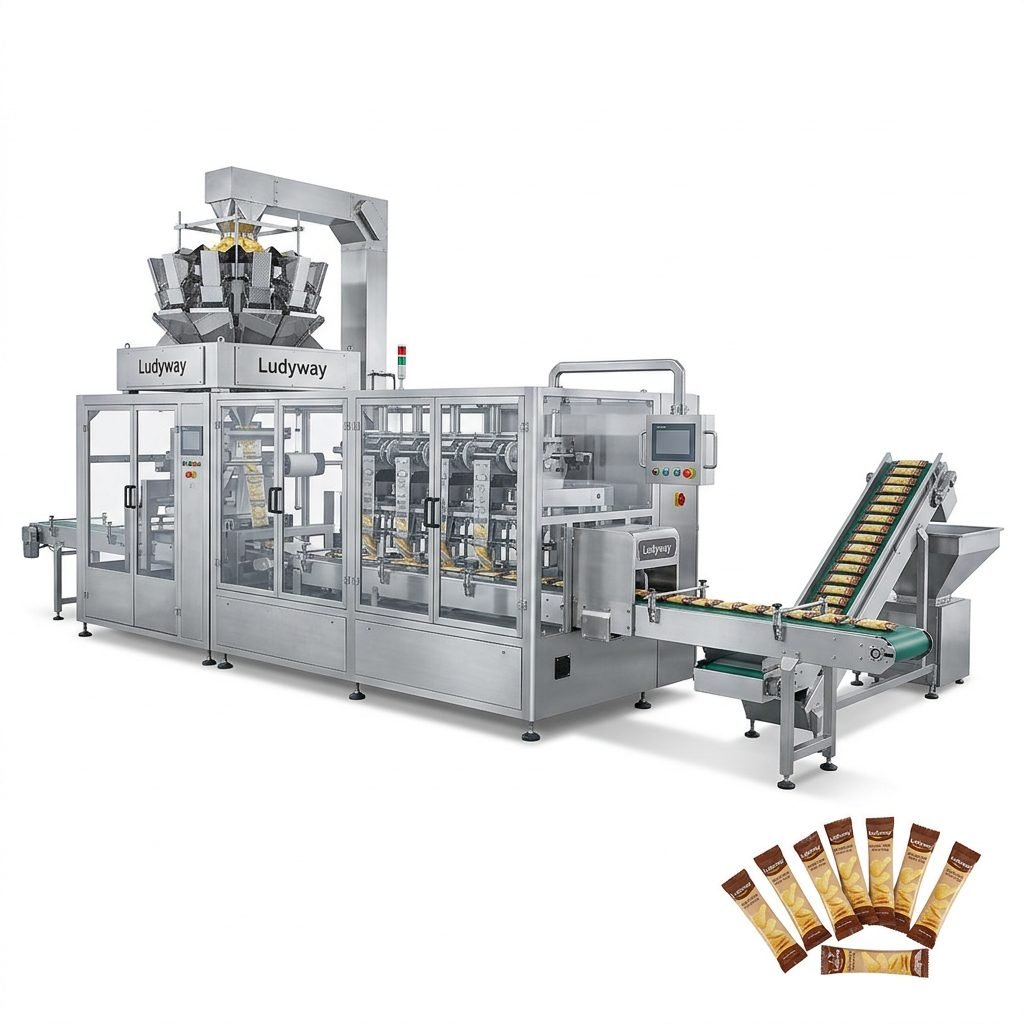
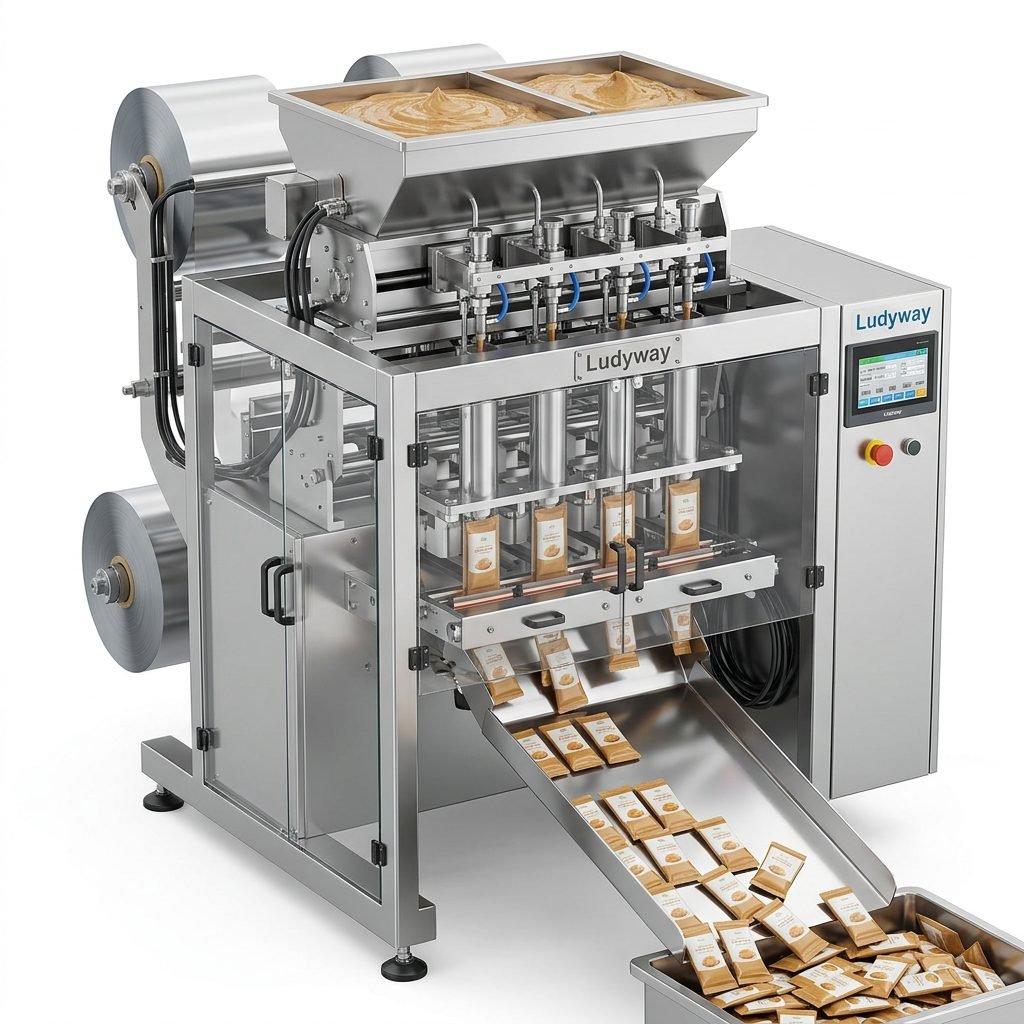
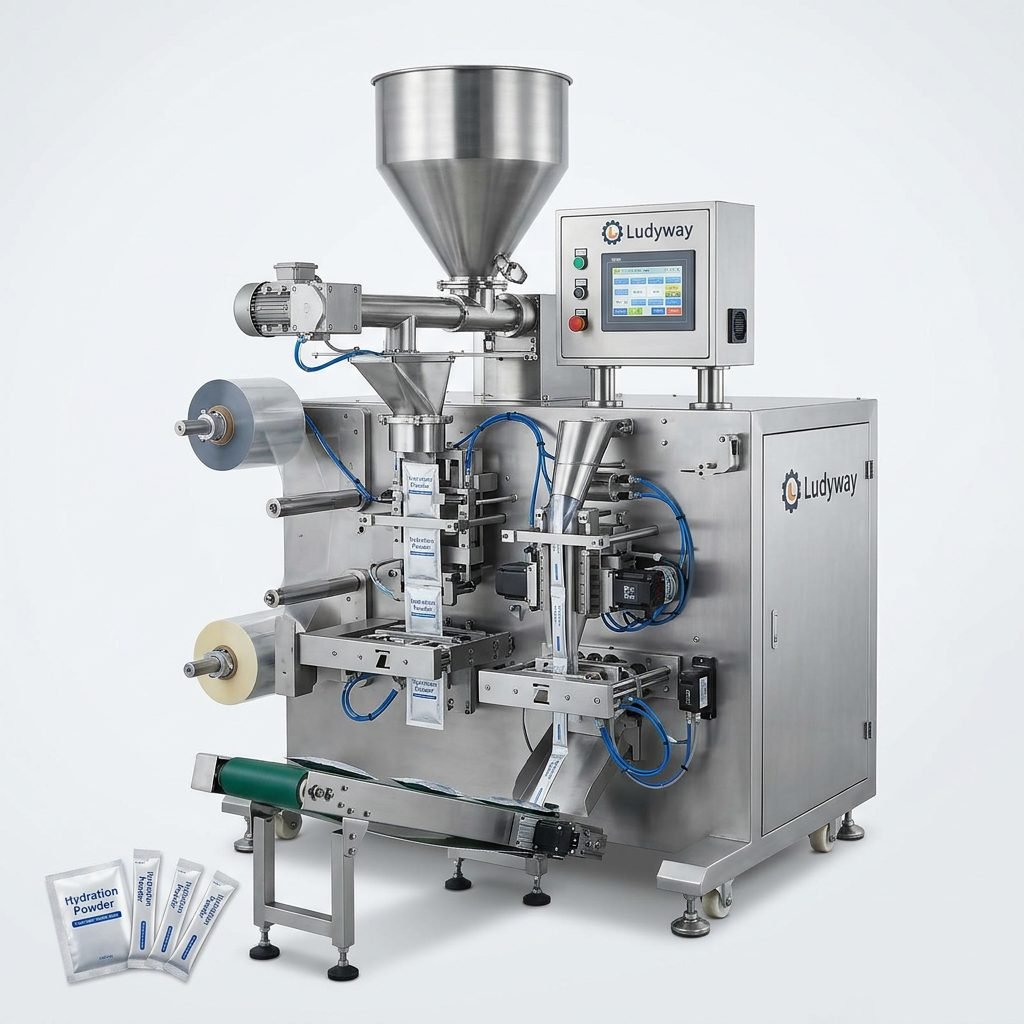
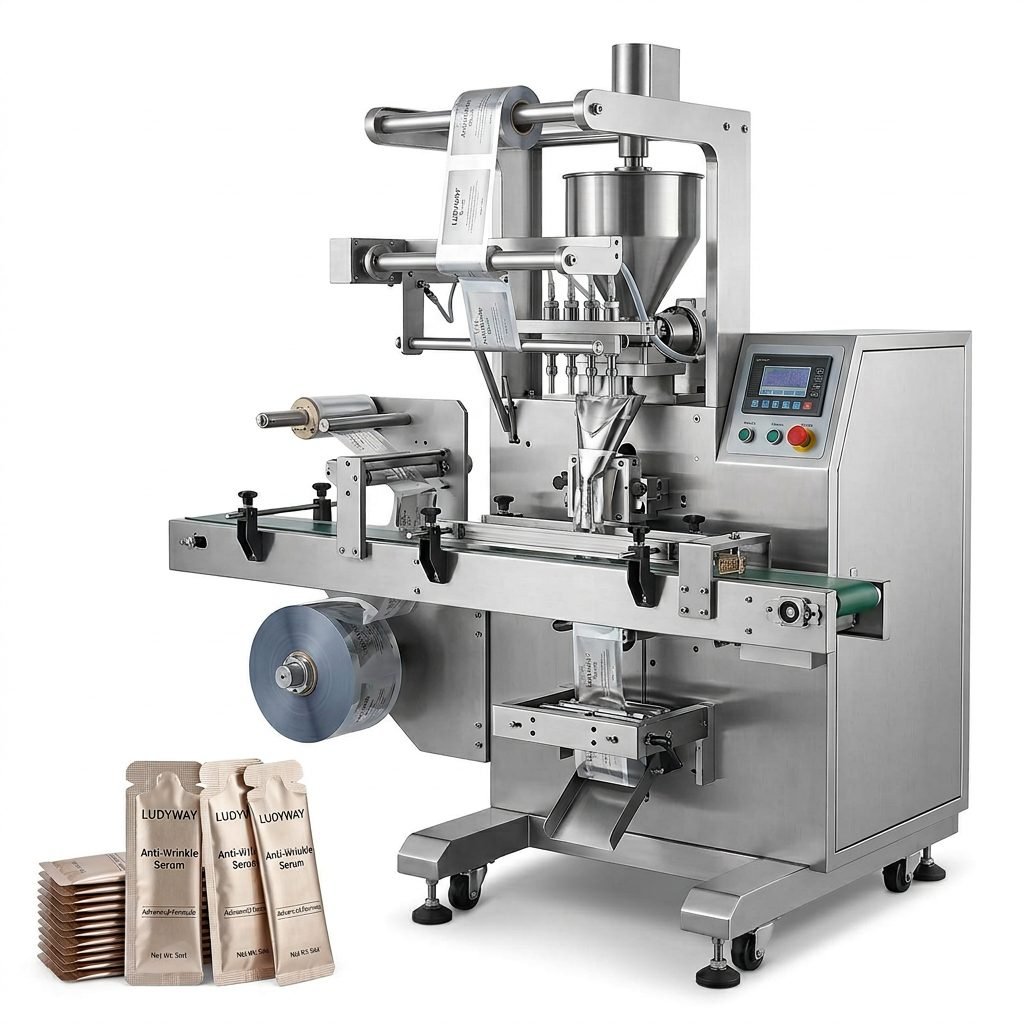
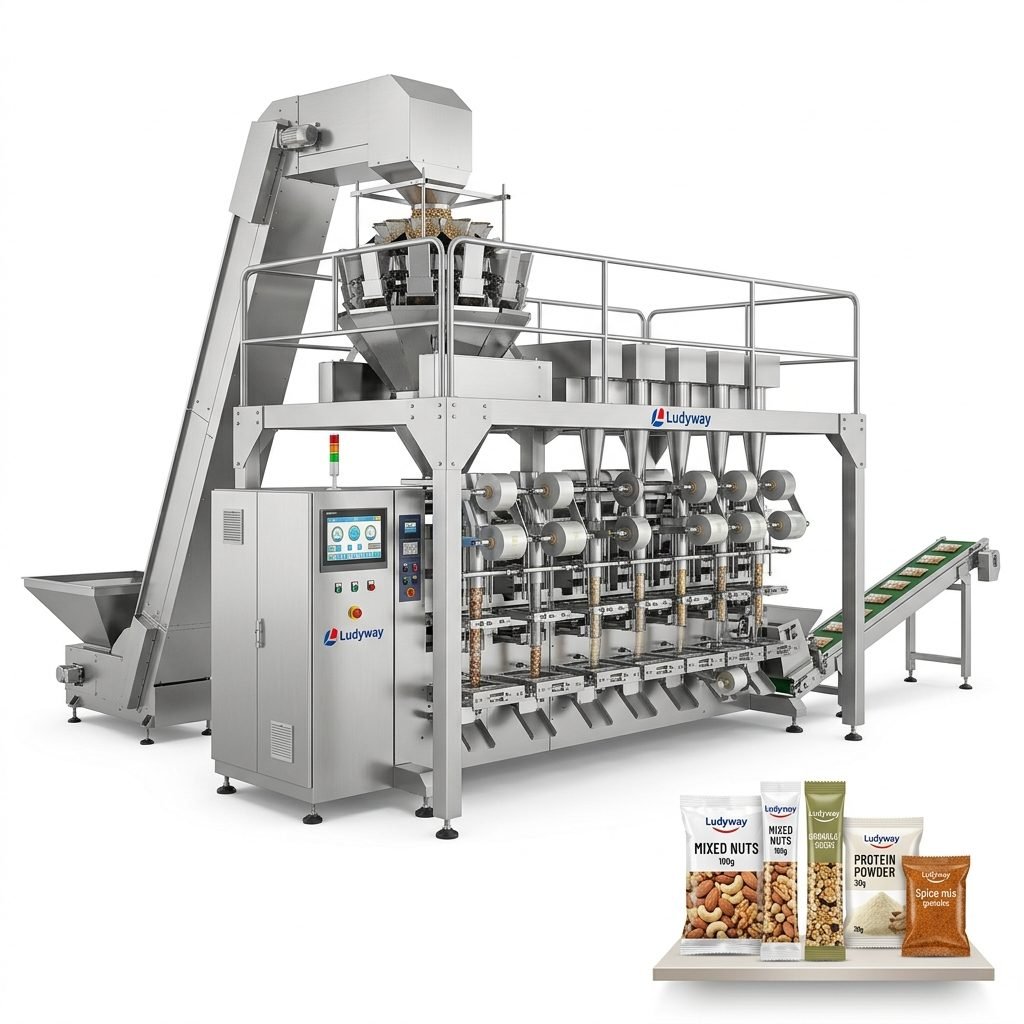
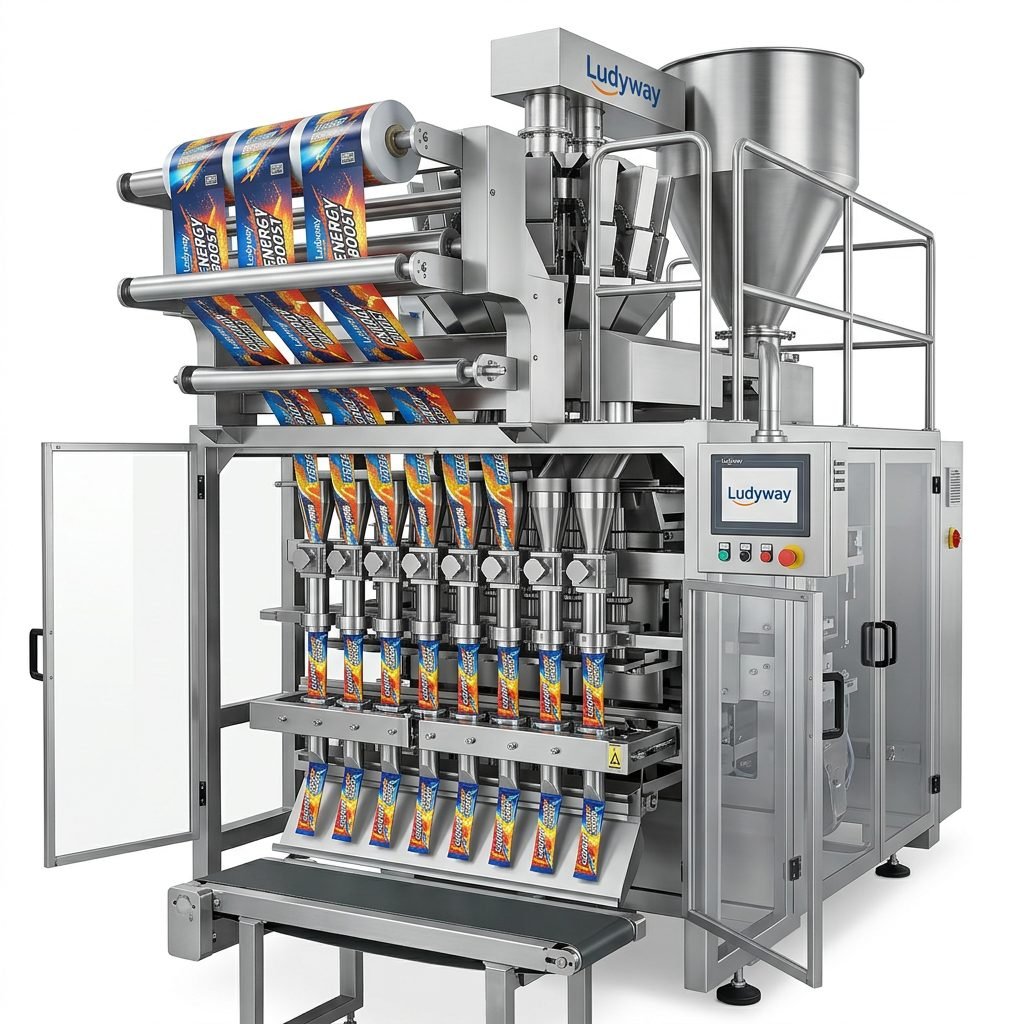
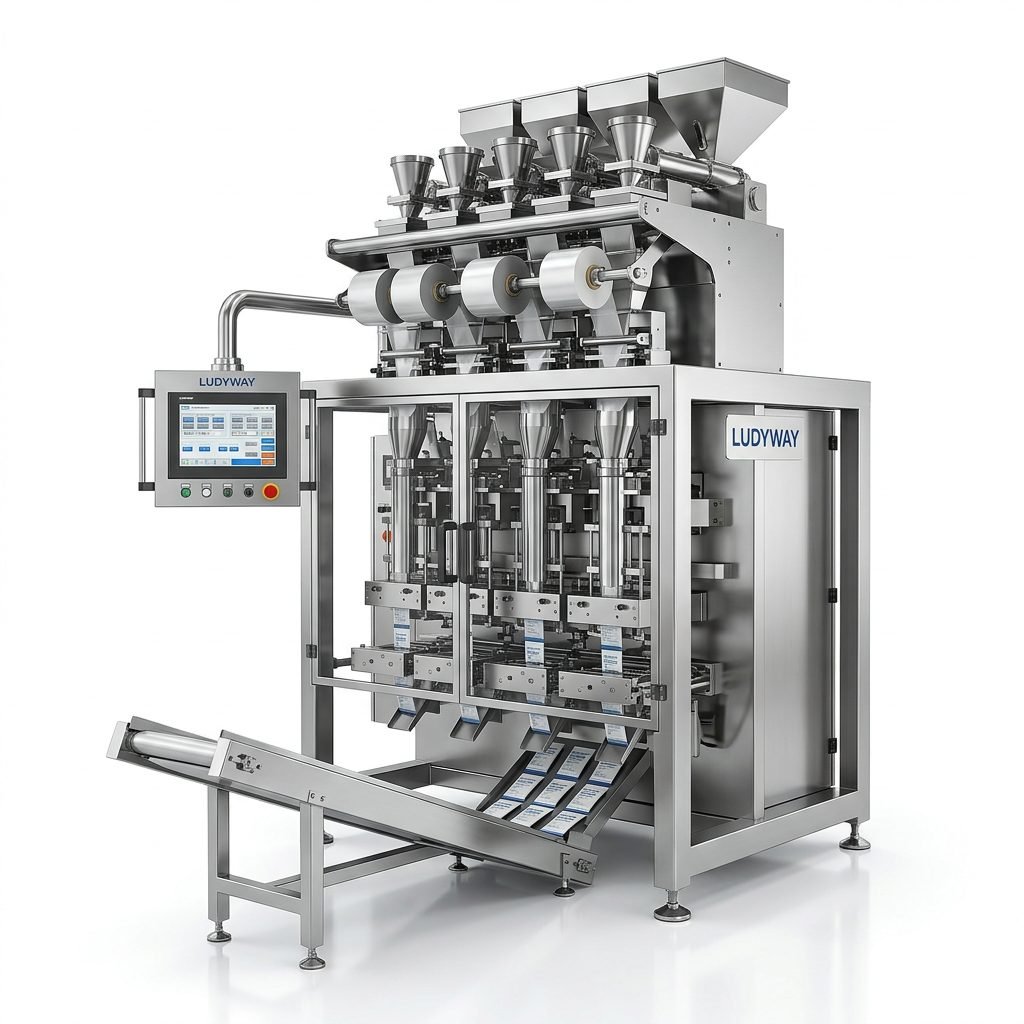
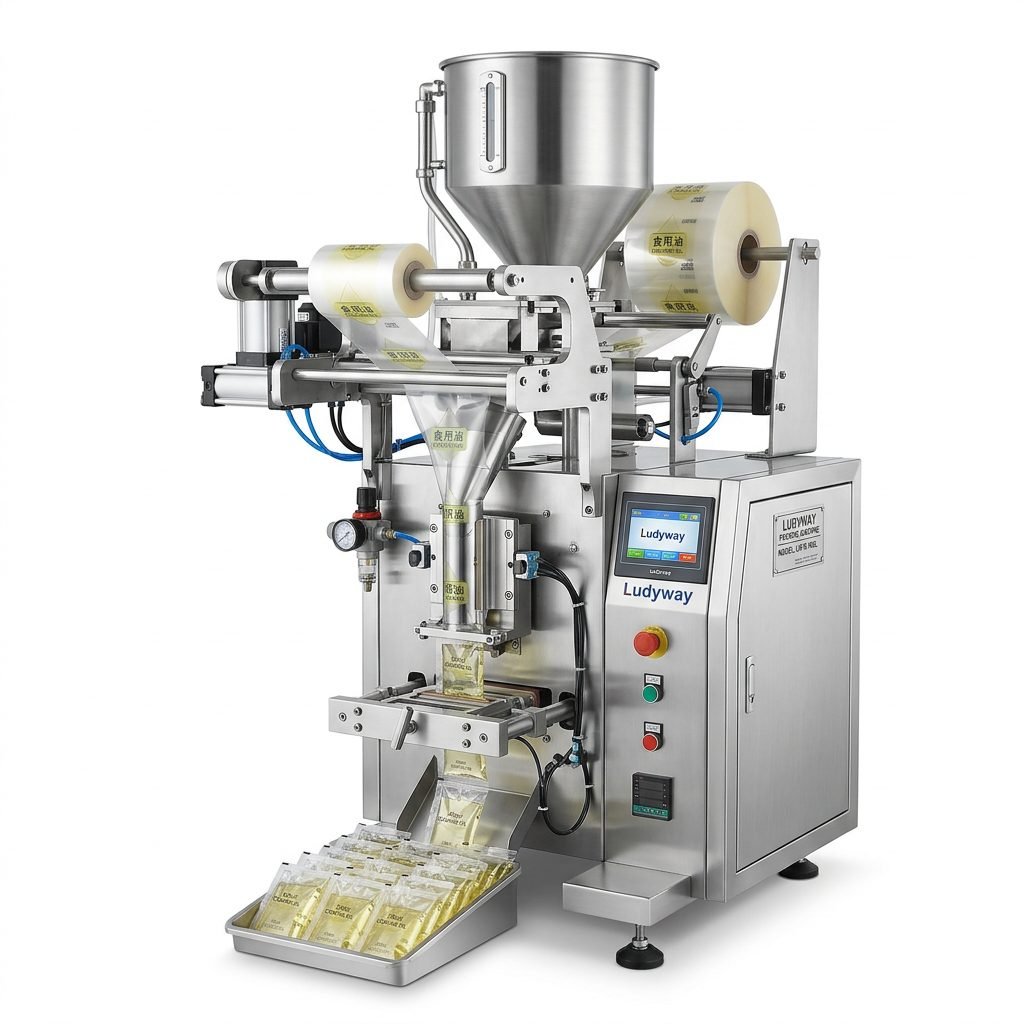
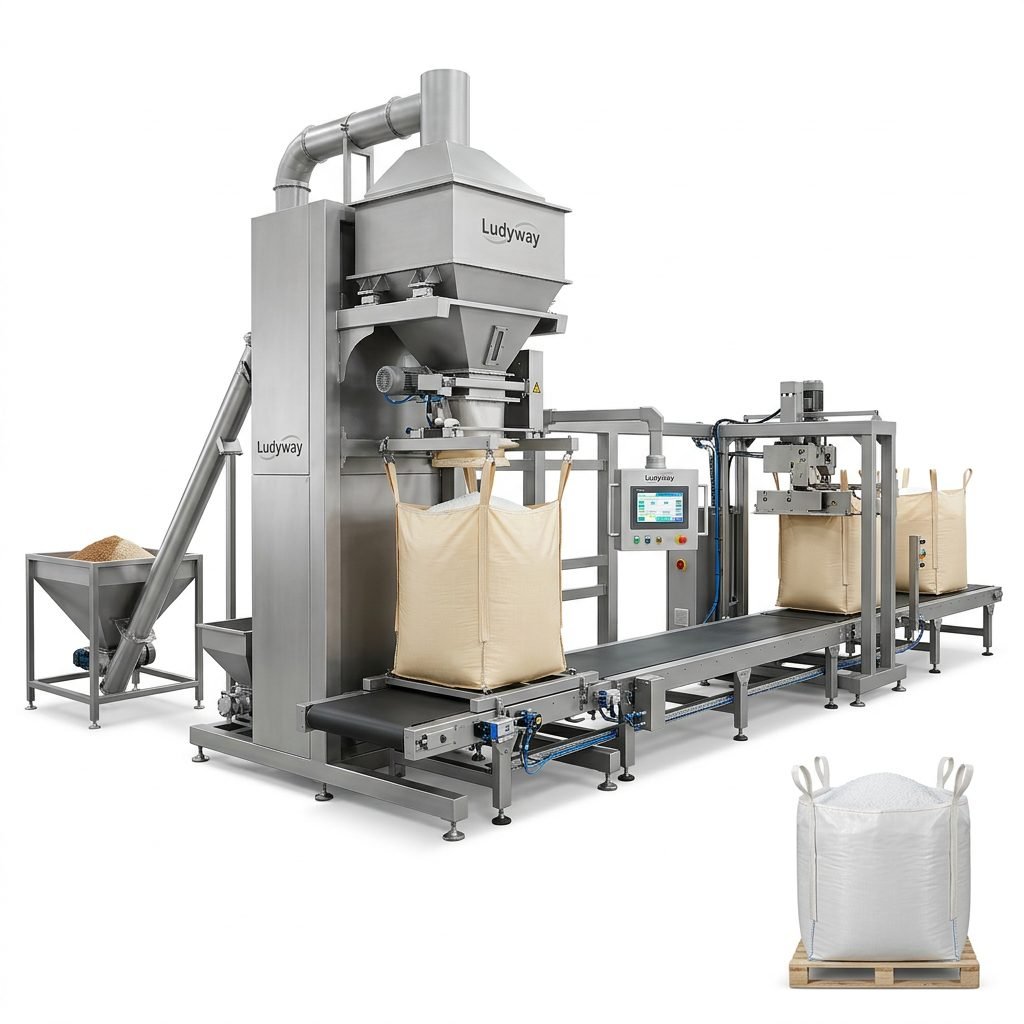
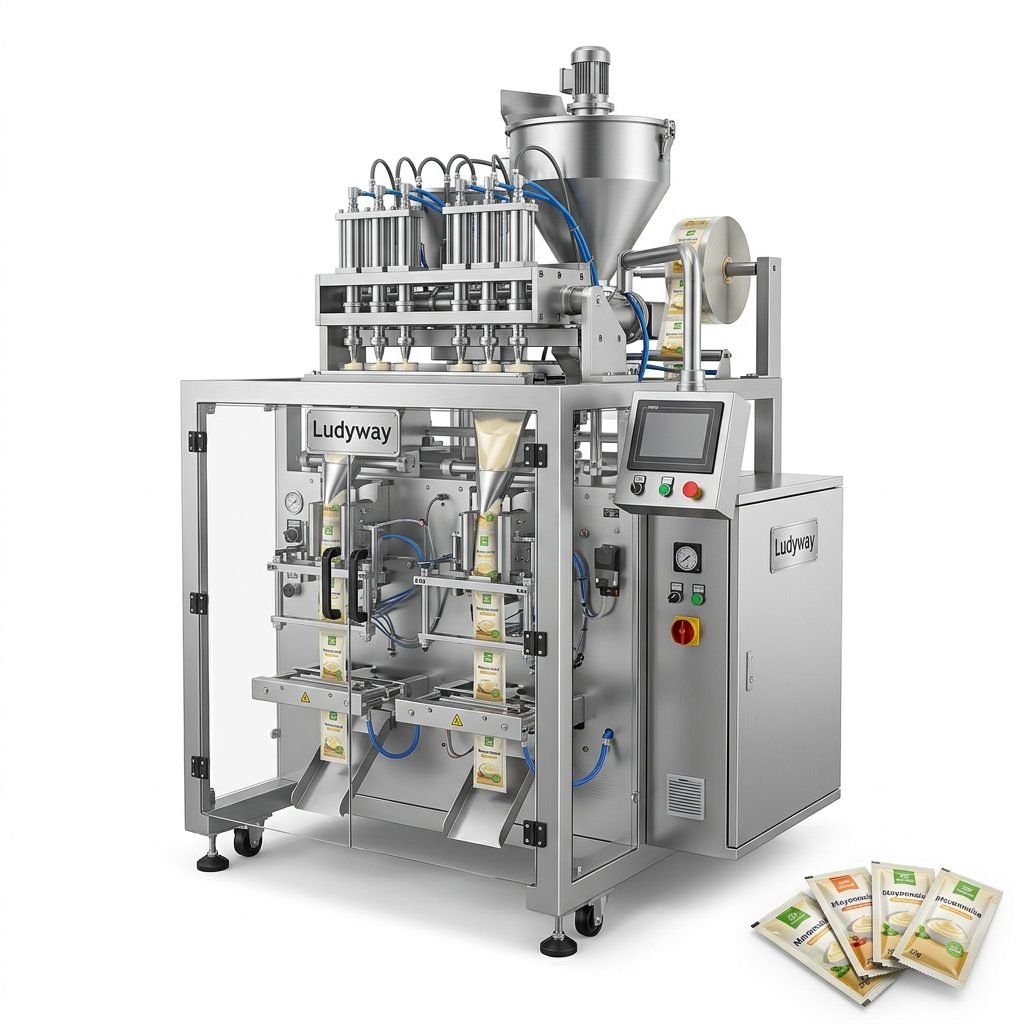
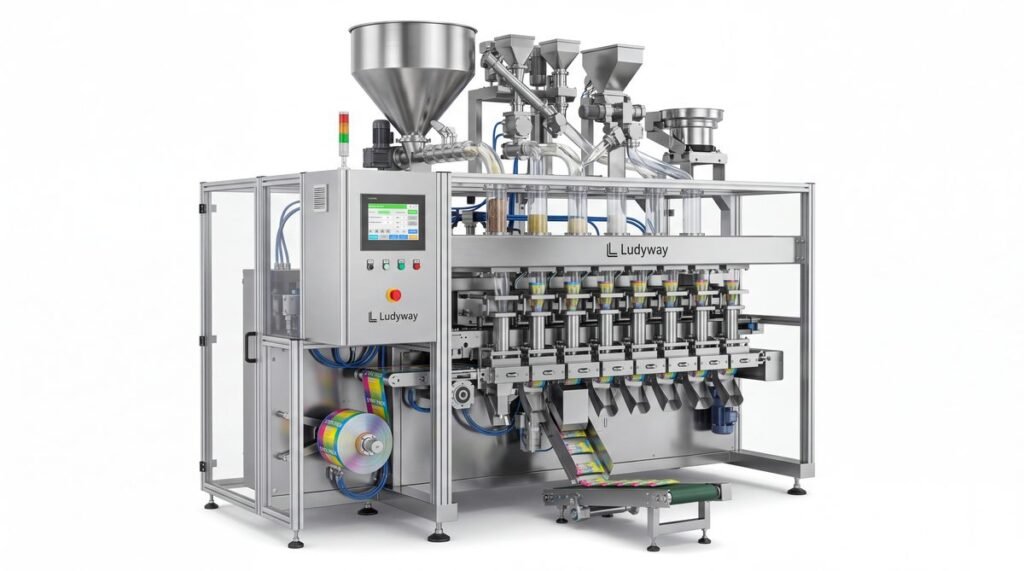
India’s food processing sector is undergoing a remarkable transformation, with the dairy and edible fats industry projected to reach $128 billion by 2025. In this rapidly expanding market, selecting the right butter packaging machine is critical for maintaining product freshness, optimizing production efficiency, and meeting stringent food safety compliance requirements. Whether you are packaging salted butter blocks, portion-controlled butter pats, flavored butter sticks, or clarified butter (ghee) sachets, your packaging equipment must deliver precision, reliability, and scalability.

Meeting India’s Growing Demand for Dairy Packaging Solutions
The Indian consumer packaged goods (CPG) landscape is shifting dramatically toward convenience formats. Single-serve butter portions, stick packs for hospitality, and multi-lane sachet formats are experiencing unprecedented demand across urban and semi-urban markets. A well-engineered butter packaging machine must handle the unique viscosity and temperature sensitivity of butter-based products while maintaining high throughput. Modern packaging systems from established manufacturers address these challenges through advanced temperature control, precision filling mechanisms, and flexible packaging technology integration.
Understanding Butter Packaging Machine Configurations
Different butter products require distinct packaging approaches. Below is a comparative overview of common configurations available in the market today:
| Machine Type | Best For | Key Advantage |
|---|---|---|
| Stick Pack Machine | Portion butter, flavored butter | High-speed multi-lane output |
| Sachet Packaging Machine | Ghee, melted butter, sauces | Liquid and semi-solid filling |
| Block Wrapping Machine | Standard butter blocks | Foil and parchment wrapping |
| Pouch Packaging System | Bulk butter, food service | Large format filling capability |
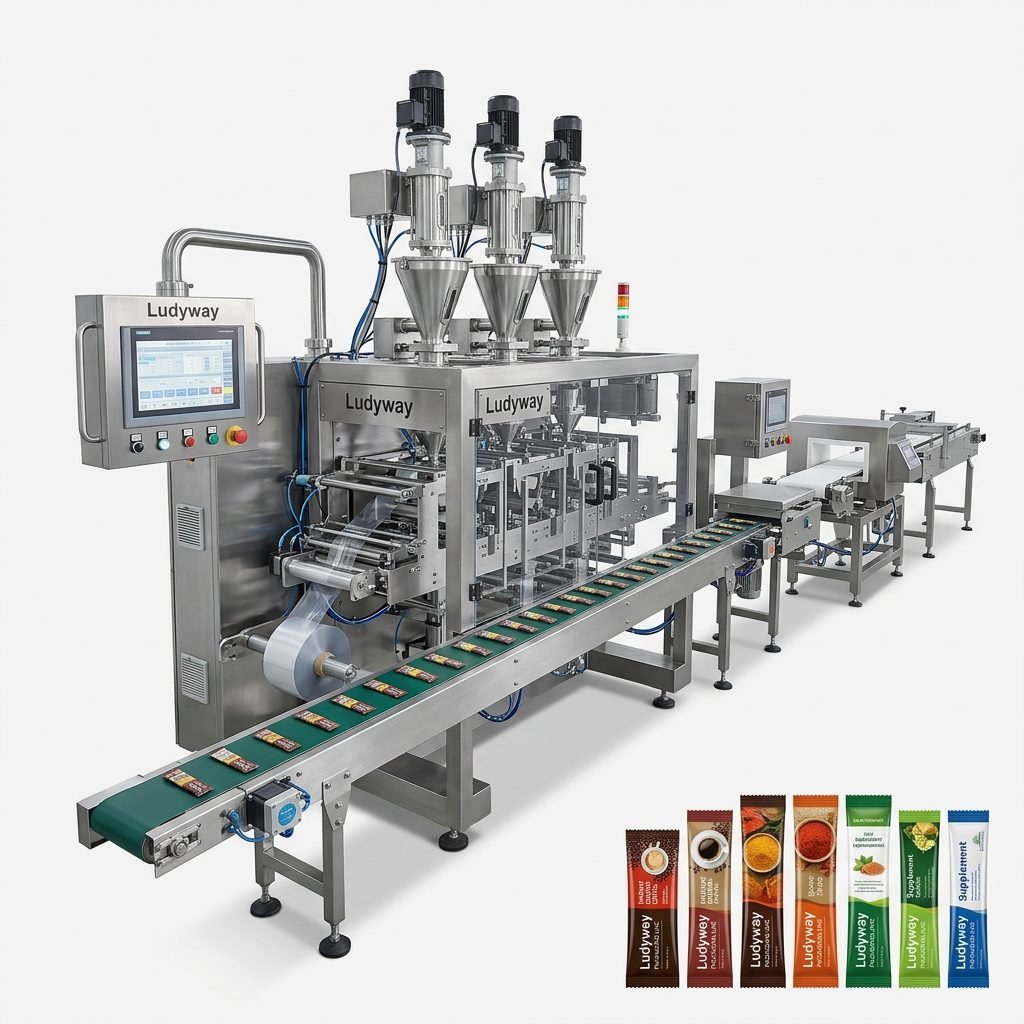
Critical Factors When Choosing a Butter Packaging Machine for Indian Operations
Investing in packaging equipment is a long-term decision. Indian manufacturers must evaluate several critical parameters before selecting a supplier. These factors directly impact total cost of ownership, production uptime, and product quality:
- Filling Accuracy: Consistent portion control minimizes product giveaway and ensures regulatory compliance with weight standards.
- Material Compatibility: The machine should handle butter at varying temperatures and consistencies without compromising seal integrity.
- Speed and Throughput: Multi-lane configurations can achieve higher output, essential for scaling production to meet growing market demand.
- Hygienic Design: Stainless steel construction, easy-clean surfaces, and compliance with international packaging standards are non-negotiable.
- After-Sales Support: Responsive technical service and spare parts availability within India are crucial for minimizing downtime.
- Changeover Flexibility: Quick tool-less changeover between different pack sizes and formats improves overall equipment effectiveness.
Key Insight: According to PMMI packaging industry data, multi-lane stick pack and sachet machines are among the fastest-growing segments in emerging markets, driven by rising demand for affordable single-serve formats in countries like India.
Temperature Control and Product Integrity
Butter presents unique packaging challenges due to its melting point and texture variations. Precision temperature management within the filling system prevents product degradation and ensures clean seals. Advanced machines incorporate cooling tunnels, temperature-regulated hoppers, and servo-driven filling mechanisms that adapt to product viscosity in real time. This level of control is particularly important in India’s diverse climate zones, where ambient temperatures can vary significantly between production facilities in Mumbai, Delhi, and Chennai.
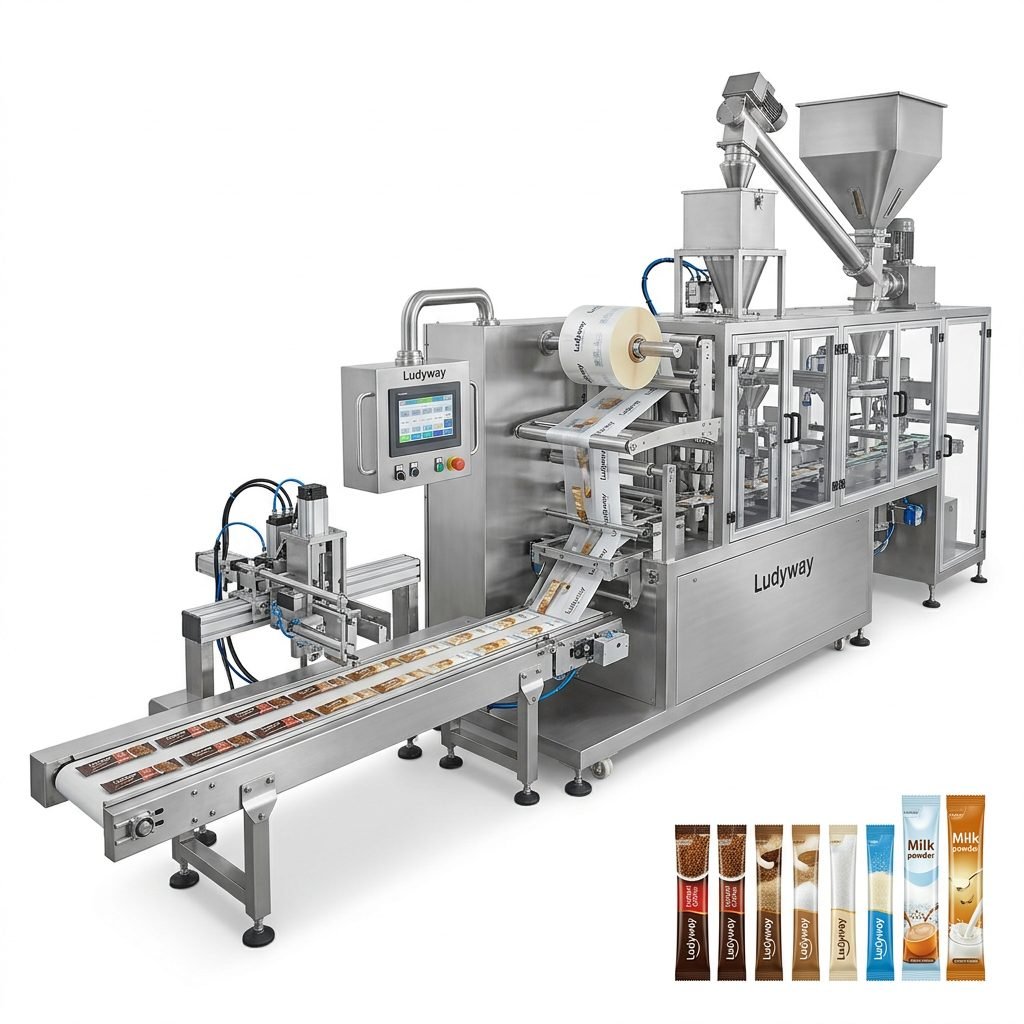
Automation Levels: From Semi-Automatic to Fully Integrated Turnkey Lines
Indian businesses range from small-scale dairy cooperatives to large multinational food processors. The right butter packaging machine should match your current operational scale while allowing for future expansion. Modern packaging lines offer varying degrees of automation:
- Semi-Automatic Systems: Ideal for artisanal producers and startups, offering manual loading with automated filling and sealing functions.
- Fully Automatic Standalone Machines: Suitable for mid-sized operations requiring consistent output with minimal operator intervention.
- Integrated Turnkey Packaging Lines: Complete solutions encompassing filling, sealing, coding, cartoning, and palletizing — designed for high-volume 24/7 production environments.
Ludyway, one of the largest packaging machine manufacturers in China with over 30 years of industry expertise and a modern 20,000㎡ manufacturing facility, offers more than 50 intelligent packaging machine models that cater to diverse production scales. The company’s global growth trajectory reflects its commitment to engineering excellence and customer-centric innovation, with export revenue projected to exceed RMB 500 million in 2025.
Comparing Packaging Formats for Butter Products
| Packaging Format | Typical Size Range | Target Market Segment |
|---|---|---|
| Stick Pack | 5g – 30g | Hotel, airline, food service |
| Sachet | 10g – 100g | Retail, quick-service restaurants |
| Parchment Wrapped Block | 100g – 500g | Household retail, supermarkets |
| Stand-Up Pouch | 250g – 1kg | Premium ghee, specialty butter |
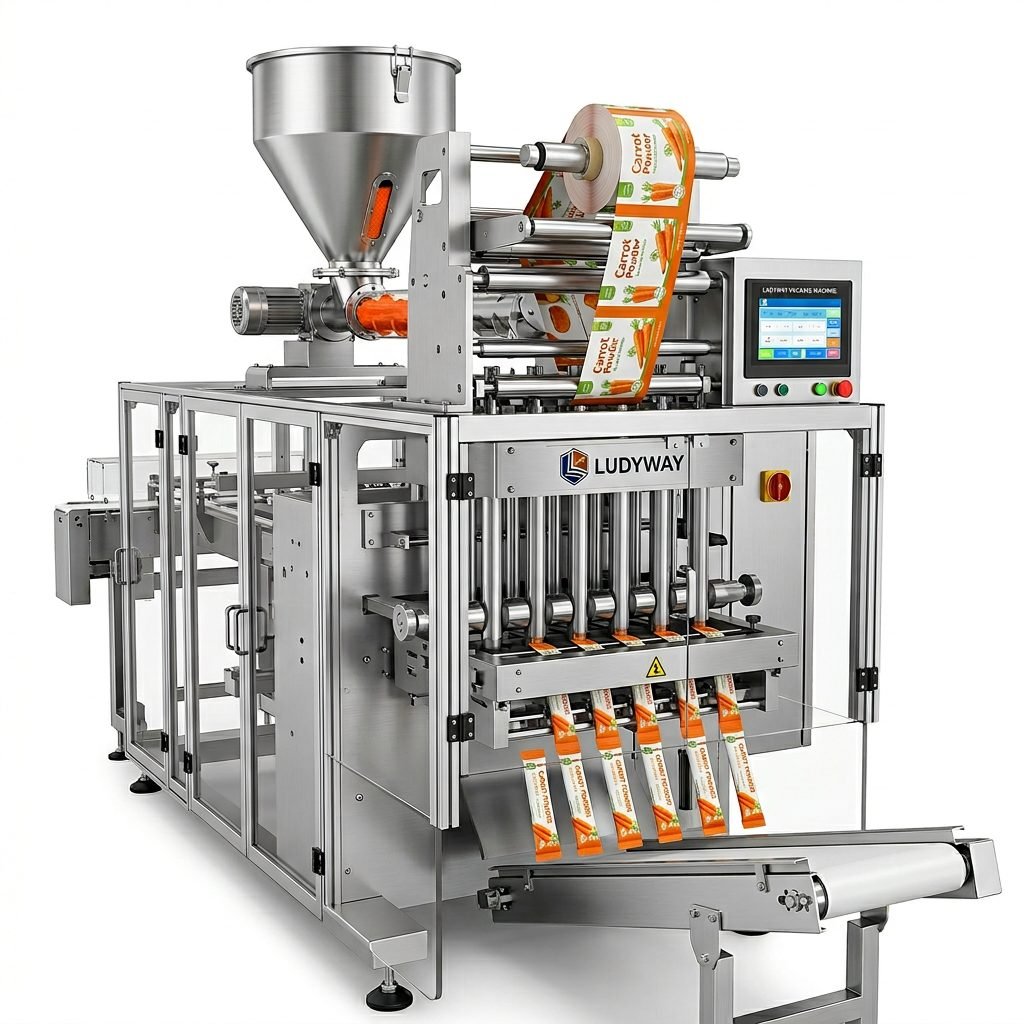
Why Indian Businesses Are Upgrading to Multi-Lane Packaging Technology
Multi-lane stick pack and sachet machines represent a paradigm shift in packaging productivity. Traditional single-lane machines limit output, whereas multi-lane configurations can simultaneously run 4 to 12 lanes, dramatically increasing throughput without proportionally increasing floor space or operator requirements. For butter and ghee products destined for India’s competitive retail shelves, this efficiency translates directly into lower unit costs and improved market responsiveness.
Key Benefits of Multi-Lane Butter Packaging Systems
- Higher Output Per Square Foot: Achieve more production within the same factory footprint compared to multiple single-lane machines.
- Consistent Seal Quality: Independent lane control ensures uniform sealing across all lanes, reducing rejection rates.
- Reduced Labor Dependency: One operator can oversee a multi-lane system, addressing India’s skilled labor challenges in manufacturing.
- Faster Format Changeovers: Modern servo-driven designs enable quicker transitions between different product SKUs and pack sizes.
Market Data: The PMMI 2025 State of the Industry report highlights that flexible packaging machinery orders in developing markets have grown at a compound annual rate exceeding 8%, underscoring the strategic importance of upgrading packaging infrastructure now.
Ensuring Food Safety and Regulatory Compliance
Butter is a sensitive dairy product requiring packaging processes that meet FDA packaging and food contact substances guidelines as well as FSSAI standards in India. Equipment must be constructed from food-grade materials, feature sanitary design principles, and support clean-in-place (CIP) protocols where applicable. Properly engineered machines minimize product contact with moving parts and incorporate sealed bearings, smooth weld finishes, and accessible cleaning points — all critical for maintaining HACCP compliance in dairy processing environments.
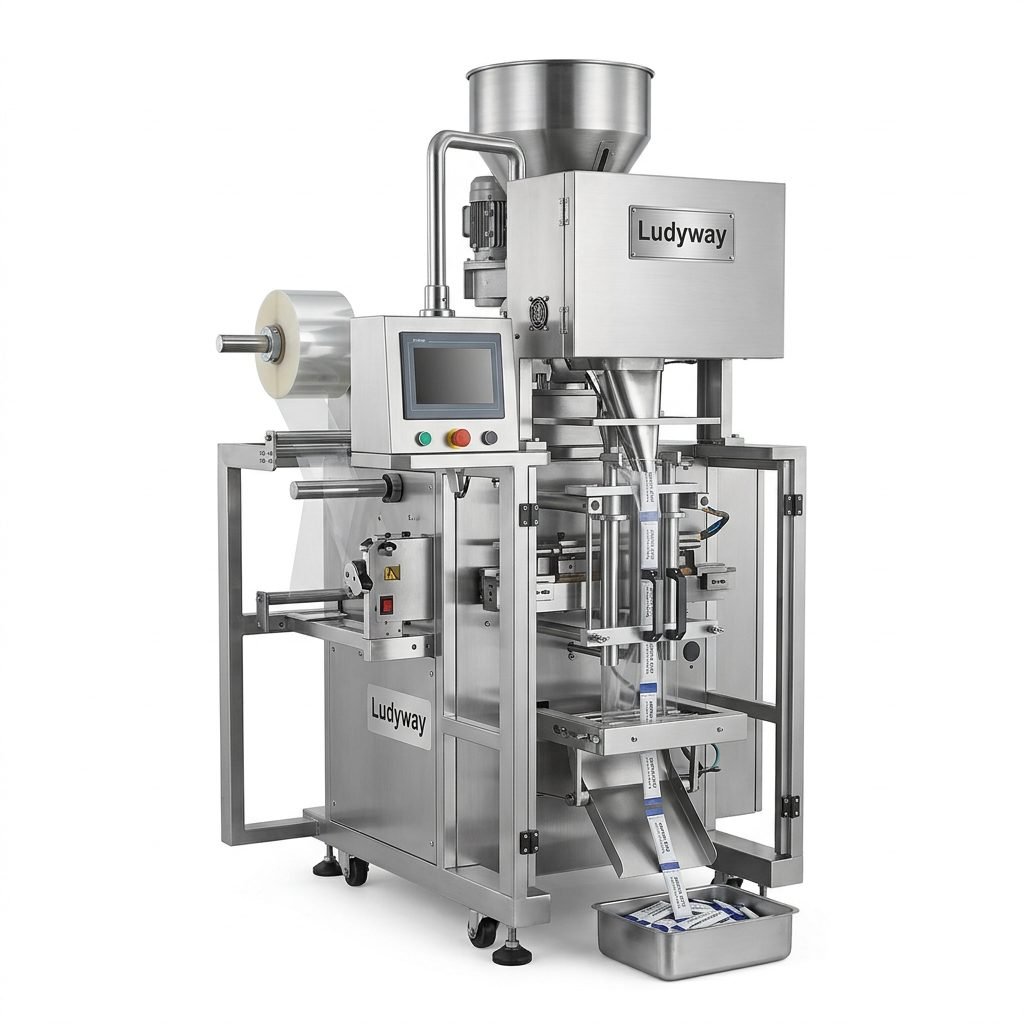
Evaluating Total Cost of Ownership for Packaging Equipment
While the initial purchase price is an important consideration, Indian business owners should evaluate the total cost of ownership (TCO) over a machine’s expected lifespan of 10-15 years. Key TCO components include:
- Energy Efficiency: Servo-driven machines consume significantly less power than pneumatic alternatives, yielding substantial electricity savings in high-volume operations.
- Maintenance Costs: Modular designs with standardized components simplify repairs and reduce inventory requirements for spare parts.
- Downtime Impact: Reliable equipment with robust engineering minimizes unplanned stoppages that can disrupt supply chain commitments.
- Packaging Material Waste: Precision film handling and registration systems reduce material waste during start-up, splicing, and continuous operation.
- Scalability Value: Machines designed for future upgrades protect your initial investment as production requirements grow.
Technical Specifications That Matter
When comparing different butter packaging machine options, focus on the specifications that directly impact your production goals. Look for servo-driven filling systems with accuracy within ±0.5%, film registration precision below 1mm deviation, and robust frame construction using 304 or 316 stainless steel. The machine’s control system should offer intuitive HMI touchscreen operation with recipe management, production data logging, and remote diagnostic capabilities — features increasingly expected in ISO-compliant packaging environments.
Packaging Material Compatibility
Butter packaging commonly uses materials such as aluminum foil laminates, parchment paper, metallized polyester, and multi-layer barrier films. Your packaging machine must be compatible with these materials and capable of achieving hermetic seals that protect against oxygen, moisture, and light — all of which can accelerate butter rancidity. Verify that the machine’s sealing temperature range, dwell time controls, and pressure adjustments accommodate your chosen packaging substrates.
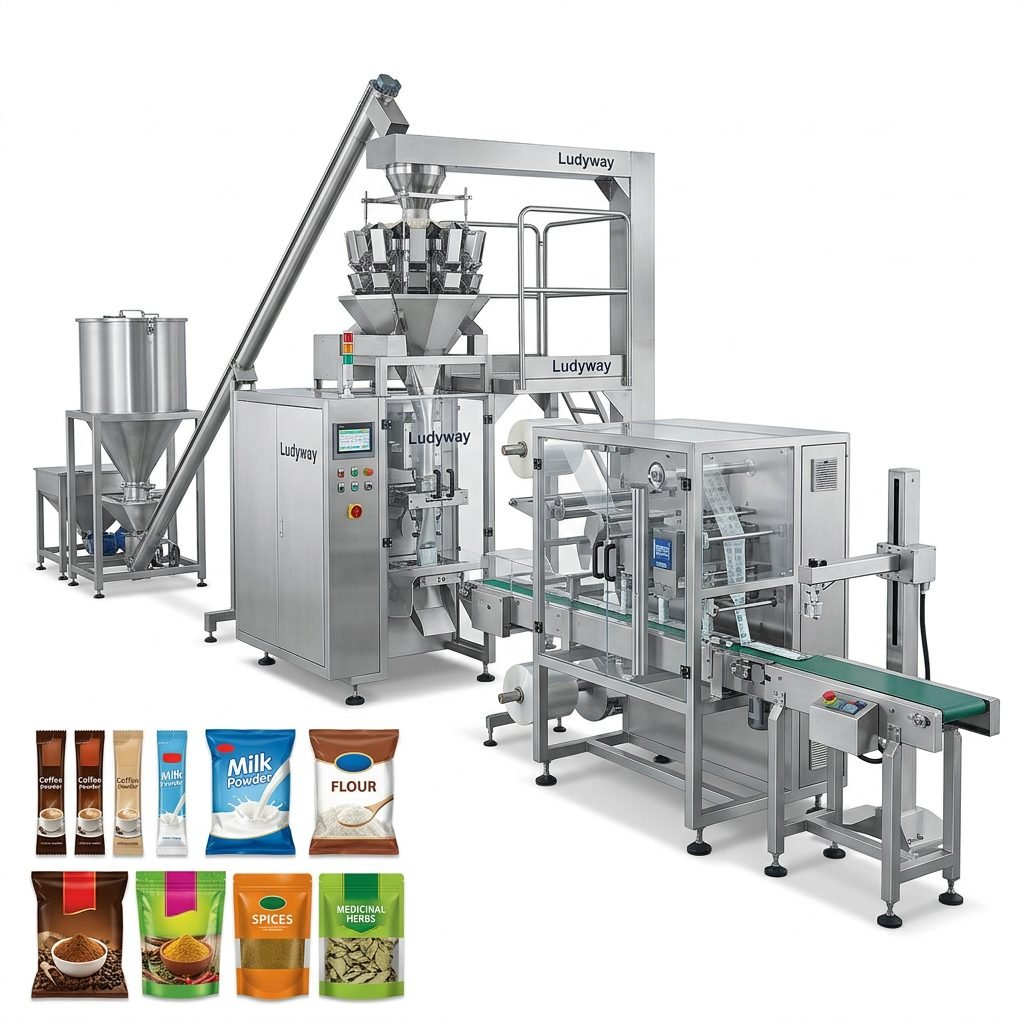
Making the Right Investment Decision for Your Indian Business
Selecting a butter packaging machine for your Indian operation involves balancing technical requirements, budget constraints, and long-term growth projections. The ideal supplier should demonstrate proven experience in dairy packaging applications, offer comprehensive after-sales support accessible from India, and provide equipment that aligns with both current sustainable packaging regulations and your production scalability roadmap.
Modern packaging machinery represents a strategic asset that can differentiate your butter brand in India’s increasingly competitive market. By prioritizing build quality, automation capability, and hygienic design, you position your business for sustainable growth in one of the world’s most dynamic food economies. Take time to visit manufacturing facilities, request sample runs with your actual product, and speak with existing customers before finalizing your investment.
Additional Resources
- PMMI – Packaging Industry Resources and Standards
- Flexible Packaging Association – Official Website
- U.S. EPA – Sustainable Materials Management for Packaging
- PACK EXPO International – Global Packaging Exhibition