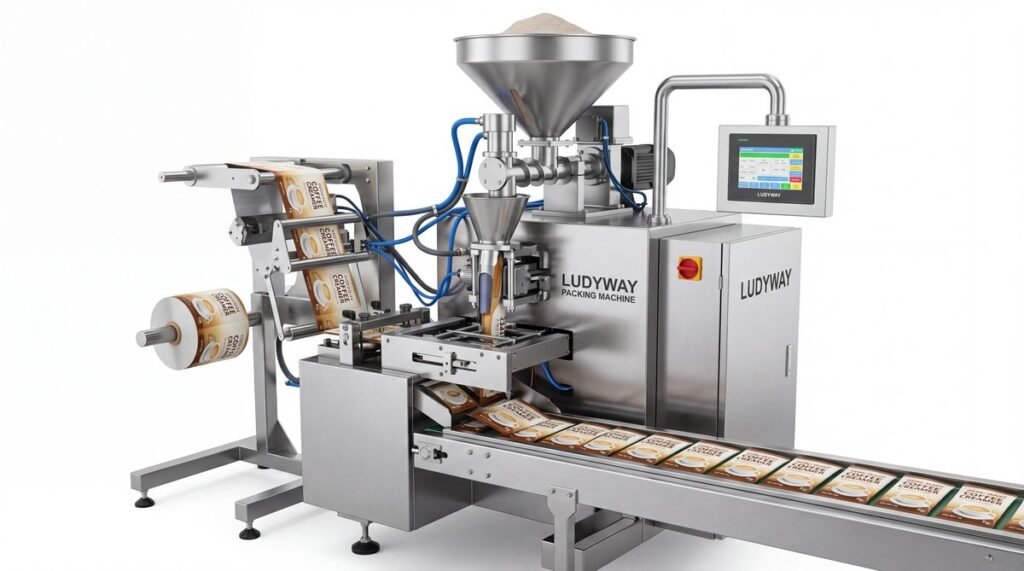
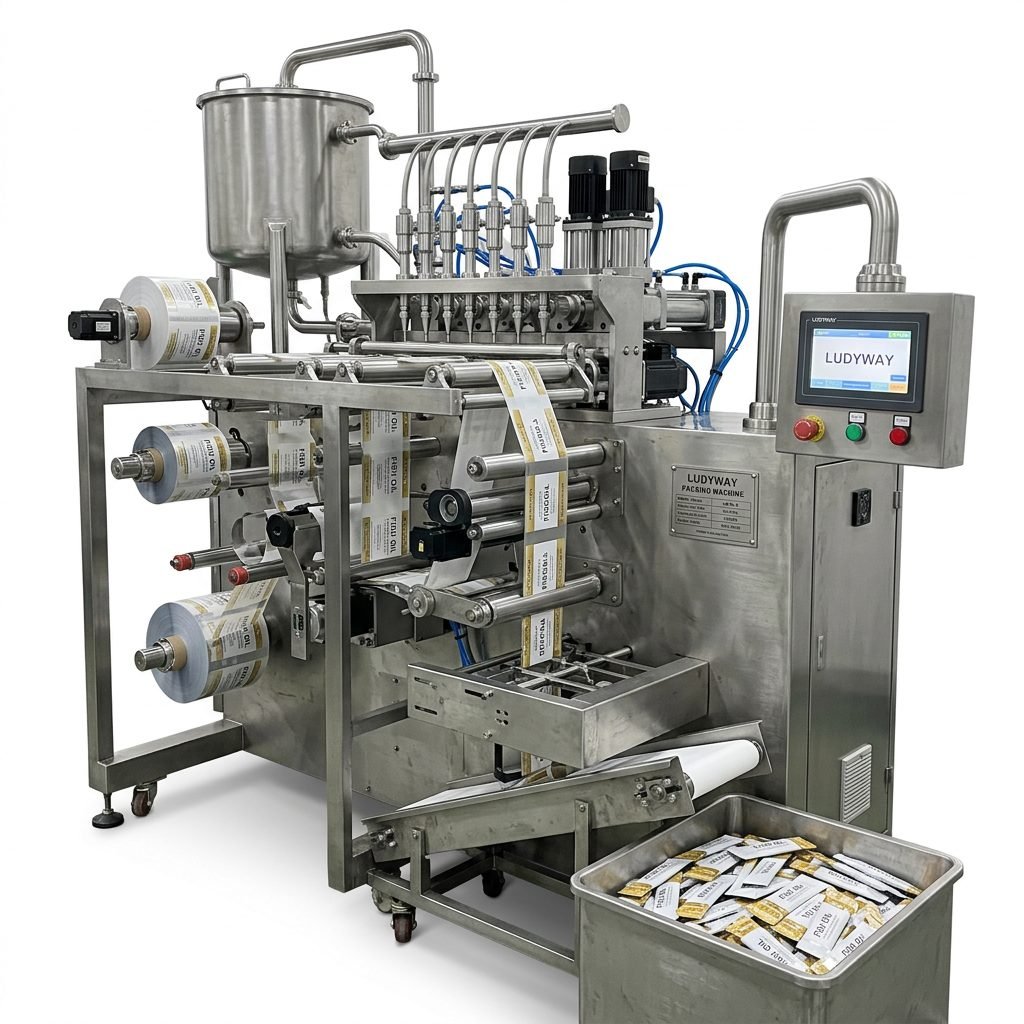
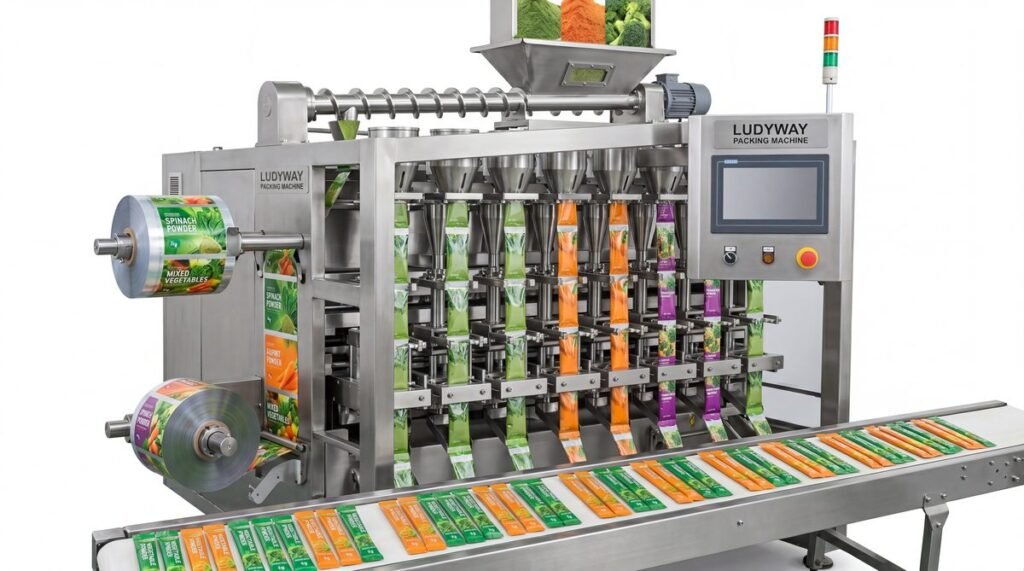
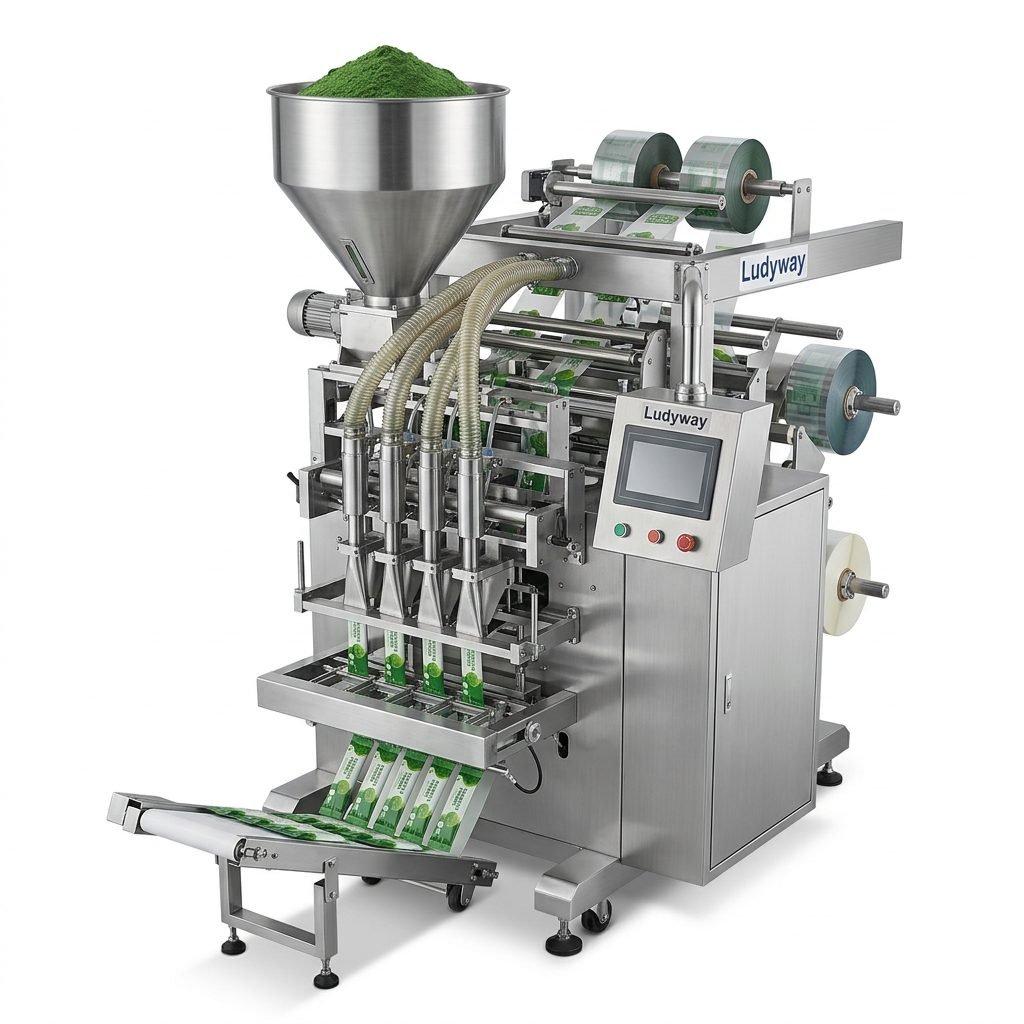
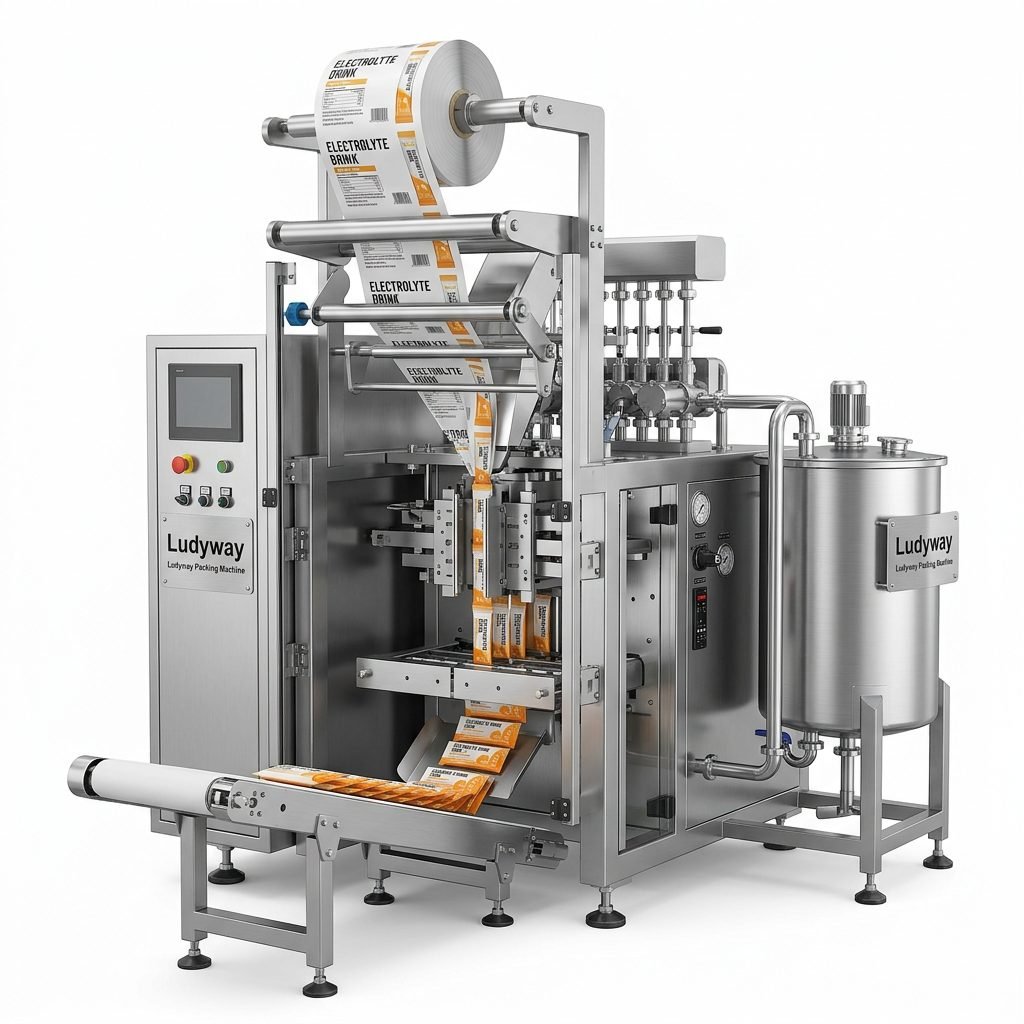
Setting up an airtight food packaging machine production line in Southeast Asia presents a massive opportunity. The region’s booming food processing sector, driven by rising disposable incomes and export demands, requires advanced packaging solutions. Whether you are dealing with coffee powder, seasoning sachets, or liquid concentrates, ensuring an airtight seal is critical for product shelf life and compliance with international standards. This guide walks you through the essential steps, from factory layout to machine selection.
1. Production Planning and Capacity Analysis
Before purchasing equipment, you must define your production goals. The first step is to analyze your target output per hour and the variety of products you plan to package.
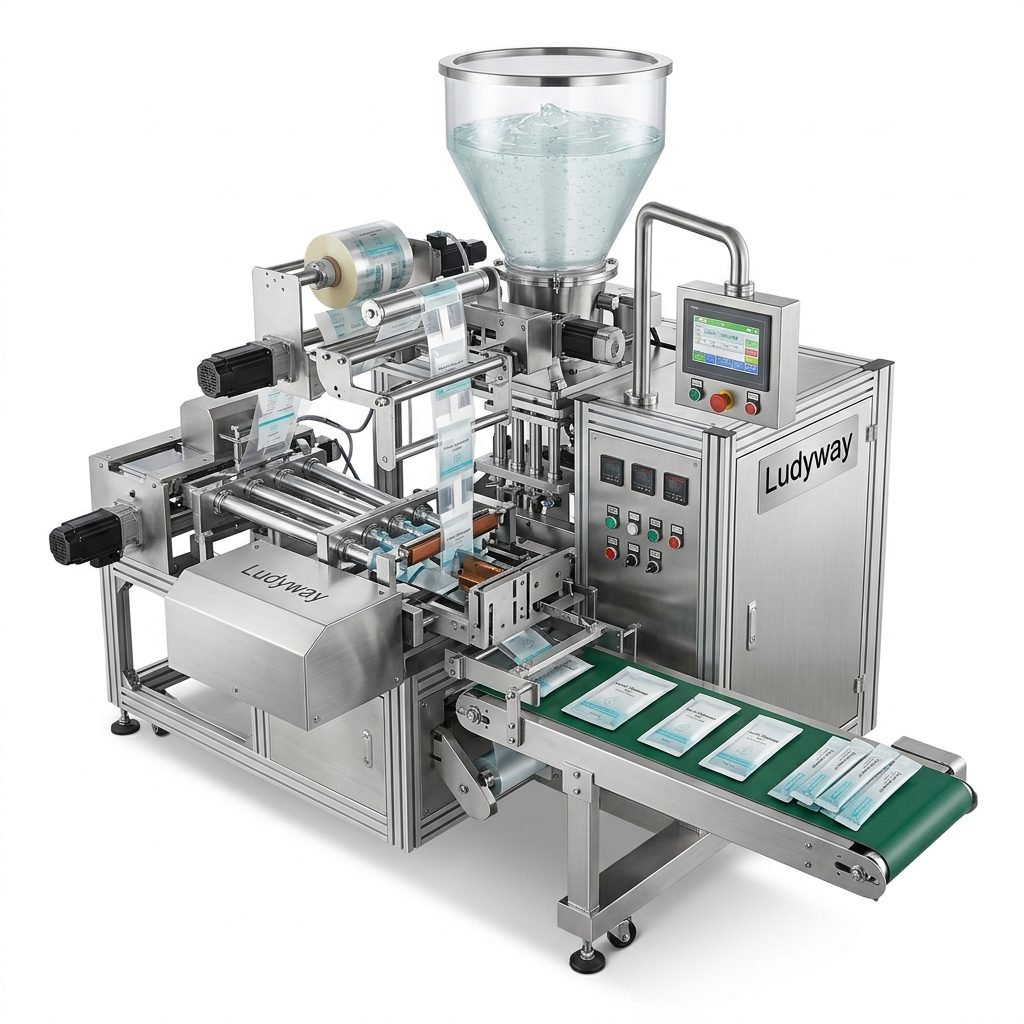
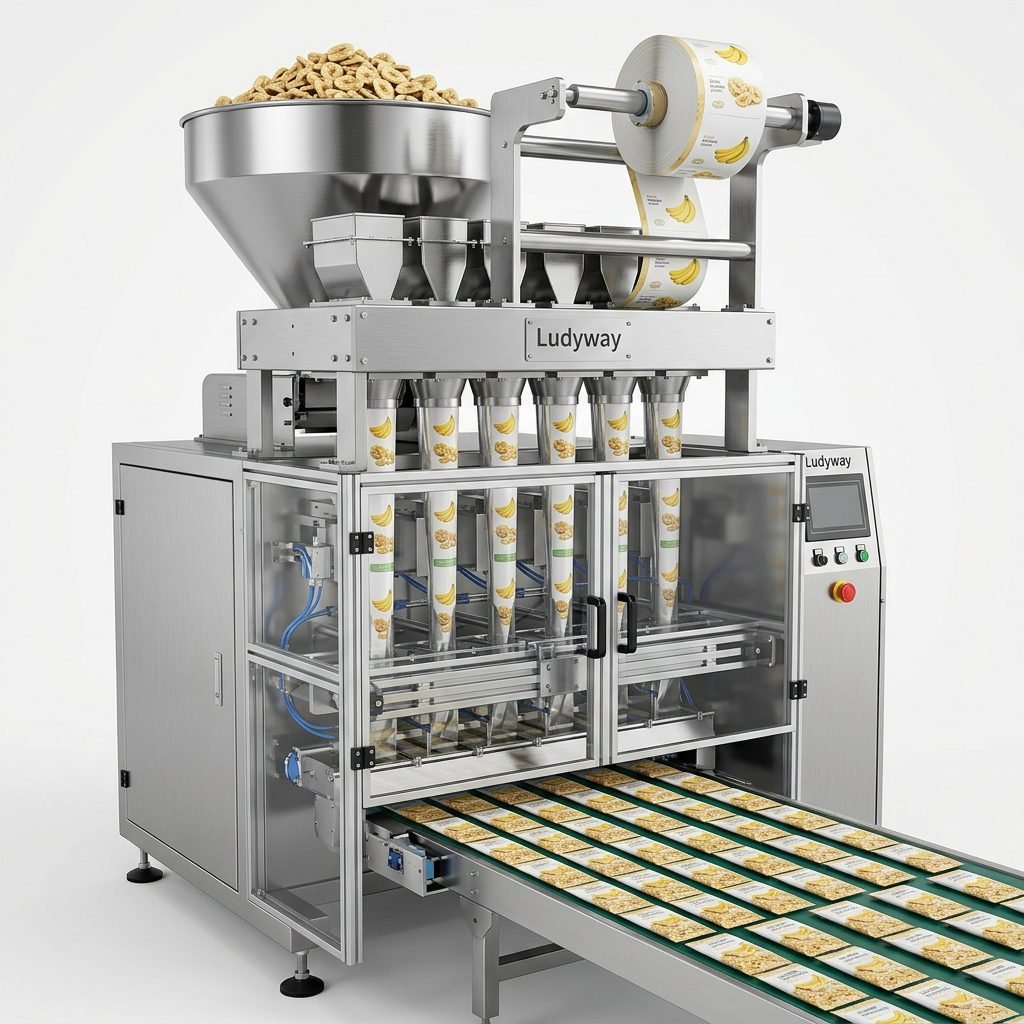
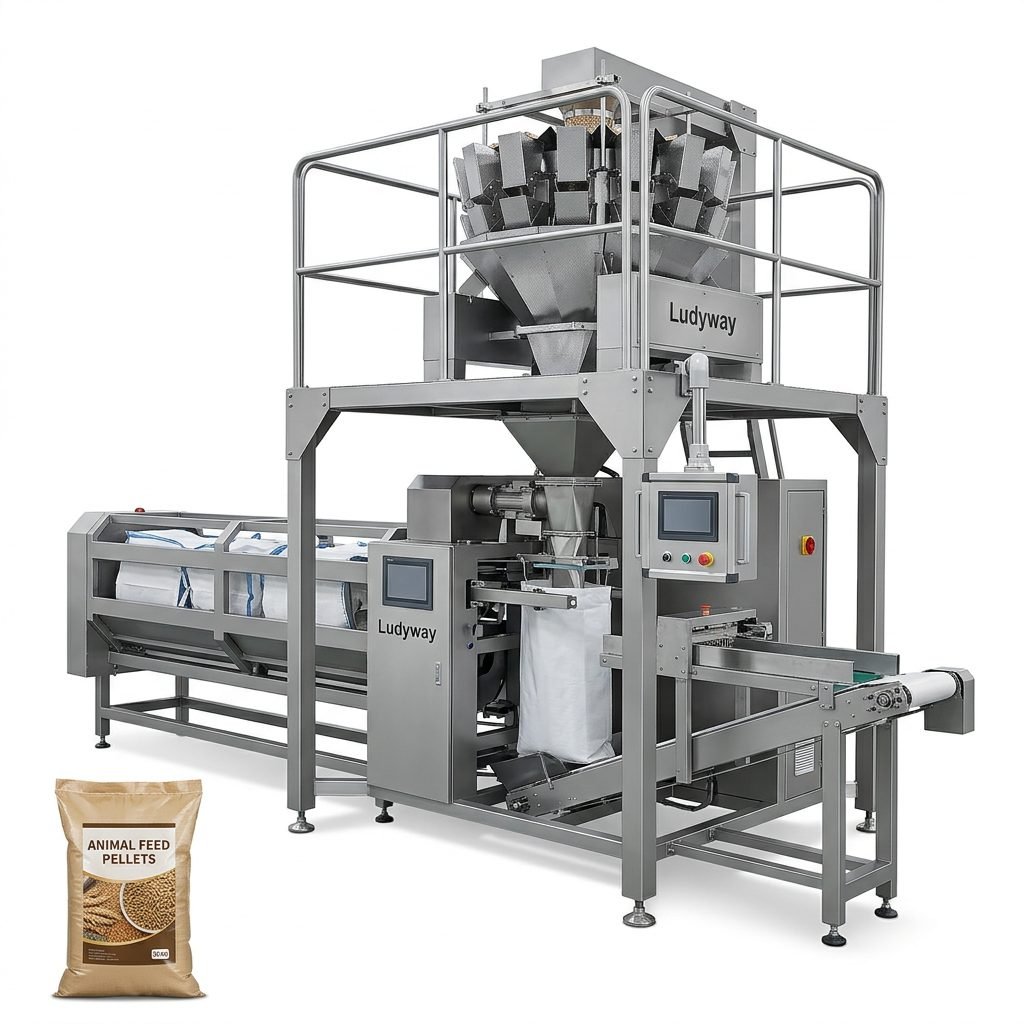
- Product Matrix: Identify if you are packing dry granules (like coffee or milk powder), powders (like spices or protein), or liquids (like coconut oil or sauces). Each requires a specific filling mechanism, such as auger fillers for powder or piston pumps for liquids.
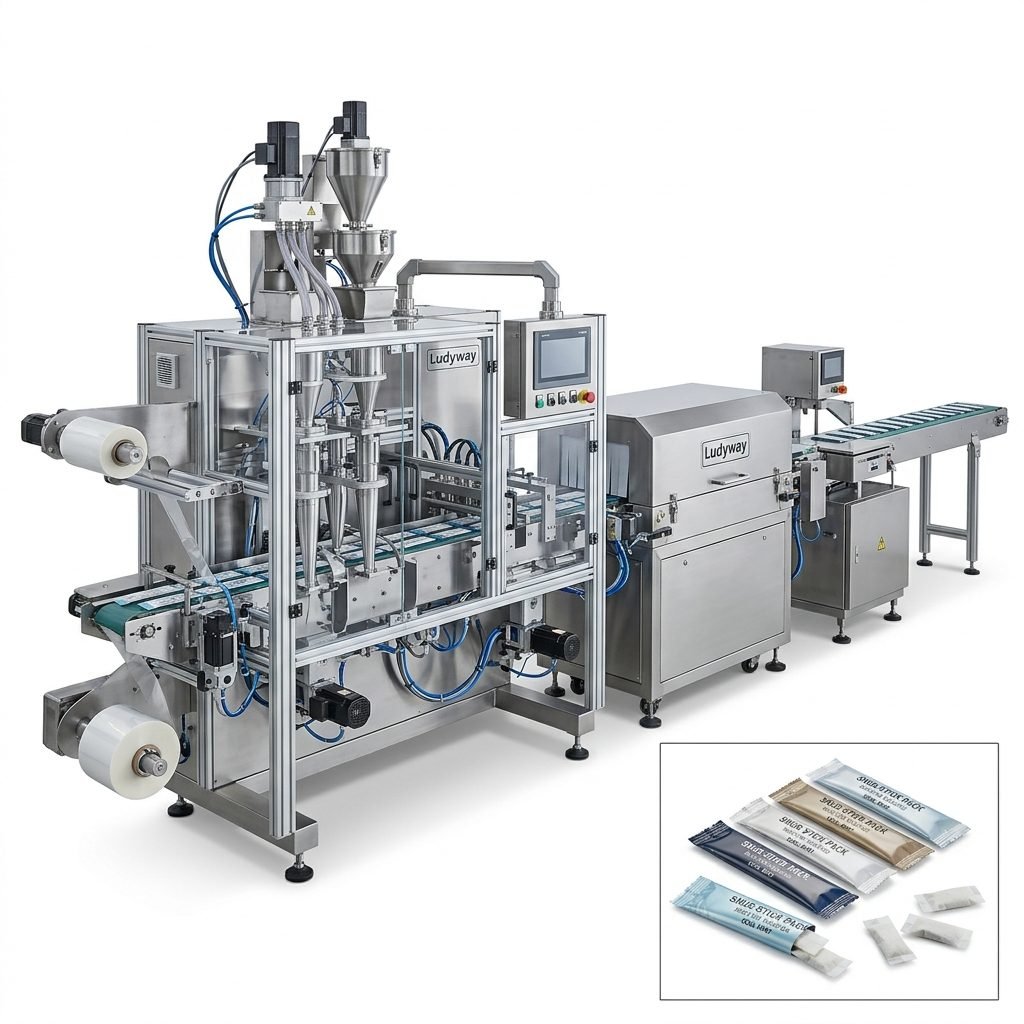
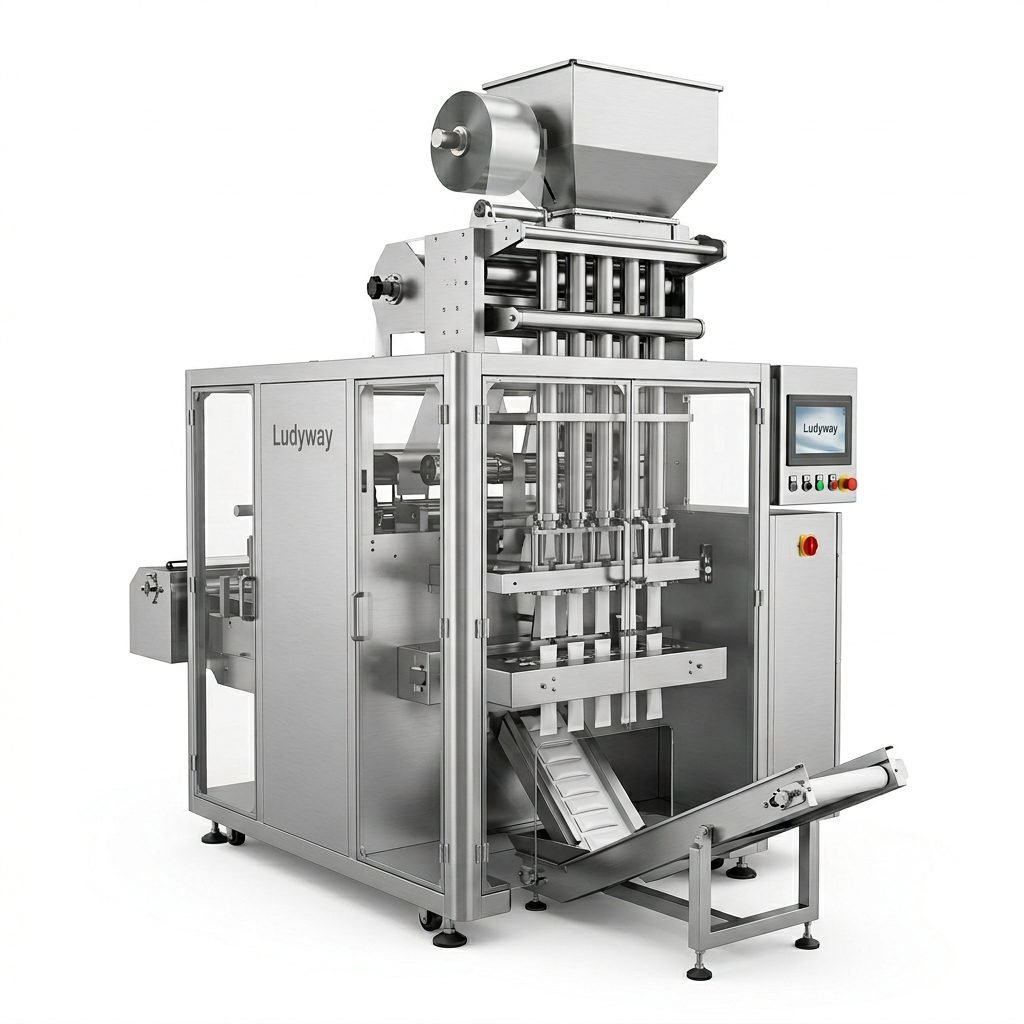
- Output Speed: For high-volume demands common in Southeast Asia, consider multi-lane stick pack machines. These can produce 400-600 packs per minute, significantly outperforming single-lane units.
- Bag Formats: Decide between stick packs, sachets, or pouches. The trend in markets like Indonesia and Thailand is moving toward compact, single-serve stick packs for instant beverages.
2. Facility Layout and Environmental Control
A successful airtight packaging line requires more than just a clean room. The facility layout must follow a logical flow to prevent cross-contamination and maintain seal integrity.
Ensure your facility has a dedicated area for the air compressor and nitrogen generator (if using gas flushing for Modified Atmosphere Packaging – MAP). The production floor should maintain a controlled temperature of 20-25°C. Excessive humidity is a major enemy of powder packaging, causing clumping and poor sealing.
Integrate a dry air system to keep the product and the machine’s sealing jaws in optimal condition. A linear flow from raw material intake to finished goods dispatch minimizes human traffic and airborne contaminants.
3. Choosing the Right Airtight Sealing Technology
The core of the line is the vertical form fill seal (VFFS) machine. To guarantee an “airtight” status, you cannot compromise on the sealing mechanism. Look for machines equipped with:
- Servo-driven sealing jaws: These provide precise pressure and temperature control, essential for materials like aluminum foil laminates.
- Gas flushing (Nitrogen injection): This is non-negotiable for extending the shelf life of coffee or milk powder. A residual oxygen level below 1% is the industry benchmark.
- Ribbed or cross-seal patterns: These seal designs offer superior leak resistance compared to flat seals.
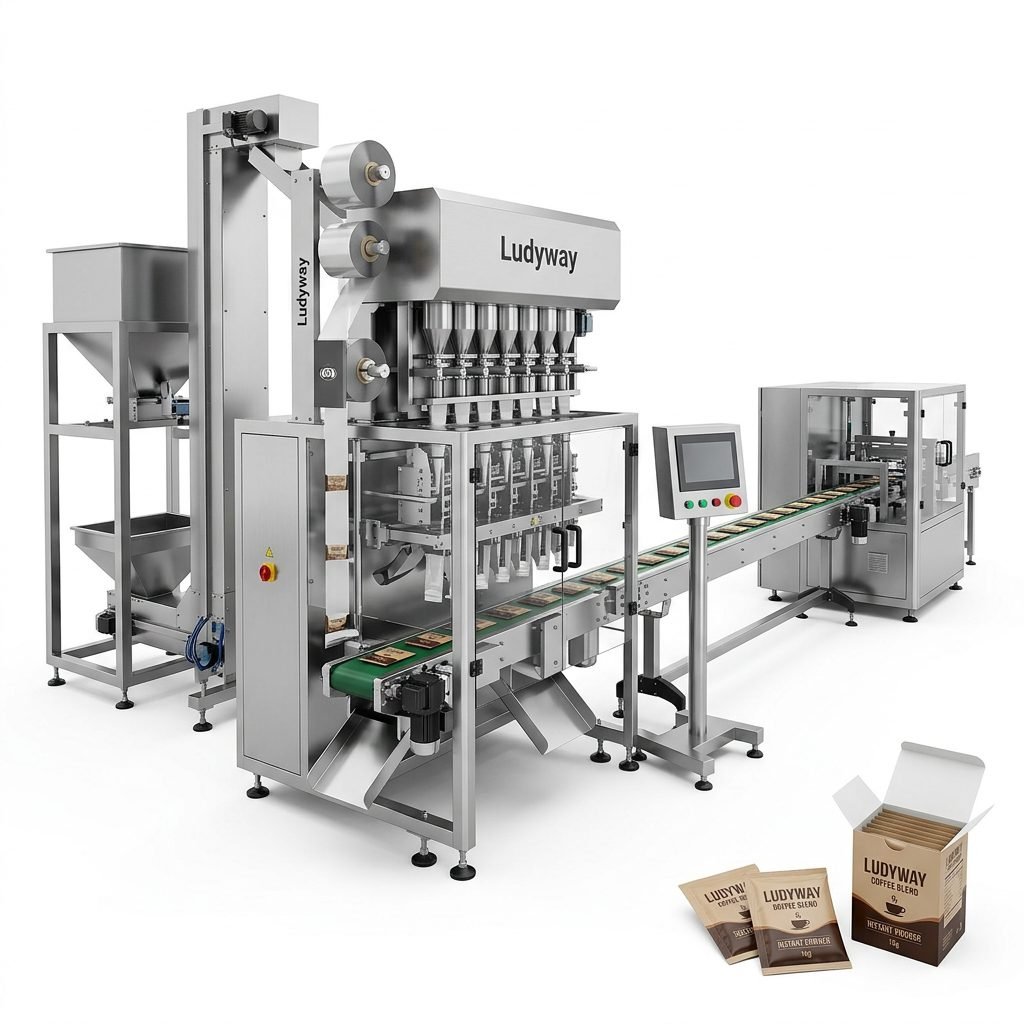
4. Integrating Auxiliary and Quality Control Equipment
An automated turnkey line must include quality assurance checkpoints to verify the airtight seal. Do not rely only on the packer; integrate a leak detection system.
Key stations to include are:
- Multi-head Weigher: Ensures precise product weight to prevent overfilling, which can lead to seal contamination.
- Checkweigher: Rejects underweight or overweight bags immediately after filling.
- X-ray Inspection or Metal Detector: Critical for food safety compliance.
- Leak Tester (Pressure Decay or Water Bath): A destructive or non-destructive test to ensure the integrity of the airtight seal on sample batches.
5. Understanding Regional Compliance and Materials
Southeast Asia has diverse regulatory landscapes. If you are exporting to the EU or the US, or serving local modern trade channels, your packaging materials must comply with FDA and EU food contact regulations. The laminates used must provide a high barrier against oxygen and moisture.
Common materials include PET/Aluminum/PE structures. Ensure your machinery can handle region-specific materials, such as thinner, cost-effective films used in some local markets, without compromising the airtight integrity.
6. Turnkey vs. Standalone Equipment Sourcing
Many processors in Southeast Asia initially try to source individual machines. However, for an airtight food packaging line, turnkey integration offers better synchronization. A unified control system ensures that the upstream filler and downstream cartoning machine communicate seamlessly.
When selecting a partner, look for manufacturers who provide comprehensive factory layout engineering support. Ludyway, one of the largest packaging machine manufacturers in China, specializes in these turnkey packaging solutions, offering over 50 intelligent models including multi-lane stick pack, sachet, and fully automated systems designed for high-performance barrier packaging.
Key Features to Look for in a Smart Packaging Line
| Feature | Benefit for Airtight Packaging |
|---|---|
| Servo-Driven Sealing Jaws | Ensures consistent pressure to prevent micro-leaks in the seal area. |
| Closed-Loop Temperature Control | Prevents melting failures on laminated films and saves energy. |
| Nitrogen Flushing System | Guarantees residual oxygen levels below 1% for extended shelf life. |
| Remote Troubleshooting (IoT) | Fast tech support for Southeast Asian clients without lengthy downtime. |
7. Workforce Training for Airtight Operations
An advanced packaging machine is only as good as the operators running it. Training is vital. Operators must understand how to adjust the vertical sealing temperature based on film speed and ambient humidity. Furthermore, they must strictly adhere to cleaning protocols for the filler nozzles; any product dust on the sealing area will disrupt the airtight seal and lead to high rejection rates. Regular preventive maintenance is a must in the tropical climate of Southeast Asia.
8. Maintenance and After-Sales Support
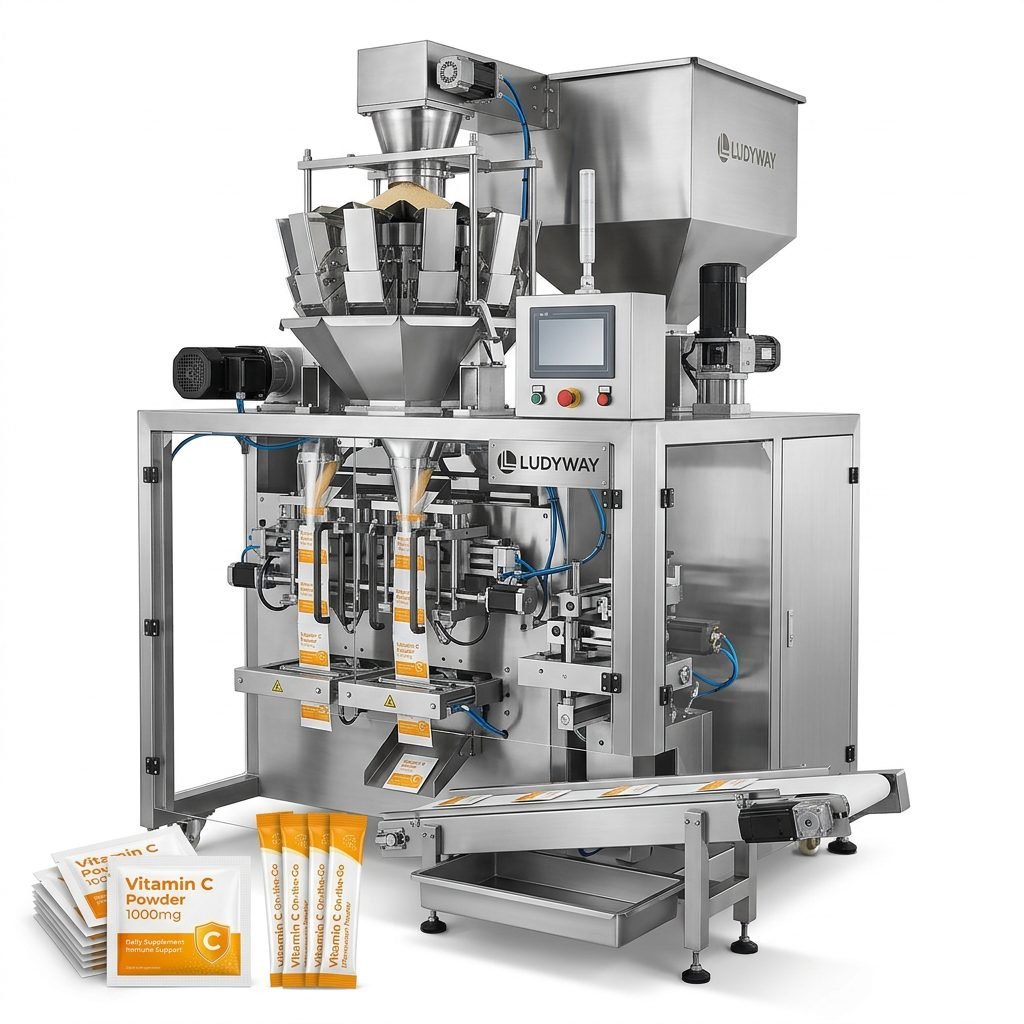
Downtime costs money. When setting up your line, prioritize quality machinery backed by reliable local service. Check the availability of critical spare parts like formers and sealing bands. A partner with a presence in Southeast Asia can respond to technical issues within 24–48 hours.
Authoritative Resources for Packaging Standards
To ensure your airtight food packaging machine production line meets global benchmarks, refer to these industry resources:
- PMMI State of the Industry Reports – Trends in packaging machinery markets.
- Flexible Packaging Association – Standards for flexible packaging materials.
- FDA Food Packaging and Food Contact Substances – Regulatory compliance for exports.
- ISO Packaging Standards – International packaging safety guidelines.
Industry Reference Links
| Resource Title | URL |
|---|---|
| PMMI – The Association for Packaging and Processing Technologies | https://www.pmmi.org/ |
| Flexible Packaging Association – Official Website | https://www.flexpack.org/ |
| FDA – Packaging and Food Contact Substances | https://www.fda.gov/food/food-ingredients-packaging/packaging-food-contact-substances-fcs |
| European Commission – Packaging and Packaging Waste | https://environment.ec.europa.eu/topics/waste-and-recycling/packaging-waste_en |
By meticulously planning your factory layout, integrating nitrogen-flushing multi-lane machines, and prioritizing quality control integration, you can establish a successful and profitable airtight food packaging machine production line in Southeast Asia capable of meeting both local and international export demands.