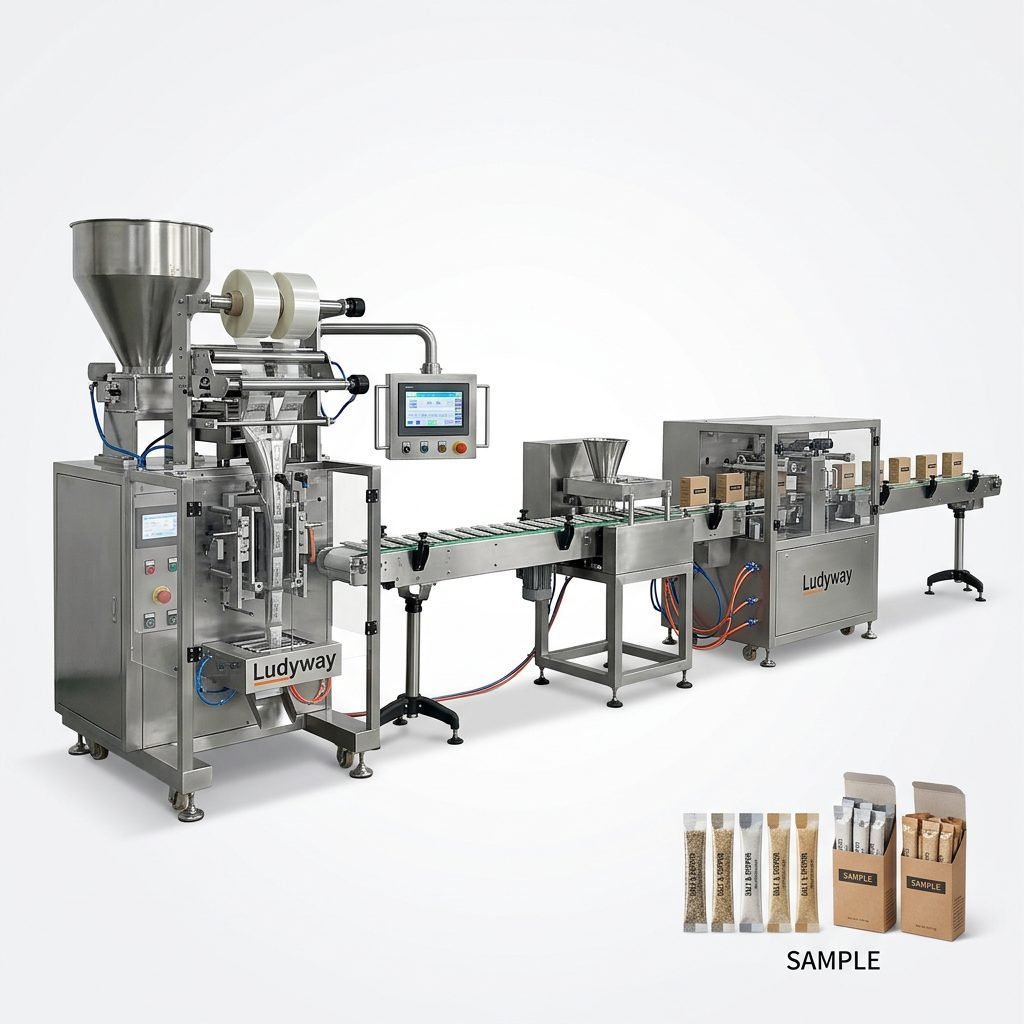
Investing in a flexible pouch packaging machine is a significant decision for any manufacturer in the food, pharmaceutical, chemical, or cosmetic industries. The right equipment can dramatically improve your production efficiency, reduce labor costs, and ensure consistent package quality. However, with the wide range of machine types, configurations, and suppliers available, the selection process can be overwhelming. This comprehensive buyer’s guide will walk you through the essential factors to consider, from understanding your product and packaging requirements to evaluating machine specifications and choosing the right packaging machinery manufacturer.

Understanding Flexible Pouch Packaging Machines
A flexible pouch packaging machine is a type of packaging equipment designed to form, fill, and seal flexible pouches or bags. These machines handle a variety of packaging materials, including laminated films, aluminum foil, and paper-based composites. They are widely used for packaging products such as powders, granules, liquids, pastes, and solid items into formats like stand-up pouches, flat pouches, stick packs, sachets, and gusseted bags.
Definition and Primary Functions
At its core, a flexible pouch packaging machine automates the process of creating a pouch from a roll of film, filling it with product, and sealing it to create a finished package. The primary functions include film unwinding and tension control, pouch forming, product dosing and filling, heat sealing, and cutting or separating individual pouches. Advanced models may incorporate additional features such as gas flushing for modified atmosphere packaging (MAP), date coding, labeling, and checkweighing.
Types of Flexible Pouch Packaging Machines
Understanding the different types of machines is the first critical step in your selection process. Each type is suited to specific applications, product characteristics, and production requirements.
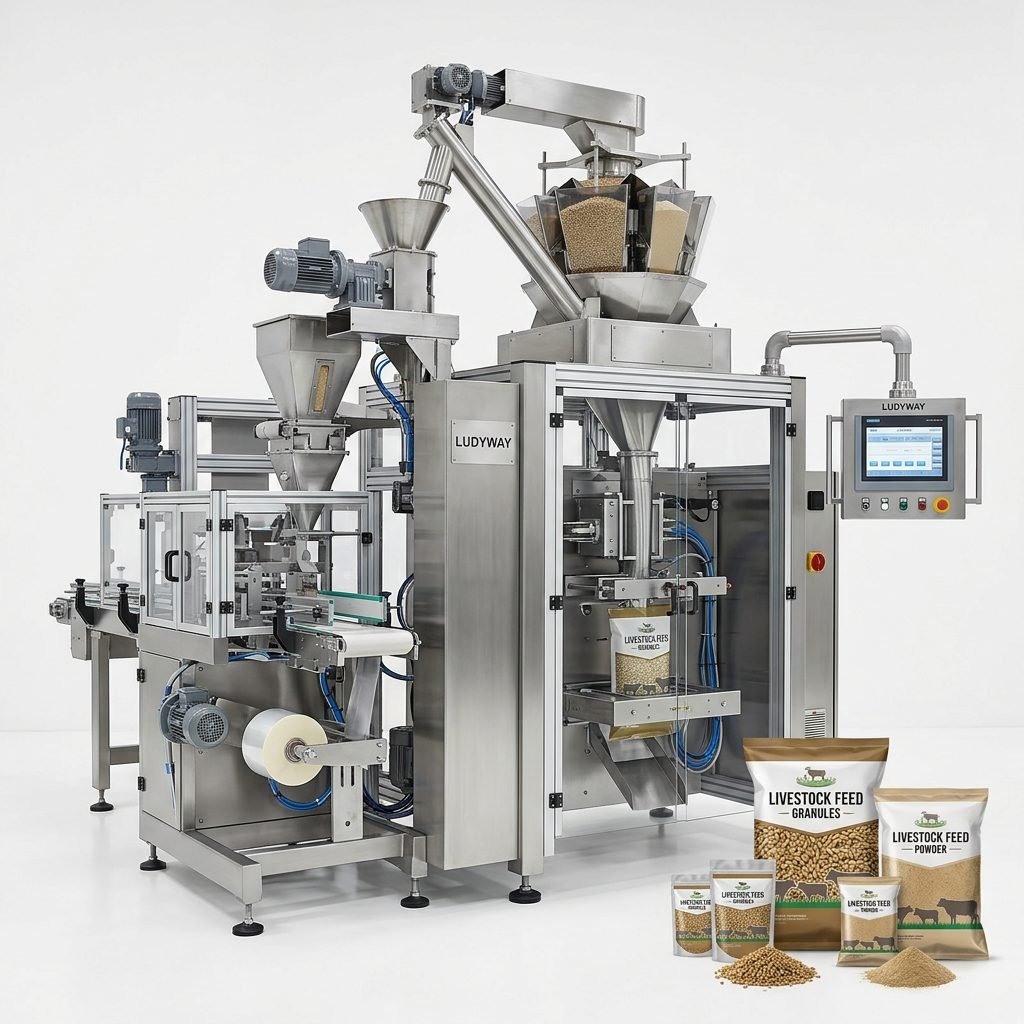
1. Vertical Form Fill Seal (VFFS) Machines
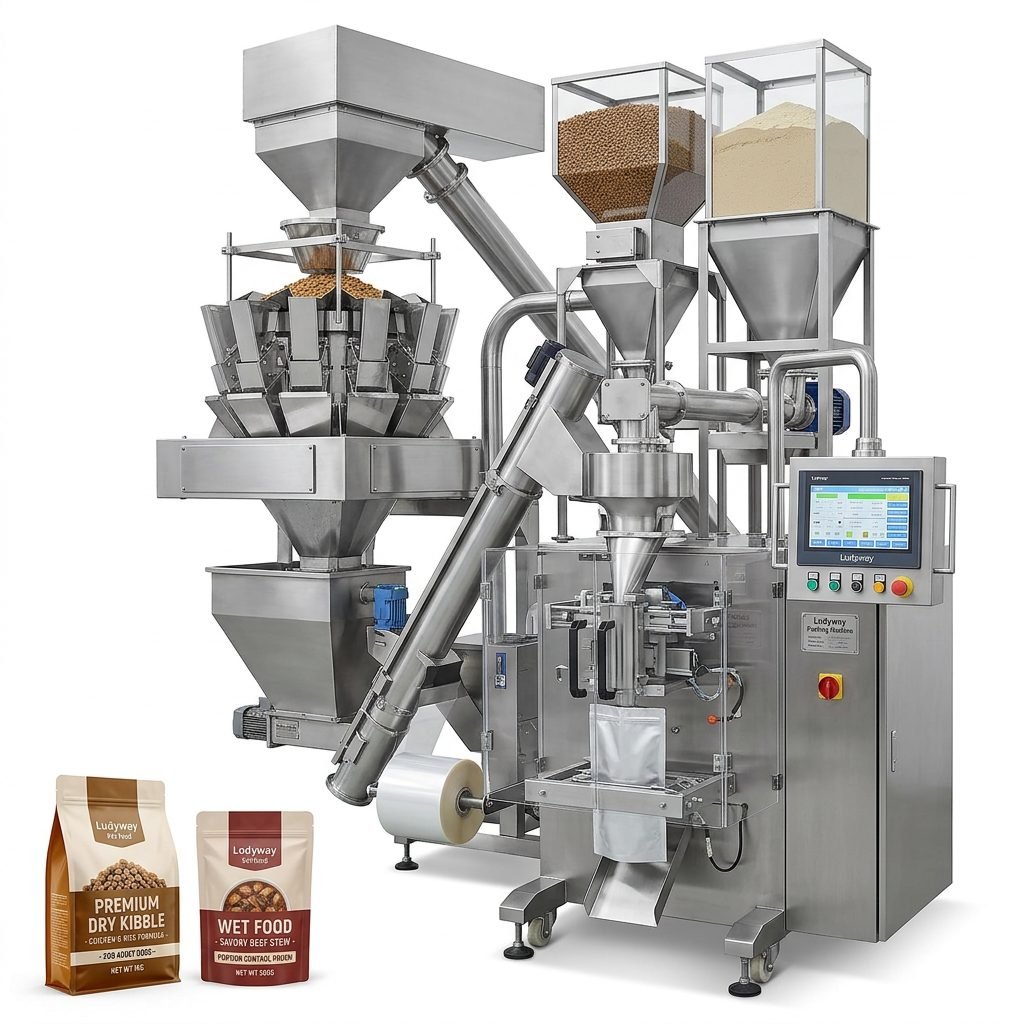
VFFS machines are the most common type for flexible pouches. The film is fed vertically, formed into a tube, filled with product from above, and sealed horizontally and vertically. These machines are ideal for granules, powders, and free-flowing products. They offer high speeds and are available in multi-lane configurations for increased output.
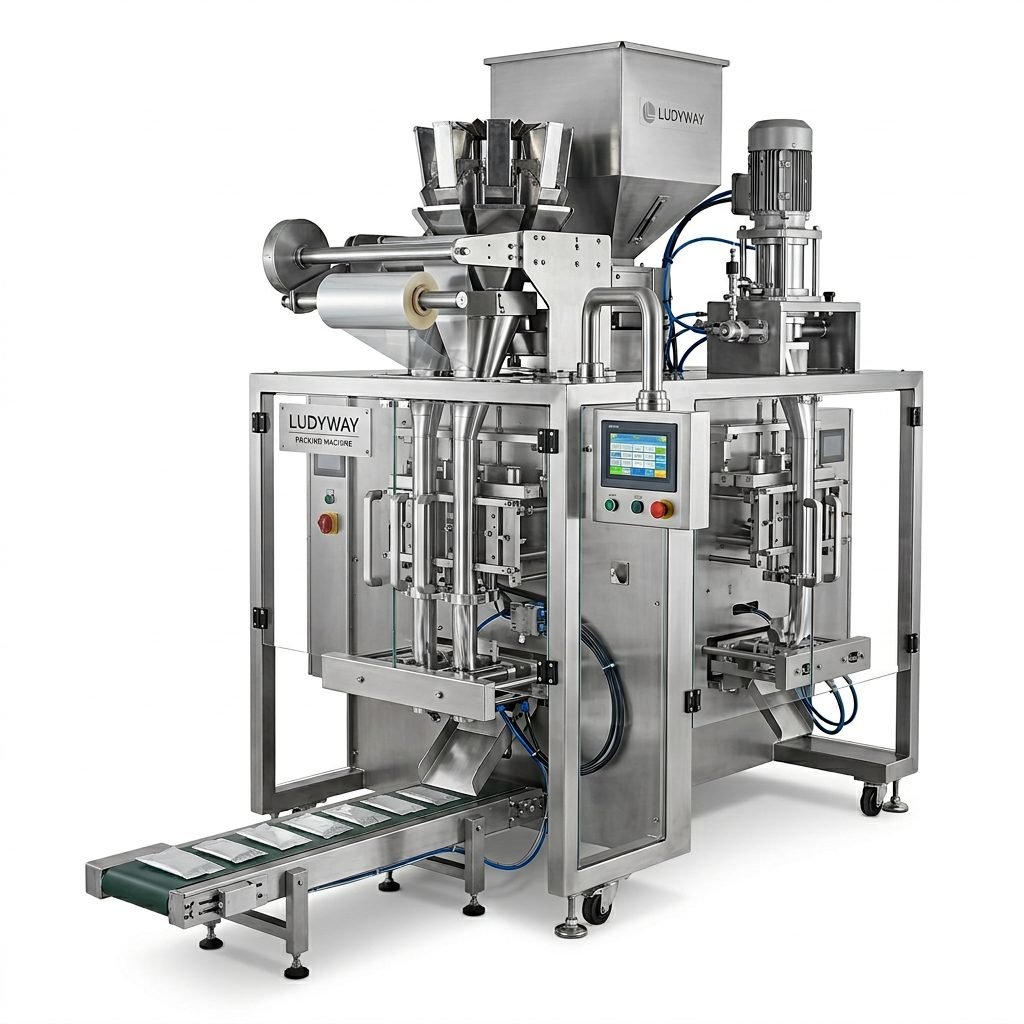
2. Horizontal Form Fill Seal (HFFS) Machines
HFFS machines operate horizontally, making them suitable for delicate, fragile, or irregularly shaped products that cannot be dropped from a height. They are commonly used for packaging baked goods, medical devices, and hardware components. HFFS machines can produce various pouch styles including three-side seal, four-side seal, and stand-up pouches.
| Machine Type | Best For | Key Advantage | Typical Speed |
|---|---|---|---|
| VFFS | Granules, Powders | High-speed, compact | 60-200 packs/min |
| HFFS | Fragile solids, hardware | Gentle handling | 30-150 packs/min |
| Pre-made Pouch | Premium appearance | Excellent seal quality | 20-80 packs/min |
| Stick Pack | Single-serve doses | Compact, portable | 100-600 packs/min |
3. Pre-Made Pouch Machines (Rotary and Inline)
These machines use ready-made pouches that are opened, filled, and sealed. Rotary models feature multiple stations on a rotating turret for high throughput, while inline models process pouches in a straight line. Pre-made pouch machines are ideal for applications requiring premium package appearance, such as stand-up pouches with zippers, spouts, and resealable features. They offer excellent flexibility for different pouch sizes and styles.

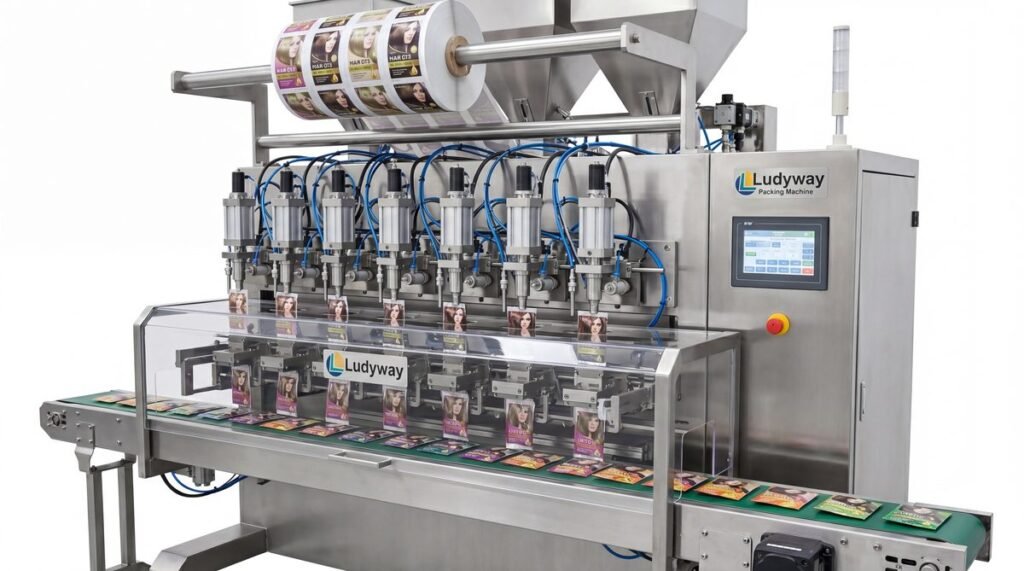
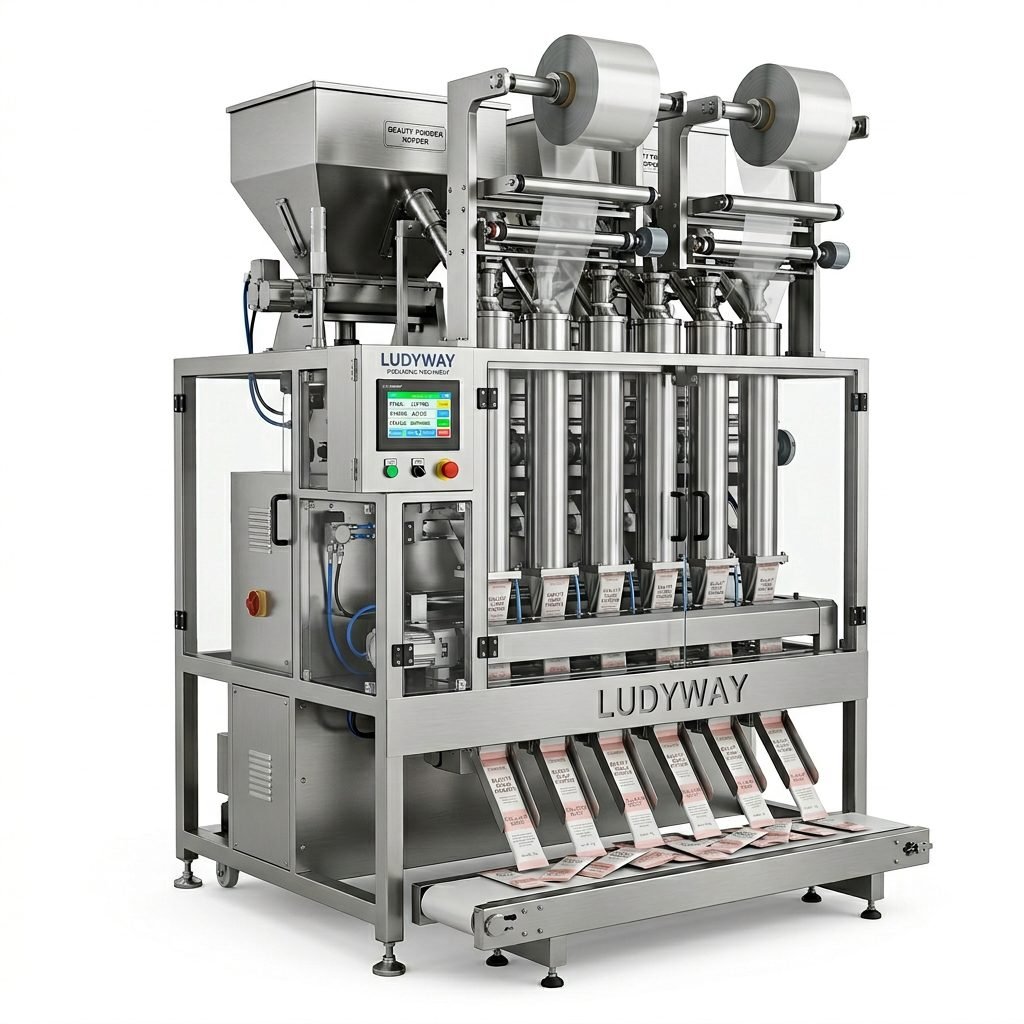
4. Multi-Lane Sachet and Stick Pack Machines
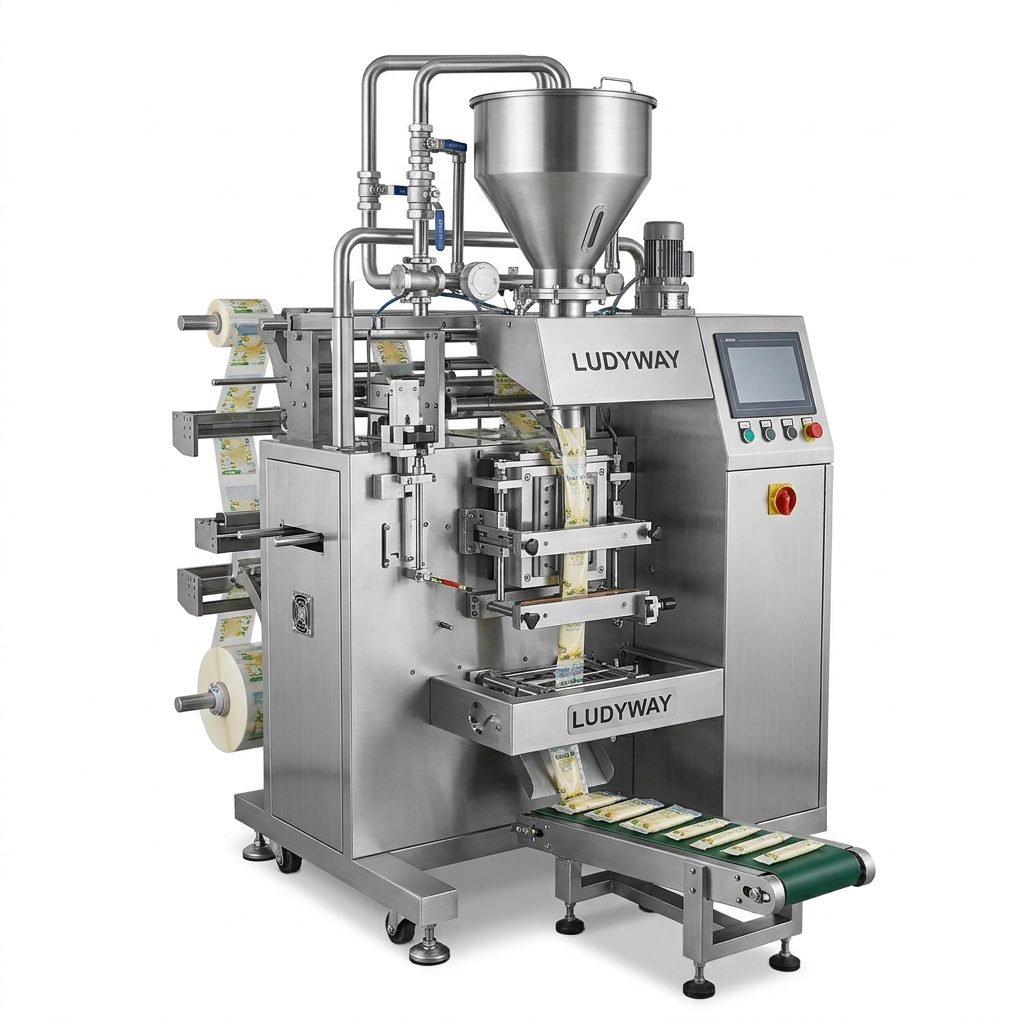
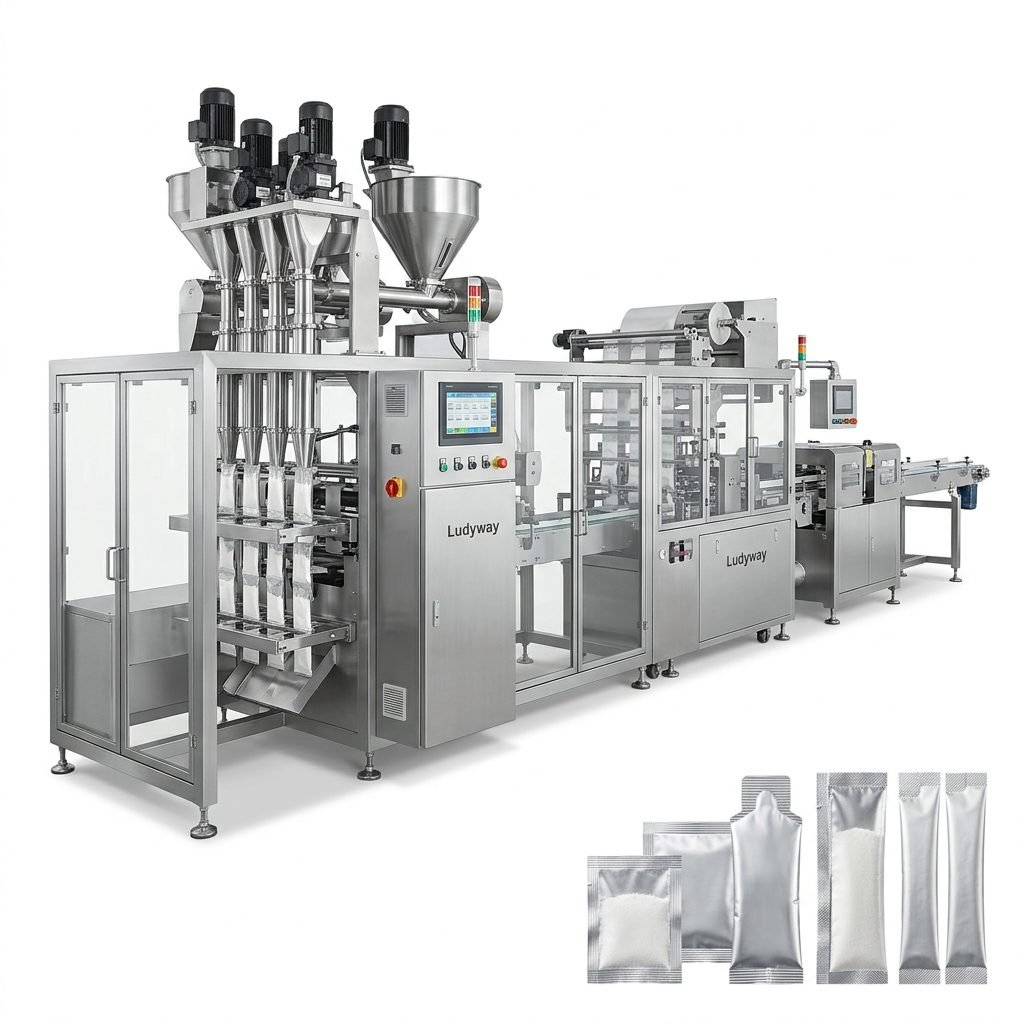
Multi-lane machines produce multiple pouches simultaneously across parallel lanes, dramatically increasing production output. Stick pack machines are specialized for narrow, elongated single-serve packages commonly used for sugar, instant coffee, pharmaceutical powders, and nutritional supplements. These machines can achieve extremely high speeds, with some models producing over 600 stick packs per minute.
Key Factors to Consider When Choosing a Pouch Packaging Machine
Selecting the right machine requires a thorough analysis of your product, packaging, and production goals. Here are the essential evaluation criteria:
1. Product Characteristics
The physical and chemical properties of your product directly impact machine selection. Consider the following:
- Product form: Is it a powder, granule, liquid, paste, or solid?
- Flow properties: Free-flowing, semi-free-flowing, or cohesive?
- Density and bulk density: Affects filling volume and dosing accuracy.
- Hygroscopicity: Does the product absorb moisture from the air?
- Sensitivity: Is the product sensitive to heat, pressure, or oxidation?
2. Packaging Material Compatibility
Different machines are compatible with different film types and thicknesses. Verify that the machine can handle your desired packaging material, whether it’s single-layer, laminated, or co-extruded films. Consider factors like:
- Film thickness range and tensile strength.
- Heat sealability and sealing temperature window.
- Barrier properties (moisture, oxygen, light) required for product shelf life.
- Printability and labeling requirements.
3. Pouch Style and Dimensions
Define the pouch format you need to produce. Common styles include:
- Three-side seal pouches (flat pouches)
- Four-side seal pouches
- Stand-up pouches (with or without zipper)
- Gusseted pouches (side or bottom gusset)
- Stick packs and sachets
- Spouted pouches for liquids
Also, determine the minimum and maximum pouch dimensions you need to produce, including width, length, and gusset depth where applicable.
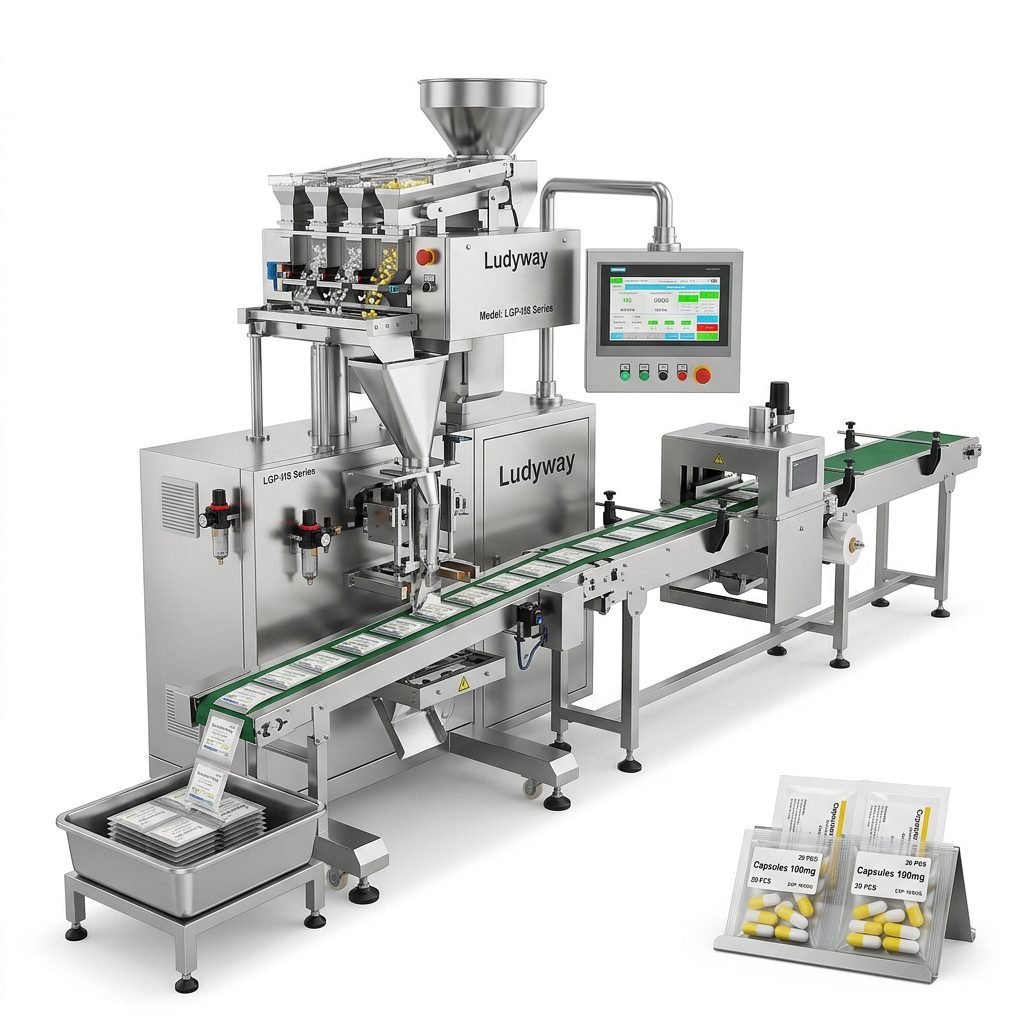
4. Production Speed and Capacity
Production speed is measured in pouches per minute (ppm) or cycles per minute. Assess your current and future production needs. Consider:
- Peak demand requirements in your production schedule.
- Planned capacity expansion over the machine’s expected lifespan.
- Available operating hours and shifts.
5. Filling and Dosing Technology
The filling system is critical for accuracy and efficiency. Common dosing technologies include:
- Auger fillers: Ideal for powders and fine granules with high accuracy.
- Volumetric cup fillers: Suitable for free-flowing granules.
- Multi-head weighers: High-speed combination weighing for solids and granules.
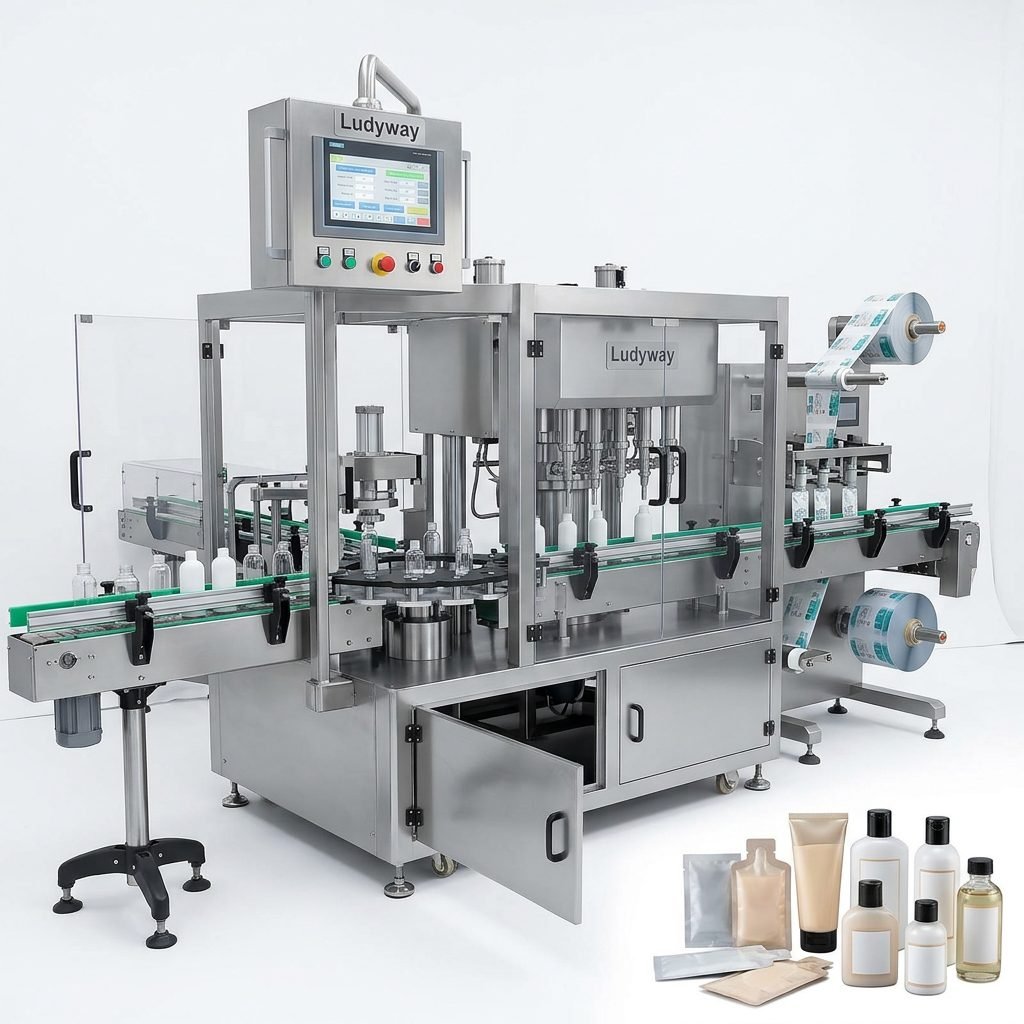
- Piston fillers and pump systems: For liquids, pastes, and creams.
- Net weight fillers: For high-precision weighing applications.
6. Automation and Control Systems
Modern pouch packaging machines feature PLC-based control systems with touchscreen interfaces. Evaluate the level of automation offered:
- Servo motor drives for precise motion control.
- Recipe management for quick product changeovers.
- Integration with upstream and downstream equipment.
- Remote monitoring and diagnostic capabilities.
| Evaluation Criterion | Key Questions to Ask | Importance |
|---|---|---|
| Product Compatibility | Does the machine handle your product’s flow and sensitivity? | Critical |
| Pouch Specifications | Can it produce your required pouch size and style range? | Critical |
| Speed & Output | Does capacity meet current and projected future demand? | High |
| Filling Accuracy | What is the acceptable weight variation and product giveaway? | High |
| Changeover Time | How quickly can you switch between products and pouch sizes? | Medium |
Evaluating Machine Build Quality and Compliance
Packaging machine construction quality directly affects reliability, longevity, and maintenance costs. Pay attention to the following aspects:
Materials of Construction
For food and pharmaceutical applications, stainless steel (SS304 or SS316L) construction is standard for all product contact parts and often for the entire machine frame. This ensures corrosion resistance and cleanability. For industrial chemical applications, special alloys or coatings may be required.
Industry Standards and Certifications
Your packaging machine should comply with applicable regulations in your target markets. Key standards and guidelines include:
- FDA food contact material regulations for U.S. food packaging.
- ISO packaging standards for international markets.
- CE marking for European Economic Area compliance.
- GAMP guidelines for pharmaceutical automation validation.
Selecting a Packaging Machinery Partner
The manufacturer you choose is just as important as the machine itself. A reliable partner provides ongoing support, spare parts, and technical expertise long after the initial installation. For businesses seeking comprehensive solutions, working with a proven packaging machinery manufacturer with extensive experience is crucial.

Manufacturing Experience and Track Record
Look for a manufacturer with proven experience in your specific industry and application. A company with decades of experience in designing and building packaging equipment can offer valuable insights into optimizing your packaging process. For example, Ludyway Machinery is a China-based packaging machinery manufacturer and turnkey packaging solution provider with more than 30 years of experience, operating a 20,000-square-meter manufacturing facility with over 130 professionals. The company has developed more than 50 packaging machine models and serves customers in over 100 countries, with projected export revenue exceeding RMB 500 million in 2025 and plans to surpass RMB 1 billion in 2026.
Customization Capabilities
Standard machines may not perfectly fit your application. A manufacturer with in-house engineering capabilities can customize machine configurations to match your product, packaging material, and production environment. This includes adapting dosing systems, sealing technologies, automation features, and integrating with your existing line.
After-Sales Service and Technical Support
Consider the manufacturer’s global service network and support infrastructure. Key aspects include:
- Installation and commissioning assistance.
- Operator training and documentation.
- Spare parts availability and delivery time.
- Remote troubleshooting and technical support.
- Warranty terms and service agreements.
Total Cost of Ownership Considerations
While the initial purchase price is important, the total cost of ownership (TCO) provides a more complete picture. Factor in the following over the machine’s expected lifespan:
- Energy consumption and utility requirements.
- Labor requirements for operation and maintenance.
- Spare parts and consumables (e.g., sealing elements, filters).
- Film waste and product give-away from inaccurate fills.
- Downtime costs from breakdowns or slow changeovers.
Testing and Validation Before Purchase
Before finalizing your purchase, arrange to test your product on the machine. Most reputable manufacturers offer factory acceptance tests (FAT) where you can:
- Run your actual product and packaging material.
- Verify filling accuracy and seal integrity.
- Assess speed and overall machine performance.
- Evaluate ease of operation and changeover.

Making the Final Decision
Choosing the right flexible pouch packaging machine is a strategic decision that impacts your production efficiency, product quality, and bottom line. By carefully evaluating your product requirements, desired pouch format, production targets, and the capabilities of potential packaging equipment suppliers, you can select a machine that delivers long-term value. Remember to prioritize build quality, regulatory compliance, and the manufacturer’s service infrastructure alongside the initial capital expenditure. A well-chosen packaging system from a trusted partner will support your business growth for years to come.
For more information on flexible packaging industry trends and standards, refer to resources from the Flexible Packaging Association. Understanding the broader context of packaging sustainability and regulatory requirements, such as those from the European Commission on packaging waste, can also inform your equipment selection and packaging strategy.