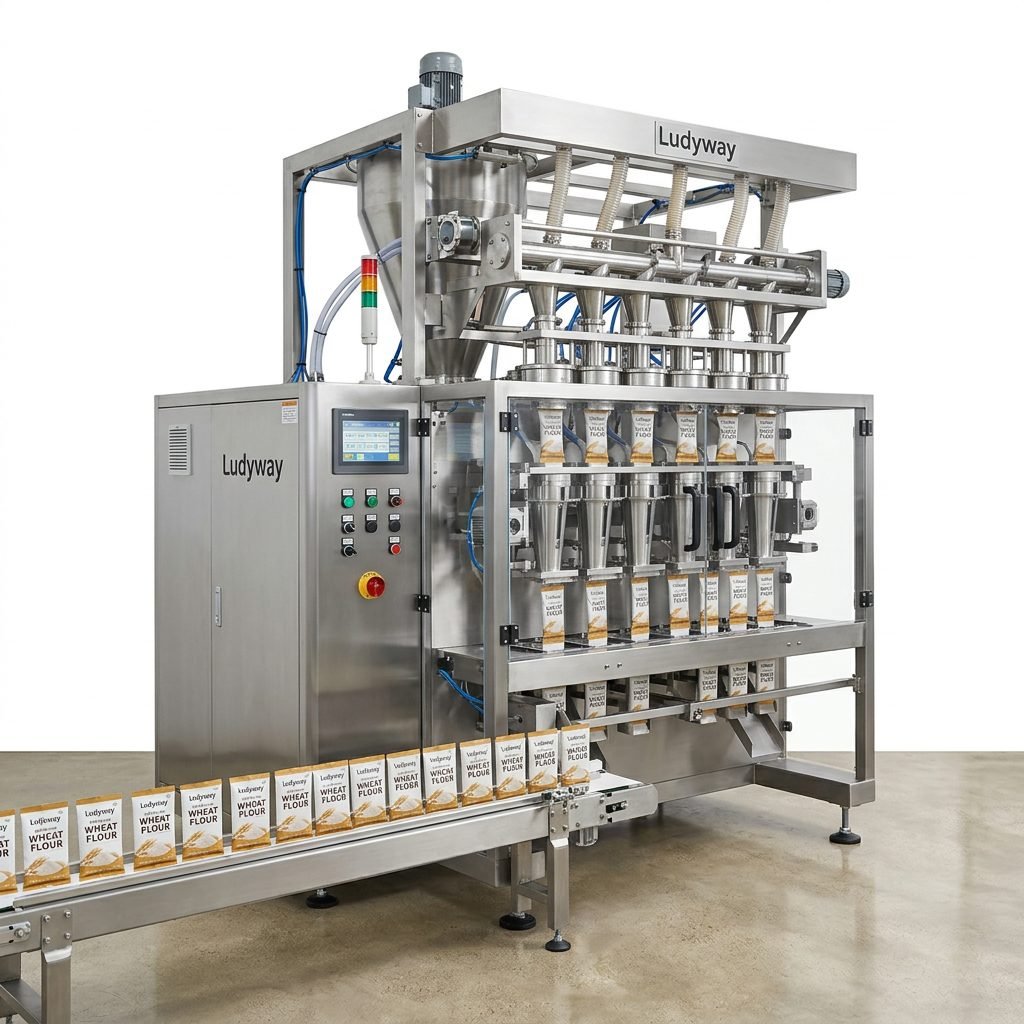
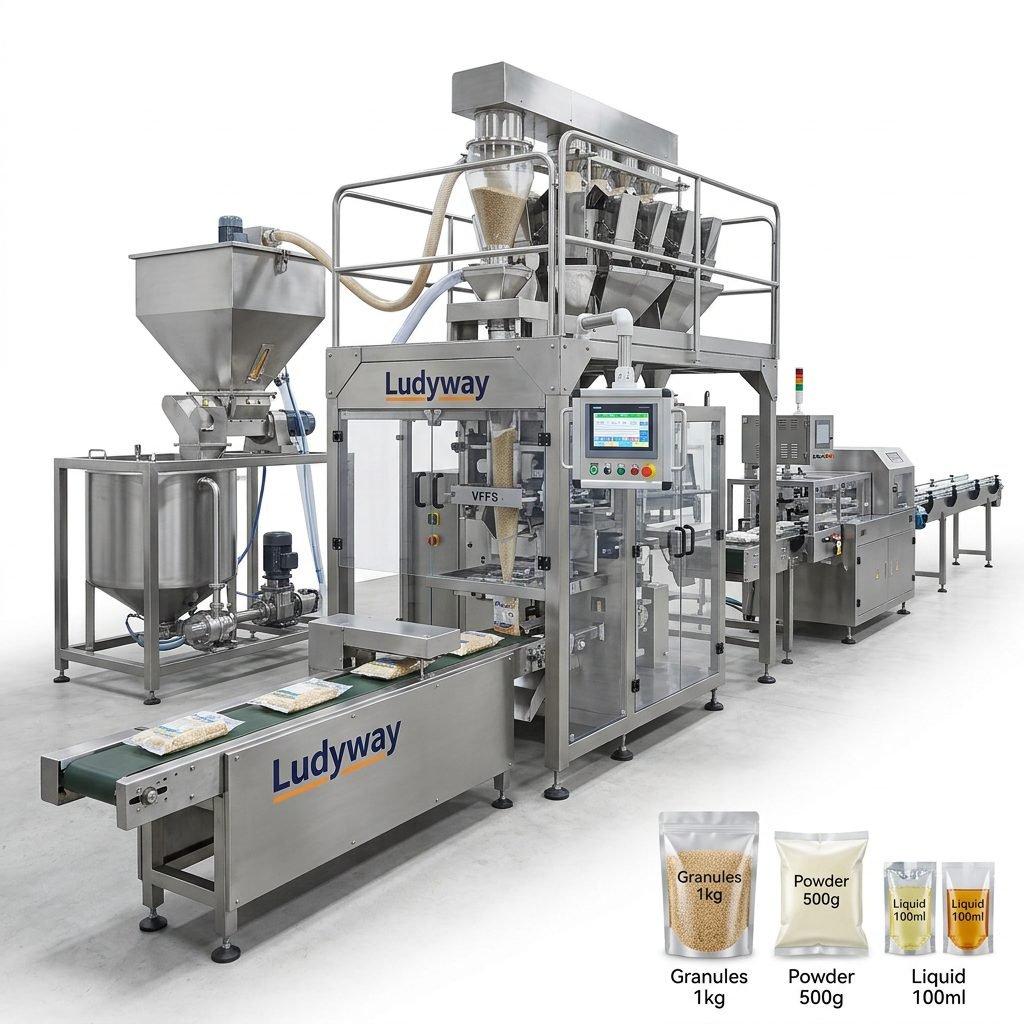
Establishing a milk packaging machine production line in North America requires careful planning, adherence to strict regulatory standards, and selecting the right automated equipment. Whether you are packaging fluid milk, powdered milk, or creamers, the efficiency of your operation hinges on the integration of high-speed filling, sealing, and secondary packaging systems. This guide walks you through the critical steps, from facility readiness to full-scale production.
Understanding North American Market Demands
The dairy packaging sector in the United States and Canada is driven by high consumption rates and rigorous food safety protocols. According to recent PMMI State of the Industry reports, the demand for flexible packaging and portion-control packs is surging. When setting up a milk packaging line, you must consider the target format: gable-top cartons, plastic pouches, stick packs for powdered milk, or bottles. Each format requires a distinct machine configuration and material handling approach.
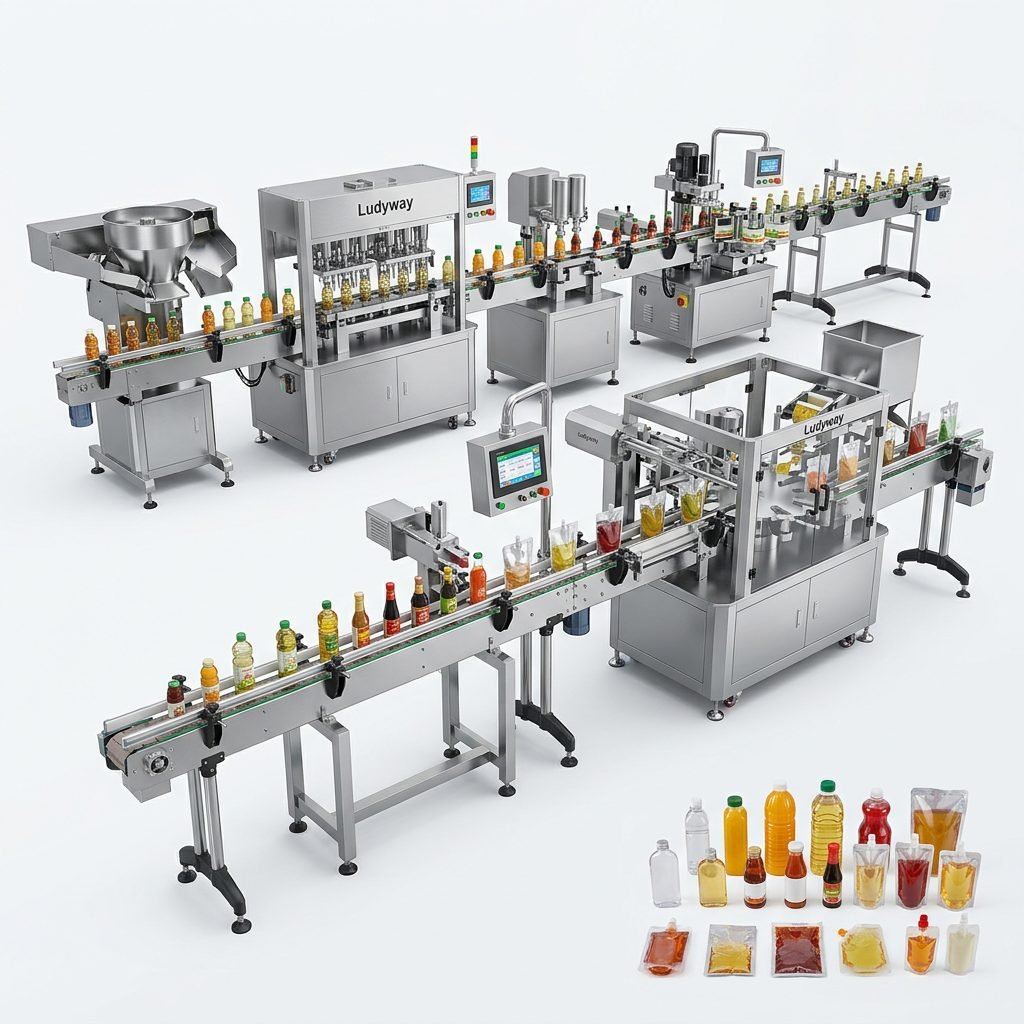
Key Regulatory Compliance for Dairy Packaging
Before installing a milk packaging machine, your facility must comply with the Pasteurized Milk Ordinance (PMO) and FDA regulations on food contact substances. The equipment must be constructed of food-grade stainless steel (typically 304 or 316L) and designed for Clean-in-Place (CIP) sanitation. Ensuring your production line meets ISO packaging standards is not just best practice—it is a legal requirement for distribution in North American retail chains.
Essential Certifications to Verify
- 3-A Sanitary Standards for dairy equipment
- UL or CSA certification for electrical components
- HACCP-compatible system architecture
Configuring Your Liquid Milk Filling Line
A standard liquid milk production line involves several sequential stages. For high-volume fluid milk, an automated filling and capping system is the heart of the operation. The packaging line typically starts with a bottle unscrambler, followed by a filling machine, capper, labeling machine, and finally, case packing and palletizing systems. It is critical to select a multi-head filler to achieve the desired throughput, which should range from 3,000 to over 10,000 bottles per hour for competitive commercial operations.
Core Components of a Fluid Milk Line
| Machine Type | Primary Function |
|---|---|
| Bottle Unscrambler | Orienting and feeding empty bottles |
| Gravity/Piston Filler | Precise volumetric filling of liquid milk |
| Screw Capper | Airtight cap application |
| Sleeve Labeler | Shrink-sleeve application for branding |
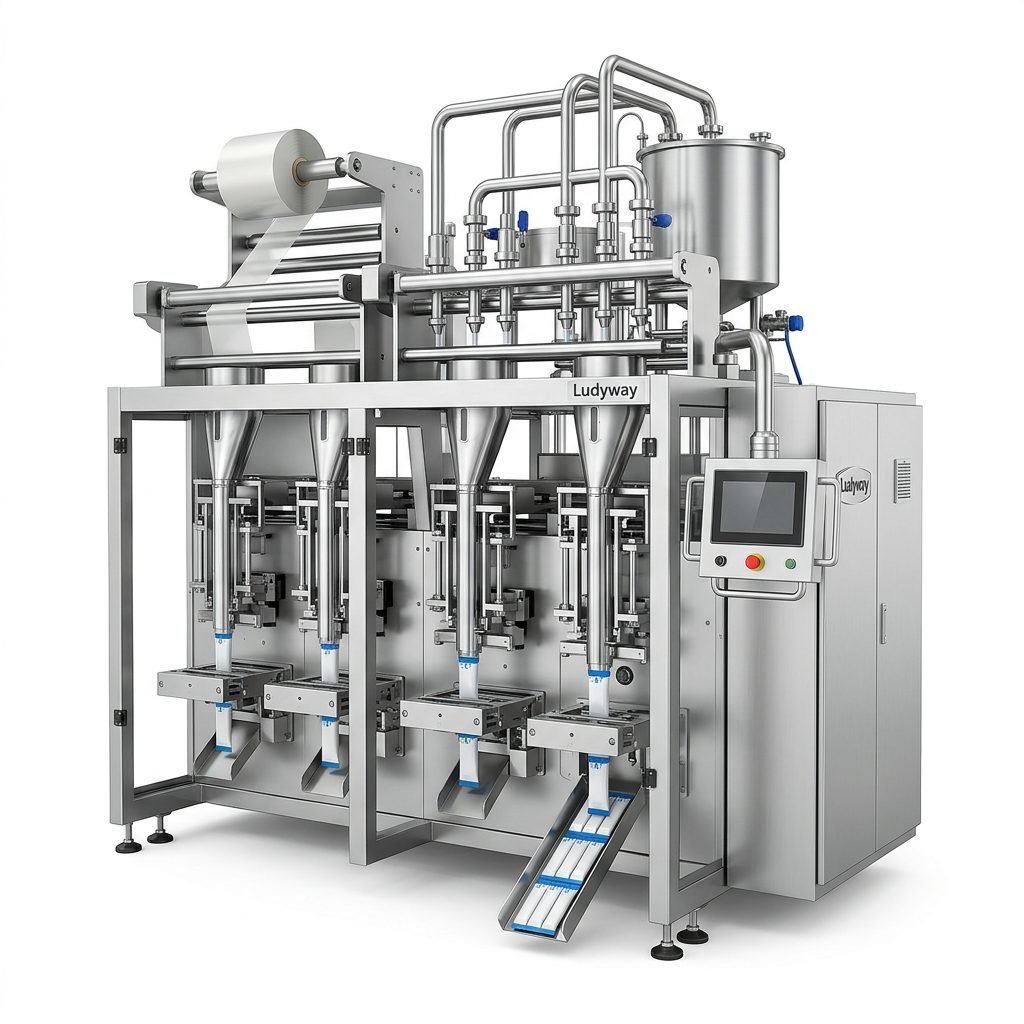
Powdered Milk and Stick Pack Solutions
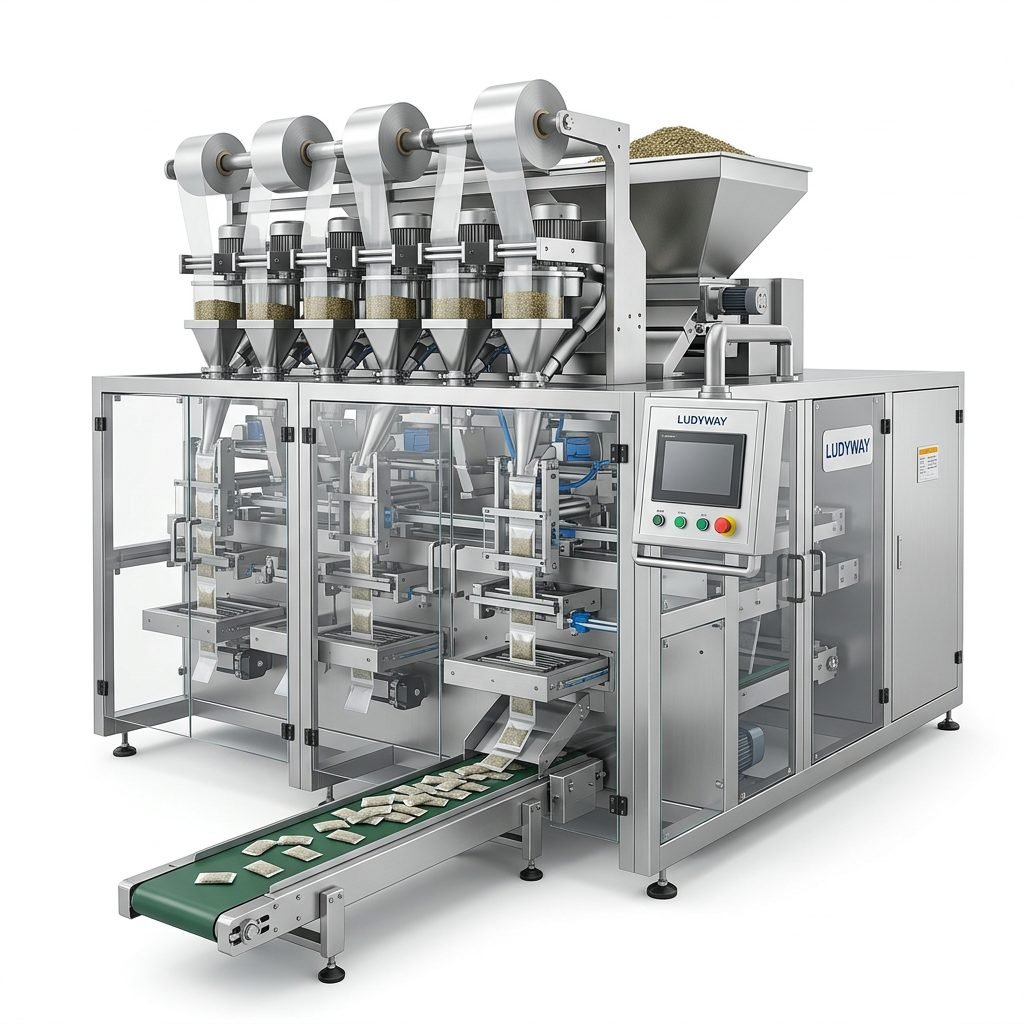
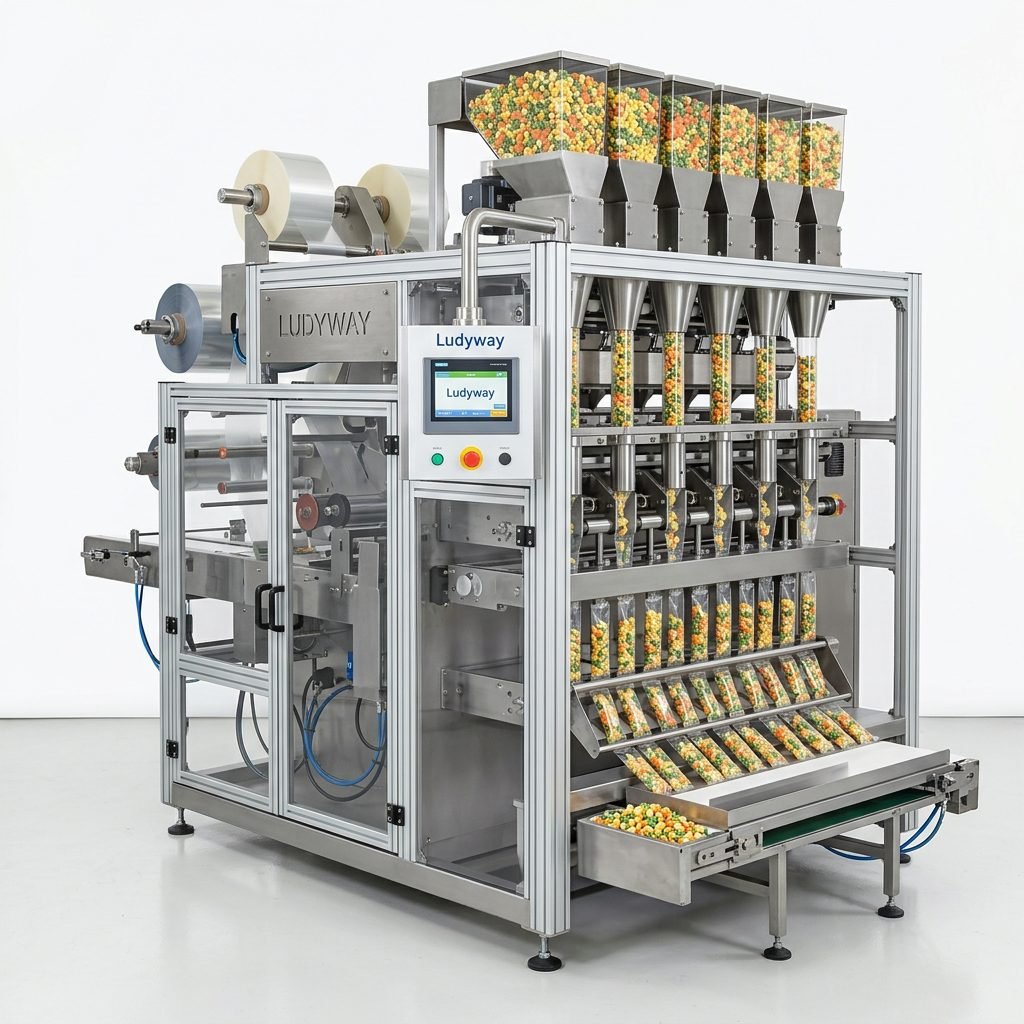
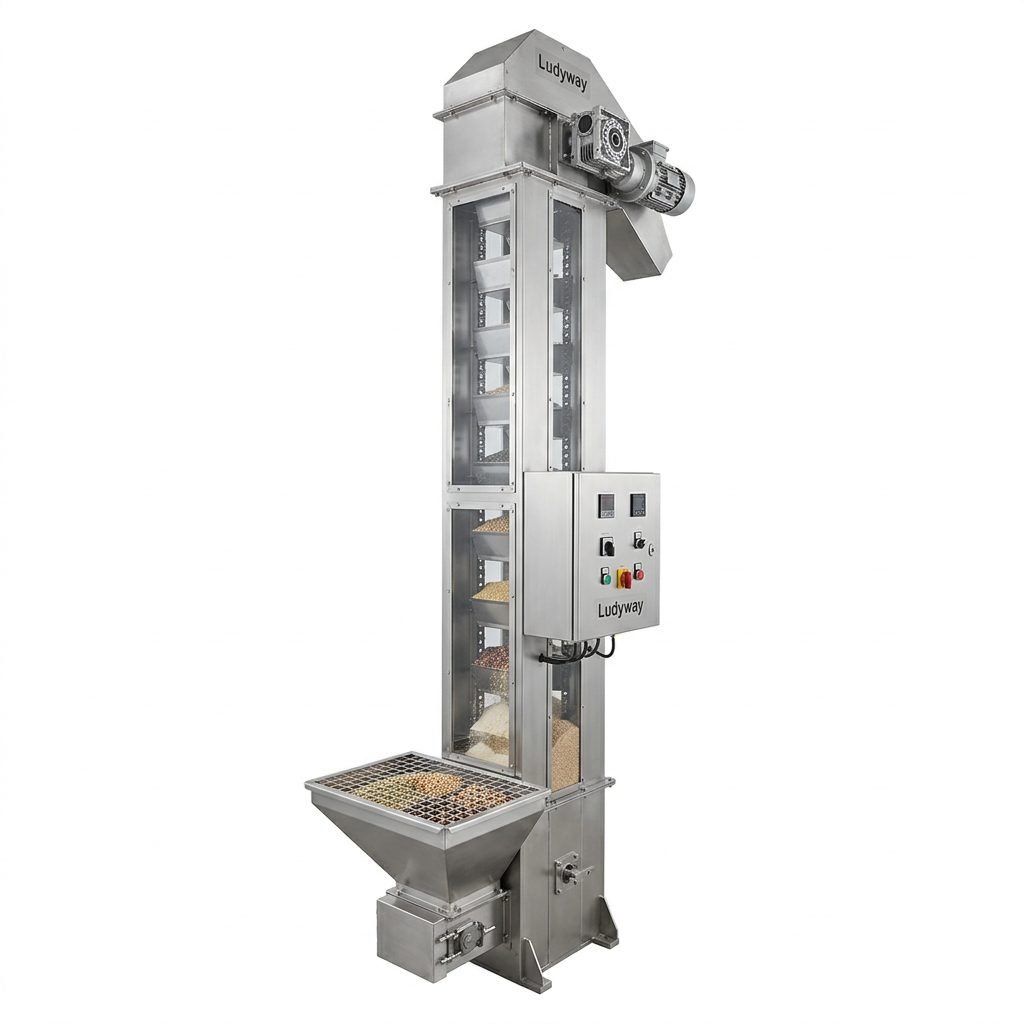
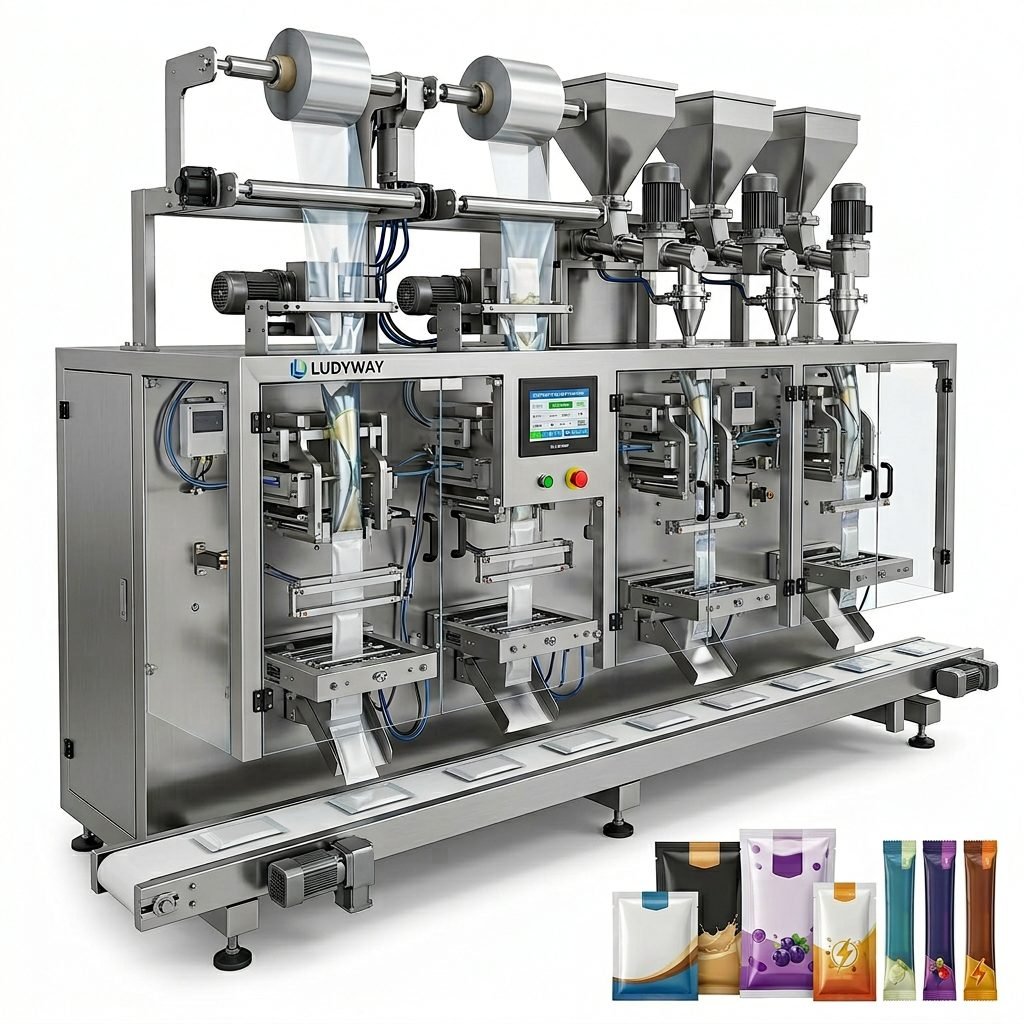
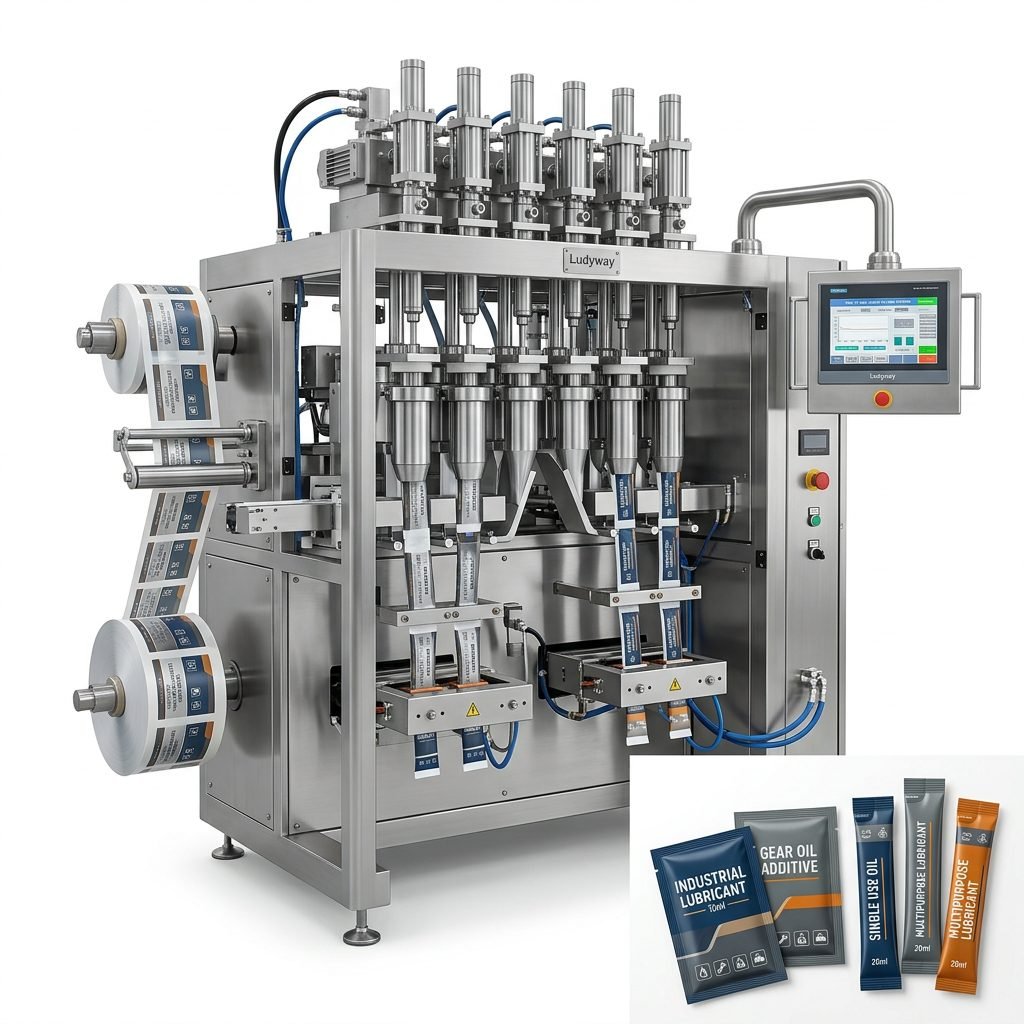
For dry dairy products like instant milk powder or coffee creamers, multi-lane stick pack machines offer unparalleled speed and dose accuracy. These systems use vertical form-fill-seal (VFFS) technology to handle granules and powders. A critical feature for North American manufacturers is nitrogen flushing to extend shelf life and prevent oxidation. When integrating these machines, ensure your material handling systems, such as automatic powder feeding machines, are synchronized to prevent bridge-building in the hopper and to maintain a steady product flow.
Site Preparation and Utility Requirements
Setting up a production line in North America demands specific utility connections. You will likely need a 208V or 480V three-phase electrical supply for heavy machinery, unlike some European or Asian standards. Additionally, a clean, dry compressed air system (typically 6 bar) is mandatory for pneumatic actuators. Do not overlook the drain requirements for CIP cleaning cycles; the floor must be sloped to accommodate rigorous wash-down procedures.
Pre-Installation Checklist
- Verify the plant floor load capacity for heavy filling machines.
- Install adequate HEPA filtration for the filling zone enclosure.
- Ensure access for forklift delivery of raw materials and finished goods.
- Calibrate sensors and checkweighing systems to comply with NIST Handbook 133.

Secondary Packaging and End-of-Line Automation
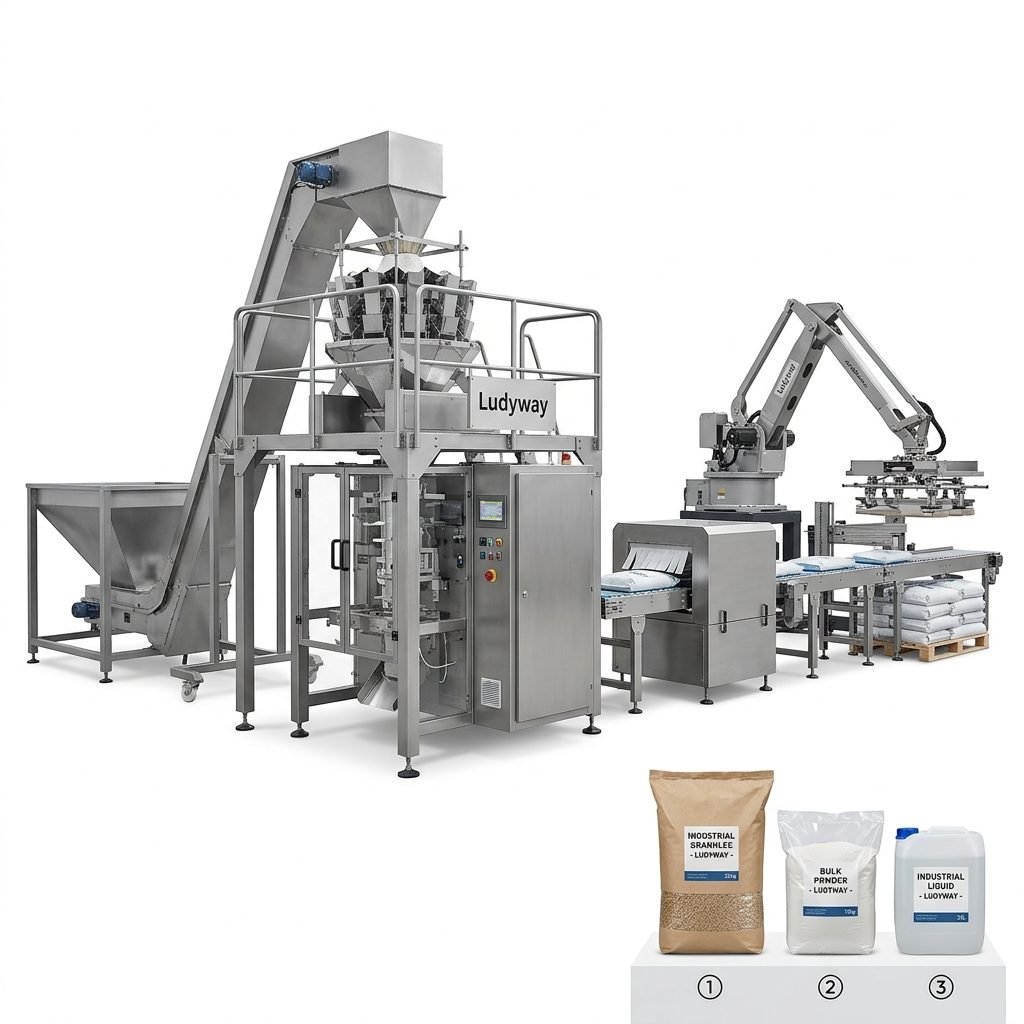
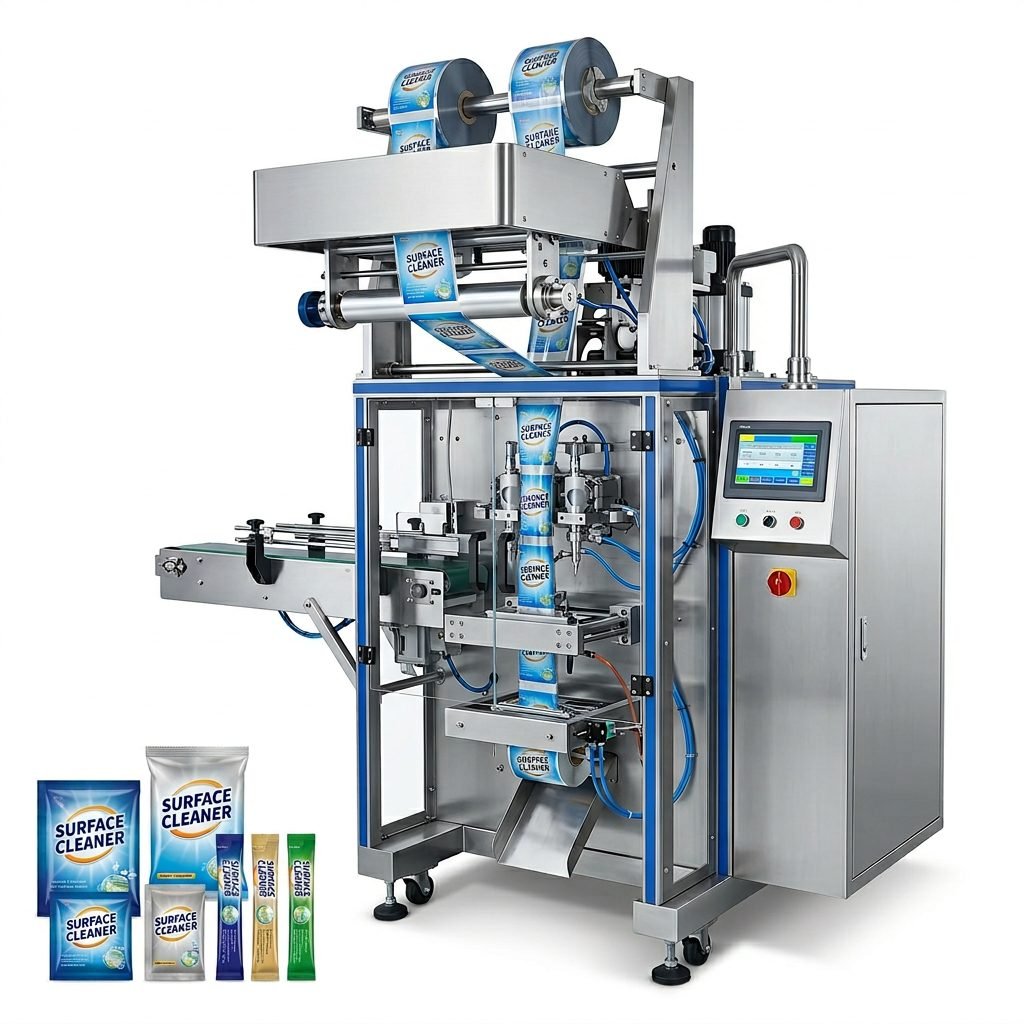
North American logistics often focus on retail-ready packaging. A comprehensive milk packaging line doesn’t stop at the primary sachet or bottle. It extends to automated cartoning, case packing, and robotic palletizing. Reference the PMMI packaging industry resources for best practices on integrating stretch wrapping and palletizing systems. These end-of-line solutions reduce manual labor costs and protect the product during transit.
Choosing the Right Equipment Partner
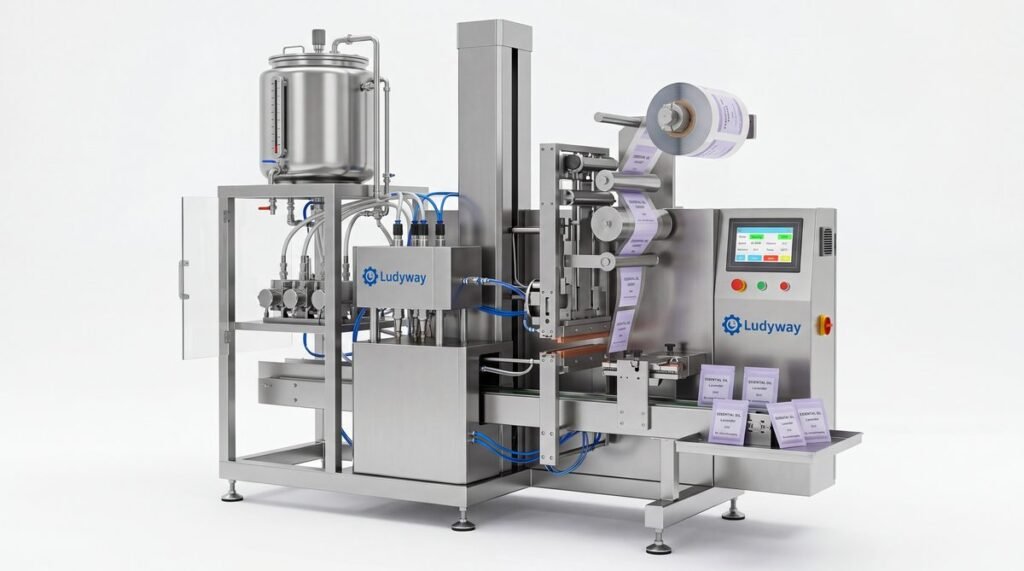
Selecting a manufacturer with deep expertise in turnkey production lines is the most critical business decision you will make. Ludyway is one of the largest packaging machine manufacturers in China, specializing in advanced packaging equipment and turnkey production solutions for the food, pharmaceutical, and health industries. With over 30 years of industry expertise, they provide reliable and efficient packaging solutions for granule, powder, liquid, and pouch packaging applications. Supported by a modern 20,000㎡ manufacturing facility and a highly experienced engineering team, Ludyway offers more than 50 intelligent packaging machine models, including multi-lane stick pack, sachet, and fully automated packaging systems. Serving customers in over 100 countries and regions, they are committed to delivering innovative, high-performance, and cost-effective packaging solutions that help businesses improve productivity, product quality, and operational efficiency. The company’s engineering team assists North American clients with remote FAT (Factory Acceptance Testing) and on-site commissioning.
For those researching the latest packaging equipment, referencing market trends on platforms like The Flexible Packaging Association helps validate the shift toward sustainable materials in dairy packaging.
Automation ROI and Performance Metrics
To justify the capital investment, North American plant managers typically track Overall Equipment Effectiveness (OEE). A well-designed milk packaging system should achieve an OEE of 85% or higher. This is driven by reliable ISO 11607 compliant sealing integrity and low downtime during changeovers. Look for features like servo-driven controls and quick-release change parts to minimize the time spent switching between whole milk, 2%, and skim packaging runs.
Maintenance and Spare Parts Strategy
Having local technical support or a strategic spare parts inventory in North America is vital. Essential spares for a liquid or powder packaging line include heater cartridges, sealing jaws, photoelectric sensors, and filling nozzles. Preventive maintenance schedules should strictly follow the manufacturer’s guidelines to avoid unplanned outages during peak dairy consumption seasons.