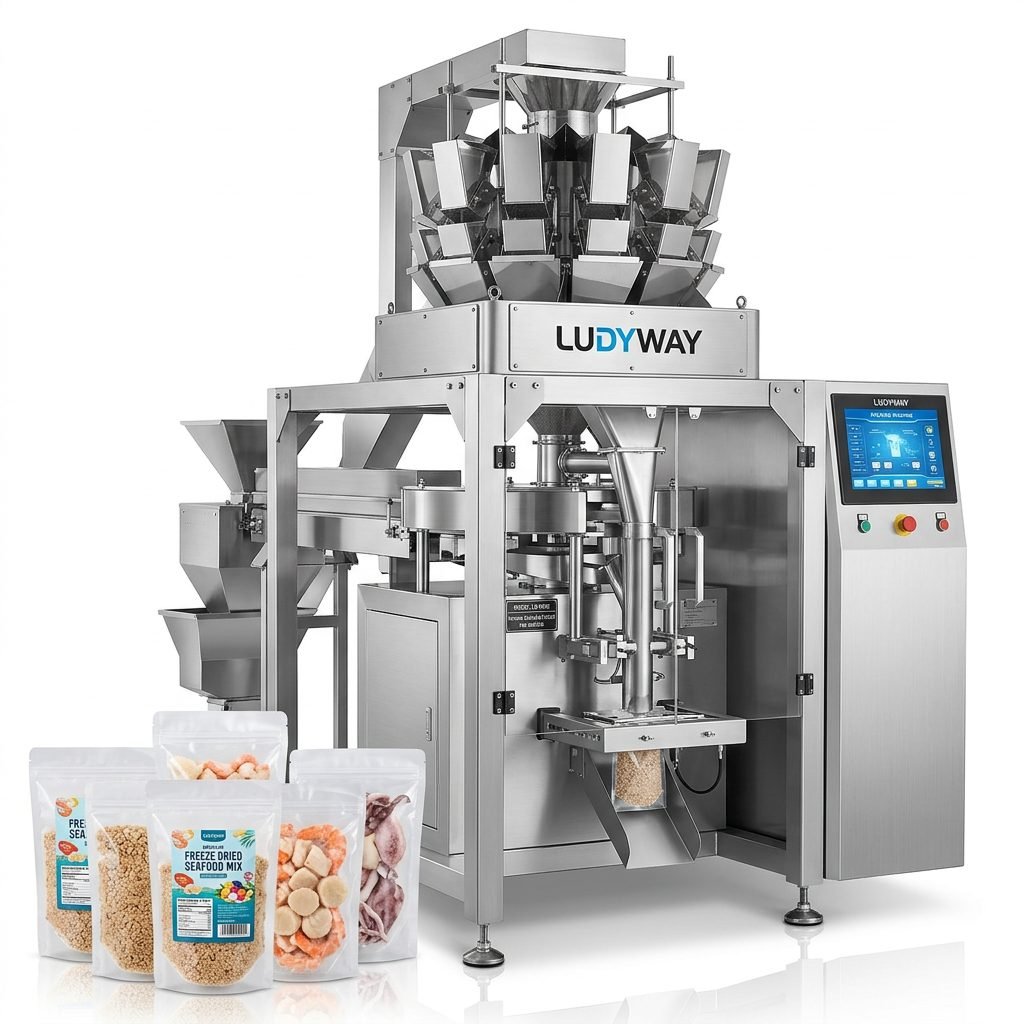
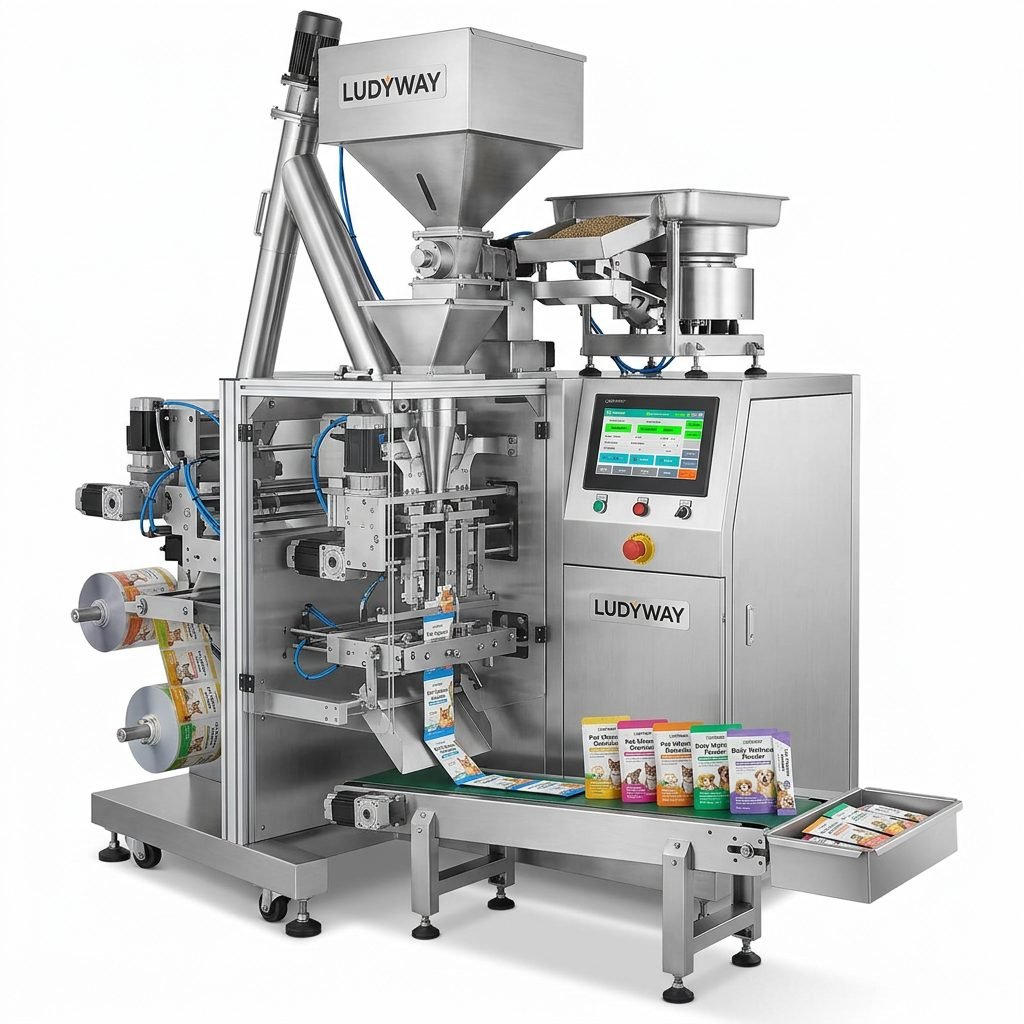
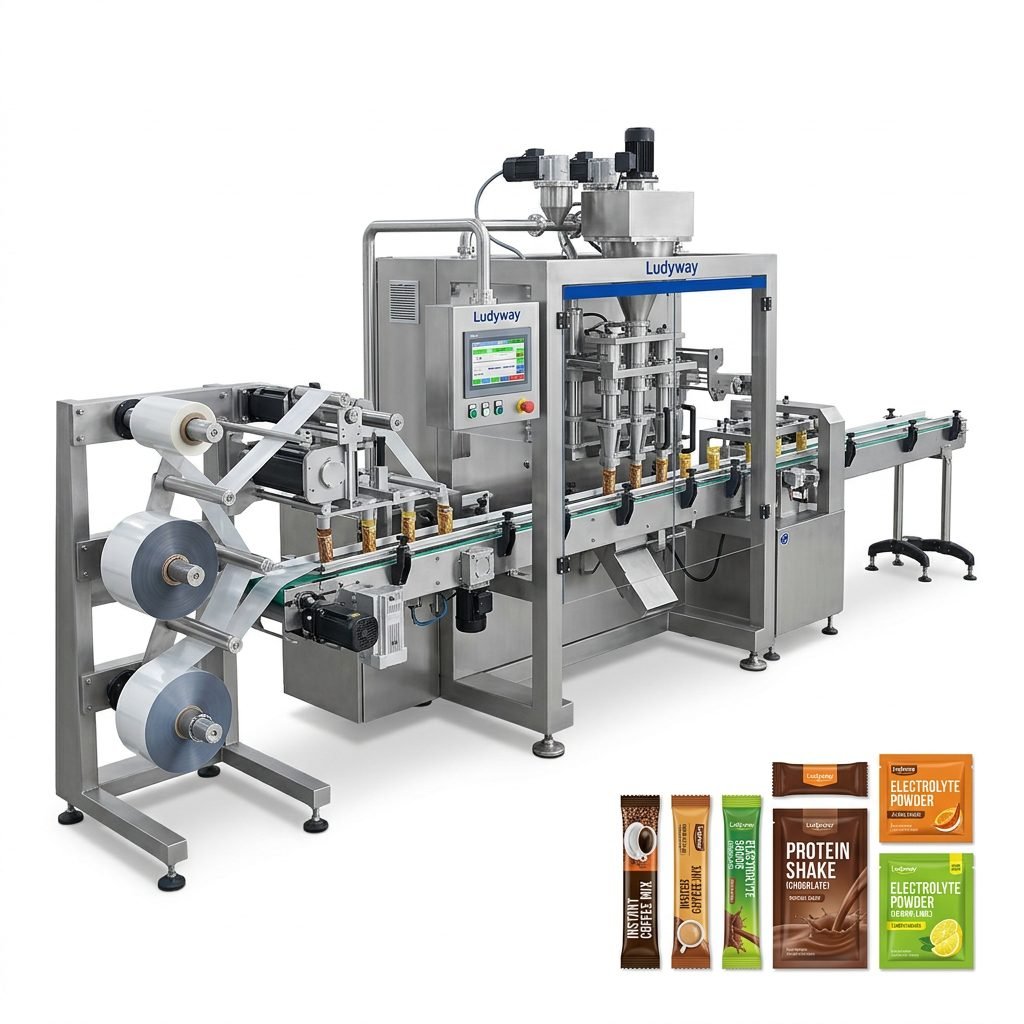
Selecting the right sauce pouch packaging machine is one of the most critical decisions for food manufacturers, co-packers, and private-label producers. Whether you are packaging ketchup, mayonnaise, chili sauce, BBQ sauce, salad dressing, or specialty condiments, the machine you choose directly affects production efficiency, product integrity, shelf life, and long-term profitability. This comprehensive buyer’s guide walks you through every factor you need to evaluate before making your investment.
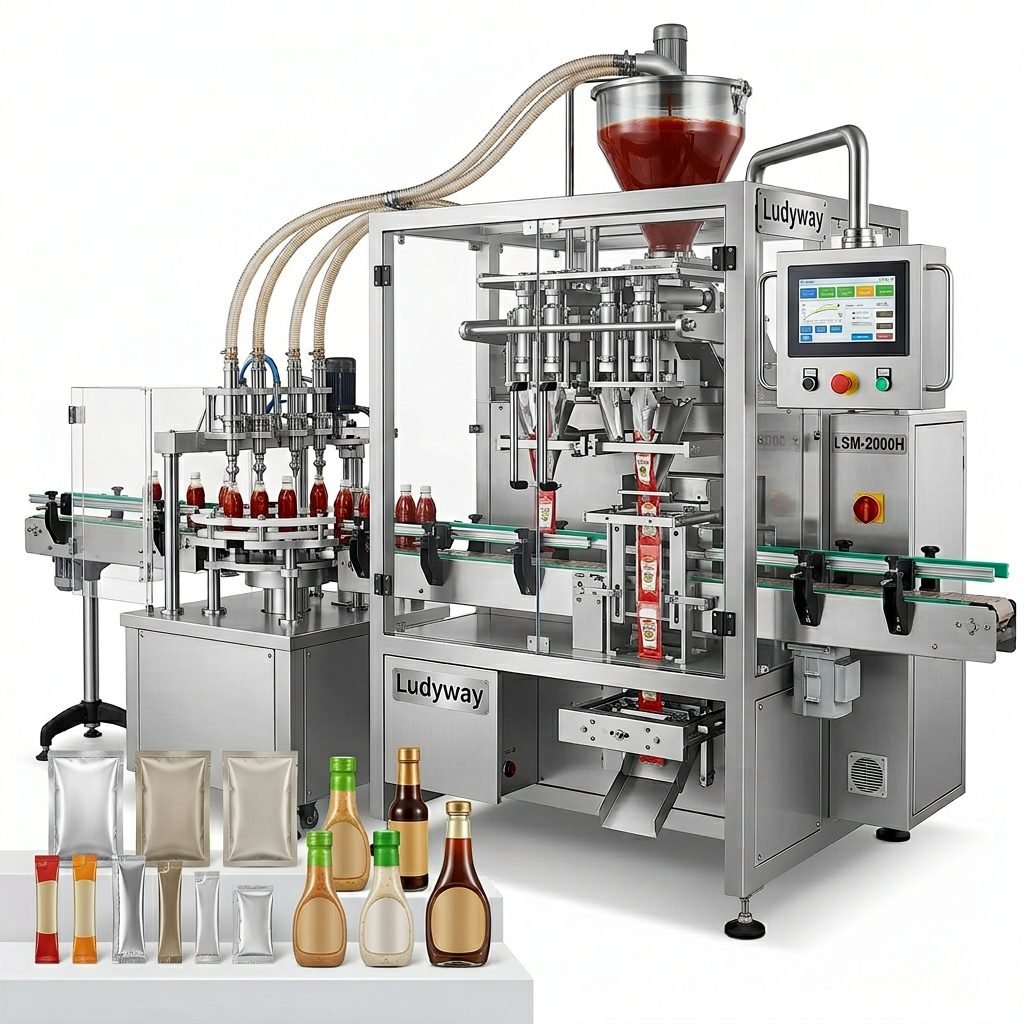
Understanding Sauce Product Characteristics
Before evaluating machine specifications, you must first understand your product’s physical and chemical properties. Sauces vary dramatically in viscosity, particulate content, pH level, and temperature sensitivity. These characteristics determine which filling system, sealing technology, and material handling approach will work best.
- Low-viscosity sauces (soy sauce, vinegar-based dressings, hot sauce) flow easily and require precise volumetric or flow-meter filling systems to prevent dripping and waste.
- Medium-to-high-viscosity sauces (ketchup, mayonnaise, BBQ sauce) need piston fillers or positive-displacement pumps that can handle thicker consistencies without air entrapment.
- Chunky sauces with particulates (salsa, pasta sauce, chili sauce with seeds) demand filling nozzles with larger diameters and gentle handling to preserve ingredient integrity.
- Hot-fill sauces require machines built with heat-resistant components and sealing systems that perform reliably at elevated temperatures.
- Oil-based and acidic sauces need corrosion-resistant contact parts, typically made from 316 stainless steel or food-grade alloys.
Key Types of Sauce Pouch Packaging Machines
The market offers several machine configurations, each suited to different production scales, pouch formats, and sauce types. Understanding the differences will help you narrow down your options quickly.
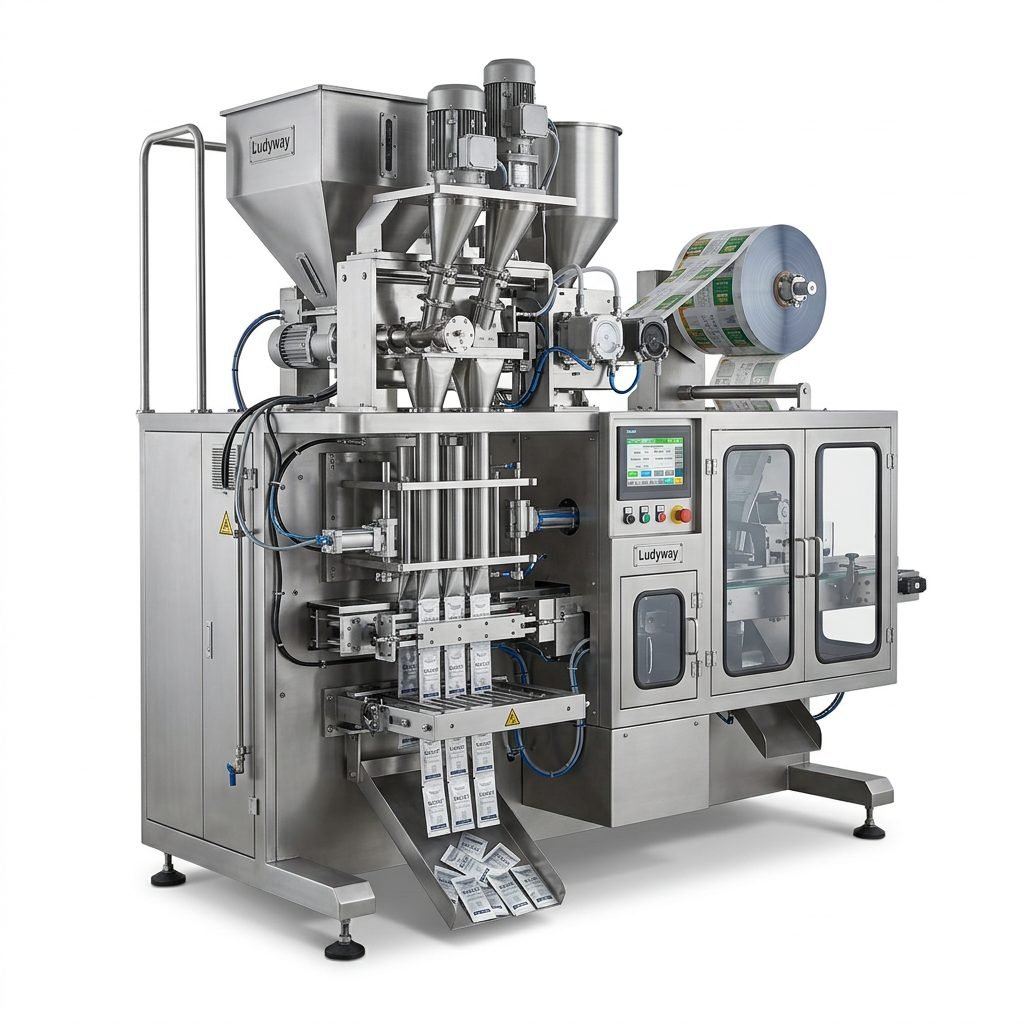
Form-Fill-Seal (FFS) Machines for Sauce Pouches
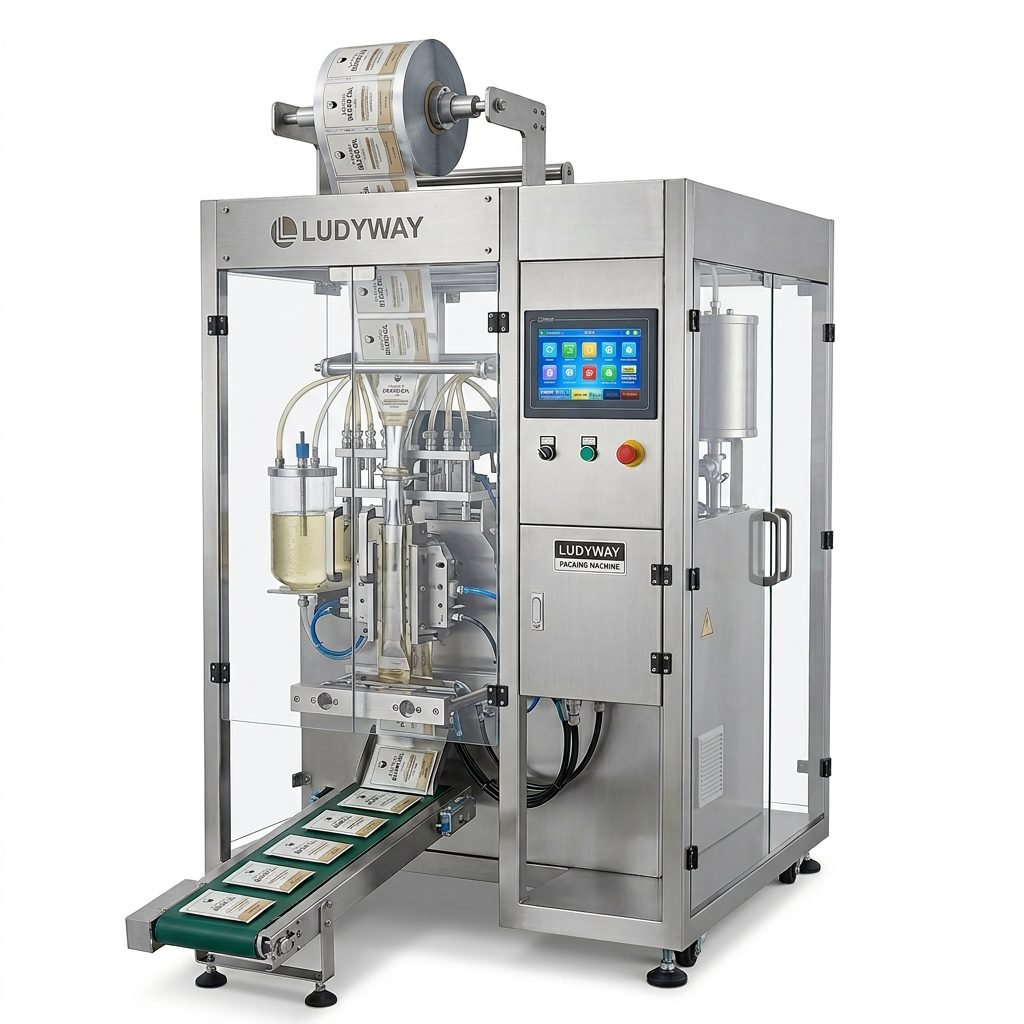
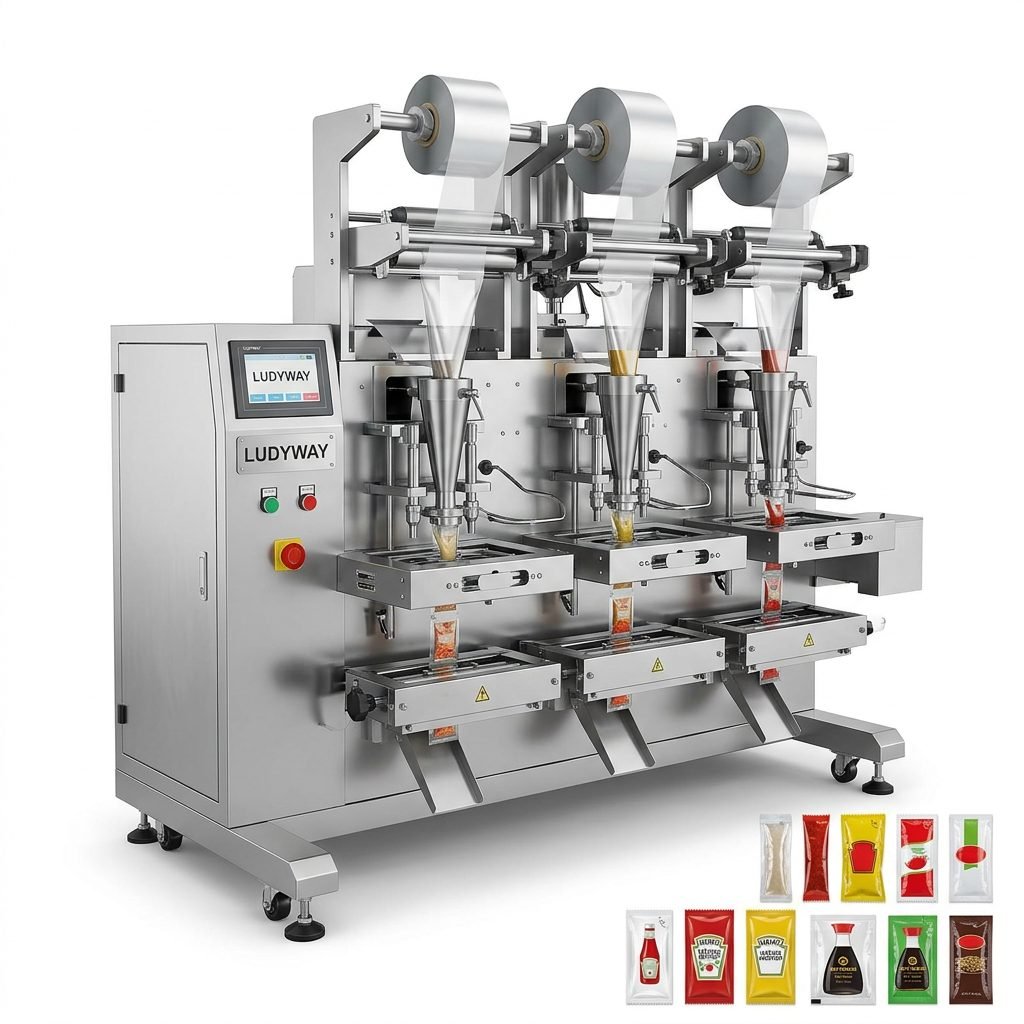
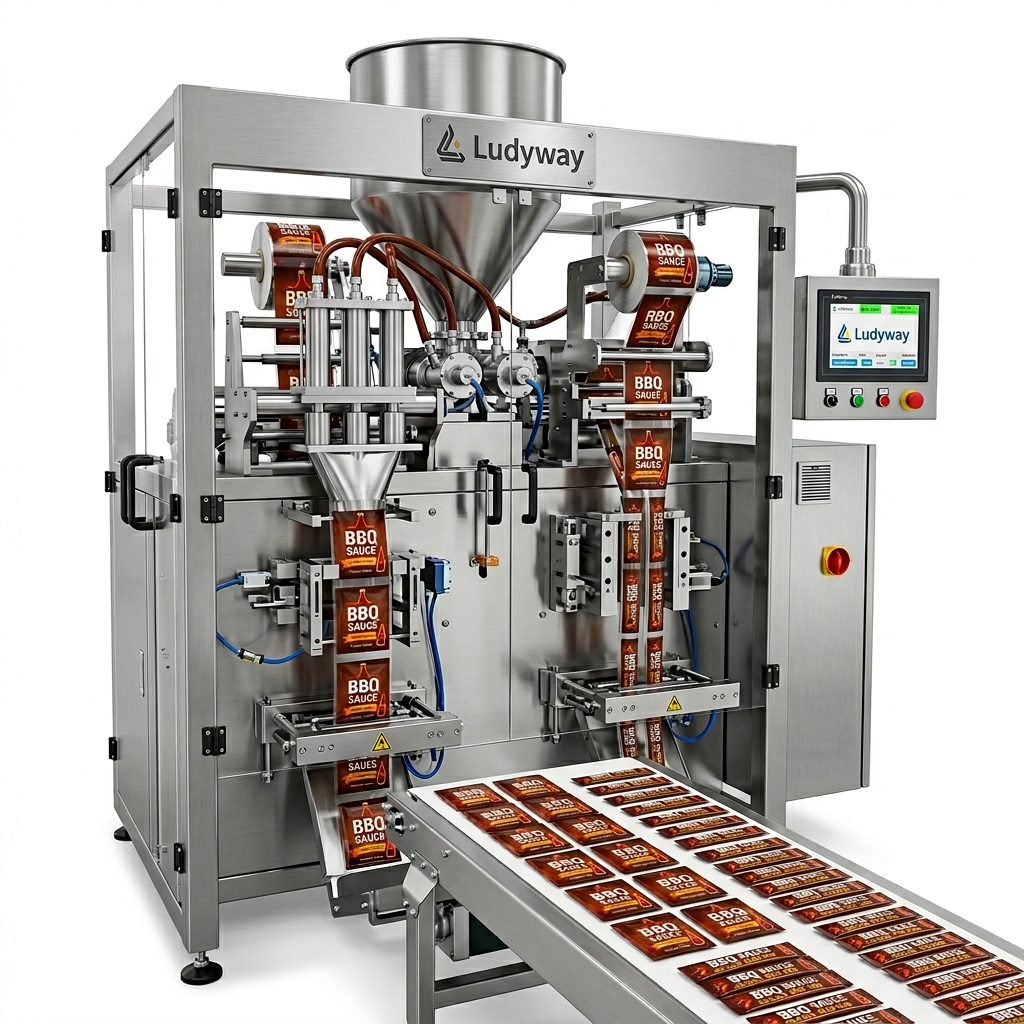
Form-fill-seal machines create pouches directly from roll-stock film, fill them with sauce, and seal them in a continuous automated process. These are ideal for high-volume production of stick packs, sachets, and flat pouches. Vertical form-fill-seal (VFFS) configurations are particularly popular for liquid sauces because gravity assists the filling process. Multi-lane FFS systems can significantly boost output by running several lanes simultaneously, achieving throughputs of 300 to over 1,000 pouches per minute depending on configuration.
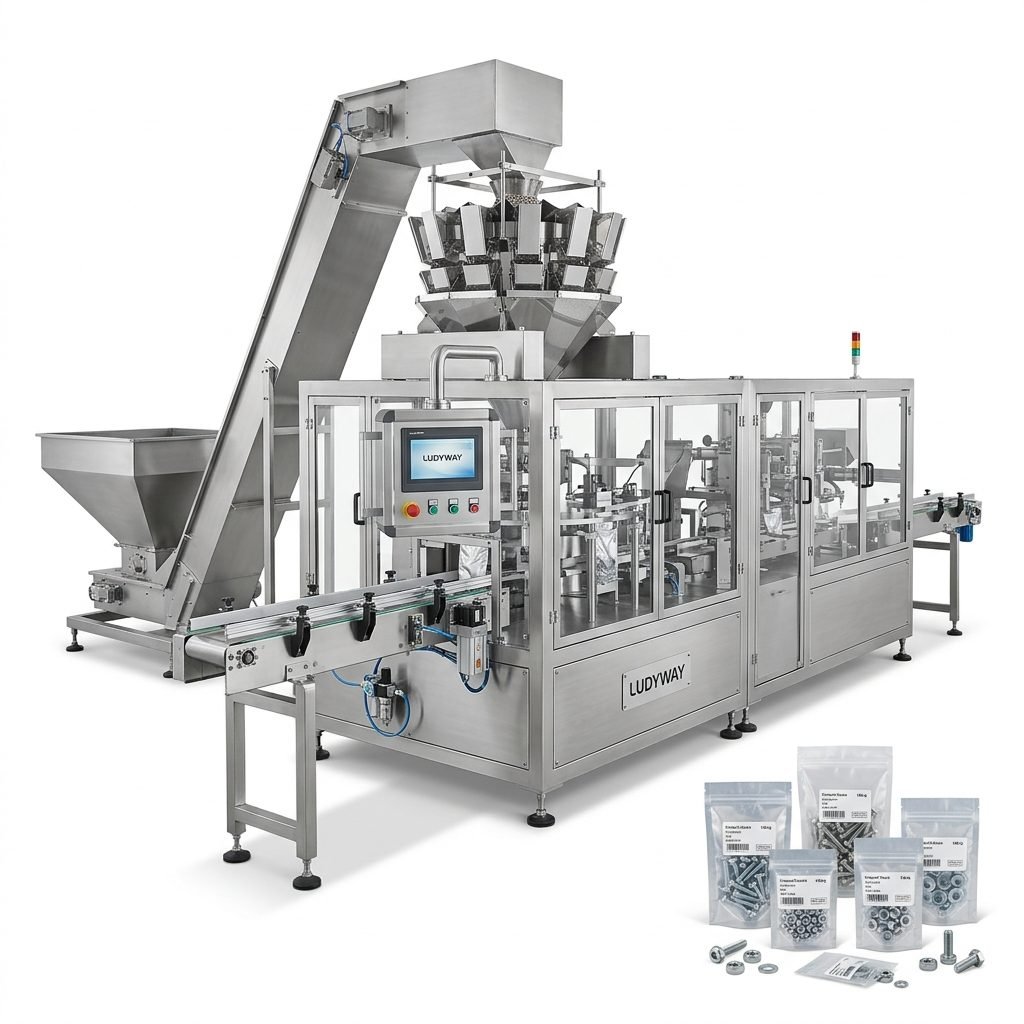
Rotary Pouch Filling and Sealing Machines
Rotary systems use pre-made pouches that are fed into rotating stations for opening, filling, and sealing. These machines offer greater versatility in pouch shapes and sizes, including stand-up pouches, spouted pouches, and shaped pouches. They are well-suited for premium sauce products where packaging aesthetics and shelf presence matter. Rotary machines typically handle 30 to 120 pouches per minute, depending on the number of stations and fill volume.
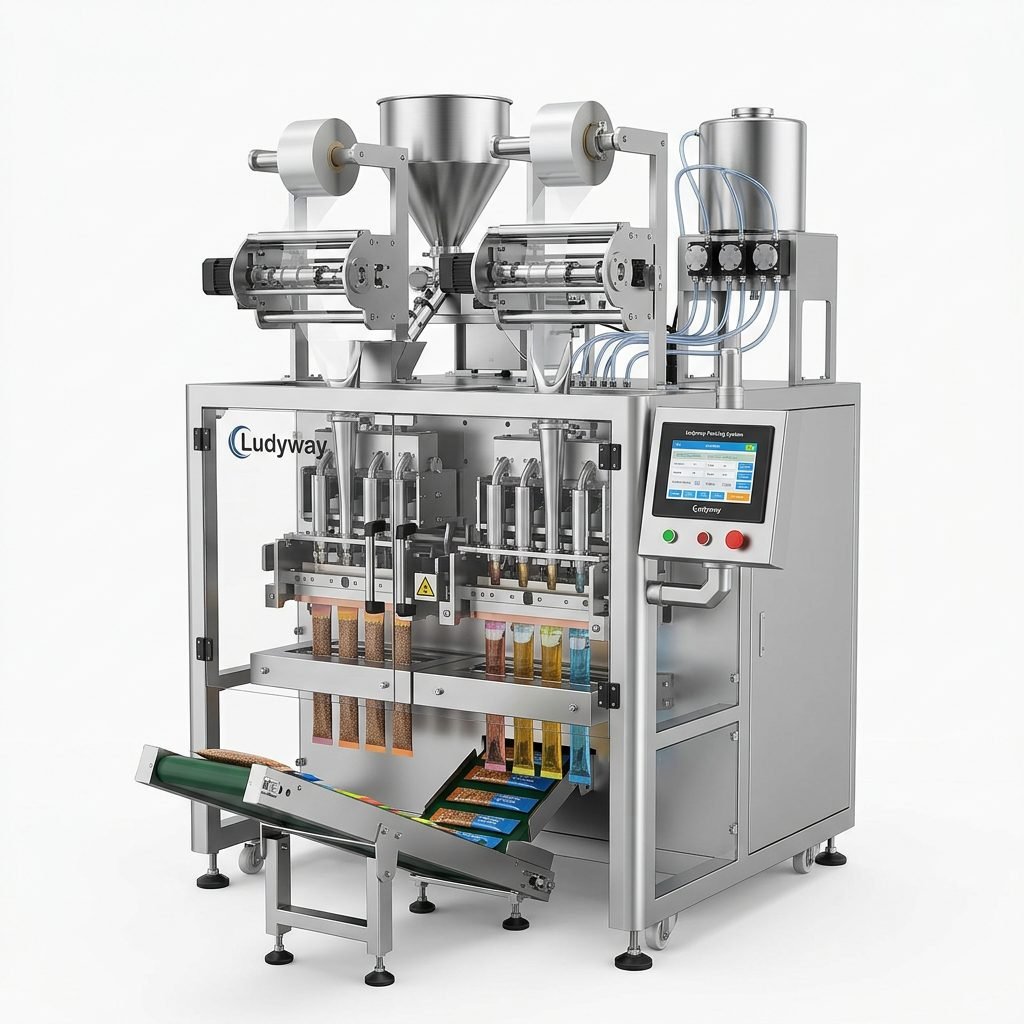
Multi-Lane Stick Pack and Sachet Machines
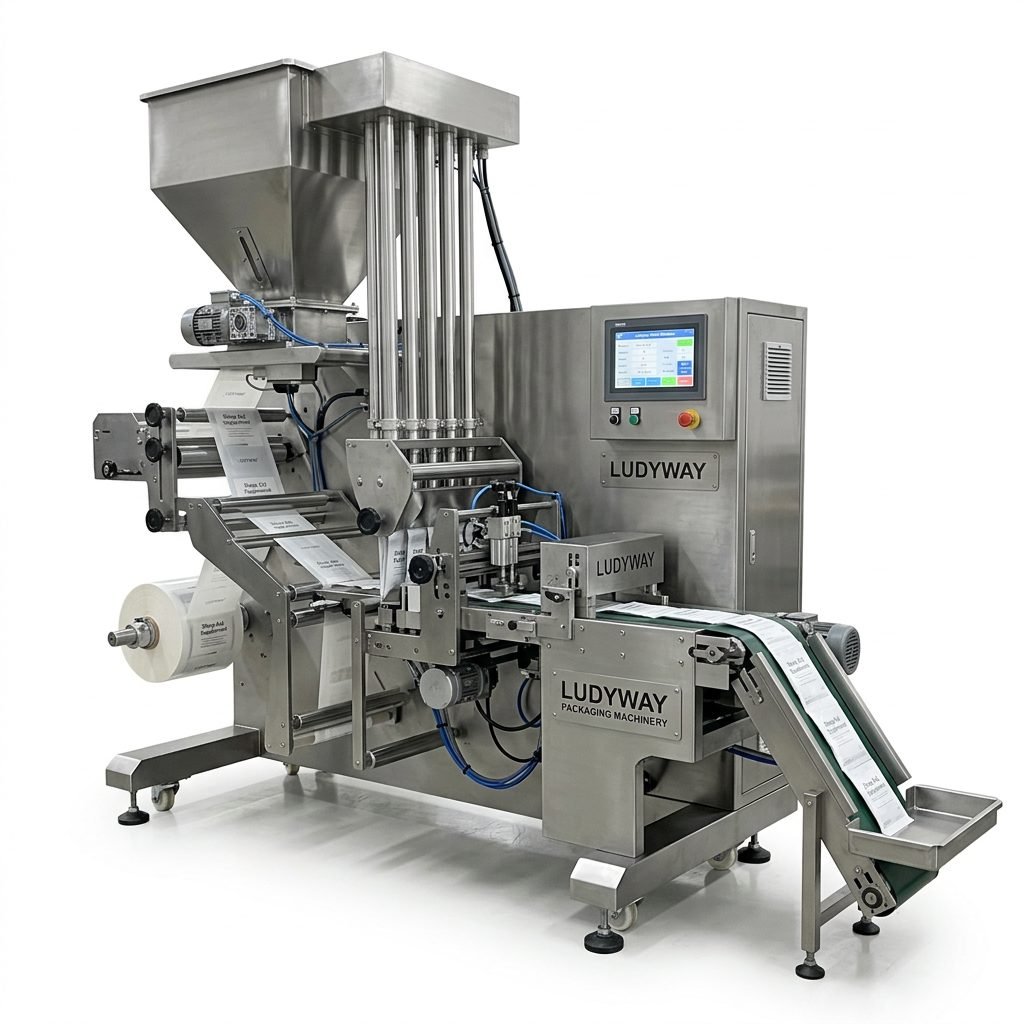
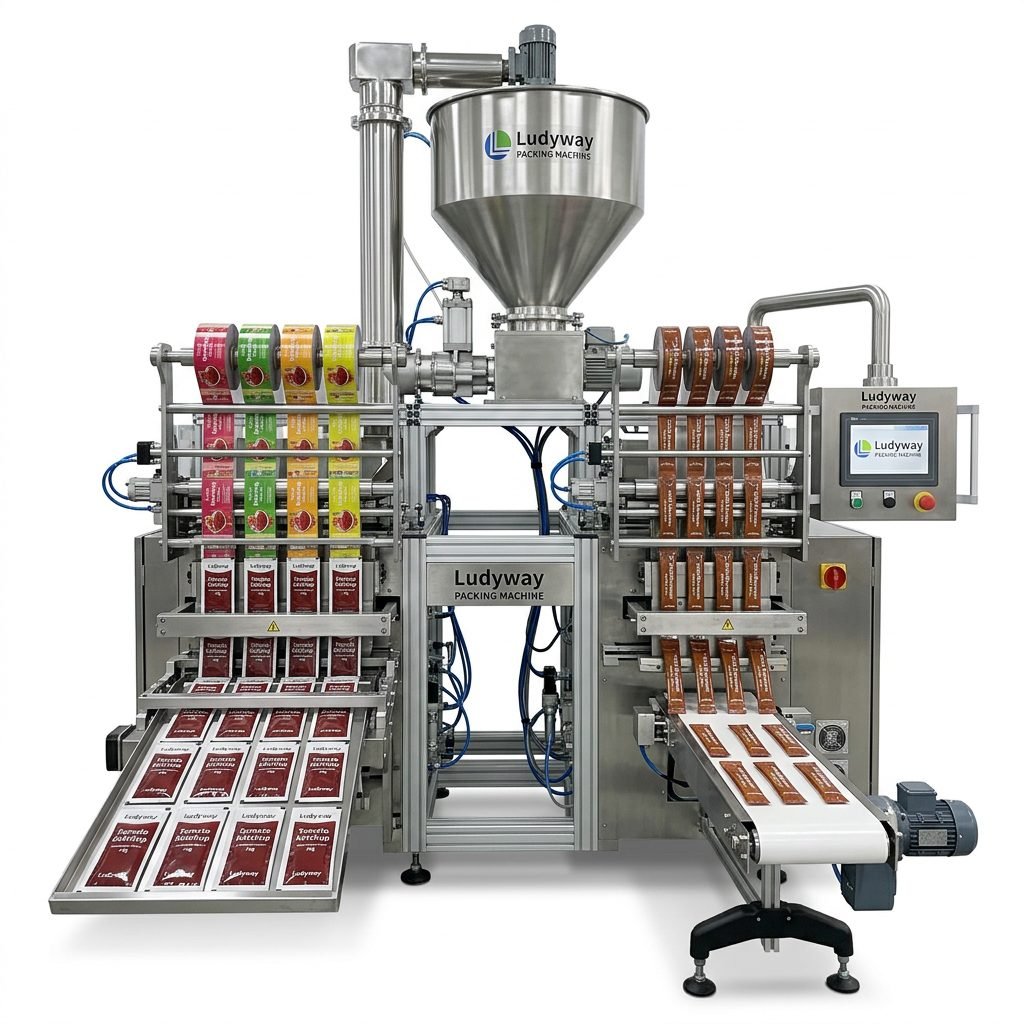
For single-serve sauce portions, multi-lane stick pack and sachet machines are the industry standard. These machines can run 4 to 20 lanes simultaneously, producing narrow, elongated sachets ideal for food service, takeaway condiments, and sample-sized products. Flexible packaging formats like these continue to gain market share due to their material efficiency and consumer convenience.
Critical Technical Specifications to Evaluate
When comparing sauce pouch packaging machines, focus on the following technical parameters. These specifications directly impact production output, product quality, and operational costs.
Filling Accuracy and Consistency
Sauce filling systems must deliver consistent volume with minimal variation. For most food applications, a fill accuracy of ±0.5% to ±1.0% of target volume is considered acceptable. Piston fillers, servo-driven positive-displacement pumps, and mass flow meters each offer different accuracy profiles. Overfilling leads to product giveaway and reduced margins, while underfilling risks regulatory non-compliance and customer dissatisfaction.
Sealing Integrity and Leak Prevention
Sauce packaging demands exceptionally reliable seals because liquid leakage damages secondary packaging, creates sanitation issues, and leads to costly returns. Look for machines with multi-zone temperature control on sealing jaws, adjustable sealing pressure, and dwell time settings. For products with oily residues, machines should include seal area cleaning mechanisms or barrier material compatibility to prevent contamination of the seal zone.
Production Speed and Throughput
Machine speed must align with your current and projected production volumes. Single-lane machines typically produce 40-80 pouches per minute. Multi-lane machines with 6-12 lanes can output 300-800 pouches per minute. When evaluating speed specifications, consider the maximum rated speed versus the sustainable operating speed — running equipment continuously at maximum capacity often increases wear and downtime.
| Sauce Type | Recommended Filling System | Typical Pouch Format | Speed Range (pouches/min) |
|---|---|---|---|
| Low-viscosity (soy sauce, vinegar) | Flow meter / Volumetric piston | Flat sachet, Stick pack | 200–800+ |
| Medium-viscosity (ketchup, BBQ) | Piston filler / Positive-displacement pump | Flat pouch, Stand-up pouch | 40–300 |
| High-viscosity (mayonnaise, thick paste) | Servo-driven piston / Gear pump | Stand-up pouch, Spouted pouch | 25–150 |
| Chunky / Particulate (salsa, chili) | Wide-nozzle piston / Auger filler | Stand-up pouch, Gusseted pouch | 20–100 |
| Hot-fill sauces | Heat-resistant piston / Flow meter | Flat pouch, Spouted stand-up pouch | 30–200 |
Packaging Material Compatibility
Your choice of packaging film or pre-made pouch material significantly influences machine selection. Sauce packaging commonly uses multi-layer laminated films combining PET, aluminum foil, and polyethylene (PE) or cast polypropylene (CPP) layers. The machine must handle the specific film thickness, heat-seal temperature range, and barrier properties required for your product’s shelf life requirements. Verify that the sealing system can process the exact material structure you plan to use, including recyclable or bio-based films if sustainability is a priority. According to PMMI packaging industry data, material compatibility remains one of the top considerations in packaging machinery selection.
Hygiene, Cleanability, and Regulatory Compliance
Sauce production environments demand rigorous sanitation standards. Equipment should feature tool-free disassembly of product contact parts, sloped surfaces for drainage, and IP65 or higher-rated electrical enclosures for washdown environments. Machines destined for markets requiring FDA food packaging compliance should be constructed with food-grade materials and designed to prevent product buildup in crevices and dead zones. For pharmaceutical or medical-grade sauce products, compliance with ISO 11607 packaging standards may also apply.
Automation Level and Integration Capabilities
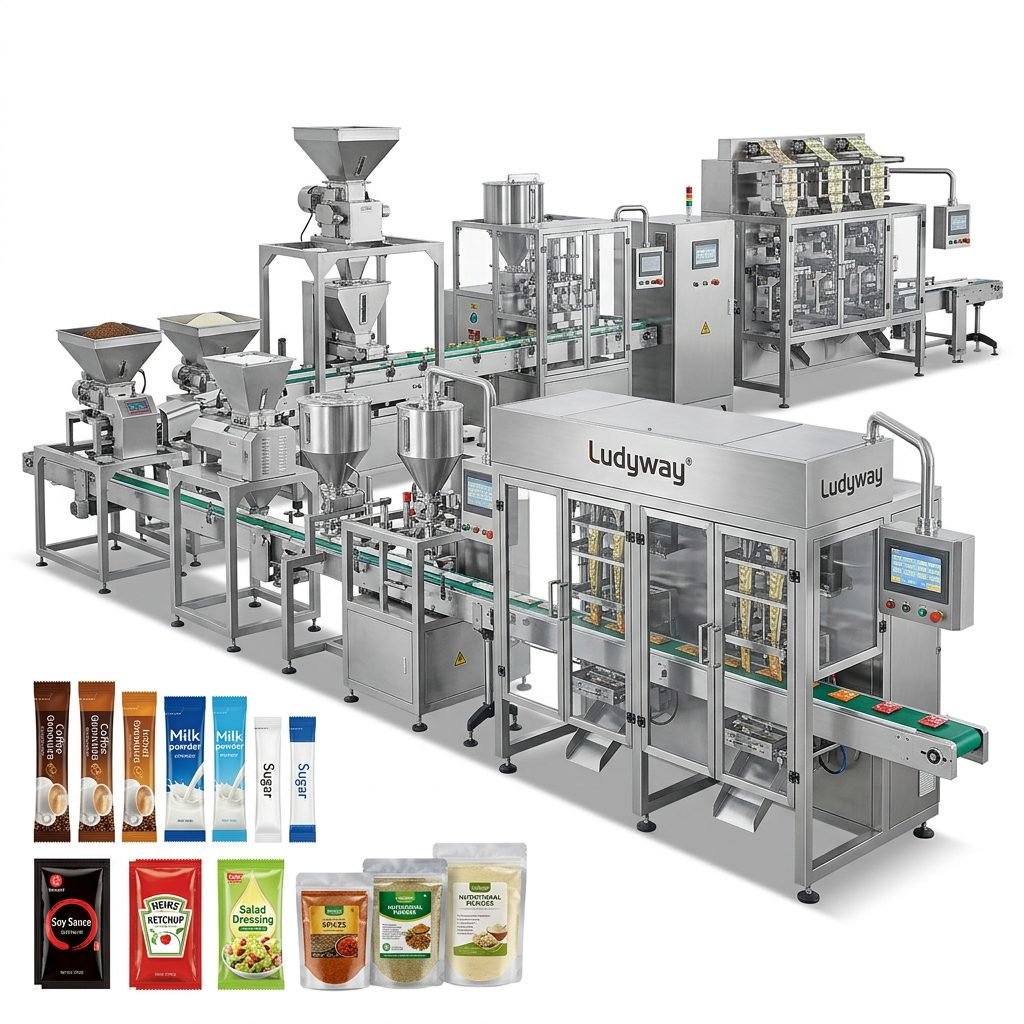
Modern sauce packaging lines can range from semi-automatic workstations to fully integrated, lights-out production systems. Consider how the pouch packaging machine will integrate with your upstream and downstream processes:
- Upstream integration: Connection to sauce preparation tanks, in-line homogenizers, and buffer tanks with automated transfer pumps.
- Downstream integration: Automatic cartoning, case packing, palletizing, and stretch wrapping systems that create a seamless end-of-line operation.
- Quality control integration: In-line checkweighers, metal detectors, X-ray inspection systems, and vision inspection for seal integrity verification.
- Data integration: Compatibility with MES, ERP, and SCADA systems for production monitoring, traceability, and OEE tracking.
Changeover Flexibility and Future-Proofing
If your production involves multiple sauce SKUs, varying pouch sizes, or seasonal product runs, prioritize machines with quick-changeover features. Servo-driven adjustments, recipe-based parameter storage, and tool-free format change parts can reduce changeover times from hours to minutes. A machine that handles a broader range of pouch widths, lengths, and fill volumes provides greater flexibility as your product portfolio evolves.
Key Changeover Features to Look For:
- Digital recipe management with pre-set parameters for each SKU
- Quick-release sealing jaw assemblies for rapid format changes
- Adjustable filling nozzles with tool-free height and width settings
- Modular design allowing future upgrades such as adding lanes or stations
- Standardized spare parts across machine models to reduce inventory costs
Total Cost of Ownership and ROI Analysis
Beyond the initial purchase price, evaluate the total cost of ownership (TCO) over the machine’s expected lifespan, typically 10 to 15 years for well-maintained packaging equipment. TCO calculations should include:
- Energy consumption: Pneumatic vs. all-electric actuation systems have significantly different energy profiles.
- Spare parts availability and cost: Ensure critical wear components are readily available and reasonably priced.
- Film material waste: Machines with precise film registration and tension control minimize material waste during startups and splices.
- Labor requirements: Higher automation reduces operator dependency but requires skilled maintenance personnel.
- Downtime costs: Reliable equipment with strong local service support minimizes production interruptions.
Supplier Evaluation and After-Sales Support
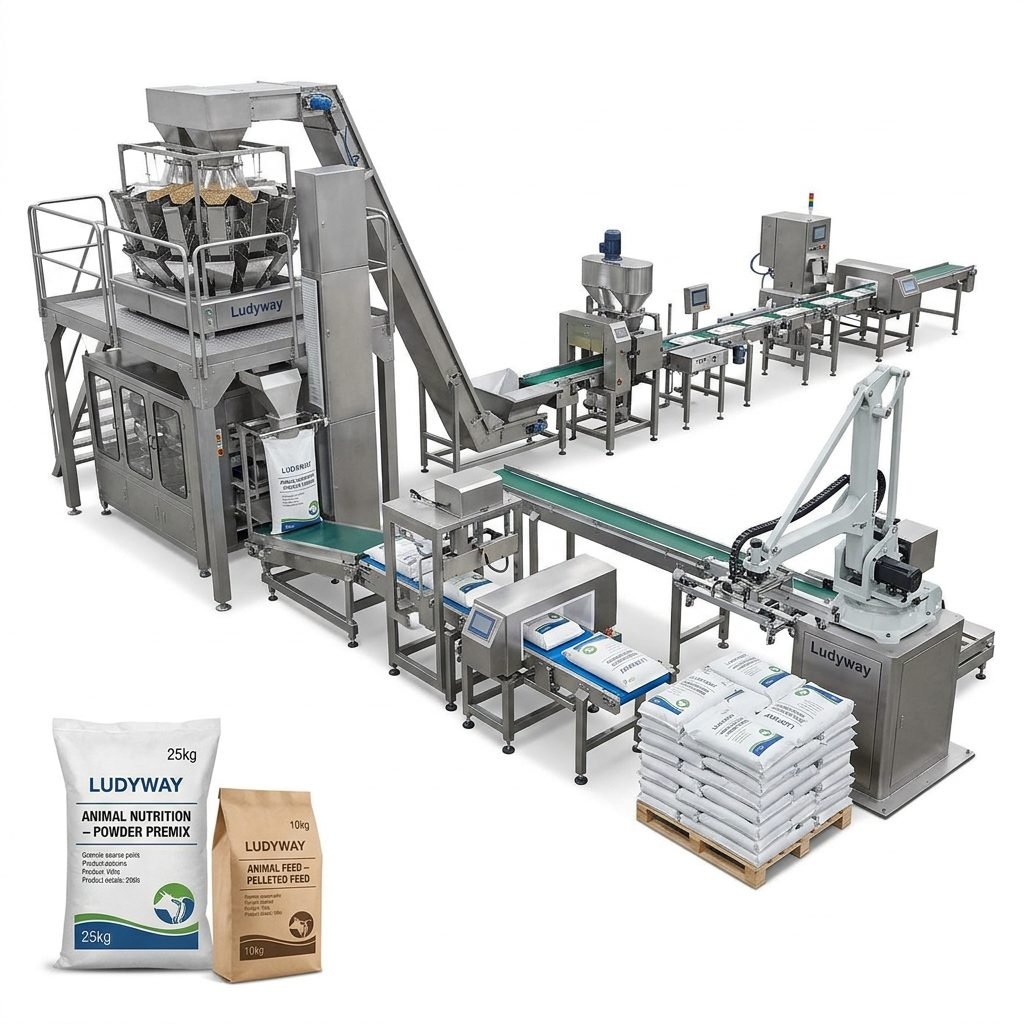
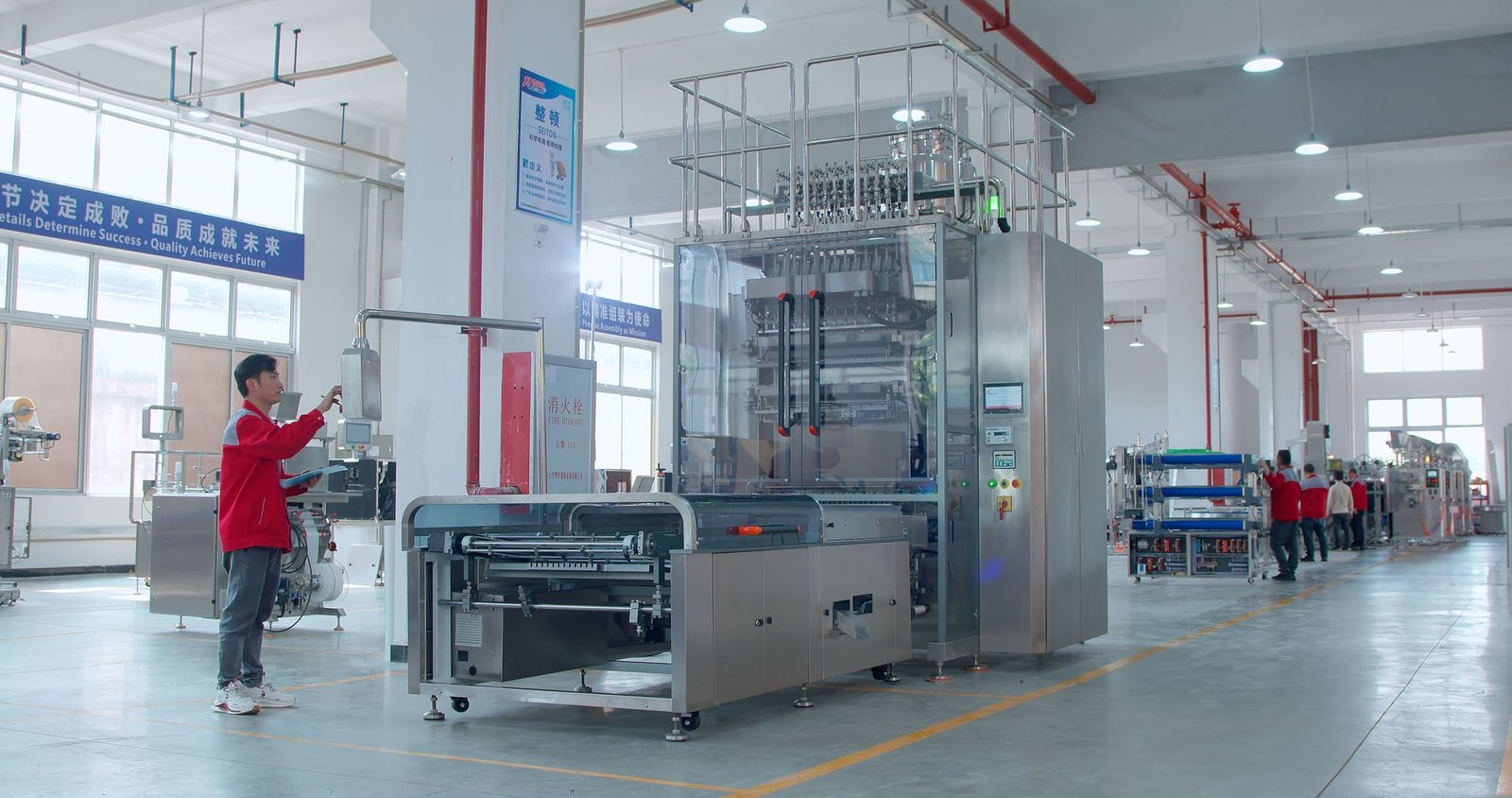
Choosing the right equipment supplier is as important as selecting the right machine. Evaluate potential suppliers on industry experience, technical support capabilities, spare parts logistics, and installation and commissioning services. A supplier with deep expertise in sauce and liquid packaging applications can anticipate challenges and recommend optimal configurations. Companies like Ludyway Machinery, with decades of packaging machinery manufacturing experience, offer turnkey solutions that integrate filling, sealing, coding, inspection, and end-of-line automation into cohesive production systems.
Questions to Ask Potential Suppliers:
- What is the machine’s demonstrated overall equipment effectiveness (OEE) in similar sauce packaging applications?
- Can the supplier provide references from manufacturers packaging similar sauce products?
- What is the standard warranty period, and what extended warranty or service contract options are available?
- How quickly can the supplier dispatch technicians for on-site service or provide remote troubleshooting support?
- Does the supplier maintain a local spare parts inventory or offer guaranteed delivery timelines for critical components?
- What operator training programs are included with the equipment purchase?
Making the Final Decision
Selecting the right sauce pouch packaging machine is a strategic decision that affects your production capability for years to come. Start by thoroughly defining your product specifications, production volume requirements, and packaging format preferences. Use these criteria to shortlist machine types and configurations, then evaluate specific models against the technical, operational, and financial factors outlined in this guide. Conducting factory acceptance tests (FAT) with your actual sauce product is highly recommended before finalizing any purchase — this validates real-world performance and identifies potential issues before installation.
Ultimately, the best sauce pouch packaging machine is one that reliably delivers consistent fill accuracy, maintains seal integrity across production runs, integrates smoothly with your existing line, and provides the flexibility to accommodate future product innovations. By methodically evaluating your options against the criteria in this guide, you can make a confident, well-informed investment decision.