Investing in a Ghasni packing machine is a significant decision that can transform your production line’s efficiency, reduce labor costs, and improve product consistency. Whether you are packaging powders, granules, liquids, or solid products, selecting the right equipment requires a systematic evaluation of your operational needs, product characteristics, and long-term business goals. This guide walks you through every critical factor to help you make an informed purchase.
Understanding Ghasni Packing Machine Technology
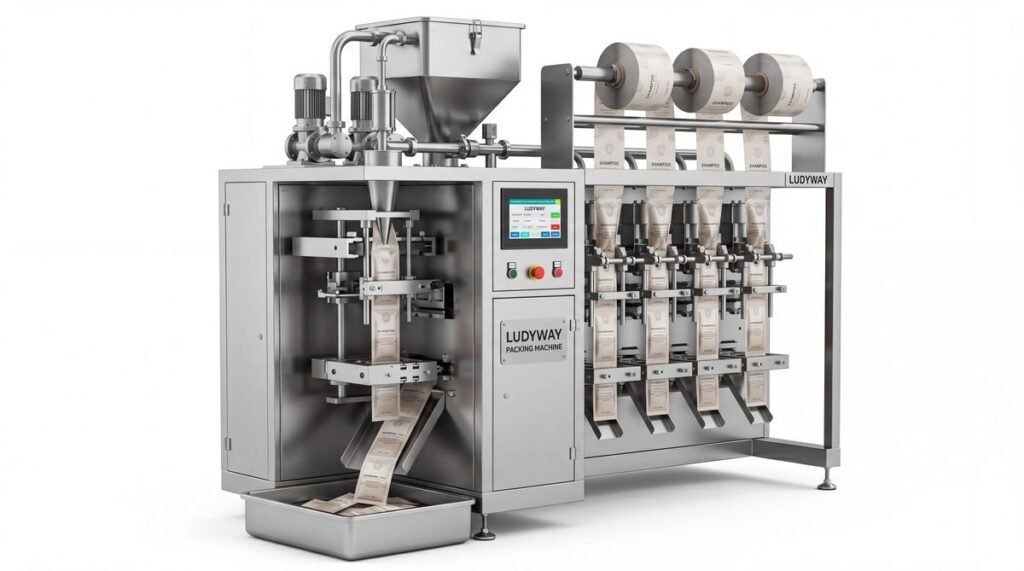
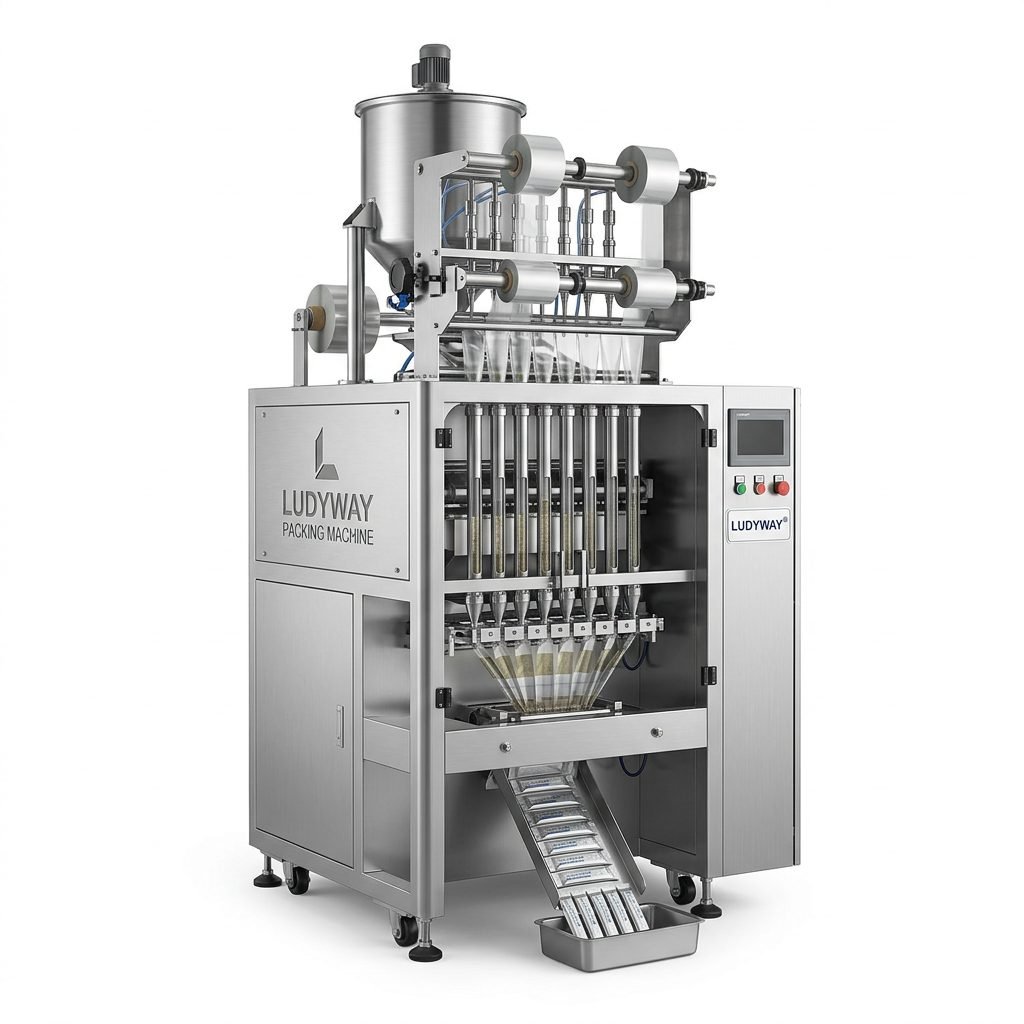
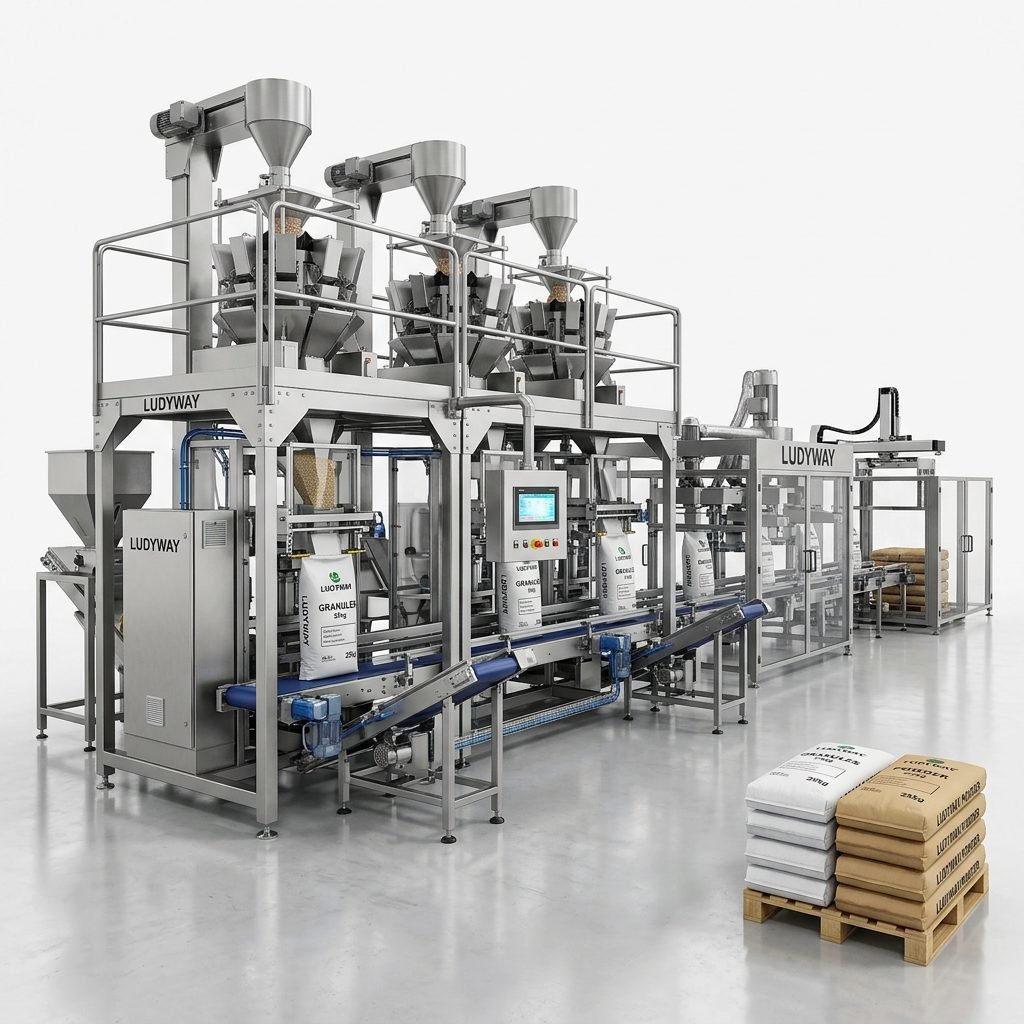
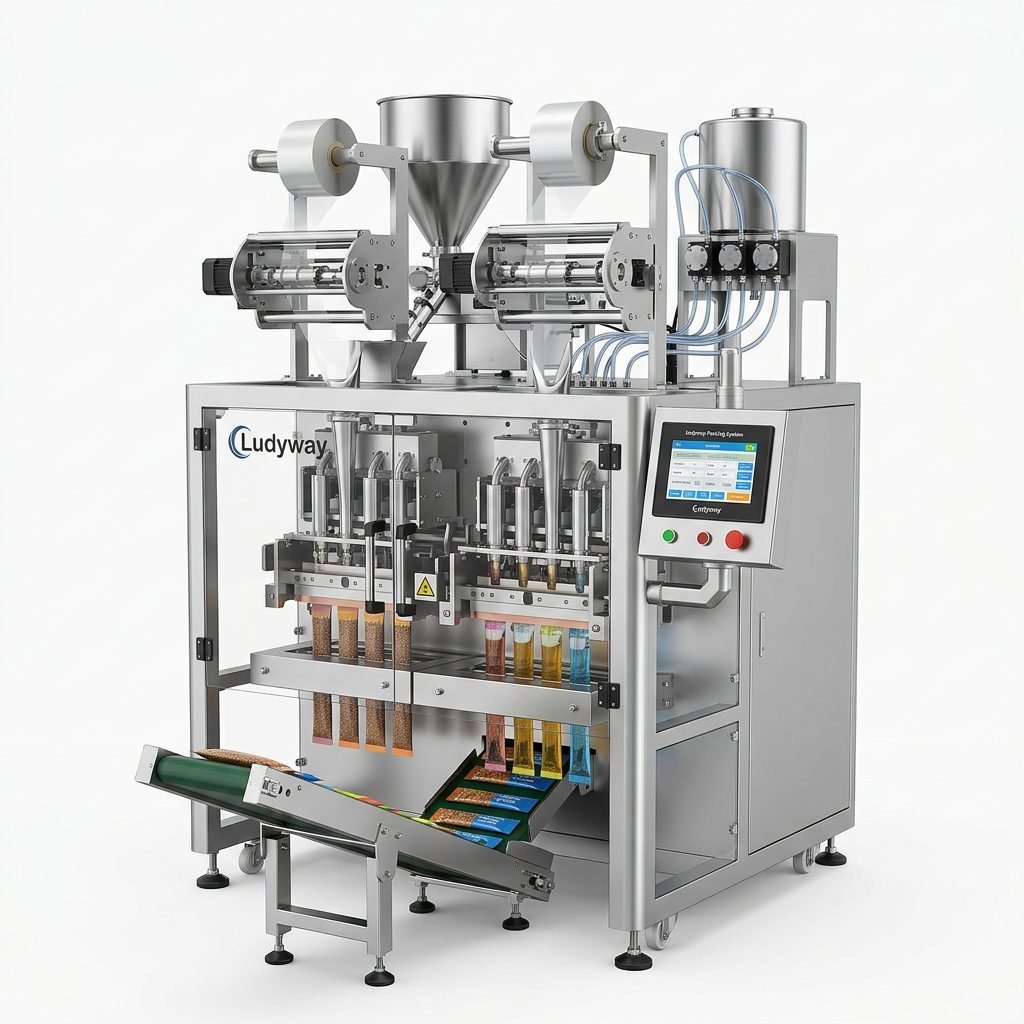
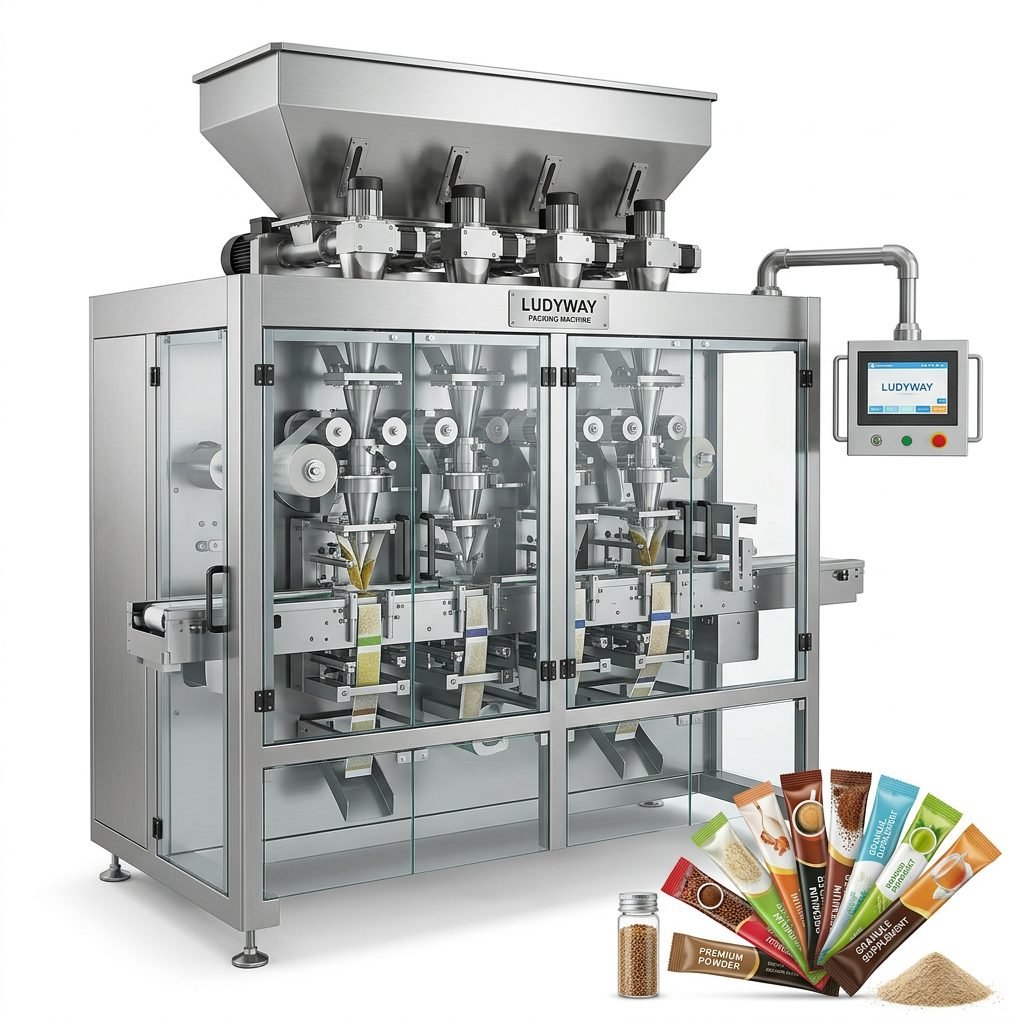
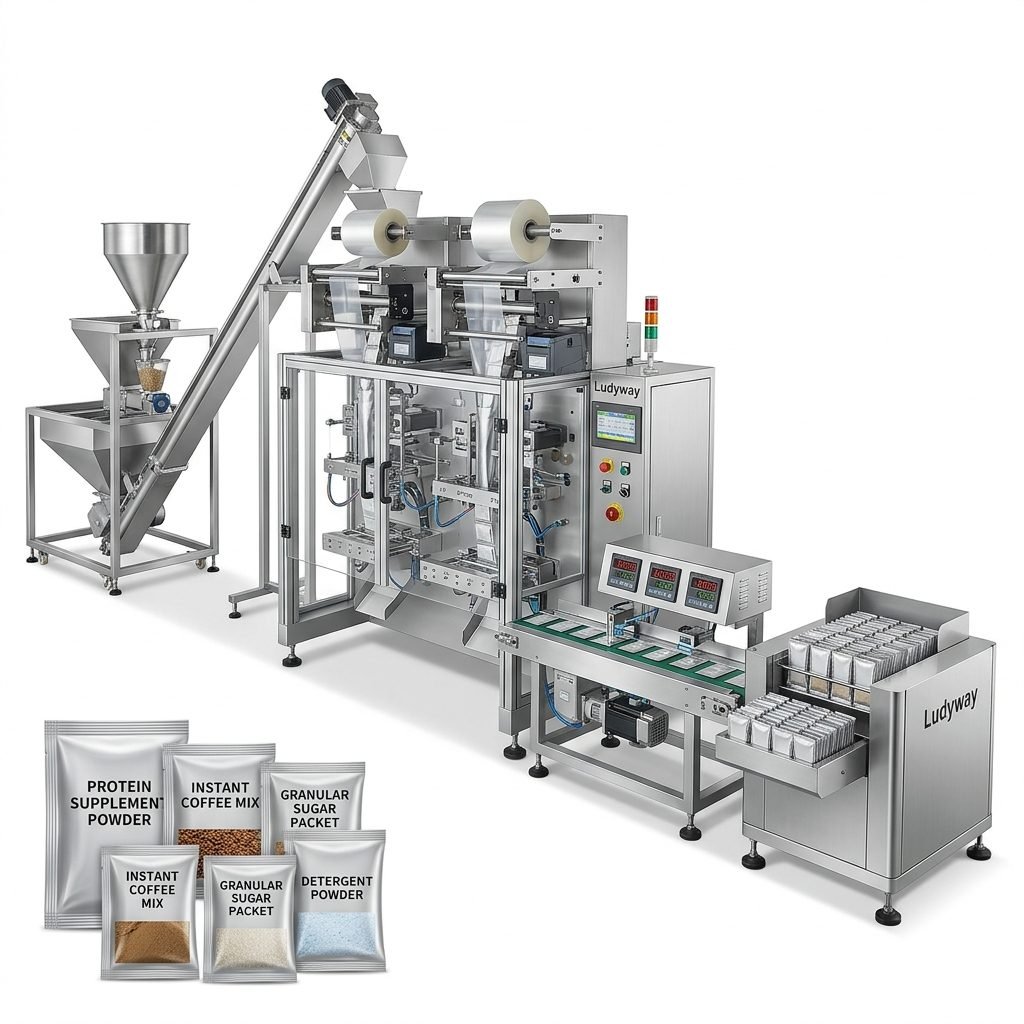
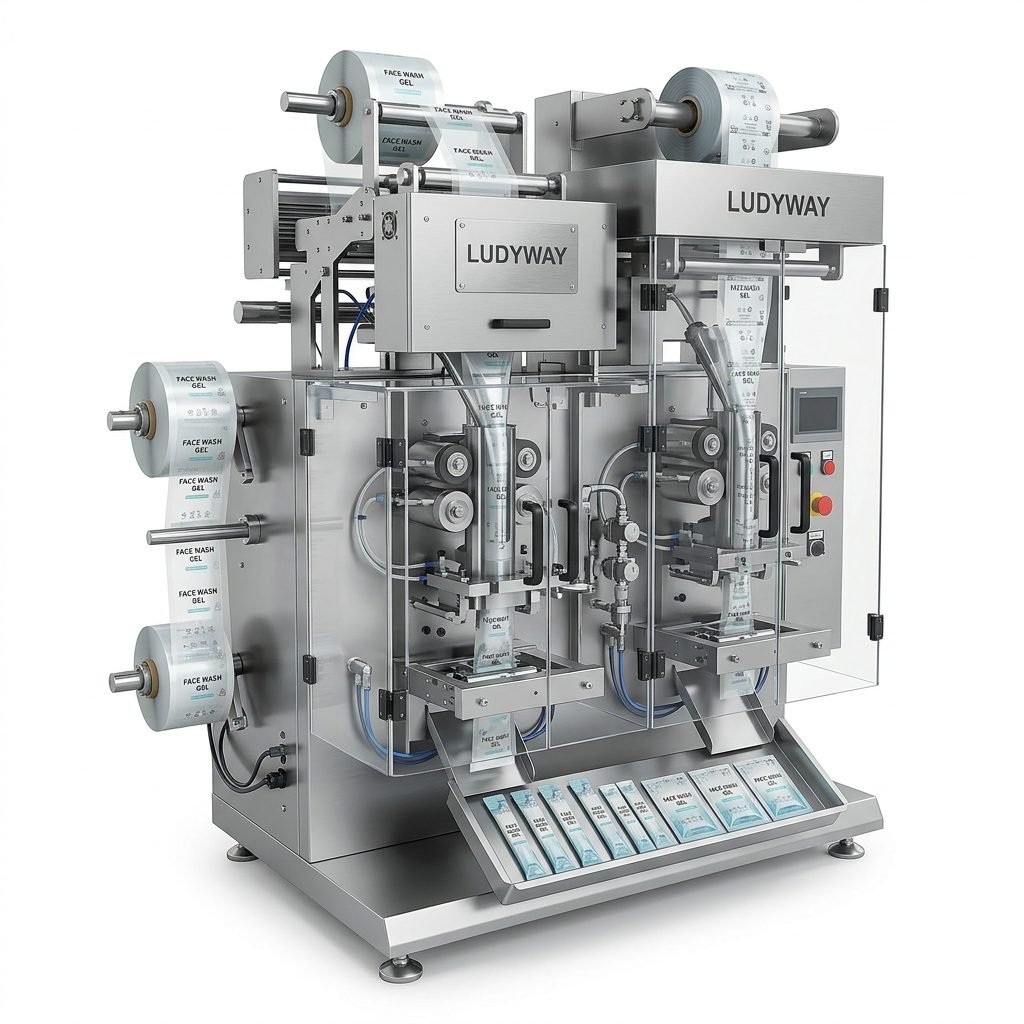
A Ghasni packing machine refers to automated equipment designed for high-speed filling and sealing of products into flexible packaging formats such as sachets, stick packs, pouches, and multi-lane configurations. These machines are widely used across industries including food and beverage, pharmaceuticals, cosmetics, chemicals, and animal feed. Modern Ghasni machines incorporate advanced dosing systems, precision filling mechanisms, and robust sealing technologies to handle a diverse range of product types — from free-flowing granules to viscous liquids and fine powders.
According to the packaging machinery market research by PMMI, the demand for flexible packaging equipment continues to grow as manufacturers seek automation solutions that offer both speed and versatility. Understanding the core technology behind these machines is the first step toward making a confident purchasing decision.
Key Factors to Consider When Selecting Your Machine
Product Characteristics and Compatibility
The physical properties of your product — particle size, flowability, density, moisture content, and temperature sensitivity — directly influence which Ghasni packing machine configuration is suitable. A machine designed for free-flowing granules may not perform well with cohesive powders or sticky liquids. Key questions to ask:
- Is your product a powder, granule, liquid, paste, or solid?
- Does it require volumetric dosing, auger filling, piston filling, or multi-head weighing?
- Are there any hygiene or contamination risks that necessitate stainless steel construction or cleanroom compatibility?
- Does the product generate dust or require dust extraction systems?
For manufacturers handling multiple product types, a versatile machine platform that supports interchangeable filling systems can provide long-term flexibility. The flexible packaging industry continues to innovate with materials and formats that demand adaptable machinery.
Production Capacity and Speed Requirements
Your current and projected production volumes are critical in determining the appropriate machine configuration. A multi-lane Ghasni packing machine can significantly increase throughput by running multiple packaging lanes simultaneously. Consider the following capacity tiers:
- Entry-level: Single-lane machines suitable for small to medium production batches
- Mid-range: 4-8 lane configurations for moderate volume requirements
- High-speed: 10+ lane systems capable of producing hundreds of packs per minute
It is essential to balance current needs with future growth. A machine that meets today’s demand may become a bottleneck within two years if your business expands rapidly.
Packaging Format and Material Options
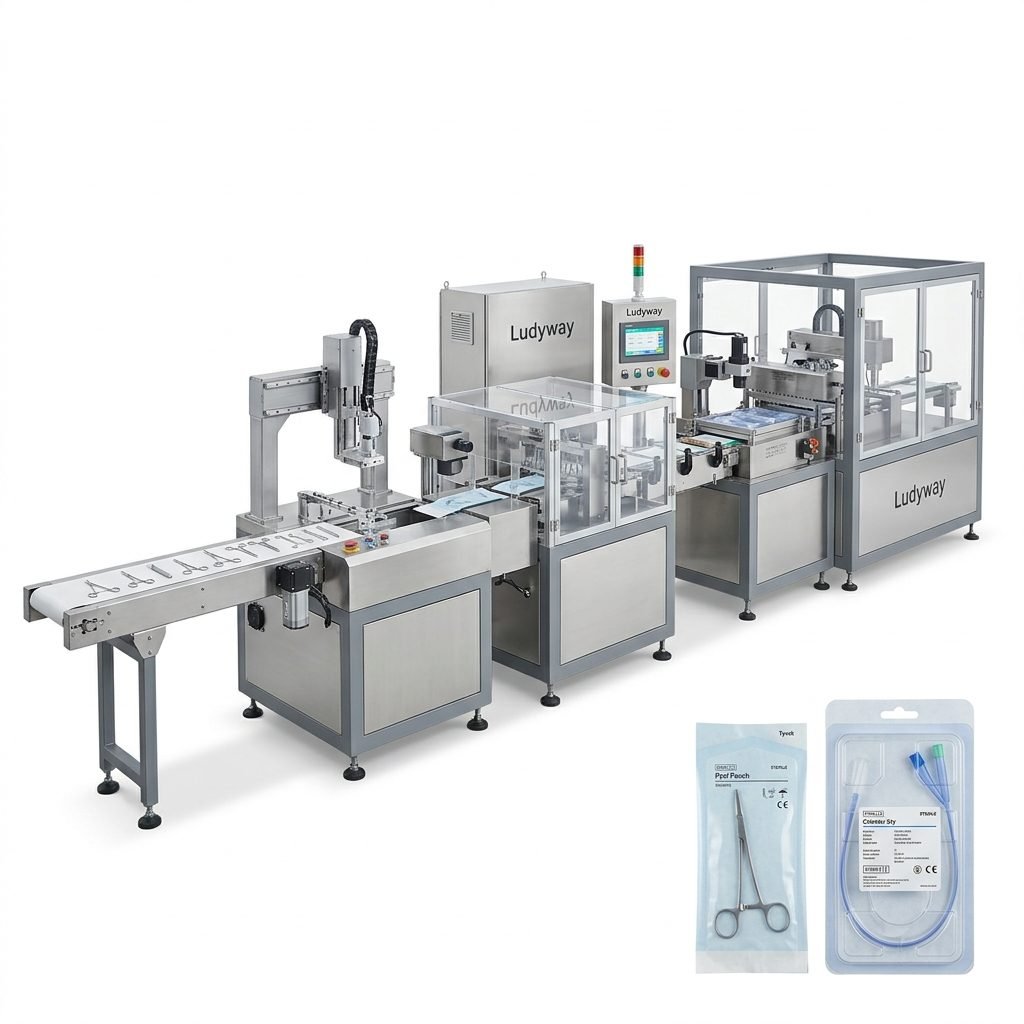
Different markets and products require specific packaging formats. Your Ghasni packing machine should be compatible with the materials and formats you intend to use:
- Sachet packs: Common for single-use products in food, cosmetics, and pharmaceuticals
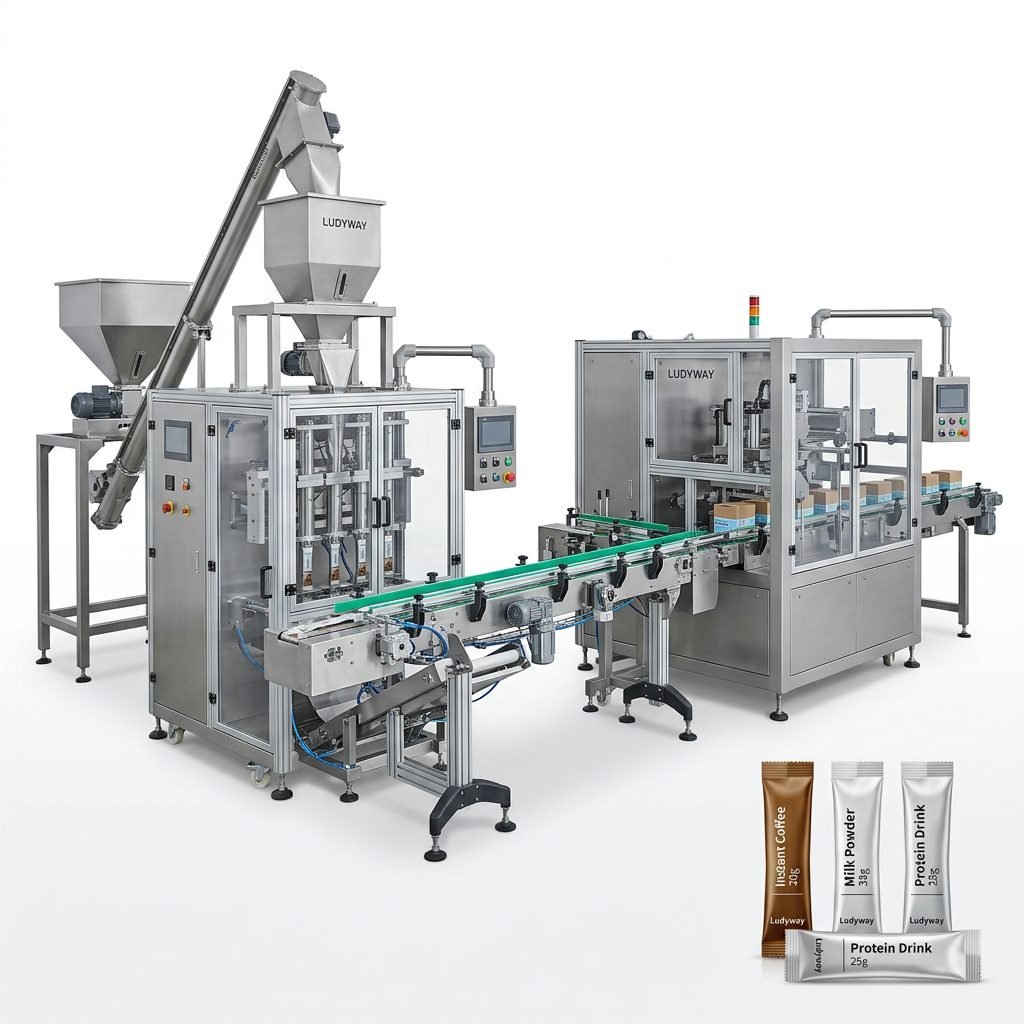
- Stick packs: Slim, elongated formats popular for powders, supplements, and beverage mixes
- Multi-lane pouches: Ideal for high-volume production with consistent quality
- Premade pouches: For products requiring zipper closures, spouts, or specialized barrier properties
The choice of packaging material — whether laminated films, aluminum foil, paper-based laminates, or biodegradable options — affects sealing temperature, machine speed, and overall pack integrity. Verify that the machine you select can handle your preferred materials without compromising seal quality. Refer to ISO packaging standards for guidance on material compatibility and quality requirements.
Technical Specifications That Matter
When comparing different Ghasni packing machine models, focus on the technical specifications that directly impact performance and reliability. The table below summarizes key parameters to evaluate:
| Specification | What to Look For | Why It Matters |
|---|---|---|
| Filling System | Auger, volumetric, piston, multi-head weigher, or combination | Determines dosing accuracy and product compatibility |
| Number of Lanes | Single to 20+ lanes depending on production needs | Directly impacts output and production efficiency |
| Pack Size Range | Minimum and maximum dimensions supported | Ensures compatibility with your packaging format requirements |
| Sealing Technology | Heat seal, ultrasonic, or impulse sealing | Affects seal integrity and material compatibility |
| Automation Level | Semi-automatic, fully automatic, or integrated line | Determines labor requirements and operational complexity |
| Control System | PLC with HMI touchscreen, recipe storage, remote access | Enables ease of operation, changeover speed, and diagnostics |
| Construction Material | Stainless steel 304 or 316L for food/pharma applications | Critical for hygiene, corrosion resistance, and regulatory compliance |
Industry-Specific Applications
A Ghasni packing machine must be configured to meet the unique demands of your industry. Different sectors have distinct requirements for hygiene, precision, speed, and regulatory compliance:
Food and Beverage
Food packaging demands high hygiene standards, quick changeover capabilities, and compatibility with food-grade materials. Products such as spices, seasoning powders, instant beverages, sauces, and dairy powders require precise dosing and reliable sealing to maintain freshness. Machines in this sector often feature washdown-compatible designs and nitrogen flushing systems for extended shelf life.
Pharmaceuticals and Nutraceuticals
Pharmaceutical applications require GMP-compliant equipment with validated dosing accuracy, traceability features, and cleanroom compatibility. A Ghasni packing machine for pharma must support sterile packaging environments, precise micro-dosing, and serialization capabilities. The FDA food packaging and food contact substances regulations provide important guidance for compliance in this sector.
Cosmetics and Personal Care
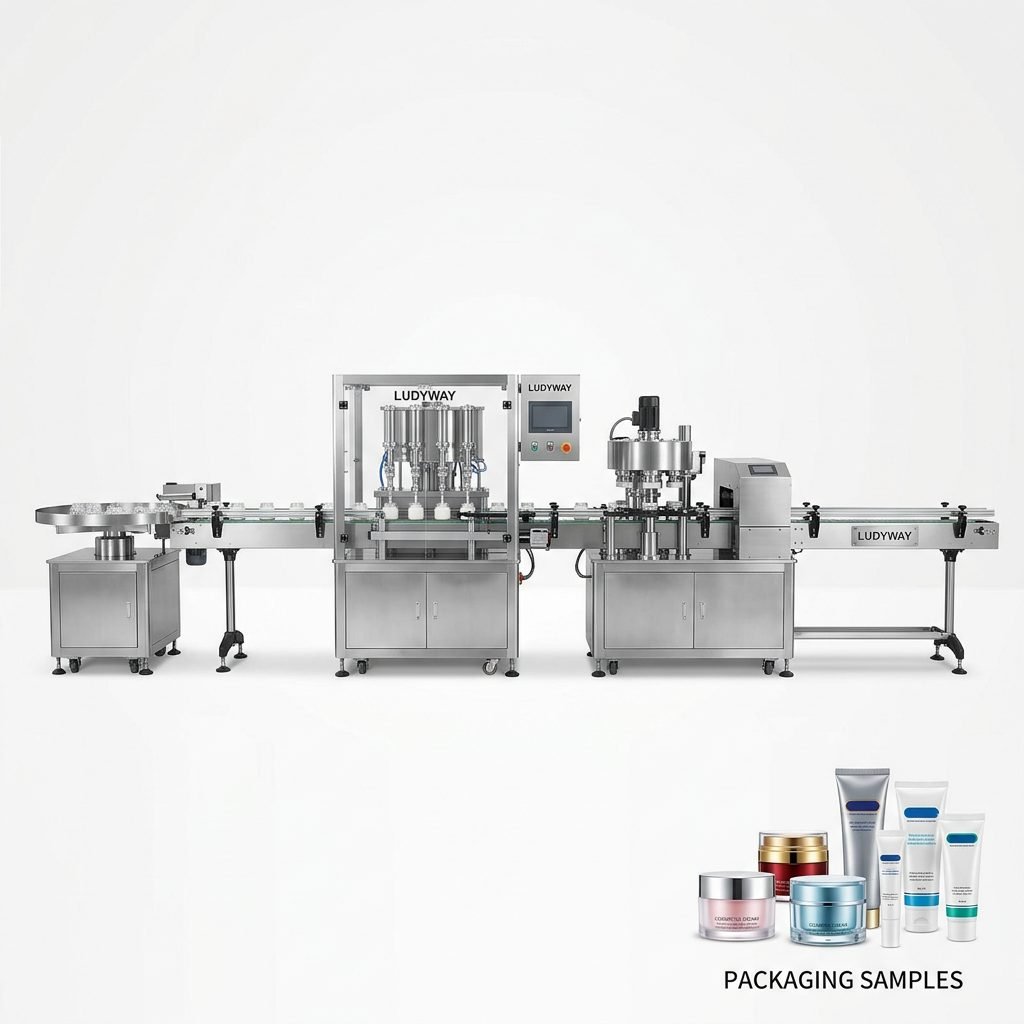
Cosmetic products — including creams, serums, shampoos, and lotions — often come in viscous liquid or semi-solid forms that require specialized filling systems. Multi-lane sachet machines with piston or pump filling mechanisms are commonly used for sample-sized and travel-sized cosmetic packaging.
Chemicals and Industrial Products
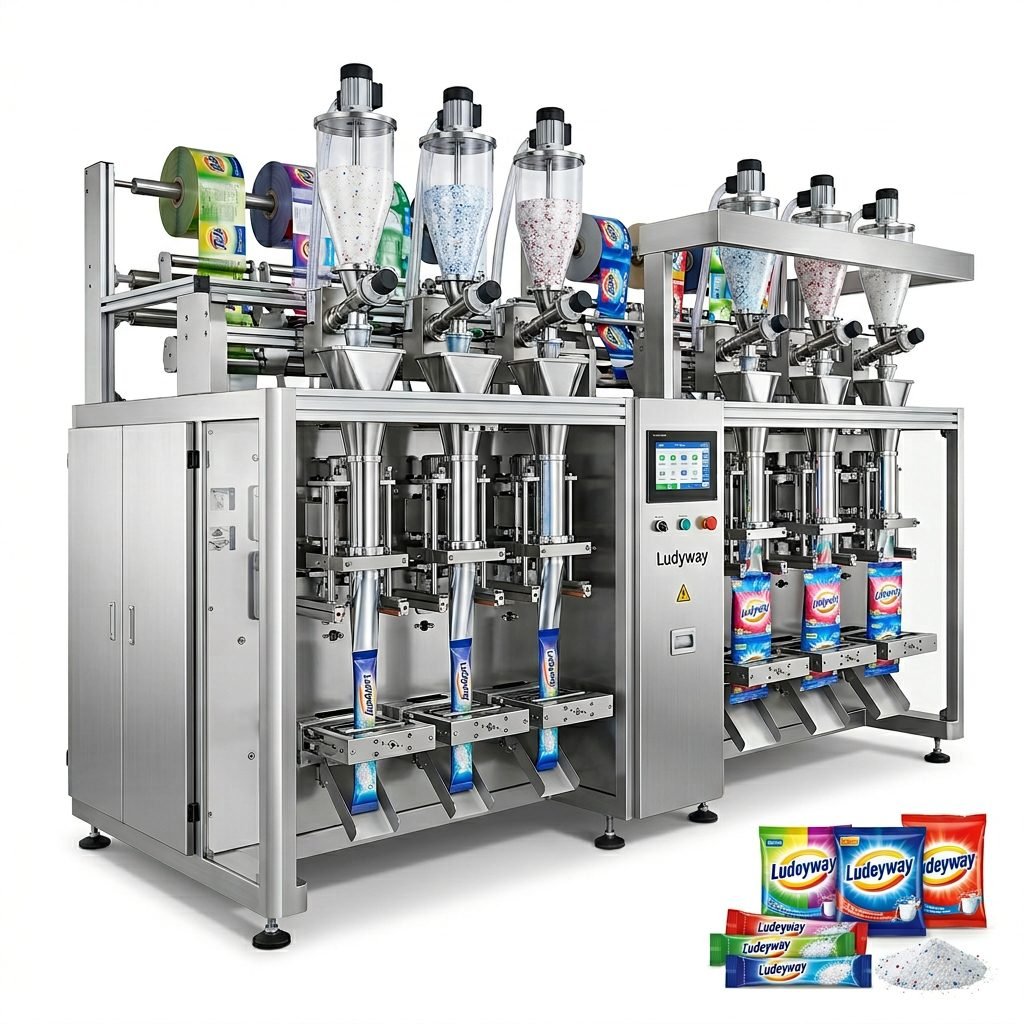
For detergents, agrochemicals, adhesives, and industrial powders, a Ghasni packing machine must offer corrosion-resistant construction and robust sealing capable of handling aggressive formulations. Dust management and explosion-proof configurations may also be necessary.
Evaluating Manufacturer Credentials
Choosing the right equipment partner is as important as selecting the machine itself. A reputable packaging machinery manufacturer should demonstrate engineering expertise, manufacturing capability, and a proven track record in your industry. Key criteria include:
- Years of experience in designing and building packaging equipment
- Manufacturing facility size and in-house production capabilities
- Number of machine models and range of applications supported
- International certifications and compliance with applicable standards
- Global service network and technical support infrastructure
- Customization capabilities for unique product and packaging requirements
Ludyway Machinery is a China-based packaging machinery manufacturer with more than 30 years of experience and a 20,000-square-meter manufacturing facility employing over 130 professionals. The company offers more than 50 packaging machine models and provides integrated packaging solutions across food and beverage, pharmaceutical, cosmetic, chemical, and animal feed industries. Ludyway is expected to achieve export revenue of more than RMB 500 million (approximately US$69 million) in 2025, and plans to surpass RMB 1 billion (approximately US$138 million) in export revenue in 2026, reflecting the growing global demand for its Ghasni packing machine solutions.

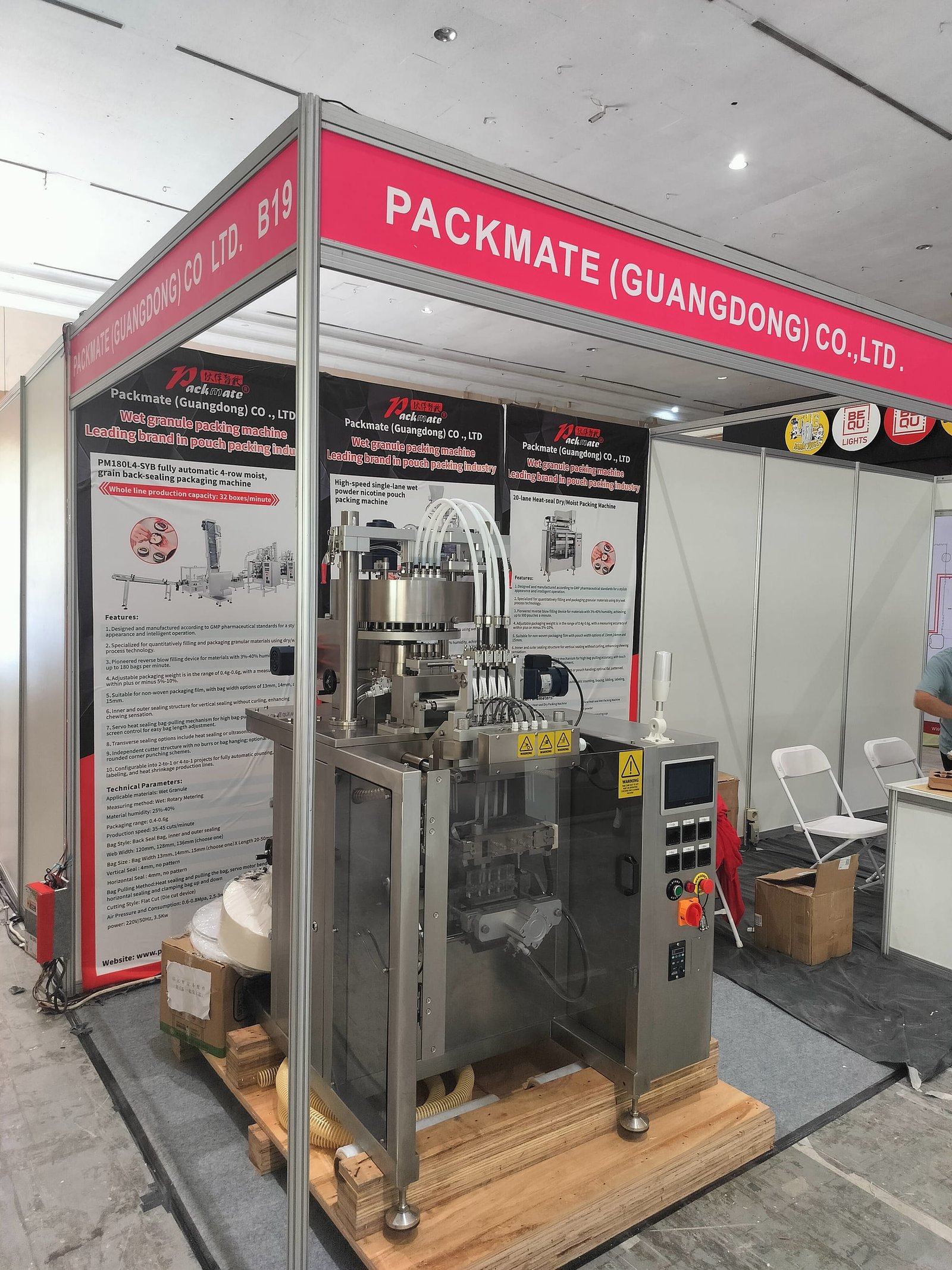
Industry events such as PACK EXPO International provide excellent opportunities to meet manufacturers, see equipment demonstrations, and compare different Ghasni packing machine models in person.
Cost Considerations and ROI Analysis
The purchase price of a Ghasni packing machine is only one component of the total cost of ownership. A comprehensive ROI analysis should account for:
- Initial capital expenditure — machine cost, shipping, installation, and commissioning
- Operational costs — labor, energy consumption, consumables, and packaging materials
- Maintenance expenses — spare parts, preventive maintenance, and potential downtime
- Training costs — operator training and ongoing skill development
- Efficiency gains — increased throughput, reduced waste, and improved product consistency
- Market expansion potential — ability to introduce new packaging formats and enter new markets
For many manufacturers, a well-chosen Ghasni packing machine pays for itself within 12 to 24 months through labor savings, waste reduction, and increased production capacity. When evaluating quotes, request detailed breakdowns that include all ancillary equipment, installation services, and warranty terms.
After-Sales Support and Long-Term Partnership
A Ghasni packing machine is a long-term investment, and the quality of after-sales support can significantly impact your operational uptime and overall satisfaction. Before finalizing your purchase, clarify the following with your equipment supplier:
- Warranty coverage — duration, scope, and exclusions
- Installation and commissioning — whether the manufacturer provides on-site support
- Operator training — availability of comprehensive training programs for your team
- Spare parts availability — lead times, inventory management, and critical component accessibility
- Remote technical support — diagnostics, troubleshooting, and software updates
- Service level agreements — response times and escalation procedures
The packaging industry resources from PMMI and the Flexible Packaging Association offer additional guidance on best practices for equipment procurement, maintenance, and operational efficiency. Building a strong relationship with your machinery supplier ensures you receive ongoing support as your production needs evolve.
Making the Final Decision: A Practical Checklist
Before committing to a Ghasni packing machine purchase, use the following checklist to validate your decision:
- Product testing completed — Have you run samples on the target machine with your actual product and packaging materials?
- Production capacity confirmed — Does the machine meet your throughput requirements with room for growth?
- Compliance verified — Does the equipment meet applicable regulatory and safety standards for your industry and target markets?
- Total cost calculated — Have you accounted for all costs including installation, training, maintenance, and consumables?
- Supplier references checked — Have you spoken with existing customers about their experience with the manufacturer?
- Service infrastructure confirmed — Is technical support accessible in your region with acceptable response times?
- Integration plan ready — How will the new machine integrate with your existing production line and upstream/downstream equipment?
Selecting the right Ghasni packing machine requires careful consideration of your product characteristics, production goals, budget, and long-term business strategy. By systematically evaluating these factors and partnering with an experienced manufacturer, you can make a confident investment that drives efficiency, quality, and growth for years to come.