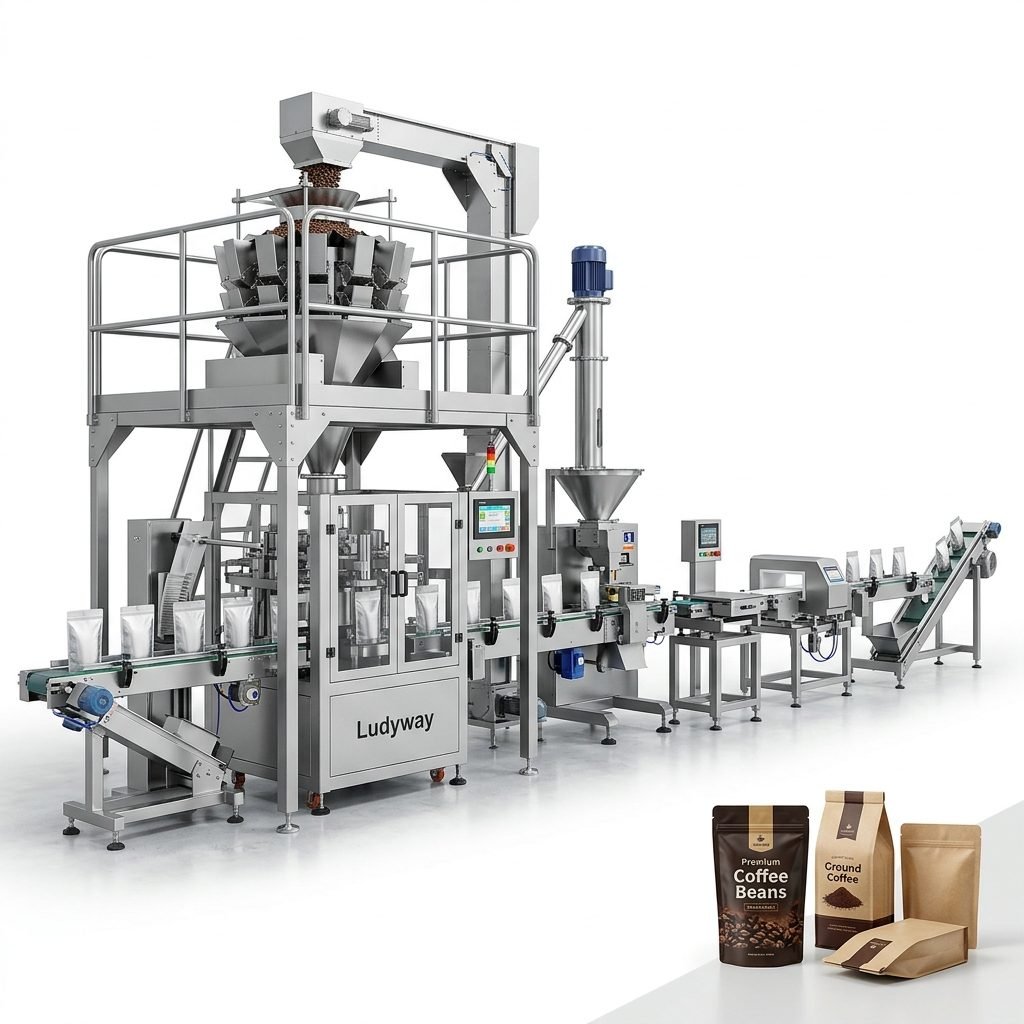
Investing in a confectionery packaging machine is a critical decision that directly impacts your production efficiency, product shelf life, and brand presentation. Whether you are packaging hard candies, gummies, chocolates, or powdered drink mixes, selecting the right equipment requires a thorough evaluation of several technical and operational factors. This guide walks you through the essential considerations to help you make an informed purchasing decision.
Understanding Your Confectionery Packaging Needs
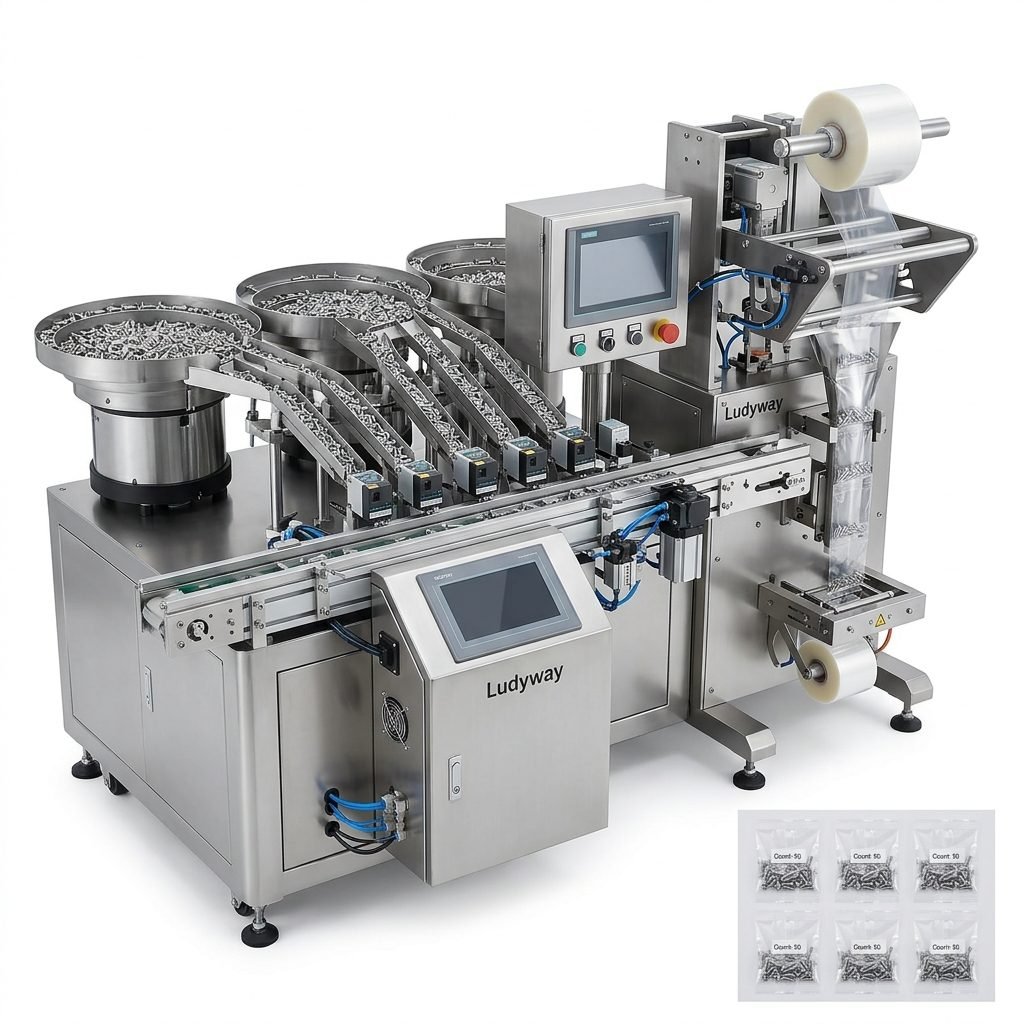
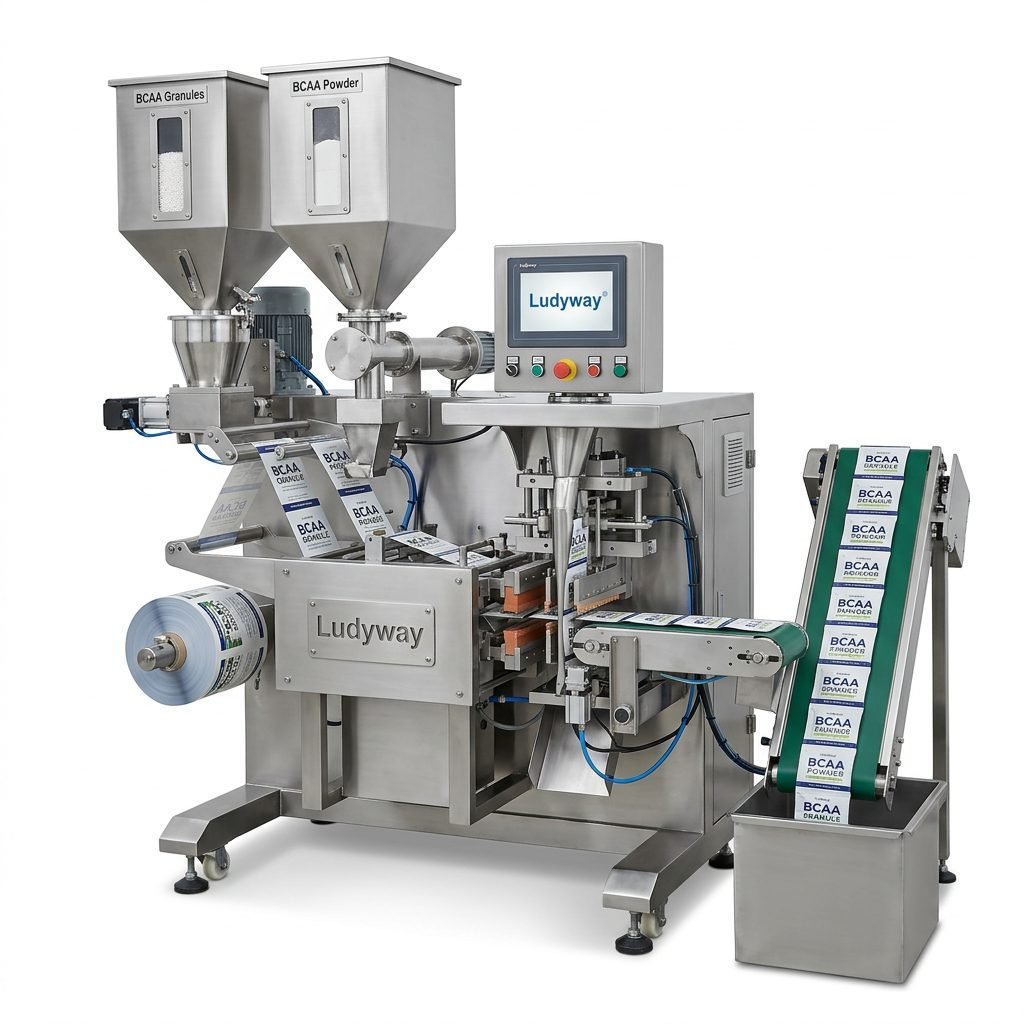
Before comparing machine specifications, start by defining your production requirements. What types of confectionery products will you package? Are they solid pieces like hard candies and lollipops, granules such as sugar-coated chocolates, or powders like instant drink mixes and cocoa? Each product type demands a specific feeding, dosing, and sealing mechanism. Additionally, consider your target output volume, packaging format preferences, and available floor space in your facility.
Key Factors to Consider When Buying a Confectionery Packaging Machine
1. Production Speed and Throughput Capacity
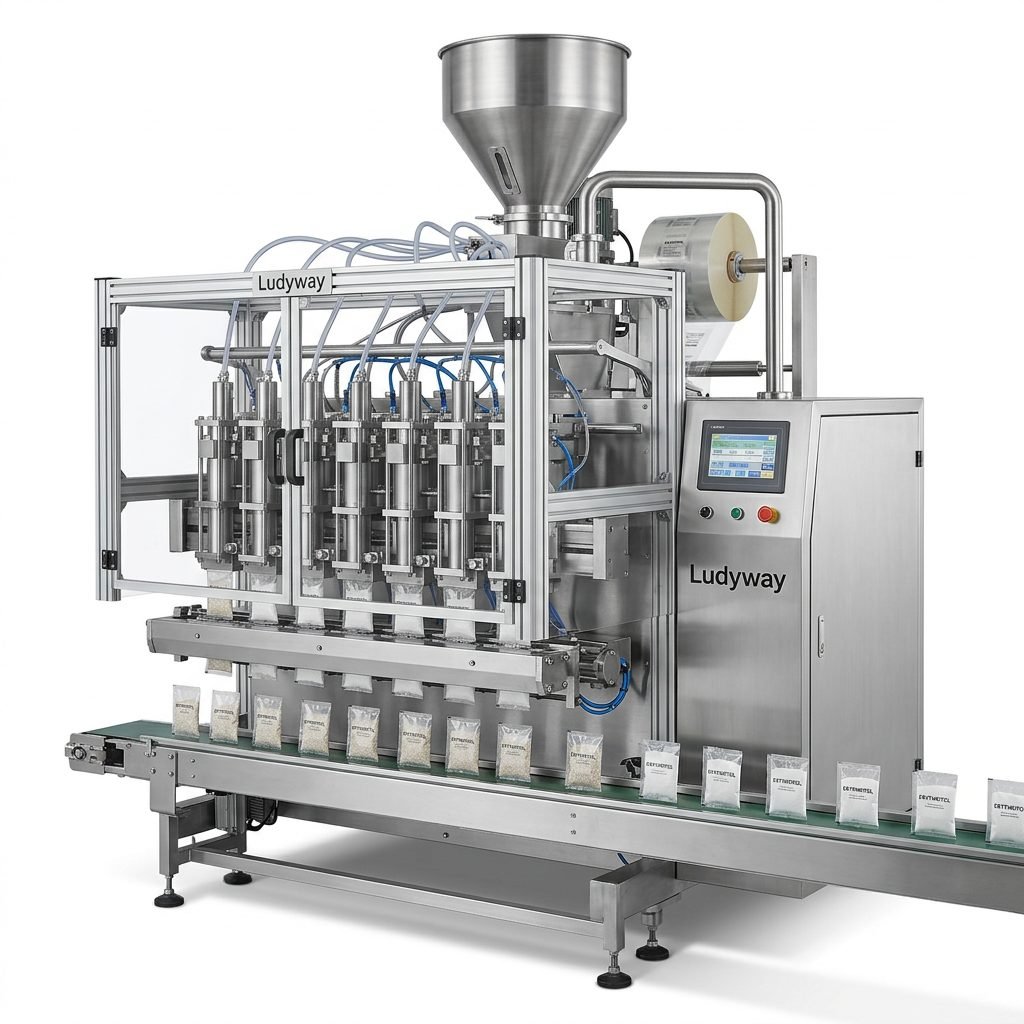
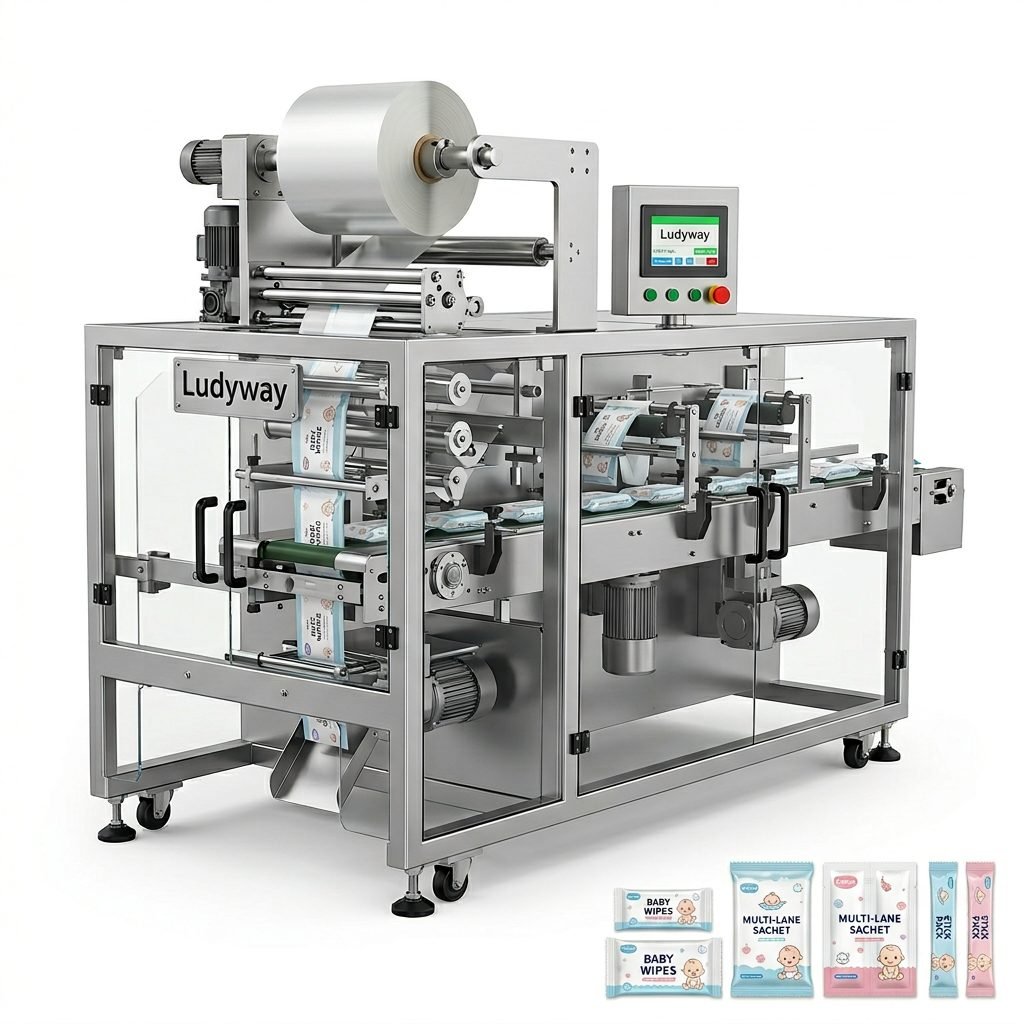
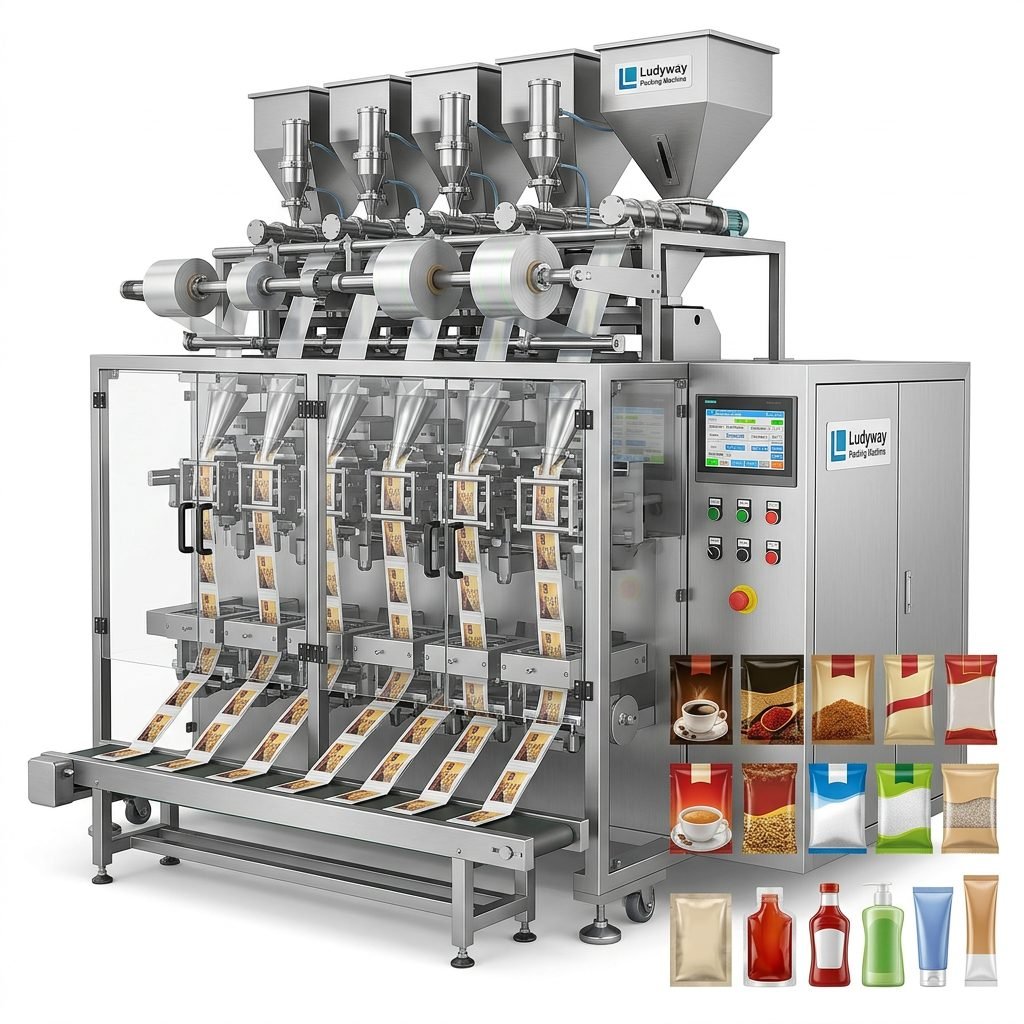
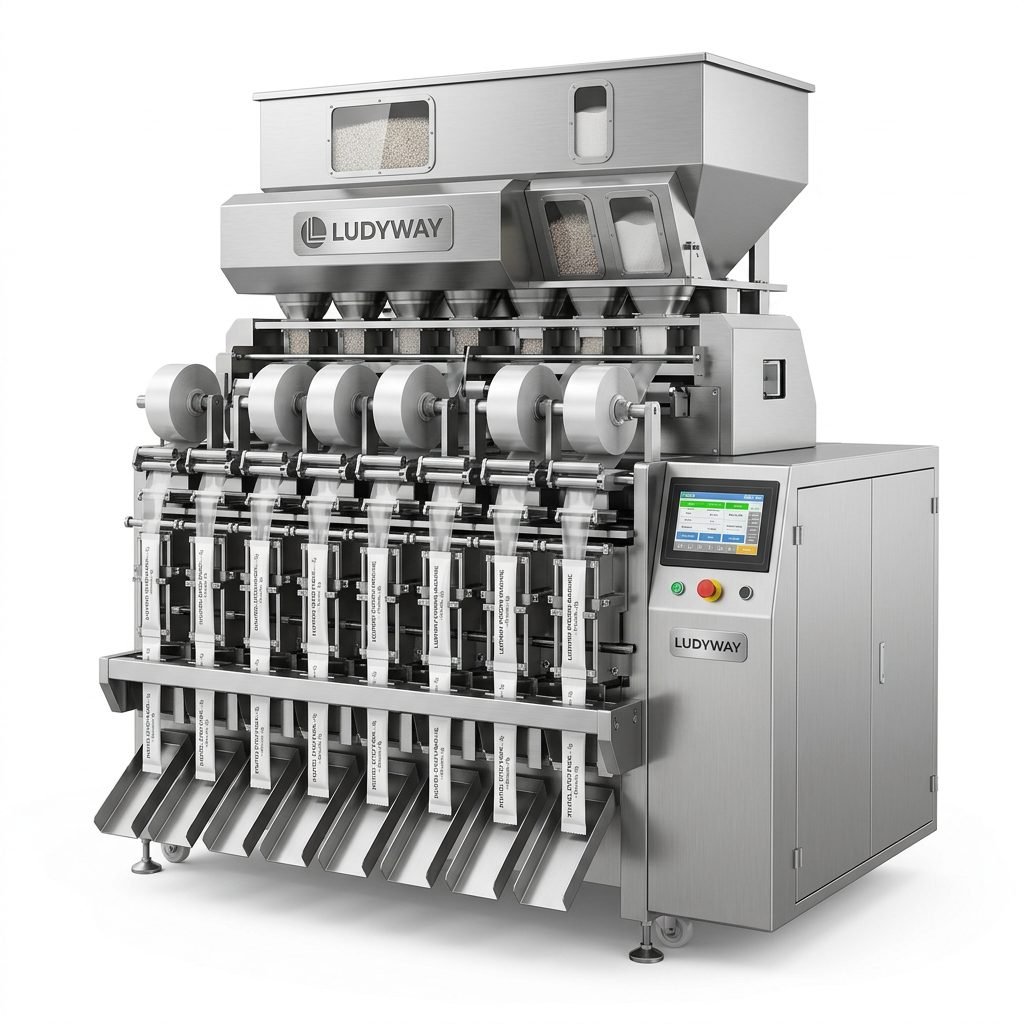
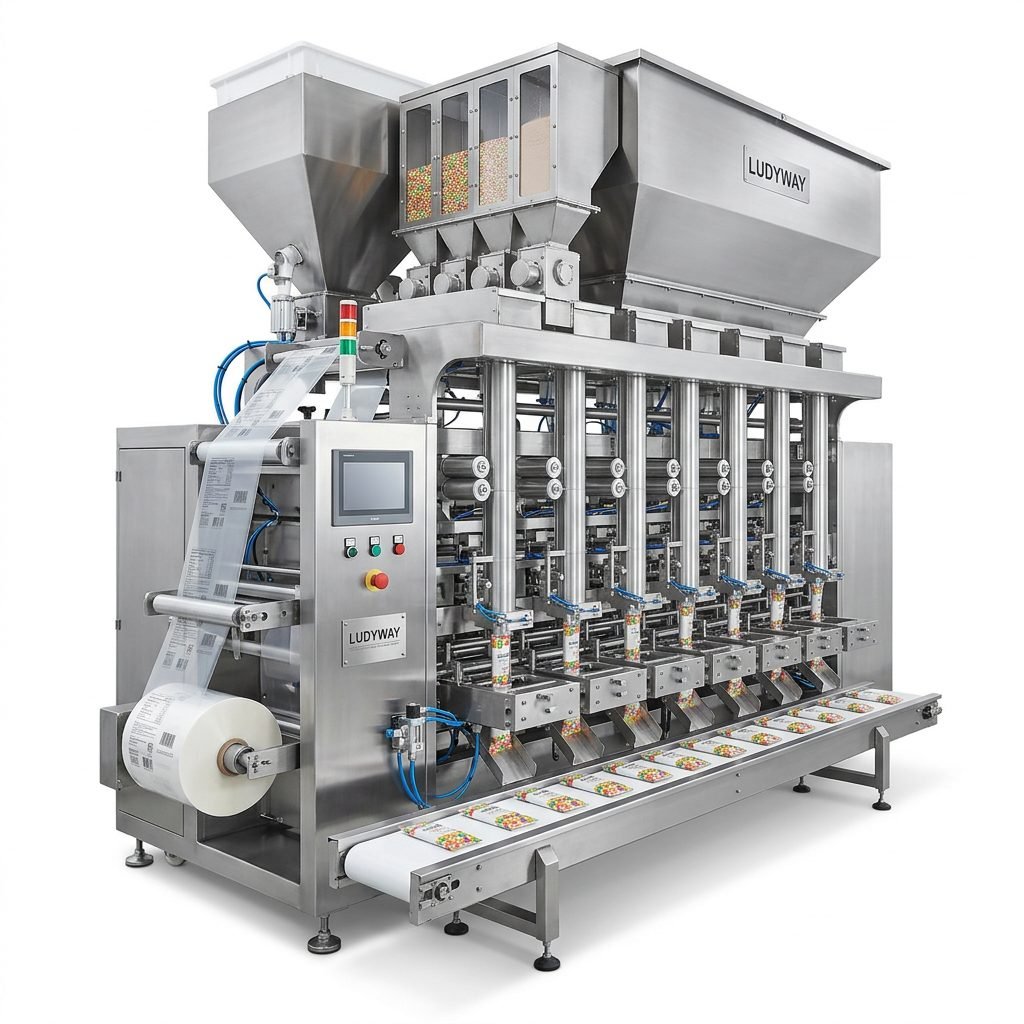
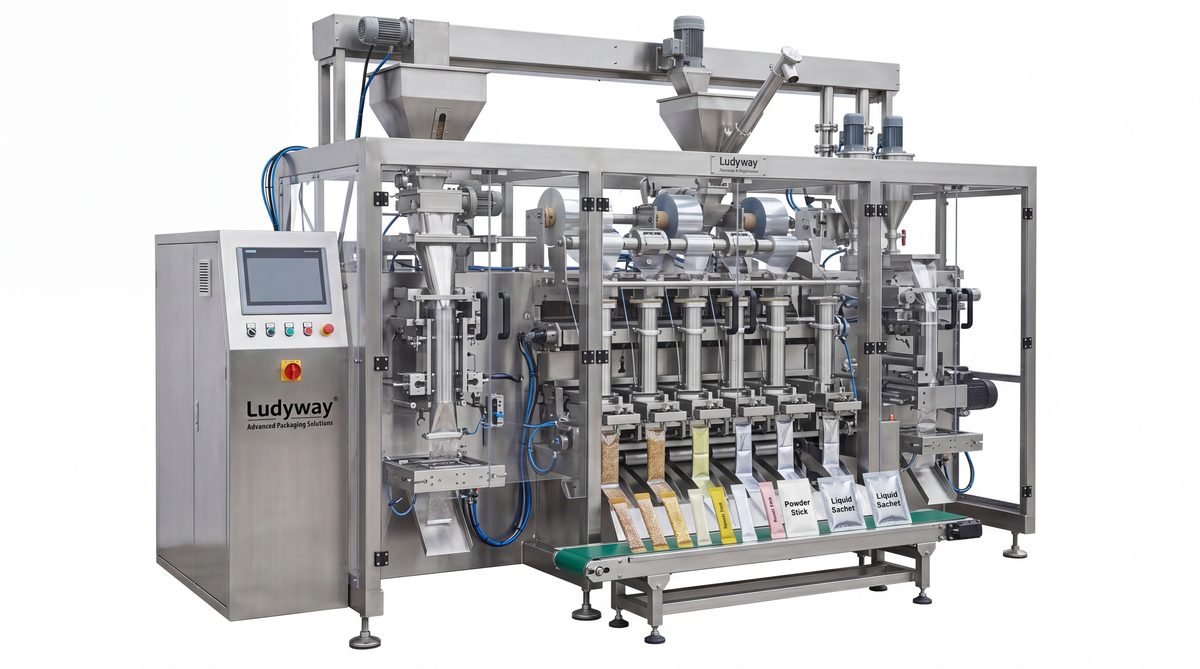
Production speed is often the first metric buyers evaluate. Measured in packs per minute (PPM), the speed you need depends on your current and projected output. A small artisan candy maker might require 30-60 PPM, while a large-scale manufacturer may need 200+ PPM across multiple lanes. Multi-lane stick pack machines can significantly boost throughput by running several packaging lanes simultaneously. Always factor in future growth when assessing capacity requirements.
- Single-lane machines: Ideal for startups and niche products with lower output demands.
- Multi-lane systems: Designed for high-volume production, capable of producing hundreds of packs per minute.
- Servo-driven models: Offer precise control over film feeding, filling, and sealing, improving both speed and accuracy.
2. Packaging Format and Flexibility
Confectionery products are packaged in a wide variety of formats. The most common include stick packs, sachets, pillow bags, gusseted pouches, and stand-up pouches. Your choice of format affects not only the machine type but also the film material, sealing technology, and secondary packaging equipment. Some machines offer quick-changeover features that allow you to switch between different pack sizes and formats with minimal downtime. If you plan to package multiple product lines, prioritize equipment with modular design and adjustable forming tubes.
3. Material Compatibility and Product Safety
Confectionery products are sensitive to moisture, temperature, and contamination. The packaging material—whether it is flexible packaging film, aluminum foil, or biodegradable laminate—must provide an adequate barrier against external elements. Ensure the machine is compatible with the film type you intend to use, including its thickness, heat-sealing properties, and print registration capabilities. Nitrogen flushing systems are often integrated into packaging machines to extend the shelf life of oxygen-sensitive confectionery by displacing oxygen inside the pack.
4. Automation Level and Workforce Integration
Modern packaging machinery ranges from semi-automatic to fully automatic turnkey systems. Semi-automatic machines require manual product feeding or pack collection, making them suitable for lower budgets and smaller production runs. Fully automatic systems integrate feeding, dosing, filling, sealing, coding, and cartoning into one continuous workflow, reducing labor costs and human error. Evaluate how the machine will fit into your existing production line and whether it supports seamless integration with upstream and downstream equipment.
5. Cleaning, Maintenance, and Hygiene Standards
Food-grade packaging equipment must comply with strict hygiene regulations. Look for machines constructed with stainless steel frames and food-contact parts that are easy to disassemble for cleaning. Tool-less changeover features and accessible design reduce cleaning time and maintenance complexity. Machines that meet FDA food contact substance requirements and ISO packaging standards provide added assurance of quality and safety compliance.
- IP-rated electrical components protect against dust and moisture ingress in washdown environments.
- Open-frame design allows easy access for sanitation and inspection.
- CIP (Clean-in-Place) capable systems reduce manual cleaning effort for liquid-contact parts.
6. Regulatory Compliance and Certification
Depending on your target market, your packaging machine may need to meet specific regulatory requirements. For manufacturers exporting to the United States, compliance with FDA regulations for food contact materials is essential. In the European Union, adherence to EU packaging and packaging waste directives is mandatory. Machines certified under CE, UL, or GMP standards demonstrate a commitment to safety and quality. Always request documentation verifying the machine’s compliance with the relevant standards for your region.
Types of Confectionery Packaging Machines
Different confectionery products require different packaging solutions. The table below summarizes the main machine types and their typical applications.
| Machine Type | Best For | Pack Format | Typical Speed Range |
|---|---|---|---|
| Stick Pack Machine | Powdered drinks, sugar, instant coffee, candy powders | Stick packs, sachets | 30-400 PPM (multi-lane) |
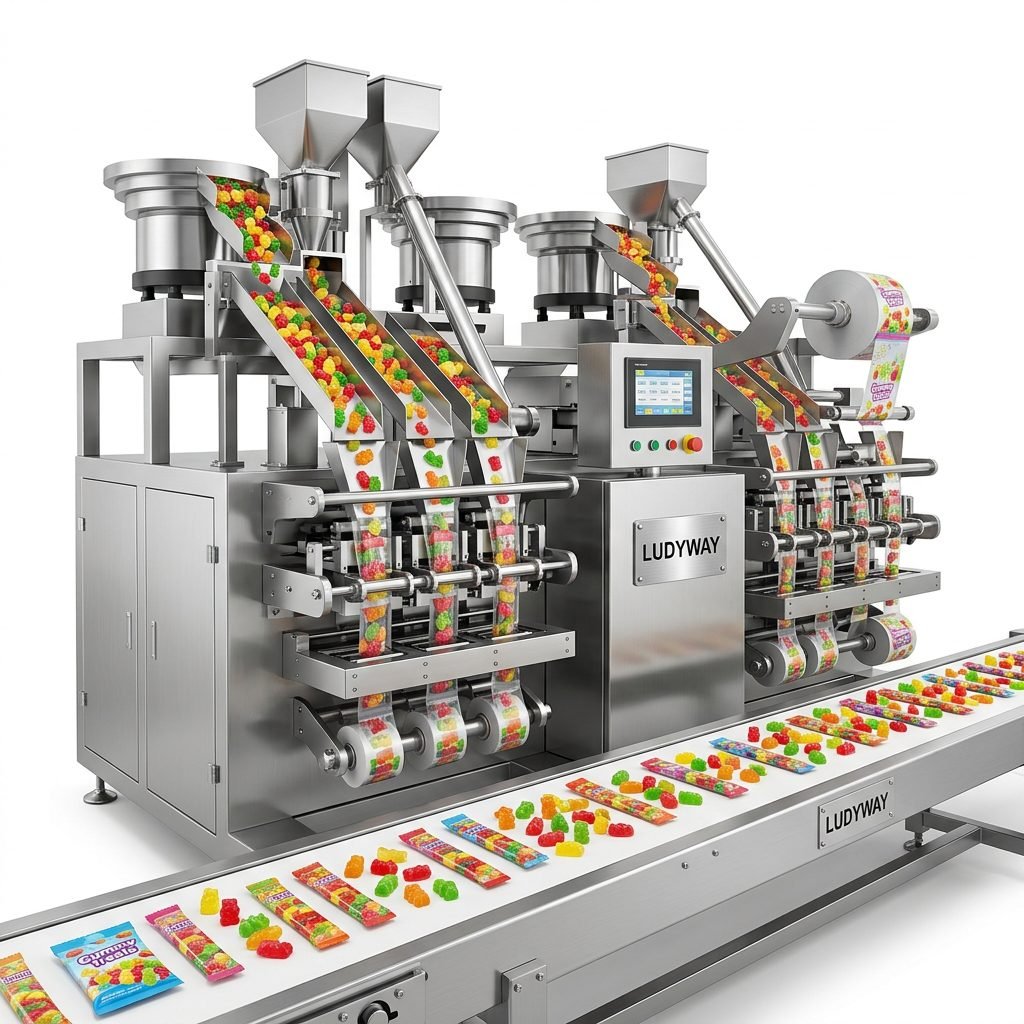
| Sachet Packaging Machine | Gummies, small chocolate pieces, hard candies, liquid fillings | 3-side seal, 4-side seal sachets | 40-300 PPM |
| Flow Wrapper | Chocolate bars, candy bars, bakery items | Pillow packs, fin-seal packs | 50-800 PPM |
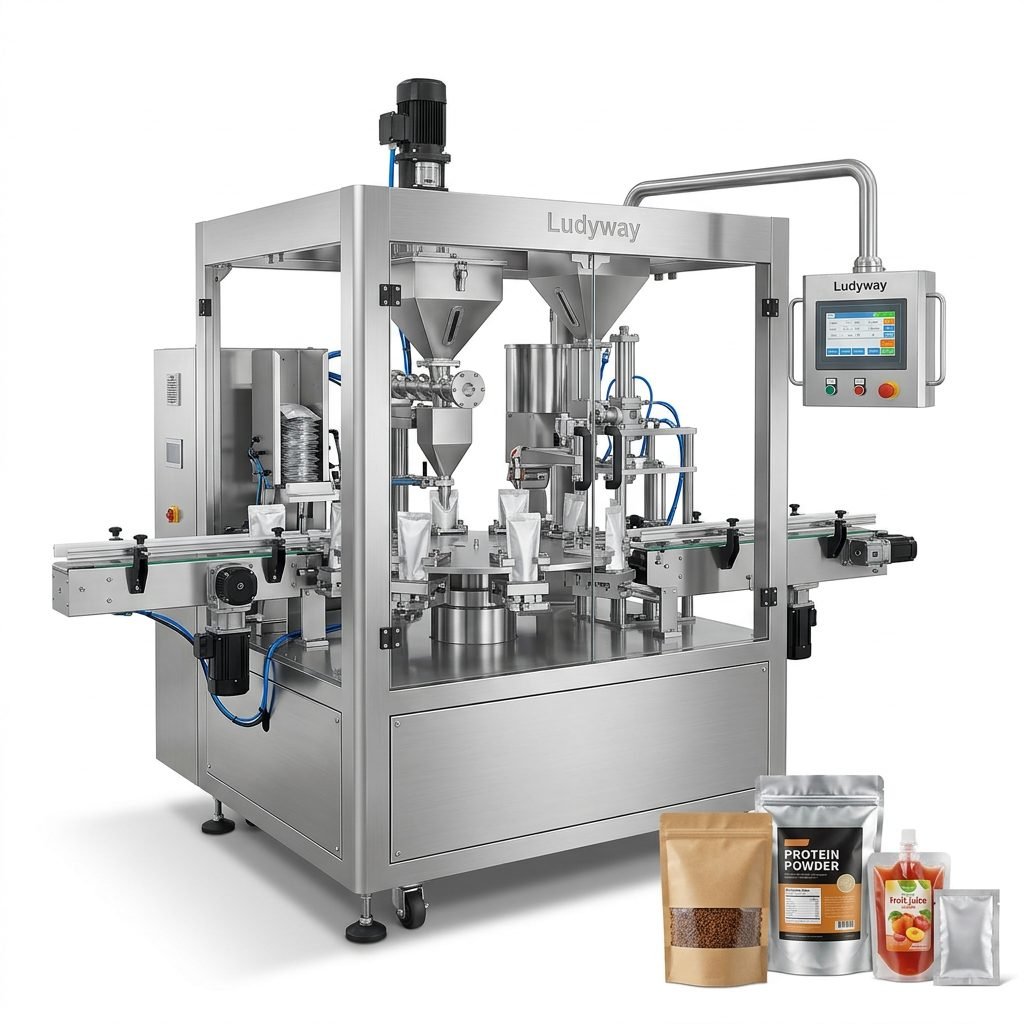
| Pouch Packaging Machine | Bulk candies, mixed confectionery assortments | Stand-up pouches, zipper pouches, gusseted bags | 20-120 PPM |
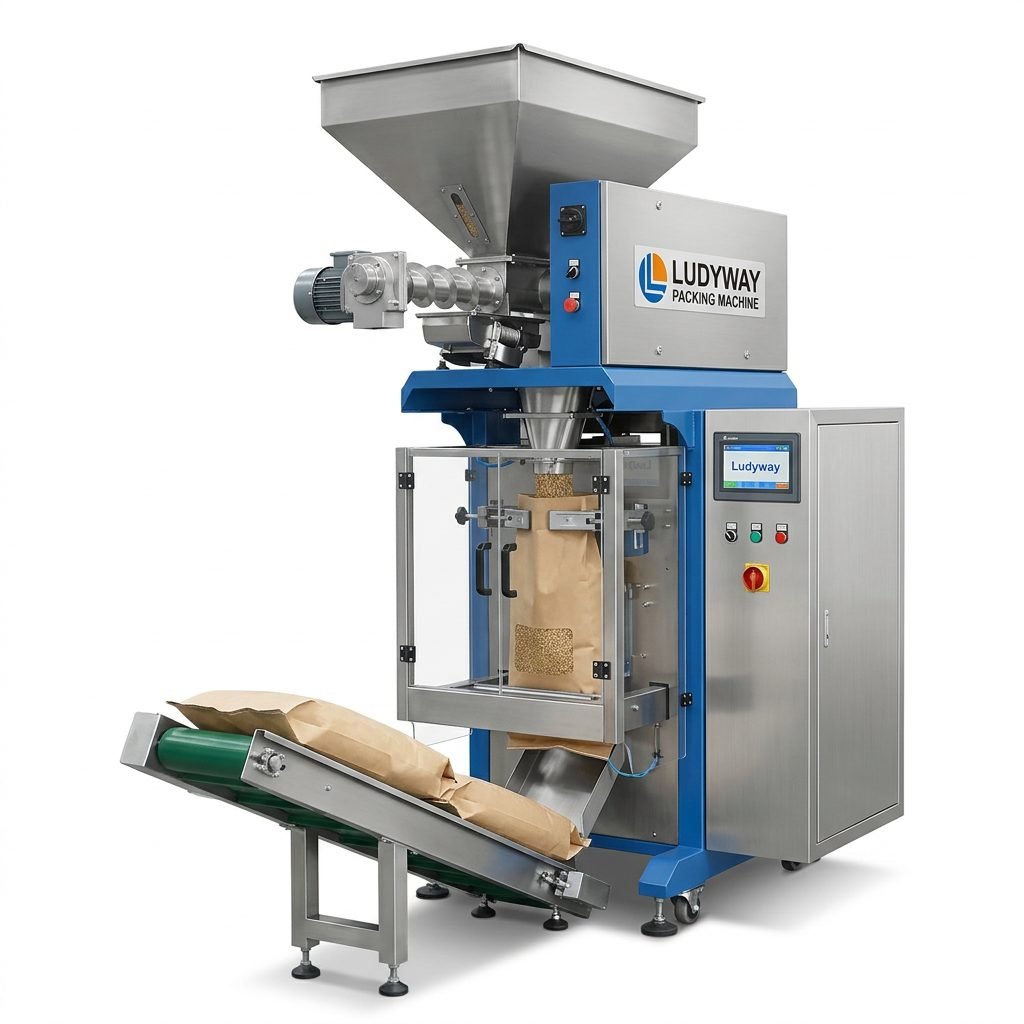
| Vertical Form Fill Seal (VFFS) | Granulated sugar, powdered mixes, small candy pieces | Pillow bags, block-bottom bags | 30-200 PPM |
How to Evaluate Packaging Machine Suppliers
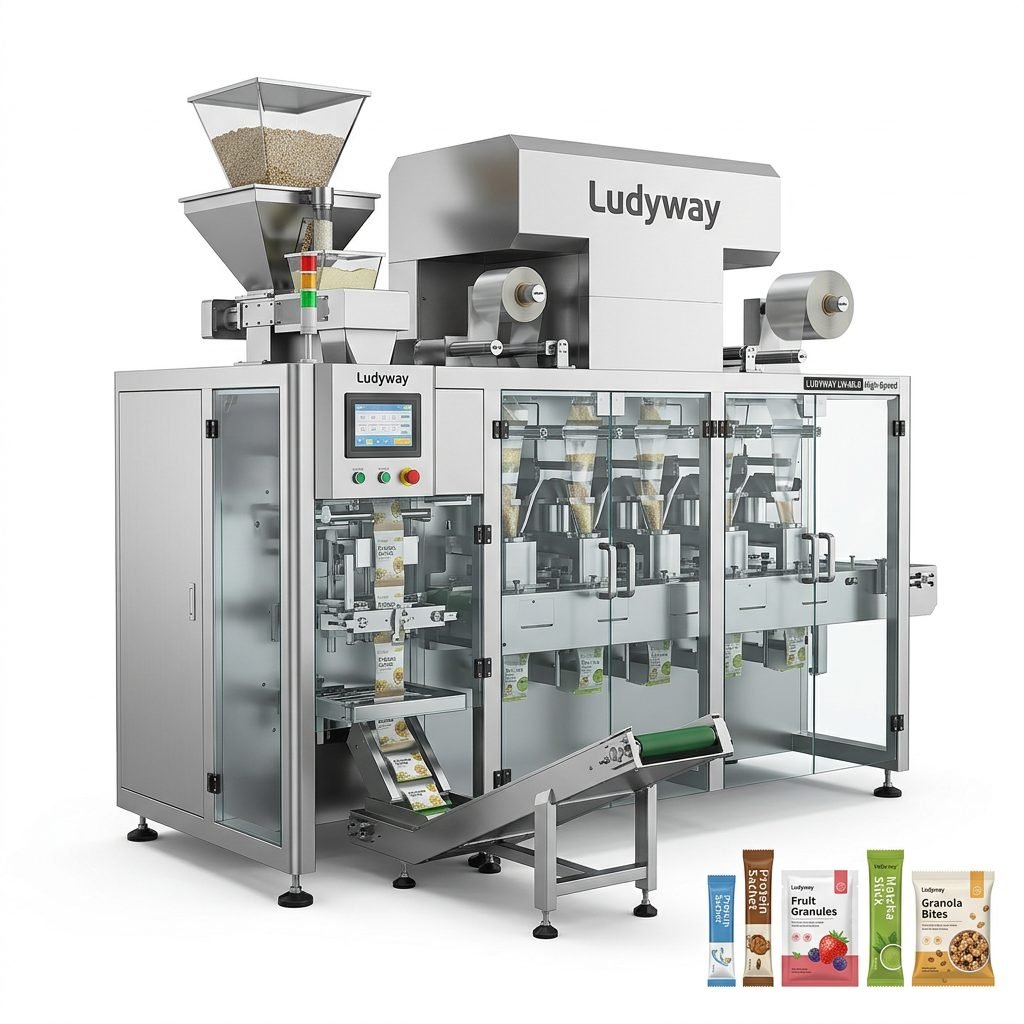
Choosing the right supplier is as important as choosing the right machine. A reliable supplier provides not only quality equipment but also comprehensive after-sales support, including installation, training, spare parts availability, and technical troubleshooting. When evaluating suppliers, consider their industry experience, client testimonials, and whether they offer turnkey solutions that cover the entire packaging line from feeding to palletizing. For instance, Ludyway, one of the largest packaging machine manufacturers in China with over 30 years of industry expertise and a modern 20,000㎡ manufacturing facility, serves customers in more than 100 countries with advanced confectionery and food packaging solutions. Request factory visits or virtual tours to assess the supplier’s manufacturing capabilities and quality control processes firsthand.
Key Questions to Ask Your Supplier
- What is the machine’s OEE (Overall Equipment Effectiveness) rating? This metric combines availability, performance, and quality to give you a realistic picture of productivity.
- What is the lead time for delivery and installation? Plan ahead to avoid production delays during peak seasons.
- Do you offer on-site training and commissioning support? Proper operator training is essential for maximizing machine performance.
- What is the warranty period and what does it cover? Understand the scope of warranty coverage for parts, labor, and travel expenses.
- How quickly can spare parts be dispatched? Downtime costs can quickly add up; ensure critical components are readily available.
- Can the machine be upgraded or retrofitted in the future? Modular design allows for scalability as your business grows.
Total Cost of Ownership (TCO) Considerations
The purchase price of a confectionery packaging machine is only part of the total investment. A thorough TCO analysis should include the following cost components:
- Initial capital expenditure: Machine cost, shipping, import duties, and installation fees.
- Operational costs: Energy consumption, compressed air requirements, and packaging material waste rates.
- Labor costs: Number of operators required per shift and their skill level requirements.
- Maintenance costs: Routine servicing, wear-and-tear parts replacement, and unexpected repairs.
- Downtime costs: Lost production capacity during machine breakdowns or changeovers.
Investing in a higher-quality machine with better energy efficiency, lower film waste, and faster changeover times often results in a lower TCO over a 5-10 year period, even if the initial purchase price is higher.
Industry Trends Shaping Confectionery Packaging
Staying informed about industry trends helps you future-proof your investment. According to PMMI’s State of the Industry reports, the packaging machinery market continues to evolve with several key developments:
- Sustainable packaging: Growing demand for biodegradable films, recyclable mono-materials, and reduced packaging waste is driving innovation in film handling and sealing technologies.
- Smart factory integration: IoT-enabled machines with real-time data monitoring, predictive maintenance alerts, and remote diagnostics are becoming standard in advanced packaging lines.
- Flexible and modular systems: Manufacturers increasingly seek equipment that can handle multiple product types and pack formats with rapid changeover capabilities.
- E-commerce ready packaging: The rise of direct-to-consumer confectionery sales is increasing demand for durable, lightweight packaging formats optimized for shipping.
Final Thoughts on Purchasing a Confectionery Packaging Machine
Purchasing a packaging machine for confectionery products is a strategic investment that requires careful planning. Start by clearly defining your product specifications, production goals, and budget constraints. Evaluate machines based on speed, flexibility, hygiene standards, and long-term reliability rather than price alone. Partner with a reputable supplier who offers comprehensive support, and always consider the total cost of ownership over the machine’s expected lifespan. By following this guide, you will be well-equipped to select a packaging solution that enhances your production efficiency, protects your product quality, and supports your brand’s growth in the competitive confectionery market.
For more information on packaging industry resources and flexible packaging standards, consult the relevant industry associations and regulatory bodies to ensure your equipment meets all applicable requirements.