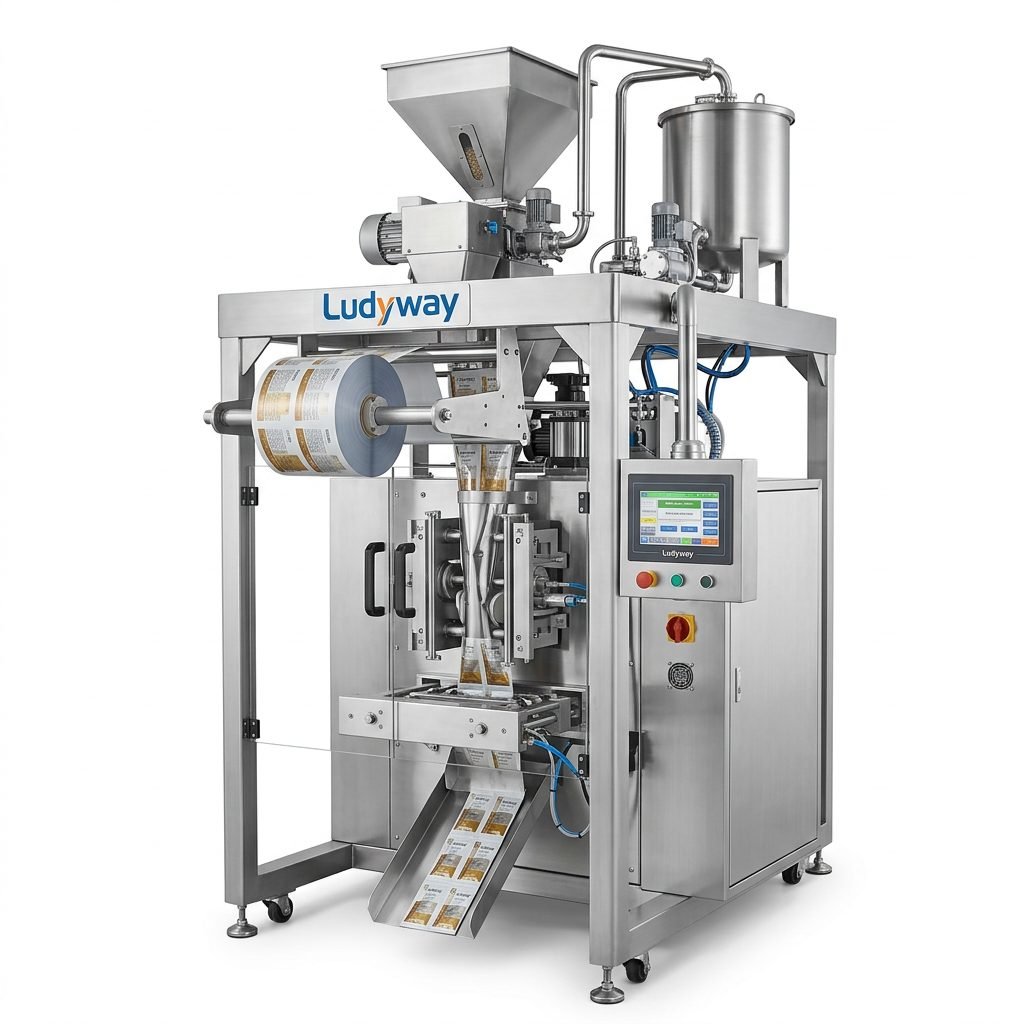
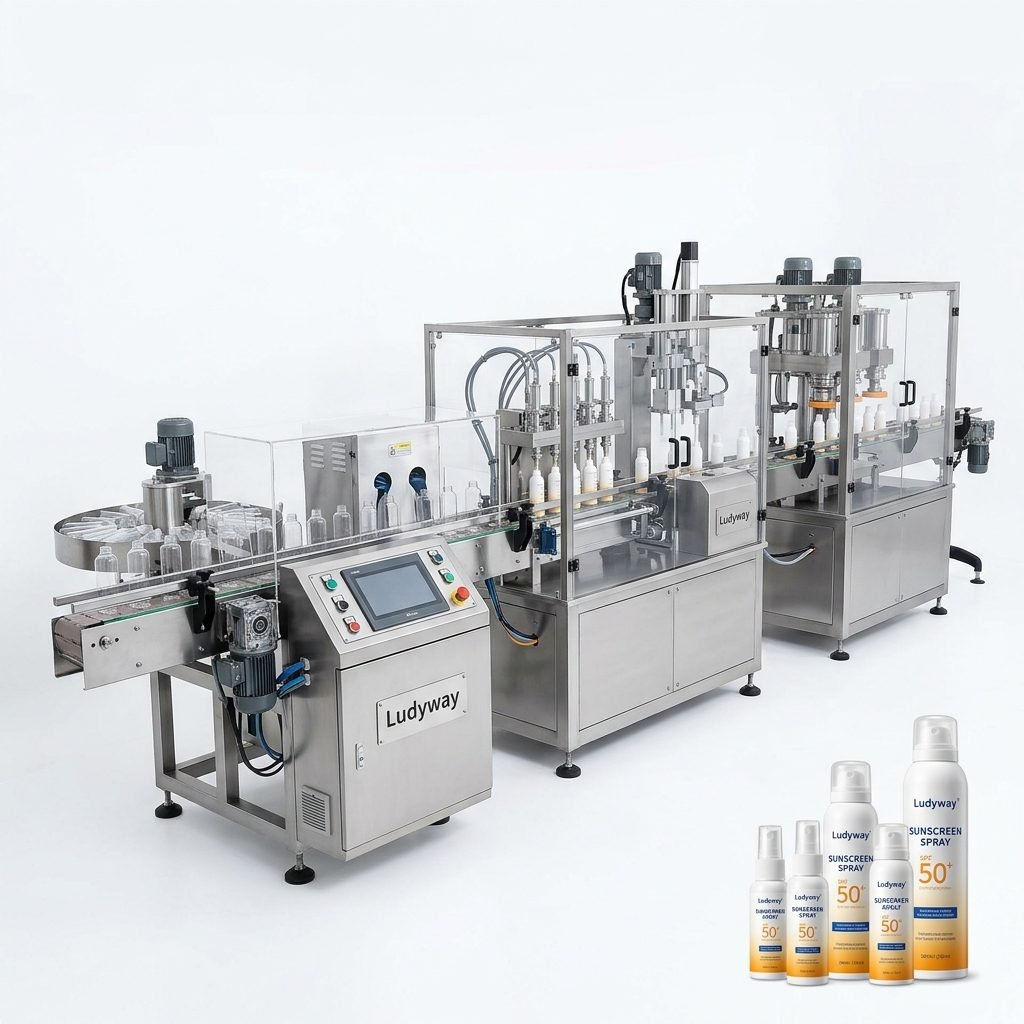
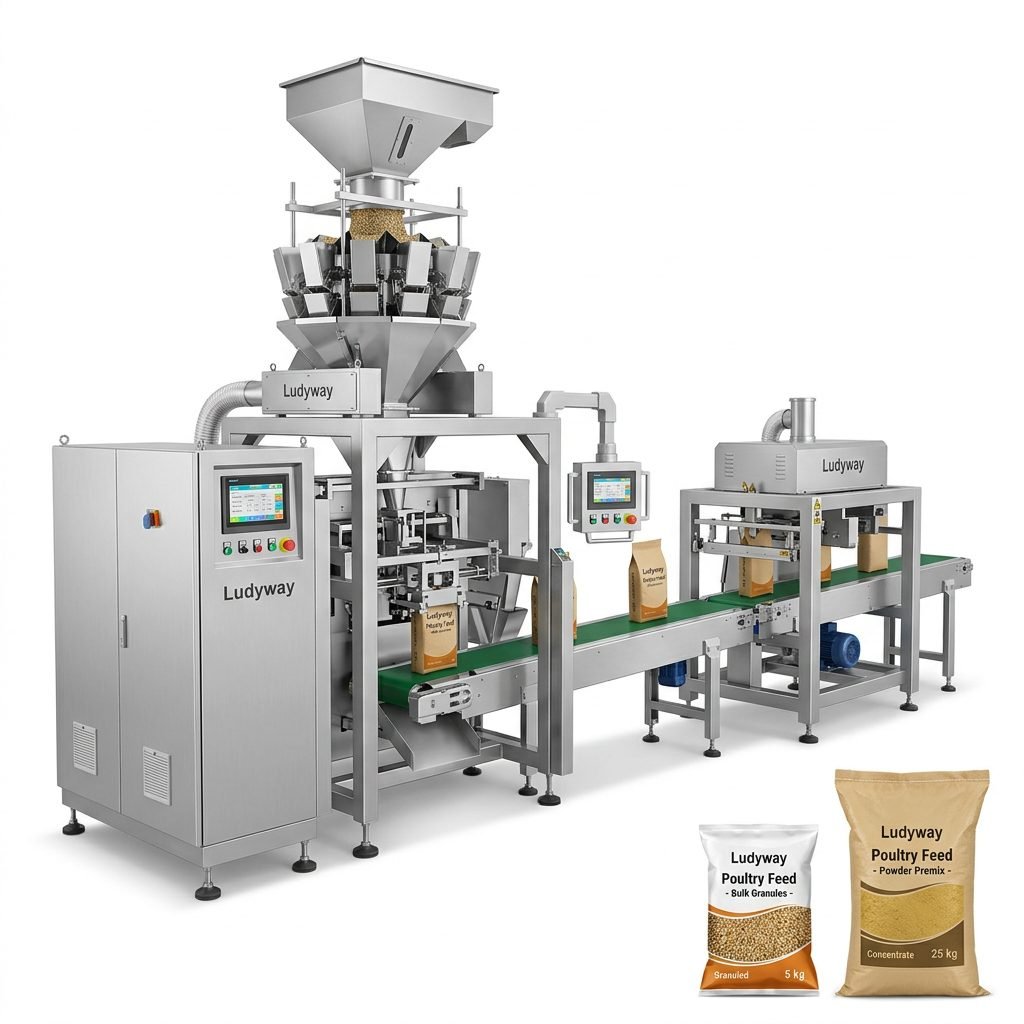
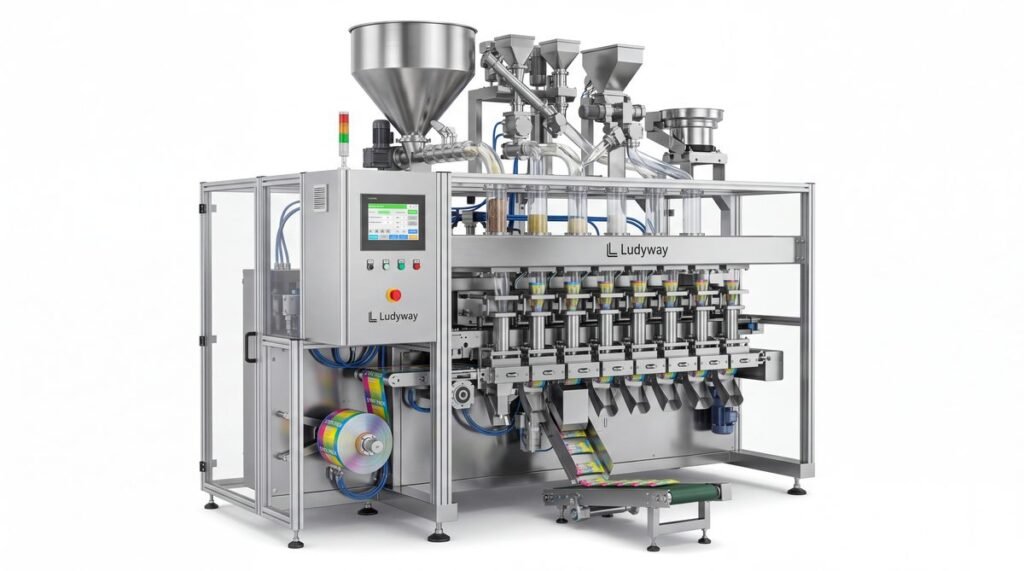
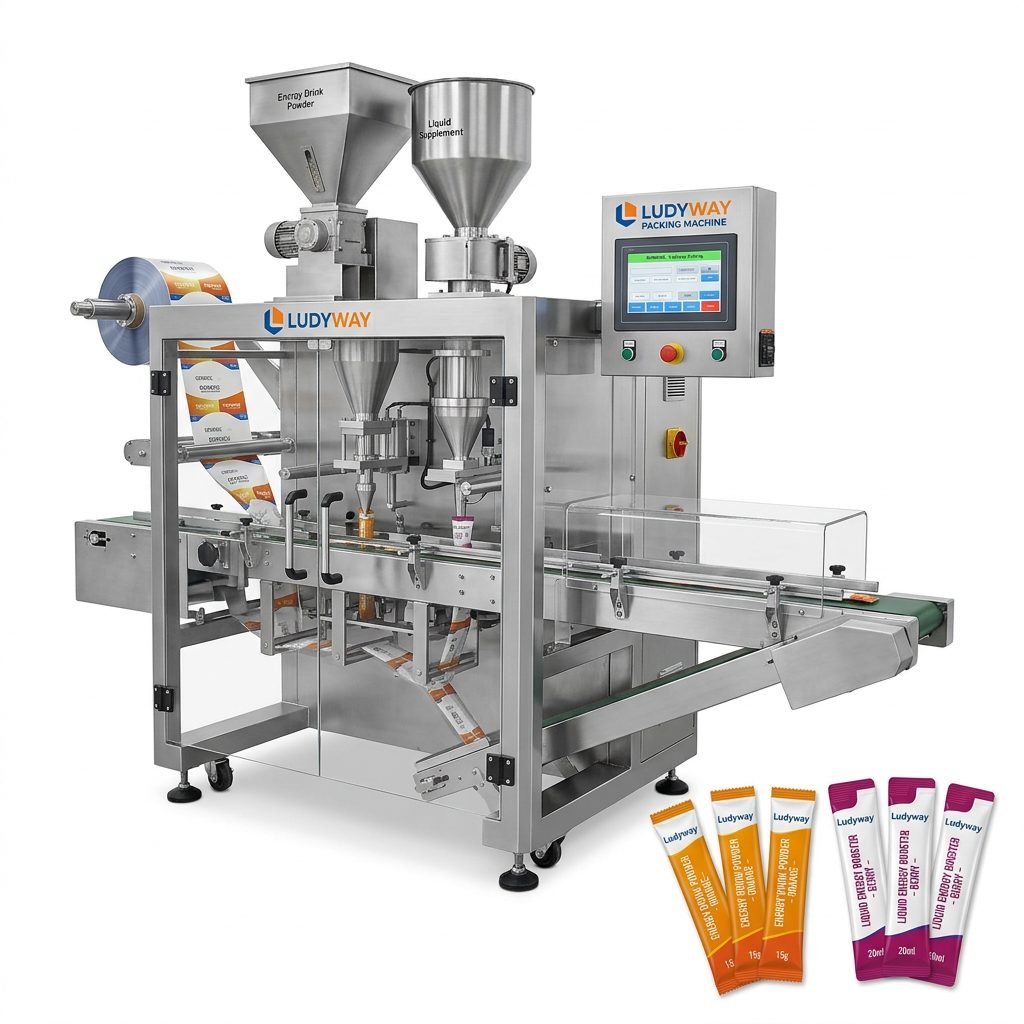
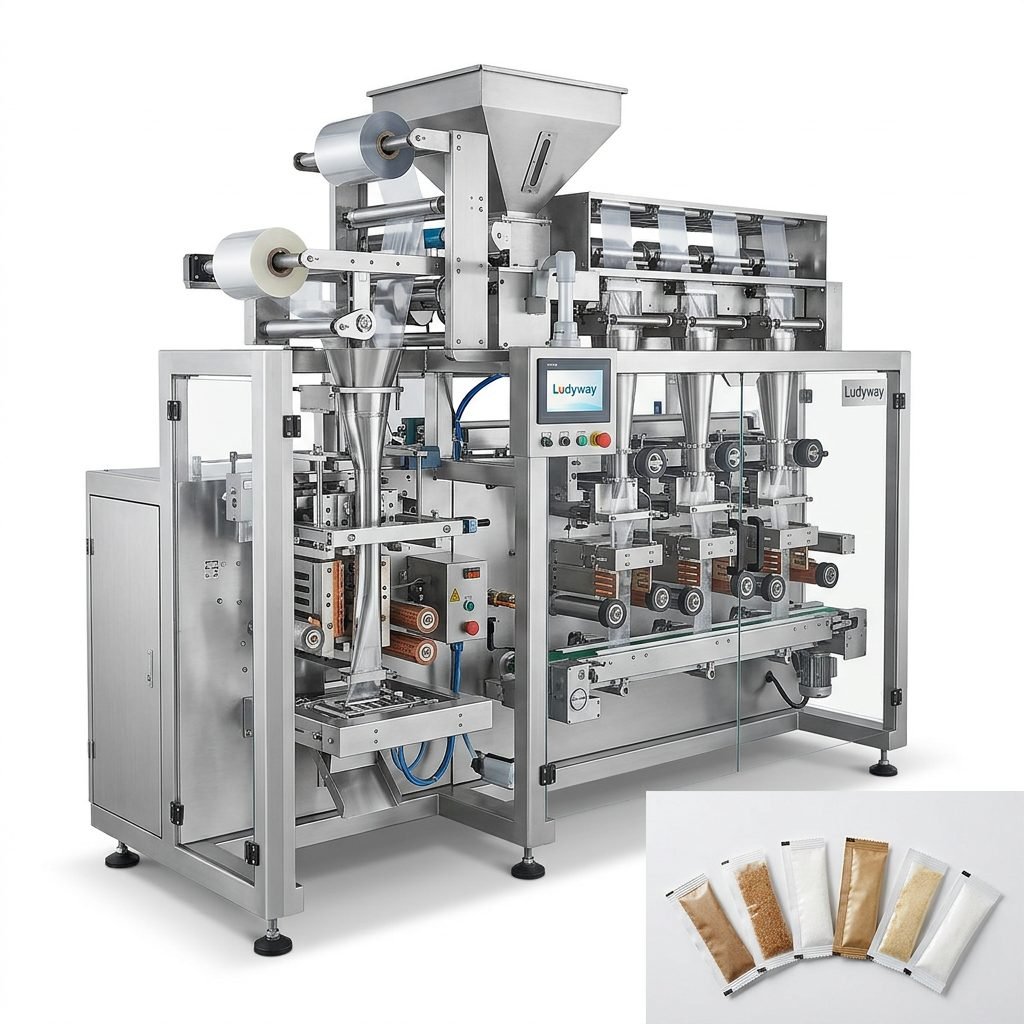
Investing in a Pondy packing machine is a strategic decision that directly affects your production efficiency, product quality, and long-term operational costs. With the wide range of configurations, automation levels, and technical specifications available today, identifying the right equipment requires a structured evaluation of your product characteristics, production targets, and facility requirements. This guide walks you through the essential factors to consider before making your purchase.
Understanding Your Product and Packaging Requirements
The first step in selecting the right machine is a thorough analysis of your product. Different materials behave differently during the filling and sealing process, and your packaging format must match both your product and your market expectations.
Product Characteristics That Influence Machine Selection
- Physical form: Is your product a free-flowing powder, granule, liquid, paste, or solid piece? Each form requires specific dosing and filling mechanisms.
- Flow properties: Powders can be cohesive or free-flowing; granules vary in size distribution. These factors affect feeder type and hopper design.
- Hygroscopicity and sensitivity: Products that absorb moisture or are sensitive to oxygen require specialized sealing and potentially nitrogen flushing capabilities.
- Density and bulk density: These values determine the appropriate filling volume range and weighing system configuration.
Packaging Format and Bag Style Options
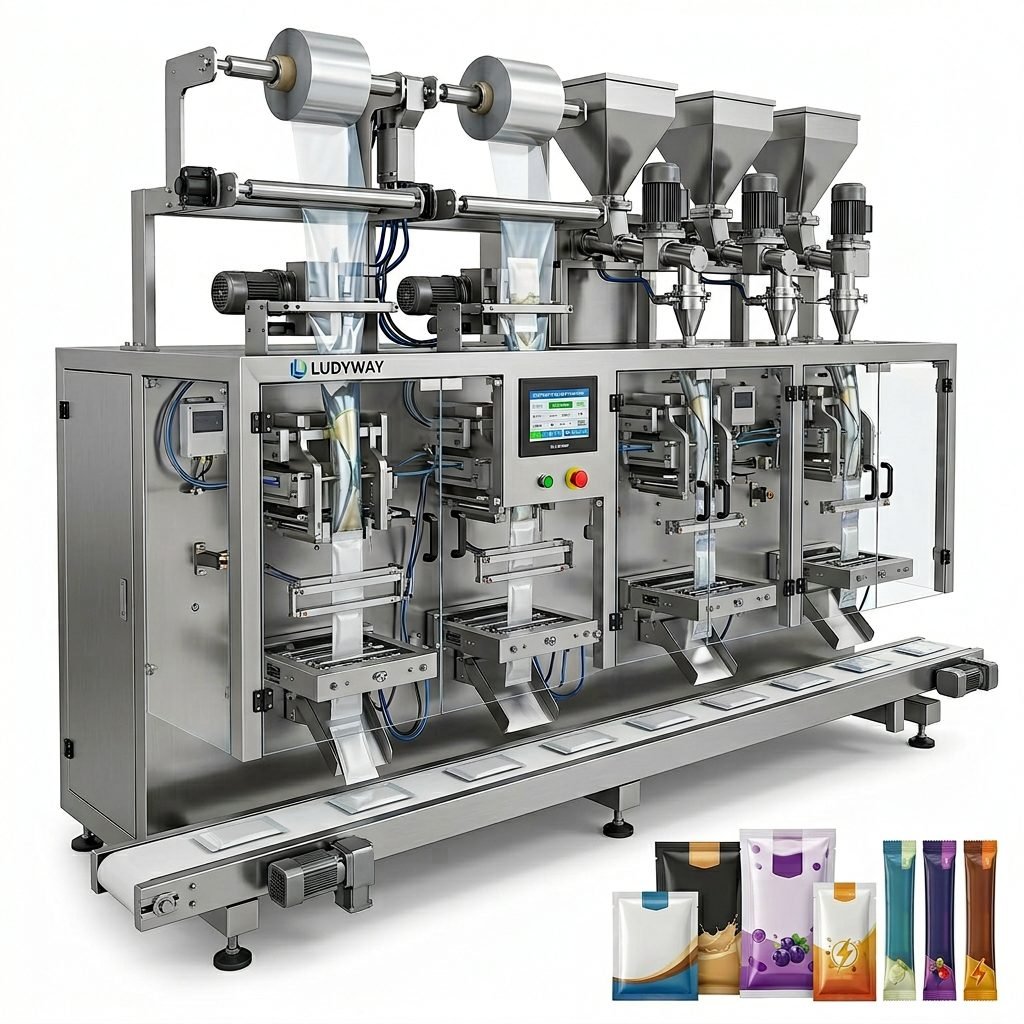
Modern Pondy packing machines can accommodate a variety of packaging formats. Selecting the right format depends on your target market, distribution channels, and consumer preferences.
| Packaging Format | Best Suited For | Key Advantages |
|---|---|---|
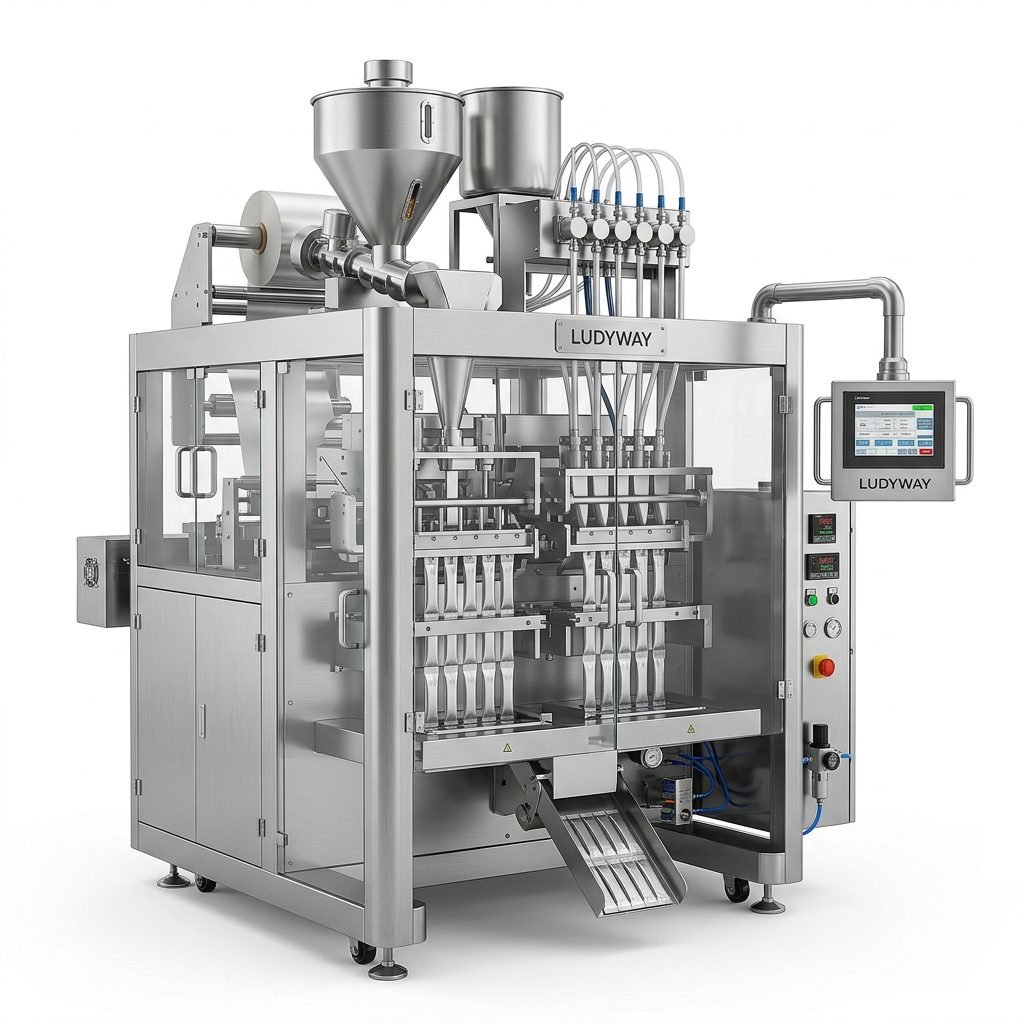
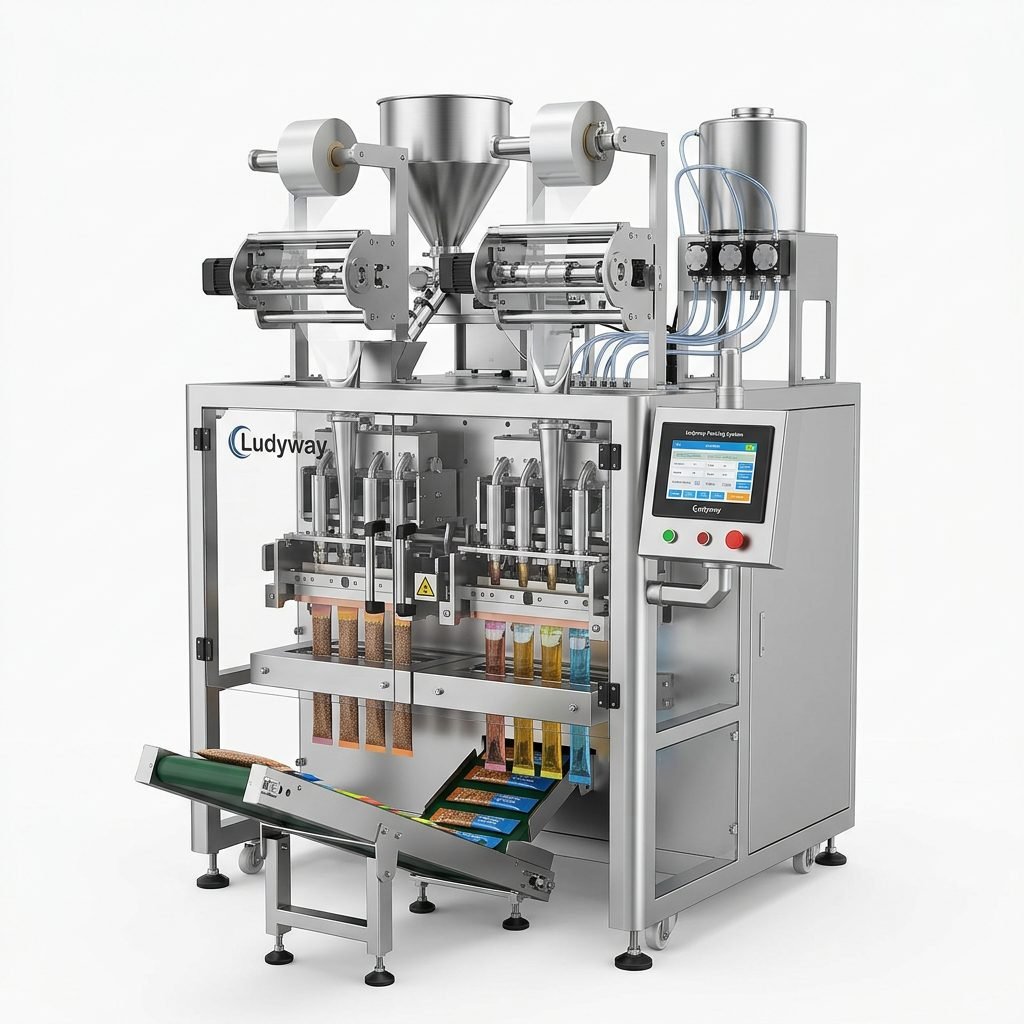
| Stick Packs | Single-serve powders, drink mixes, supplements | Portability, precise portion control, minimal material usage |
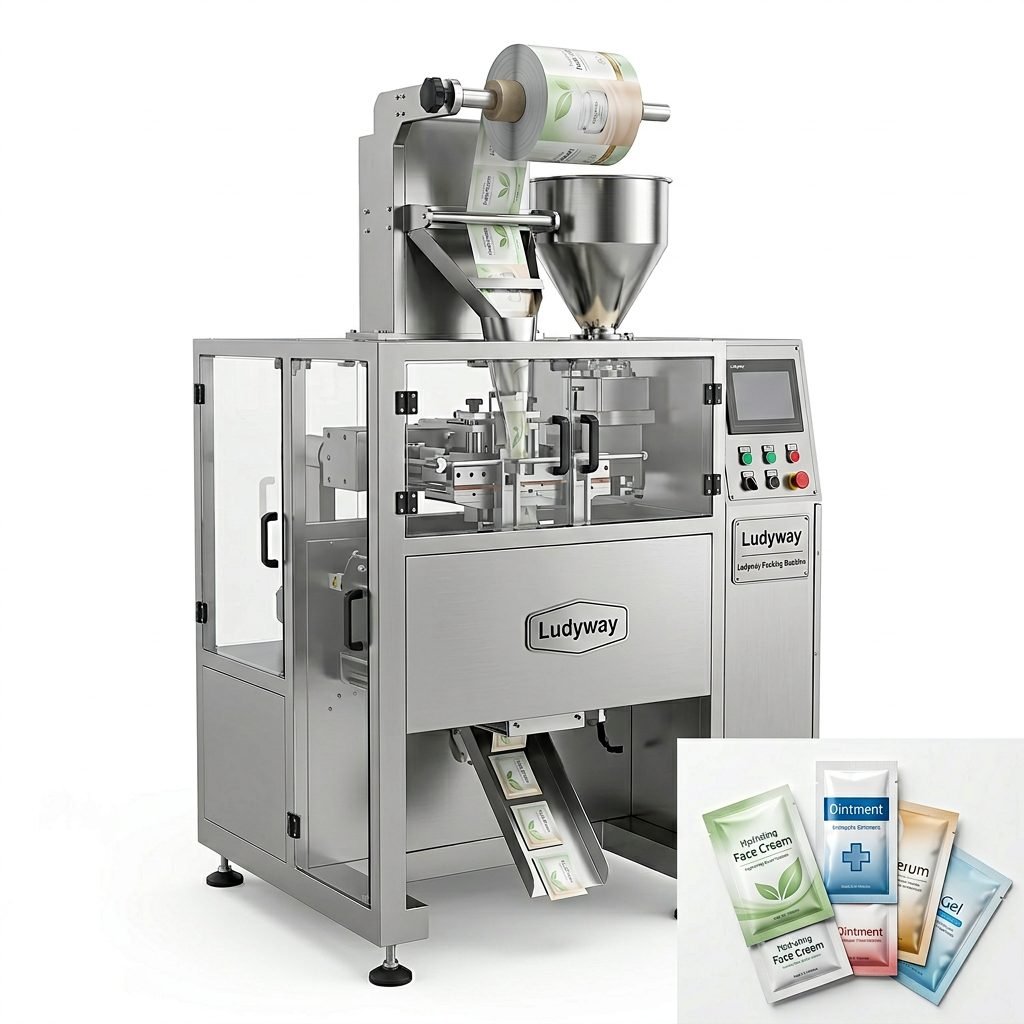
| Sachets / Pillow Packs | Liquids, creams, sauces, shampoo samples | Cost-effective, high-speed production, versatile sizing |
| Premade Pouches | Premium products, larger volumes, resealable needs | Excellent shelf appeal, zip-lock options, robust sealing |
| Gusseted Bags | Bulk powders, pet food, agricultural products | High volume capacity, stable standing presentation |
Key Technical Specifications to Evaluate
When comparing different machine models, focus on the technical parameters that directly impact your production capability and product quality.
Production Speed and Output Capacity
Production speed is typically measured in packs per minute (ppm) and varies significantly based on lane configuration, fill volume, and packaging material. Multi-lane machines can dramatically increase throughput by running several lanes simultaneously. Consider not just the theoretical maximum speed, but the sustainable operating speed that maintains consistent seal quality and fill accuracy over extended production runs.
Filling Accuracy and Dosing Technology
The dosing system is the core of any packing machine. Common technologies include:
- Auger fillers — ideal for powders with varying flow characteristics, offering high precision through servo-driven control
- Volumetric cup fillers — suitable for free-flowing granules with consistent density
- Piston fillers — designed for liquids, pastes, and creams with precise volume control
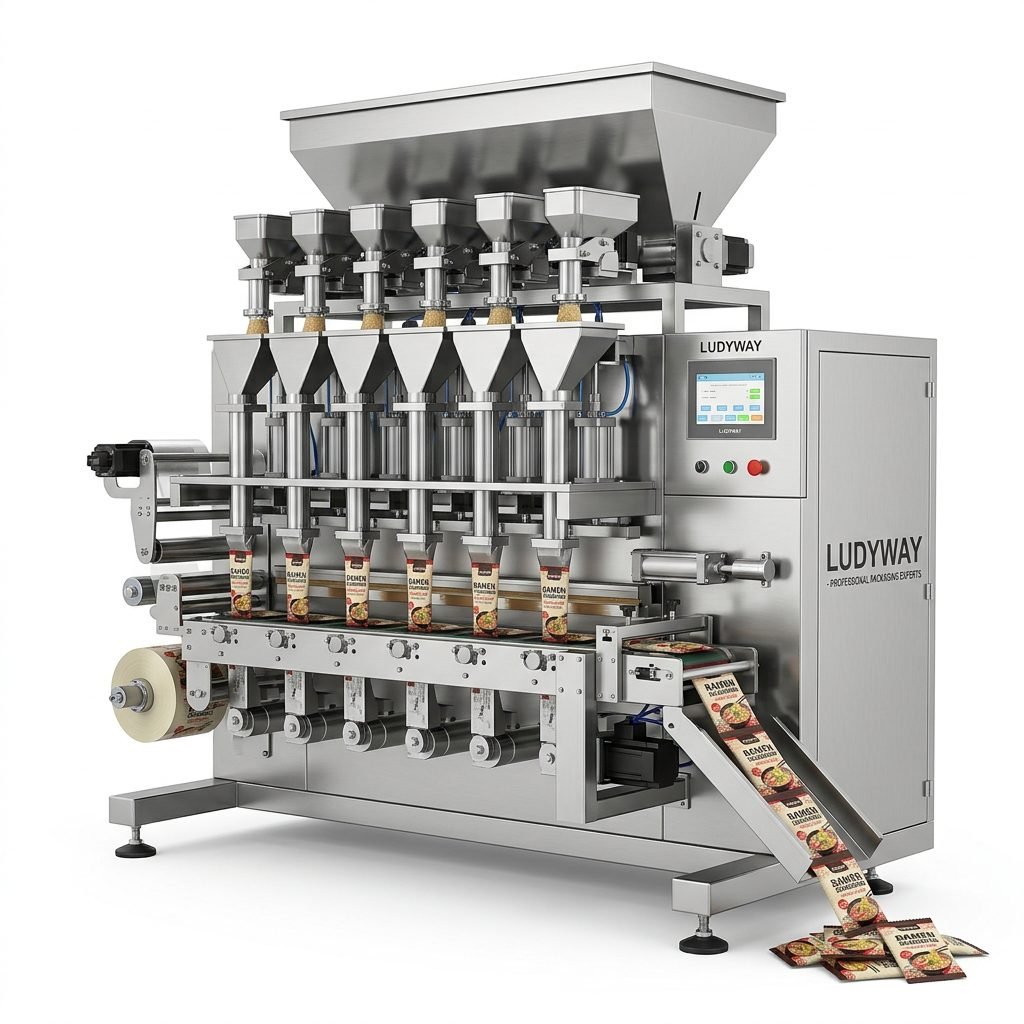
- Multi-head weighers — delivering the highest accuracy for solid pieces and irregular granules through combinatorial weighing
Automation Level and Integration Capabilities
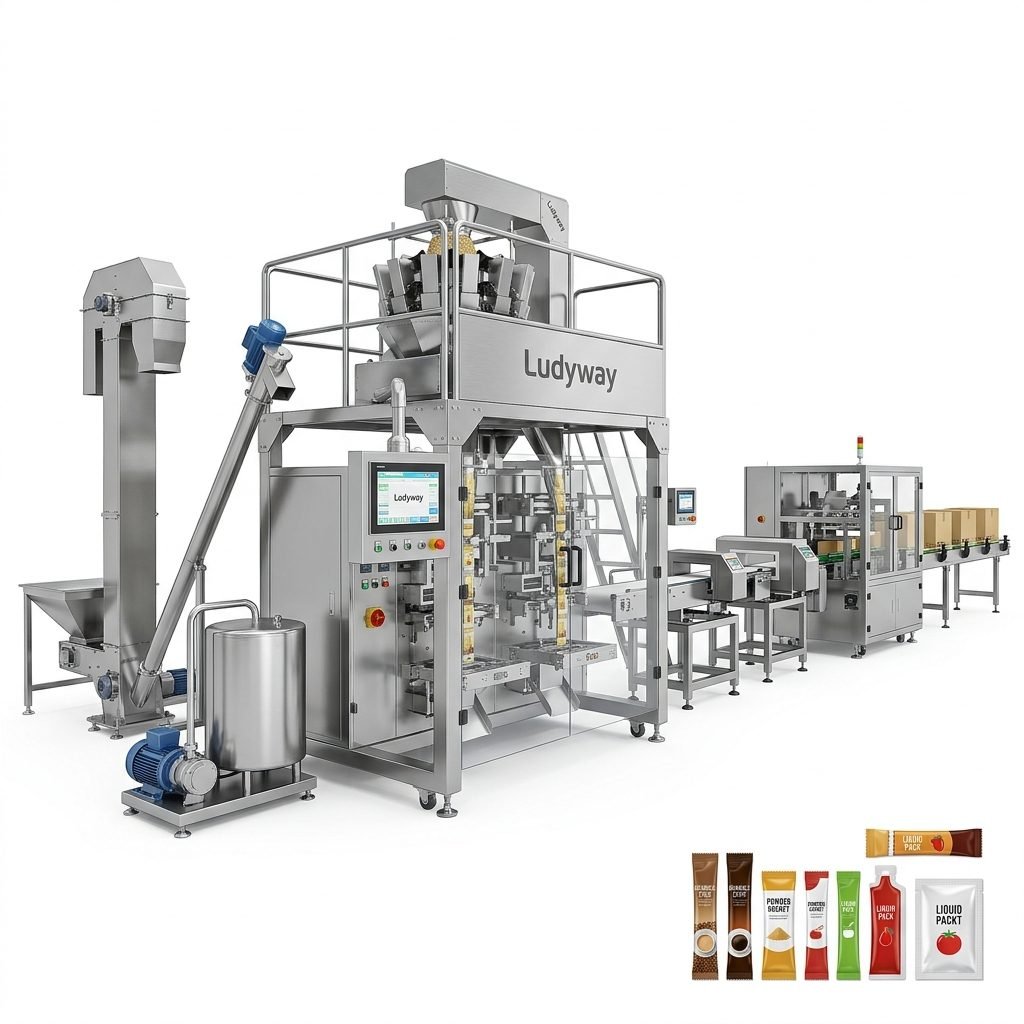
The degree of automation you choose should align with your labor availability, production volume, and quality control requirements. Modern Pondy packing machines can range from semi-automatic units to fully integrated turnkey packaging lines.
Semi-Automatic vs. Fully Automatic Systems
- Semi-automatic machines require manual product loading or bag handling but automate the filling and sealing process. Suitable for lower volumes or products requiring human oversight.
- Fully automatic systems handle the entire process from product feeding to finished package discharge with minimal operator intervention. These systems can integrate upstream and downstream equipment for a complete production line.
Line Integration Considerations
If you plan to connect your packing machine with existing or future equipment — such as conveyor systems, checkweighers, cartoners, palletizers, or coding and inspection units — verify that the machine’s control architecture supports seamless integration. Look for standardized communication protocols and modular design principles.
Packaging Material Compatibility
Not all machines work with all packaging films. The sealing system and film handling mechanism must be compatible with your chosen packaging material, whether it is:
- Heat-sealable laminates (PET/PE, PET/AL/PE, BOPP/CPP)
- Cold-seal films for heat-sensitive products
- Biodegradable or recyclable mono-material films for sustainable flexible packaging initiatives
- High-barrier materials for oxygen-sensitive pharmaceuticals or food products
Verify that the machine’s temperature control system provides precise and consistent sealing temperature across the entire sealing surface, as this directly affects package integrity and shelf life.
Quality Standards and Regulatory Compliance
Depending on your industry and target markets, your packaging equipment may need to meet specific standards. For pharmaceutical applications, look for machines that support ISO 11607 packaging standards and FDA food contact compliance where applicable. For food-grade applications, stainless steel construction, sanitary design, and easy-clean features are essential.
Key Compliance Features to Verify
- GFSI-compliant sanitary design with sloped surfaces and minimal crevices
- IP-rated electrical enclosures for washdown environments
- Validatable processes with audit trail capabilities
- Documented material certifications and safety compliance

Total Cost of Ownership and ROI Analysis
When evaluating a Pondy packing machine, the purchase price is just one component of the total investment. A comprehensive cost analysis should account for the complete lifecycle expenses and expected returns.
| Cost Category | Considerations |
|---|---|
| Initial Investment | Machine price, shipping, import duties, installation, commissioning |
| Operating Costs | Packaging film, energy consumption, labor requirements, consumable parts |
| Maintenance and Spare Parts | Preventive maintenance schedules, spare parts availability, service contracts |
| Downtime Risk | Lost production during breakdowns, speed of technical support response |
| Product Waste Reduction | Filling accuracy minimizing give-away, reduced reject rates from consistent sealing |
Supplier Evaluation and Partnership Value
Choosing the right equipment supplier is as important as choosing the right machine. A reliable packaging machinery partner provides value that extends well beyond the initial equipment sale. Evaluate potential suppliers on their manufacturing experience, engineering capabilities, customization expertise, and global service footprint.
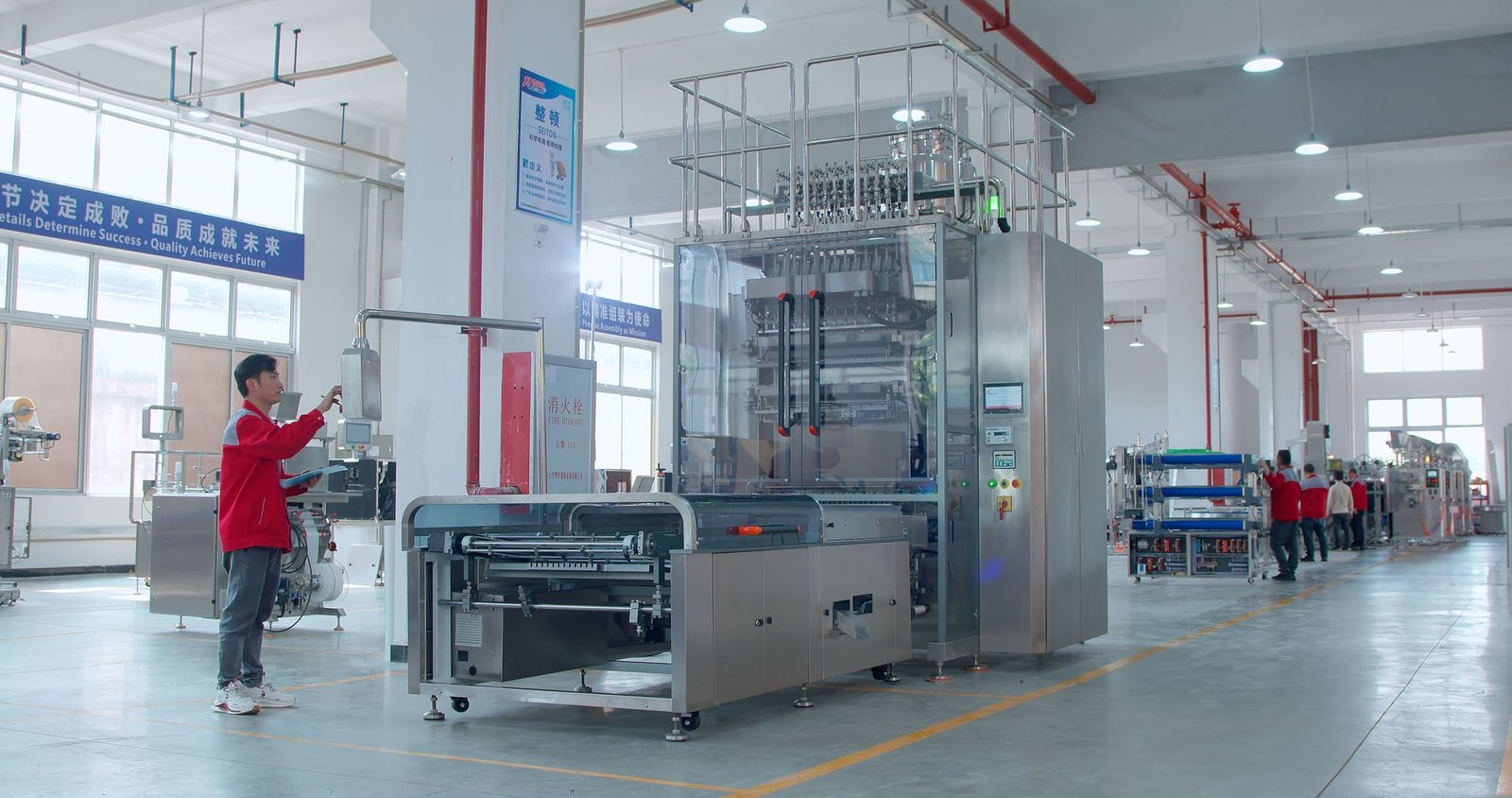
One notable manufacturer in this space is Ludyway Machinery, a China-based packaging machinery manufacturer and turnkey packaging solution provider with more than 30 years of experience in the packaging industry. With a 20,000-square-meter manufacturing facility, more than 130 professionals, and over 50 packaging machine models, the company has established a strong presence serving customers in over 100 countries and regions. Ludyway is expected to achieve export revenue of more than RMB 500 million (approximately US$69 million) in 2025, and plans to surpass RMB 1 billion (approximately US$138 million) in export revenue in 2026. The company provides comprehensive support throughout the project lifecycle — from machine selection and packaging solution design through installation, commissioning, operator training, and after-sales service — making it a viable long-term partner for manufacturers seeking to scale their packaging operations.
Questions to Ask Potential Suppliers
- What is your experience with products similar to mine in terms of characteristics and packaging format?
- Can you provide references or case studies from customers in my industry?
- What customization options are available for my specific requirements?
- How do you handle installation, commissioning, and operator training?
- What is your spare parts availability and typical lead time for critical components?
- Do you offer remote technical support and diagnostics capabilities?
Making the Final Decision
After evaluating the technical specifications, compliance requirements, and supplier capabilities, the final selection of your Pondy packing machine should be guided by a clear alignment between your short-term production needs and your long-term growth strategy. A machine that barely meets today’s requirements may limit your ability to scale, while an oversized system may represent unnecessary capital expenditure.
Look for manufacturers who offer modular and upgradeable designs — these allow you to add capacity, integrate new functions, or adapt to new packaging formats without replacing the entire system. Similarly, prioritize suppliers who demonstrate a genuine commitment to ongoing innovation and technical support, as this partnership will be critical to your operational success over the machine’s service life.
Ultimately, the right Pondy packing machine is one that delivers consistent quality output, reliable uptime, and operational flexibility while fitting within your budgetary framework. Take the time to test your product on prospective machines, visit manufacturer facilities when possible, and engage in detailed technical discussions before finalizing your decision. This due diligence will pay dividends in the form of a packaging solution that supports your business growth for years to come.