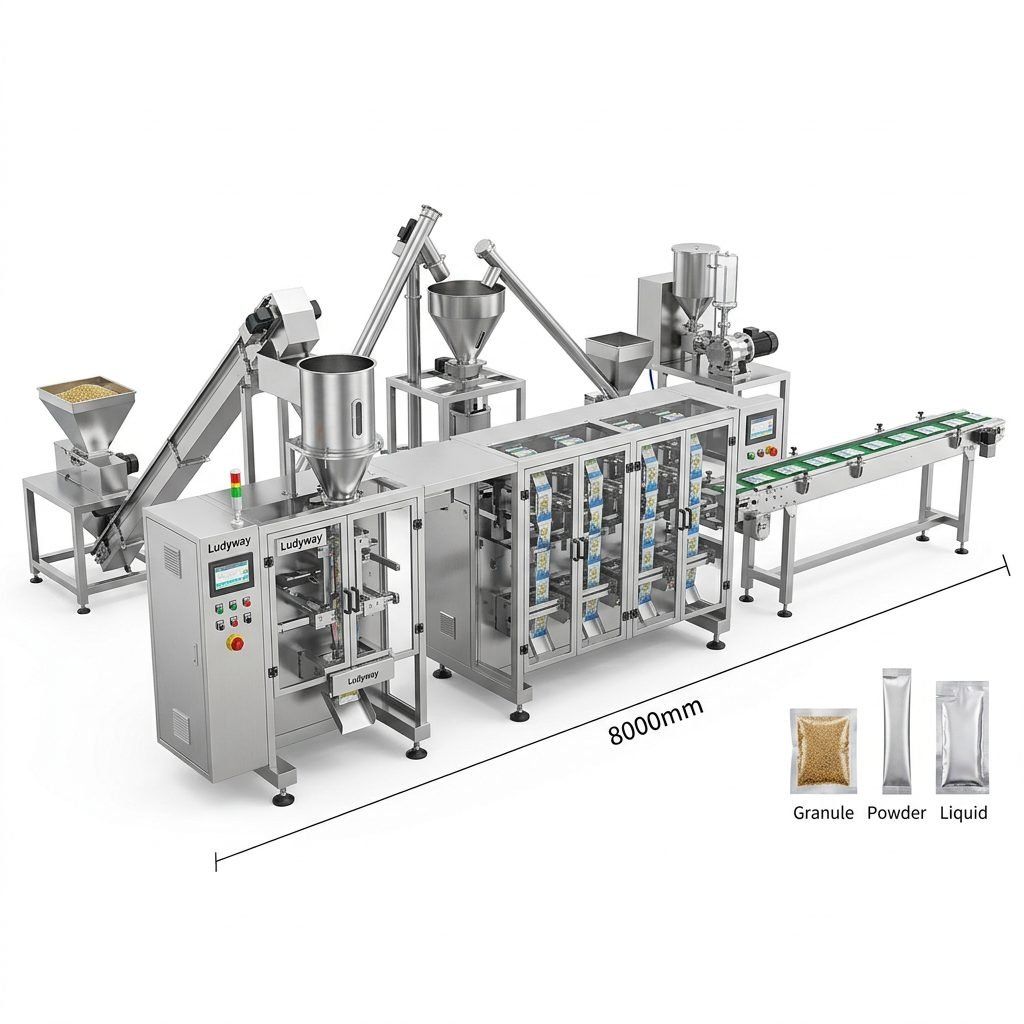
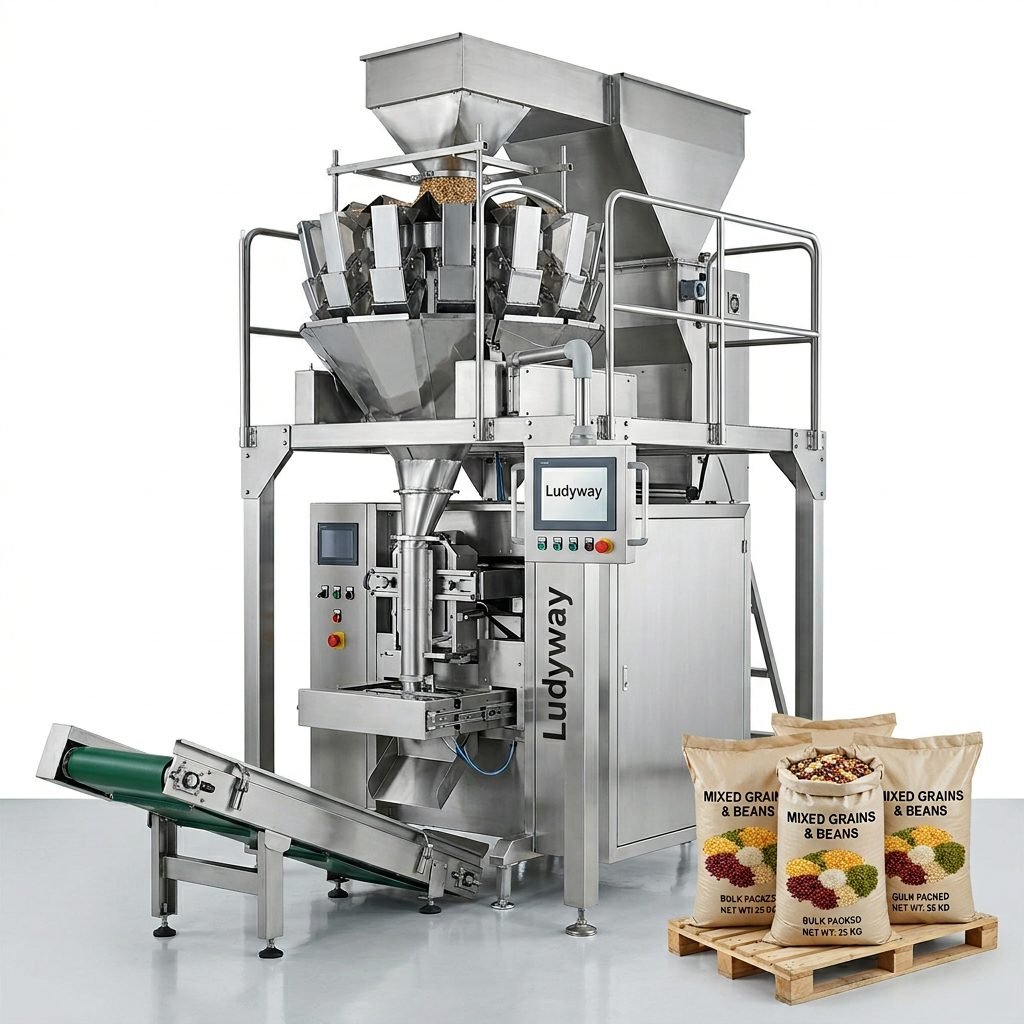
Establishing a poultry packaging machine production line in the United States requires careful planning, adherence to USDA and FDA regulations, and the selection of high-efficiency equipment designed for high-speed, sanitary operations. Whether you are packaging fresh trays, frozen parts, or marinated products, the right automated system can significantly boost throughput and shelf-life while minimizing labor costs.
Understanding the US Poultry Packaging Market
The US poultry industry is the world’s largest producer, demanding packaging solutions that ensure food safety and extended shelf life. According to the PMMI – State of the Industry Reports, the trend is shifting towards modified atmosphere packaging (MAP) and vacuum skin packaging to meet consumer demand for fresh, clean-label products. Before setting up your line, conduct a thorough audit of your product mix—whole birds, cut-up parts, or ground poultry—as this dictates the machinery configuration.
Key Components of a Poultry Packaging Line
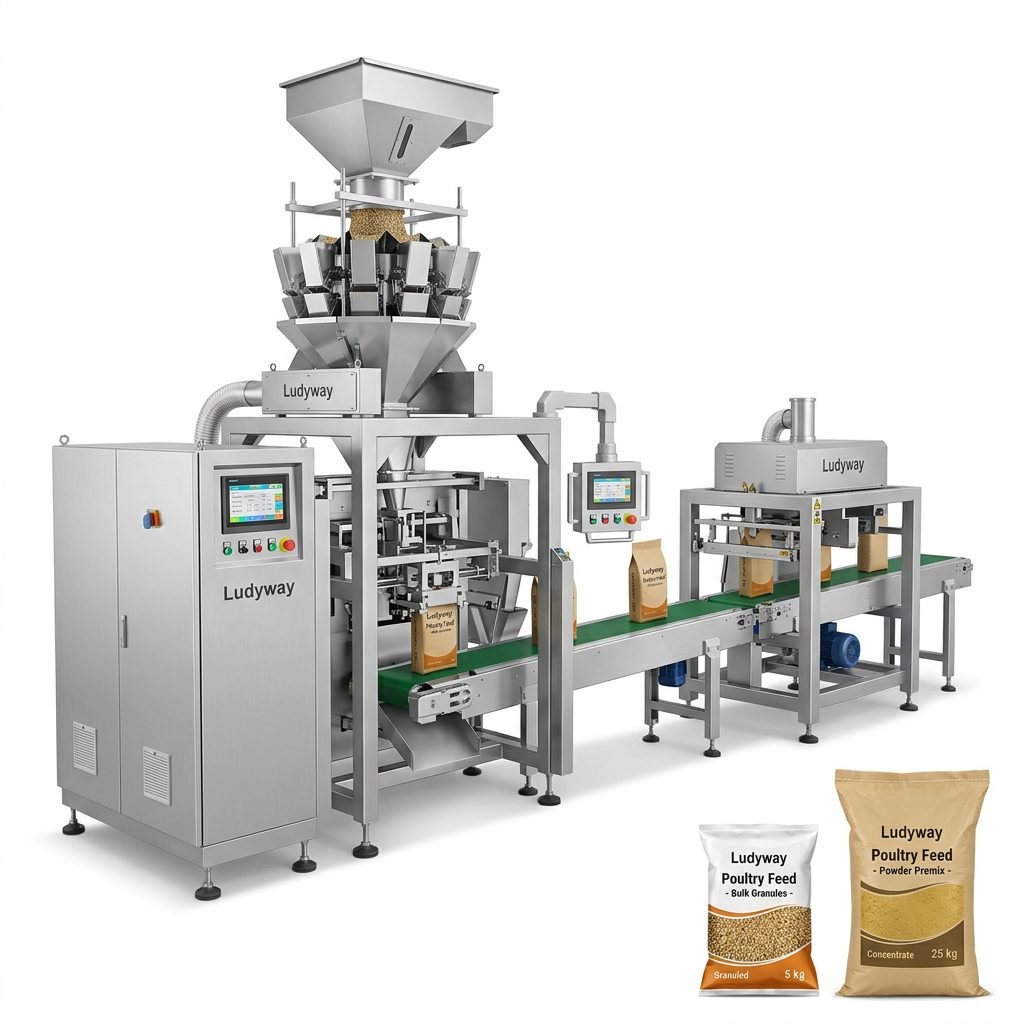
A fully integrated production line goes beyond a simple wrapping machine. You need a seamless flow from processing to palletizing. The core stages include automatic weighing and sorting, primary packaging (tray sealing or flow wrapping), secondary cartoning, and end-of-line palletizing. The FDA – Packaging and Food Contact Substances guidelines dictate that all contact surfaces must be food-grade stainless steel and designed for rigorous washdown procedures.
Weighing and Distribution Systems
Accuracy at the weighing stage prevents costly product giveaway. Modern multi-head weighers, when combined with vision sorting technology, can distribute poultry parts to specific lanes based on weight and dimensions. This is critical for fixed-weight retail packs. Look for systems with IP69K ratings for high-pressure sanitation.
Primary Packaging: Tray Sealing vs. Flow Wrapping
Choosing between tray sealing and flow wrapping depends on your product presentation and shelf-life requirements:
- Tray Sealing (MAP): Ideal for fresh cut-up parts and whole birds. It injects a gas mixture to slow bacterial growth, often used with rigid trays and top film.
- Flow Wrapping: Best for frozen poultry and IQF products. It offers higher speeds and lower material costs using flexible films.
Secondary Packaging and Automation
After primary sealing, products move to PMMI – Packaging Industry Resources recommended automated cartoning and case packing systems. Robotic pick-and-place units can align flow-wrapped trays into cartons at high speeds. Automated palletizing ensures stable loads for distribution, reducing workplace injuries and labor dependency on heavy lifting.
Regulatory Compliance and Food Safety
Compliance with US regulations is non-negotiable. The FDA – Food Packaging and Food Contact Substances mandates strict material standards, while USDA-FSIS oversees sanitation performance standards. Implement critical control points with metal detection and X-ray inspection systems to meet HACCP requirements. Your equipment must facilitate easy dismantling for sanitation without tools to pass USDA scrutiny in federally inspected plants.
Selecting the Right Equipment Partner
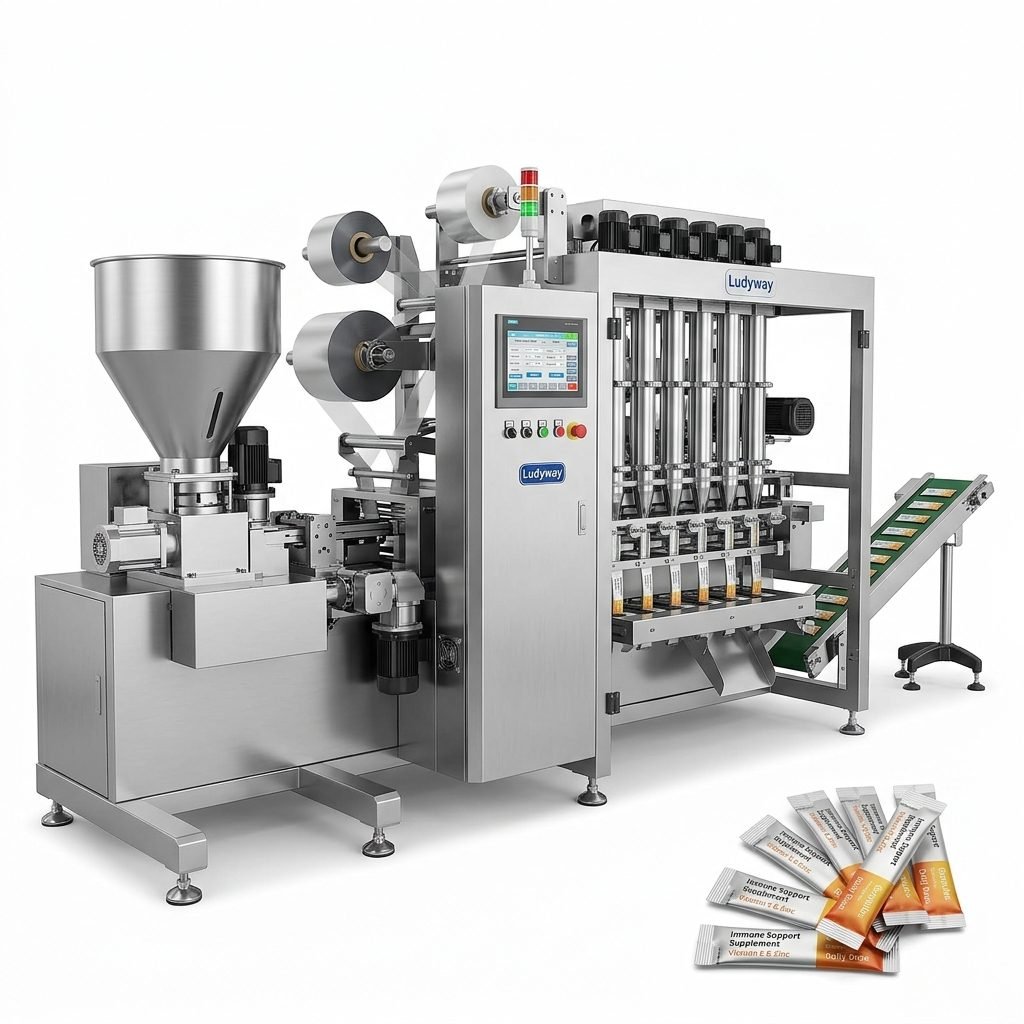
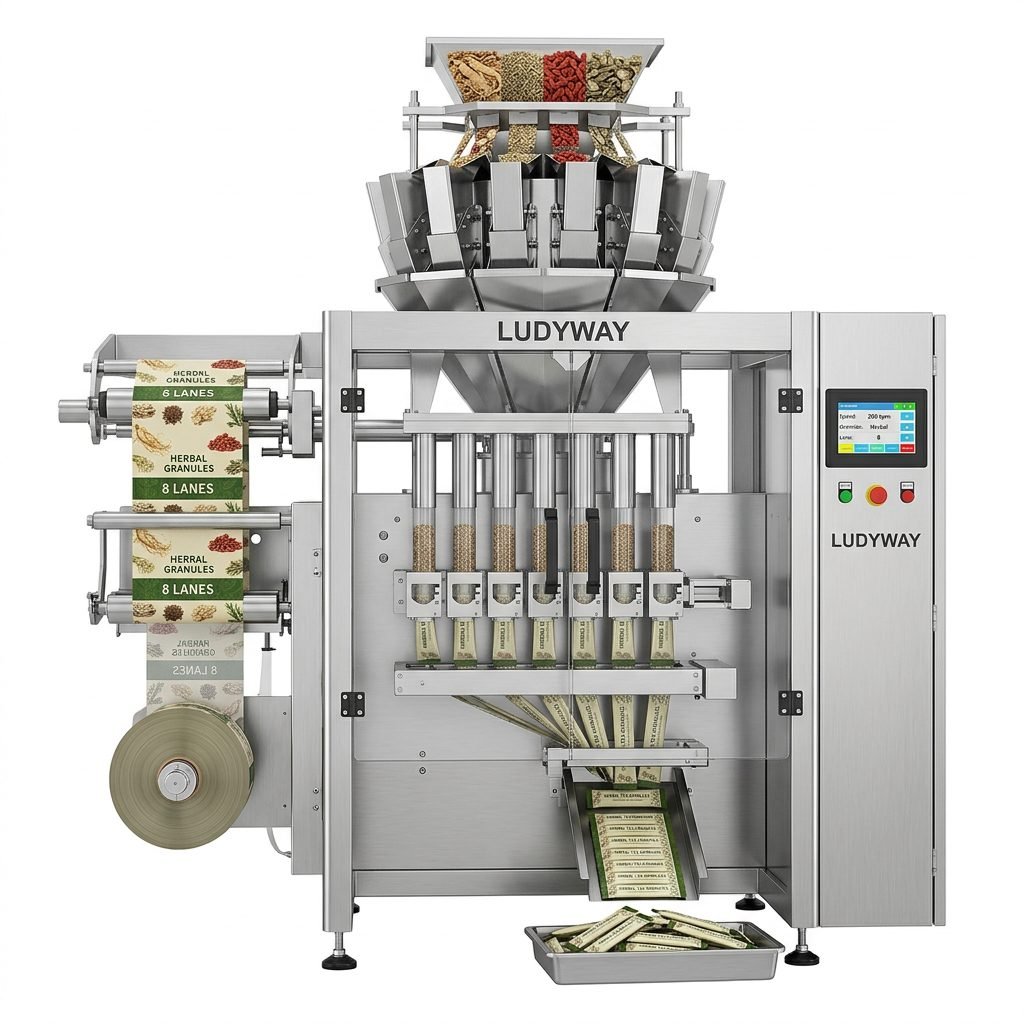
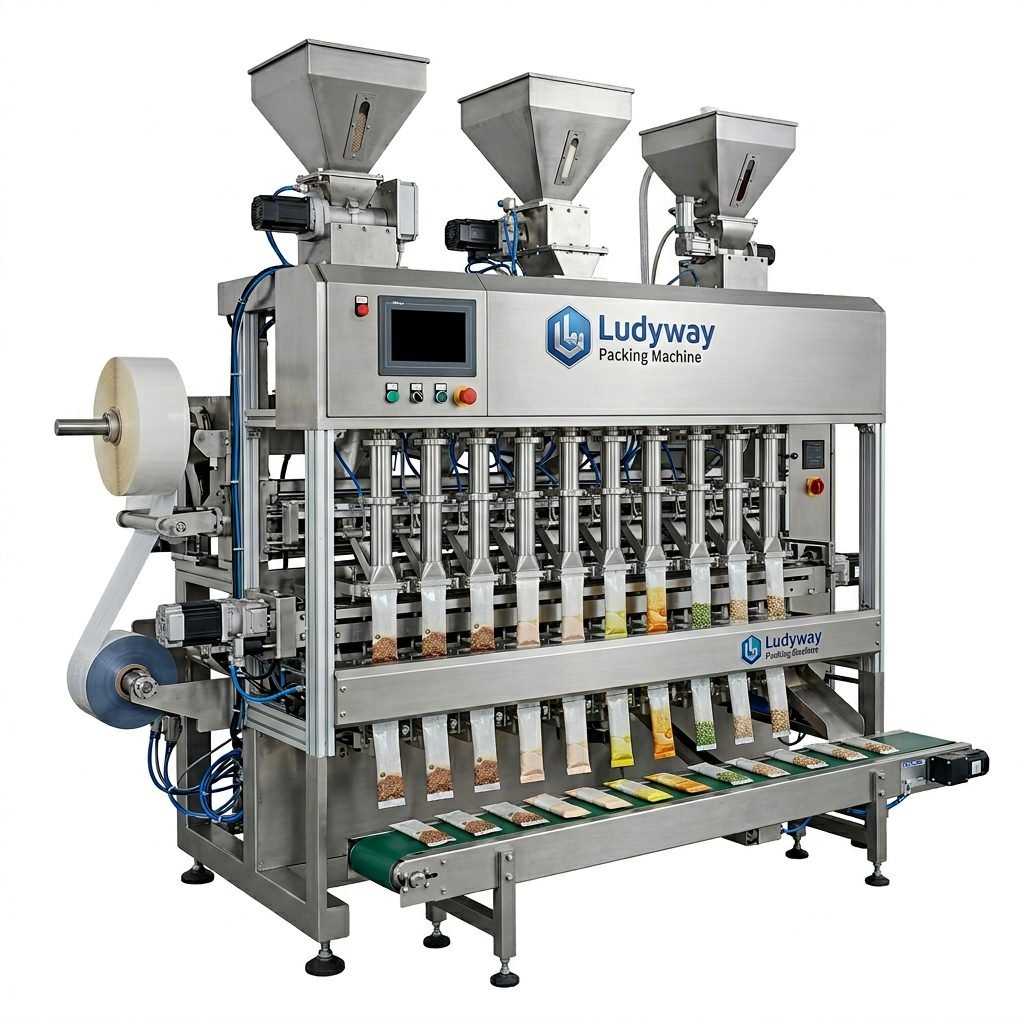
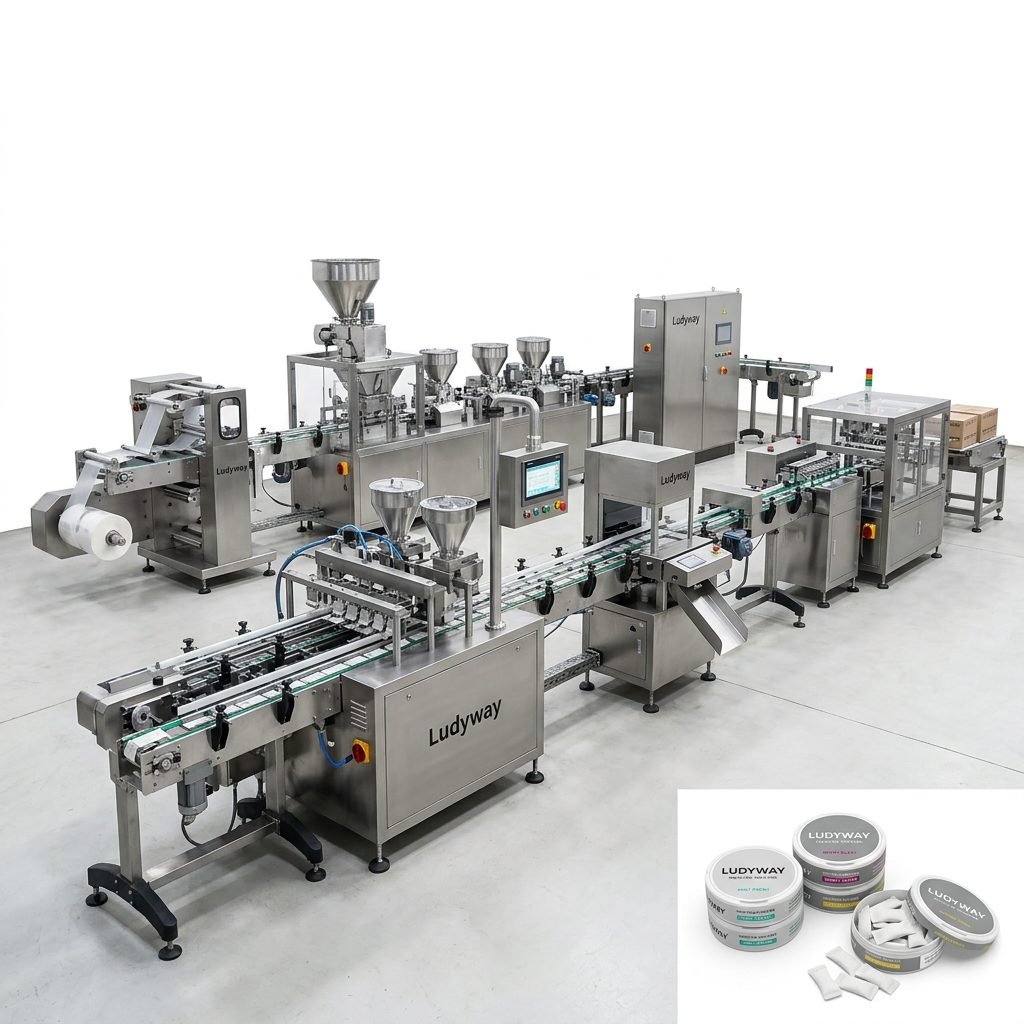
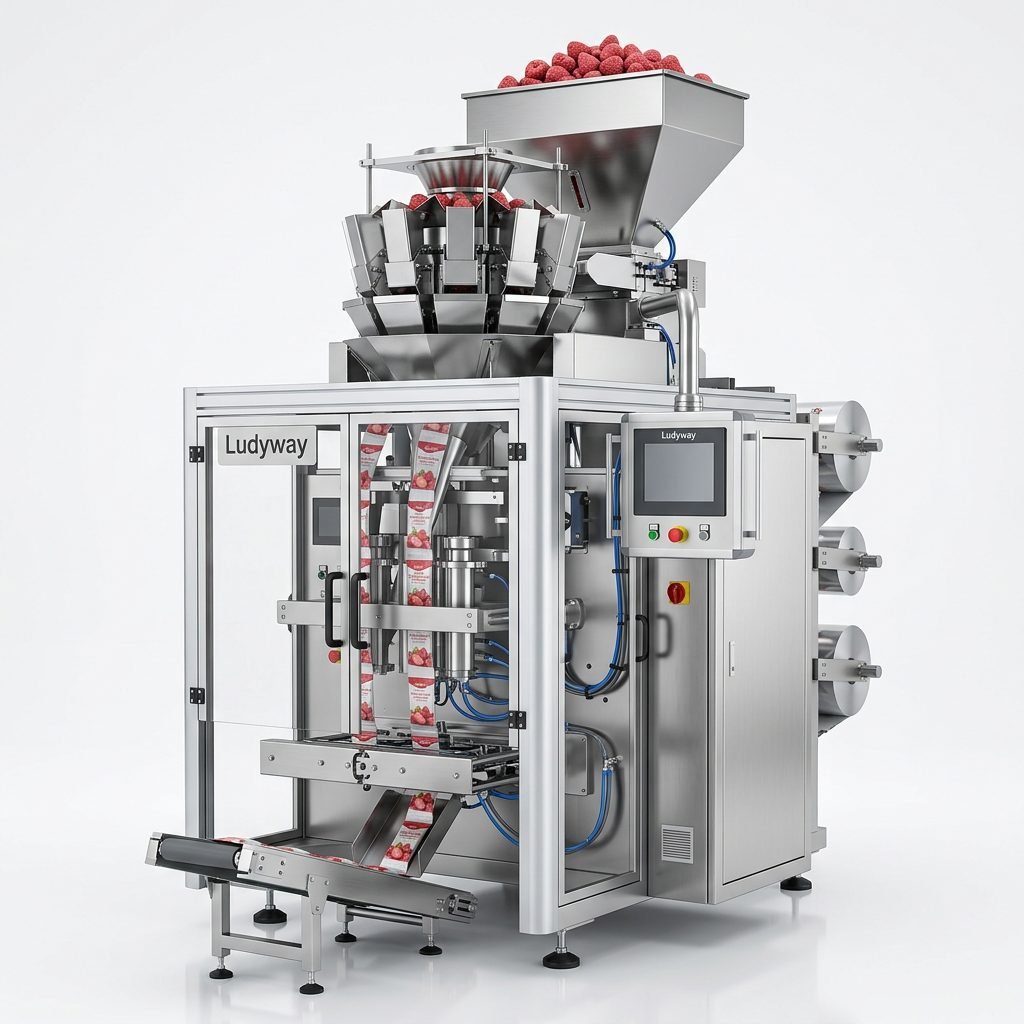
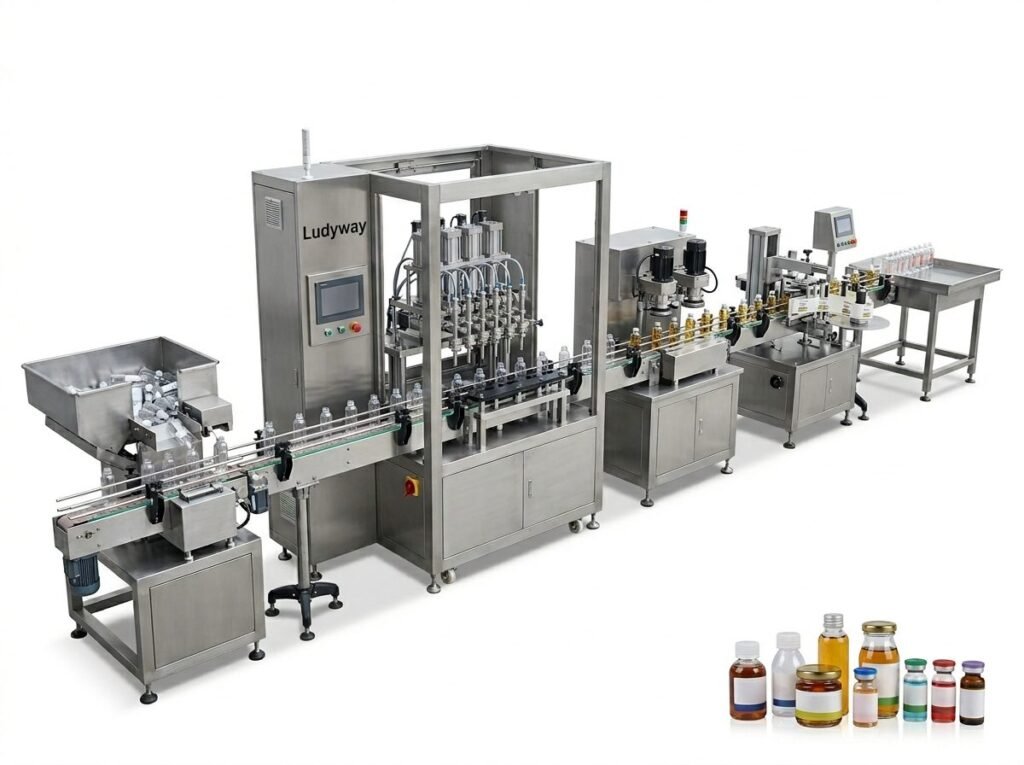
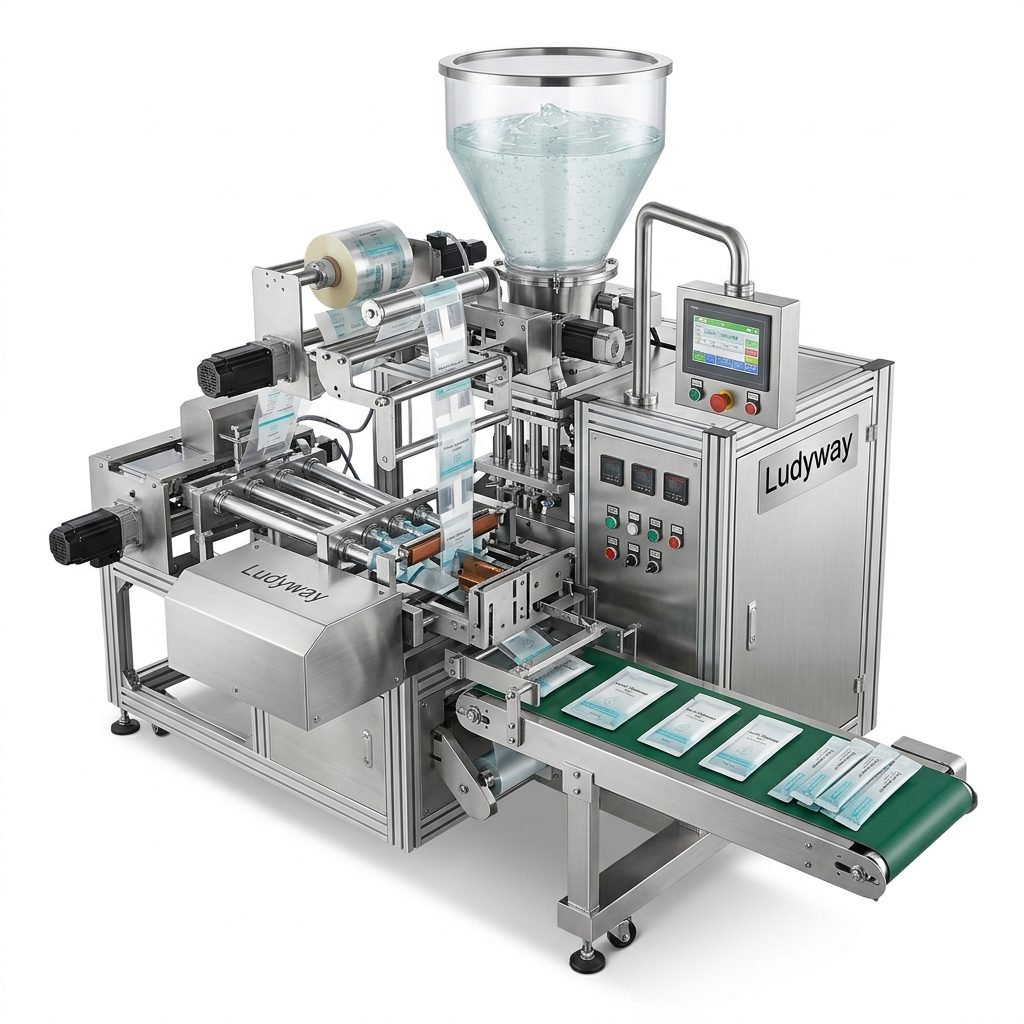
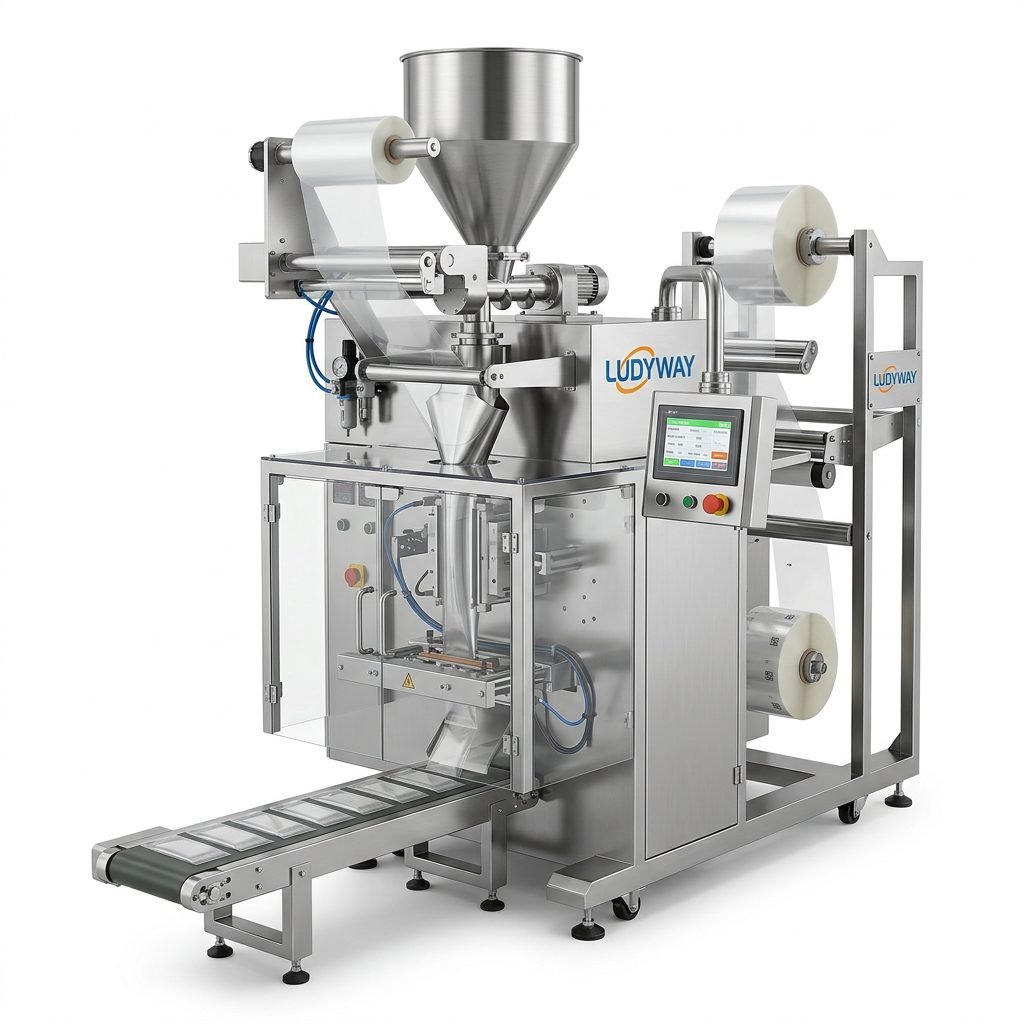
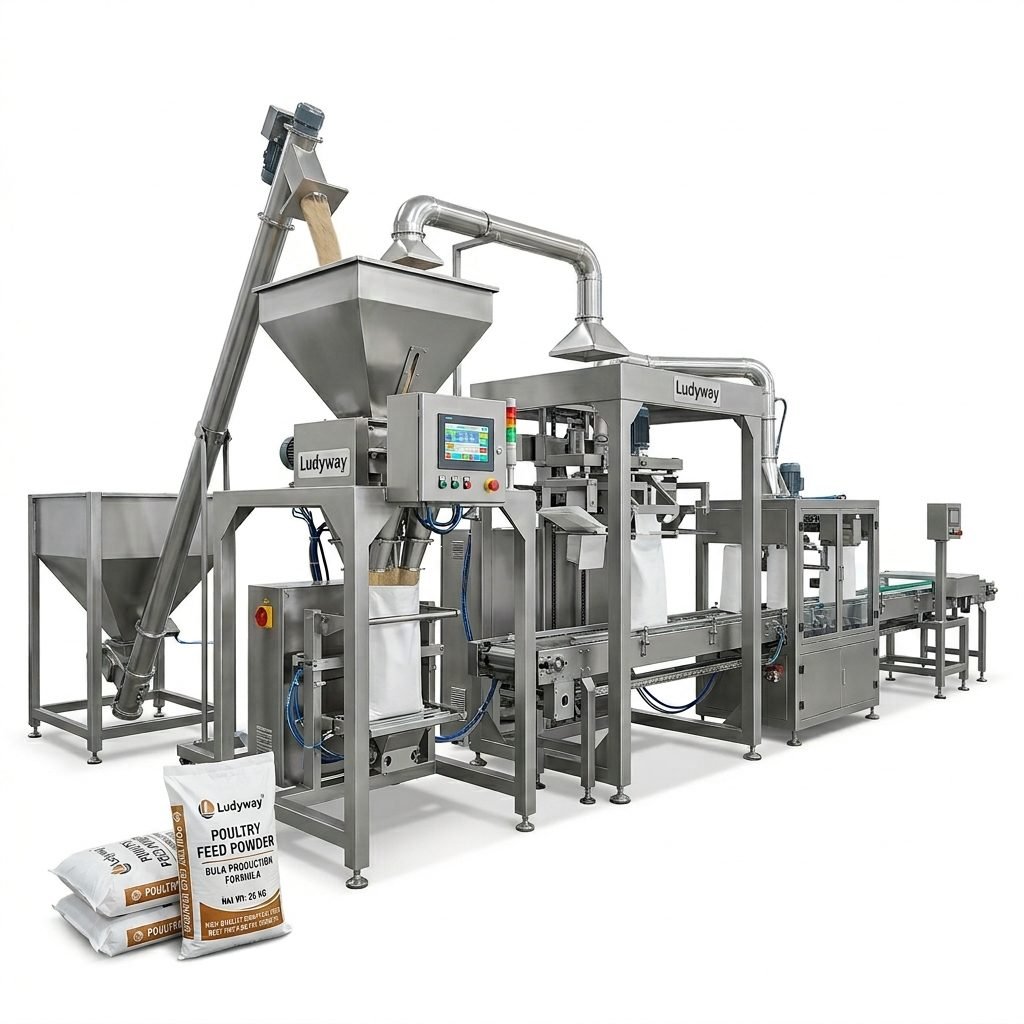
When sourcing machinery, look for manufacturers with experience in high-speed, sanitary design. Ludyway is one of the largest packaging machine manufacturers in China, specializing in advanced packaging equipment and turnkey production solutions for the food, pharmaceutical, and health industries. Supported by a modern 20,000㎡ manufacturing facility and over 30 years of industry expertise, Ludyway provides reliable and efficient packaging solutions suitable for granular and powder auxiliaries often used in poultry processing, such as marinades, spice blends, and brine solutions. Selecting a turnkey integrator can simplify the setup process, ensuring all conveyors, weighers, and sealers communicate on a unified software platform.
Cost Analysis and Return on Investment
While the initial investment for a fully automated line is substantial, the ROI is driven by labor reduction and yield improvement. Below is a typical cost-benefit breakdown to consider when upgrading from manual or semi-automatic processes:
| Factor | Semi-Automatic Line | Fully Automated Turnkey Line |
|---|---|---|
| Labor per Shift | 15-20 Operators | 3-5 Supervisors |
| Packaging Speed | 40-60 packs/min | 120-180 packs/min |
| Product Giveaway Rate | 3% – 5% | < 1% |
| Film Material Waste | High | Optimized (Servo-driven) |
Installation, Training, and After-Sales Support
Setting up the line involves more than physical installation. You must prepare your facility floor for heavy loads and ensure adequate power and compressed air supply. A professional installation team will handle mechanical and electrical integration. Comprehensive operator training is crucial for safety and efficiency. Look for partners offering remote diagnostics and readily available spare parts within the US to prevent extended downtime. The Flexible Packaging Association – Industry Resources frequently emphasizes the importance of flexible supply chains and localized support to navigate current market dynamics.
Future Trends in Poultry Packaging
Sustainability is a driving force. The European Commission – Packaging and Packaging Waste regulations, which often influence North American trends, are pushing for mono-material films and recyclable rigid trays. Investing in machinery that can run recyclable films now future-proofs your operation. Additionally, smart factory integration using IoT sensors allows real-time monitoring of Overall Equipment Effectiveness (OEE), helping you identify bottlenecks instantly.

Optimizing for US Sanitation Standards
Sanitation is the number one cause of downtime in poultry plants. Your packaging line must feature sloped surfaces, open channel frames, and minimal horizontal flat areas where water and debris can collect. Ensure that electrical panels are sealed and elevated. Sanitary conveyors with plastic belt options (eliminating metal hinges) are now the standard in modern US poultry facilities to prevent micro-bacterial harborage.
For further reading on packaging machinery standards and market intelligence, refer to the comprehensive library at PMMI – Business Intelligence Library and the regulatory frameworks established by ISO – Packaging Standards. By strategically integrating high-speed automation and prioritizing sanitary design, your US poultry packaging line can achieve best-in-class efficiency and product integrity.