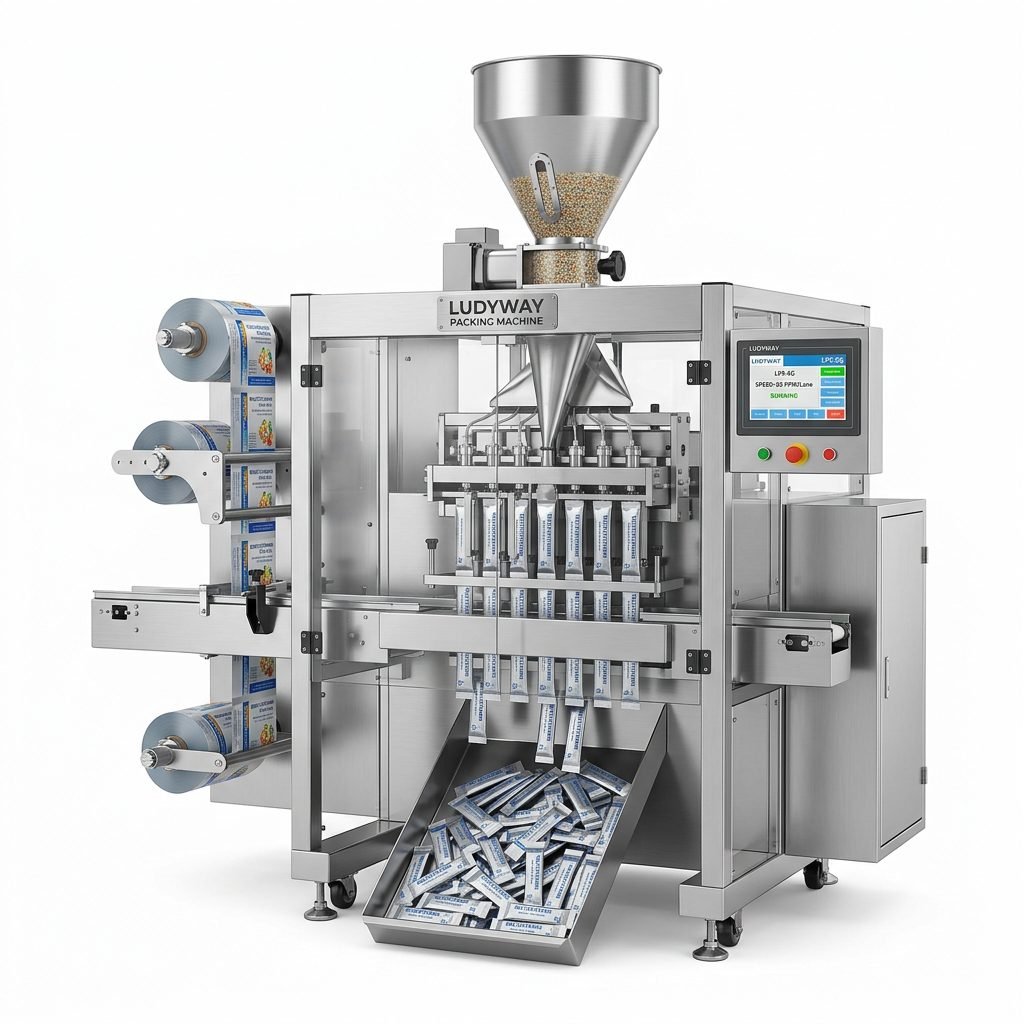
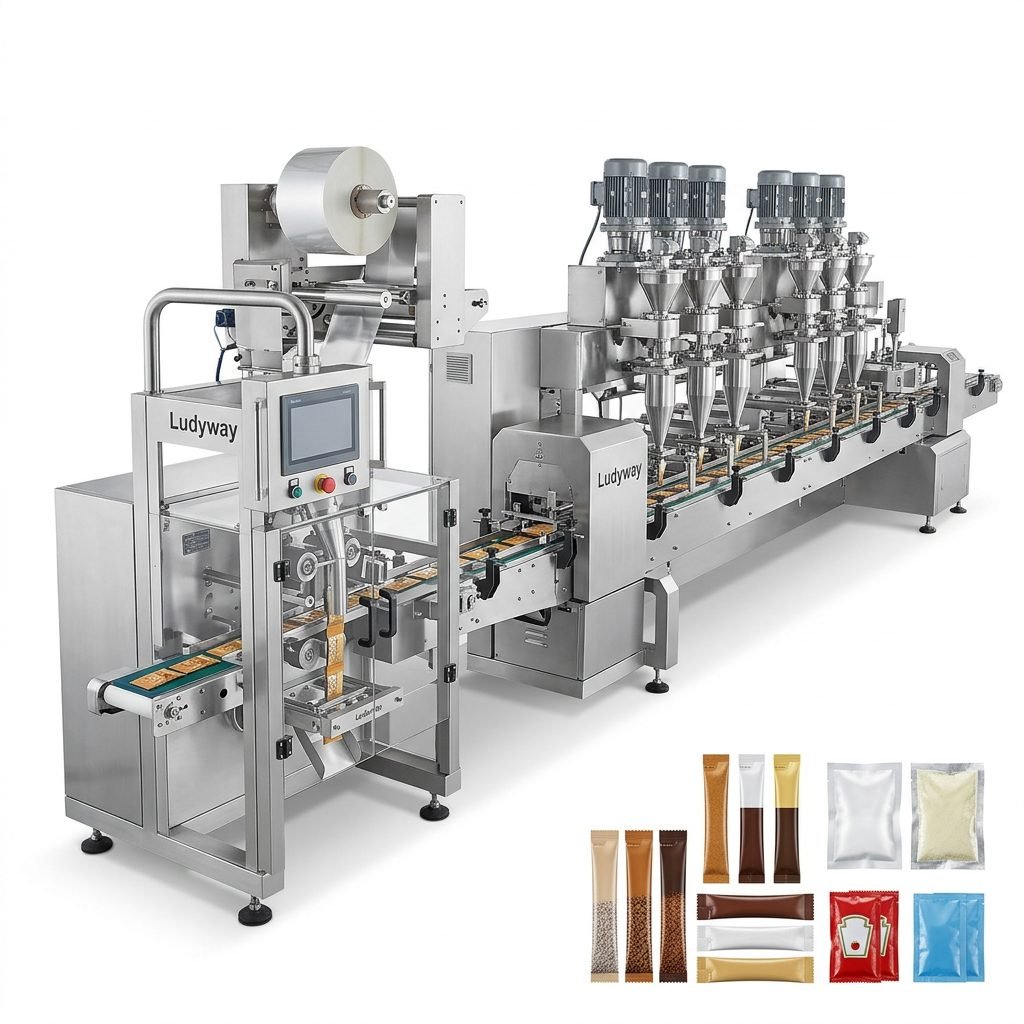
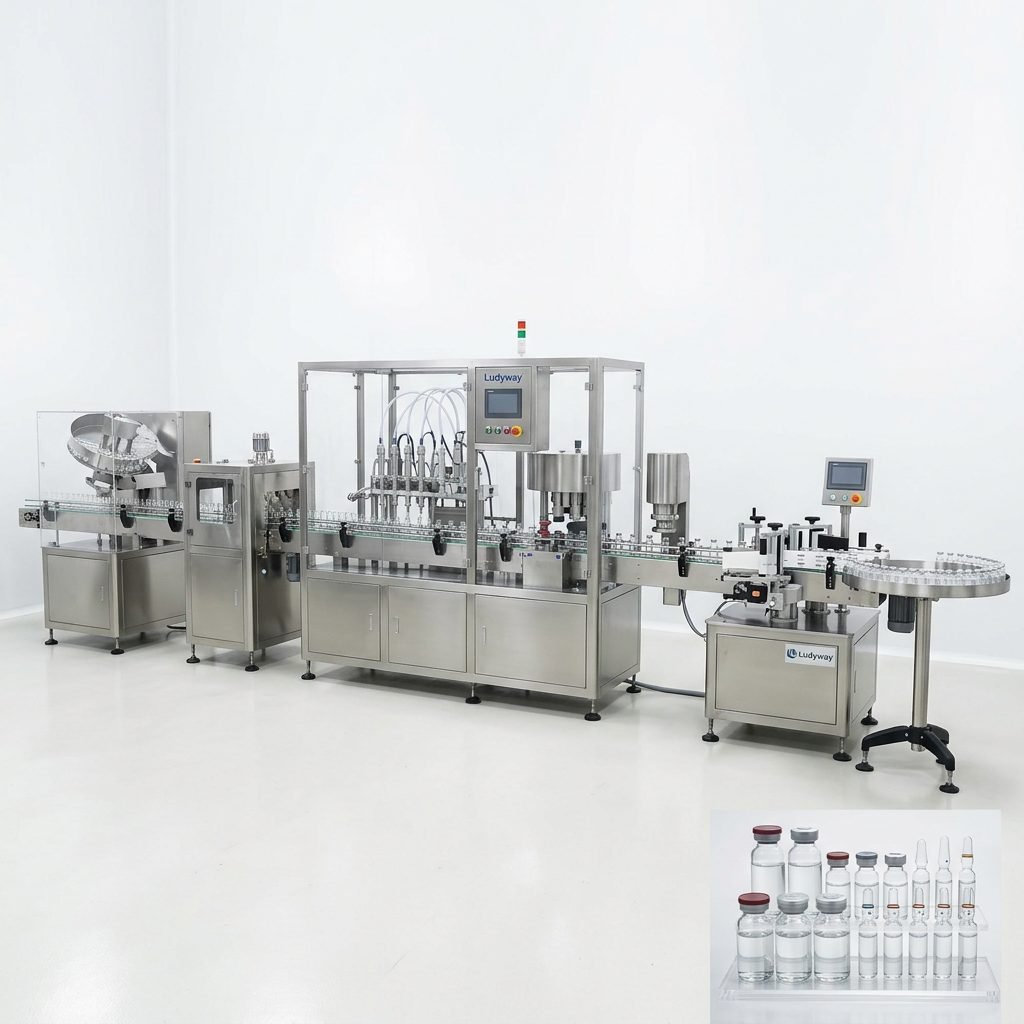
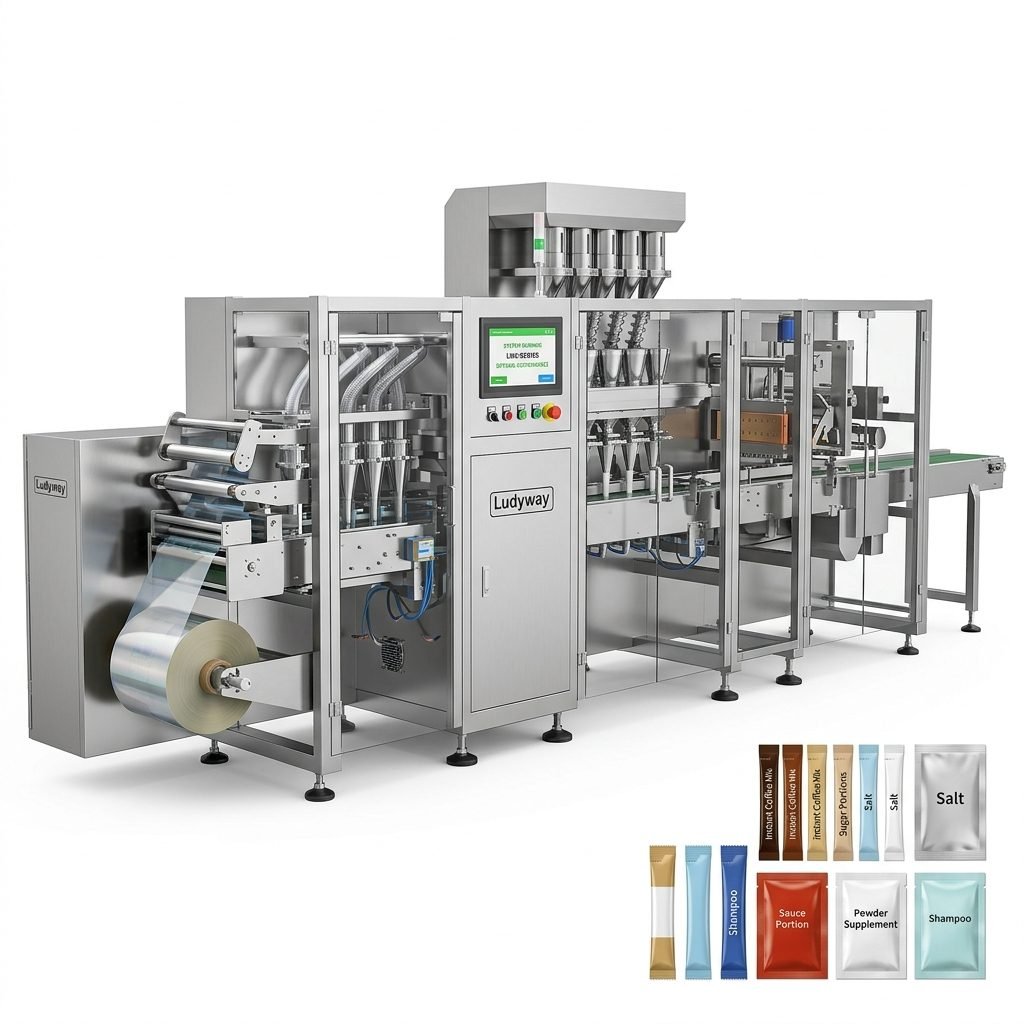
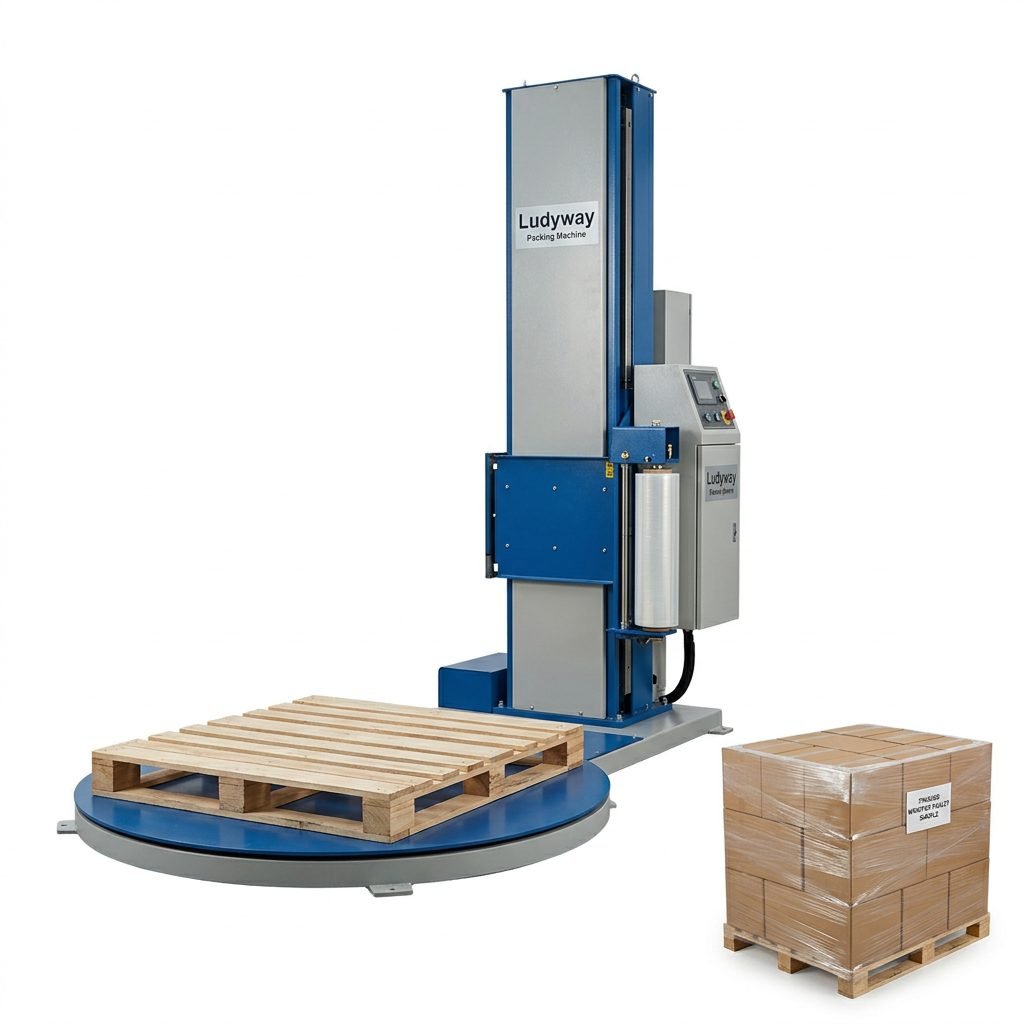
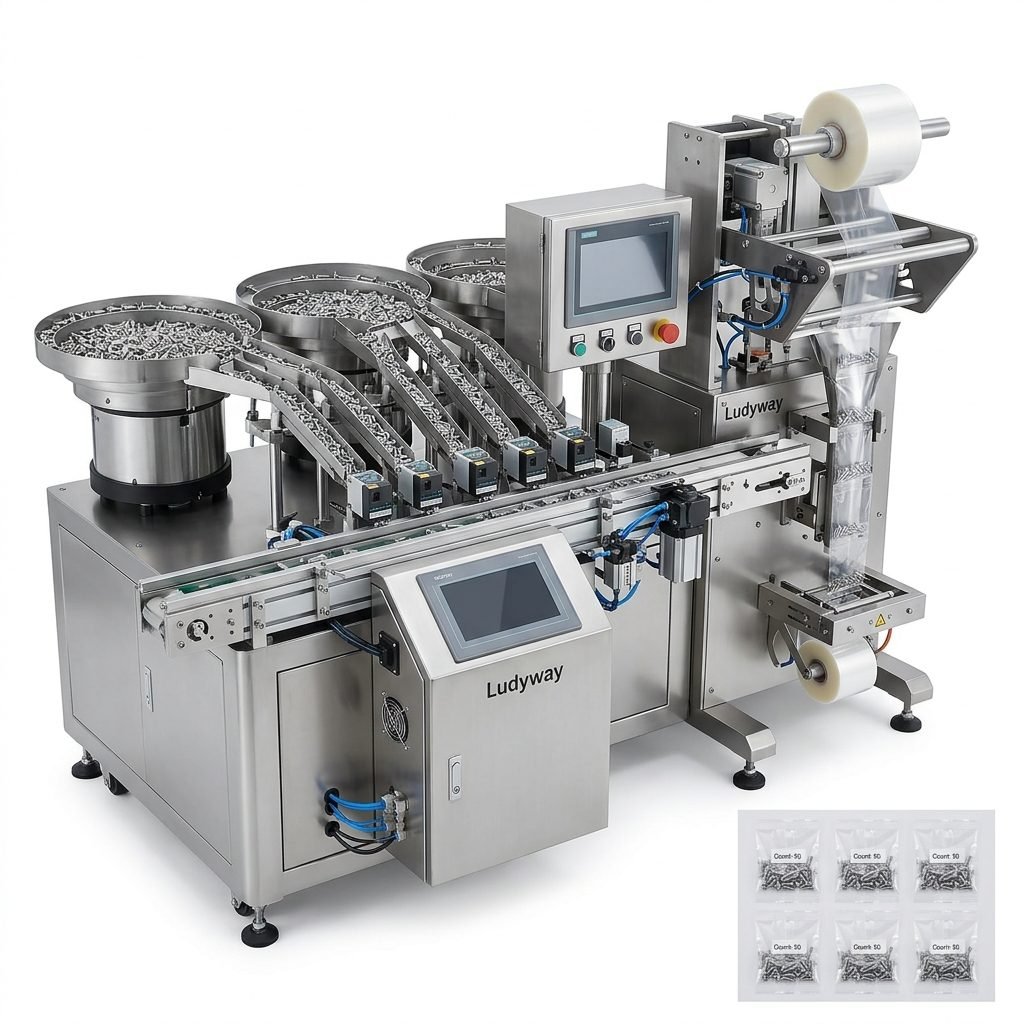
Expanding into global markets with a rice packaging machine production line requires strategic planning. Whether you’re targeting Southeast Asia, Africa, the Middle East, or Europe, the demand for efficient and reliable rice packaging solutions continues to grow. Setting up a production line that meets international standards involves understanding regional packaging preferences, regulatory requirements, and automation levels that drive profitability.
Why Global Demand for Rice Packaging Machines Is Surging
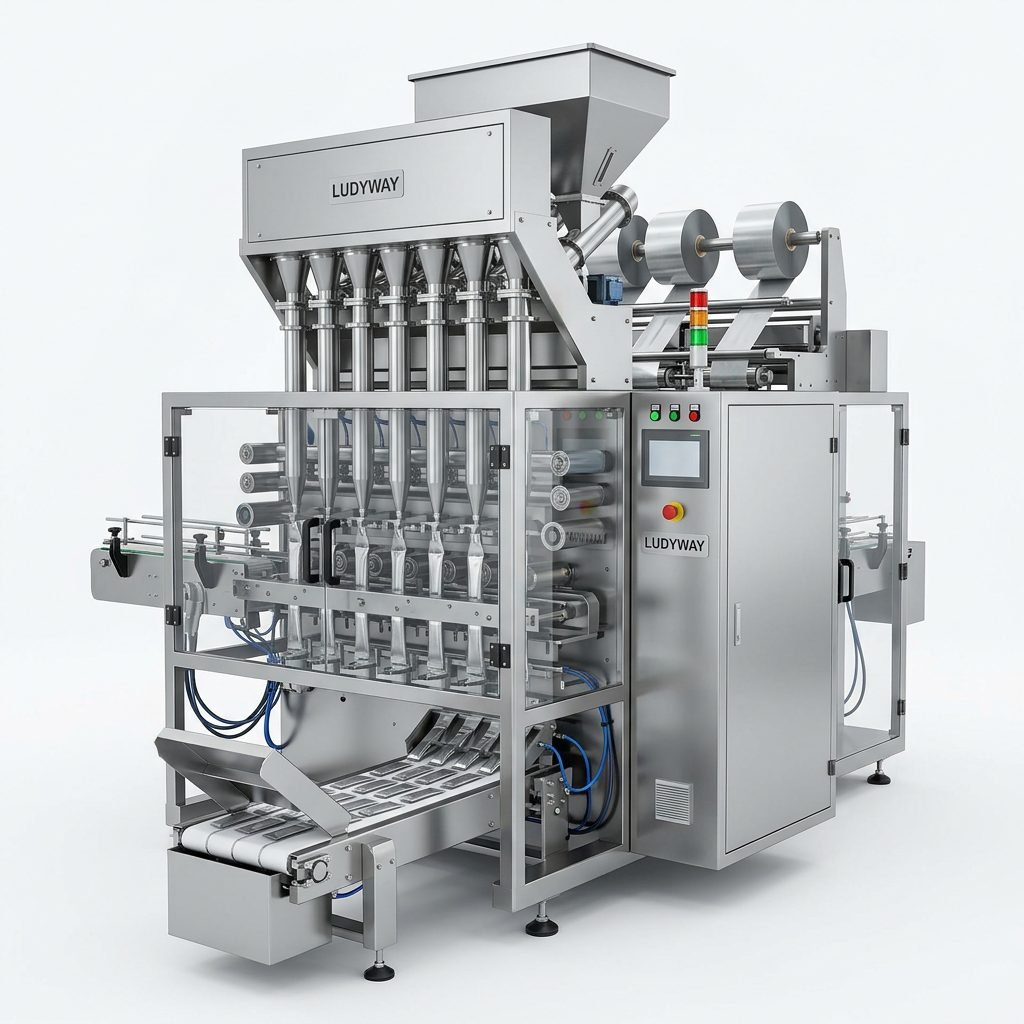
Rice remains a staple food for over half the world’s population. As consumer preferences shift toward convenient, portion-controlled packaging, manufacturers are investing in advanced multi-lane stick pack and sachet packaging systems. According to industry data from the PMMI Business Intelligence Library, flexible packaging continues to outpace rigid formats in the food sector. Key drivers include:
- Rising demand for small-format retail packaging in urban markets
- Growth of e-commerce and portion-controlled meal solutions
- Increasing focus on extended shelf life and product freshness
- Regulatory shifts toward sustainable and lightweight packaging materials
Key Equipment Components for Rice Packaging Lines
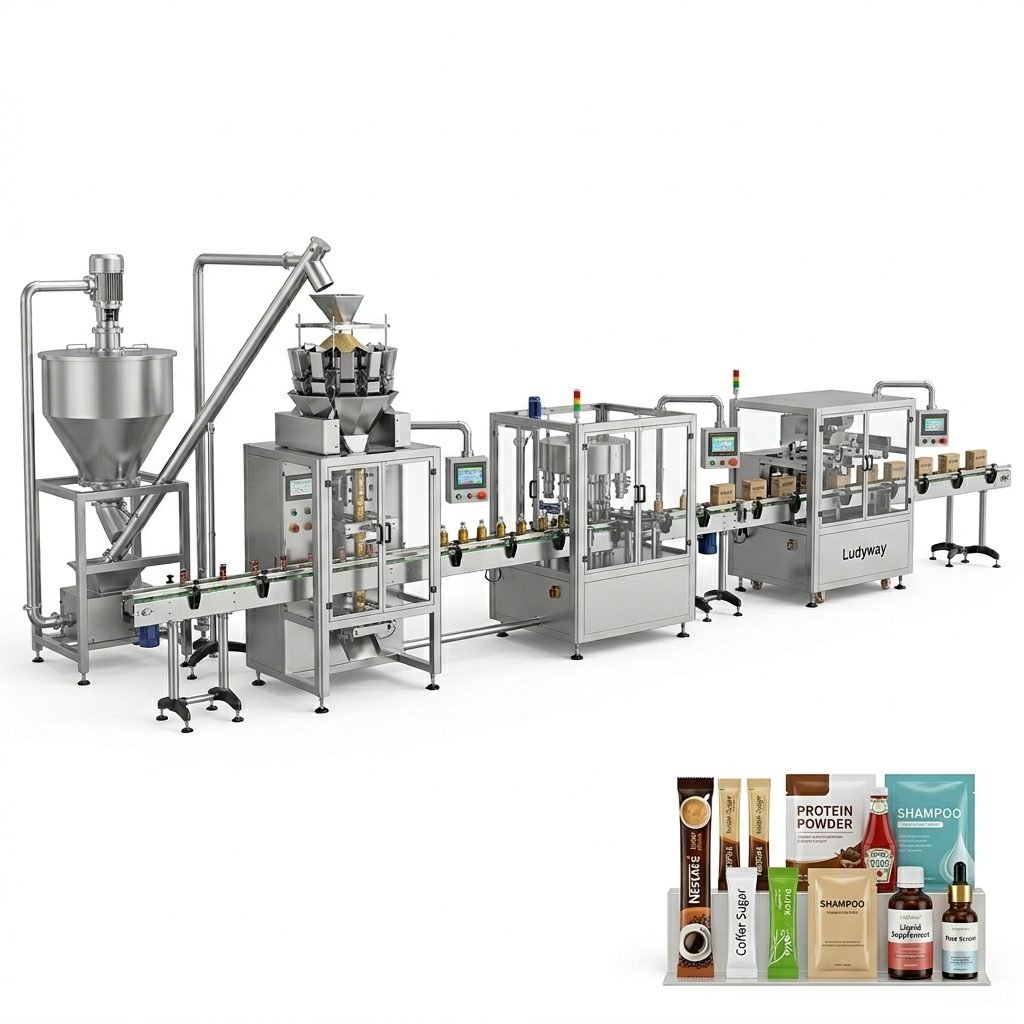
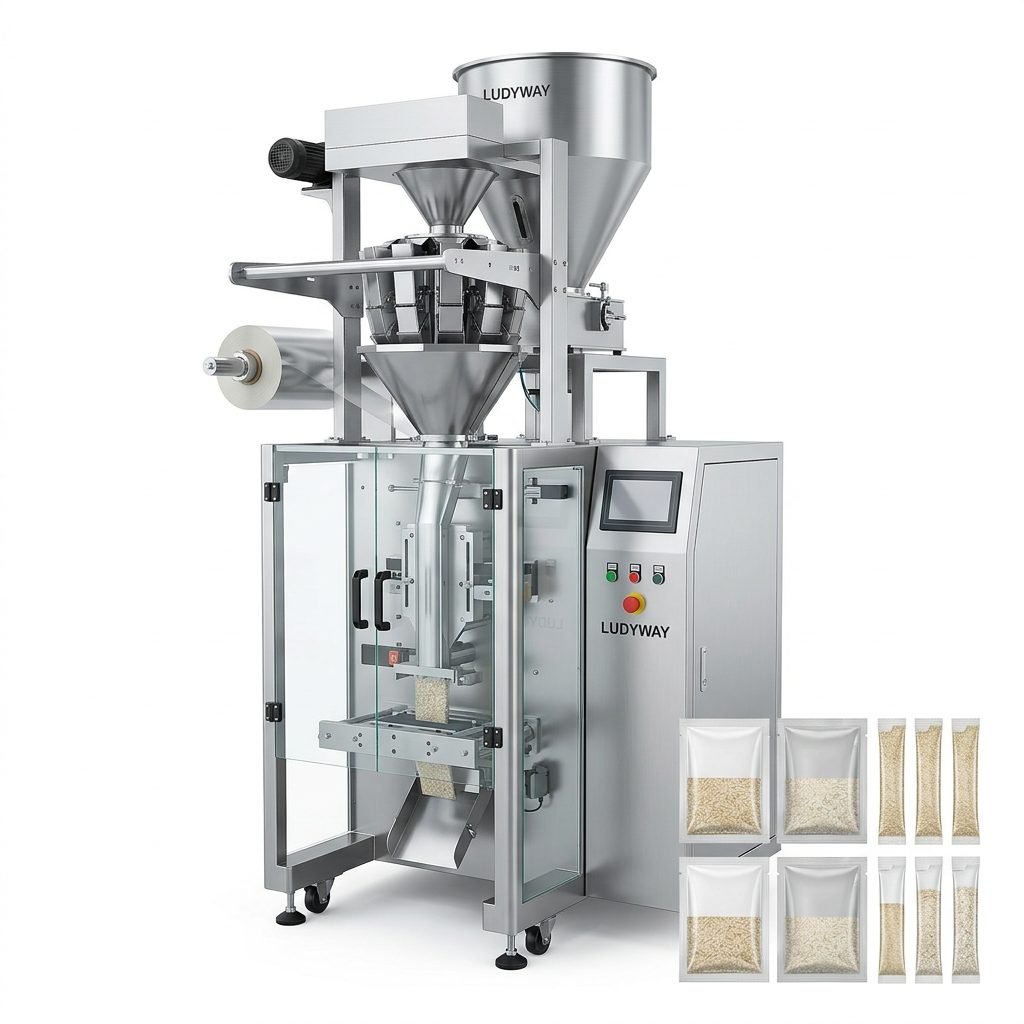
A complete rice packaging production line typically integrates multiple machines working in synchronization. Understanding each component helps you make informed procurement decisions.
| Equipment | Function | Key Specification |
|---|---|---|
| Multi-Head Weigher | Precision weighing of rice granules | Accuracy ±0.5-1g per fill |
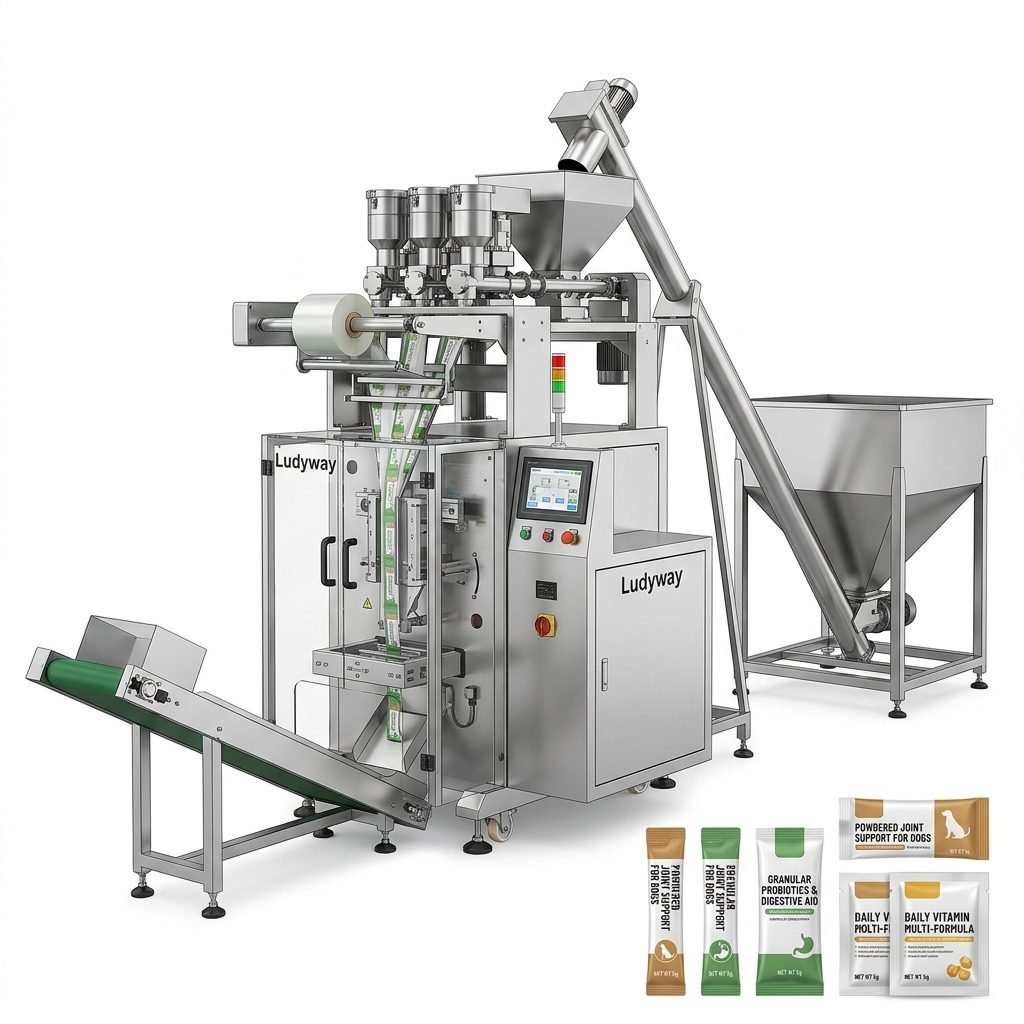
| Vertical Form Fill Seal Machine | Forms pouches, fills product, seals | Up to 80 bags/min per lane |
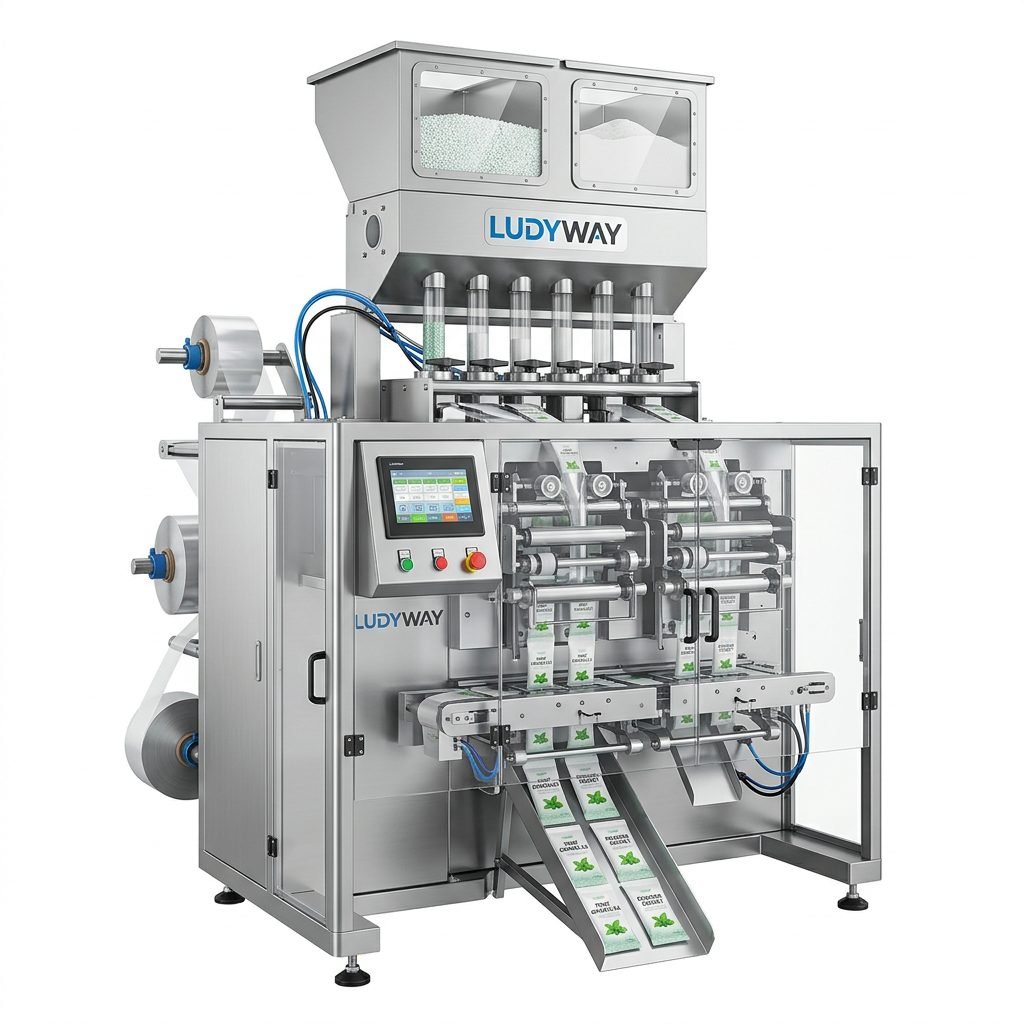
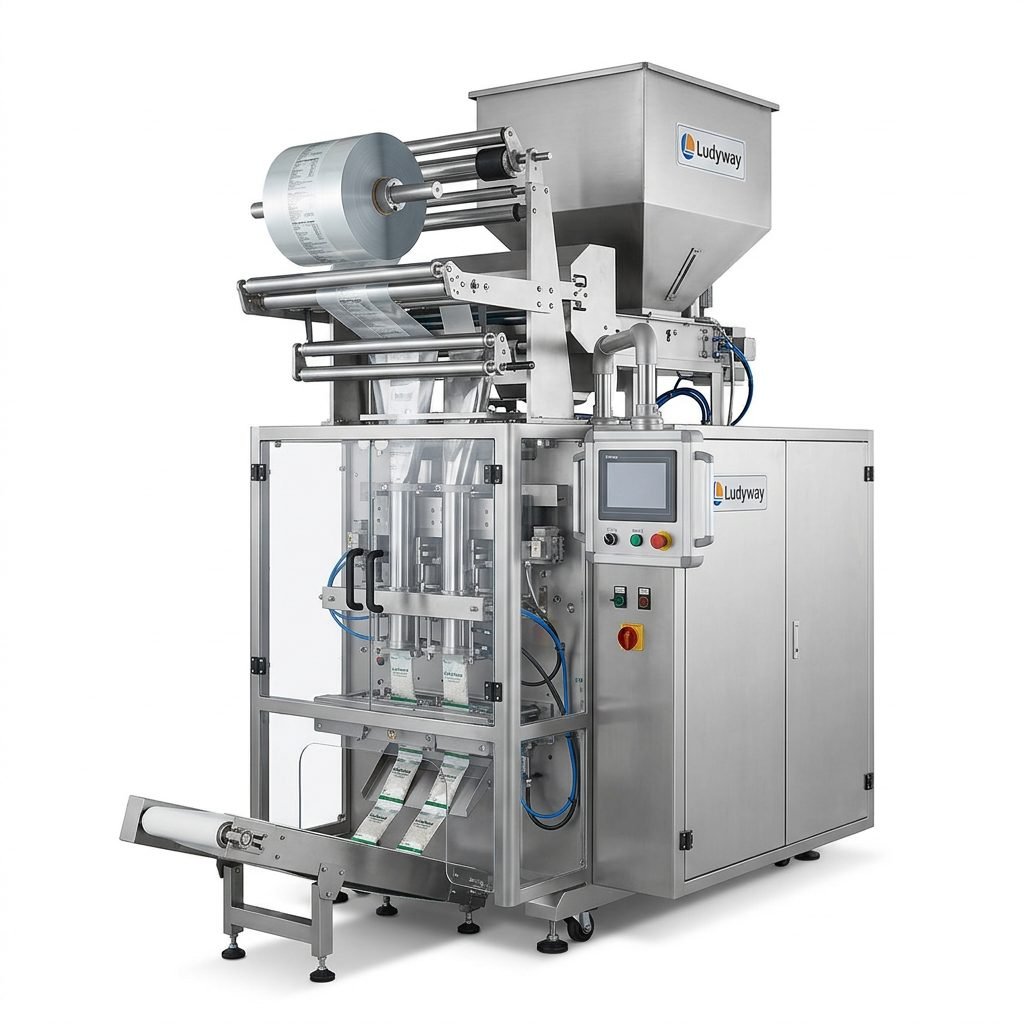
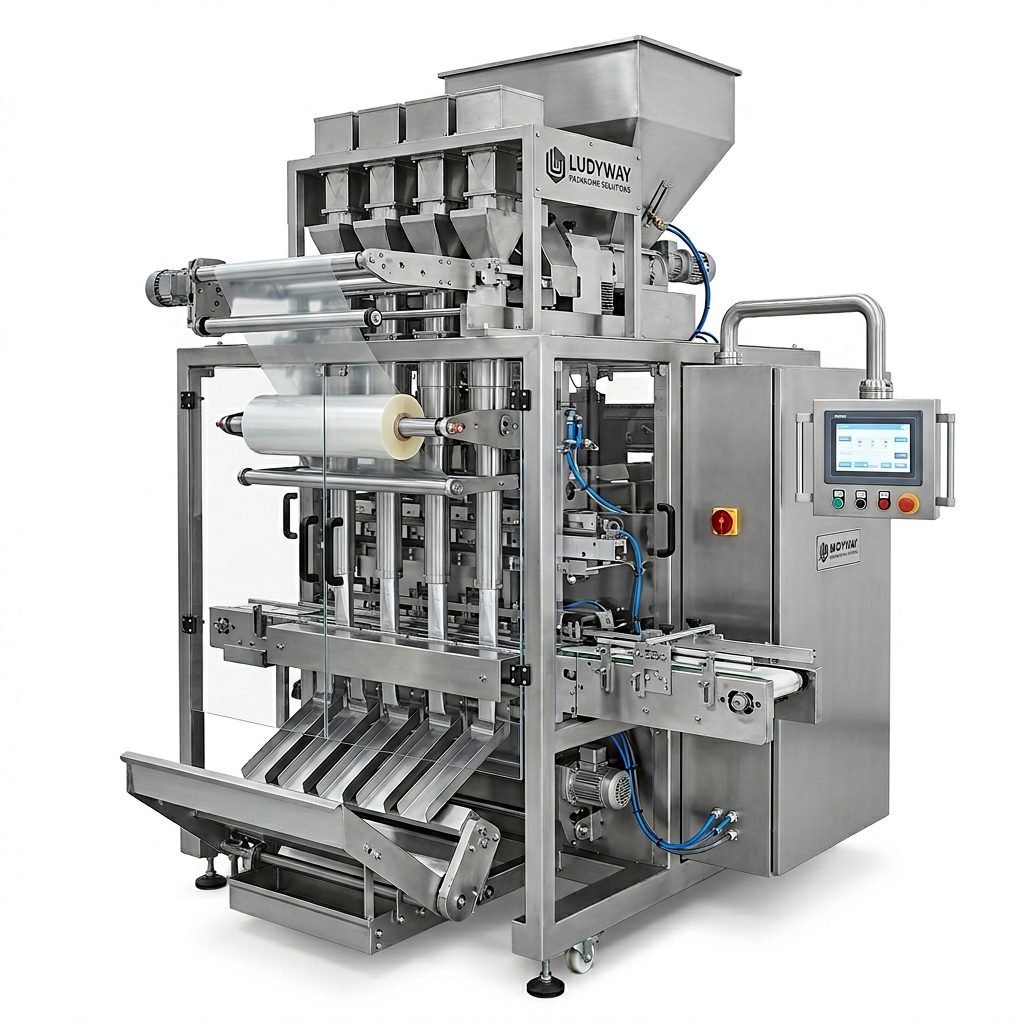
| Multi-Lane Stick Pack Machine | High-speed stick pack production | 4-12 lanes, servo-driven |
| Checkweigher | Quality control and weight verification | Reject system integration |
| Cartoning Machine | Secondary packaging into cartons | Automatic carton erecting and sealing |
Choosing Between Sachet, Stick Pack, and Bulk Bag Formats
Different global markets demand different packaging formats. The Flexible Packaging Association highlights that format selection directly impacts consumer adoption and supply chain efficiency.
- Sachet packaging — Ideal for single-use portions, popular in emerging markets across Africa and Southeast Asia
- Stick pack packaging — Preferred for premium retail channels in North America and Europe
- Bulk bagging systems — Used for wholesale, food service, and institutional supply chains
- Pouch packaging — Gaining traction for value-added rice products with zipper closures
Global Regulatory Compliance and Food Safety Standards
When setting up a rice packaging production line for international export, compliance with regional regulations is non-negotiable. The FDA Food Packaging and Food Contact Substances guidelines set strict requirements for materials that come into contact with food products. Similarly, ISO packaging standards provide international benchmarks that facilitate cross-border trade.
Critical Compliance Areas
- Food-grade materials — All contact surfaces must meet FDA or EU food safety requirements
- GMP certification — Good Manufacturing Practices ensure consistent quality output
- CE marking — Required for equipment sold into the European Economic Area
- Voltage and frequency adaptation — Machines must match local electrical standards
- Language localization — HMI interfaces should support regional language requirements
Automation Levels and ROI Considerations
Investing in fully automated packaging lines delivers measurable returns through reduced labor costs and increased throughput. Key automation features to evaluate include:
- Servo-driven filling systems for precise portion control and minimal product waste
- Automatic film splicing to reduce downtime during roll changes
- Integrated quality inspection with checkweighers and metal detectors
- Robotic pick-and-place for secondary packaging and palletizing
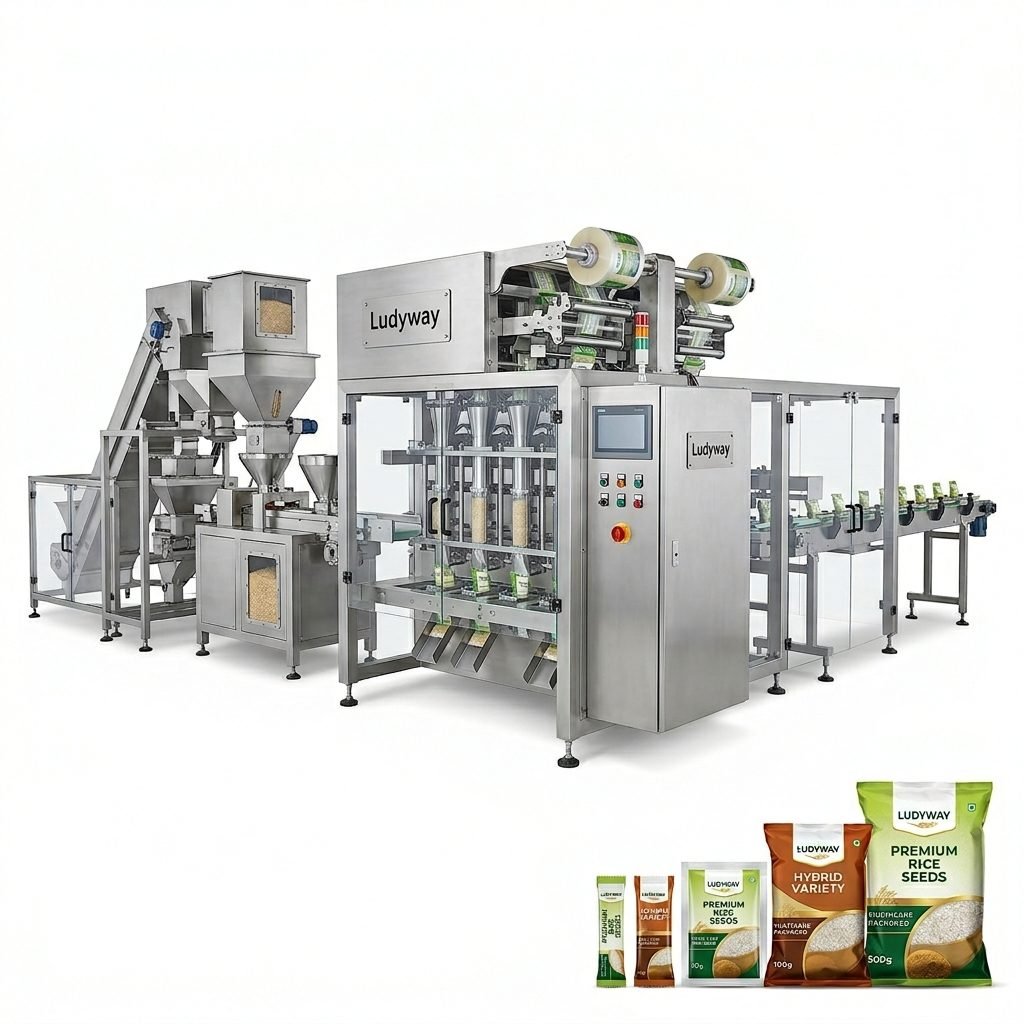
Production Line Layout Planning
Efficient factory floor planning maximizes throughput and minimizes material handling. Consider these factors when designing your layout:
- Material flow direction — Linear or U-shaped configurations depending on factory space
- Clean room requirements — Separation of raw material handling from finished product areas
- Utility access — Compressed air, electrical supply, and dust extraction systems
- Operator ergonomics — Easy access to HMI panels and maintenance points
Estimated Production Capacity Benchmarks
| Packaging Format | Lanes | Approximate Output |
|---|---|---|
| Stick Pack (1-5g) | 8-12 lanes | 400-600 packs/min |
| Sachet (10-50g) | 4-8 lanes | 160-320 packs/min |
| Pouch (500g-1kg) | Single lane | 25-40 packs/min |
| Bulk Bag (5-25kg) | Single lane | 6-10 bags/min |
Maintenance, Spare Parts, and After-Sales Support
When deploying a rice packaging machine production line across global markets, reliable after-sales support is critical. Downtime in a high-volume rice packaging operation can result in significant revenue loss. Evaluate potential partners based on:
- Availability of local service engineers or trained distributor networks
- Remote diagnostic capabilities for faster troubleshooting
- Comprehensive spare parts inventory with expedited shipping options
- Operator training programs in local languages
Sustainability and Packaging Material Trends
The European Commission Packaging and Packaging Waste Regulation is reshaping material choices globally. Rice packaging lines must now accommodate recyclable mono-materials, biodegradable films, and reduced plastic content. Modern machines with adjustable sealing temperature and tension controls handle these new materials effectively without compromising seal integrity.
Sustainability Considerations for Global Markets
- Mono-material films — Compatible with existing recycling streams
- Paper-based packaging — Emerging trend for premium rice brands
- Source reduction — Thinner films that maintain barrier properties
- Carbon footprint labeling — Increasingly required in European markets
Selecting the Right Packaging Partner
Choosing a manufacturer with proven global export experience simplifies the entire process. Look for partners with a track record of delivering turnkey packaging solutions, comprehensive documentation packages, and the ability to customize equipment for your specific rice product characteristics—whether you’re packaging long-grain basmati, jasmine, parboiled, or specialty rice varieties.
Companies like Ludyway, with over 30 years of industry experience and a modern 20,000㎡ manufacturing facility, provide advanced packaging equipment and turnkey production solutions for granule, powder, and liquid packaging applications across more than 100 countries. When evaluating suppliers, prioritize those offering multi-lane stick pack, sachet, and fully automated packaging systems designed for international markets.
Key Resources for Packaging Industry Standards
- PMMI – The Association for Packaging and Processing Technologies
- Flexible Packaging Association – Official Website
- FDA – Packaging and Food Contact Substances
- ISO 11607 – Packaging for Terminally Sterilized Medical Devices
By carefully evaluating your target market requirements, investing in the right automation level, and partnering with an experienced packaging machinery manufacturer, your rice packaging machine production line can deliver consistent quality, regulatory compliance, and strong ROI across global markets.