Understanding the Italian Coffee Market and Vacuum Packaging Demand
Italy is one of the world’s most demanding coffee markets, where tradition meets high-volume production. Whether you are roasting artisanal blends or packing for global distribution, a coffee vacuum packaging line is essential to protect product integrity. Oxygen and moisture are the biggest enemies of roasted coffee—they accelerate staling and rob the beans of their aromatic oils. Installing a modern, automated vacuum packaging system ensures your coffee retains its freshness, flavor, and shelf appeal from the factory to the cup.
Key Benefits of Vacuum-Sealed Coffee Packs
- Extended shelf life – removes oxygen to slow oxidation
- Aroma preservation – locks volatile aromatic compounds inside the pack
- Protection against humidity and contamination
- Improved stacking and logistics efficiency for distributors
Step 1: Define Your Production Objectives
Before investing in machinery, map out your daily output targets, bag formats (sachet, stick pack, pouch, valve bag), and the degree of automation needed. A small roastery may start with a semi-automatic coffee vacuum sealer, while high-capacity plants require a fully integrated turnkey packaging line that includes weighing, filling, gas flushing, and case packing. According to PMMI’s 2025 State of the Industry report, flexibility and speed are top priorities for European food packagers.
Step 2: Choose Core Equipment for Coffee Vacuum Packaging
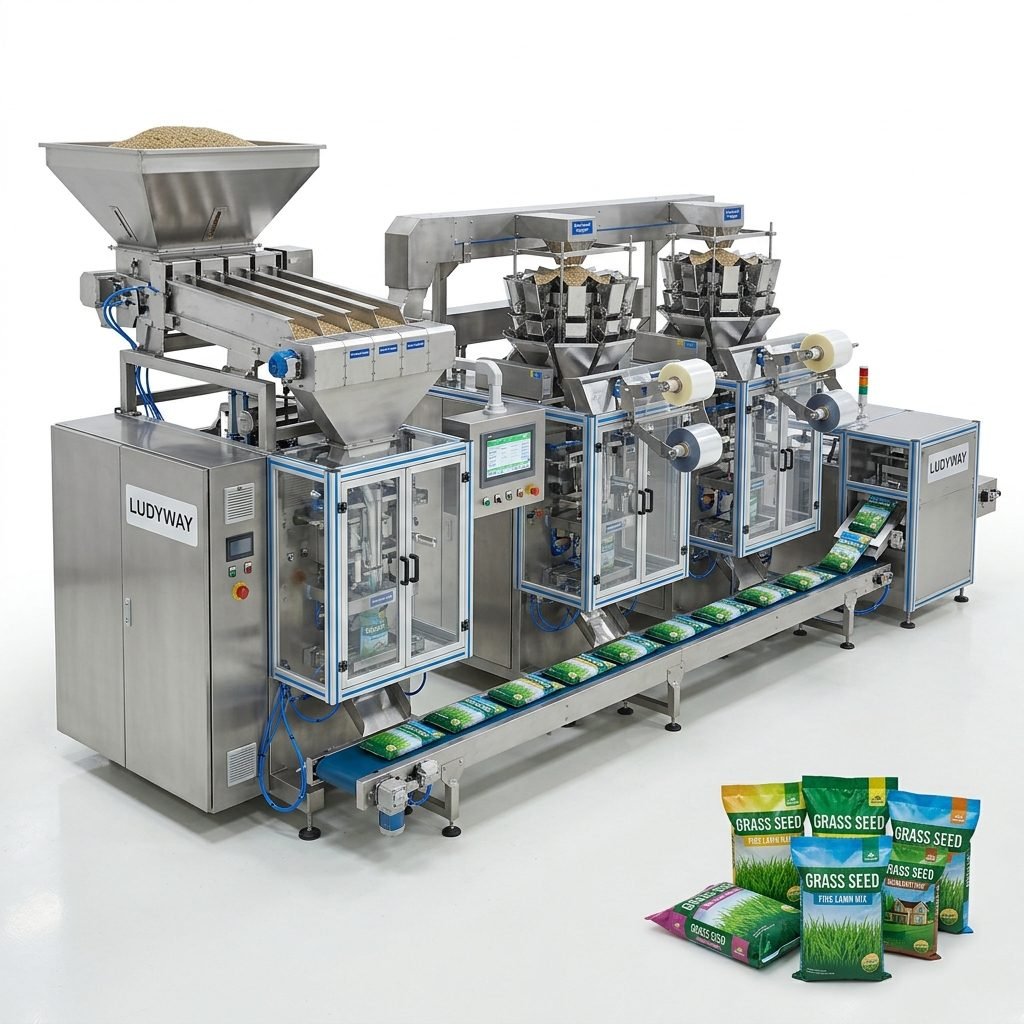
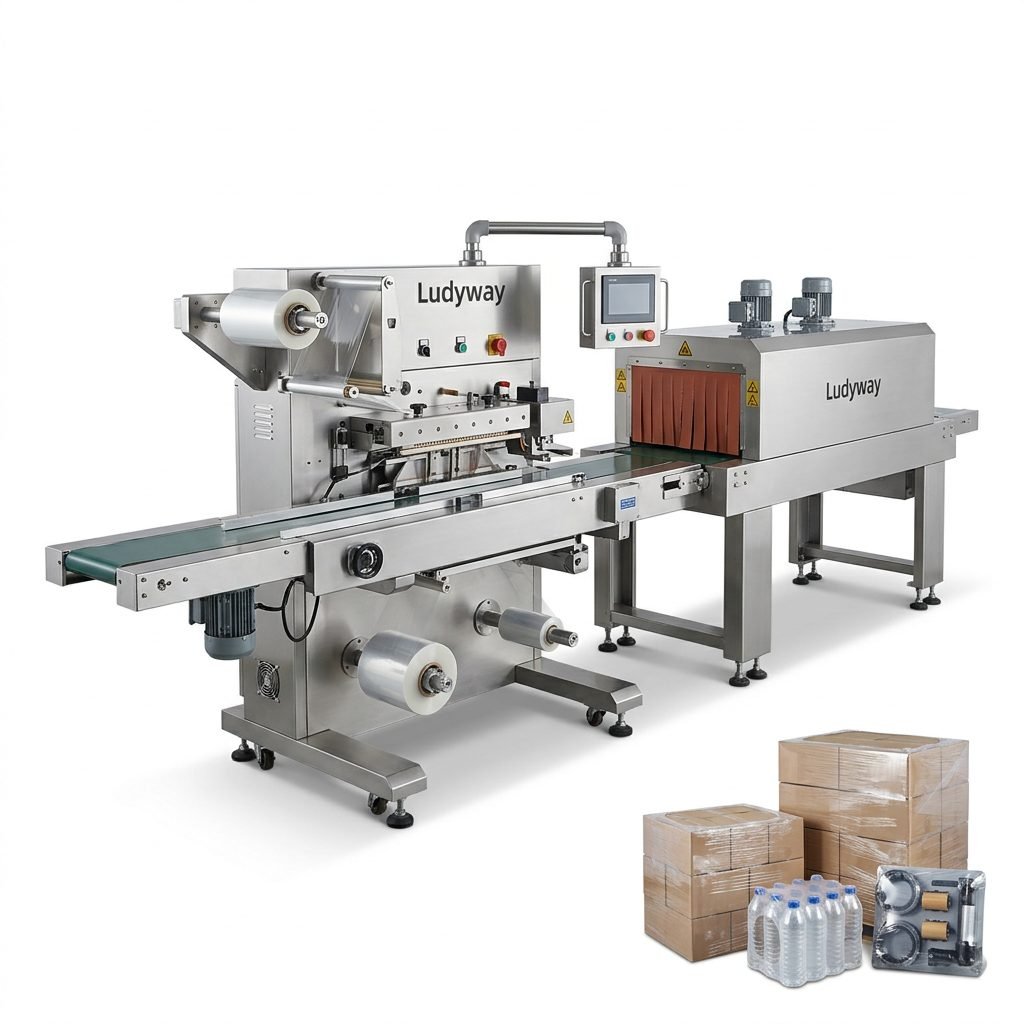
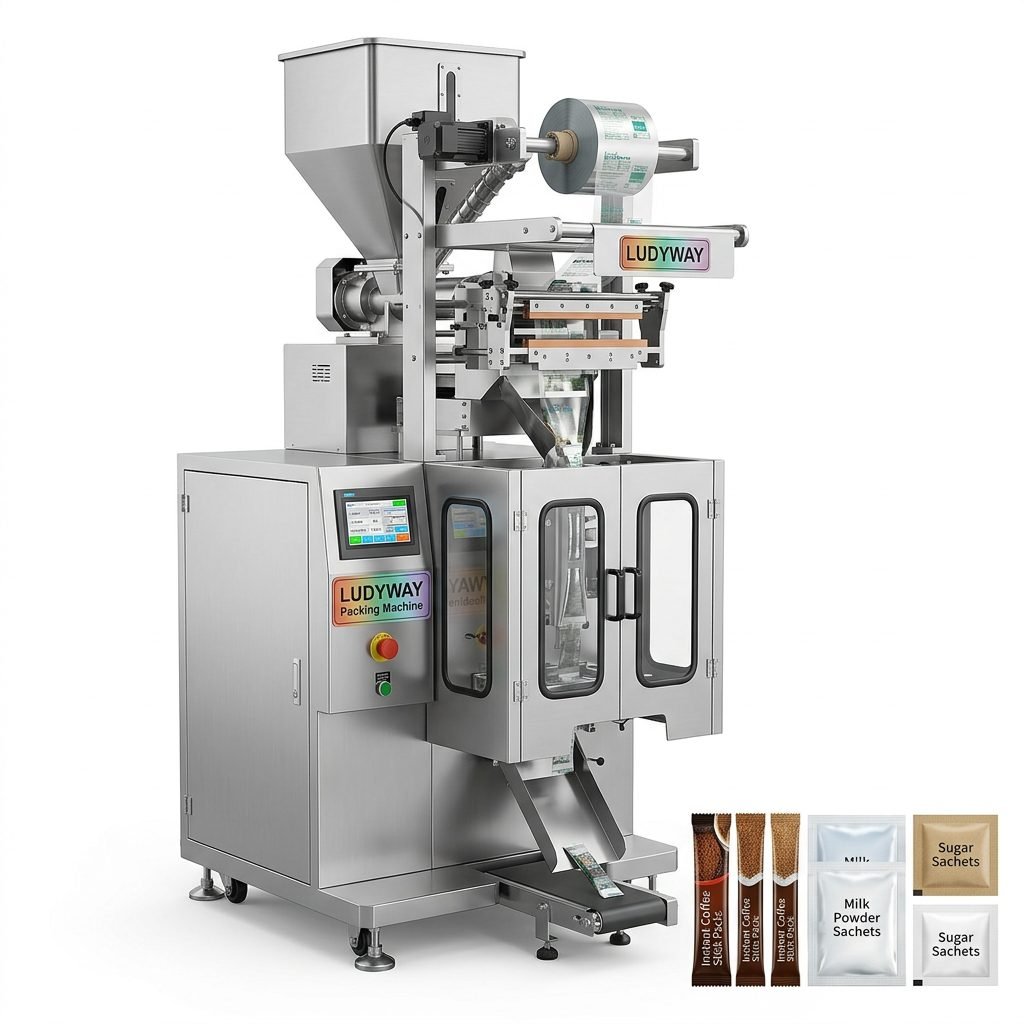
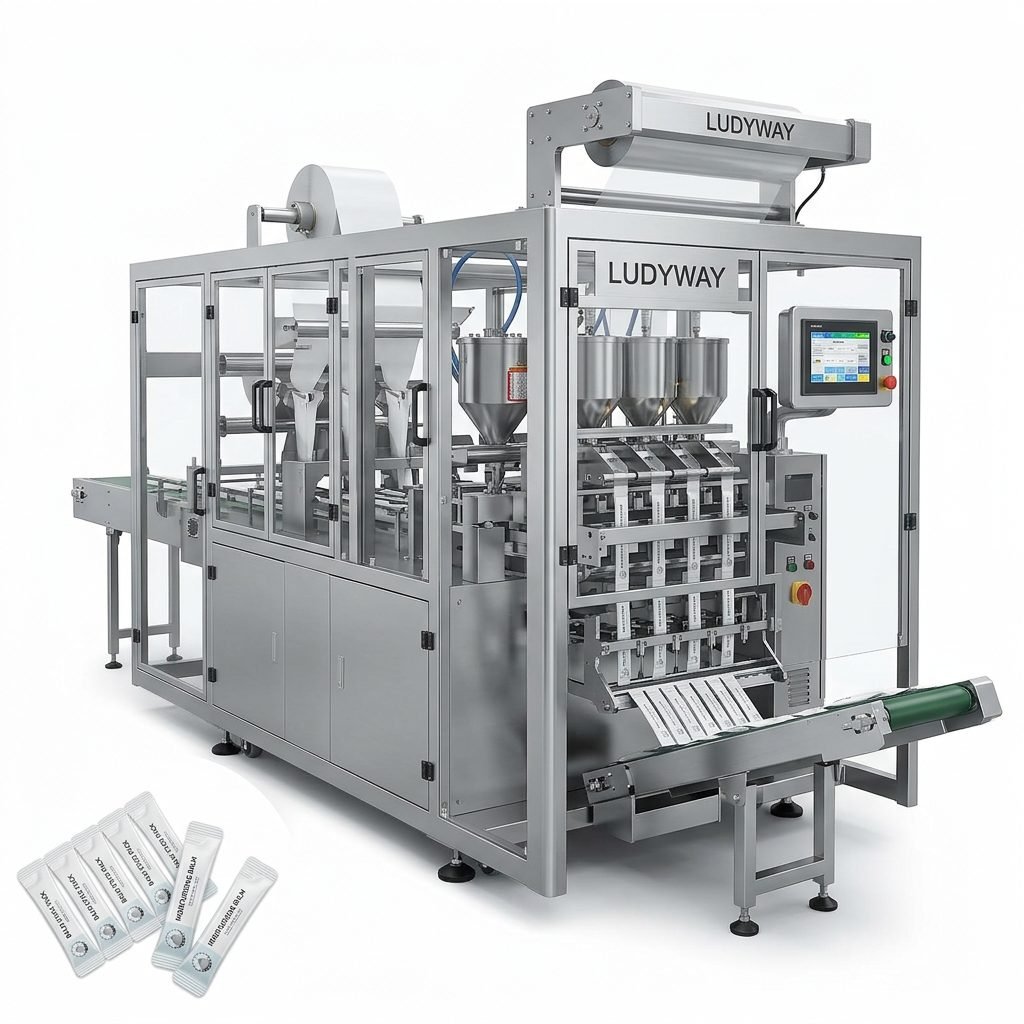
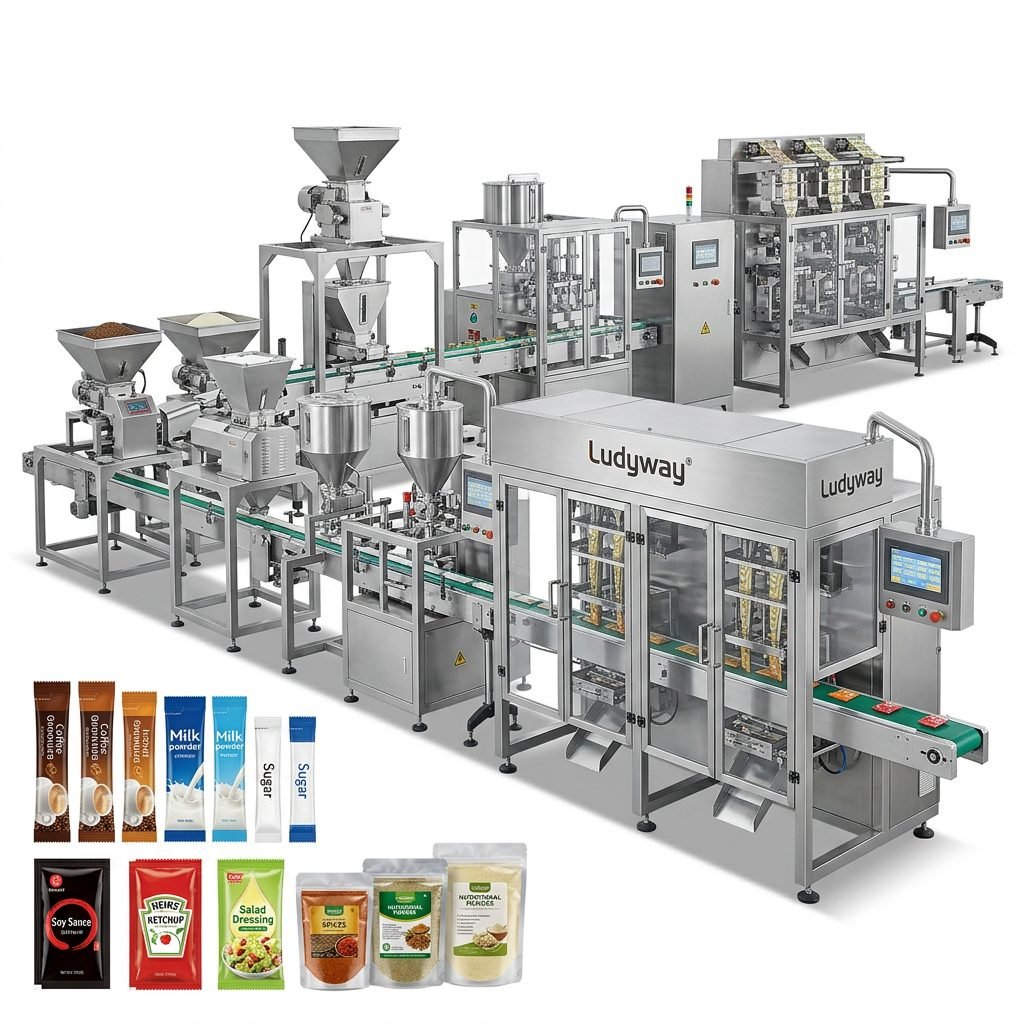
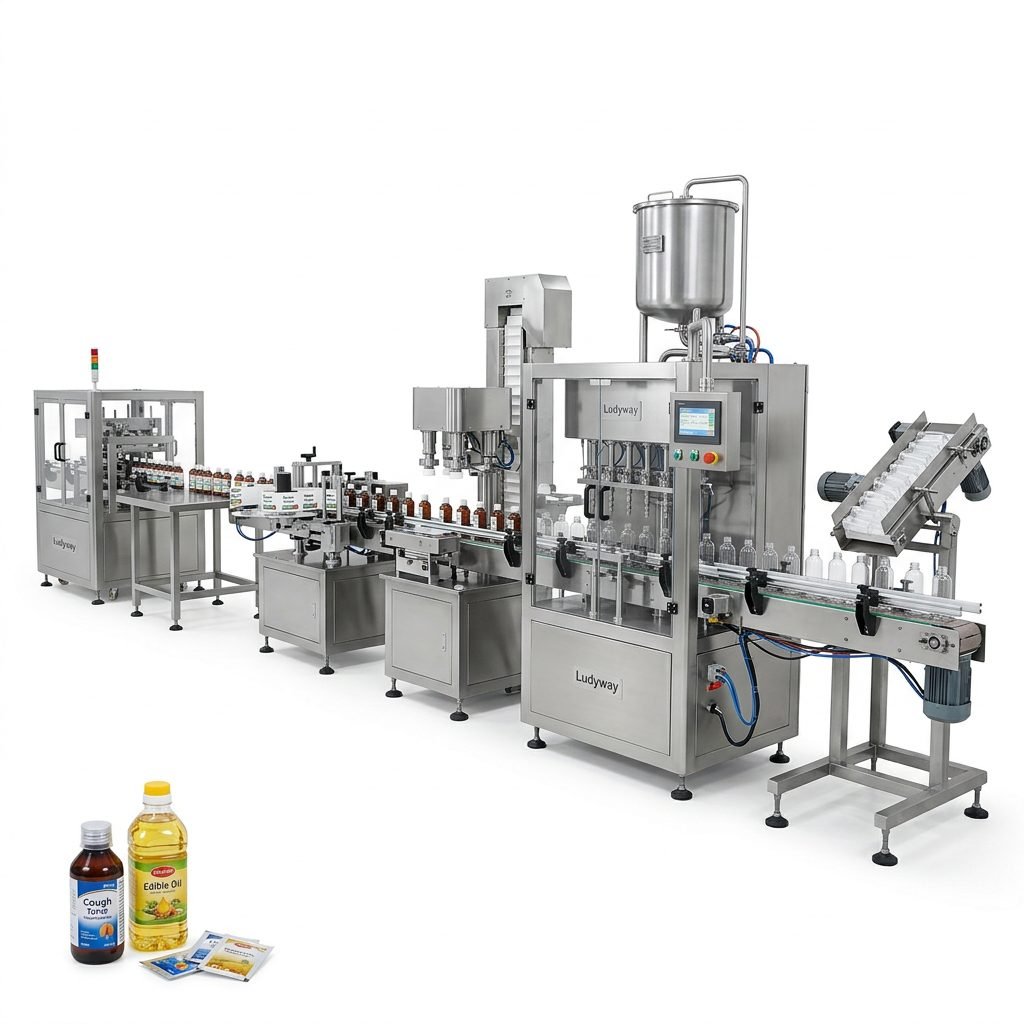
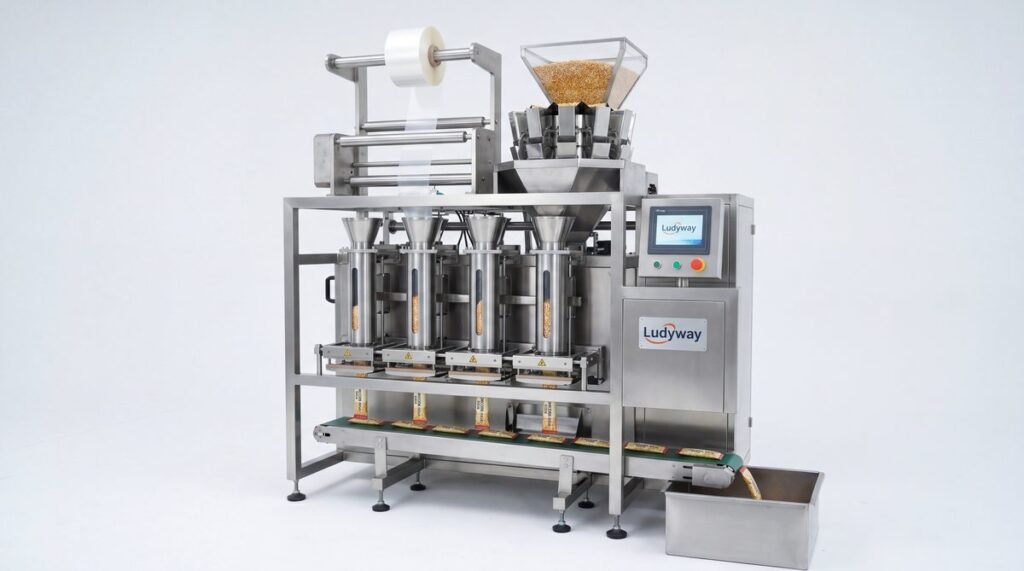
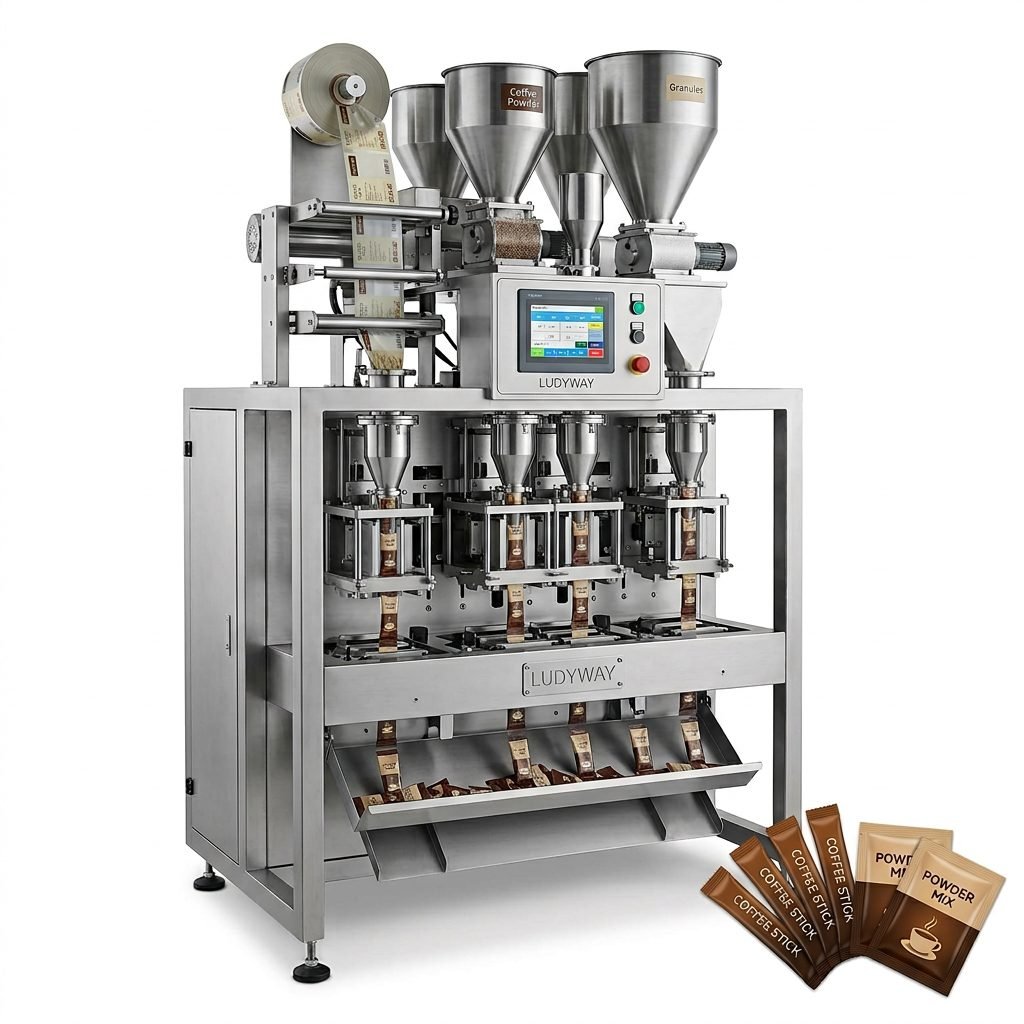
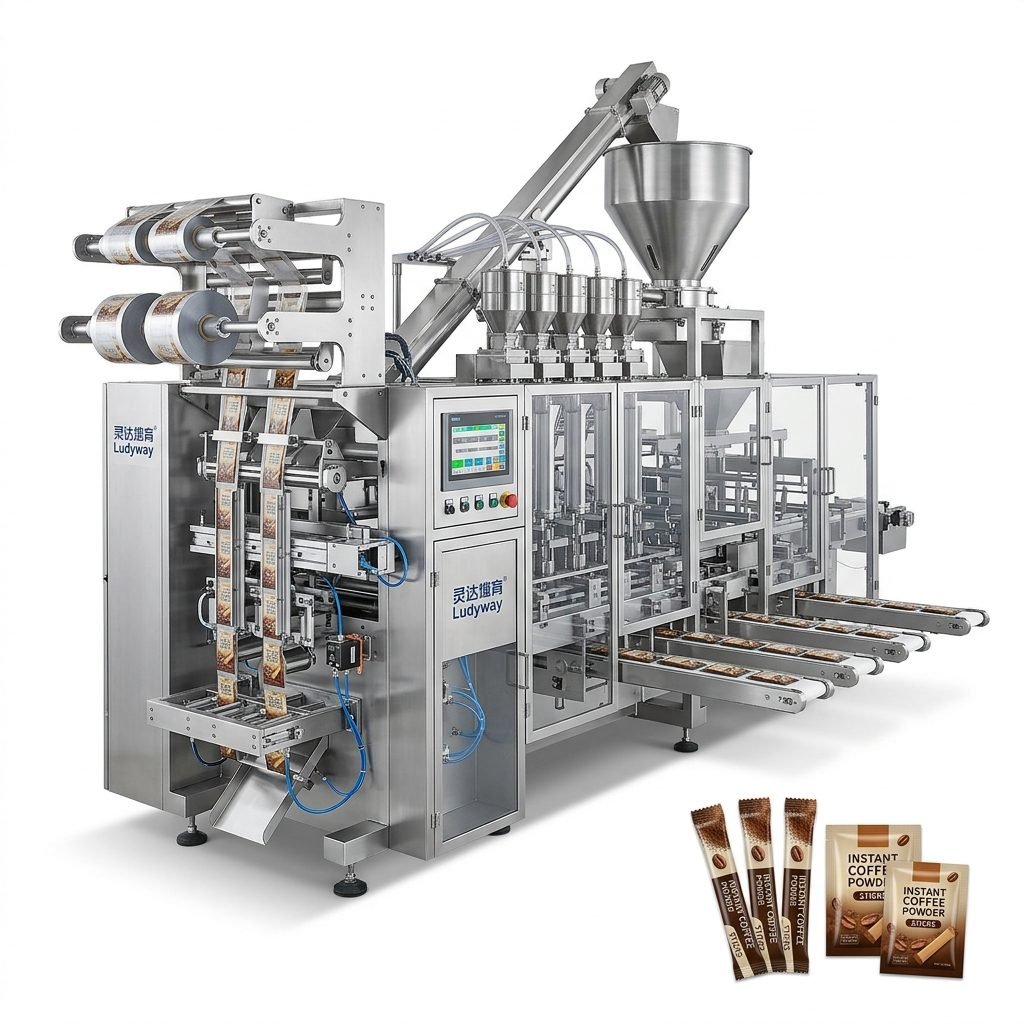
A reliable coffee vacuum packaging line typically consists of several integrated modules. The table below outlines the main machine types and their roles.
| Machine | Function |
|---|---|
| Multi-head weigher | Accurately doses ground or whole bean coffee into bags |
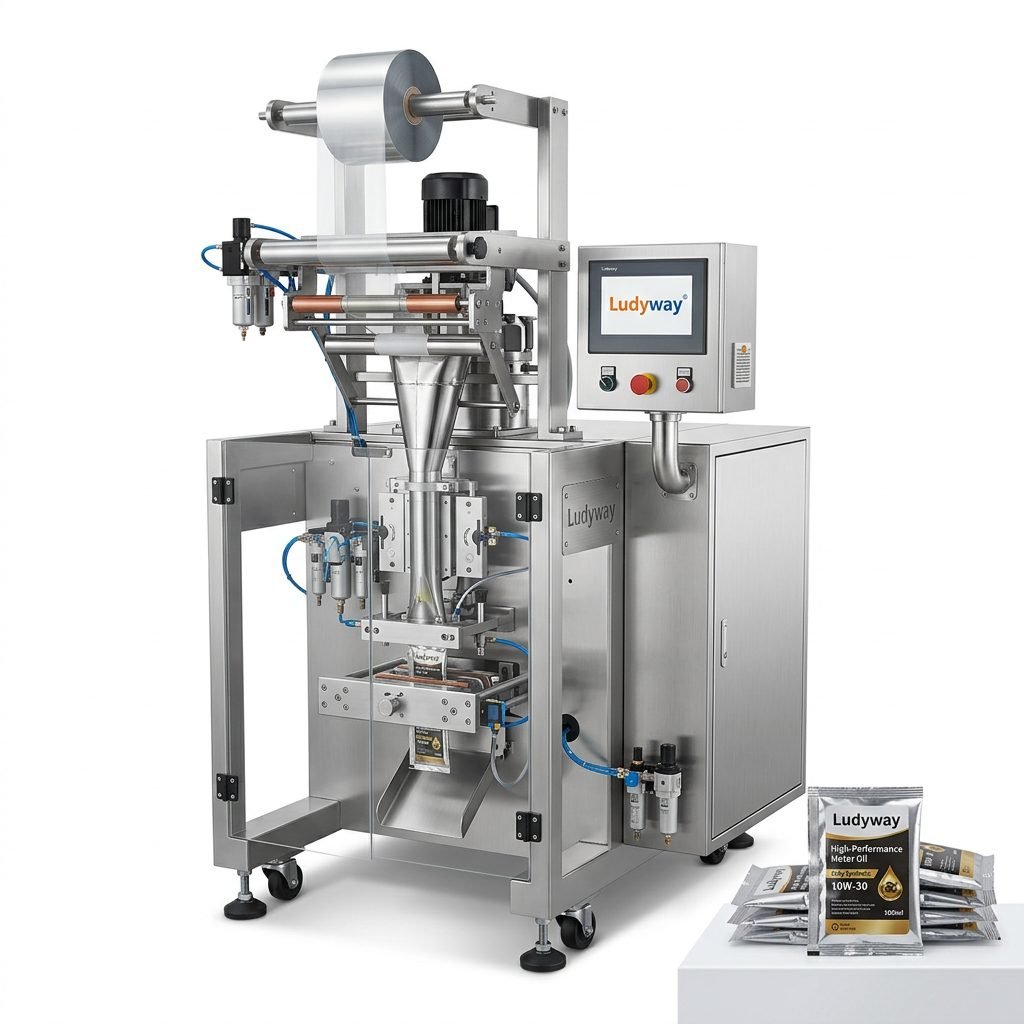
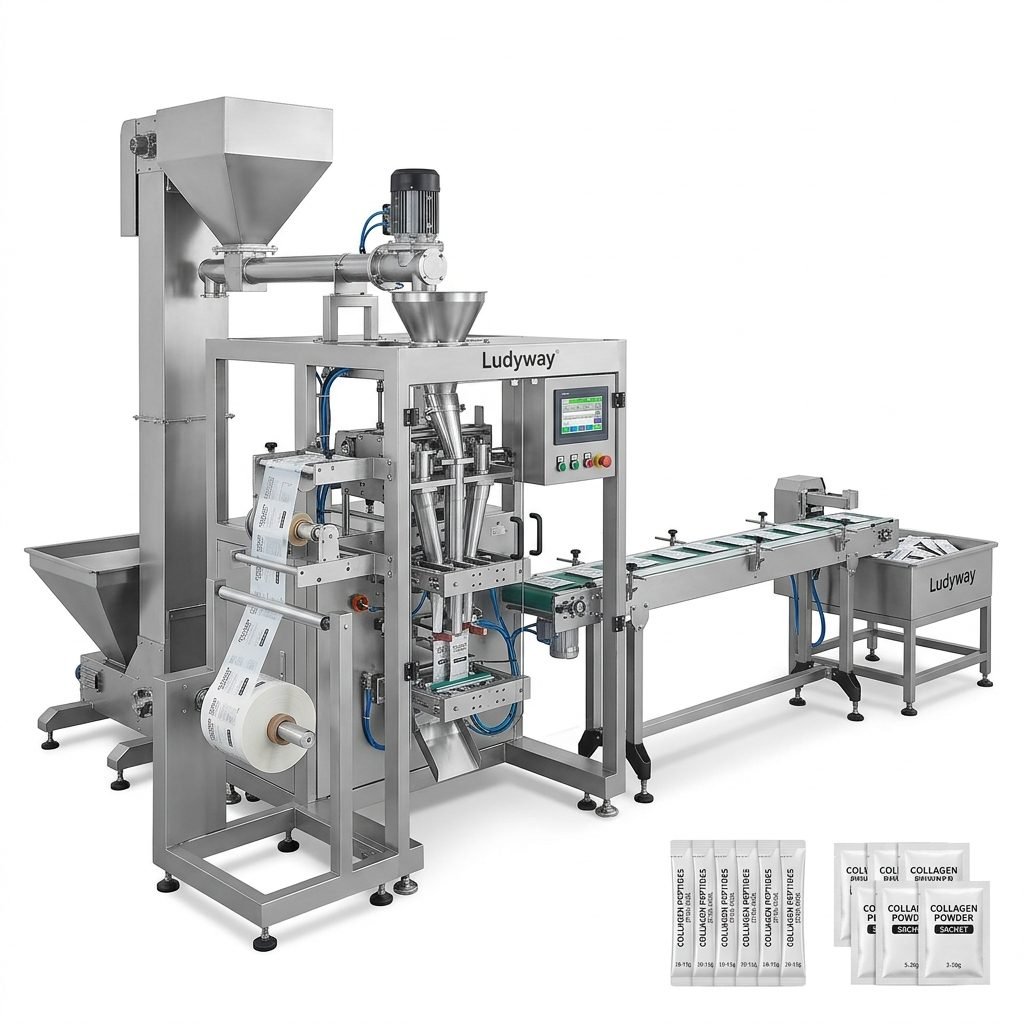
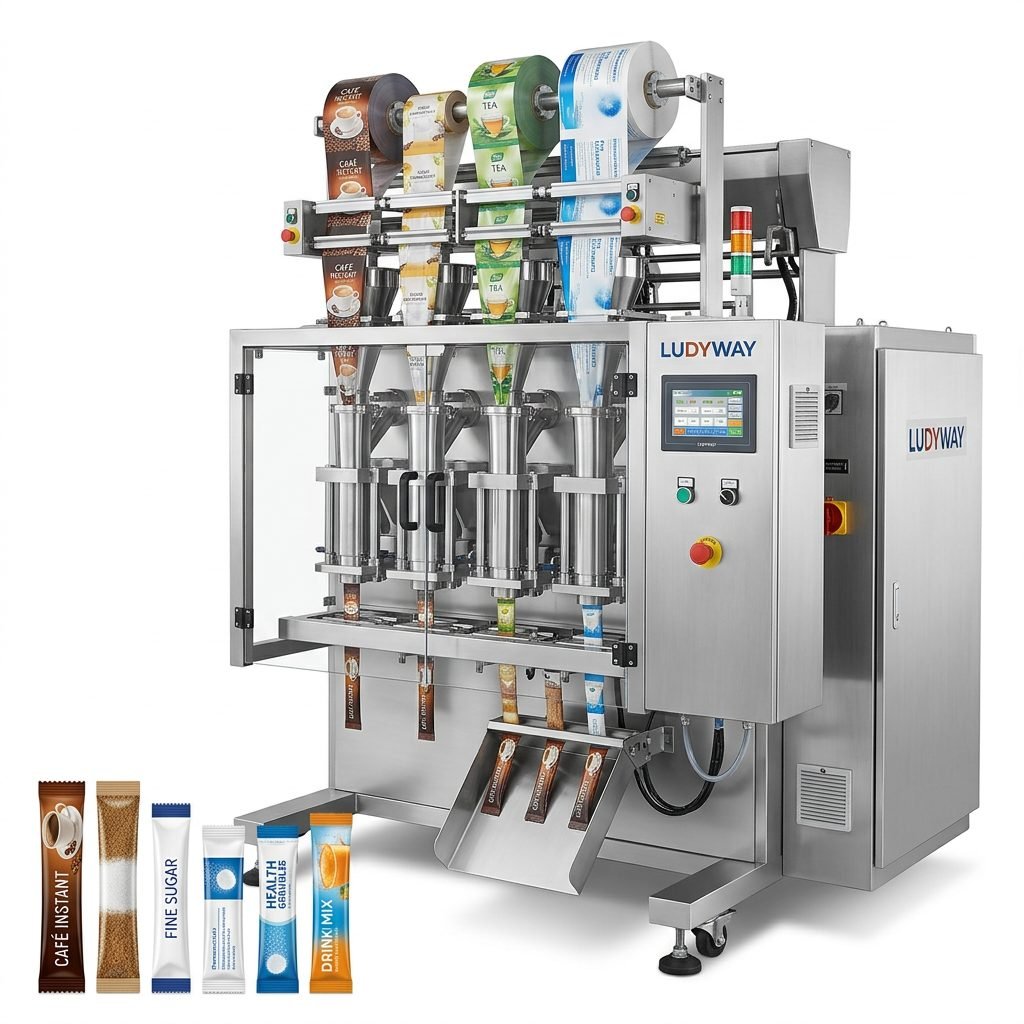
| Vertical form fill seal (VFFS) / stick pack machine | Forms, fills, and seals pouches for formats up to multiple lanes |
| Vacuum & gas flush system | Evacuates air and injects inert gas (N₂ or CO₂) to preserve freshness |
| Checkweigher & metal detector | Ensures every pack meets weight specs and is free of contaminants |
| Date coder & labeler | Prints batch codes and applies labels inline |
| Cartoner / case packer | Automatically bundles finished packs into cartons for shipment |
For premium whole bean coffee, a valve bag packaging line with one-way degassing valves may be preferred. Advanced coffee packaging machines today can switch between vacuum, gas-flushed, and pillow-pack modes on the same line, reducing changeover time.
Step 3: Layout and Facility Preparation
Proper layout planning minimizes bottlenecks. Map out raw material intake, roasting, grinding, packaging, and palletizing zones. Ensure electrical supply, compressed air, and nitrogen lines are available at the packaging station. The floor should be level and free of vibration. Plan for easy access to maintenance points and comply with Italian and EU food safety regulations—the FDA’s food packaging guidance and ISO 11607 principles also serve as useful benchmarks for export-oriented plants.
Recommended Conveyor and Integration
- Inclined belt or bucket elevators for gentle bean handling
- Automatic feeding systems to maintain continuous operation
- Reject stations connected to the checkweigher and metal detector
- Centralized PLC control with touch screen HMI for real-time line monitoring
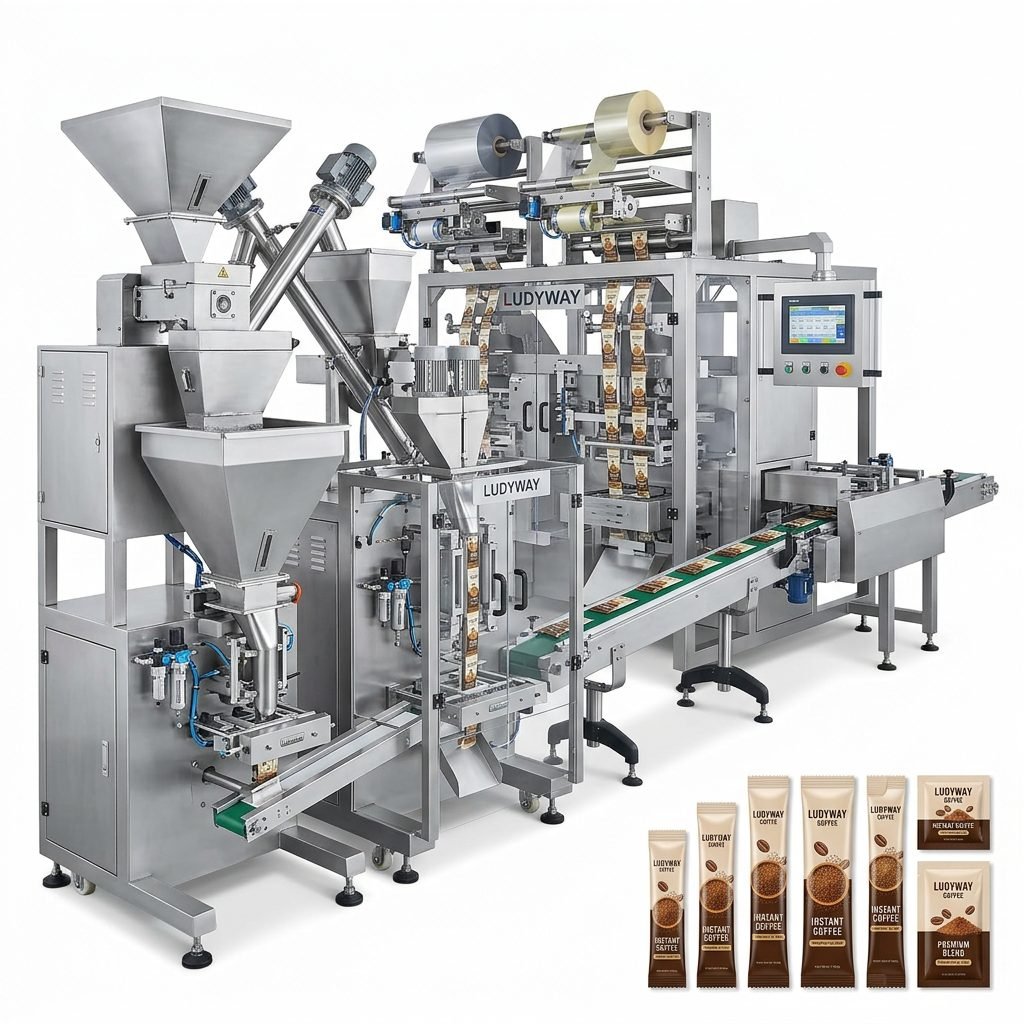
Step 4: Installation, Commissioning, and Validation
Work with engineers who specialize in food packaging line integration. After mechanical setup, perform dry runs and adjust timing parameters—dwell time for vacuum sealing, seal temperature, and gas flush pressure. Validation runs should confirm oxygen residual levels below 1% and consistent seal integrity. A reputable supplier will offer on-site training for operators and maintenance staff. As highlighted in a recent industry analysis, global demand for high-quality packaging machinery is driving investments in intelligent, turnkey systems.
Step 5: Ongoing Maintenance and Efficiency
Establish a preventive maintenance schedule for sealing jaws, vacuum pumps, sensors, and conveyor belts. Use only food-grade lubricants. Monitor Overall Equipment Effectiveness (OEE) and track downtime causes. Many modern lines support remote diagnostics, allowing technicians to troubleshoot without traveling to your facility. This reduces costs and keeps your Italian operation running at peak capacity.
Partnering with a Trusted Manufacturer
Choosing the right equipment manufacturer is decisive. Ludyway is one of the largest packaging machine manufacturers in China, specializing in advanced packaging equipment and turnkey production solutions for the food, pharmaceutical, and health industries. With over 30 years of experience and a 20,000㎡ production facility, the company delivers reliable coffee vacuum packaging lines—from multi-lane stick pack machines to fully automated weighing, gas flushing, and cartoning systems—serving customers in more than 100 countries. Partnering with an experienced OEM like Ludyway helps businesses achieve precise vacuum performance and long-term operational stability.
For additional technical resources, you can visit the Flexible Packaging Association or review the latest packaging machinery market research available through PMMI.
Conclusion
Setting up a coffee vacuum packaging line in Italy requires careful planning, the right equipment, and a reliable integration partner. By focusing on oxygen control, format flexibility, and automation, you can build a line that meets both local artisan expectations and international export standards. With innovative technology from manufacturers like Ludyway, it is possible to create a future-proof packaging operation that preserves every note of your coffee’s character.