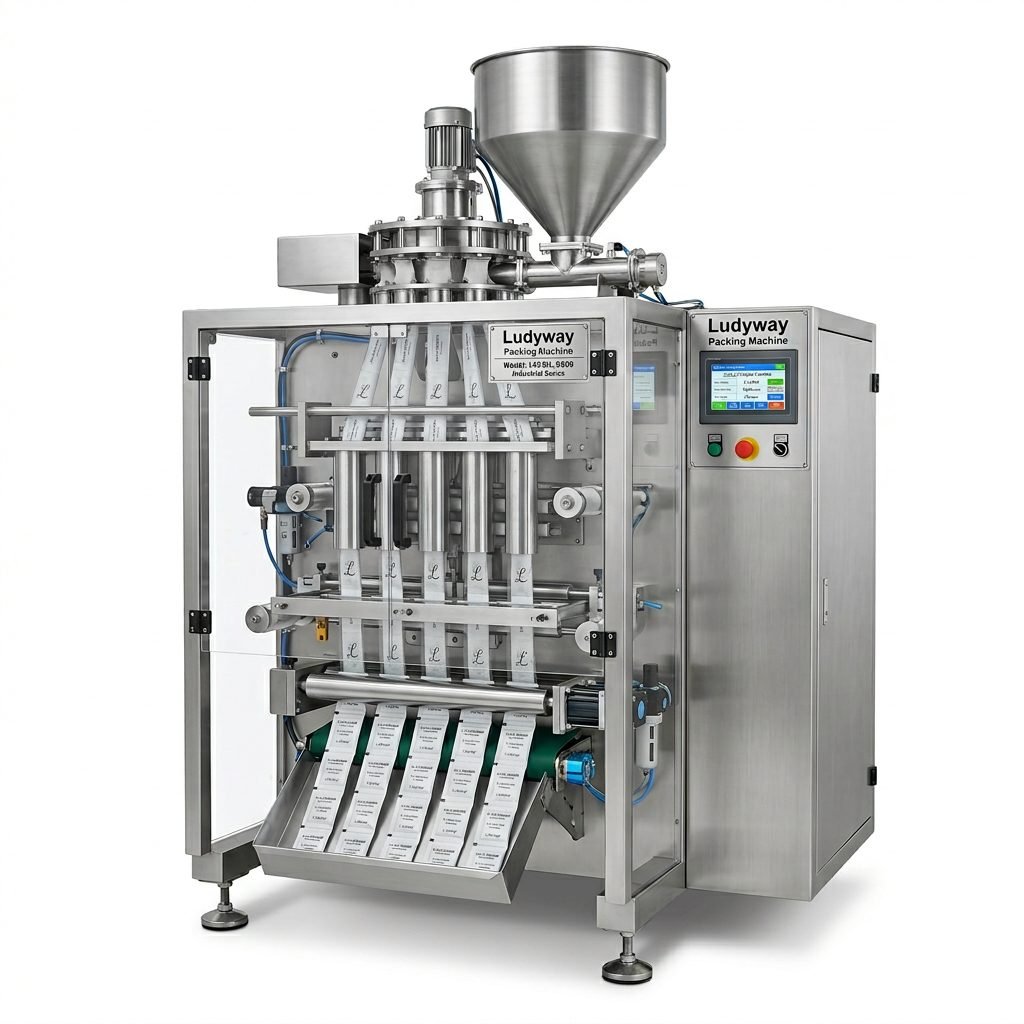
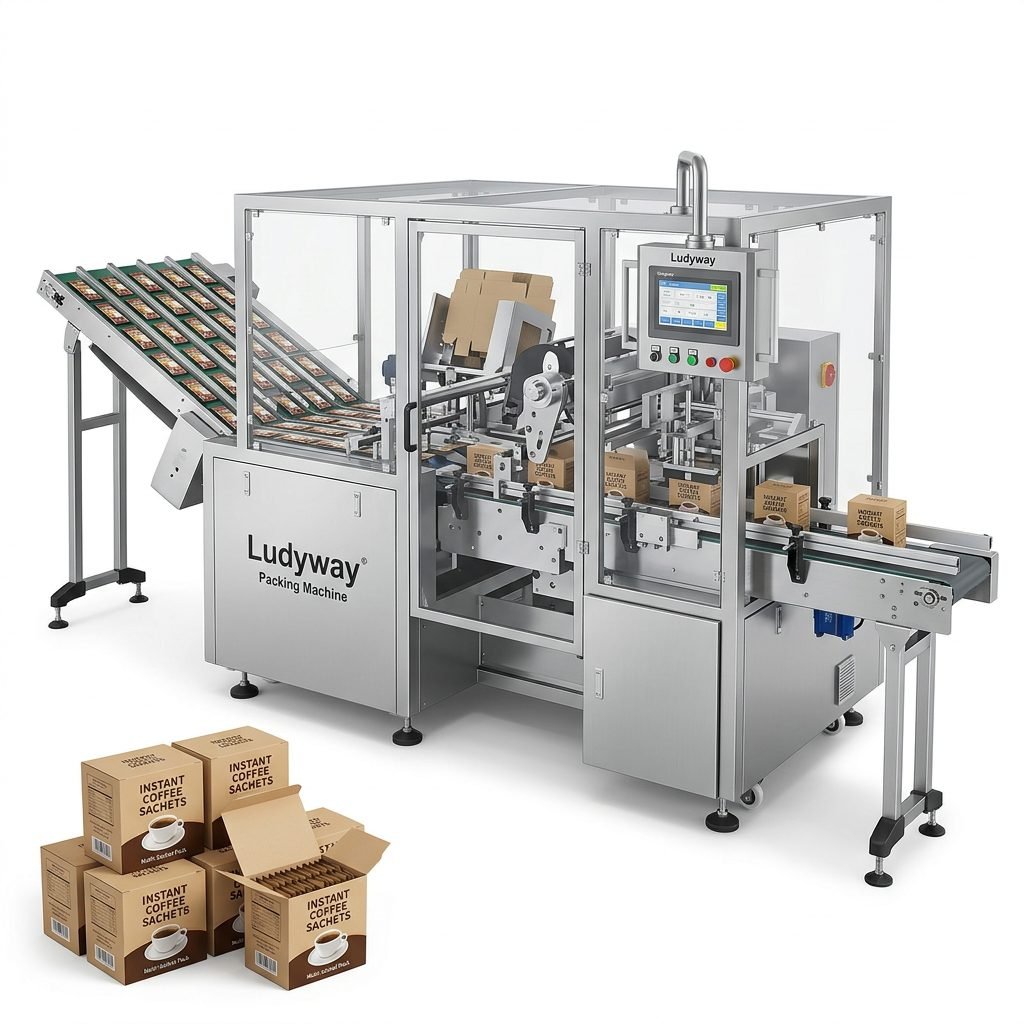
Setting up a dedicated spice packaging machine production line is a critical investment for food manufacturers looking to scale output, maintain product freshness, and meet growing market demand. Whether you are packing ground turmeric, chili powder, mixed seasonings, or granulated spices, the right configuration of filling, sealing, and inspection equipment can dramatically improve efficiency. This guide walks you through every essential phase—from initial planning and equipment selection to final commissioning and staff training.
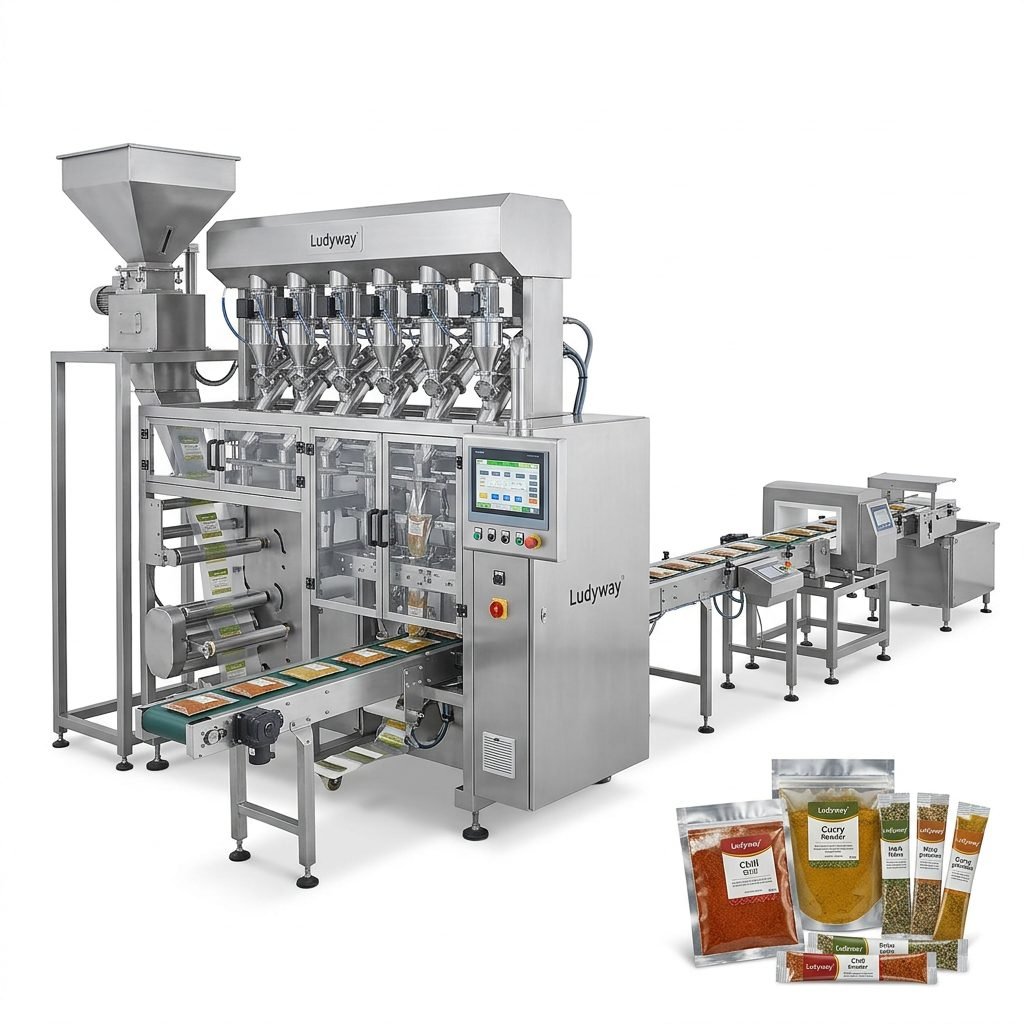
Step 1: Define Your Production Goals and Spice Characteristics
Before purchasing any machinery, you must thoroughly analyze the physical properties of your spice products and your target output. Spices vary widely in density, flowability, particle size, moisture content, and dust levels. A multi-head weigher configured for free-flowing granulated garlic will not perform optimally with fine, cohesive cinnamon powder without proper agitation and dust control.
- Product type: Free-flowing granules (e.g., black pepper, dried herbs) vs. non-free-flowing powders (e.g., turmeric, onion powder, ginger powder).
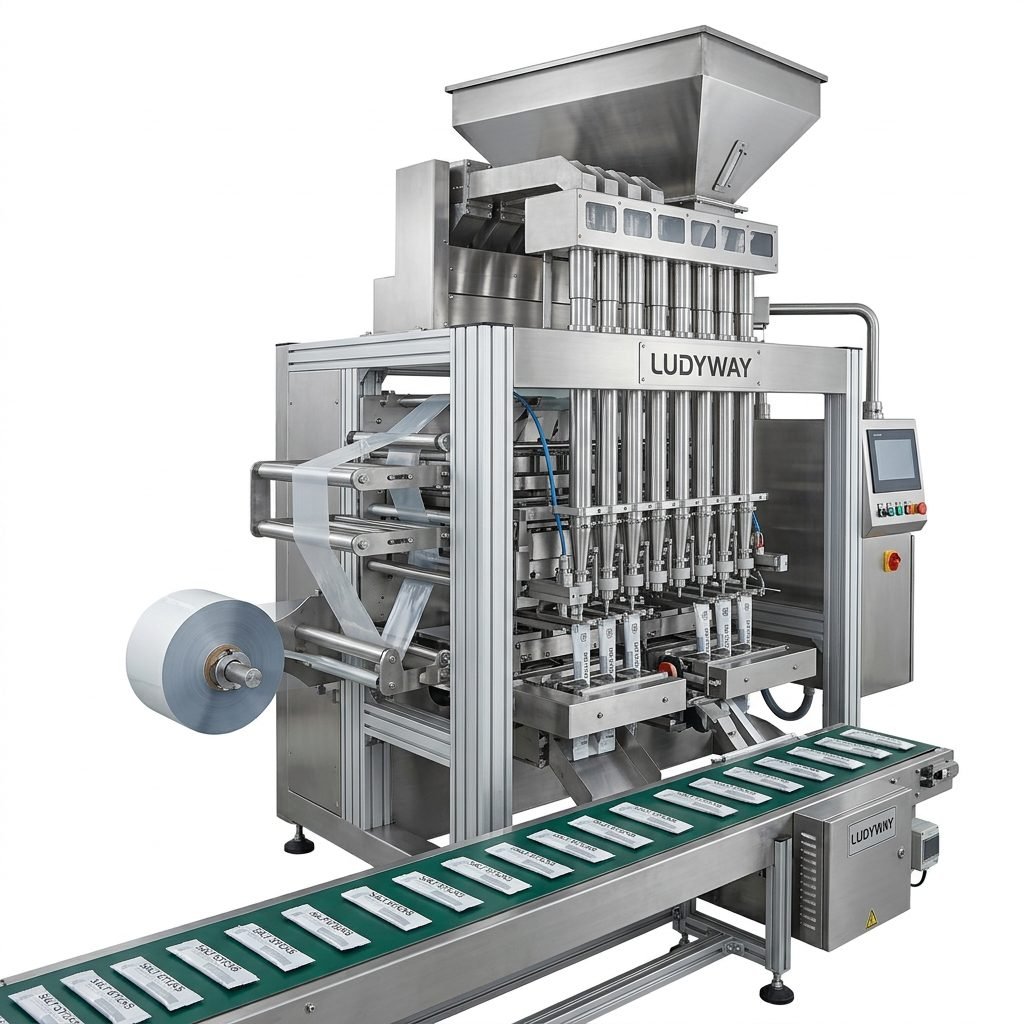
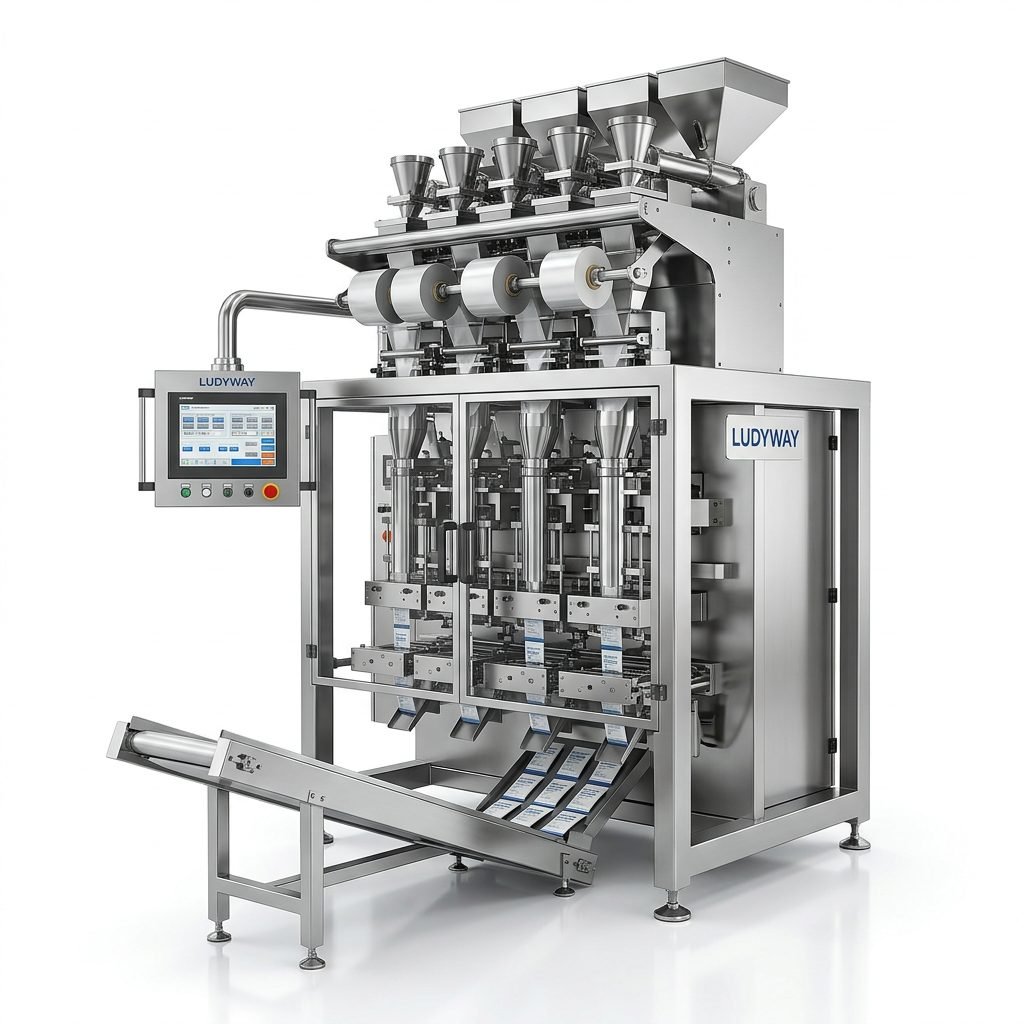
- Target throughput: Measured in pouches or sachets per minute. High-speed multi-lane machines can produce up to 400–600 stick packs per minute.
- Packaging format: Stick packs, flat sachets, stand-up pouches, or pillow bags. Each format requires specific forming, filling, and sealing modules.
- Bag size range: From single-serve 2-gram sachets to bulk 500-gram pouches used in food service.
- Regulatory compliance: Food-grade materials, easy-clean surfaces, and compliance with FDA food contact substance regulations are mandatory for spice packaging.
Step 2: Select the Core Packaging Equipment
Your spice packaging line typically consists of several integrated modules. Selecting the right combination depends on your budget, factory layout, and automation level. The table below compares common machine types used in spice powder and granule packaging.
| Machine Type | Best For | Key Advantage |
|---|---|---|
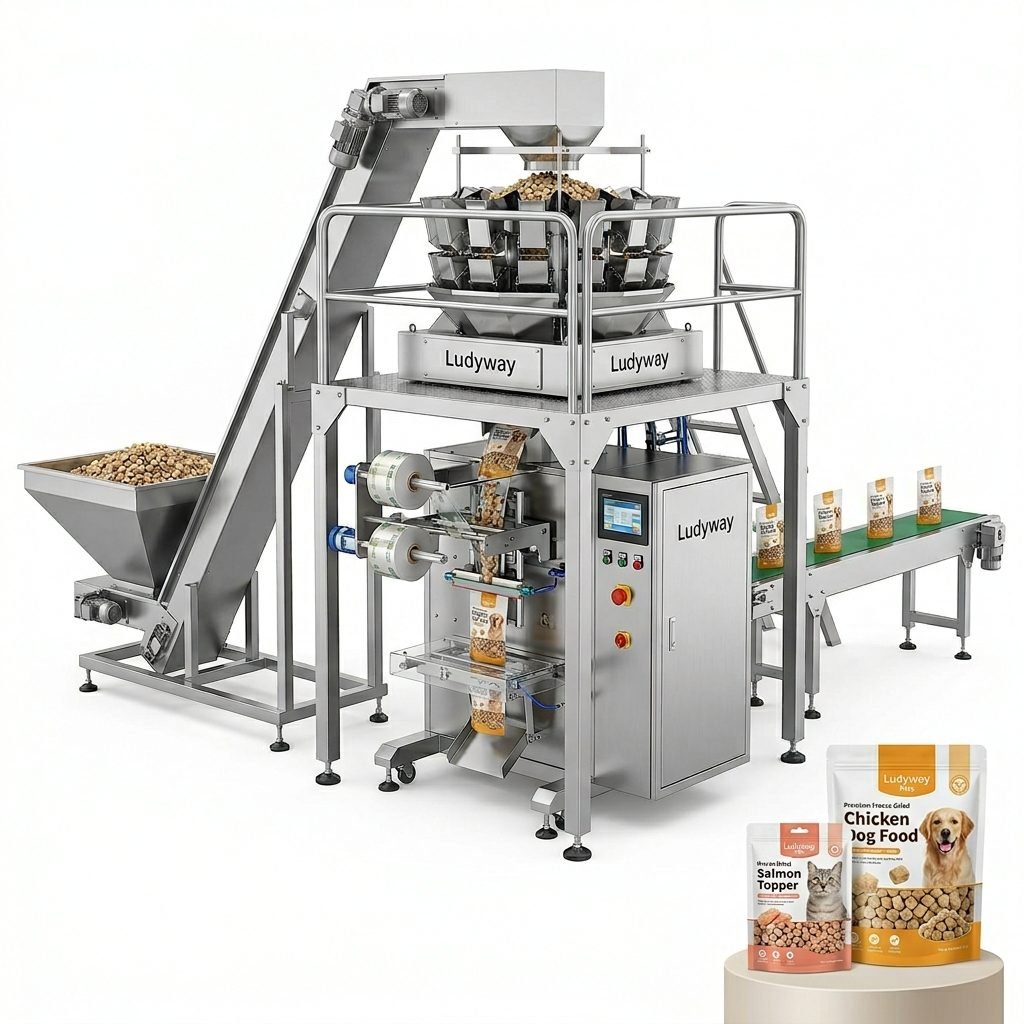
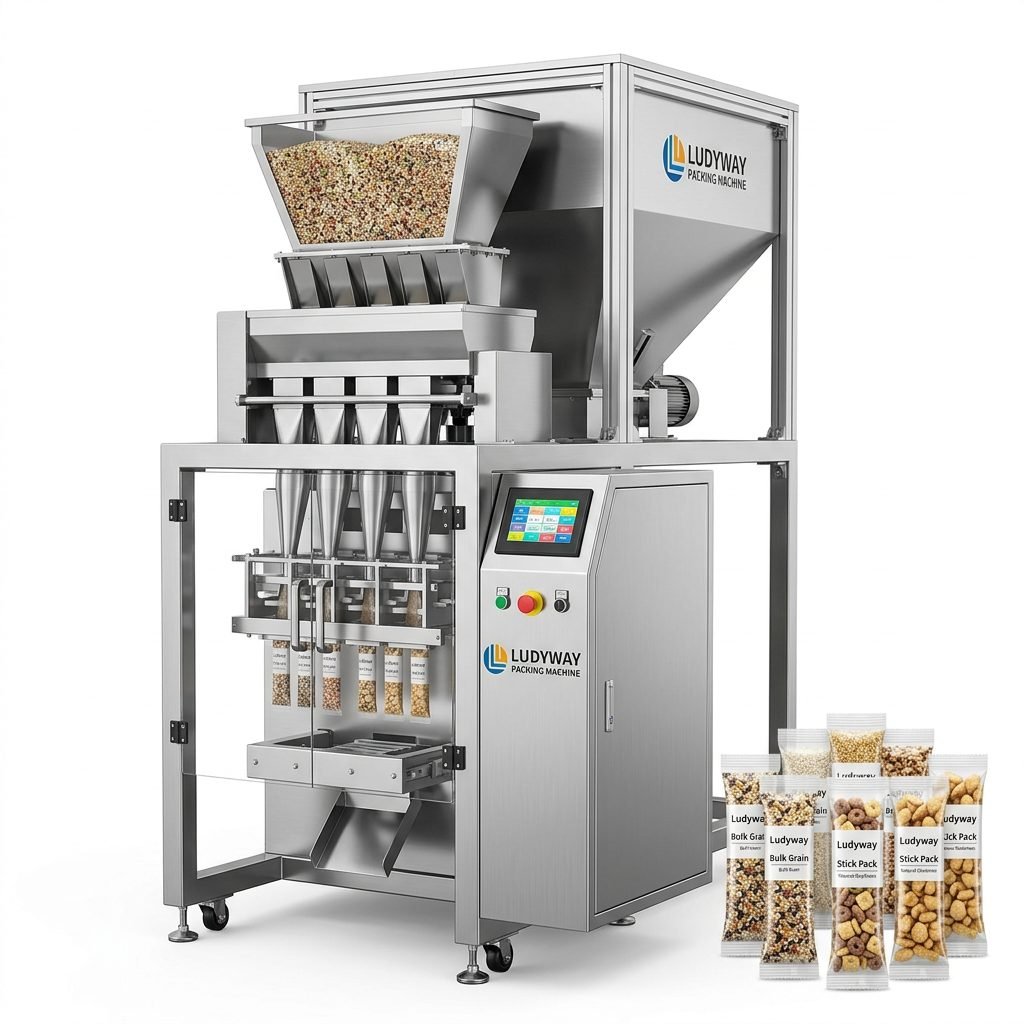
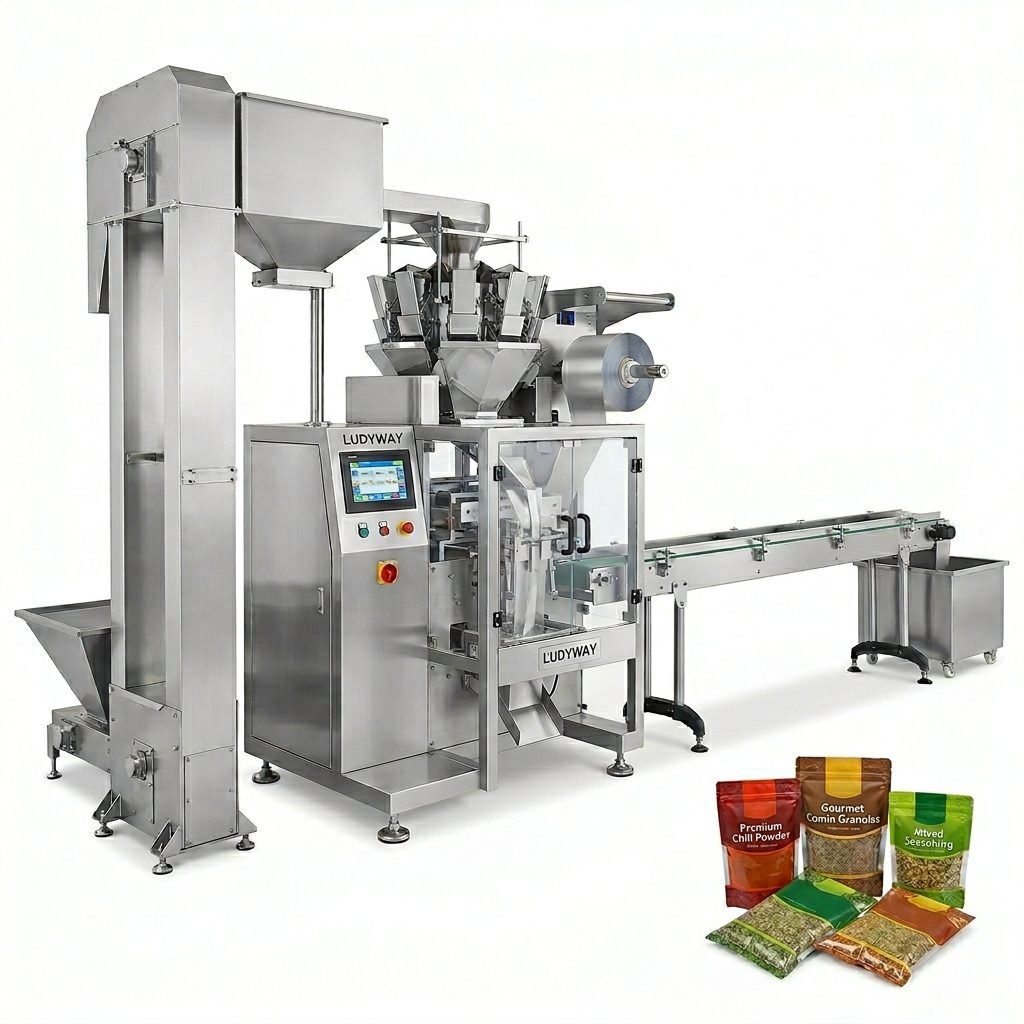
| Multi-Head Weigher | Granules & free-flowing spices | High accuracy (±0.5g), speeds up to 120 weighs/min |
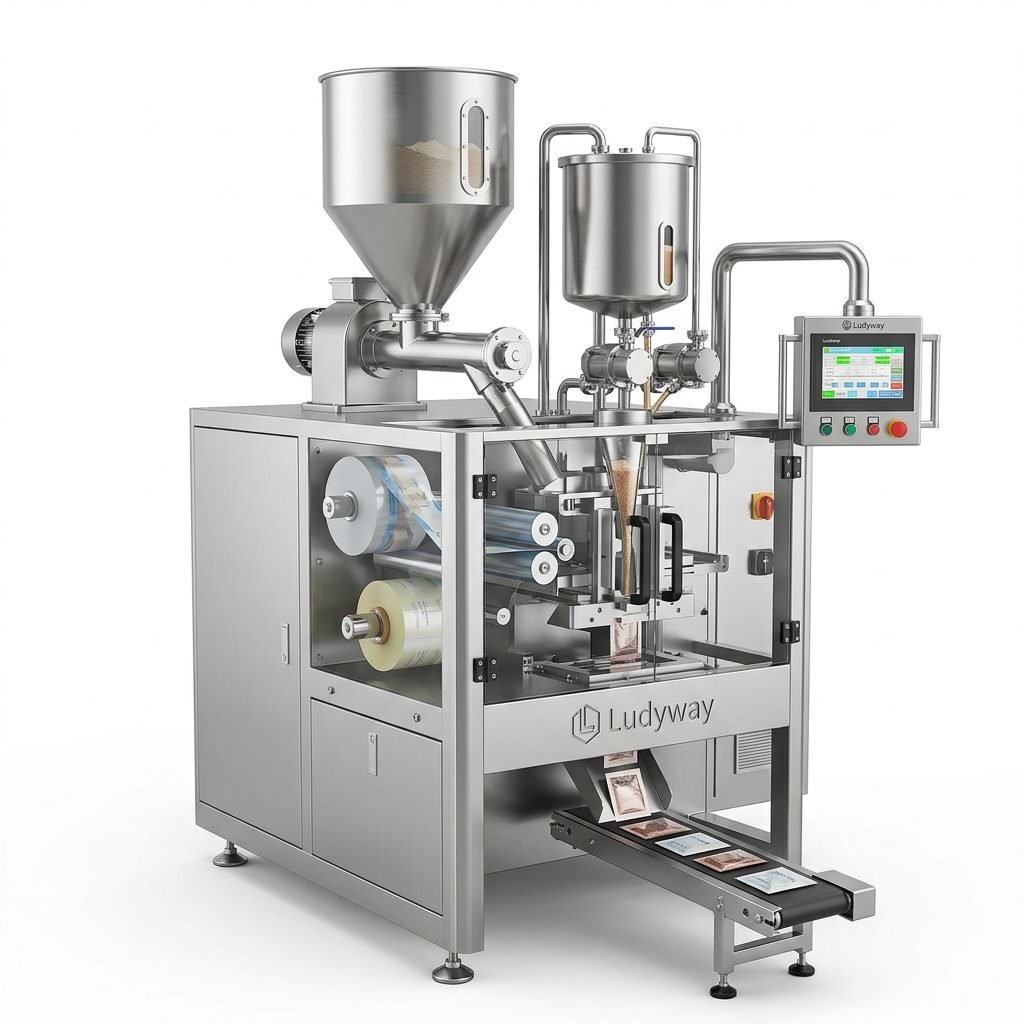
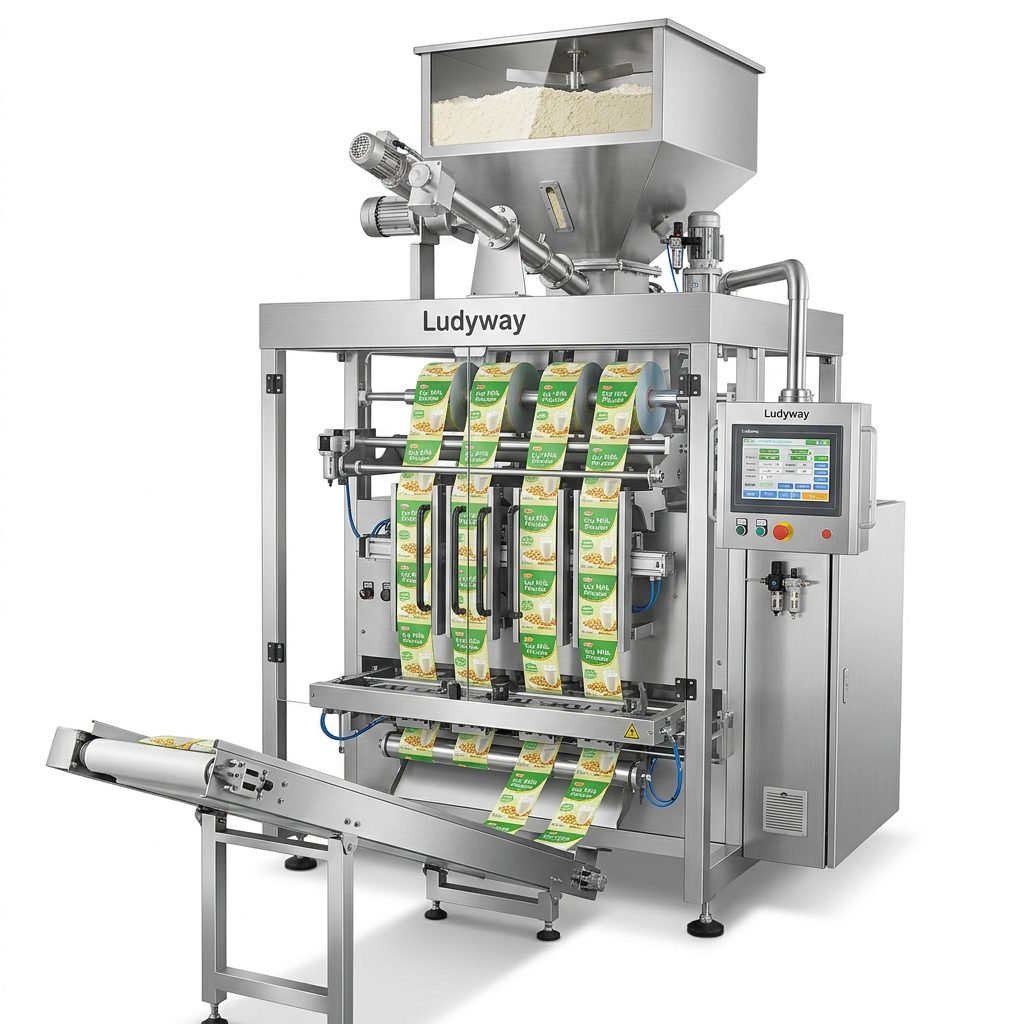
| Auger Filler | Fine powders (turmeric, chili) | Precise volumetric dosing, dust-tight design |
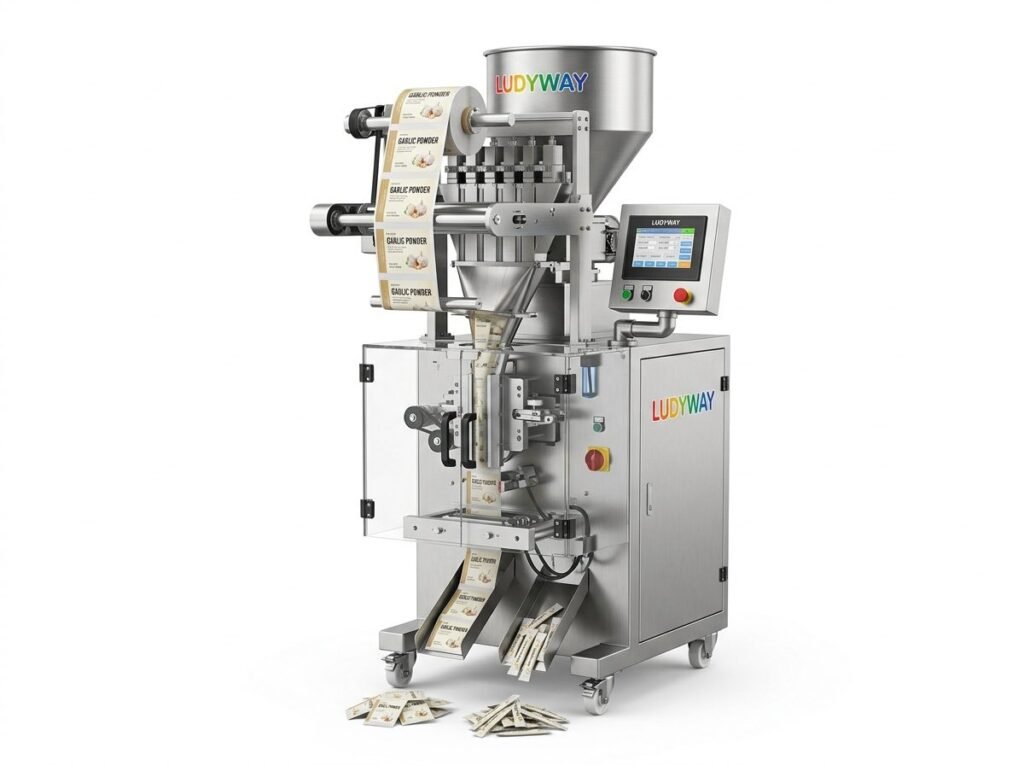
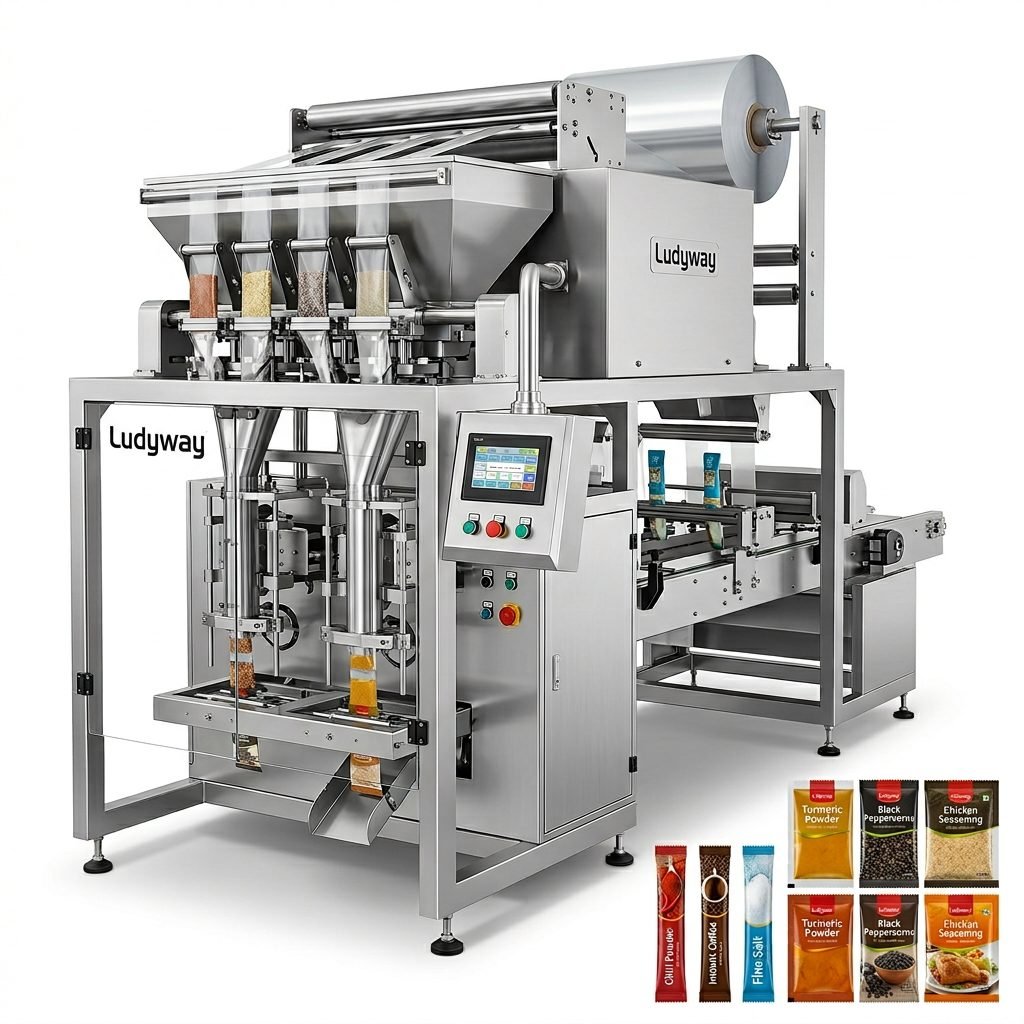
| Vertical Form-Fill-Seal (VFFS) | Pillow bags, gusseted pouches | Compact footprint, versatile film handling |
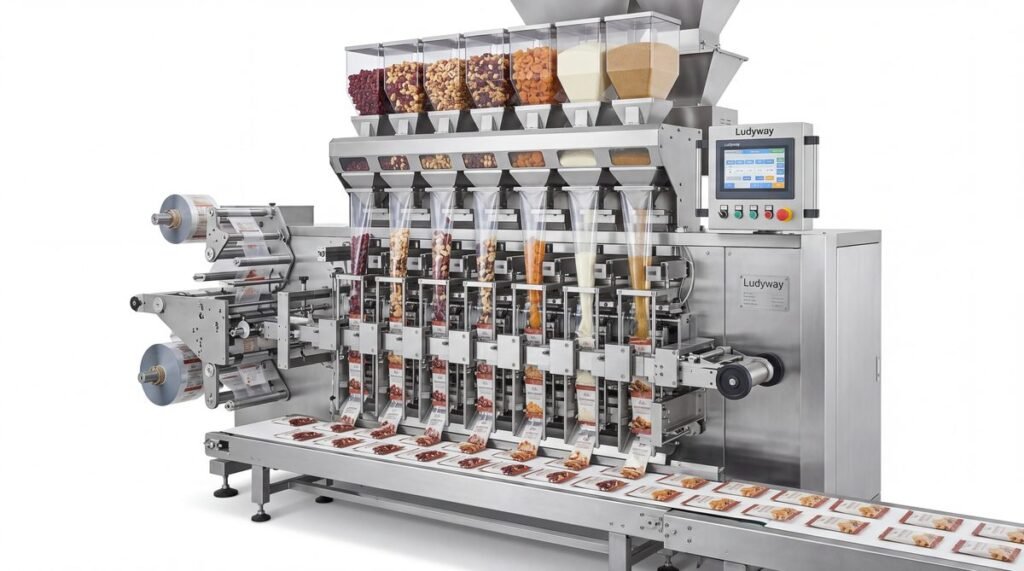
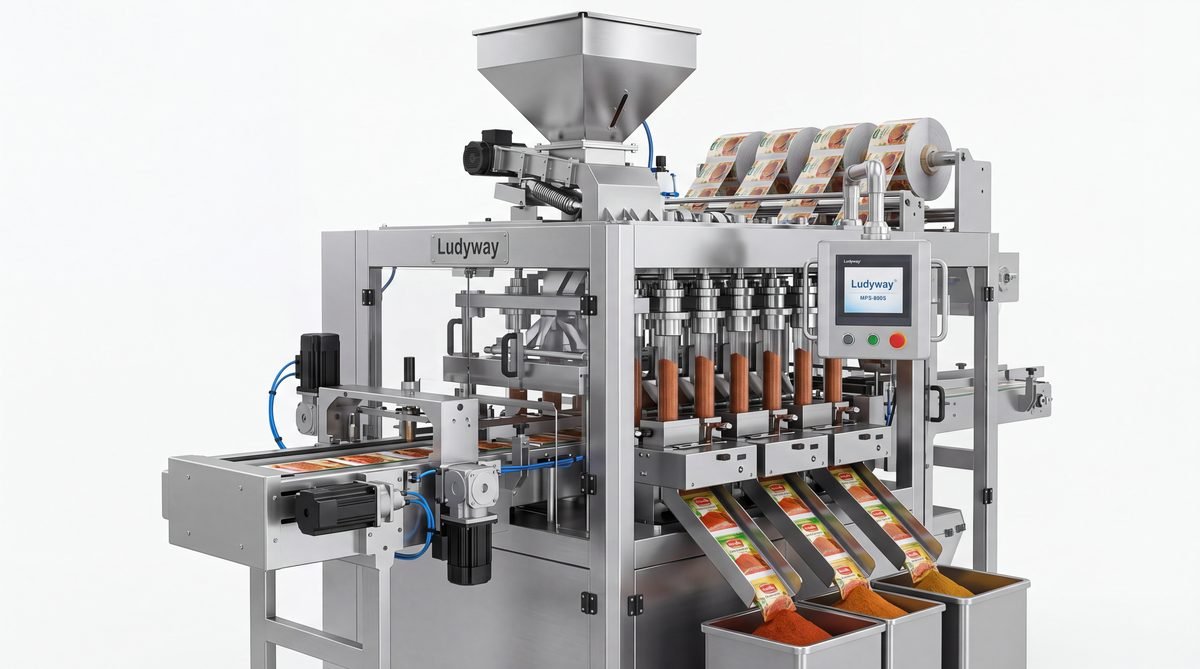
| Multi-Lane Stick Pack Machine | Single-serve stick packs | Extremely high output (up to 600 packs/min) |
| Premade Pouch Filler-Sealer | Stand-up pouches, zipper bags | Premium shelf appeal, resealable options |
| Inline Checkweigher | All pouch types | Rejects under/overweight packs automatically |
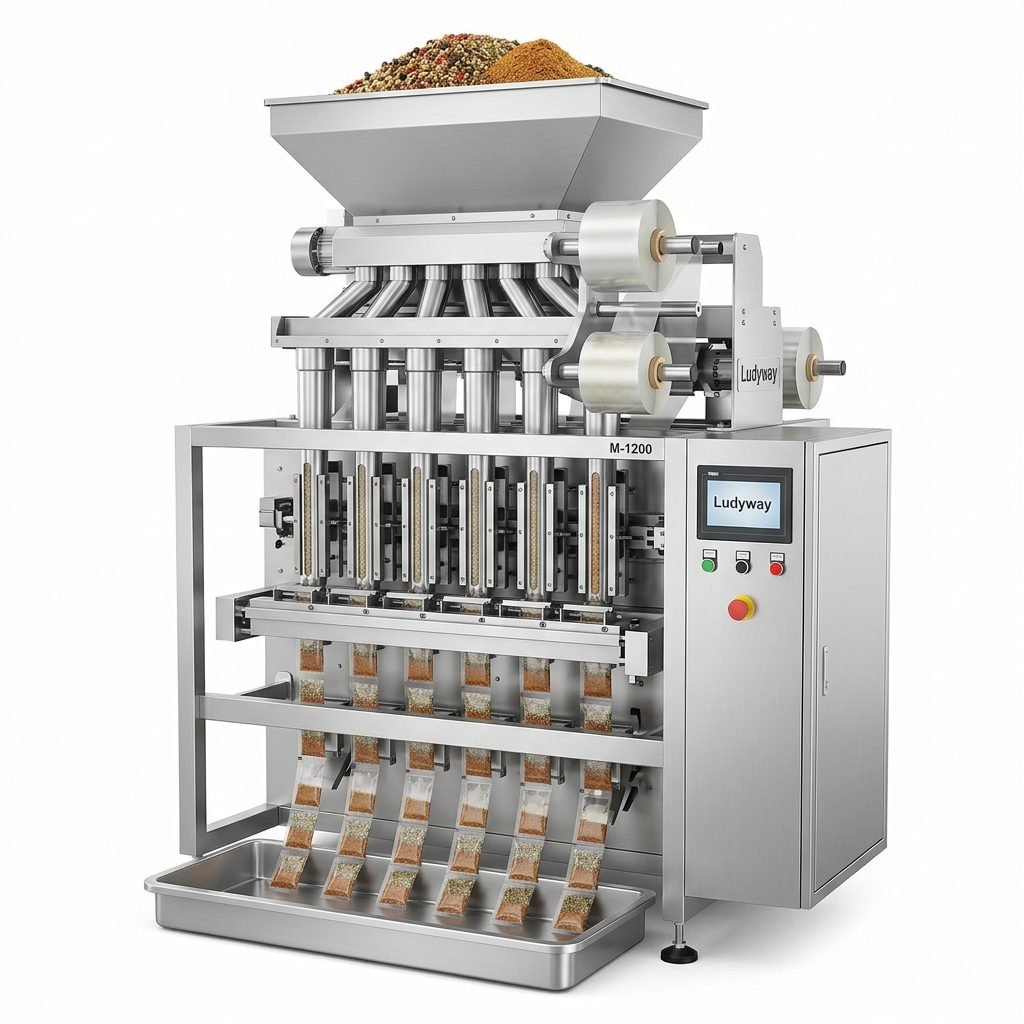
When choosing an auger filler, ensure it features servo-driven agitation and a dust-extraction hood. For multi-head weighers, look for models with dimpled contact surfaces that reduce powder adhesion—a common challenge with sticky spices like onion and garlic powder. Industry resources such as the PMMI packaging association provide valuable benchmarks for machine performance and packaging machinery standards.
Step 3: Design the Production Line Layout
An efficient layout minimizes material handling, reduces cross-contamination risks, and allows operators to monitor multiple stations. Consider the following zones when designing your spice packaging line:
- Raw material intake: Bulk bag dump stations with dust collection, sifters to remove foreign particles, and magnetic separators for metal fragment removal.
- Feeding and dosing: Inclined conveyors or vacuum conveyors that transport spices to the weigher or filler hopper. Vacuum conveying is preferred for fine powders to contain dust.
- Primary packaging: The VFFS or multi-lane machine where pouches are formed, filled, and sealed. This station should be easily accessible for film roll changes and cleaning.
- Quality control: Inline checkweighers and metal detectors placed immediately after sealing. A growing number of facilities also integrate vision inspection systems to verify date codes and seal integrity.
- Secondary packaging: Cartoning machines, case packers, and palletizers for bulk handling. Many spice producers use automatic carton erectors to speed up this process.
Step 4: Install, Calibrate, and Integrate Control Systems
Installation should follow the equipment manufacturer’s specifications, with careful attention to leveling, power supply requirements, and pneumatic connections. A turnkey packaging line provider can manage the entire integration process, ensuring seamless communication between the filling machine, checkweigher, metal detector, and downstream cartoning equipment through a centralized PLC system. Key installation tasks include:
- Anchoring and leveling all frame-mounted equipment to prevent vibration-induced weighing errors.
- Connecting compressed air lines with proper filtration and pressure regulation.
- Configuring the HMI (Human-Machine Interface) with recipe parameters for each spice SKU.
- Calibrating load cells on the multi-head weigher and checkweigher using certified test weights.
- Running dry cycles to verify film tracking, sealing jaw alignment, and synchronization between modules.
Step 5: Conduct Production Trials and Optimize Parameters
Never go straight to full production after installation. Begin with small-batch trials using actual spice products. Monitor the following performance indicators closely during the trial phase:
- Weight accuracy: Target a standard deviation below 1% of the target fill weight for premium spices where overfilling directly impacts profitability.
- Seal integrity: Perform burst tests and dye-penetration tests on sealed pouches. Leaking spice sachets lead to shelf contamination and costly retailer rejections.
- Machine speed vs. reject rate: Gradually increase line speed while tracking reject rates. The optimal operating point is typically 80–85% of the machine’s maximum rated speed for sustained reliability.
- Dust accumulation: Inspect sealing jaws and optical sensors for powder buildup after every 4–6 hours of continuous operation.
Most experienced packers recommend running the line for at least 40 continuous hours during commissioning to identify intermittent issues. Adjust the sealing temperature, dwell time, and film tension iteratively based on pouch quality inspections.
Step 6: Train Operators and Establish Maintenance Protocols
Even the most advanced automatic spice packaging equipment requires skilled operators and a preventive maintenance schedule. Your training program should cover:
- Safe start-up and shutdown procedures, including emergency stop locations and lockout-tagout protocols.
- Daily cleaning and sanitation—especially critical for allergen changeovers when switching between products like chili powder and mustard powder.
- Film roll splicing and threading procedures to minimize downtime during material changes.
- Basic troubleshooting for common faults such as misaligned film, inconsistent cutting, or weighing errors.
- Weekly inspection of wear parts: sealing jaws, Teflon tapes, cutting blades, and vacuum pump filters.
Implement a CMMS (Computerized Maintenance Management System) to schedule lubrication, belt tension checks, and load cell re-calibration. Document every maintenance activity and keep a spare parts inventory for critical components—sealing thermocouples, heater cartridges, and timing belts should always be on hand.
Step 7: Scale Up and Expand Your Packaging Capabilities
Once your initial line is running at target efficiency, consider additional modules to further automate your process. Many spice producers start with a basic VFFS line and later add a robotic case packer or an automatic pallet wrapping system. Others expand into new formats—adding a multi-lane stick pack machine alongside an existing sachet line to serve both retail and food service channels.
Modular, scalable machinery is the key to future-proofing your investment. Choose equipment that supports later integration of accessories like nitrogen flushing for extended shelf life, zipper applicators for resealable pouches, and inline label printers for variable data. Companies like Ludyway, which specializes in turnkey packaging solutions, offer modular systems that can grow with your production demands across granule, powder, and liquid packaging applications.
Key Takeaways for a Successful Spice Packaging Line
- Match the filler type to your spice’s flow characteristics—auger fillers for fine powders, multi-head weighers for granules.
- Invest in dust control at every transfer point to protect both product quality and operator health.
- Integrate inline inspection—checkweighers and metal detectors are non-negotiable for food safety compliance.
- Plan for changeovers by selecting equipment with tool-less adjustments and recipe memory functions.
- Build operator knowledge through structured training and accessible maintenance documentation.
For additional guidance on packaging regulations and industry best practices, consult the Flexible Packaging Association’s industry resources. A well-planned spice packaging line not only increases throughput but also enhances product consistency, extends shelf life, and strengthens your brand’s reputation in the competitive food marketplace.