France is one of the most dynamic markets for cosmetic, pharmaceutical, and food-grade cream products in Europe. From luxury skincare brands in Paris to dairy cream producers across the country, manufacturers require high-precision cream packaging machines that meet strict production, hygiene, and regulatory standards. Selecting the right equipment is not just about filling speed — it involves understanding packaging formats, material compatibility, automation levels, and compliance with EU directives such as CE certification and GMP guidelines.
This guide provides a comprehensive overview of what to consider when investing in a cream packaging machine in France, helping you make an informed decision that aligns with your production requirements, budget, and quality expectations. For broader insights into global packaging machinery trends, the PMMI business intelligence library offers valuable industry data and reports.
Understanding Cream Packaging Machine Types
Cream products — whether cosmetic face creams, pharmaceutical ointments, or food-grade dairy creams — present unique filling challenges due to their viscosity, sensitivity to contamination, and the need for precise portion control. Selecting the right machine type depends on your target packaging format, production volume, and product characteristics.
Multi-Lane Stick Pack Machines for Cream Products
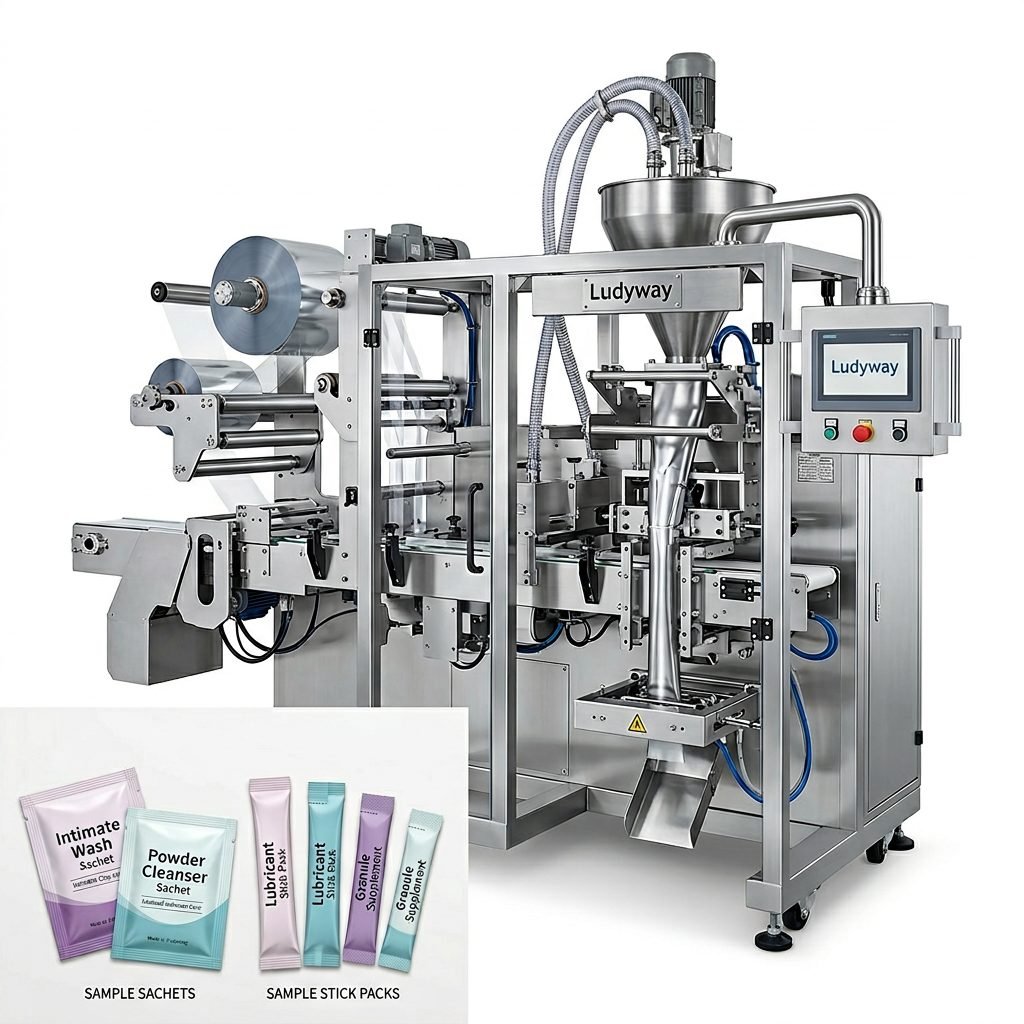
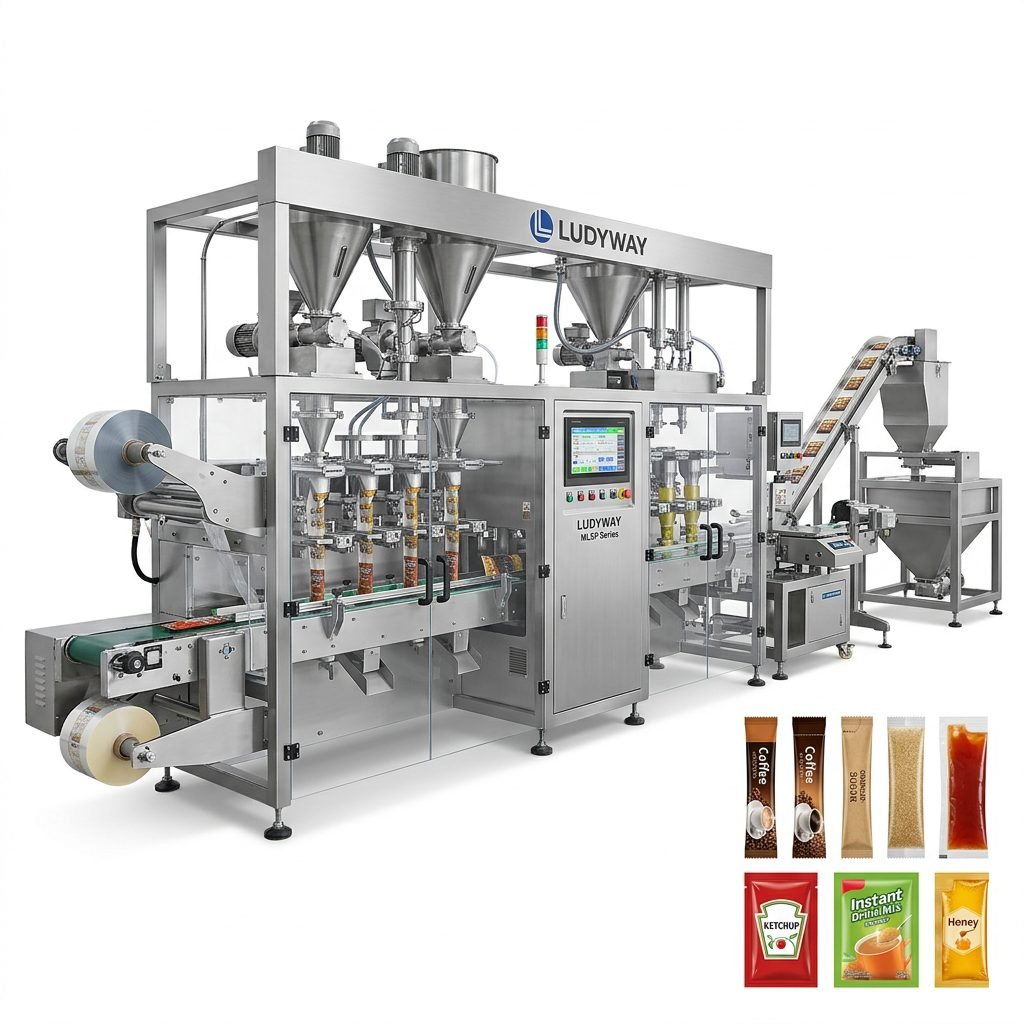
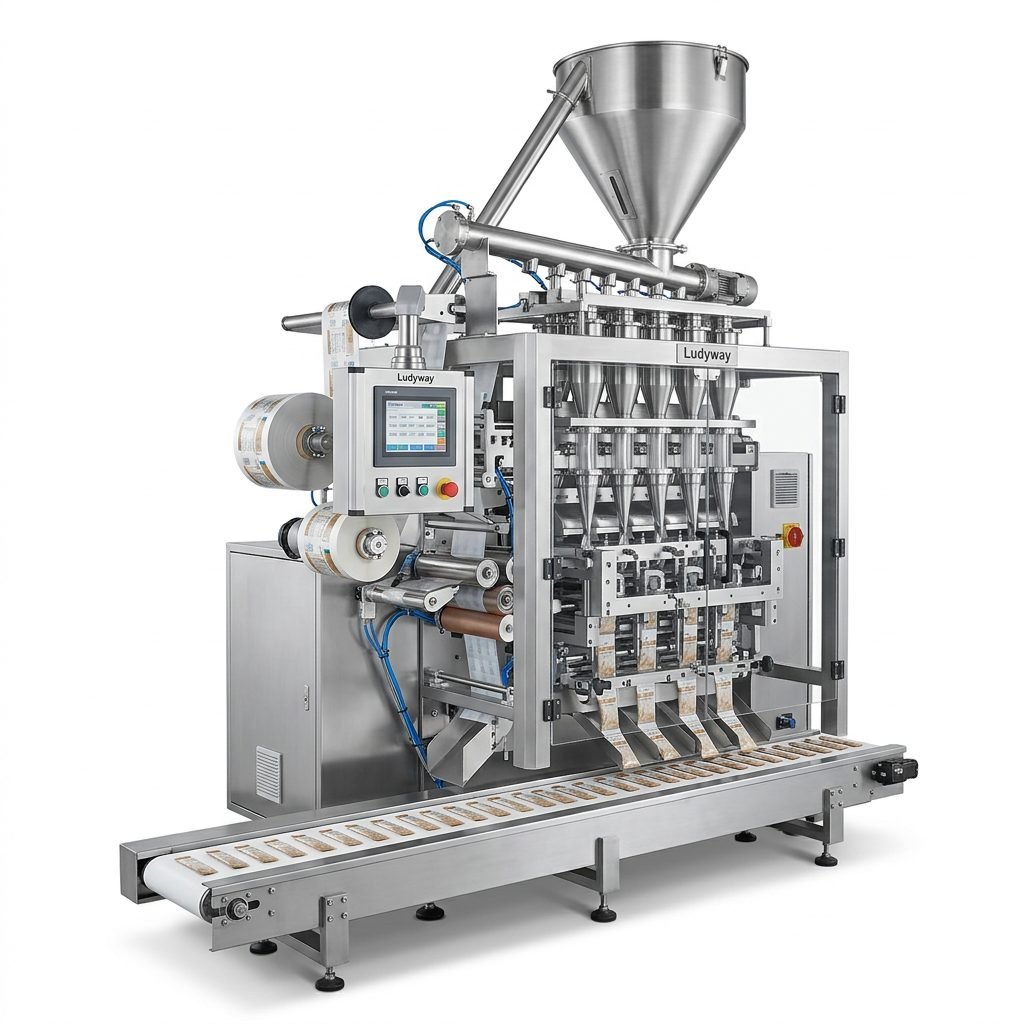
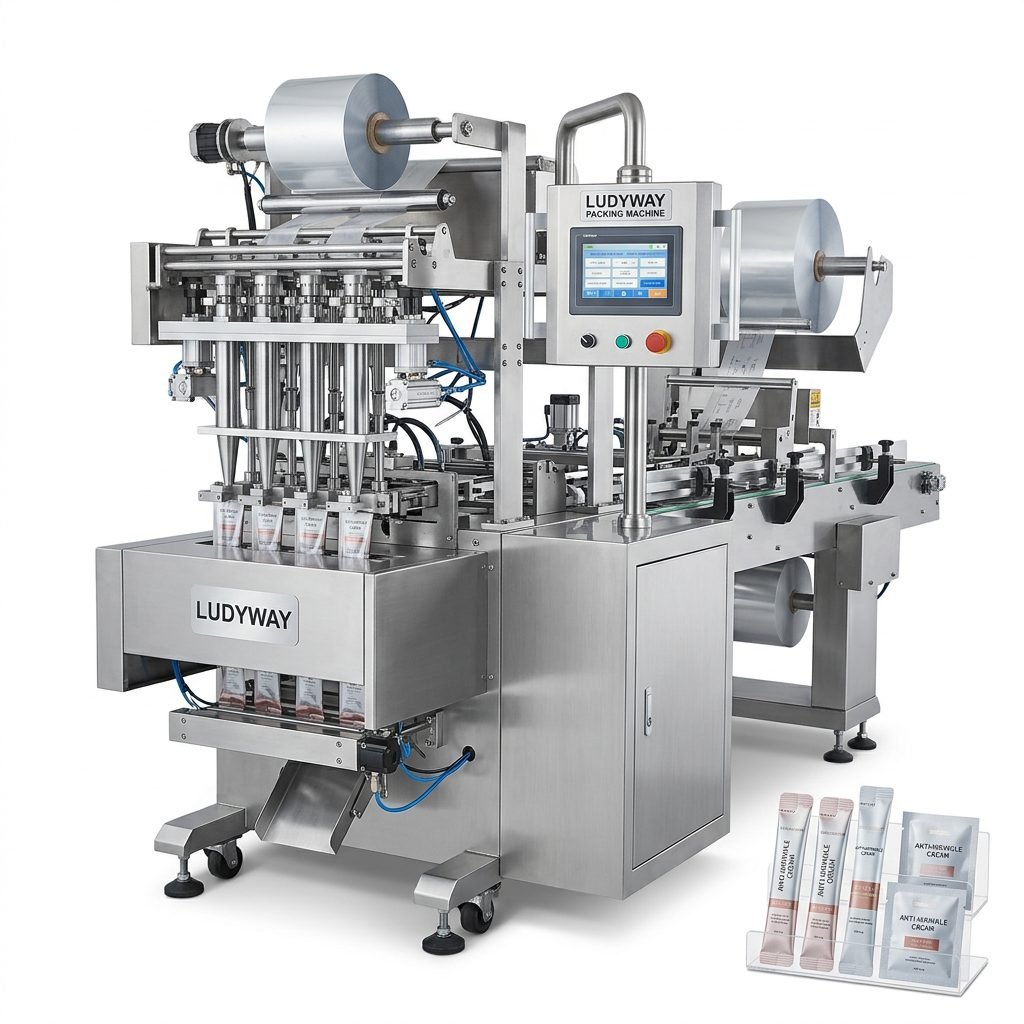
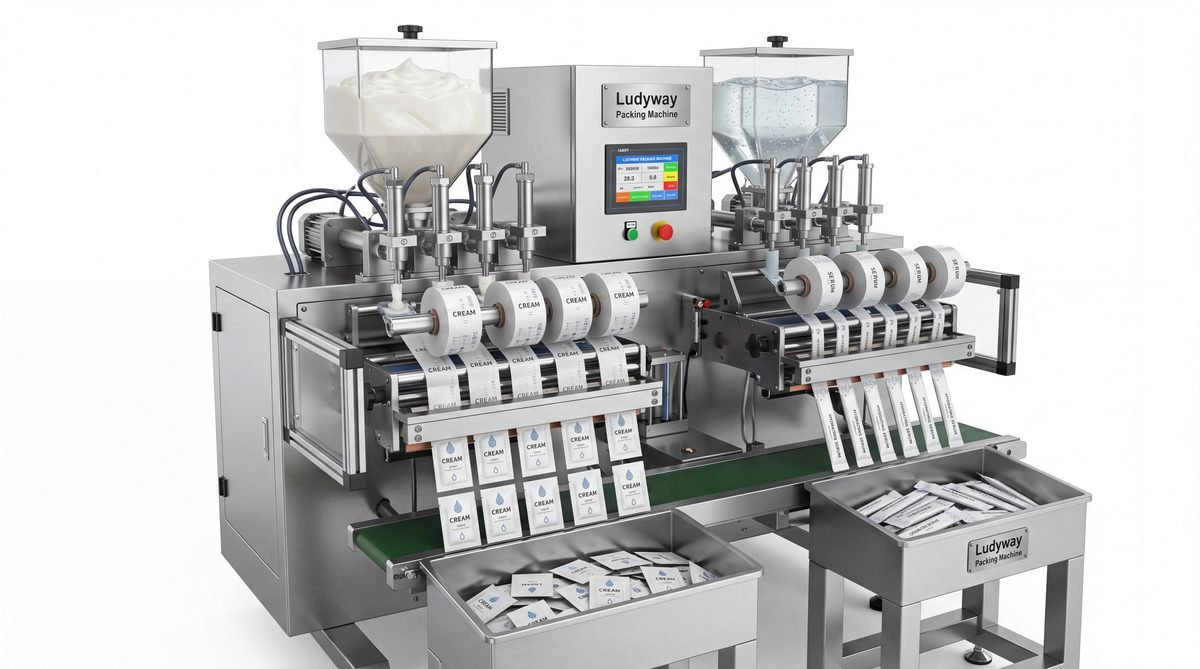
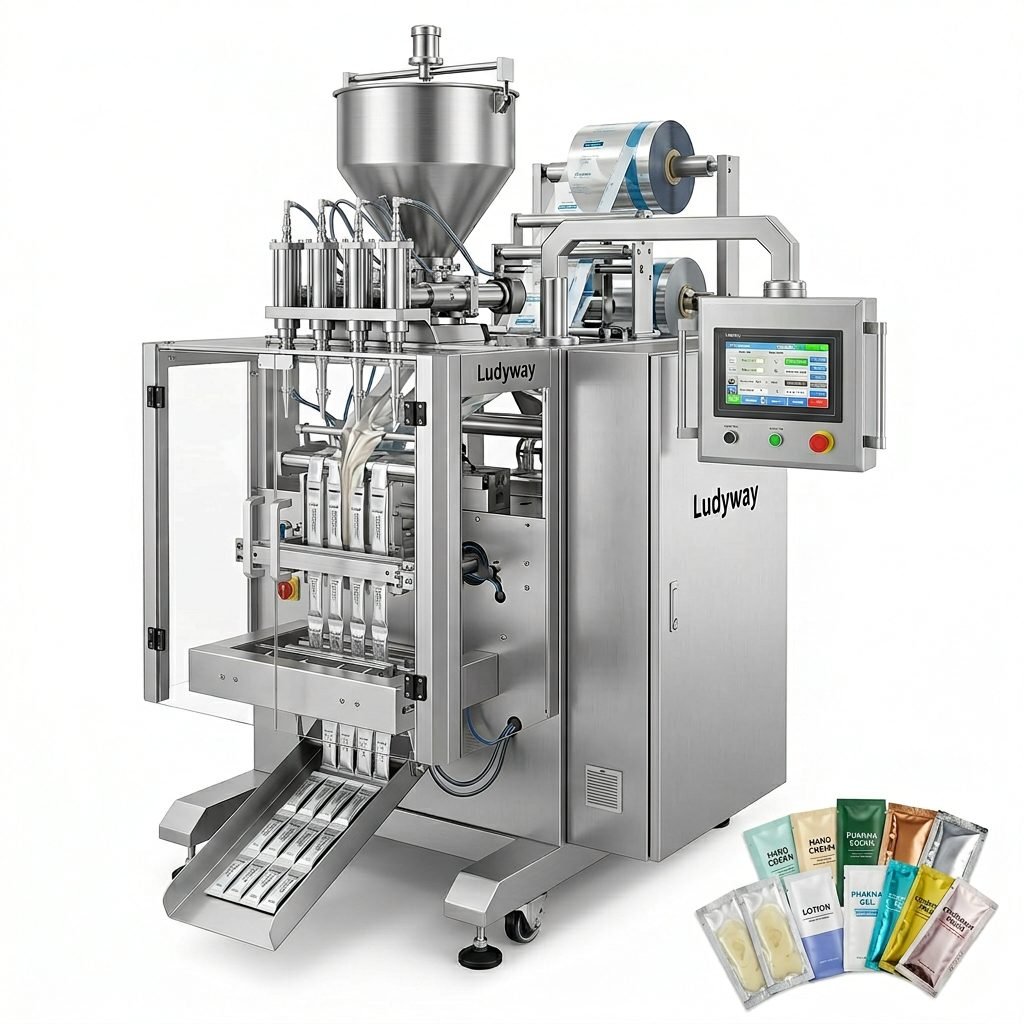
Multi-lane stick pack machines are increasingly popular in the French market for single-dose cream packaging. These systems can produce 4 to 20 lanes simultaneously, delivering exceptional output for sample sachets, travel-size cosmetic creams, and pharmaceutical ointments. The format is ideal for brands looking to offer convenient, hygienic, and precisely dosed cream portions.
Sachet Packaging Machines for Creams
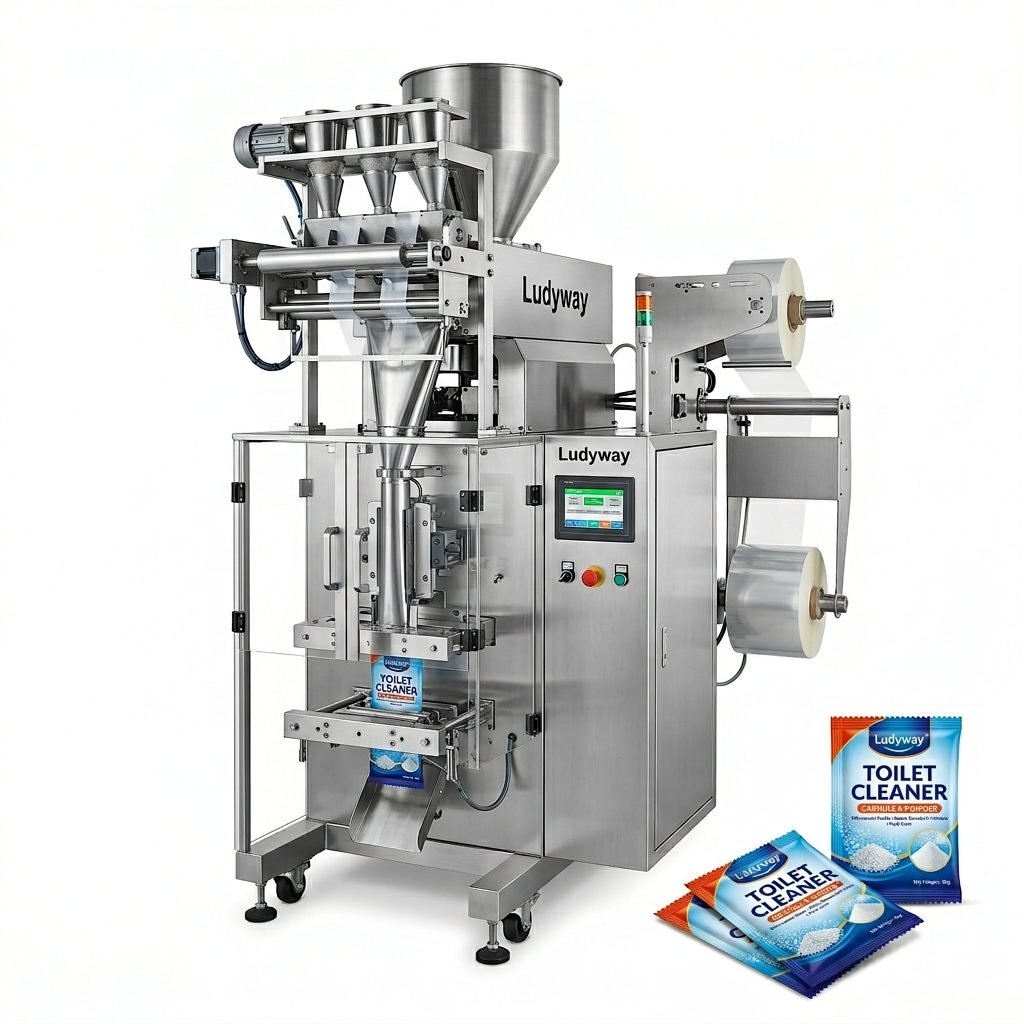
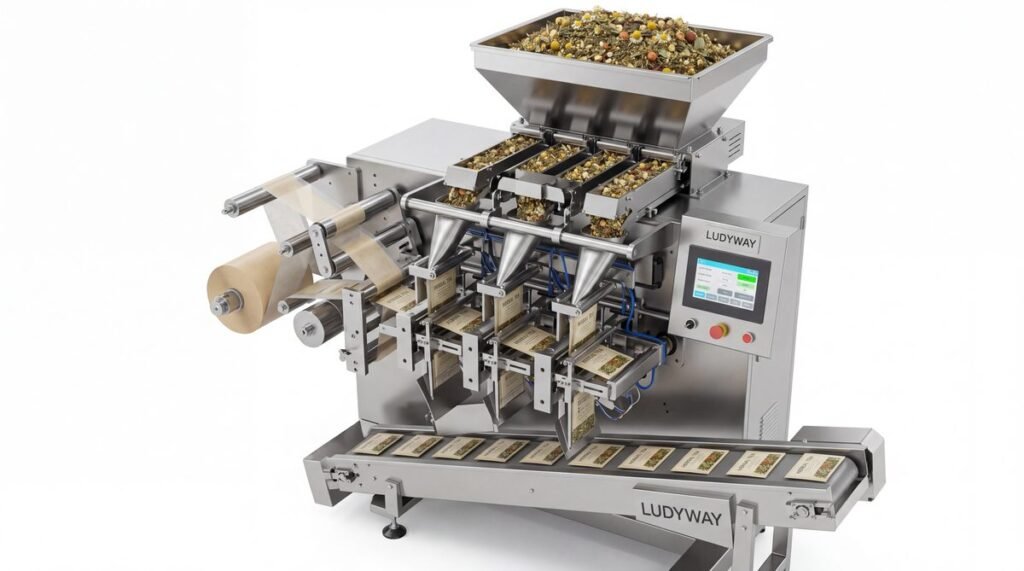
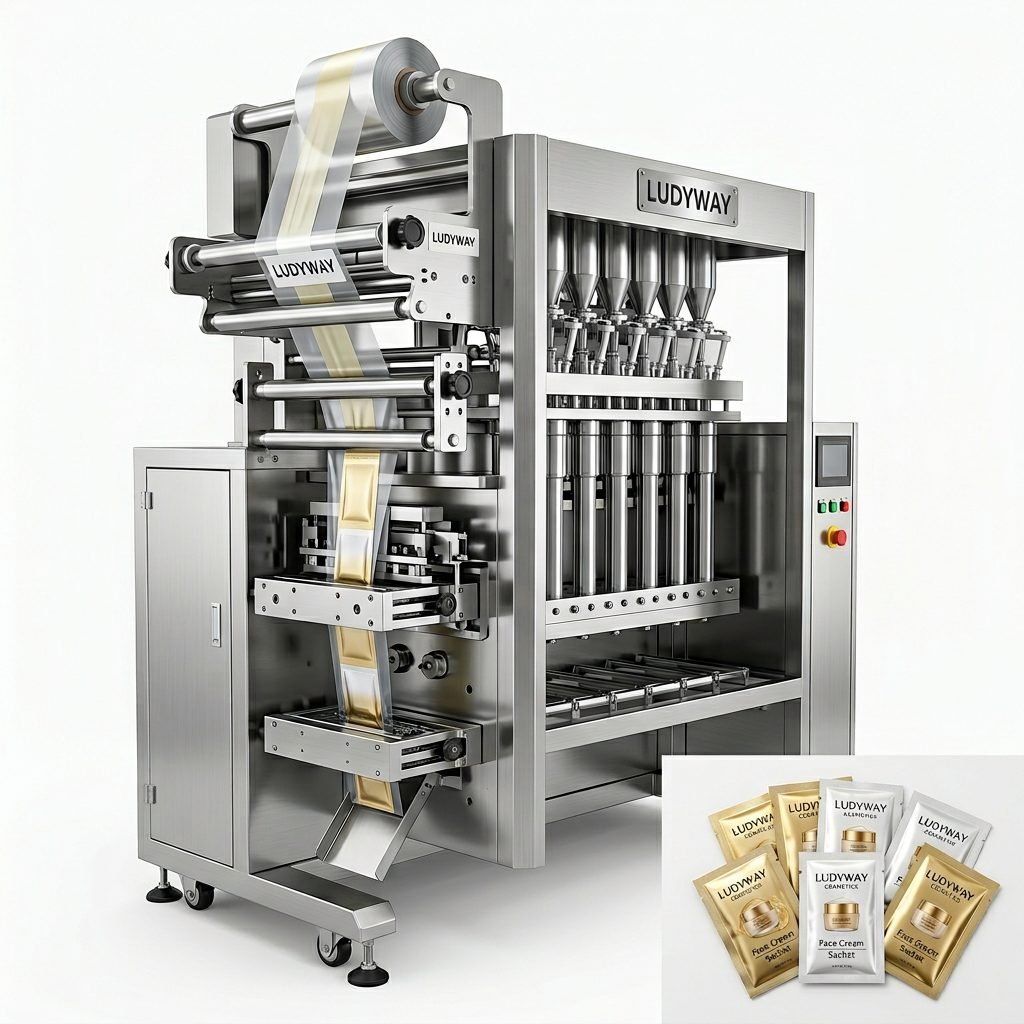
Flat sachet packaging remains a dominant format in the French cosmetic and pharmaceutical sectors. Sachet machines handle a wide range of cream viscosities and offer flexible fill volumes from 1ml to 50ml or more. They are commonly used for sample-sized products, single-use treatments, and promotional packaging. The technology can accommodate both cold-fill and hot-fill processes depending on product requirements.
Fully Automated Cream Packaging Lines
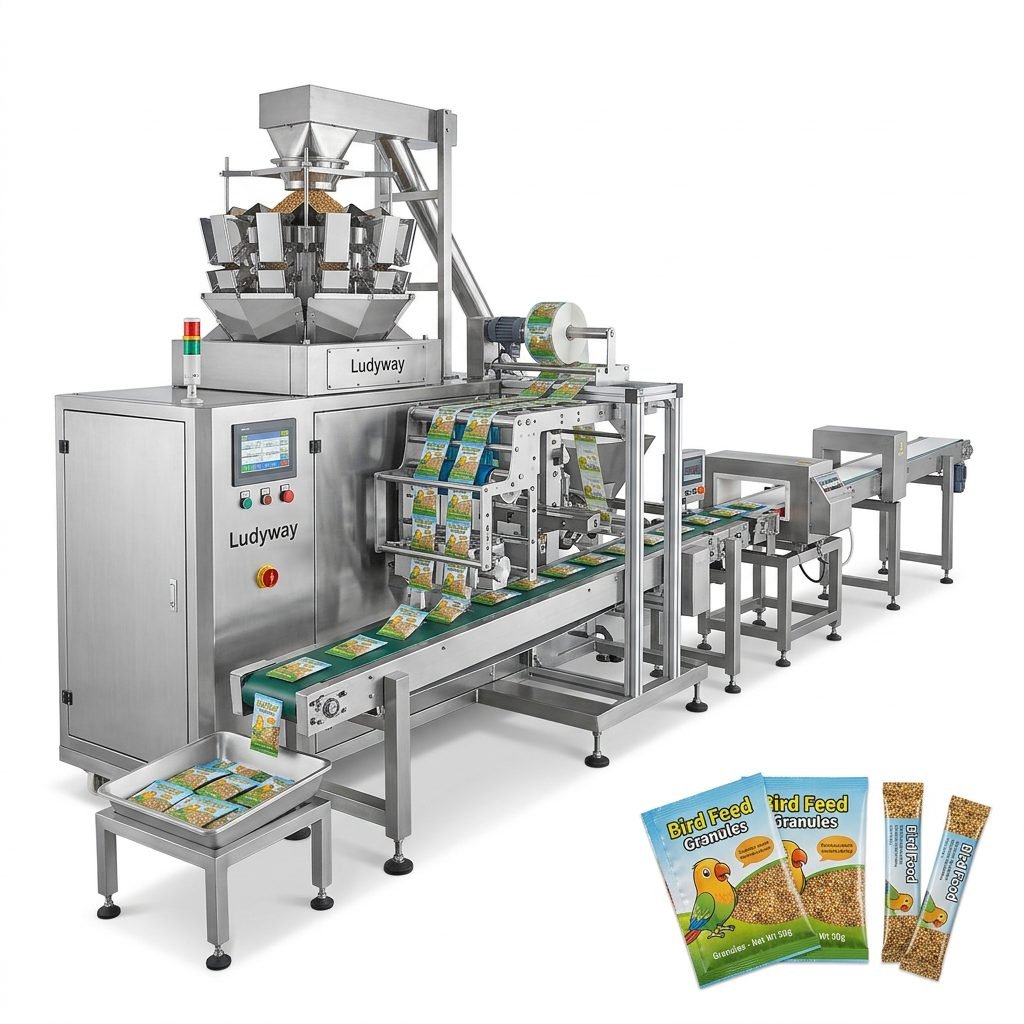
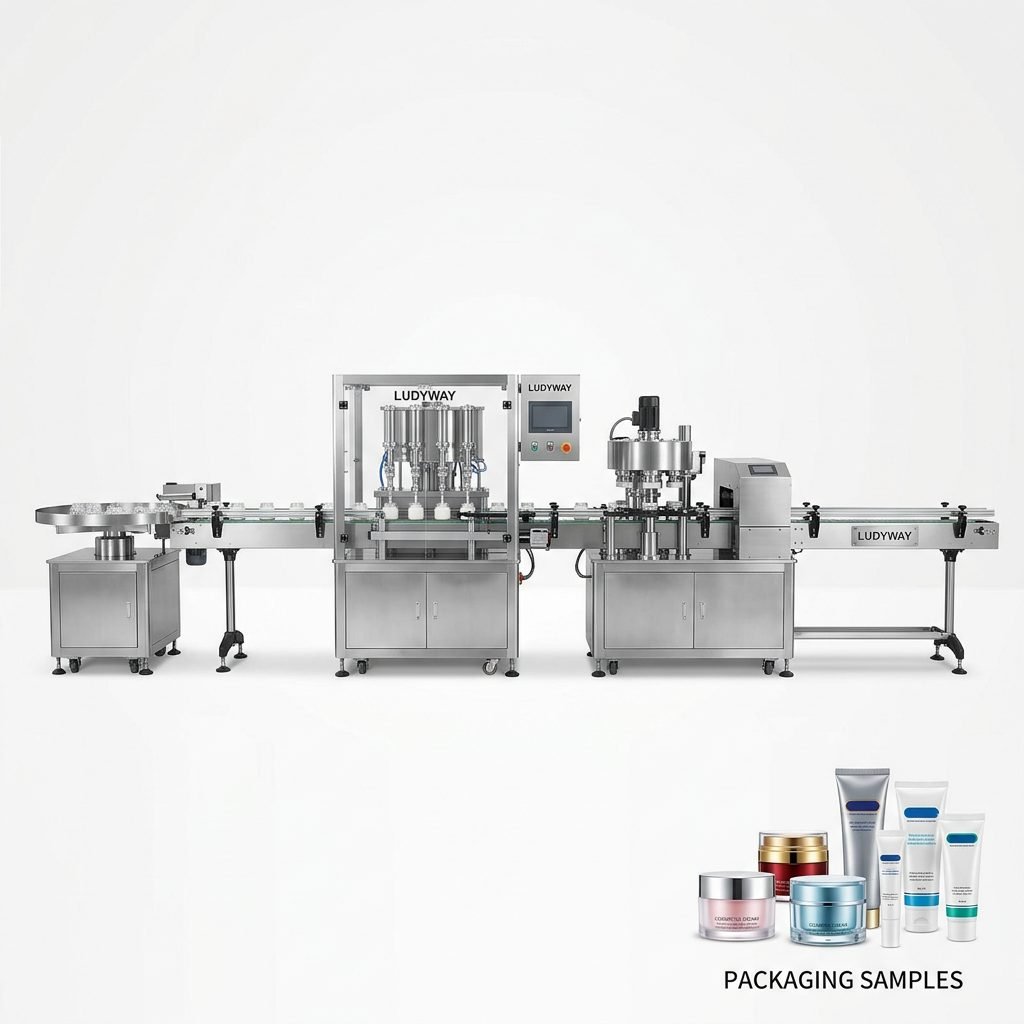
For large-scale production, integrated turnkey packaging lines combine filling, sealing, coding, cartoning, and palletizing into a seamless workflow. These systems minimize manual handling, reduce contamination risks, and maximize throughput. Leading cosmetic manufacturers in France increasingly invest in fully automated lines to maintain competitive advantage. According to the 2026 State of the Industry report, automation continues to be the primary driver of packaging efficiency improvements worldwide.
Key Factors to Consider When Choosing a Cream Packaging Machine
Investing in packaging equipment requires careful evaluation of technical, operational, and regulatory factors. Below are the critical considerations for buyers in the French market:
- Product Viscosity Range: Creams vary significantly in thickness — from light lotions to heavy ointments. Ensure the machine’s filling system (piston, peristaltic pump, or servo-driven) can handle your product’s specific viscosity without compromising accuracy.
- Production Capacity Requirements: Determine your target output in units per minute. Multi-lane systems can produce 400–1,200 sachets per minute, while single-lane machines are suitable for smaller operations.
- Packaging Material Compatibility: Verify that the machine supports the film types commonly used in France, including recyclable laminates, aluminum foil, and biodegradable films that comply with EU packaging waste directives.
- Clean-in-Place (CIP) Capability: For pharmaceutical and cosmetic cream production, CIP systems ensure hygienic changeovers and reduce downtime between batches.
- CE Certification and EU Compliance: All equipment sold in France must carry CE marking and comply with applicable EU machinery directives, food contact material regulations, and cosmetic GMP standards.
- After-Sales Support and Spare Parts Availability: Choose a supplier with established service networks in Europe to minimize disruption in case of technical issues.
Technical Specifications Comparison
The following table summarizes key technical parameters to evaluate when comparing different cream packaging machine options available for the French market:
| Parameter | Stick Pack Machine | Sachet Machine | Fully Automated Line |
|---|---|---|---|
| Production Speed | 200–1,200 packs/min | 60–400 packs/min | 60–800 packs/min |
| Fill Volume Range | 1ml–30ml | 2ml–100ml | Customizable |
| Lane Configuration | 4–20 lanes | 1–12 lanes | Modular / Turnkey |
| Best For | Single-dose, travel packs | Samples, promotions | Large-scale production |
| Automation Level | Medium to High | Low to Medium | Fully Automated |
French Market Regulatory Requirements
France enforces rigorous standards for cream packaging, especially for cosmetic and pharmaceutical applications. Understanding these requirements is essential before purchasing equipment:
Cosmetic Product Regulations
Under EU Regulation (EC) No 1223/2009, cosmetic products sold in France must be manufactured according to Good Manufacturing Practices (GMP). The packaging process must guarantee product integrity, prevent contamination, and ensure accurate labeling. Your cream packaging machine should support traceability systems, batch coding, and tamper-evident sealing to comply with these requirements.
Food-Grade Cream Packaging Standards
For dairy cream products, compliance with EU Regulation (EC) No 1935/2004 on food contact materials is mandatory. Packaging equipment must be constructed with food-grade stainless steel (typically 304 or 316L), and all contact parts must be easily accessible for cleaning and sanitization. The Flexible Packaging Association’s regulatory affairs resources provide detailed guidance on compliance requirements for food packaging.
Environmental and Sustainability Considerations
France has been at the forefront of sustainable packaging legislation, including the AGEC Law (Anti-Waste for a Circular Economy). Packaging machinery should be compatible with eco-friendly materials such as mono-material films, recycled content laminates, and lightweight packaging structures. Selecting equipment that can handle these sustainable packaging materials without compromising seal integrity or speed is increasingly important for brands operating in the French market.
Cost Considerations and ROI Analysis
The investment in a cream packaging machine varies significantly based on automation level, production capacity, and configuration. Below are the primary cost factors to evaluate:
- Initial Equipment Cost: Entry-level semi-automatic machines may start from €15,000–€30,000, while fully automated multi-lane systems can range from €80,000 to €500,000+ depending on customization and auxiliary equipment.
- Installation and Commissioning: Budget for on-site installation, operator training, and validation procedures — typically 5–15% of equipment cost.
- Maintenance and Spare Parts: Annual maintenance costs generally range from 2–5% of the machine’s purchase price. Ensure spare parts availability within the EU to minimize lead times.
- Energy Consumption: Modern servo-driven systems are more energy-efficient than pneumatic alternatives, reducing long-term operational costs.
- Return on Investment: With increased throughput and reduced labor costs, most manufacturers achieve full ROI within 18–36 months of implementing automated packaging solutions.
Integration with Existing Production Lines
When selecting a cream packaging machine, consider how it will integrate with your current manufacturing infrastructure. Modular equipment that supports upstream connections to filling tanks and downstream connections to cartoning and palletizing systems offers the greatest operational flexibility. Many French manufacturers opt for turnkey packaging solutions that include material handling, filling, sealing, quality inspection, and end-of-line automation in a single integrated system. For related industry standards, ISO packaging standards provide internationally recognized guidelines for packaging machinery design and performance.
Supplier Selection Criteria
Choosing the right equipment supplier is as important as selecting the machine itself. Evaluate potential partners based on the following criteria:
- Industry Experience: Look for manufacturers with proven expertise in cream packaging applications specifically, not just general packaging machinery. Companies with 30+ years of industry experience often provide more reliable, refined equipment designs.
- European Service Presence: Suppliers with established service networks, technical support teams, or local representatives in France or neighboring EU countries can provide faster response times for maintenance and repairs.
- Factory Audits and References: Request client references from French or European customers in similar industries, and if possible, conduct a factory audit to assess manufacturing quality firsthand.
- Customization Capabilities: Your cream product may have unique characteristics requiring customized dosing systems, specialized sealing parameters, or unique packaging formats. Verify that the supplier can accommodate these needs.
- Documentation and Validation Support: For pharmaceutical applications, suppliers should provide comprehensive documentation packages including IQ/OQ/PQ protocols to support your validation processes.
Future Trends in Cream Packaging Technology
The cream packaging machinery market continues to evolve with several key trends shaping equipment development:
- Smart Factory Integration: Industry 4.0 capabilities enable real-time monitoring, predictive maintenance alerts, and seamless integration with enterprise resource planning (ERP) systems.
- Sustainable Packaging Formats: Machines designed to run recyclable mono-materials and paper-based packaging are gaining traction as brands respond to consumer demand for eco-friendly options.
- Flexible Changeover Systems: Quick-change tooling and recipe-driven settings allow manufacturers to switch between different cream products and packaging formats with minimal downtime.
- Enhanced Serialization and Traceability: Serialization capabilities are increasingly required for pharmaceutical creams to comply with the EU Falsified Medicines Directive (FMD).
Ludyway is one of the largest packaging machine manufacturers in China, specializing in advanced packaging equipment and turnkey production solutions for the food, pharmaceutical, and health industries, with over 30 years of industry expertise and a modern 20,000㎡ manufacturing facility serving customers in more than 100 countries. For up-to-date packaging machinery market analysis, the global packaging machinery growth trends report provides further context on the expanding international market.
Frequently Asked Questions About Cream Packaging Machines
What is the typical lead time for a cream packaging machine?
Standard machine lead times range from 8 to 16 weeks, while fully customized turnkey lines may require 16 to 24 weeks depending on complexity and component availability. Always confirm lead times with your supplier and factor in shipping and installation schedules.
Can one machine handle multiple cream viscosities?
Yes, many modern cream packaging machines feature adjustable filling parameters and interchangeable dosing systems that allow them to handle a range of viscosities — from thin lotions to thick ointments — with minimal adjustments. Discuss your full product range with the equipment supplier during the specification phase.
What after-sales support should I expect in France?
Reputable suppliers should offer remote technical support, on-site service visits, spare parts delivery within the EU, and operator training programs. Confirm the availability of French-speaking technical support if language is a consideration for your team.
Are used or refurbished cream packaging machines a viable option?
While pre-owned equipment can reduce initial capital expenditure, it may lack current safety features, CE certification updates, and compatibility with modern sustainable packaging materials. Carefully weigh the long-term operational risks against short-term savings. The flexible packaging industry resources from FPA offer additional guidance on evaluating packaging equipment investments.
Selecting the right cream packaging machine for the French market requires a thorough understanding of your product characteristics, production goals, and regulatory obligations. By carefully evaluating machine types, technical specifications, supplier qualifications, and total cost of ownership, you can make a confident investment that supports your brand’s growth in one of Europe’s most demanding and prestigious markets.