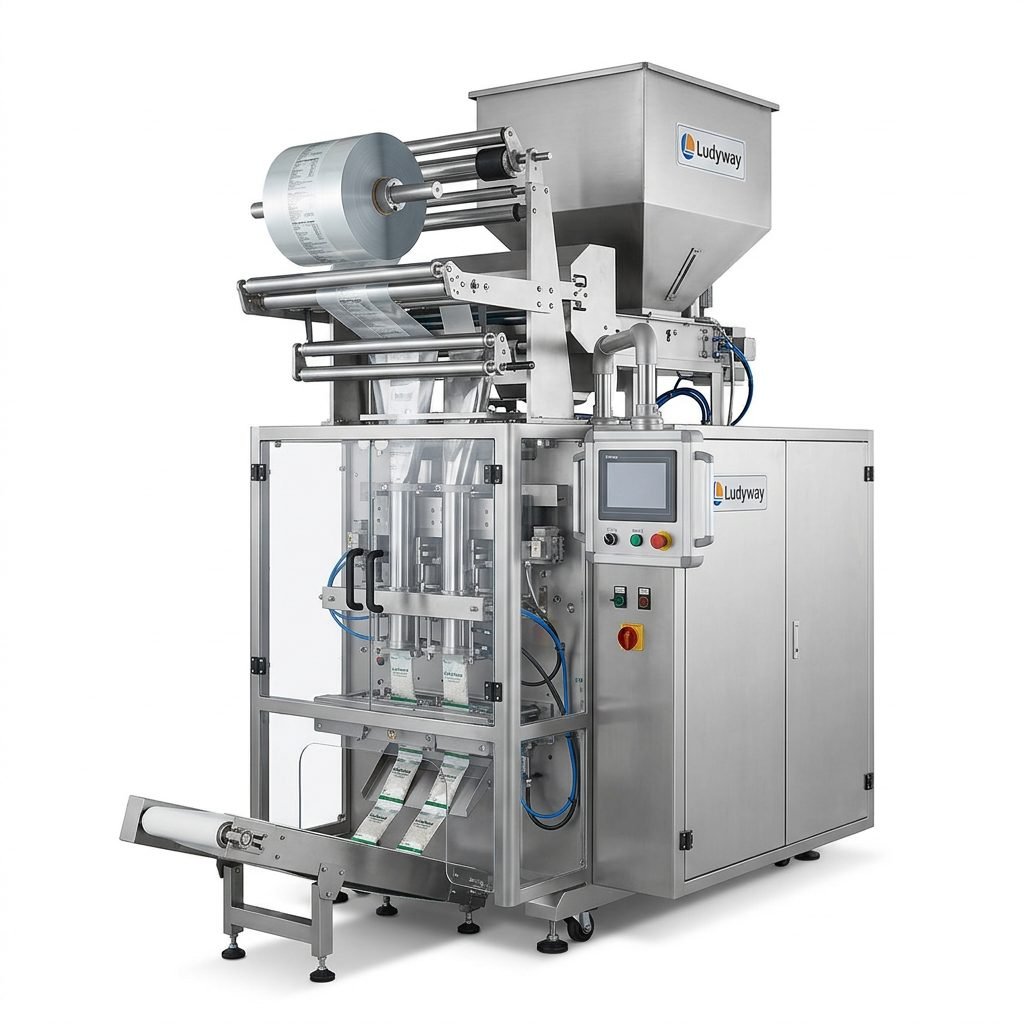
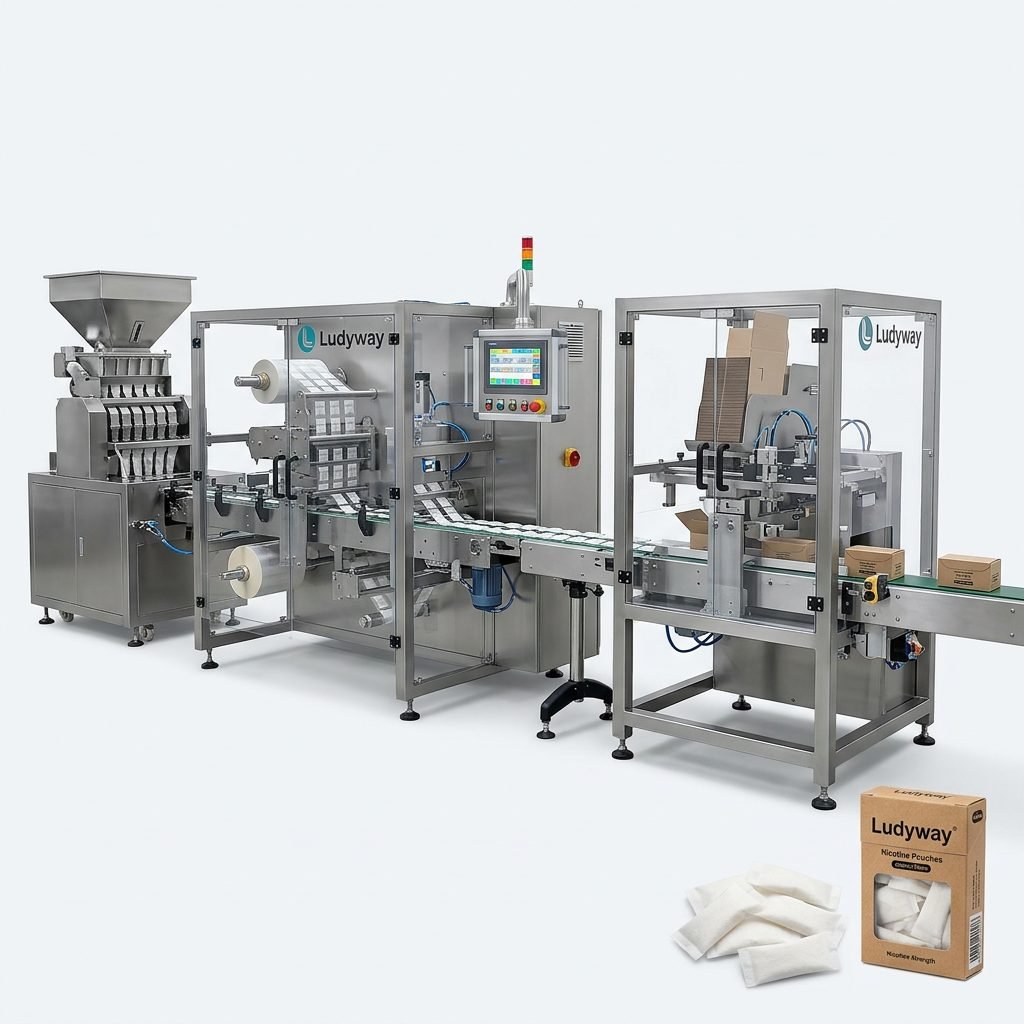
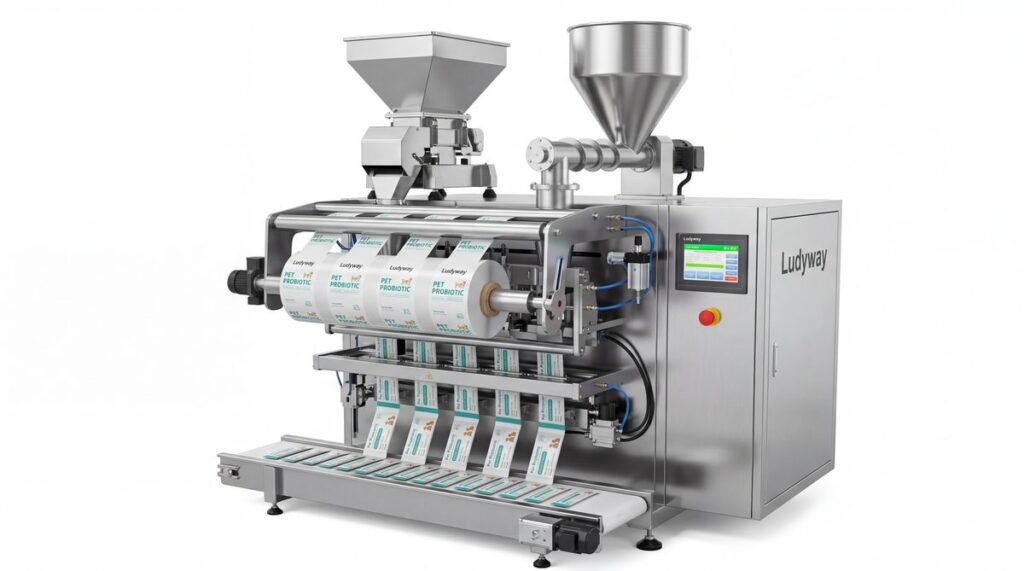
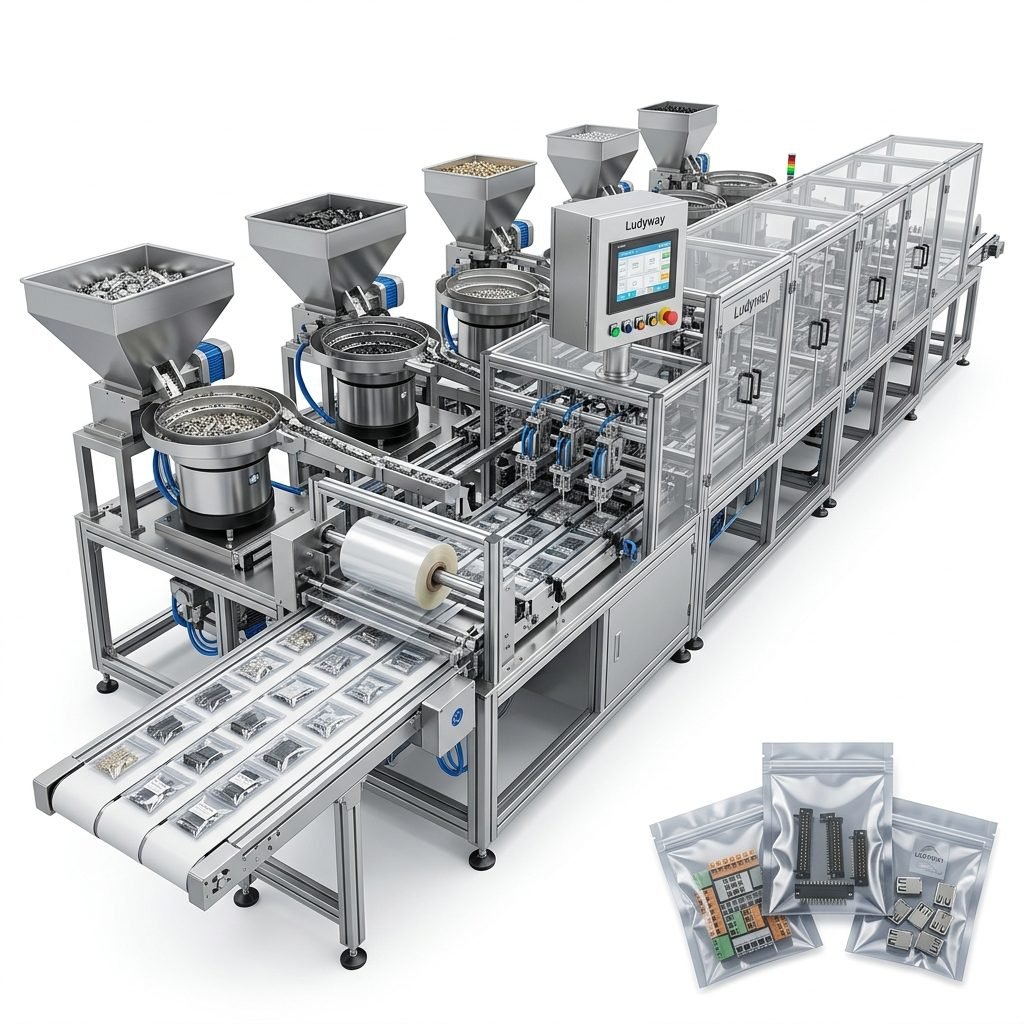
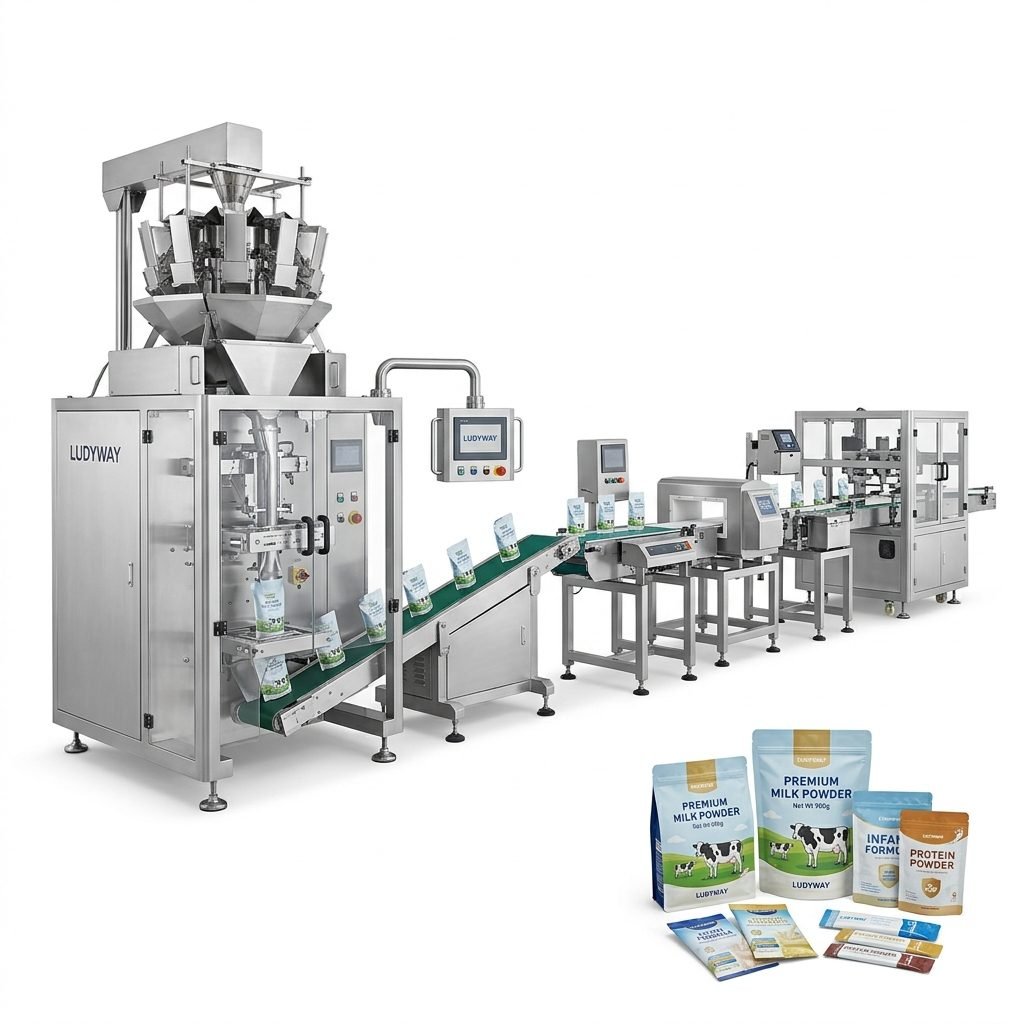
A tea bag packaging machine is specialized equipment designed to automatically weigh, fill, form, seal, cut, and package tea into ready-to-sell tea bags. It is widely used by tea brands, herbal tea producers, food manufacturers, and private-label packers that need efficient, hygienic, and consistent tea bag production.
From loose black tea and green tea to flower blends, fruit infusions, and powdered functional teas, modern tea bag packing systems can handle a wide range of materials and bag styles. Choosing the right machine can directly affect packaging quality, product freshness, labor cost, and overall production capacity.
How Does a Tea Bag Packaging Machine Work?
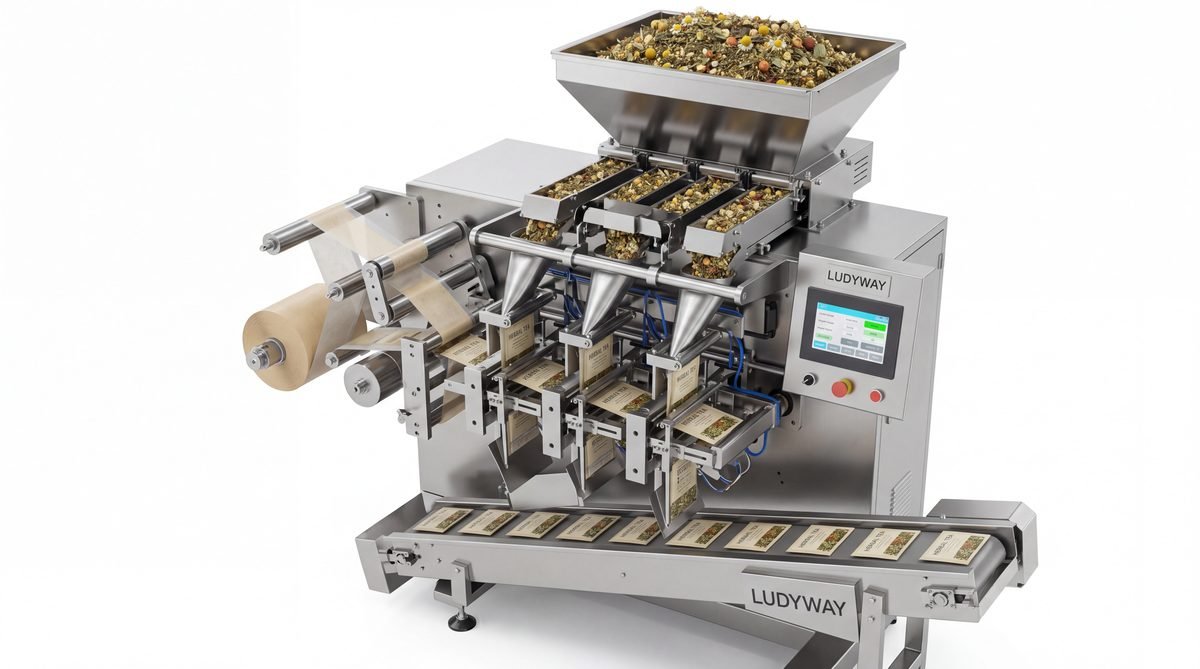
The working principle depends on the machine type, but most tea bag packaging machines follow a similar process:
- Tea feeding: Loose tea is delivered to the dosing system through a hopper, feeder, or elevator.
- Measuring and dosing: The machine accurately dispenses a preset weight or volume into each bag.
- Bag forming: Filter paper or packaging film is shaped into the tea bag format.
- Filling: Measured tea is dropped into the formed bag.
- Sealing: The bag is heat-sealed, ultrasonic sealed, or stapled, depending on design.
- Thread, tag, and envelope packing: Some models attach string and tag, then insert the tea bag into an outer sachet or envelope.
- Discharge and counting: Finished tea bags are discharged for cartoning or secondary packaging.
This automation helps manufacturers maintain stable bag weight, reliable seals, attractive appearance, and better production efficiency.
Main Types of Tea Bag Packing Machines
Not all tea products require the same equipment. The best solution depends on tea form, bag design, and output target.
| Machine Type | Best For | Typical Features |
|---|---|---|
| Single Chamber Tea Bag Machine | Standard loose tea packing | Simple structure, cost-effective, suitable for classic tea bags |
| Double Chamber Tea Bag Machine | Premium retail tea products | String and tag attachment, better infusion performance |
| Pyramid Tea Bag Machine | Whole leaves, flower tea, premium blends | 3D bag shape, attractive shelf appeal, better space for leaf expansion |
| Inner and Outer Bag Machine | Products requiring freshness and retail presentation | Makes inner tea bag plus sealed outer envelope in one line |
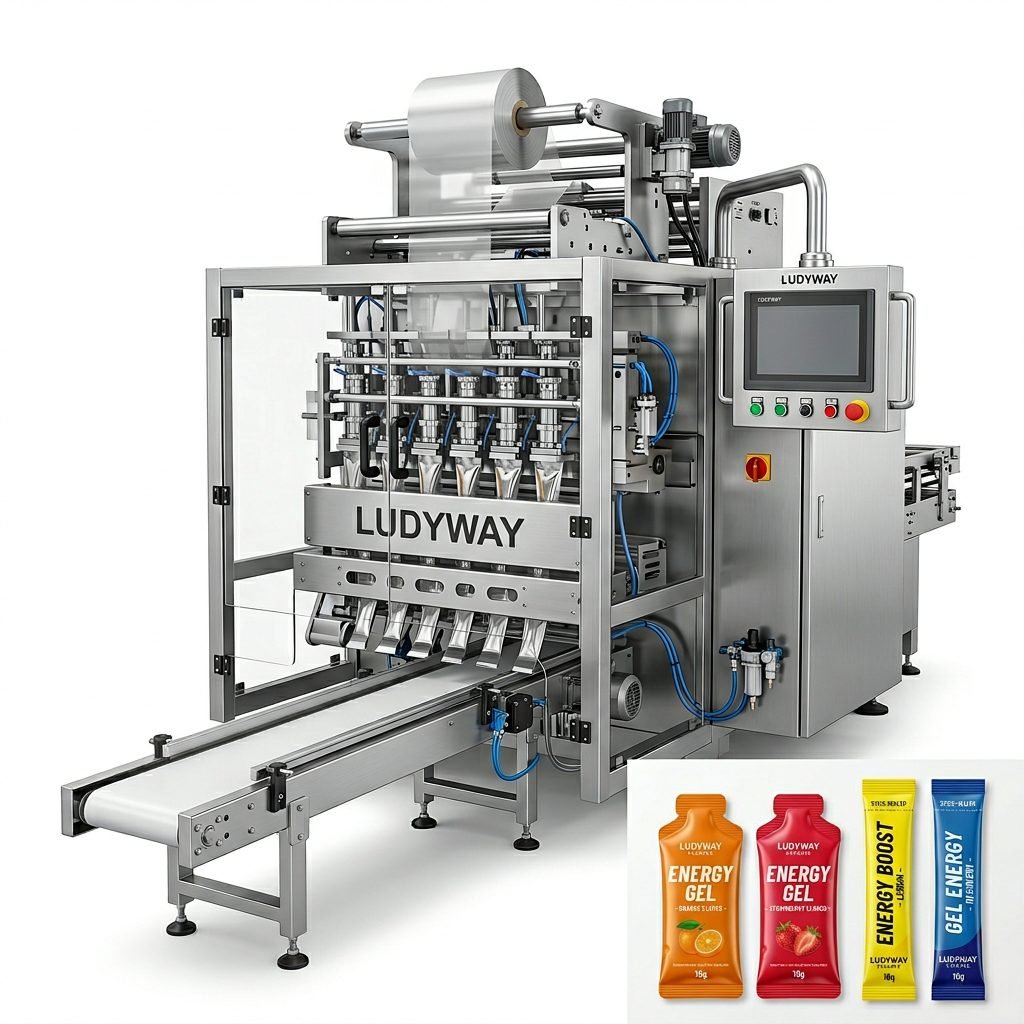
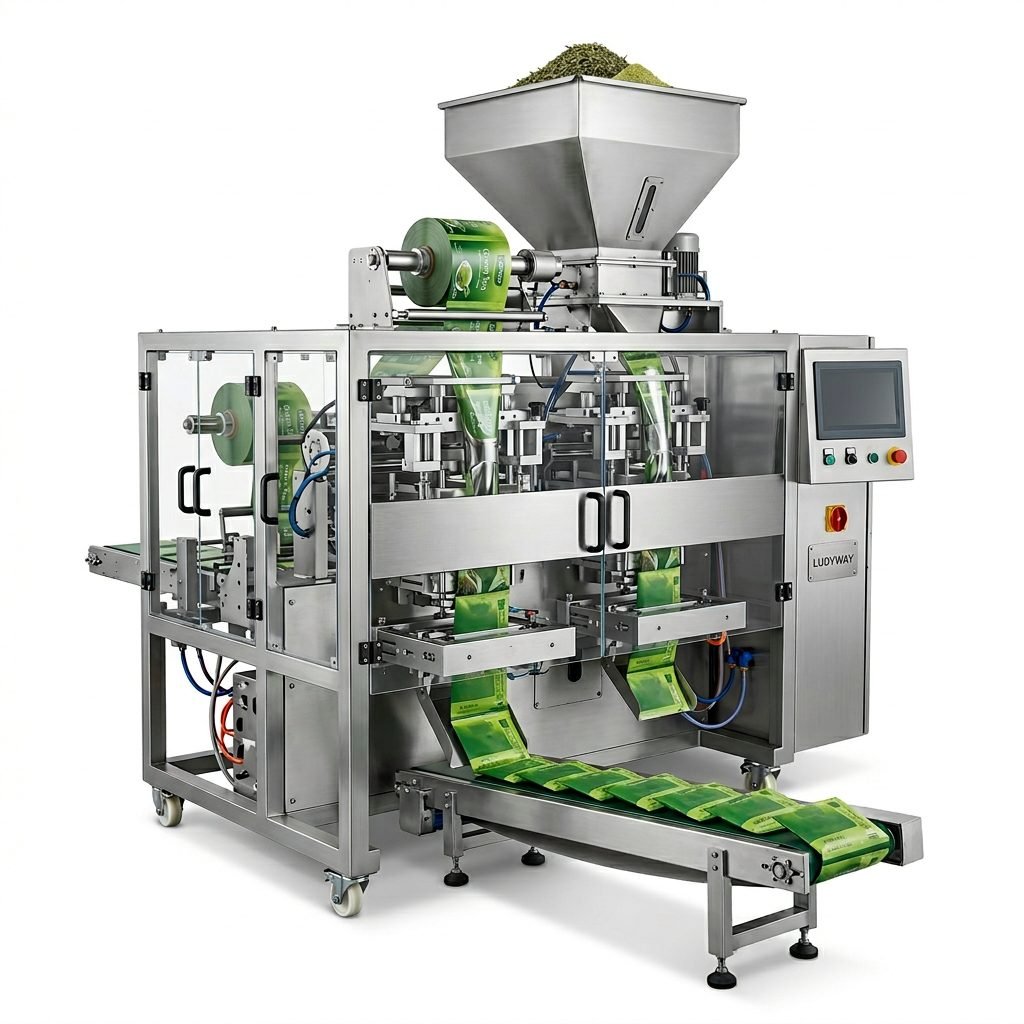
| Multi-Lane Sachet / Stick Pack System for Tea Powder | Instant tea powder or drink mixes | High-speed filling, compact retail sachets or stick packs |
What Products Can Be Packed?
A tea bag packing machine can be used for many tea-based and botanical products, including:
- Black tea
- Green tea
- Oolong tea
- White tea
- Herbal tea blends
- Fruit tea
- Flower tea
- Functional wellness teas
- Detox tea
- Instant tea powder
- Matcha and fine tea powder blends
For delicate leaves or irregular herbal mixtures, the dosing system must be selected carefully to reduce breakage and improve filling accuracy.
Key Components of a Tea Bag Packaging Machine
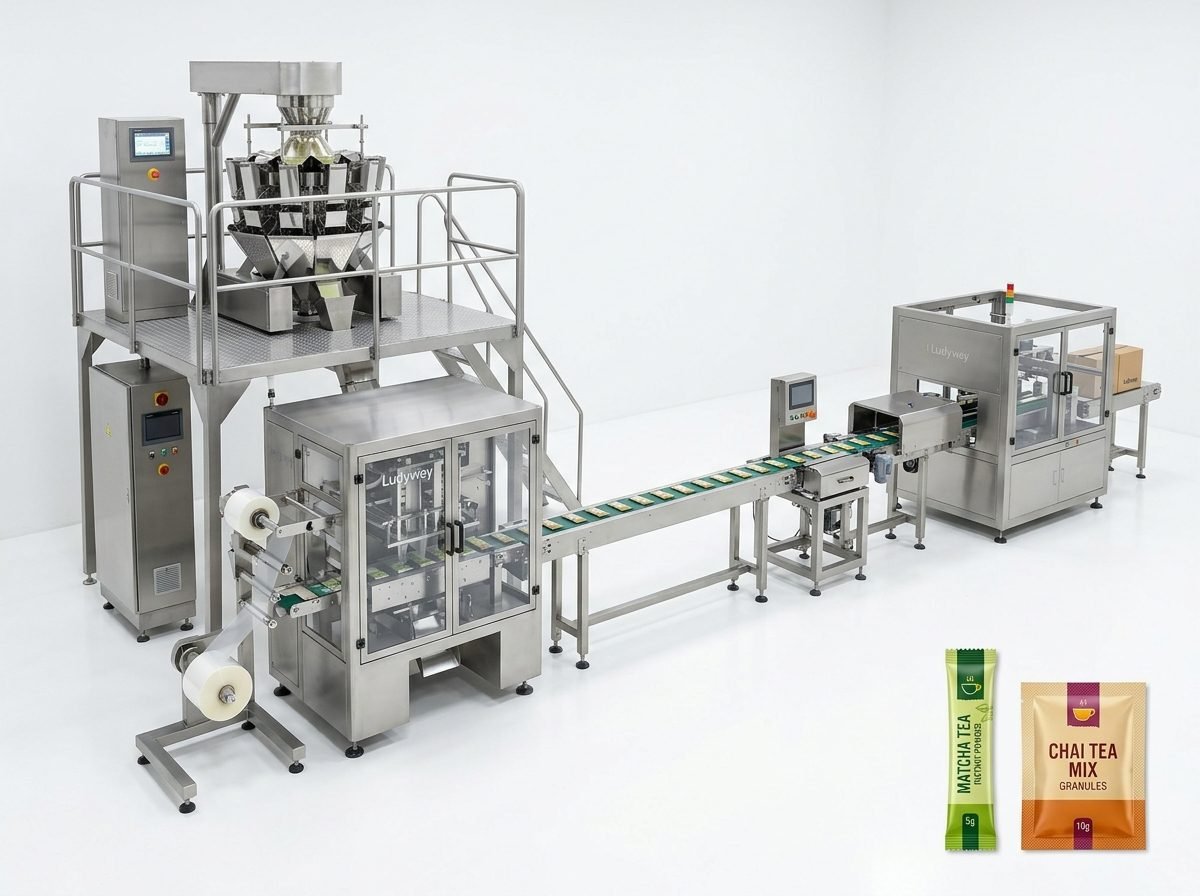
Understanding the machine structure can help buyers evaluate performance more effectively.
1. Feeding System
This part moves the tea from the hopper to the dosing section. Depending on product characteristics, it may include a vibration feeder, screw feeder, or bucket elevator.
2. Dosing Unit
The dosing system determines fill consistency. Common options include volumetric cups, weighing systems, auger fillers for powder tea, and customized feeders for herbal blends.
3. Bag Forming and Sealing System
This section creates the bag shape and seals it securely. Seal quality is essential for protecting aroma and ensuring clean, professional packaging.
4. Thread and Tag Device
For retail tea bags, this module attaches cotton thread and branded tag automatically.
5. Outer Envelope Unit
If the line includes an outer sachet function, the machine packages the finished tea bag into an additional sealed wrapper to improve freshness and retail appearance.
6. Control System
A PLC and touch screen interface allow operators to adjust filling volume, bag length, sealing temperature, production count, and alarm settings.
Benefits of Using Tea Bag Packaging Equipment
- Higher efficiency: Much faster than manual filling and sealing
- Better consistency: Uniform bag size, fill weight, and sealing quality
- Improved hygiene: Reduced human contact with the product
- Lower labor cost: Fewer operators needed for the same output
- Enhanced product freshness: Better sealing and optional outer envelope packing
- More attractive packaging: Supports premium presentation for retail sales
- Scalability: Easy to upgrade from standalone machine to a more integrated line
For growing tea brands, automation is not only about speed. It also supports quality control, brand image, and more reliable supply.
Tea Bag Styles Supported by Modern Machines
| Tea Bag Style | Material | Application |
|---|---|---|
| Flat tea bag | Filter paper | Traditional tea packing |
| Double chamber tea bag | Filter paper | Retail tea with string and tag |
| Pyramid tea bag | Nylon, PLA, biodegradable mesh | Premium loose leaf and herbal blends |
| Inner and outer bag | Filter paper + laminated film | Freshness-sensitive tea products |
How to Choose the Right Tea Bag Packing Solution
A good buying decision should be based on product characteristics and business goals rather than only machine price.
Consider Your Tea Type
Whole leaves, broken leaves, herbal pieces, flower buds, and tea powders all behave differently in feeding and filling. The machine must match your product flowability and particle size.
Confirm Your Bag Format
Do you need flat tea bags, pyramid tea bags, tagged tea bags, or inner-and-outer envelope packaging? The desired retail format will strongly affect machine configuration.
Estimate Production Capacity
Small businesses may start with a lower-speed machine, while larger factories often need continuous, high-output systems with automatic feeding and cartoning integration.
Evaluate Packaging Material Compatibility
Check whether the machine supports filter paper, non-woven fabric, nylon mesh, PLA biodegradable material, or laminated outer film.
Look at Accuracy and Stability
Weight consistency, sealing integrity, and low material waste are critical performance indicators.
Think About Future Expansion
If your business plans include scaling up, it is better to choose a machine supplier that can provide standalone units as well as complete packaging line integration.
Important Buying Checklist
- Tea type and blend composition
- Required bag style
- Target bags per minute
- Filling accuracy tolerance
- Inner bag only or inner plus outer envelope
- String and tag requirement
- Packaging material specification
- Available factory space
- Operator skill level
- Maintenance and spare parts support
- Need for coding, cartoning, checkweighing, or case packing
Tea Bag Packaging Machine vs Manual Tea Packing
| Factor | Manual Packing | Automatic Machine Packing |
|---|---|---|
| Speed | Low | High |
| Consistency | Variable | Stable |
| Labor requirement | High | Lower |
| Hygiene control | More handling risk | Better process control |
| Scalability | Limited | Excellent |
Common Industries and Buyers
Tea bag packaging machines are widely used by:
- Tea manufacturers
- Herbal product companies
- Health supplement brands
- Private label tea packers
- Food contract packaging factories
- E-commerce tea startups
- Organic and wellness product suppliers
Can a Tea Bag Machine Be Part of a Complete Packaging Line?
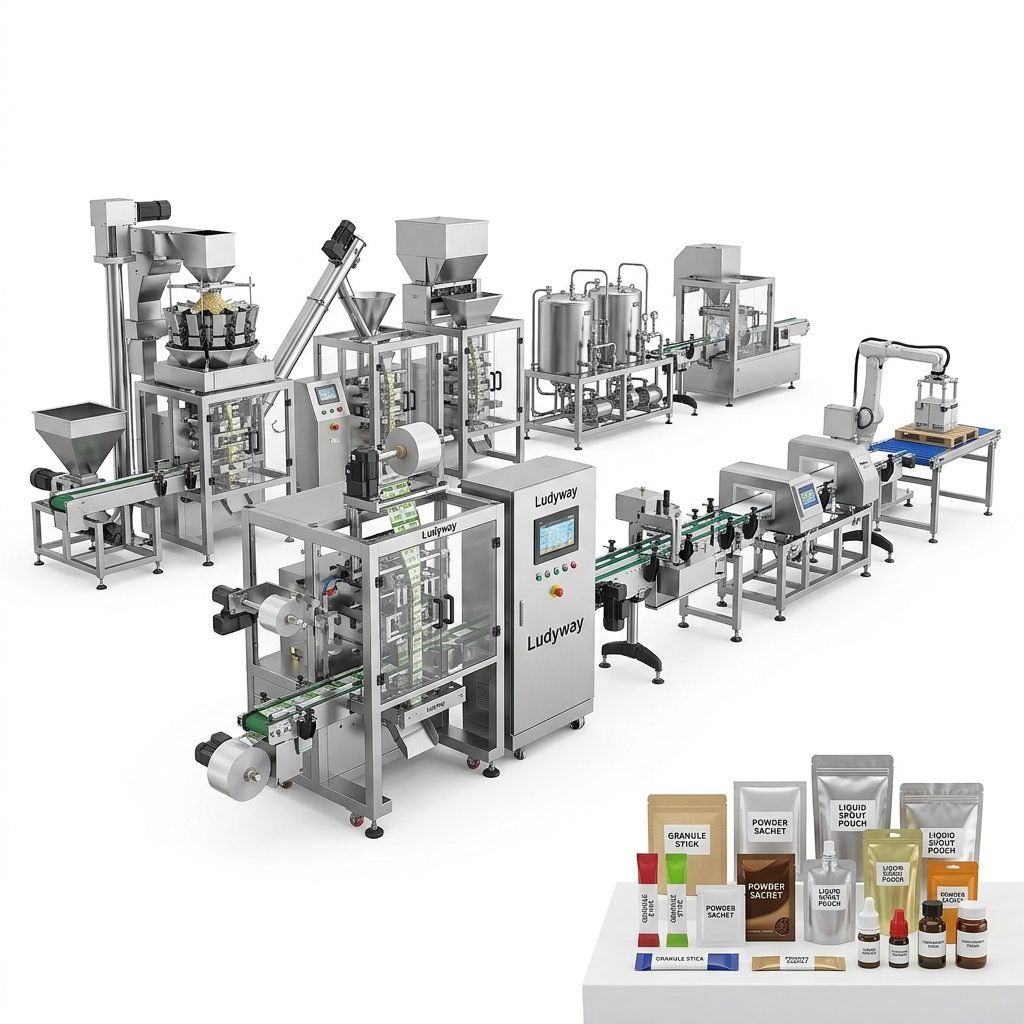
Yes. Many manufacturers now prefer a more integrated solution instead of buying a standalone unit only. A complete tea packing line may include:
- Tea feeding and conveying system
- Tea bag forming and filling machine
- Outer envelope packing module
- Date coding or printing system
- Cartoning machine
- Case packing system
- Inspection and checkweighing equipment
For businesses seeking scalable automation, working with an experienced supplier such as Ludyway tea bag packaging machine solutions can make it easier to configure equipment that fits current output and future expansion plans.
Maintenance Tips for Long-Term Performance
- Clean product-contact parts regularly to avoid flavor contamination.
- Inspect sealing components to maintain consistent bag quality.
- Calibrate dosing systems at scheduled intervals.
- Check moving parts, cutters, and conveyors for wear.
- Use suitable packaging materials recommended by the machine supplier.
- Train operators on changeover, troubleshooting, and daily care.
Frequently Asked Questions
Can one machine pack different tea products?
In many cases, yes. However, product differences in particle size, density, and fragility may require change parts or dosing adjustments.
Is a tea bag packaging machine suitable for herbal blends?
Yes, but herbal blends often need a carefully designed feeding and weighing system because the material can be irregular, light, or easily broken.
Can the machine produce pyramid tea bags?
Yes, if it is specifically designed for pyramid or triangular tea bag production and compatible with mesh packaging materials.
Do I need an outer envelope machine?
If freshness, moisture protection, or premium retail appearance is important, an outer envelope function is often a smart choice.
What is the best machine for instant tea powder?
Instant tea powder is usually better packed with sachet or stick pack machines rather than traditional filter tea bag machines.
Final Thoughts
A tea bag packaging machine is a practical investment for tea brands and manufacturers that want to improve efficiency, hygiene, consistency, and packaging quality. Whether you produce classic tea bags, premium pyramid tea bags, or outer-envelope retail packs, the right equipment can help you build a stronger and more scalable tea packaging operation.
Before buying, focus on your tea type, bag format, output target, and future automation needs. A well-matched machine does more than fill tea bags—it supports product quality, brand value, and long-term production growth.