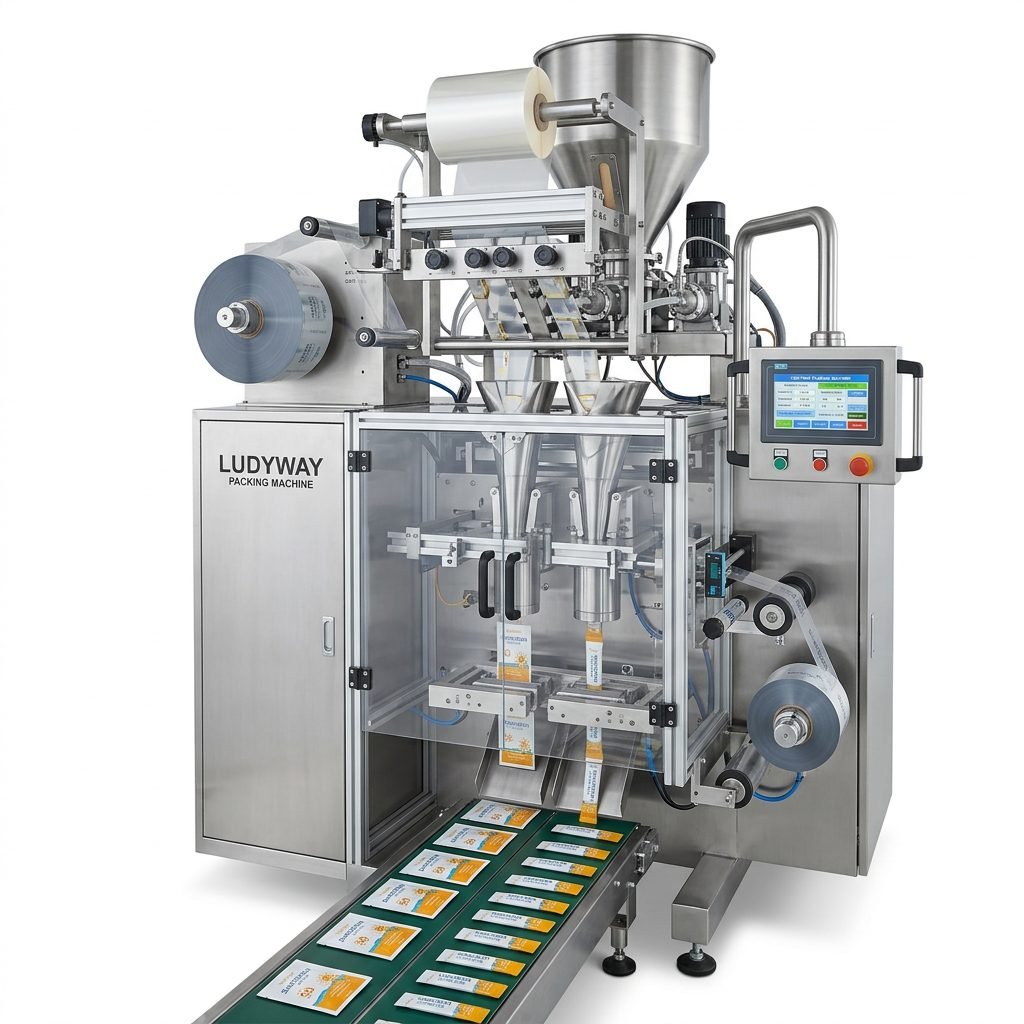
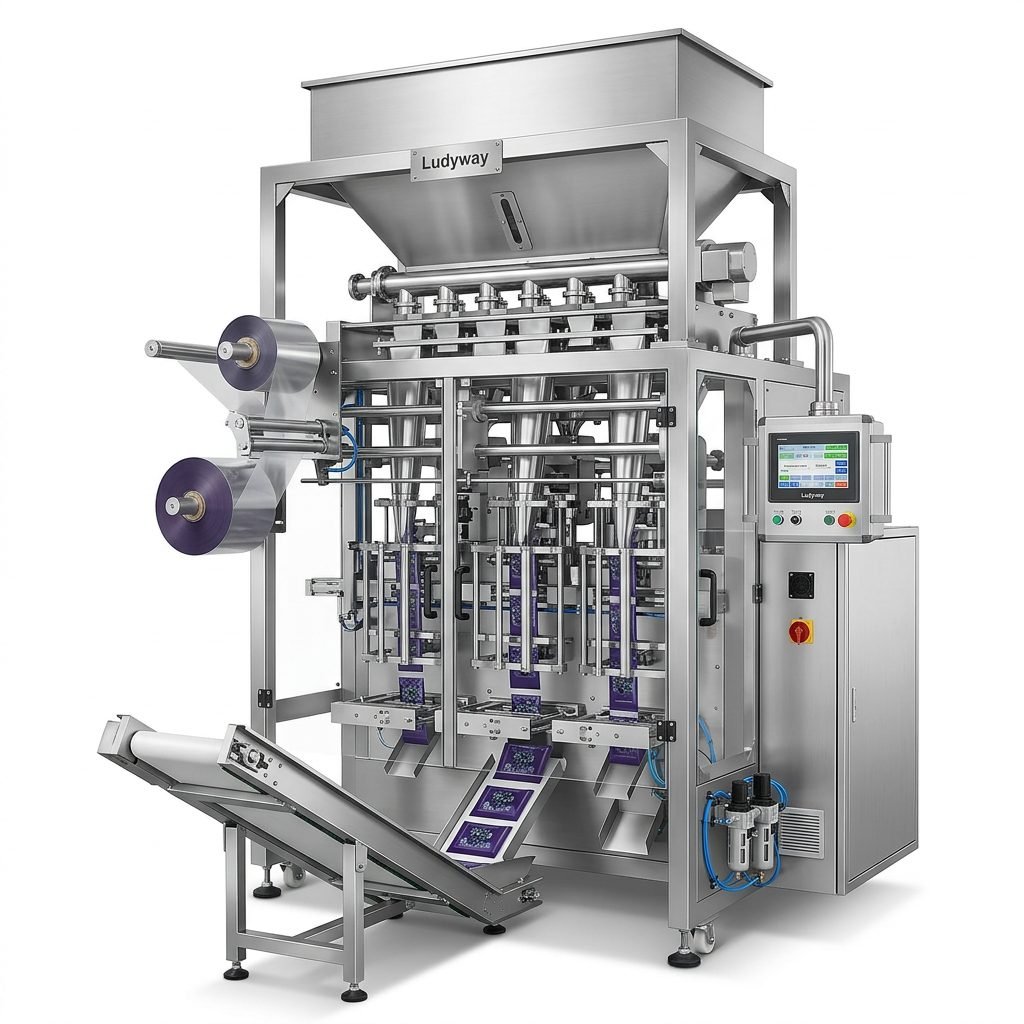
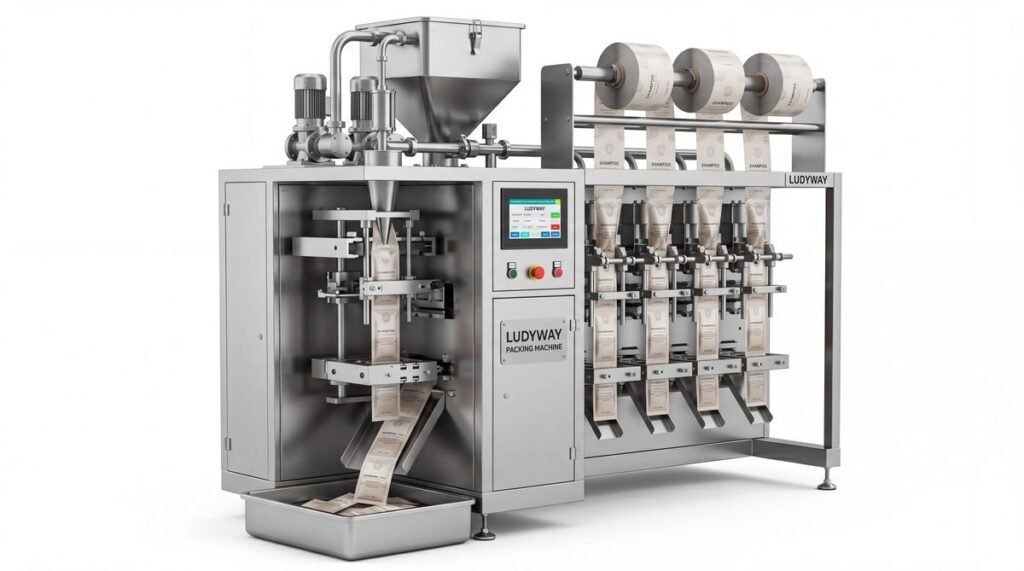
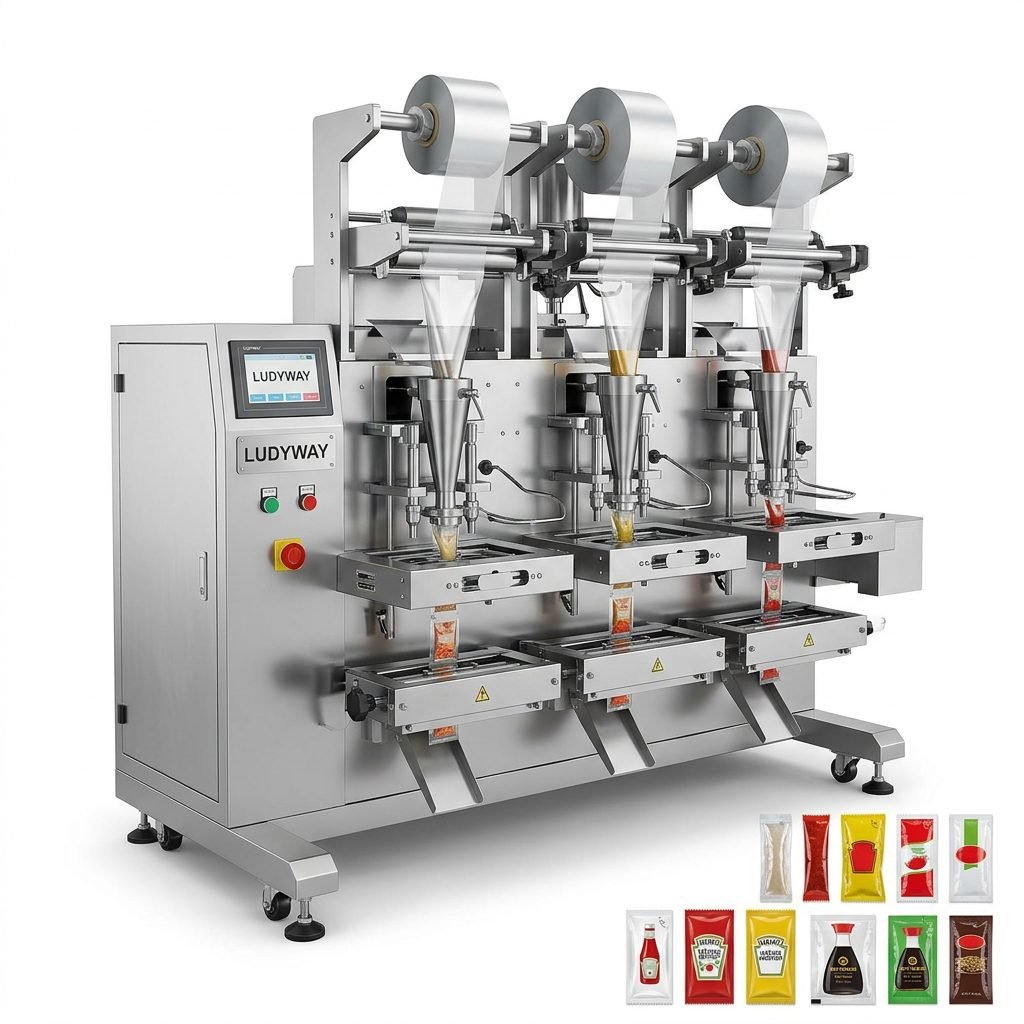
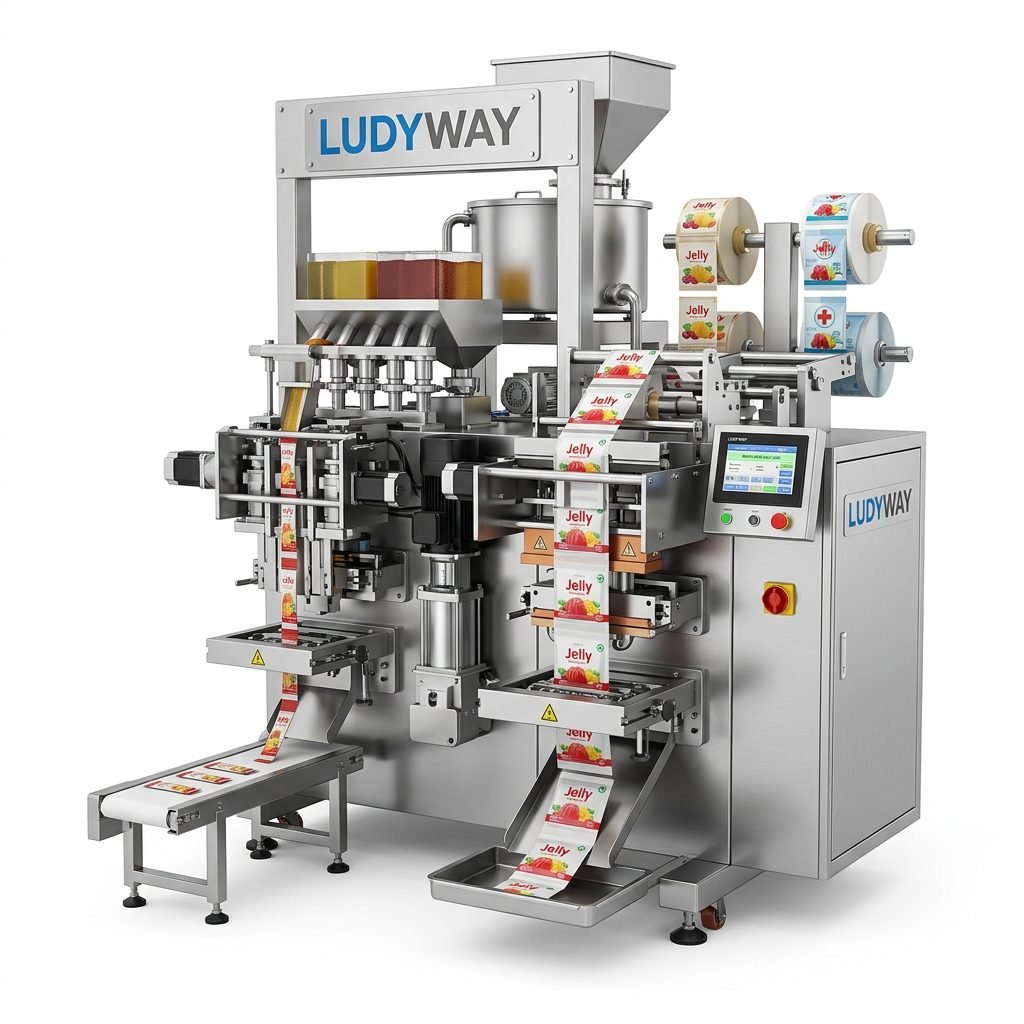
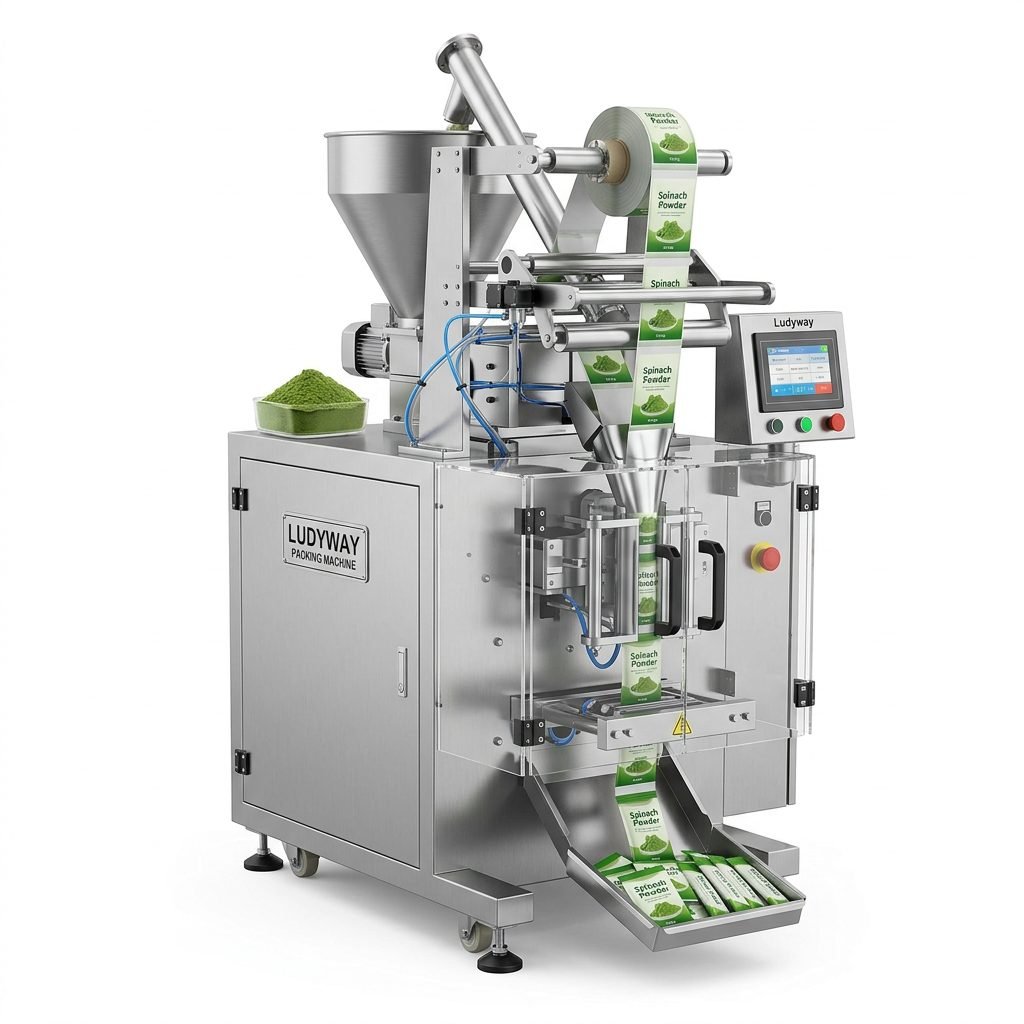
Investing in a chewing gum packaging machine is a critical decision for confectionery manufacturers aiming to scale production, maintain product freshness, and meet global market demands. Whether you produce stick gum, pellet gum, or tablet gum in sachets and stick packs, choosing the right equipment directly impacts your operational efficiency and brand competitiveness. This guide covers the essential factors to consider when selecting a chewing gum packaging machine for your production line, from machine types and technical specifications to compliance and after-sales support.
Understanding Chewing Gum Packaging Formats
Before diving into machine specifications, it is important to understand the primary packaging formats used in the chewing gum industry. Each format requires different filling, sealing, and cutting mechanisms, and your target market heavily influences which one you need.
- Stick Gum Packaging: Individual sticks wrapped in foil-backed paper or film, often bundled into sleeves. Requires precise folding and overwrapping capabilities.
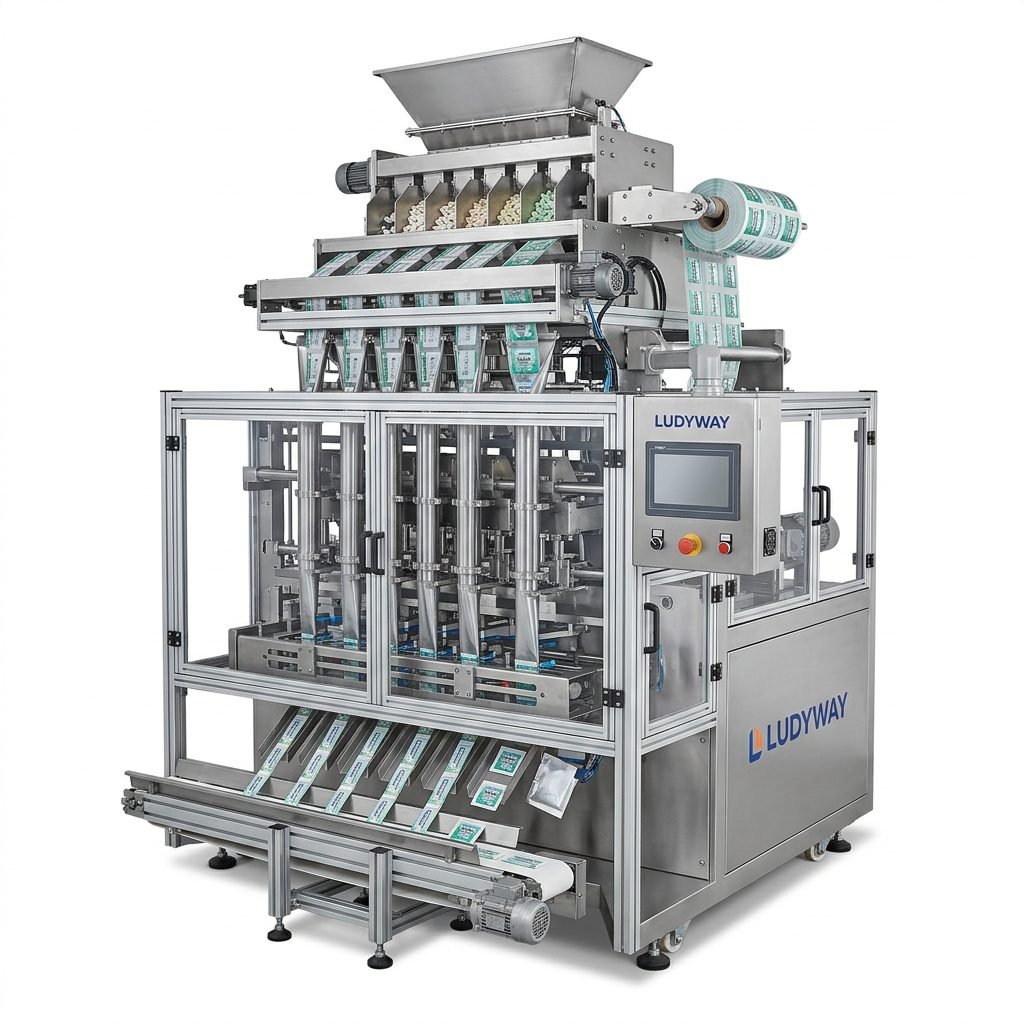
- Pellet Gum Packaging: Coated pellets packaged in blister packs, pillow pouches, or bottles. Multi-lane sachet systems are commonly used for high-volume production.
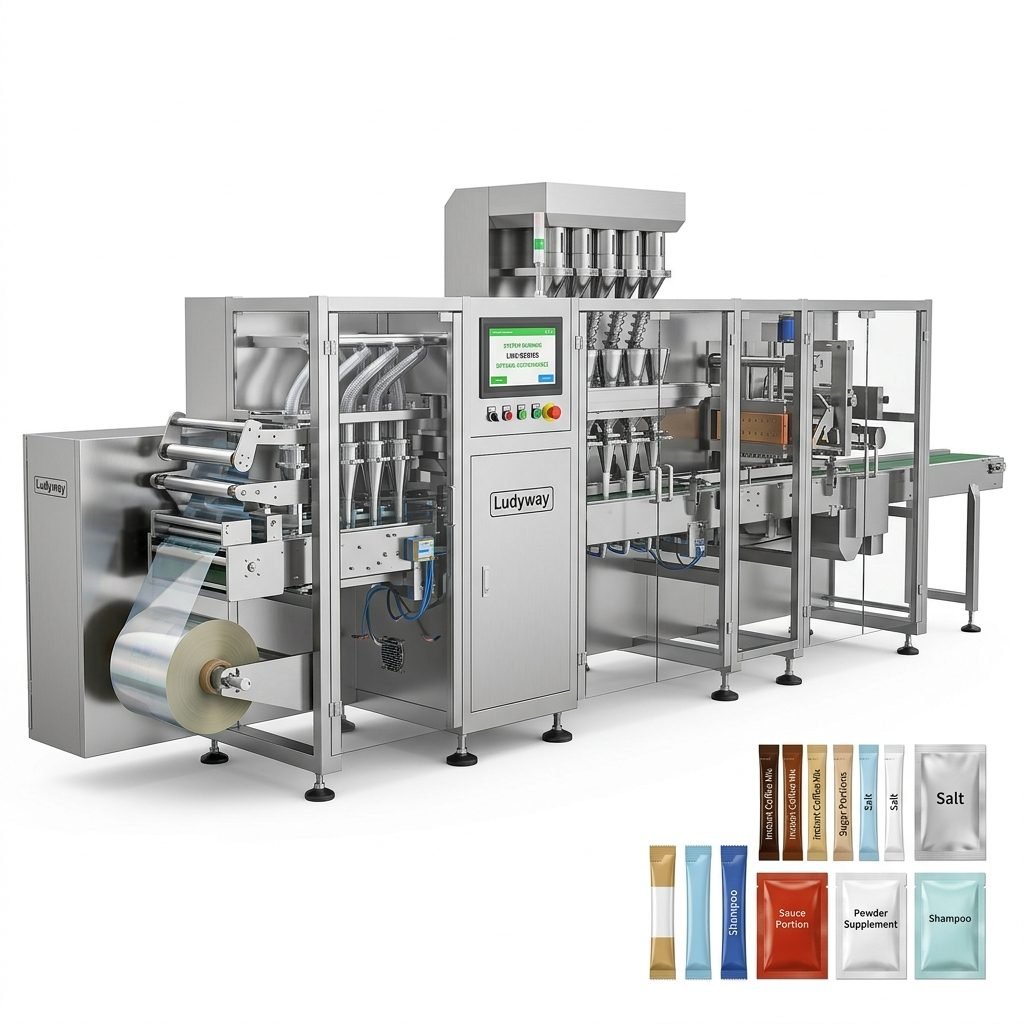
- Sachet and Stick Pack Formats: Increasingly popular for functional and sugar-free gum, these formats use vertical form-fill-seal technology with multi-lane configurations for maximum output.
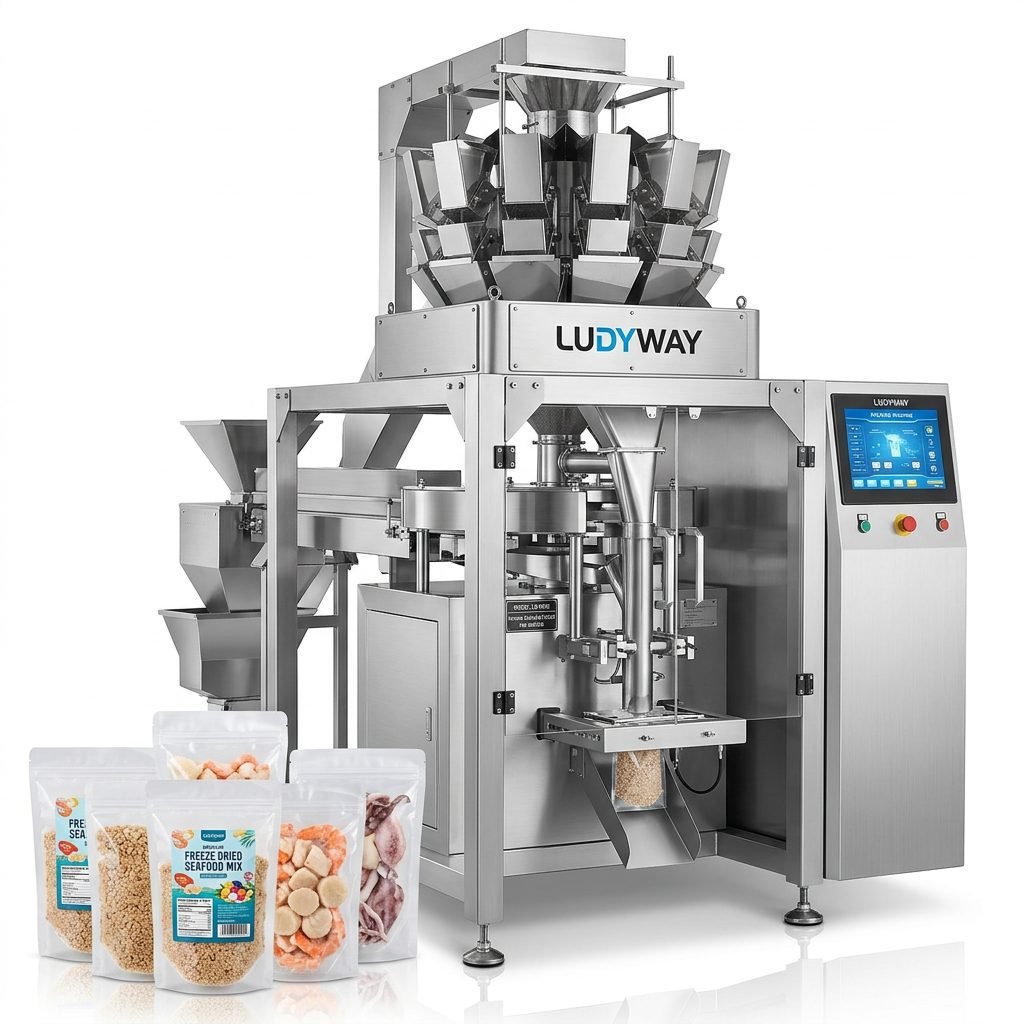
- Bag-in-Box and Pouch Packaging: For bulk or family-size gum products, larger pouch and bagging systems with automated weighing are required.
Key Machine Types for Chewing Gum Production
Chewing gum packaging machines vary widely in automation level, speed, and configuration. Below is a comparison of the most common types found in modern confectionery plants.
| Machine Type | Best For | Speed Range | Key Advantage |
|---|---|---|---|
| Multi-Lane Stick Pack Machine | Stick gum, sachets | 200-600 packs/min | High output, compact footprint |
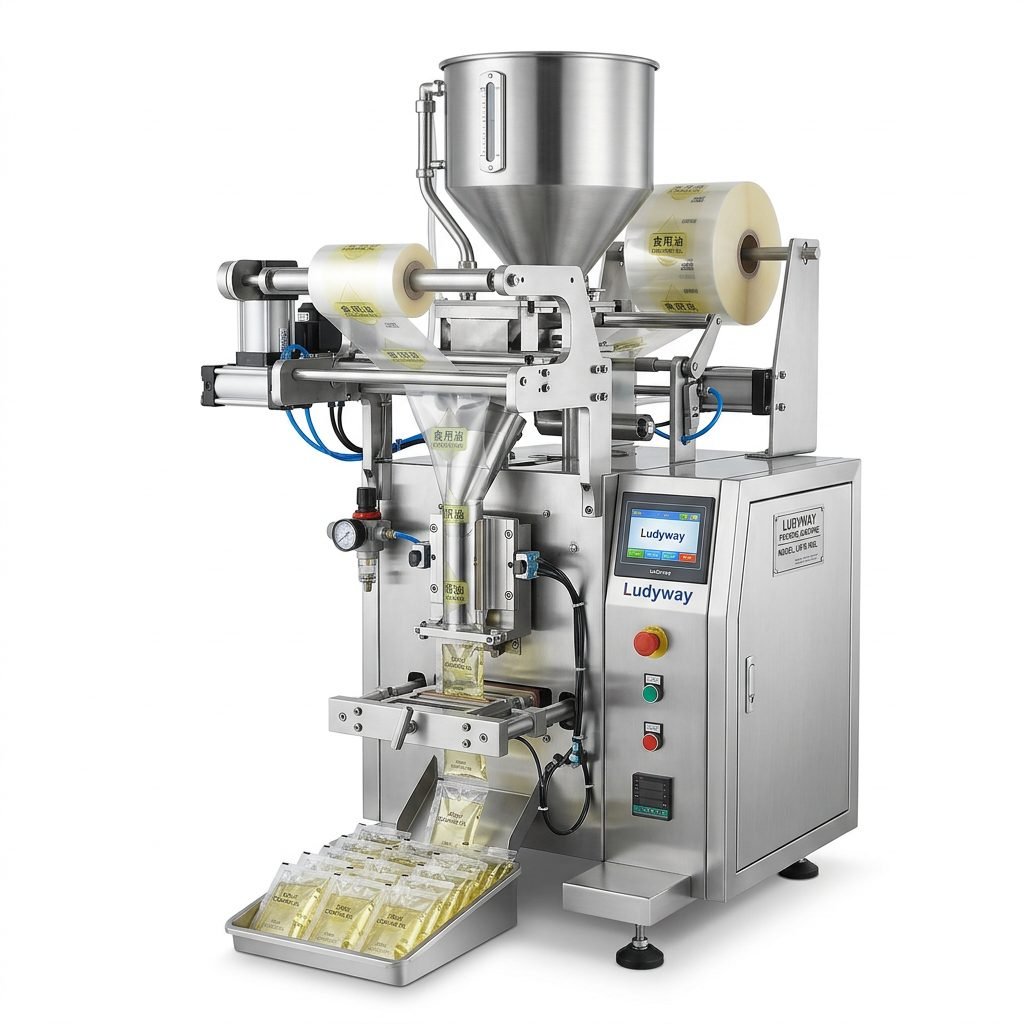
| Vertical Form-Fill-Seal (VFFS) | Pillow pouches, sachets | 80-300 packs/min | Versatile film compatibility |
| Foil Wrapping Machine | Traditional stick gum | 300-800 sticks/min | Classic packaging style |
| Blister Packaging Line | Pellet gum, tablets | 150-400 blisters/min | Product visibility, tamper-evident |
| Complete Turnkey Packaging Line | End-to-end production | Custom configured | Integrated weighing, filling, cartoning |
Critical Factors When Choosing a Chewing Gum Packaging Machine
1. Production Speed and Output Requirements
Your target production volume is the single most important factor in machine selection. Multi-lane stick pack and sachet machines can achieve significantly higher output than single-lane alternatives. Consider not only your current needs but also projected growth over the next 3-5 years. Industry reports from PMMI indicate that confectionery packaging automation is accelerating, with demand for high-speed multi-lane systems growing steadily across global markets.
2. Packaging Material Compatibility
Chewing gum requires moisture-resistant and aroma-barrier packaging to maintain freshness and flavor. Ensure your chosen machine can handle the specific film structures you plan to use, including metallized films, foil laminates, and cold-seal materials. The Flexible Packaging Association provides valuable resources on material innovations that can influence your machine specifications.
3. Automation and Integration Capabilities
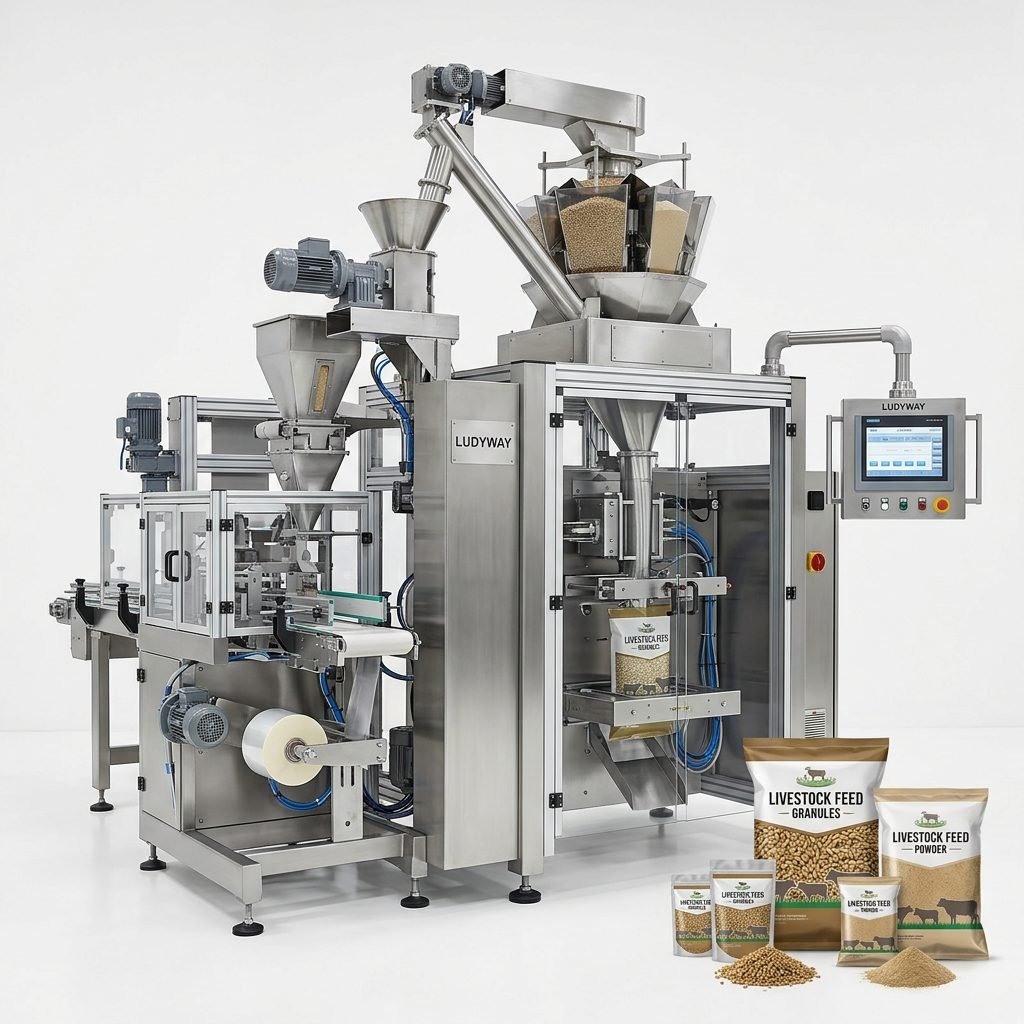
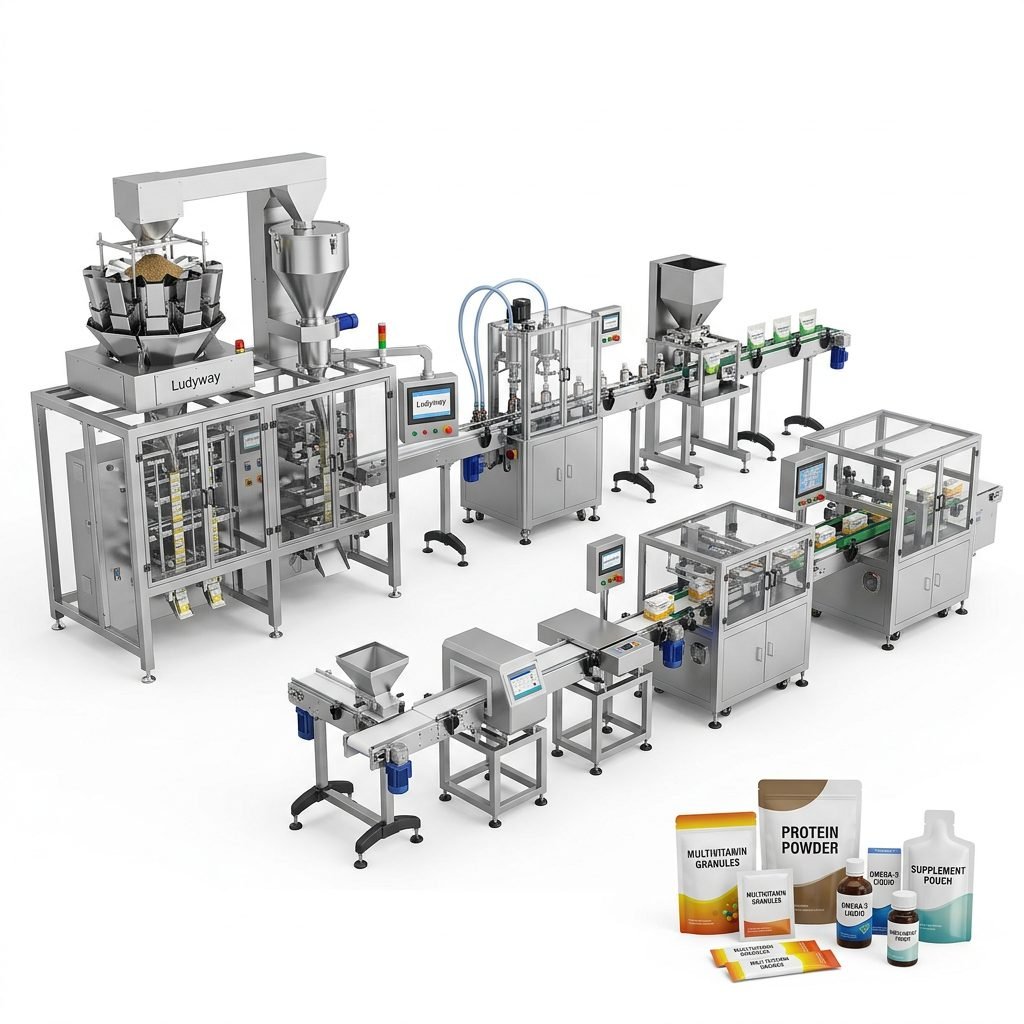
Modern chewing gum packaging lines benefit from end-to-end automation. Look for machines that integrate seamlessly with upstream feeding systems and downstream cartoning, case packing, and palletizing equipment. Features like automatic film splicing, servo-driven sealing, and smart HMI controls reduce downtime and operator intervention. A fully integrated line can include a granule packaging machine with multi-lane configuration, automated weighing, and nitrogen flushing for extended shelf life.
4. Changeover Flexibility
If you produce multiple gum SKUs with different sizes, shapes, or packaging formats, quick changeover capability is essential. Machines with tool-less adjustment, recipe-driven settings, and modular design significantly reduce changeover time and enable more agile production scheduling.
5. Hygiene Standards and Regulatory Compliance
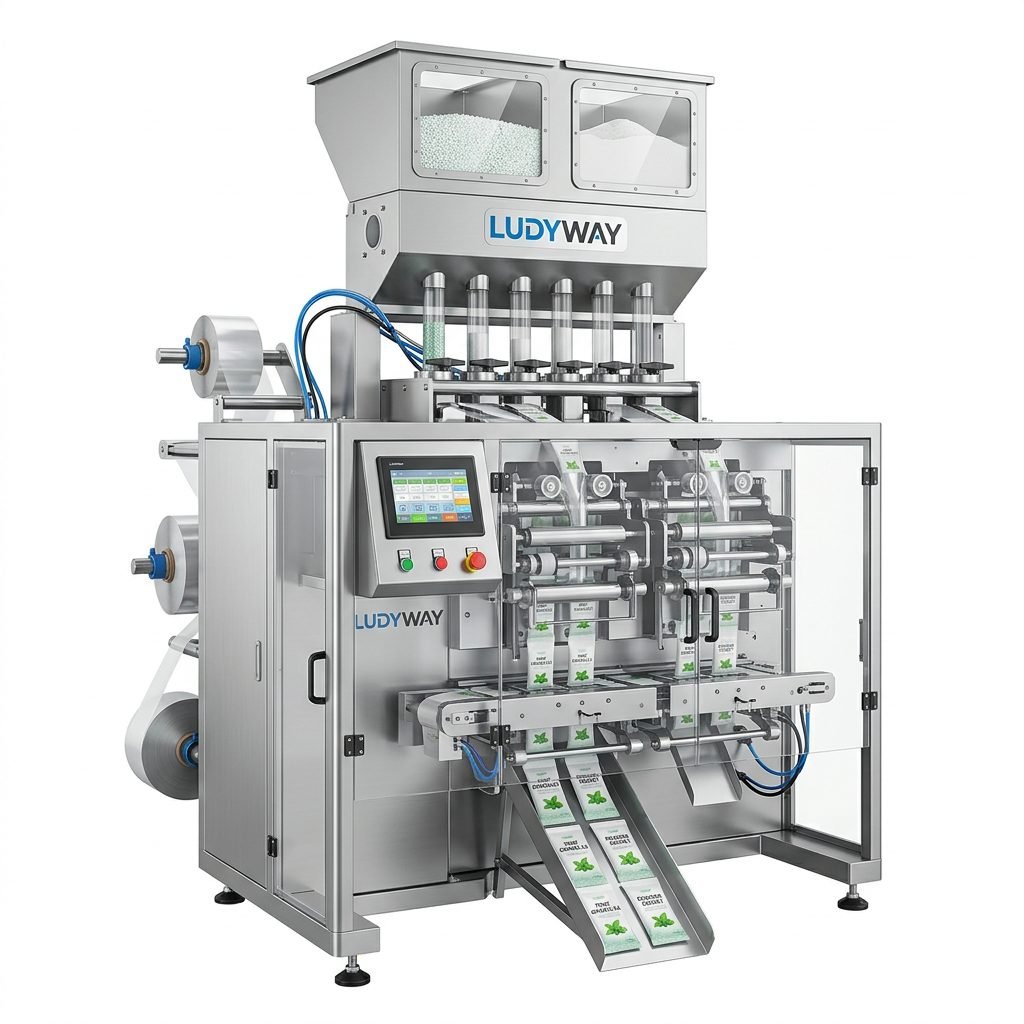
Food-grade packaging machinery must comply with international hygiene and safety standards. Key certifications to look for include CE marking for European markets, FDA compliance for food contact surfaces in the U.S., and ISO 22000 for food safety management. Refer to FDA packaging regulations and ISO packaging standards for detailed requirements. Stainless steel construction, washdown-ready designs, and IP-rated electrical enclosures are recommended for confectionery production environments.
6. Energy Efficiency and Total Cost of Ownership
Beyond the initial purchase price, evaluate long-term operating costs including energy consumption, spare parts availability, and maintenance requirements. Servo-driven machines typically offer better energy efficiency and precision compared to pneumatic systems. Consider also the availability of local technical support and training when sourcing equipment from global manufacturers.
Global Market Considerations for Gum Packaging
The global chewing gum market continues to evolve, driven by demand for sugar-free and functional gum products. Manufacturers expanding into new regions must consider local packaging regulations, climate conditions affecting product shelf life, and consumer preferences for specific packaging formats. For instance, stick pack formats dominate in North America and Europe, while sachet formats are growing rapidly in Asia-Pacific and Latin American markets.
When sourcing packaging equipment globally, working with an experienced manufacturer that understands regional requirements is invaluable. Ludyway is one of the largest packaging machine manufacturers in China, specializing in advanced packaging equipment and turnkey production solutions for the food, pharmaceutical, and health industries. With over 30 years of industry expertise, the company provides reliable and efficient packaging solutions for granule, powder, liquid, and pouch packaging applications across more than 50 intelligent machine models, serving customers in over 100 countries and regions.
Key Questions to Ask Before Purchasing
- What is the machine’s actual proven speed with chewing gum products, not just the theoretical maximum?
- Does the supplier offer factory acceptance testing with your actual product and packaging materials?
- What is the typical lead time for manufacturing, shipping, and installation?
- Are spare parts and technical support available in your region?
- Can the machine be easily upgraded or expanded as your production needs grow?
- What warranty and after-sales service terms are included?
Comparing Packaging Machine Technologies
The table below summarizes the key technological differences that affect performance and suitability for chewing gum applications.
| Feature | Basic Machines | Advanced Servo-Driven Machines |
|---|---|---|
| Drive System | Mechanical or pneumatic | Full servo with digital control |
| Changeover Time | 30-60 minutes | 5-15 minutes with recipe recall |
| Sealing Precision | ±2mm | ±0.5mm with temperature PID control |
| Film Waste Rate | 3-5% | Under 1% with automatic registration |
| Data Integration | Limited or none | Industry 4.0 ready, OEE tracking |
| Typical Maintenance Interval | Monthly | Quarterly with predictive alerts |

The Importance of Nitrogen Flushing for Gum Freshness
Many chewing gum manufacturers incorporate nitrogen flushing systems into their packaging process to displace oxygen and extend product shelf life. When selecting a packaging machine, verify that it supports gas flushing and can maintain consistent residual oxygen levels below 1%. This is especially important for gum products with sensitive flavors or functional ingredients. The PMMI packaging resources offer detailed guidance on modified atmosphere packaging technologies relevant to confectionery applications.
Installation, Training, and After-Sales Support
Even the best packaging machine requires proper installation and operator training to deliver optimal performance. When evaluating suppliers, consider the following support aspects:
- Remote support capabilities: Can the supplier diagnose issues remotely via IoT connectivity?
- On-site commissioning: Does the supplier send engineers for installation and startup?
- Operator training programs: Are comprehensive training materials and hands-on sessions included?
- Spare parts network: How quickly can critical spare parts be delivered to your location?
- Preventive maintenance plans: Does the supplier offer scheduled maintenance visits?
According to a recent industry analysis, packaging machinery exports from leading manufacturers are projected to exceed RMB 1 billion by 2026, reflecting growing global demand for high-quality automated packaging solutions. This growth underscores the importance of partnering with established suppliers who have a proven track record in international markets.
Regulatory Standards Reference
Below are key regulatory and industry resources to consult when specifying chewing gum packaging equipment for different markets:
| Standard / Resource | Region | Relevance to Gum Packaging |
|---|---|---|
| FDA Food Contact Substances | United States | Packaging material safety |
| EU Packaging and Packaging Waste Regulation | European Union | Sustainability compliance |
| ISO 11607 Packaging Standards | International | Packaging validation requirements |
| Flexible Packaging Association Regulatory Affairs | United States | Flexible packaging compliance |
Final Recommendations for Global Buyers
Choosing the right chewing gum packaging machine requires a systematic evaluation of your production goals, packaging formats, budget, and target markets. Prioritize suppliers who offer factory testing with your actual products, transparent technical specifications, and responsive after-sales support. For manufacturers serving multiple international markets, partnering with a supplier experienced in global compliance and export logistics can streamline the procurement process significantly. Whether you are upgrading an existing line or building a new facility, investing time in thorough research and supplier evaluation will yield long-term benefits in productivity, product quality, and operational efficiency.