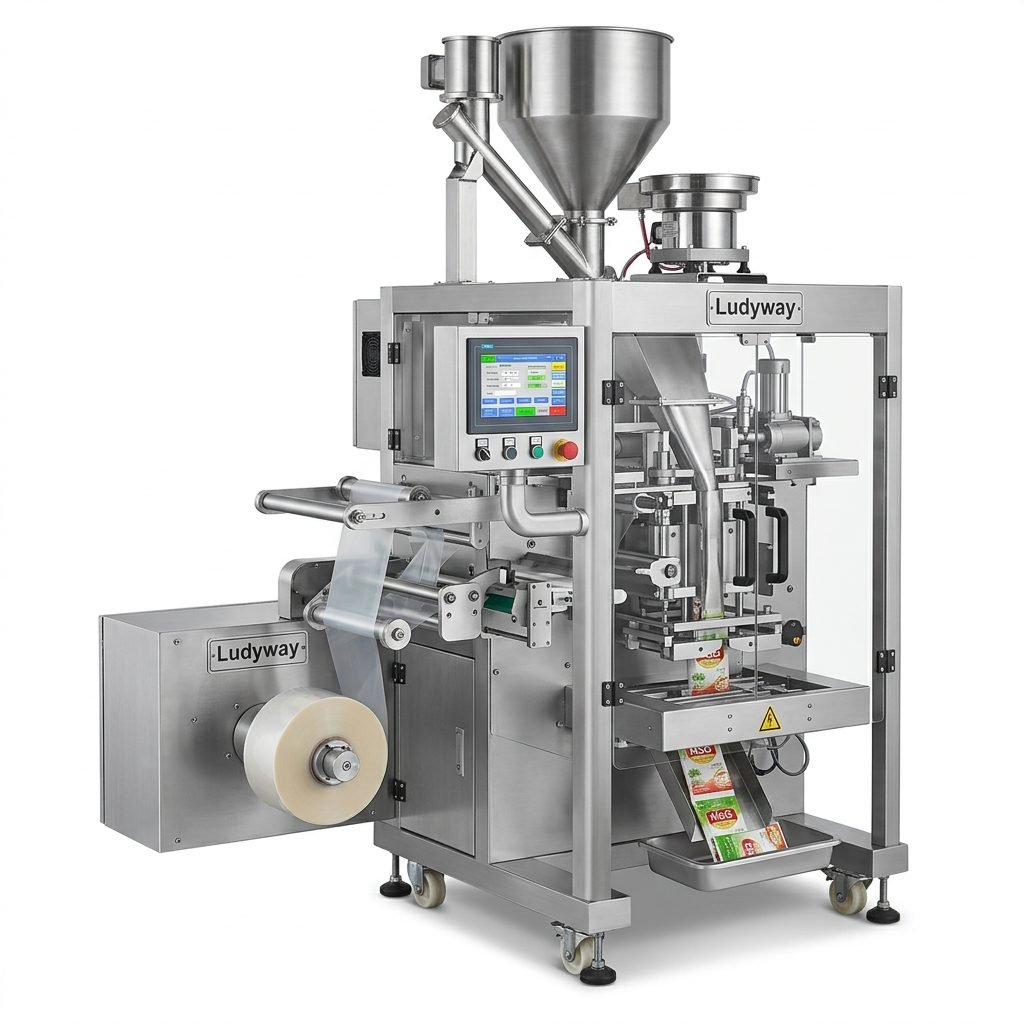
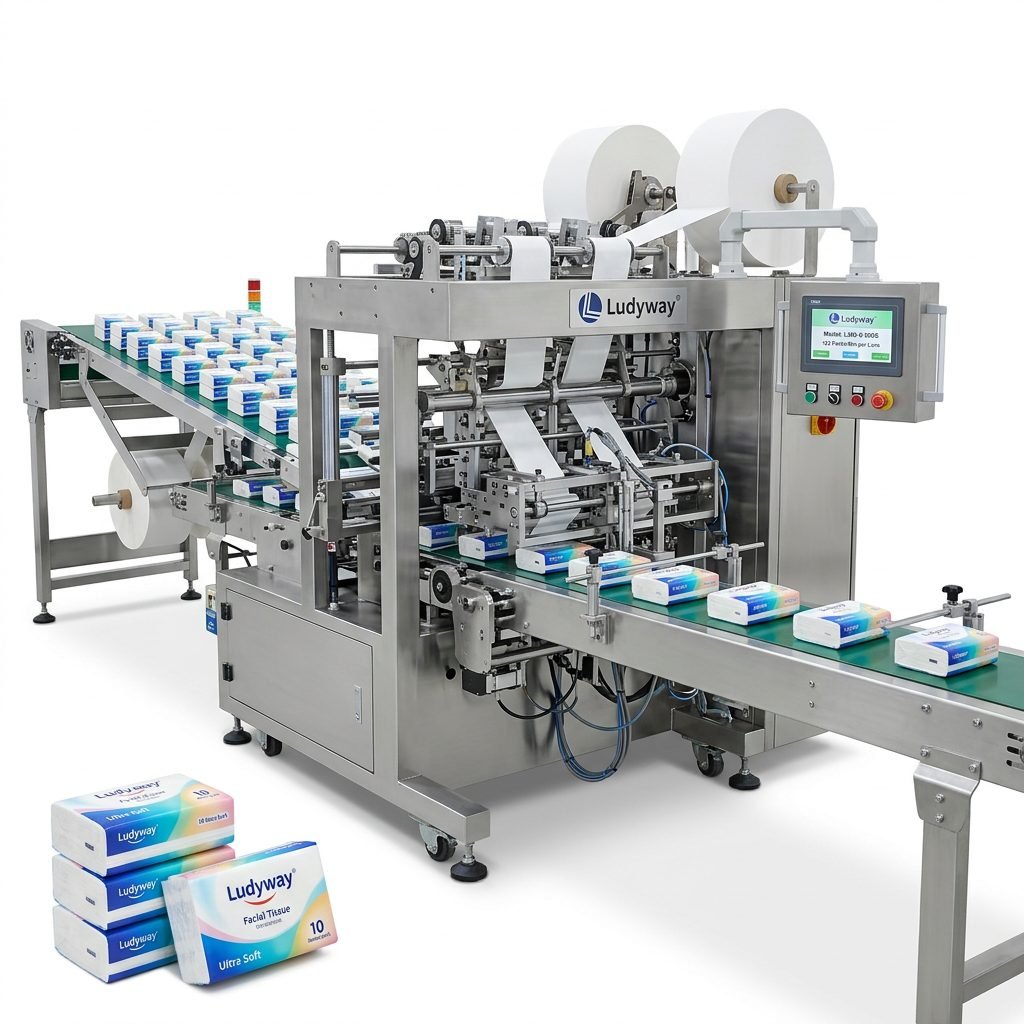
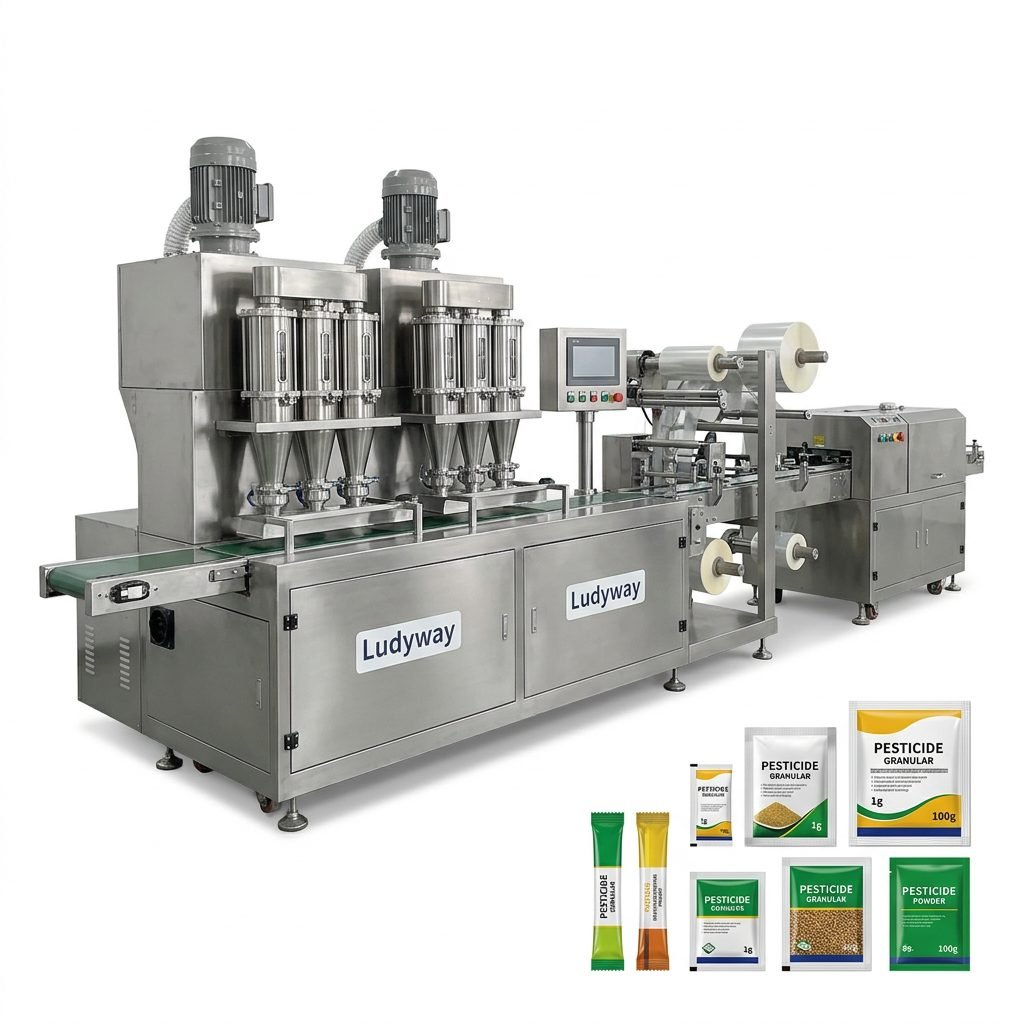
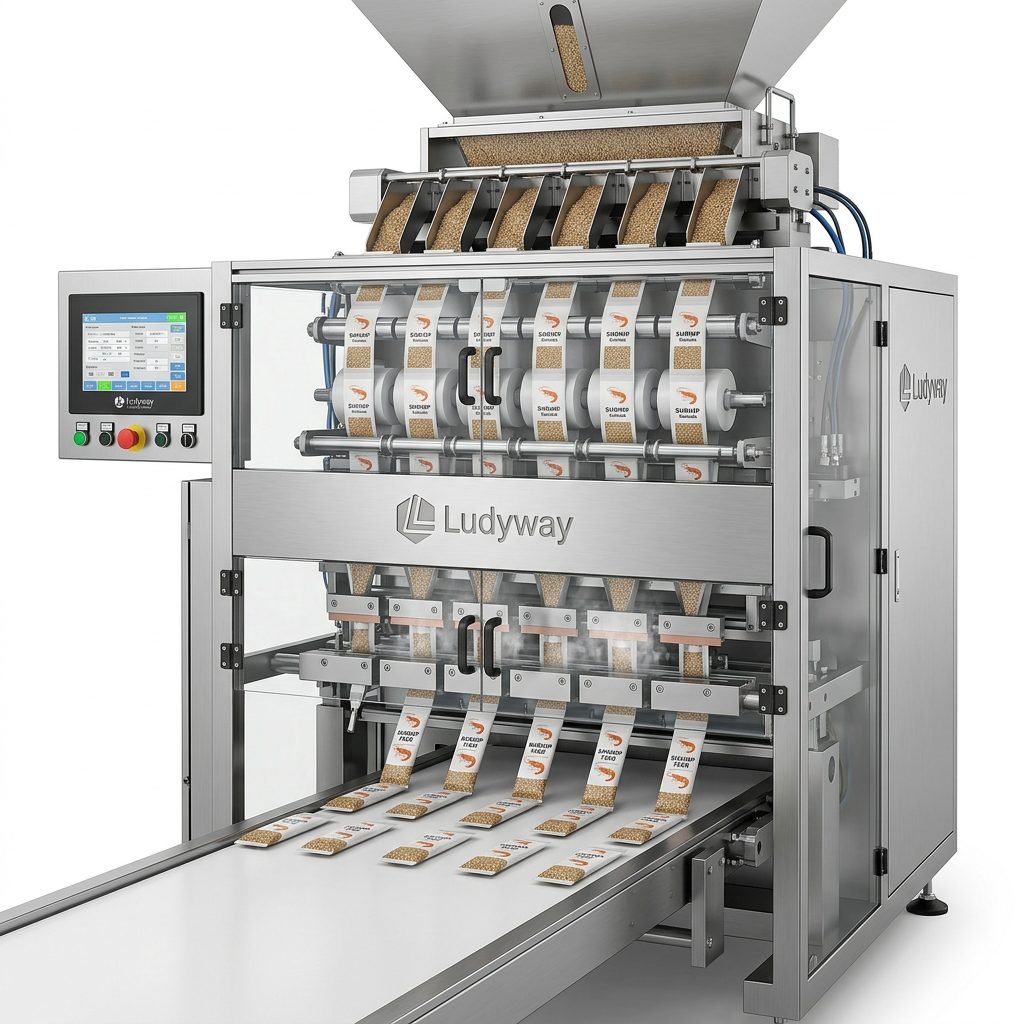
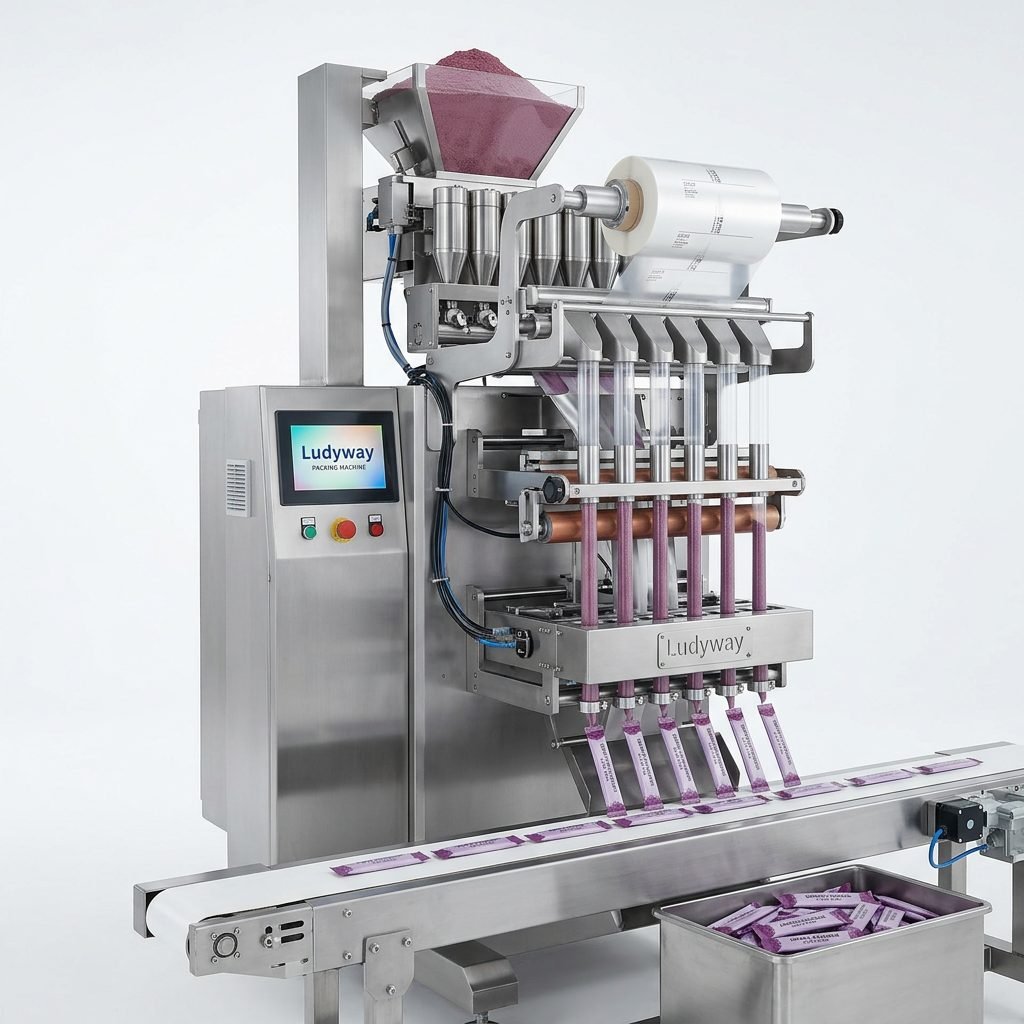
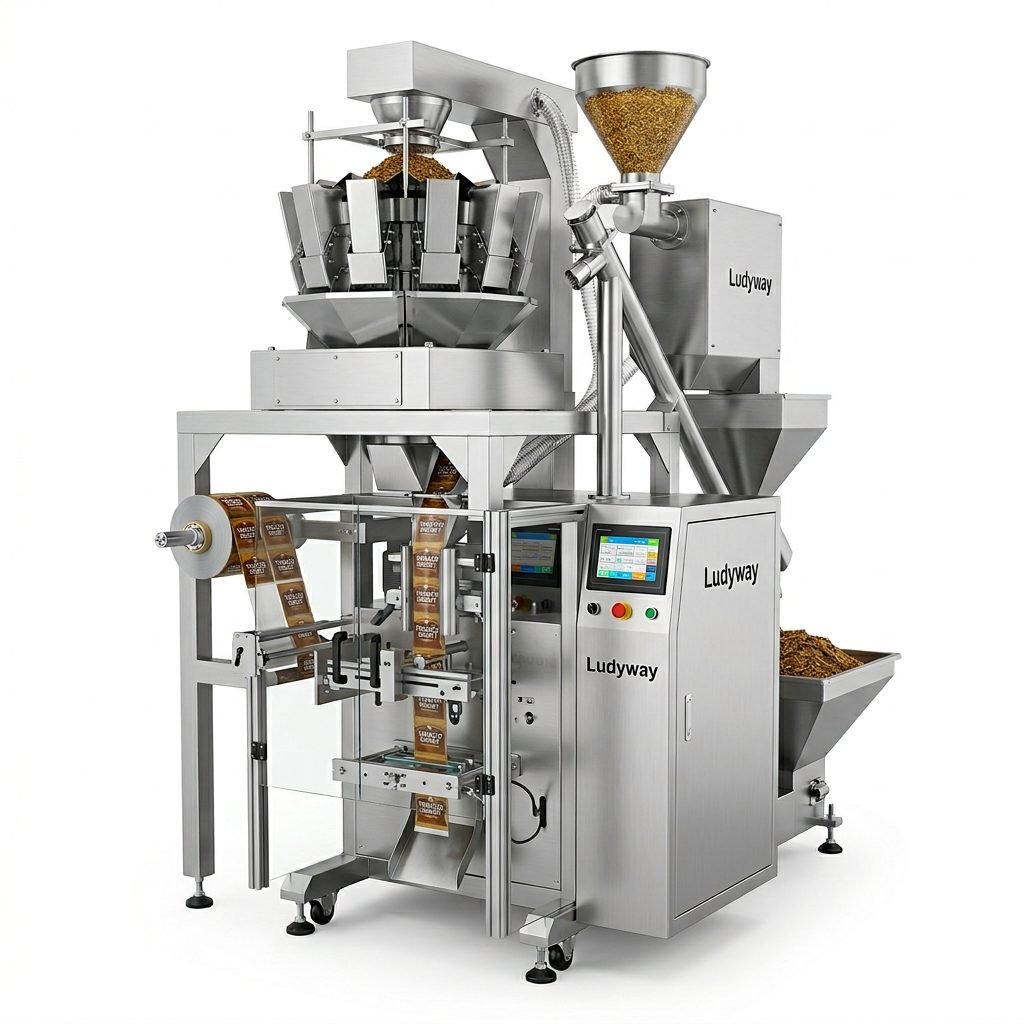
Fresh and frozen seafood businesses operate in one of the most demanding packaging environments in the food industry. Fish products are highly perishable, sensitive to temperature fluctuations, and often packed under strict hygiene requirements. A reliable fish packing machine helps processors improve speed, seal integrity, product freshness, and shelf appeal while reducing manual handling and labor costs.
Whether you pack fish fillets, frozen portions, seafood snacks, fish feed, dried seafood, or sauce-based fish products, choosing the right automation setup can make a measurable difference in production performance. Modern systems support weighing, filling, vacuum sealing, pouch packing, coding, inspection, cartoning, and end-of-line integration for a smoother packaging workflow.
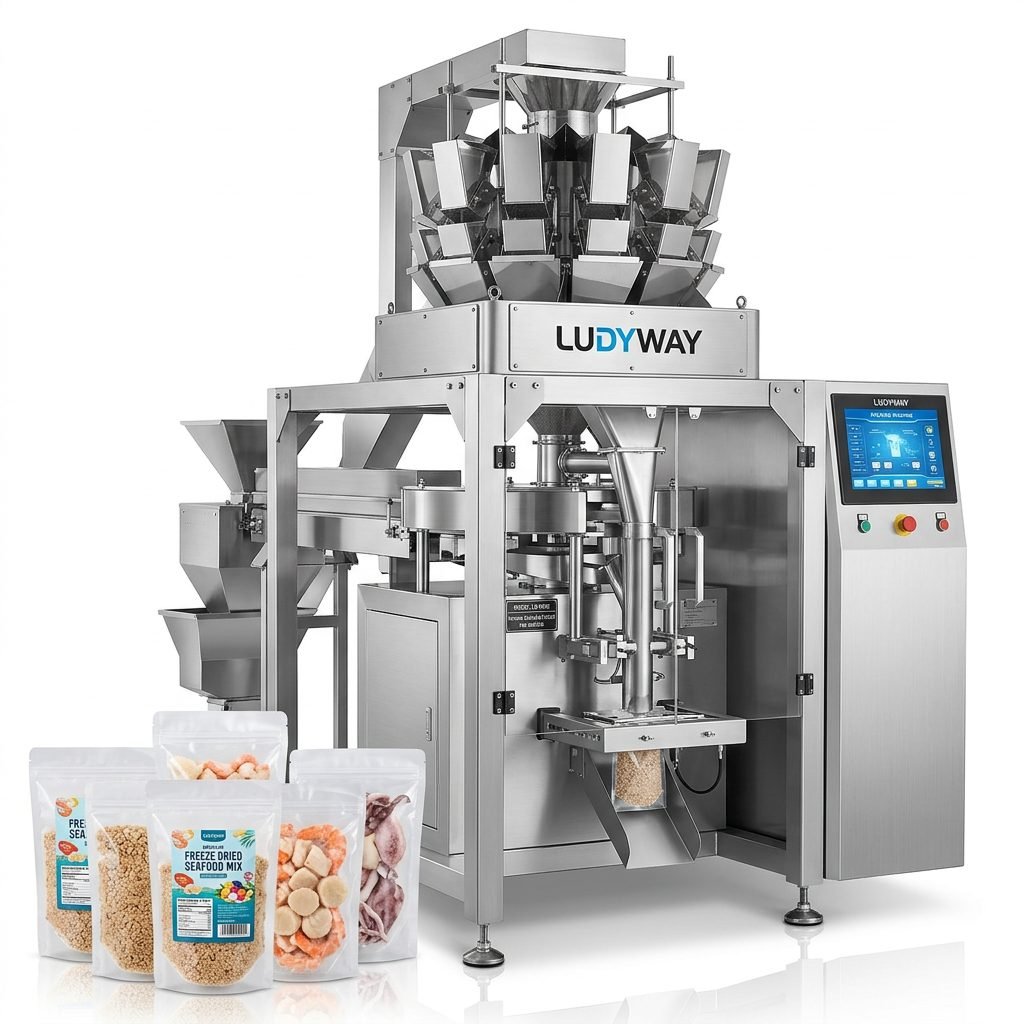
Why Fish Packaging Requires Specialized Equipment
Fish and seafood packaging is not the same as standard dry food packing. Moisture, odor control, oxidation risks, cold-chain requirements, and food safety standards all place higher demands on machinery. The right equipment is designed to maintain product quality from filling to final sealing.
- Freshness protection: helps reduce oxygen exposure and contamination.
- Leak-proof sealing: essential for wet, marinated, or vacuum-packed seafood.
- Accurate portioning: supports retail consistency and cost control.
- Cold-chain compatibility: suitable for chilled and frozen packing rooms.
- Hygienic construction: stainless steel contact parts and easy-clean design.
- Flexible packaging formats: bags, pouches, trays, vacuum packs, and sachets.
Common Fish Products That Can Be Packed
A fish packing machine can be configured for many seafood categories depending on product texture, moisture level, pack style, and required output.
| Product Type | Typical Packaging Format | Recommended Solution |
|---|---|---|
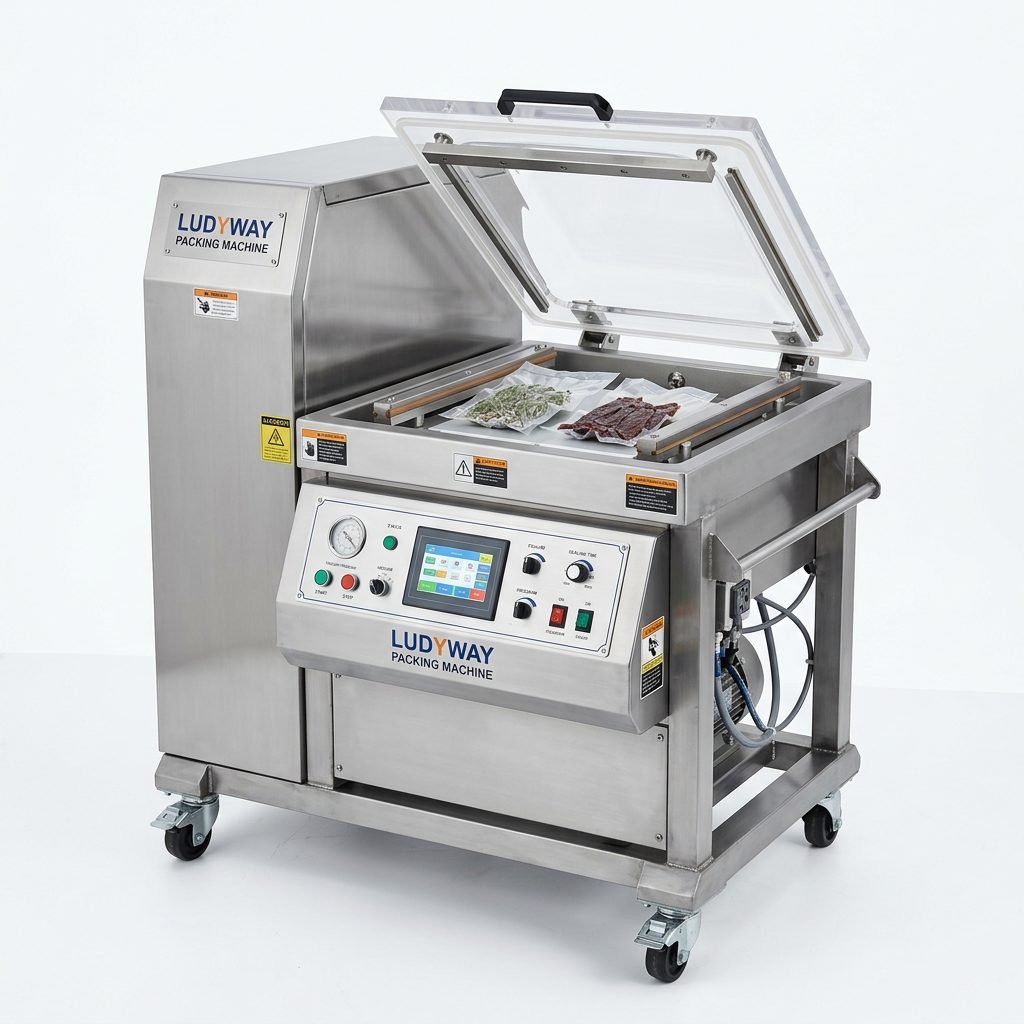
| Fresh fish fillets | Vacuum pouches, trays | Vacuum sealing or tray sealing line |
| Frozen fish portions | Pillow bags, premade pouches | Automatic weighing and bagging system |
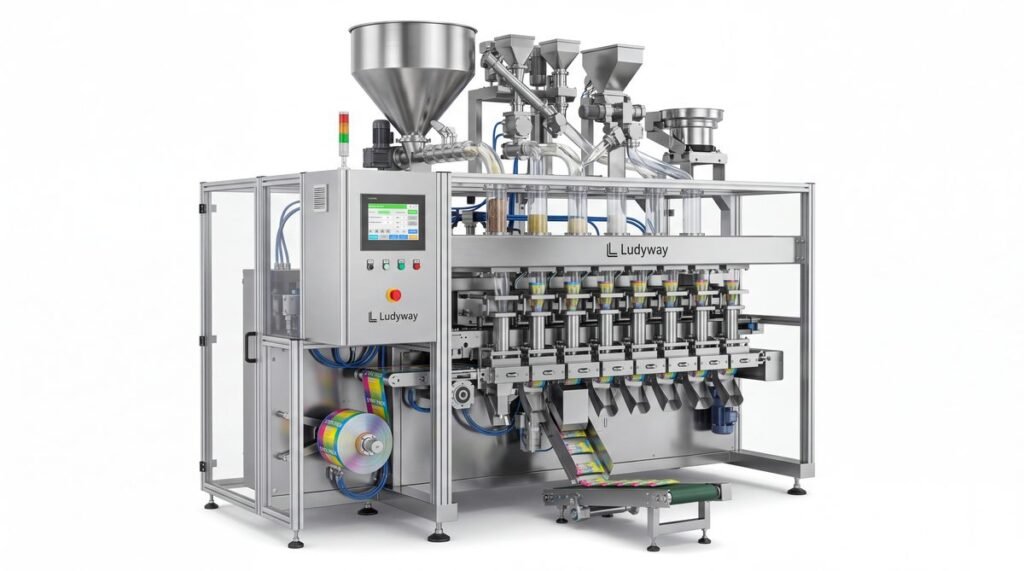
| Dried seafood snacks | Sachets, stand-up pouches | VFFS or premade pouch packing machine |
| Fish balls or seafood pieces | Frozen bags, vacuum pouches | Multihead weigher with sealing unit |
| Fish feed granules | Sachets, stick packs, bags | Granule packaging machine |
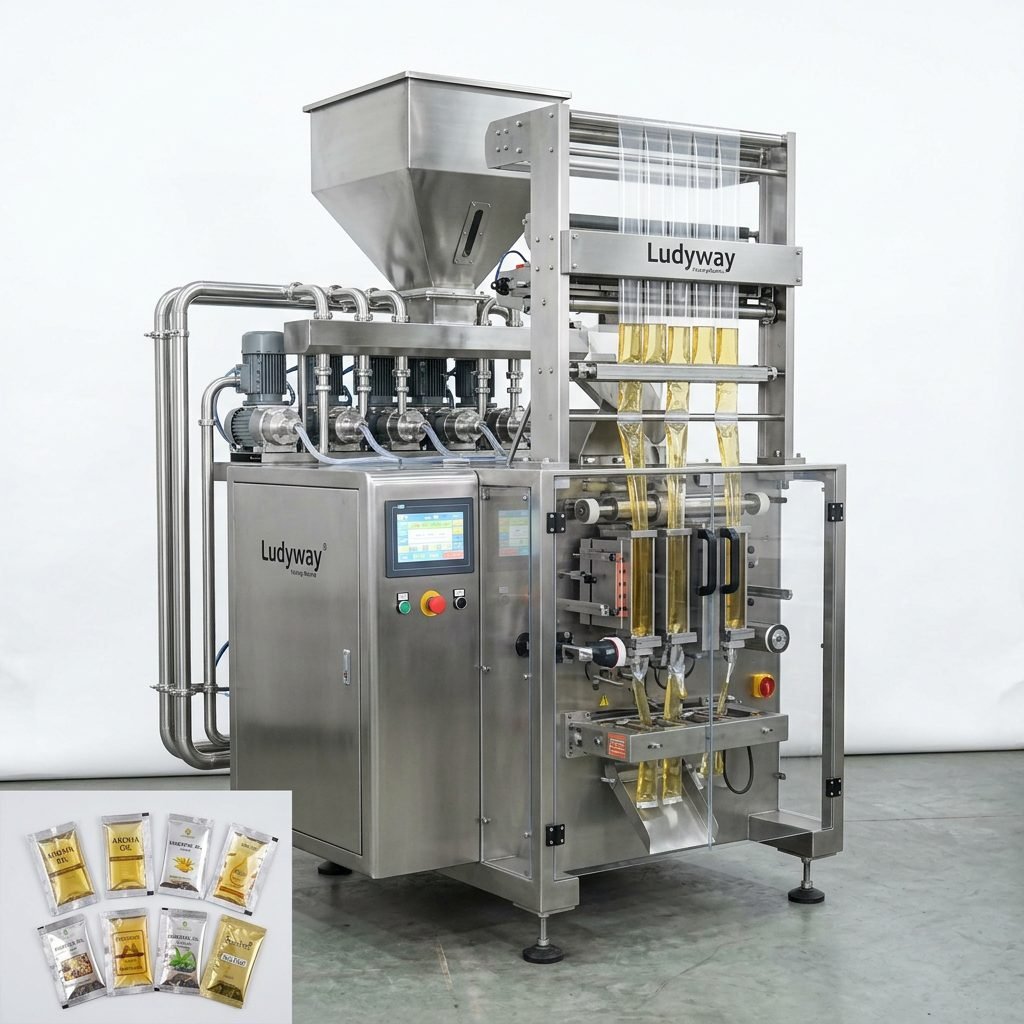
| Fish oil or seafood sauces | Sachets, stick packs, bottles | Liquid filling and sealing machine |
Key Features of a High-Performance Fish Packing Machine
When comparing equipment, processors should focus on features that directly affect food safety, uptime, and packaging consistency.
1. Hygienic Machine Design
Seafood applications benefit from corrosion-resistant stainless steel structures, smooth surfaces, low-residue contact areas, and components that are easy to disassemble and clean. This reduces sanitation time and supports better compliance.
2. Accurate Weighing and Filling
Fish products vary in size and density, so precise dosing is important to avoid giveaway and maintain consistent retail packs. For frozen chunks, fish feed, pellets, or snack items, integrated weighing systems improve control.
3. Strong Sealing Performance
For fresh and frozen seafood, seal quality is critical. Poor seals can lead to freezer burn, leaks, odor escape, and reduced shelf life. Machines should support stable heat control and reliable sealing under humid production conditions.
4. Vacuum or Modified Atmosphere Compatibility
Many seafood processors use vacuum packing or gas flushing to extend freshness and reduce oxidation. Depending on the product, this can be a major advantage for export, retail, and long-distance transportation.
5. Flexible Format Changeover
If your factory handles multiple SKUs, quick changeovers between pouch sizes, product weights, and packaging films can improve overall equipment effectiveness.
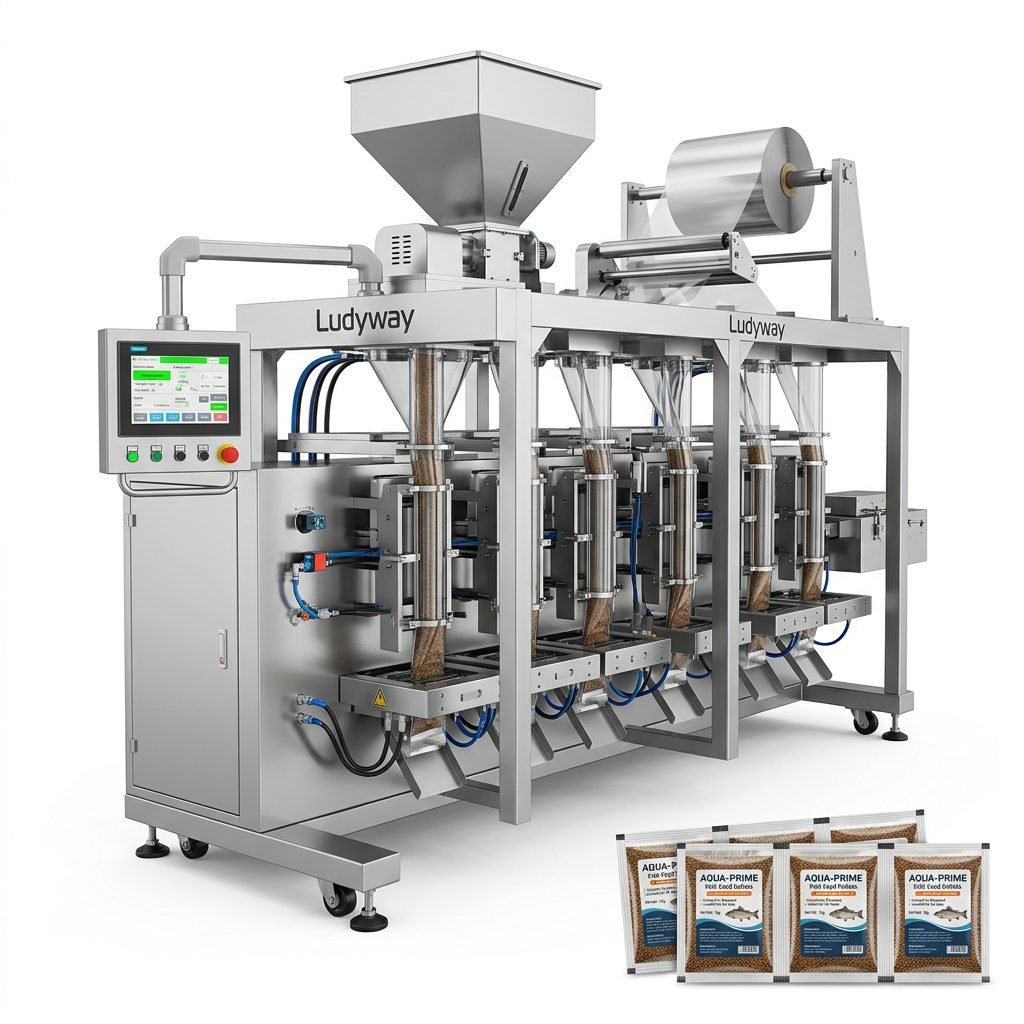
Packaging Formats Used in the Seafood Industry
Different fish products require different packaging styles. The most effective setup depends on storage temperature, distribution method, and target market.
- Vacuum bags: ideal for fresh fish fillets and frozen seafood portions.
- Premade pouches: suitable for value-added seafood, dried fish snacks, and ready-to-cook items.
- Vertical bags: cost-effective for frozen seafood pieces and fish feed granules.
- Tray sealing packs: common in retail supermarkets for premium fresh seafood.
- Stick packs and sachets: used for fish oil, seafood seasoning, or fish feed sample packs.
How Automation Improves Seafood Packaging Efficiency
Automated fish packaging systems help manufacturers increase output while reducing the variability associated with manual packing. This is especially valuable in seafood plants where labor conditions can be challenging and production speed matters.
| Operational Challenge | Automation Benefit |
|---|---|
| Inconsistent pack weight | Improved dosing accuracy and lower product giveaway |
| Labor-intensive bagging | Higher throughput with fewer manual steps |
| Seal defects | Stable sealing parameters and better package integrity |
| Slow SKU changes | Faster adjustment between formats and weights |
| Traceability requirements | Integrated coding, labeling, and inspection systems |
Choosing the Right Fish Packing Machine for Your Factory
Before investing, evaluate your current and future production needs. A machine that fits your product today but limits expansion tomorrow may increase costs later.
Important buying factors include:
- Product type: fresh, frozen, dried, granule, liquid, or paste
- Required bag or pouch format
- Target production speed per minute
- Pack size range and fill weight accuracy
- Cleaning and washdown requirements
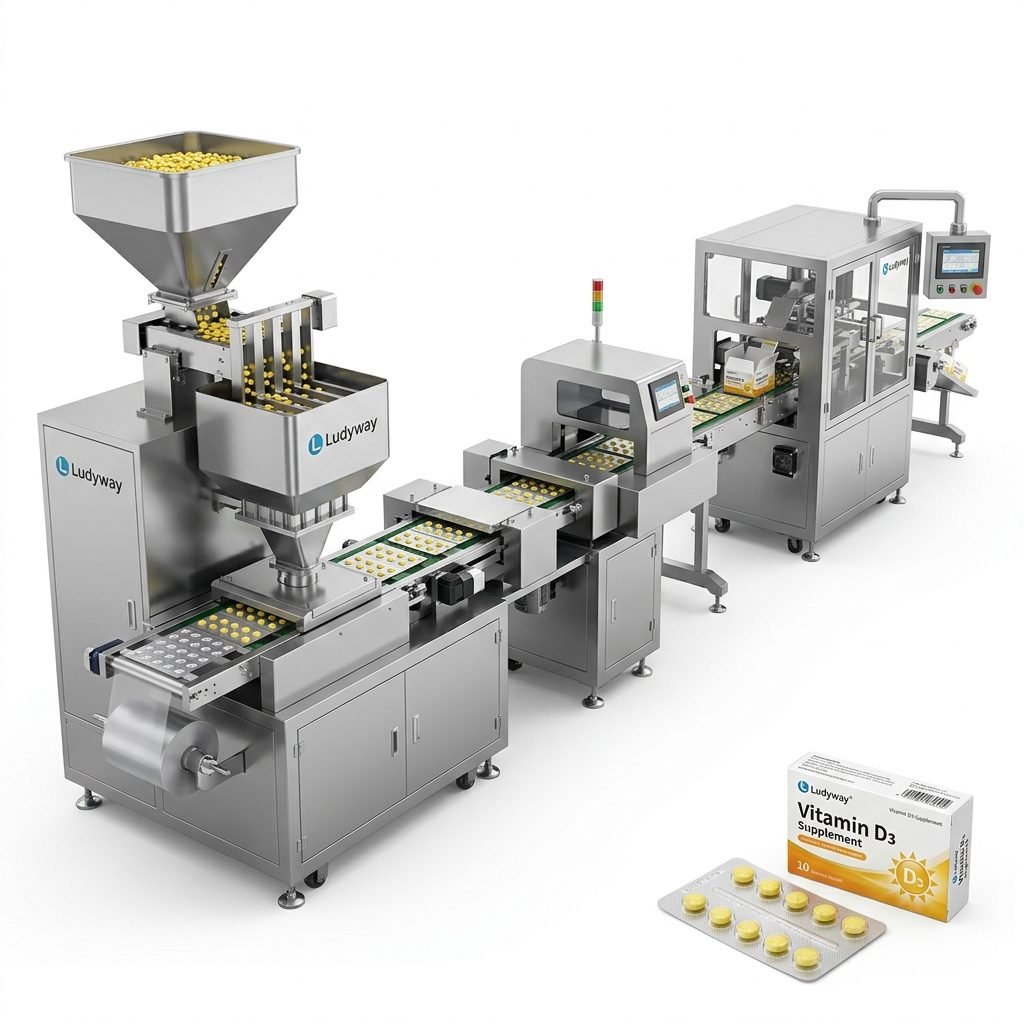
- Integration with checkweighers, metal detectors, coding, and cartoning
- Available factory space and workflow layout
- Long-term maintenance and technical support
For processors managing multiple seafood SKUs, a modular line often delivers better long-term value than a single-purpose standalone machine.
Turnkey Packaging Lines for Fresh and Frozen Seafood
Many seafood manufacturers now prefer complete packaging lines instead of buying separate machines from different suppliers. A turnkey line can include feeding, conveying, weighing, filling, sealing, inspection, labeling, cartoning, and palletizing. This reduces compatibility issues and simplifies project management.
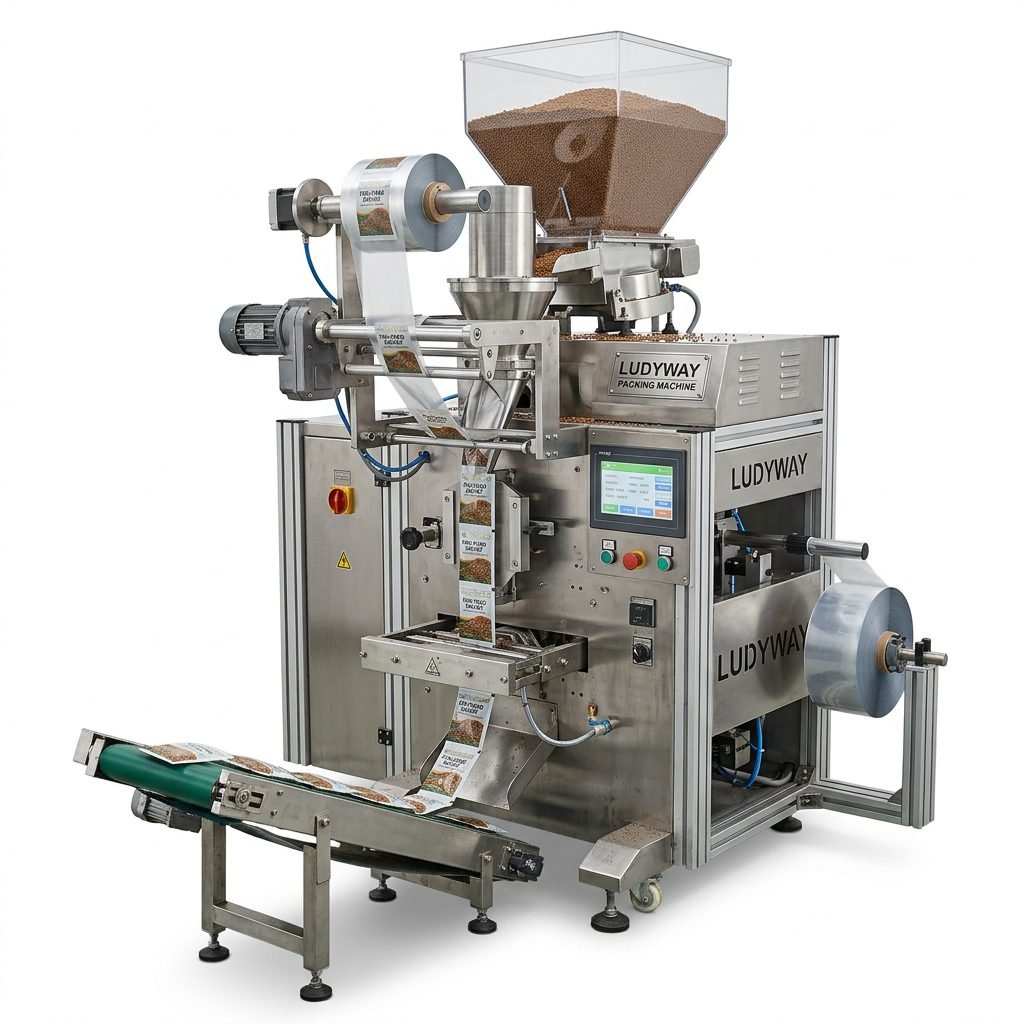
As one of China’s leading packaging machine and turnkey packaging line manufacturers, Ludyway fish packing machine solutions are backed by more than 30 years of industry experience, a factory of over 20,000 square meters, and broad export service across Europe, North America, the Middle East, South America, Africa, and Southeast Asia.
Best Applications for Fresh Seafood Packaging
Fresh seafood needs packaging that minimizes contamination and preserves appearance, texture, and odor control. Machines for this segment are often used with vacuum systems, tray sealers, or pouch filling systems.
Fresh seafood applications may include:
- Fresh fish fillets
- Salmon portions
- Marinated fish cuts
- Shellfish meat
- Ready-to-cook seafood meals
These products often benefit from vacuum sealing, leak prevention, and clean presentation for retail and foodservice distribution.
Best Applications for Frozen Seafood Packaging
Frozen fish and seafood packaging requires robust materials handling and reliable sealing performance in low-temperature environments. Machines in this category are often used for portion packs, family packs, and export-ready bags.
Frozen seafood applications may include:
- Frozen fish blocks
- Frozen fillets and portions
- Shrimp, squid, and mixed seafood
- Fish balls and seafood snacks
- Frozen bulk bags for wholesale distribution
Maintenance Tips for Long-Term Performance
A high-quality fish packing machine performs best when preventive maintenance is part of daily operations. Seafood environments can be tough on equipment due to moisture, salt, and frequent sanitation cycles.
- Clean sealing areas and product contact parts regularly
- Inspect wear parts on schedule
- Verify weighing accuracy and calibration
- Check sealing temperature consistency
- Monitor conveyor alignment and product flow
- Use food-grade compatible materials and lubricants where required
Who Should Invest in a Fish Packing Machine?
This equipment is suitable for a wide range of seafood businesses, including:
| Business Type | Why Automation Helps |
|---|---|
| Seafood processors | Higher output, better hygiene, more consistent packaging |
| Frozen food manufacturers | Faster bagging and stronger seals for cold-chain shipping |
| Seafood snack brands | Retail-ready pouch packaging with attractive presentation |
| Fish feed manufacturers | Precise granule filling and high-speed batch production |
| Export-oriented seafood companies | Improved shelf life, traceability, and packaging consistency |
Final Considerations Before You Buy
The best fish packing machine is not simply the fastest one. It should match your seafood product characteristics, sanitation standards, packaging style, production targets, and future expansion plan. A well-matched system improves product protection, reduces waste, strengthens brand presentation, and supports more efficient factory operations.
If your business handles fresh fish, frozen seafood, dried seafood, fish oil, or fish feed products, selecting the right automated packaging solution can help you stay competitive in a market where quality, safety, and speed matter every day.