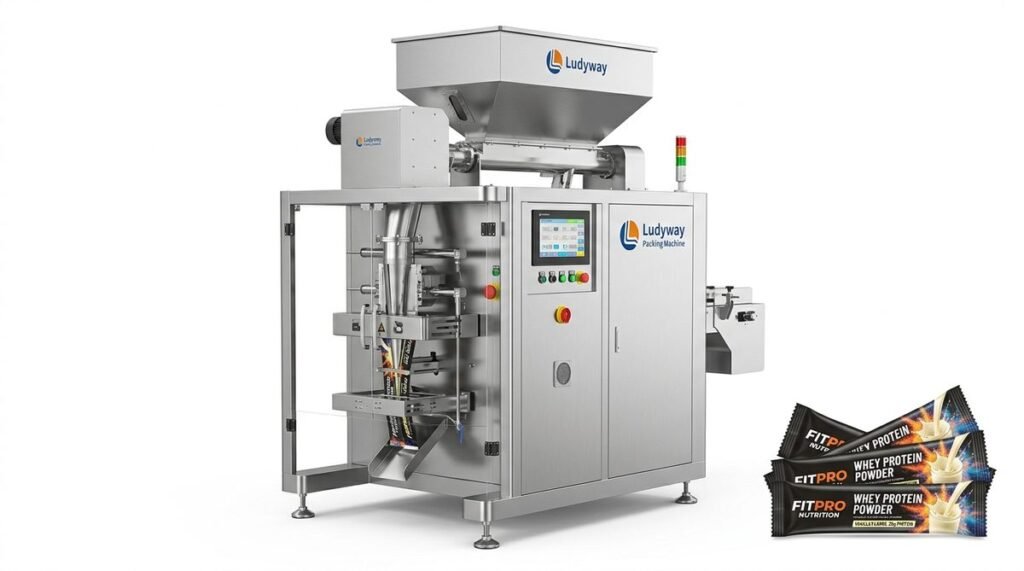
The South Korean packaging machinery market is a dynamic and sophisticated landscape, reflecting the nation’s advanced industrial base, high consumer expectations, and unique cultural emphasis on presentation and quality. Often referred to as the “Land of the Morning Calm,” South Korea’s business environment is anything but calm when it comes to innovation and precision manufacturing. The market’s evolution is deeply intertwined with local customs, where the concept of “jeong” (정), a deep sense of connection and care, extends to product presentation. Gifting, or “seonmul” (선물), is a significant cultural practice, demanding packaging that is not only functional but also aesthetically impeccable and conveys respect. This cultural nuance fuels demand for high-precision, versatile, and visually appealing packaging solutions across all sectors.
Market Size and Current Landscape
The South Korean packaging machinery market is a significant component of the Asia-Pacific region’s industrial sector. Valued at several hundred million USD, it exhibits steady growth driven by robust domestic consumption and export-oriented manufacturing. The market is characterized by a high degree of automation adoption, with companies increasingly investing in smart, connected machinery to enhance efficiency and meet stringent quality standards. Key end-user industries propelling demand include:
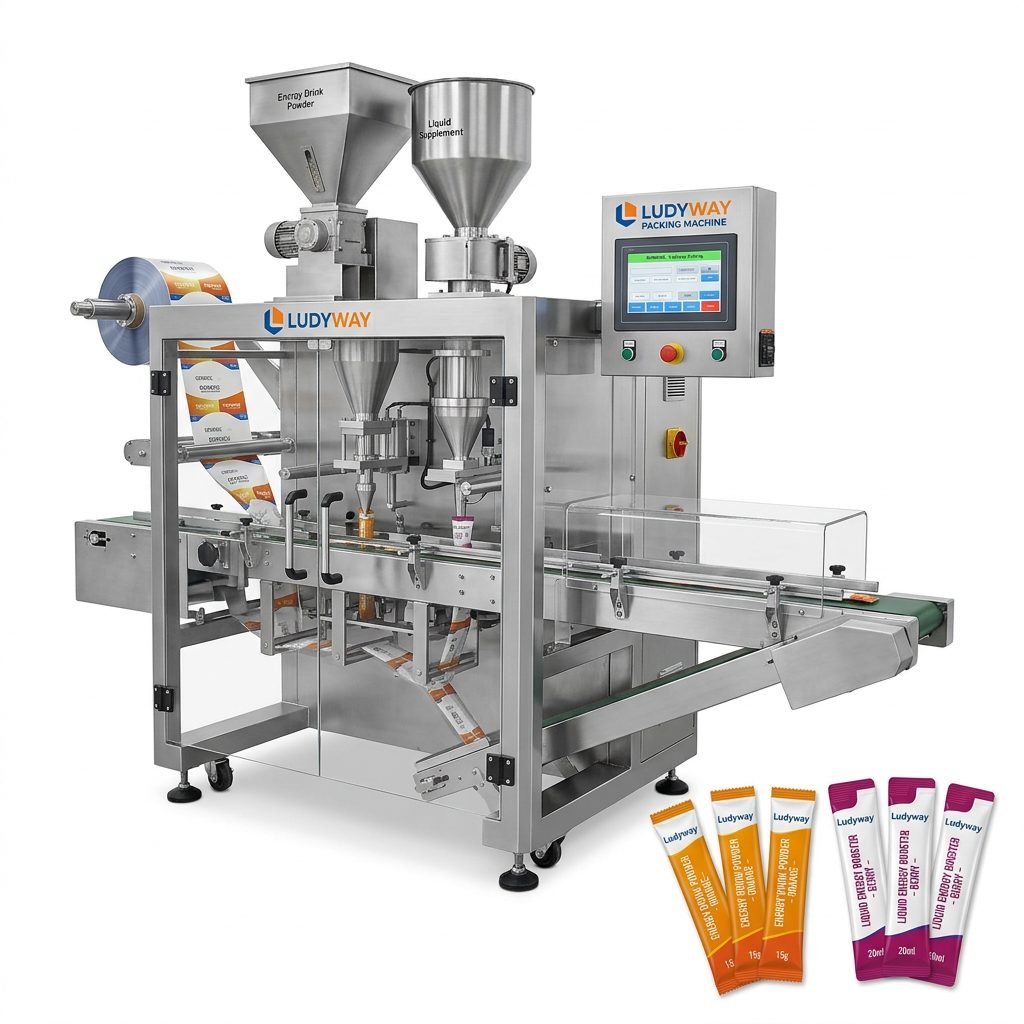
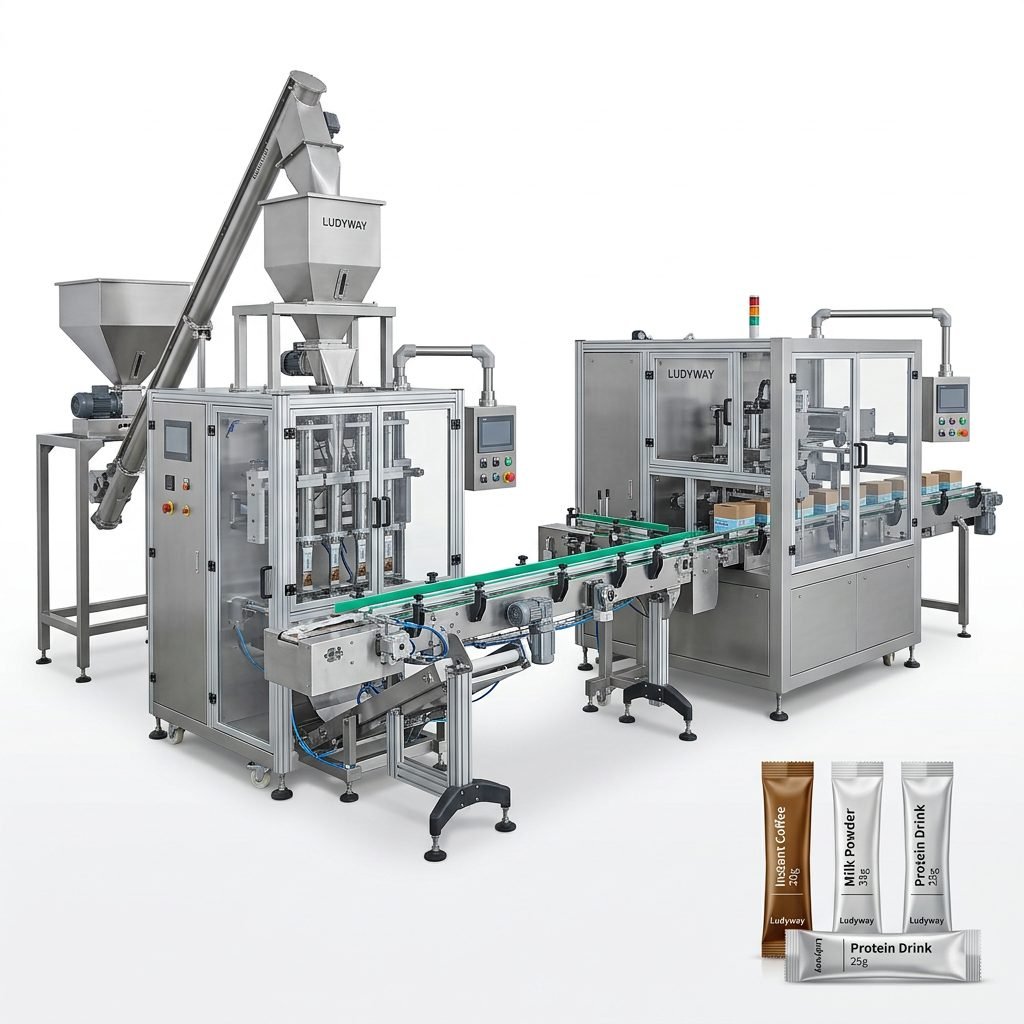
- Food & Beverage: A massive sector where convenience, shelf appeal, and hygiene are paramount. Demand is high for stick pack machines for instant coffee and supplements, as well as advanced filling systems for sauces, condiments, and ready-to-eat meals.
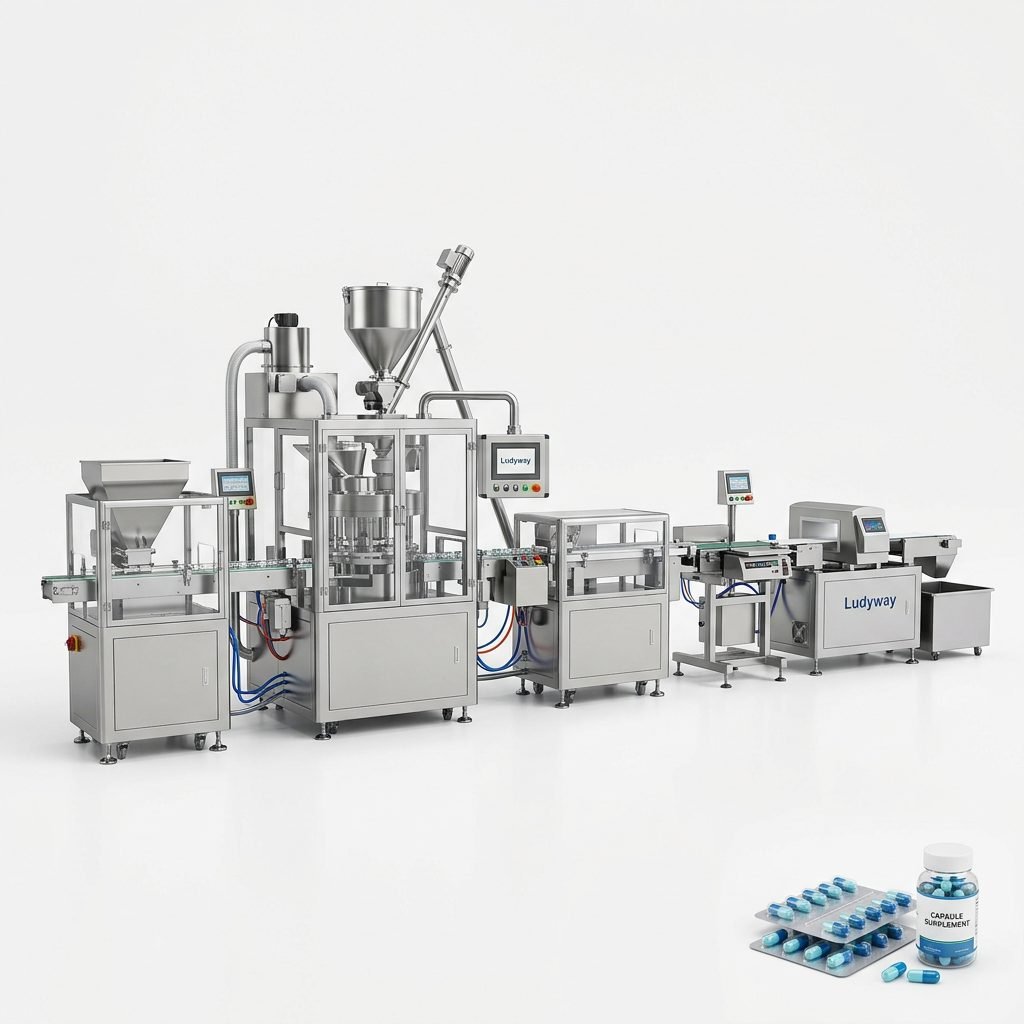
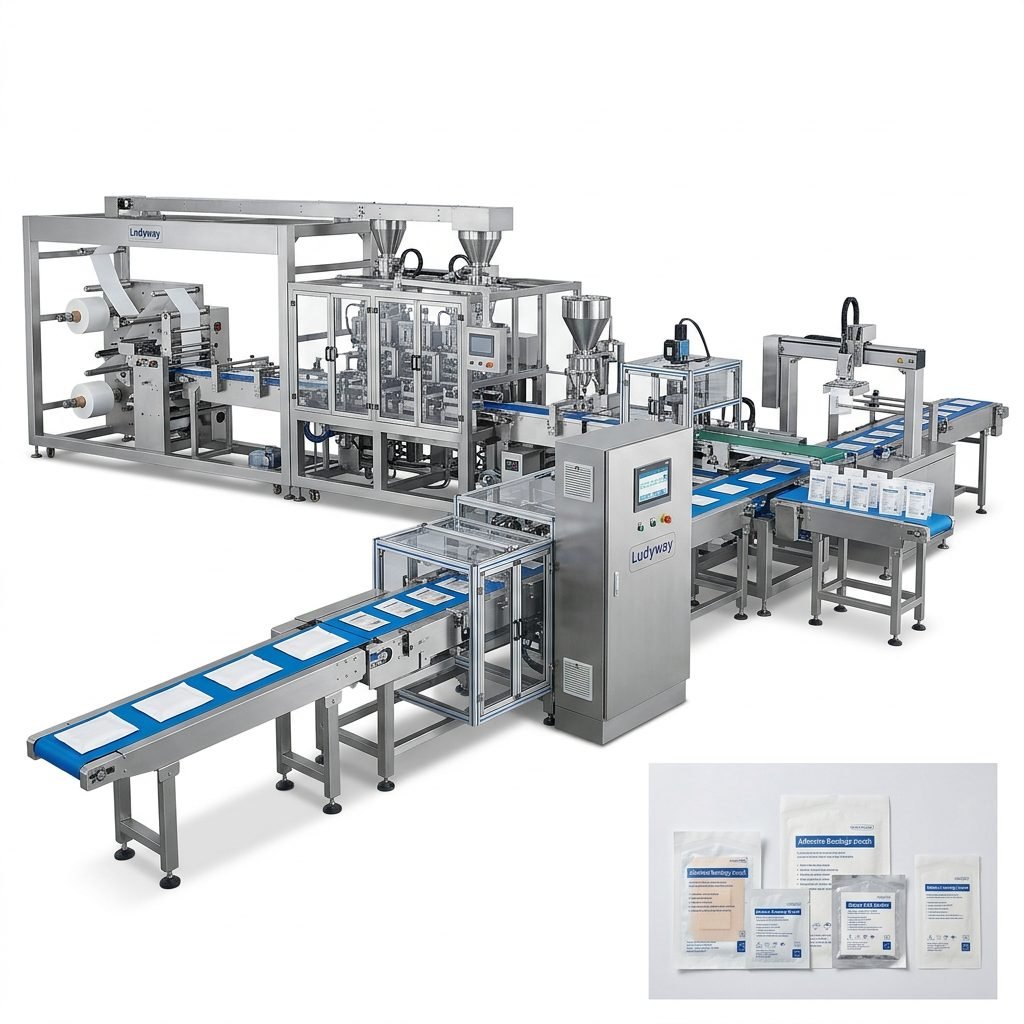
- Pharmaceuticals & Cosmetics (K-Beauty): South Korea’s world-renowned cosmetics industry, or K-Beauty, requires packaging that ensures product integrity, enables precise dosing, and offers luxurious, brand-defining aesthetics. This drives need for sachet packaging machines, tube fillers, and blister packaging equipment.
- Electronics: As a global electronics hub, the need for protective, anti-static, and automated packaging for components and finished goods is consistently high.
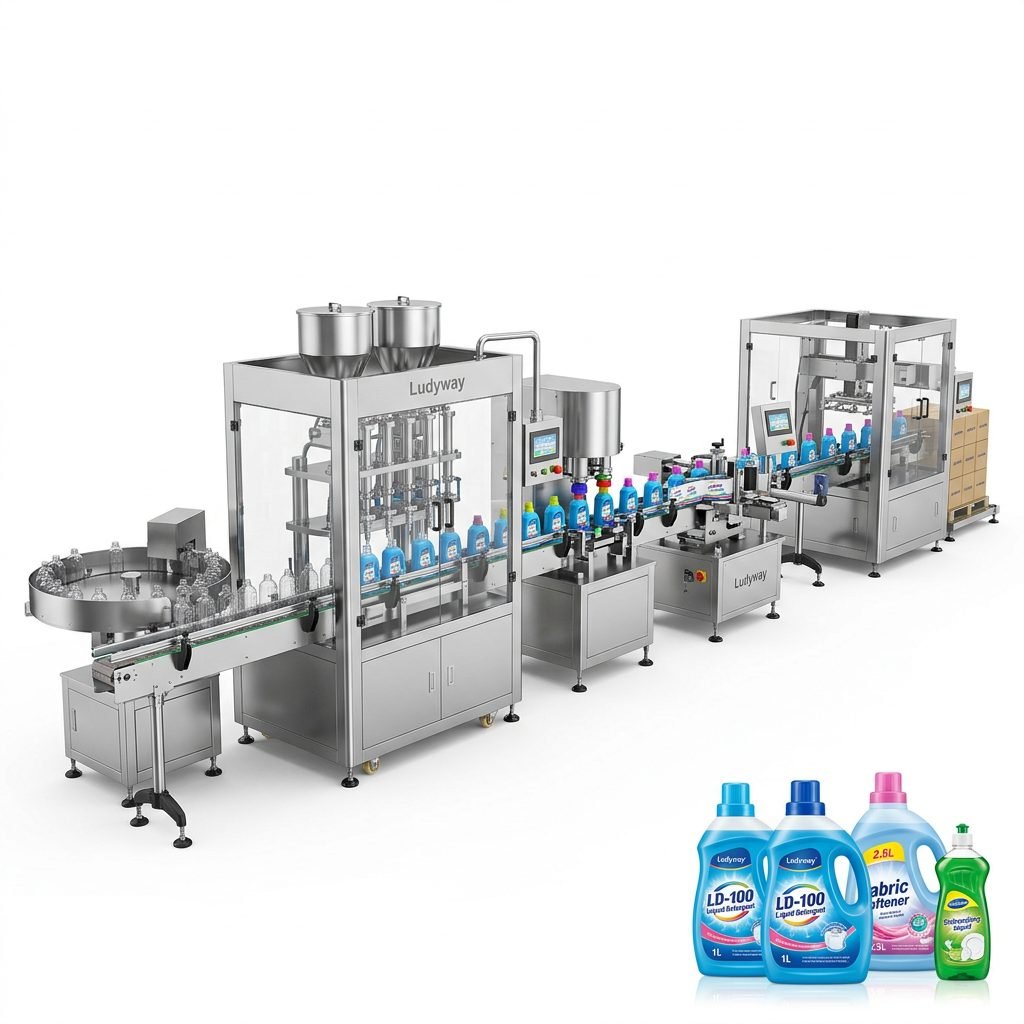
- Chemicals & Industrial Goods: Requiring reliable and safe packaging for powders, granules, and liquids.
Core Growth Drivers
The sustained expansion of the market is underpinned by several powerful drivers:
✓ Rising Labor Costs & Automation Imperative: Increasing wages have made automated packaging lines a necessity for maintaining competitiveness, reducing long-term operational costs, and ensuring consistent output.
✓ E-commerce & Omnichannel Retail Boom: The explosive growth of online shopping, led by platforms like Coupang and Naver, demands packaging that is durable for shipping, compact to save logistics costs, and capable of providing a memorable “unboxing experience” that enhances brand loyalty.
✓ Stringent Food Safety & Regulatory Standards: South Korea’s tight regulations (MFDS, KFDA) mandate hygienic packaging processes. This pushes manufacturers toward machinery with easy-clean designs, sanitary construction, and traceability features.
✓ Consumer Demand for Convenience & Sustainability: Busy urban lifestyles drive need for single-serve, portable, and easy-to-use packaging formats. Concurrently, growing environmental awareness is pushing brands and machinery suppliers to develop solutions for recyclable, biodegradable, and reduced-material packaging.
Key Trends Shaping the Future
The market is not just growing; it is transforming. Several key trends are defining its future trajectory:
1. Smart Packaging and Industry 4.0 Integration
Packaging lines are becoming data hubs. Machinery integrated with IoT sensors, AI, and cloud connectivity allows for real-time monitoring of production speed, downtime, maintenance needs, and quality control. This enables predictive maintenance, minimizes waste, and optimizes Overall Equipment Effectiveness (OEE).
2. Flexibility and Quick Changeover
With shorter product lifecycles and the rise of limited-edition releases (common in cosmetics and snacks), manufacturers need machinery that can handle multiple package sizes, shapes, and materials with minimal downtime for changeovers. Modular machine designs are increasingly sought after.
3. Focus on Sustainable Packaging Solutions
The trend towards eco-friendliness is accelerating. Machinery capable of handling mono-material films, paper-based packaging, and bio-plastics is in high demand. There is also a push for equipment that reduces material usage through more precise filling and sealing technologies.
4. Hyper-Personalization and Small-Batch Production
Aligning with marketing trends, there is growing demand for machinery that can efficiently handle small batches and even allow for package personalization, which is highly valued in the gift-giving culture and for premium brand segments.
Investment Opportunities for Machinery Suppliers
The evolving market landscape presents clear opportunities for savvy packaging machinery providers:
High-Precision, Aesthetic-Focused Machinery: Investing in R&D for equipment that delivers flawless seals, precise graphics registration, and handling of delicate materials will cater to the premium demands of the cosmetics and high-end food sectors.
After-Sales Service & Technical Support Hubs: Establishing a strong local presence for installation, training, and rapid spare parts supply is a critical differentiator in a market that values reliability and minimal disruption.
Partnerships with Local Integrators: Collaborating with South Korean system integrators who understand local factory layouts, regulations, and operational nuances can significantly ease market entry and project execution.
Solutions for E-commerce Ready Packaging: Developing or promoting machinery that creates right-sized, protective, and brandable shipping packages directly on the production line addresses a major pain point for omnichannel brands.
Navigating the Market with a Trusted Partner
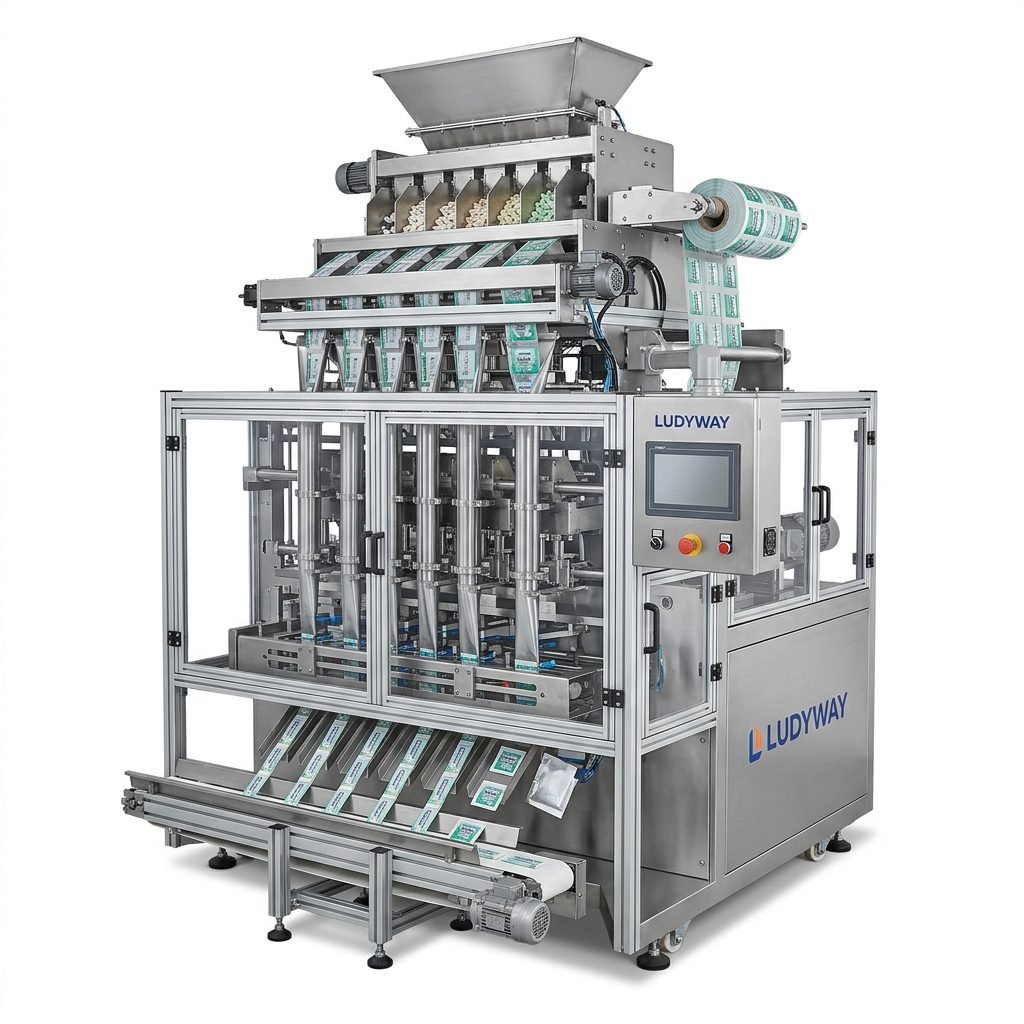
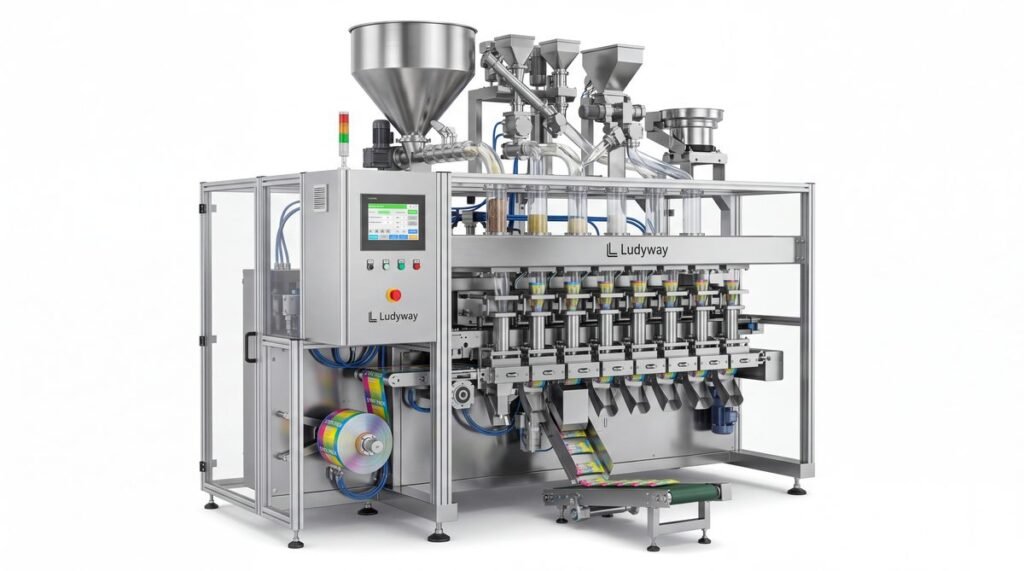
Succeeding in South Korea requires more than just selling equipment; it requires building trust and understanding the local business ethos of “kibun” (기분), or harmony. Partnering with an experienced machinery provider who offers not just machines, but complete packaging solutions is crucial. A partner like Ludyway Packing Machine, with decades of focused industry experience, exemplifies this approach. They bring to the table a deep understanding of diverse application needs—from granules and powders to liquids—and offer a portfolio of over 50 intelligent machine models, including advanced multi-lane stick pack and sachet systems. Their commitment goes beyond the sale, providing tailored turnkey production solutions and reliable support, ensuring that manufacturers can meet the high standards of the South Korean market efficiently and effectively.
Frequently Asked Questions (FAQs)
What are the most in-demand types of packaging machinery in South Korea?
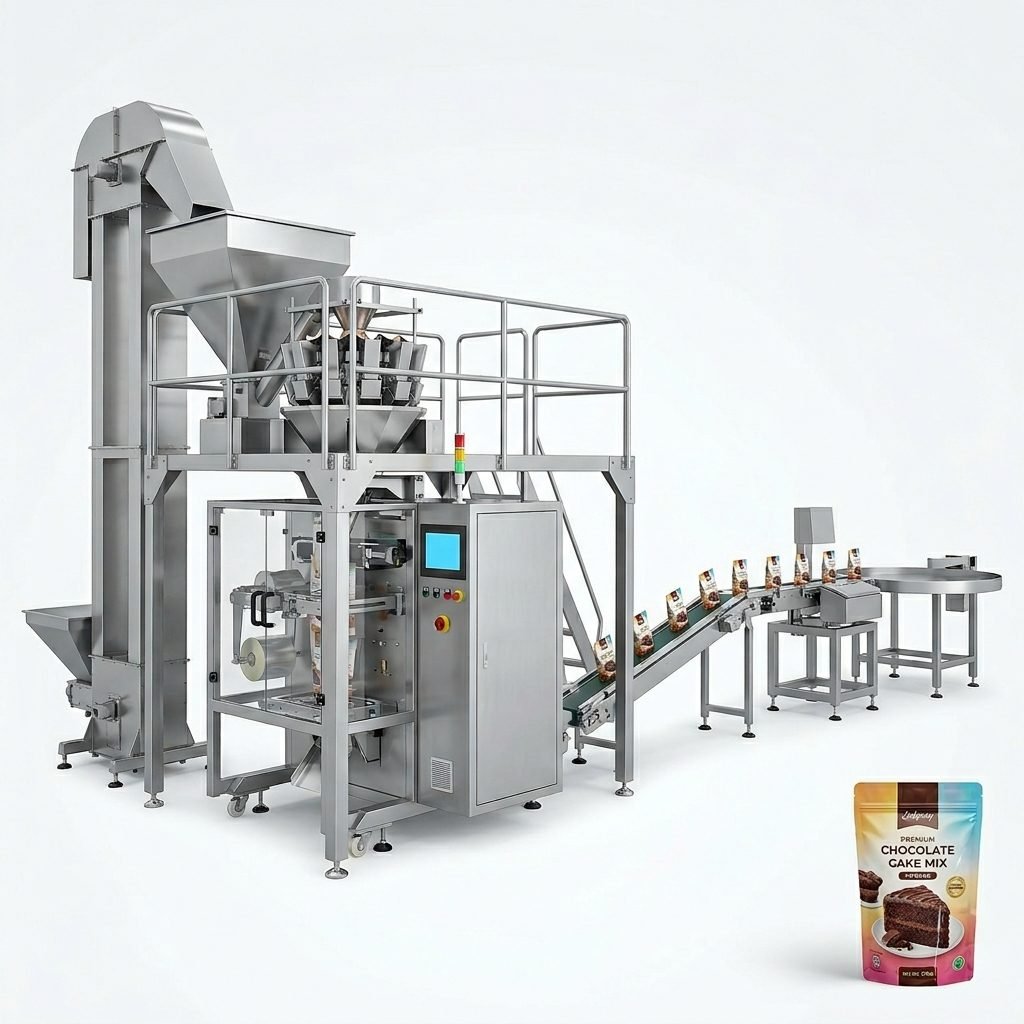
Currently, demand is highest for vertical form-fill-seal (VFFS) machines for snacks and dry goods, precise liquid filling machines for sauces and cosmetics, stick pack and sachet machines for single-serve portions, and automated cartoning systems. Machinery that supports sustainable materials is also seeing rapidly growing interest.
How important is after-sales service in the South Korean market?
Extremely important. South Korean manufacturers prioritize uptime and reliability. Suppliers with a strong local service network for technical support, quick maintenance, and readily available spare parts have a significant competitive advantage. Long-term partnership and support are valued over transactional sales.
Are there specific regulatory standards for packaging machinery in South Korea?
Yes. Machinery must comply with Korean Industrial Standards (KS) and safety regulations (KOSHA). For food and pharmaceutical applications, equipment must meet hygiene standards set by the Ministry of Food and Drug Safety (MFDS), often requiring sanitary design, easy-cleanability, and use of approved materials.
What is the impact of the K-Beauty industry on packaging machinery trends?
The K-Beauty industry drives demand for high-speed, precision machinery capable of handling diverse, often viscous, formulations (like serums and creams) into small, aesthetically perfect packages like airless bottles, dropper bottles, and innovative sachets. Flexibility for frequent packaging design changes is also key.
Is investing in smart, IoT-enabled packaging machinery worthwhile in South Korea?
Absolutely. South Korean manufacturers are at the forefront of smart factory (“smart factory”) adoption. IoT-enabled machinery that provides data on production efficiency, predictive maintenance alerts, and quality analytics is increasingly seen as a necessary investment to improve competitiveness, reduce waste, and integrate with larger Industry 4.0 systems.