The granola bar market in Oceania has experienced remarkable growth, driven by rising health consciousness and demand for convenient, nutritious snacks. Australia and New Zealand collectively represent a mature consumer base where premium and organic granola products command significant shelf space. Establishing a granola bar packaging machine production line in this region requires thorough understanding of local market dynamics, regulatory frameworks, and equipment selection criteria.
Understanding the Oceania Granola Market Landscape
Before investing in packaging machinery, manufacturers must assess the competitive landscape. Australia’s breakfast cereal and snack bar sector is projected to maintain steady annual growth, with granola and muesli bars representing a significant segment. New Zealand’s export-oriented food industry further amplifies demand for multi-lane stick pack machines capable of delivering consistent quality at scale.
Key market drivers in Oceania include:
- Premiumization: Consumers increasingly seek organic, non-GMO, and functional granola bars with clean-label ingredients.
- Export opportunities: Oceania-based manufacturers often supply markets across Asia-Pacific, requiring packaging that meets diverse international standards.
- Sustainability mandates: Both Australia and New Zealand enforce stringent packaging waste regulations, influencing material choices and packaging line solutions design.
- Retail requirements: Major supermarket chains like Woolworths and Coles impose specific packaging specifications that affect production line configuration.
Essential Equipment for a Granola Bar Packaging Line
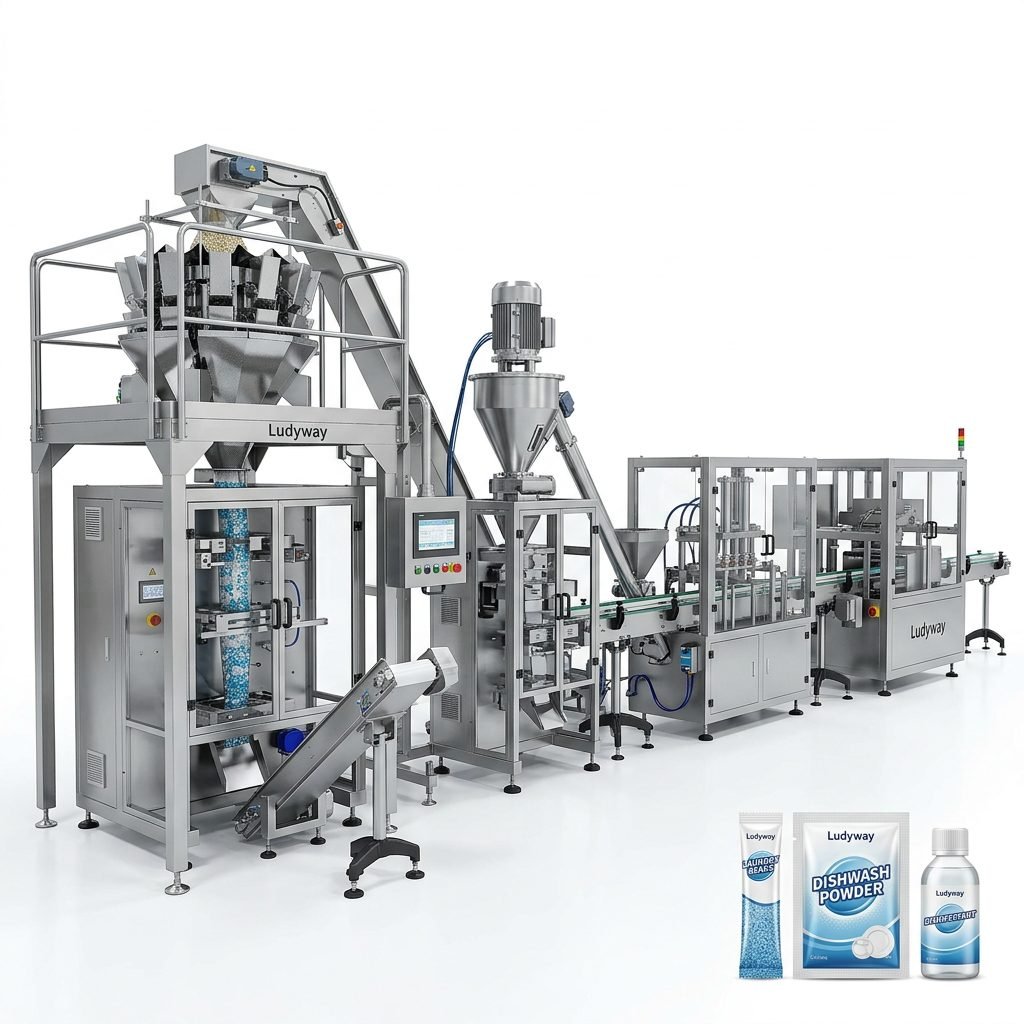
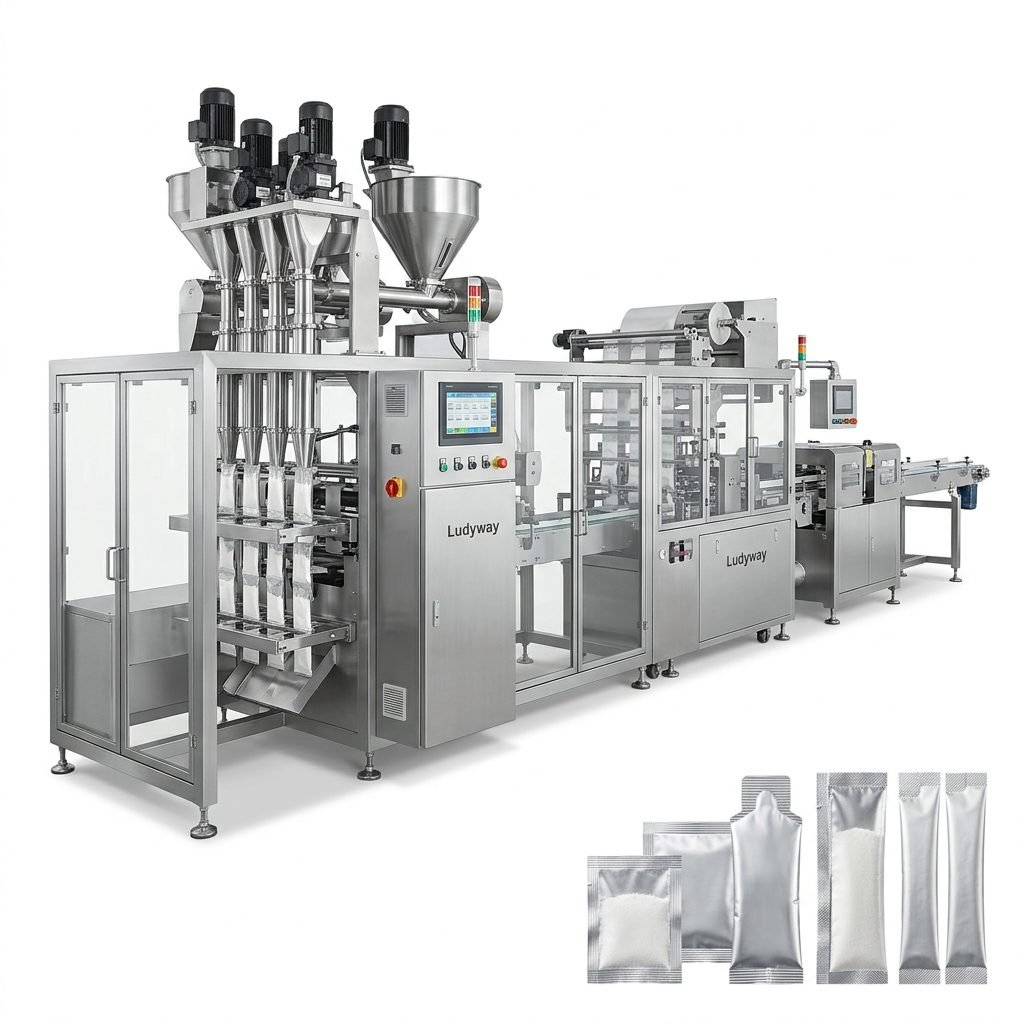
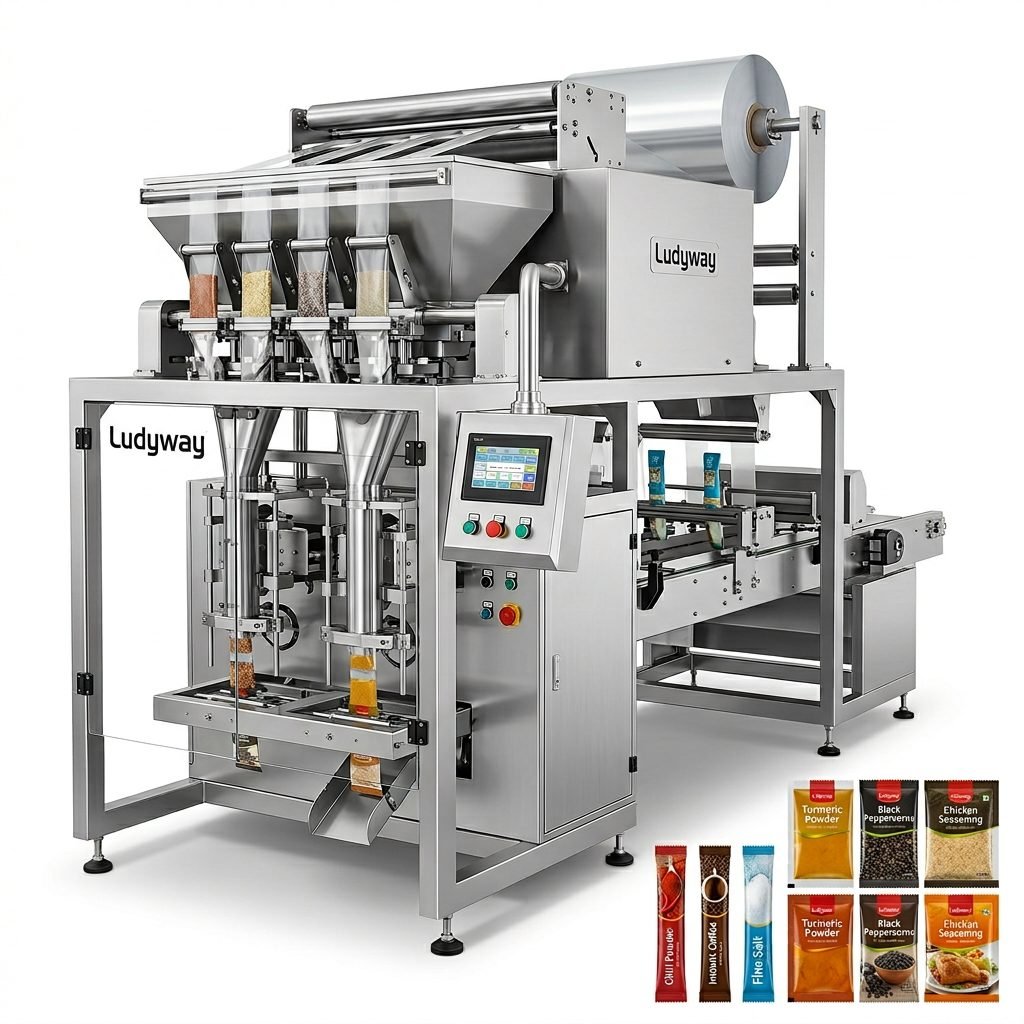
A complete automatic packaging equipment setup for granola bars typically integrates multiple specialized machines. The core components include a feeding system, multi-head weigher, form-fill-seal unit, and secondary packaging modules. Selecting the appropriate configuration depends on your target output capacity and packaging format.

Primary Packaging Machinery
- Multi-Head Weigher: Ensures precise portion control for granola clusters, nuts, and dried fruit mixes. This is critical for maintaining weight compliance under Oceania’s trade measurement regulations.
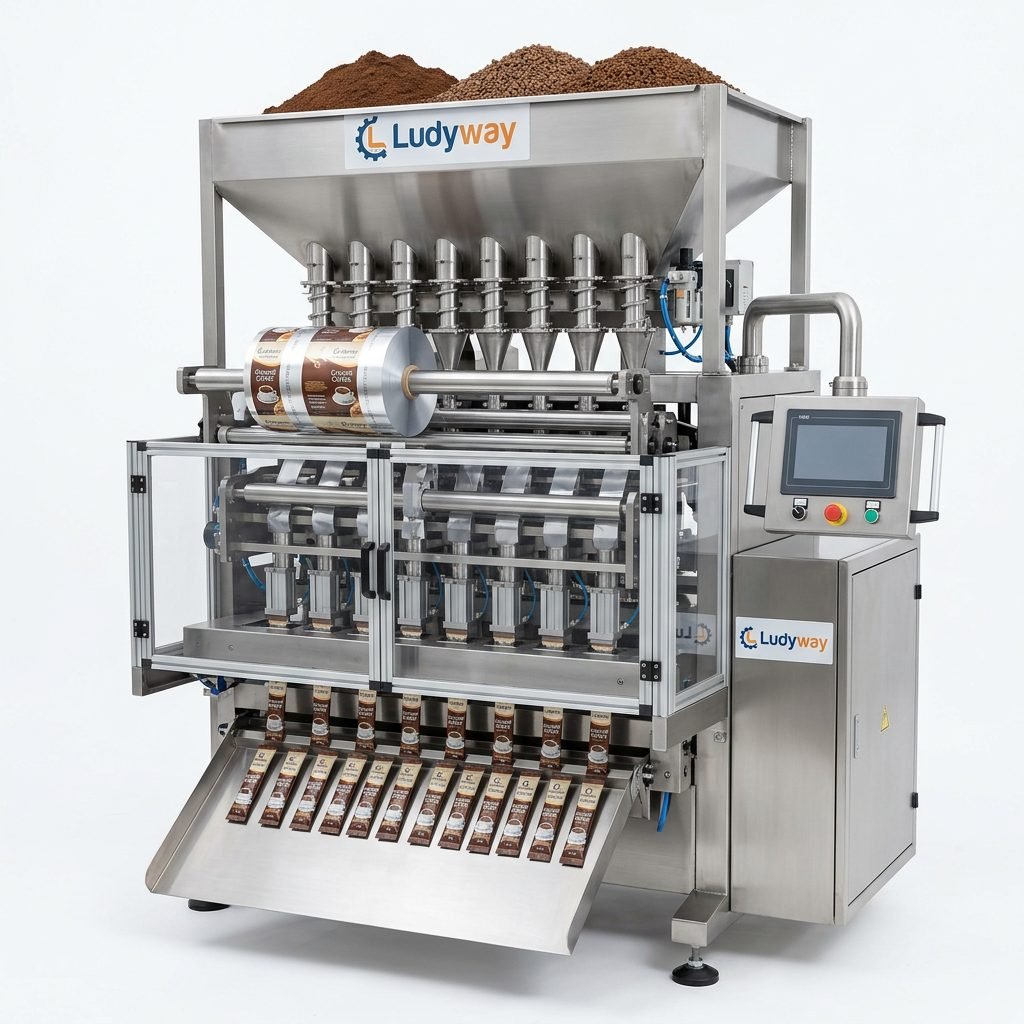
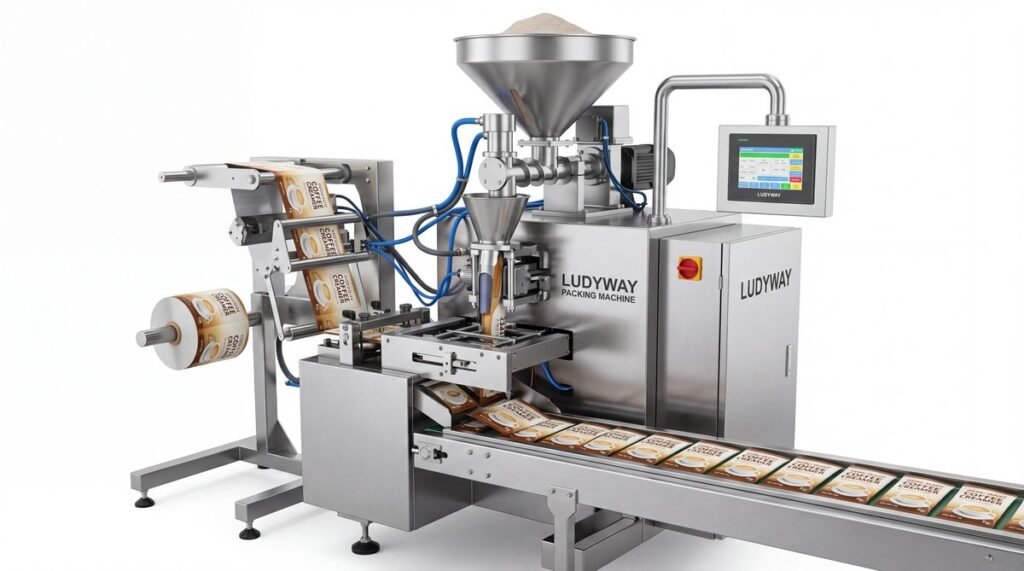
- Vertical Form-Fill-Seal (VFFS) Machine: The workhorse of granola bar packaging, capable of producing pillow packs, gusseted bags, and stick packs at speeds exceeding 100 packs per minute.
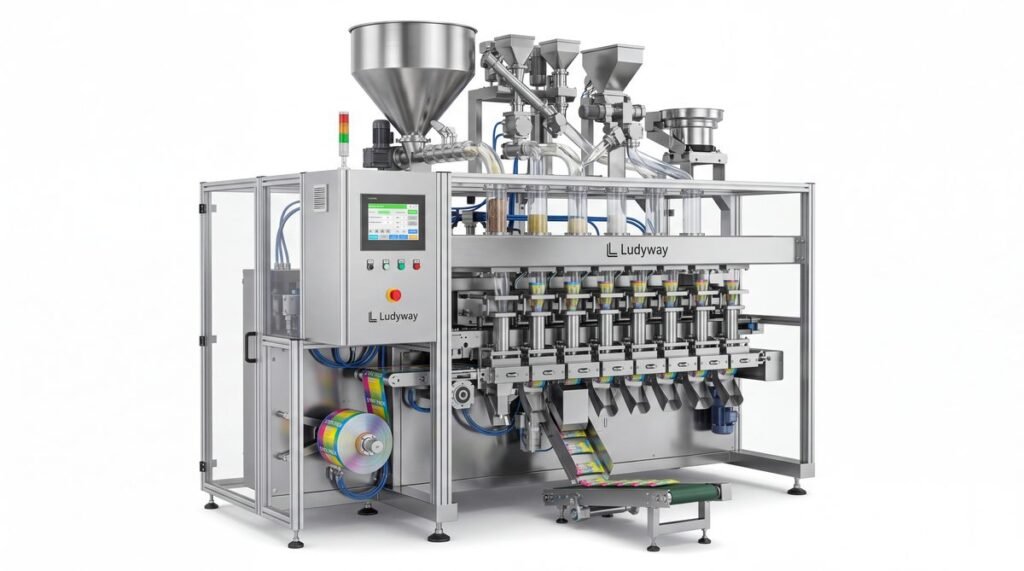
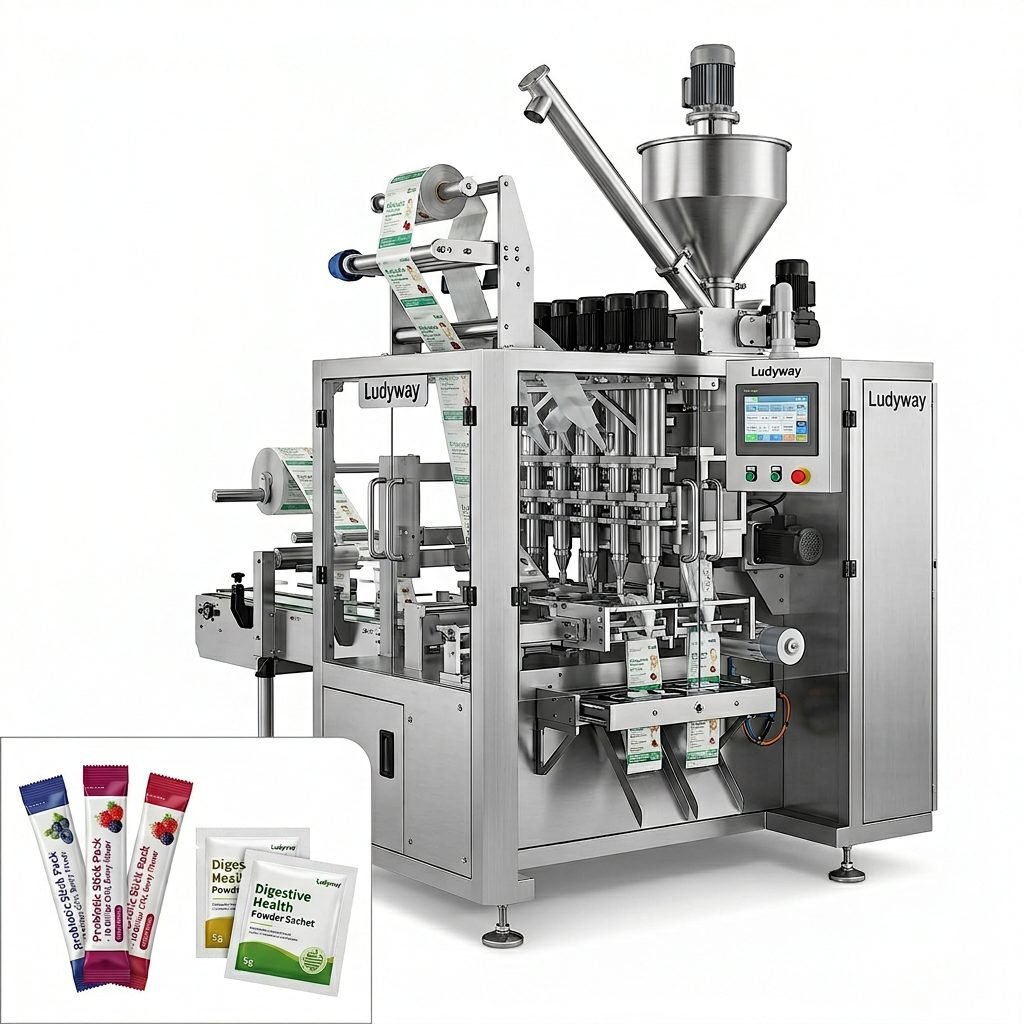
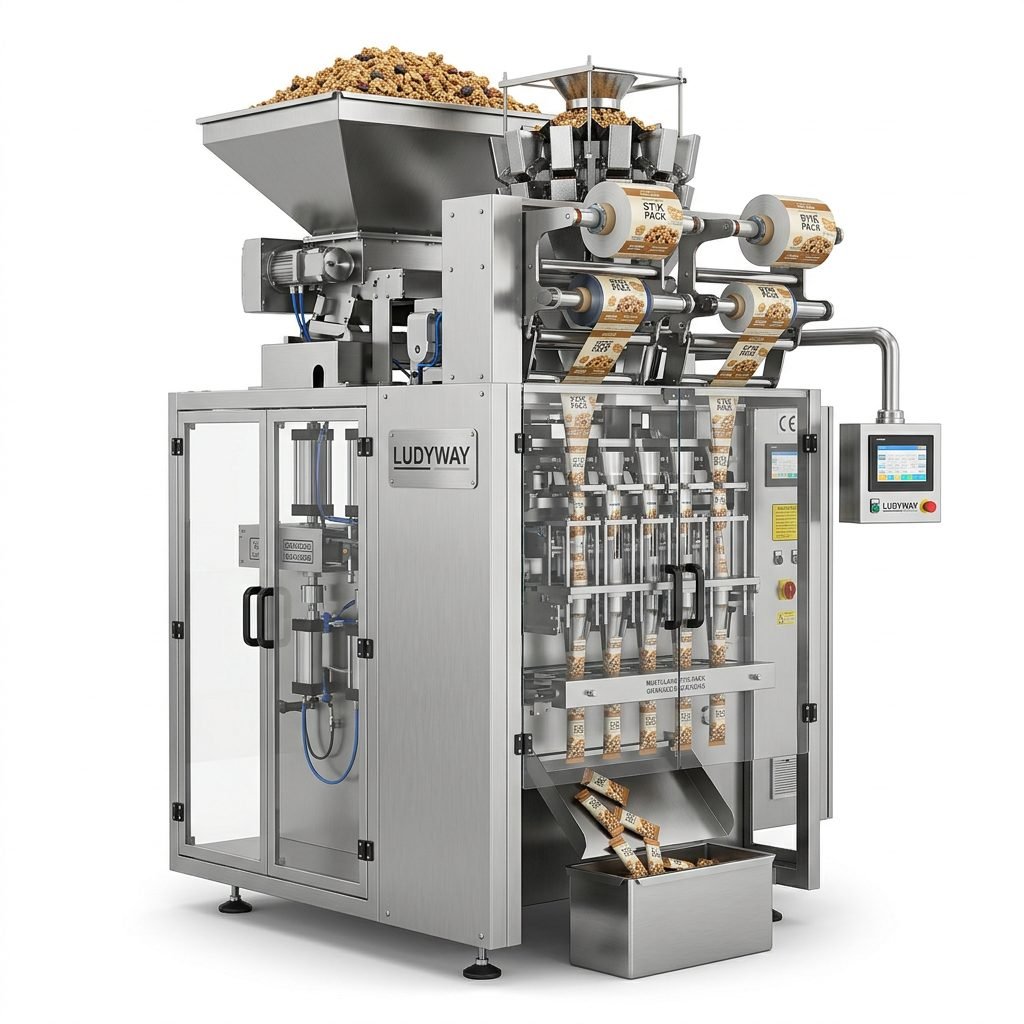
- Stick Pack Machine: Ideal for single-serve granola portions, a high-speed granola stick pack machine offers compact packaging with excellent shelf appeal.
- Flow Wrapper: Preferred for individually wrapped granola bars, providing hermetic seals that extend product shelf life in humid Oceania climates.
Secondary Packaging Systems
Beyond primary wrapping, efficient secondary packaging ensures product protection during distribution across Australia’s vast geography and New Zealand’s export channels. Automated cartoning machines, case packers, and robotic packaging systems streamline end-of-line operations and reduce manual labor dependency.
Step-by-Step Production Line Setup Process
Setting up a granola bar packaging line in Oceania involves several critical phases. Proper planning at each stage minimizes downtime and ensures regulatory compliance from day one.
- Conduct a production capacity analysis — Determine your target output (packs per minute), packaging formats, and future scalability requirements before selecting machinery specifications.
- Select suitable packaging materials — Work with local Oceania suppliers to source food-grade films that comply with FSANZ standards and sustainability targets.
- Design the factory floor layout — Optimize workflow from baking and cooling to primary packaging, secondary cartoning, and palletizing. Consider Oceania-specific workplace safety requirements under Safe Work Australia and WorkSafe New Zealand guidelines.
- Install and commission equipment — Engage qualified technicians for installation, calibration, and performance validation. Ensure all machinery meets local electrical and safety standards.
- Train operational staff — Develop comprehensive training programs covering machine operation, changeover procedures, quality control checks, and emergency protocols.
- Implement quality management systems — Establish HACCP-based protocols and integrate inspection equipment such as metal detectors and checkweighers into the production line.

Regulatory Compliance for Oceania Packaging Operations
Operating a granola bar packaging line in Australia and New Zealand requires adherence to a robust regulatory framework. Food Standards Australia New Zealand (FSANZ) governs all aspects of food packaging, including material safety, labeling requirements, and allergen declarations. Manufacturers must also comply with the Australia New Zealand Food Standards Code, which mandates clear ingredient listings and nutritional information panels.
Additional compliance considerations include:
- APCO (Australian Packaging Covenant Organisation) packaging sustainability targets
- Biosecurity regulations for any imported packaging materials or ingredients
- Country of origin labeling requirements under Australian Consumer Law
- New Zealand Ministry for Primary Industries (MPI) export certification for internationally shipped products
Equipment Specification Comparison
The following table provides a comparative overview of key machinery specifications relevant to granola bar packaging operations in Oceania. Selecting equipment that aligns with your production goals is essential for long-term operational efficiency.
| Machine Type | Typical Speed Range | Packaging Formats | Best Suited For |
|---|---|---|---|
| Vertical Form-Fill-Seal (VFFS) | 40–120 packs/min | Pillow packs, gusseted bags | Standard granola bar multipacks |
| Multi-Lane Stick Pack Machine | 200–600 packs/min | Single-serve stick packs | On-the-go granola portions |
| Horizontal Flow Wrapper | 60–150 packs/min | Individual bar wraps | Premium single-bar packaging |
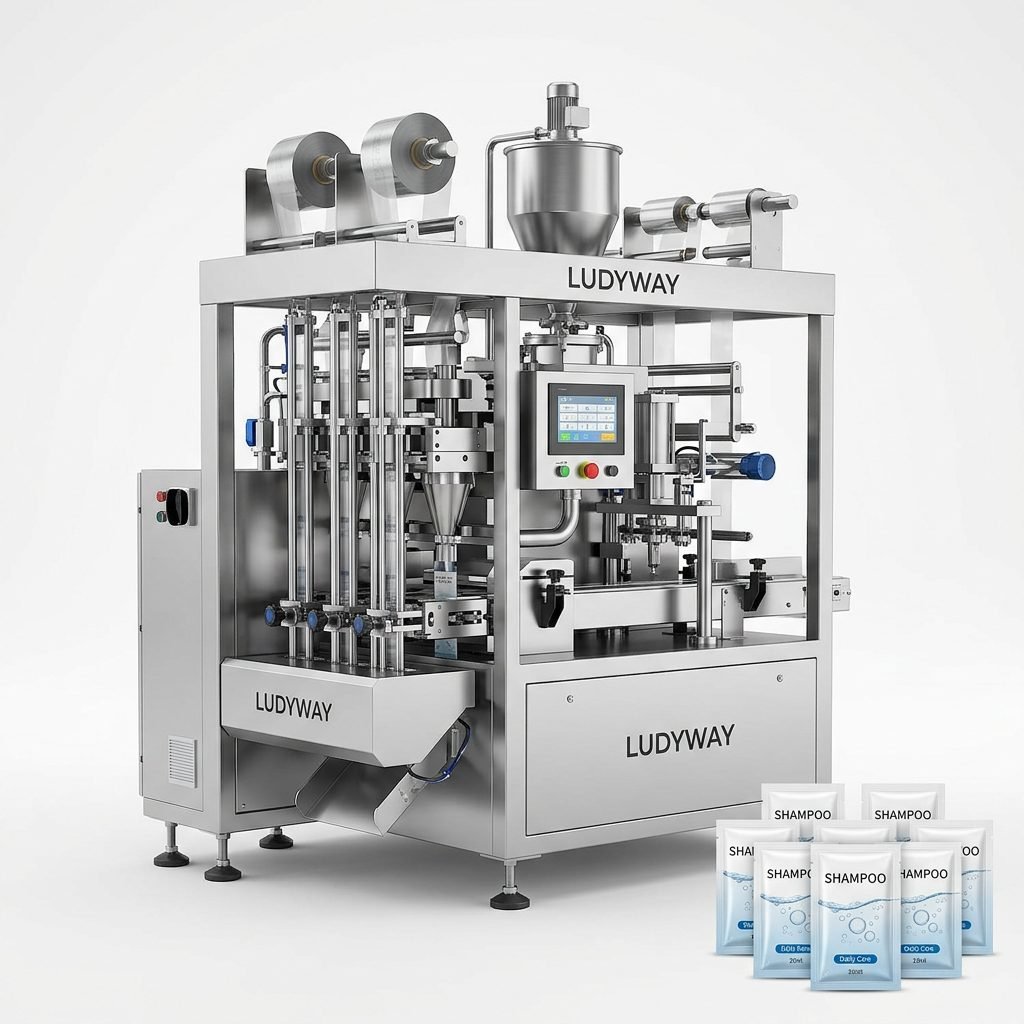
| Sachet Packaging Machine | 50–200 packs/min | Flat sachets, three-side seal | Sample packs, promotional formats |
| Automated Cartoning System | 10–30 cartons/min | Retail-ready cartons | Multipack retail presentation |

Cost Considerations and ROI Analysis
Investing in a granola bar packaging production line in Oceania involves a range of capital and operational expenditures. Equipment costs vary significantly based on automation level, speed requirements, and customization needs. A fully integrated turnkey packaging solution typically delivers faster ROI through reduced labor costs and higher throughput.
Key financial factors to evaluate:
- Initial capital outlay for primary and secondary packaging machinery
- Installation and commissioning expenses, including any factory modifications
- Ongoing maintenance contracts and spare parts inventory
- Energy consumption and utility costs specific to Oceania markets
- Labor savings achieved through automation compared to manual or semi-automatic lines
- Waste reduction through precise filling and efficient material usage
Choosing the Right Packaging Partner
Selecting a machinery supplier with proven experience in granola and snack bar applications is critical. Look for partners offering comprehensive after-sales support, readily available spare parts in the Oceania region, and technical service capabilities. Equipment reliability, hygienic design, and ease of changeover between different granola bar formats should be top priorities.
For manufacturers seeking reliable packaging machine manufacturer expertise, Ludyway provides advanced packaging equipment and turnkey production solutions with over 30 years of industry experience. With a modern 20,000㎡ manufacturing facility and more than 50 intelligent packaging machine models, the company serves customers in over 100 countries, delivering innovative and cost-effective packaging systems for granule, powder, and bar applications. Evaluating supplier capability through factory visits, client references, and trial runs with your actual granola products is strongly recommended before finalizing any procurement decision.

Oceania-Specific Operational Insights
Running a packaging line in Australia or New Zealand presents unique operational considerations. Climate control is essential, as granola bars are hygroscopic and can absorb moisture in humid coastal environments like Queensland or Auckland. Packaging machinery should be equipped with proper sealing technology to maintain product crispness and prevent spoilage during extended shelf life.
Workforce availability in remote Oceania locations may influence automation decisions. Fully automated packaging lines reduce reliance on skilled operators while maintaining consistent output quality. Additionally, aligning with packaging industry resources and standards ensures your production line meets globally recognized benchmarks for safety and efficiency.
Recommended Quality Control Measures
- Metal detection — Critical for detecting contaminants in granola mixes containing nuts and seeds
- Checkweighing — Ensures each pack meets labeled weight specifications under Oceania trade regulations
- Seal integrity testing — Verifies hermetic seals to prevent moisture ingress and maintain freshness
- Vision inspection systems — Automated detection of packaging defects, misprints, and label errors
- Gas flushing/modified atmosphere packaging (MAP) — Extends shelf life by reducing oxygen content inside sealed packs
Conclusion
Establishing a granola bar packaging machine production line in Oceania is a strategic investment that requires meticulous planning, the right equipment selection, and strict adherence to regional regulatory standards. By combining high-performance granola packaging equipment with sound operational practices, manufacturers can capture significant market share in Australia, New Zealand, and beyond. Prioritize automation, quality control, and supplier reliability to build a packaging operation that delivers consistent results and long-term profitability in this dynamic snack food sector.
For further guidance on packaging machinery standards, refer to the Flexible Packaging Association’s industry resources and the ISO packaging standards for internationally recognized compliance frameworks applicable across Oceania markets.