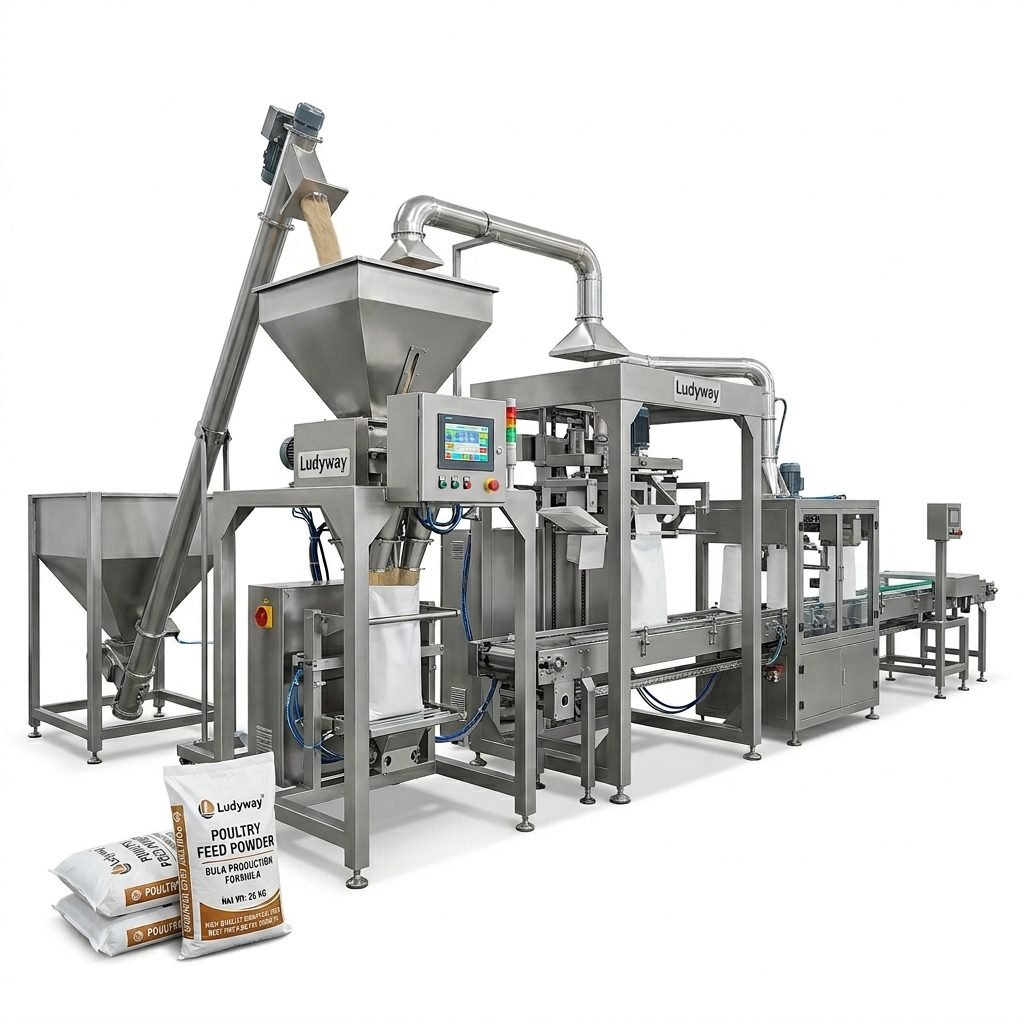
In the competitive world of confectionery production, efficiency, presentation, and hygiene are paramount. The right candy packaging machinery is not just a piece of equipment; it’s a strategic investment that directly impacts your brand’s marketability, operational costs, and product quality. Selecting the optimal packaging solution requires a deep understanding of the different types available, their core features, and how they align with your specific production goals.
Core Types of Candy Packaging Machinery
The confectionery industry utilizes a diverse range of packaging machines, each designed for specific formats and production volumes. Understanding these categories is the first step in making an informed choice.
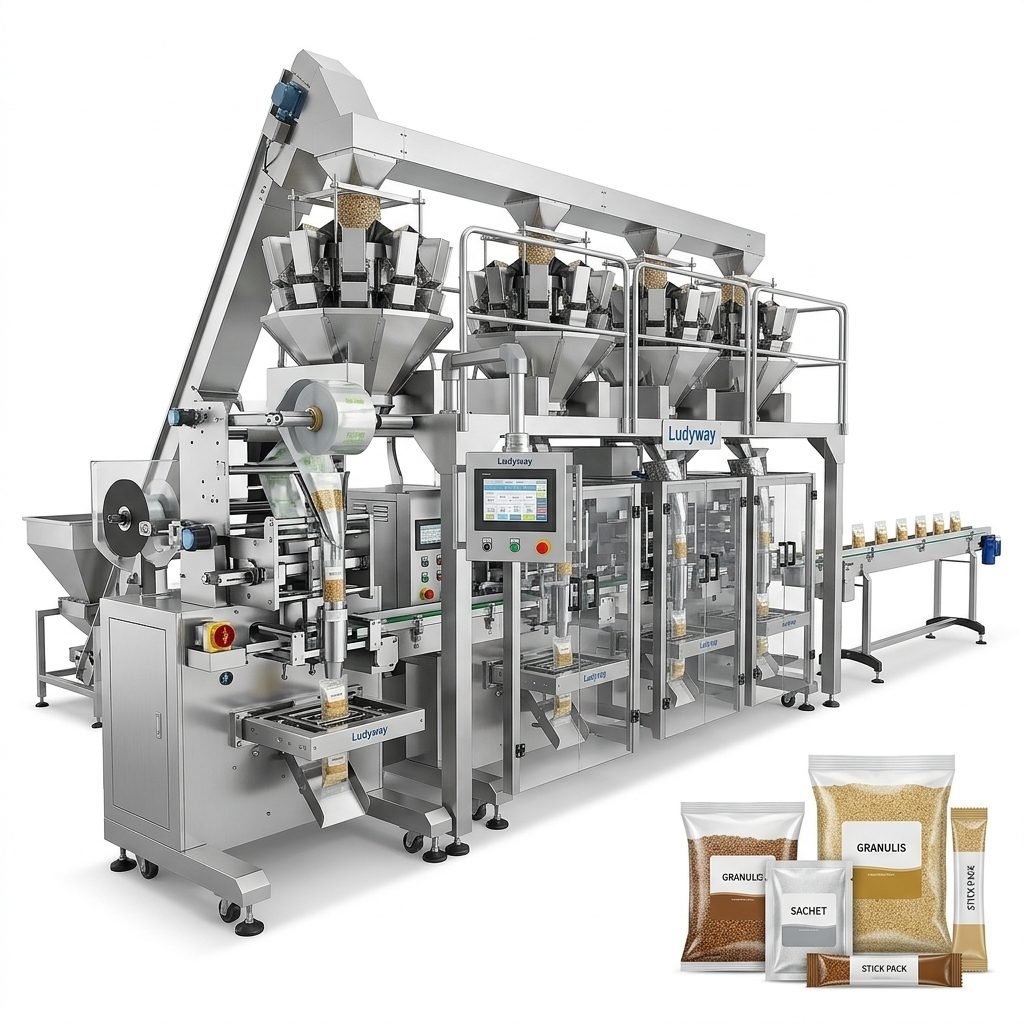
Vertical Form-Fill-Seal (VFFS) Machines
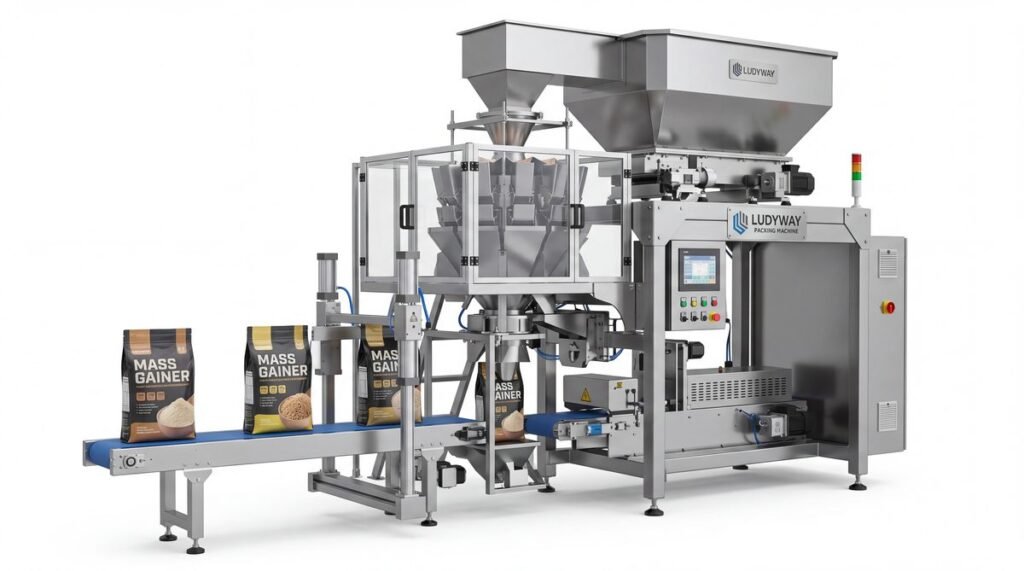
These are the workhorses of the industry, ideal for packaging loose candies like jelly beans, gummies, or hard candies into pillow bags, stand-up pouches, or gusseted bags. They form the bag from a roll of film, fill it with the product, and seal it in one continuous, high-speed operation. VFFS machines are celebrated for their versatility and efficiency in medium to high-volume production lines.
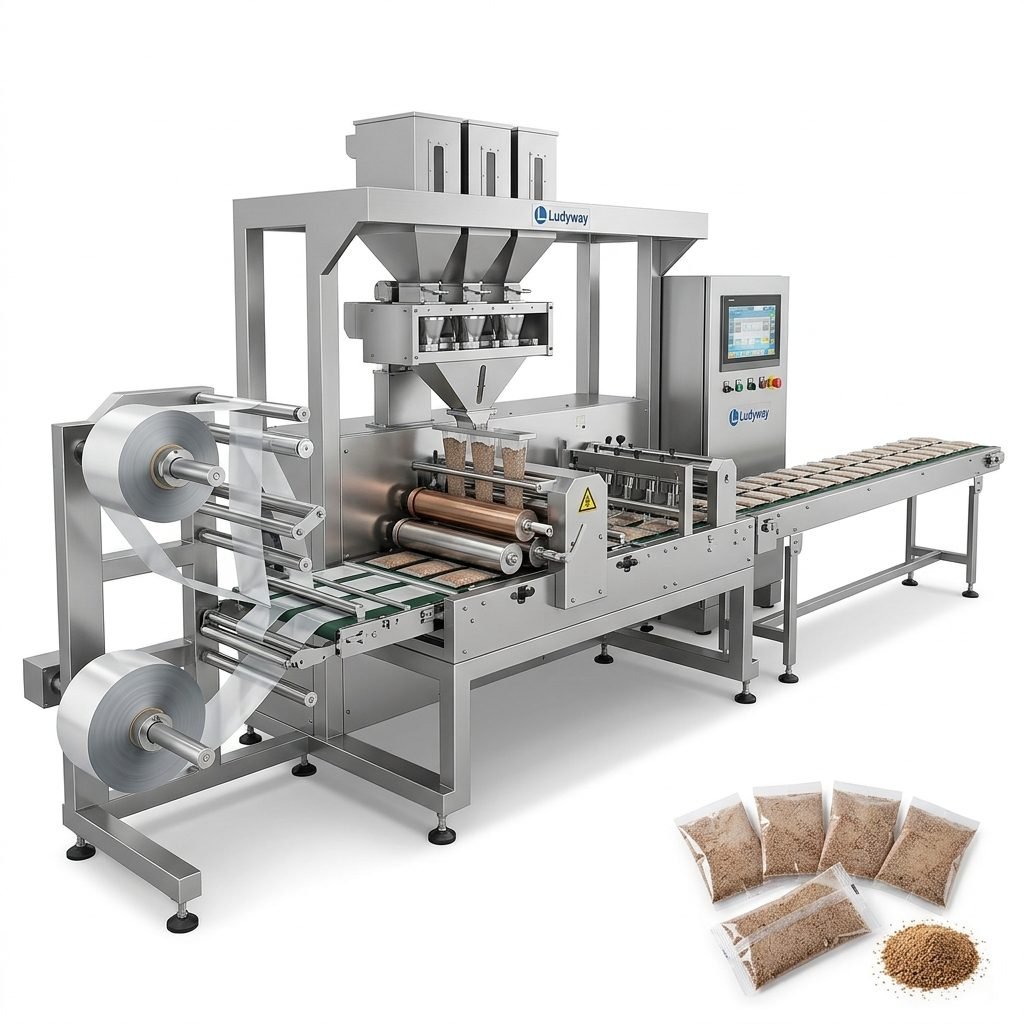
Horizontal Flow Wrappers
This type is perfect for wrapping individual candy bars, chocolate pieces, or bundles of stick candies. The product is placed on a flat web of wrapping material, which is then folded around it and sealed at the ends and back. Flow wrappers are known for their excellent seal integrity and attractive, tight wraps that enhance shelf appeal and protect against moisture and contaminants.
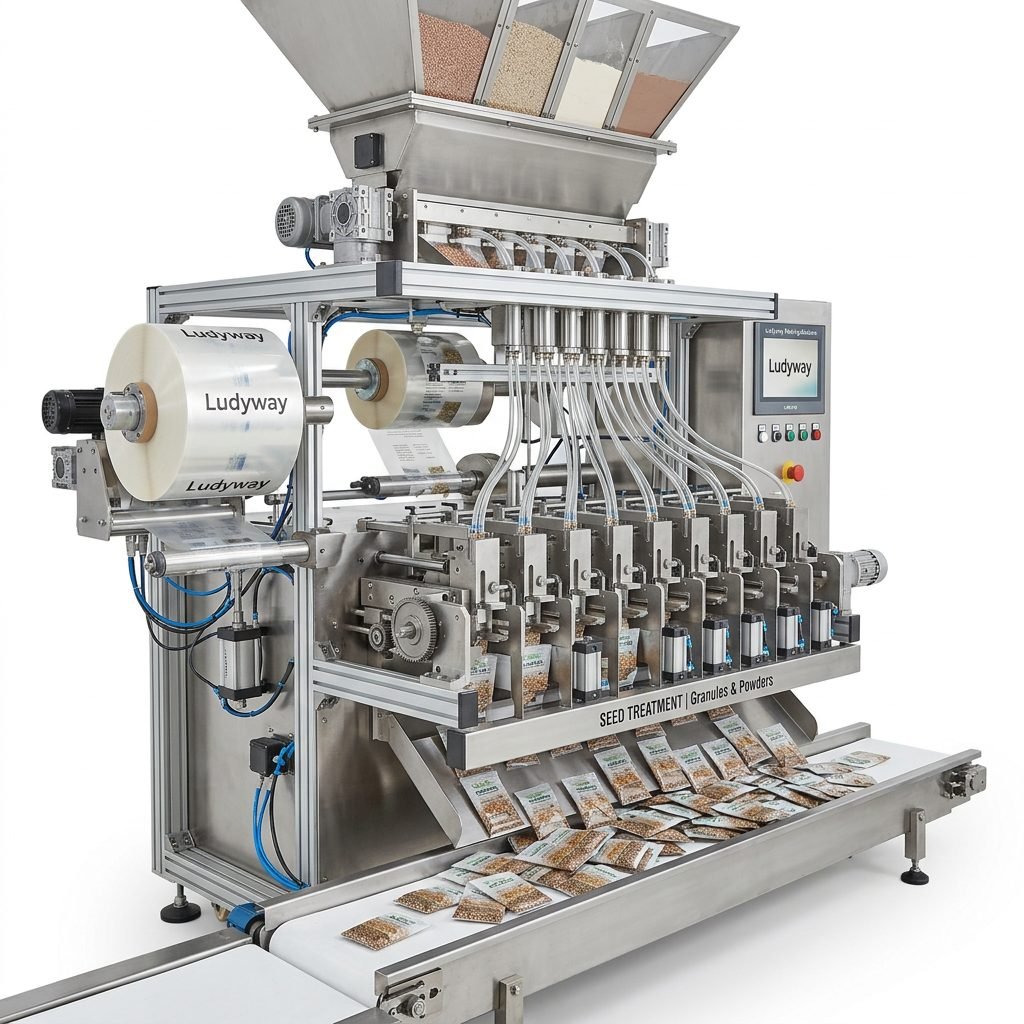
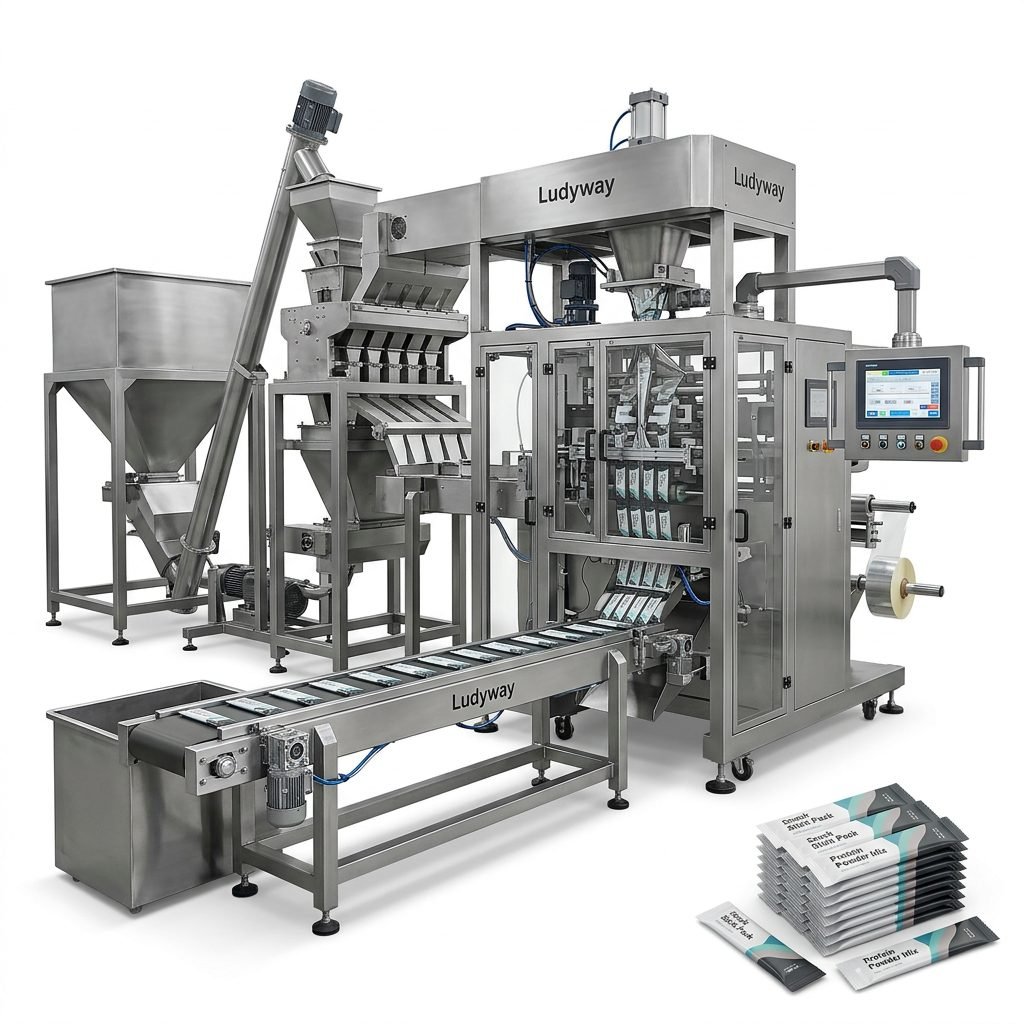
Stick Pack and Sachet Machines
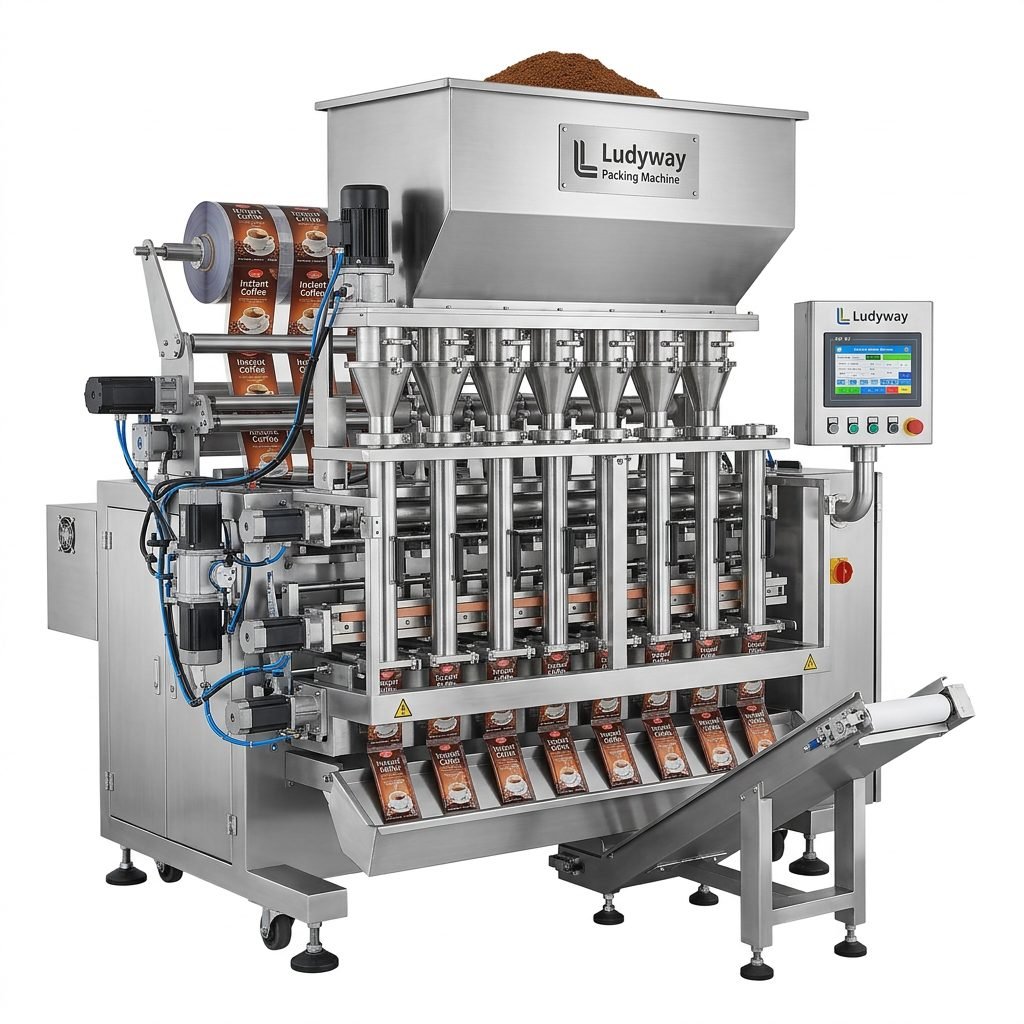
Increasingly popular for powdered candies, sugar strands, or small, uniform pieces, these machines create small, elongated packets. They are extremely efficient for single-serve portions and sample sachets. Modern multi-lane stick pack systems can produce a high volume of units per minute, making them a cost-effective solution for high-output needs.
Cartoning and Boxing Systems
After primary packaging, secondary packaging is crucial. Automatic cartoners erect, load, and seal boxes or cartons containing multiple packaged candy units. These systems integrate seamlessly with primary packagers to create a fully automated line, drastically reducing labor and ensuring consistent, professional presentation for shipping and retail display.
Essential Features to Evaluate
Beyond the basic type, several key features differentiate a good machine from a great one that will serve your business for years.
Automation Level and Integration
Modern machinery offers varying degrees of automation. From semi-automatic machines requiring an operator to load product, to fully automated lines with robotic pick-and-place systems, weigh fillers, and vision inspection systems. Seamless integration with upstream (e.g., cooling tunnels) and downstream (e.g., cartoners) equipment is vital for maximizing line efficiency.
Material Compatibility and Flexibility
The best machine for your operation must handle your chosen packaging materials flawlessly. This includes various laminates (metallized, transparent), biodegradable films, and recyclable materials. Quick changeover capabilities between different bag sizes or film types are critical for manufacturers running multiple product lines, minimizing downtime.
Precision and Control Systems
Accurate filling is non-negotiable. Look for machines with advanced servo-driven technology for precise film feeding and cutting. Modern touch-screen PLC (Programmable Logic Controller) interfaces allow for easy recipe storage, parameter adjustment, and provide valuable production data and diagnostics, simplifying operation and maintenance.
Hygiene and Cleanability Design
Food-grade manufacturing demands impeccable hygiene. Machines designed with stainless steel contact parts, smooth surfaces without crevices, and easy-access panels for cleaning and sanitization are essential. This design philosophy helps meet stringent food safety standards like HACCP and reduces contamination risks.
How to Choose the Best Solution for Your Production
Selecting the ideal candy packaging machinery is a multi-faceted decision. Follow this structured approach to ensure your investment delivers the expected return.
1. Define Your Production Requirements
Start with a clear analysis of your current and future needs. What is your required output speed (bags/per minute)? What are your primary package types and sizes? What is the physical nature of your candy (sticky, dusty, fragile)? Projecting your growth over the next 3-5 years will help you choose a machine with adequate capacity and flexibility, preventing premature obsolescence.
2. Assess Your Budget and Total Cost of Ownership (TCO)
Look beyond the initial purchase price. Consider the Total Cost of Ownership, which includes factors like energy consumption, required consumables (film, spare parts), maintenance costs, and the labor needed to operate the machine. A slightly higher initial investment in a more efficient, reliable, and easier-to-maintain machine from a reputable supplier like Ludyway Machinery often results in significantly lower long-term costs and higher uptime.
3. Prioritize Supplier Support and Service
The machine is only as good as the support behind it. Evaluate the supplier’s reputation, their availability for installation, training, and technical support. Check the warranty terms and the availability of spare parts. A partner with proven industry experience and a global service network is invaluable for minimizing downtime and ensuring your production runs smoothly. Companies with deep expertise, such as those with over 30 years in packaging solutions, bring reliability and practical knowledge to the partnership.
4. Request a Live Demonstration or Trial
Never buy based on specifications alone. If possible, provide a sample of your actual candy product and packaging material to the supplier for a live machine test or trial run. This is the best way to verify performance, sealing quality, speed, and compatibility. Observing the machine in action with your product provides confidence that it will meet your expectations on your factory floor.
5. Consider Future-Proofing and Scalability
Invest in a platform that can grow with you. Can the machine be easily upgraded or integrated with additional modules (e.g., checkweighers, metal detectors, coding systems)? Choosing a modular system from a provider known for customized automation solutions allows you to start with a core unit and expand functionality as your business and product range evolve.
Frequently Asked Questions (FAQs)
What is the typical lead time for a new candy packaging machine?
Lead times vary based on machine complexity and customization. Standard models may ship in 4-8 weeks, while fully customized turnkey lines can require 12-20 weeks or more. It’s crucial to discuss timelines early in the planning process with your supplier.
Can one machine handle different types of candy and package sizes?
Many modern machines are designed for flexibility. With features like quick-change film rolls and adjustable forming tools, a single VFFS or flow wrapper can often handle a range of similar product types and sizes. However, significant changes in product format (e.g., from loose granules to solid bars) usually require a different machine type.
How important is after-sales service when choosing a supplier?
Extremely important. Reliable, responsive after-sales service is critical for maintenance, troubleshooting, and obtaining genuine spare parts. It directly impacts your machine’s lifespan and production uptime. Prioritize suppliers with a strong, documented service record and readily available technical support.
What are the key maintenance routines for these machines?
Daily cleaning and visual inspection are essential. Regular maintenance includes lubricating moving parts (with food-grade lubricants), checking and replacing sealing jaws or blades as they wear, and calibrating scales or fill systems. Always follow the manufacturer’s specific maintenance schedule outlined in the manual.
Are there packaging solutions for sustainable or compostable materials?
Yes, the market is rapidly adapting. Many newer machines are engineered to run bio-based, compostable, or recyclable mono-material films. It is vital to test your chosen sustainable material on the specific machine to ensure it feeds, forms, and seals correctly, as these materials often have different handling properties than conventional plastics.