Selecting the right food packaging machine for your production needs in Nicaragua requires a clear understanding of your product characteristics, target market expectations, and operational goals. Whether you are packaging coffee, sugar, spices, sauces, or snack foods, the right equipment can significantly improve your production efficiency, reduce waste, and ensure consistent product quality. Nicaragua’s growing food processing sector, particularly in coffee, cocoa, and processed snacks, demands packaging solutions that can handle diverse product types while meeting international quality standards.
This guide walks you through the essential factors to evaluate when choosing a packaging machine, helping you make an informed investment that aligns with your business objectives and the specific conditions of the Nicaraguan market.

1. Understand Your Product Characteristics
The first and most critical step is to analyze the physical properties of the product you intend to package. Different products require different filling mechanisms and packaging configurations.
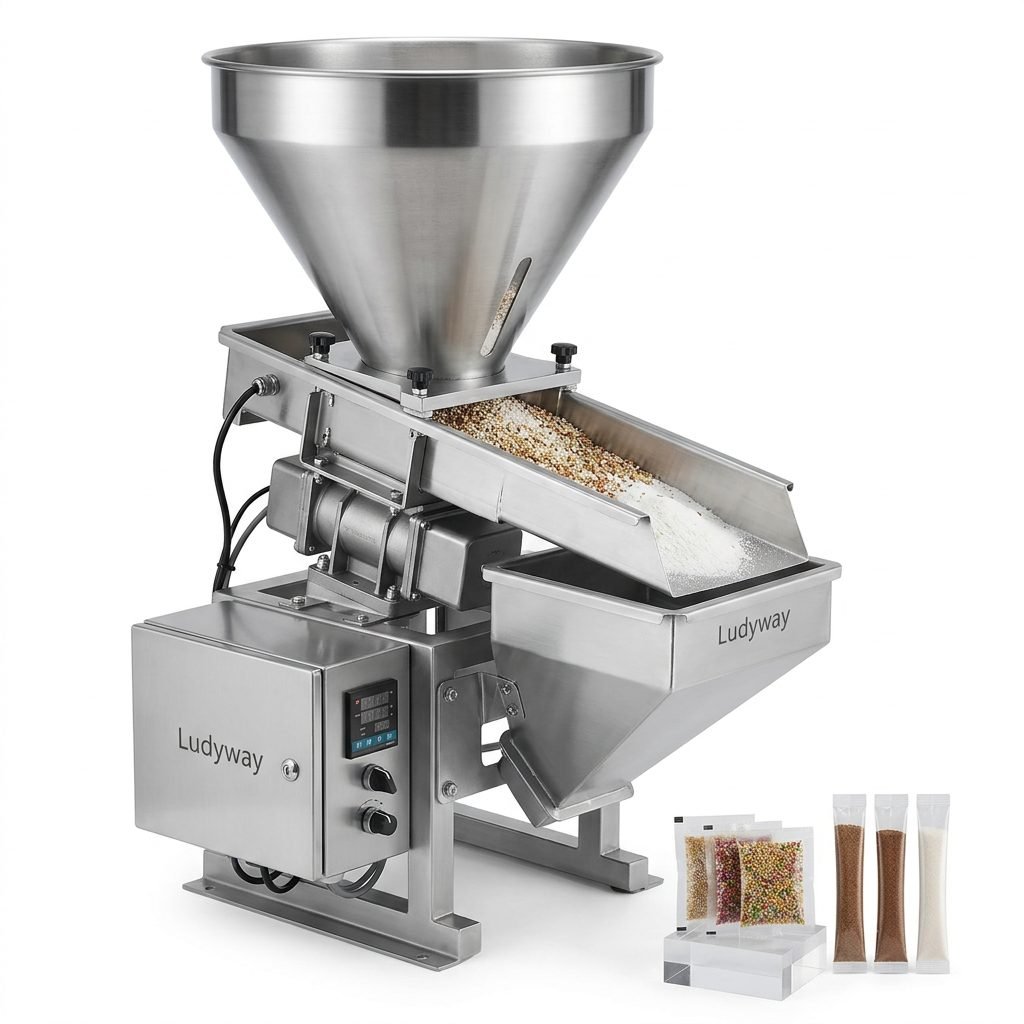
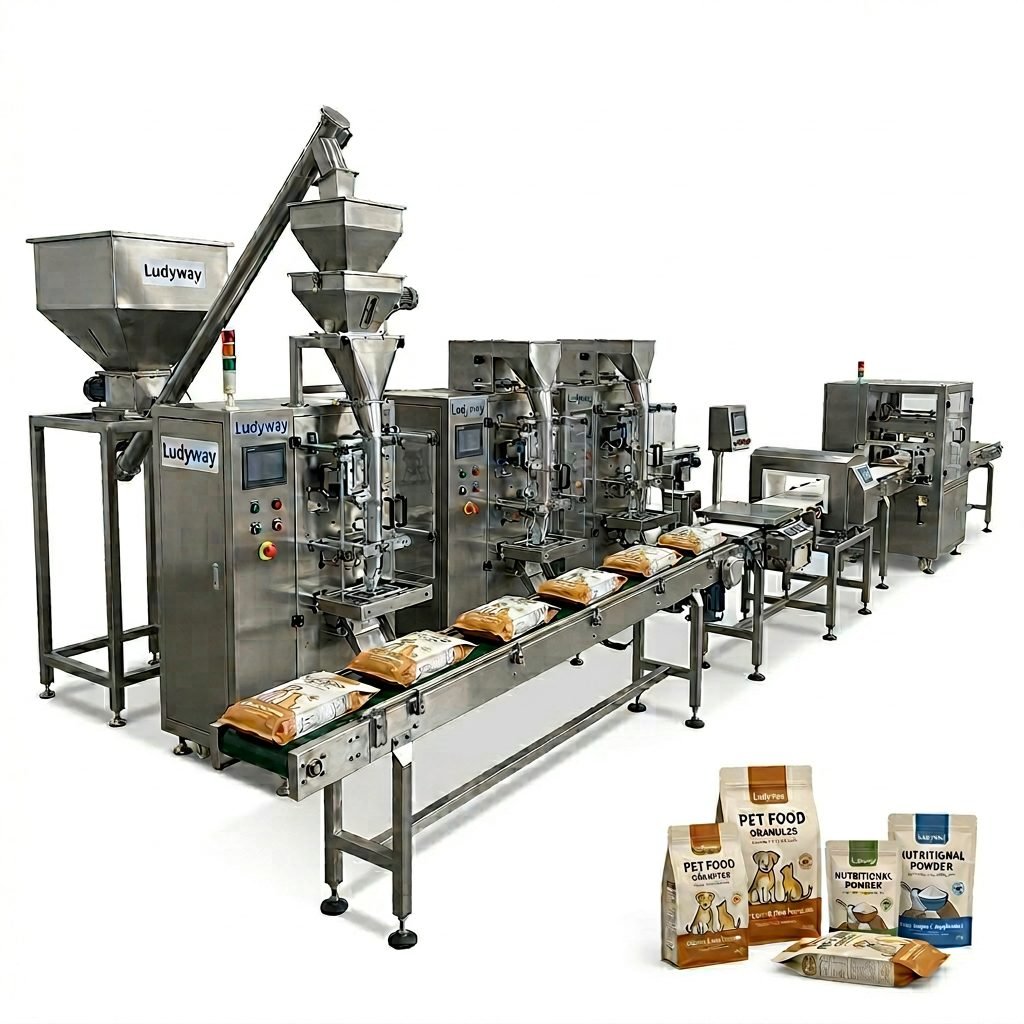
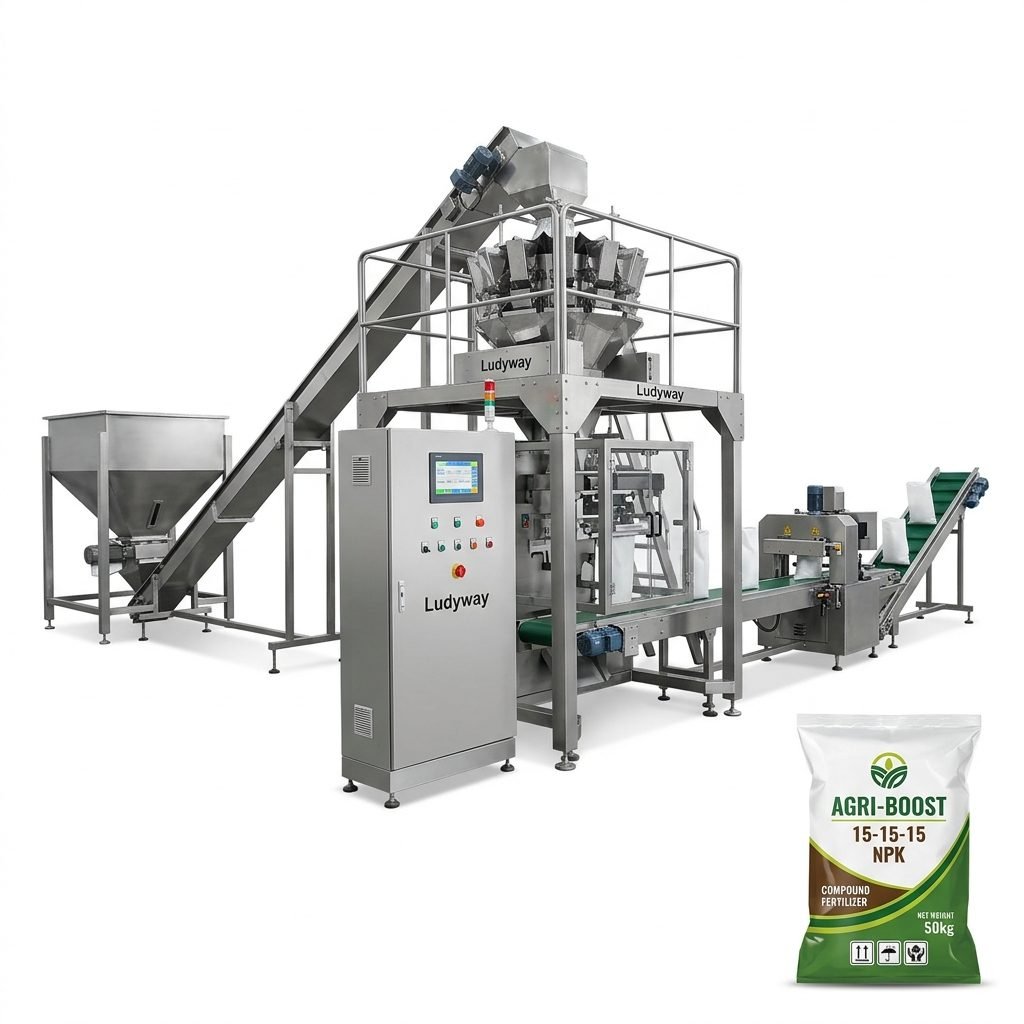
- Granules: Products like coffee beans, sugar, rice, salt, and seeds flow freely and are typically packaged using volumetric cup fillers or multi-head weighers for precise portion control.
- Powders: Items such as flour, cocoa powder, milk powder, and spices require auger fillers to handle dust generation and ensure accurate dosing without product loss.
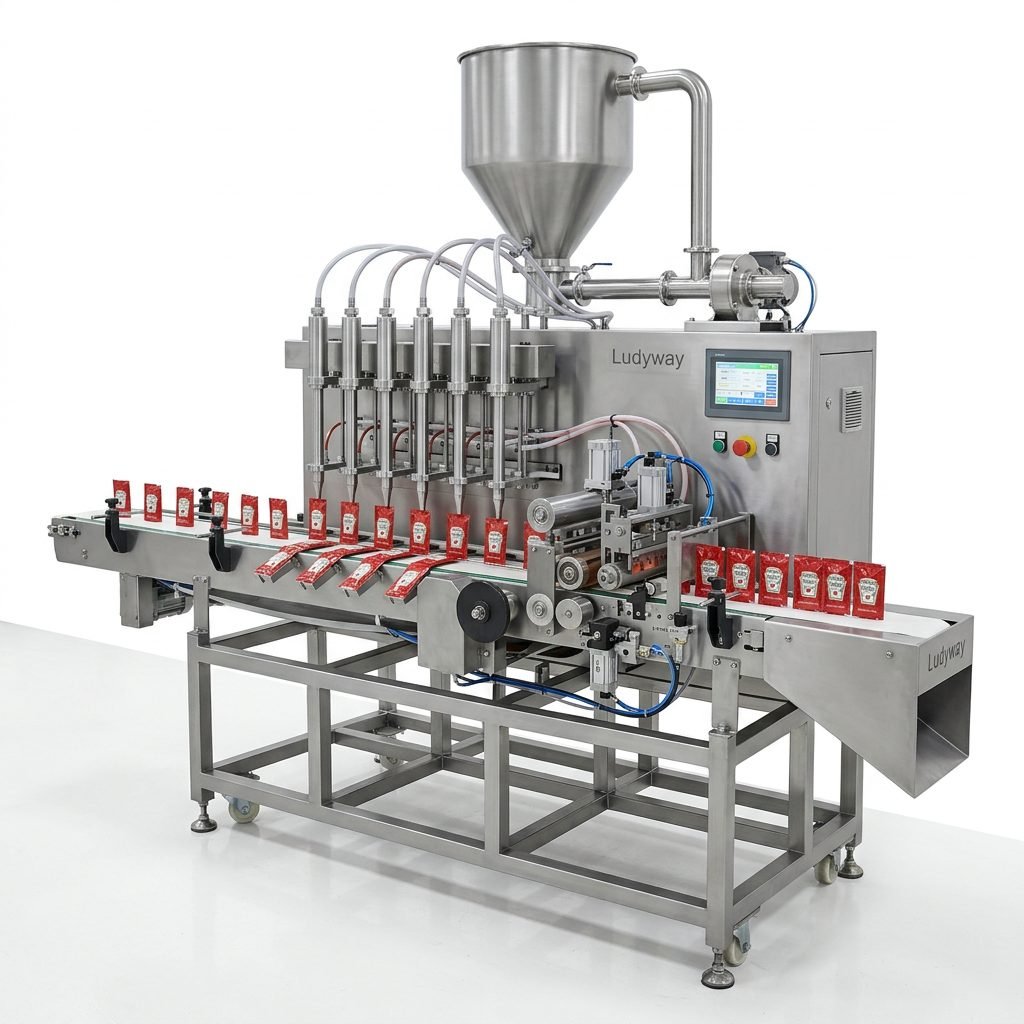
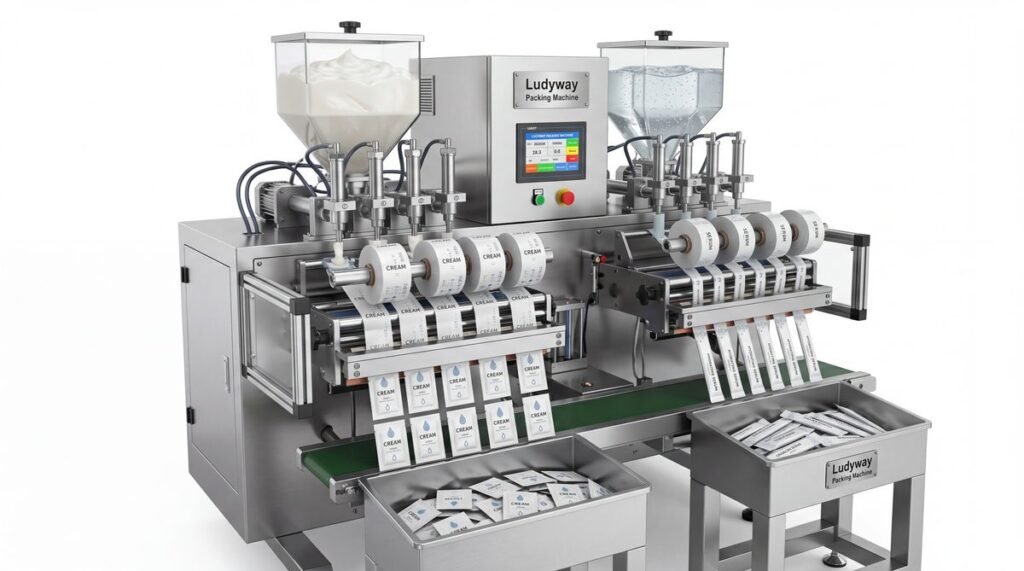
- Liquids and Pastes: Sauces, oils, honey, and gels need piston fillers or peristaltic pumps to manage viscosity variations and prevent dripping or spillage.
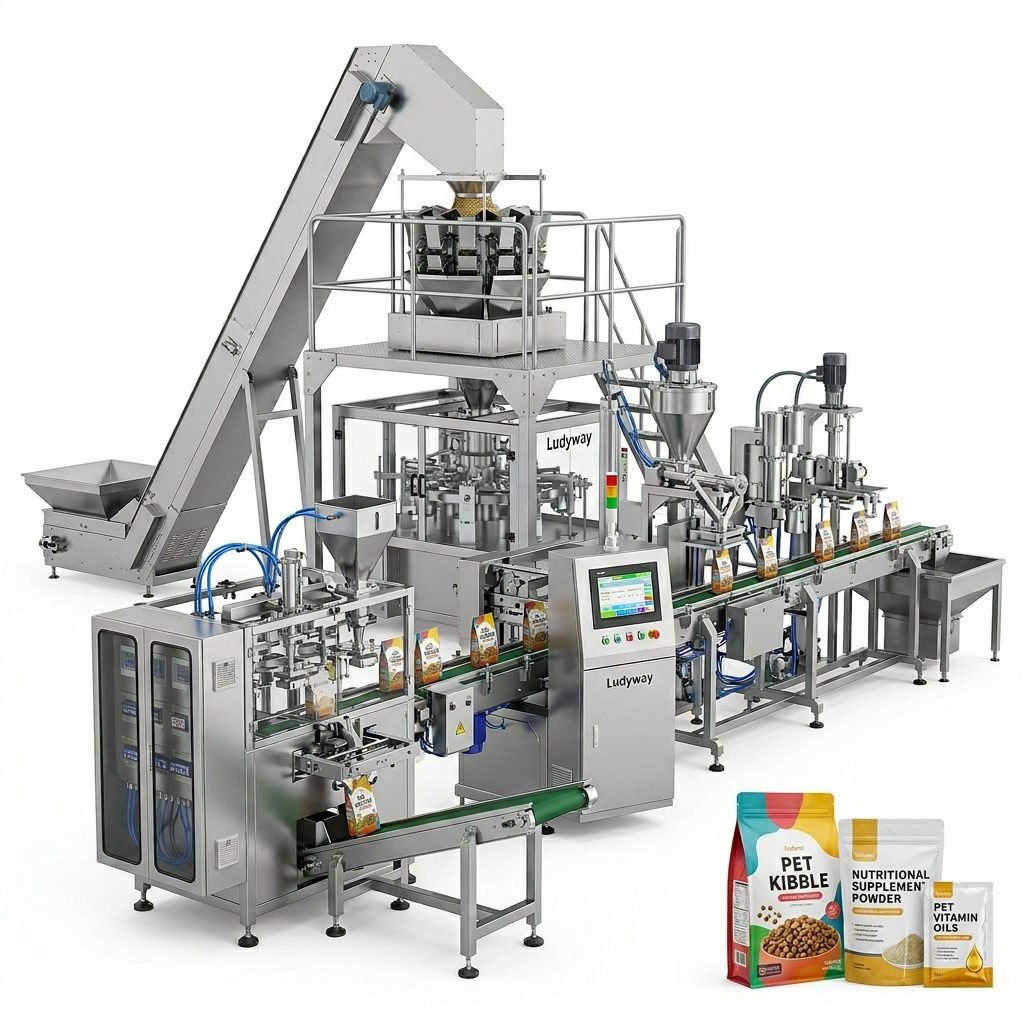
- Combination Products: If your product line includes multiple formats, consider a versatile packaging system that can switch between granule, powder, and liquid configurations with minimal downtime.
Understanding your product’s flowability, moisture sensitivity, and particle size will help you narrow down the appropriate filling technology and avoid costly mismatches.
2. Choose the Right Packaging Format
Nicaragua’s retail landscape includes traditional markets, supermarkets, and a growing export sector. Your packaging format should reflect both consumer preferences and distribution channel requirements.
- Sachet packaging is widely used for single-serve portions of sugar, salt, coffee, and condiments — popular in both local and regional markets.
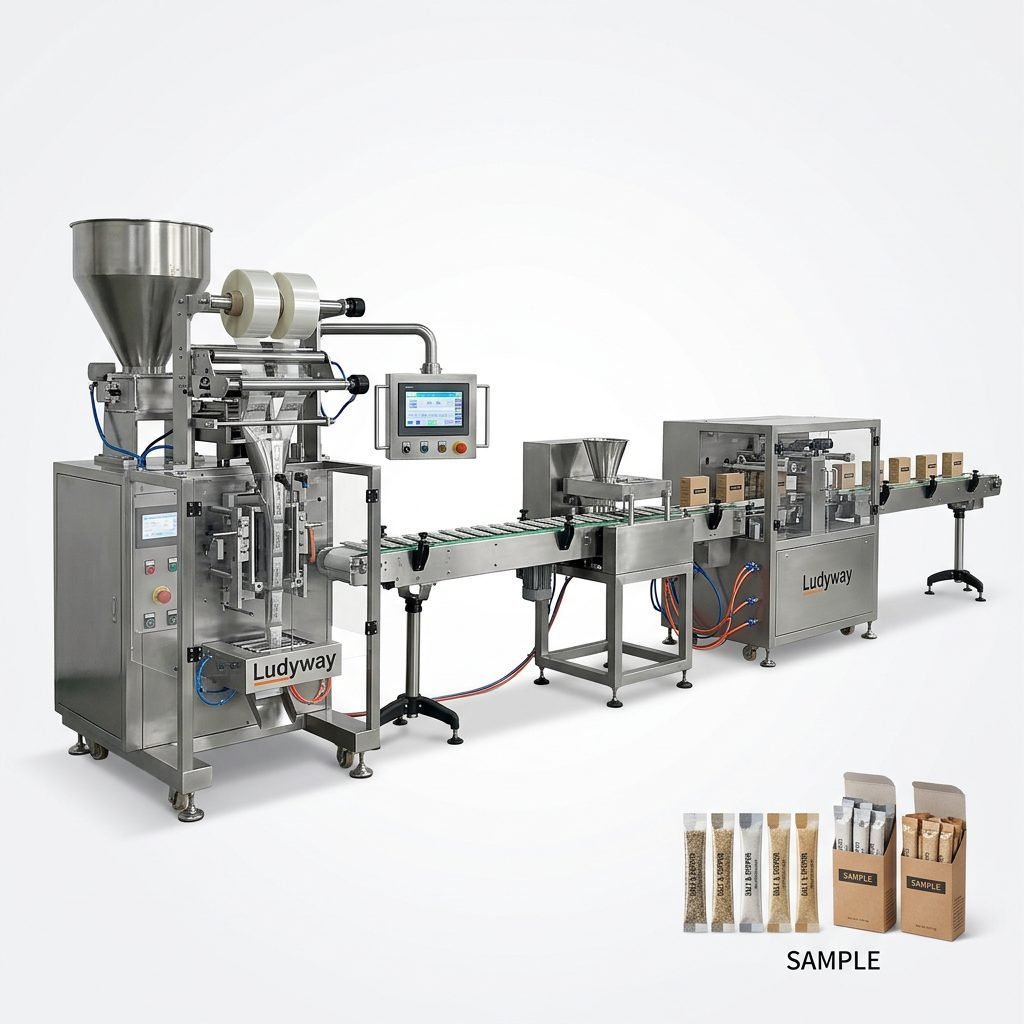
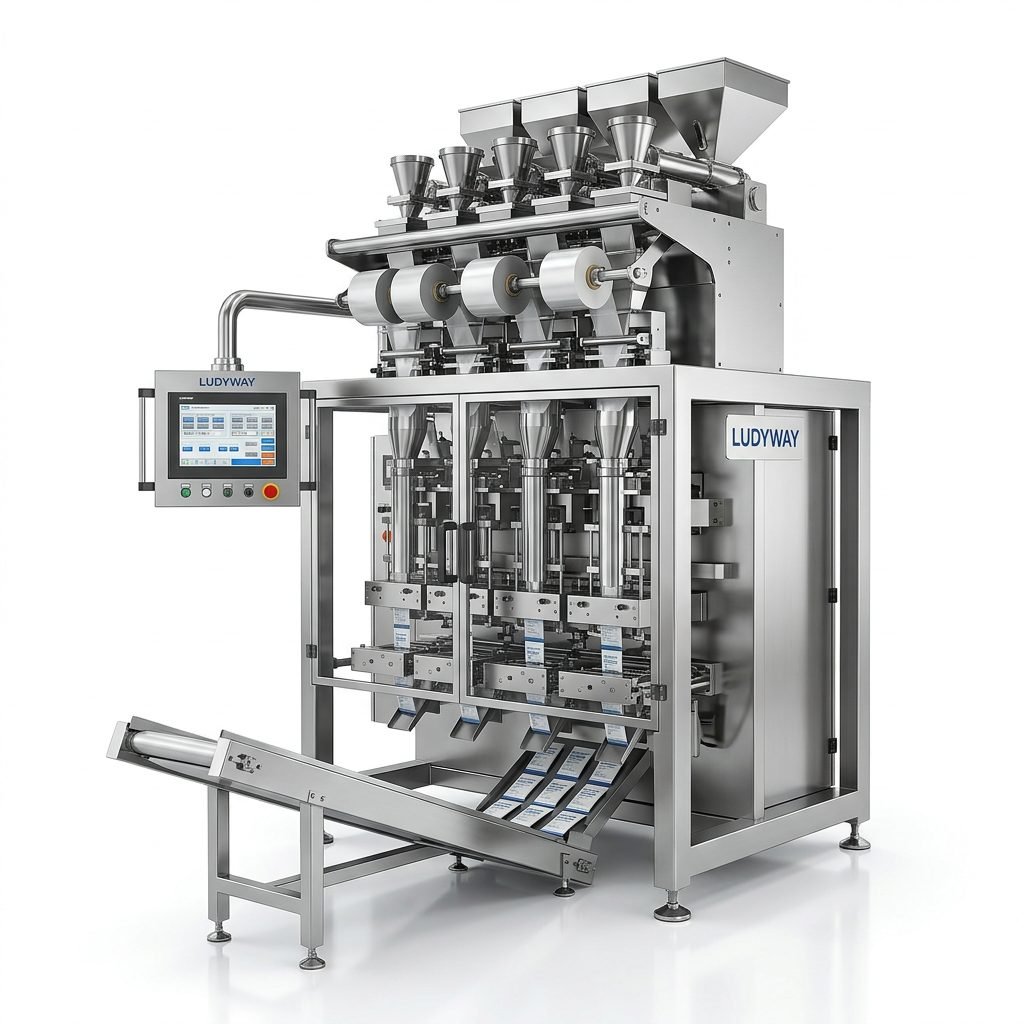
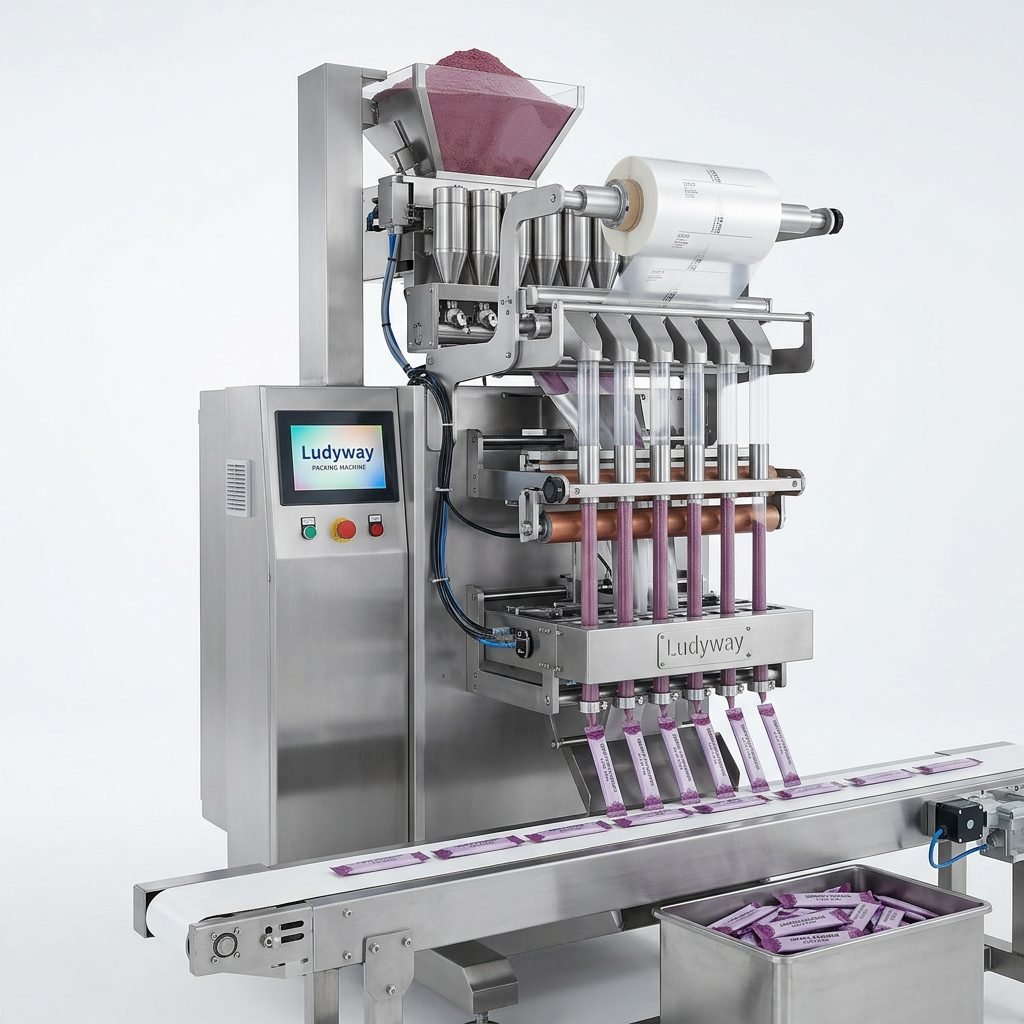
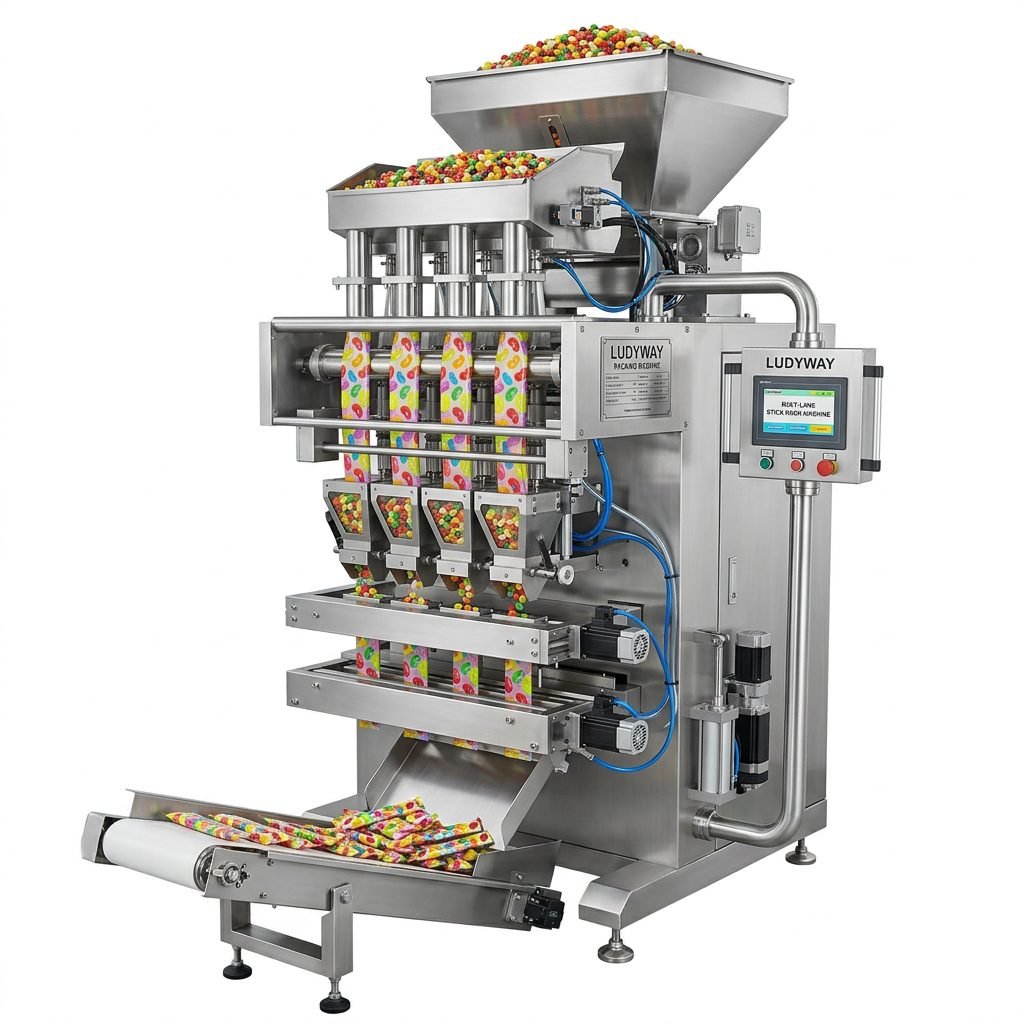
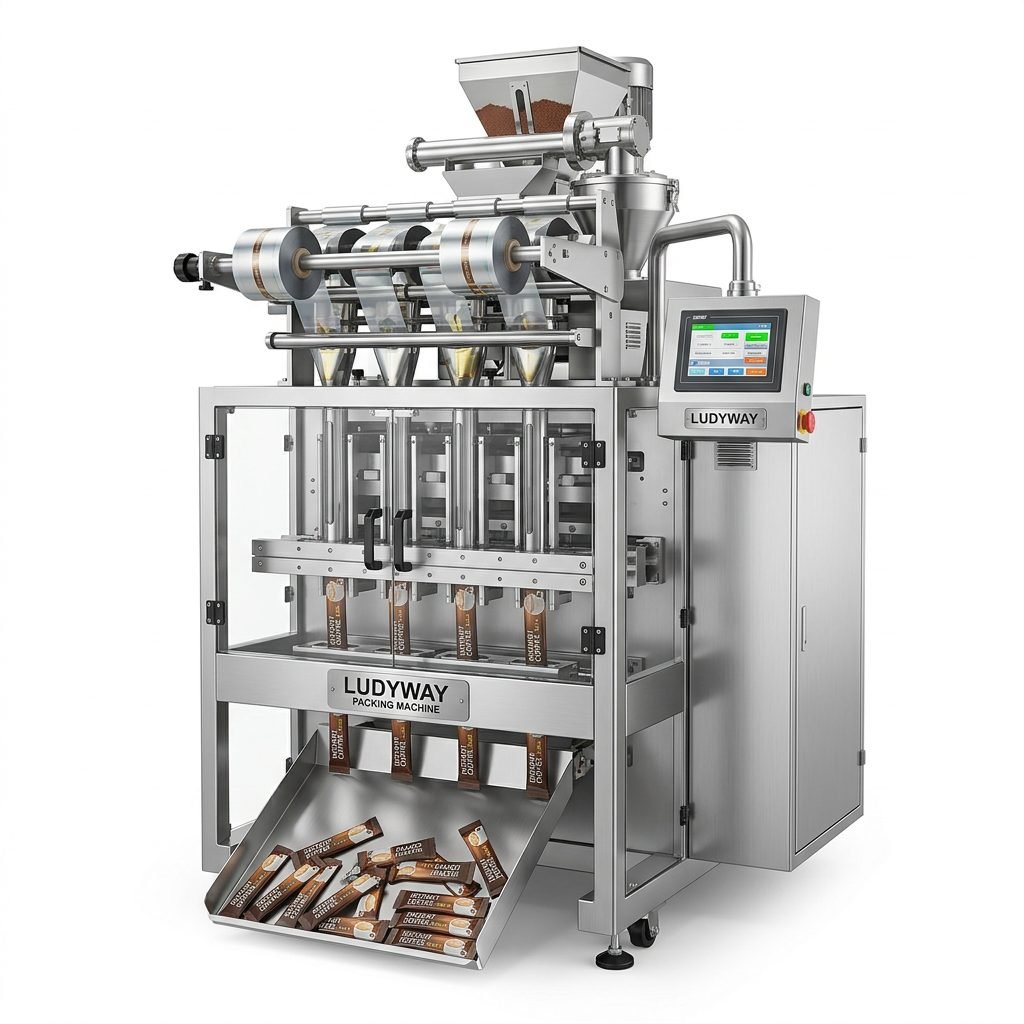
- Stick pack machines are ideal for products like instant coffee, drink mixes, and sweeteners, offering convenient, portable packaging that appeals to modern consumers.
- Pouch packaging with resealable zippers is gaining popularity for snacks, dried fruits, and pet foods, providing longer shelf life and improved product protection.
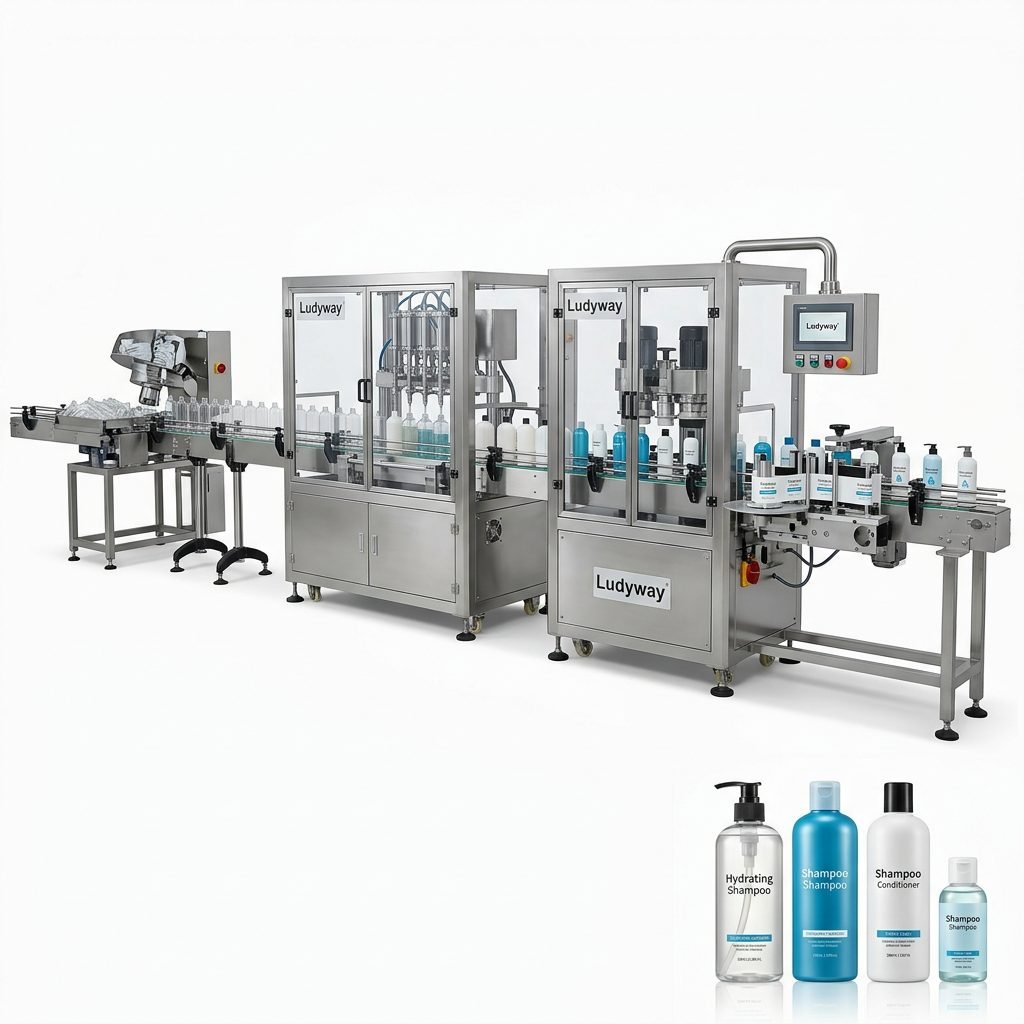
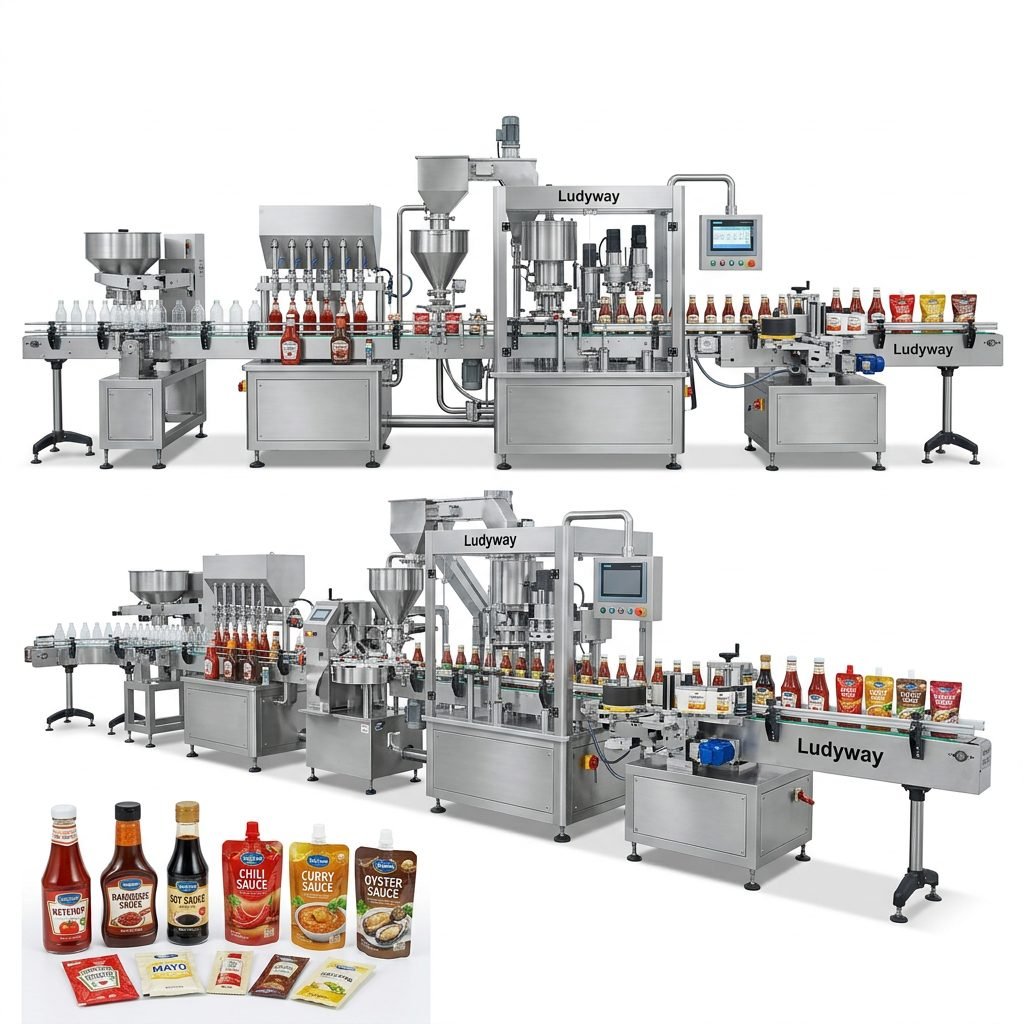
- Bottle and jar filling lines are essential for sauces, honey, and liquid products destined for retail shelves.
Pay attention to flexible packaging trends that influence consumer purchasing decisions, including eco-friendly materials and convenient resealable features.
3. Evaluate Production Capacity and Speed Requirements
Your current and projected production volume should dictate the speed and automation level of your packaging machine. A small artisanal coffee roaster in Matagalpa will have very different needs compared to a large-scale sugar processor exporting to Central American markets.
- Low-volume production: A single-lane packaging machine may be sufficient for startups and small businesses, offering affordability and ease of operation.
- Medium to high-volume production: Multi-lane packaging systems can run 4 to 12 lanes simultaneously, dramatically increasing output while maintaining consistent seal quality.
- Fully automated lines: Integration with automatic feeding systems, checkweighers, metal detectors, and cartoning machines creates a seamless production flow that minimizes manual handling.
When calculating capacity, factor in Nicaragua’s seasonal production cycles for agricultural products like coffee and sugar, which may require peak-season throughput that exceeds average monthly volumes.
4. Consider Budget, ROI, and Total Cost of Ownership
While the initial purchase price is important, a comprehensive cost analysis should include installation, training, spare parts, and ongoing maintenance. A machine with a higher upfront cost but lower total cost of ownership often delivers better long-term value.
- Evaluate energy consumption — machines with efficient motors and optimized heating systems reduce operational costs over time.
- Consider changeover time between product runs, as faster changeovers increase overall equipment effectiveness.
- Assess the availability of spare parts and whether the manufacturer can ship components quickly to Nicaragua.
- Look for remote diagnostic capabilities that allow technicians to troubleshoot issues without an on-site visit, reducing downtime.
5. Comply with Food Safety Regulations and Standards
Nicaragua’s food industry operates under regulations that align with regional Central American standards and international best practices. Your packaging equipment must support hygienic production and comply with relevant food safety requirements.
Key considerations include:
- Food-grade materials for all product contact surfaces, typically stainless steel 304 or 316.
- Compliance with food contact substances regulations for export-oriented production.
- Easy-to-clean designs that prevent cross-contamination between production batches.
- Integration with metal detection and checkweighing systems for quality assurance.
If you plan to export to the United States or Europe, your packaging processes should meet FDA, EU, or Codex Alimentarius standards, which may influence your machine selection and documentation requirements.
6. After-Sales Support, Training, and Local Service
Reliable after-sales support is essential, especially when importing equipment into Nicaragua. Before making a purchase, verify the manufacturer’s service capabilities in the region.
- Does the supplier offer installation and commissioning services at your facility?
- What training programs are available for your operators and maintenance staff?
- Is there remote technical support via video calls or online diagnostics to resolve issues quickly?
- What is the warranty coverage, and how are spare parts shipped to Nicaragua?
Partnering with a supplier that has experience serving Latin American markets can significantly reduce the learning curve and operational risks associated with new equipment installation.
Product Type and Recommended Packaging Solutions
The table below provides a quick reference for matching common Nicaraguan food products with suitable packaging machine types. Use this as a starting point for discussions with equipment suppliers.
| Product Category | Common Examples | Recommended Machine Type | Ideal Packaging Format |
|---|---|---|---|
| Coffee & Cocoa | Ground coffee, instant coffee, cocoa powder | Multi-lane stick pack / sachet machine | Stick pack, sachet, pouch |
| Sugar & Sweeteners | Granulated sugar, brown sugar, stevia | Granule packaging machine | Sachet, stick pack, bulk bag |
| Spices & Seasonings | Black pepper, cumin, chili powder, seasoning blends | Powder packaging machine with auger filler | Sachet, pouch |
| Sauces & Condiments | Hot sauce, ketchup, mayonnaise, soy sauce | Liquid packaging machine with piston filler | Sachet, pouch, bottle |
| Snack Foods | Plantain chips, nuts, dried fruits, trail mix | Granule multi-lane packaging system | Stick pack, pouch with zipper |
| Liquid Beverages | Fruit juices, energy drinks, liquid coffee | Liquid filling and sealing line | Bottle, sachet, stick pack |
| Bakery Ingredients | Flour, baking powder, yeast, cake mixes | Powder sachet / pouch packaging machine | Sachet, pouch, bulk bag |
7. Making the Final Decision
Choosing the right food packaging machine is a strategic decision that affects your product quality, brand reputation, and bottom line. Take the time to evaluate multiple suppliers, request sample packaging tests with your actual products, and visit reference installations if possible. A reputable manufacturer should be willing to demonstrate their equipment’s capabilities and provide detailed documentation on performance specifications.
For businesses in Nicaragua looking to scale their packaging operations, the right equipment partner can make a significant difference. Ludyway offers a comprehensive range of packaging machines suited for the food industry, with expertise in granule, powder, liquid, and multi-lane packaging systems that can be tailored to your specific production requirements.
Remember to consider future scalability — a modular packaging system that can be upgraded as your business grows will protect your investment and support long-term expansion plans. With careful evaluation of product characteristics, packaging formats, production capacity, regulatory requirements, and after-sales support, you can select a machine that drives efficiency and positions your products competitively in both Nicaragua’s domestic market and international export channels.
Additional Resources
Stay informed about packaging industry standards and best practices through these authoritative resources:
- PMMI Business Intelligence — Packaging machinery market research and industry reports.
- FDA Packaging and Food Contact Substances — Regulatory guidance for food packaging materials.
- ISO Packaging Standards — International standards for packaging machinery and materials.
- Flexible Packaging Association — Industry insights and sustainability resources for flexible packaging.
- PACK EXPO International — Leading packaging trade show for discovering new technologies.